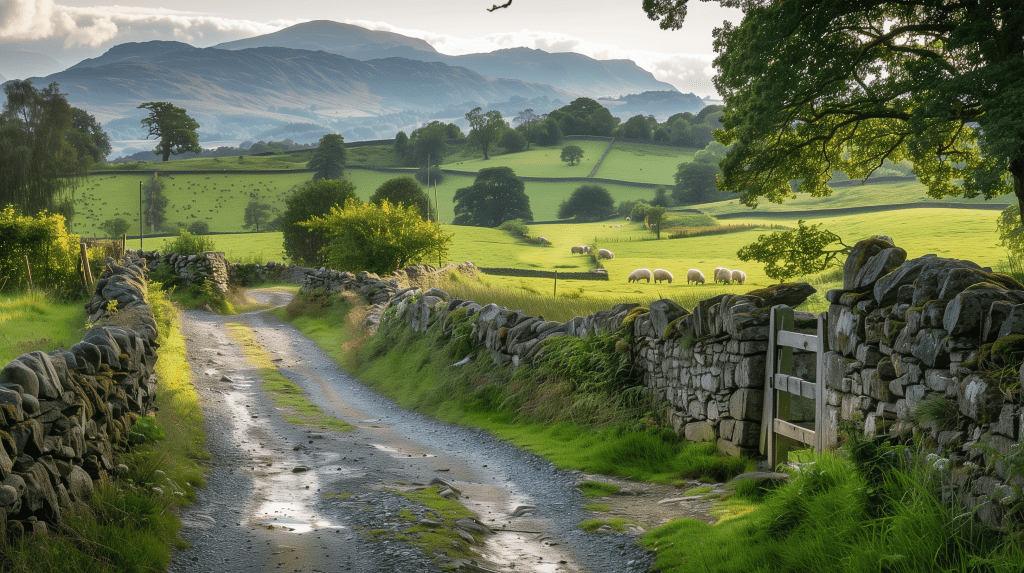
Location: A peaceful trail in the Lake District National Park. Emily, a park ranger and weekend guide, is waiting by a stone wall as Sarah, a tourist, arrives.
Scene 1: The First Meeting – Exploring Lake District Architecture

Sarah: (approaching with a smile) Hi, Emily! Thanks so much for meeting me today. This place is incredible—I’ve been admiring the stone walls and those whitewashed cottages all morning.
Emily: (smiling warmly) Hi, Sarah! I’m glad you made it. The Lake District is full of hidden gems like these. The whitewashed walls are pretty distinctive, aren’t they? It’s a tradition that goes back centuries, meant to brighten up the homes during our, well, not-so-sunny days.
Sarah: (nodding) That makes sense. I’ve always been fascinated by how architecture adapts to the environment. These cottages seem so in tune with the landscape, like they’ve always been a part of it.
Emily: Exactly. That’s one of the things that makes this area so special. The local stone and slate, the way the buildings blend with the hills… it’s all about harmony with nature. Today, I thought we’d start with some of the older homes in the area. Many of them have been standing here for over a century, and each has its own story.
Sarah: (enthusiastic) That sounds perfect. I’m really interested in the history of these buildings—how they’ve been preserved and how people live in them today.
Emily: (starting to walk) You’ll love it, then. We’ll head to a small village nearby where the cottages are particularly well-preserved. I can show you how the architecture has evolved, but also how it’s stayed true to its roots.
Sarah: (walking alongside) I can’t wait. I’ve always felt that buildings tell their own stories, and I’m excited to hear what these cottages have to say.
Emily: (nodding) They really do. And this area is full of stories—about the people who built these homes, lived in them, and preserved them. By the way, have you ever seen inside one of these cottages? Some of them still have original features like open fireplaces and flagstone floors.
Sarah: (intrigued) No, I haven’t! That sounds amazing. I’d love to see what they’re like on the inside.
Emily: (smiling) Well, you’re in luck. One of the cottages we’ll visit today is open for a quick tour. It’ll give you a real sense of how people lived here over the years.
Sarah: (excited) That’s exactly what I was hoping for. This is going to be such an inspiring day!
Emily: (leading the way) I’m sure it will be. Let’s get started—there’s so much to explore.
場景一: 初次會面——探索湖區建築

地點: 英國湖區國家公園的一條寧靜小徑旁。艾米莉(Emily)是公園護林員兼周末導遊,她正等候著一位叫莎拉(Sarah)的遊客。
莎拉: (面帶微笑地走近)嗨,艾米莉!非常感謝你今天帶我參觀。這裡真是太美了——我整個早上都在欣賞這些石牆和那些粉刷成白色的小屋。
艾米莉: (溫暖地微笑)嗨,莎拉!很高興你能來。湖區到處都是像這樣的隱秘瑰寶。那些白色的牆壁很有特色,對吧?這是一個傳承了幾個世紀的傳統,用來在我們不那麼陽光明媚的日子裡讓房屋顯得更明亮。
莎拉: (點頭)確實如此。我一直對建築如何適應環境感到著迷。這些小屋看起來與周圍的景觀如此協調,就像它們一直是這裡的一部分一樣。
艾米莉: 沒錯。這正是這個地區如此特別的原因之一。本地的石材和石板,以及建築與群山的融合……這一切都是關於與自然的和諧。今天,我想我們可以從附近的一些老房子開始。它們中的許多已經屹立了一個多世紀,每一棟都有自己的故事。
莎拉: (興奮)聽起來很棒。我對這些建築的歷史非常感興趣——它們是如何被保存下來的,以及今天人們是如何生活在其中的。
艾米莉: (開始走路)你一定會喜歡的。我們會去一個保存得特別好的小村莊。我可以向你展示建築是如何演變的,但也會展示它們是如何忠於其根源的。
莎拉: (走在旁邊)我迫不及待了。我一直認為建築物會講述自己的故事,我很期待聽聽這些小屋的故事。
艾米莉: (點頭)確實如此。而且這個地區充滿了故事——關於建造這些房屋的人,他們的生活,以及他們如何保存這些房屋。順便問一下,你有沒有見過這些小屋的內部?其中一些仍然保留著原有的特色,比如開放式壁爐和石板地板。
莎拉: (好奇)沒有,我沒見過!這聽起來太棒了。我很想看看它們的內部是什麼樣的。
艾米莉: (微笑)那你很幸運。我們今天要參觀的一座小屋可以開放參觀。它會讓你真正感受到這些年來人們是如何在這裡生活的。
莎拉: (興奮)這正是我所希望的。這將是一次非常有啟發的旅行!
艾米莉: (帶路)我相信會是的。我們出發吧——有很多東西可以探索。
以下是適合沙拉和艾米莉參觀時的對話,提供英文和繁體中文版本,並附上場景二的標題:
Scene 2: Exploring the Historic Cottage – A Glimpse into the Past
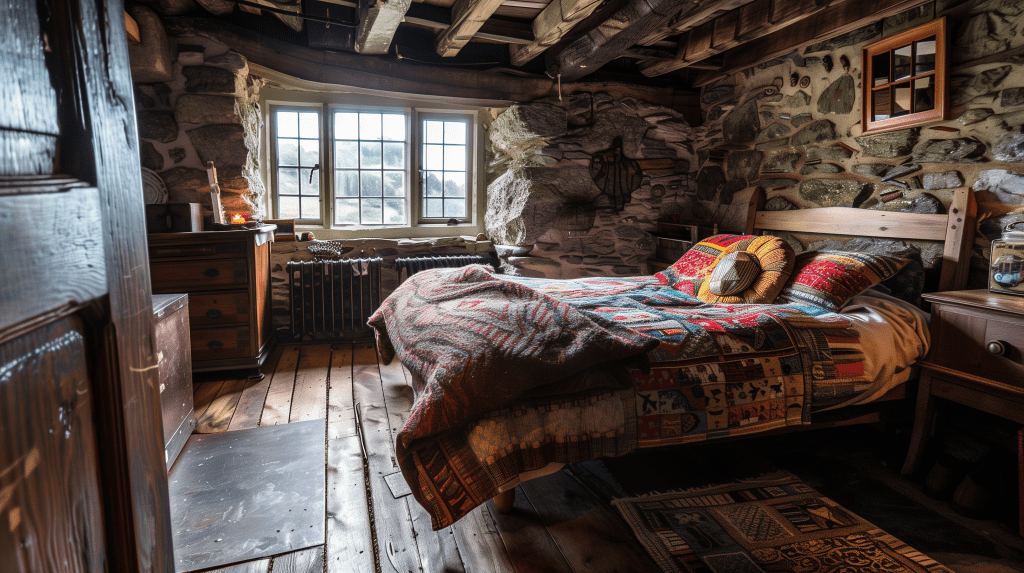
Location: Inside a centuries-old Lake District cottage, with exposed stone walls and wooden beams.
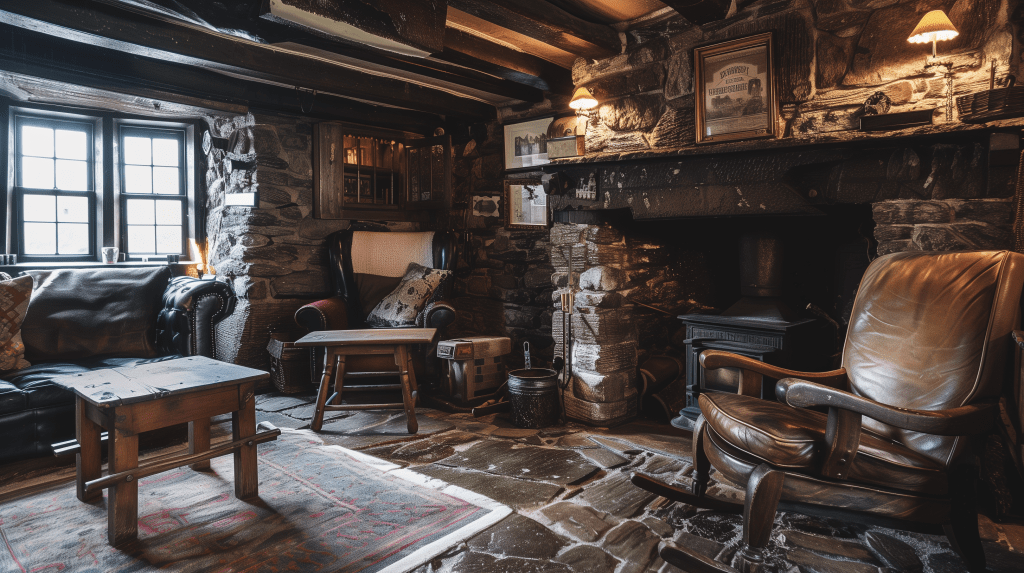
Sarah: (running her hand over the rough stone wall) Wow, you can really feel the history in this place. These walls must have so many stories to tell.
Emily: (nodding) Absolutely. This cottage has been standing for over two hundred years. The families that lived here likely depended on the land for their livelihood, and the cottage reflects that simplicity and connection to nature.
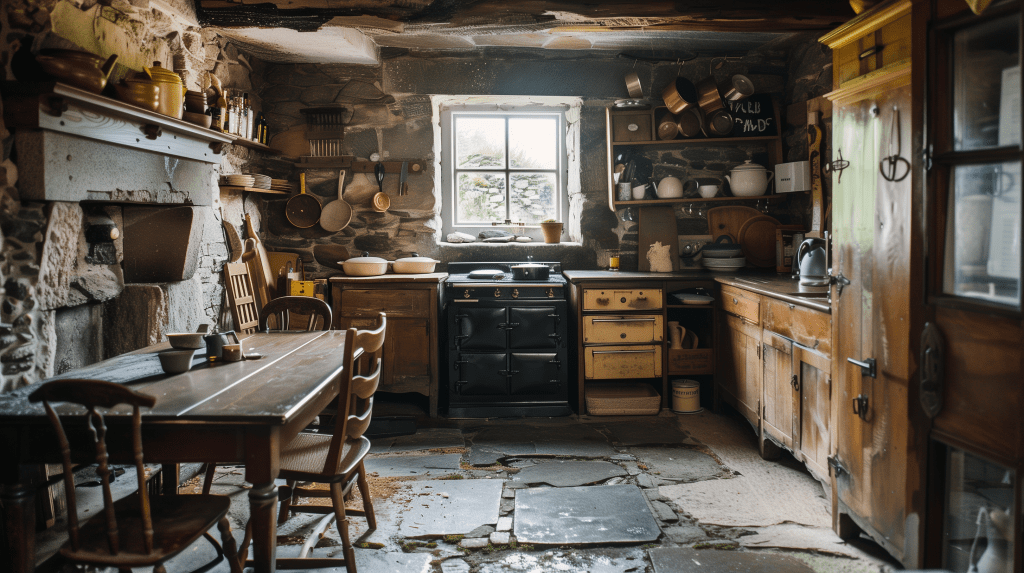
Sarah: (glancing around) I love how everything here feels so authentic and unpretentious. The exposed beams, the uneven stone floor… it’s like stepping back in time.
Emily: That’s one of the charms of these old cottages. They were built to last, using local materials that have weathered the years beautifully. The whitewashed exterior is more about practicality than style—it helps brighten up the interior during those long, grey winters.
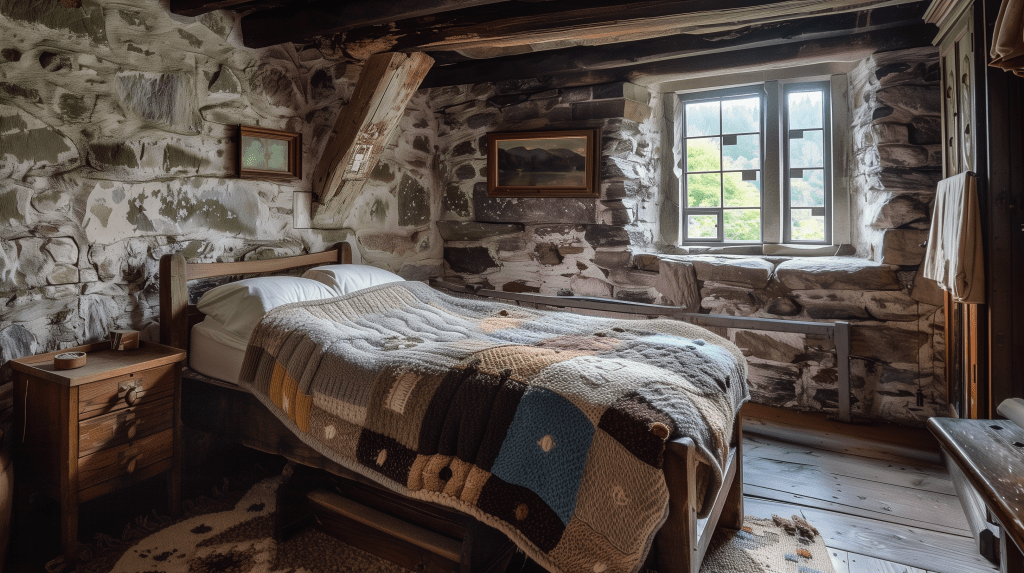
Sarah: (smiling) It’s incredible to think about how people lived here, making do with what they had. And yet, there’s a timeless beauty to it all.
Emily: (gesturing to the fireplace) And that fireplace would have been the heart of the home, providing warmth and a place to cook. It’s fascinating to see how these homes were designed around the necessities of life.
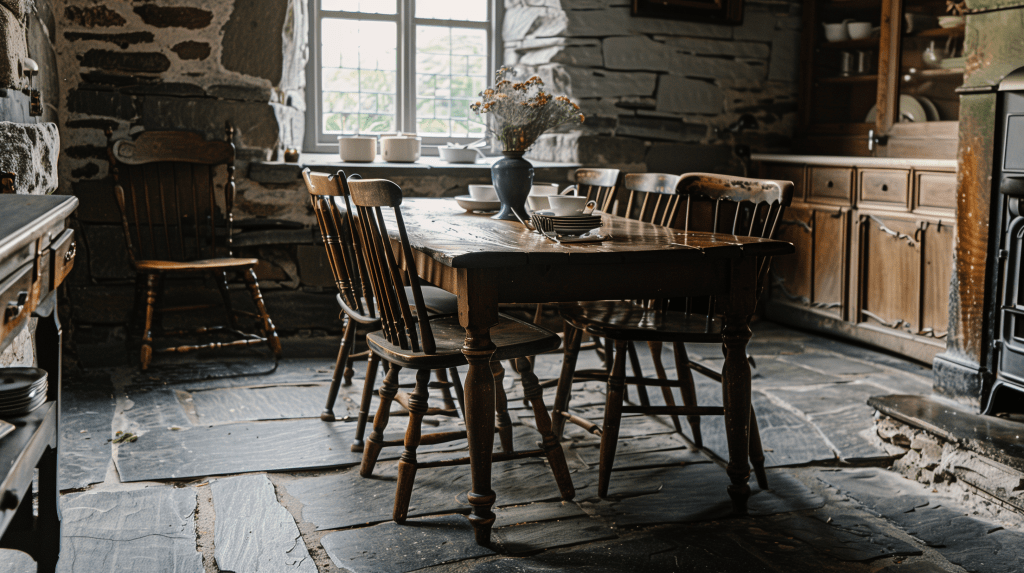
Sarah: (thoughtfully) It really makes you appreciate the simple things. There’s a certain coziness and warmth here that’s hard to find in modern homes.
Emily: (smiling) Exactly. That’s why so many people are drawn to these places. They offer a connection to a different time, a slower pace of life.
Sarah: (looking out the window) And the views aren’t too bad either. I can see why this area has inspired so many writers and artists over the years.
Emily: (nodding) The Lake District has a way of capturing your heart. There’s something about the landscape, the history, and the people that make it truly special.
場景二:探索歷史小屋——窺見過去的時光
地點: 英國湖區一間擁有數百年歷史的老房子內,內有裸露的石牆和木樑。

莎拉: (手輕輕撫過粗糙的石牆)哇,你真的可以感受到這個地方的歷史。這些牆壁一定有很多故事可以講述。
艾米莉: (點頭)確實如此。這座小屋已經屹立了兩百多年。住在這裡的家庭可能依靠土地為生,而這座小屋正體現了那種簡單和與自然的聯繫。

莎拉: (環顧四周)我喜歡這裡的一切感覺如此真實且不矯飾。裸露的木樑、不平整的石地板……這就像是時光倒流。
艾米莉: 這正是這些老屋的魅力之一。它們是用當地材料建造的,經受住了歲月的洗禮,依然保持著美麗。粉刷成白色的外牆更多是出於實用考量,而不是為了美觀——它有助於在那些漫長的灰暗冬季中讓室內更加明亮。
莎拉: (微笑)想到人們曾經在這裡生活,利用現有的一切,真是不可思議。然而,這一切卻有著一種永恆的美感。
艾米莉: (指著壁爐)而這個壁爐曾經是家的核心,提供了溫暖和烹飪的場所。看看這些房屋是如何圍繞生活必需品設計的,真是令人著迷。

莎拉: (若有所思)這真的讓人更能欣賞那些簡單的事物。這裡有一種現代住宅難以找到的舒適和溫暖。
艾米莉: (微笑)完全正確。這就是為什麼這些地方能吸引那麼多人的原因。它們提供了一種與不同時代的聯繫,一種更緩慢的生活節奏。
莎拉: (看向窗外)而且景色也不錯。我明白為什麼這片區域能激發那麼多作家和藝術家的靈感了。
艾米莉: (點頭)湖區有一種抓住你心的力量。這裡的風景、歷史和人們都讓它變得格外特別。
Scene 3: A Walk by the Lake – Unveiling the History of the National Park

Sarah: This path along the lake is absolutely stunning. The reflections on the water, the way the light dances on the surface… it’s all so serene.
Emily: (smiling) It really is. This area has been a source of inspiration for countless artists and writers. The Lake District’s beauty is timeless. But beyond the scenery, there’s so much history here too.
Sarah: (curious) Oh? I’d love to hear more about that.

Emily: Well, this place has been protected as a national park for over seventy years. It was established to preserve not just the natural beauty, but also the cultural heritage of the region. The landscapes here have been shaped by centuries of farming, and many of the paths we’re walking on today were used by shepherds and traders long ago.
Sarah: (thoughtfully) That’s incredible. It’s amazing how much history is embedded in the landscape itself.
Emily: Exactly. This area is a living history book, with every stone and path telling a story. The park is also home to many historic buildings, like the cottage we just visited. They’re a reminder of the people who lived and worked here, who were deeply connected to the land.
Sarah: (admiring the view) It really makes you appreciate the depth of this place. There’s so much more to it than just the scenery.
Emily: (nodding) That’s the magic of the Lake District. It’s a place where natural beauty and history are intertwined, creating something truly special.
場景三:湖畔漫步——揭開國家公園的歷史

莎拉: 這條沿著湖的小路真是太美了。湖面上的倒影,陽光在水面上的舞動……一切都那麼寧靜。
艾米莉: (微笑)確實如此。這片區域成為了無數藝術家和作家的靈感來源。湖區的美是永恆的。但除了風景之外,這裡還有許多歷史。
莎拉: (好奇)哦?我很想聽聽。

艾米莉: 這裡作為國家公園已經受保護了七十多年。建立這個公園不僅是為了保護自然美景,也是為了保護這片區域的文化遺產。這裡的景觀經過了幾個世紀的農耕活動而形成,我們今天走的許多小路,在很久以前是牧羊人和商人的通道。
莎拉: (若有所思)真是不可思議。這片土地本身就蘊含著如此豐富的歷史。
艾米莉: 正是如此。這個區域就像一本活的歷史書,每一塊石頭和每一條小路都在講述著一個故事。公園裡還有許多歷史建築,比如我們剛剛參觀的小屋。它們是曾經生活和工作在這裡的人們與土地深厚聯繫的象徵。
莎拉: (欣賞著風景)這讓我更能體會這個地方的深度。這裡不僅僅是美麗的風景而已。
艾米莉: (點頭)這就是湖區的魔力。這裡是自然美景與歷史交織的地方,造就了這片真正特別的土地。
[English Dialogue]
Scene 4: Discovering Wildlife
Location: Walking along a forested path near the lake, surrounded by lush greenery.
Sarah: (looking around with excitement) This place is amazing! I’ve always loved small animals and plants. What kind of wildlife can we find here in the Lake District?
Emily: (smiling) You’re in for a treat. The Lake District is home to a variety of wildlife. You’ll find everything from red squirrels, which are native to the area, to otters along the rivers and lakes. If you’re lucky, you might even spot a deer or two in the woods.

Sarah: (enthusiastically) I’d love to see a red squirrel! They’re so rare in other parts of the country.
Emily: They really are a special sight. The Lake District has been working hard to protect their habitat, so you have a good chance of spotting one. And if you’re into birdwatching, this place is a paradise. You can see species like the ospreys, peregrine falcons, and even the occasional golden eagle.
Sarah: (wide-eyed) That sounds incredible! And what about the plants? I’ve noticed so many different kinds of flowers and trees.

Emily: (nodding) The plant life here is just as diverse. You’ll see ancient oak and yew trees, and in the spring and summer, the meadows are filled with wildflowers like bluebells and foxgloves. There’s also a lot of heather on the fells, turning the landscape a beautiful purple in late summer.
Sarah: (admiring the surroundings) It’s like a living painting. I can see why so many people are drawn to this place.
Emily: (smiling) The Lake District really is a sanctuary for both wildlife and people. There’s something magical about being surrounded by nature in its purest form.

場景四:探索野生動植物
地點: 在湖邊的林間小徑上,四周環繞著茂密的綠色植物。
莎拉: (興奮地四處張望)這裡真是太棒了!我一直都很喜歡小動物和植物。在湖區能看到什麼樣的野生動植物呢?
艾米莉: (微笑)你一定會大開眼界的。湖區是許多野生動物的家園。你可以看到從本地的紅松鼠,到河流和湖泊中的水獺。如果運氣好的話,你還可能在森林裡看到一兩隻鹿。
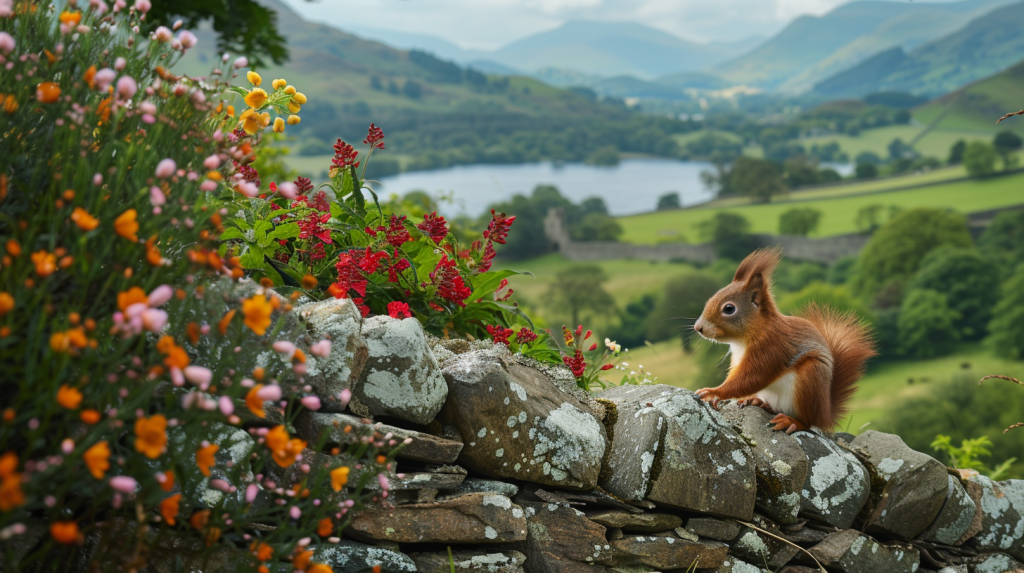
莎拉: (熱情地)我真想看到一隻紅松鼠!它們在其他地方很少見到。
艾米莉: 它們真的是一個特別的景象。湖區一直在努力保護它們的棲息地,所以你有很大機會看到它們。而且如果你喜歡觀鳥的話,這裡簡直是天堂。你可以看到像魚鷹、遊隼,甚至偶爾還能看到金鵰。
莎拉: (睜大眼睛)這聽起來太不可思議了!那植物呢?我注意到這裡有很多不同種類的花和樹木。

艾米莉: (點頭)這裡的植物同樣豐富多樣。你會看到古老的橡樹和紅豆杉樹,到了春夏季節,草地上會開滿像藍鐘花和指頂花這樣的野花。在高地上還有大量的石楠花,到了夏末,整片景觀都會變成美麗的紫色。
莎拉: (欣賞著周圍的景色)這裡就像一幅活生生的畫。我明白為什麼這麼多人被這個地方吸引了。
艾米莉: (微笑)湖區確實是野生動植物和人類的庇護所。在這樣純粹的自然環境中,你會感受到某種神奇的力量。
Scene 5: Uncovering Beatrix Potter’s Legacy
Location: Arriving at Hill Top, the former home of Beatrix Potter, in the Lake District.

Sarah: (excitedly) I can’t believe I’m actually here! This is where Beatrix Potter lived and created Peter Rabbit and all those wonderful stories, right?
Emily: (smiling) Yes, this is Hill Top, her beloved home. Beatrix Potter bought this farm in 1905 with the royalties from her first few books. She spent a lot of time here, drawing inspiration from the landscape, the animals, and the people of the Lake District for her stories.
Sarah: (looking around in awe) It’s so quaint and charming. I can almost imagine her sitting by the window, looking out at the garden, and sketching scenes for her stories.
Emily: That’s exactly what she did. Many of the illustrations in her books are based on real places here in the Lake District, and Hill Top itself appears in some of her stories. For example, the garden outside was the setting for “The Tale of Tom Kitten.”
Sarah: (enthusiastically) I’ve always loved how she brought the countryside to life in her books. It’s amazing to think that these characters, like Peter Rabbit and Jemima Puddle-Duck, were inspired by the animals and nature around here.
Emily: Beatrix Potter was deeply connected to this place. She was not just a writer and illustrator, but also a passionate conservationist. She worked hard to preserve the Lake District’s landscapes and rural life, and she left much of her land to the National Trust to ensure it would be protected for future generations.
Sarah: (thoughtfully) That’s incredible. It’s clear that her love for this place really shines through in her work. Visiting Hill Top makes me appreciate her stories even more.
Emily: (nodding) It’s a special place, for sure. Seeing where she lived and walked gives you a deeper understanding of her stories and the world she created.
場景五:揭開彼得兔作家的傳奇
地點: 抵達比得兔作家比翠克絲·波特在湖區的故居希爾頂。

莎拉: (興奮地)我真的不敢相信我竟然來到了這裡!這就是比翠克絲·波特居住的地方,創作了彼得兔和所有那些美妙故事的地方,對嗎?
艾米莉: (微笑)是的,這就是她心愛的家希爾頂。比翠克絲·波特在1905年用她前幾本書的版稅買下了這座農場。她在這裡度過了很多時光,從湖區的景觀、動物和人們身上汲取靈感,創作了她的故事。
莎拉: (四處看著,滿懷敬意)這裡真是太迷人了。我幾乎可以想像她坐在窗邊,看著花園,然後為她的故事畫草圖的場景。

艾米莉: 這正是她所做的。她的書中的許多插圖都是基於湖區的真實地方,希爾頂本身也出現在她的一些故事中。例如,外面的花園就是《湯姆小貓的故事》的場景。
莎拉: (熱情地)我一直很喜歡她在書中如何把鄉村生活描繪得如此生動。想到這些角色,像彼得兔和潔米瑪·鴨子女士,都是從這裡的動物和自然中得到的靈感,真是太神奇了。
艾米莉: 比翠克絲·波特對這個地方有著深厚的情感聯繫。她不僅僅是一位作家和插畫家,還是一位熱情的自然保護主義者。她為保護湖區的景觀和鄉村生活付出了巨大努力,她將自己大部分的土地捐贈給了國家信託,以確保這些土地能夠為後代保護下去。
莎拉: (若有所思)這真是令人敬佩。她對這片土地的熱愛在她的作品中表露無遺。參觀希爾頂讓我更能理解她的故事。
艾米莉: (點頭)這裡確實是一個特別的地方。看到她居住和漫步的地方,讓你對她的故事和她所創造的世界有了更深入的理解。
在湖區,有些地方確實保留了古老的商店街和鋪石板路的小鎮區域,這些地區通常具有歷史悠久的旅館和店鋪,為遊客提供住宿和購物的選擇。這些地區可能包括安布爾塞德(Ambleside)、格拉斯米爾(Grasmere)或肯德爾(Kendal)等地,這些地方有古樸的建築、石板路面以及提供當地特色產品的小商店和餐館。
以下是場景六的對話,沙拉晚上打算在這裡過夜,並詢問艾米莉有關這個地區的事情:
cene 6: Evening in the Village
Location: Walking through a quaint village in the Lake District, with cobblestone streets, small shops, and a historic inn where Sarah plans to stay.

Sarah: (looking around at the charming village) This place is so picturesque, Emily. It feels like stepping back in time. I’m staying at that inn tonight—do you know much about this area?
Emily: (smiling) You’ve picked a great spot. This village has a lot of history. Many of the buildings here date back to the 17th and 18th centuries, and the inn you’re staying at was originally a coaching house for travelers. The cobblestone streets and stone buildings give it that classic Lake District charm.
Sarah: (curiously) It’s incredible to think about all the people who’ve passed through here over the centuries. I noticed the little shops too—they seem so authentic. What kind of things do they sell?

Emily: (nodding) The shops here are lovely. You’ll find a mix of local crafts, like handmade pottery and woolen goods, as well as specialty foods, like locally made cheese and preserves. Many of the shops have been family-run for generations, so they have that genuine, personal touch.
Sarah: (enthusiastically) I can’t wait to explore them tomorrow. It’s so different from the big cities—everything here feels more connected to the land and its history.
Emily: That’s one of the things that makes the Lake District special. The communities here have managed to preserve their traditions while welcoming visitors from all over the world. And in the evenings, places like this take on a peaceful, almost magical quality. It’s the perfect place to unwind after a day of exploring.
Sarah: (smiling) I’m really looking forward to a quiet evening here. It’s exactly what I need after such a full day.
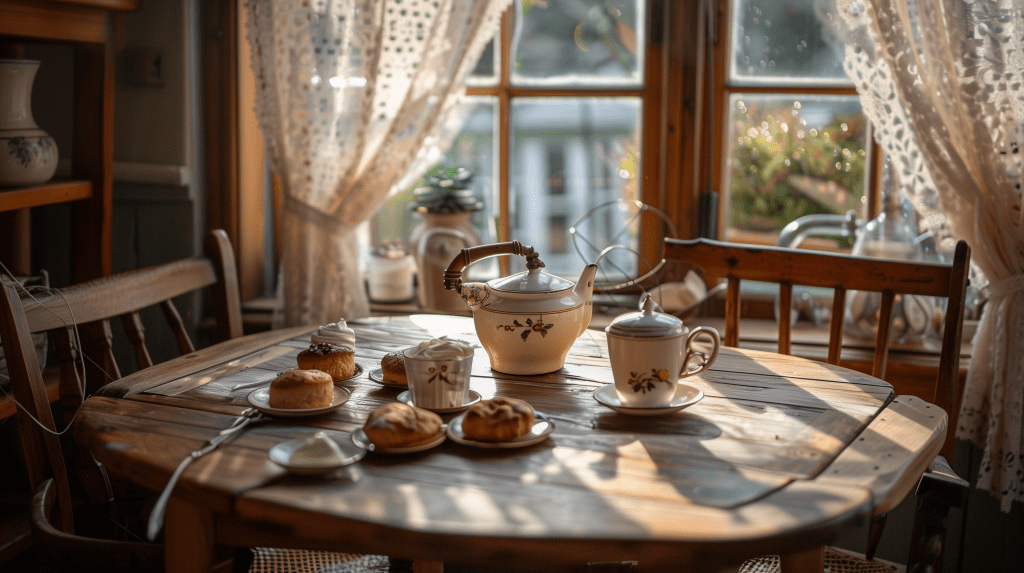
Emily: (warmly) I’m sure you’ll love it. And if you’re up for it, there’s a little tearoom nearby that serves the best scones and tea. It’s the perfect way to end the day.
場景六:夜晚的小鎮
地點: 在湖區一個古雅的小鎮裡漫步,小鎮有鋪石板的街道、小商店和沙拉打算過夜的歷史旅館。

莎拉: (四處看著迷人的小鎮)這裡真是太美了,艾米莉。感覺就像回到了過去。我今晚會住在那家旅館——你知道這個地區的情況嗎?
艾米莉: (微笑)你選的地方真好。這個小鎮有著悠久的歷史。這裡的許多建築可以追溯到17世紀和18世紀,而你要住的旅館最初是一座為旅行者準備的驛站。石板路和石頭建築賦予了它典型的湖區魅力。
莎拉: (好奇地)想到過去幾個世紀以來所有經過這裡的人,真是不可思議。我還注意到了那些小商店——它們看起來如此真實。他們賣些什麼?
艾米莉: (點頭)這裡的商店很可愛。你會找到當地手工藝品,比如手工陶器和羊毛製品,以及特產食品,比如當地製作的奶酪和果醬。許多商店都是家族經營了好幾代人,所以它們有那種真正的、個人的觸感。

莎拉: (興奮地)我迫不及待想明天去逛逛了。這裡和大城市完全不同——這裡的一切都感覺與土地和歷史更緊密地聯繫在一起。
艾米莉: 這正是湖區特別之處之一。這裡的社區在迎接來自世界各地的遊客的同時,還保留了他們的傳統。到了晚上,這樣的地方會變得更加寧靜,幾乎有種魔法般的氛圍。這裡是一天探索之後放鬆的完美地方。
莎拉: (微笑)我真的很期待今晚的寧靜夜晚。在經歷了這麼充實的一天之後,這正是我所需要的。
艾米莉: (溫暖地)我相信你會喜歡的。如果你有興趣,附近有一家小茶館,供應最好的司康餅和茶。這是結束一天的完美方式。


 Virtual Travel | 虛擬旅行沉浸式英語學習
發表留言