Scene 1: Meeting in Poland
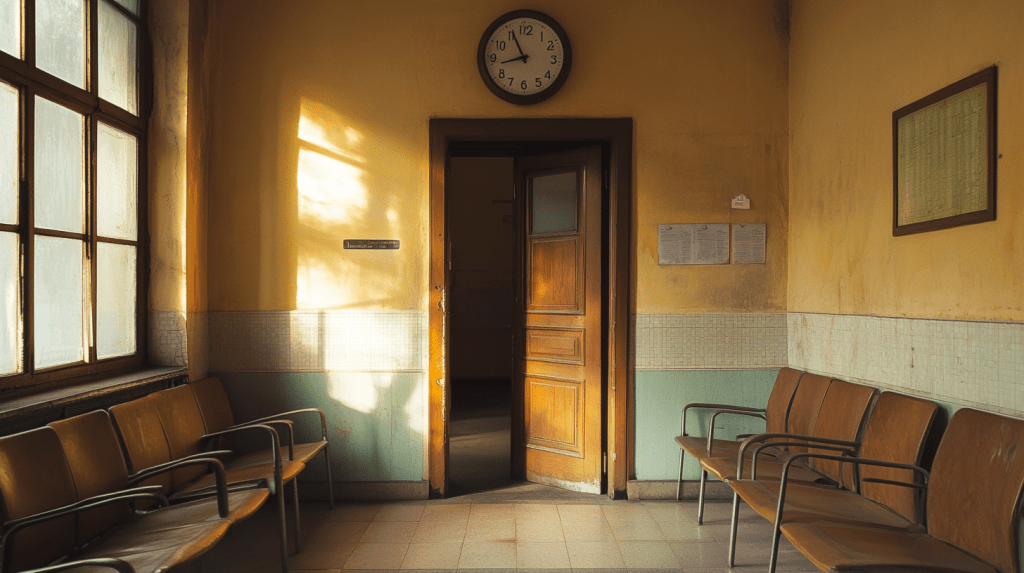
The scene opens at a small, charming train station in northern Poland, near the Baltic Sea. The station is surrounded by lush green trees, and the sound of birds chirping fills the air. One of the young people, Marta, is waiting on the platform, excited to see her friend from the UK, Emma, who is visiting Poland for the first time.
Marta: Waving as she sees Emma stepping off the train. “Emma! Over here!"
Emma: Smiling as she walks over with her suitcase. “Marta! It’s so good to see you! I can’t believe I’m finally here in Poland."
Marta: Hugging Emma. “I’m so glad you made it! Welcome to my hometown. You’re going to love it here. How was your journey?"
Emma: Looking around, taking in the surroundings. “The journey was great, and this place is beautiful! It’s so different from what I imagined. Everything feels so peaceful."
Marta: “Yes, it’s definitely a slower pace of life here, but that’s what makes it special. I can’t wait to show you around. We’ve got so much to explore—the Baltic Sea, the forests, and the little fishing villages. It’s going to be amazing."
Emma: Excitedly. “I’m looking forward to it! I’ve heard so much about the Baltic coast, and I can’t wait to see it for myself. And of course, I’m excited to see where you grew up."
Marta: Grinning. “Well, you’re in for a treat. But first, let’s get you settled in. My family’s house is just a short drive from here, and we’ll have a nice, traditional Polish meal waiting for us."
Emma: “That sounds perfect. I’m ready for some authentic Polish food!"
As they walk towards the car, Marta begins pointing out local landmarks and telling Emma more about the area.
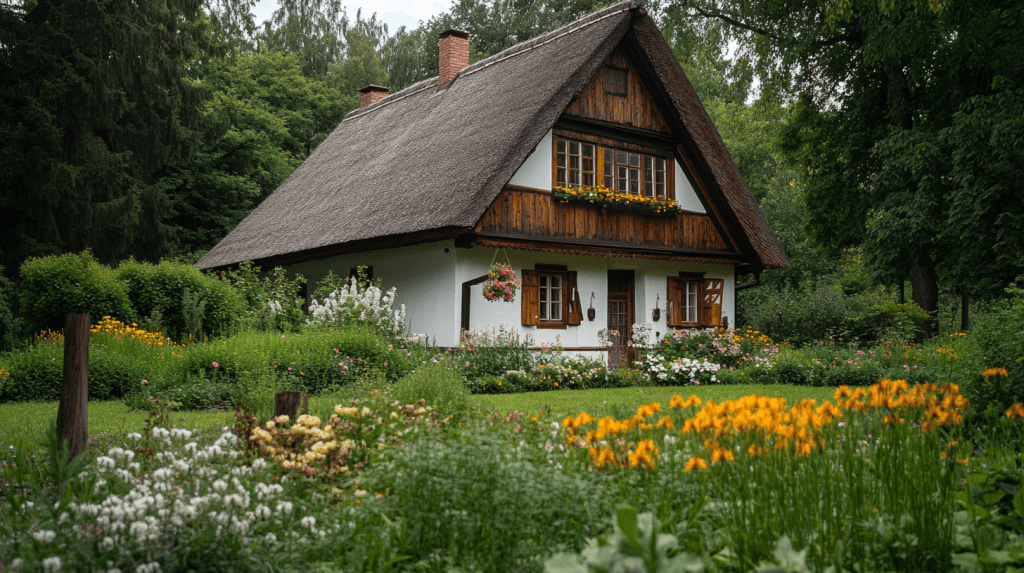
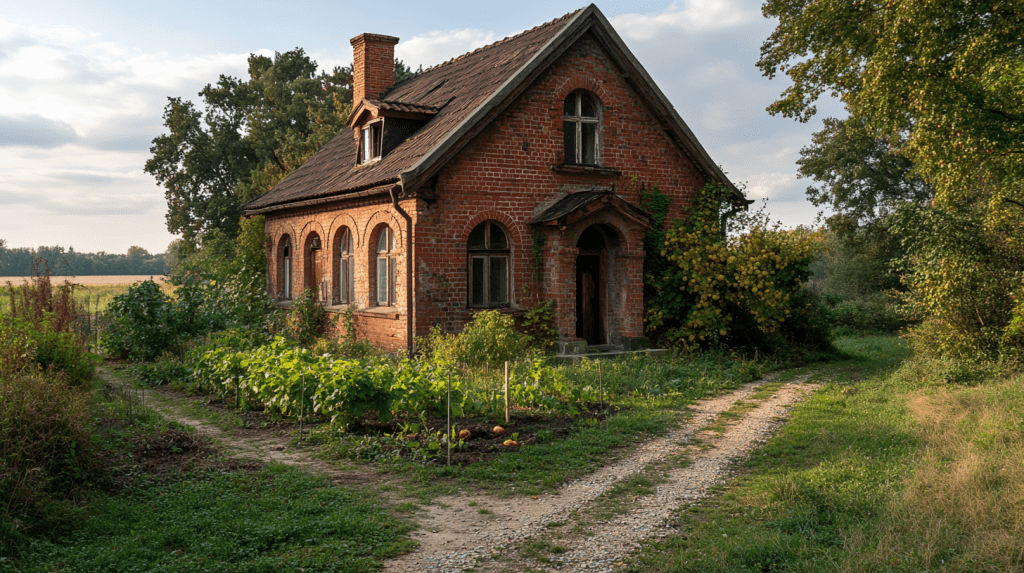
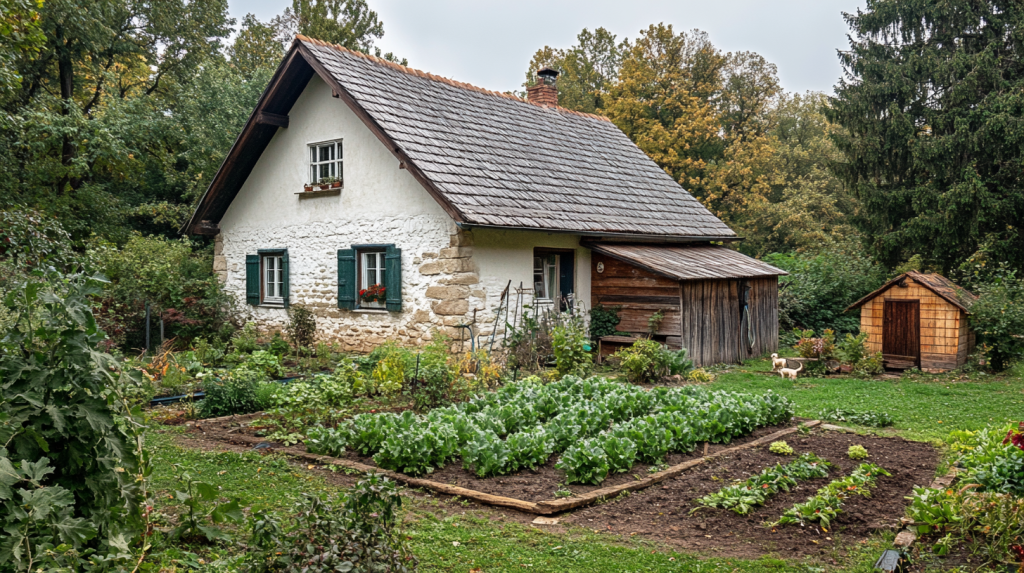
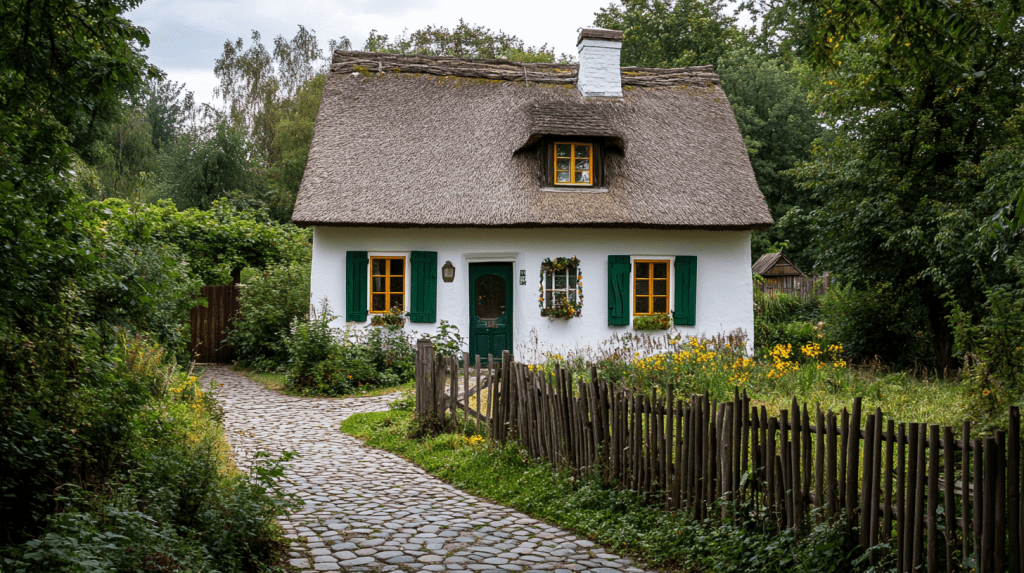
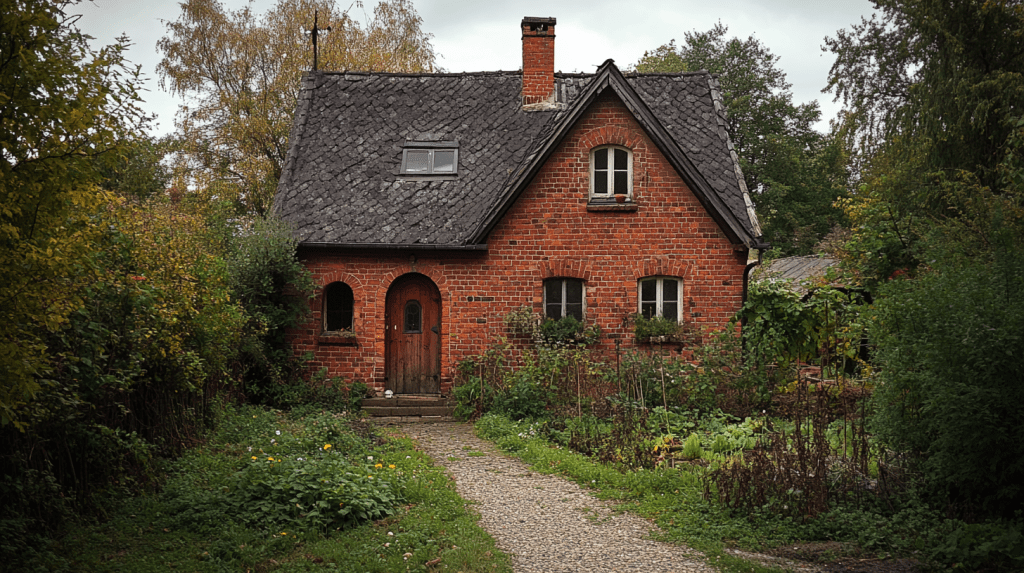
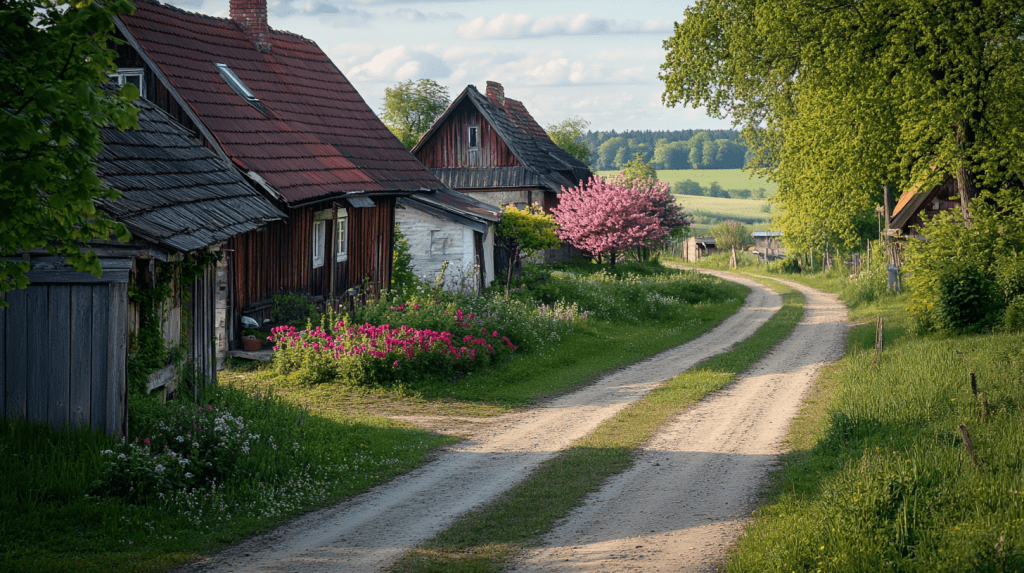
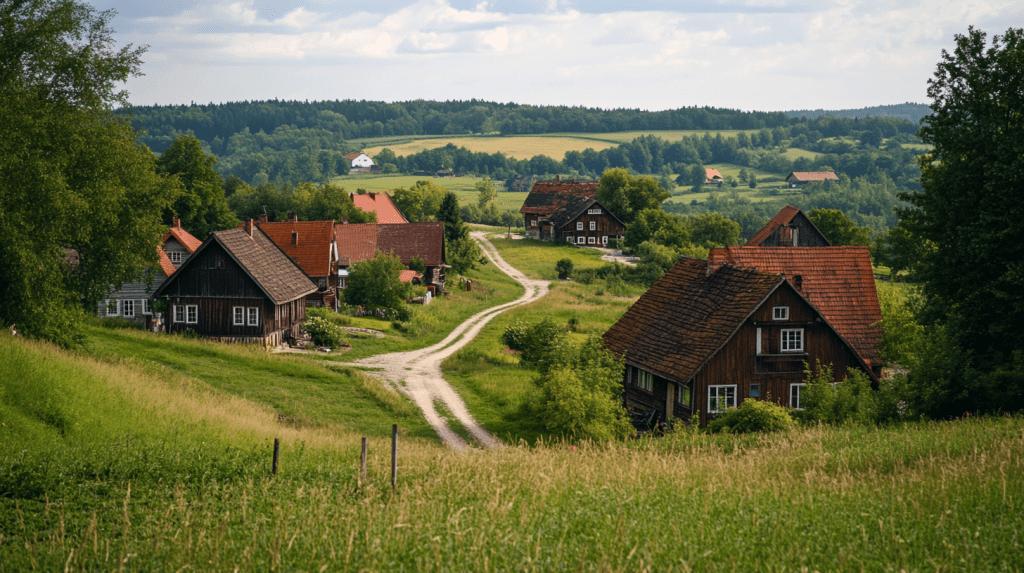
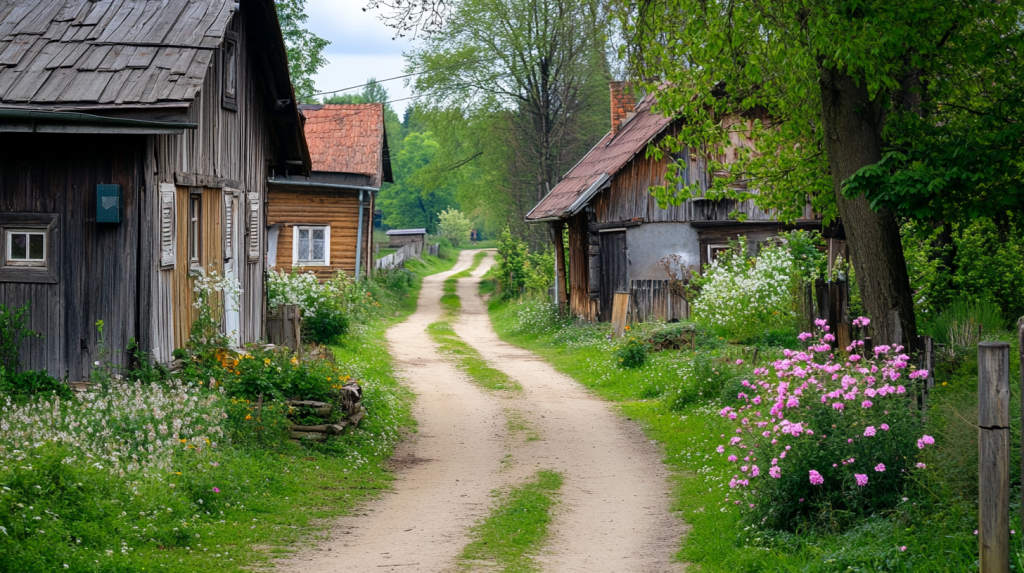
Marta: “You’ll notice that the houses here are mostly traditional wooden cottages, with steep roofs and lots of greenery around. My grandparents’ house is just like that—it’s got a garden full of flowers and fruit trees."
Emma: “That sounds so charming. I love how everything feels so connected to nature here."
Marta: “It really is. People here take pride in their homes and gardens. And because we’re close to the sea, there’s always a fresh breeze coming in. You’ll see—it’s a wonderful place to relax and unwind."
They reach the car and load Emma’s suitcase into the trunk. As they drive through the countryside, the scenery begins to unfold—fields of golden wheat, quaint cottages, and glimpses of the distant Baltic Sea.
Emma: Looking out the window. “This is so beautiful, Marta. I can already tell this trip is going to be unforgettable."
Marta: Smiling warmly. “I’m so glad you’re here to experience it with me. This is just the beginning—we’ve got so much to see and do."
The car continues down the road, heading towards Marta’s home, with the promise of a memorable adventure ahead.
場景 1:在波蘭的碰面
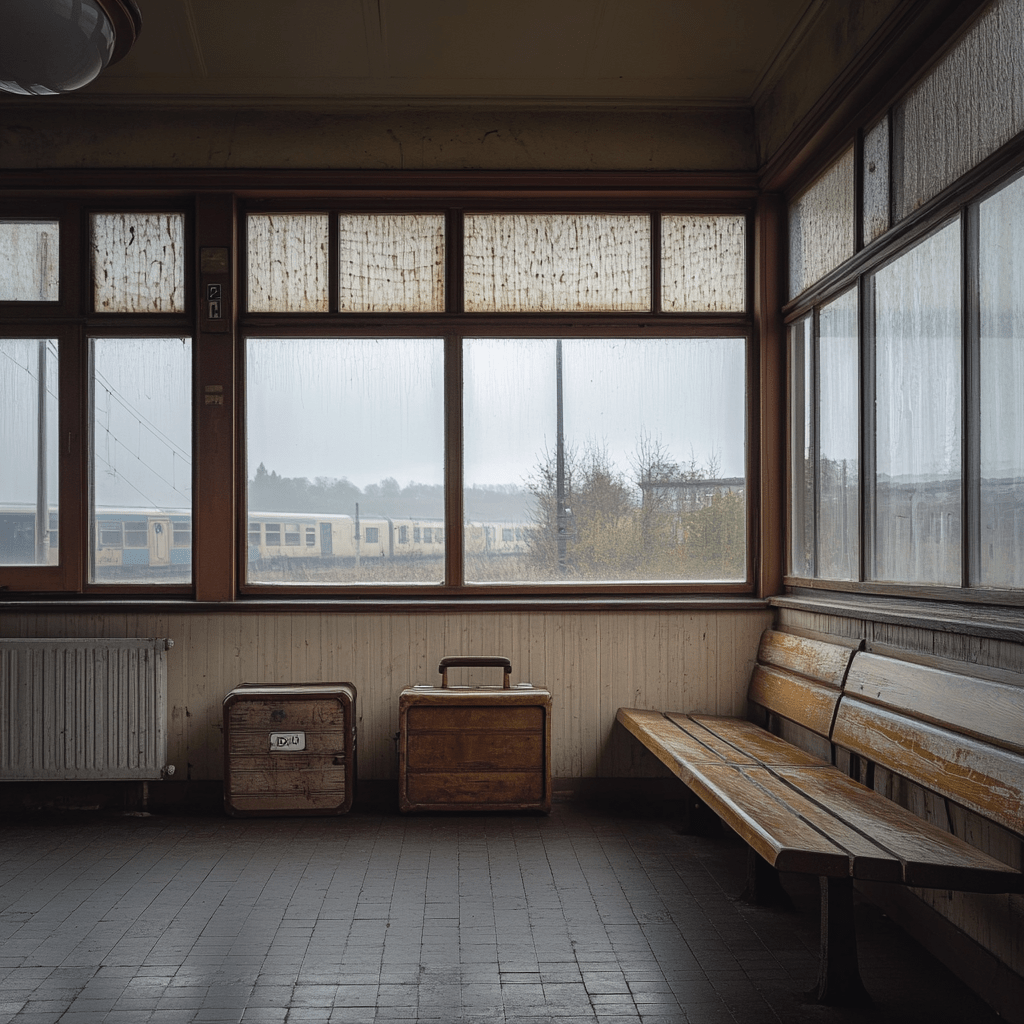
場景開場於波蘭北方靠近波羅的海的一個小而迷人的火車站。火車站周圍被茂密的綠樹環繞,空氣中充滿了鳥鳴的聲音。其中一位年輕人瑪塔正在月台上等待,激動地想見到她的英國朋友艾瑪,這是艾瑪第一次來到波蘭。
瑪塔: 當她看到艾瑪下火車時揮手。 「艾瑪!這裡!」
艾瑪: 微笑著走過來,提著行李箱。 「瑪塔!見到你真好!我簡直不敢相信我終於到了波蘭。」
瑪塔: 擁抱艾瑪。 「我真高興你來了!歡迎來到我的家鄉。你一定會喜歡這裡的。旅程怎麼樣?」
艾瑪: 環顧四周,欣賞著周圍的環境。 「旅途很順利,這個地方真美!和我想像的完全不同,一切都感覺如此寧靜。」
瑪塔: 「是啊,這裡的生活節奏確實比較慢,但這正是它的特別之處。我迫不及待想帶你四處看看了。我們有很多地方要去——波羅的海、森林和小漁村。這將會是一段很棒的旅行。」
艾瑪: 興奮地說。 「我真的很期待!我聽說了很多關於波羅的海海岸的事,我迫不及待想親眼看看。而且,當然,我也很興奮能看到你成長的地方。」
瑪塔: 笑著說。 「你一定會喜歡的。不過,首先,讓我們先去安頓一下。我的家離這裡不遠,我們會有一頓傳統的波蘭餐等著我們。」
艾瑪: 「聽起來很完美。我已經準備好品嚐一些地道的波蘭美食了!」
當她們朝著車子走去時,瑪塔開始指出當地的一些地標,並向艾瑪介紹這片地區。
瑪塔: 「你會注意到這裡的房子大多是傳統的木製小屋,有著陡峭的屋頂和很多綠植圍繞。我祖父母的房子就是這樣的——花園裡種滿了花和果樹。」
艾瑪: 「聽起來很有魅力。我喜歡這裡的一切都與自然如此緊密相連。」
瑪塔: 「這裡的人們確實很愛護自己的家園和花園。而且因為我們離海很近,總有一股清新的海風。你會發現這裡是放鬆和休閒的好地方。」
她們到達車子前,把艾瑪的行李放進後備箱。當她們開車穿過鄉村時,景色漸漸展現在眼前——金黃色的麥田、古樸的農舍,以及遠處隱約可見的波羅的海。
艾瑪: 望著窗外。 「這裡真是太美了,瑪塔。我已經可以感覺到這次旅行會是一次難忘的經歷。」
瑪塔: 溫暖地笑著。 「我很高興你能和我一起體驗這一切。這才剛剛開始——我們還有很多東西要看和做。」
車子繼續沿著道路前行,朝著瑪塔的家駛去,帶著即將展開的一段難忘冒險的期待。
Scene 2: Arriving at Marta’s Home
The car pulls up to a charming, traditional wooden cottage surrounded by a lush garden filled with flowers and fruit trees. The house has a steep roof covered with red tiles, typical of the local architecture. Marta parks the car and they step out, greeted by the sound of birds singing and the scent of blooming flowers.
Marta: Gesturing to the house. “Here we are! Welcome to my home, Emma. This is where I grew up."
Emma: Looking around, impressed. “Marta, this is beautiful! It’s even more picturesque than I imagined. The garden is amazing—so many flowers!"
Marta: Smiling. “Thanks! My grandparents have taken great care of this place for years. They love gardening, and it shows. Come on, let’s get inside and settle in."
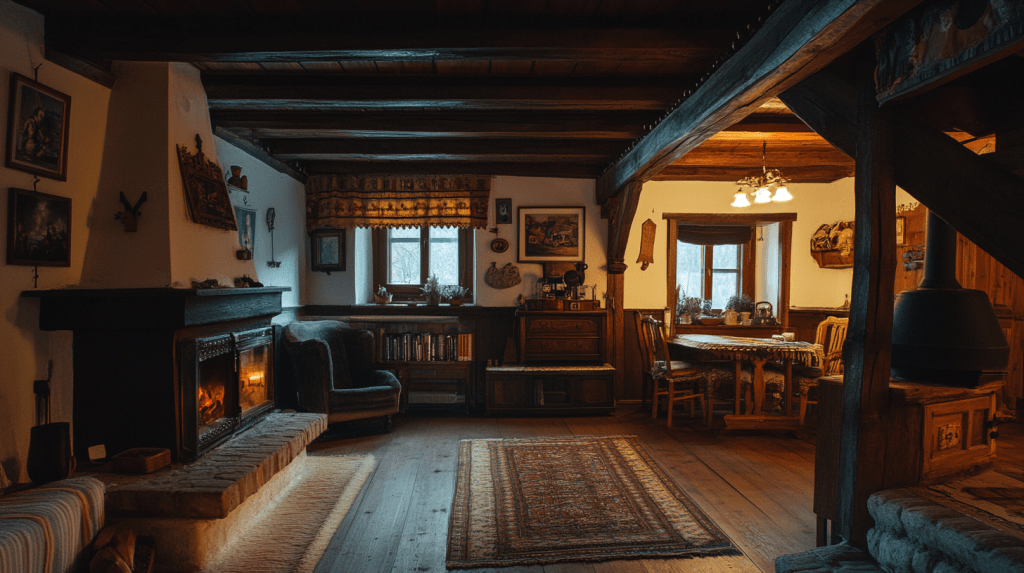
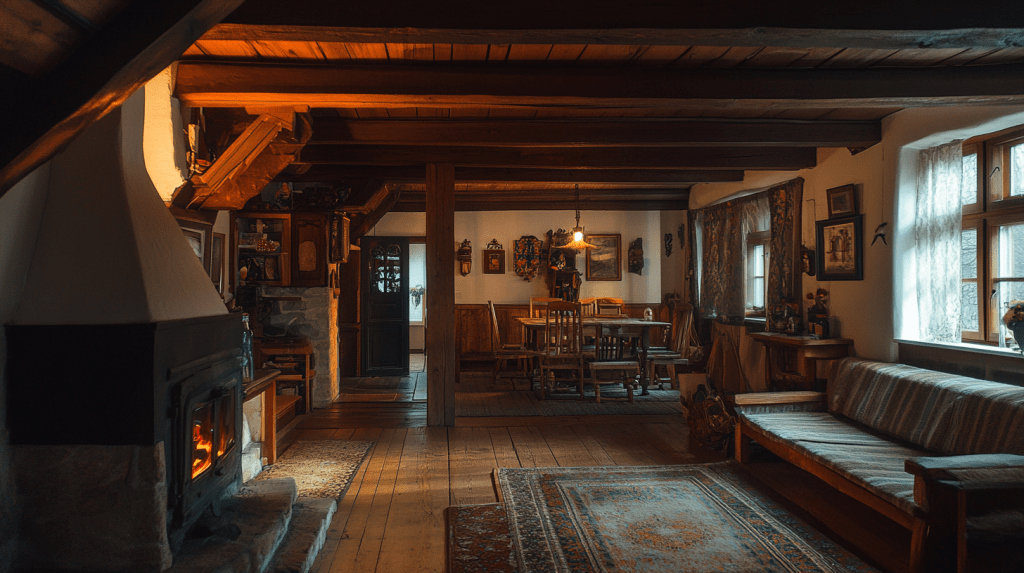
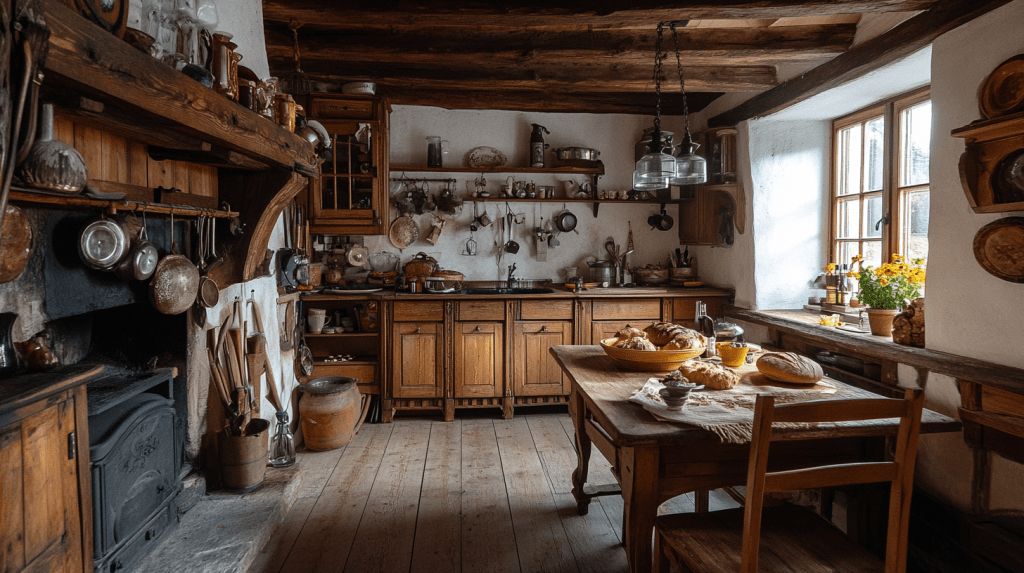
They enter the house, which has a warm and cozy interior with wooden beams, traditional Polish decorations, and a large fireplace. The smell of freshly baked bread fills the air.
Emma: Taking in the surroundings. “Wow, it’s so cozy in here. I love the wooden beams and all the traditional decorations. It really feels like a home."
Marta: “I’m glad you like it. My grandparents have lived here their whole lives, and they’ve filled the house with memories. They’re really excited to meet you, by the way. And there’s a lot of delicious food waiting for us."
Emma: Smiling. “I can’t wait to meet them! And the smell of that bread is making me hungry already."
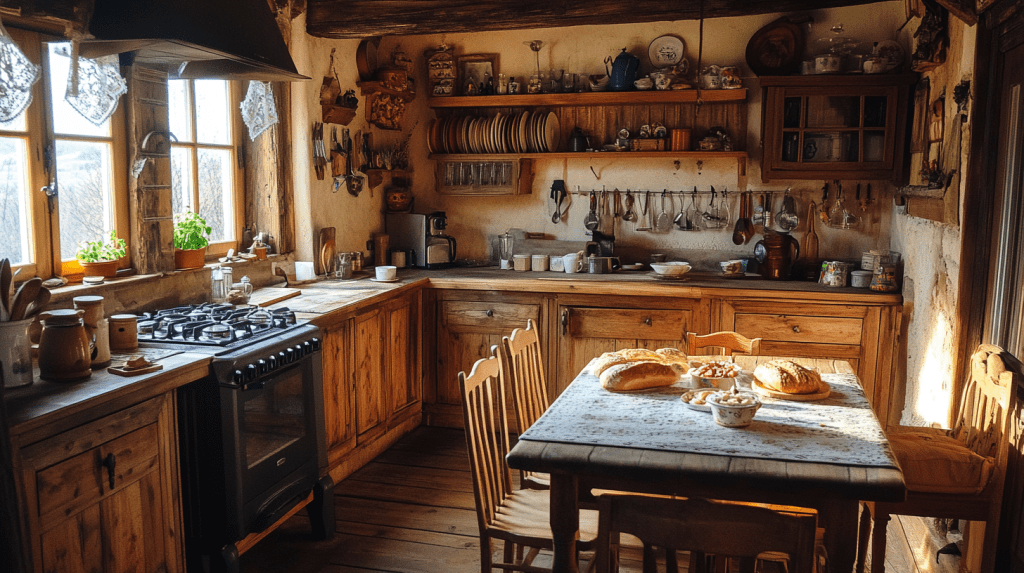
Marta: Laughs. “You’re in for a treat. We have a traditional Polish dinner prepared—plenty of homemade dishes for you to try. But first, let’s get your things to your room so you can freshen up."
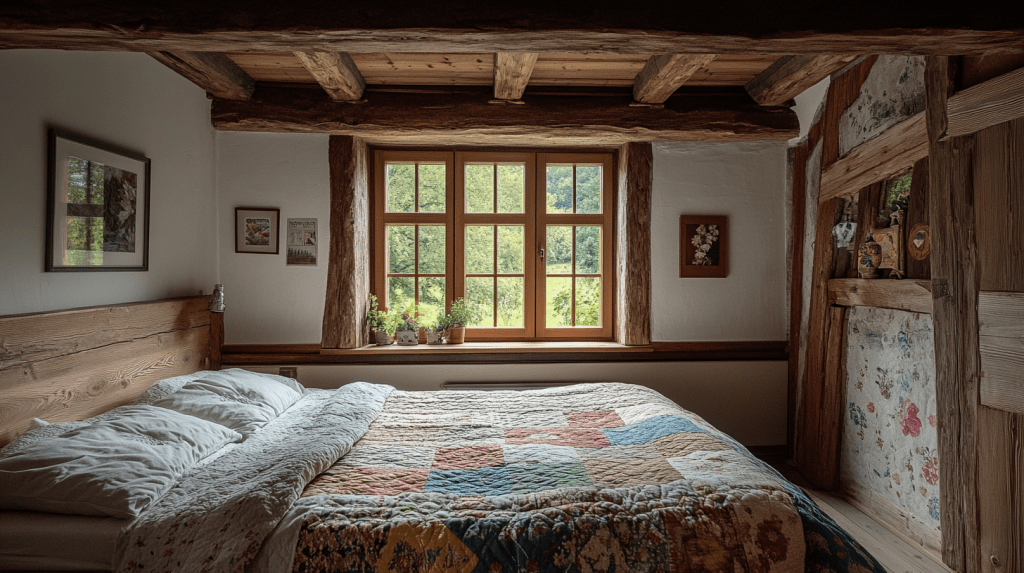
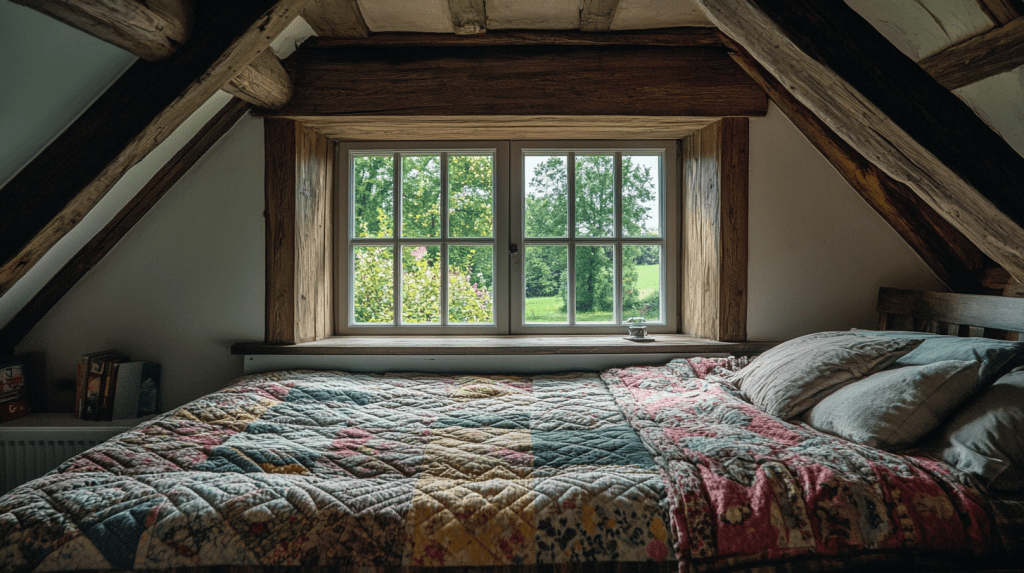
They head upstairs to a cozy guest room with a view of the garden. After dropping off Emma’s suitcase, they return downstairs, where Marta’s grandparents are waiting in the kitchen, welcoming them with warm smiles.
Marta’s Grandmother: In Polish, with Marta translating. “Welcome, Emma! We’re so happy to have you here. Please make yourself at home."
Emma: With a warm smile. “Thank you so much for having me. Your home is lovely."
Marta: Translating. “She says thank you and that she loves the house."
Marta’s Grandmother: Nods, pleased. “It’s our pleasure. Now, let’s sit down and enjoy a good meal together."
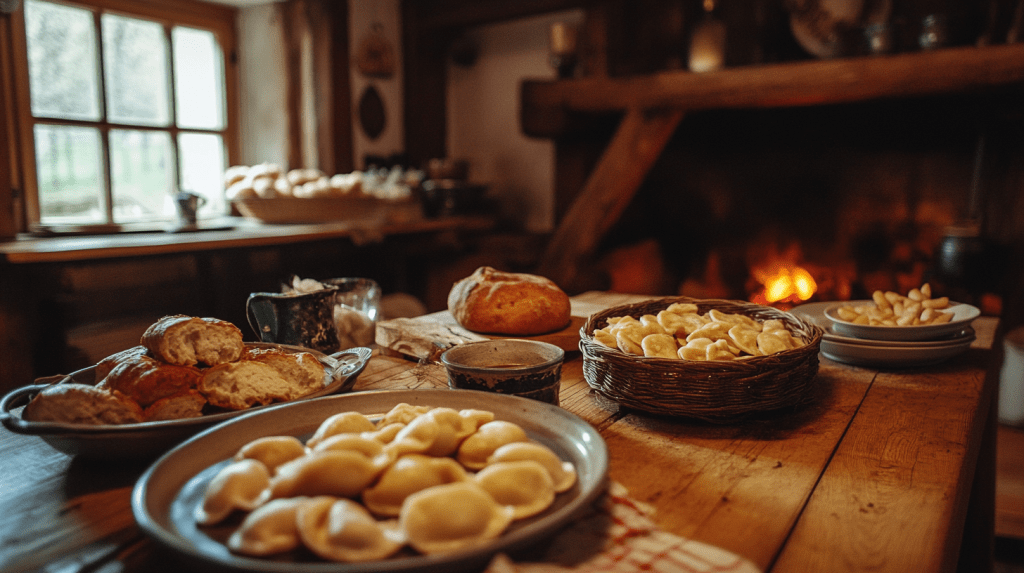
They all sit around the large wooden table, where an array of traditional Polish dishes is spread out, including pierogi, plokkfiskur, and freshly baked bread. The atmosphere is warm and welcoming as they begin to share stories and enjoy the meal.
場景 2:抵達瑪塔的家
車子駛入一座迷人的傳統木屋前,這裡被一片茂盛的花園包圍著,花園裡種滿了花草和果樹。房子有著陡峭的紅瓦屋頂,是當地建築的典型風格。瑪塔把車停好,她們下車,耳邊傳來鳥鳴聲,空氣中瀰漫著花香。
瑪塔: 指著房子。 「到了!歡迎來到我家,艾瑪。這就是我成長的地方。」
艾瑪: 四處張望,讚歎不已。 「瑪塔,這真是太美了!比我想像的還要美麗。花園太棒了——這麼多花!」
瑪塔: 微笑著說。 「謝謝!我祖父母多年間精心照顧著這個地方。他們非常喜歡園藝,這裡的一切都是他們的心血結晶。來吧,我們進屋,安頓一下。」
她們走進屋內,屋內溫暖而舒適,有著木質橫梁、傳統的波蘭裝飾,以及一個大壁爐。空氣中彌漫著新鮮烤麵包的香氣。
艾瑪: 欣賞著四周的環境。 「哇,這裡太舒適了。我喜歡這些木質橫梁和所有的傳統裝飾。這裡真的感覺像家。」
瑪塔: 「很高興你喜歡。我的祖父母一生都住在這裡,他們把房子裡填滿了回憶。他們很期待見到你,順便說一下。我們有很多美味的食物等著我們。」
艾瑪: 微笑著說。 「我迫不及待想見到他們!而且這麵包的香味已經讓我餓了。」
瑪塔: 笑著說。 「你會有一頓大餐要享用的。我們準備了一頓傳統的波蘭晚餐——有很多自製的菜肴供你品嚐。不過,首先,我們把你的東西拿到房間裡,讓你可以梳洗一下。」
她們上樓來到一間舒適的客房,窗外正對著花園。放下艾瑪的行李後,她們返回樓下,瑪塔的祖父母已經在廚房裡等待,用溫暖的笑容迎接她們。
瑪塔的祖母: 用波蘭語說,瑪塔翻譯。 「歡迎,艾瑪!我們很高興你能來這裡。請把這裡當作自己的家。」
艾瑪: 帶著溫暖的微笑。 「非常感謝你們的款待。你們的家真美。」
瑪塔: 翻譯道。 「她說謝謝,而且她很喜歡這個房子。」
瑪塔的祖母: 點頭,高興地說。 「這是我們的榮幸。現在,我們一起坐下來享用一頓美餐吧。」
她們圍坐在一張大木桌旁,桌上擺滿了傳統的波蘭菜餚,包括餃子、魚肉燉菜和新鮮烤麵包。氣氛溫馨而愉快,她們開始分享故事,享用美食。

Scene 3: Planning the Day’s Adventures
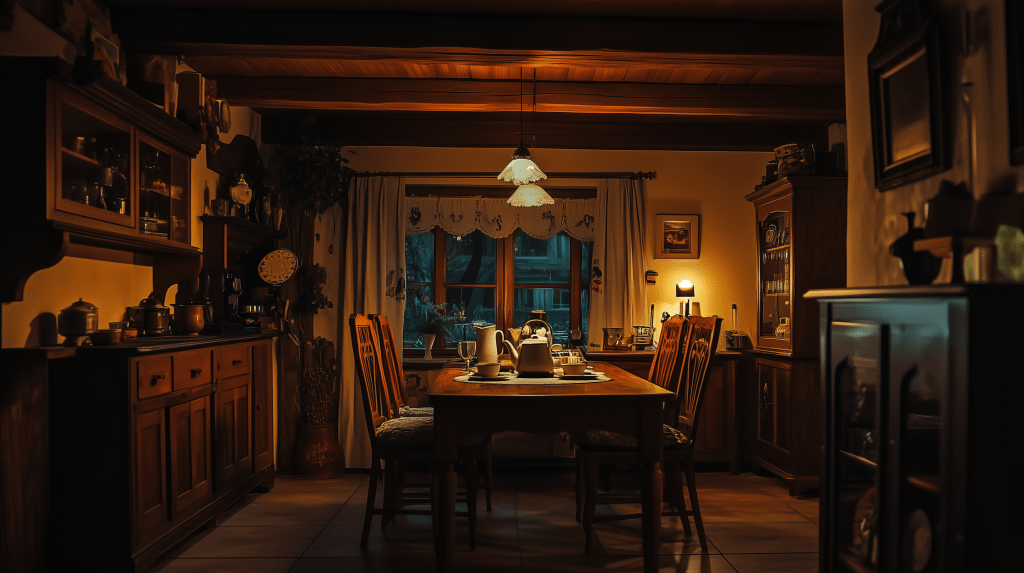
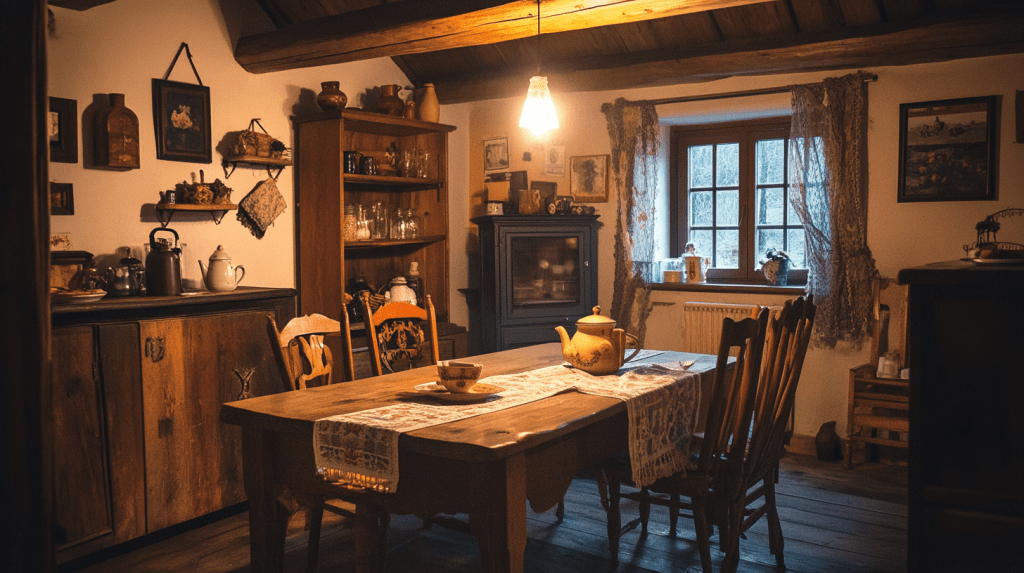
After finishing a hearty traditional Polish meal, Marta, Emma, and Marta’s grandparents are sitting around the dining table with a map of northern Poland spread out before them. The atmosphere is relaxed, with the remnants of dinner still on the table and the warm glow of the fireplace adding to the coziness.
Marta: Pointing to the map. “So, Emma, there’s a lot to see here in northern Poland. What are you most interested in? The coastline, the forests, the villages?"
Emma: Looking at the map with excitement. “Everything sounds amazing, but I’d love to start with the coastline. I’ve heard so much about the Baltic Sea and those beautiful white sand beaches."
Marta’s Grandfather: Nodding. “The Baltic coast is definitely worth a visit. The beaches are something special, especially in places like Łeba and Hel. You can walk for miles along the shore, and the sunsets are incredible."
Marta: Smiling. “We could start our day by heading to the beach, maybe do some walking along the coast. Then we could visit one of the fishing villages nearby. They’re full of character and tradition."
Emma: “That sounds perfect. I’d love to see what life is like in those villages. I imagine it’s very different from what I’m used to back in England."
Marta’s Grandmother: Adding her thoughts. “In the villages, you’ll see the traditional wooden houses, and if you’re lucky, you might catch the fishermen returning with their catch. They still use some of the old methods passed down through generations."
Emma: “I’d really like to see that. It sounds so authentic and connected to nature. What else can we do after that?"
Marta: Thinking for a moment. “After the villages, we could drive inland to explore some of the countryside. There are vast fields of wheat and rye, and this time of year, everything is golden and ready for harvest. It’s a beautiful sight."
Emma: Nodding enthusiastically. “I’d love that. It sounds like a great way to experience the local culture and see how people live off the land here."
Marta: “And if we have time, we can visit one of the nature reserves. The forests here are really something—full of wildlife, like deer and foxes. It’s also a great place for a quiet hike."
Emma: “That would be wonderful. I love hiking, especially in such peaceful surroundings. This trip is shaping up to be exactly what I needed."
Marta’s Grandfather: With a smile. “You’ll have a full day ahead of you, but it will be worth every moment. Just make sure to take it all in and enjoy the slower pace of life here."
Marta: “Absolutely. Tomorrow is going to be all about exploring the beauty of northern Poland, from the coast to the countryside. I’m so excited to show you everything."
They all finish their tea and start clearing the table, with the excitement of tomorrow’s adventure hanging in the air.
場景 3:計劃一天的冒險
在享用完豐盛的傳統波蘭晚餐後,瑪塔、艾瑪和瑪塔的祖父母圍坐在餐桌旁,面前攤開著波蘭北部的地圖。氣氛輕鬆愉快,桌上還留有晚餐的殘跡,壁爐發出的暖光增添了房間的舒適感。
瑪塔: 指著地圖。 「艾瑪,這裡有很多值得一看的地方。你對哪裡最感興趣?海岸線、森林,還是村莊?」
艾瑪: 興奮地看著地圖。 「一切都聽起來很棒,但我想先從海岸線開始。我聽過很多關於波羅的海和那裡美麗的白色沙灘的故事。」
瑪塔的祖父: 點頭。 「波羅的海海岸絕對值得一去。那些沙灘特別美,尤其是在Łeba和Hel這些地方。你可以沿著海岸線走上好幾英里,夕陽非常壯觀。」
瑪塔: 微笑著說。 「我們可以從海灘開始,沿著海岸線散步,然後去附近的漁村看看。那些村莊充滿了特色和傳統。」
艾瑪: 「這聽起來很完美。我很想看看那些村莊的生活是什麼樣的。我想這裡的生活和我在英國習慣的很不一樣。」
瑪塔的祖母: 補充道。 「在村莊裡,你會看到傳統的木屋,如果運氣好的話,還能看到漁民帶著漁獲回來。他們仍然使用一些代代相傳的古老方法。」
艾瑪: 「我真的很想看到這些。這聽起來如此真實,與自然緊密相連。之後我們還能做些什麼?」
瑪塔: 思考片刻。 「在村莊之後,我們可以開車深入內陸,探索一下鄉村景觀。這裡有廣闊的麥田和黑麥田,這個時候一切都是金黃色的,正值收穫季節。這景色非常美麗。」
艾瑪: 熱切地點頭。 「我很喜歡這個計劃。這似乎是一個了解當地文化並看到人們如何在這裡生活的好方法。」
瑪塔: 「如果我們有時間的話,我們還可以去參觀一個自然保護區。這裡的森林真的很特別——裡面有很多野生動物,比如鹿和狐狸。這也是徒步旅行的好地方,特別安靜。」
艾瑪: 「那會很棒。我喜歡徒步旅行,尤其是在這麼平靜的環境中。這次旅行真是我所需要的。」
瑪塔的祖父: 笑著說。 「你們將會有一整天的行程,但每一刻都會非常值得。只要記得放慢腳步,享受這裡的慢生活。」
瑪塔: 「完全沒錯。明天的重點是探索波蘭北部的美麗景色,從海岸到鄉村。我真的很期待向你展示這一切。」
他們結束了茶點,開始清理餐桌,對明天冒險的期待洋溢在空氣中。
Scene 4: Exploring the Baltic Coast and Fishing Villages
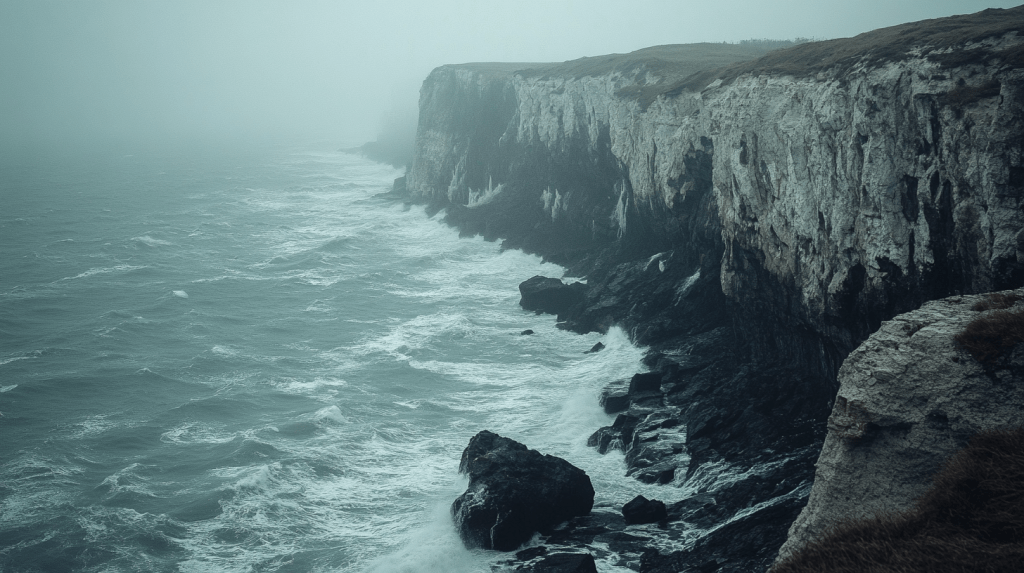
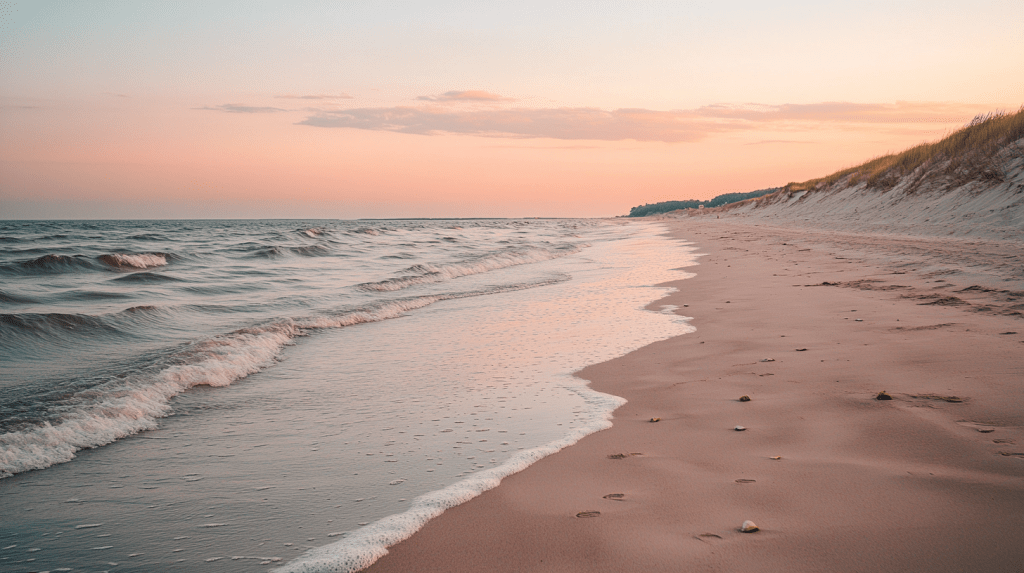
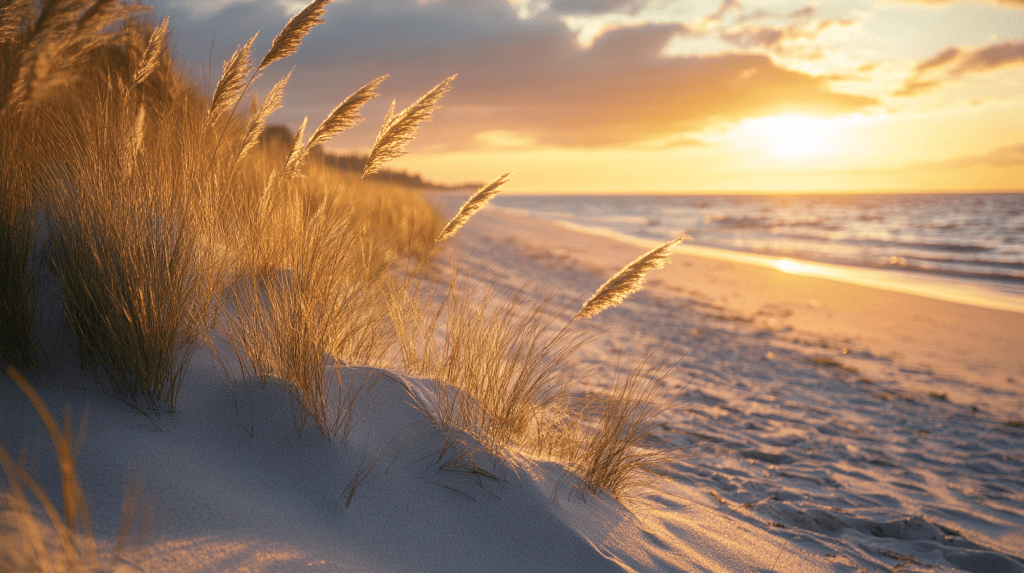
The next morning, Marta and Emma set out early, driving towards the Baltic Sea. The road winds through picturesque countryside, with fields of golden wheat stretching out under a bright blue sky. As they get closer to the coast, the scent of saltwater fills the air, and the sound of waves becomes more pronounced.
Marta: Pointing out the window. “We’re almost there, Emma. You can see the sea just beyond those trees."
Emma: Excitedly. “I can’t believe how close we are to the Baltic! It’s so different from the English coast—everything here feels so wide and open."
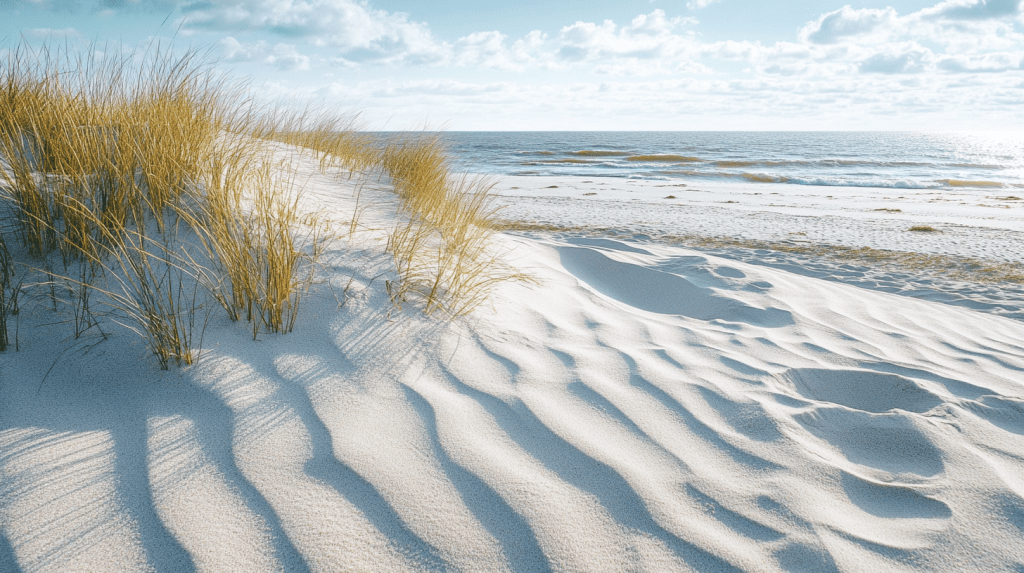
Marta: “That’s what I love about it. The beaches here are really something special—miles of soft white sand and hardly any crowds. It’s the perfect place to relax."
They arrive at a secluded beach, the sand stretching out before them in a wide arc, meeting the gentle waves of the Baltic Sea. The beach is almost empty, with only a few distant figures walking along the shoreline.

Emma: Stepping onto the sand. “This is beautiful, Marta. It feels so peaceful here, like we’ve found our own little piece of paradise."
Marta: Smiling. “I knew you’d like it. We can take a walk along the beach, and then I’ll show you one of the nearby fishing villages. They’re full of history and tradition."
They walk along the beach, the soft sand beneath their feet and the gentle breeze carrying the scent of the sea. After a while, they head back to the car and drive to a small fishing village nestled along the coast. The village is charming, with colorful wooden houses and fishing boats bobbing in the harbor.
Emma: Looking around. “This village is so quaint. It’s like stepping back in time. Everything feels so authentic."
Marta: “That’s one of the things I love about these villages. The people here have been living off the sea for generations. They’ve preserved their way of life, and it’s still very much connected to the rhythms of the ocean."
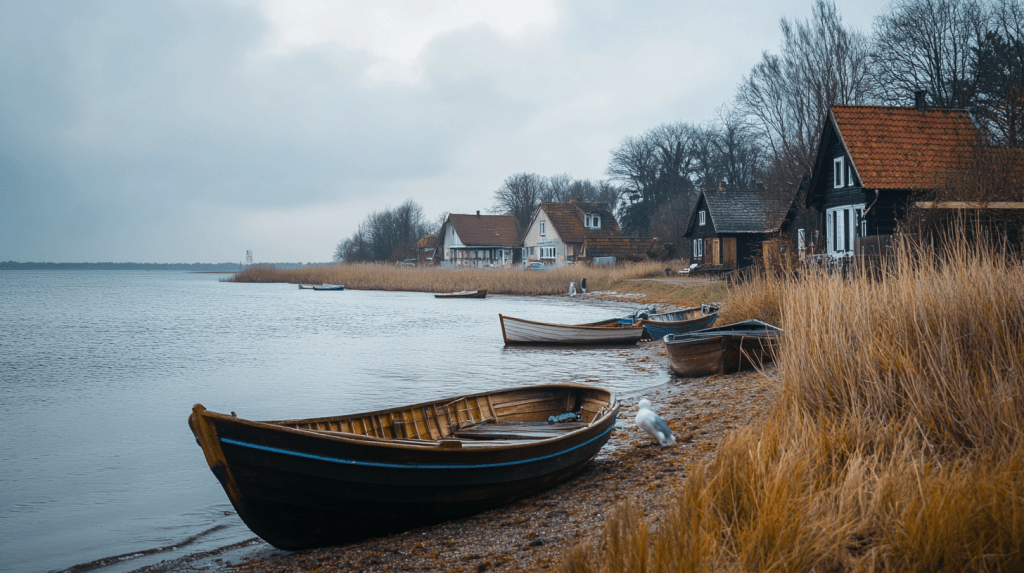
Emma: “I’d love to learn more about how they fish here. Do they still use traditional methods?"
Marta: “Yes, some of them do. They often fish in small boats, using techniques that have been passed down through the family. It’s hard work, but they take pride in it."
They walk through the village, passing by fishermen mending their nets and women hanging fish to dry. The scent of smoked fish fills the air, mixing with the fresh sea breeze.
Emma: Taking it all in. “This is amazing, Marta. It’s like nothing I’ve ever experienced before. Everything feels so rooted in tradition."
Marta: Nods. “It really is. These villages are a big part of our cultural heritage. And later, we can try some of the local fish dishes—they’re simple, but incredibly fresh and delicious."
Emma: “I can’t wait. I feel like I’m really getting to know Poland in a way I never could have imagined."
Marta smiles, happy to see her friend appreciating the place she calls home. They continue exploring the village, enjoying the slow pace and the connection to the land and sea.

場景 4:探索波羅的海海岸和漁村

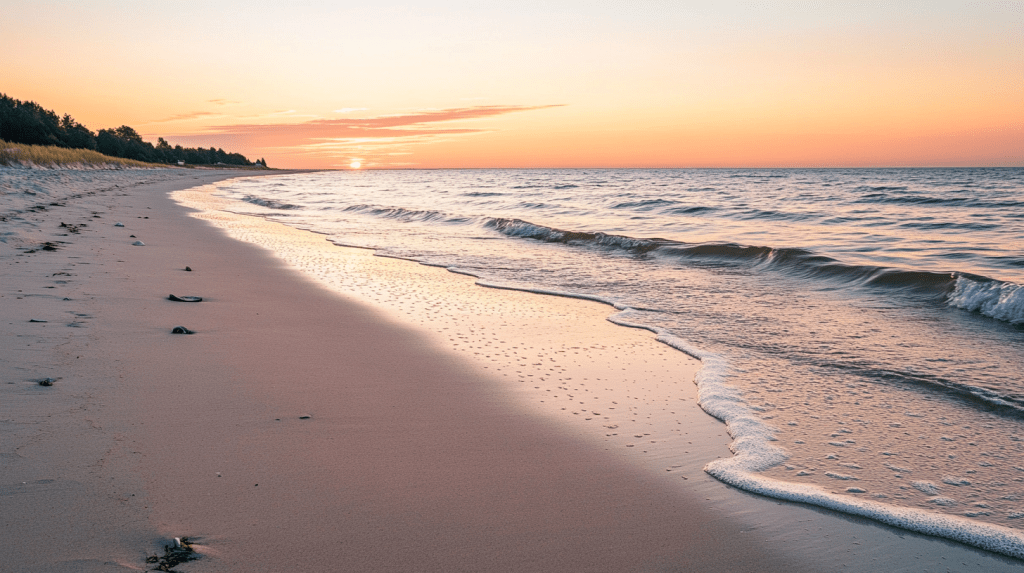
第二天早上,瑪塔和艾瑪一大早就出發,駕車前往波羅的海。道路蜿蜒穿過如畫般的鄉村景觀,金黃色的麥田在明亮的藍天下一望無際。隨著他們接近海岸,空氣中開始瀰漫著鹽水的氣息,海浪聲也愈加清晰。
瑪塔: 指著窗外。 「我們快到了,艾瑪。你看,那些樹後面就是大海。」
艾瑪: 興奮地說。 「我真不敢相信我們這麼快就到了波羅的海!這裡跟英國的海岸完全不同——一切看起來都那麼寬闊、開闊。」
瑪塔: 「這也是我喜歡這裡的原因。這裡的沙灘真的很特別——綿延數英里的柔軟白沙,而且幾乎沒有什麼人。這是放鬆的完美場所。」
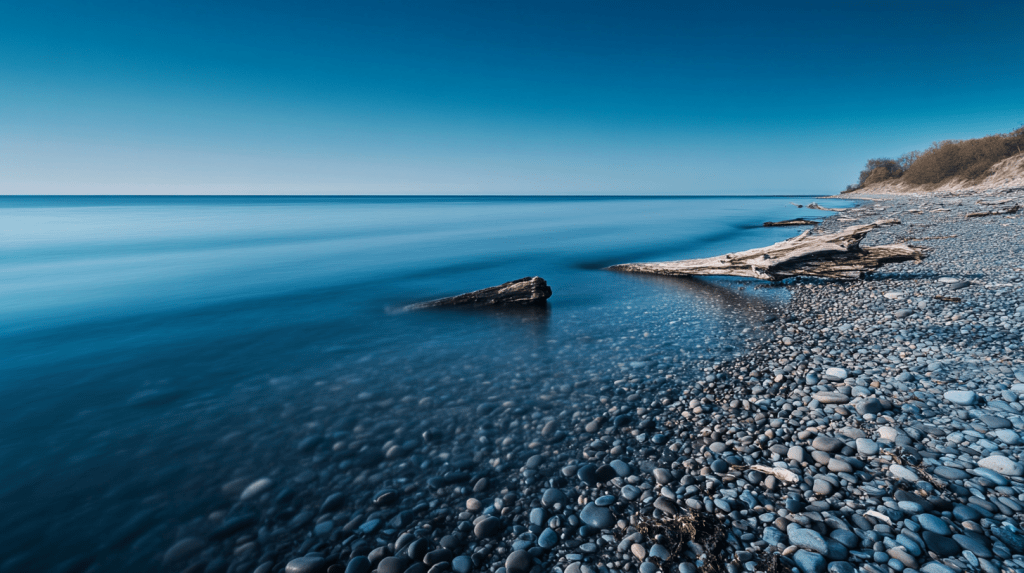
他們來到一片僻靜的沙灘,沙灘在他們面前展開成一個寬廣的弧形,與波羅的海的溫柔海浪相接。沙灘上幾乎沒有人,只有幾個遠處的身影在海岸線上散步。
艾瑪: 踏上沙灘。 「這裡真美,瑪塔。這裡感覺如此平靜,就像我們找到了一塊屬於自己的小天堂。」
瑪塔: 微笑著說。 「我就知道你會喜歡。我們可以在沙灘上散步,然後我帶你去看看附近的一個漁村。那裡充滿了歷史和傳統。」
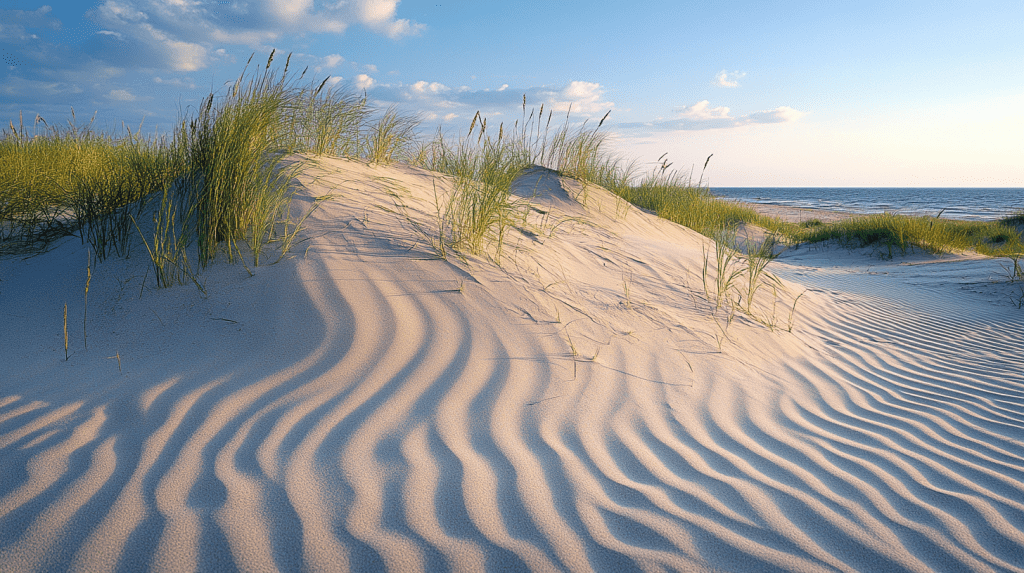
他們在沙灘上散步,柔軟的沙灘在他們腳下延展,微風帶來了海的氣息。過了一會兒,他們回到車上,開車前往沿海的一個小漁村。這個村莊充滿魅力,有色彩繽紛的木屋和在港口搖曳的漁船。
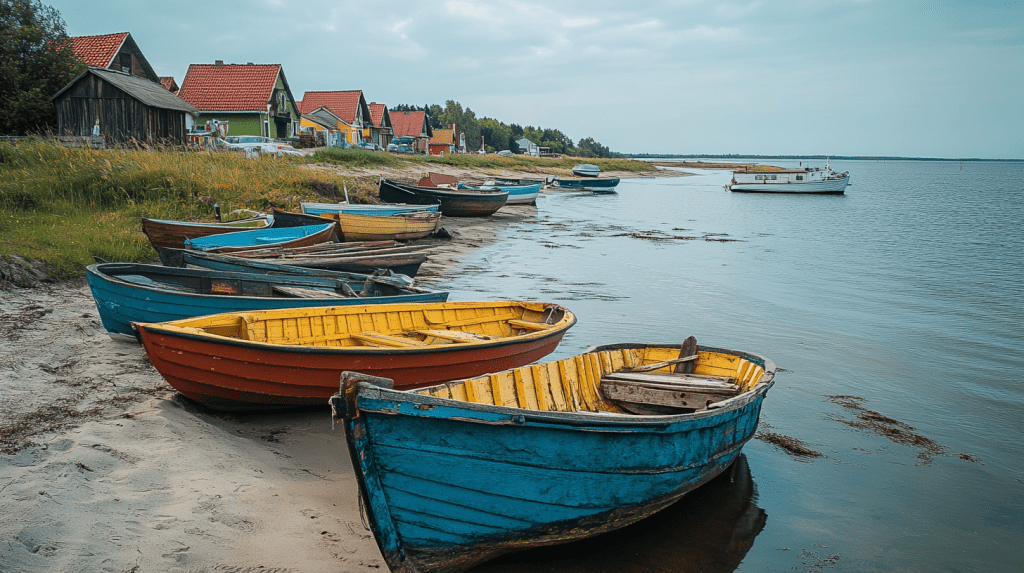
艾瑪: 四處看著。 「這個村莊真是太可愛了。感覺像是穿越回到了過去。一切都那麼真實。」
瑪塔: 「這就是我喜歡這些村莊的原因之一。這裡的人們世代以海為生。他們保留了自己的生活方式,與海洋的節奏緊密相連。」
艾瑪: 「我很想了解他們在這裡如何捕魚。他們還在使用傳統的方法嗎?」
瑪塔: 「是的,有些人還在用。他們經常乘坐小船,用家族傳承下來的技術捕魚。這工作很辛苦,但他們對此感到自豪。」
他們走過村莊,經過修補漁網的漁民和正在晾曬魚的婦女。空氣中瀰漫著煙燻魚的香氣,與清新的海風混合在一起。
艾瑪: 感受著一切。 「這真是太棒了,瑪塔。這是我從未體驗過的。我感覺一切都那麼深植於傳統中。」
瑪塔: 點頭。 「確實如此。這些村莊是我們文化遺產的重要組成部分。待會兒我們還可以品嚐一些當地的魚類菜餚——簡單,但非常新鮮美味。」
艾瑪: 「我迫不及待了。我感覺自己真的開始以全新的方式了解波蘭了。」
瑪塔微笑著,看到朋友能夠欣賞她稱之為家的地方,感到非常高興。他們繼續探索村莊,享受著緩慢的節奏和與土地及海洋的聯繫。
Scene 5: Discovering the Countryside
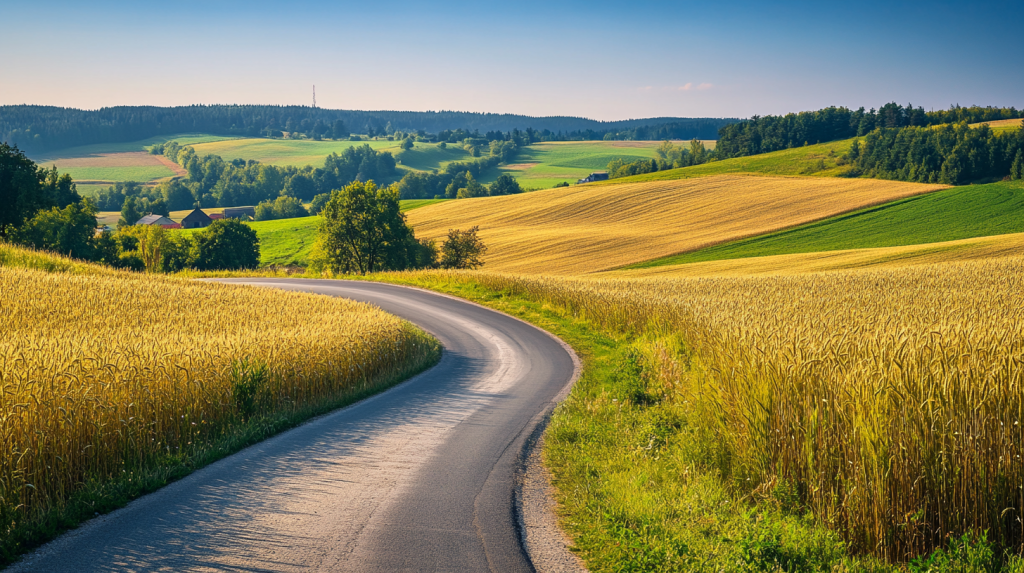
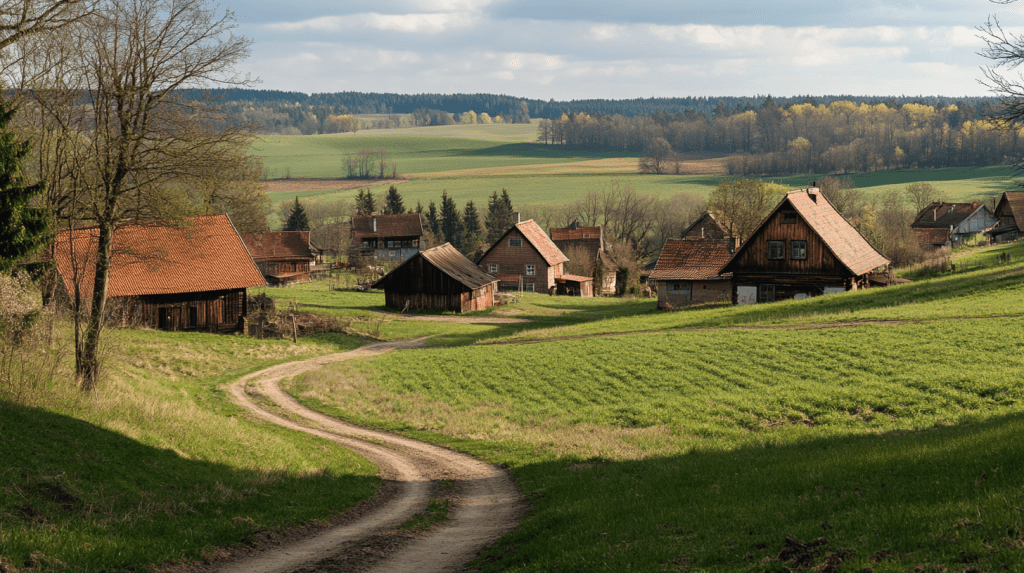
The sun is shining brightly as Marta and Emma drive through the rolling countryside of northern Poland. The road is lined with fields of golden wheat and rye, their tall stalks swaying gently in the warm breeze. The landscape is vast and open, with patches of forest in the distance and the occasional farmhouse dotting the horizon. Along the way, they see farmers working in the fields, a few animals grazing near the farmhouses, and birds flying in the sky.
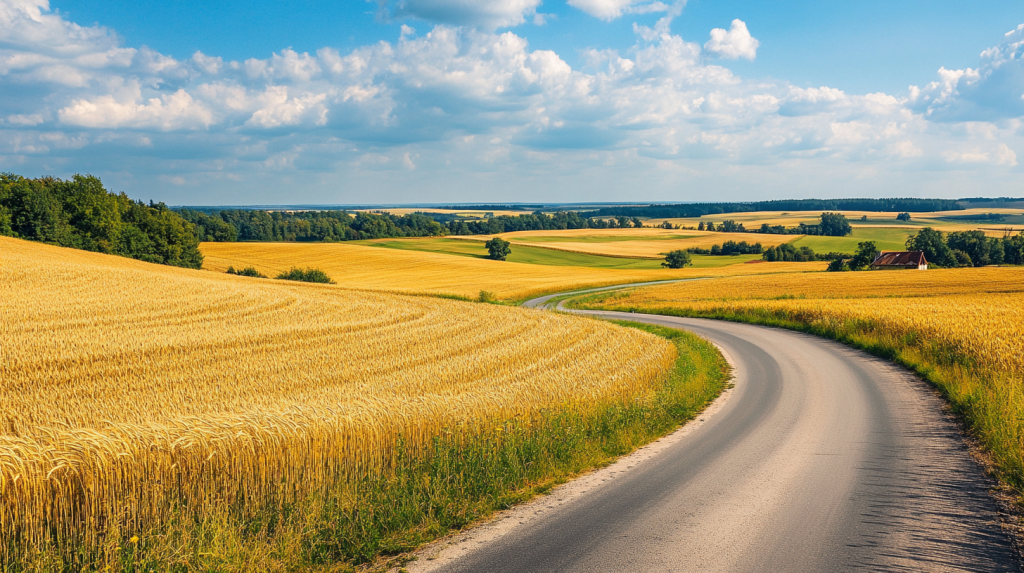
Emma: Looking out the window in awe. “This is so different from the coast, but just as beautiful. The fields seem endless, and everything feels so alive and vibrant here."
Marta: Nodding, her eyes on the road. “That’s one of the reasons I love this region so much. The countryside is just as important to our culture as the sea. These fields have been cultivated by families for generations, and the land provides so much for the people here."
Emma: Curiously. “What do they grow here mostly? Is it all wheat and rye?"
Marta: “Mostly, yes. Wheat and rye are the main crops, but you’ll also find fields of barley, oats, and sometimes potatoes. The soil here is really fertile, and the climate is just right for these kinds of crops."
Emma: “It’s amazing to see so much agriculture. Back home, I don’t get to see this side of life very often. Everything here seems so connected to the land."
Marta: “It really is. The rhythm of life here revolves around the seasons. In summer, the fields are full of life, and during harvest time, everyone works together. It’s a big part of our culture."
Emma: Looking at the distant forest. “What about the forests? Do people use them for anything, or are they just for wildlife?"
Marta: “Both, actually. The forests are home to a lot of wildlife—deer, foxes, and many types of birds. But they’re also important for wood, mushrooms, and berries. Many families go out in the autumn to gather mushrooms; it’s a tradition here."
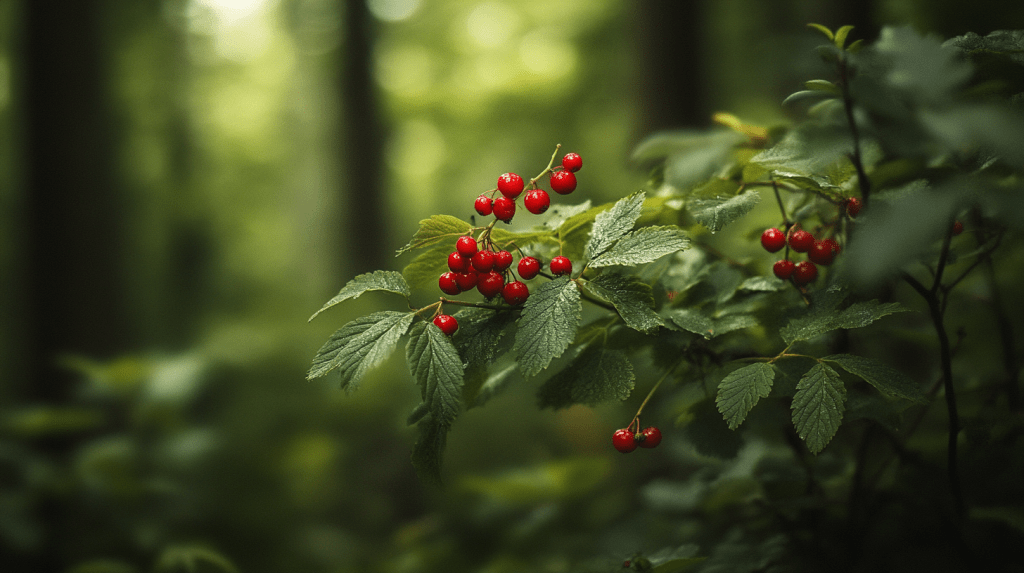
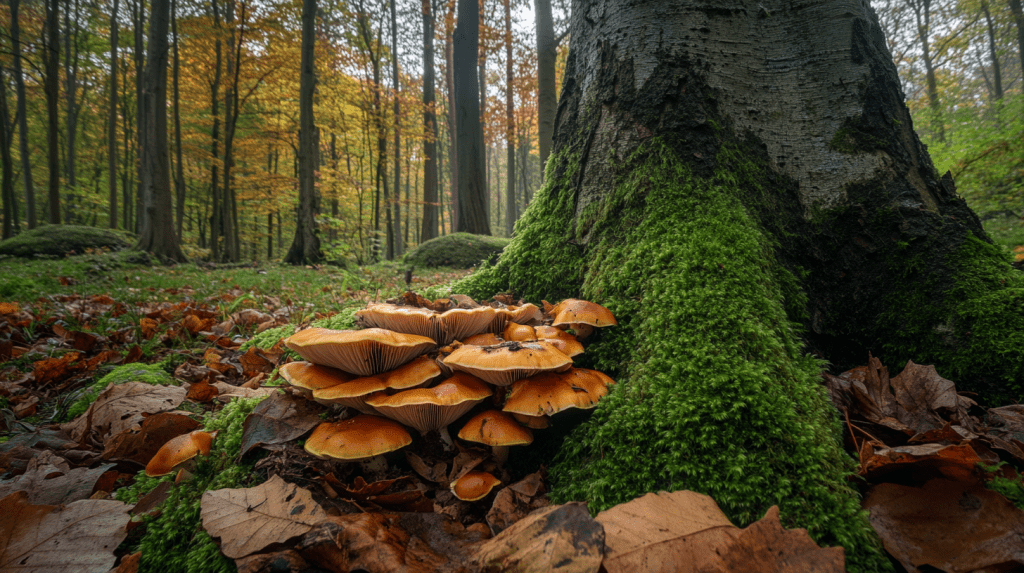
Emma: Intrigued. “That sounds wonderful. I’ve heard that foraging is a big part of life in this region."
Marta: “Yes, it is. It’s another way we stay connected to nature. People here have a deep respect for the land and what it provides, whether it’s from the fields, the forests, or the sea."
Emma: Noticing some cows grazing nearby. “I see some animals, too. Do they raise a lot of livestock here?"
Marta: “Yes, especially cows and sheep. The dairy products from this region are really good—cheese, butter, milk. And you’ll find that people here make a lot of their own food. It’s very much a self-sustaining way of life."
Emma: Smiling. “It’s so different from the fast-paced city life I’m used to. Everything here feels so grounded and natural."
Marta: “That’s what I love about it. There’s a balance here between the land, the people, and the animals. It’s a simple life, but it’s rich in tradition and connection."
Emma: Noticing a flock of birds flying overhead. “I’ve seen so many birds since we started this drive. Are there a lot of birds here year-round, or do you get migratory birds too?"
Marta: “Oh, we definitely get migratory birds. This region is a major stopover for many species during their migration. In the spring and autumn, you can see large flocks of white storks, greylag geese, and even some bluethroats. The storks are especially iconic here—they return every spring to nest."
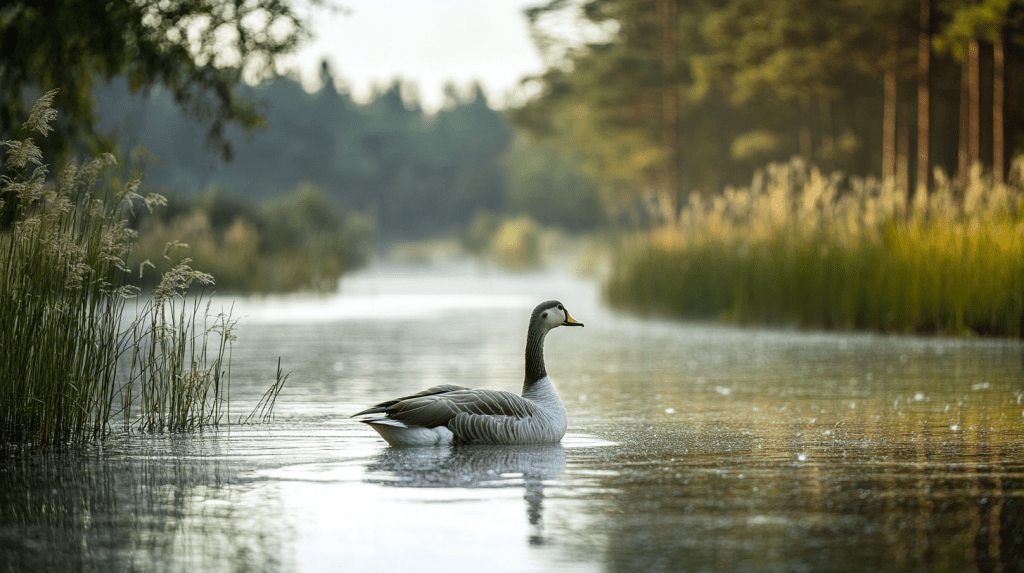
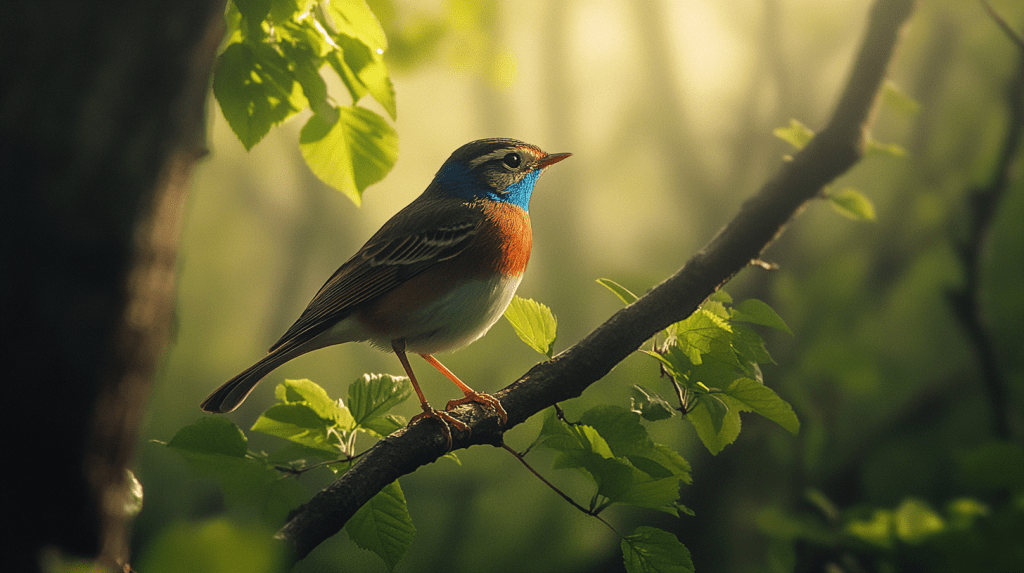
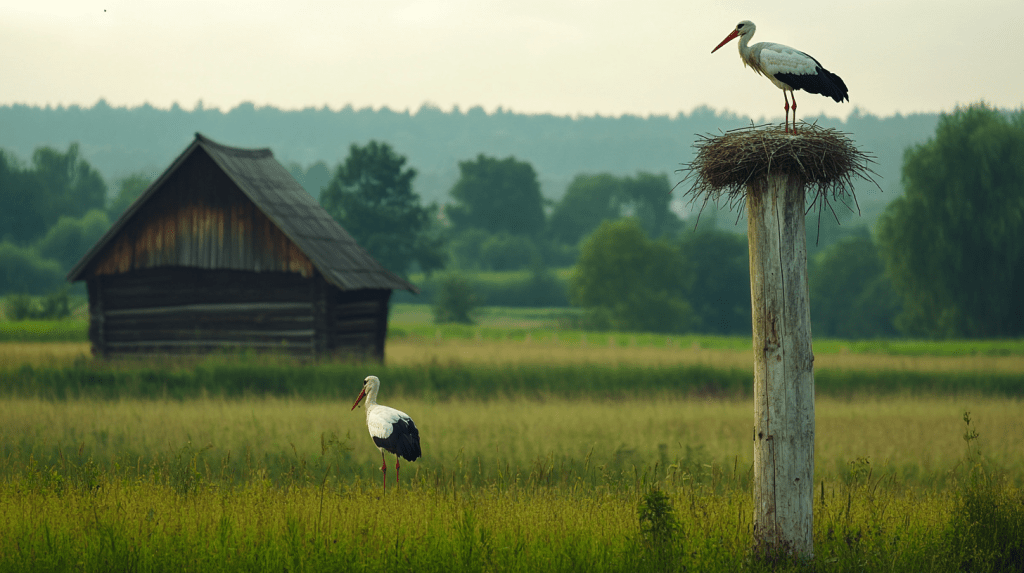
Emma: Fascinated. “That’s incredible. It must be amazing to see so many birds in one place. Do people here pay a lot of attention to the birds?"
Marta: “Absolutely. Birdwatching is a popular activity, especially during migration seasons. There are even nature reserves specifically set up to protect the habitats of these birds. It’s another way that people here stay connected to the natural world."
Emma: Thoughtfully. “It’s really inspiring to see how everything is so interconnected here—the land, the animals, the people. It feels like life here moves in harmony with nature."
Marta: “It does. That’s one of the things I miss most when I’m in the city—the sense of being part of something bigger, something natural and enduring."
Emma: “I can see that. It must be amazing to grow up in a place where you can see the impact of each season and how everything is interconnected."
Marta: “It is. There’s a deep sense of belonging when you know that your family has been taking care of this land for generations. It’s a responsibility, but also a source of pride."
Emma: Turning to Marta. “Do you ever miss it when you’re away? I mean, living in the city must feel so different."
Marta: Pausing for a moment, then smiling softly. “I do miss it sometimes, especially the quiet and the connection to nature. But I also appreciate what the city offers—opportunities, excitement. I guess it’s all about finding balance."
Emma: Nodding. “I can see that. There’s something grounding about being here, though. It reminds you of what’s really important."
Marta: “Absolutely. And I’m so glad I can share this with you. I wanted you to see the other side of Poland—the side that’s all about community, tradition, and the land."
Emma: Looking out at the golden fields once more. “I’m really grateful for this experience, Marta. It’s giving me a new perspective on life."
As they continue to drive, the road winds through more fields and small villages, each one telling its own story of life in the Polish countryside. The landscape, rich with history and tradition, becomes a backdrop for their deepening friendship and understanding.

場景 5:探索鄉村
陽光明媚,瑪塔和艾瑪駕車穿越波蘭北部起伏的鄉村。道路兩旁是金黃色的小麥和黑麥田,莊稼在溫暖的微風中輕輕搖曳。廣闊的景觀一望無際,遠處的森林和偶爾出現的農舍點綴著地平線。一路上,她們看到農民在田間勞作,還有幾隻動物在農舍附近吃草,天空中還有鳥兒飛翔。
艾瑪: 驚嘆地看著窗外。 「這裡和海岸完全不同,但同樣美麗。田野似乎無邊無際,一切看起來如此生機勃勃。」
瑪塔: 點頭,目光注視著前方的道路。 「這就是我為什麼那麼喜歡這個地區的原因之一。鄉村和大海一樣是我們文化的重要部分。這些田地世世代代由家庭耕種,土地為這裡的人們提供了很多。」
艾瑪: 好奇地問。 「他們這裡主要種什麼?都是小麥和黑麥嗎?」
瑪塔: 「主要是這些。小麥和黑麥是主要的作物,但你也會看到大麥、燕麥,有時還有土豆。這裡的土壤非常肥沃,氣候也非常適合這些作物。」
艾瑪: 「看到這麼多農業活動真是太棒了。在家裡,我很少看到這種生活方式。在這裡,一切都與土地息息相關。」
瑪塔: 「確實如此。這裡的生活節奏與季節密切相關。在夏天,田野充滿了生命力,而在收穫季節,大家都會一起勞作。這是我們文化的一大部分。」
艾瑪: 看向遠處的森林。 「那森林呢?人們用它們來做什麼,還是它們主要是野生動物的棲息地?」
瑪塔: 「其實兩者都有。森林裡有很多野生動物——鹿、狐狸,還有許多鳥類。但它們對我們來說也很重要,用來提供木材、採摘蘑菇和莓果。很多家庭會在秋天去採蘑菇,這是我們這裡的傳統。」
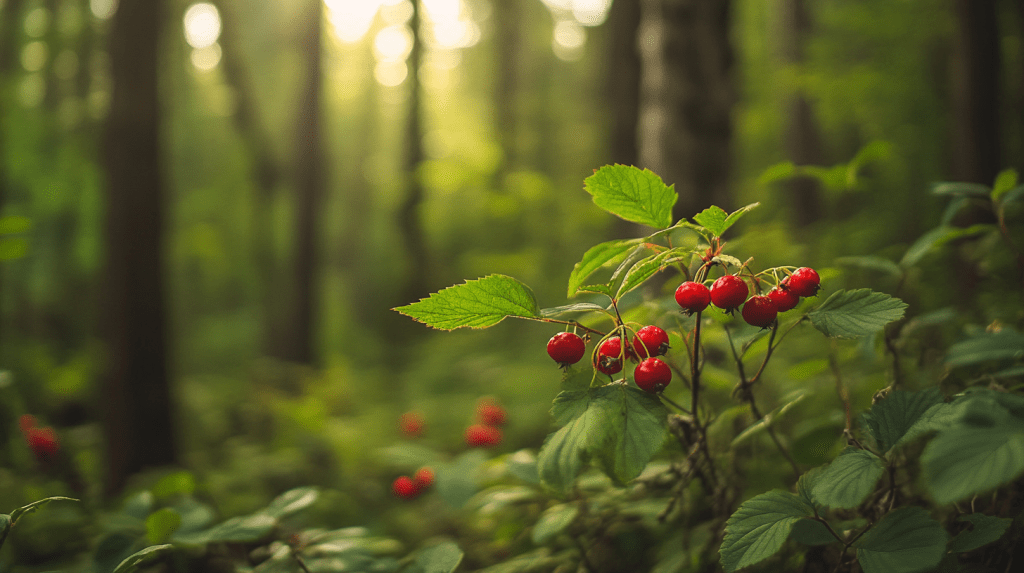
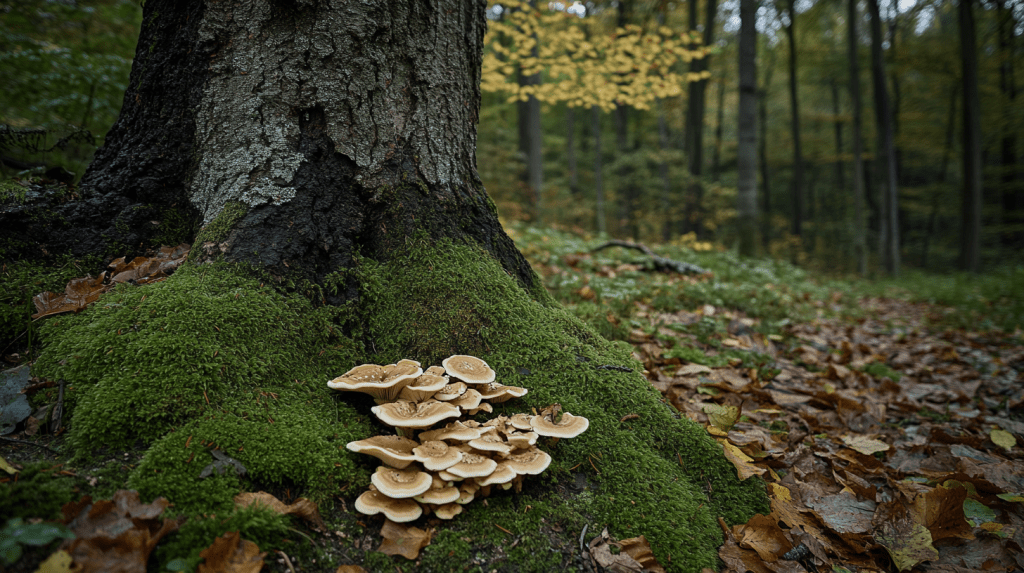
艾瑪: 興致勃勃地說。 「那真是太好了。我聽說在這個地區,採集是生活的一部分。」
瑪塔: 「是的,這是我們與自然保持聯繫的另一種方式。這裡的人們對土地和它所提供的一切有著深深的尊重,不論是來自田地、森林還是大海。」
艾瑪: 注意到附近有一些牛在吃草。 「我看到一些動物。他們這裡養很多牲畜嗎?」
瑪塔: 「是的,尤其是牛和羊。這個地區的乳製品非常好——奶酪、黃油、牛奶。而且你會發現,這裡的人們自己做很多食物。這是一種非常自給自足的生活方式。」
艾瑪: 微笑著說。 「這和我習慣的快節奏城市生活完全不同。這裡的一切都感覺如此紮根於自然。」
瑪塔: 「這就是我喜歡它的原因。這裡的人、土地和動物之間有一種平衡。這種生活很簡單,但它富有傳統和聯繫。」
艾瑪: 注意到天空中的一群鳥。 「自從我們開始這趟旅程以來,我看到了很多鳥。這裡全年都有這麼多鳥類,還是說這裡也有遷徙的鳥兒?」
瑪塔: 「哦,我們這裡肯定有遷徙的鳥兒。這個地區是許多鳥類在遷徙期間的重要停留地點。在春天和秋天,你可以看到大群的白鸛、灰雁,甚至還有一些藍胸鴝。白鸛在這裡特別有名——它們每年春天都會回來築巢。」
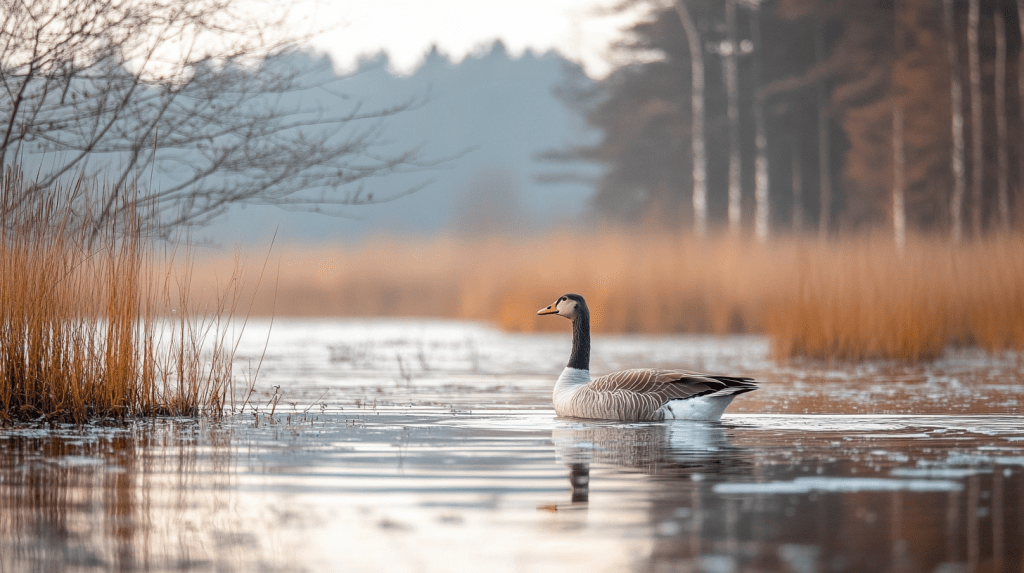
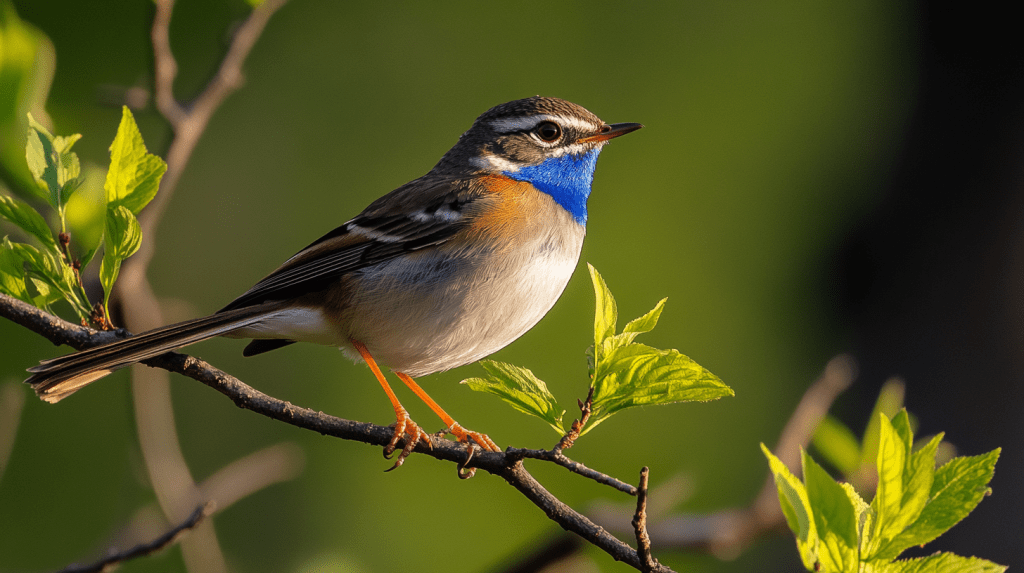
艾瑪: 充滿好奇地說。 「那真是太神奇了。在一個地方看到這麼多鳥一定很壯觀。這裡的人們對鳥類很關注嗎?」
瑪塔: 「當然。觀鳥在這裡非常受歡迎,尤其是在遷徙季節。有些自然保護區專門用來保護這些鳥類的棲息地。這是人們與自然界保持聯繫的另一種方式。」
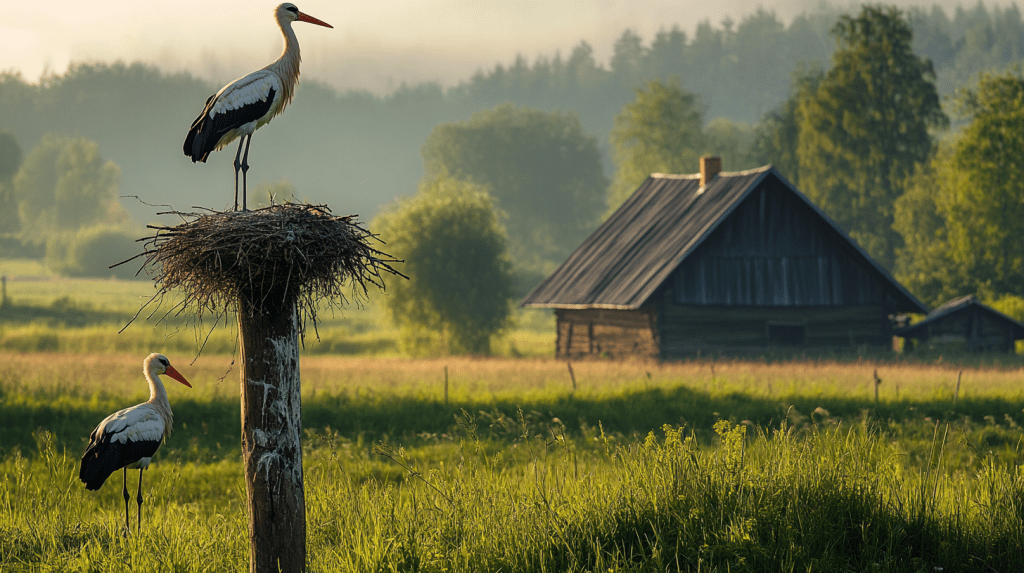
艾瑪: 若有所思地說。 「看到這裡的一切如何相互聯繫,真是令人鼓舞——土地、動物、人們。感覺這裡的生活與自然和諧共處。」
瑪塔: 「確實如此。這也是我在城市裡最想念的東西之一——那種感覺自己是大自然一部分的感覺,那種自然而持久的聯繫。」
艾瑪: 「我能理解。能在這樣的地方成長,一定很棒吧,你能看到每個季節的變化和一切事物的互相關聯。」
瑪塔: 「是的。當你知道你的家族已經照顧這片土地好幾代時,這種歸屬感是很深的。這是一種責任,但也是一種驕傲。」
艾瑪: 轉向瑪塔。 「當你不在這裡的時候,你會想念這裡嗎?我是說,住在城市裡一定感覺很不一樣。」
瑪塔: 停頓片刻,然後柔和地微笑。 「有時候確實會想念,特別是這裡的寧靜和與自然的聯繫。但我也欣賞城市所提供的機會和刺激。我想這都是關於找到平衡。」
艾瑪: 點頭。 「我明白了。在這裡有種讓人沉穩下來的感覺。這讓你想起了什麼才是真正重要的。」
瑪塔: 「沒錯。我很高興能與你分享這一切。我希望你能看到波蘭的另一面——這一面關乎社區、傳統和土地。」
艾瑪: 再次看向金黃色的田野。 「我真的很感激這次體驗,瑪塔。這讓我對生活有了新的視角。」
隨著他們繼續駕車前行,道路蜿蜒穿過更多的田野和小村莊,每個村莊都講述著波蘭鄉村生活的故事。這片富有歷史和傳統的土地,成為她們深化友誼和理解的背景。
Scene 6: Hiking in the Forest
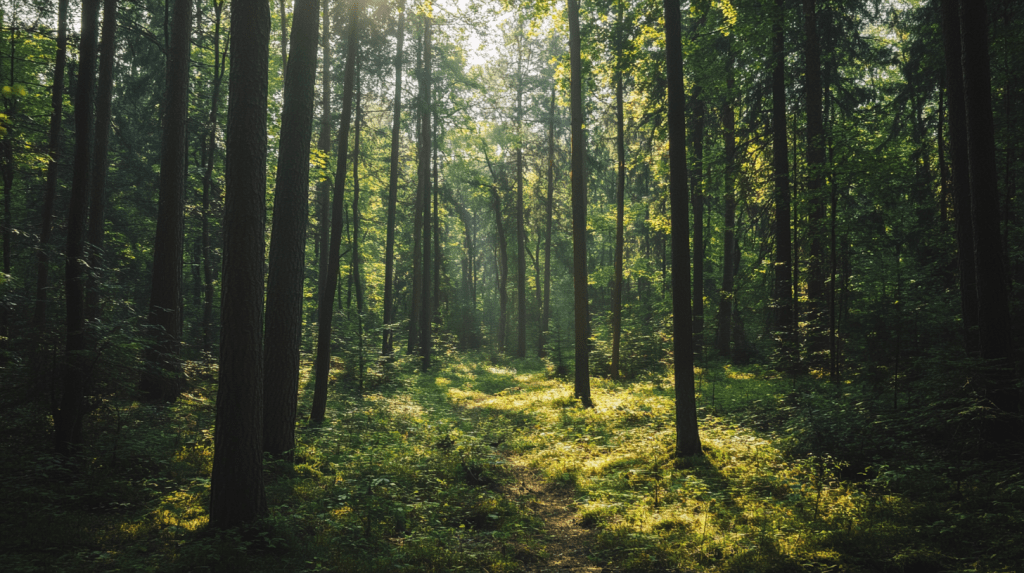
After spending the morning exploring the countryside, Marta and Emma decide to take a hike in one of the nearby forests. The forest is dense and green, with tall trees forming a natural canopy overhead. The sunlight filters through the leaves, casting dappled shadows on the forest floor. The air is fresh and filled with the scent of pine and earth. As they walk, the sound of a woodpecker drumming on a tree trunk catches their attention.
Emma: Breathing deeply as they walk along the trail. “This forest is incredible, Marta. It feels like we’ve stepped into another world—so quiet and peaceful."
Marta: Smiling. “I come here whenever I need to clear my head. It’s one of my favorite places. The forests here are ancient, and there’s something really grounding about being among these trees."
Emma: Hearing the sound. “Wait, do you hear that? It sounds like someone knocking on wood."
Marta: Pauses and listens, then smiles. “That’s a woodpecker. They’re common in these forests, especially the great spotted woodpecker. Let’s see if we can spot it."
They quietly follow the sound and soon spot a great spotted woodpecker on a nearby tree, busily pecking at the bark in search of insects.
Emma: Whispering in excitement. “Wow, there it is! It’s so focused on its work."
Marta: Nodding. “They’re amazing birds. They have strong neck muscles and a specially adapted skull to absorb the shock from all that pecking. You can often find them here, especially in the older parts of the forest."
Emma: Watching the bird intently. “It’s fascinating to see it in action. I’ve only ever seen woodpeckers in books before. It feels so different to see one up close in its natural habitat."
Marta: “That’s one of the things I love about hiking in these forests—you never know what you’re going to encounter. The wildlife here is so diverse, and every time you come, there’s something new to discover."
Emma: Still watching the woodpecker. “I can see that. It’s like the forest is alive with its own stories. Seeing this woodpecker just adds to the magic of this place."
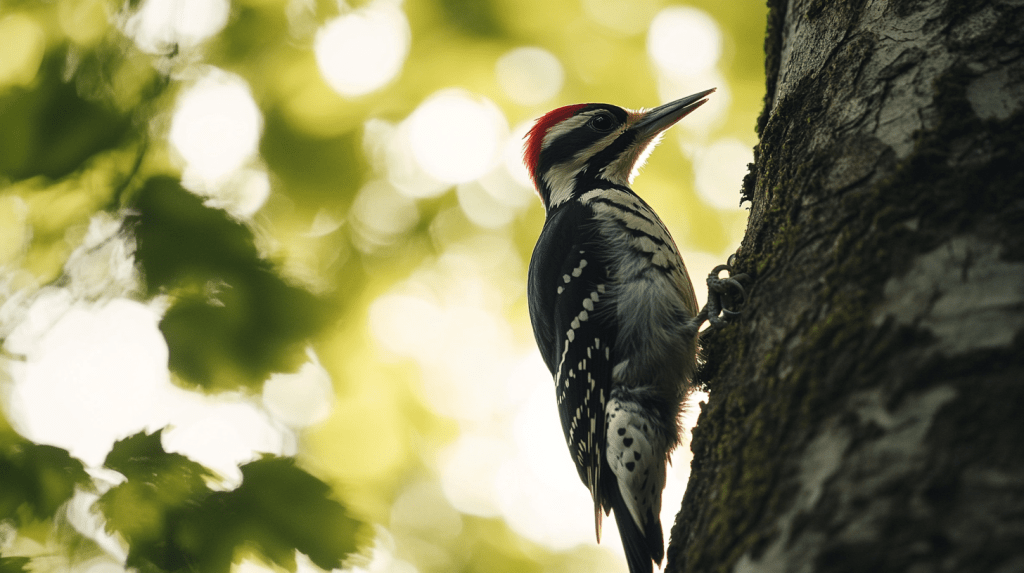
Marta: “It really does. And the more you learn about the creatures that live here, the more you appreciate how interconnected everything is. The woodpeckers play a role in the health of the forest by controlling insect populations and creating nesting sites for other birds."
Emma: Thoughtfully. “It’s incredible how everything is so connected. I feel like I’m learning so much just by being here."
Marta: “That’s the beauty of nature—it teaches us so much just by being present in it. I’m really glad we spotted that woodpecker. It’s a reminder of how vibrant and full of life these forests are."
Emma: Smiling. “I’m glad too. It’s moments like these that make this trip unforgettable."
They continue walking along the trail, the sounds of the forest surrounding them. The gentle rustling of leaves, the distant call of a bird, and the occasional drumming of the woodpecker create a soothing, natural soundtrack. As they hike deeper into the forest, they come across a small clearing with a stream running through it.
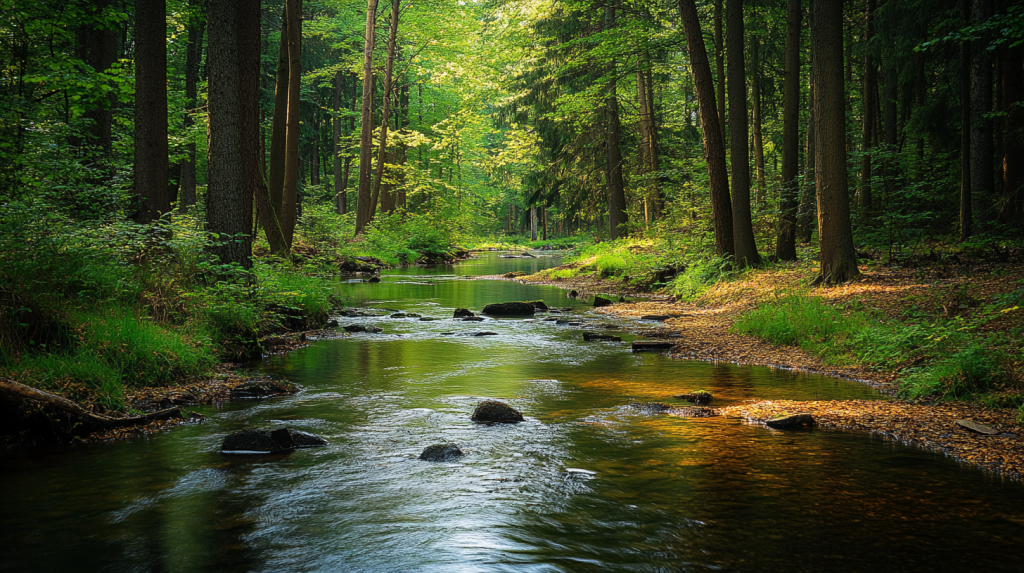
Emma: Stopping to take in the scene. “This place is so beautiful. The stream, the trees—it’s like a hidden gem."
Marta: Nodding. “This is one of my favorite spots. The stream is so clear, and if you’re quiet, you might see some animals coming to drink."
Emma: Softly. “I can’t imagine a more peaceful place. Thank you for bringing me here, Marta. It’s an experience I’ll never forget."
Marta: Smiling warmly. “I’m glad you’re enjoying it. There’s so much more to see, too. Poland’s forests are full of surprises."
They sit by the stream for a while, listening to the gentle flow of water and enjoying the serenity of the forest before continuing their hike. The forest, rich with life and history, becomes a place of reflection and deep connection for both Marta and Emma.
場景 6:在森林中徒步旅行
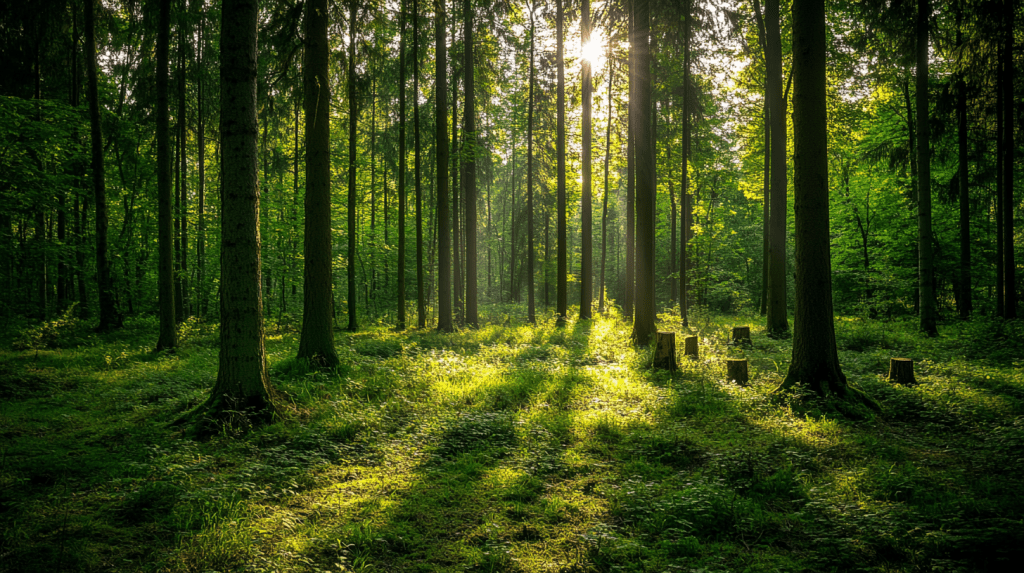
在早上探索鄉村之後,瑪塔和艾瑪決定在附近的一片森林中徒步旅行。這片森林茂密而翠綠,高大的樹木在頭頂形成了天然的樹冠。陽光透過樹葉,投下斑駁的影子在森林地面上。空氣清新,充滿了松樹和泥土的氣息。當他們行走時,一陣啄木鳥敲擊樹幹的聲音引起了她們的注意。
艾瑪: 深呼吸著,沿著小徑行走。 「這片森林真是太棒了,瑪塔。感覺我們走進了另一個世界——如此安靜和平靜。」
瑪塔: 微笑著說。 「每當我需要理清思緒時,我都會來這裡。這是我最喜歡的地方之一。這裡的森林非常古老,在這些樹木間讓人感到一種很踏實的感覺。」
艾瑪: 聽到聲音。 「等等,你聽到了嗎?聽起來像是有人在敲木頭。」
瑪塔: 停下腳步傾聽,然後微笑。 「那是啄木鳥。它們在這些森林裡很常見,特別是大斑啄木鳥。我們去找找看它在哪裡。」
她們悄悄地跟隨聲音,不久後就發現了一隻大斑啄木鳥在附近的一棵樹上,正忙著啄樹皮尋找昆蟲。
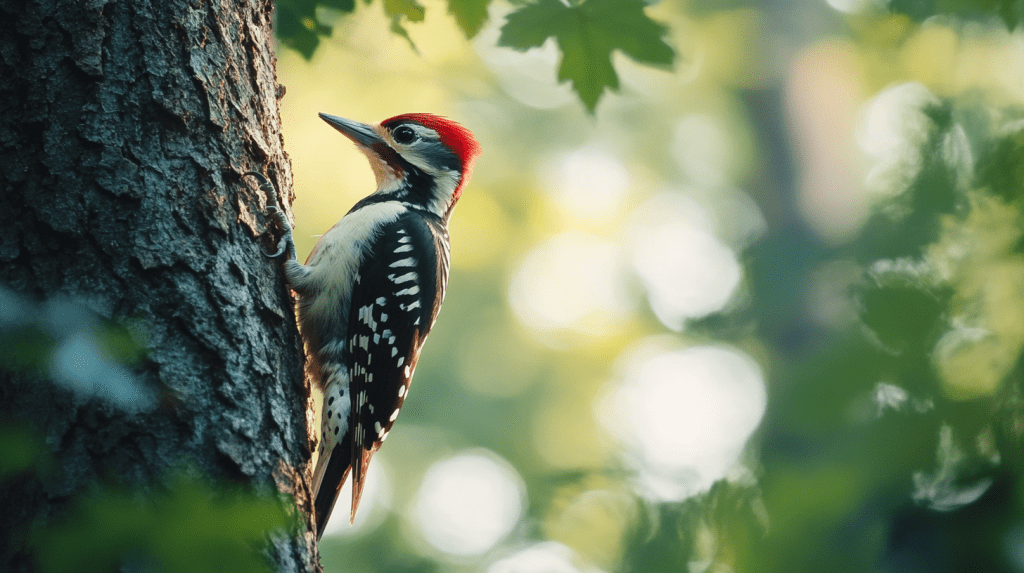
艾瑪: 激動地低聲說。 「哇,它就在那裡!它看起來專注於自己的工作。」
瑪塔: 點頭說。 「它們真是了不起的鳥類。它們的頸部肌肉非常強壯,頭骨也特別適應了這種不停啄木的衝擊。你經常可以在這裡看到它們,特別是在森林的老部分。」
艾瑪: 專注地看著這隻鳥。 「看到它在自然環境中活動真是太有趣了。我以前只在書裡見過啄木鳥,親眼看到它在自己的棲息地中活動,感覺完全不同。」
瑪塔: 「這就是為什麼我喜歡在這些森林裡徒步旅行——你永遠不知道會遇到什麼。這裡的野生動物非常多樣化,每次來都有新的發現。」
艾瑪: 仍然注視著啄木鳥。 「我能看出來。這片森林似乎充滿了自己的故事。看到這隻啄木鳥讓這個地方更添一分魔力。」
瑪塔: 「確實如此。你越了解這裡的生物,就越能體會到它們之間的相互聯繫。啄木鳥在維持森林健康方面起著重要作用,通過控制昆蟲數量並為其他鳥類創造巢穴。」
艾瑪: 若有所思地說。 「這真是令人難以置信,一切都這麼緊密相連。我覺得僅僅在這裡待著就學到了很多。」
瑪塔: 「這就是自然的美妙之處——它通過我們的親身體驗教會了我們很多東西。我真的很高興我們看到了這隻啄木鳥。它提醒我們這片森林是多麼充滿活力和生命。」
艾瑪: 微笑著說。 「我也很高興。這樣的時刻讓這次旅行難以忘懷。」
她們繼續沿著小徑行走,森林的聲音環繞著她們。葉子的沙沙聲、遠處的鳥鳴聲以及偶爾傳來的啄木鳥的敲擊聲共同營造出一個舒緩而自然的音樂背景。當她們深入森林時,發現了一個小空地,空地上有一條小溪流淌而過。
艾瑪: 停下腳步欣賞這一幕。 「這裡真美。溪流、樹木——這就像是一顆隱藏的寶石。」
瑪塔: 點頭。 「這是我最喜歡的地方之一。這裡的溪水非常清澈,如果你足夠安靜,你可能會看到一些動物過來喝水。」
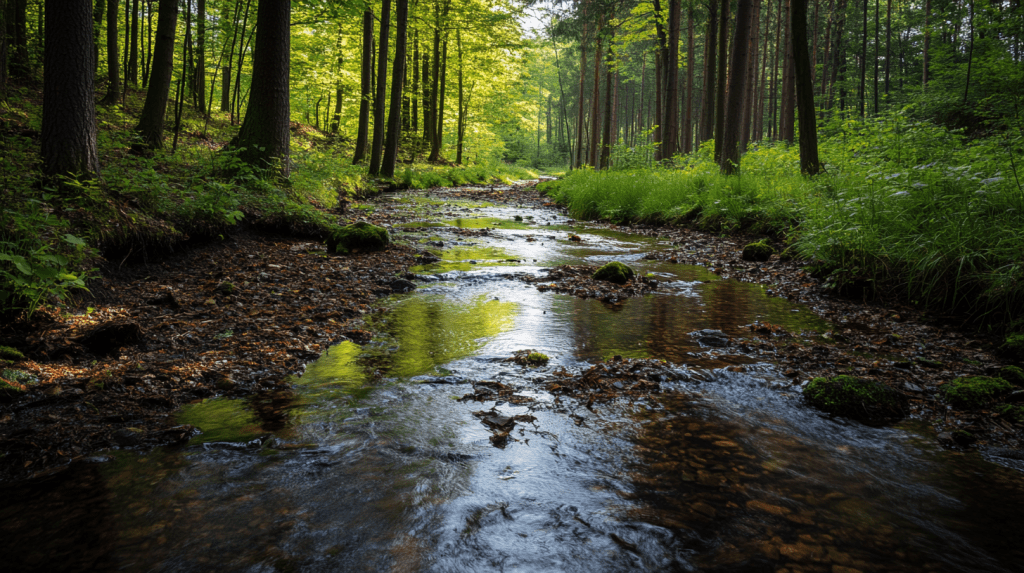
艾瑪: 輕聲說。 「我無法想像有比這裡更寧靜的地方了。謝謝你帶我來這裡,瑪塔。這是一段我永遠不會忘記的經歷。」
瑪塔: 溫暖地微笑著說。 「我很高興你喜歡這裡。這裡還有很多東西等著我們去發現。波蘭的森林裡充滿了驚喜。」
她們在溪邊坐了一會兒,聽著流水的輕柔聲音,享受著森林的寧靜,然後繼續她們的徒步旅行。這片充滿生命和歷史的森林,成為她們反思和深化聯繫的地方。
Scene 7: Relaxing in the Garden
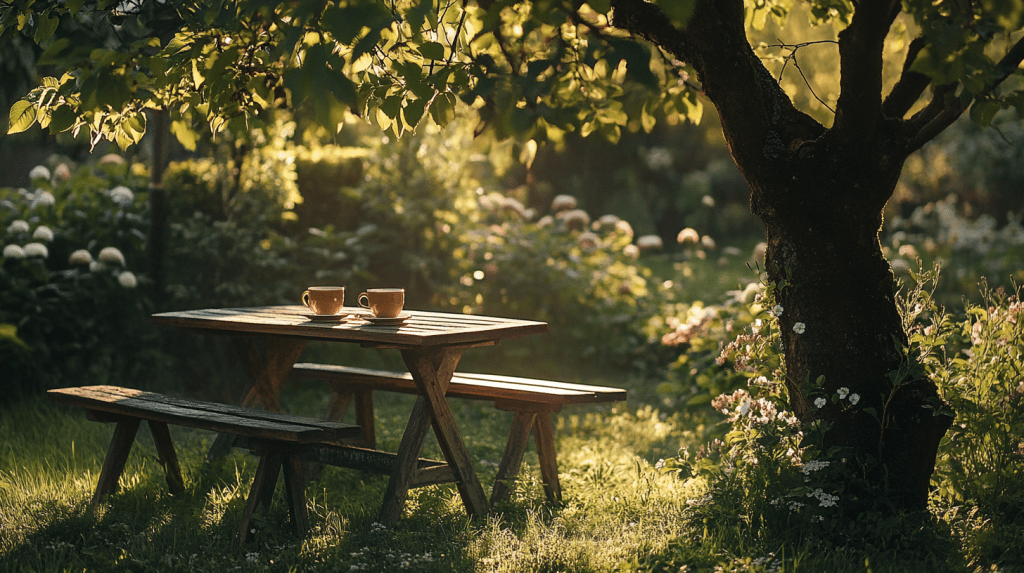
After their invigorating hike in the forest, Marta and Emma return to Marta’s home. The afternoon sun casts a warm glow over the garden, where colorful flowers are in full bloom. They sit on a wooden bench under an old apple tree, enjoying the peaceful atmosphere and sipping on homemade herbal tea. As they chat, Emma notices a large bird’s nest in a nearby tree.
Emma: Pointing to the nest. “Marta, is that a stork’s nest over there?"
Marta: Glancing up and smiling. “Yes, it is. That’s a white stork’s nest. They’re quite common in this region, and we’re lucky enough to have a pair that returns here every spring."
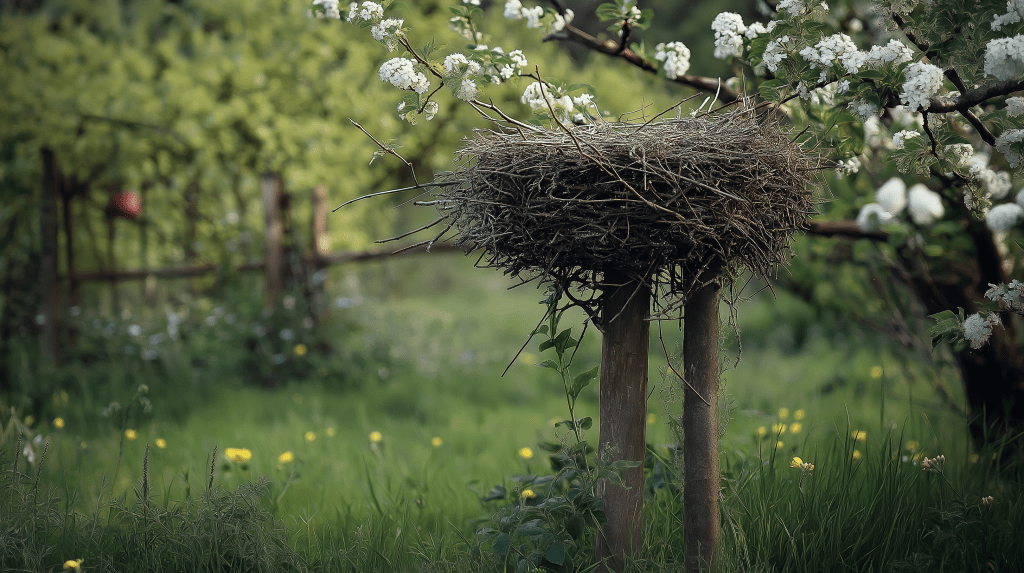
Emma: Excitedly. “That’s amazing! I’ve heard so much about storks in Poland. It must be incredible to have them nesting so close to your home."
Marta: “It really is. They’ve been nesting here for as long as I can remember. My family always gets excited when they arrive because it means spring is truly here. The storks are seen as a sign of good luck and fertility."
Emma: Watching the nest. “They’re such beautiful birds. It must be wonderful to watch them raise their chicks."
Marta: “It’s one of the highlights of the year. The chicks grow so quickly, and before you know it, they’re ready to take their first flight. The parents are very protective, and you can often see them soaring above the fields, keeping an eye on everything."
Emma: Thoughtfully. “It’s fascinating how connected they are to this place. Do they always return to the same nest?"
Marta: “Yes, storks are very loyal to their nesting sites. They often return to the same nest year after year. We’ve had to repair the nest a few times to make sure it’s sturdy enough for them, but they always seem to find their way back."
Emma: Smiling. “It’s wonderful to see how these traditions and connections continue, even with the storks. It’s like they’re a part of your family’s story."
Marta: “They really are. My grandparents used to tell me stories about the storks when I was little, and now I get to watch them with my own family. It’s a special bond between us and the natural world."
Emma: Taking a sip of her tea. “That’s one of the things I’ve come to love about being here. Everything is so connected—the land, the animals, the people. It feels like life here moves in harmony with nature."
Marta: “That’s true. The storks are just one example of how deeply nature is woven into our lives. They remind us every year that life is about renewal and connection, just like the seasons."
Emma: Looking at the nest once more. “I can see why they’re so cherished here. It’s a reminder that even in today’s world, we can still find moments of pure, natural beauty."
Marta: “Exactly. And I’m glad you’re here to share it with me. There’s something very grounding about watching the storks return, year after year. It’s a tradition that I hope continues for many more generations."
They continue to relax in the garden, enjoying the serene beauty of the surroundings and the sense of connection that comes from being in tune with nature. The conversation drifts to the plans for the rest of the trip, all while savoring the warmth of the afternoon sun and the delicious tea.
場景 7:在花園裡放鬆
在森林中的徒步旅行結束後,瑪塔和艾瑪回到了瑪塔的家。午後的陽光為花園投下了溫暖的光芒,色彩斑斕的花朵盛開著。她們坐在一棵老蘋果樹下的木製長椅上,享受著寧靜的氛圍,並啜飲著自家製的草本茶。當她們聊天時,艾瑪注意到附近一棵樹上有一個大鳥巢。
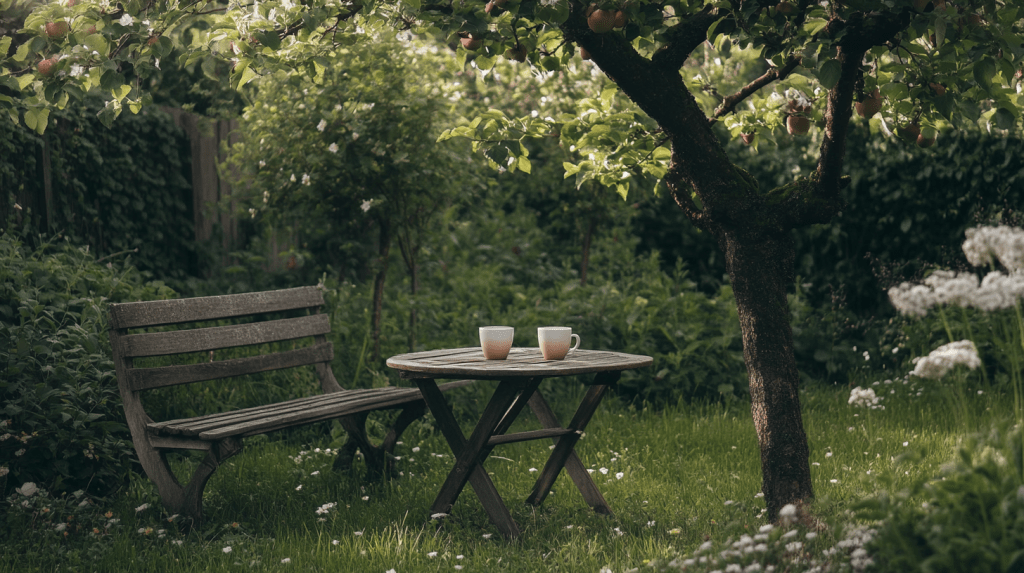
艾瑪: 指著那個巢。 「瑪塔,那是一個鸛巢嗎?」
瑪塔: 抬頭看了一眼,微笑著說。 「是的,那是一個白鸛的巢。在這個地區它們非常常見,而我們很幸運,每年春天都有一對鸛回到這裡。」
艾瑪: 興奮地說。 「太神奇了!我聽說過波蘭的鸛。能夠看到它們在你家附近築巢一定非常不可思議。」
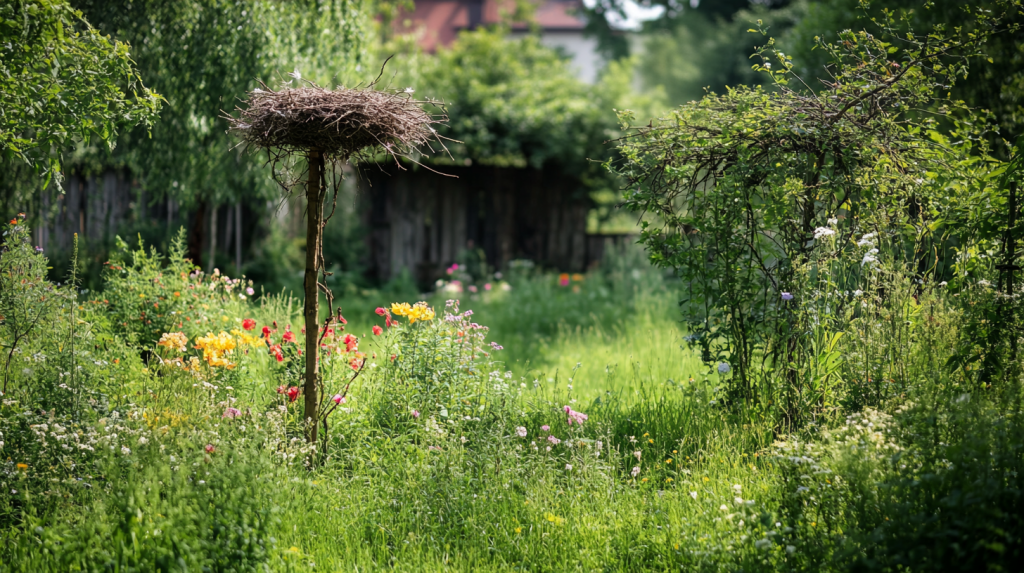
瑪塔: 「確實如此。它們在這裡築巢已經有我記憶以來那麼久了。每當它們到來,我們全家都會非常興奮,因為這意味著春天真的來了。鸛在這裡被視為好運和豐饒的象徵。」
艾瑪: 看著鳥巢。 「它們真是美麗的鳥類。看著它們養育小鳥一定很棒。」
瑪塔: 「這是一年中的一大亮點。小鳥長得非常快,沒過多久,它們就準備好進行第一次飛行了。鸛父母非常保護牠們的小鳥,你經常可以看到牠們在田野上空翱翔,監視著一切。」
艾瑪: 若有所思地問。 「它們和這個地方的聯繫真是令人著迷。它們總是回到同一個巢穴嗎?」
瑪塔: 「是的,鸛對牠們的巢穴非常忠誠。它們通常年復一年地回到同一個巢穴。我們曾經修理過這個巢穴幾次,以確保它足夠堅固,但牠們總是能找到回來的路。」
艾瑪: 微笑著說。 「這真是太美好了,看到這些傳統和聯繫,甚至在鸛身上也能延續。它們似乎成了你家故事的一部分。」
瑪塔: 「它們確實是。我祖父母在我小時候就常常給我講關於鸛的故事,現在我和自己的家人一起觀看牠們。這是一種我們和自然世界之間的特殊聯繫。」
艾瑪: 啜飲著她的茶。 「這就是我喜歡這裡的原因之一。一切都是如此緊密相連——土地、動物和人們。感覺這裡的生活和自然和諧共處。」
瑪塔: 「這是真的。鸛只是我們生活中自然緊密結合的一個例子。它們每年提醒我們,生活是關於更新和聯繫,就像季節一樣。」
艾瑪: 再次看著鳥巢。 「我能理解為什麼它們在這裡這麼受珍視。這提醒我們,即使在今天的世界裡,我們仍然可以找到純粹的自然美景。」
瑪塔: 「沒錯。而且我很高興你在這裡和我一起分享這一切。看著鸛年復一年地回來,讓人覺得很踏實。這是一個我希望能在未來許多世代中繼續的傳統。」
她們繼續在花園中放鬆,享受著周圍的寧靜美景和與自然和諧相處的感覺。她們談論著接下來的旅行計劃,一邊品味著午後的陽光和美味的茶。

 Virtual Travel | 虛擬旅行沉浸式英語學習
發表留言