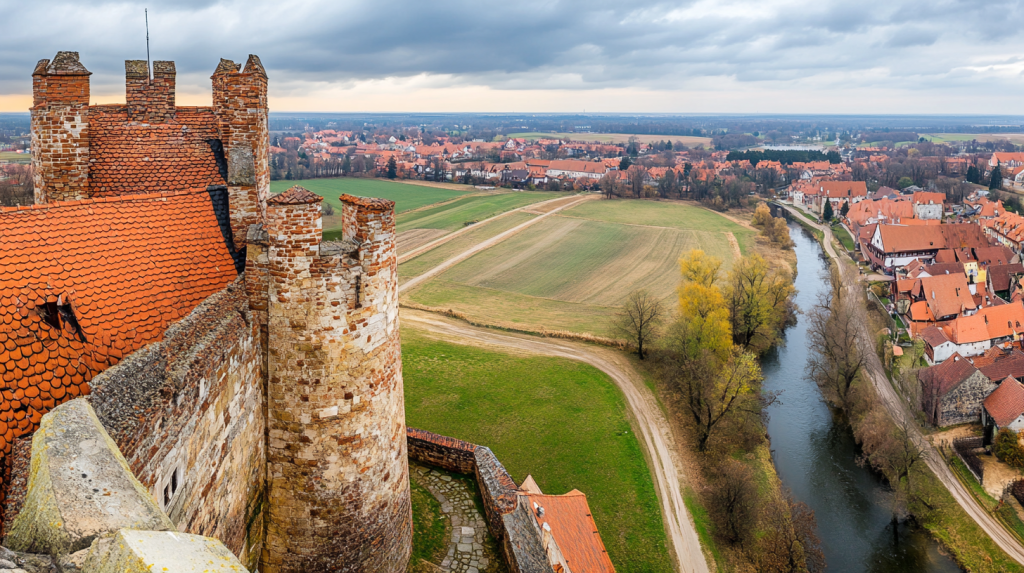
Scene 1: Arrival in Gdańsk – Exploring the Old Town
Emma and Marta have just arrived in Gdańsk, one of Poland’s most historic cities. They are walking through the cobblestone streets of the Old Town, surrounded by colorful, ornate buildings.
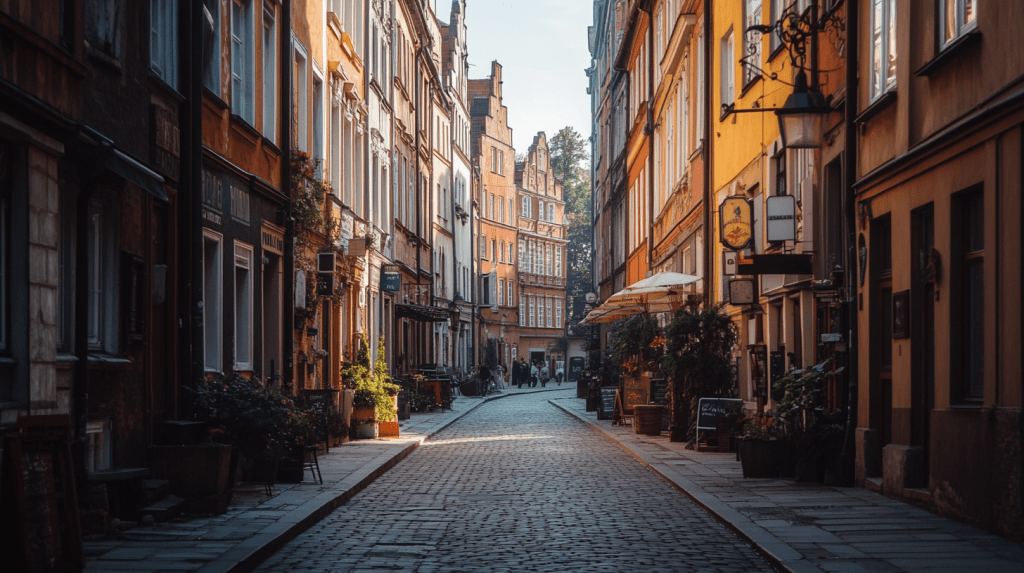
Emma: Looking around in awe. “Wow, Marta, this place is amazing! The architecture here is so beautiful and rich in history."
Marta: Smiling. “I knew you’d love it. Gdańsk is one of my favorite cities. These buildings date back to the medieval period, and many have been meticulously restored after the war. Gdańsk has a long and complex history, especially as a major port city on the Baltic Sea. It’s been influenced by many cultures over the centuries."
Emma: “What do you mean by ‘influenced by many cultures’? Can you tell me more?"
Marta: “Of course! Gdańsk was once part of the Hanseatic League, a powerful trading alliance of northern European cities during the Middle Ages. The Hanseatic League dominated trade in the Baltic and North Seas from the 13th to the 17th century. Gdańsk was a major hub for grain, wood, and amber trade, which brought wealth and prosperity to the city. The architecture here reflects that wealth, with its elaborate merchant houses and grand public buildings."
Emma: “That’s fascinating. And you mentioned the Teutonic Knights earlier—who were they?"
Marta: “The Teutonic Knights were a military order founded during the Crusades in the late 12th century. They were originally established to protect Christian pilgrims in the Holy Land but later expanded their influence to the Baltic region. In the 13th century, they conquered much of what is now northern Poland and established their own state. They built numerous castles, including the famous Malbork Castle, which we’ll visit later."
Emma: “So, Gdańsk was under their control too?"
Marta: “Yes, for a time. Gdańsk was part of the Teutonic Knights’ state until the 15th century, when the city allied with the Kingdom of Poland and became part of the Polish Crown. The city’s strategic location made it a valuable asset, and it continued to thrive as a center of trade and culture."
Emma: “It’s amazing how much history is packed into this city. But I’m curious, how did all of this shape the Polish identity?"
Marta: “That’s a great question. The history of Poland is one of resilience and perseverance. Poland has been influenced by various powers throughout its history—Germans, Russians, Austrians, and more—but the Polish people have always maintained a strong sense of identity. Gdańsk, in particular, has been a symbol of Polish independence and resistance. During World War II, Gdańsk was where the war began with the German invasion, and after the war, the city was almost completely destroyed. But it was rebuilt by the Polish people as a testament to their resilience."
Emma: “So the city is not just a place with historical buildings, but also a symbol of the Polish spirit?"
Marta: “Exactly. The Polish identity is deeply rooted in our history, our struggles for independence, and our love for freedom. Despite centuries of partitions, occupations, and wars, Poland has always found a way to survive and eventually thrive. Gdańsk is a perfect example of that spirit—it’s a city that has been through so much but continues to stand strong."


Emma: Pointing to St. Mary’s Church. “That church looks incredible. Can we go inside?"

Marta: “Absolutely! St. Mary’s is one of the largest brick churches in the world. It was built in the 14th century during the city’s prosperous Hanseatic period, and its Gothic architecture is truly impressive. During World War II, the church was heavily damaged, but it has been beautifully restored. Plus, the view from the tower is breathtaking—you can see the entire city and the Motława River."

Emma: Excitedly. “I can’t wait to see it. This whole place feels like stepping back in time."
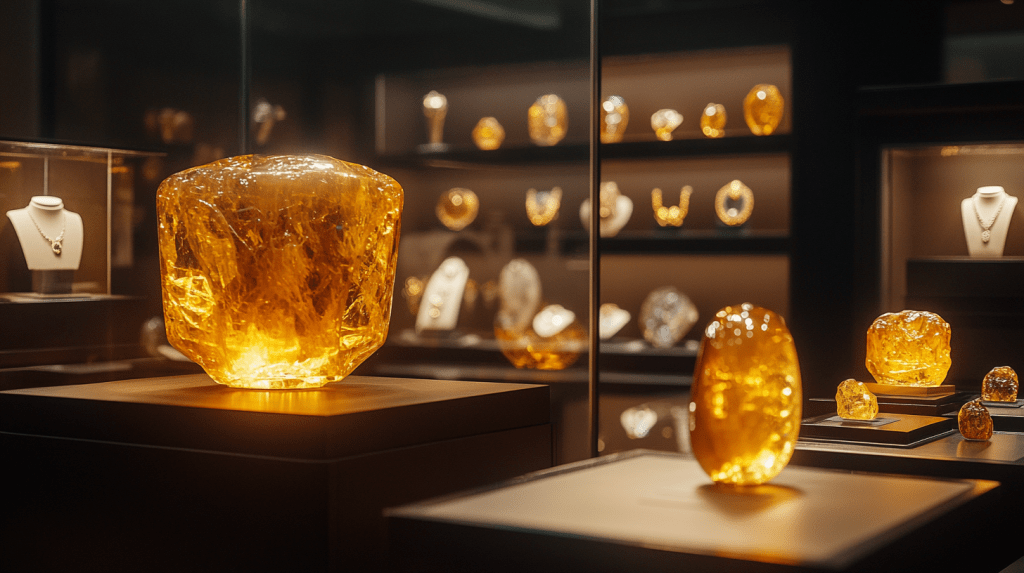
Marta: “That’s exactly what makes Gdańsk so special. It’s like walking through a living museum. And after we explore the church, we can visit the Amber Museum. Gdańsk is famous for its amber, known as ‘Baltic gold.’ The museum has some stunning pieces, including ancient amber artifacts and beautifully crafted jewelry."
Emma: “That sounds fascinating! I’ve heard about Baltic amber, but I’ve never seen it up close. This city really has so much to offer."
場景 1:抵達格但斯克 – 探索老城
艾瑪和瑪塔剛剛抵達波蘭最具歷史意義的城市之一——格但斯克。他們正走在老城區的鵝卵石街道上,周圍是色彩斑斕、裝飾精美的建築。
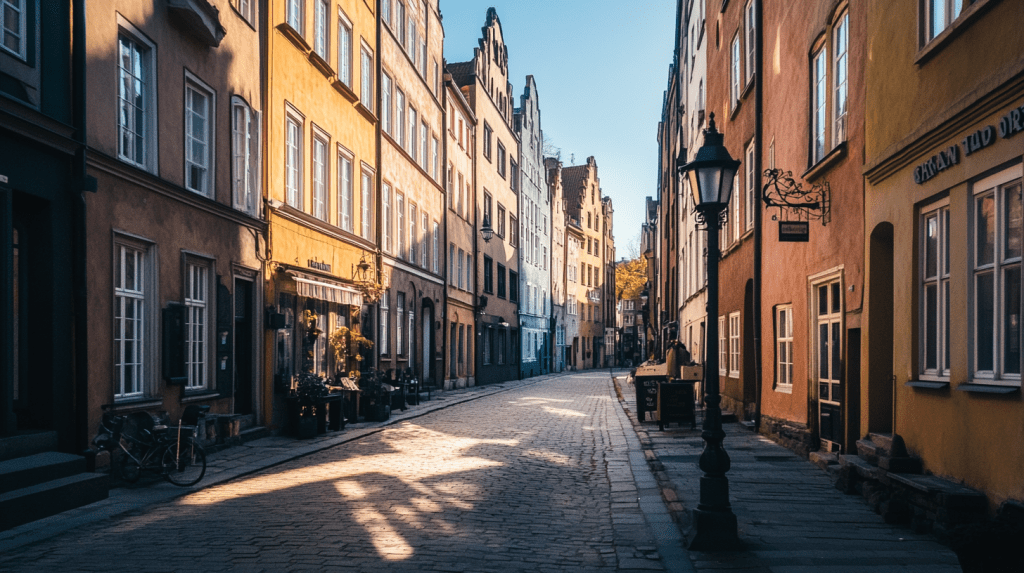
艾瑪: 驚訝地四處張望。 「哇,瑪塔,這個地方真是太棒了!這裡的建築太美了,而且充滿了歷史感。」
瑪塔: 微笑著說。 「我就知道你會喜歡的。格但斯克是我最喜歡的城市之一。這些建築可以追溯到中世紀,許多都是在戰後精心修復的。格但斯克有著悠久而複雜的歷史,尤其作為波羅的海上的重要港口城市,幾個世紀以來受到許多文化的影響。」
艾瑪: 「你說受到許多文化的影響,是什麼意思?可以告訴我更多嗎?」
瑪塔: 「當然可以!格但斯克曾是漢薩同盟的一部分,這是一個在中世紀時期由北歐城市組成的強大貿易聯盟。漢薩同盟從13世紀到17世紀期間主導了波羅的海和北海的貿易。格但斯克是糧食、木材和琥珀貿易的重要樞紐,這為城市帶來了財富和繁榮。這裡的建築反映了那段時期的富裕,有著精美的商人房屋和宏偉的公共建築。」
艾瑪: 「這真是太有趣了。你剛才提到的條頓騎士團又是什麼?」
瑪塔: 「條頓騎士團是一個在12世紀末十字軍東征期間成立的軍事修道會。他們最初是為了保護前往聖地的基督教朝聖者,但後來將勢力擴展到波羅的海地區。在13世紀,條頓騎士團征服了現在的波蘭北部大部分地區,並建立了自己的國家。他們建造了許多城堡,包括我們稍後要去參觀的著名馬爾堡城堡。」
艾瑪: 「所以,格但斯克也曾在他們的控制之下?」
瑪塔: 「是的,有一段時間是的。格但斯克曾是條頓騎士團國家的一部分,直到15世紀,當時這座城市與波蘭王國結盟,成為波蘭王冠的一部分。由於其戰略位置,格但斯克成為了一個非常有價值的資產,並繼續作為貿易和文化中心繁榮發展。」
艾瑪: 「這座城市裡有著這麼多歷史,真是令人驚嘆。但我很好奇,這一切是如何影響波蘭民族身份的?」
瑪塔: 「這是一個很好的問題。波蘭的歷史是一個充滿韌性和堅韌的故事。波蘭在歷史上曾受到德國人、俄羅斯人、奧地利人等多方勢力的影響,但波蘭人民始終保持著強烈的民族認同感。特別是格但斯克,這裡一直是波蘭獨立和抵抗的象徵。在二戰期間,德國的入侵就是從格但斯克開始的,戰後這座城市幾乎被完全摧毀。但它被波蘭人民重新建造,成為了他們韌性的見證。」
艾瑪: 「所以這座城市不僅僅是有歷史建築的地方,還是波蘭精神的象徵?」
瑪塔: 「沒錯。波蘭民族身份深深植根於我們的歷史、我們爭取獨立的奮鬥和我們對自由的熱愛。儘管歷經世紀的瓜分、佔領和戰爭,波蘭總是能夠生存並最終繁榮。格但斯克就是這種精神的完美例子——這是一座經歷了如此多苦難卻仍然堅強屹立的城市。」


艾瑪: 指著聖瑪麗教堂。 「那座教堂看起來真不可思議。我們可以進去看看嗎?」

瑪塔: 「當然可以!聖瑪麗教堂是世界上最大的磚砌教堂之一。它建於14世紀,正值城市繁榮的漢薩同盟時期,其哥特式建築風格非常壯觀。在二戰期間,這座教堂受到了嚴重損壞,但後來被精美地修復了。而且,從塔樓上看出去的景色非常壯觀——你可以看到整個城市和莫特瓦河。」
艾瑪: 興奮地說。 「我迫不及待想去看看了。這個地方讓人感覺就像走進了歷史的長廊。」
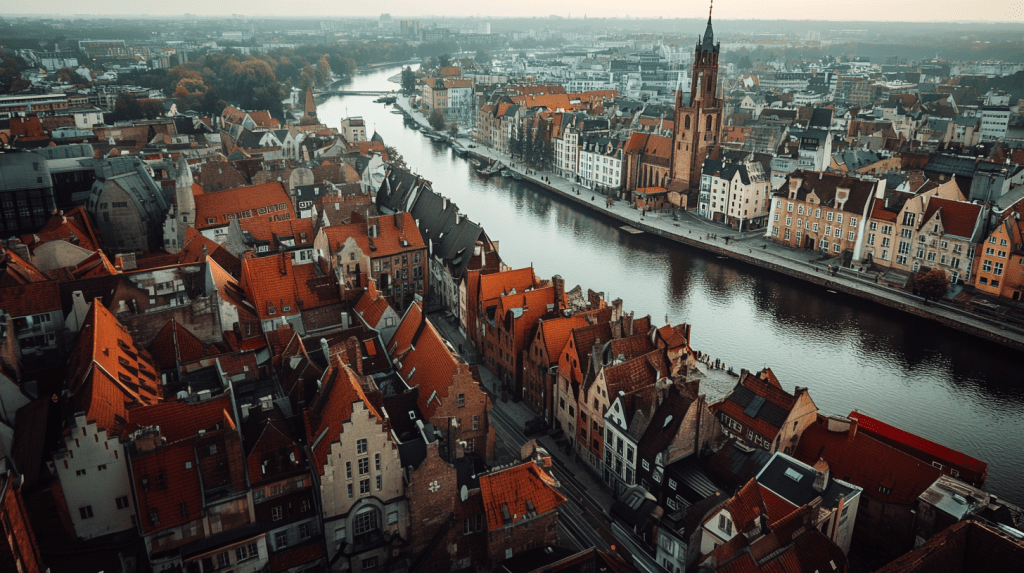
瑪塔: 「這正是格但斯克如此特別的原因。這就像在一座活生生的博物館裡漫步。在我們探索完教堂後,我們可以去參觀琥珀博物館。格但斯克以其琥珀聞名,被稱為‘波羅的海的黃金’。博物館裡有一些非常驚人的展品,包括古老的琥珀製品和精美的珠寶。」
艾瑪: 「聽起來很有趣!我聽說過波羅的海的琥珀,但從來沒近距離看過。這座城市真的有太多可以探索的東西了。」

抱歉讓你久等了,這裡是完整的場景對話:
Scene 2: Exploring Malbork Castle – A Journey into the Medieval Era
After their visit to Gdańsk, Emma and Marta make their way to Malbork, a small town famous for its imposing medieval castle. As they approach, the sheer size and grandeur of Malbork Castle take Emma’s breath away. The castle’s red-brick walls rise high above the surrounding landscape, a testament to the power and influence of the Teutonic Knights who built it.

Emma: Gazing up at the massive fortress. “This is absolutely incredible, Marta. I’ve read about Malbork Castle, but seeing it in person is something else entirely. It’s like stepping back into the Middle Ages."
Marta: Nodding in agreement. “It really is. Malbork Castle is the largest brick castle in the world and a UNESCO World Heritage site. The Teutonic Knights started building it in the 13th century, and it became the headquarters of their order. The castle is a symbol of their power and the role they played in the region’s history."
Emma: “I can’t believe how well-preserved it is. The details in the brickwork, the towers, the gates… everything is so intricate."
Marta: “The castle has been meticulously restored over the years, especially after the damage it suffered during World War II. It’s one of Poland’s most important historical sites, not just because of its architecture, but because of the history it represents. The castle was a center of political, military, and religious power in medieval Europe."
They enter the castle through a massive wooden gate, stepping into a courtyard surrounded by towering walls. The air is cool and still, and the echo of their footsteps reverberates off the ancient stone.
Emma: Looking around in awe. “This place is so atmospheric. You can almost feel the history here. It’s like the walls are whispering stories from the past."
Marta: Smiling. “That’s one of the things I love about Malbork. It’s not just a museum; it’s a place where you can really connect with history. The Teutonic Knights lived and ruled here, making decisions that affected the entire region. Let’s head to the Grand Master’s Palace—it’s where the leaders of the order held court and made their most important decisions."
Emma: “I’d love to see it. What was life like for the people who lived here?"
Marta: “Life in the castle was very structured and hierarchical. The Teutonic Knights were both warriors and monks, so they lived by a strict code of conduct. The castle was not only a fortress but also a religious center, with chapels, libraries, and rooms dedicated to study and prayer. The knights spent much of their time training for battle, managing the order’s vast estates, and engaging in diplomacy."
As they walk through the corridors, they pass by beautifully restored rooms filled with medieval artifacts—armor, weapons, manuscripts, and religious relics. The walls are adorned with tapestries, and the floors are covered with intricate tiles.

Emma: Stopping to admire a set of medieval armor. “It’s fascinating to think about how different life was back then. The discipline, the way they organized society—it’s so different from how we live today."
Marta: “Absolutely. The Teutonic Knights were a unique mix of warriors and monks, and their influence extended far beyond these walls. They controlled large territories in what are now Poland, Lithuania, and Russia. But their power eventually waned, especially after their defeat at the Battle of Grunwald in 1410, which was a turning point in Polish history."
Emma: “The Battle of Grunwald—wasn’t that a major victory for Poland and Lithuania?"
Marta: “Yes, it was. The battle was one of the largest in medieval Europe, and it marked the decline of the Teutonic Order’s power in the region. After the battle, the order gradually lost its influence, and Malbork Castle eventually became a residence for Polish kings."
Emma: As they enter the Grand Master’s Palace. “It’s amazing how much history is contained within these walls. I feel like I’m walking through centuries of stories."
Marta: “That’s what makes Malbork so special. It’s not just about the architecture; it’s about the legacy of the people who lived here and the events that shaped the history of this entire region."
They continue exploring the castle, visiting the chapel, the dining hall, and the underground passages. Each room tells a different part of the castle’s story, from its origins as a Teutonic stronghold to its transformation into a royal residence.

Emma: Pausing at a window that overlooks the Nogat River. “The view from here is stunning. You can see why they chose this location—it’s so strategic, overlooking the river and the surrounding countryside."
Marta: “Exactly. The castle’s position on the Nogat River allowed the Teutonic Knights to control trade routes and defend their territory. It’s no wonder they made this place their headquarters."
Emma: “I’m so glad we came here, Marta. Malbork Castle is more than I ever imagined. It’s like a living history lesson."
Marta: Smiling. “I’m glad you’re enjoying it. There’s so much more to explore, and each corner of the castle has its own story to tell."
場景 2:探索馬爾堡城堡 – 中世紀之旅
在參觀完格但斯克後,艾瑪和瑪塔來到了馬爾堡,這座小鎮以其宏偉的中世紀城堡而聞名。當他們走近時,馬爾堡城堡的巨大規模和宏偉讓艾瑪驚嘆不已。城堡的紅磚牆高聳於周圍的景觀之上,展示了條頓騎士團的力量和影響力。
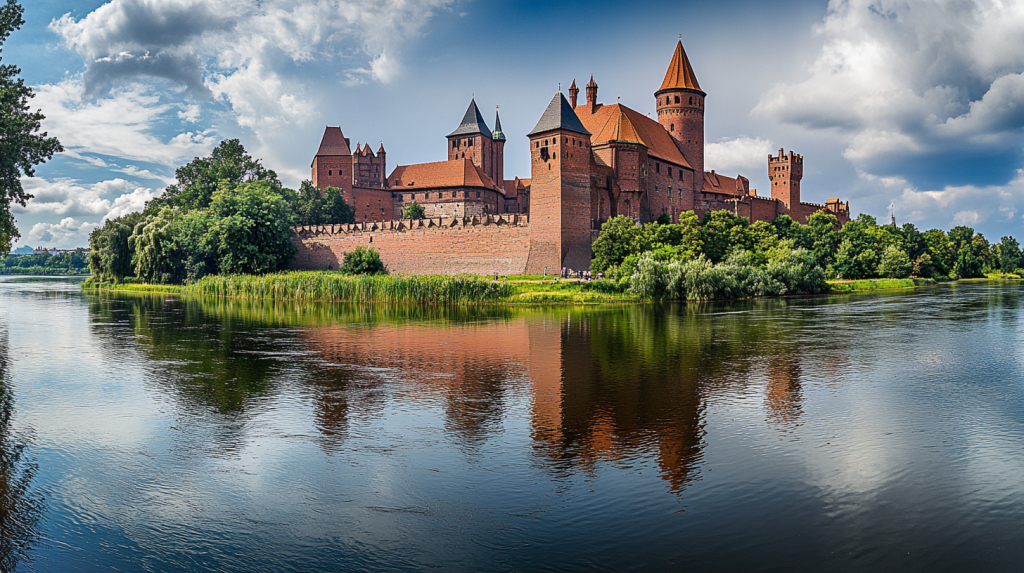
艾瑪: 仰望著這座龐大的城堡。 「這真是太不可思議了,瑪塔。我讀過關於馬爾堡城堡的資料,但親眼見到它完全是另一回事。這就像回到了中世紀。」
瑪塔: 點頭同意。 「的確如此。馬爾堡城堡是世界上最大的磚砌城堡,也是聯合國教科文組織的世界遺產。條頓騎士團在13世紀開始建造這座城堡,後來它成為了他們的總部。這座城堡象徵著他們的權力,以及他們在這個地區歷史中的作用。」
艾瑪: 「我無法相信它保存得這麼完好。磚砌細節、塔樓、大門……一切都如此精美。」
瑪塔: 「這座城堡在多年來被精心修復,尤其是在二戰期間受到破壞之後。它是波蘭最重要的歷史遺址之一,不僅因為它的建築,還因為它所代表的歷史。這座城堡在中世紀歐洲是政治、軍事和宗教權力的中心。」
他們穿過一扇巨大的木門,走進一個被高牆環繞的庭院。空氣涼爽寧靜,他們的腳步聲在古老的石頭上回響。

艾瑪: 四處張望,充滿敬畏。 「這個地方真是太有氛圍了。你幾乎能感受到這裡的歷史。好像這些牆壁在低語著過去的故事。」
瑪塔: 微笑著說。 「這就是我喜歡馬爾堡的原因之一。這不僅僅是一個博物館,這是一個你可以真正與歷史聯繫的地方。條頓騎士團曾經在這裡生活和統治,做出影響整個地區的決策。我們去大團長宮吧,那是騎士團領袖舉行會議並做出最重要決策的地方。」
艾瑪: 「我很想看看。那些住在這裡的人是怎麼生活的?」
瑪塔: 「城堡裡的生活非常有結構性和階層性。條頓騎士團既是戰士也是修士,所以他們遵循著嚴格的行為準則。這座城堡不僅是一個堡壘,還是一個宗教中心,有教堂、圖書館和專門用於學習和祈禱的房間。騎士們大部分時間都在訓練、管理騎士團的廣大領地以及參與外交活動。」
*他們穿過走廊,經過充滿中世紀文物的精美修復房間——盔甲、武器、手稿和宗教遺物。牆上掛滿了掛毯,地板上鋪著精美的瓷磚。*
艾瑪: 停下來欣賞一套中世紀盔甲。 「想到那個時代的生活是多麼不同,真是讓人著迷。他們的紀律,社會組織的方式——和我們今天的生活完全不同。」
瑪塔: 「的確如此。條頓騎士團是一個戰士和修士的獨特組合,他們的影響遠遠超出了這些城牆。他們控制著現在的波蘭、立陶宛和俄羅斯的大部分地區。但他們的勢力最終衰落了,特別是在1410年的格倫瓦德之戰之後,那是波蘭歷史上的一個轉折點。」
艾瑪: 「格倫瓦德之戰——那不是波蘭和立陶宛的一次重大勝利嗎?」
瑪塔: 「是的,沒錯。那場戰役是中世紀歐洲最大的一次戰役之一,它標誌著條頓騎士團在這個地區權力的衰落。戰後,騎士團的影響力逐漸減弱,馬爾堡城堡最終成為了波蘭國王的住所。」
艾瑪: 當他們進入大團長宮時說。 「這些牆壁裡包含了如此豐富的歷史。感覺像是在穿越幾個世紀的故事。」
瑪塔: 「這就是馬爾堡的特別之處。這不僅僅是關於建築的故事;還有生活在這裡的人們的遺產,以及塑造這個地區歷史的事件。」
他們繼續探索城堡,參觀了教堂、餐廳和地下通道。每個房間都講述了城堡的不同歷史,從它作為條頓騎士團堡壘的起源到後來轉變為皇家住所的過程。
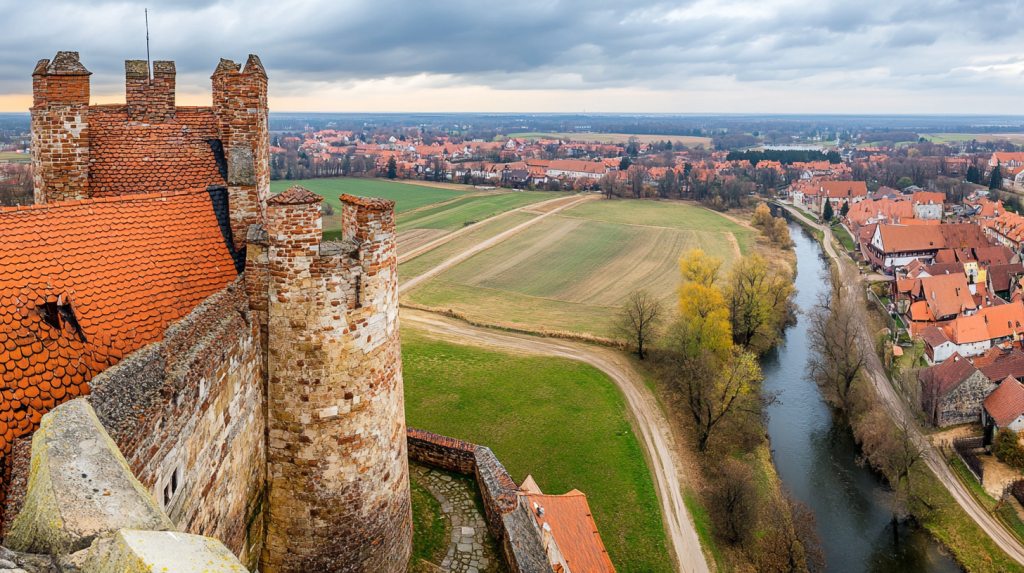
艾瑪: 停在一個俯瞰諾加特河的窗戶旁。 「從這裡的景色真是令人驚嘆。你可以明白為什麼他們選擇這個位置——它如此具有戰略意義,俯瞰著河流和周圍的鄉村。」
瑪塔: 「沒錯。城堡在諾加特河的位置使條頓騎士團能夠控制貿易路線並保衛他們的領地。難怪他們把這個地方作為他們的總部。」
艾瑪: 「瑪塔,我很高興我們來了這裡。馬爾堡城堡超出了我的想像。這就像一堂活生生的歷史課。」
瑪塔: 微笑著說。 「我很高興你喜歡這裡。這裡還有很多地方可以探索,城堡的每一個角落都有自己的故事要講。」
Scene 3: Exploring the Masurian Lake District
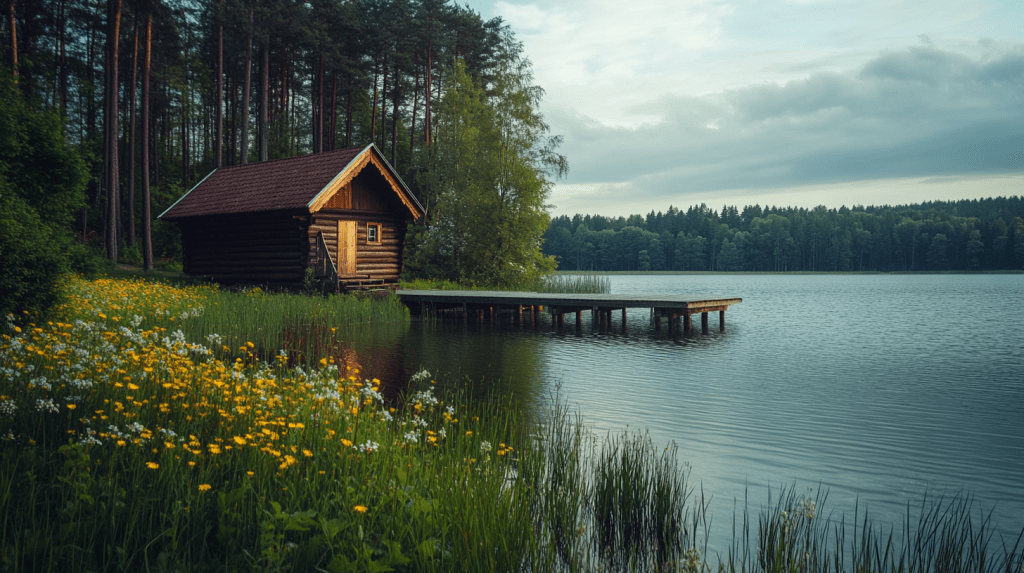
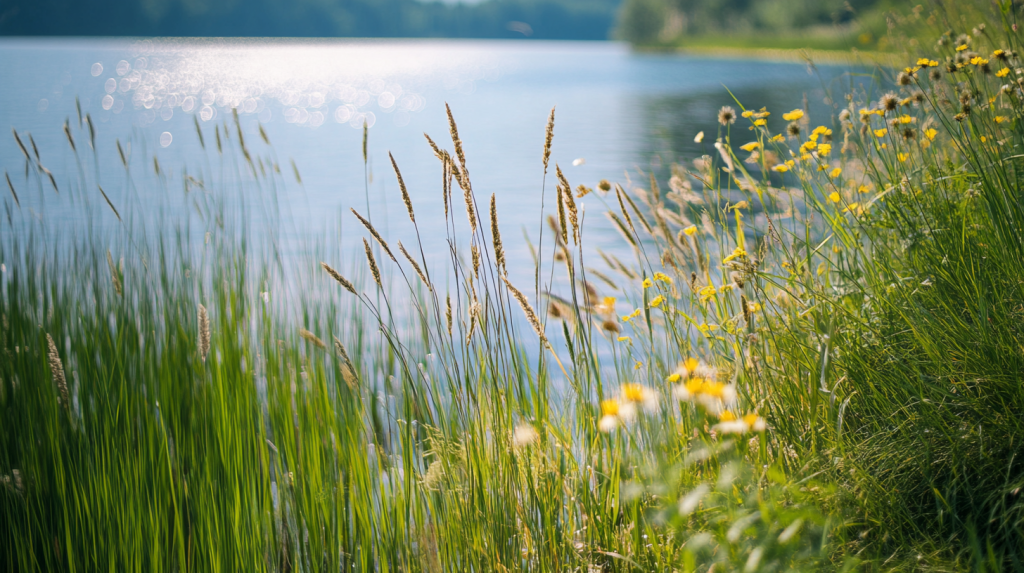
Emma and Marta have just arrived in the Masurian Lake District, a stunning area filled with crystal-clear lakes, lush forests, and charming villages. As they drive through the region, the landscape opens up to reveal expansive lakes shimmering under the summer sun.

Emma: Looking out the car window. “This place is absolutely breathtaking, Marta. The lakes are so vast and peaceful. I can see why this is such a popular spot for summer vacations."
Marta: Smiling. “It’s one of my favorite places in Poland. The Great Masurian Lakes are perfect for anyone who loves the outdoors. You can spend the whole day boating, fishing, or just relaxing by the water. And when the sun sets, the whole area just lights up with the most beautiful colors."
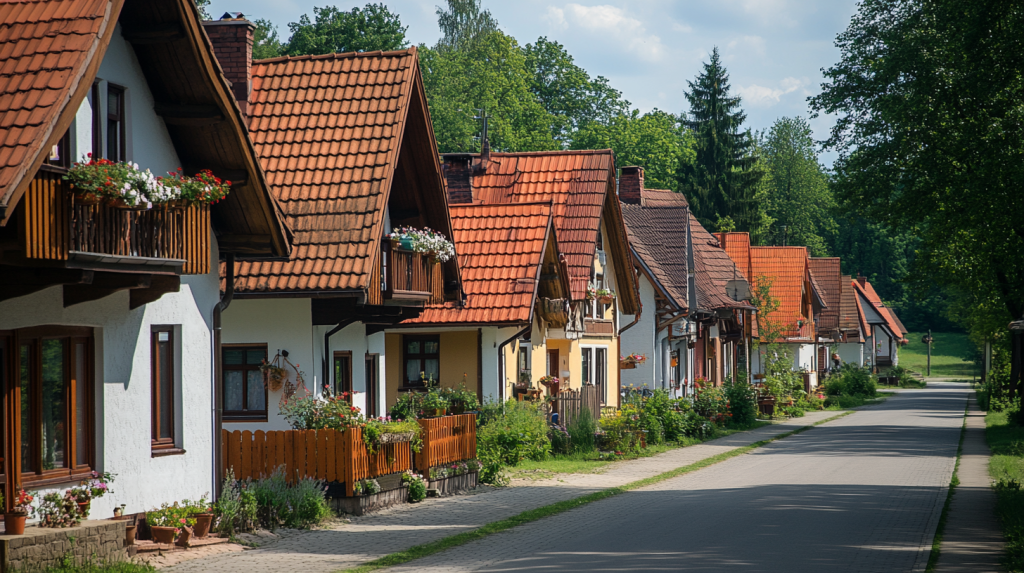
Emma: “I can’t wait to get out on the water. It looks so inviting. And the air here feels so fresh—much different from the cities we’ve been visiting."
Marta: “That’s the charm of Masuria. It’s like a different world out here. The pace is slower, and people are more connected to nature. And then there’s Mikołajki, which we’re about to reach. It’s such a quaint little town, but during the summer, it comes alive with tourists and locals enjoying the lakes."
Emma: “I’m really looking forward to exploring Mikołajki. I’ve heard it’s the heart of the lake district, with so much to do. What’s your favorite thing about it?"
Marta: “I love the way the town sits right on the edge of the lake. You can just walk from the center down to the marina and see all the boats lined up, ready for a day on the water. There are also some great little cafes where you can sit outside and enjoy a coffee while watching the world go by. It’s a perfect place to unwind."
They pull into Mikołajki, where the streets are bustling with activity. Tourists stroll through the town, some heading toward the water, others exploring the shops and restaurants.
Emma: Noticing the lively atmosphere. “It’s so lively here! I love how everyone seems to be enjoying themselves, whether they’re boating, biking, or just sitting by the lake."
Marta: “That’s what makes Mikołajki special. There’s something for everyone. If you’re into water sports, you can rent a kayak or a sailboat. If you prefer staying on land, there are plenty of trails for hiking or biking. And for those who just want to relax, there’s nothing better than finding a quiet spot by the lake to just soak in the view."
Emma: “I think I’m going to love it here. It’s exactly the kind of place I needed—a mix of adventure and relaxation."
Marta: Laughs. “That’s Masuria for you. It’s a place where you can do everything or nothing at all, and still have the best time. Let’s drop off our things at the hotel and then head down to the marina. We can take a boat out for a little tour of the lakes."
Emma: Excitedly. “That sounds perfect. I’ve always wanted to explore a place like this by boat. And I’m sure the views from the water will be amazing."
Marta: “They definitely are. The way the forests frame the lakes, with little villages dotting the shoreline—it’s like something out of a postcard. And if we’re lucky, we might even see some wildlife. The area is known for its birdwatching, especially around the smaller, quieter lakes."
Emma: “I’d love that. It’s so peaceful here, and being on the water will be the perfect way to really take it all in."
They continue their drive through Mikołajki, the anticipation building as they get closer to the marina and the promise of a day filled with sun, water, and the simple joys of the Masurian Lake District.
場景 3:探索馬祖里亞湖區
艾瑪和瑪塔剛剛抵達馬祖里亞湖區,這片美麗的地區擁有清澈見底的湖泊、茂密的森林和迷人的村莊。當他們駕車穿過這片地區時,開闊的湖面在夏日陽光下閃閃發光。

艾瑪: 望向車窗外。 「這裡真是美得令人窒息,瑪塔。這些湖泊如此廣闊而寧靜。我可以理解為什麼這裡會是夏季度假的熱門地點。」
瑪塔: 微笑著說。 「這是我在波蘭最喜歡的地方之一。大馬祖里亞湖區非常適合那些熱愛戶外活動的人。你可以花一整天划船、釣魚,或者僅僅在水邊放鬆。當太陽下山時,整個地區就會被最美的色彩照亮。」
艾瑪: 「我迫不及待想要下水了。看起來太吸引人了。而且這裡的空氣真是清新——和我們之前去的城市完全不一樣。」

瑪塔: 「這就是馬祖里亞的魅力所在。這裡就像是另一個世界。這裡的生活節奏比較慢,人們與大自然的聯繫更緊密。我們即將到達的米庫瓦伊基就是這樣。這是一個迷人的小鎮,但在夏天,它充滿了活力,遊客和當地人一起享受著湖泊的樂趣。」
艾瑪: 「我真的很期待探索米庫瓦伊基。我聽說這是湖區的中心,有很多事情可以做。你最喜歡這裡的什麼?」
瑪塔: 「我喜歡這個小鎮坐落在湖邊的樣子。你可以從市中心直接走到碼頭,看到所有的船隻排成一排,準備出海。這裡還有一些很棒的小咖啡館,你可以坐在外面,一邊喝咖啡,一邊看著世界從你面前走過。這是一個完美的放鬆場所。」
他們駛入米庫瓦伊基,小鎮的街道充滿了活力。遊客們漫步在鎮上,有些人朝著湖邊走去,有些人則在探索商店和餐廳。
艾瑪: 注意到熱鬧的氣氛。 「這裡真是熱鬧!我喜歡大家都在享受這裡的氛圍,無論是划船、騎車,還是坐在湖邊放鬆。」
瑪塔: 「這就是米庫瓦伊基的特別之處。這裡有適合所有人的東西。如果你喜歡水上運動,你可以租一艘皮划艇或帆船。如果你更喜歡陸地活動,這裡有很多適合徒步旅行或騎自行車的路線。而對於那些只想放鬆的人來說,找到一個湖邊的安靜角落,欣賞風景,沒有比這更好的了。」
艾瑪: 「我想我會愛上這個地方。這正是我需要的地方——既有冒險,也有放鬆。」
瑪塔: 笑了笑。 「這就是馬祖里亞的魅力所在。這是一個你可以做任何事情,或者什麼都不做的地方,但都能度過美好的時光。我們先把東西放在酒店裡,然後去碼頭吧。我們可以租一艘船,來一次湖上的小巡遊。」
艾瑪: 興奮地說。 「聽起來太完美了。我一直想要在這樣的地方划船。我相信從水面上看到的風景一定很美。」
瑪塔: 「肯定的。森林環繞著湖泊,岸邊點綴著小村莊——就像一張明信片。而且如果我們幸運的話,還可能看到一些野生動物。這個地區以觀鳥聞名,特別是在那些更小、更安靜的湖泊周圍。」
艾瑪: 「我很期待。這裡如此寧靜,坐船遊覽將是充分體驗這裡自然美景的最佳方式。」


他們繼續駕車穿過米庫瓦伊基,隨著他們接近碼頭,對於即將到來的一天充滿了期待。這將是一個充滿陽光、湖水和馬祖里亞湖區簡單快樂的日子。
Scene 4: Białowieża Forest
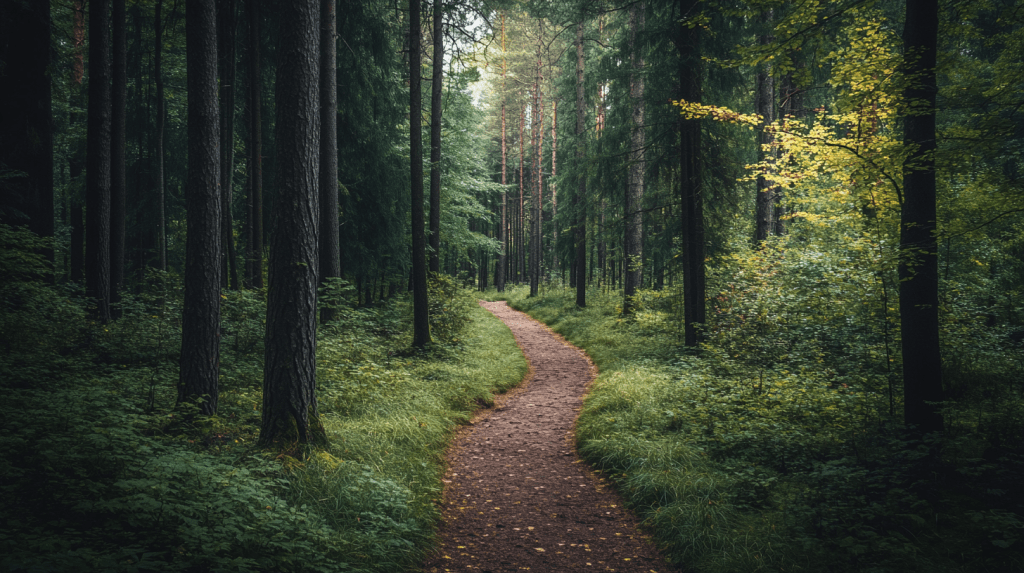
Emma and Marta wander through the ancient Białowieża Forest, the sun filtering through the dense canopy of trees, creating dappled patterns on the forest floor. The air is fresh, filled with the scent of earth and leaves.

Emma: Looking around, relaxed. “This place is incredible. I didn’t realize forests like this still existed in Europe. It feels so untouched."
Marta: Nodding. “Yeah, it’s one of the few places left that’s been pretty much the same for thousands of years. That’s why it’s so special. It’s not just the trees—it’s the whole ecosystem."
Emma: “I love how quiet it is, but at the same time, you can hear all the little sounds—birds, rustling leaves… It’s like the forest is alive in its own way."
Marta: Smiling. “Exactly. And if we’re lucky, we might see some wildlife. Białowieża is home to some pretty amazing animals. Have you heard about the European bison?"
Emma: “Yeah, I read that they’re the biggest land animals in Europe. I’d love to see one. Have you spotted any before?"
Marta: “A few times, but they’re not easy to find. They usually hang out in the deeper parts of the forest or in clearings early in the morning. But if we’re lucky, who knows? We might spot one."
Emma: Grinning. “That would be amazing. What else lives here? I bet there’s more than just bison."
Marta: “Oh, definitely. There are wolves, lynxes, and all sorts of birds. You’ll probably hear a woodpecker at some point—they’re everywhere. And in winter, it’s a whole different scene. The forest is still and quiet, like it’s holding its breath."
Emma: Listening carefully. “I think I just heard a woodpecker. It’s like tapping on the trees."
Marta: Laughing softly. “You probably did. They’re pretty common here. And those ancient trees you see? Some of them have been standing for hundreds of years. It’s like walking through a living history book."
Emma: “It really is. I can see why you like it here. The air feels different—cleaner, maybe? It’s refreshing, especially after being in the city."
Marta: “That’s one of the best things about this place. The air is pure, and every season changes how the forest feels. In summer, it’s all green and alive. Winter turns it into this almost magical, quiet world. But whatever the season, there’s always something happening here."
Emma: “It must be beautiful in winter, with everything covered in snow. Though I imagine it gets pretty cold. How does it compare to winters in England?"
Marta: Thinking. “Well, winters here are definitely colder. In England, you get that damp chill, and it’s often gray and rainy. Here, it’s colder, but the snow makes everything look so pure and serene. The forest feels almost enchanted under the snow. It’s quiet in a way that’s different from England, too—more peaceful, less busy."
Emma: “I know what you mean. In England, winter feels more oppressive sometimes, with all the rain and the gray skies. But here, even though it’s colder, it seems… brighter? The snow reflects the light, and everything looks so clean and new."
Marta: “Exactly. The snow brings a certain clarity. And the animals are tough—they’ve adapted to the harsh winters. You’d be surprised how much life goes on here even when it’s freezing. The bison, for example, are easier to spot in the snow because they stand out more against the white landscape."
Emma: “I’d love to come back and see it in winter. I bet it’s a totally different experience."
Marta: “It is. Each season brings its own beauty to Białowieża. But no matter when you visit, the forest always feels timeless. It’s like stepping back into a time before human intervention, where nature rules supreme."
They continue walking, taking in the sights and sounds of the ancient forest, letting the tranquility of the place wash over them.
場景 4:瓦布濟斯基森林
艾瑪和瑪塔漫步在古老的瓦布濟斯基森林裡,陽光透過濃密的樹冠灑在地上,形成斑駁的光影。空氣清新,彌漫著泥土和樹葉的氣息。
艾瑪: 隨意地四處張望。 「這地方真是不可思議。我之前不知道歐洲還有這樣的森林存在。感覺像是未受打擾的原始地帶。」
瑪塔: 點頭同意。 「是啊,這裡幾乎保持了一萬多年來的原貌,這也是它為什麼這麼特別的原因。不僅僅是樹木,整個生態系統都很獨特。」
艾瑪: 「我喜歡這裡的寧靜,但同時你可以聽到所有的小聲音——鳥叫、葉子的沙沙聲……感覺這片森林有自己的生命。」
瑪塔: 微笑著說。 「對啊,如果我們夠幸運,還可能看到一些野生動物。瓦布濟斯基是一些非常驚人的動物的家園。你聽說過歐洲野牛嗎?」
艾瑪: 「聽過,它們是歐洲最大的陸生動物。我真想看到一隻。你以前見過嗎?」
瑪塔: 「見過幾次,但它們不容易找到。通常會在森林深處或清晨的空地上活動。但如果我們運氣好,說不定今天會遇到。」
艾瑪: 笑著說。 「那就太棒了。這裡還有其他什麼動物嗎?我猜不僅僅是野牛吧。」
瑪塔: 「當然不止這些。這裡還有狼、猞猁和各種鳥類。你可能會聽到啄木鳥的聲音——牠們到處都是。而冬天的森林完全不一樣,一片靜謐,像是大自然在屏息等待。」
艾瑪: 仔細聽著。 「我想我剛聽到了一隻啄木鳥的聲音,好像在敲打樹木。」
瑪塔: 輕笑。 「你可能聽到了。牠們在這裡很常見。那些古老的樹木,有些已經站立了好幾百年了,就像在走進一本活的歷史書一樣。」
艾瑪: 「真的是這樣。我能理解為什麼你喜歡這裡。這裡的空氣感覺不一樣——也許更乾淨?走在這裡讓人神清氣爽,特別是從城市來到這裡。」
瑪塔: 「這是這個地方最好的部分之一。空氣純淨,每個季節都會改變森林的感覺。夏天,這裡充滿了綠色和生命。冬天則把這裡變成了一個幾乎魔幻、寧靜的世界。但不管是哪個季節,這裡總有一些特別的東西。」
艾瑪: 「冬天的時候這裡一定很美,覆蓋著白雪。我想一定很冷吧。和英格蘭的冬天比起來怎麼樣?」
瑪塔: 思索了一下。 「這裡的冬天確實更冷。在英格蘭,你會感覺到那種濕冷的寒意,而且經常是灰濛濛、陰雨綿綿的。這裡則更冷,但雪讓一切看起來如此純潔和寧靜。森林在雪下變得像是童話世界。這裡的寧靜和英格蘭不一樣——更和平、更少喧囂。」
艾瑪: 「我明白你的意思。在英格蘭,冬天有時讓人覺得壓抑,總是伴隨著雨和灰色的天空。但在這裡,即使天氣更冷,感覺卻更明亮?雪反射了光線,讓一切看起來如此乾淨和新鮮。」
瑪塔: 「沒錯。雪帶來了一種清晰感。這裡的動物們都很堅強——牠們已經適應了這裡嚴酷的冬天。你會驚訝於即使在冰天雪地
裡,這片森林依然充滿了生命。比如野牛,在雪地裡更容易看到牠們,因為牠們在白茫茫的景色中格外顯眼。」
艾瑪: 「我真想在冬天再來這裡看看,我打賭那會是完全不同的體驗。」
瑪塔: 「的確是。每個季節都會給瓦布濟斯基帶來自己的美麗。但無論你什麼時候來,這片森林總是有一種永恆的感覺。就像回到了人類干預之前的時代,自然在這裡占據著主導地位。」
他們繼續在森林中漫步,感受這片古老森林的寧靜與壯麗,自然的美景讓他們深深陶醉。

 Virtual Travel | 虛擬旅行沉浸式英語學習
發表留言