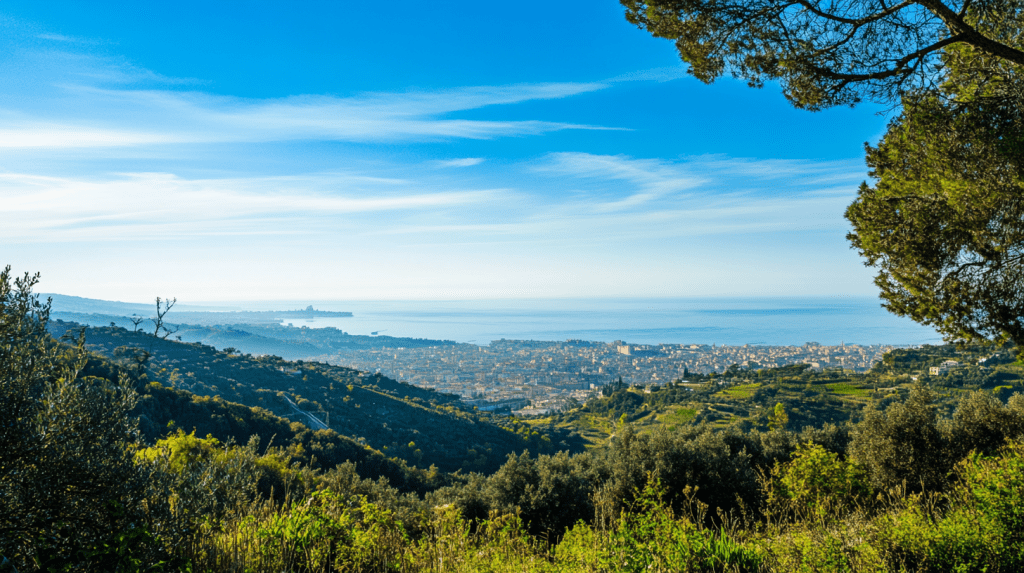
Background Setting

Emily is a 15-year-old girl living in modern-day London. She is an avid reader with a particular interest in history. One day, Emily comes across a book in her school library about Italian immigrants in the 19th century, specifically the story of a boy named Marco who journeys to South America to find his mother. The story captivates her, and she finds herself daydreaming about what it would be like to live in that era.
On a stormy night, while reading the book again, Emily notices a strange glow emanating from the pages. The light intensifies, and she feels a powerful force pulling her into the book. When she opens her eyes, she finds herself in an entirely unfamiliar setting.
背景
Emily是一位住在現代倫敦的15歲女孩。她是一個熱愛閱讀的少女,特別對歷史故事情有獨鍾。某一天,Emily在學校圖書館裡發現了一本關於19世紀義大利移民的書,書中講述了一個名叫馬可的男孩,他踏上前往南美洲尋找母親的旅程。這個故事深深吸引了她,讓她不禁幻想自己置身於那個時代。
一個雷雨交加的夜晚,當Emily再次翻閱這本書時,書頁中突然散發出奇異的光芒。光芒越來越強烈,她感覺到一股強大的力量將她拉進了書中。當她睜開眼睛時,發現自己置身於一個完全陌生的環境。
Emily’s First Step: Lost on the Streets of Genoa

Emily stands on a narrow cobblestone street, surrounded by uneven stone steps and old buildings. The damp air carries the scent of the sea, and she can hear the distant sound of waves. The buildings around her appear both unfamiliar and ancient, marked by the wear and tear of centuries. The narrow, winding streets are flanked by brightly colored, though somewhat faded, houses, as if they’ve witnessed countless storms over the ages.
As Emily looked around, trying to make sense of where she was, she noticed a young boy, about 12 years old, approaching from a nearby alley. He wore a worn-out shirt and shorts, and his shoes looked like they had seen better days. Despite his tired expression, there was a determined look in his eyes.
The boy noticed Emily’s presence, paused, and curiously studied her. After a brief moment, Emily finally gathered the courage to speak:
Emily: “Excuse me, where am I? What is this place?"
The boy looked slightly puzzled but then answered:
Boy: “You’re in Genoa, miss. Who are you? I’ve never seen you here before."
Emily, still processing what she was hearing, repeated: “Genoa… I’m in Genoa?"
The boy, noticing her confusion, asked: “You’re not from around here, are you?"
Emily took a deep breath and responded: “No, I’m not. I… I think I’ve come a long way, a very long way."
艾蜜莉的第一步:迷失在熱那亞的街頭
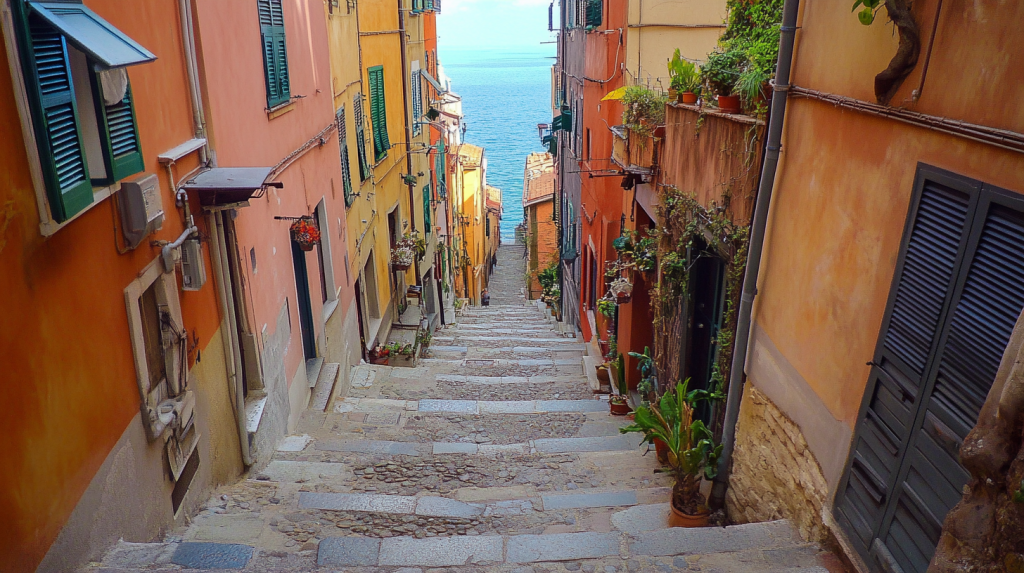
Emily站在一條狹窄的石板路上,四周環繞著高低不平的石階和老舊的房屋。濕潤的空氣中彌漫著海風的氣息,她能聽到遠處傳來的海浪聲。四周的建築顯得既陌生又古老,帶著幾個世紀的斑駁痕跡和歷史感。這裡的街道狹窄而曲折,兩側的房屋色彩鮮豔但有些褪色,彷彿見證了無數次的風暴。
當Emily環顧四周,試圖弄清楚自己身在何處時,她注意到一個大約12歲的男孩從附近的小巷中走來。他穿著破舊的襯衫和短褲,腳上的鞋子顯得磨損不堪。儘管他的臉上帶著一絲疲憊,卻有著堅毅的神情。
男孩注意到Emily的存在,停下腳步,好奇地打量著她。兩人對視了一會兒,Emily終於鼓起勇氣開口問道:
Emily:不好意思,這是哪裡?這是什麼地方?
男孩稍微愣了一下,然後回答道:
男孩:"妳在熱那亞,小姐。妳是誰?我從未在這裡見過妳。"
Emily仍在消化自己聽到的內容,重複道:"熱那亞……我在熱那亞?"
男孩注意到她的困惑,問道:"妳不是這裡的人,對嗎?"
Emily深吸了一口氣,回答道:"不,我不是。我……我想我走了很長的路,真的很長。"
A Kind Welcome: the Boy’s Generosity
Emily stood there, trying to process everything that had happened. The boy noticed her hesitation and, with a kind expression, asked:
Boy: “You must be hungry. Have you eaten anything?"
Emily, realizing she hadn’t eaten since before the strange incident, shook her head. “No, I haven’t. I don’t even know how long it’s been."
The boy nodded thoughtfully. “We don’t have much at home, but we do have some bread left. It’s not much, but you’re welcome to join me."
Emily was touched by his generosity, especially considering his worn-out clothes and tired appearance. “That’s very kind of you. I’d appreciate that."
The boy smiled and gestured for her to follow him. “Come on, my house isn’t far from here."
As they walked, Emily couldn’t help but notice how many stairs they had to climb and descend. The streets of Genoa seemed to be a maze of steps, winding up and down the hillsides.
Emily: “There are so many stairs here… It feels like we’re constantly going up or down."
Boy: “Yes, Genoa is full of stairs and steep streets. It’s how the city was built, right on the hills by the sea. You get used to it, though it can be tiring."


Emily: “It’s different from anything I’ve ever seen. Where I’m from, the streets are much flatter."
The boy looked at her curiously but didn’t press for more details. “Here, we’re used to climbing. My mother always said it builds character."
They continued walking through narrow alleys and past old stone buildings, their footsteps echoing off the walls. The streets were quiet, with only the sound of distant waves and the occasional seagull breaking the silence.
After a few more turns, they arrived at a small, modest house tucked between two larger buildings. The boy opened the creaky wooden door and led Emily inside.

Boy: “It’s not much, but it’s home."
The interior was simple, with a small table, a few wooden chairs, and a tiny kitchen area. The boy went over to a shelf and took down a loaf of bread, breaking it in half and offering a piece to Emily.
Boy: “Here you go. It’s just bread, but it’ll fill your stomach."
Emily took the bread gratefully. “Thank you, it’s perfect."
As they sat down to eat, the boy looked at her again with curiosity. “So, where did you come from? You don’t seem like you’re from around here."
Emily hesitated, not sure how to explain her situation. “It’s… complicated. I’m not really sure how I got here, but it’s definitely far from home."
The boy nodded, sensing she didn’t want to say too much. “That’s okay. You can stay here as long as you need."
Emily smiled, feeling a sense of relief. Despite the strangeness of her situation, she felt safe for the first time since arriving in this unfamiliar world.
陌生中的款待:少年的善意
Emily站在那裡,試圖消化剛剛發生的一切。男孩注意到她的猶豫,帶著關懷的神情問道:
男孩:"妳一定餓了吧?妳吃過飯了嗎?"
Emily這才意識到,自從那個奇怪的事件後,她還沒有吃過東西,於是搖了搖頭。"沒有,我還沒吃。我都不確定過了多久了。"
男孩若有所思地點點頭。"我們家裡沒什麼好吃的,但還有一些剩下的麵包。不多,但妳可以跟我一起吃。"
Emily對他的慷慨深感感動,特別是考慮到他那破舊的衣服和疲憊的樣子。"你真好,我很感激。"
男孩微笑著示意她跟著他走。"來吧,我家離這裡不遠。"
他們走在路上,Emily忍不住注意到他們必須爬上和走下的樓梯數量。熱那亞的街道似乎是一個上下坡道的迷宮,沿著山丘蜿蜒。
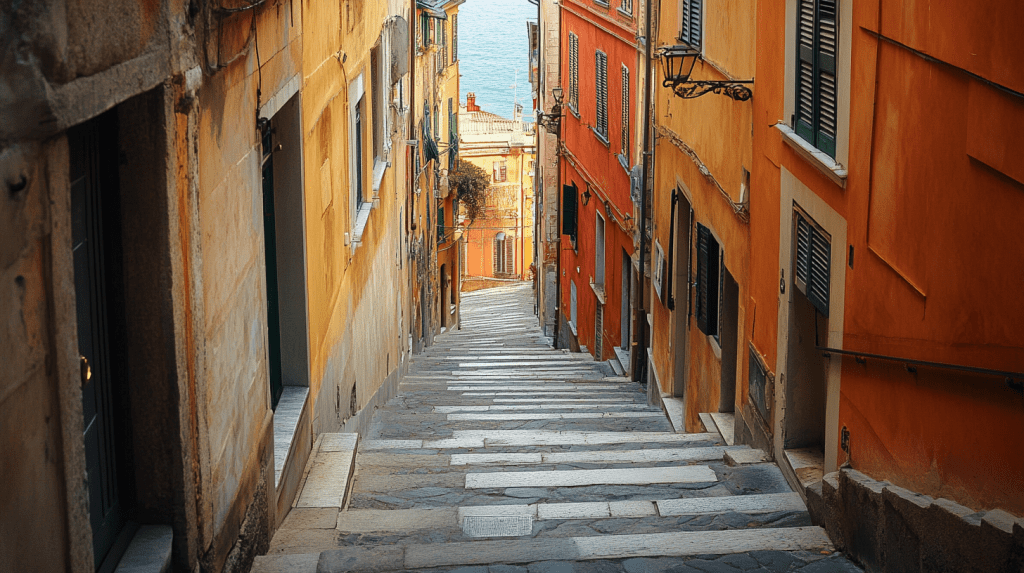
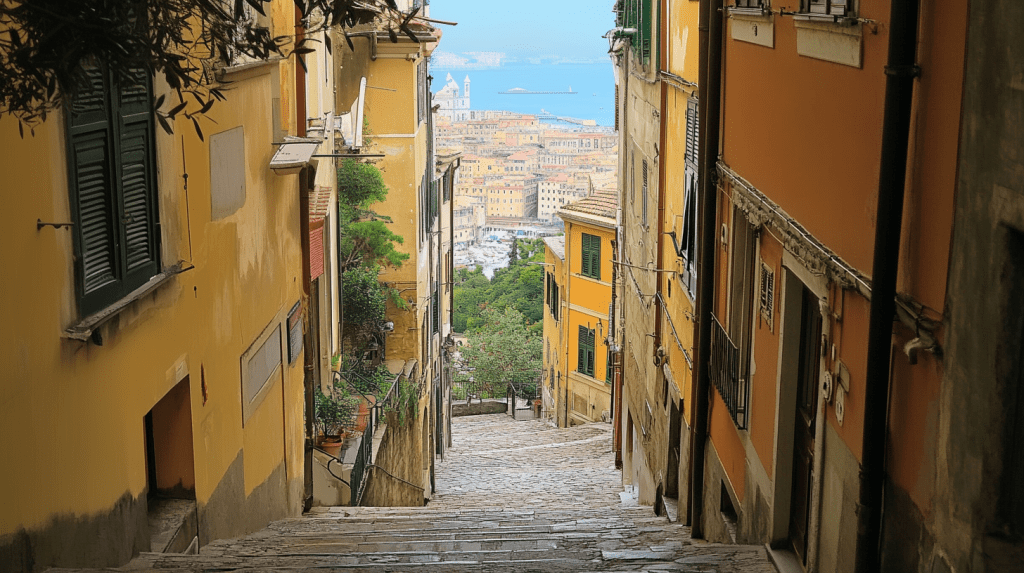
Emily:"這裡有這麼多樓梯……感覺我們一直在爬上爬下。"
男孩:"是啊,熱那亞到處都是樓梯和陡峭的街道。這就是這座城市的建造方式,就在海邊的山丘上。不過,妳會習慣的,雖然有時會覺得累。"
Emily:"這跟我見過的任何地方都不一樣。我來的地方,街道要平坦得多。"
男孩好奇地看了她一眼,但沒有追問更多細節。"在這裡,我們習慣了爬樓梯。我媽媽總說這可以鍛煉性格。"
他們繼續走過狹窄的巷子和古老的石頭建築,腳步聲在牆壁上回響。街道很安靜,只有遠處的海浪聲和偶爾的海鷗鳴叫打破了寂靜。
再經過幾個轉彎後,他們來到了一間小小的、簡樸的房子,夾在兩棟較大的建築之間。男孩打開吱吱作響的木門,帶Emily走了進去。
男孩:"不怎麼樣,但這就是家。"

室內布置很簡單,有一張小桌子、幾把木椅子和一個小小的廚房區域。男孩走到一個架子前,取下一條麵包,把它掰成兩半,遞給Emily一塊。
男孩:"給妳,這就是麵包,但它能填飽妳的肚子。"
Emily感激地接過麵包。"謝謝你,這很好。"
當他們坐下來吃飯時,男孩再次帶著好奇的神情看著她。"妳從哪裡來的?妳看起來不像是這裡的人。"
Emily猶豫了一下,不確定該如何解釋她的情況。"這……很複雜。我不太確定我是怎麼來到這裡的,但這裡肯定離家很遠。"
男孩點點頭,感覺到她不想多說。"沒關係,妳可以在這裡待多久都行。"
Emily微笑著,感到一絲安心。儘管她所處的情況異常奇怪,但自從來到這個陌生的世界後,她第一次感到安全。
A Warm Welcome: the Comfort of Home
Livia set her bag down and immediately headed to the small kitchen area. “It’s been a long day, and you two must be hungry," she said warmly. She glanced at the bread on the table and then at the small pot on the stove. “Let me make something more filling. I have some vegetables and a bit of meat left. How about some soup?"
Sandro nodded eagerly. “That sounds great, Livia. Can we have it with some pasta?"
Livia smiled, pulling out a few simple ingredients. “Of course, a nice, hearty soup with pasta will warm us up."
As Livia worked, Emily watched her with fascination. Despite the simplicity of their kitchen, Livia moved with skill and care, chopping vegetables and adding them to the pot. The room soon filled with the comforting aroma of simmering broth. Emily couldn’t help but feel a sense of home in this little house, despite being so far from her own.
Once the soup was ready, Livia ladled it into bowls, each with a generous portion of pasta mixed in. The soup was thick and hearty, with chunks of vegetables and bits of meat. She placed the bowls on the table and gestured for Emily and Sandro to sit.
“Here you go, something warm to fill you up," Livia said with a smile.

Emily took a spoonful and let the warm, savory flavors envelop her senses. “This is delicious, thank you."
Livia nodded, pleased. “I’m glad you like it. It’s simple, but it’s what we have. Our mother always cooked something similar before she left for South America. It reminds me of her."
Emily looked at Sandro and Livia with curiosity. “Your mother is in South America?"
Sandro nodded. “Yes, she went there for work. And our father… well, he’s away working too, but not as far. He works with the ships, traveling to different ports."
Emily paused for a moment. “That must be hard."
Livia gave a small smile. “It is, but we manage. We’ve had to grow up quickly."
After they finished eating, Livia stood up and began to tidy up. “You must be tired, Emily. You can stay in our parents’ room. It’s not much, but it’s a place to rest."
Emily hesitated. “Are you sure? I don’t want to impose."
Livia shook her head. “It’s no trouble. They’re not here right now, and it’s better than sleeping on the floor. Come, I’ll show you."
She led Emily down a short hallway to a small, cozy room. The bed was modest, covered with a simple quilt, and the furniture was sparse but well-kept. A small window looked out onto the narrow alley below, where, as Emily noticed, several lines of laundry were strung between the buildings, gently swaying in the evening breeze.
Livia caught her looking and smiled. “People hang their clothes out to dry here. The air from the sea helps them dry quickly."

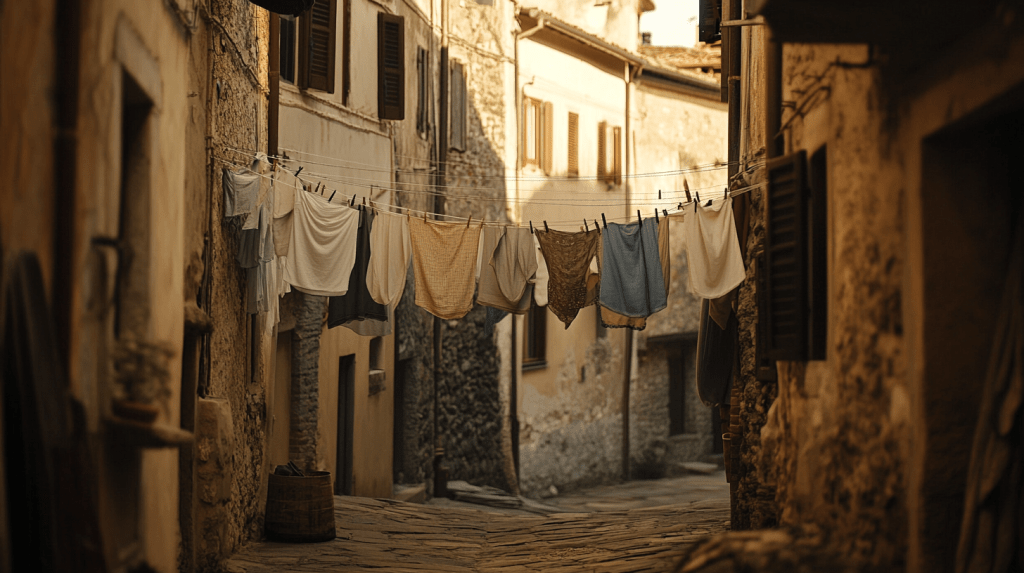
Emily nodded, taking in the scene. The sight of the clothes fluttering outside somehow added to the charm of this quaint, old neighborhood. She could almost imagine the life that had unfolded here over the years, families going about their daily routines, much like Livia and Sandro.
“This room is lovely," Emily said softly. “Thank you for letting me stay."
Livia squeezed her hand gently. “You’re welcome. Get some rest. We’ll figure everything out in the morning."
As Livia left the room, Emily sat down on the bed, feeling the soft, worn fabric of the quilt beneath her fingers. She looked out the window again, at the laundry and the narrow street below, feeling a strange mix of comfort and longing. Despite everything, there was a warmth here, a sense of belonging that she hadn’t expected to find.
溫暖的款待:家的味道
Livia放下包包後,立刻走向小小的廚房區域。"今天真是累壞了,你們兩個一定餓了吧?"她溫暖地說。她看了看桌上的麵包,又看了看爐子上的小鍋。"讓我再做點更飽肚子的東西吧。我還有一些蔬菜和一點肉,來點濃湯怎麼樣?"
Sandro興奮地點點頭。"聽起來很棒,Livia。可以配點義大利麵嗎?"
Livia微笑著,拿出了一些簡單的食材。"當然可以,來碗熱騰騰的濃湯加義大利麵,正適合這天氣。"
當Livia忙著準備食物時,Emily好奇地看著她。儘管廚房簡陋,Livia動作熟練又細心,切著蔬菜並將它們加入鍋中。房間裡很快就充滿了濃郁的湯香氣。Emily不禁感到,儘管自己離家那麼遠,這間小小的屋子卻給了她家的感覺。
湯煮好後,Livia將湯盛到碗裡,每碗都配上了豐富的義大利麵。濃湯濃稠飽滿,裡面有蔬菜塊和肉片。她把碗放在桌上,示意Emily和Sandro坐下。
“來吧,趁熱吃些暖暖身子。"Livia微笑著說。
Emily舀了一勺湯,讓溫暖、鮮美的味道充滿了她的味蕾。"這太好吃了,謝謝你。"
Livia點了點頭,很滿意。"妳喜歡就好。這是簡單的家常便飯,但我們就是吃這個。我們的母親在去南美之前,也常煮這樣的湯,這讓我想起她。"
Emily好奇地看著Sandro和Livia。"你們的母親在南美嗎?"
Sandro點點頭。"是的,她去那裡工作了。至於我們的父親,他也在外面工作,但沒有那麼遠。他和船隊一起工作,常常在不同的港口之間旅行。"
Emily沉默了一會。"那一定很辛苦吧。"
Livia微微一笑。"是啊,但我們習慣了,我們早就學會自己照顧自己。"
吃完飯後,Livia站起來開始收拾。"妳一定累了,Emily。妳可以住在我們父母的房間。地方不大,但至少有個地方可以休息。"
Emily猶豫了一下。"妳確定嗎?我不想打擾你們。"
Livia搖了搖頭。"沒什麼麻煩的。他們現在不在這裡,總比睡地板好。來吧,我帶妳去看看。"
她帶著Emily走過一條短短的走廊,來到一間小小的溫馨房間。床很簡樸,鋪著一條樸素的被子,家具不多但保養得很好。一扇小窗戶望向狹窄的巷子,Emily注意到,有幾條晾衣繩在樓宇間拉著,晚風吹過,衣物輕輕飄動。


Livia看到她的目光,微笑著說:"這裡的人都把衣服晾在外面,海風能幫忙快速晾乾。"
Emily點了點頭,默默欣賞著這一景象。晾衣服在外面飄動的畫面,為這個古老的街區增添了一絲獨特的魅力。她幾乎能想像出這裡多年的生活情景,家庭日復一日的日常,像Livia和Sandro這樣的家庭。
“這個房間真漂亮。"Emily輕聲說道。"謝謝妳讓我住在這裡。"
Livia輕輕握住她的手。"不客氣。妳好好休息,我們明天再來想辦法。"
Livia離開房間後,Emily坐在床上,感受著被子柔軟而有些磨損的質感。她再次望向窗外,看到晾衣繩和狹窄的街道,心中感到一種奇妙的安慰與渴望。儘管一切都如此陌生,這裡卻有一種她未曾預料到的歸屬感。
Historic Background of 19th Century Genoa
In the 19th century, Genoa, as one of Italy’s most important ports, became a gateway for many locals to seek work abroad. Due to economic changes and social challenges in Italy at the time, many chose to venture overseas in search of better job opportunities or improved living conditions. Key destinations included the Americas, particularly Argentina and Brazil, where there was a high demand for foreign labor. Many Genoese worked in maritime trade, port jobs, or even settled in distant South American lands to engage in agriculture, commerce, and craftsmanship.
For the families left behind in Genoa, having a loved one leave to work or immigrate abroad was a source of both pride and concern. The prospect of improved financial stability, with money being sent back to support the household, brought some relief. However, the long separation and uncertainty about life in distant lands caused anxiety. Families often worried about whether their loved ones could adjust to the unfamiliar environment and overcome the challenges they would face. Letters from abroad became a lifeline, with families eagerly awaiting news from those who had ventured far from home.
Despite these concerns, families understood that their loved ones were striving for a better future. The distance only strengthened family bonds, as they remained emotionally close despite the physical separation, with the hope of eventual reunion.
歷史背景: 十九世紀的熱那亞
在19世紀,熱那亞作為義大利最重要的港口之一,成為許多當地人出國工作的起點。由於經濟環境的變化和當時義大利的社會困境,許多人選擇前往外國尋找更好的工作機會或生活條件。主要的目的地包括美洲,尤其是阿根廷和巴西,這些地方對外來勞工的需求十分旺盛。許多熱那亞人參與了海上貿易、港口工作,甚至移民至遠方的南美洲定居,從事農業、商業和手工業等行業。
對於留在熱那亞的家人來說,親人出國工作或移民既是驕傲也是一種擔憂。出國工作的親人能夠為家裡帶回更好的收入,改善家庭的經濟狀況,這無疑是令人欣慰的。然而,長期的分離和未知的遠方生活也讓家人感到焦慮和不安。家人們常常擔心親人在陌生國度的生活是否安穩,是否能夠應對那些陌生環境中的挑戰。他們會長時間等待來自遠方的信件,這些信件往往是唯一的聯繫方式。
儘管如此,家人也深知這些離鄉的親人是為了更美好的未來而奮鬥。這種兩地分隔的生活讓家族中的情感更為深厚,因為無論相距多遠,家人之間的聯繫依然緊密。

 Virtual Travel | 虛擬旅行沉浸式英語學習
發表留言