
Scene 1: Unexpected Stay at a Farmhouse
As they drove through the quiet countryside, the sun beginning to set behind the rolling hills, Emily and Sarah found themselves following a small road that led them away from the main highway. Vineyards and olive groves flanked the narrow path, and the peacefulness of the landscape was interrupted only by the sound of birds settling down for the night.
“Are you sure this is the right way?" Sarah asked, glancing at the GPS.
Emily smiled. “It might not be what we expected, but I think this is even better."
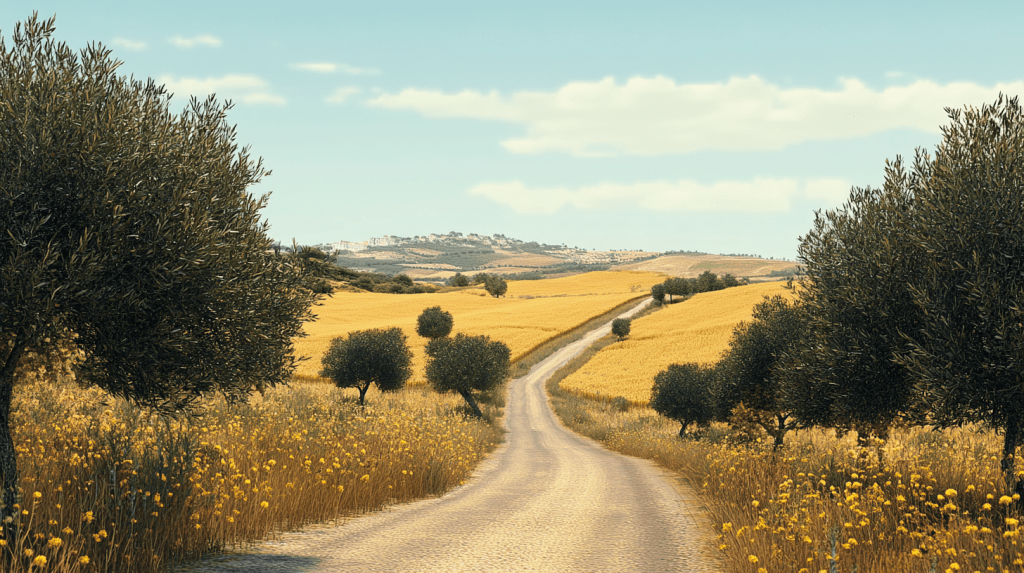
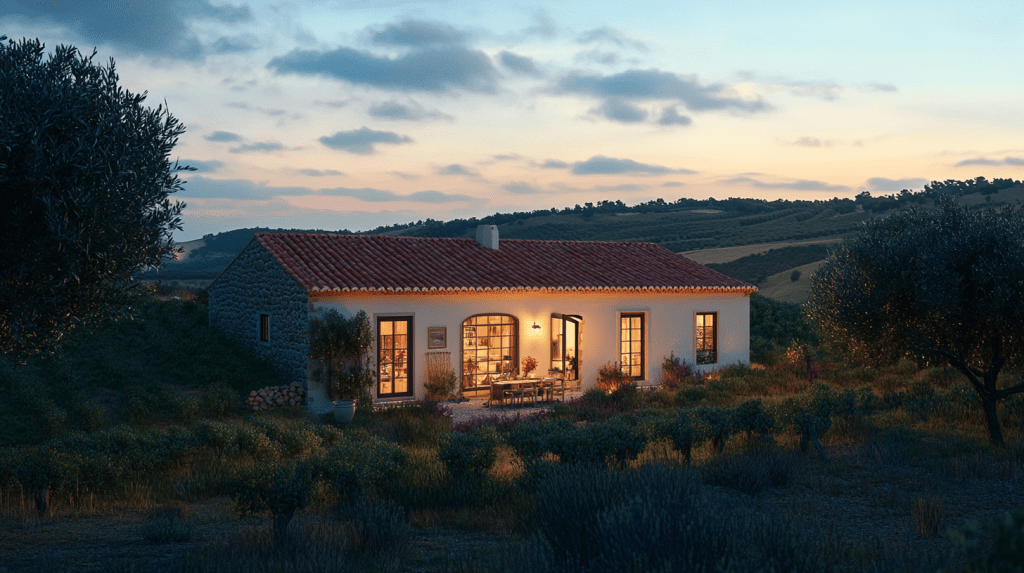
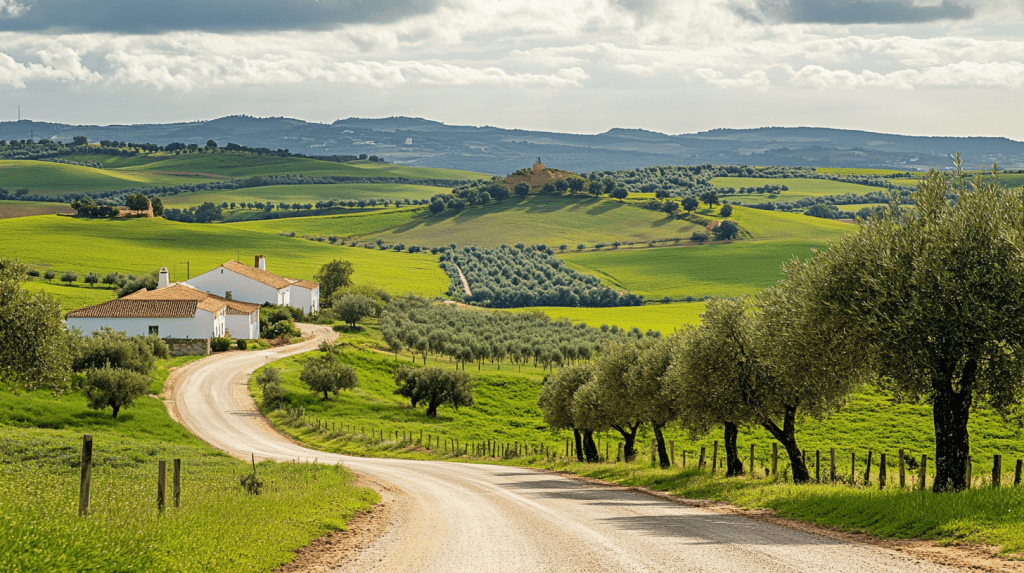
As they rounded a bend, a traditional Alentejo farmhouse came into view. It was a simple, yet charming stone building, painted white with a terracotta roof. The glow from the kitchen windows cast a warm, welcoming light over the yard. The smell of grilled fish and fresh bread drifted through the air.

They parked in front, unsure if they were in the right place. Just as they were about to check their directions, an elderly woman stepped out, wiping her hands on her apron, and smiled warmly.
“Boa noite," she greeted them in Portuguese. “Are you looking for a place to stay?"
Emily nodded. “Yes, we heard there might be rooms available nearby, but it’s getting late, and we weren’t sure if we’d find anything open."
The woman nodded understandingly. “It can be hard to find a place at this hour. If you’d like, you can join us for dinner, and I can call my cousin who has a guest room. If not, you are welcome to stay here."
Relieved, Sarah smiled. “That would be wonderful. Thank you."
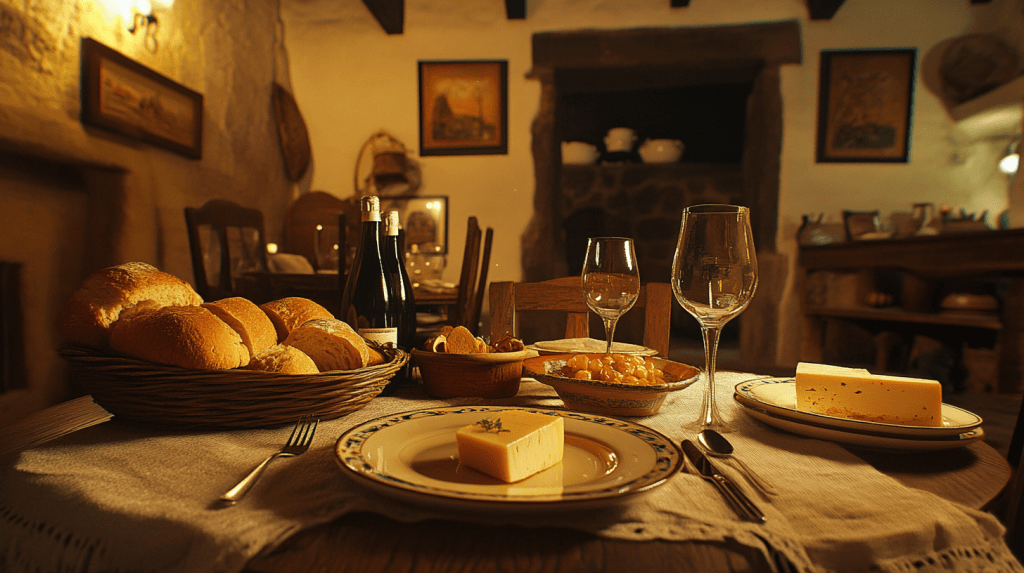
The woman waved them inside, where the scent of roasted vegetables and olive oil greeted them. A rustic wooden dining table was set for dinner, with fresh bread, olive oil, and cheese already laid out.
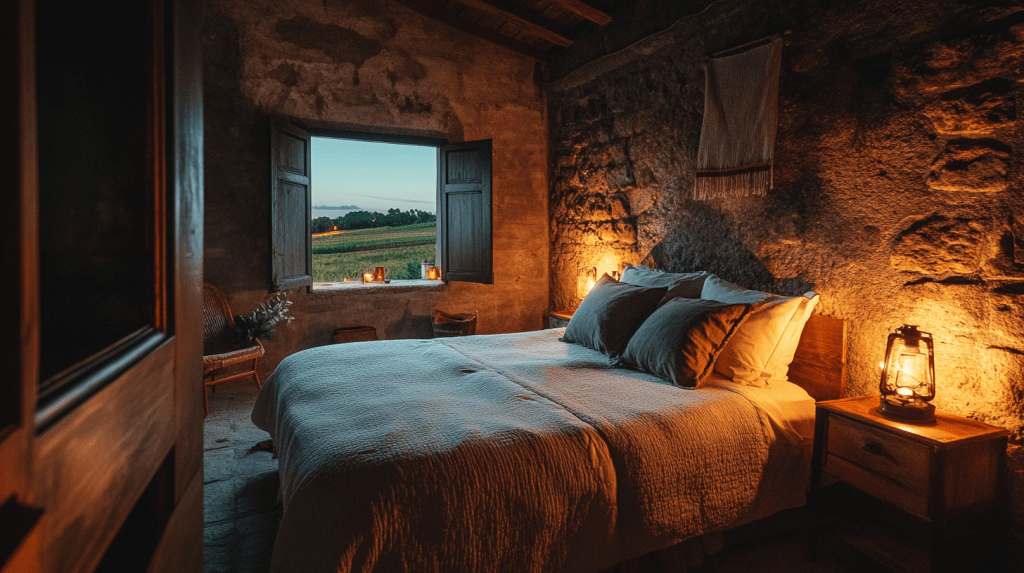
After dinner, Maria, the elderly woman, returned with the news that her cousin was unable to accommodate them. She kindly insisted they stay the night. Grateful for the hospitality, Emily and Sarah accepted the offer. As they settled into the guest room, the soft glow of lanterns illuminated the cozy interior. The stone walls and wooden beams gave the room a rustic charm, and the view from the window stretched across the quiet, moonlit fields.
場景 1: 意外住進農家
當她們駕駛著車穿過寧靜的鄉村,夕陽逐漸在起伏的山丘後消失,艾米麗和莎拉發現自己沿著一條小路前行,逐漸遠離了主要的公路。葡萄園和橄欖樹林在狹窄的道路兩旁延展,只有鳥兒夜晚歸巢的聲音打破了這片寧靜。

「妳確定這是正確的路嗎?」莎拉看著GPS問道。
艾米麗笑了笑。「或許不是我們預想的路,但我覺得這樣更好。」
她們繞過一個彎道,一座傳統的阿連特茹農舍出現在眼前。這是一座簡單但充滿魅力的石造建築,刷白的牆面和陶土色的屋頂顯得格外溫馨。廚房的窗戶透出溫暖的燈光,照亮了庭院,烤魚和新鮮麵包的香氣飄散在空氣中。
她們在農舍前停下來,還不確定自己是否來對了地方。就在她們準備再次查看方向時,一位年長的婦人走了出來,圍裙上擦著手,臉上帶著親切的笑容。
「晚上好,」她用葡萄牙語問候道。「你們在找住宿的地方嗎?」
艾米麗點了點頭。「是的,我們聽說這附近有房間可以住,但天色已晚,我們不確定是否還有空房。」
婦人理解地點了點頭。「這個時間要找到地方不太容易。如果你們願意,可以先和我們一起吃晚飯,我可以幫你們打電話問我表親看是否有房間。不然的話,你們也可以住在這裡。」
莎拉微笑著鬆了一口氣。「那真是太好了,謝謝。」
婦人招呼她們進屋,裡面充滿了烤蔬菜和橄欖油的香味。一張鄉村風格的木桌上已經擺滿了晚餐,剛出爐的麵包、橄欖油和奶酪一應俱全。
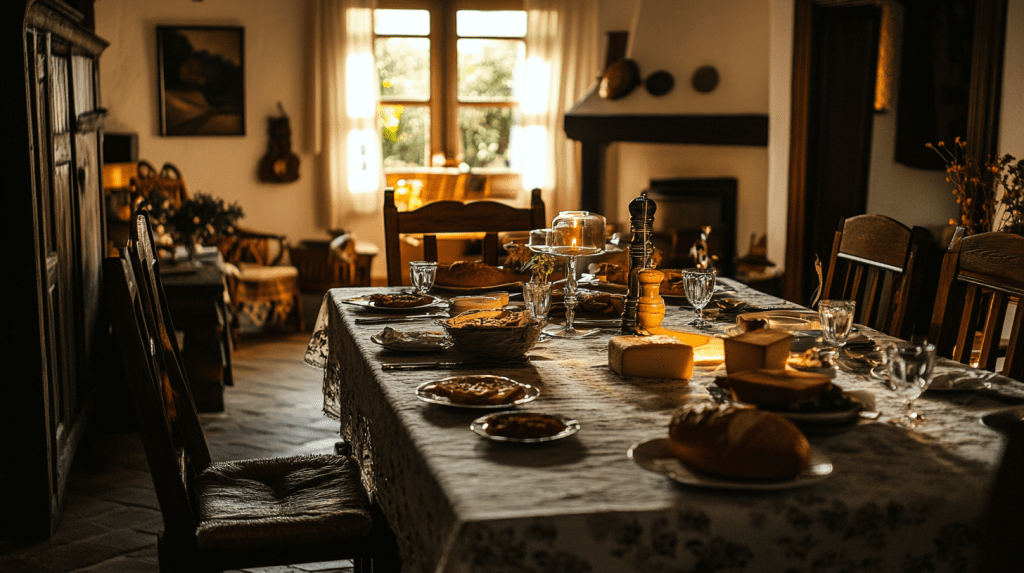
晚餐後,瑪麗亞告訴她們表親無法接待,堅持讓她們留宿一晚。艾米麗和莎拉對此表示感激,欣然接受了這份熱情招待。當她們安頓下來時,燈籠的柔和光線照亮了溫暖的室內。石牆和木樑為房間增添了鄉村的魅力,從窗戶望去,寧靜的月光灑在安靜的田野上。

Scene 2: Experiencing Farm Life
The next morning, Emily and Sarah woke up to the soft sounds of the countryside—birds chirping and the faint clink of pots in the kitchen. The sun was just beginning to rise, casting a warm golden glow over the rolling hills outside their window.
As they made their way downstairs, Maria, the elderly woman who had hosted them, greeted them with a smile. “You’re just in time,” she said in Portuguese. “We’re preparing breakfast and some things for the farm today. Would you like to help?”
Emily’s eyes lit up. “Absolutely! We’d love to.”
Sarah, intrigued, nodded. “What kind of work do you need help with?”
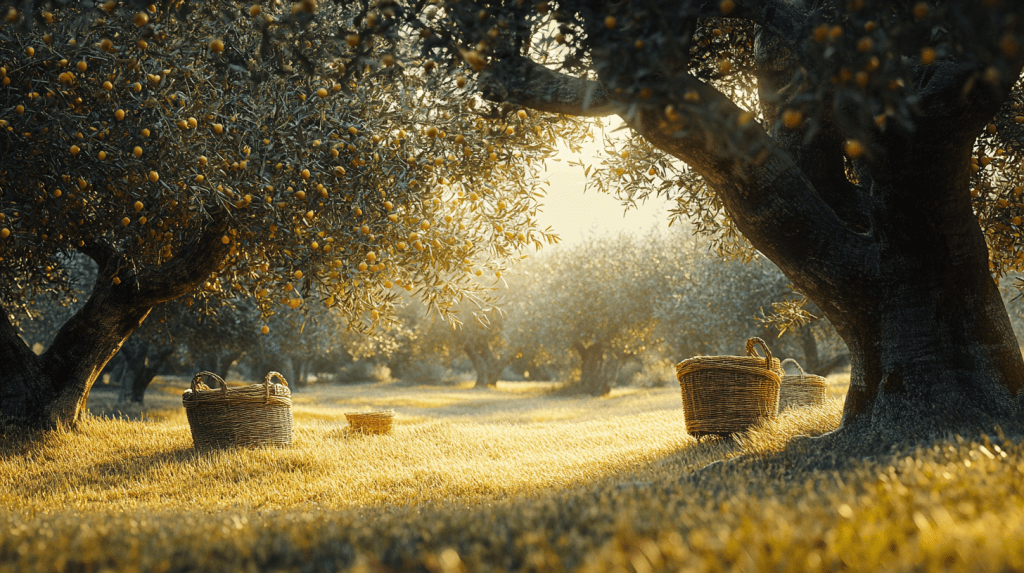
Maria led them out into the yard where a small olive grove stood, the trees laden with ripe olives. “First, we’ll collect some olives for pressing later. It’s harvest season.”
Handing them baskets, Maria showed them how to gently pick the olives from the trees. The process was slow but relaxing, and the warm morning air filled with the earthy scent of the olive trees.
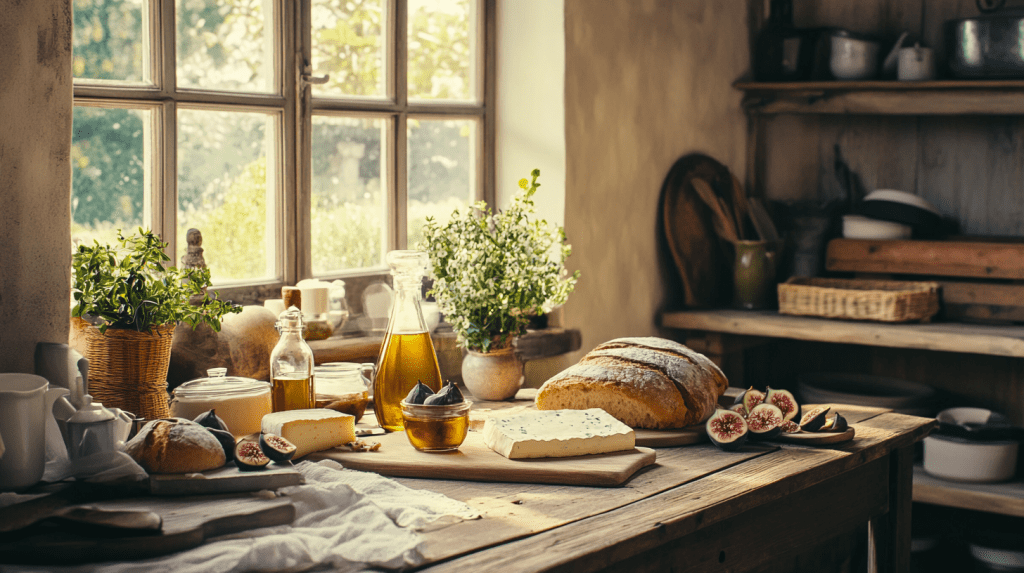
After some time in the grove, they returned to the kitchen where Maria had started preparing a traditional Alentejo breakfast. There were fresh bread, cheese, honey, and figs, along with olive oil they had pressed on the farm. “Now, we eat what we grow here,” Maria said proudly, motioning for them to sit at the rustic kitchen table.
As they ate, Maria explained more about farm life. “Here, everything is connected to the land. We grow our own food, and we make olive oil and wine. Life is slower, but it’s more meaningful.”
Sarah smiled as she spread some honey on her bread. “It’s incredible. I can see how connected you are to everything around you. The rhythm here is so different from the city.”
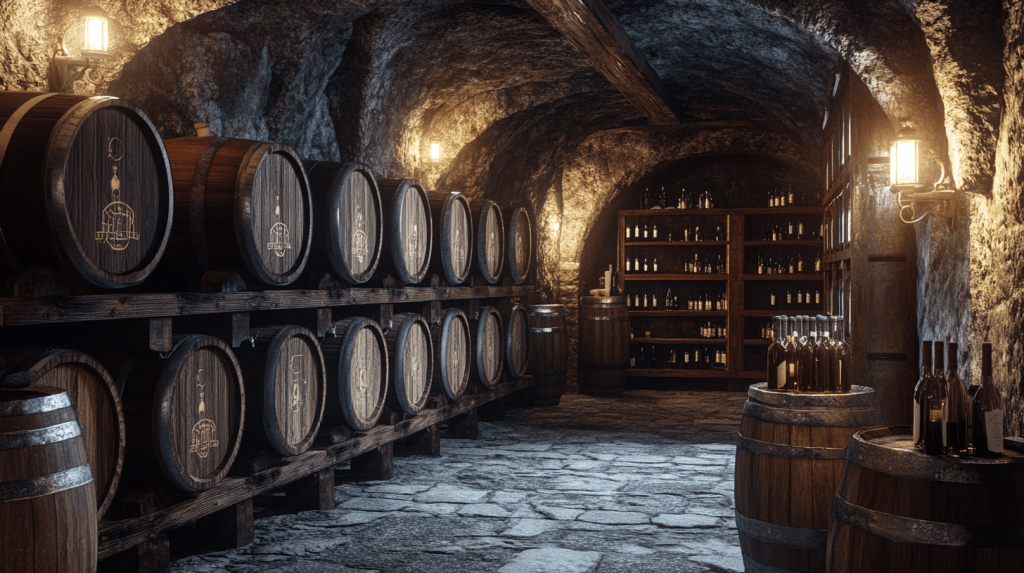
After breakfast, Maria invited them to see the wine cellar. “Before you go, you must taste some of the wine we make from the vineyards here. It’s been in our family for generations.”
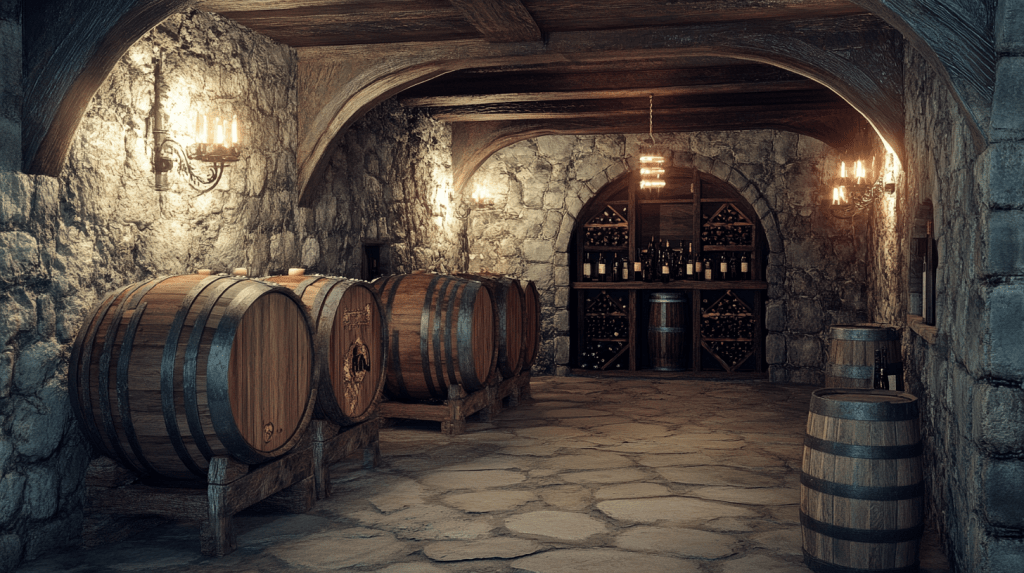
They followed her down to the cool cellar, where large wooden barrels lined the walls. The air was thick with the smell of aged wine. Maria poured them each a glass, and as they sipped, they marveled at the depth of flavor and the sense of history in each sip.
場景 2: 體驗農家生活
第二天早晨,艾米麗和莎拉在鄉村的輕柔聲音中醒來——鳥兒的啁啾聲和廚房裡鍋碗瓢盆輕輕碰撞的聲音。太陽剛剛升起,金色的光芒灑在窗外起伏的山丘上。
當她們下樓時,招待她們的瑪麗亞帶著微笑迎接她們。「你們來得正是時候,」她用葡萄牙語說道。「我們正在準備早餐,今天還有一些農活。你們想幫忙嗎?」
艾米麗眼睛一亮。「當然!我們非常樂意。」
莎拉也好奇地點點頭。「需要我們幫什麼忙呢?」
瑪麗亞帶她們來到院子,這裡有一片小小的橄欖樹林,樹上掛滿了成熟的橄欖。「首先,我們要摘一些橄欖,等下可以榨油。現在正是收成的季節。」
瑪麗亞遞給她們籃子,並示範如何輕輕地從樹上摘下橄欖。這個過程雖然緩慢,但卻很放鬆,清晨的空氣中瀰漫著橄欖樹的泥土香氣。
在橄欖林裡忙了一段時間後,她們回到廚房,瑪麗亞已經開始準備一頓傳統的阿連特茹早餐。桌上有新鮮的麵包、奶酪、蜂蜜和無花果,還有她們剛剛摘下來的橄欖榨的橄欖油。「現在,我們要吃的都是我們自己種的,」瑪麗亞自豪地說,並招呼她們坐到鄉村風格的餐桌旁。

吃飯時,瑪麗亞介紹了更多農家的生活。「在這裡,一切都與土地相連。我們自己種食物,自己做橄欖油和葡萄酒。生活雖然慢,但很有意義。」
莎拉一邊把蜂蜜塗在麵包上,一邊微笑著說:「這太不可思議了。我能感受到你們與周圍的一切緊密相連。這裡的節奏與城市完全不同。」
早餐後,瑪麗亞邀請她們參觀酒窖。「在你們離開之前,一定要嘗嘗我們自己釀的葡萄酒,這是我們家族世代相傳的。」
她們跟隨瑪麗亞來到涼爽的酒窖,牆邊整齊排列著大木桶,空氣中彌漫著陳年葡萄酒的香氣。瑪麗亞為她們每人倒了一杯酒,當她們品嘗時,驚嘆於那深厚的風味和每一口中所蘊含的歷史感。
Scene 3: Heading to the Moura Dam
After breakfast and the tour of the wine cellar, Emily and Sarah thanked Maria for her warm hospitality and stepped outside, ready to continue their journey.
“The next stop is Moura Dam, right?" Sarah asked as she opened the map and traced their route. “It’s supposed to be one of the most beautiful places in the region."

Emily nodded. “Yes, it’s to the south. We’ll pass through some scenic countryside, with lakes and small villages along the way. It should be a relaxing drive."
They packed their things into the car, and soon they were driving down the winding country roads, the landscape slowly shifting from olive groves to more rugged terrain. The sun climbed higher in the sky, casting long shadows over the fields.
“This whole area feels untouched by time," Sarah said as she gazed out the window. “I love how the countryside stretches out forever, with barely any buildings in sight."
Emily smiled. “That’s the charm of Alentejo. It’s all about the connection to the land—everything here revolves around nature and tradition."
As they drove, they passed small villages with whitewashed houses, their red-tiled roofs glowing in the morning light. Occasionally, they’d see farmers working in the fields, tending to their olive and cork trees.
“The landscape changes so subtly," Sarah observed. “One minute it’s rolling hills, the next it’s flat plains."
“That’s the beauty of it," Emily replied. “It’s not dramatic like the coast, but it has its own quiet majesty. And when we reach the dam, you’ll see how the water shapes the land."
場景 3: 前往水霸
吃完早餐並參觀了酒窖後,艾米麗和莎拉感謝了瑪麗亞的熱情招待,走到外面,準備繼續他們的旅程。
「接下來是莫拉水壩吧?」莎拉一邊打開地圖,沿著路線查看。「聽說那是這個地區最美的地方之一。」
艾米麗點頭說:「是的,往南走。我們會經過一些風景如畫的鄉村,有湖泊和小村莊,應該會是一段很放鬆的旅程。」

她們收拾好行李,開車上路,沿著蜿蜒的鄉村小路行駛,風景逐漸從橄欖樹林變為更為崎嶇的地形。太陽漸漸升高,將長長的影子投射在田野上。
「這裡的每個角落都彷彿與世隔絕,」莎拉望著窗外說。「我喜歡這種鄉村延綿不斷的感覺,幾乎看不到建築物。」
艾米麗微笑著說:「這就是阿連特茹的魅力所在。這裡的一切都與土地息息相關——一切都圍繞著自然和傳統。」
她們行駛途中,經過了幾個小村莊,村莊裡的白色房屋和紅色屋頂在晨光中閃閃發光。偶爾,她們會看到農夫在田裡工作,照料橄欖樹和軟木樹。
「這裡的景色變化得如此微妙,」莎拉觀察道。「一分鐘前還是起伏的山丘,下一分鐘又變成了平原。」
「這正是它的美麗所在,」艾米麗回答。「這裡不像海岸那樣壯麗,但它有自己安靜的威嚴感。等我們到了水壩,你會看到水如何塑造這片土地。」
Scene 4: Enjoying the Tranquil Waters of Moura Dam
As the car hummed down the road, the landscape began to shift. The olive groves gave way to wide, open fields, and in the distance, they could see the shimmering surface of the lake near Moura Dam.
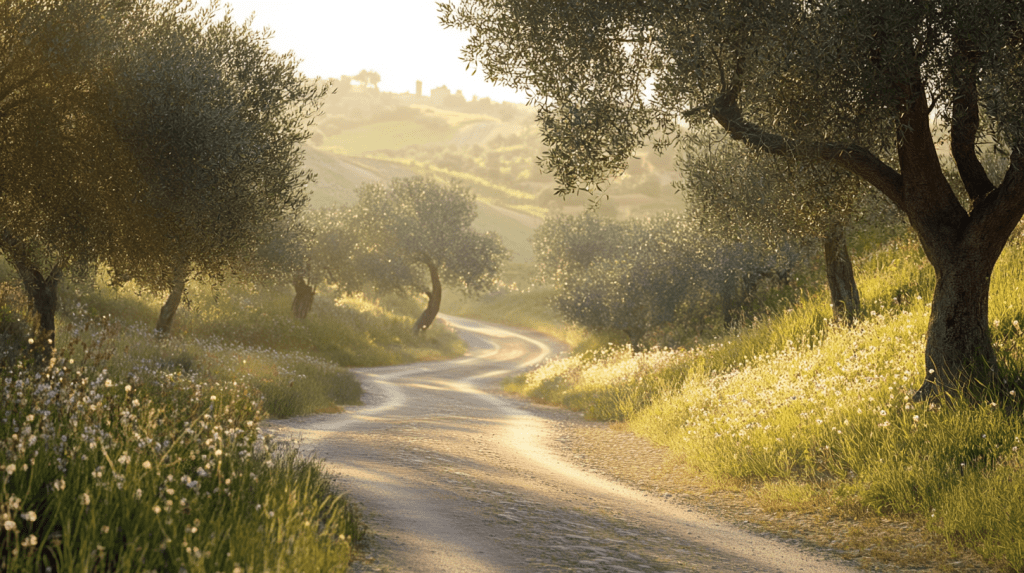
Sarah: “I think we’re getting close." (Glancing out at the horizon where the water met the land.)
Emily: (Nodding, her eyes on the road ahead) “The dam is just over that next hill. I’ve read that it’s not only a great place for hiking, but also one of the most important water sources in the region."
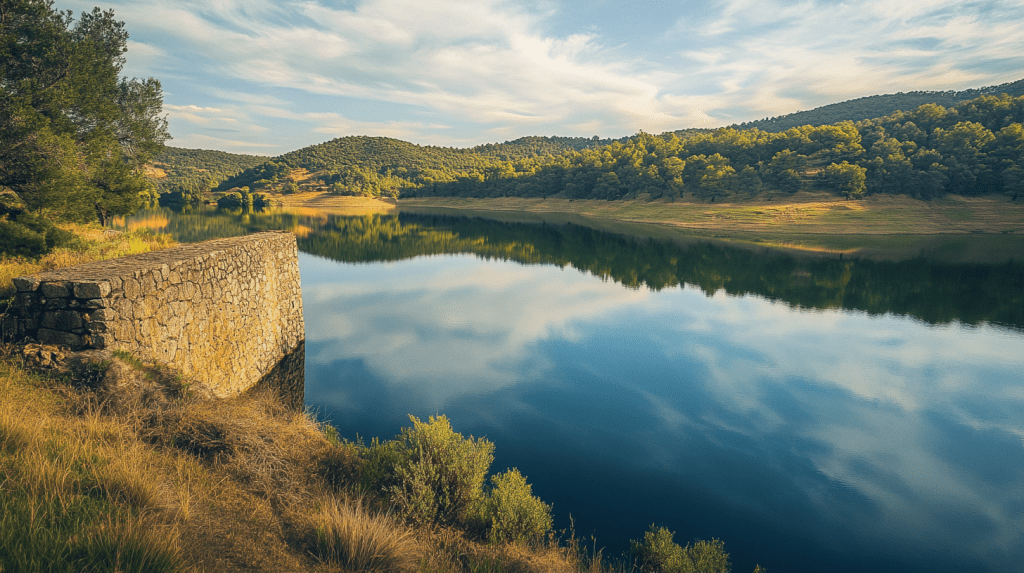
Sarah: (Leaning forward, peering out of the window) “It’s amazing to think how this man-made structure has shaped the landscape. It’s like the perfect blend of nature and human effort."
As they approached, the dam came into view, its stone structure towering over the tranquil lake. The water sparkled under the midday sun, and the surrounding hills were dotted with wildflowers and patches of forest.
Sarah: “I read somewhere that this area has a lot of rare wildlife. It’s the perfect place for a hike and maybe even some birdwatching."
Emily: (Parking the car near the lake) “Let’s take a walk down by the water and stretch our legs. It’s a great way to appreciate how the landscape has been shaped by both natural and human forces."
They stepped out of the car and headed toward the edge of the lake, the air fresh and cool. The sound of birds calling from the trees and the gentle lapping of water against the shore filled the peaceful atmosphere as they prepared to explore the Moura Dam area.
場景 4: 享受水壩的寧靜
當車子在路上平穩行駛時,風景開始變化。橄欖樹林逐漸讓位於廣闊的田野,遠處他們看到了莫拉水壩附近湖泊閃閃發光的水面。
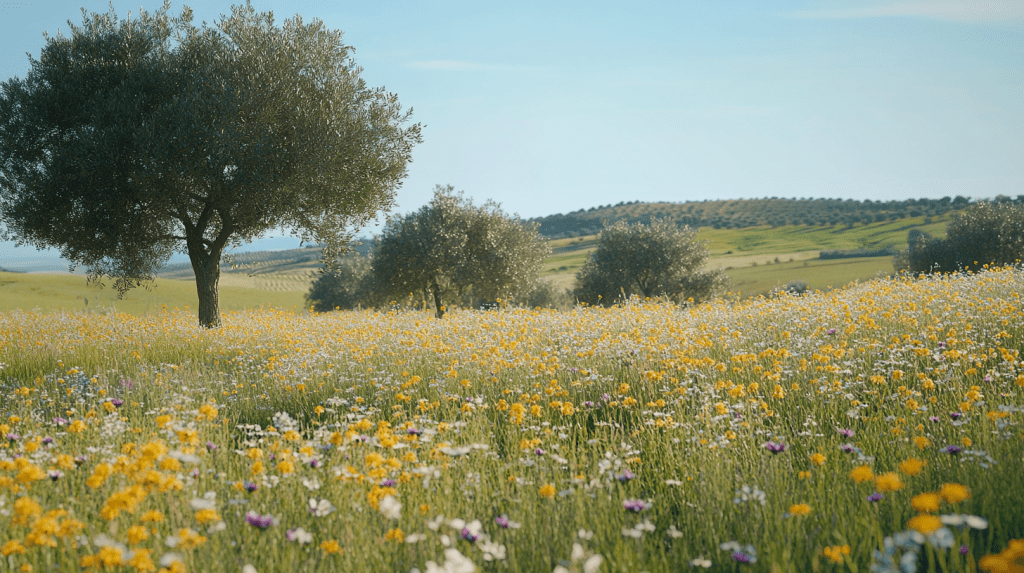
莎拉:「我想我們快到了。」(她瞥了一眼地平線上水面與大地相接的地方。)
艾米麗:(點頭,目光仍專注於前方的道路)「水壩就在那座山丘後面。我讀過,它不僅是個很棒的遠足地點,也是這個地區最重要的水源之一。」
莎拉:(向前傾身,透過窗戶仔細看)「真令人驚嘆,這座人工結構是如何改變這片土地的。這就像是大自然和人類努力的完美結合。」
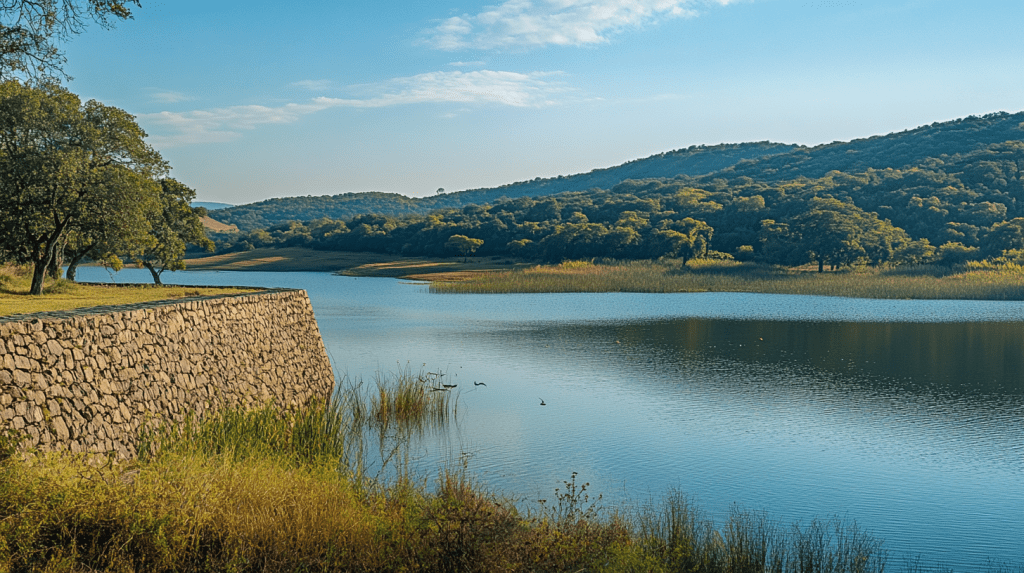
隨著她們逐漸靠近,水壩映入眼簾,那座石結構矗立在寧靜的湖面上。水面在正午的陽光下閃閃發光,周圍的山丘上點綴著野花和片片森林。
莎拉:「我看過一些資料,這個區域有很多稀有的野生動物。這是個適合遠足和觀鳥的完美地方。」
艾米麗:(將車停在湖邊)「我們下去湖邊走走,活動一下筋骨吧。這是一個很好的方式來欣賞自然與人類力量共同塑造的景觀。」
她們下了車,向湖邊走去,空氣清新涼爽。樹間傳來鳥鳴,湖水輕輕拍打著岸邊,寧靜的氛圍籠罩著她們,準備探索莫拉水壩的美麗地區。
Exploring the Moura Dam
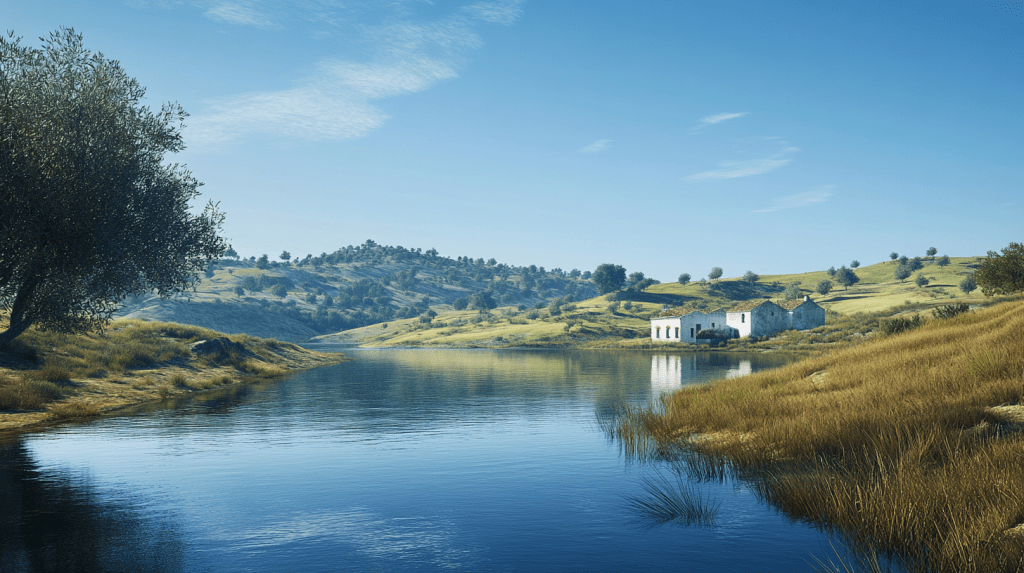
Emily and Sarah stood by the edge of the Moura Dam, the still waters reflecting the clear blue sky. Around them, the landscape was lush and green, with rolling hills in the background. The soft rustling of leaves and the occasional chirping of birds filled the air.
Sarah leaned over the railing, taking in the view. “This place is so tranquil. I didn’t realize dams like this could support so much wildlife."

Emily nodded. “Dams often create new habitats, especially for birds and other animals that thrive near water. The Moura Dam is no exception. You’ll find many species of waterfowl here, like ducks and herons, as well as smaller birds like warblers that nest in the reeds."
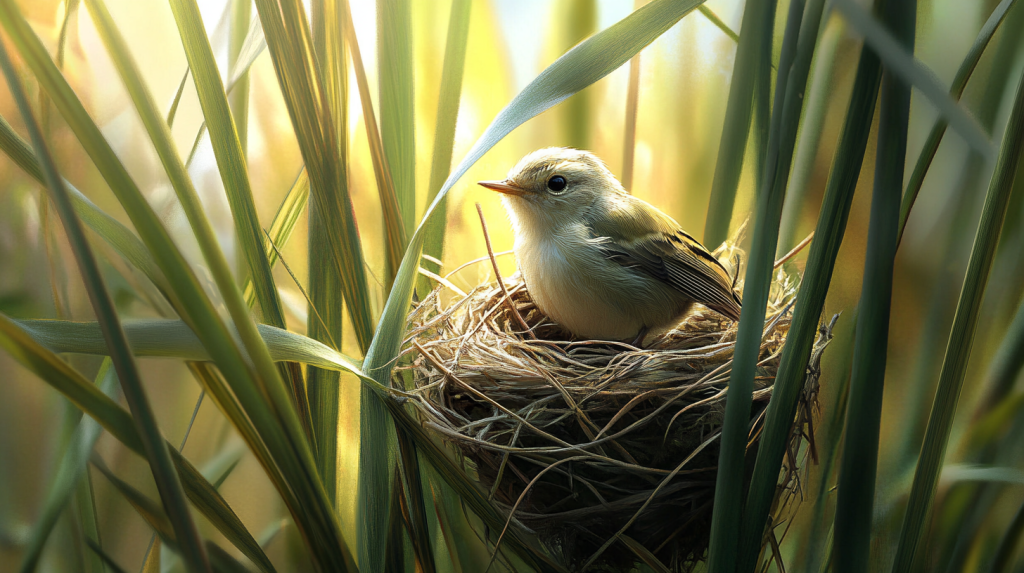
Sarah glanced at the nearby vegetation. “What about the plants? I noticed a lot of different species growing around the water."

Emily smiled. “Yes, the wetlands around the dam support a wide variety of plant life. You’ll see common reed, bulrushes, and even some rare aquatic plants. The dam helps create a microclimate here, which encourages more biodiversity than you’d expect in this part of Alentejo."
Sarah watched as a few birds flew overhead. “It’s amazing to think how something man-made can blend into nature like this. Have they done any reforestation here?"
Emily pointed toward a patch of young trees. “Yes, there have been efforts to plant native trees like cork oak and holm oak. It’s part of a project to restore the natural landscape and improve the local ecosystem."
They continued to walk along the dam, admiring the natural beauty around them. The afternoon sun glistened on the water as they listened to the sounds of the environment.
探索莫拉水壩
艾米麗和莎拉站在莫拉水壩的邊緣,靜謐的水面倒映著蔚藍的天空。周圍的景色郁郁蔥蔥,遠處是起伏的山丘。耳邊傳來樹葉輕拂的聲音,偶爾還有鳥兒的鳴叫聲。
莎拉倚在欄杆上,欣賞著眼前的景色。「這裡真是太寧靜了。我沒想到這樣的水壩還能支持這麼多野生動植物。」
艾米麗點頭道:「水壩經常會創造出新的棲息地,特別是對於那些喜歡靠近水的鳥類和其他動物來說。莫拉水壩也是如此。這裡有很多水鳥,比如鴨子和蒼鷺,還有一些較小的鳥類,比如在蘆葦中築巢的磯鶇。」
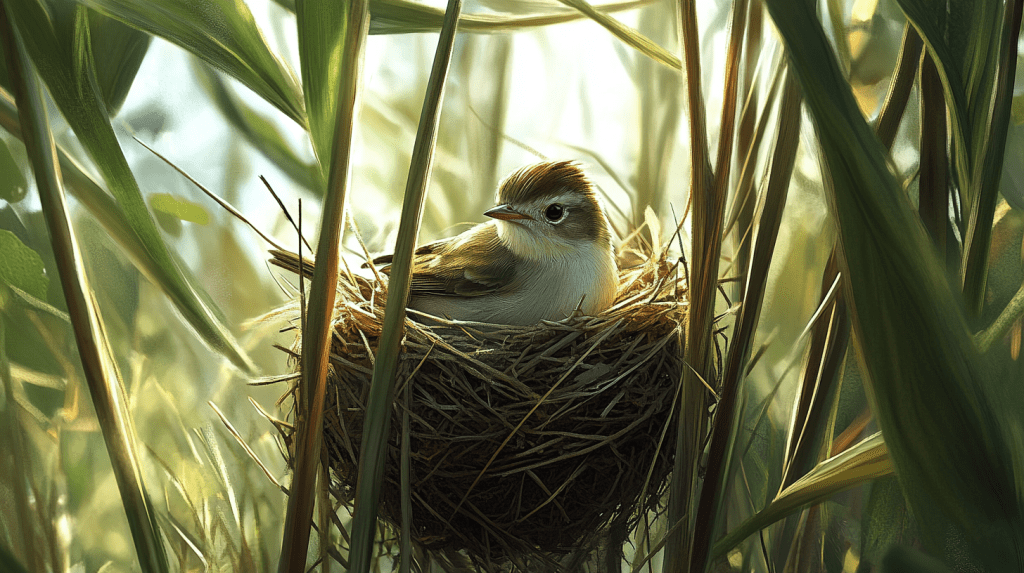
莎拉看了一眼附近的植物。「那這裡的植物呢?我注意到水邊有很多不同的物種。」
艾米麗笑著說:「是的,水壩周圍的濕地支持了各種植物的生長。你會看到蘆葦、香蒲,甚至還有一些罕見的水生植物。這裡的水壩創造了一個小氣候,促進了生物多樣性,比你在阿連特茹這一帶看到的要多得多。」
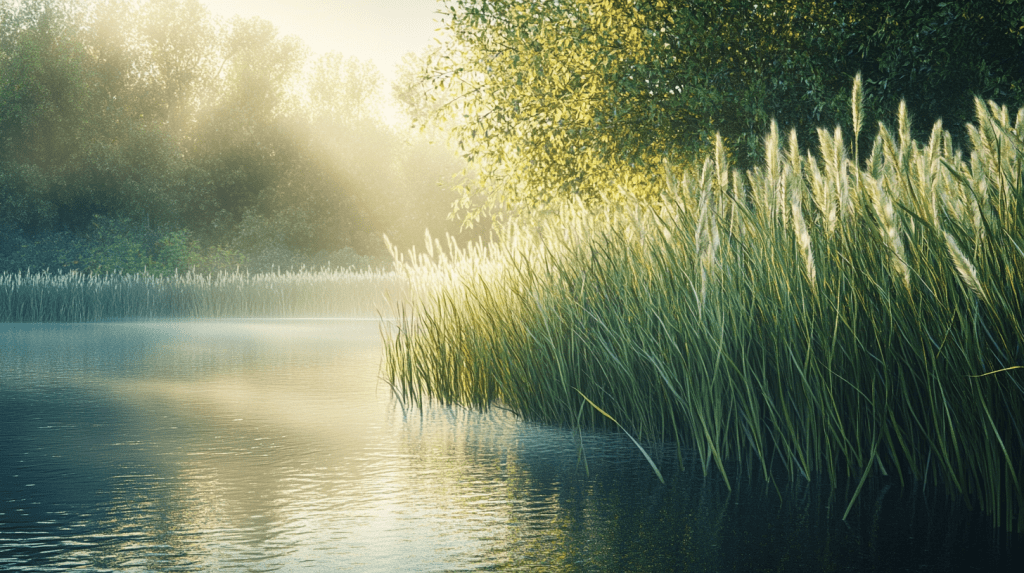
莎拉看著幾隻飛過的鳥說:「真不可思議,這樣的人造結構竟然能與大自然融為一體。他們在這裡有做過植樹造林嗎?」
艾米麗指向一片年輕的樹林。「是的,這裡有過一些種植軟木橡樹和冬青橡樹的努力。這是恢復自然景觀和改善當地生態系統的一部分計劃。」
她們繼續沿著水壩散步,欣賞著周圍的自然美景。午後的陽光在水面上閃閃發光,她們聽著環境中的自然聲音,感受到一份與自然和諧相處的平靜。
Journey to the Algarve: Exploring History, Nature, and the Coastline
As they drove further south, the landscape began to change. The lush hills and olive groves of Alentejo gave way to the deep valleys and shimmering waters of the Guadiana River, winding its way along the border between Portugal and Spain.

Sarah pointed out the window. “Look at the river! It’s hard to imagine how much history has flowed along with it."

Emily nodded, keeping her eyes on the road. “The Guadiana has been a lifeline for centuries. The Romans used it for transporting goods, and during the Moorish period, it was a key route for trade and cultural exchange. It’s part of what made this region such a melting pot."
Sarah turned to Emily. “The Moorish influence is really strong here, isn’t it? I noticed it in the architecture of the villages we’ve passed."
Emily smiled. “Yes, it’s one of the most distinctive features of this area. After the Moorish invasion in the 8th century, they ruled for almost 500 years. You can see it in the whitewashed buildings, the narrow streets, and the fortified walls in towns like Mértola. It wasn’t until the Reconquista that the Christian kings began pushing the Moors out, but their influence stayed."
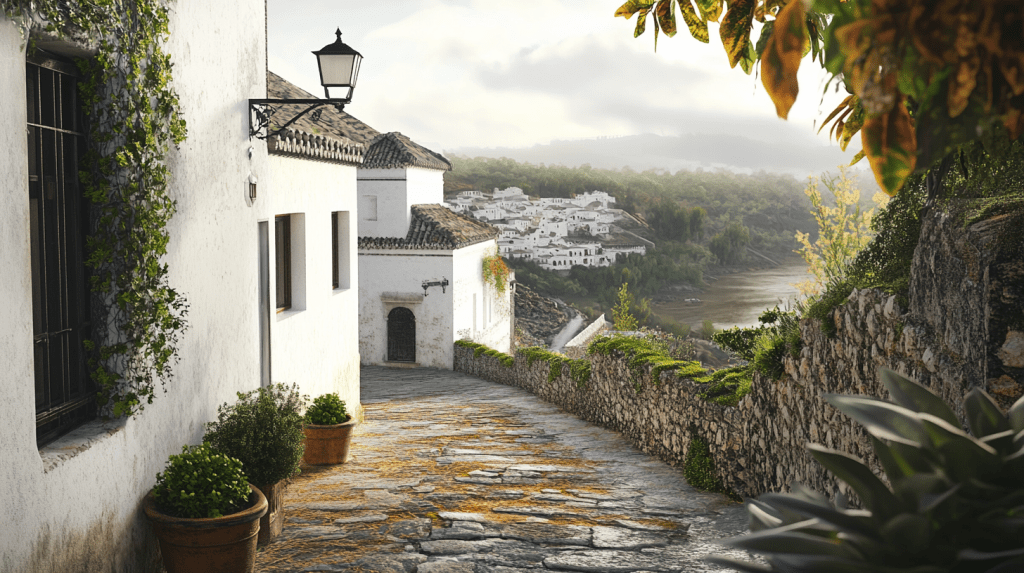
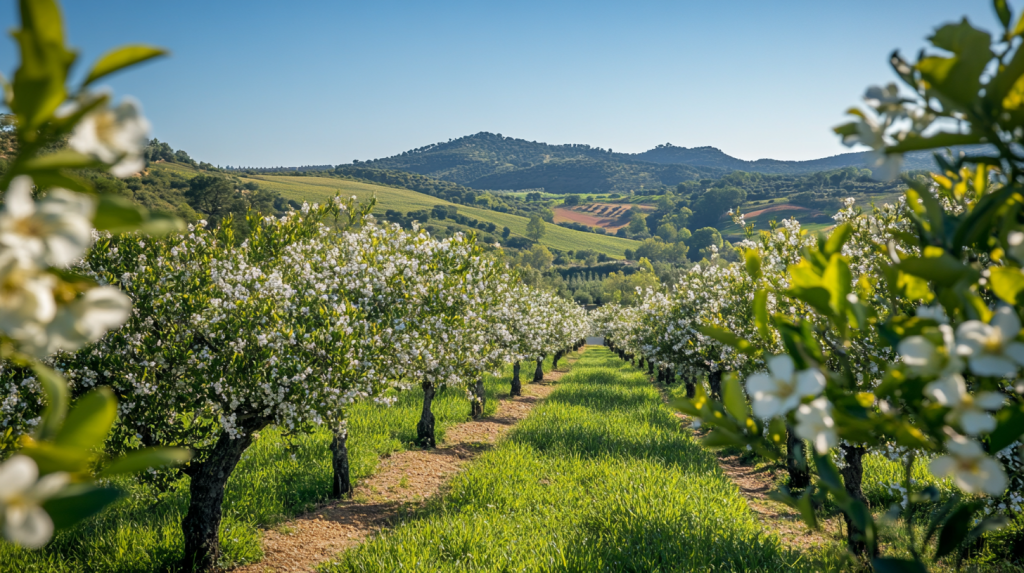
They passed through another small village, its houses built into the hillside, with ancient stone streets winding through it. Beyond the village, the hills gave way to citrus groves, stretching as far as the eye could see.
Sarah leaned back in her seat, taking in the view. “So much of Portugal’s history is tied to trade and agriculture, isn’t it? The climate here seems perfect for growing just about everything."
Emily nodded. “Especially in the Algarve. After the Moors left, this region became known for its citrus fruits, almonds, and even figs. The Mediterranean climate here is ideal for farming, and it’s been that way for centuries. Even during the Age of Exploration, the Algarve was a key location—Henry the Navigator had his school of navigation here in Sagres. The knowledge gained there helped launch Portugal’s maritime empire."
As they continued driving, the distant smell of the sea began to mix with the scent of orange blossoms.
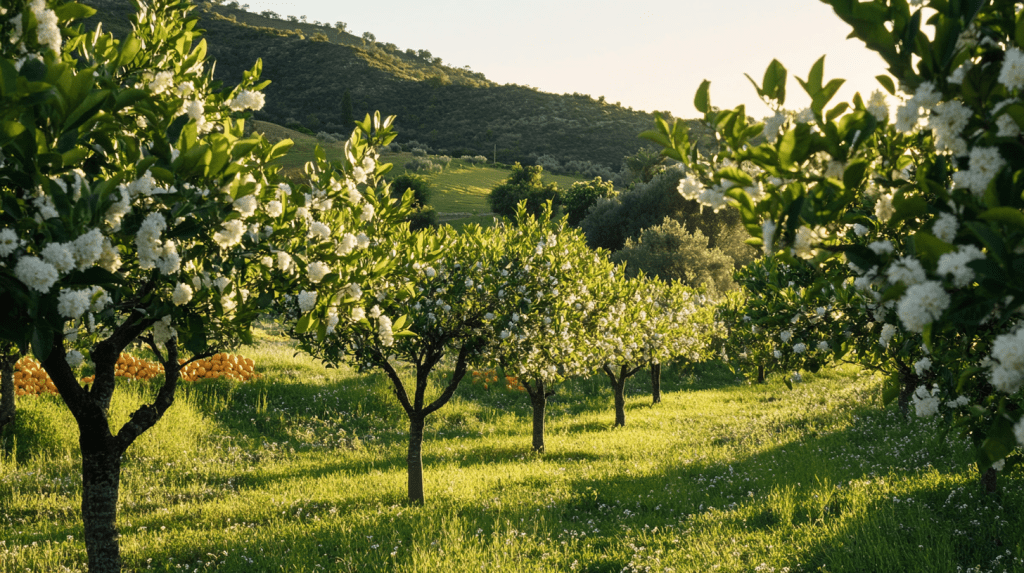
Sarah smiled. “It’s amazing to think how connected all of this is. The land, the rivers, the sea—it’s all part of Portugal’s story."
Emily agreed. “Exactly. The Algarve has always been shaped by both the land and the sea. Whether it’s the fishing villages along the coast or the agricultural plains inland, this region has been vital to Portugal’s economy and culture for centuries. Even today, you can see that mix of history and nature in every village and landscape."
As they neared the coast, the air became cooler, and they caught their first glimpse of the Atlantic Ocean in the distance, sparkling under the afternoon sun.
阿爾加維之旅:探索歷史、自然與海岸線
隨著她們向南行駛,景色逐漸變化。阿連特茹的青翠山丘和橄欖樹讓位於深谷和閃閃發光的瓜迪亞納河,這條河蜿蜒流過葡萄牙和西班牙的邊界。
莎拉指著窗外。「看看那條河!真難想像這條河裡流淌著多少歷史。」
艾米麗點了點頭,目光仍專注於前方的道路。「瓜迪亞納河幾個世紀以來一直是這片土地的生命線。羅馬人曾經用它來運輸貨物,而在摩爾人統治時期,它是貿易和文化交流的重要路線。這也是為什麼這個地區變成了文化的大熔爐。」
莎拉轉向艾米麗。「這裡的摩爾人影響真的很深吧?我在我們經過的村莊裡注意到了這一點,尤其是在建築上。」
艾米麗笑了笑。「是的,這是這片地區最鮮明的特徵之一。自從8世紀摩爾人入侵後,他們在這裡統治了將近500年。你可以在白色的房屋、狹窄的街道,以及像梅托拉這樣的小鎮中的城牆中看到這些影響。直到收復失地運動,基督教國王才開始將摩爾人逐出,但他們的影響一直保留了下來。」
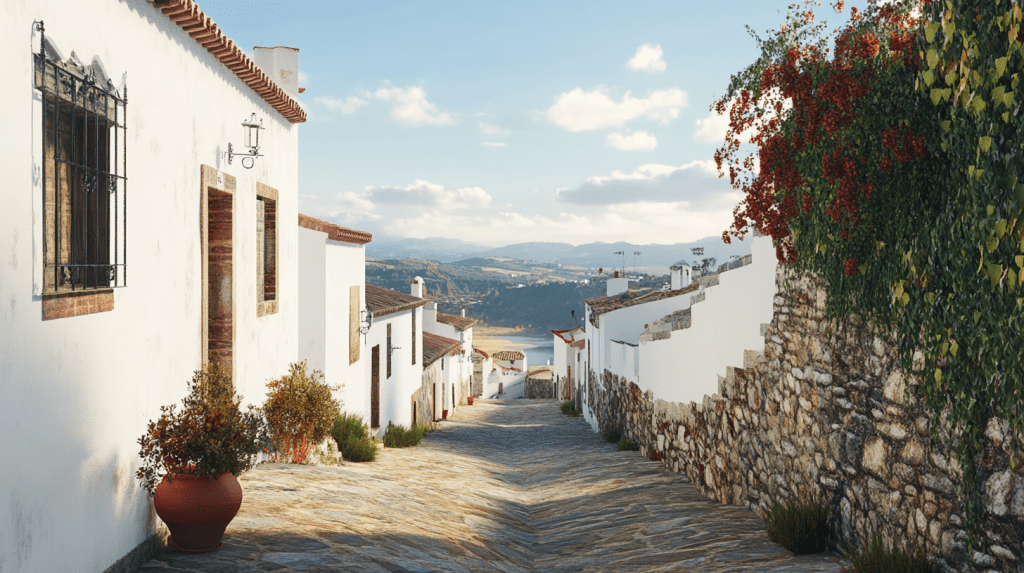
她們駛過了一座依山而建的小村莊,古老的石板街道蜿蜒其中。村莊之外,山丘變成了柑橘園,一望無際。

莎拉靠在座椅上,欣賞著眼前的景色。「葡萄牙的歷史有很大一部分與貿易和農業有關,對吧?這裡的氣候感覺適合種植幾乎任何作物。」
艾米麗點頭。「特別是在阿爾加維。摩爾人離開後,這個地區就以其柑橘類水果、杏仁和無花果聞名。這裡的地中海氣候非常適合農業,幾個世紀以來都是如此。甚至在大航海時代,阿爾加維也是關鍵的地點——亨利王子在薩格里什設立了他的航海學校。那裡獲得的知識幫助葡萄牙建立了海上帝國。」
隨著她們繼續前行,海洋的氣息逐漸與橙花的香氣交織在一起。
莎拉微笑著說:「真不可思議,這一切都是相互聯繫的。土地、河流、大海——它們都是葡萄牙歷史的一部分。」
艾米麗贊同道:「沒錯。阿爾加維一直在土地和海洋的雙重影響下發展。不論是沿海的漁村,還是內陸的農業平原,這個地區幾個世紀以來一直是葡萄牙經濟和文化的重要組成部分。即使在今天,你仍然可以在每個村莊和風景中看到這種歷史與自然的融合。」
當她們接近海岸時,空氣變得涼爽,遠處的大西洋在午後的陽光下閃閃發光。
The Climate and Flavors of Alentejo
As they wandered through the narrow streets of Mértola, the whitewashed houses and ancient walls basked in the warm sunlight.
Sarah glanced up at the sky. “It feels pretty warm here, almost Mediterranean. Is this climate more influenced by the Mediterranean, or are we still getting the Atlantic breeze?"
Emily nodded thoughtfully. “Good question. Mértola and much of the Alentejo are technically part of the Mediterranean climate zone. That’s why you feel the dry, hot summers and mild winters. But because we’re still close to the Atlantic, there’s a bit of influence from the ocean too, especially in terms of humidity and cooler temperatures during the winter."
Sarah looked at the clear sky. “So, it’s a mix of both?"
Emily smiled. “Exactly. The Mediterranean influence gives the region long, dry summers, but the proximity to the Atlantic Ocean helps moderate the temperature a bit, making it less extreme compared to areas further inland. That’s why you get these cooler breezes every now and then, even in the height of summer."
Sarah took a deep breath, enjoying the warmth. “I can imagine the combination of these two climates must be great for growing things like olives and citrus."
Emily nodded. “Yes, the climate is perfect for olive groves and vineyards, but it’s also influenced by the geography. The hills and valleys help trap the warmth during the day, and the Atlantic breezes cool things down at night. That’s why traditional dishes here are so rooted in local ingredients."
Sarah raised an eyebrow. “Like what?"
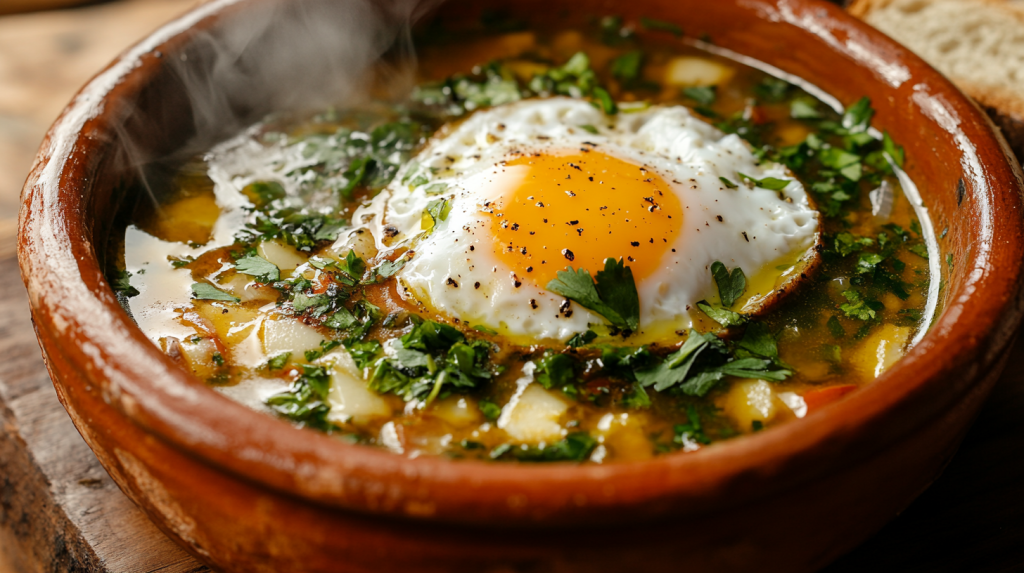
Emily smiled. “Here in Mértola, you’ll find a lot of traditional Alentejo dishes. A few you have to try are açorda and migas. Both are based on bread, but açorda is like a bread soup, made with garlic, olive oil, cilantro, and sometimes topped with a poached egg. Migas is more like fried bread, usually served with pork or lamb. They’re simple but full of flavor."

Sarah grinned. “That sounds amazing. I’ve heard the food here is really rustic, but it must be packed with flavor."
Emily continued, “Exactly. And because of the proximity to the coast, you also get some great seafood dishes. Bacalhau—salted cod—is a staple. And there’s this amazing stew called ensopado de borrego, made with lamb and plenty of herbs. The flavors are very earthy, reflecting the region’s history of agriculture and shepherding."
As they neared a small café, the smell of fresh bread and olive oil wafted through the air. Emily smiled and gestured to the café. “Speaking of food, how about we stop here for a bite? They make a great açorda de bacalhau."
阿連特茹的氣候與風味
當她們漫步在梅托拉狹窄的街道上,白色的房屋和古老的城牆沐浴在溫暖的陽光下。
莎拉抬頭看了一眼天空。「這裡感覺挺溫暖的,幾乎像是地中海氣候。這裡的氣候更多是受地中海影響,還是仍然有大西洋的風影響?」
艾米麗思索著點點頭。「這是個好問題。梅托拉和阿連特茹的大部分地區技術上屬於地中海氣候區。所以你會感受到乾燥、炎熱的夏天和溫和的冬天。但因為我們靠近大西洋,海洋也會帶來一些影響,特別是在濕度和冬季較涼爽的氣溫上。」
莎拉看著晴朗的天空。「所以這裡是兩者的結合?」
艾米麗微笑著說:「沒錯。地中海氣候帶來了長期乾燥的夏天,但靠近大西洋使得這裡的溫度不至於過於極端,尤其是與更內陸地區相比。因此,即使在盛夏,偶爾也會有涼爽的海風。」
莎拉深吸一口氣,享受著溫暖。「我能想像,這兩種氣候的結合對種植橄欖和柑橘一定非常有利。」
艾米麗點頭道:「是的,這裡的氣候非常適合橄欖樹和葡萄園,但地理條件也很重要。這些山丘和山谷在白天吸收熱量,夜晚則受到大西洋海風的涼爽影響。這也是為什麼這裡的傳統料理都離不開當地食材。」
莎拉好奇地問:「有哪些特色菜呢?」
艾米麗笑著說:「在梅托拉,你會發現許多傳統的阿連特茹菜餚。你一定要試試açorda和migas。這兩道菜都是以麵包為主的,但açorda是一種麵包湯,配有大蒜、橄欖油、香菜,有時還會加上一個水煮蛋。而migas則更像是煎麵包,通常搭配豬肉或羊肉。雖然簡單,但味道濃郁。」
莎拉笑著說:「聽起來很棒。我聽說這裡的食物很樸實,但一定味道十足。」
艾米麗繼續說:「是的,而且因為靠近海岸,這裡的海鮮也很出色。鹽鱈魚是這裡的主食之一。還有一道非常棒的燉菜,叫做ensopado de borrego,是用羊肉和大量香草做成的。味道非常樸實,反映了這裡農業和牧羊的歷史。」
當她們靠近一家小咖啡館時,空氣中瀰漫著新鮮麵包和橄欖油的香氣。艾米麗微笑著指向咖啡館。「說到食物,要不要在這裡吃點東西?他們的鹽鱈魚麵包湯很棒。」
Notable Dishes from the Region:
- Açorda – A traditional bread soup with garlic, olive oil, and cilantro, often with poached egg or fish.
- Migas – Fried bread usually served with pork or lamb.
- Ensopado de Borrego – A hearty lamb stew with herbs, reflecting the region’s agricultural roots.
- Bacalhau – Salted cod, a staple in many Portuguese regions, but with local variations in Alentejo.


 Virtual Travel | 虛擬旅行沉浸式英語學習
發表留言