
Scene 1: Dining by the Harbor
As they approached the small harbor, Sarah noticed several fishing boats bobbing gently in the water. The sun was beginning to set, casting a warm glow over the village. Small shops and cafés lined the waterfront, and the smell of grilled fish wafted from one of the open-air restaurants.
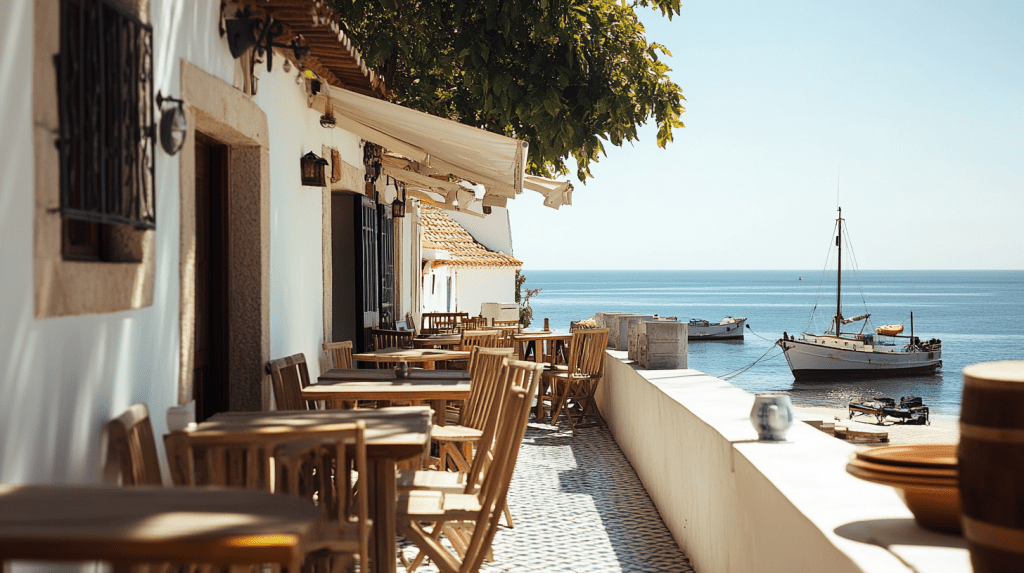
Sarah looked around, taking in the scene. “I didn’t realize fishing was such a big part of life here. Are these boats for local fishing, or do they go further out?"
Emily pointed to the mix of small boats and a few larger ones. “It depends. Most of the boats you see here are for inshore fishing, catching things like sardines, mackerel, and octopus. They stay relatively close to the coast—mainly in the Atlantic, though some boats also work the edge of the Mediterranean. But there are also some trawlers that go out into the deeper waters for bigger catches, like tuna and swordfish."
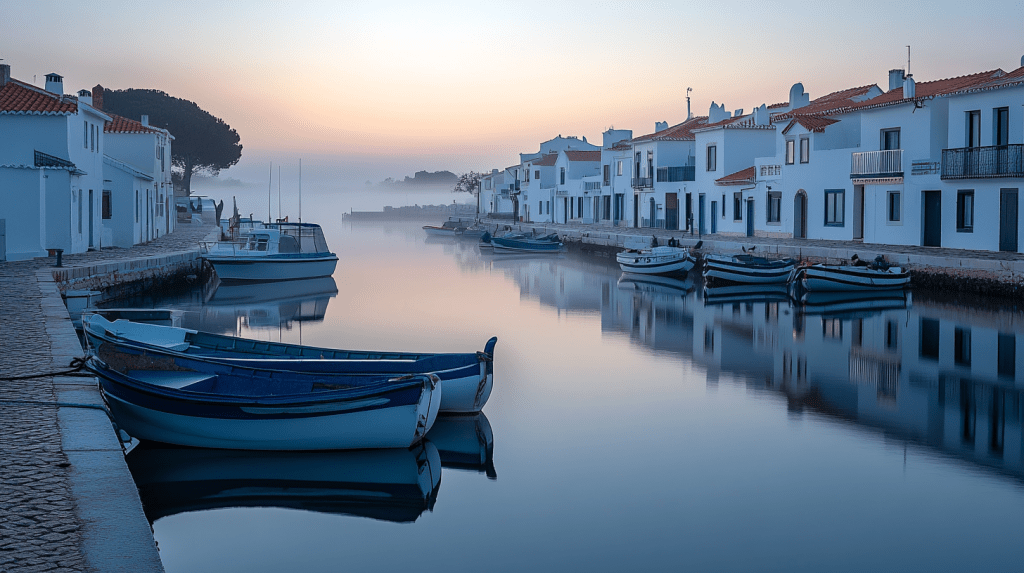
Sarah raised an eyebrow, intrigued. “So they balance between nearshore and deep-sea fishing?"
Emily nodded. “Exactly. In these smaller towns, the fishing families mostly rely on inshore work, since it’s easier and doesn’t require the big industrial equipment. The catch is often sold directly to the local markets or restaurants. It’s all very fresh—straight from the boat to your plate."
Sarah smiled, looking at the nearby restaurant where a man was grilling fish. “So, I guess we’re in for some fresh seafood tonight."
Emily laughed. “Absolutely. Grilled sardines are a local favorite. And sometimes you get dishes made with octopus or squid, depending on what they’ve caught that day. It’s not a big industrial operation like you’d see in bigger ports, but it keeps the local economy going."
Sarah glanced back at the water, watching the boats gently sway with the tide. “And they mostly fish in the Atlantic, right?"
Emily nodded. “Yes, the Atlantic is where most of the fishing happens, though this area does get some Mediterranean influence in terms of species. It’s why you find a mix of both Atlantic and Mediterranean seafood on menus here."
場景 1: 海港邊的用餐
當她們走近小港口時,莎拉注意到幾艘漁船在水面上輕輕搖晃。太陽開始下山,給村莊覆上一層溫暖的光芒。海岸邊是一排小商店和咖啡館,空氣中瀰漫著烤魚的香味,從一個露天餐館飄來。
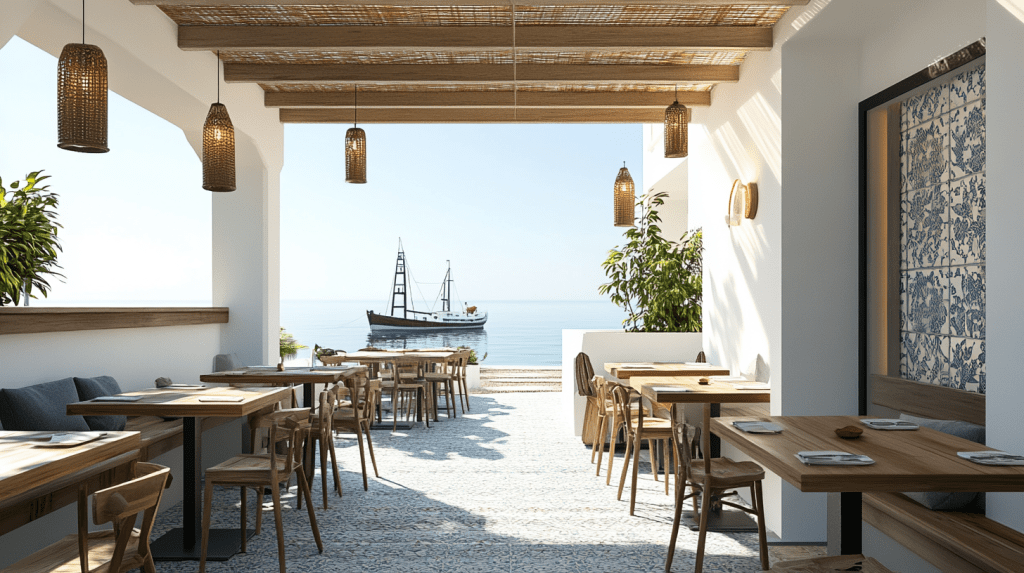
莎拉四處張望,欣賞著眼前的景象。「我沒想到漁業是這裡生活的一大部分。這些船是做近海捕魚的,還是出海更遠?」
艾米麗指著那幾艘大小不一的船說:「這取決於情況。你現在看到的大多是近海捕魚的船,主要捕撈沙丁魚、鯖魚和章魚。它們一般靠近海岸捕魚,主要是在大西洋,有些船也會到地中海邊緣。還有一些拖網漁船會去深海捕撈較大的魚類,比如金槍魚和劍魚。」
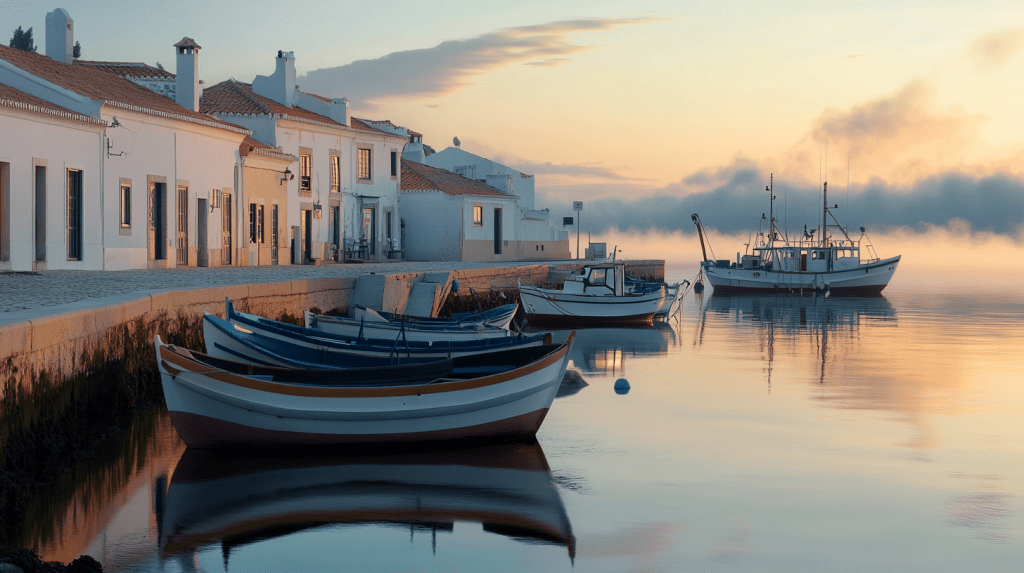
莎拉挑了挑眉,顯得很有興趣。「所以這裡的漁民會在近海和深海之間尋找平衡?」
艾米麗點了點頭。「沒錯。在這些小鎮,漁業家庭大多依靠近海捕魚,因為這比較容易,也不需要大型工業設備。他們的漁獲通常直接賣給當地市場或餐館。都是非常新鮮的——直接從船上到你的餐桌。」
莎拉微笑著看向附近的餐館,一個男人正在烤魚。「那我們今晚肯定能吃到新鮮的海鮮了。」
艾米麗笑道:「那是當然。烤沙丁魚是這裡的招牌菜。有時候也會有章魚或魷魚,這取決於他們當天捕到什麼。這裡不像大港口那樣有大規模的工業捕魚,但它支撐著當地的經濟。」
莎拉看了一眼海面,船隨著潮水輕輕搖晃。「他們主要在大西洋捕魚,對吧?」
艾米麗點頭說:「是的,大部分漁業活動都在大西洋,不過這個地區也有些受地中海影響的魚種。所以你會在這裡的菜單上看到來自大西洋和地中海的海鮮。」
Scene 2: Reflection on Their Journey and the Current Situation in Portugal
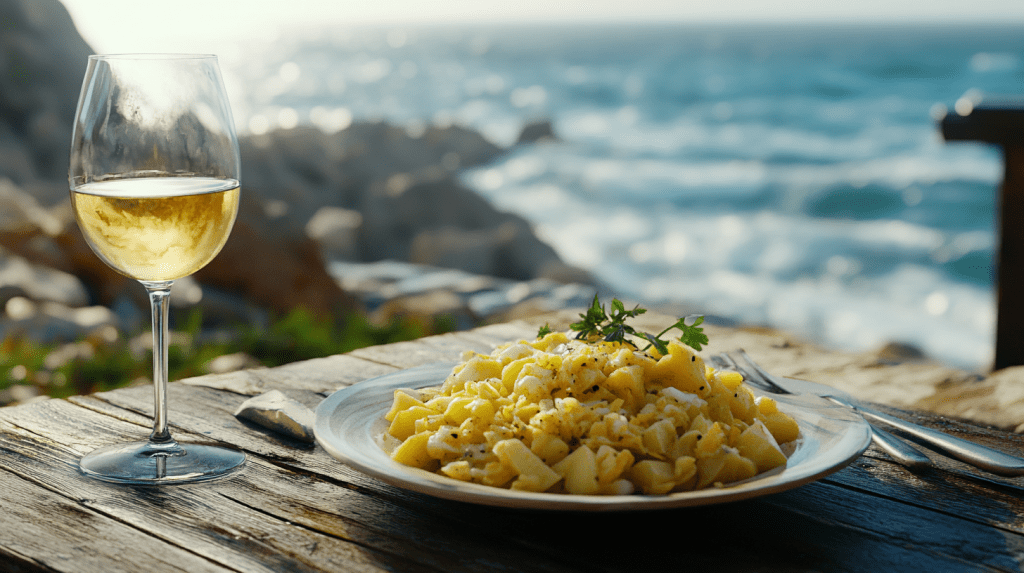
As they sat down in a small seaside restaurant, a basket of freshly baked broa (Portuguese cornbread) was brought to the table. They ordered grilled sardines and bacalhau à brás (shredded codfish with onions and potatoes).
Sarah took a bite of the sardines. “This is amazing. I’ve never tasted sardines so fresh."
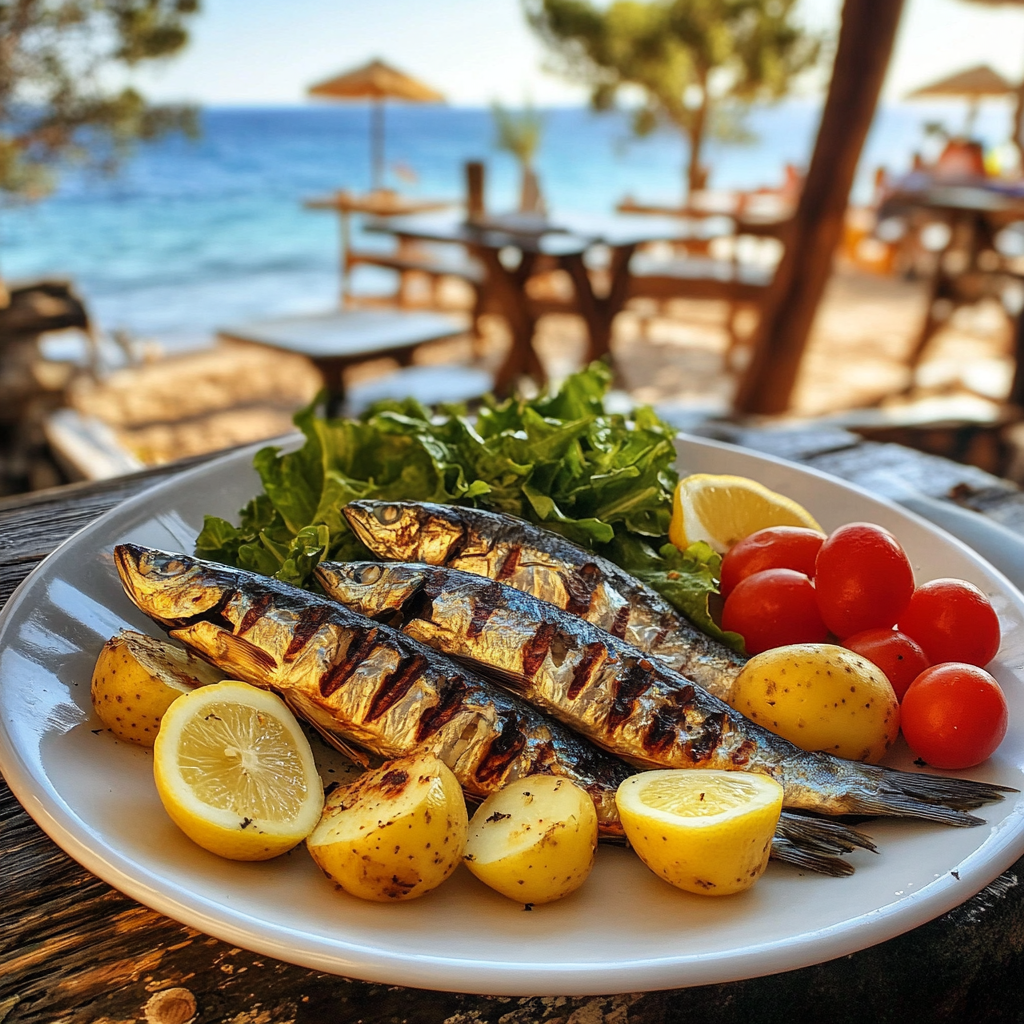
Emily smiled. “That’s the beauty of eating by the sea. Everything is fresh, caught just this morning. The locals here have been fishing for centuries."
Sarah nodded as she tasted the bacalhau à brás. “There’s something about the way they prepare the fish here. It’s so simple, but so flavorful. You can taste the connection between the sea and the land."
Emily added, “Exactly. What we’ve seen on this trip is how deeply connected the people here are to the landscape—whether it’s the fishermen, the olive farmers, or the winemakers. The food reflects that connection. It’s as much a part of the history as the buildings or the monuments."
Sarah paused, reflecting on what they had seen. “But I wonder, with such strong traditions, how are people adapting to modern times? I’ve heard that many young people are leaving Portugal for other countries."
Emily nodded. “Yes, it’s been a growing issue in recent years. Despite its rich history and culture, Portugal has struggled with economic challenges, especially since the financial crisis in 2008. Unemployment, particularly among the youth, has been a major concern. Many young people are looking for better opportunities in other European countries, especially because of the freedom to move within the EU."
Sarah frowned. “It’s a shame, though. With such deep ties to the land and their traditions, it must be hard for the communities here to lose their younger generations."
Emily sighed. “It is. The population is aging, and with fewer young people staying in the rural areas, you can see how it impacts the economy—especially in agriculture and small-scale industries like fishing. The EU has provided funding and support for development, but it’s not always enough to keep people here. The allure of better-paying jobs abroad is strong."
Sarah took another sip of her wine. “So, the EU gives them freedom to leave, but also provides some help to stay?"
“Exactly," Emily replied. “It’s a double-edged sword. There are programs to support rural development and boost industries, but at the same time, many young people are drawn to places like Germany or the UK for work. It’s a delicate balance."
場景 2: | 回顧旅程與葡萄牙的現況
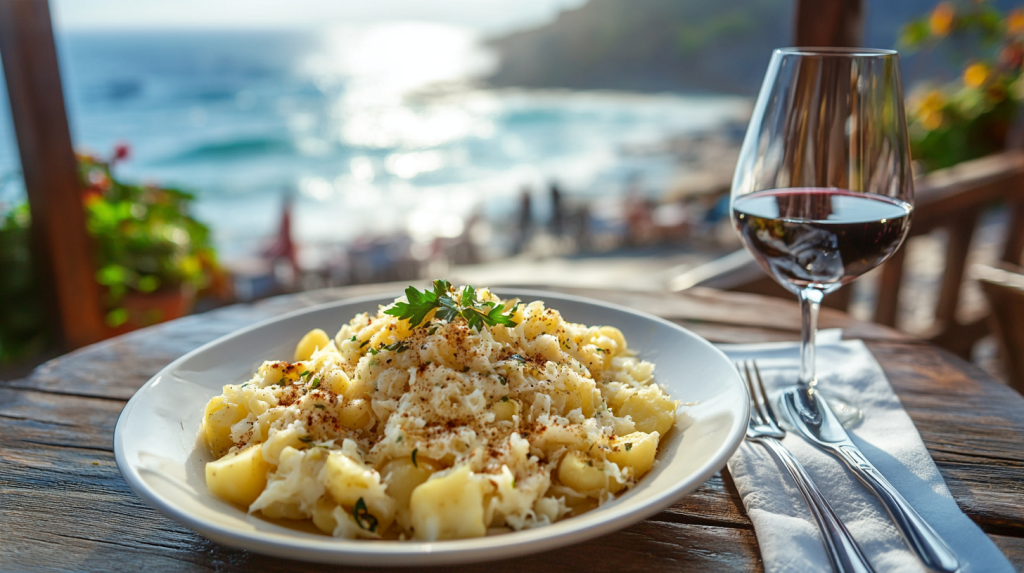
她們在一家海邊的小餐廳坐下,服務員端來了一籃剛出爐的葡萄牙玉米麵包broa。她們點了烤沙丁魚和 bacalhau à brás(鱈魚炒馬鈴薯)。
莎拉咬了一口沙丁魚,驚喜地說:「這真是太好吃了。我從沒吃過這麼新鮮的沙丁魚。」
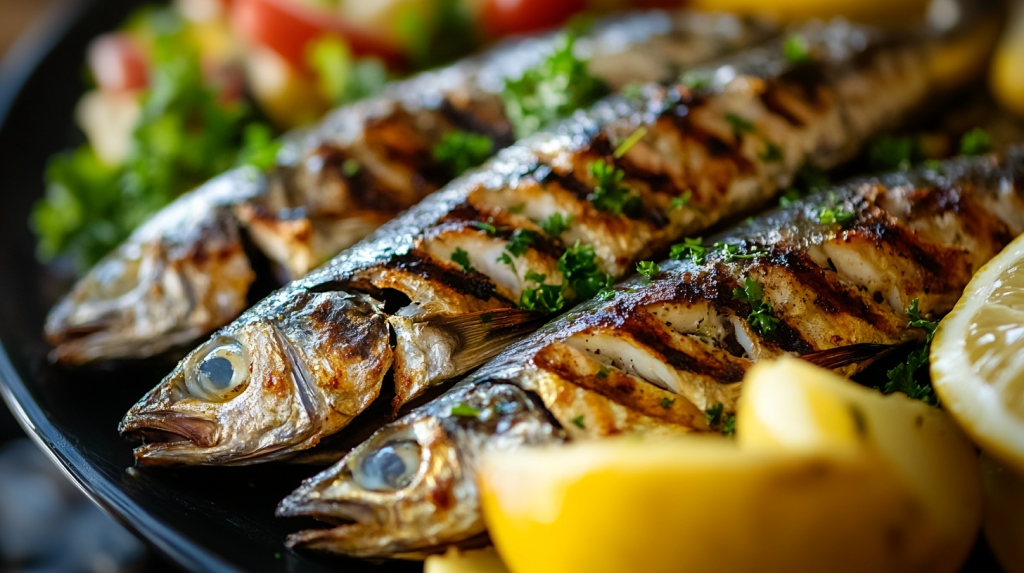
艾米麗笑著說:「這就是靠海吃海的好處。所有的食材都是今天早上才捕撈上來的。這裡的當地人世世代代都以漁業為生。」
莎拉一邊嚐著bacalhau à brás,一邊點頭說:「他們烹飪魚的方式真特別。非常簡單,但味道卻很豐富。你能感覺到這裡的食物和大海、土地的連結。」
艾米麗補充道:「正是如此。我們這一路看下來,無論是漁民、橄欖農還是釀酒師,這裡的人和土地的關係都非常深厚。這裡的食物也反映了這種連結,和這裡的建築和歷史一樣,都是這片土地的一部分。」
莎拉停頓了一下,想起她們一路上看到的景象。「但我在想,這裡的傳統這麼深厚,那麼當代人是如何適應現代生活的呢?我聽說很多年輕人正在離開葡萄牙去其他國家發展。」
艾米麗點頭說:「是的,這確實是近年來越來越大的問題。儘管葡萄牙有著豐富的歷史和文化,但經濟問題仍然困擾著這個國家,尤其是自2008年金融危機以來。青年失業率一直是個大問題。很多年輕人為了尋求更好的機會選擇前往其他歐洲國家,特別是因為在歐盟內部自由移動的便利。」
莎拉皺眉說:「真可惜。這些社區與土地和傳統的聯繫如此緊密,年輕一代的流失對他們來說一定是個不小的打擊。」
艾米麗嘆了一口氣說:「是的。人口正在老化,隨著留在農村地區的年輕人越來越少,你可以看到這對經濟的影響——尤其是對農業和像漁業這樣的小型產業。歐盟提供了資金和支持以促進發展,但這往往不足以留住人們。歐洲其他國家提供的更高薪資對年輕人有著強大的吸引力。」
莎拉喝了一口葡萄酒說:「所以,歐盟既給了他們離開的自由,也提供了留住他們的幫助?」
「沒錯,」艾米麗回答道。「這是一把雙刃劍。有些計劃是為了支持農村發展和提升產業,但同時,很多年輕人也被像德國或英國這樣的地方所吸引去工作。這是一個微妙的平衡。」

 Virtual Travel | 虛擬旅行沉浸式英語學習
發表留言