
Scene 1: The First Day at Work

Characters:
- Sophie (senior curator)
- Daniel (intern)
Daniel: Morning, Sophie. I’ve been looking forward to this for weeks. It’s exciting, but I can’t help feeling a bit overwhelmed. There’s so much history in these halls.
Sophie: Morning, Daniel. I get it—it’s a lot to take in. But don’t worry, we’ll go at a steady pace. You’ll have plenty of time to learn everything. Today, I thought we could start with the West Asian artifacts. Some of the most iconic pieces are there.
Daniel: That sounds great. I’ve always been fascinated by Babylonian and Assyrian cultures. Seeing them in person is a whole new experience.
Sophie: Exactly. Pictures never do them justice. Let’s start with the Ishtar Gate. It’s one of the highlights of our collection—an impressive piece of Babylonian history.

Daniel: Wow, the colors are even more vibrant than I imagined. And it’s huge. How did they manage to bring it here?
Sophie: It was excavated in the early 1900s by Robert Koldewey. He oversaw the transportation of the bricks to Berlin, and they were reconstructed here. It was a massive project. Controversial by today’s standards, but it’s given us a chance to preserve and showcase it.
Daniel: I see. And the animals on the gate—are they symbolic?
Sophie: Yes, they are. The lions represent Ishtar, the goddess of love and war. The bulls symbolize Adad, the storm god, and the dragons are linked to Marduk, the chief god of Babylon. These symbols reinforced the power of the city and its rulers.
Daniel: It’s incredible to think how much meaning was packed into every detail. What’s next?
Sophie: We’ll head over to the Assyrian gallery. There, you’ll find intricate palace reliefs from Nineveh. They depict everything from battles to religious ceremonies. It’s a fascinating look at the life and power of the Assyrian kings. After that, we can grab some lunch—there’s a café I usually go to nearby.
Daniel: That sounds like a good plan. I could use a break to process all of this.
Sophie: Yeah, we’ll take it easy. We’ll have plenty of time to dive deeper into the collection later.
場景 1: 實習的第一天
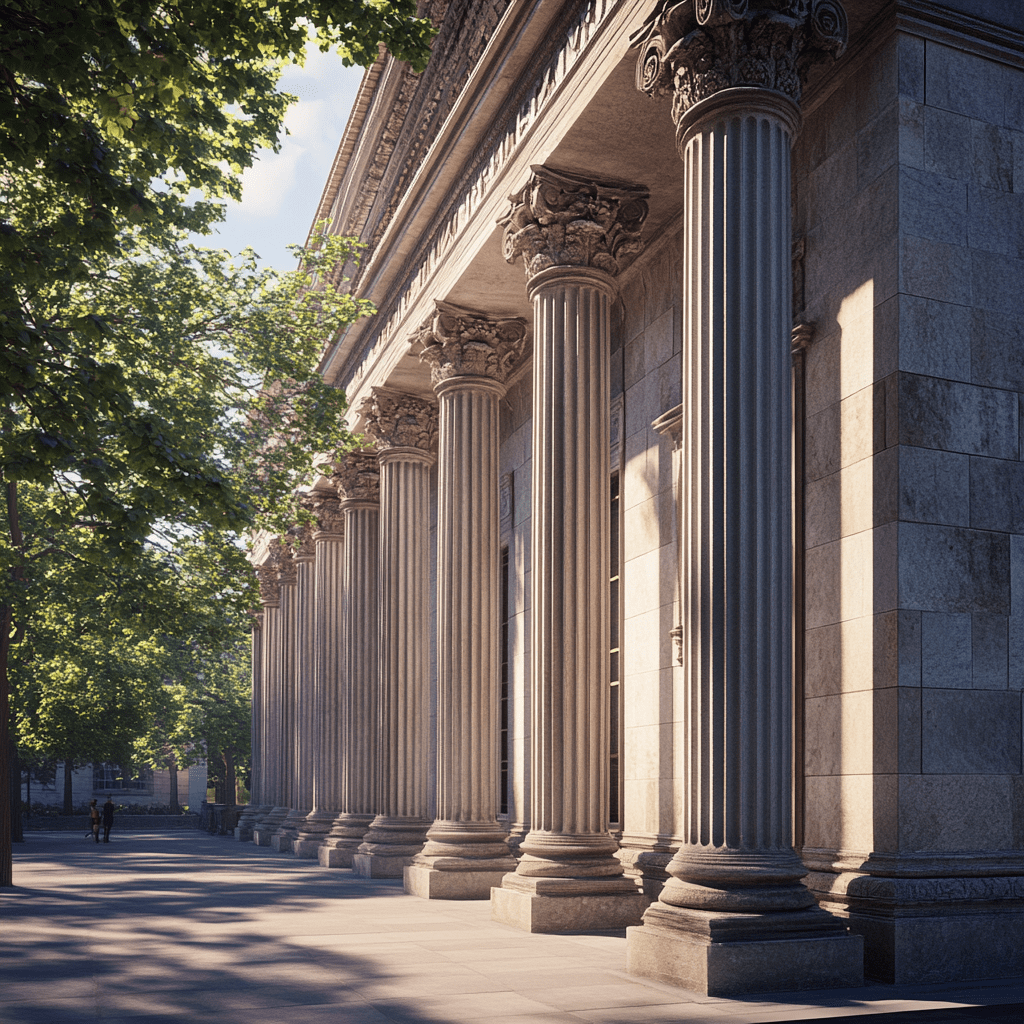
丹尼爾: 早安,索菲。我期待這一天很久了,雖然很興奮,但也有點不知所措。這裡有太多歷史了。
索菲: 早上好,丹尼爾。我明白你的感受,這裡的確有很多東西。不過別擔心,我們會慢慢來,你會有充足的時間去了解所有展品。今天我想先帶你看看西亞的文物,那裡有一些最具代表性的藏品。
丹尼爾: 聽起來很棒。我一直對巴比倫和亞述文化非常著迷,能親眼看到這些文物,感覺完全不同。
索菲: 沒錯,照片永遠無法完全展示它們的美。讓我們先看看伊什塔爾門吧,這是我們館藏中最具代表性的巴比倫歷史遺跡之一。
丹尼爾: 哇,這些顏色比我想像的還要鮮豔。而且這門真是龐大。他們是怎麼把它帶到這裡的?
索菲: 這座門是在20世紀初由羅伯特·科爾德威發掘的。他負責將這些磚運回柏林,然後在這裡重新組裝。這是一個浩大的工程,放在今天來看有些爭議,但這也給了我們機會來保護和展示它。
丹尼爾: 我明白了。那門上的動物——是有象徵意義的嗎?

索菲: 是的,這些動物都有特定的象徵意義。獅子代表愛與戰爭女神伊什塔爾,公牛象徵風暴之神阿達德,而龍則與巴比倫的主神馬爾杜克有關。這些符號強化了城市和統治者的神聖權威。
丹尼爾: 每個細節都充滿了意義,真是令人驚嘆。接下來我們看什麼?
索菲: 接下來我們會去亞述展廳,裡面有來自尼尼微的精美宮殿浮雕,描繪了戰爭、宗教儀式等場景。這些浮雕展示了亞述王國的權力和生活方式。看完後我們可以去附近的咖啡館吃個午飯,放鬆一下。
丹尼爾: 這聽起來不錯,我確實需要休息一下來消化這些信息。
索菲: 是的,我們慢慢來,以後有的是時間深入研究這些藏品。
Narrative Description of the Babylonian Galler
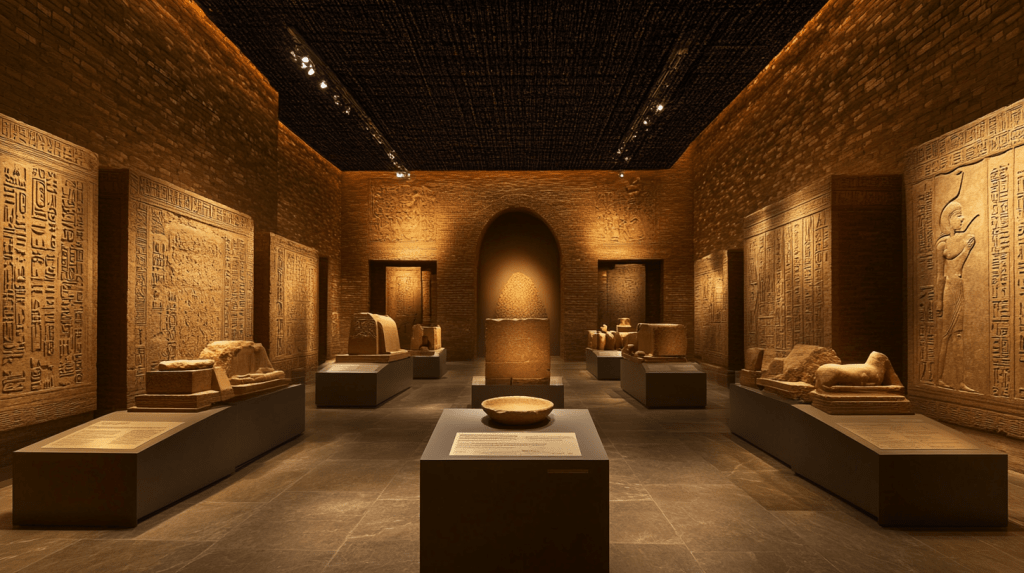
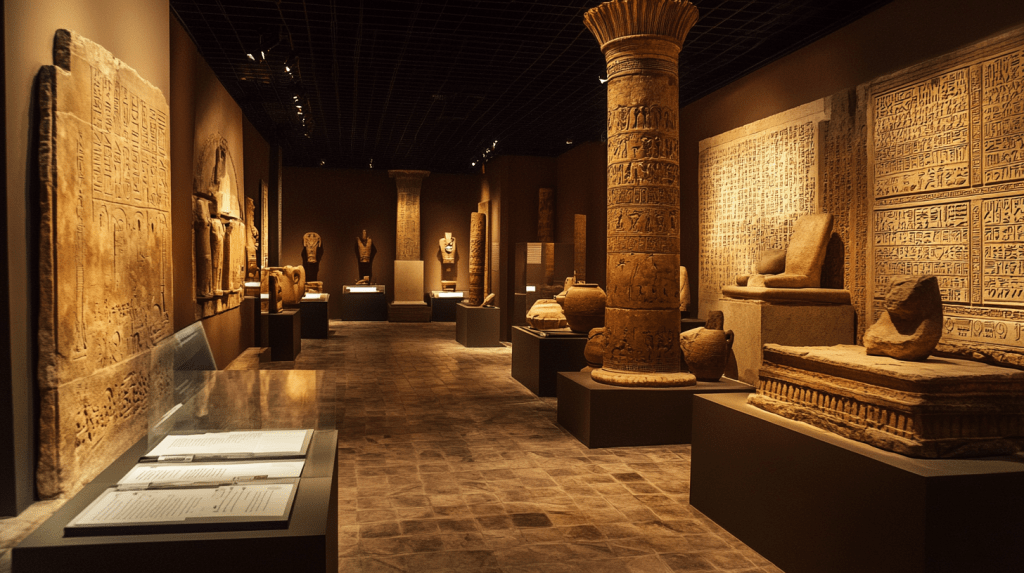
The Babylonian Gallery of the Pergamon Museum is a breathtaking space. Dominated by the monumental Ishtar Gate, its towering blue-glazed bricks immediately draw the eye. Rows of golden lions, bulls, and dragons march across the structure, their details remarkably preserved despite the passage of millennia. The sheer size of the gate and the vibrant colors of the ancient tiles make it feel as though you’ve stepped directly into the heart of Babylon, circa 575 BCE.
Surrounding the gate, the room is filled with artifacts from ancient Babylon, each piece telling a story of a civilization that was once the epicenter of culture, trade, and power in the ancient Near East. Pottery, cuneiform tablets, and intricate carvings are displayed with care, providing insight into everyday life, religion, and the administration of this vast empire. The gallery is dimly lit, enhancing the sense of reverence that these ancient relics demand. Each exhibit is accompanied by detailed information about its history, excavation, and preservation, connecting visitors not just to the artifacts themselves, but also to the long and complex journey they undertook to arrive in Berlin.
Conversation:
Sophie: Every time I walk through this gallery, it feels like stepping into another world. The Ishtar Gate is the heart of it all, of course.
Daniel: It really does transport you. I can’t imagine what it was like when they first uncovered it. How did they even manage to find something like this, buried for so long?
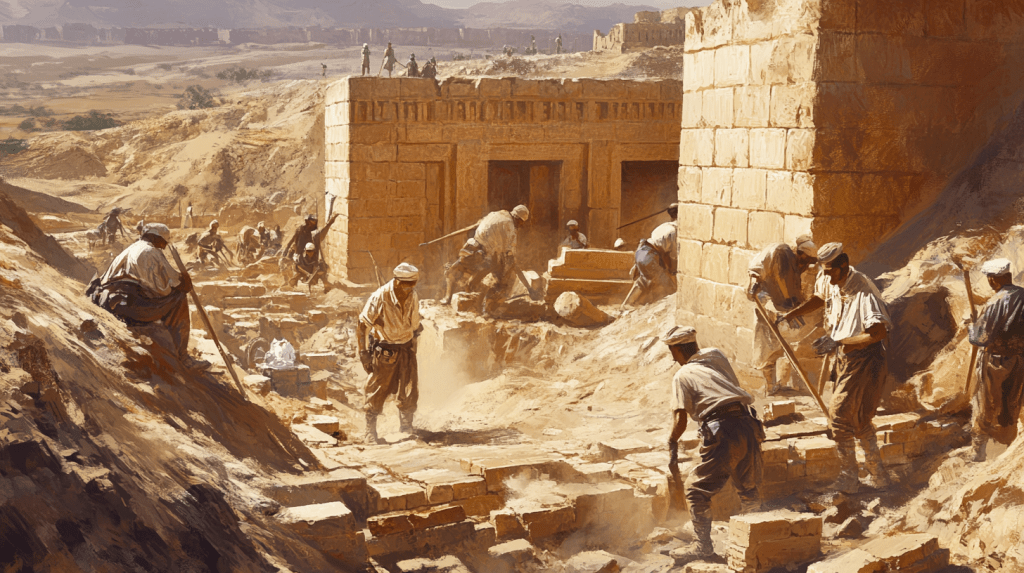
Sophie: It was quite the adventure. Robert Koldewey, the German archaeologist, led the excavation in the early 1900s. They knew Babylon was there, but no one expected to find such an intact and monumental structure. It took years of careful excavation—brick by brick—until they unearthed the full gate.

Daniel: That must’ve been an incredible moment. But how do you transport something like that all the way to Berlin?
Sophie: It was a massive logistical challenge. Once the bricks were excavated, they had to be carefully cataloged and packed. They used crates to transport everything by ship, then by train across Europe. It took several years just to get the pieces here, and then even longer to reconstruct it in the museum.
Daniel: I can’t even imagine how fragile those bricks must’ve been after being buried for thousands of years. Were there issues with preservation?
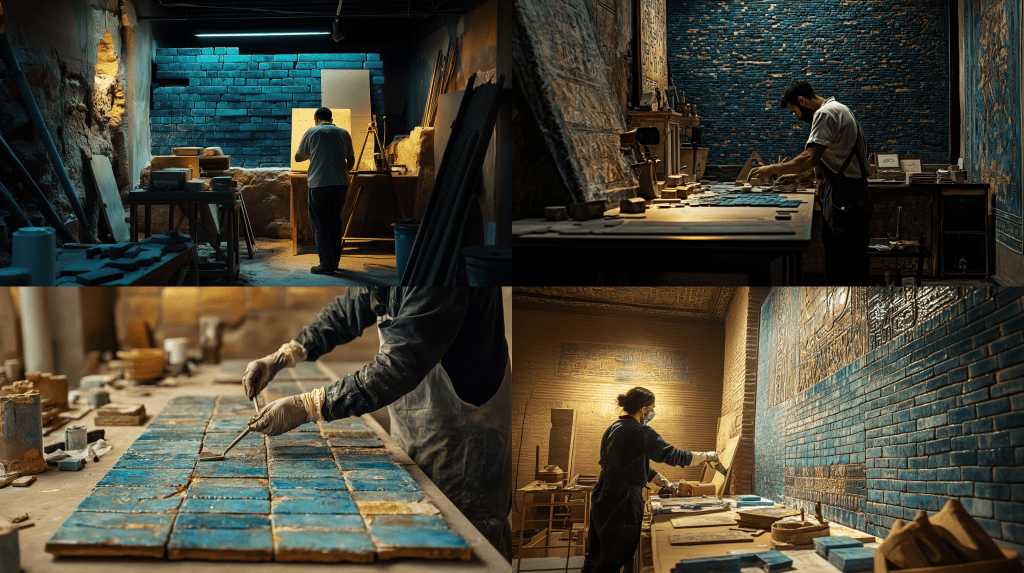
Sophie: Absolutely. When you’re dealing with artifacts this old, the risk of damage is always high. The team had to stabilize the bricks before moving them. They applied protective coatings to prevent them from crumbling during transport, and then once they arrived here, the museum’s conservators worked on restoring the original colors and structure.
Daniel: And once it’s on display, does the preservation process continue?
Sophie: Constantly. Artifacts like this are incredibly sensitive to light, humidity, and temperature changes. The museum uses climate control to keep the environment stable, and we monitor everything to make sure nothing deteriorates. We’ve also used non-invasive scanning techniques to track any changes in the structure of the bricks. That way, if we detect any issues, we can intervene before serious damage occurs.
Daniel: I never realized how much work goes into maintaining an artifact even after it’s been put on display. It’s like the excavation never really ends.
Sophie: Exactly. In many ways, conservation is an ongoing process. We’re just caretakers, ensuring these pieces last for future generations. The same applies to everything in this gallery. Every cuneiform tablet, every fragment of pottery, it all requires meticulous care to preserve the legacy of ancient Babylon.
巴比倫展館簡介
柏林派拉蒙博物館的巴比倫展廳令人驚嘆不已。最引人注目的無疑是巨大的伊什塔爾門,藍色琉璃磚高聳入雲,讓人目不轉睛。一排排金色的獅子、公牛和龍在門上列隊行進,儘管千年時光流逝,它們的細節仍保存完好。這座門的龐大和古老瓷磚的鮮豔色彩,讓人彷彿瞬間穿越到了公元前575年的巴比倫。在這座門的周圍,展廳內擺滿了來自古巴比倫的文物,每一件都講述著這個曾經是古代近東文化、貿易和權力中心的故事。陶器、楔形文字泥板和精美的雕刻品被小心地展示著,揭示了當時的日常生活、宗教和行政。展廳的燈光柔和,增添了一種對這些古老遺跡的敬畏感。每個展品旁都有詳細的說明,講述它們的歷史、發掘和保存過程,讓參觀者不僅僅與文物本身聯繫,也感受到它們曲折而漫長的來柏林之旅。
索菲: 每次走進這個展廳,都像是進入了另一個世界。當然,伊什塔爾門是這裡的靈魂。
丹尼爾: 確實讓人身臨其境。我無法想像當他們第一次發現它時會是什麼樣的場景。這麼久以前的東西,他們是怎麼找到的?
索菲: 這真的是一次驚險的歷險。20世紀初,德國考古學家羅伯特·科爾德威負責這次發掘。他們知道巴比倫就在那裡,但沒有人想到會發現這樣一座完好無損且如此龐大的結構。這個過程花了好幾年,才逐塊磚頭地挖掘出這座大門。
丹尼爾: 那肯定是個令人難以置信的時刻。但怎麼能把這麼大的東西運到柏林來呢?
索菲: 這的確是個巨大的物流挑戰。當磚塊被挖掘出來後,他們必須仔細編號並打包,用箱子把它們運到船上,然後再經由火車運到歐洲各地。運輸過程花了幾年時間,而在博物館裡重建它又花了更長時間。
丹尼爾: 我無法想像這些磚在地下埋藏了幾千年後會有多麼脆弱。保存的過程一定遇到了不少問題吧?
索菲: 是的,當你處理這樣古老的文物時,損壞的風險總是很高。團隊在運輸之前必須先穩定磚塊的狀態。他們給磚塊塗上保護層,以防在運輸過程中碎裂。等磚塊到了柏林後,博物館的修復師們又開始了修復工作,努力恢復磚塊的原色和結構。

丹尼爾: 那展示之後,保存工作還會繼續嗎?
索菲: 當然,這是一個持續的過程。像這樣的文物對光線、濕度和溫度的變化都非常敏感。博物館使用氣候控制系統來保持環境的穩定,我們也會持續監測,以確保它們不會劣化。我們還使用非侵入式掃描技術來追蹤磚塊結構的任何變化。這樣,一旦發現問題,我們可以在損壞變得嚴重之前採取措施。
丹尼爾: 我從來沒想到文物展示後還需要這麼多的工作,感覺挖掘的過程其實從未結束過。
索菲: 沒錯,從某種意義上說,保存工作永無止境。我們只是這些文物的看護者,確保它們能夠留給未來的世代。這裡的每一件文物都是如此,無論是楔形文字泥板還是陶器碎片,都需要細緻的保護,來延續古巴比倫的遺產。
Conversation: Ancient History
Daniel: Sophie, I’ve been wondering… wasn’t this gate built under Nebuchadnezzar? His name sounds familiar. I think he was mentioned in the Bible, but I’m not exactly sure what his role was.
Sophie: You’re right. The Ishtar Gate was indeed built during the reign of Nebuchadnezzar II, around 575 BCE. He was one of Babylon’s most powerful kings. In the Bible, he’s mentioned in the Book of Daniel, where he plays a significant role in the story of the Babylonian exile.
Daniel: Right, the exile. That’s when the Jews were taken to Babylon, isn’t it?
Sophie: Exactly. Nebuchadnezzar conquered Jerusalem and brought many of the Jewish people to Babylon. He’s remembered both for his military campaigns and for the grandeur of the city he built. The Ishtar Gate, along with the famous Hanging Gardens, are often associated with his reign.
Daniel: So, the Bible portrays him as a bit of a tyrant, but historically he’s known for his building projects and strengthening Babylon. Quite the complex figure.
Sophie: Yes, he’s a controversial figure in history. The biblical account paints him in a harsh light, especially with the story of the fiery furnace and the dreams he had. But outside of religious texts, he’s also celebrated for transforming Babylon into one of the most impressive cities of the ancient world.
Daniel: It’s interesting how a single person can be seen so differently depending on the source. Do we have any artifacts here directly related to him?
Sophie: Actually, many of the inscriptions we have in this gallery were commissioned by Nebuchadnezzar himself. If you look closely at the cuneiform on the bricks of the Ishtar Gate, his name is mentioned frequently. He wanted to ensure that his legacy would be remembered, and that’s why his name appears on so many structures throughout the city.
Daniel: That’s fascinating. It’s like he was obsessed with how history would remember him.
Sophie: In many ways, yes. He knew that through his building projects and inscriptions, his reign would be immortalized. It’s part of why so much of ancient Babylon has survived in written records—his desire for lasting power and recognition.
對話: 古代歷史
丹尼爾: 索菲,我有個疑問……這座門不是在尼布甲尼撒的統治下建造的嗎?他的名字聽起來很熟悉,我記得他在聖經裡出現過,但不太清楚他在其中的角色。
索菲: 你說得對。伊什塔爾門確實是在尼布甲尼撒二世統治期間建造的,大約在公元前575年。他是巴比倫最強大的國王之一。在聖經《但以理書》中,他扮演了重要角色,尤其是在巴比倫流亡的故事中。
丹尼爾: 沒錯,流亡。那時猶太人被帶到巴比倫,對嗎?
索菲: 沒錯。尼布甲尼撒征服了耶路撒冷,並把許多猶太人帶到巴比倫。他因為軍事征服和建設壯麗城市的成就而被人們記住。伊什塔爾門和著名的空中花園通常都與他的統治時期有關。
丹尼爾: 所以,聖經中的他有點像個暴君,但歷史上他卻以建築和鞏固巴比倫的功績聞名。真是一個複雜的人物。
索菲: 是的,他在歷史上是一個有爭議的人物。聖經中的記載描繪他時比較嚴厲,特別是關於火窯和他做的夢的故事。但在宗教文本之外,他也因為將巴比倫打造成古代世界最令人驚嘆的城市之一而受到讚譽。
丹尼爾: 有意思的是,同一個人可以因為不同的來源而被如此不同地看待。這裡有什麼與他直接相關的文物嗎?
索菲: 其實,我們這個展廳裡的許多碑文都是尼布甲尼撒下令雕刻的。如果你仔細看伊什塔爾門磚塊上的楔形文字,你會經常看到他的名字。他想確保自己的遺產會被記住,這也是為什麼他的名字會出現在整個城市的許多建築上。
丹尼爾: 這真是太有趣了。他似乎對歷史如何記住他這件事相當著迷。
索菲: 從某種程度上來說,是的。他知道通過他的建築項目和碑文,他的統治會被永遠銘記。這也是為什麼巴比倫古城的許多書面記錄得以保存的原因之一——他對永恆權力和名聲的渴望。
Conversation: Existence of the Hanging Garden
Daniel: You mentioned the Hanging Gardens earlier. I’ve always been curious—did they really exist? I’ve heard so many conflicting stories about whether they were real or just a myth.
Sophie: That’s a great question, and it’s something historians and archaeologists have debated for centuries. The Hanging Gardens are one of the Seven Wonders of the Ancient World, but there’s no definitive archaeological evidence that they actually existed in Babylon. Most of what we know about them comes from ancient writers like Herodotus, who didn’t even live in Babylon.
Daniel: So, there’s a chance they were never there at all?
Sophie: It’s possible. Some scholars think that the gardens might have been a later invention or an exaggeration of smaller gardens that did exist. Others propose that the Hanging Gardens might have been located in another city entirely, like Nineveh. There’s even a theory that they were built by a different king, long after Nebuchadnezzar.
Daniel: That’s really surprising. I always thought of the gardens as this iconic part of Babylon, but it sounds like we might never know for sure.
Sophie: Exactly. The idea of a lush, terraced garden in the middle of the desert is certainly appealing, and it fits with the grandeur of Nebuchadnezzar’s reign. But without hard evidence, it remains one of history’s great mysteries.
Daniel: I guess that’s part of what makes ancient history so fascinating—there’s always more to discover, and some things might always stay unknown.
Sophie: That’s what keeps us all hooked. Every new discovery could completely change our understanding of the past. It’s also a reminder of how much of history has been lost to time. We only have fragments, and we do our best to piece them together.
對話: 巴比倫空中花園是否存在
丹尼爾: 你剛才提到空中花園。我一直很好奇——它們真的存在嗎?我聽過很多不同的說法,有些人說它們是真實的,有些人說只是神話。
索菲: 這是個好問題,歷史學家和考古學家已經爭論這個問題好幾個世紀了。空中花園是古代世界七大奇蹟之一,但我們沒有確鑿的考古證據證明它們確實存在於巴比倫。我們對它們的了解大多來自像希羅多德這樣的古代作家,而他甚至沒去過巴比倫。
丹尼爾: 所以有可能它們根本不存在?
索菲: 是有這個可能性。有些學者認為,空中花園可能是後來的創作,或者是對現有小型花園的誇大描述。也有人提出,空中花園可能根本不在巴比倫,而是在其他城市,比如尼尼微。還有一個理論認為,這座花園是由後來的某位國王建造的,而不是尼布甲尼撒。
丹尼爾: 這真讓我吃驚。我一直以為花園是巴比倫的象徵之一,但看起來我們可能永遠無法確定。
索菲: 沒錯。在沙漠中建造一個層層疊疊的花園,這個想法的確很吸引人,也符合尼布甲尼撒統治時期的壯麗風格。但沒有確鑿的證據,這仍然是歷史上的一個巨大謎團。
丹尼爾: 我想這正是古代歷史如此迷人的原因之一——總有更多的東西等待我們去發現,有些事物可能永遠無法解開。
索菲: 這正是吸引我們繼續研究的原因。每一個新的發現都可能徹底改變我們對過去的理解。同時也提醒我們,歷史中有多少已經隨著時間消逝。我們只能依靠現存的碎片,努力將它們拼湊起來。
當然可以!接下來的對話可以自然地引入實習生對博物館日常工作內容的疑問,並且讓資深館員介紹他們在展館裡負責的工作範圍,從策展、文物保存到觀眾導覽等。這可以幫助實習生了解作為博物館員工的具體職責。
Conservation: Daily Work at the Museum
Daniel: You know, walking around here makes me think—what exactly does working in a museum like this involve? I mean, besides giving tours. What other responsibilities do you have?
Sophie: That’s a good question. Working in a museum is much more than just showing artifacts to the public. A lot of our work happens behind the scenes. My main responsibilities include curating exhibits, researching the pieces we have, and making sure they’re preserved correctly. Every artifact needs care, from the lighting to the temperature in the gallery.
Daniel: I figured preservation was a big part of it. What’s involved in that, exactly?
Sophie: Well, each piece has its own needs. For example, the bricks of the Ishtar Gate require careful climate control because changes in humidity can cause them to deteriorate. Our conservators monitor everything constantly. We also sometimes clean or treat artifacts, but that has to be done with extreme caution. Preservation is a balance between maintaining the artifact and avoiding any intervention that could damage it further.
Daniel: That makes sense. So, you’re constantly working to keep everything stable?
Sophie: Exactly. Another part of the job is research. We’re always learning more about the artifacts in our collection. Even though these items are ancient, new techniques in archaeology or digital imaging can reveal new details we didn’t know before. So, part of our job is to update our records and interpret the history as accurately as possible.
Daniel: That sounds really fascinating. It’s like the work is never finished, and there’s always something new to discover.
Sophie: You’re right. And then there’s exhibit planning. We’re always thinking about how to present the artifacts in the best possible way. It’s not just about putting them in a case—it’s about creating a narrative that helps visitors connect with them. That’s where curatorial work comes in.
Daniel: What about interacting with the public? I imagine a big part of your day involves answering questions and guiding visitors.
Sophie: Yes, that’s another important aspect. We do a lot of educational work. Whether it’s giving guided tours, writing descriptions for the exhibits, or organizing special events, we’re always trying to engage visitors and make history accessible to them. I also work with schools and educational programs to create materials that bring these artifacts to life for students.
Daniel: Sounds like there’s a good mix of hands-on work and interaction with people. Do you ever get overwhelmed with everything that’s going on?
Sophie: It can be overwhelming, especially when we’re planning a new exhibit or working on a big restoration project. But it’s also incredibly rewarding. Seeing visitors connect with history, or uncovering something new about an ancient piece, makes all the hard work worth it.
Daniel: I can imagine. It sounds like every day is different, and there’s always something new to learn.
Sophie: Exactly. If you decide to stay in this field, you’ll find it’s a constant learning experience. That’s part of the excitement—there’s always more to explore, even in a museum like this, where the past seems so distant.
對話: 在博物館的日常工作
丹尼爾: 走在這裡讓我不禁想問,在這樣的博物館裡工作到底是什麼樣的?除了做導覽,還有其他什麼職責嗎?
索菲: 這是個好問題。在博物館工作遠不僅僅是向公眾展示文物。其實我們大部分的工作都是在幕後進行的。我的主要職責包括策劃展覽、研究我們擁有的藏品,還有確保它們被正確保存。每件文物都需要特別的照顧,從展廳的燈光到溫度控制,都要特別注意。
丹尼爾: 我想文物的保存應該是很重要的一部分。具體都需要做些什麼呢?
索菲: 每件文物的需求都不同。比如,伊什塔爾門的磚塊需要精心的氣候控制,因為濕度變化可能會導致它們劣化。我們的修復師會不斷監測這些情況。我們有時候也會清潔或處理文物,但這些工作必須極其謹慎。保存工作是一種平衡,既要保持文物的狀態,又不能過度干預以免造成損壞。
丹尼爾: 聽起來很合理。所以你們不斷在做穩定和保護工作?
索菲: 沒錯。另一部分工作是研究。我們不斷學習有關我們藏品的更多知識。儘管這些物品是古代的,但考古學的新技術或數位成像技術可以揭示出以前不為人知的細節。所以我們的一個工作內容就是更新我們的資料,並儘可能準確地詮釋這些歷史。
丹尼爾: 這真是太有趣了。感覺這工作永遠不會結束,總會有新的發現。
索菲: 沒錯。還有展覽策劃的部分。我們一直在思考如何以最佳方式展示文物。這不僅僅是把它們放進展示櫃,而是要創造一個故事,讓參觀者能夠與這些文物產生共鳴。這就是策展工作的核心。
丹尼爾: 那和公眾的互動呢?我想你的一天中有很大一部分時間是在回答問題和帶領參觀吧?
索菲: 是的,這也是很重要的一部分。我們做了很多教育方面的工作。無論是做導覽、撰寫展覽說明,還是組織特殊活動,我們都在努力讓參觀者與歷史產生聯繫,讓歷史變得易於理解。我還會與學校和教育計劃合作,為學生創建能讓這些文物“活起來”的材料。
丹尼爾: 聽起來這份工作有不少實際操作的部分,還有很多與人的互動。這麼多事情同時進行,你有時會感到壓力大嗎?
索菲: 當我們在策劃一個新展覽或處理一個大的修復項目時,確實會有些壓力。但這份工作也非常有成就感。看到參觀者與歷史產生聯繫,或者我們發現古物的全新細節,這一切都讓辛苦工作變得值得。
丹尼爾: 我能想像。感覺每天都有所不同,總有新東西可以學習。
索菲: 沒錯。如果你決定留在這個行業,你會發現這是一個不斷學習的過程。這也是令人興奮的地方——即使是在這樣的博物館裡,過去看似遙遠,但總有更多東西等待我們探索。
Scene: Lunch
Sophie: I figured you might need a break. There’s a nice little spot just around the corner where I usually grab lunch. It’s not too touristy, which is rare for this area.
Daniel: Sounds great. I’m definitely ready to step outside for a bit. This part of town seems pretty lively.
[They walk out of the Pergamon Museum and head toward a side street just a few minutes away. The streets are lined with a mix of small shops, cafes, and tourists wandering around, taking in the sights.]
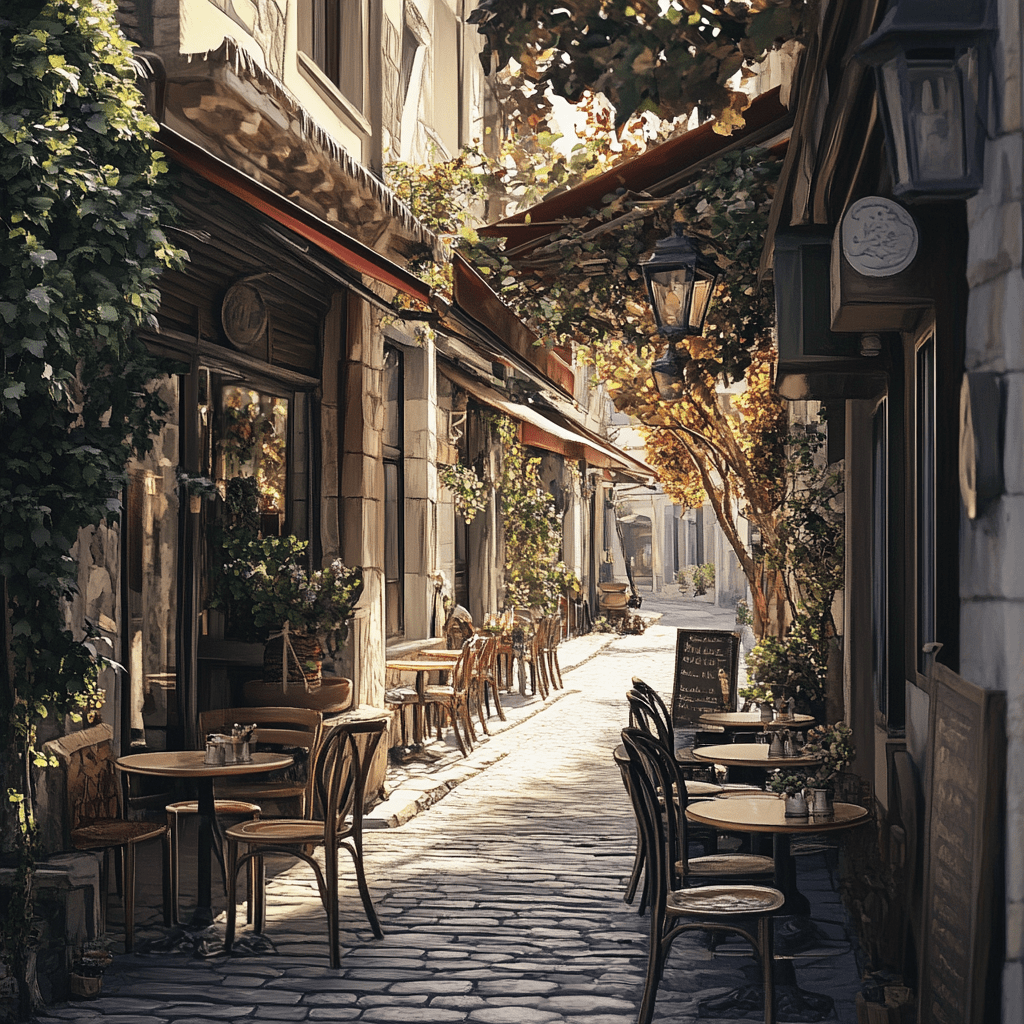
Sophie: Yeah, the museum district is always busy. We’re surrounded by so much history, but sometimes it’s easy to forget about the day-to-day life here. There are a few good places to grab lunch around the museum if you know where to look.
Daniel: I noticed a lot of cafes, but it’s hard to tell which ones are good and which are just catering to tourists.
Sophie: That’s the tricky part. Some places are a bit overpriced for what they offer. But this little restaurant we’re headed to—I’ve been coming here for years. The food’s simple, local, and the prices are reasonable.
[They arrive at a small, cozy restaurant with outdoor seating. The tables are modest, but there’s a welcoming atmosphere with a few locals enjoying their meals.]
Daniel: This looks perfect. Definitely less crowded than I expected.
Sophie: That’s why I love it. You won’t find it in any tourist guides. The daily specials are usually worth checking out. And if you’re ever in a rush, there’s also a food truck near the river that does great sandwiches.
Daniel: I’ll keep that in mind. So, are there many other options around here for a quick bite?
Sophie: Definitely. Just a few streets over, there’s a small bakery that does amazing pastries and sandwiches. Good for breakfast or a light lunch. If you’re looking for something more substantial, there’s a Mediterranean place two blocks down. And for coffee, the café across from the museum is pretty decent.
Daniel: That’s good to know. I’ll probably need to find a few go-to spots since I’ll be spending a lot of time around the museum.
Sophie: You’ll get the hang of it quickly. There’s always something new popping up in this area, too. But honestly, once you find your favorite place, you’ll end up coming back like I do. This one’s my regular spot for a reason.
[They sit down, the server brings over menus, and Sophie casually points out a few of her favorite dishes.]
Sophie: I usually go for the soup or whatever the daily special is. They keep it seasonal, so it’s always fresh.
Daniel: I’ll take your recommendation. It’s nice to find somewhere that feels a bit more local. Thanks for bringing me here.
Sophie: Anytime. It’s good to have a spot where you can relax after a long day. And trust me, after a few weeks in the museum, you’ll be needing it.
場景: 午餐
索菲: 我想你可能需要休息一下。附近有一家不錯的小餐館,我經常去那裡吃午飯。這裡雖然在遊客區,但那家店不太會有太多遊客。
丹尼爾: 聽起來很棒。我確實需要出去透透氣。這區看起來挺熱鬧的。
[他們走出派拉蒙博物館,朝附近一條小巷走去。這裡有很多小店、咖啡館,還有遊客在四處參觀景點。]
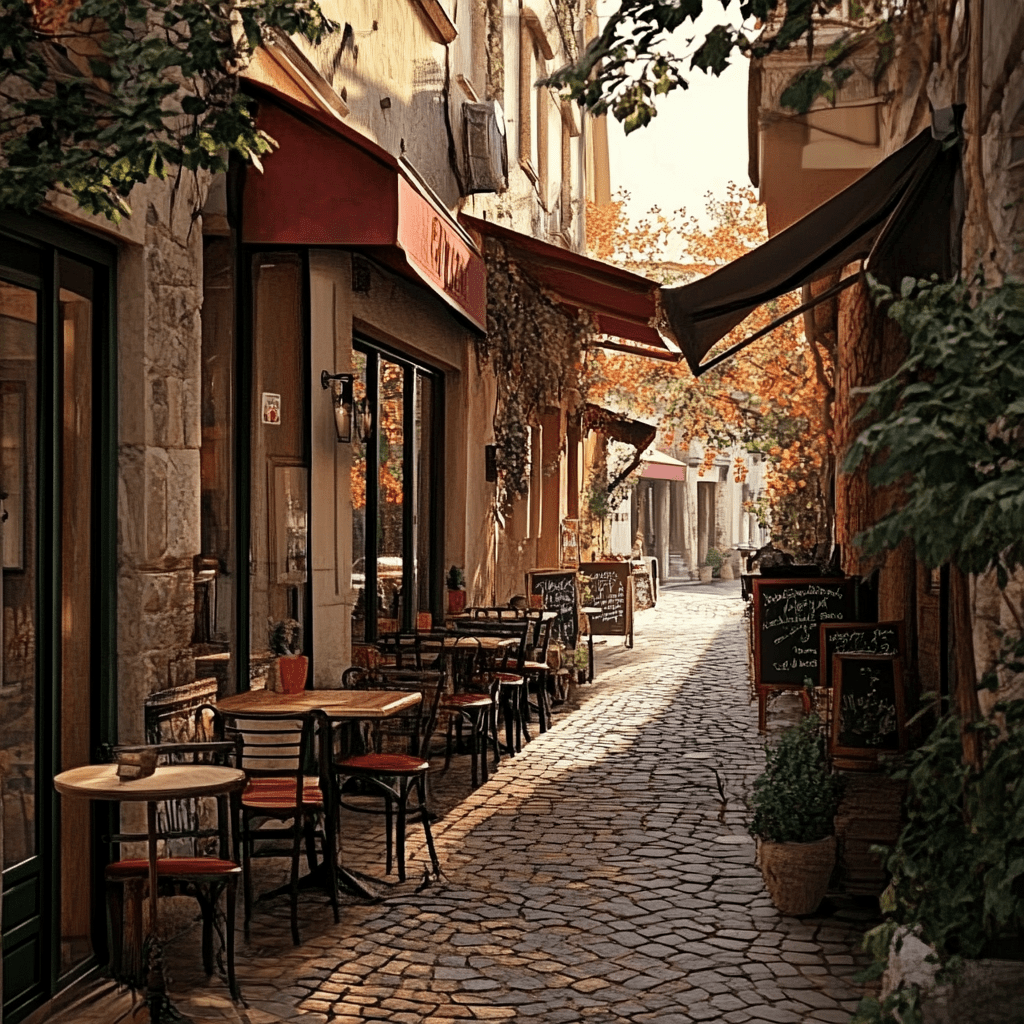
索菲: 是啊,博物館區總是這麼繁忙。我們被歷史包圍著,但有時候也會忘了這裡的日常生活。其實,在博物館附近有幾家不錯的餐廳,只要你知道去哪裡找。
丹尼爾: 我看到不少咖啡館,但有點難分辨哪些好,哪些只是為了吸引遊客。
索菲: 這確實是個問題。有些地方價格過高,味道卻不怎麼樣。不過我們要去的這家小餐館,我已經來了很多年了。食物簡單、地道,價格也很合理。
[他們到了一家小而溫馨的餐館,外面有一些座位,氣氛溫暖,有幾位當地人正在用餐。]
丹尼爾: 這裡感覺很棒,確實比我想像中的要安靜許多。
索菲: 這就是我喜歡它的原因。你在旅遊指南裡不會找到這個地方。日常特餐通常值得一試。如果你趕時間,河邊有一個餐車,他們做的三明治也很好吃。
丹尼爾: 我會記住的。這附近還有什麼其他快速解決午餐的好地方嗎?
索菲: 當然有。再走幾條街,有一家小麵包店,他們的糕點和三明治很棒,適合早餐或輕食。如果你想吃得飽一點,往兩個街區外有一家地中海餐館。而且博物館對面那家咖啡館的咖啡也還不錯。
丹尼爾: 這些信息很有用。我可能會在這區呆很長時間,所以得找幾個常去的地方。
索菲: 很快你就會熟悉的。這裡總有新店開張。不過,老實說,當你找到自己喜歡的地方後,就會像我一樣,經常光顧。我常來這裡不是沒有原因的。
[他們坐下來,服務員遞上菜單,索菲隨意地指了幾道她喜歡的菜。]
索菲: 我通常點湯或當天的特餐。他們會根據季節變換菜單,所以每次都很新鮮。
丹尼爾: 那我就聽你的推薦了。找到這樣一個有當地氛圍的地方真不錯。謝謝你帶我來這裡。
索菲: 不客氣。工作一天後有個可以放鬆的地方真的很重要。相信我,再過幾周,你就會像我一樣迫不及待地來這裡放鬆了。

 Virtual Travel | 虛擬旅行沉浸式英語學習
發表留言