
Scene 1: Monastery of Santo Toribio de Liébana

Clara: “This place feels so peaceful, almost as if time has stopped. It’s surprising that it’s not as well-known as Santiago de Compostela."
Isabel: “Yes, it’s not as famous, but for those who know about it, it’s just as significant. This monastery holds what’s believed to be the largest piece of the True Cross. Pilgrims come here, especially during the Holy Year of Liébana, just like they do to Santiago."

Clara: “The True Cross? That’s incredible. I can’t believe this place isn’t more well-known. Why do you think it’s not as famous as Santiago?"
Isabel: “I think it’s partly because Santiago de Compostela has been promoted as the ultimate pilgrimage for centuries. The Camino de Santiago is world-famous, and it connects pilgrims across Europe. But Santo Toribio holds a unique place in Spanish religious history, especially for those who want a quieter, more intimate pilgrimage experience."
Clara: “I love how Spain has so many layers to its history. There’s the big, famous sites like Santiago, but then there are these hidden gems like Santo Toribio that still hold so much meaning."
Isabel: “Exactly. And the setting here in the Liébana Valley, surrounded by mountains, makes it feel even more special. It’s not just about the religious significance, but the connection to nature and the isolation that adds to the spiritual experience."
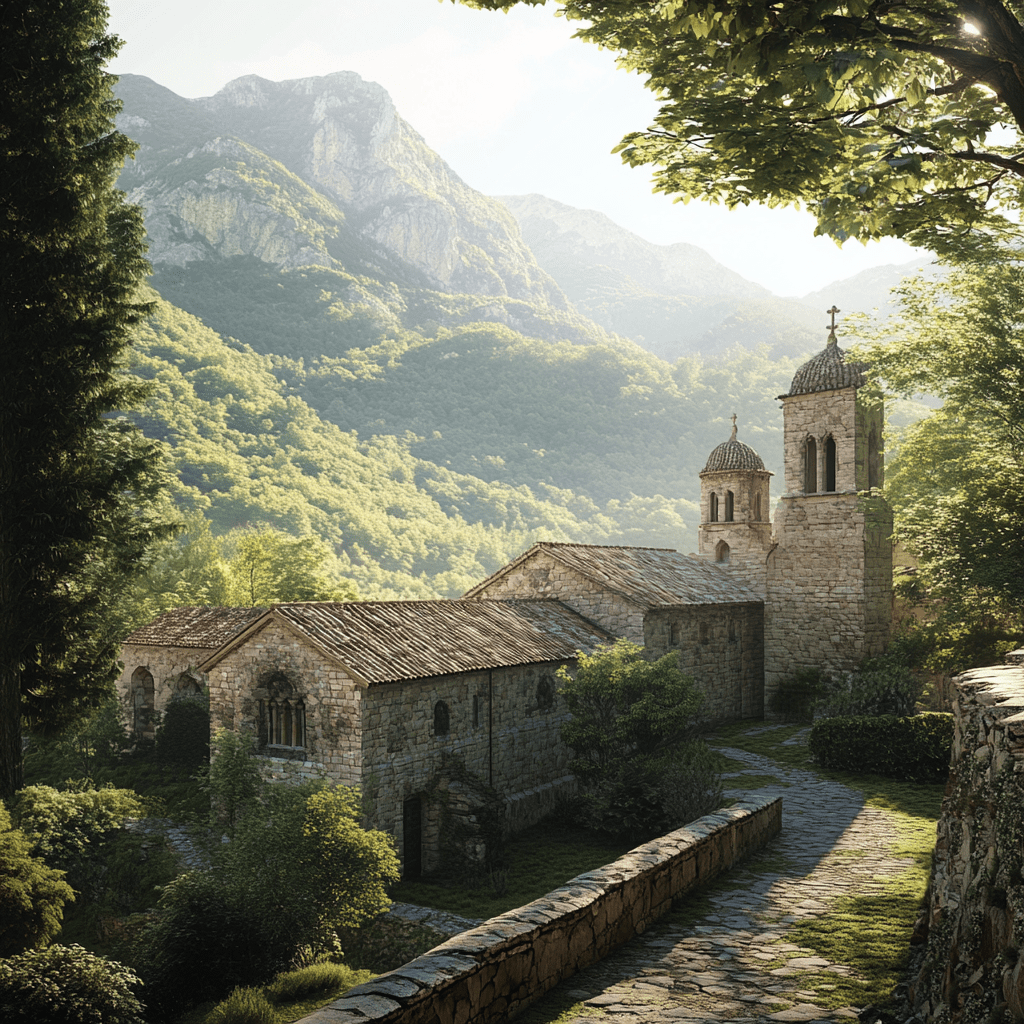
Clara: “It’s such a contrast to the bustling pilgrim routes. The peacefulness here is almost overwhelming in the best way possible."
Isabel: “That’s why it’s often described as a hidden treasure for pilgrims. You don’t have the crowds like in Santiago, and yet, the history and the significance of what’s kept here make it just as meaningful."
Clara: “I can see why some people would choose this over Santiago. It feels more personal."
Isabel: “And after this, we’ll continue towards the Basque Country. We’ll drive through the mountains towards Bilbao and San Sebastián, where the Basque culture is so deeply rooted. It’ll be a nice contrast—going from this quiet mountain retreat to the vibrant cultural hub of the Basque region."
Clara: “I’m excited to see the Basque region. I’ve heard so much about its distinct culture and food. Plus, San Sebastián is famous for its restaurants."
Isabel: “Yes, the Basque region has a rich history of its own. They’ve always had a strong sense of identity, and you’ll see that in everything from their language to their architecture. Plus, after the rugged mountain landscapes, the coastal scenery of the Basque Country will be a refreshing change."
場景 1:從聖托里比奧修道院

克拉拉:「這裡感覺如此寧靜,彷彿時間停滯了一般。令人驚訝的是,它並不像聖雅各那樣有名。」
伊莎貝爾:「是啊,它沒那麼出名,但對於那些了解的人來說,它同樣重要。這座修道院保存了據傳是世界上最大的一塊聖十字架的遺物。每當利耶瓦納的聖年,朝聖者們就像去聖雅各一樣,會來這裡。」
克拉拉:「聖十字架?真不可思議。我無法相信這地方居然沒有更為人所知。你覺得為什麼它不像聖雅各那麼有名?」

伊莎貝爾:「我想部分原因是因為聖雅各朝聖之路已經被宣傳為幾個世紀以來的終極朝聖地。聖雅各之路享譽世界,連接著整個歐洲的朝聖者。而聖托里比奧在西班牙宗教歷史中有著獨特的位置,特別是對那些想要更安靜、私密朝聖體驗的人來說。」
克拉拉:「我喜歡西班牙的歷史層次如此豐富。有一些像聖雅各這樣著名的景點,但也有像聖托里比奧這樣的隱秘寶藏,仍然具有極大的意義。」
伊莎貝爾:「完全同意。而且這裡的環境,加上利耶瓦納山谷的群山環繞,使這裡顯得更加特別。不僅是宗教上的意義,還有與大自然的聯繫,以及這種與世隔絕的感覺,讓朝聖者可以真正沉思。」


克拉拉:「這裡的寧靜與熱鬧的朝聖路形成了鮮明的對比,這種寧靜幾乎讓人感到壓倒性的放鬆感。」
伊莎貝爾:「這也是為什麼它常被稱為朝聖者的隱秘寶藏。你不會像在聖雅各那樣面對熙熙攘攘的人群,但這裡的歷史和所保存的聖物,同樣具有深刻的意義。」
克拉拉:「我能理解為什麼有些人會選擇來這裡,而不是去聖雅各。這裡的感覺更加個人化。」
伊莎貝爾:「之後我們會繼續前往巴斯克地區。我們將穿越山脈,前往比爾巴鄂和聖塞巴斯蒂安,這裡是巴斯克文化的根源所在。這將是一次美妙的對比——從這個寧靜的山區修道院到巴斯克地區充滿活力的文化中心。」
克拉拉:「我很期待去巴斯克。我聽說過很多關於那裡獨特的文化和美食。而且聖塞巴斯蒂安的餐廳很有名。」
伊莎貝爾:「是的,巴斯克地區有著豐富的歷史。他們一直有強烈的身份認同感,從他們的語言到建築你都能感受到這一點。而且,在我們經歷了這些崎嶇的山地景觀後,巴斯克地區的海岸風光將是一個清新的變化。」
Scene 2: Inside the Monastery of Santo Toribio de Liébana
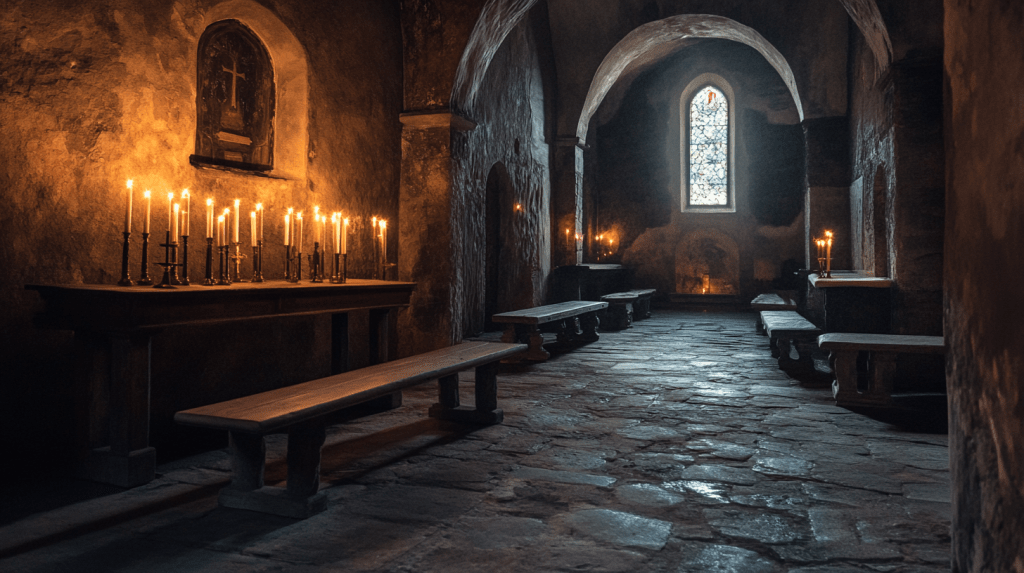
Clara: “It feels surreal to be inside such a place. You can almost sense the centuries of pilgrims who have come through these halls."
Isabel: “Yes, it’s incredible. Pilgrimage has changed a lot over the centuries. In the early days, it was a deeply religious act, a journey of faith, often made in the hopes of spiritual redemption or healing. People would come from far and wide, risking their lives to walk these paths."
Clara: “And today, while many still come for spiritual reasons, it seems like pilgrimage has also become a way for people to connect with themselves or even with history and culture."
Isabel: “Exactly. The motivations have broadened. Today, you see people from all walks of life, not just the deeply religious. Some come for the physical challenge, some for the connection to nature, and others for the history. Walking the ancient pilgrim routes like the Camino is as much a cultural experience now as it is a religious one."
Clara: “It’s interesting how the meaning of pilgrimage has evolved. Do you think it’s losing its spiritual significance?"
Isabel: “I don’t think it’s losing its significance. In fact, for many people, the act of walking the path itself becomes a spiritual journey, even if they didn’t start with that intention. There’s something about the simplicity of walking and being in nature that allows people to reflect and find clarity."
Clara: “It makes sense. When you’re on these ancient paths, surrounded by such history, it’s hard not to be moved. Even if you’re not religious, there’s something deeply spiritual about the journey itself."
Isabel: “Exactly. And places like this—quiet, sacred spaces—help people reconnect with something bigger than themselves. Whether it’s faith, history, or simply inner peace, pilgrimage still holds deep meaning."
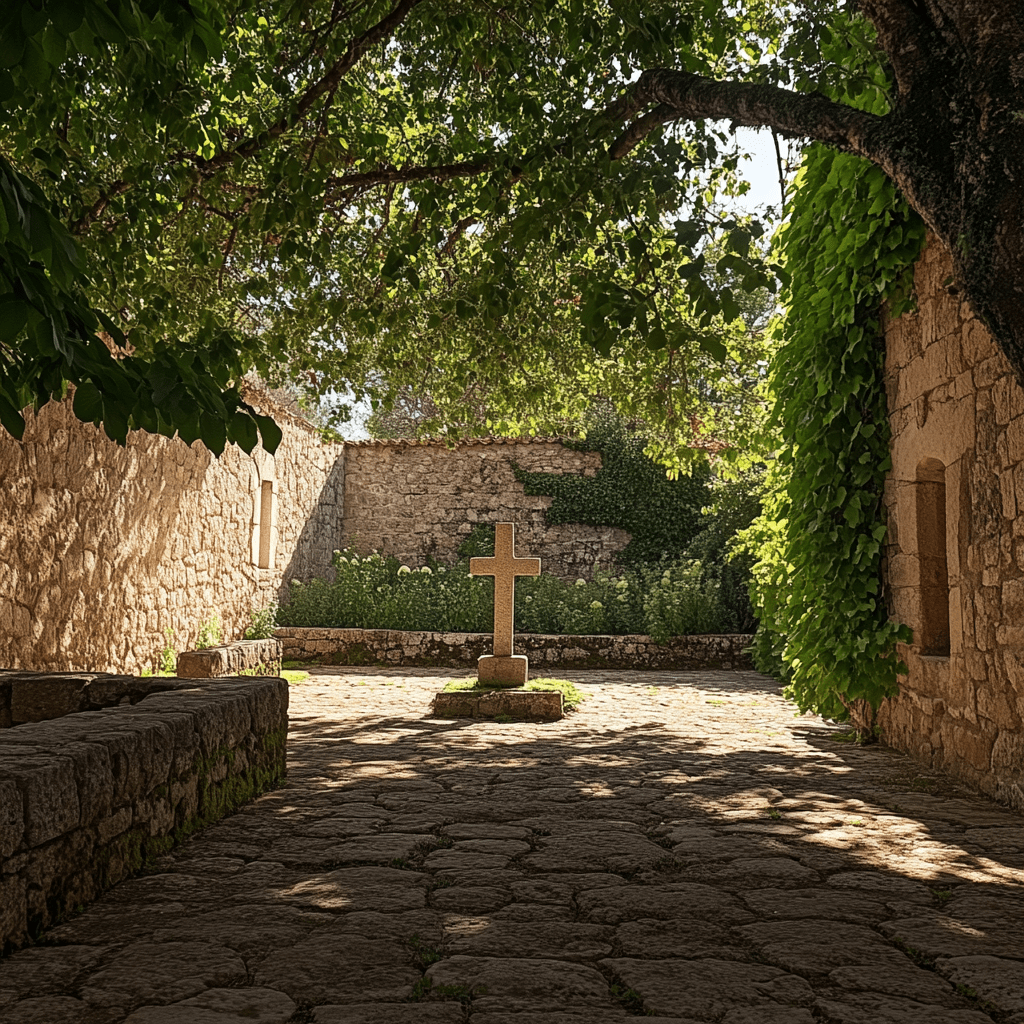
Clara: “I can feel that here. This place is so quiet, so removed from everything, it really makes you think about the purpose of these journeys, both in the past and today."
場景 2:在聖托里比奧修道院內
克拉拉:「能在這樣的地方感覺真是不真實。你幾乎可以感受到這裡幾個世紀以來朝聖者的腳步聲。」
伊莎貝爾:「是的,這太令人驚嘆了。朝聖在這幾個世紀裡發生了很大的變化。早期,它是一種極具宗教意義的行為,一個信仰的旅程,往往是為了尋求精神上的救贖或治癒。人們從四面八方來到這裡,冒著生命危險踏上這些道路。」
克拉拉:「而今天,雖然很多人仍然是為了宗教原因而來,但朝聖似乎也成為了人們與自己,甚至是與歷史和文化聯繫的一種方式。」
伊莎貝爾:「完全正確。動機變得更加多樣化了。今天,你會看到來自各行各業的人,不僅僅是虔誠的信徒。有些人是為了身體的挑戰而來,有些人是為了與大自然的聯繫,還有一些人是為了歷史。走在像聖雅各之路這樣的古老朝聖路上,現在已經是一種文化體驗。」
克拉拉:「很有意思,朝聖的意義在不斷演變。你覺得它會失去宗教意義嗎?」
伊莎貝爾:「我不認為它會失去其意義。事實上,對許多人來說,即便他們沒有宗教目的,走在這條路上本身就成為了一種精神旅程。步行和置身於大自然之中,讓人們能夠反思和找到清晰的思路。」
克拉拉:「這說得通。當你走在這些古老的路上,周圍充滿歷史的氣息,很難不被感動。即使你不是宗教信徒,這段旅程本身也具有深刻的精神意義。」
伊莎貝爾:「正是如此。而像這樣的地方——寧靜的、神聖的空間——幫助人們重新與更大的存在聯繫在一起。無論是信仰、歷史,還是僅僅是內心的平靜,朝聖依然具有深刻的意義。」
克拉拉:「我也感受到了。這個地方如此安靜,遠離一切,讓你真的思考這些朝聖之旅的意義,不僅是在過去,也在今天。」

Scene 3: Leaving the Monastery, Heading Towards the Basque Country
Clara: “It’s hard to leave a place like that, isn’t it? The peace and history of the monastery just have a way of grounding you."
Isabel: “Absolutely. But now we’re off to explore another chapter of history in the Basque Country. It’s exciting to transition from a place so connected to spiritual journeys to a region with its own unique blend of history and culture."

Clara: “I’ve been looking forward to this part of the trip. The Basque Country feels like such a crossroads of cultures, even though it’s managed to stay so distinct. The closer we get, the more the landscape feels like it’s pulling us into another world."
Isabel: “Exactly. And the Basque region has such a rich history of independence. It’s fascinating to think about how they’ve balanced being part of Spain while maintaining their own identity for centuries. Even the architecture reflects that—those fortified farmhouses we’ll start to see soon are like symbols of resilience."
Clara: “I love how the history is embedded in the land itself. The hills and valleys almost seem to tell their own story. Do you think the isolation of these mountains helped preserve the Basque culture?"
Isabel: “Definitely. The geography of the region played a huge role. The mountains and valleys created natural boundaries, and historically, that helped protect the Basques from outside influence, allowing their language and customs to survive. Even today, the Basque people have managed to maintain their identity despite the pressures of globalization."
Clara: “It’s incredible how a place can feel so connected to its past, even as it changes. I imagine it’s a delicate balance for the people here, preserving tradition while also adapting to modern life."
Isabel: “That’s the beauty of the Basque Country. It’s a living example of how history and culture can endure, even in a changing world. I’m excited to see how this balance plays out as we get closer to the heart of the region."
Clara: “Me too. I think we’ll start seeing more of that traditional Basque architecture soon—the whitewashed houses with red or green shutters, right?"
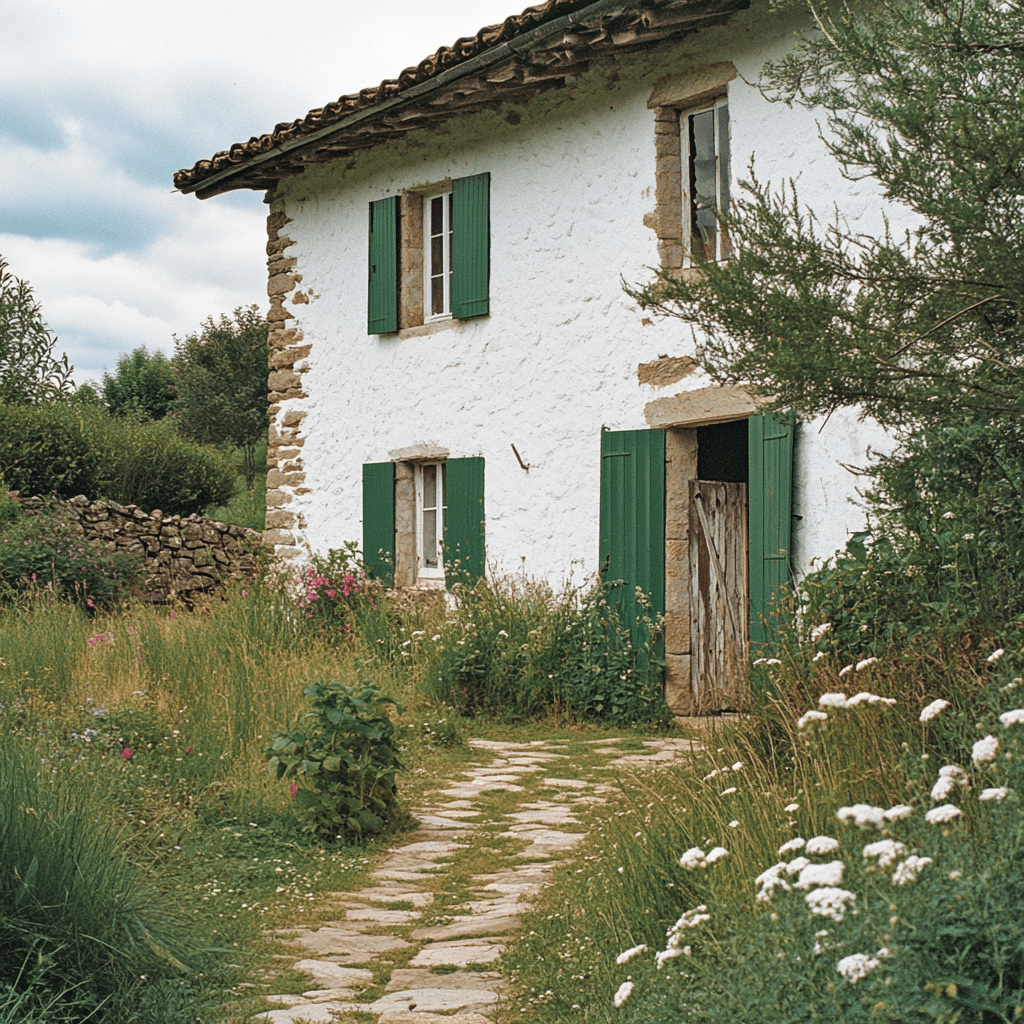
Isabel: “Exactly. And not just the houses—there’s so much more to look forward to. The villages nestled into the hillsides, the ancient churches, and of course, the famous Basque markets. We should stop at one on our way."
Clara: “Definitely. I can’t wait to experience that blend of old and new up close."
場景 3: 離開修道院往巴斯克
克拉拉:「真的很難離開那樣的地方,不是嗎?修道院的平靜和歷史讓人感覺腳踏實地。」
伊莎貝爾:「完全同意。不過接下來我們將要探索巴斯克的歷史篇章。從一個如此與靈性旅程緊密相連的地方,轉向一個擁有獨特歷史和文化融合的地區,這種轉變很讓人期待。」

克拉拉:「我一直期待著這段旅程。巴斯克感覺像是一個文化的交匯點,即使它仍然保持著鮮明的獨特性。我們越接近,那裡的景觀就越讓人感覺進入另一個世界。」
伊莎貝爾:「沒錯。而且巴斯克地區有著深厚的獨立歷史。想想他們如何在幾個世紀裡保持自己身份的同時,成為西班牙的一部分,這真的很有趣。甚至建築也反映了這點——我們即將看到的那些堡壘般的農舍,簡直就是堅韌的象徵。」
克拉拉:「我喜歡歷史彷彿融入了這片土地。那些山丘和山谷似乎在講述自己的故事。你覺得這些山脈的隔離感是否有助於保存巴斯克文化?」
伊莎貝爾:「毫無疑問。地理環境起了很大的作用。山脈和山谷形成了天然的邊界,歷史上這幫助巴斯克人抵禦外來影響,使他們的語言和習俗得以存續。即使在今天,面對全球化的壓力,巴斯克人依然成功地保持了自己的身份認同。」
克拉拉:「真不可思議,一個地方能如此緊密地與過去相連,即使它也在變化。我想,這對當地人來說應該是一種微妙的平衡,既要保留傳統,又要適應現代生活。」
伊莎貝爾:「這就是巴斯克的美。它是一個活生生的例子,展示了歷史和文化如何在變化的世界中持續存在。我很期待我們接近巴斯克核心地區時,看到這種平衡如何展現。」
克拉拉:「我也是。我想我們很快就會開始看到更多傳統的巴斯克建築了——那些帶紅色或綠色百葉窗的粉刷白色房子,對嗎?」

伊莎貝爾:「正是如此。不僅是房子——還有更多值得期待的東西。那些坐落在山坡上的村莊,古老的教堂,當然還有著名的巴斯克市場。我們應該在路上停一下去看看。」
克拉拉:「沒錯。我迫不及待地想近距離感受這種新舊融合。」
Scene 4: Entering a Basque Homestead and Meeting the Locals

Clara: “Look at that farmhouse, Isabel. The structure feels so timeless, almost as if it’s grown out of the land itself. Do you think we could stop and speak with the people living there?"

Isabel: “We should. The rural Basque communities are known for preserving their deep-rooted customs. If we’re lucky, we might learn more about how they’ve balanced tradition with modernity."
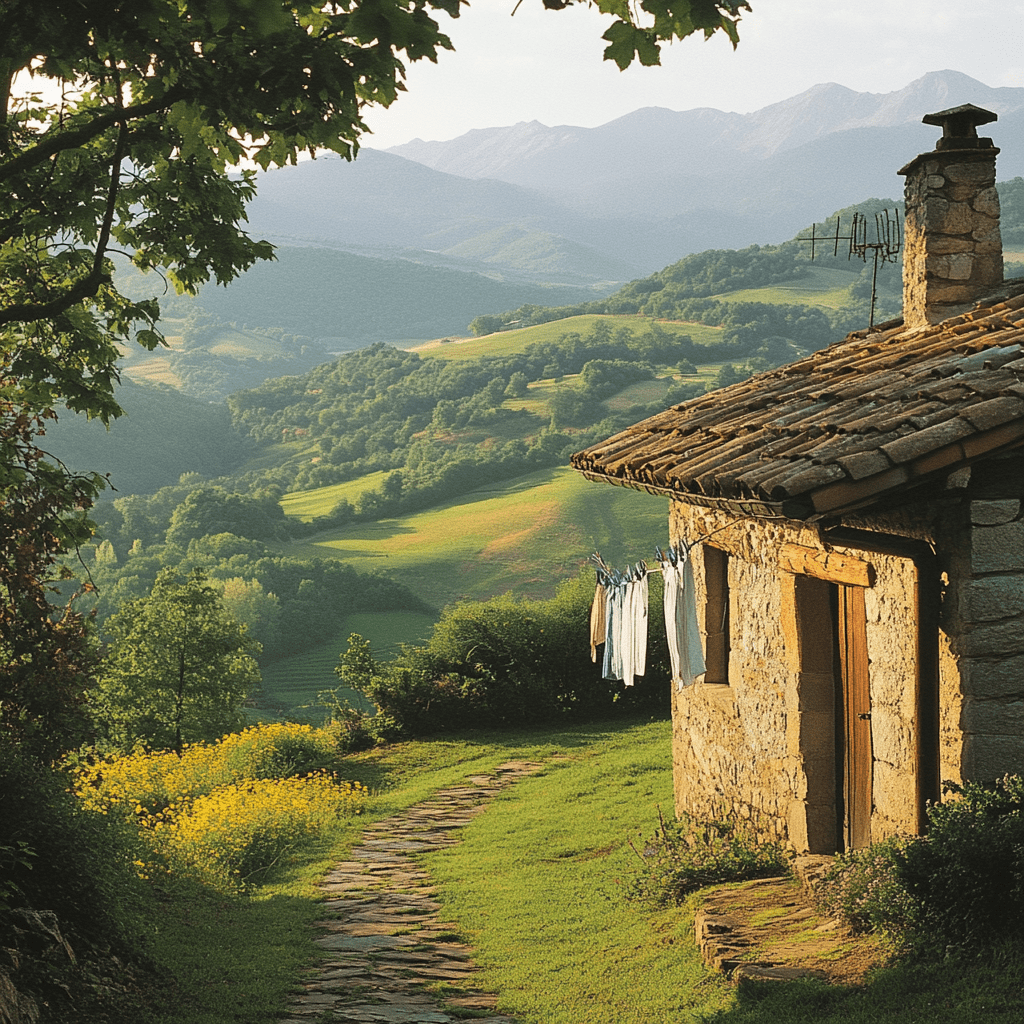
(They approach the house, where a man, slightly bent with age, is tending to his vegetable garden. He notices them and straightens up, smiling.)
Clara: “Excuse us! We’re travelers passing through, and we couldn’t help but admire your home. It feels so connected to the landscape."
Man: “Welcome. You’ve come at a quiet time. Please, come inside. It’s rare to see people interested in our ways these days. My wife is preparing something in the kitchen."
(They enter a modest yet warm kitchen, where an older woman is kneading dough on a wooden table. She glances up, her hands still moving, and offers a nod of greeting.)
Isabel: “Thank you for welcoming us. We’ve been exploring the Basque region and were curious about life here. It seems as though every stone and tree is a part of your history."
Woman: “Every part of the land has a story. My family has lived in this house for generations. We are taught that the land is not something we own, but something we belong to. Sit, I’ll bring you some bread and cheese."
(They sit at a large wooden table, the smell of fresh bread filling the air. The couple joins them.)
Clara: “We’ve been thinking about how much has changed in the world, and yet when you walk through this region, it feels like time has moved differently. How do you maintain such a strong connection to your traditions while everything around is changing so quickly?"
Man: “It’s not easy. There’s a constant push and pull between what is modern and what is old. But here, in the rural parts, we don’t just live with history—we live in it. Every festival, every word spoken in Euskara, every meal cooked the way our grandmothers did is an act of preservation."
Isabel: “I imagine language plays a significant role. Euskara is one of the oldest languages in Europe, and it’s fascinating that it has survived so long. Do you ever worry about it fading away?"
Woman: “It is always a concern. The young people leave for the cities where Spanish dominates. But those who stay feel a deep responsibility to carry our language forward. It is not just a tool for communication; it is our way of thinking, our way of seeing the world. To lose it would be to lose ourselves."
Clara: “That resonates deeply. In a world so focused on progress, there’s something profound about maintaining continuity with the past. But how do you reconcile the desire to preserve with the need to adapt?"
Man: “We choose carefully what to hold onto. We cannot be stuck in time, but we also cannot lose what defines us. In many ways, the land itself teaches us this balance. It changes with the seasons, but its essence remains the same. Just like us."
Isabel: “That’s beautifully said. The landscape does feel like a living memory. Every hill and valley seems to carry the weight of the past, but also the energy of renewal. Do you think that’s why people here seem so connected to nature?"
Woman: “Nature is our guide. It teaches patience, respect, and resilience. Just as the mountains stand tall through centuries, so must we. You see, here, progress is not measured by speed, but by how much of our spirit we can pass on to the next generation."

場景 5: 進入巴斯克與當地人聊天
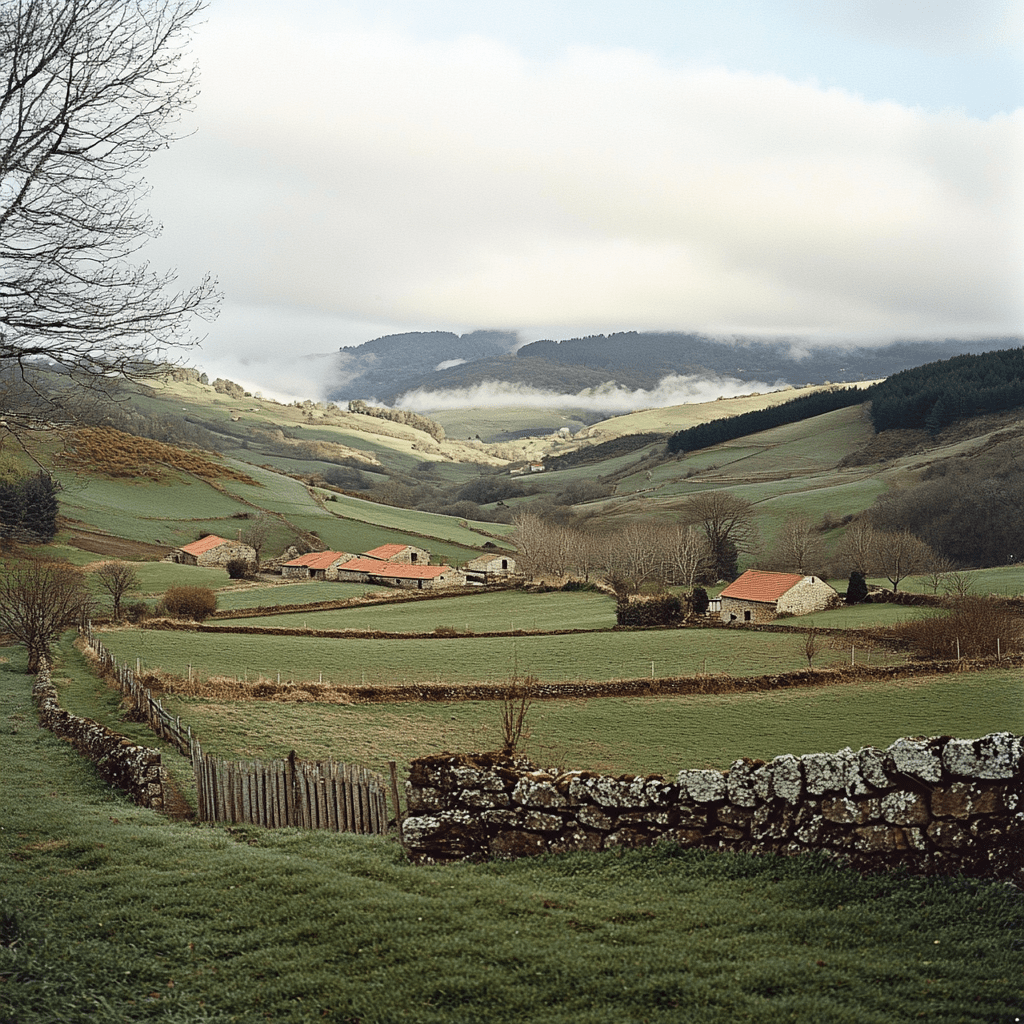
克拉拉:「看那邊的農舍,伊莎貝爾。這建築彷彿與土地融為一體,像是從土地中生長出來的。我們能停下來跟這裡的人聊聊嗎?」
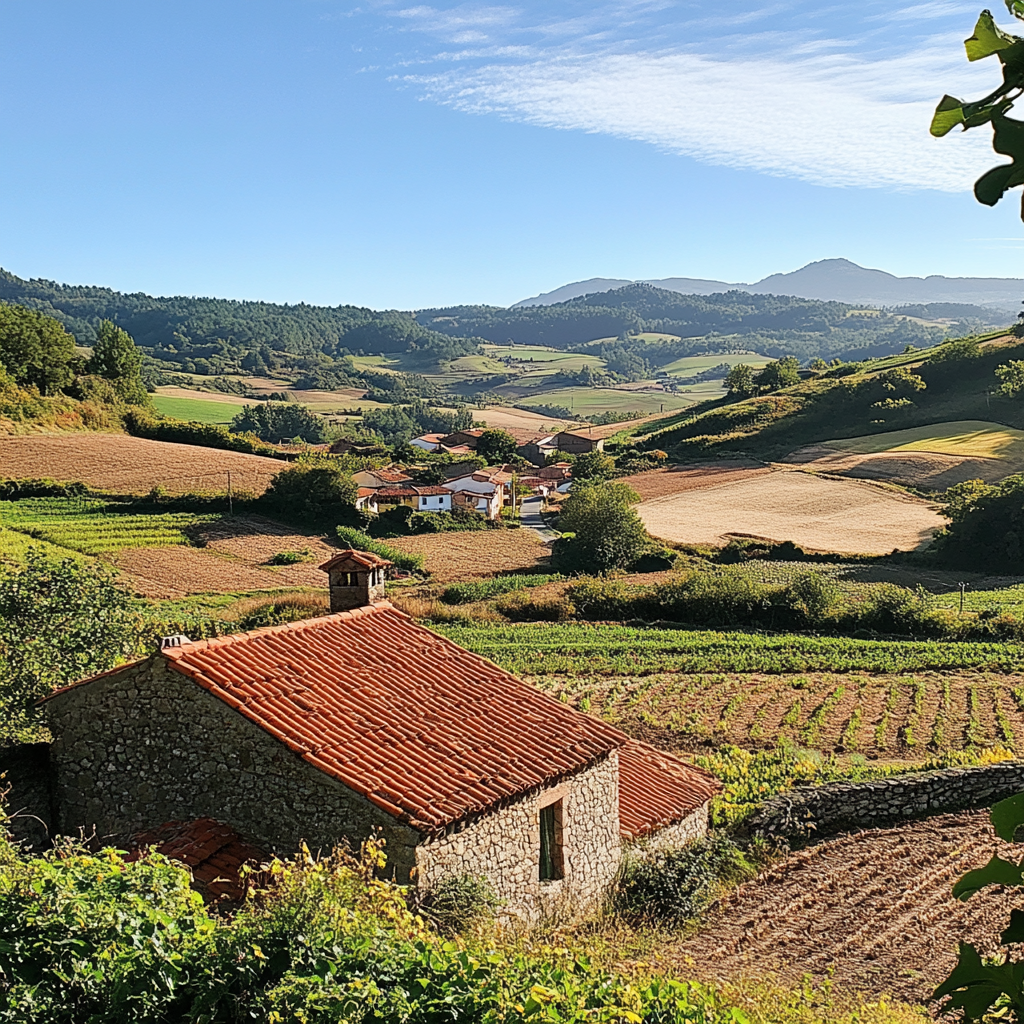
伊莎貝爾:「應該可以。巴斯克的農村社區一直以保留深厚的傳統著稱。如果我們幸運,也許能了解他們如何在現代與傳統間找到平衡。」
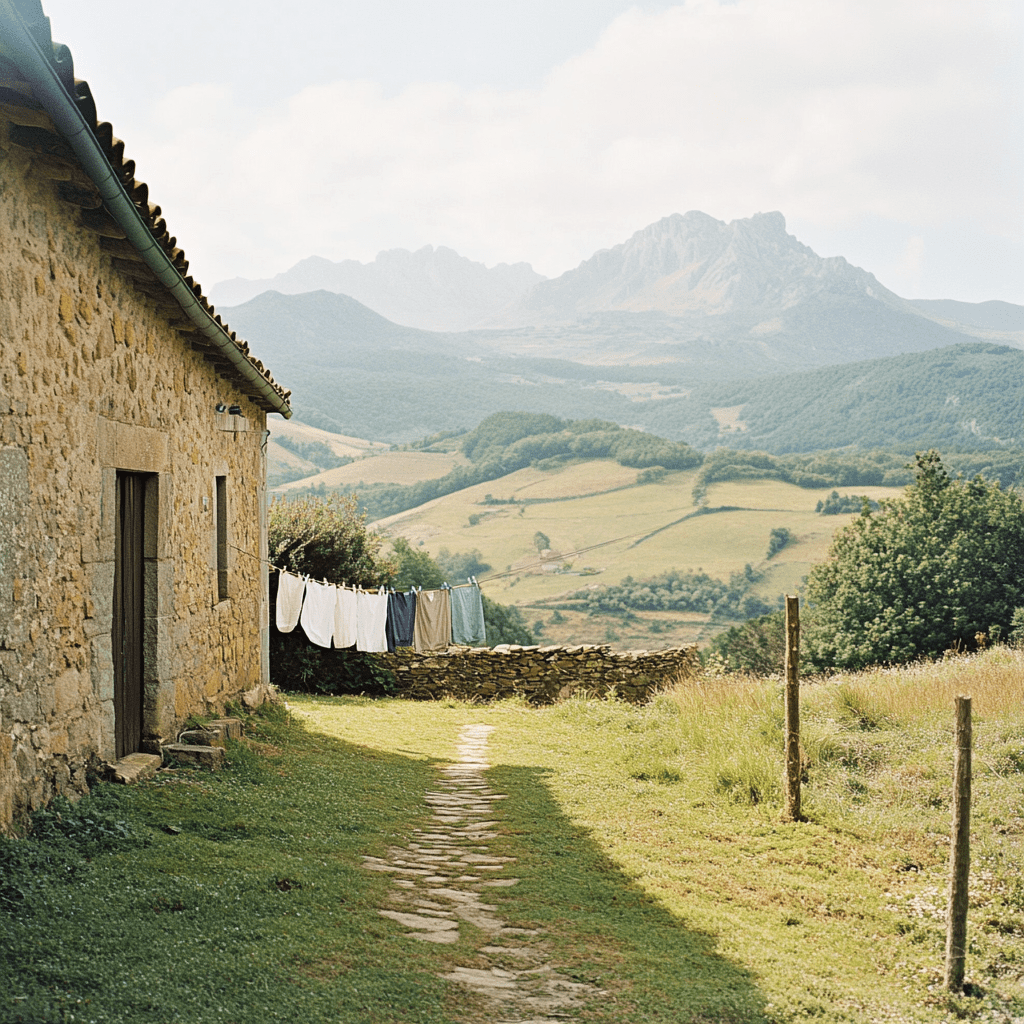
(他們走近房子,一位年長的男子正在菜園裡勞作,看到他們走近,他直起身,微笑著。)
克拉拉:「打擾了!我們是經過的旅人,無法不被您的家園所吸引。這裡感覺與周圍的風景有著深厚的聯繫。」
男子:「歡迎。現在是安靜的時刻。請進,這裡很少有人對我們的生活感興趣。我的妻子正在廚房裡準備食物。」
(他們進入簡樸但溫馨的廚房,一位年長的女子正在木桌上揉麵。她抬頭看了看,手上的動作沒有停,微微點頭示意。)
伊莎貝爾:「謝謝您們的歡迎。我們一直在探索巴斯克地區,對這裡的生活感到好奇。感覺這裡的每一塊石頭、每一棵樹都在講述一段歷史。」
女子:「這片土地的每一部分都有故事。我們家族已經在這裡住了好幾代了。我們從小被教導,土地不是我們擁有的,而是我們屬於它的一部分。坐下吧,我給你們拿些麵包和乳酪。」
(他們坐在大木桌旁,空氣中充滿了新鮮麵包的香氣。這對夫婦坐下來與他們一起。)
克拉拉:「我們一路上都在思考,世界變化如此之快,而走在這片土地上,感覺時間卻像以另一種方式流動。你們是怎麼在快速變化的世界中保持這麼強的傳統聯繫呢?」
男子:「這並不容易。現代與古老之間總是存在一種拉扯。但在這裡,農村地區,我們不僅僅與歷史共處——我們生活在歷史之中。每一場節日,每一句用巴斯克語說的話,每一餐像我們祖母一樣烹調的食物,都是一種保存。」
伊莎貝爾:「我想語言在其中扮演了重要的角色。巴斯克語是歐洲最古老的語言之一,能夠存續這麼久真是令人著迷。你們會擔心它有一天會消失嗎?」
女子:「這一直是個擔憂。年輕人去城市裡,西班牙語是主導的語言。但留下來的人感受到要承擔傳承的責任。語言不僅僅是交流的工具,它是我們思維的方式,也是我們看世界的方式。失去它,就意味著失去我們自己。」
克拉拉:「這說得很有道理。在一個如此重視進步的世界裡,保持與過去的連續性是一件很有深度的事情。但是你們是如何在保護傳統與適應現代化之間取得平衡的呢?」
男子:「我們選擇仔細保留哪些是重要的。我們不能困在過去,但也不能失去定義我們的東西。在許多方面,大地本身教會了我們這種平衡。它隨著季節變化,但它的本質依然如故。就像我們一樣。」
伊莎貝爾:「這話說得真好。這片景觀感覺就像一段活生生的記憶。每一座山丘、每一處山谷似乎都承載著過去的重量,同時又充滿了更新的能量。你覺得這就是為什麼這裡的人與自然有這麼深的聯繫嗎?」
女子:「自然是我們的導師。它教會了我們耐心、尊重和堅韌。就像這些山脈千百年來屹立不倒,我們也必須如此。你看,在這裡,進步的衡量標準不是速度,而是我們能傳承給下一代的精神有多少。」

Scene 5: Checking into the Inn and Discussing Local Life
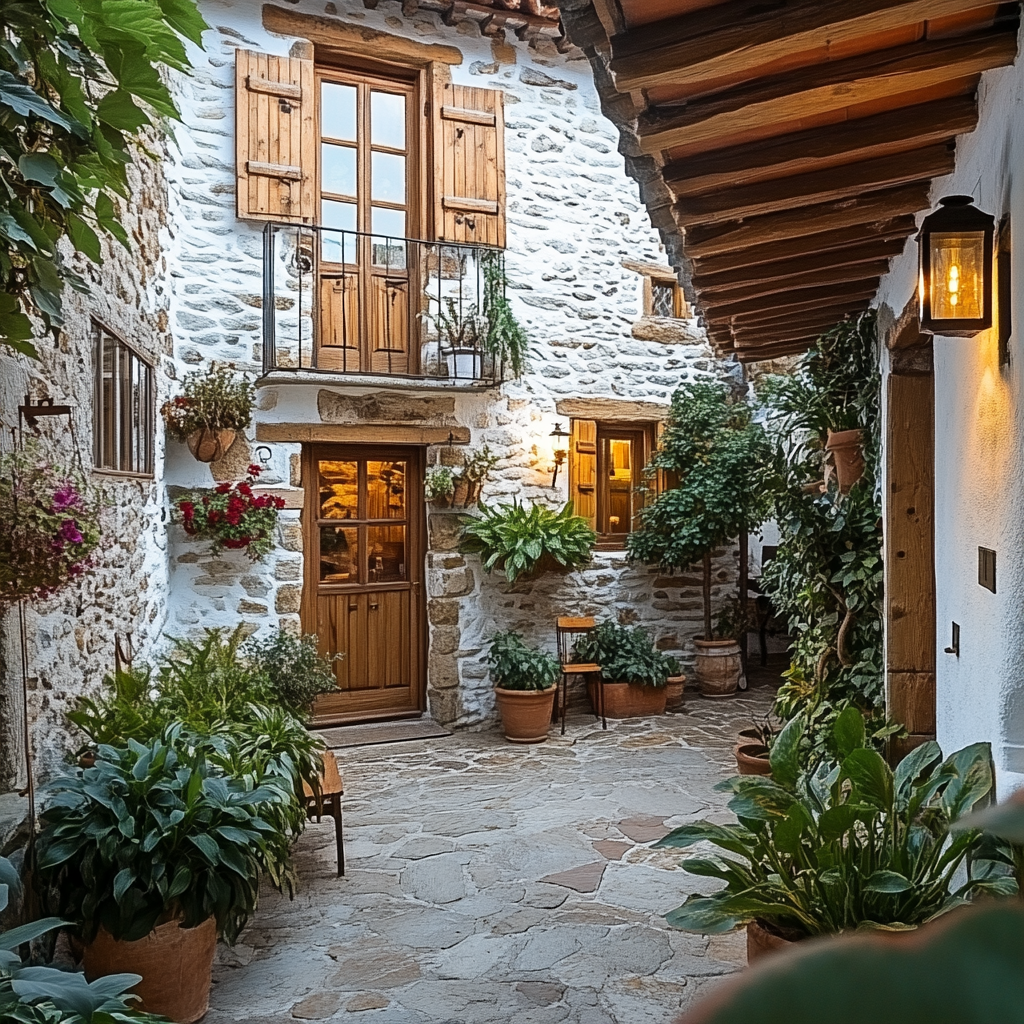
Clara: “I like the feel of this place. Quiet streets, the buildings aren’t too polished, just… lived in. It’s a nice break from the big cities."
Isabel: “Yeah, there’s something grounded about it. No rush, no one’s in a hurry. You can just be here."
(They walk through the town, passing by a few elderly locals chatting outside a café, the low hum of conversation mixing with the sound of footsteps on cobblestones. A modest inn catches their eye, the wooden sign gently swaying.)
Clara: “This looks like a decent spot. Shall we try it?"
Isabel: “Sure, looks simple but inviting."
(They enter the inn, the scent of old wood and a faint smell of herbs fills the air. Behind the counter stands a woman in her fifties, her face kind but showing signs of a long day.)
Innkeeper: “Hello! Looking for a room?"
Isabel: “Yes, just one night."
Innkeeper: “You’re in luck. I have a room overlooking the hills. Dinner will be served in an hour if you’re interested."
Clara: “That sounds great. Thank you."
(Upstairs, they settle into their room. The window opens to a view of rolling green hills and distant mountains, the fading light of the setting sun casting long shadows.)
Clara: “So peaceful. It’s hard to believe places like this still exist, where life feels slower. Do you think many young people still live in towns like this, or do they mostly leave?"
Isabel: “I’d guess a lot leave for cities. Bilbao’s only a few hours away, and with work and school, it’s probably hard to stay here unless you have family land or a business. But at the same time, there’s got to be something that makes people want to stay, or come back eventually."
Clara: “True. I mean, the lifestyle here must have its perks. Fewer distractions, more connection to the land. It must feel rewarding in its own way."
(They head downstairs to the dining room, where a small fire crackles in the hearth. The innkeeper serves them plates of local dishes—thick slices of bread, roasted vegetables, and a simple stew.)
Clara: “This looks wonderful. Can I ask you—do many people still stay here in the village, or do most leave for the cities?"


Innkeeper: “It’s a bit of both. Many young people do move to the cities for work or education, but quite a few return when they’re older, or if they have a family. There’s something about this land that calls people back."
Isabel: “So even if they leave, the connection stays strong?"
Innkeeper: “Oh, definitely. You can leave the village, but it never leaves you. The traditions, the language, they’re all part of you, whether you’re in Bilbao or Paris. You’ll always be Basque."
Clara: “That’s fascinating. What about the independence movement? Do people still talk about it, or has that died down?"
Innkeeper: (Pausing for a moment) “It’s quieter now, at least compared to the past. We have more autonomy these days, but the spirit of independence is still there. It’s not just about politics anymore—it’s about preserving what makes us unique. Our language, Euskara, is a big part of that. It’s not just spoken here—it’s a symbol of who we are."
Isabel: “Do you think the younger generation feels the same way, though? I mean, are they as passionate about it as the older folks?"
Innkeeper: “Some are, some aren’t. The younger ones… they’re more focused on building careers, traveling, seeing the world. But when they come home for festivals or family gatherings, you can see it. The pride is still there, maybe even more so because they realize how rare it is to belong to something like this."
Clara: “It must be difficult to maintain that balance—staying connected to your roots while adapting to the modern world."
Innkeeper: “That’s the challenge, isn’t it? The world moves so fast now. But here, we try to hold onto the things that matter. Euskara is still spoken daily, and our festivals still bring everyone together. We adapt, but we don’t forget."
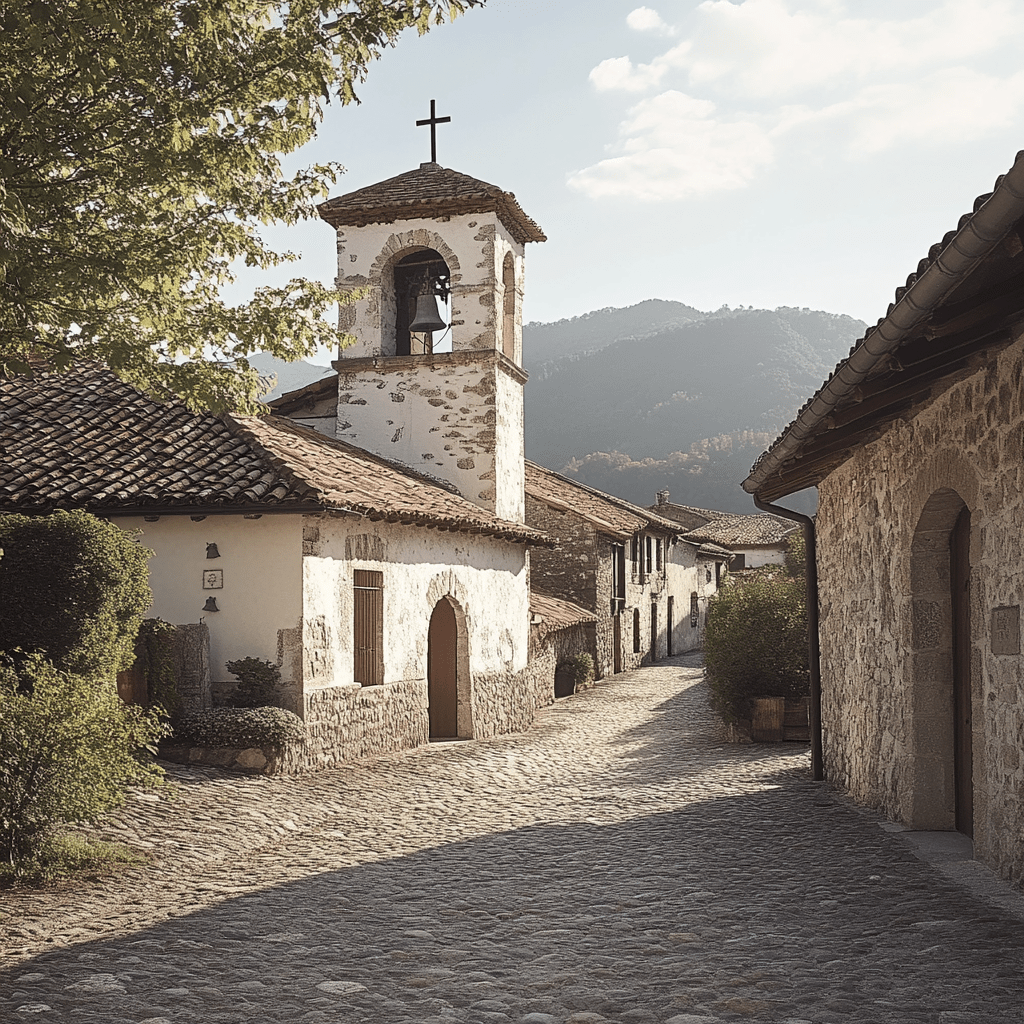
(They continue their meal, the sound of distant bells from the village’s church tower softly echoing through the open window.)
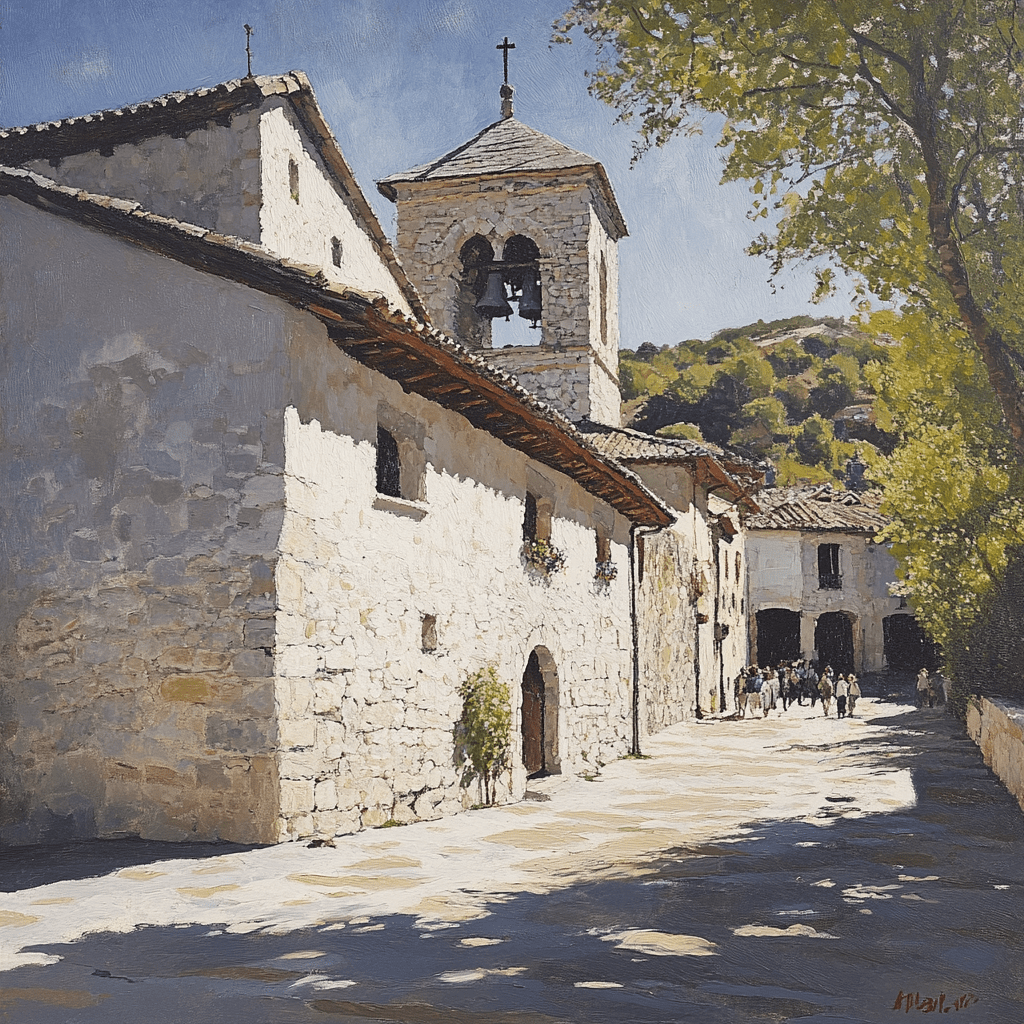
Isabel: “So it’s more about keeping the culture alive now, not just the political side of independence."
Innkeeper: “Exactly. We’re proud of the autonomy we have, but it’s the language, the traditions, that really define us. That’s what we pass down to our kids, and they’ll pass it to theirs. That’s the legacy."
場景 5: 入住巴斯克小鎮的旅館,討論當地生活
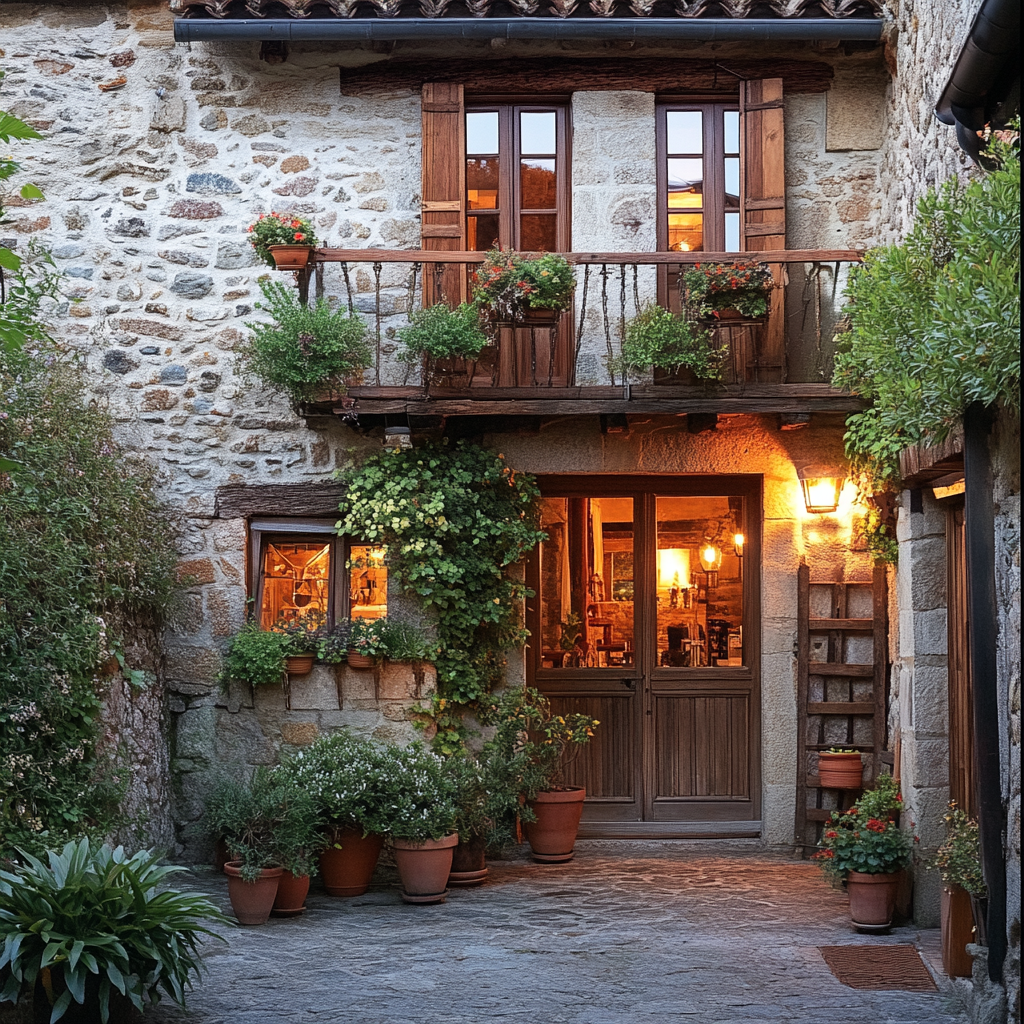
克拉拉:「這地方真的很有感覺。街道很安靜,建築簡單樸素,卻很有生活氣息。和大城市的節奏比起來,這裡真是一個不錯的變化。」
伊莎貝爾:「是啊,這裡的氛圍很沉穩,沒有人在匆忙趕路。你可以在這裡靜下心來。」
(她們沿著小鎮走,經過幾位年長的當地人在咖啡館外閒聊,腳步聲和鵝卵石的碰撞聲混合在一起。不久,她們看到一間低調的旅館,木製招牌在微風中輕輕擺動。)
克拉拉:「看起來這裡還不錯,要進去看看嗎?」
伊莎貝爾:「好啊,感覺挺溫馨的。」
(她們走進旅館,裡面瀰漫著木頭的香氣,還有一點淡淡的草本味道。櫃檯後面站著一位五十歲左右的女士,面帶親切的微笑。)
旅館主人:「您好!是要找房間嗎?」
伊莎貝爾:「對,我們只住一晚。」
旅館主人:「你們來得正好。我有一間能看到山景的房間,晚餐一會兒就會準備好。」
克拉拉:「聽起來不錯,謝謝。」
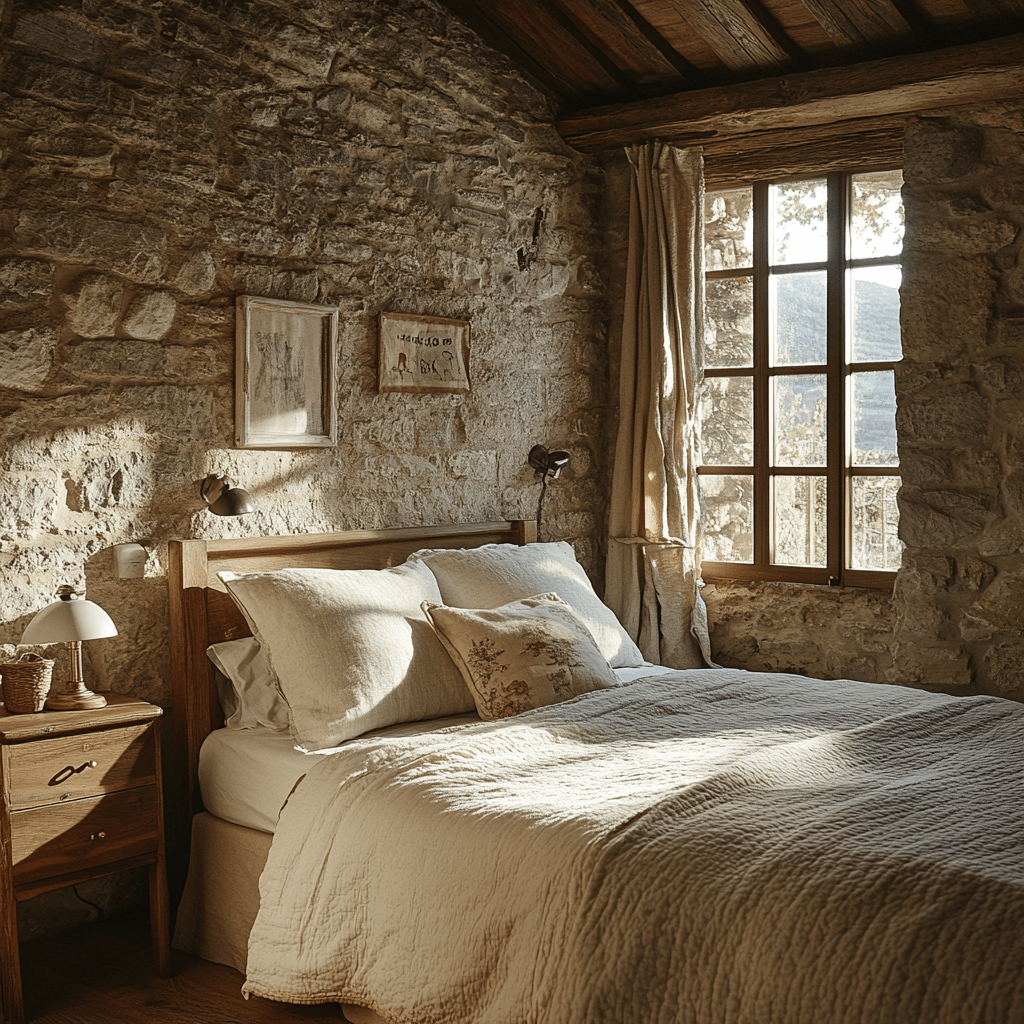
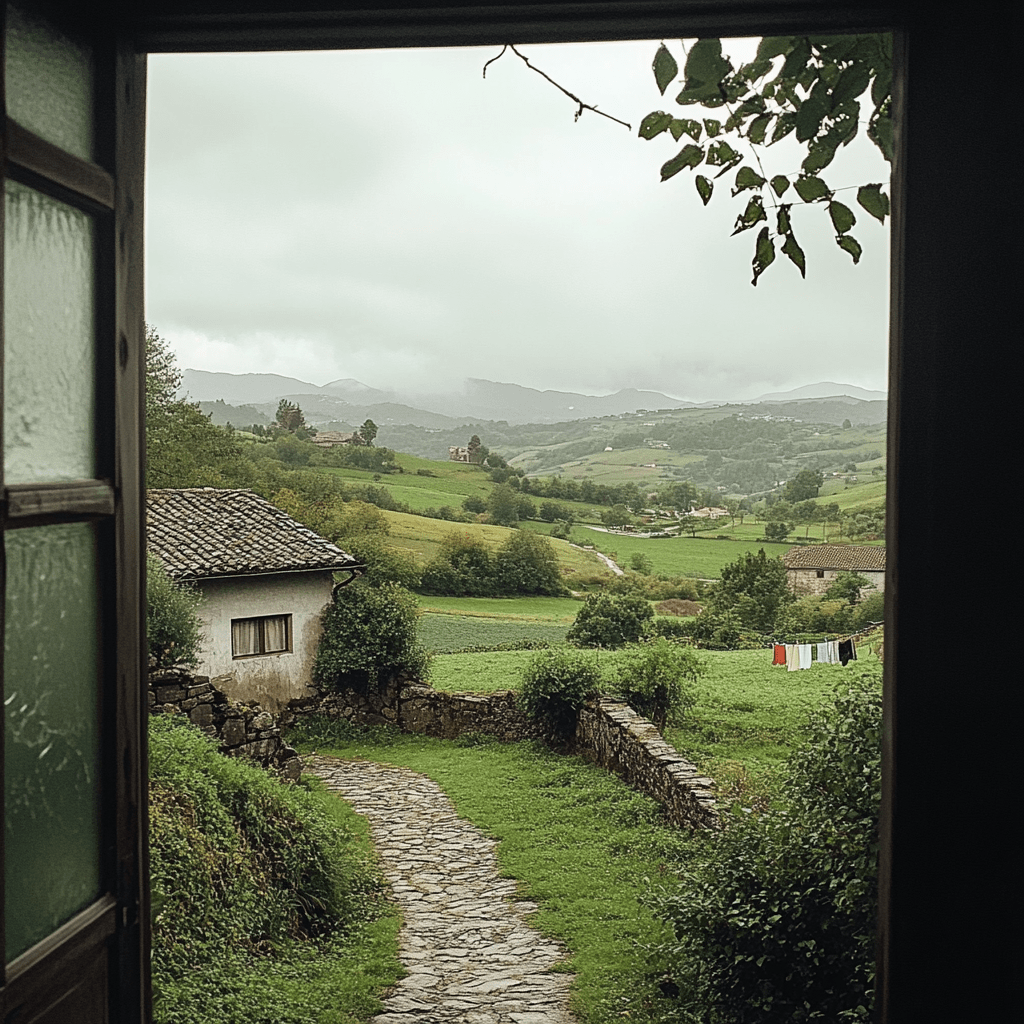
(她們在房間裡坐下,窗外可以看到起伏的綠色山丘和遠處的群山,夕陽的餘暉將影子拉得很長。)
克拉拉:「真平靜。很難相信在現代還有這樣的地方,生活節奏這麼慢。你覺得現在還有多少年輕人住在這些小鎮,還是大多數都搬走了?」
伊莎貝爾:「我猜很多人都會搬去城市吧。畢爾包就在幾小時外,工作和學校的機會多得多。不過我想有些人還是會留下來,因為這裡的生活方式,或者是家庭、土地的聯繫。」
克拉拉:「也是,這種生活方式應該也有它的吸引力。少了外界的干擾,與土地的聯繫更深,應該有一種很踏實的感覺。」
(她們下樓來到餐廳,爐火在壁爐裡微微燃燒著。旅館主人端來幾道當地菜肴——厚實的麵包片、烤蔬菜和一碗簡單的燉菜。)
克拉拉:「這看起來真好。我可以問一下嗎——這裡的人還會留在小鎮嗎,還是大部分都搬到大城市去了?」
旅館主人:「兩者都有。很多年輕人會搬到城市裡工作或讀書,但不少人年紀大了或者成家之後又會回來。這片土地有一種吸引力,讓人難以割捨。」
伊莎貝爾:「所以即使他們離開了,內心的聯繫還是很強烈?」
旅館主人:「哦,當然了。你可以離開小鎮,但小鎮不會離開你。我們的傳統和語言一直跟隨著我們,無論你是在畢爾包還是巴黎,你永遠都是巴斯克人。」
克拉拉:「這很有趣。那
獨立運動呢?現在大家還會談論這個話題嗎,還是已經沒那麼熱衷了?」
旅館主人:(稍作停頓)「現在是平靜多了,至少比過去安靜了不少。我們現在有更多自治權了,但獨立的精神還在。對大多數人來說,這已經不再只是政治問題,而是關於保護我們的身份。巴斯克語是我們的象徵,不只是日常用語,它代表著我們的身份。」
伊莎貝爾:「年輕一代也是這樣想的嗎?他們會像老一輩那樣對這個問題這麼在意嗎?」
旅館主人:「有些人是,有些人不是。年輕人更專注於建立自己的事業、旅行、探索世界。但每當他們回來參加節日或家庭聚會時,你能感覺到那種自豪感還在。或許是因為他們認識到擁有這樣的身份認同是多麼難得。」
克拉拉:「要在保留傳統與適應現代化之間找到平衡,這一定很不容易。」
旅館主人:「這是個挑戰,對吧?世界變得這麼快,但我們在這裡會努力抓住那些重要的東西。每天還是有人說巴斯克語,我們的節日也還能把大家聚在一起。我們會適應,但我們不會忘記。」
(她們繼續吃著晚餐,遠處教堂的鐘聲從打開的窗戶輕輕傳來。)
伊莎貝爾:「所以現在重點是保持文化,而不僅僅是政治上的獨立。」
旅館主人:「沒錯。我們對現有的自治權感到自豪,但真正定義我們的還是語言和傳統。這是我們留給下一代的東西,他們也會傳給他們的孩子。這是我們的傳承。」

 Virtual Travel | 虛擬旅行沉浸式英語學習
發表留言