
Scene 1: Preparing to Head into the Pyrenees

Clara: “So, we’re heading into the mountains next? The Pyrenees must be incredible up close."
Isabel: “Yes, the Pyrenees are breathtaking, especially in the north of Aragón. But before we get there, we should talk a bit about the region’s history. Aragón wasn’t always just a region—it was once part of a powerful medieval kingdom."
Clara: “The Kingdom of Aragón, right? I know it was significant, but I’m not too familiar with the details. What made it so important in medieval times?"
Isabel: “Exactly. The Kingdom of Aragón was one of the most powerful entities on the Iberian Peninsula during the Middle Ages. It began as a small county in the 9th century, but by the 12th century, it had expanded significantly through marriages and military conquest, becoming a major political force."
Clara: “Was Aragón united with other regions back then?"
Isabel: “Yes, the most important moment came in 1137, when the Kingdom of Aragón was united with the County of Barcelona through the marriage of King Ramiro II’s daughter, Petronila, to Count Ramon Berenguer IV of Barcelona. This union effectively formed what we now call the Crown of Aragón."

From Wiki

Clara: “That’s fascinating! So, Aragón was more than just this landlocked region. What territories did they control?"
Isabel: “At its height, the Crown of Aragón controlled territories not just in what we now call Spain, but also in the Mediterranean. They ruled over the Balearic Islands, parts of southern France, Sardinia, Sicily, and even parts of Greece. Aragón was a major maritime power, which is surprising given its rugged, mountainous interior."

Clara: “I had no idea their influence extended so far. So, Aragón’s power wasn’t just land-based—it was also about naval strength?"
Isabel: “Exactly. Their expansion into the Mediterranean was partly driven by trade and political influence. They competed with other major powers like Castile and the Moors in Spain, but Aragón’s focus was often more outward—toward trade routes and alliances across Europe. Their royal court was known for being highly cultured and sophisticated for the time."
Clara: “What about the Pyrenees themselves? I imagine these mountains must have played a role in shaping the kingdom."
Isabel: “Definitely. The Pyrenees were a natural barrier, protecting Aragón from invasions from the north. They also served as a key route for pilgrims traveling to Santiago de Compostela and for trade between the Iberian Peninsula and the rest of Europe. Many of the villages and towns in the Pyrenees have medieval roots, and the kingdom built fortresses to protect these vital routes."
Clara: “I can see why the geography was so crucial. But eventually, didn’t Aragón merge with Castile to form what we now know as Spain?"
Isabel: “Yes, that happened in 1469, with the marriage of Ferdinand II of Aragón and Isabella I of Castile. This union brought together the two powerful kingdoms and paved the way for the unification of Spain. But even after that, Aragón retained its own laws and institutions for quite some time, maintaining its distinct identity."
Clara: “It’s amazing how much history there is in these mountains and valleys. Aragón wasn’t just an isolated region—it was a key player in shaping the history of Spain and even Europe."
Isabel: “That’s right. And when we get to the Pyrenees, you’ll see the remnants of that history in the fortresses, castles, and ancient villages scattered throughout the mountains. The landscape is beautiful, but it’s also a place where you can feel the weight of history."

場景 1: 準備前往比利牛斯山

克拉拉:「我們接下來要去山裡嗎?比利牛斯山在近距離看一定很壯觀。」
伊莎貝爾:「是的,比利牛斯山尤其在亞拉岡北部非常壯麗。但在我們到那之前,我們應該先聊一聊這個地區的歷史。亞拉岡可不僅僅是現在的這個區域——它曾經是強大的中世紀王國的一部分。」
克拉拉:「亞拉岡王國,對嗎?我知道它曾經很重要,但對具體細節不太了解。它在中世紀時為什麼這麼重要?」
伊莎貝爾:「沒錯。亞拉岡王國在中世紀時是伊比利亞半島上最強大的勢力之一。它最早作為九世紀的小郡開始,但到了十二世紀,通過聯姻和軍事征服迅速擴展,成為主要的政治力量。」
克拉拉:「那時候亞拉岡和其他地區聯合在一起嗎?」
伊莎貝爾:「是的,最重要的時刻發生在1137年,當時亞拉岡國王拉米羅二世的女兒佩特羅尼拉與巴塞羅那伯爵拉蒙·貝倫格爾四世結婚。這次婚姻實際上創立了我們今天所說的亞拉岡王冠。」
克拉拉:「真有趣!所以亞拉岡不僅僅是這片內陸地區。它們還控制了哪些領土?」
伊莎貝爾:「在其鼎盛時期,亞拉岡王冠不僅控制了現在的西班牙領土,還包括地中海的大片區域。他們統治了巴利阿里群島、法國南部的一部分、薩丁尼亞、西西里,甚至還有希臘的一些地方。亞拉岡是一個主要的海上強國,這點很驚人,特別是考慮到它多山的內陸地貌。」
克拉拉:「我完全不知道他們的影響力這麼大。這意味著亞拉岡的力量不僅來自陸地,還來自海上?」
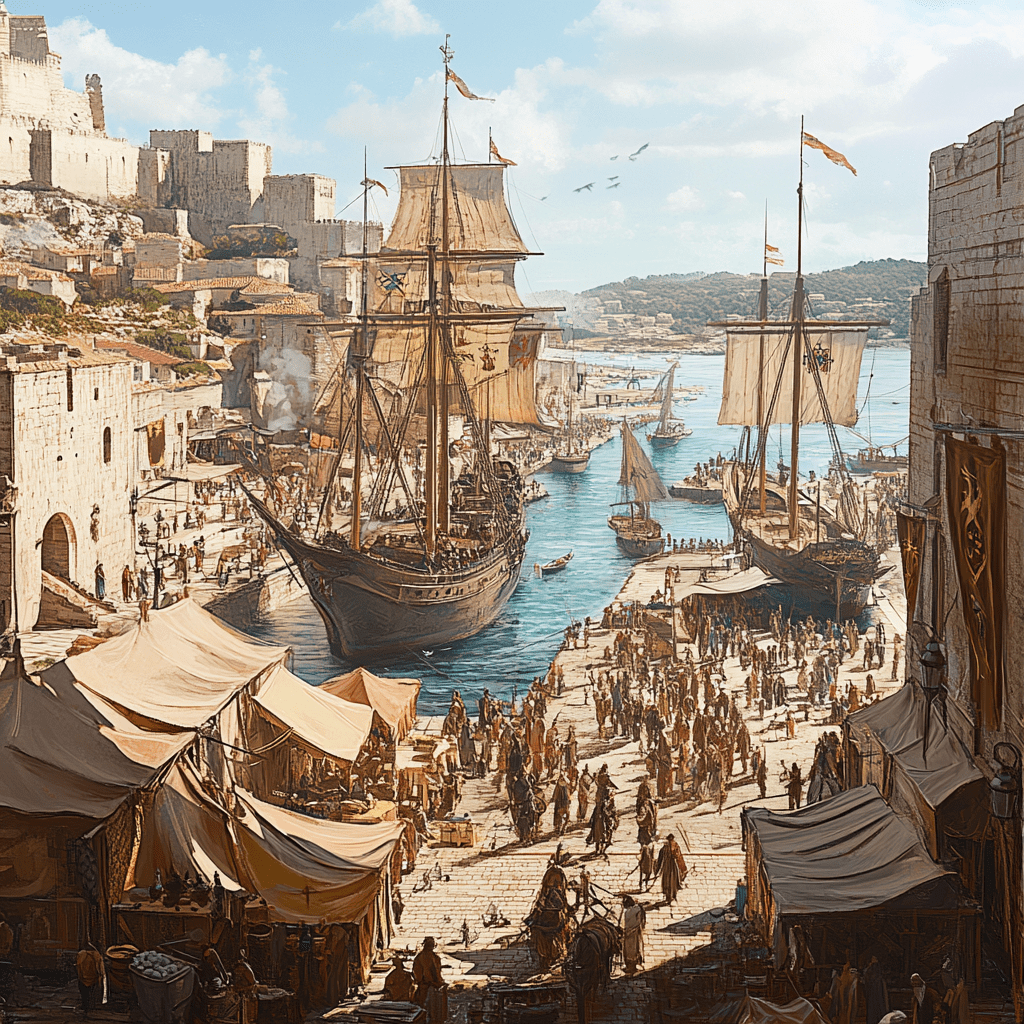
伊莎貝爾:「對。他們向地中海的擴展很大程度上是為了貿易和政治影響。他們與其他主要勢力如卡斯蒂利亞和摩爾人競爭,但亞拉岡的重點經常是對外——追求貿易路線和歐洲的聯盟。他們的皇家宮廷以文化和學識聞名。」
克拉拉:「那比利牛斯山呢?我想這些山脈一定對塑造這個王國起了作用。」
伊莎貝爾:「當然。比利牛斯山是一道天然屏障,保護亞拉岡免受北方入侵者的威脅。它們還是一條重要的朝聖路線,朝聖者前往聖地亞哥·德孔波斯特拉,以及伊比利亞半島與歐洲其他地方貿易的關鍵通道。許多比利牛斯山中的村莊和小鎮都有中世紀的根源,王國在這些路線上建造了要塞來保護它們。」
克拉拉:「我明白為什麼地理這麼重要了。不過,最終亞拉岡還是與卡斯蒂利亞合併了,形成了我們今天所說的西班牙,對吧?」
伊莎貝爾:「是的,這發生在1469年,當時亞拉岡的費迪南二世與卡斯蒂利亞的伊莎貝拉一世結婚。這次聯姻將兩個強大的王國結合在一起,為西班牙的統一鋪平了道路。但即便在合併之後,亞拉岡仍然保留了自己的法律和制度,並且保持了很長一段時間的獨特身份。」
克拉拉:「這裡的山脈和山谷中有這麼多的歷史。亞拉岡不僅僅是一個孤立的地區,它在塑造西班牙和整個歐洲歷史方面扮演了關鍵角色。」
伊莎貝爾:「正是如此。而當我們到達比利牛斯山時,你會看到那裡遺留下來的歷史遺跡,比如城堡、要塞,還有分佈在山中的古老村莊。這片風景很美,但你同時也能感受到歷史的重量。」

Scene 2: Continuing the Journey into the Pyrenees

Clara: “It’s fascinating to think that this rugged landscape was once part of such a vast and influential kingdom. I imagine the Pyrenees played a huge role in how Aragón developed."
Isabel: “Definitely. The Pyrenees weren’t just a natural barrier; they were also a key strategic asset. In the medieval period, whoever controlled the mountain passes controlled access between Spain and France. Aragón built many fortresses and strongholds here to defend those routes, and some of those structures still stand today."
Clara: “I’m excited to see some of those fortresses. Do you think the people who lived here back then felt isolated because of the mountains?"
Isabel: “In some ways, yes. But the mountains were also a source of protection and trade. Pilgrims and traders constantly passed through the Pyrenees on their way to Santiago de Compostela, so these areas were actually quite connected to the rest of Europe. Aragón was an important part of that network."
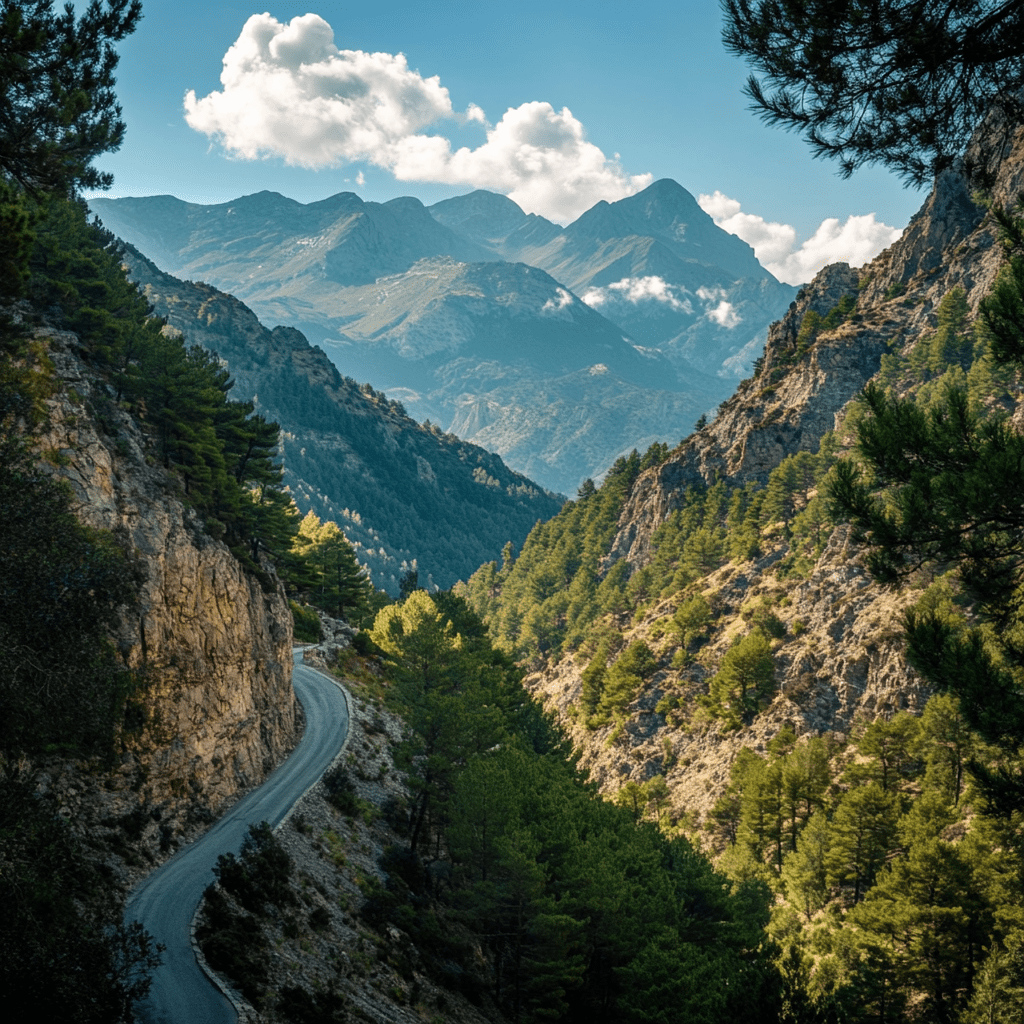
(They drive higher into the mountains, the road becoming steeper and narrower as the Pyrenees rise around them. The air grows cooler, and the landscape shifts from dry plains to lush, green hills.)
Clara: “It’s incredible how quickly the landscape changes. We’ve left the dry plains behind and now we’re surrounded by forests and mountains."
Isabel: “Yes, the Pyrenees are a completely different world. This part of Aragón feels more remote, but it’s also rich with history. Many of the villages here have medieval roots, and some of them have barely changed since then."
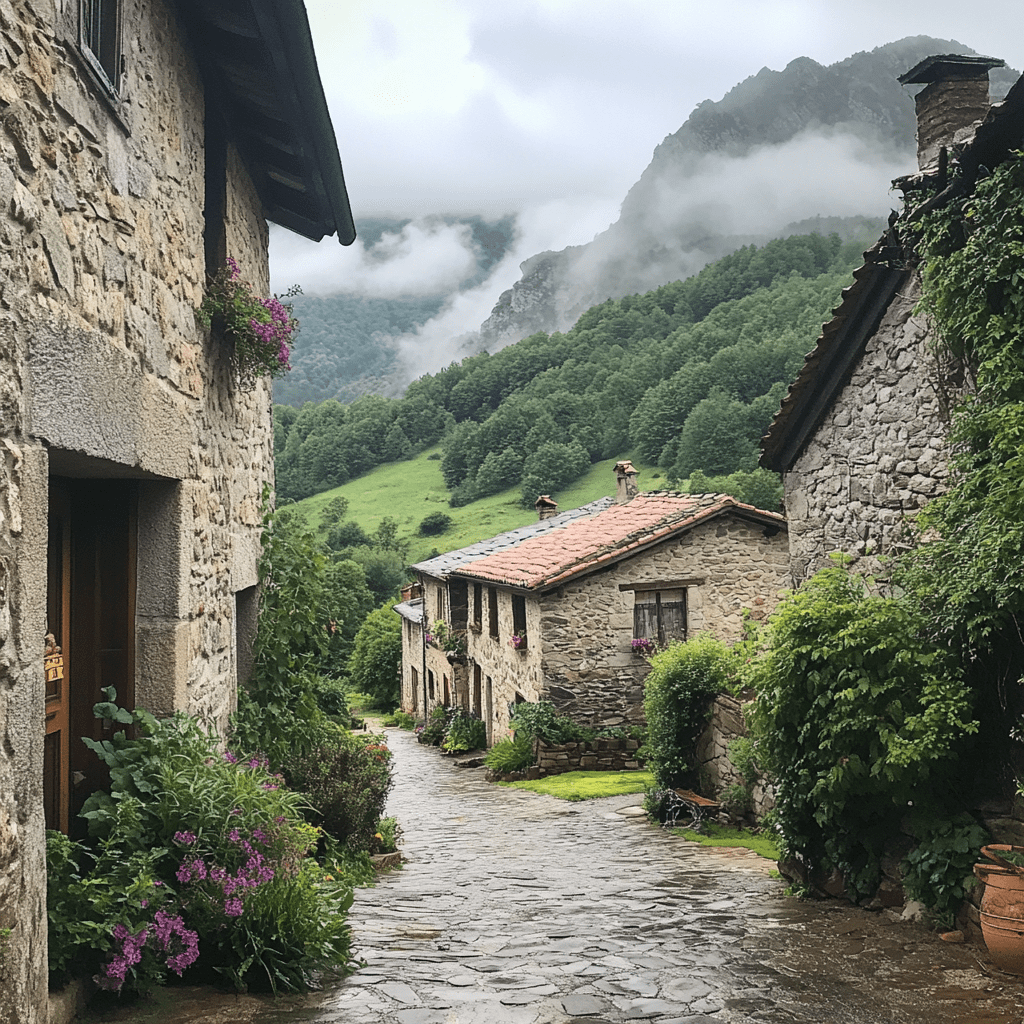
Clara: “It’s amazing to think that people have been living in these villages for centuries, following the same paths, working the same land."
Isabel: “That’s true. Life here was—and still is—closely tied to the land. The people of Aragón have always had to adapt to the challenges of this terrain, whether it was growing crops in the fertile valleys or defending their homes from invaders in the mountains."
Clara: “And yet, Aragón became a maritime power. It’s so interesting to think about this mountainous, landlocked region controlling territories all over the Mediterranean."
Isabel: “Yes, Aragón’s strength came from its ability to expand beyond its borders. The Pyrenees were both a defense and a gateway. Once the kingdom united with the County of Barcelona, it had access to the Mediterranean, which is when Aragón really became a maritime power. From there, they expanded their influence across the sea."
Clara: “So in a way, the mountains protected them, but also pushed them to look outward."
Isabel: “Exactly. Aragón’s rulers were smart about using their natural geography to their advantage. They knew the importance of controlling the Pyrenees, but they also understood that their future lay across the Mediterranean. The result was a kingdom that was both deeply rooted in these mountains and open to the world beyond."
Clara: “It’s such a unique mix of influences—mountain fortresses and Mediterranean trade routes. No wonder Aragón played such a big role in shaping Spain’s history."
Isabel: “And you’ll see that blend of history and geography as we explore the Pyrenees. The fortresses, the medieval villages, even the old trade routes—they all tell the story of a kingdom that was powerful, strategic, and connected to both the land and the sea."
場景 2:繼續前往比利牛斯山
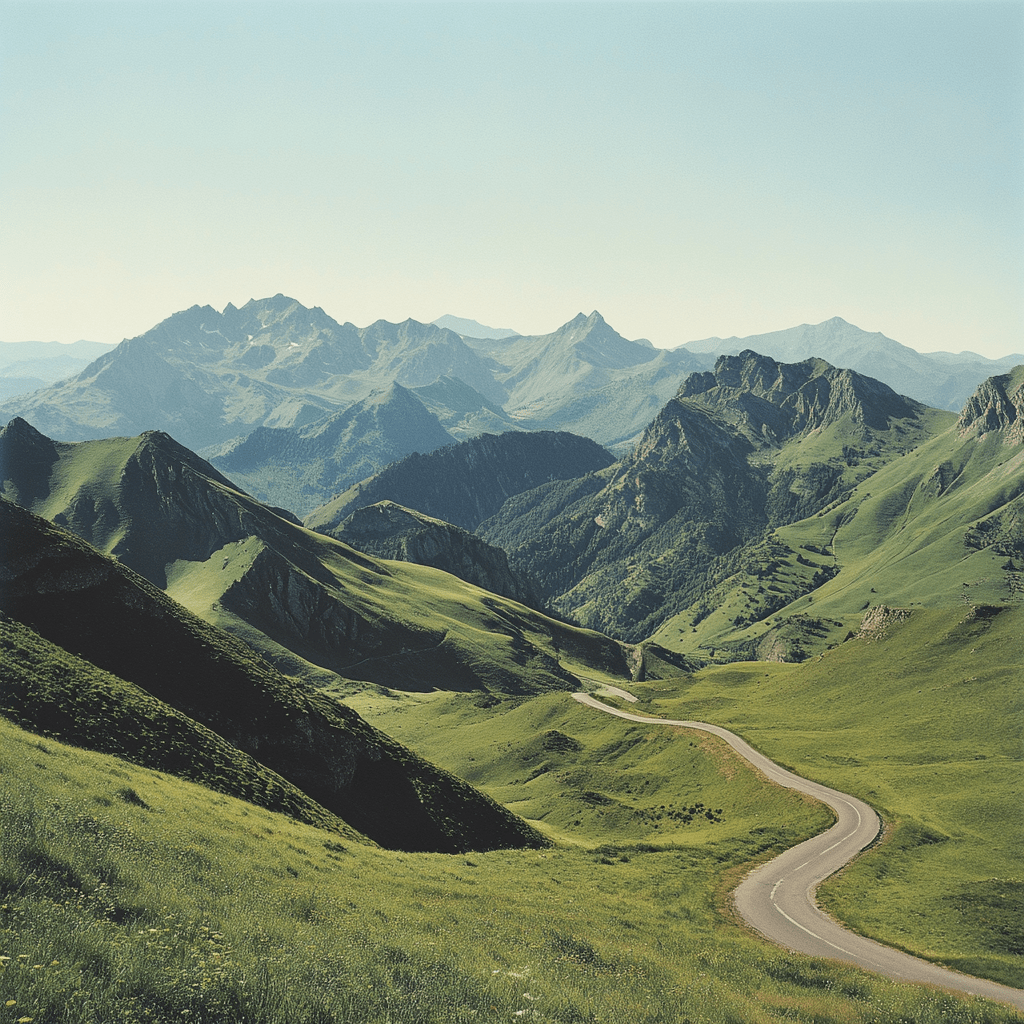
克拉拉:「想到這片崎嶇的土地曾經是如此廣大和有影亞拉岡亞拉岡的發展中一定起到了很大的作用。」
伊莎貝爾:「當然。比利牛斯山不僅僅是一道天然屏障,它還是一個重要的戰略資產。在中世紀,誰控制了這些山脈的通道,誰就控制了西班牙和法國之間的聯繫。亞拉岡在這裡建造了許多堡壘和要塞來保護這些路線,至今仍有一些結構屹立不倒。」
克拉拉:「我很期待看到那些堡壘。你覺得當時住在這裡的人會因為這些山脈而感到與世隔絕嗎?」
伊莎貝爾:「某些方面來說,是的。但是這些山脈同時也是一種保護和貿易的來源。朝聖者和商人們經常經過比利牛斯山,前往聖地亞哥·德孔波斯特拉,所以這些地區實際上與歐洲其他地方有著很深的聯繫。亞拉岡是這個網絡的重要一部分。」
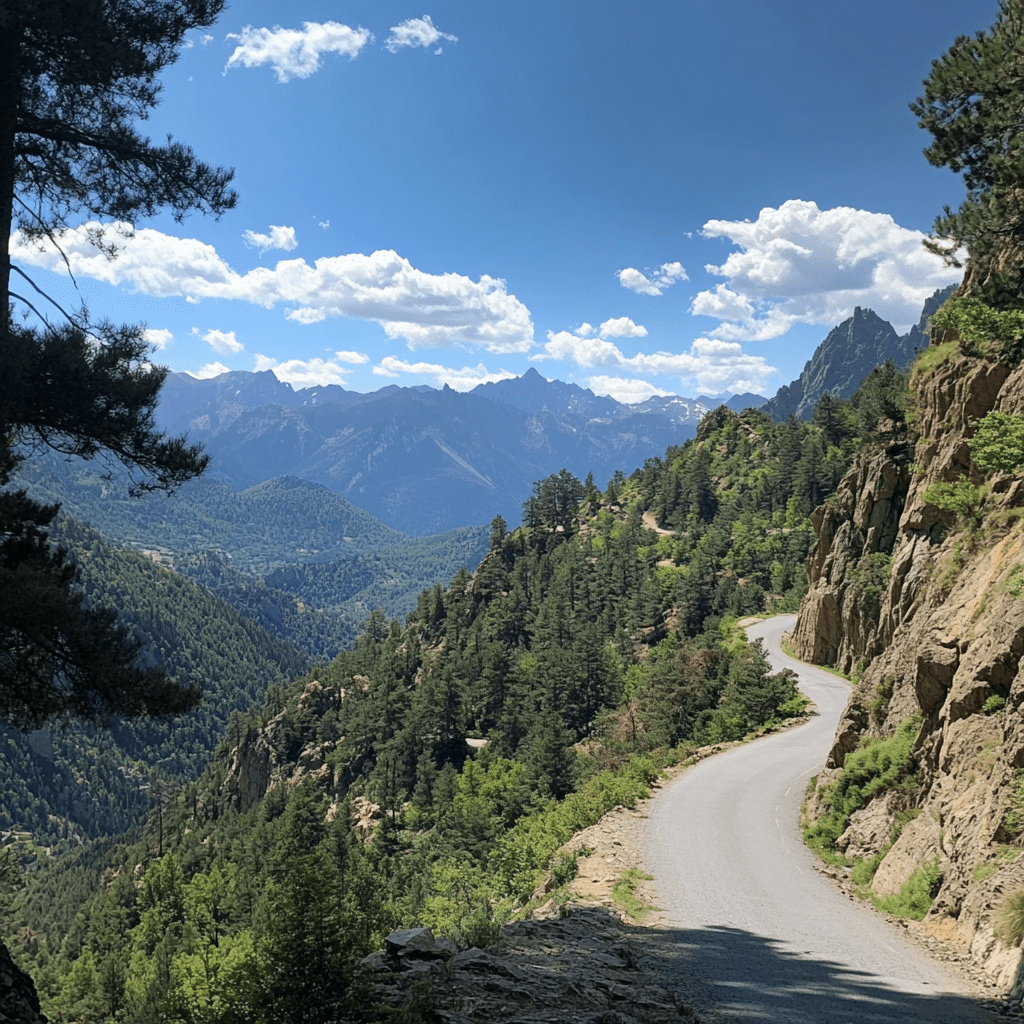
(她們開車進入更高的山區,道路變得更加陡峭和狹窄,比利牛斯山環繞著她們。空氣變得涼爽,景觀從乾燥的平原轉變為茂密的綠色山丘。)
克拉拉:「這裡的景觀變化得真快。我們剛剛還在乾燥的平原,現在已經被森林和群山包圍了。」
伊莎貝爾:「是啊,比利牛斯山完全是另一個世界。亞拉岡的這一部分感覺更加偏遠,但它的歷史卻非常豐富。這裡的許多村莊都有中世紀的根源,很多地方幾乎沒什麼變化。」
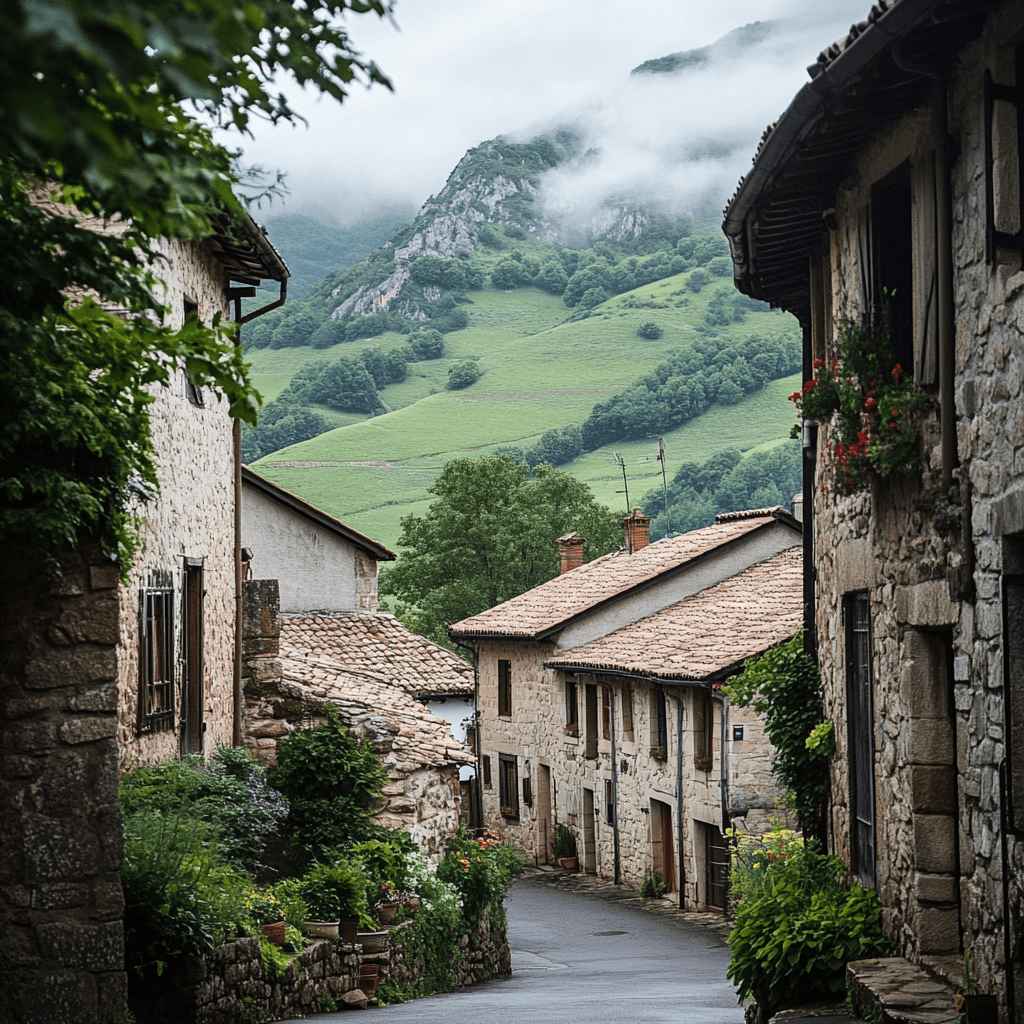
克拉拉:「想到人們在這些村莊裡已經生活了幾個世紀,走著同樣的路,耕種同樣的土地,真是太神奇了。」
伊莎貝爾:「確實如此。這裡的生活與土地密切相關。亞拉岡的人們總是要適應這裡的地形挑戰,無論是要在肥沃的山谷中耕作,還是要在群山中保衛家園。」
克拉拉:「然而亞拉岡還成為了海上強國。想到這個多山的內陸地區能夠控制整個地中海的領土,真是讓人驚訝。」
伊莎貝爾:「是啊,亞拉岡的力量來自於它能夠超越自身的疆域。比利牛斯山既是保護,也是通向外界的門戶。當王國與巴塞羅那郡聯合後,它便獲得了進入地中海的通道,這也是亞拉岡真正成為海上強國的開始。從那裡,他們把影響力擴展到整個海域。」
克拉拉:「所以在某種意義上,這些山脈既保護了他們,也推動他們向外尋找發展機會。」
伊莎貝爾:「完全正確。亞拉岡的統治者非常聰明,他們善於利用自然地理優勢。他們知道控制比利牛斯山的重要性,但同時也明白他們的未來在於地中海以外的發展。這造就了一個既深深植根於群山,又面向世界的王國。」
克拉拉:「這真是一種獨特的影響力結合——山中的堡壘與地中海的貿易路線。難怪亞拉岡在塑造西班牙歷史中扮演了這麼重要的角色。」
伊莎貝爾:「當我們探索比利牛斯山時,你會看到這種歷史和地理的結合。堡壘、中世紀的村莊,甚至舊的貿易路線——它們都講述著一個關於一個強大、戰略性且與土地和海洋緊密聯繫的王國的故事。」
Scene 3: Discussing Aragón’s Decline
Clara: “It’s amazing how powerful Aragón was in the Middle Ages, but what happened? Why did such a strong kingdom eventually decline?"
Isabel: “That’s a great question, and there are many factors that contributed to Aragón’s decline over time. One of the biggest turning points came in 1469, when Ferdinand II of Aragón married Isabella I of Castile. This marriage unified their two kingdoms and led to the formation of a unified Spain."
Clara: “So, the union with Castile was the beginning of the end for Aragón as an independent power?"
Isabel: “In a way, yes. The Crown of Aragón technically maintained its own legal system, laws, and institutions after the union with Castile, but over time, Castile’s influence became dominant. Castile had more resources, a larger population, and it began to dominate the politics of the newly unified Spain."
Clara: “Was it just political dominance, or were there other factors involved?"
Isabel: “There were several other factors at play. Aragón’s focus had always been on the Mediterranean, while Castile was focused on the Reconquista—the effort to reclaim territory from the Moors in southern Spain. Once Spain was united, the attention shifted southwards and then towards overseas expansion. Castile’s discovery of the Americas and its wealth from the colonies overshadowed Aragón’s Mediterranean interests."
Clara: “So Aragón’s influence in the Mediterranean started to diminish?"
Isabel: “Exactly. With Spain turning its focus to the New World, Aragón’s territories in the Mediterranean, like Sicily and Naples, became less central to Spanish interests. The Mediterranean had once been the key to Aragón’s power, but after the union with Castile, it became a secondary priority."
Clara: “What about internal issues? Did Aragón face any challenges from within?"
Isabel: “Yes, internal problems were a big part of Aragón’s decline. The kingdom was made up of several different regions—Aragón, Catalonia, Valencia, and the Balearic Islands—and each had its own distinct identity and institutions. There were frequent tensions between these regions and the central government. Aragón also struggled economically due to agricultural decline and conflicts between the nobility and the monarchy."
Clara: “That sounds difficult to manage. I can see how that would weaken the kingdom."
Isabel: “It did. On top of that, the Habsburg dynasty came to power in Spain in the 16th century, after Ferdinand and Isabella’s grandson, Charles I of Spain, who also became Charles V, Holy Roman Emperor, inherited the Spanish throne. This shifted Spain’s focus even more towards European affairs and away from Aragón’s traditional Mediterranean base."

Clara: “So Aragón was kind of sidelined by all the changes in Spain’s priorities."
Isabel: “Yes, and by the 18th century, Aragón’s autonomy was effectively ended. After the War of Spanish Succession, Philip V, the first Bourbon king of Spain, centralized the country’s governance. He implemented the Nueva Planta decrees, which abolished the separate laws and institutions of Aragón and the other territories that made up the Crown of Aragón. From that point on, Aragón was fully integrated into a unified Spanish state."
Clara: “It’s amazing how a kingdom that was once so influential could lose its power so gradually."
Isabel: “It’s a story of political unification, shifting priorities, and internal fragmentation. The Crown of Aragón was a major power for centuries, but in the end, it was overshadowed by the rise of a united Spain and the new opportunities brought by overseas expansion."
Clara: “It really shows how history is shaped by geography, politics, and the decisions of leaders. Aragón’s focus on the Mediterranean was a strength for a long time, but when the focus shifted to the Atlantic, they were left behind."
Isabel: “Exactly. But even though the political power of Aragón declined, the region still retained its rich cultural identity. You can still see its legacy today, in the architecture, the traditions, and even the language in some parts."
場景 3:討論亞拉岡的衰落
克拉拉:「中世紀時亞拉岡如此強大,但後來發生了什麼?為什麼這麼強大的王國最終衰落了?」
伊莎貝爾:「這是個很好的問題,亞拉岡的衰落有很多原因。最大的轉折點是1469年,亞拉岡的費迪南二世與卡斯蒂利亞的伊莎貝拉一世結婚。這次婚姻統一了兩個王國,最終促成了西班牙的統一。」
克拉拉:「所以,與卡斯蒂利亞的聯姻是亞拉岡作為獨立強權的終結開始?」
伊莎貝爾:「在某種程度上,是的。亞拉岡王冠在與卡斯蒂利亞聯合後,理論上仍然保留了自己的法律制度和機構,但隨著時間推移,卡斯蒂利亞的影響變得主導。卡斯蒂利亞擁有更多的資源和人口,並開始主導統一後的西班牙政治。」
克拉拉:「這只是政治上的優勢嗎?還是還有其他因素?」
伊莎貝爾:「還有其他因素。亞拉岡一直把重點放在地中海,而卡斯蒂利亞則專注於光復運動,即從摩爾人手中奪回西班牙南部的領土。西班牙統一後,注意力轉向了南方,隨後又向海外擴展。卡斯蒂利亞發現了美洲,並從殖民地獲得了大量財富,這掩蓋了亞拉岡在地中海的利益。」
克拉拉:「所以亞拉岡在地中海的影響力開始減弱了?」
伊莎貝爾:「沒錯。隨著西班牙將注意力轉向新大陸,亞拉岡在地中海的領土,如西西里和那不勒斯,變得不再是西班牙的核心利益。地中海曾經是亞拉岡力量的基石,但在與卡斯蒂利亞聯合後,它變成了次要的焦點。」
克拉拉:「內部問題呢?亞拉岡有沒有面臨內部的挑戰?」
伊莎貝爾:「是的,內部問題是亞拉岡衰落的重要原因之一。亞拉岡由幾個不同的地區組成——亞拉岡、加泰羅尼亞、瓦倫西亞和巴利阿里群島——每個地區都有自己的身份和制度。這些地區與中央政府之間經常有矛盾。亞拉岡的經濟也因農業衰退以及貴族與君主之間的衝突而受到影響。」
克拉拉:「這聽起來很難管理。我能理解這會如何削弱這個王國。」
伊莎貝爾:「確實如此。而且16世紀,哈布斯堡王朝上台後,形勢變得更加複雜。費迪南和伊莎貝拉的孫子查理一世即位,並同時成為神聖羅馬帝國皇帝查理五世,這使西班牙的重心更加轉向歐洲事務,遠離了亞拉岡的傳統地中海基礎。」
克拉拉:「所以亞拉岡被西班牙的優先事項邊緣化了。」
伊莎貝爾:「是的,到18世紀,亞拉岡的自治權幾乎被完全剝奪了。西班牙王位繼承戰後,第一位波旁王朝的國王腓力五世實行了中央集權的治理模式。他頒布了‘新規法令’(Nueva Planta),廢除了亞拉岡以及其他地區的獨立法律和機構,從那時起,亞拉岡徹底被納入統一的西班牙國家。」
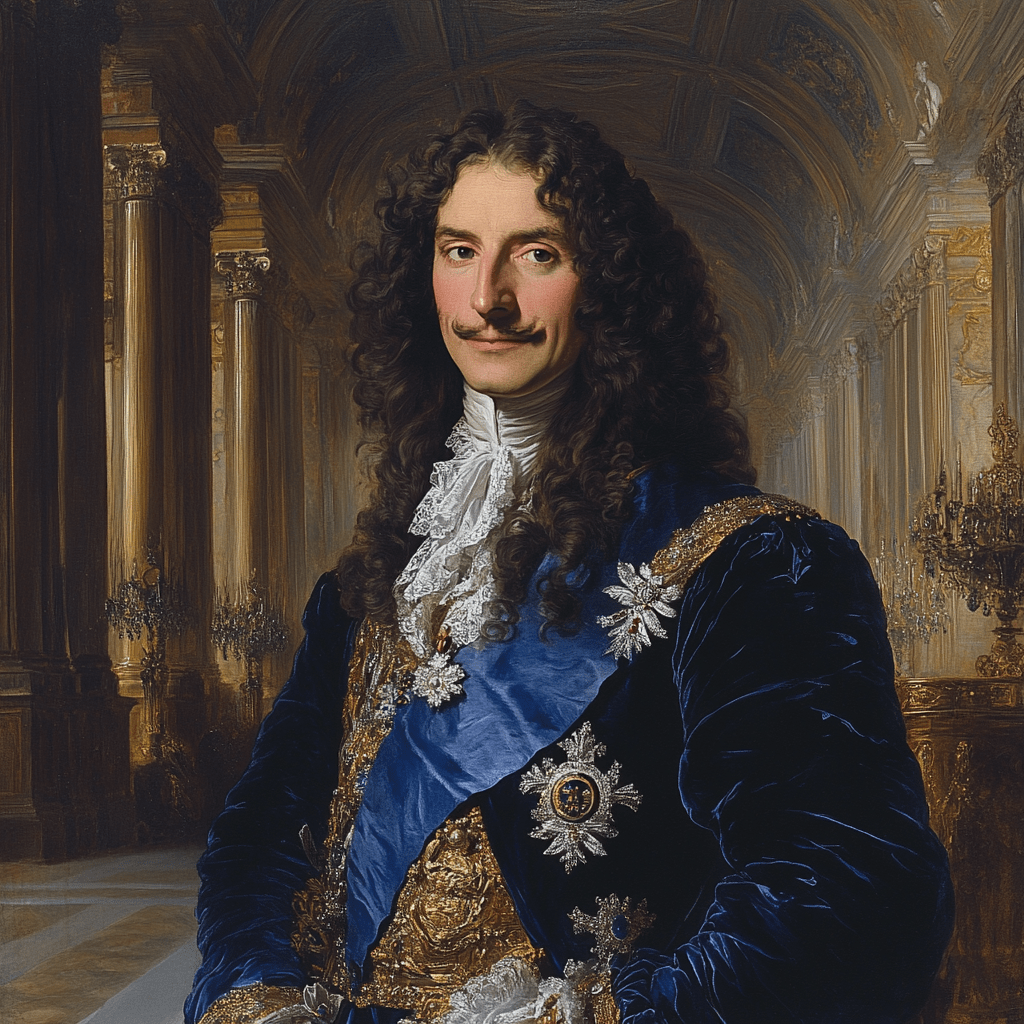
克拉拉:「真是不可思議,一個曾經如此有影響力的王國竟然逐漸失去了它的力量。」
伊莎貝爾:「這是一個關於政治統一、優先事項轉變和內部分裂的故事。亞拉岡王冠曾經是世紀強權,但最終它被統一的西班牙和新興的海外機遇所掩蓋。」
克拉拉:「這真是一個歷史的縮影,展示了地理、政治和領導決策如何影響一個王國的命運。亞拉岡曾經依靠它在地中海的影響力崛起,但當焦點轉向大西洋和海外時,它就被邊緣化了。」
伊莎貝爾:「沒錯,這就是亞拉岡的命運。即便如此,亞拉岡的文化仍然保留了下來,即使它在政治上被整合進了統一的西班牙。至今,你仍然可以看到亞拉岡豐富的文化遺產,無論是建築、傳統還是語言方面。」
克拉拉:「對我來說,這是一個特別有趣的故事。王國從崛起到巔峰,然後再逐漸走向衰落,這個過程反映了很多外在和內在的變化。」
伊莎貝爾:「的確,這個地區的歷史非常深刻。我們接下來進入比利牛斯山時,會看到更多中世紀留下的痕跡,那些堡壘和村莊都是亞拉岡力量的見證。即便今天,它們依然讓人想起那段時光。」
克拉拉:「我迫不及待地想看看那些地方了!這樣的歷史不僅在書本上有趣,當你親自走過這片土地時,感覺更為真實。」
伊莎貝爾:「是啊,比利牛斯山和亞拉岡的歷史息息相關。當我們到了那裡,你會看到這些遺跡如何與周圍的地理環境相輔相成。這裡的每座山、每條河流似乎都在講述過去的故事。」
Scene 4: Journey to San Juan de la Peña
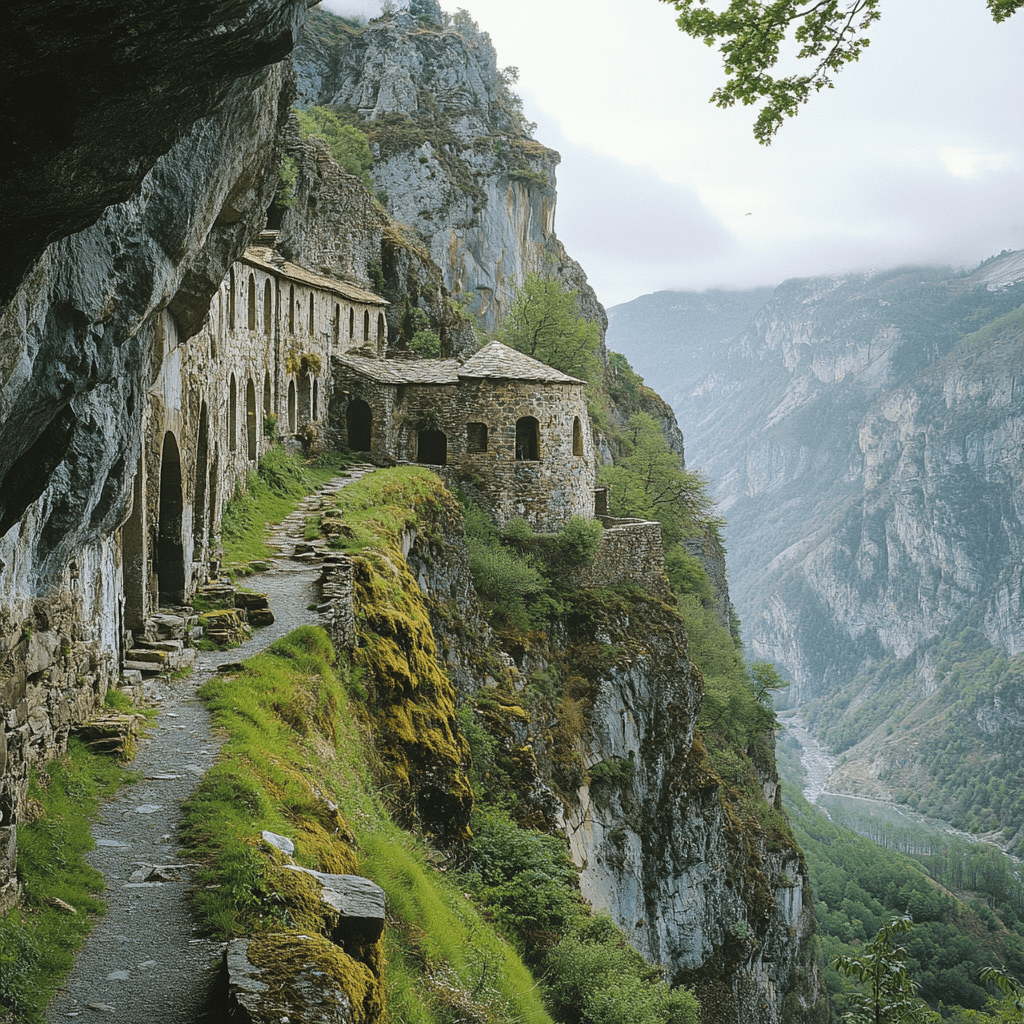
Clara: “Look! Is that the monastery ahead? It’s like it’s growing out of the rock."
Isabel: “Yes, that’s it. The way the monastery is built into the cliffside was intentional. The monks believed that being close to nature, especially in such a remote and sacred place, would bring them closer to God. For the kings of Aragón, this was also a place to bury their ancestors, a way of linking their rule to something eternal."
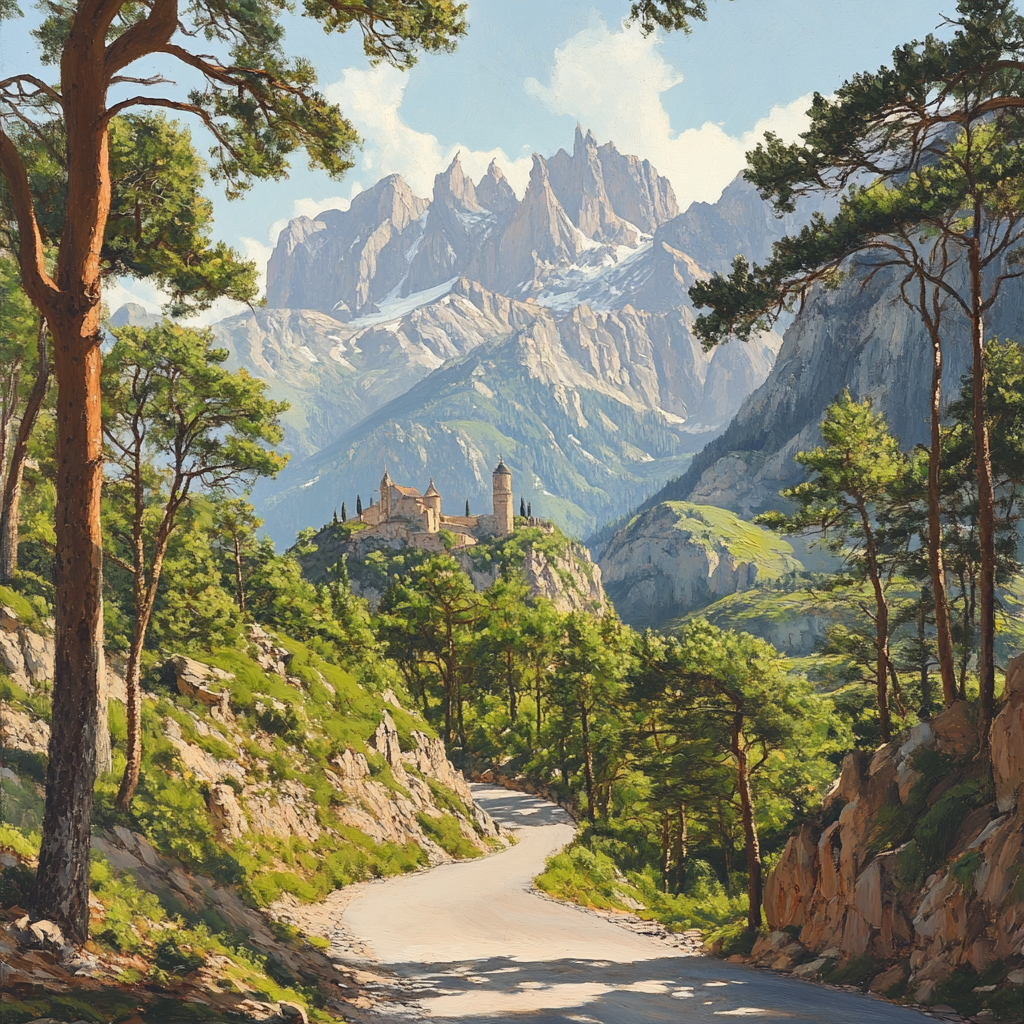
Clara: “I can see how this place would be a powerful symbol for them. It’s not just about isolation, but about resilience. This landscape feels like it could withstand anything, just like the strength Aragón must have shown in those days."
Isabel: “Exactly. And the fact that the monastery still stands today, centuries later, is a testament to that resilience. The kings who came here wanted to connect their reign to something beyond themselves—both spiritually and politically."
(They park the car and stand at the monastery’s entrance, overlooking the valley below. The breeze carries the scent of pine trees, and the majestic Pyrenean peaks stand tall in the distance.)
Clara: “Standing here, it’s hard not to think about all the pilgrims who came here. Not just the kings, but ordinary people, risking their lives to reach this sanctuary."
Isabel: “That’s what makes places like this so important. They weren’t just spiritual retreats; they were symbols of Aragón’s resilience. In the Middle Ages, faith and power were closely intertwined, and the Pyrenees, along with this monastery, represented both."
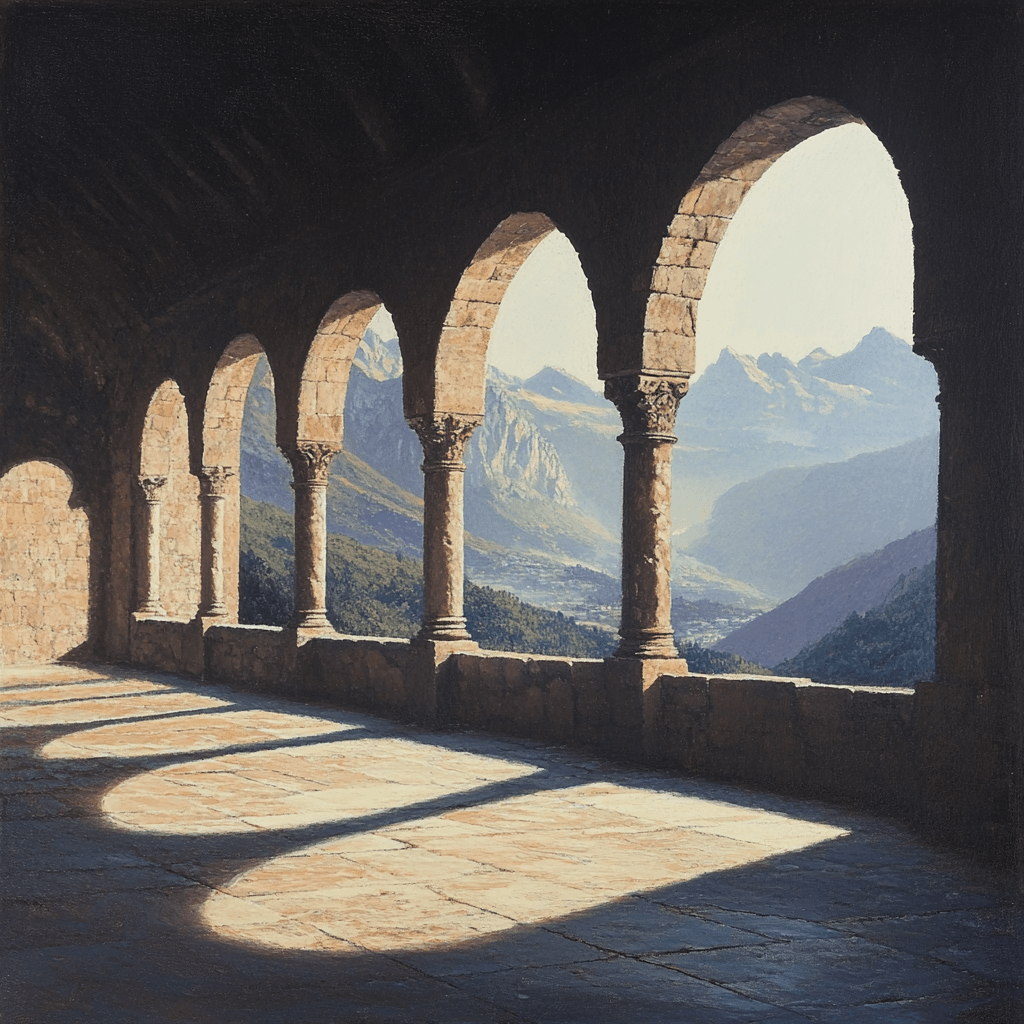
場景 4: 往聖胡安德拉佩尼亞修道院
克拉拉:「看!那就是修道院嗎?它就像是從岩石中長出來的一樣。」
伊莎貝爾:「是的,這就是它。這座修道院融入懸崖的設計是刻意的。僧侶們相信,與大自然接近,特別是在這樣一個遙遠且神聖的地方,可以讓他們更加接近上帝。對於亞拉岡的國王來說,這裡也是埋葬他們祖先的地方,一種將他們的統治與永恆聯繫在一起的方式。」
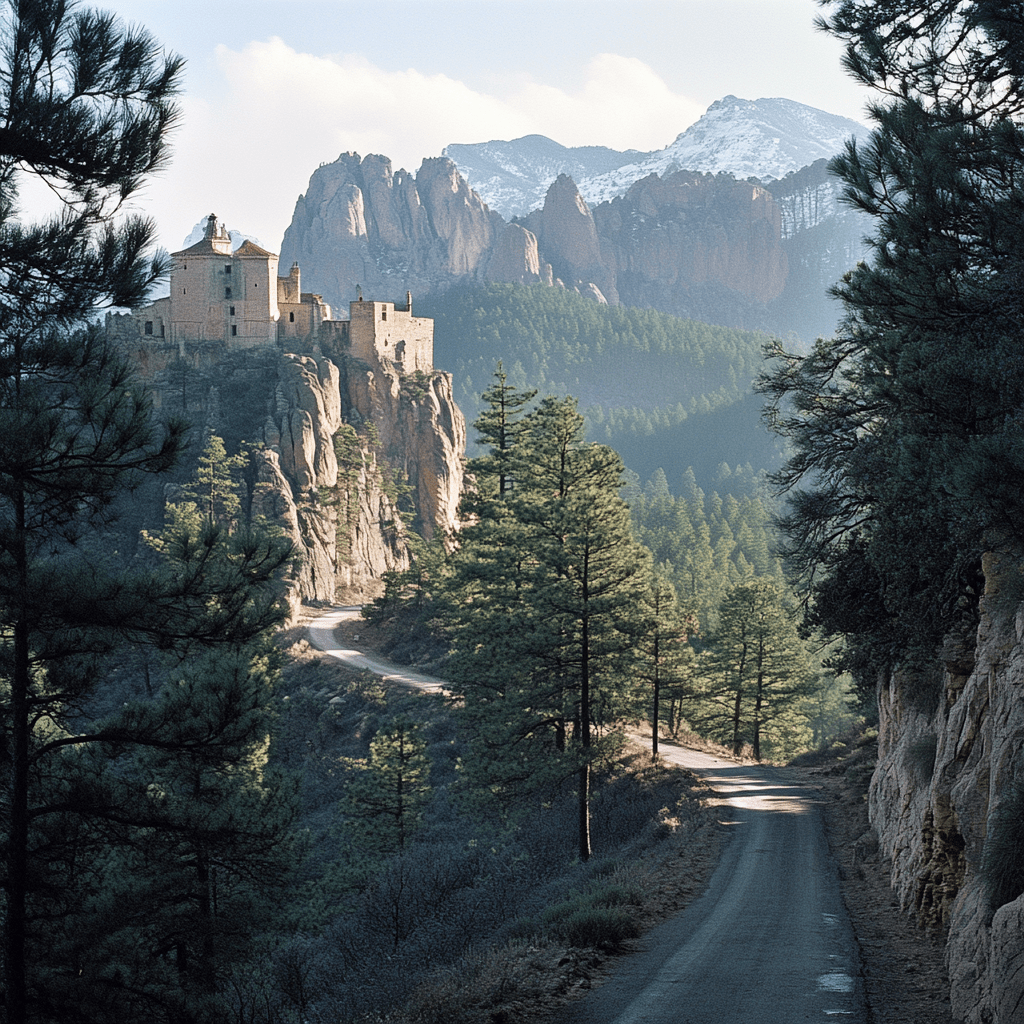
克拉拉:「我可以想像這個地方對他們來說是個強大的象徵。這不僅僅是隱居,而是一種韌性。這片景觀給人一種能夠抵禦任何東西的感覺,就像亞拉岡王國在那時所展現出的力量一樣。」
伊莎貝爾:「完全正確。而這座修道院至今仍然屹立,幾個世紀後,它依然是那種韌性的象徵。當時來這裡的國王們希望將他們的統治與某種超越他們自身的事物聯繫起來,無論是精神上還是政治上。」
(她們停下車,站在修道院的入口處,俯瞰下方的山谷。微風帶來松樹的清香,遠處的比利牛斯山峰壯麗地矗立在地平線上。)
克拉拉:「站在這裡,很難不去思考那些來這裡朝聖的人們。不僅僅是國王,還有普通人,他們冒著生命危險來到這座聖所。」
伊莎貝爾:「這正是像這樣的地方如此重要的原因。它們不僅僅是精神上的避難所,還是亞拉岡韌性的象徵。在中世紀,信仰和權力是緊密相連的,而比利牛斯山脈和這座修道院代表了兩者。」
Scene 5: Inside San Juan de la Peña Monastery
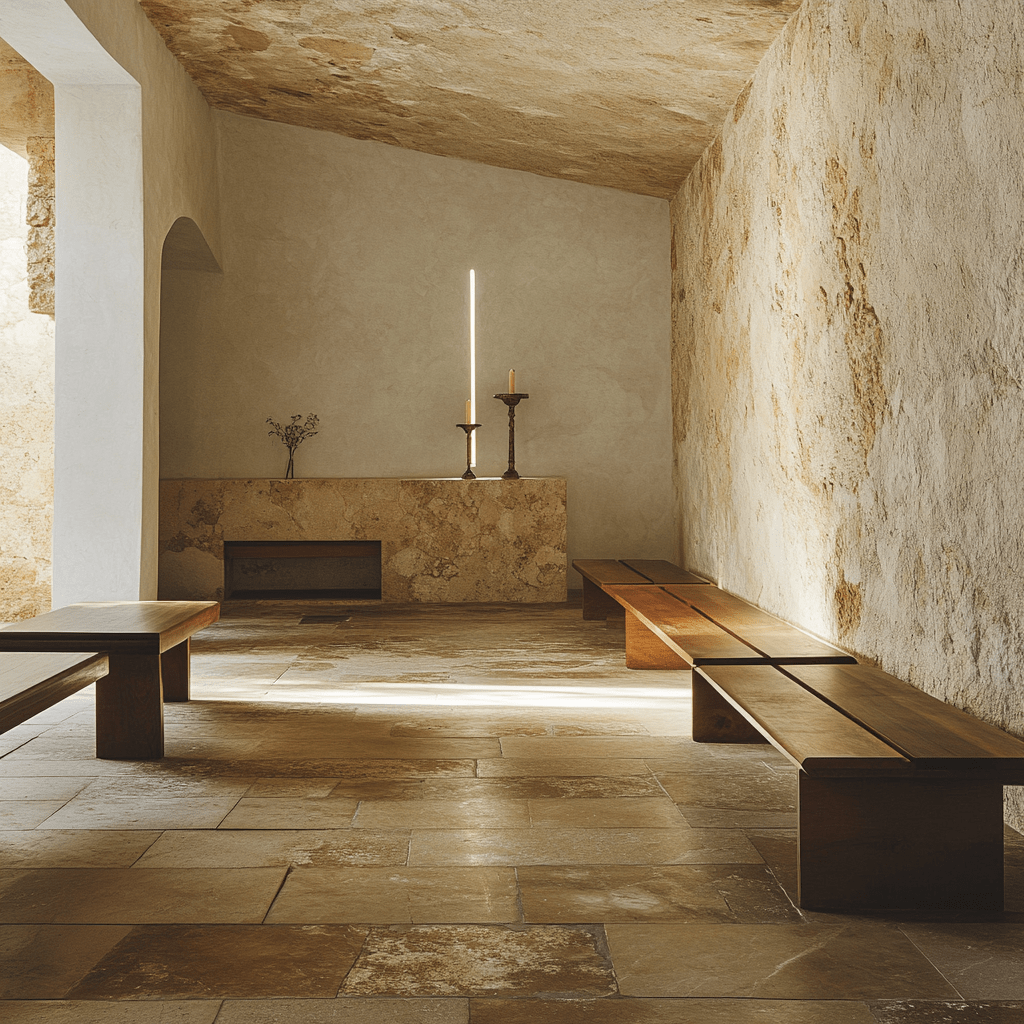
(Setting: They walk into the monastery, the stone walls bearing the marks of centuries. The faint light from small windows creates a solemn atmosphere. The air feels thick with history, as though the voices of monks and kings still echo in the halls.)

Clara: “It’s overwhelming, standing inside these walls. You can feel the weight of history here—the centuries of prayers, and the kings who came to pay their respects."
Isabel: “Many of Aragón’s kings are buried here. San Juan de la Peña was once the royal pantheon of Aragón. For those kings, this wasn’t just a resting place; it was a way to link their legacy to something eternal. Being buried here symbolized their place in both history and eternity."
Clara: “I wonder what it must have felt like for the kings, knowing this would be their final resting place. Surrounded by such a powerful landscape, it must have given them a sense of peace."
Isabel: “Certainly. And it wasn’t just about seeking peace; it was also a political statement. By being buried in such a significant religious site, they were aligning their rule with the authority of the church, showing that their kingdom was blessed by God."
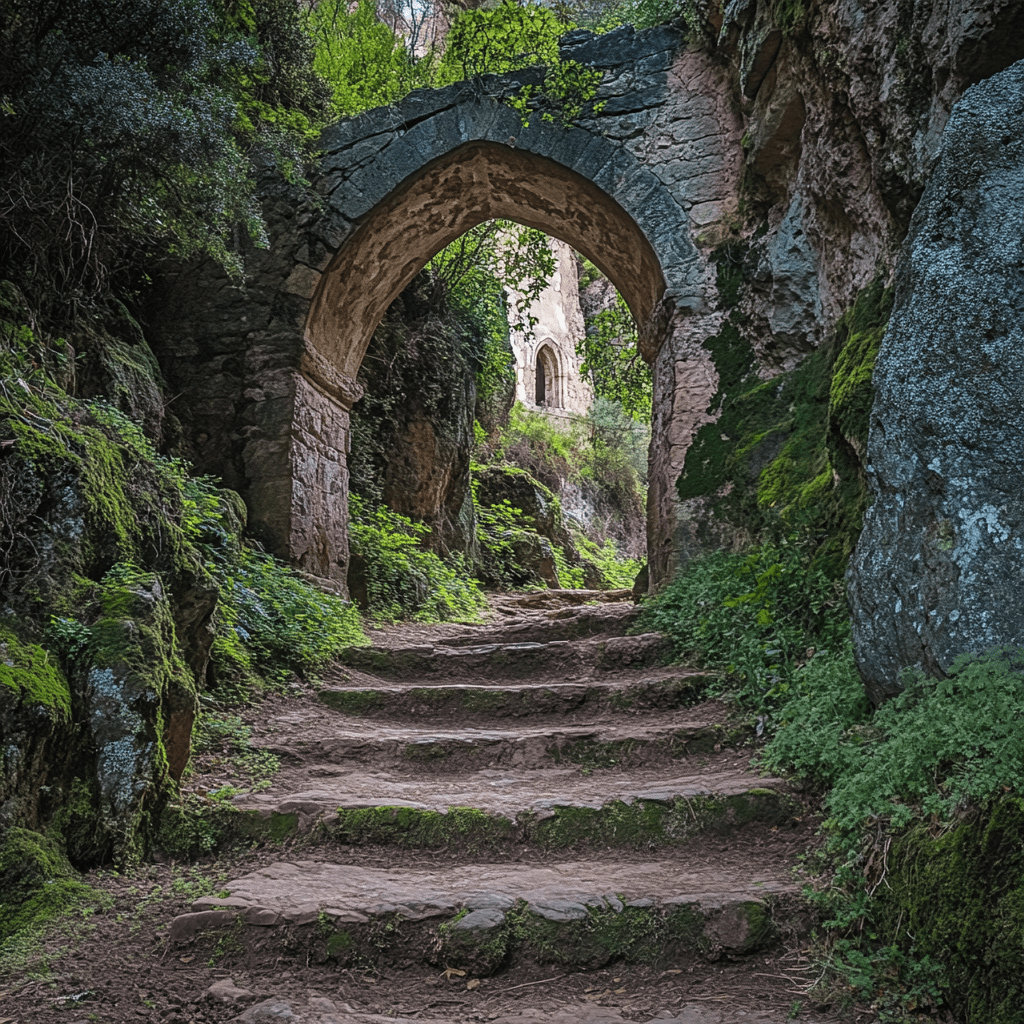
(They approach an ancient stone sarcophagus, intricately carved with symbols, as if telling the story of the one entombed within.)
Clara: “This sarcophagus… it’s beautiful, but also very simple. I wonder if that was intentional—a reminder that even kings return to the earth."
Isabel: “Perhaps. The simplicity reflects Christian values of humility. But at the same time, it’s a symbol of power. Being laid to rest here was a way of saying they were chosen by God to lead. The kings of Aragón didn’t just rule by force—they ruled with divine authority."

場景 5:進入聖胡安德拉佩尼亞修道院
(背景:她們走進修道院,石牆上刻著數世紀的痕跡,微弱的光線透過小窗戶照射進來,營造出莊嚴的氛圍。空氣中瀰漫著歷史的厚重感,彷彿僧侶和國王的聲音依然迴響在這裡。)

克拉拉:「站在這些牆內,感覺真是壓倒性的。你能感受到歷史的重量,幾個世紀的祈禱,還有那些前來祭奠的國王。」
伊莎貝爾:「這裡確實埋葬了許多亞拉岡的國王。聖胡安德拉佩尼亞曾是亞拉岡的皇家陵墓。對於那些國王來說,這不僅僅是一個安息之地,還是一種將他們的遺產與永恆聯繫在一起的方式。被葬在這裡,象徵著他們在歷史和永恆中占有一席之地。」
克拉拉:「我在想,這些國王來到這裡時會有什麼樣的心情——知道這裡將是他們最後的歸宿。被這片強大的景觀環繞,一定讓他們感到某種平靜。」
伊莎貝爾:「當然。而且這不僅僅是尋求內心的平靜,它也是一種政治聲明。葬在這樣一個具有重大宗教意義的地方,他們的統治與教會的權威聯繫在一起,表明他們的王國是被上帝祝福的。」
(她們走到一個古老的石棺前,石棺上刻著精美的花紋和符號,彷彿在述說著那位被埋葬者的故事。)
克拉拉:「這個石棺……它很美,但也非常簡樸。我在想,這是不是刻意的——提醒人們,即使是國王也最終要歸於塵土。」
伊莎貝爾:「也許吧。這種簡樸反映了基督教強調謙卑的價值觀。但同時,這也是一種權力的象徵。葬在這裡,等於是在說他們是被上帝選中的統治者。亞拉岡的國王不僅僅依靠武力統治——他們的統治是擁有神聖權威的。」
Scene 6: Reflecting on Aragón’s Legacy
(Setting: They stand on the monastery’s overlook, gazing out at the vast valley below. The sun begins to set, casting a golden hue over the mountains. The silence of the landscape is profound, as though the earth itself remembers the kingdom that once ruled here.)
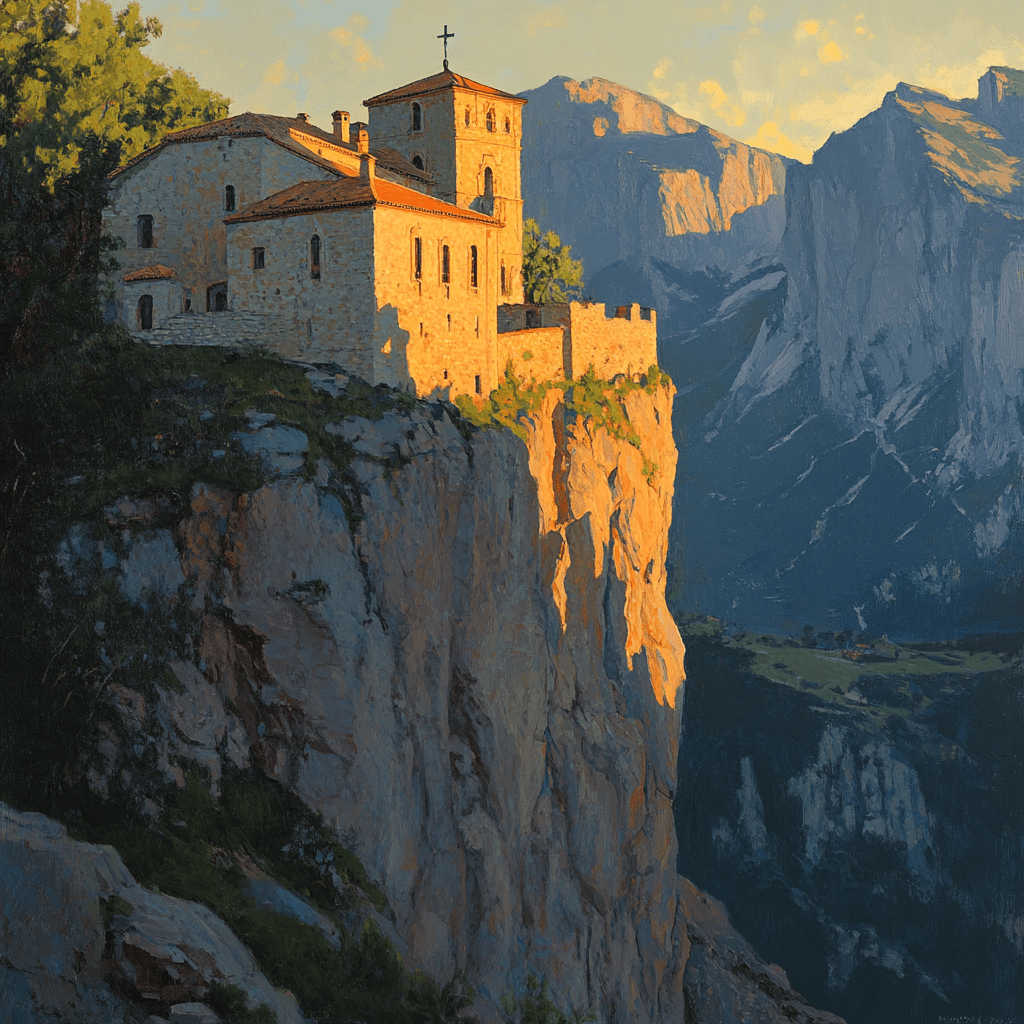
Clara: “It’s strange to think that such a powerful kingdom is now just part of history. But standing here, I can see why it endured for so long. This landscape, this connection to the land—it’s something timeless."
Isabel: “Exactly. And Aragón’s legacy is still felt today, not just in the monuments and buildings, but in the culture and the people. Even after it was absorbed into Spain, the spirit of Aragón—the strength of its kings and the resilience of its people—remained."
Clara: “It’s like these mountains. They might not be the center of attention anymore, but they’ve always been here, standing quietly and strong."
Isabel: “Yes, just like Aragón. And just like this monastery. It’s a reminder that even after the heights of power have passed, the land and the history endure."
場景 6:反思亞拉岡的遺產
(背景:她們站在修道院的瞭望台上,俯瞰著廣闊的山谷。夕陽開始西沉,為山脈披上了一層金色的光芒。周圍的寂靜讓人感受到這片大地的深邃,彷彿大地本身也記住了曾經統治這裡的王國。)
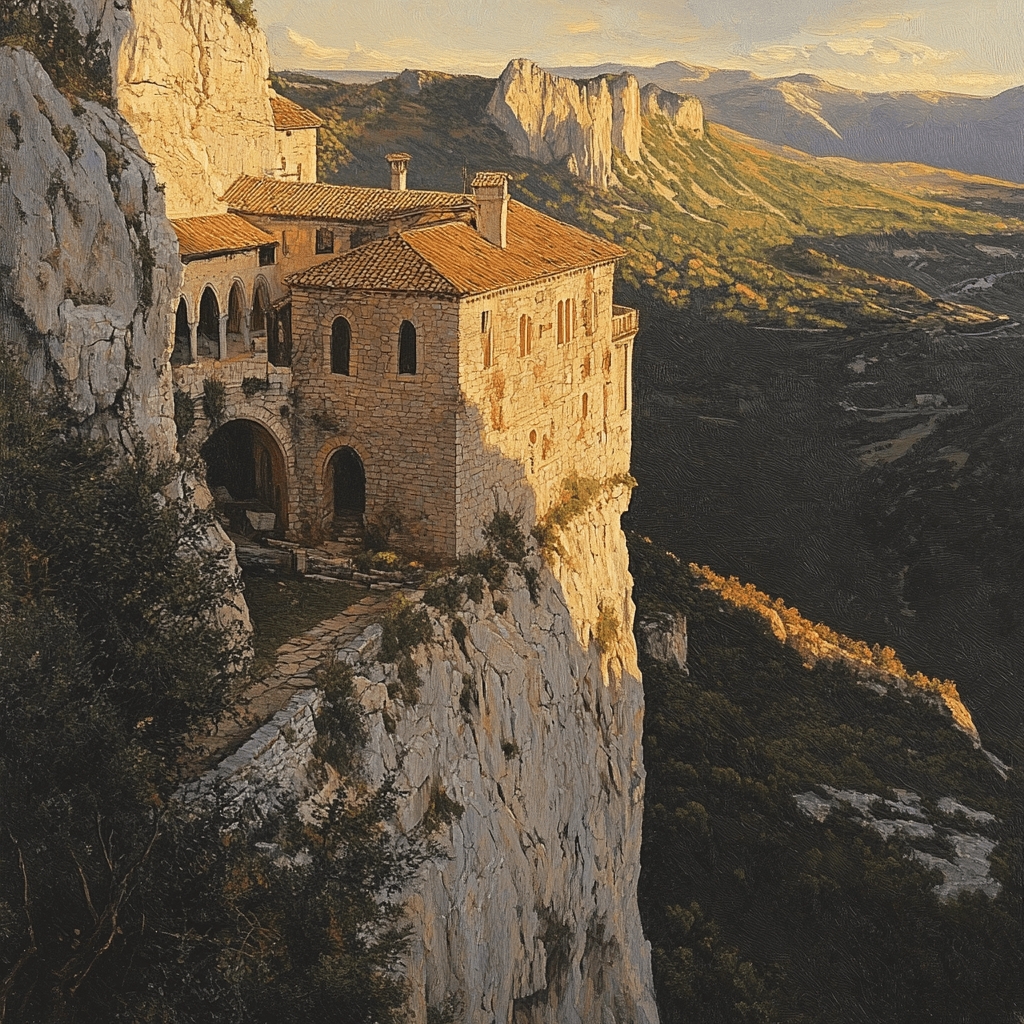
克拉拉:「想到這個曾經如此強大的王國,如今已經成為歷史的一部分,這真是奇怪的感覺。但站在這裡,我明白為什麼它能持續那麼久。這片景觀,這種與大地的聯繫——這是一種永恆的東西。」
伊莎貝爾:「沒錯。亞拉岡的遺產至今依然存在,不僅僅是在這些遺跡和建築中,還存在於這片土地上的文化和人民中。即使在被併入西班牙後,亞拉岡的精神——國王的力量和人民的韌性——依然保留著。」
克拉拉:「就像這些山脈一樣。它們可能不再是人們關注的焦點,但它們一直在這裡,默默地屹立著。」
伊莎貝爾:「是的,就像亞拉岡。就像這座修道院一樣,它提醒我們,即使權力的高峰過去,大地和歷史依然存在。」

 Virtual Travel | 虛擬旅行沉浸式英語學習
發表留言