
Scene 1: In the Pyrenees Mountains, discussing the historical interactions between locals and neighboring France
Clara: “Standing here, looking at the mountains stretching into the distance, I wonder how much interaction there was between the people on this side of the Pyrenees and those across the border in France."
Isabel: “It’s fascinating to think about, isn’t it? Despite the rugged landscape, these mountains were never an absolute barrier. In fact, the Pyrenees have historically been more of a crossroads than a divider. The people here, whether in Aragón or in the French regions of Occitania, shared many cultural and economic exchanges."
Clara: “So, there was regular movement between the two sides?"
Isabel: “Absolutely. Even in medieval times, the local populations would cross the mountains for trade, festivals, and even family ties. The Basque people, for example, lived on both sides of the Pyrenees, and they didn’t see the mountains as a border the way we do today."
Clara: “Were there any significant ethnic or cultural exchanges between them? Or did they maintain their distinct identities?"
Isabel: “There was definitely a blending of cultures. The Basques and the Occitans, for instance, shared linguistic and cultural similarities despite living in different political entities. You also had a lot of intermarriage between local families on both sides of the border, and even similar traditions in farming, herding, and local governance."
Clara: “That’s interesting, especially considering that both sides were under different crowns—Aragón on this side and France on the other."
Isabel: “Yes, politically they were different, but the mountains fostered a unique kind of independence. Local lords and villagers often had more in common with their neighbors across the border than with the distant monarchs ruling over them. Even during periods of tension between France and Aragón, there was a lot of cooperation between people living in the Pyrenees."
(They continue walking along a narrow mountain path, the peaks rising around them, with the valley below showing signs of ancient settlements.)

Clara: “It must have been a strange balance—loyalty to their kingdoms, but also this shared life in the mountains."
Isabel: “Exactly. And don’t forget the smugglers! The Pyrenees were notorious for smuggling, especially during times of war or economic hardship. People would sneak goods back and forth across the mountains, avoiding taxes and trade restrictions."
Clara: “I can imagine. These mountains probably saw a lot of secret exchanges, especially when governments tried to tighten control over trade."
Isabel: “And during times of war, such as the Napoleonic Wars or the Spanish Civil War, the mountains were used by resistance groups and refugees to cross into France. The Pyrenees were a lifeline for those seeking safety or fighting against oppressive regimes."
Clara: “So, despite the political borders, these mountains were always a place of exchange—of goods, culture, even people?"
Isabel: “Yes. While the political lines were there, the people here lived in a world that was much more fluid. They were connected by the mountains rather than divided by them."
場景 1:在比利牛斯山中,討論當地居民與鄰近法國之間的歷史互動
克拉拉:「站在這裡,看著這些延綿不斷的山脈,我很好奇這裡的人和法國那邊的居民之間有多少互動。」
伊莎貝爾:「這確實很有趣。儘管地形險峻,但這些山脈從來不是絕對的屏障。事實上,比利牛斯山一直更像是交匯點,而非分界線。無論是在亞拉岡還是法國的奧克西塔尼亞地區,當地人都進行了許多文化和經濟上的交流。」
克拉拉:「所以,雙方之間有定期的往來嗎?」
伊莎貝爾:「絕對有。即使在中世紀,當地居民也會越過山脈進行貿易、參加節慶,甚至有家庭聯姻。例如,巴斯克人生活在比利牛斯山的兩側,他們不像我們今天那樣將這些山脈視為國界。」
克拉拉:「雙方之間有顯著的種族或文化交流嗎?還是他們保持各自的身份認同?」
伊莎貝爾:「當然有文化交融。例如,巴斯克人和奧克西塔尼亞人,儘管屬於不同的政治實體,但在語言和文化上有很多相似之處。你還會看到許多雙方家庭的聯姻,甚至在農業、放牧和地方治理上,雙方也有相似的傳統。」
克拉拉:「這很有趣,尤其是考慮到這兩邊分別屬於不同的王國——這邊是亞拉岡,那邊是法國。」
伊莎貝爾:「是的,政治上他們屬於不同的國家,但山脈創造了一種獨特的獨立性。當地的領主和村民往往與跨界的鄰居有更多的共同點,而不是與遙遠的君王。即使在法國和亞拉岡之間有緊張局勢的時候,居住在比利牛斯山的人們仍然有很多合作。」
(她們沿著一條狹窄的山路繼續走,群山環繞著她們,山谷中隱約可見古老的定居點。)

克拉拉:「這種平衡一定很奇妙——忠於各自的王國,但同時在山裡有著共享的生活。」
伊莎貝爾:「完全正確。還有走私者!比利牛斯山歷來以走私聞名,尤其是在戰爭或經濟困難時期。當地人會偷偷將貨物跨越山脈,避開稅收和貿易限制。」
克拉拉:「我能想像,當政府試圖加強對貿易的控制時,這些山脈一定見證了許多秘密交易。」
伊莎貝爾:「而在戰爭期間,比如拿破崙戰爭或西班牙內戰時期,這些山脈被抵抗組織和難民用來逃往法國。對於那些尋求安全或反抗壓迫政權的人來說,比利牛斯山是他們的生命線。」
克拉拉:「所以,儘管有政治邊界,這些山脈一直是交流的場所——無論是商品、文化,還是人?」
伊莎貝爾:「是的。雖然政治上的邊界存在,但生活在這裡的人們的世界要靈活得多。對他們來說,這些山脈更多的是連接,而不是分隔。」
Scene 2: In the Pyrenees, discussing life in the mountains during winter
Clara: “I can’t imagine what it must be like to live up here in the winter. These mountains are beautiful, but they must be harsh during the colder months."
Isabel: “Yes, winters here are challenging, to say the least. The snow can pile up, and the roads often become impassable. But the people who live in these villages have adapted to this environment for centuries. They have developed a way of life that revolves around the rhythms of the seasons."

Clara: “I suppose they have to be incredibly self-sufficient during the winter months. What do they do to prepare for it?"
Isabel: “Exactly. Most families prepare well in advance for the long winters. They stockpile food, firewood, and other essentials before the snow sets in. Many of them keep livestock, and that becomes a central part of winter life—caring for the animals and using what they provide, like milk, cheese, and meat, to sustain themselves."
Clara: “It sounds like winter is a time of isolation. How do people manage to stay connected when they’re so cut off from the outside world?"

Isabel: “It can feel isolated, but winter also brings the community together in unique ways. Families and neighbors rely on each other more during these months. They help one another clear paths, share resources, and even come together for traditional winter festivals and gatherings. These celebrations are a way to pass the time and maintain a sense of community during the harshest months."
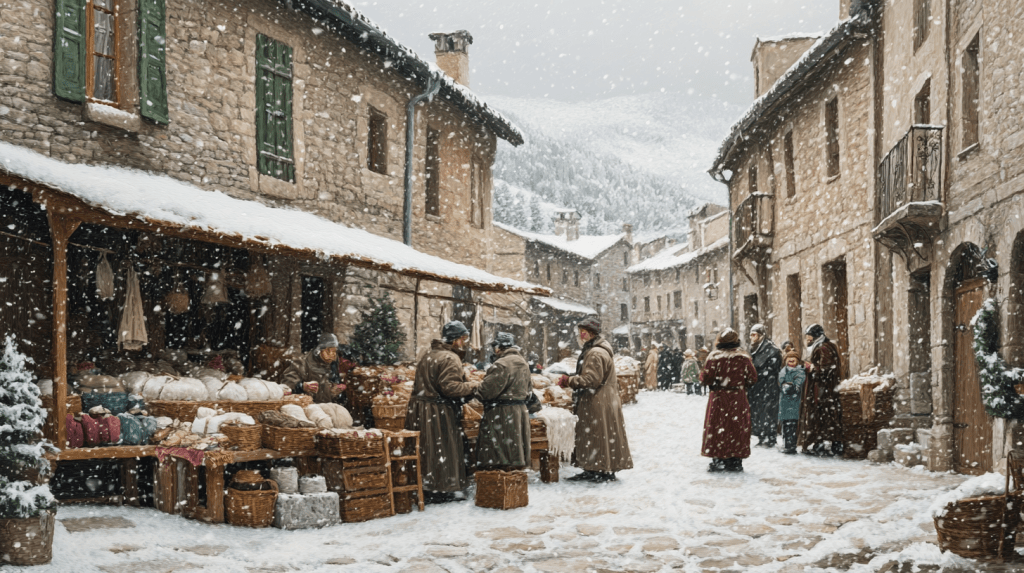
(As they walk, they pass a small village nestled in the valley. The houses are made of thick stone, with steep roofs designed to withstand heavy snow. Smoke rises from chimneys, a sign that families are gathered inside around their fireplaces.)
Clara: “I imagine the houses are built to endure the cold. Those thick stone walls must help keep the warmth in."
Isabel: “Yes, the architecture here is very practical. The thick walls and small windows are designed to retain heat, and the steep roofs make sure the snow doesn’t pile up too heavily. Inside, they rely on large fireplaces to keep the homes warm. Often, the animals are kept in stables attached to the house, not just for convenience but also to help heat the living space."
Clara: “That’s clever. I hadn’t thought about how the animals could provide warmth."
Isabel: “It’s a form of efficiency that developed over centuries. Every resource is used wisely because winter is long, and survival depends on making the most of what you have. Even the way they dress reflects that—they wear layers of wool and heavy cloaks to protect themselves from the biting cold."
Clara: “What about food? I assume there’s not much fresh produce available during the winter."
Isabel: “Right, fresh vegetables are hard to come by. Instead, they rely on preserved foods—dried meats, cured hams, cheeses, and pickled vegetables. They also make use of root vegetables that store well, like potatoes and turnips. Bread is a staple, and they often bake it in large batches to last through the week."
(They stop at the edge of the village, where they can see the snow-capped peaks looming in the distance. The sky is a brilliant blue, but the cold is biting.)
Clara: “It sounds tough, but also like a way of life that brings people closer together. There’s something timeless about it."
Isabel: “That’s true. Life here may be difficult in the winter, but it’s also deeply connected to the land and to the community. The challenges bring people together, and there’s a strong sense of tradition and resilience that has been passed down through generations."
場景 2:在比利牛斯山脈中,討論當地居民在冬季高山中的生活
克拉拉:「我無法想像冬天住在這裡是什麼樣子。這些山脈很美,但在寒冷的月份裡,這裡一定非常嚴酷。」
伊莎貝爾:「是的,這裡的冬天非常具有挑戰性。積雪會變得非常厚,道路經常變得無法通行。但是住在這些村莊裡的人們幾個世紀以來已經適應了這種環境。他們的生活方式隨著季節的變化而調整。」

克拉拉:「我猜在冬天的時候他們必須非常自給自足。他們如何為冬天做準備呢?」
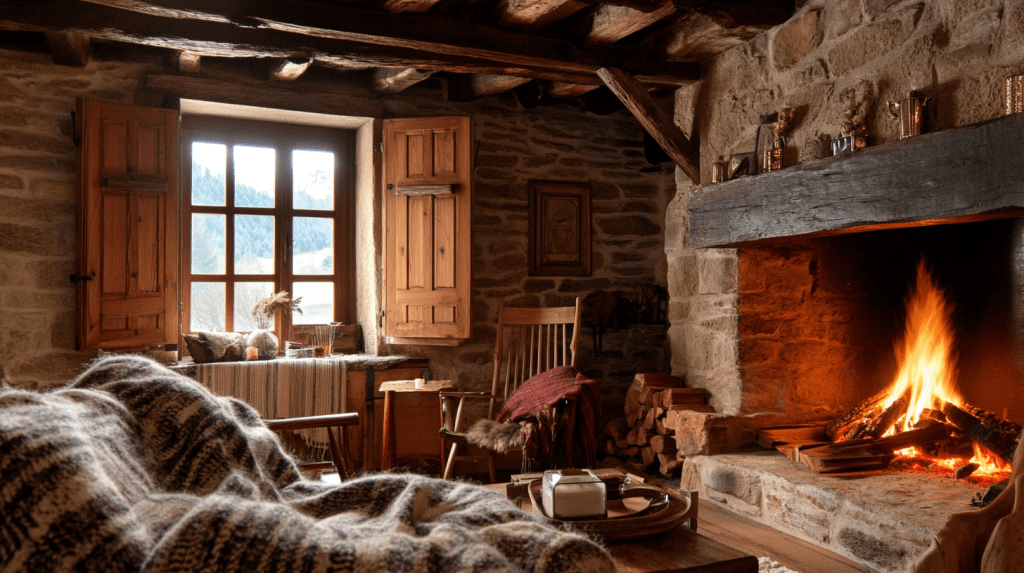
伊莎貝爾:「沒錯。大多數家庭會提前為漫長的冬季做準備。他們會囤積食物、柴火和其他必需品,以應對大雪來臨。他們許多人飼養牲畜,而這成為冬季生活的核心——照顧動物,並利用牲畜提供的牛奶、奶酪和肉來維持生計。」
克拉拉:「聽起來冬天是一個孤立的時期。當他們被外界隔絕時,人們如何保持聯繫?」
伊莎貝爾:「感覺上是孤立的,但冬天也讓社區以一種獨特的方式團結起來。這些月裡,家庭和鄰居會更加依賴彼此。他們會一起幫忙清理道路、分享資源,甚至舉行傳統的冬季節慶和聚會。這些慶典是打發時間並在寒冬中保持社區感的一種方式。」

(她們繼續行走,經過一個位於山谷中的小村莊。房子由厚厚的石牆建成,屋頂陡峭,以應對大雪的壓力。煙囪裡冒出煙霧,顯示家人們正在爐火旁聚集。)
克拉拉:「我猜這些房子是為了耐寒而建造的。那些厚厚的石牆一定有助於保持溫暖。」
伊莎貝爾:「是的,這裡的建築非常實用。厚牆和小窗戶的設計是為了保持熱量,而陡峭的屋頂則可以防止積雪過多。室內他們依靠大型壁爐來加熱房間。通常,牲畜被養在與住宅相連的馬廄裡,這樣不僅方便,還能幫助加熱居住空間。」
克拉拉:「這真聰明。我沒想到動物也能提供溫暖。」
伊莎貝爾:「這是伊莎貝爾:「這是幾個世紀以來發展出來的高效生活方式。每一種資源都被明智地利用,因為冬天漫長,生存依賴於最大限度地利用你所擁有的一切。即使是他們穿的衣物也反映了這一點——他們會穿多層的羊毛衣物和厚重的披風,以抵禦刺骨的寒冷。」
克拉拉:「那麼食物呢?我猜冬天很難獲得新鮮的蔬菜吧?」
伊莎貝爾:「沒錯,冬季幾乎沒有新鮮蔬菜可用。他們主要依賴保存的食物,比如風乾的肉、醃製的火腿、奶酪和醃漬蔬菜。他們還會利用儲藏良好的根類蔬菜,比如馬鈴薯和蘿蔔。麵包是日常食物之一,他們通常會一次烤出一週的量。」
(她們停在村莊的邊緣,遠處可以看到積雪覆蓋的山峰。天氣晴朗,天空湛藍,但寒風依舊刺骨。)
克拉拉:「聽起來生活雖然艱難,但這種生活方式似乎能讓人們更加緊密地聯繫在一起。有種時間流逝緩慢的感覺。」
伊莎貝爾:「確實如此。這裡的生活在冬天可能很困難,但它與土地和社區有著深刻的聯繫。冬季的挑戰讓人們彼此依賴,而這種傳統和韌性代代相傳,成為了當地文化的一部分。」
Scene 3: Discussing Winter Festivals in the Pyrenees
Clara: “You mentioned earlier that despite the isolation, winter brings people together. What kind of festivals or celebrations do they have in the mountains during this time?"
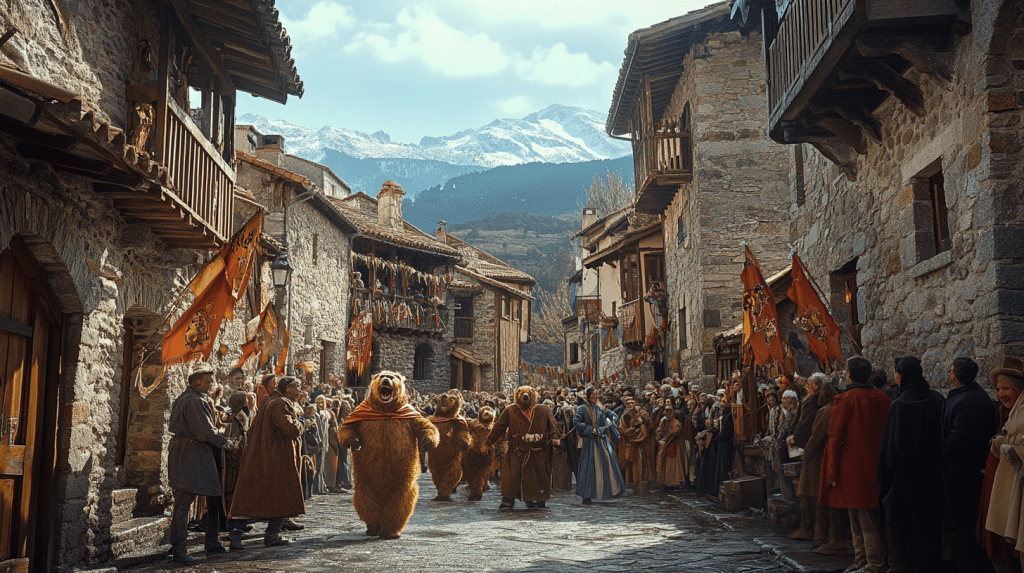
Isabel: “Winter in the Pyrenees is a time for reflection and gathering, but it’s also a time for celebration. Many of the local festivals have deep roots in both Christian and pre-Christian traditions. One of the most significant is the ‘Fête de l’Ours’ or the Bear Festival, which takes place in the villages on both sides of the Pyrenees, particularly in France, but with echoes in Spanish villages too."

Clara: “The Bear Festival? That sounds interesting. What’s the story behind it?"
Isabel: “The Bear Festival symbolizes the awakening of the bear from hibernation, representing the return of the light and the renewal of life as winter begins to retreat. People dress up as bears, chasing villagers in playful reenactments, symbolizing the struggle between nature and man, winter and spring. It’s a lively, sometimes chaotic festival, with music, dancing, and a lot of humor. The festival usually ends with the ‘bear’ being tamed, symbolizing the end of winter’s grip."

Clara: “I love that! It sounds like such a fun way to welcome the coming of spring, but with a deeper connection to nature and the cycles of the seasons."
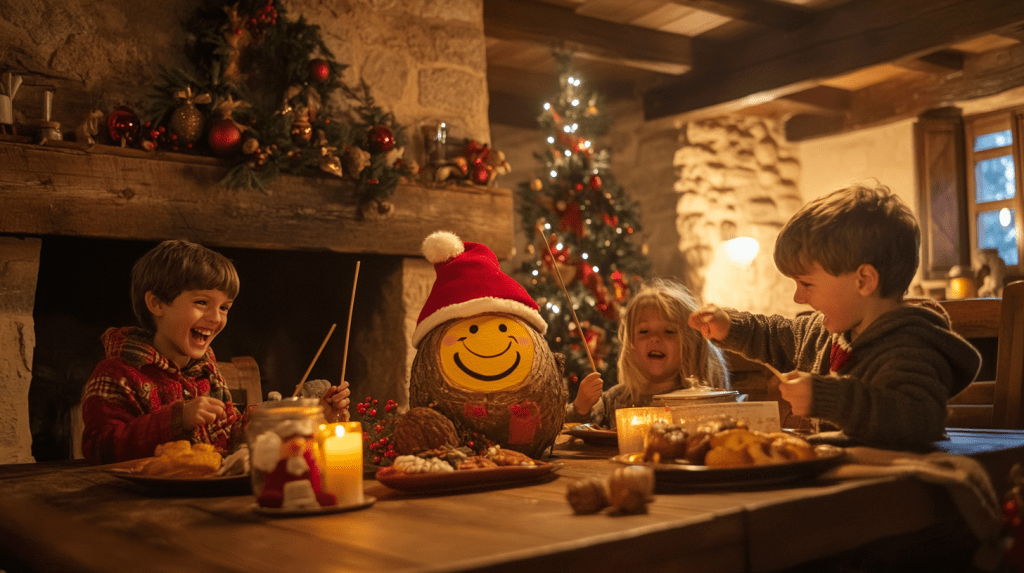
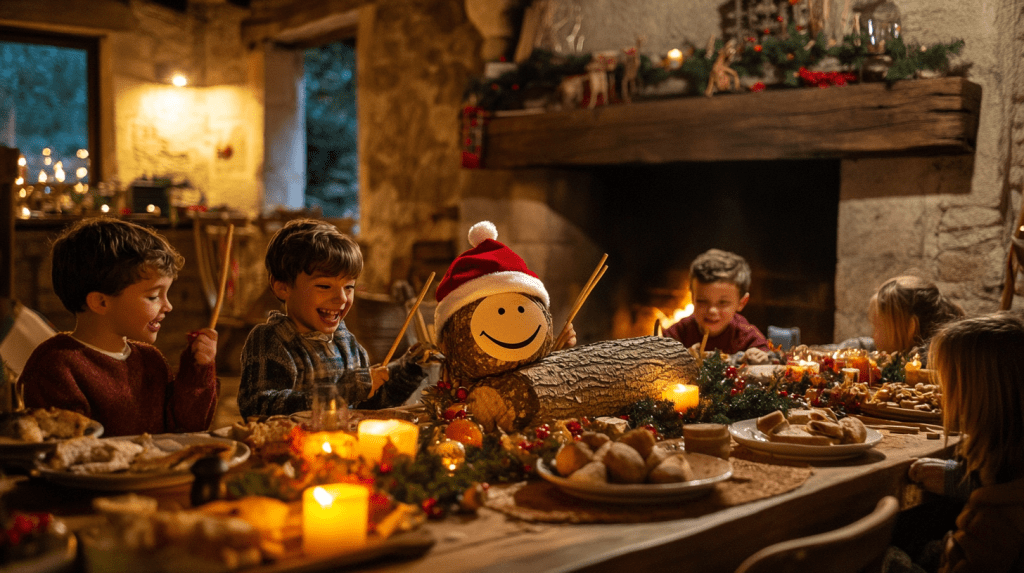
Isabel: “Exactly. It’s a very communal celebration. And then there’s the Christmas season, of course, which is also a big part of winter life here. In these mountain villages, Christmas is celebrated with a mix of religious and folk traditions. For example, in some areas, they have the ‘Caga Tió,’ which is a log decorated with a smiling face. Children take care of it in the days leading up to Christmas, and on Christmas Eve, they ‘feed’ it before beating it with sticks to make it ‘poop’ presents—basically sweets and small gifts."
Clara: “That sounds like a mix of fun and bizarre! But it really shows how these communities hold onto their traditions."
Isabel: “Yes, and each village has its own variation of these customs. Another interesting celebration is ‘Tres Tombs,’ which takes place around January. It’s a festival that honors Saint Anthony, the patron saint of animals. In these mountain villages, animals like horses and donkeys are blessed during the festival, and there’s often a procession where they’re decorated with flowers and ribbons."
Clara: “It makes sense that animals would play such an important role in the festivals, considering how central they are to mountain life."
Isabel: “Exactly. The connection between the people, their animals, and the land is always reflected in these celebrations. There’s also ‘Carnaval,’ which takes place just before Lent. In the Pyrenees, the Carnaval is often a mix of Catholic tradition and pre-Christian customs. People wear masks and elaborate costumes, often with themes related to nature, and there’s usually a symbolic burning of a figure that represents winter, to make way for the coming spring."
Clara: “These festivals seem like such a vibrant part of life here. They’re not just about fun, but about connecting people to the land, the animals, and each other."
Isabel: “That’s exactly it. In a place as isolated as these mountains, especially in winter, these festivals are a way to break the monotony, to bring joy, and to remind people of the natural cycles that shape their lives. They celebrate survival, resilience, and the promise of renewal."

場景 3:討論比利牛斯山中的冬季慶典
克拉拉:「你剛才提到,儘管生活孤立,但冬天卻讓人們團結起來。他們在冬天會舉行什麼樣的慶典呢?」
伊莎貝爾:「比利牛斯的冬天是沉思和聚會的時刻,但也是慶祝的時刻。許多當地的慶典有著基督教和前基督教傳統的深厚根源。其中一個最重要的節日是‘熊節’(Fête de l’Ours),這個節日在比利牛斯山兩側的村莊舉行,尤其是在法國一側,但西班牙的村莊也有類似的活動。」

克拉拉:「熊節?聽起來很有趣,這背後的故事是什麼?」
伊莎貝爾:「熊節象徵著熊從冬眠中醒來,代表光明的回歸和生命的重生,隨著冬天逐漸退去。人們會打扮成熊,追逐村民,這是一場象徵自然與人類、冬天與春天鬥爭的戲劇化表演。這是一個充滿活力、偶爾有些混亂的節日,有音樂、舞蹈和許多幽默。節日通常以‘馴服’熊結束,象徵著冬天的結束。」
克拉拉:「我很喜歡這個!聽起來是一種迎接春天的有趣方式,但也與自然和季節的循環有著深刻的聯繫。」
伊莎貝爾:「正是如此。這是一個非常社群化的慶祝活動。當然,還有聖誕節,這也是冬季生活中重要的一部分。在這些山村中,聖誕節融合了宗教和民間傳統。例如,在一些地區有‘Caga Tió’的傳統,它是一個畫著笑臉的原木。孩子們會在聖誕節前照顧它,到了聖誕夜,他們會‘餵’它,然後用棍子敲打它,使它‘排出’禮物——主要是糖果和小禮物。」
克拉拉:「聽起來既有趣又有點怪異!但這真的顯示出這些社區如何堅持他們的傳統。」
伊莎貝爾:「是的,每個村莊都有各自的變化。另一個有趣的慶典是‘Tres Tombs’,大約在一月舉行。這個節日是為了紀念聖安東尼,牠是動物的守護聖徒。在這些山村裡,馬匹和驢子等動物會在節日中接受祝福,還會有裝飾著鮮花和絲帶的動物遊行。」
克拉拉:「考慮到動物在山區生活中的重要性,牠們在慶典中扮演重要角色是很合理的。」
伊莎貝爾:「沒錯。人們、動物和土地之間的聯繫總是在這些慶典中體現出來。此外還有嘉年華(Carnaval),它通常在大齋期前舉行。在比利牛斯山,嘉年華經常是天主教傳統和前基督教習俗的結合。人們會戴上面具和精美的服飾,通常與自然有關,並且會象徵性地焚燒一個代表冬天的形象,象徵春天的到來。」

克拉拉:「這些慶典似乎是這裡生活中充滿活力的一部分。不僅僅是為了娛樂,更是為了將人們與土地、動物和彼此聯繫在一起。」
伊莎貝爾:「正是如此。在像這樣的山區,特別是在冬天,這些慶典是一種打破單調、帶來歡樂的方式,也提醒人們自然的循環如何影響他們的生活。這些慶典慶祝生存、韌性,以及春天的重生。」


 Virtual Travel | 虛擬旅行沉浸式英語學習
發表留言