
Scene 1: The Changing Landscape: From Coastal Cliffs to Mountain Valleys
Clara: “You can already feel the difference as we drive inland. The landscape is changing—those coastal cliffs are giving way to mountains, and the air feels drier."
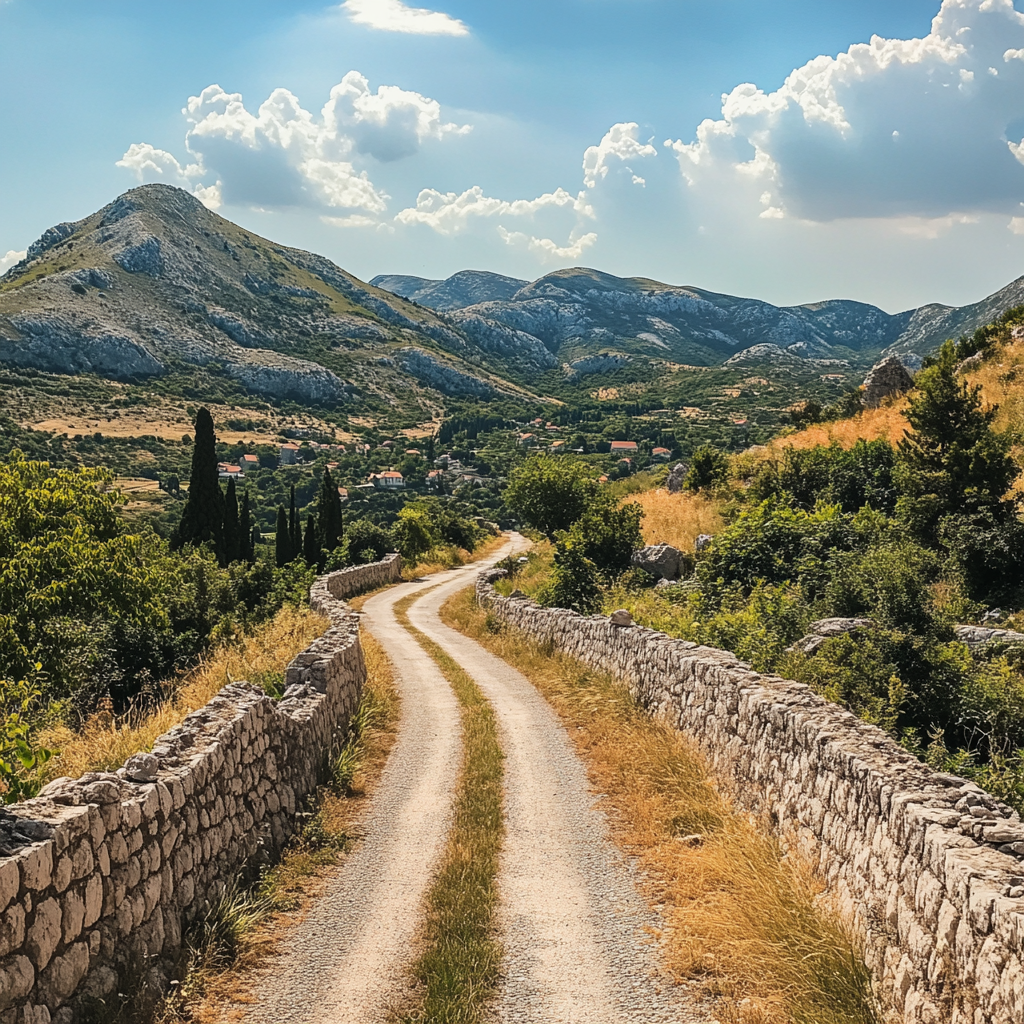
Isabel: “Yes, the further we go, the more you can see the rugged beauty of this region. This area, between the Adriatic coast and the interior of the Balkans, has always been a place where nature and history intersect. Mostar is right at the heart of that."
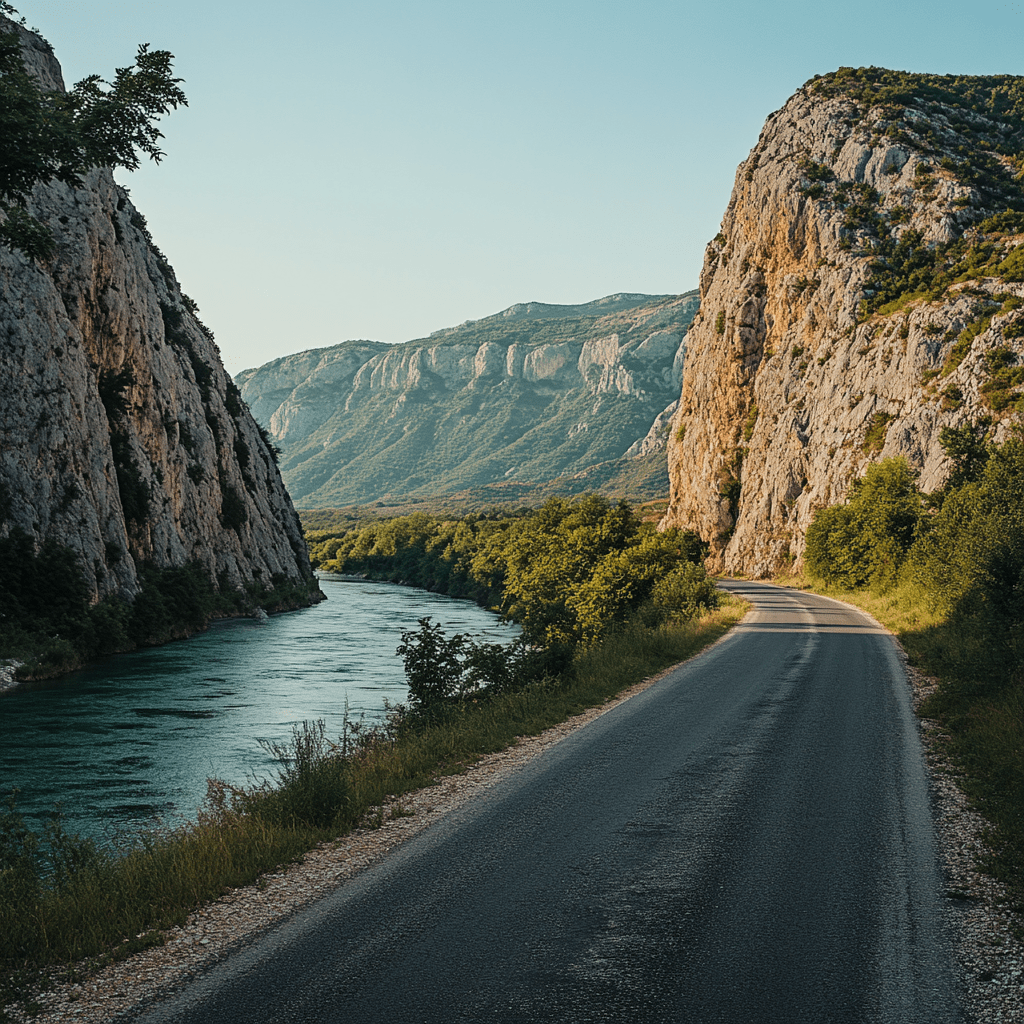
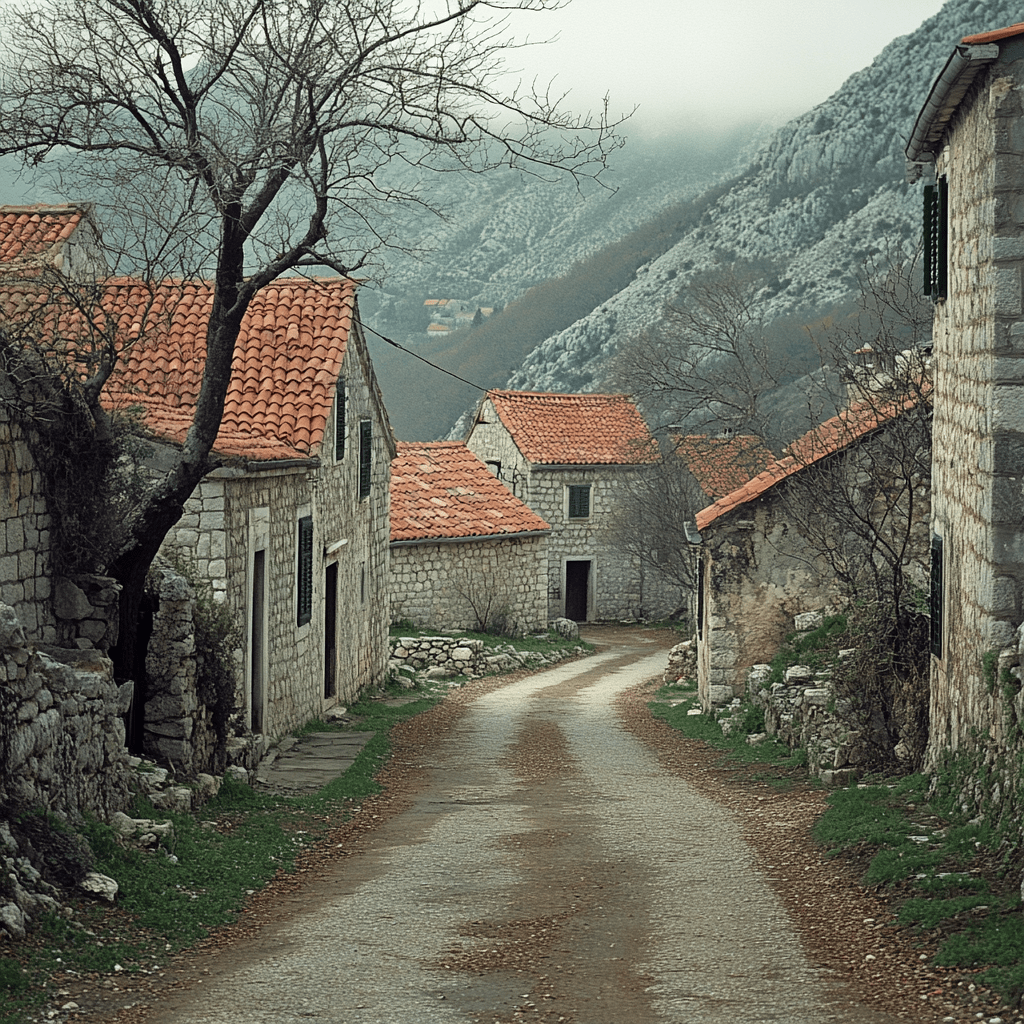
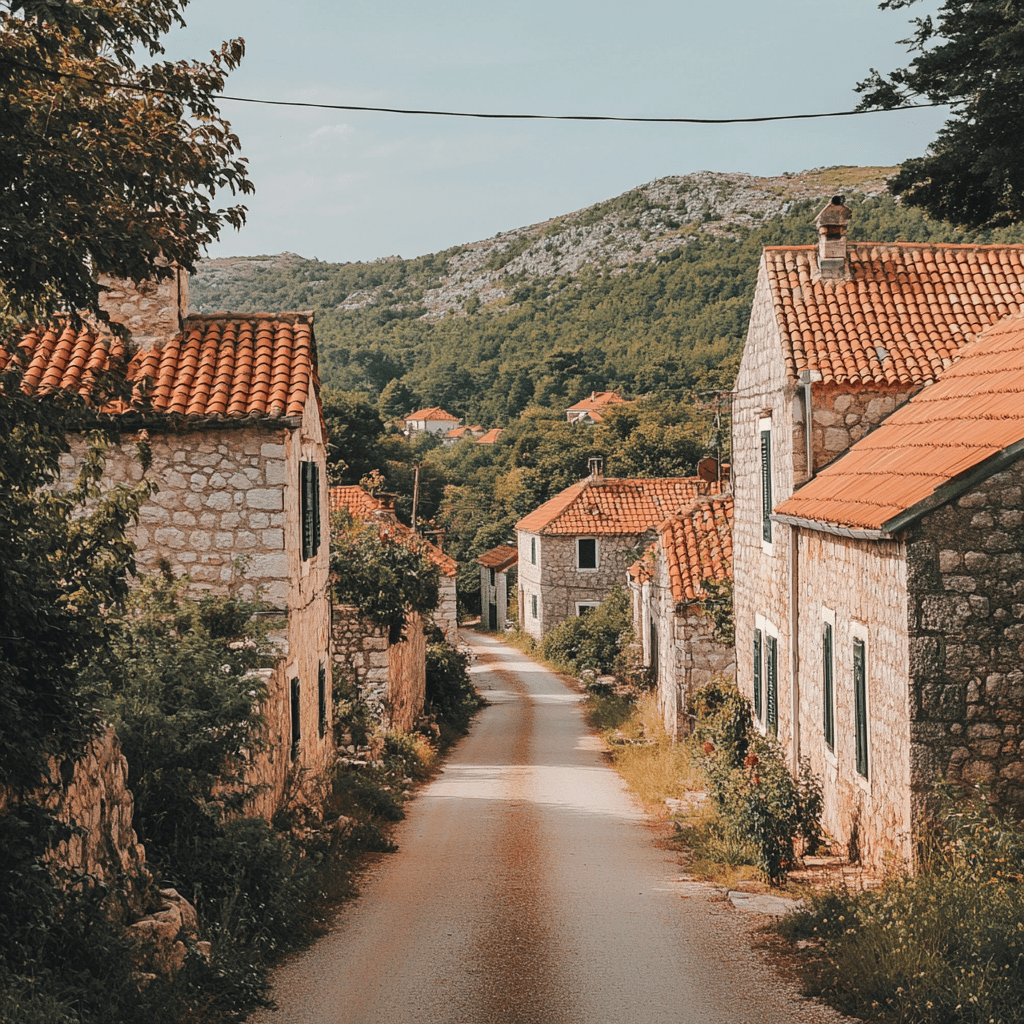
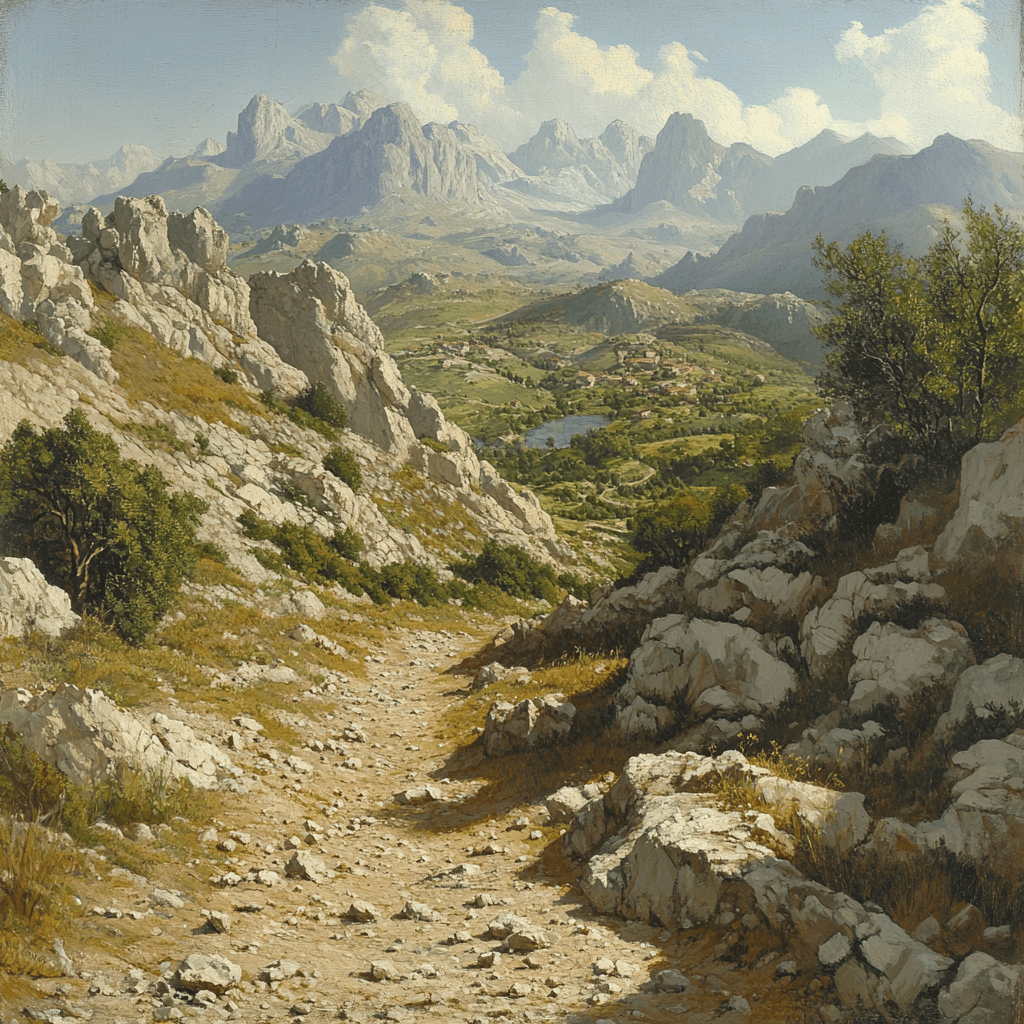
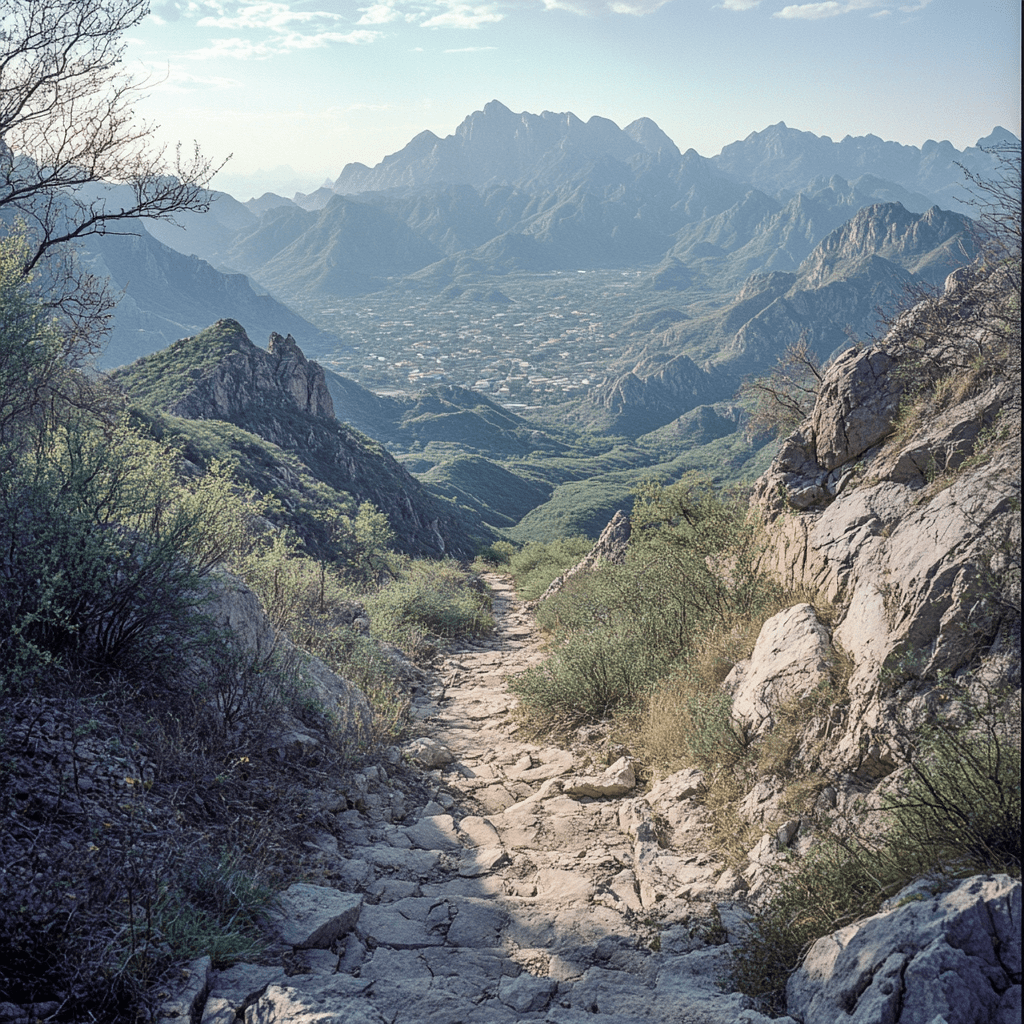
(They drive along a winding road, the Adriatic slowly disappearing in the rearview mirror as tall, imposing mountains rise up ahead. The terrain becomes more rocky, and rivers snake through the valleys below. Small villages dot the landscape, their red-tiled roofs standing out against the gray-green of the mountains.)
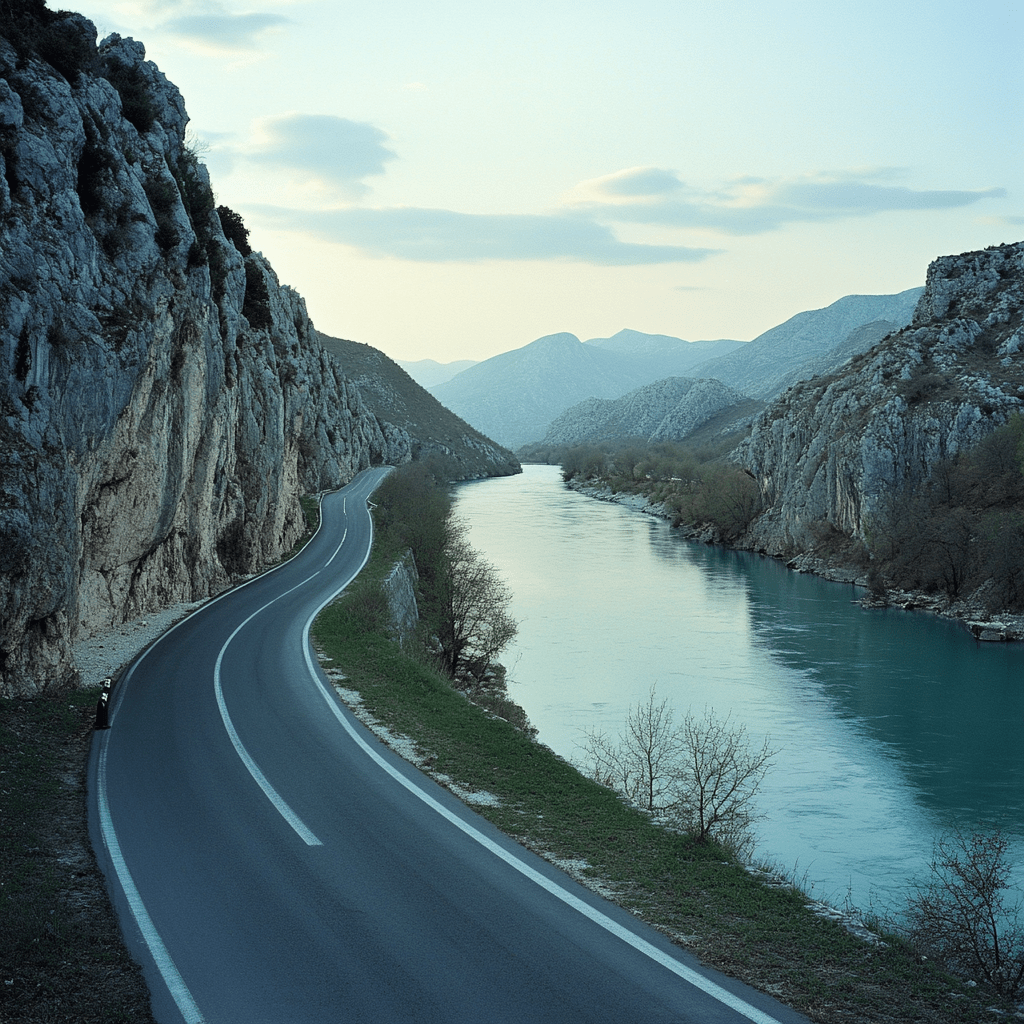
Clara: “It’s such a dramatic change from Dubrovnik. There, everything was about the sea and trade. But here, it feels more secluded, like it’s protected by the mountains."
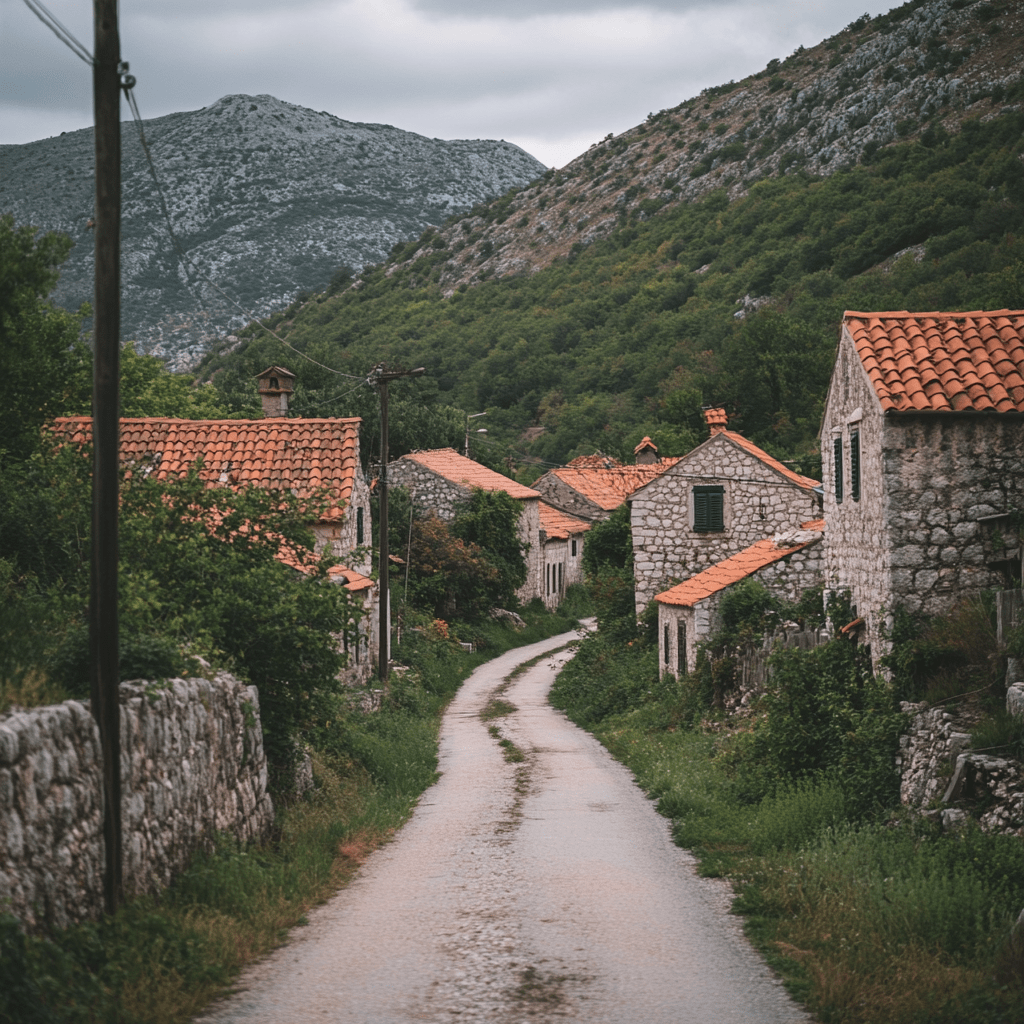
Isabel: “That’s exactly why places like Mostar were so important. This entire region was a crossroads for trade routes going from the Ottoman Empire to Western Europe, and the rivers were lifelines for transportation and commerce. But it also made them vulnerable to conflict."
Clara: “Mostar must have seen its fair share of battles then, especially during the Ottoman and Austro-Hungarian periods. It’s incredible that it managed to preserve so much of its culture and architecture despite that."
Isabel: “Yes, the Stari Most bridge itself is a symbol of that resilience. It was built in the 16th century under Ottoman rule, and for centuries it stood as a link between different cultures—Christian, Muslim, and Jewish communities all living in close proximity. When it was destroyed during the Bosnian War, it was a huge blow, but its reconstruction showed the world that those connections were still alive."
Clara: “We haven’t visited it yet, have we? I’ve seen pictures, but I imagine it must be completely different to stand there in person, knowing its history."
Isabel: “Exactly. When we see it, you’ll feel that it’s more than just a beautiful bridge. It’s a symbol of survival and unity. The people of Mostar rebuilt it not just to restore a landmark, but to show that their spirit could not be broken."
場景 1:變化的風景:從海岸懸崖到山谷之間
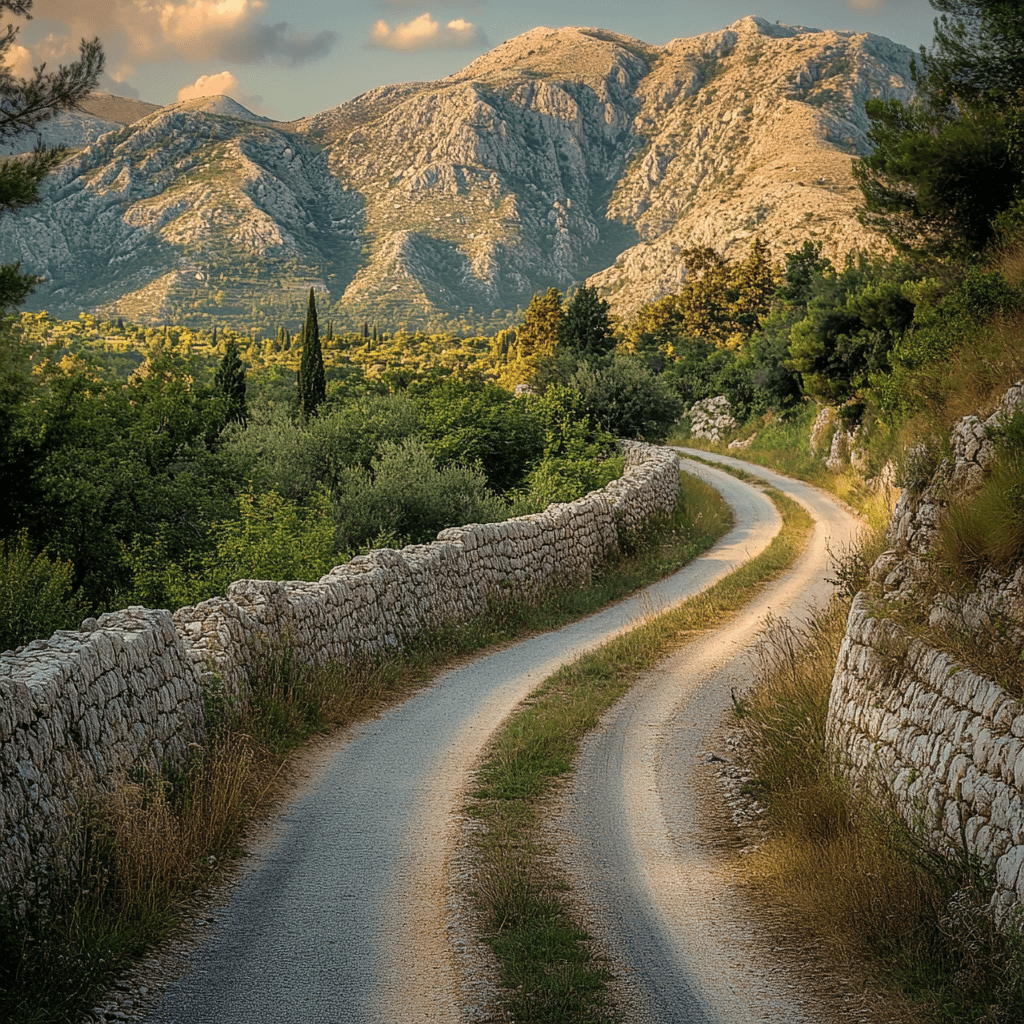
克拉拉:「我們現在往內陸走,感覺完全不一樣了。景觀在變化——那些海岸懸崖逐漸被山脈取代,空氣也變得乾燥了一些。」
伊莎貝爾:「是的,我們越往裡走,越能看到這個地區的崎嶇之美。這片地區介於亞得里亞海岸和巴爾幹半島的內陸之間,歷來都是自然與歷史交織的地方。而莫斯塔爾就位於這交織的中心。」
(她們沿著蜿蜒的道路行駛,亞得里亞海的景象逐漸消失在後視鏡中,前方是高聳的山脈。地形變得更加崎嶇,河流蜿蜒穿過山谷。小村莊點綴在山間,紅瓦屋頂在灰綠色的山脈中顯得格外顯眼。)
克拉拉:「這裡的變化真是劇烈,與杜布羅夫尼克完全不同。那裡的一切都圍繞著海洋和貿易,而這裡則更為隱蔽,彷彿被山脈保護著。」
伊莎貝爾:「這正是像莫斯塔爾這樣的地方如此重要的原因。這整個地區是奧斯曼帝國通往西歐的貿易路線的交匯點,河流則是運輸和商業的命脈。但同時,這也使它們容易受到戰爭的影響。」
克拉拉:「莫斯塔爾肯定經歷了無數戰爭,尤其是在奧斯曼帝國和奧匈帝國的時期。令人難以置信的是,儘管經歷了這麼多衝突,這座城市仍然保留了這麼多文化和建築。」
伊莎貝爾:「是的,斯塔里莫斯橋本身就是堅韌的象徵。它建於16世紀的奧斯曼統治時期,數百年來一直是連接不同文化的橋樑——基督教徒、穆斯林和猶太人社區都生活在一起。它在波斯尼亞戰爭中被摧毀,這是一個巨大的打擊,但它的重建向世界展示了這些聯繫仍然存在。」
克拉拉:「我們還沒有去過那座橋,是吧?我看過很多照片,但我想,站在那裡親身感受它的歷史一定完全不同。」
伊莎貝爾:「沒錯。當我們看到它時,你會感覺到這不僅僅是一座美麗的橋樑。它是生存和團結的象徵。莫斯塔爾的人們重建它,不僅是為了恢復地標,也是為了展示他們的精神不會被打破。」
Scene 3: Discussing Altitude and Ancient Transportation
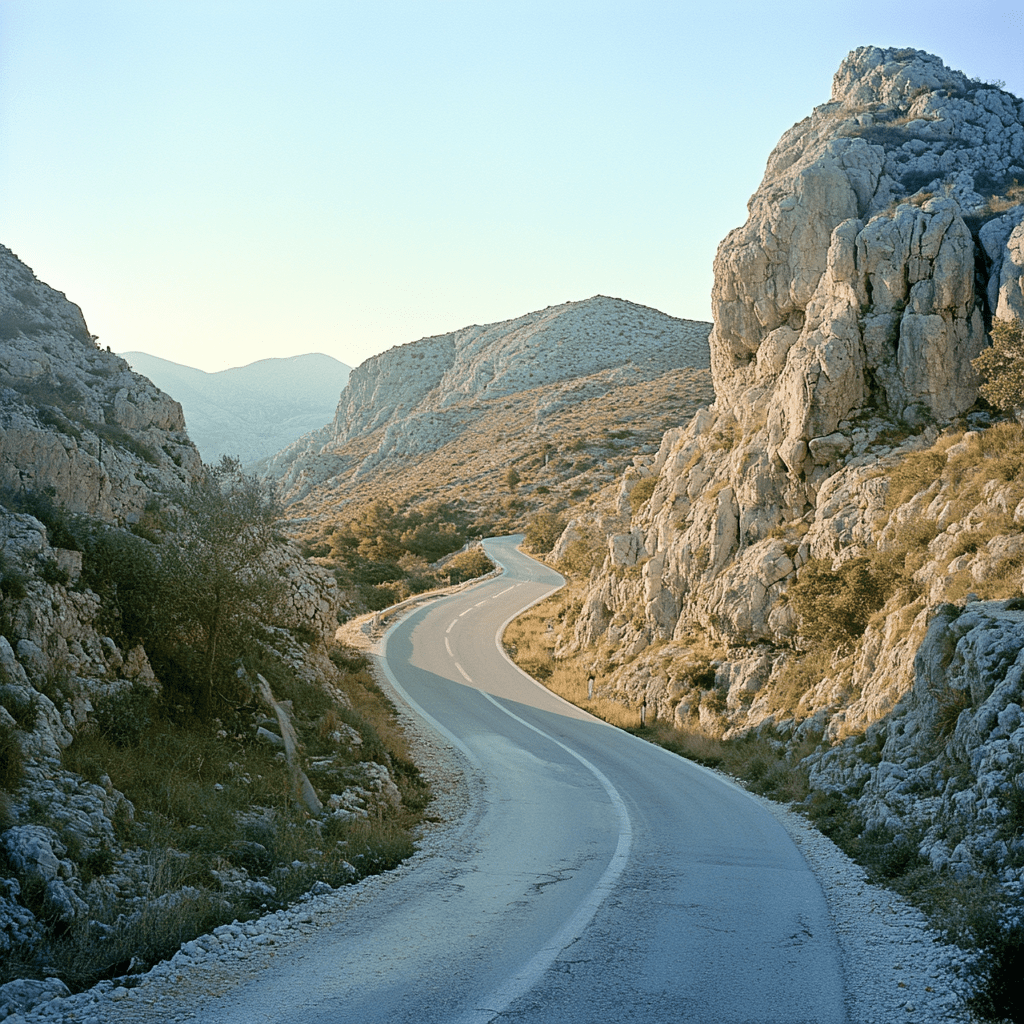
Clara: “As we climb higher into these mountains, the landscape really shifts. What’s the elevation around here?"
Isabel: “We’re at about 500 meters above sea level now. These mountains have always played an important role in shaping the region, both geographically and historically."
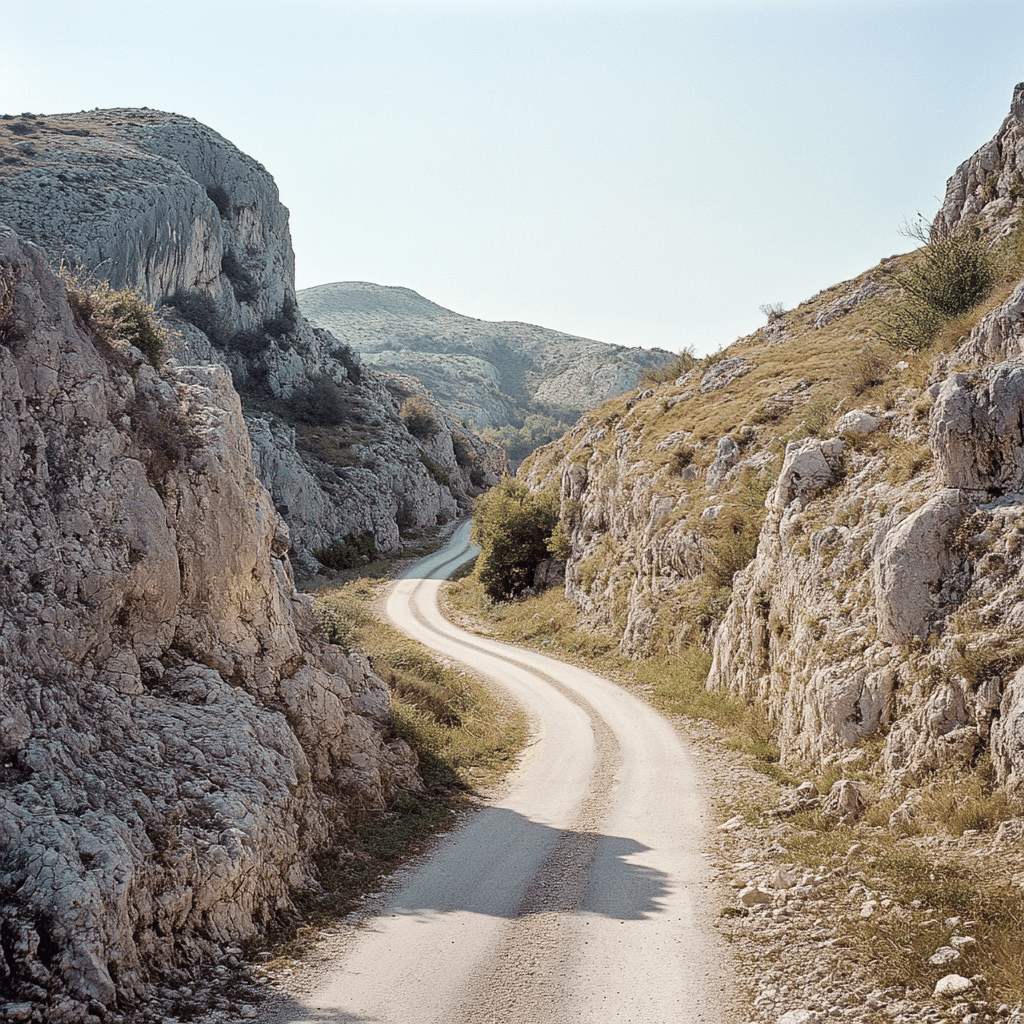
(They continue driving along the narrow, winding road, with steep slopes rising on either side. Small villages can be seen nestled in the valleys below, while the road hugs the contours of the mountain.)
Clara: “Traveling through here must have been incredibly tough in the past. I can imagine that these mountains, though beautiful, made transportation a real challenge."
Isabel: “They did. Historically, this region was difficult to access, especially in winter, and that limited how much contact people had with the coast and neighboring regions. But these same mountains also protected the inhabitants from invasions. Armies found it difficult to march through here, so whoever controlled these passes had a huge advantage."
Clara: “I guess that explains why so many forts were built along these routes. Controlling the mountain passes would have been crucial, especially when trade was the lifeblood of the region."
Isabel: “Exactly. In medieval times, merchants would have used these passes to transport goods between the Adriatic and inland Europe. The altitude made it slower, but it was the safest way. The Ottomans, for instance, recognized the importance of controlling these highland routes, and you’ll find remnants of forts and outposts built to protect them."
Clara: “That must have made the locals here incredibly resourceful, knowing how to navigate the terrain. I wonder how much of that local knowledge has been passed down."
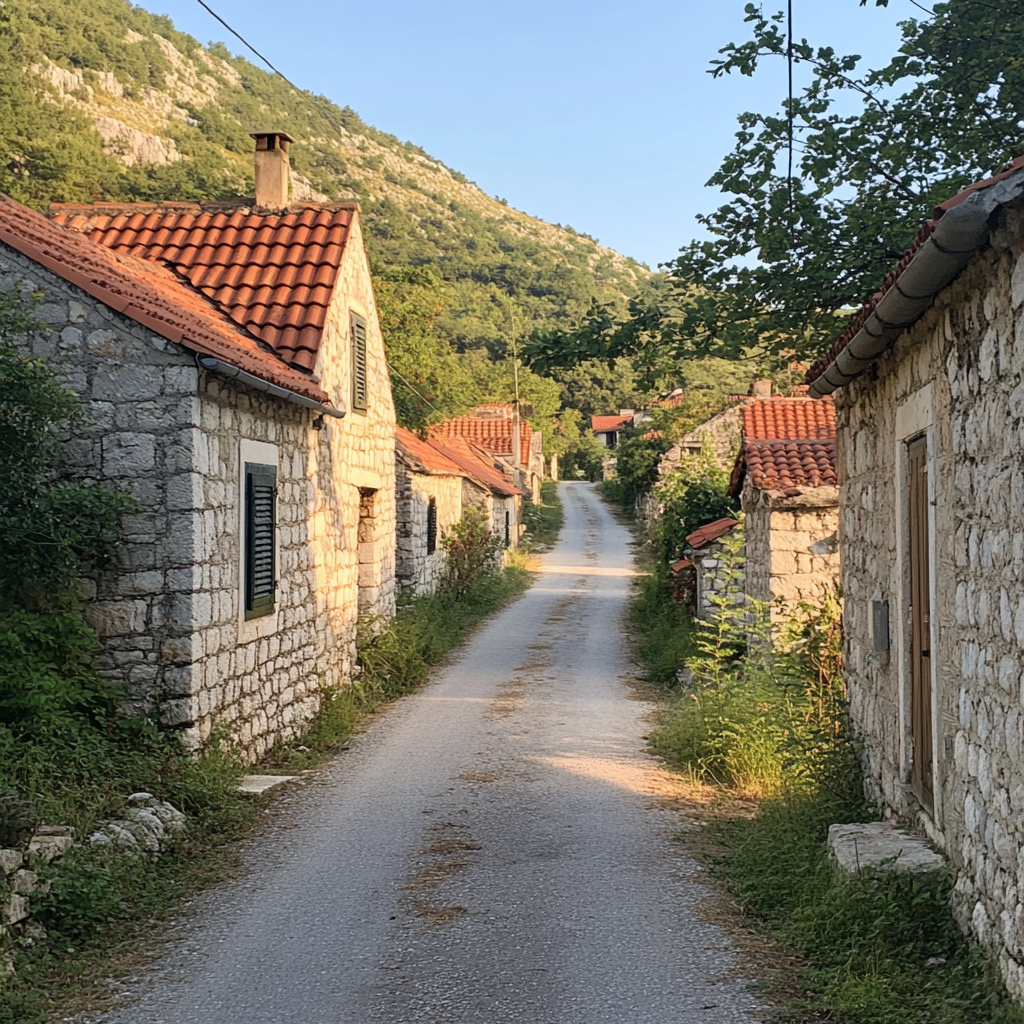
Isabel: “Quite a bit, actually. You still see traces of it in how they manage the land and build their homes. The architecture you’ll notice in these villages is adapted to the steep terrain and the elements, and people here continue to live in ways that respect the mountains and their challenges."
場景 3:談論海拔與古時候的交通
克拉拉:「隨著我們爬得越來越高,這裡的景觀真的變得不同了。這裡的海拔是多少?」
伊莎貝爾:「我們現在大約在海拔500公尺左右。這些山脈在地理上和歷史上都對這個地區起著重要作用。」
(他們沿著蜿蜒的狹窄道路繼續前行,兩側是陡峭的山坡。小村莊零星分佈在下方的山谷中,道路隨著山脈的輪廓蜿蜒而行。)
克拉拉:「過去在這裡旅行一定非常困難。雖然這些山很美,但我可以想像到它們讓交通變得多麼困難。」
伊莎貝爾:「是的。歷史上,這個地區很難到達,尤其是在冬天,這也限制了人們與海岸和鄰近地區的接觸。但同樣,這些山脈也保護了當地居民,因為入侵者很難穿越這裡。控制這些山路的人擁有巨大的戰略優勢。」
克拉拉:「難怪沿著這些路線有那麼多的堡壘。控制這些山路對當時至關重要,特別是在貿易是這個地區命脈的時候。」
伊莎貝爾:「沒錯。中世紀的商人會利用這些山路將商品從亞得里亞海運往內陸歐洲。雖然海拔使得行進速度較慢,但這是最安全的路線。奧斯曼帝國時期,他們也意識到控制這些高地路線的重要性,因此你會發現這些路線上有許多堡壘和哨所的遺跡。」
克拉拉:「這一定使當地居民非常善於利用這樣的地形。他們掌握的那些古老知識到現在還流傳著嗎?」
伊莎貝爾:「其實很多都流傳了下來。你可以在他們如何管理土地和建造房屋中看到這些痕跡。這些村莊的建築是根據陡峭的地形和氣候條件量身定做的,人們至今仍以尊重這些山脈和其挑戰的方式生活。」
Scene 4: Discussing Christian Influence in the Mountains
Clara: “With these mountains being so rugged and isolated, I wonder how much of a role Christianity played here in ancient times. Were there Christian communities in these highlands?"
Isabel: “Definitely. Christianity has deep roots in these mountains, even before the Ottomans arrived. During the medieval period, especially after the fall of the Roman Empire, many Christian monasteries and small communities settled in these isolated regions. These mountains provided a natural refuge for them."
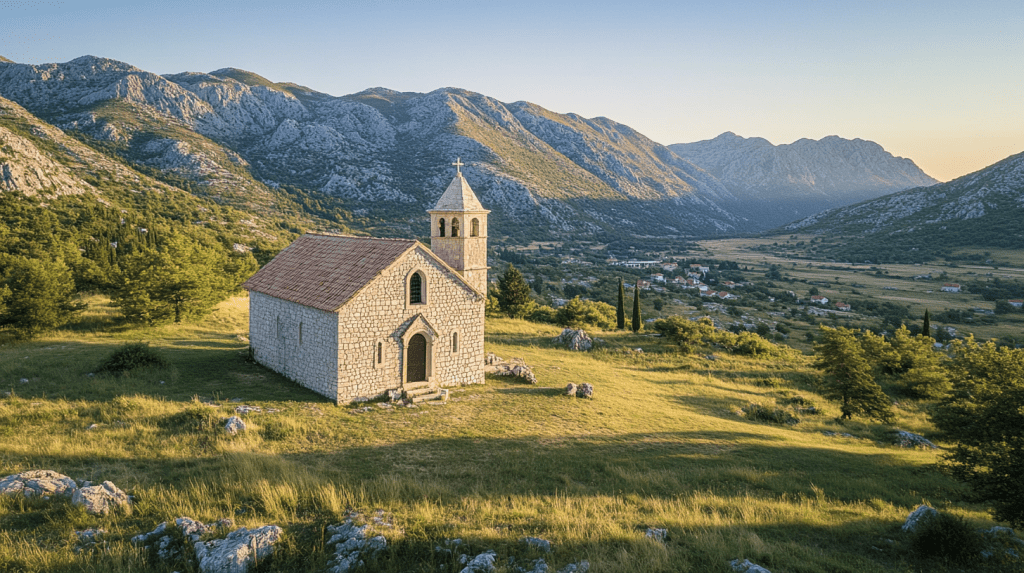
(They continue driving, passing by crumbling stone churches and small chapels perched on the hillsides, some still in use, others abandoned and overgrown with vegetation.)
Clara: “I can see why these mountains would have been appealing to religious communities. The isolation must have provided a sense of protection and spiritual retreat."
Isabel: “Exactly. Many of the monasteries were built in remote locations, both to escape political turmoil and to foster a life of contemplation. These communities lived off the land and were often self-sufficient. In fact, some of the oldest Christian monasteries in the region can still be found in the foothills of the Dinaric Alps, and many of them played important roles in preserving religious texts and cultural heritage."
Clara: “So, this wasn’t just a place of spiritual retreat, but also a center for education and preservation. I imagine the Christian influence must have been quite strong before the Ottomans took control."
Isabel: “Yes, and even under Ottoman rule, Christian communities were allowed to remain. They had to pay taxes, but they were generally tolerated. These highland areas were difficult to control directly, so as long as there was no rebellion, many Christian groups continued to thrive. You can still see traces of this in the architecture, like the old stone churches and monasteries that dot the landscape."
Clara: “It’s fascinating how religion and geography intersect here. The natural isolation of these mountains must have given the Christian communities a sense of security, but at the same time, they had to navigate the political realities of living under Ottoman rule."
Isabel: “Yes, and you can see the blending of influences in the way some of these religious buildings were constructed. The local stonework reflects Byzantine and later Ottoman architectural elements. It’s a testament to the adaptability of these communities in the face of changing political and religious landscapes."
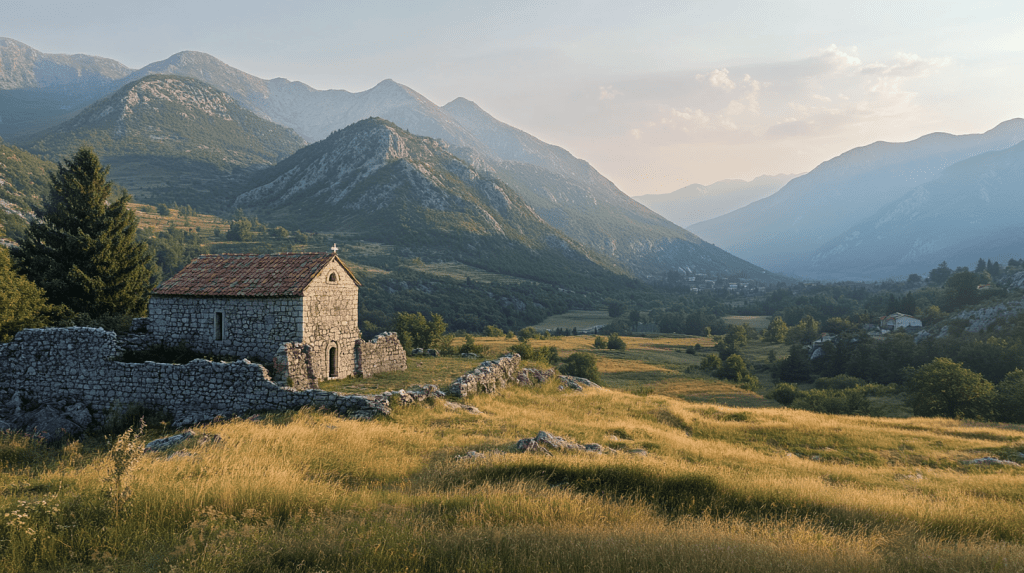
(They drive past a small, weathered chapel, its stone walls still standing strong against the backdrop of the towering mountains.)
場景 4:談論古時候基督徒在山區的影響
克拉拉:「這些山脈如此崎嶇和孤立,我很好奇在古代基督教在這裡發揮了多大作用。這些高地曾有基督教社區嗎?」
伊莎貝爾:「當然有。基督教在這些山脈有著深厚的根基,甚至早在奧斯曼帝國到來之前。在中世紀,特別是羅馬帝國滅亡後,許多基督教修道院和小型社區選擇定居在這些偏遠的地區。這些山脈為他們提供了天然的避難所。」
(她們繼續駕駛,經過了幾座破敗的石教堂和小教堂,這些建築有的依然在使用,有的已經被廢棄,雜草叢生。)
克拉拉:「我可以理解為什麼這些山脈會吸引宗教社區。這種孤立感一定為他們提供了保護,也成為精神修養的避難所。」
伊莎貝爾:「沒錯。許多修道院建在偏遠地區,不僅是為了逃避政治動亂,還為了過上沉思的生活。這些社區依賴土地生活,通常是自給自足的。事實上,迪納里克山脈的山麓地區至今還能找到一些最古老的基督教修道院,這些修道院在保存宗教文獻和文化遺產方面發揮了重要作用。」
克拉拉:「所以這裡不僅僅是精神修行的地方,還是教育和保存文化的中心。我想在奧斯曼人統治之前,基督教的影響力應該非常強大。」
伊莎貝爾:「是的,即使在奧斯曼統治下,基督教社區也被允許繼續存在。他們必須繳納稅款,但總體上還是被容忍的。這些高地地區難以直接控制,所以只要沒有叛亂,許多基督教社區得以繼續繁榮。你可以在這些建築中看到這些痕跡,比如那些散布在山間的古老石教堂和修道院。」
克拉拉:「這真是有趣,宗教和地理在這裡交織在一起。這些山脈的天然隔離感給基督教社區帶來了安全感,但同時他們也不得不面對在奧斯曼統治下的政治現實。」
伊莎貝爾:「是的,你還能看到這些宗教建築中融合了不同影響的痕跡。當地的石工技藝反映了拜占庭時期的風格,後來又受到了奧斯曼建築元素的影響。這是這些社區在面對不斷變化的政治和宗教格局時所展現出的適應能力。」
(她們經過一座小而古老的教堂,石牆依然堅固地矗立在高聳的山脈背景之下。)

 Virtual Travel | 虛擬旅行沉浸式英語學習
發表留言