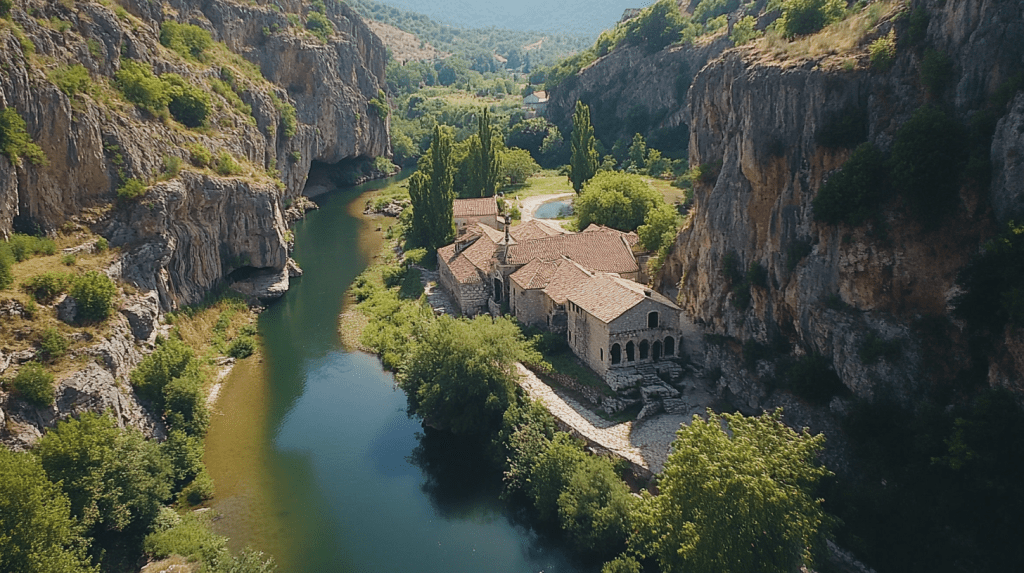
Scene 1: An Exploration of Blagaj Tekija and Žitomislić Monastery
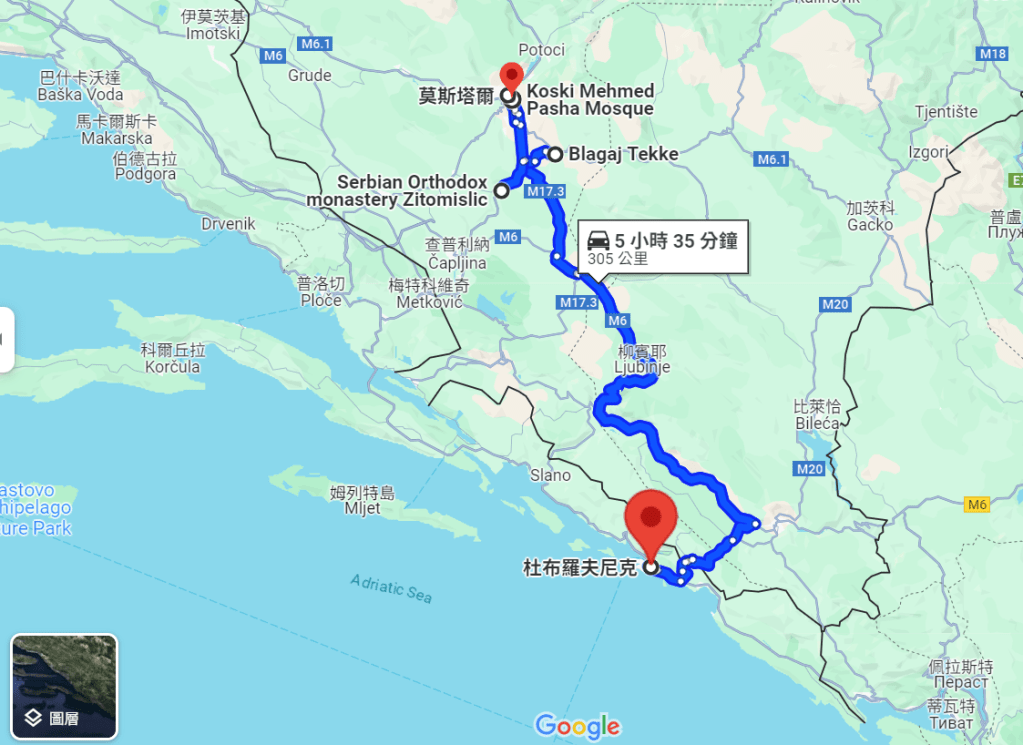
Clara: “Before we head into Mostar, I think we should make a stop at Blagaj Tekija. I’ve read so much about it—it seems to be more than just a beautiful location."
Isabel: “You’re absolutely right. Blagaj Tekija is not just about the aesthetics of the place. It’s a symbol of spiritual convergence in a region where multiple faiths have coexisted, clashed, and influenced each other for centuries. This monastery, though Dervish in origin, holds within it the echoes of Christianity, Islam, and local pre-Christian traditions."
Clara: “I’ve always been fascinated by places like this, where different cultures and beliefs intersect. The architecture alone seems like a story waiting to be told. How did such a Dervish house come to exist here, deep in the Balkans?"
Isabel: “It was established in the 16th century, during the height of Ottoman influence. The Ottomans brought with them Sufi mysticism, and Blagaj Tekija became a center for the Dervish order. But what’s fascinating is that this area, long before the Ottomans, was a crossroads of Christian monasticism. The early Christians built monasteries here because of the isolation and the connection with nature—the river, the cliffs—it all created a perfect environment for spiritual contemplation. The Dervishes, centuries later, recognized the same qualities."
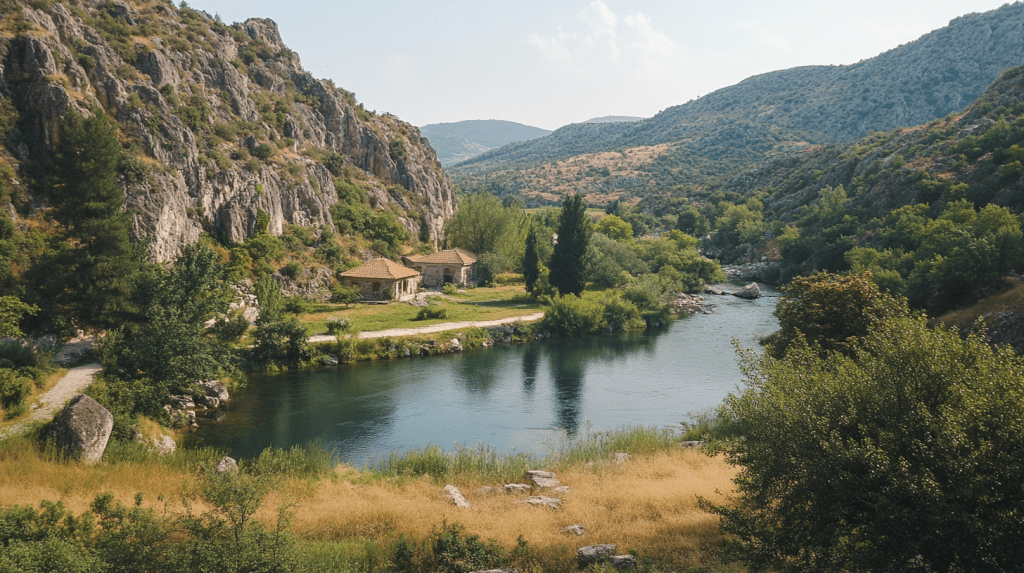
(They drive along the winding road, with the rocky hills and the river coming into view. The monastery emerges, nestled into the cliffside, surrounded by lush greenery.)
Clara: “That makes sense. It feels like a place removed from time, like it’s always been here. I can imagine the early Christians and the later Dervishes both being drawn to the same spiritual energy that the landscape provides."
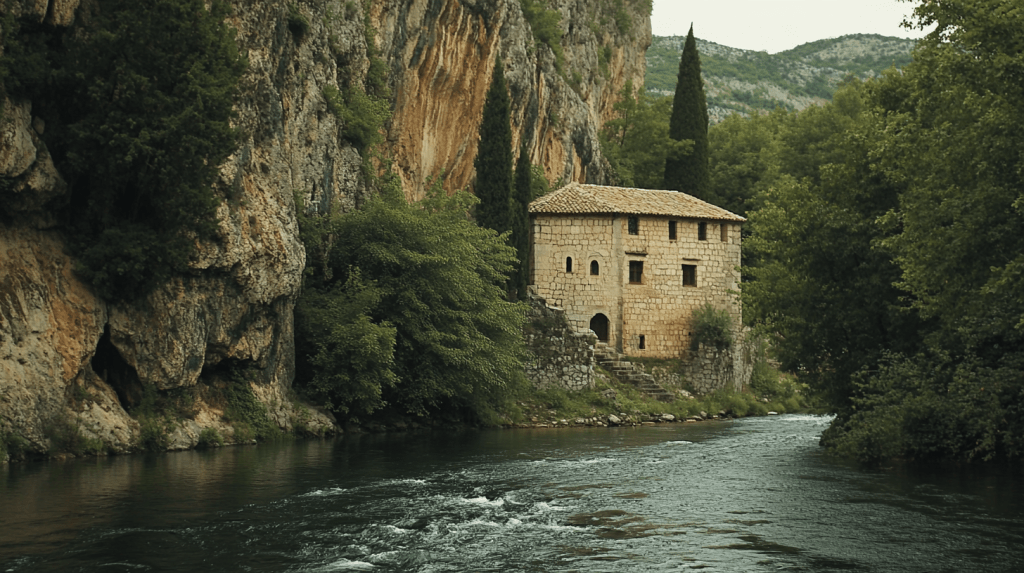
Isabel: “Exactly. And what’s even more remarkable is the tolerance that existed here during the Ottoman rule. The Christians who lived here paid the jizya tax, but they were allowed to practice their faith, and in some cases, there was even cooperation between the Christian monks and the Dervishes. It wasn’t all peaceful, of course—there were conflicts—but this region has always been a melting pot of ideas and traditions."
Clara: “I suppose that’s part of why the Balkans have such a complex history. So many empires and faiths converged here—each leaving behind layers of influence."
Isabel: “Yes, the layers are everywhere. When we visit Žitomislić Monastery later, you’ll see how Orthodox Christianity persisted, even through Ottoman rule and the devastation of more recent wars. Žitomislić was founded around the same time as Blagaj Tekija, but it represents the Eastern Orthodox tradition, which has deep roots in the region, long predating the Ottomans."
Clara: “It’s striking how these spiritual traditions managed to survive, even when empires changed hands. And yet, I imagine the resilience of these communities wasn’t just about faith, but also about culture—about preserving a way of life."
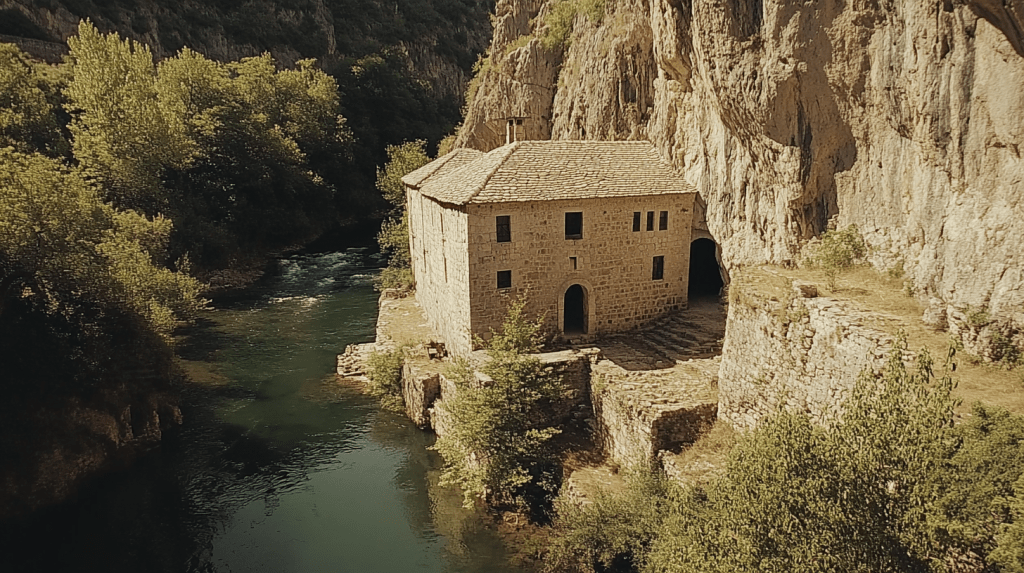
(They park the car and approach Blagaj Tekija, the sound of the river intensifying as they walk closer. The monastery seems to grow organically out of the rock, its simplicity contrasting with the dramatic landscape around it.)
Isabel: “That’s exactly it. For the people here, faith wasn’t just a belief system—it was tied to the land, the seasons, and the community. The Dervishes, like the Christians before them, found meaning in the rhythms of nature. And while religion shaped their daily lives, it also preserved their cultural identity, especially during times of foreign domination."
Clara: “It’s incredible how much this place represents. It’s not just about spirituality, but about survival—cultural, political, and even environmental. The connection between faith and the natural world here feels almost tangible."
Isabel: “Yes, and that’s why places like Blagaj Tekija still hold such a strong pull today. It’s not just a tourist site—it’s a reminder of the resilience of these communities. The surrounding cliffs and the river aren’t just scenic; they were essential to the survival of the people who built their lives here."
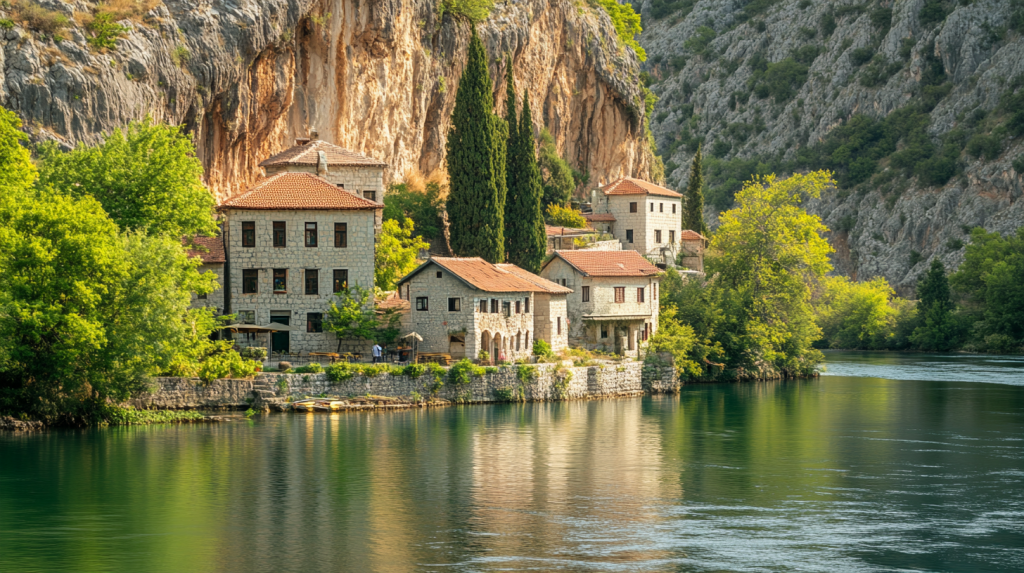
(They spend time walking around the monastery grounds, the sound of the river accompanying their reflections. Afterward, they drive towards Žitomislić Monastery, located deeper inland, surrounded by olive trees and vineyards.)
場景 1:深入探索 Blagaj Tekija 和 Žitomislić 修道院
克拉拉:「在我們進入莫斯塔爾之前,我覺得應該先去 Blagaj Tekija。我讀過很多關於這裡的資料,這似乎不僅僅是一個美麗的景點。」
伊莎貝爾:「你說得沒錯。Blagaj Tekija 不僅僅是個美麗的地方,它是這個地區精神融合的象徵。在這裡,數世紀以來,基督教、伊斯蘭教以及本地的前基督教信仰共存、碰撞並相互影響。這座修道院雖然是蘇非派的,但它融合了基督教、伊斯蘭教和當地傳統的回聲。」
克拉拉:「我一直對這種不同文化和信仰交匯的地方感興趣。僅從建築上看,它似乎就像是一個等待被講述的故事。這樣一座蘇非修道院是如何在這裡深處巴爾幹半島落腳的?」
伊莎貝爾:「這座修道院建立於16世紀,正值奧斯曼帝國的鼎盛時期。奧斯曼人將蘇非神秘主義帶到了這裡,Blagaj Tekija 成為了蘇非教團的中心。但有趣的是,早在奧斯曼人到來之前,這片地區就有基督教修道院。早期基督徒選擇這些偏遠地區建立修道院,因為這裡的自然環境與河流、懸崖完美結合,是精神沉思的理想場所。幾個世紀後,蘇非教徒也看中了這裡的靈性品質。」
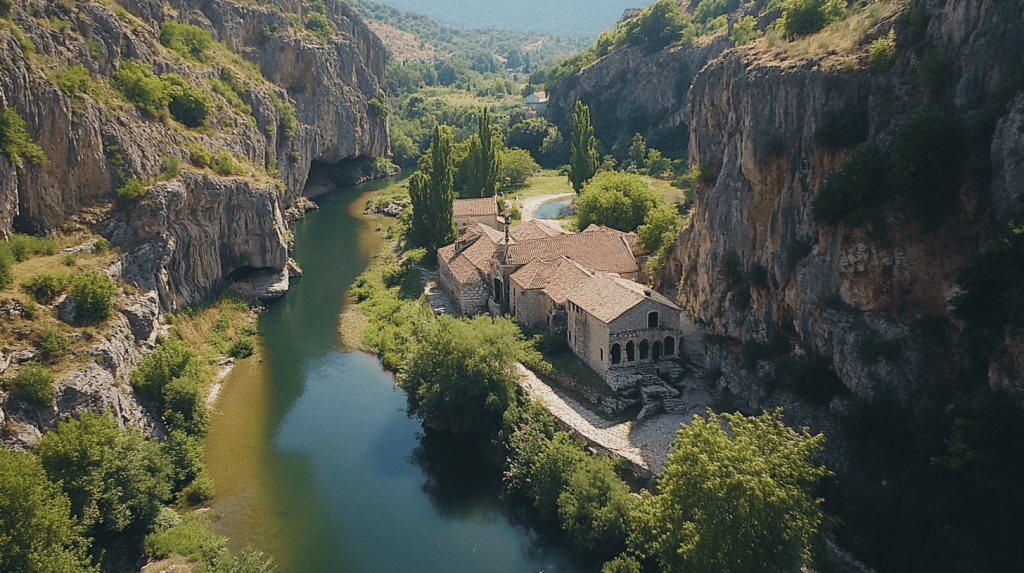
(她們駕車行駛在蜿蜒的道路上,河流與岩石山丘逐漸映入眼簾。修道院隱藏在懸崖邊,周圍綠意盎然。)
克拉拉:「這倒是說得通。這地方感覺像是與時間脫節了一樣,彷彿它一直存在於此。我能想像到早期的基督徒和後來的蘇非教徒都被這裡的自然靈性感所吸引。」
伊莎貝爾:「沒錯。更有趣的是,奧斯曼統治期間,這裡保持了一定的宗教寬容。當地的基督徒需要繳納 jizya 稅,但他們可以繼續信仰,有時甚至與蘇非僧侶合作。當然,並非所有事情都如此和諧,這裡也有衝突,但這個地區一直是多元文化與傳統的熔爐。」
克拉拉:「我猜這就是為什麼巴爾幹半島的歷史如此複雜。太多帝國和信仰在這裡交匯,每一個都留下了不同的影響層次。」
伊莎貝爾:「是的,這裡的歷史層次隨處可見。等我們去 Žitomislić 修道院時,你會看到在奧斯曼統治下,東正教信仰如何堅持下來,即使在最近的戰爭中遭到破壞,Žitomislić 還是重新站了起來。它是16世紀時期建立的,但代表著東正教的傳統,這種傳統在奧斯曼人到來之前就在這裡紮根了。」
克拉拉:「這些宗教傳統能夠存活下來,不僅僅是因為信仰,還因為文化的延續。我想這些社區的韌性不只是信仰,而是對整個生活方式的堅守。」
(她們停車,走向 Blagaj Tekija,河流的聲音隨著她們的靠近變得更加明顯。修道院彷彿與岩石融為一體,其簡潔的設計與壯麗的自然景觀形成對比。)
伊莎貝爾:「這正是重點。對這裡的人來說,信仰不僅僅是一種信仰體系,而是與大地、季節和社區緊密相連。蘇非教徒,與之前的基督徒一樣,從自然的節奏中找到了意義。宗教塑造了他們的日常生活,但也保存了他們的文化身份,尤其是在外來統治的時期。」
克拉拉:「這地方真的是一個象徵。它不僅關乎靈性,還關乎生存——文化、政治,甚至環境的生存。這裡的信仰與自然世界的聯繫感是如此具體。」
伊莎貝爾:「是的,這就是為什麼 Blagaj Tekija 今天仍然有如此強大的吸引力。這裡不僅僅是一個旅遊景點,它是這片土地上那些堅韌社區的象徵。周圍的懸崖和河流不僅僅是景觀,對於那些在這裡建造生活的人來說,它們是生存的關鍵。」
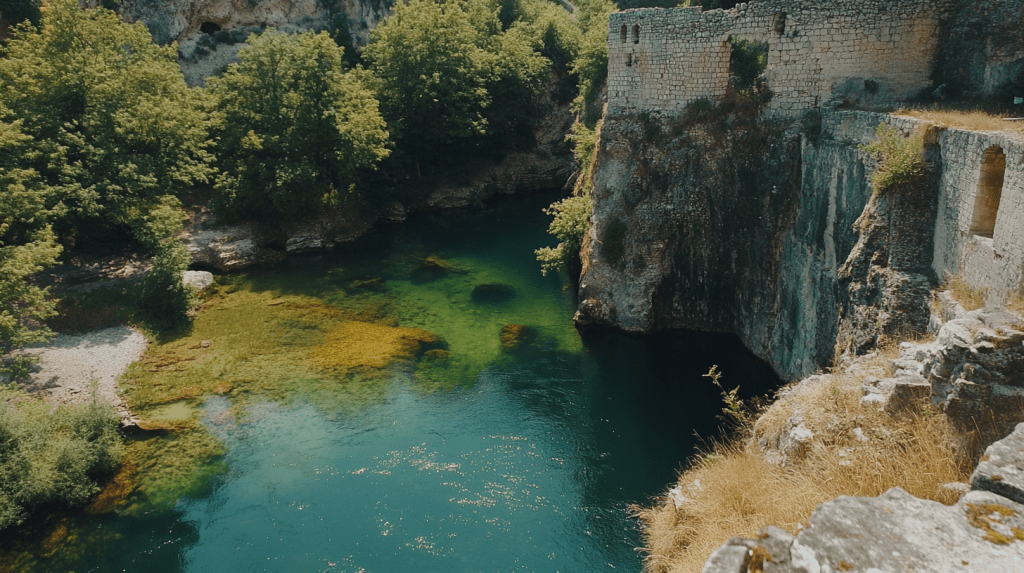
(她們繼續在修道院的周圍散步,河水的聲音伴隨著她們的思考。隨後,她們開車前往 Žitomislić 修道院,修道院位於內陸,被橄欖樹和葡萄園包圍。)
Scene 2: Reflections at Žitomislić Monastery
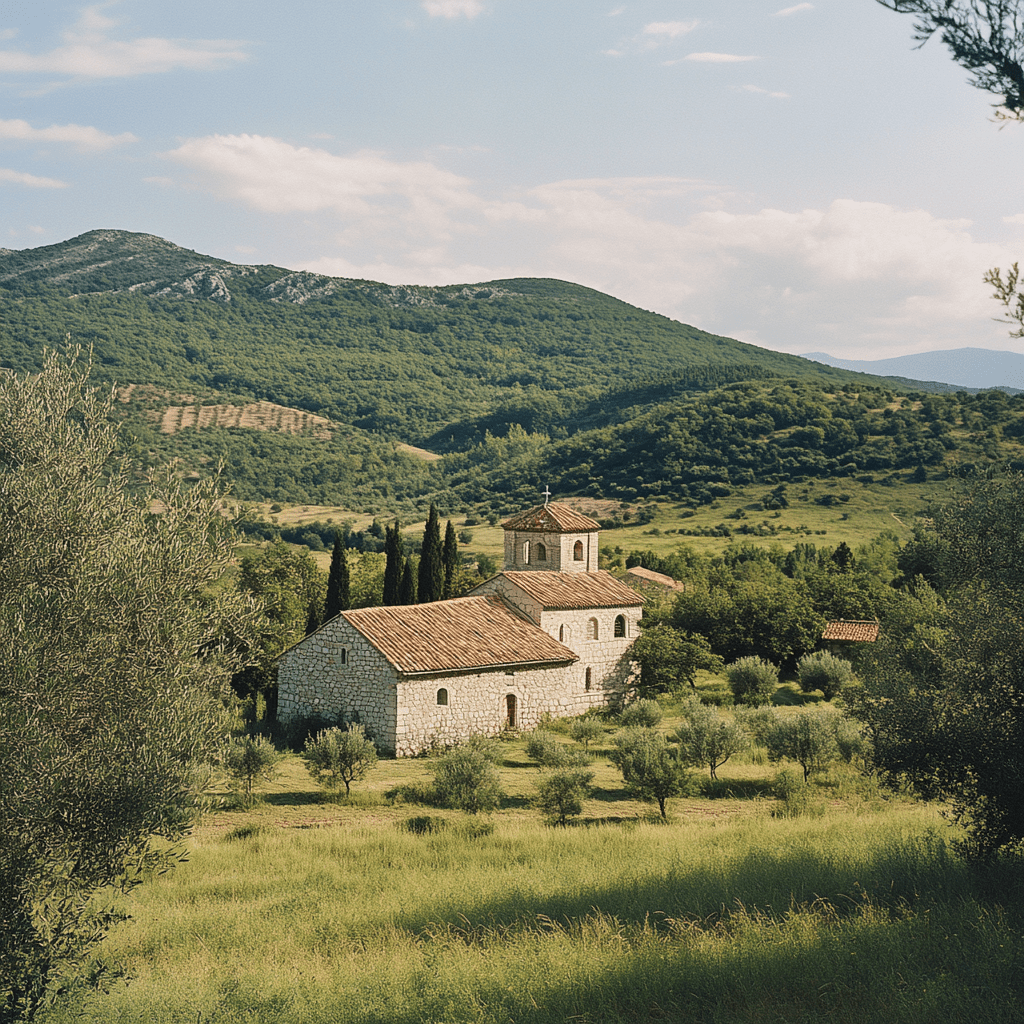
Clara: “The atmosphere here feels different from Blagaj Tekija. There, it felt like the power of nature shaped the spiritual environment, but here at Žitomislić, it feels more tied to the community, to the people."
Isabel: “That’s a good observation. Žitomislić has always been closely connected to the surrounding villages, a beacon of Eastern Orthodoxy for the Serb community. Its destruction during the Bosnian War was symbolic—an attempt to erase not just a building, but a culture. The rebuilding of the monastery after the war represents more than just faith; it’s a declaration of survival and resilience."
(They enter the monastery, the recently restored walls contrasting with the deep sense of history within.)
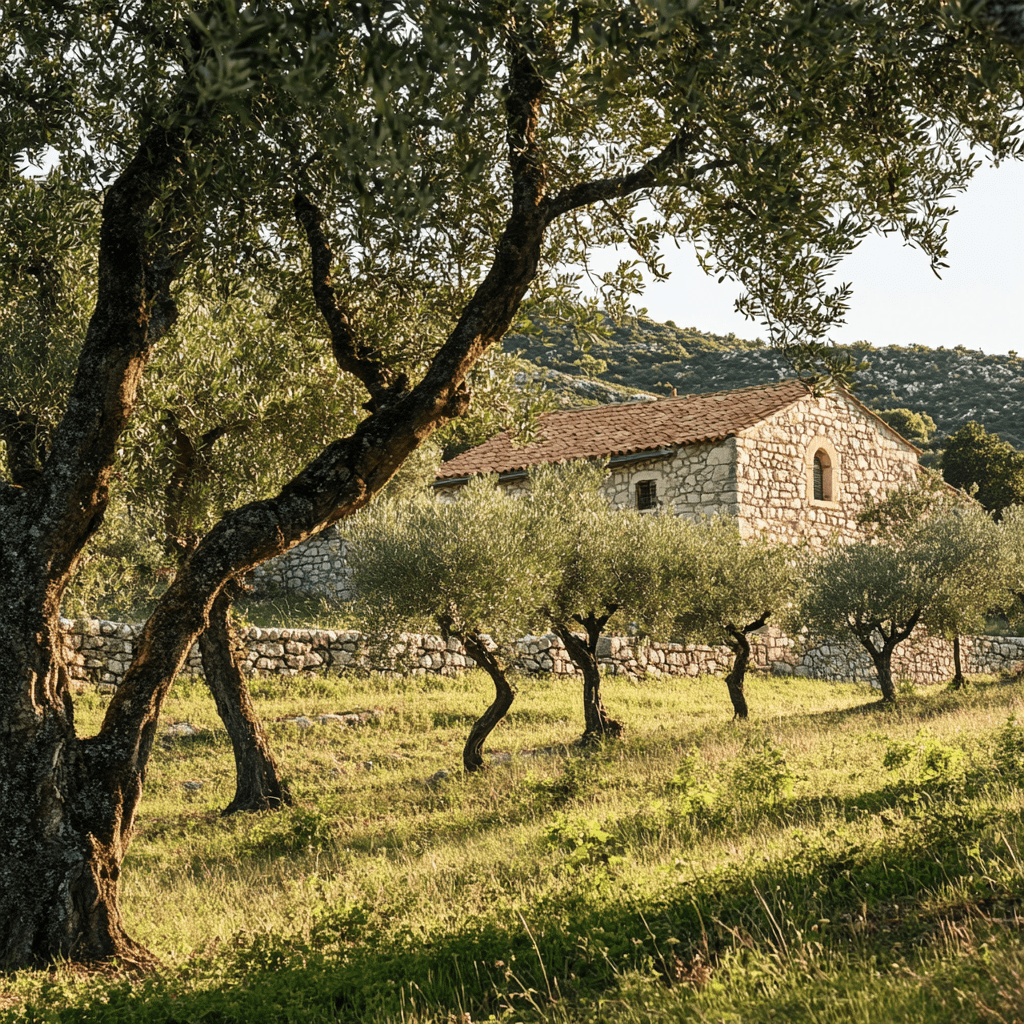
Clara: “I’ve read that the monks here played a key role in preserving texts and traditions during the Ottoman period. It seems like these monasteries were more than just religious centers—they were the custodians of culture."
Isabel: “Absolutely. While the political powers shifted, the monasteries remained as strongholds of identity. For the Serbs in this region, places like Žitomislić were vital to maintaining their connection to their past. And despite the damage it suffered during the war, the restoration efforts show that the connection to these ancient traditions is still alive."
Clara: “It’s fascinating to think about how much history is tied up in these stones. Every conflict, every regime change—it’s all etched into the architecture and the land itself. And yet, the faith of the people persists."
Isabel: “Exactly. And in a place like this, you can see how history and religion are intertwined. The past isn’t something abstract—it’s a living part of the present, passed down through generations."
場景 2:在 Žitomislić 修道院的反思
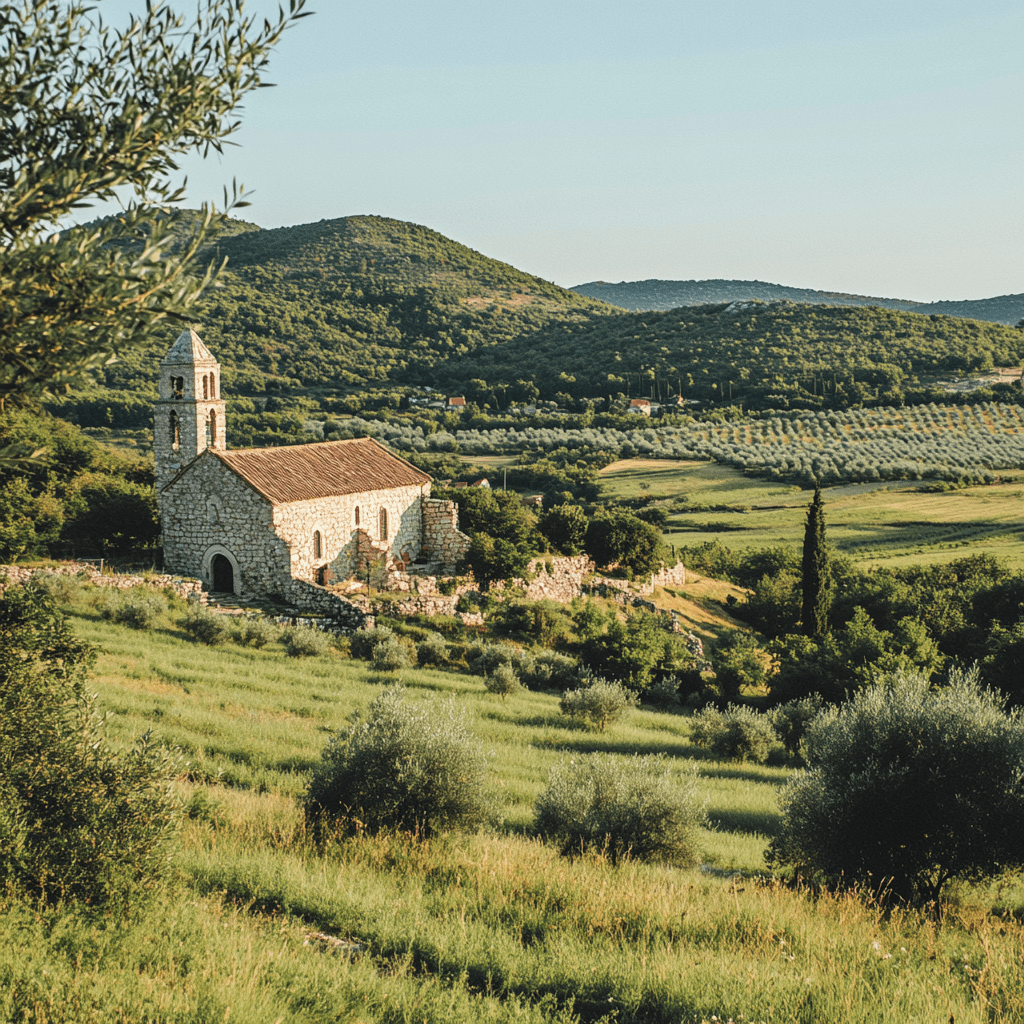
克拉拉:「這裡的氛圍與 Blagaj Tekija 很不同。那裡是大自然的力量塑造了精神環境,但在 Žitomislić,這裡的感覺更像是與社區和人民緊密相連。」
伊莎貝爾:「你的觀察很準確。Žitomislić 一直與周圍的村莊緊密相連,對於塞爾維亞社區來說,它是東正教的燈塔。它在波斯尼亞戰爭期間被摧毀,這是一種象徵——試圖抹去的不僅僅是一座建築,而是一種文化。戰後對修道院的重建不僅僅代表了信仰,還是一種生存和韌性的宣言。」
(她們走進修道院,最近修復的牆壁與內部深厚的歷史感形成對比。)
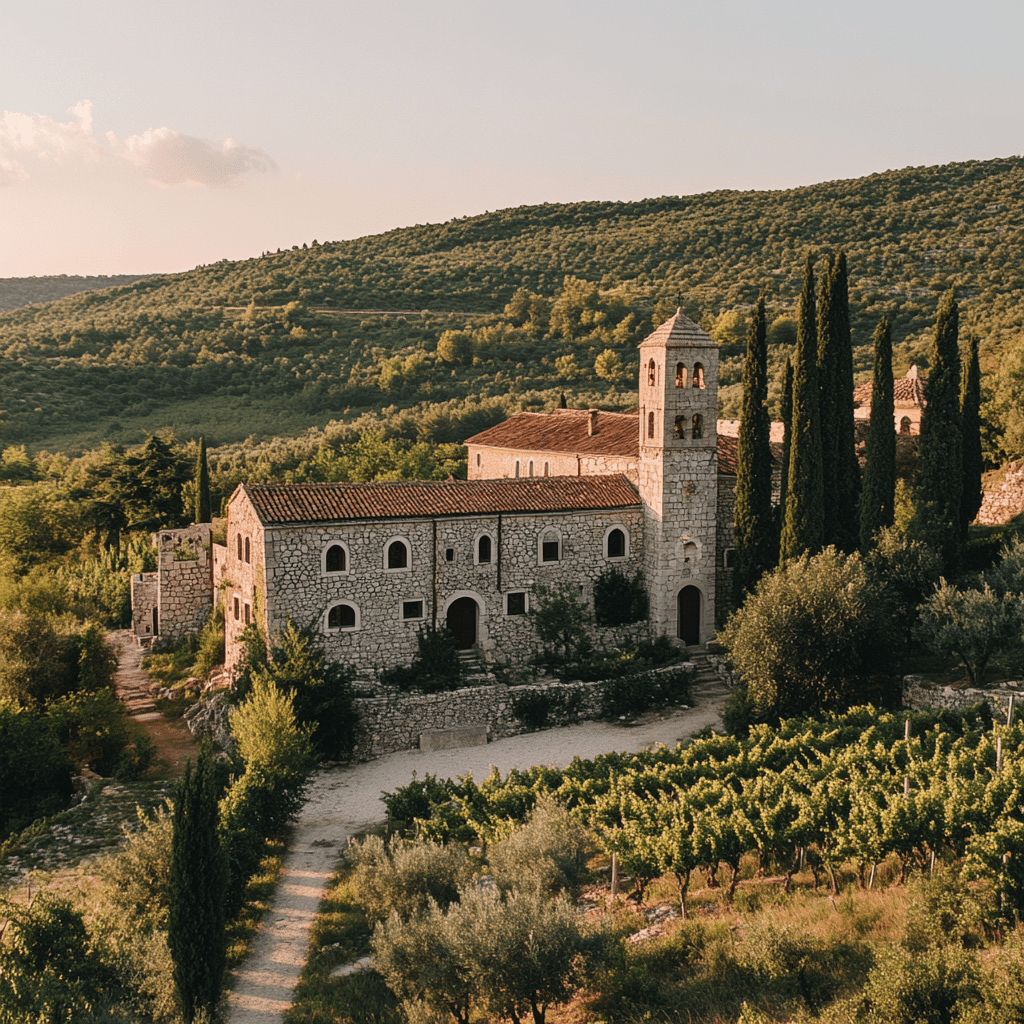
克拉拉:「我讀過這裡的僧侶在奧斯曼帝國時期在保存文獻和傳統方面發揮了關鍵作用。看來這些修道院不僅僅是宗教中心——它們還是文化的守護者。」
伊莎貝爾:「完全正確。雖然政治權力在不斷變遷,但修道院一直是身份的堡壘。對於這個地區的塞爾維亞人來說,像 Žitomislić 這樣的地方對於保持他們與過去的聯繫至關重要。儘管它在戰爭中遭受了損壞,但重建的努力表明這些古老傳統的聯繫仍然存在。」
克拉拉:「想想這些石頭中蘊藏了多少歷史,真是令人著迷。每一次衝突,每一次政權更迭,都被刻在了這些建築和土地中。儘管如此,人民的信仰依然堅持了下來。」
伊莎貝爾:「沒錯。在這樣的地方,你可以看到歷史與宗教是如何交織在一起的。過去不僅僅是一個抽象的概念——它是現在活生生的一部分,通過世代相傳一直延續到今天。」
Scene 3: Visiting the Koski Mehmed Pasha Mosque
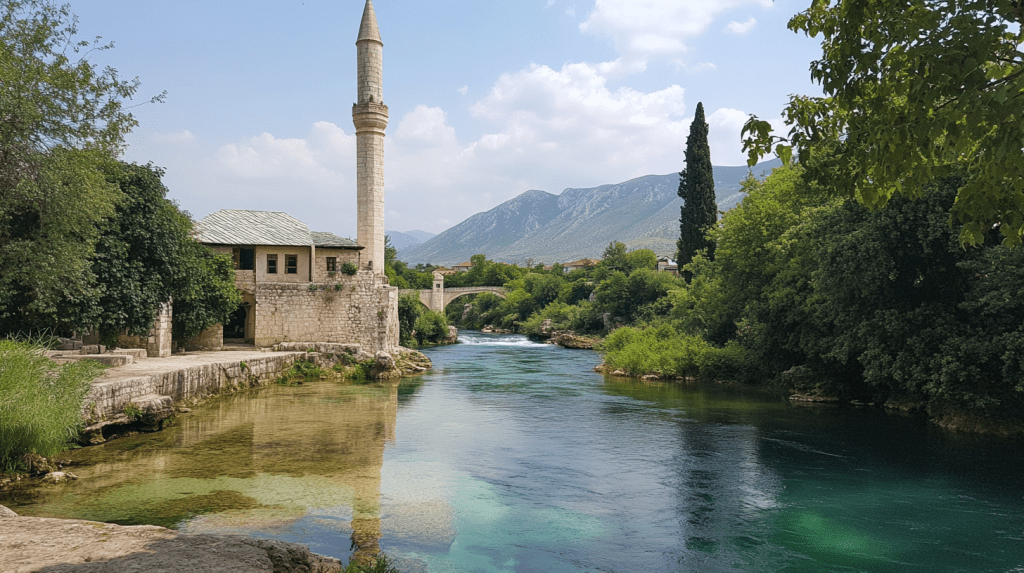
Clara: “I’ve noticed that there are quite a few mosques around here. Since we’re so close to Mostar, should we visit one of the famous ones?"
Isabel: “Definitely. Koski Mehmed Pasha Mosque is one of the most notable mosques here in Mostar, and it offers a stunning view of the city, especially of the Stari Most bridge. It’s a key symbol of the Ottoman influence in this region."
Clara: “The architectural style must be quite different from the monasteries we’ve visited. I’m curious to see how Islam shaped the look and feel of this place."
Isabel: “It’s fascinating, really. While the Christian monasteries reflect a sense of isolation and communion with nature, the mosques here were built to be open and central to community life. The domes, minarets, and interior designs are designed to create an atmosphere of tranquility and unity, both spiritually and within the community."
(They approach the mosque, its tall minaret rising above the surrounding buildings, and the peaceful courtyard inviting them in.)
Clara: “Standing here, you can feel the difference in how the space is used. It feels very open, very communal. The connection to the city is immediate."
Isabel: “That’s one of the most striking aspects of Islamic architecture—mosques are built to be central gathering places. They serve not only as places of worship but as spaces for education, community decisions, and social interaction. It’s a different kind of spirituality—one that’s deeply woven into the fabric of daily life."
(They enter the mosque, admiring the intricate calligraphy and geometric patterns that adorn the walls.)
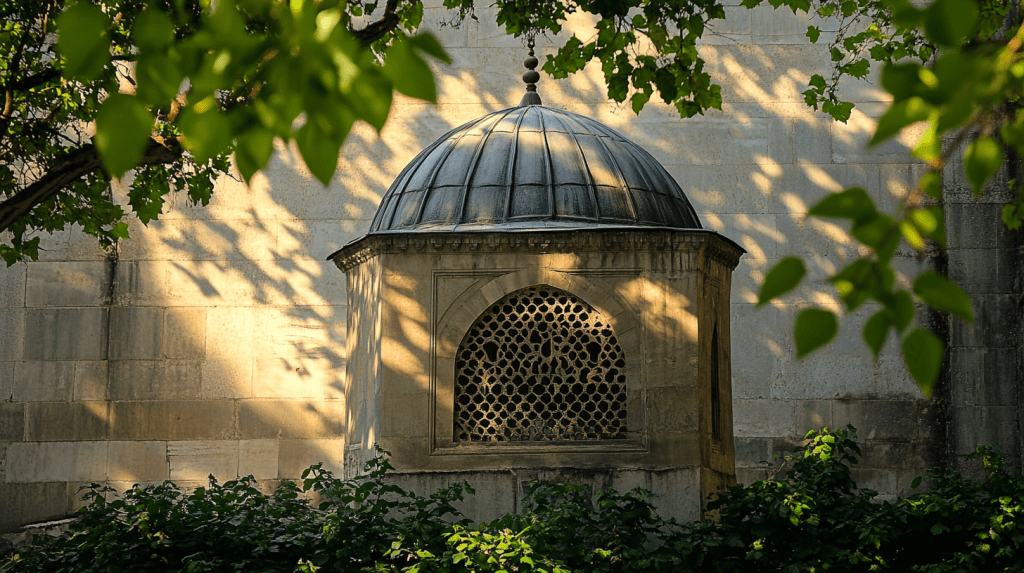
Clara: “The detailing is incredible. It’s almost like you can read the history of this place through the art and architecture. You can feel how deeply connected the people were to their faith."
Isabel: “Yes, and this mosque, like many others, has seen its share of conflict and restoration. It was damaged during the Bosnian War, but the people of Mostar worked to restore it. Much like the Christian monasteries we’ve seen, this mosque stands as a testament to the resilience of the community and their faith."
場景 3:參觀科斯基梅赫梅德帕夏清真寺
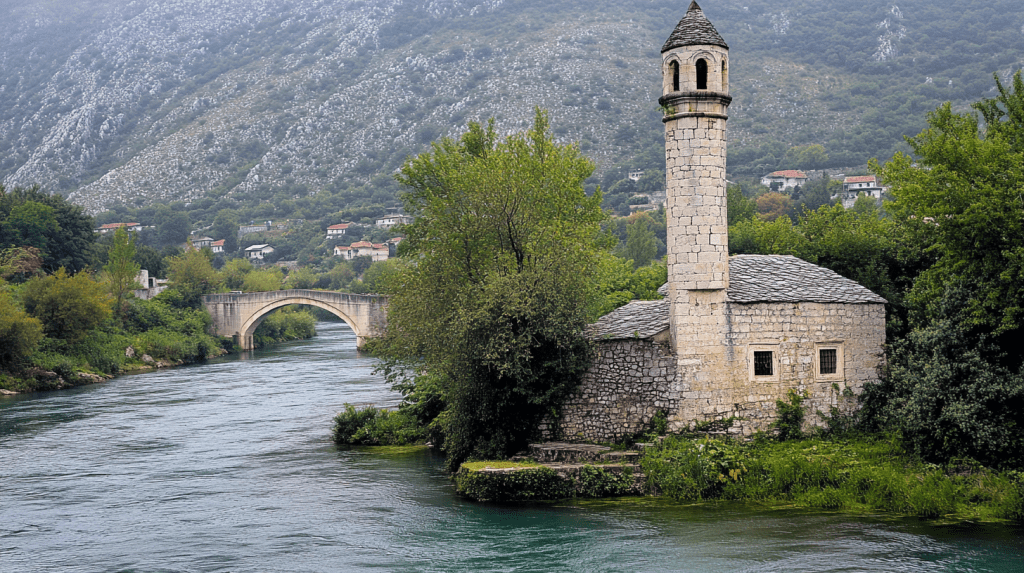
克拉拉:「我注意到這裡有不少清真寺。既然我們已經這麼靠近莫斯塔爾,我們是不是應該去參觀一下其中一座著名的清真寺?」
伊莎貝爾:「當然。科斯基梅赫梅德帕夏清真寺是莫斯塔爾最著名的清真寺之一,從那裡可以俯瞰整個城市,尤其是斯塔里莫斯橋。它是奧斯曼帝國在這個地區留下的主要象徵之一。」
克拉拉:「它的建築風格一定與我們參觀過的修道院非常不同。我很想看看伊斯蘭教是如何影響這片土地的外觀和感覺的。」
伊莎貝爾:「這確實很有趣。基督教修道院反映的是與自然的隔離和靈性上的親近,而這裡的清真寺則是開放的、以社區為中心的。圓頂、宣禮塔和內部設計都是為了創造一種平和與團結的氛圍,無論是在精神上還是在社區中。」
(她們走近清真寺,高聳的宣禮塔矗立在周圍建築之上,寧靜的庭院歡迎她們進入。)
克拉拉:「站在這裡,你能感受到空間使用上的不同。這裡感覺非常開放,非常具有社區感。與城市的聯繫是即刻的。」
伊莎貝爾:「這是伊斯蘭建築最引人注目的方面之一——清真寺建在社區的中心。它們不僅是禮拜的場所,還是教育、社區決策和社交互動的空間。這是一種不同的靈性體驗——深深地融入日常生活的紋理中。」
(她們走進清真寺,欣賞牆上精美的書法和幾何圖案。)
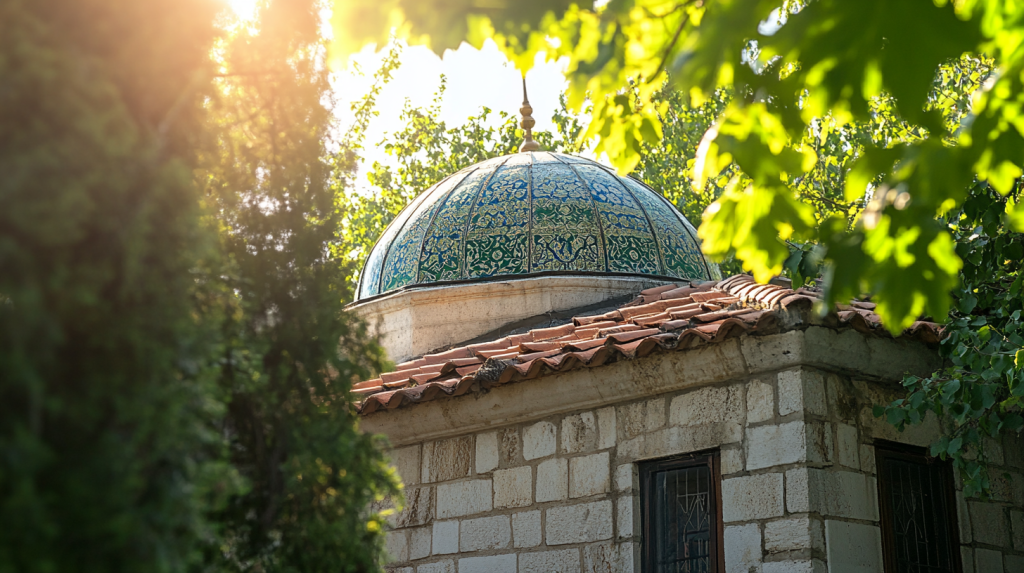
克拉拉:「這些細節真是令人讚嘆。你幾乎可以通過藝術和建築來讀懂這個地方的歷史。你能感受到人們與他們信仰的深厚聯繫。」
伊莎貝爾:「是的,這座清真寺和許多其他的清真寺一樣,經歷了戰爭的摧殘和重建。它在波斯尼亞戰爭期間受損,但莫斯塔爾的居民努力將其修復。就像我們看到的那些基督教修道院一樣,這座清真寺也是當地社區和信仰韌性的象徵。」

 Virtual Travel | 虛擬旅行沉浸式英語學習
發表留言