
Scene 11: Preparing to Visit Stari Most and Reflecting on Coastal vs Inland Cities
Clara: “It’s fascinating how our journey is leading us inland now, especially as we prepare to visit Stari Most. So far, we’ve been exploring coastal towns with their own kind of resilience, but inland cities like Mostar seem to have faced an entirely different set of challenges."
Isabel: “You’re right. Coastal cities like Dubrovnik or Split have their own history of resilience, but much of that was shaped by trade and their connection to the sea. They built their identities as maritime powers, often dealing with external threats like pirates or foreign empires trying to control their sea routes. But cities like Mostar, located inland, had a different kind of vulnerability."
Clara: “What do you mean by ‘different vulnerability’? Was it because they weren’t connected to the sea?"
Isabel: “Partly, yes. Inland cities like Mostar weren’t maritime hubs, so they couldn’t rely on the protection and wealth that came from controlling trade routes. Instead, their significance was strategic and cultural. Mostar, for example, became a key link between the Ottoman Empire and the rest of Europe. It was a bridge, literally and figuratively, between different religions, cultures, and powers. The Stari Most bridge itself was a symbol of that connection."
Clara: “So while coastal cities looked outward to defend against invaders, Mostar was more concerned with internal unity and balance?"
Isabel: “Exactly. Mostar’s location made it a melting pot of cultures—Muslims, Christians, and Jews all lived here, often peacefully, for centuries. But that same diversity also made the city vulnerable to conflict, especially during times of political or religious tension. The Bosnian War is the most recent and devastating example of that."
(As they drive closer to Mostar, the rugged mountains surrounding the valley begin to appear, contrasting sharply with the lush greenery of the Neretva River below.)
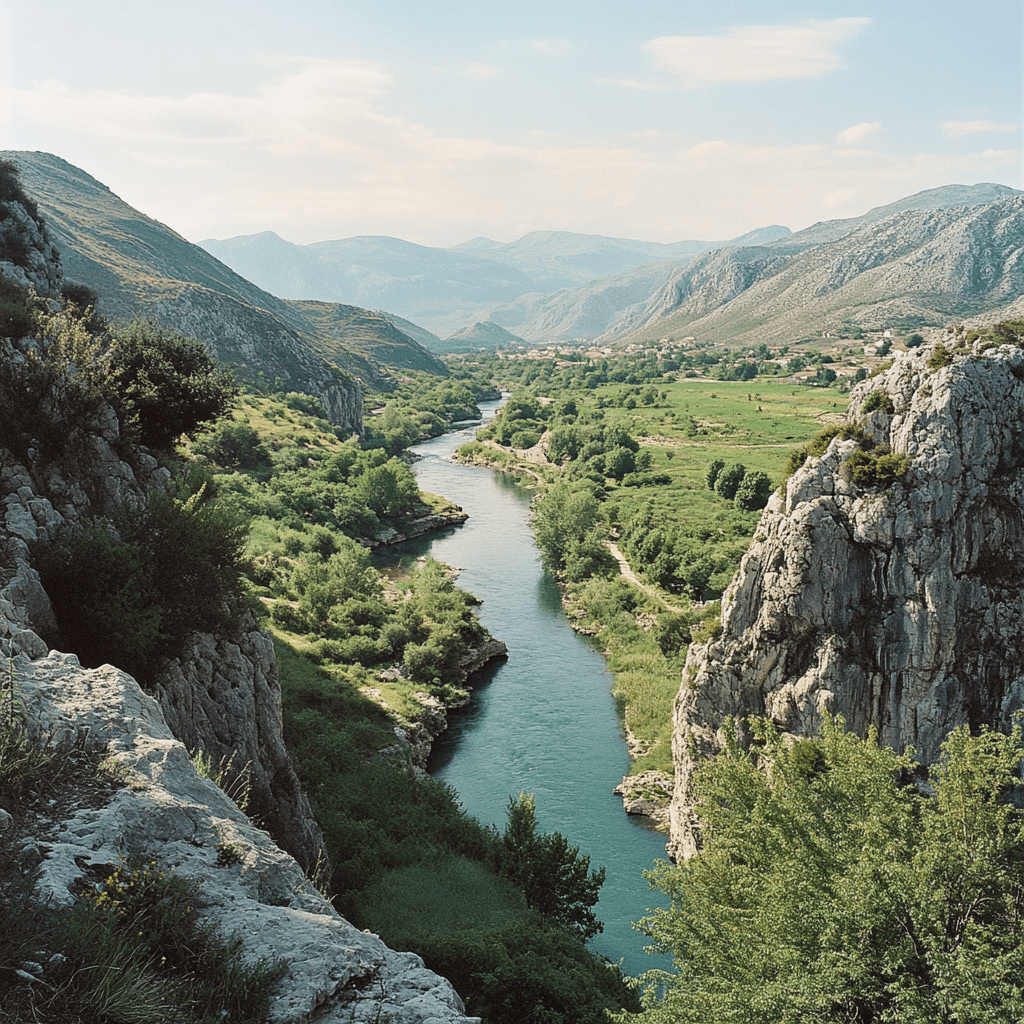
Clara: “It’s amazing how the landscape here feels so enclosed. The mountains seem protective, but also isolating. I imagine it must have felt like that for the people of Mostar during the war—both sheltered and trapped at the same time."
Isabel: “That’s a good way to put it. The geography of the city has always been a double-edged sword. On one hand, it provided natural protection, but on the other, it made escape and external aid difficult during conflicts. This is very different from coastal cities, where fleeing by sea was often an option. The people of Mostar were forced to stand their ground."
Clara: “And Stari Most, the bridge, was the heart of that. It wasn’t just a passage over the river—it was the lifeline of the city. Destroying it during the war must have felt like cutting off the city’s spirit."
Isabel: “Yes, the destruction of the bridge was symbolic of the larger cultural and social fragmentation. When the bridge fell, it represented the breaking of the connections between the people. But its reconstruction is equally symbolic—it’s a reminder that despite all the differences, unity can be rebuilt."
Clara: “I think that’s what makes Mostar so unique. Coastal cities, with their constant flow of trade and influence, were always looking outward. But places like Mostar have a more inward focus—they’ve had to cultivate their identity and resilience from within."
Isabel: “And that’s why Mostar stands out. It’s not just about history or architecture; it’s about how a community rebuilds itself after the worst kind of destruction. Stari Most may not have the grandeur of the coastal cities’ fortifications, but its importance is just as profound."

場景 1:準備前往斯塔里莫斯並反思海邊城市與內陸城市的對比
克拉拉:「我們的旅程現在正逐漸深入內陸,特別是當我們準備去參觀斯塔里莫斯時,這讓人覺得很有意思。到目前為止,我們主要在探索沿海城市,它們展現了自己的一種韌性,但像莫斯塔爾這樣的內陸城市似乎面臨著完全不同的挑戰。」
伊莎貝爾:「沒錯。像杜布羅夫尼克或斯普利特這樣的沿海城市,它們的韌性主要受到貿易和海洋的影響。這些城市的身份是作為海上強國建立起來的,經常面對外部威脅,比如海盜或外國帝國試圖控制他們的航線。但像莫斯塔爾這樣的內陸城市,它們的脆弱性來自於不同的方面。」
克拉拉:「你所說的 ‘不同的脆弱性’ 是什麼意思?是因為它們與海洋沒有聯繫嗎?」
伊莎貝爾:「部分是這樣。內陸城市不像沿海城市那樣是海上樞紐,因此它們不能依靠控制貿易路線帶來的保護和財富。相反,它們的意義在於戰略和文化上的重要性。比如說,莫斯塔爾成為奧斯曼帝國與歐洲其他地區之間的重要橋樑。斯塔里莫斯橋本身就是這種聯繫的象徵,既是實際上的橋樑,也是文化和權力之間的橋樑。」
克拉拉:「所以沿海城市更多關注外來的入侵者,而莫斯塔爾則更關心內部的團結和平衡?」
伊莎貝爾:「沒錯。莫斯塔爾的位置使它成為一個文化熔爐——數百年來,穆斯林、基督徒和猶太人都生活在這裡,通常是和平共處的。但這種多樣性也使這座城市在政治或宗教緊張時期變得脆弱。波斯尼亞戰爭就是最近且最具破壞性的一個例子。」
(當她們駛近莫斯塔爾時,環繞山谷的嶙峋山脈開始顯現,與下方郁郁蔥蔥的內雷特瓦河形成鮮明對比。)
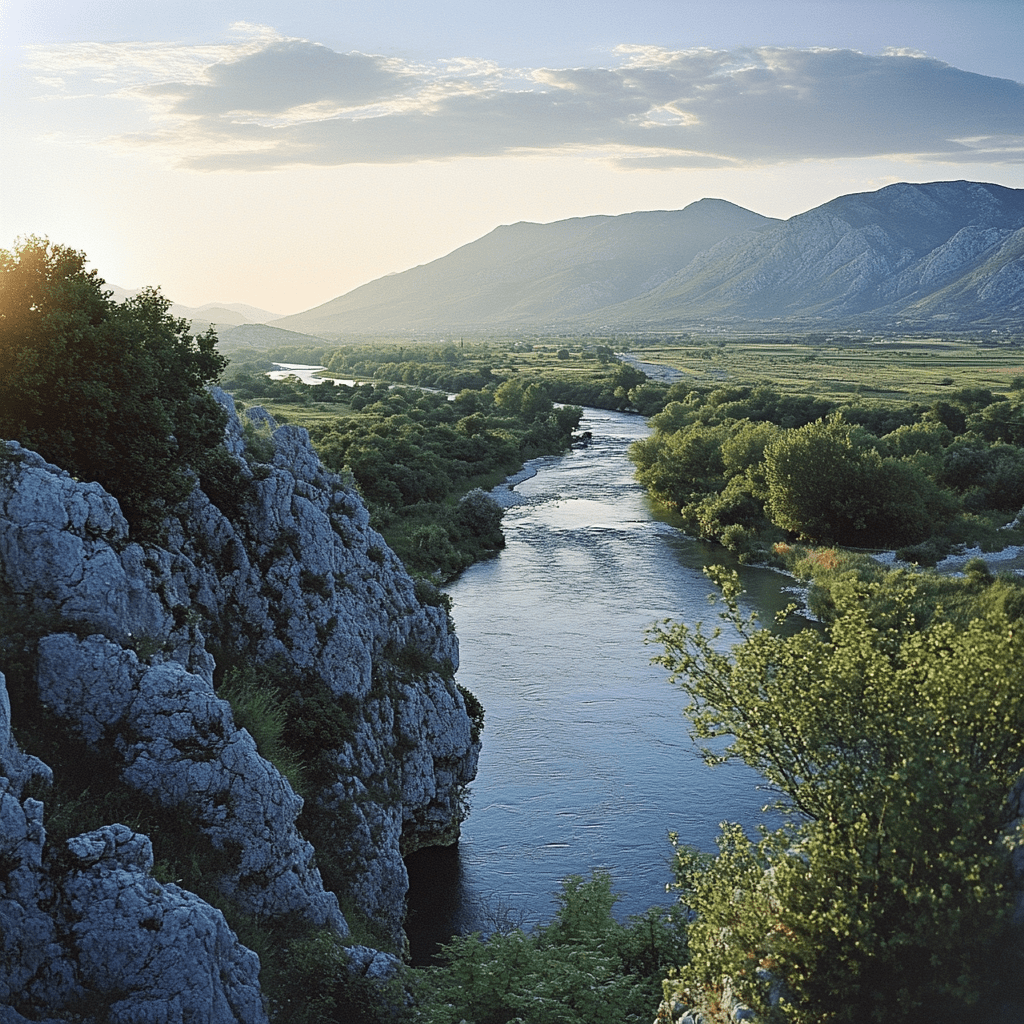
克拉拉:「這裡的景觀感覺如此封閉。山脈似乎具有保護作用,但同時也令人感到隔離。對於莫斯塔爾的居民來說,戰爭期間這裡一定讓人感到既受到庇護,又被困住。」
伊莎貝爾:「這是個很好的說法。這座城市的地理位置一直是一把雙刃劍。一方面,它提供了自然的保護,但另一方面,衝突期間,逃亡和外部援助變得困難。這與沿海城市非常不同,那裡的人往往可以通過海路逃走。莫斯塔爾的人民不得不堅守陣地。」
克拉拉:「而斯塔里莫斯,這座橋,就是那顆心臟。它不僅僅是一座跨越河流的橋樑——它是這座城市的生命線。在戰爭中摧毀它就像是切斷了這座城市的精神。」
伊莎貝爾:「是的,這座橋的毀滅象徵著更大層面的文化和社會分裂。當橋倒塌時,它代表了人民之間聯繫的破裂。但它的重建同樣具有象徵意義——這是一個提醒,儘管有所有的分歧,團結仍然可以重建。」
克拉拉:「我想這正是莫斯塔爾如此獨特的原因。沿海城市,憑藉不斷的貿易和影響力,總是在向外看。而像莫斯塔爾這樣的地方則有更多的內在關注——他們不得不從內部培養出自己的身份和韌性。」
伊莎貝爾:「這就是為什麼莫斯塔爾與眾不同的原因。這不僅僅是歷史或建築的問題;這是關於一個社區如何在最嚴重的毀滅後重建自己。斯塔里莫斯或許不像沿海城市的防禦工事那樣宏偉,但它的重要性同樣深遠。」
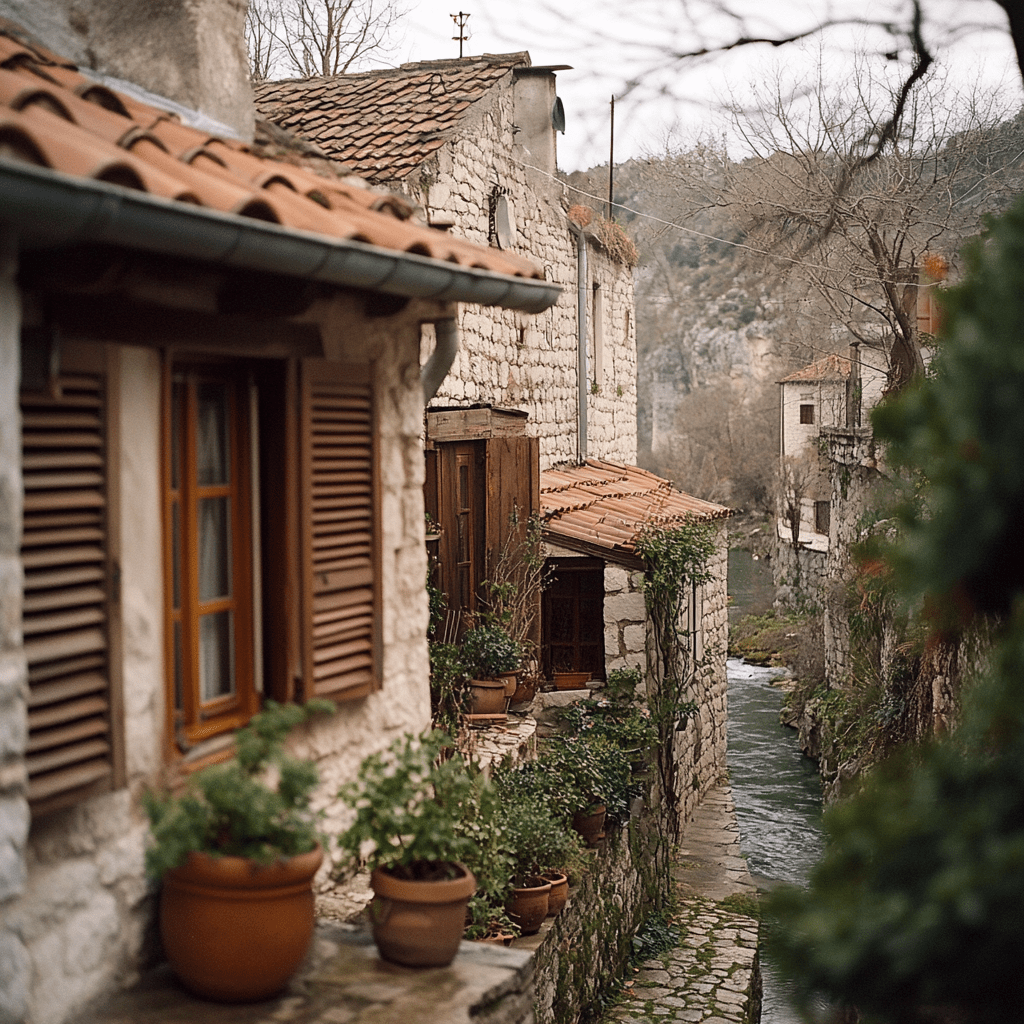
Scene 2: Arriving in Mostar – A City of Contrasts and Resilience
Clara: “We’re finally here. The city looks different from what I imagined—it’s not just the bridge that makes Mostar unique, is it?"
Isabel: “Not at all. The bridge is iconic, but there’s so much more to this place. Mostar is a city of contrasts, where centuries of history have left their mark. You’ll see Ottoman architecture mixed with Austro-Hungarian influences, and even traces of the Yugoslav era. It’s a place where different empires, religions, and cultures have collided, and somehow, it all comes together."
Clara: “I can already sense that. It feels more layered than the coastal cities we’ve visited. There’s something about the air here—it’s heavy with history, but it’s also alive with resilience."
Isabel: “Exactly. Walking through these streets, you’ll notice how the scars of war coexist with the beauty of restoration. There’s still damage visible from the Bosnian War, but at the same time, there’s so much life and vibrancy. The people here are resilient, and they’ve had to rebuild their city and their community, just like they rebuilt the Stari Most bridge."
(As they walk closer to the old town, the stone streets wind through the center of Mostar, lined with shops selling local handicrafts, and the scent of Bosnian coffee wafts through the air.)
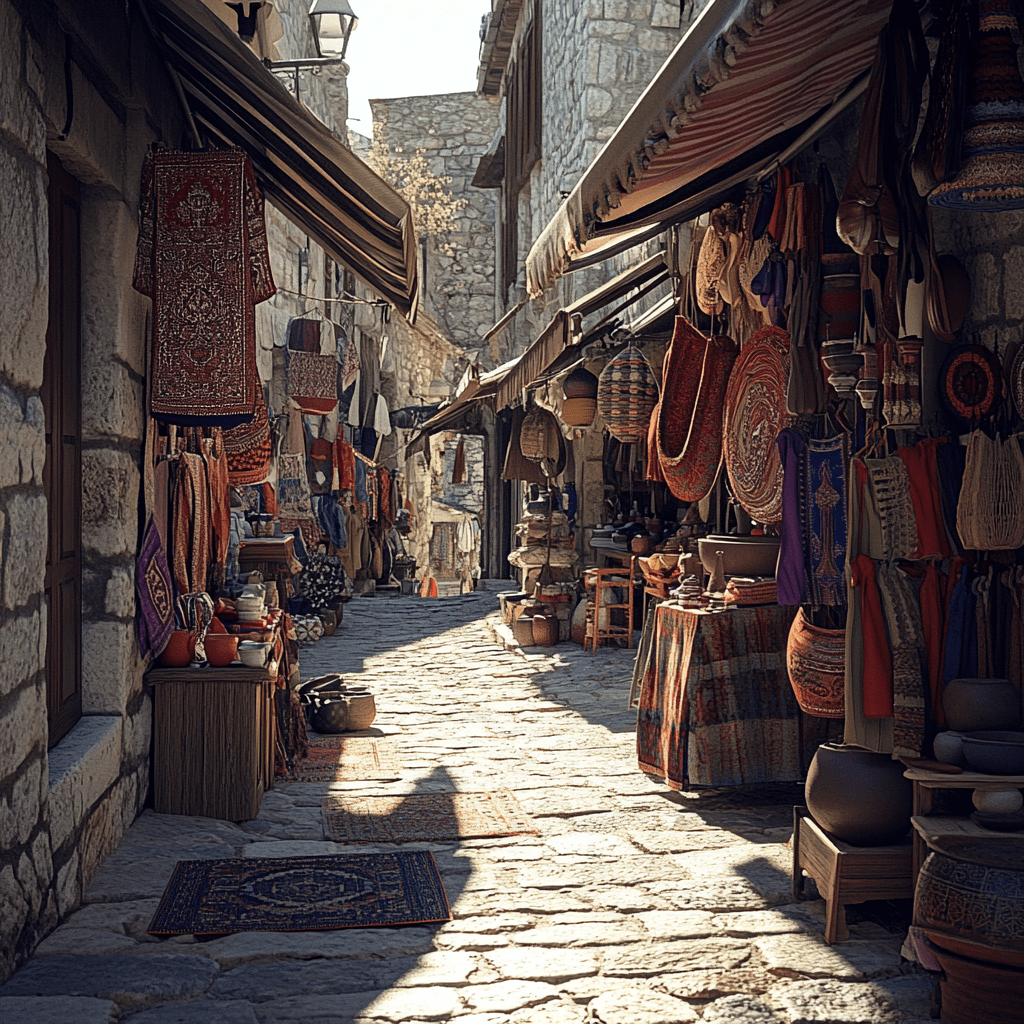
Clara: “It’s strange. Despite the signs of past conflict, there’s a warmth here. It feels like a place where people haven’t given up on hope. The bridge is still standing, and life continues around it."
Isabel: “That’s what makes Mostar so special. The city could have been swallowed by its past, but instead, it’s found a way to embrace it while moving forward. The reconstruction of the bridge is a testament to that—connecting both sides of the river and both sides of the community."
Clara: “It’s such a powerful image. A city literally divided by a river, but that bridge brings it all together. It’s like an anchor in time, holding onto its past while reaching toward the future."
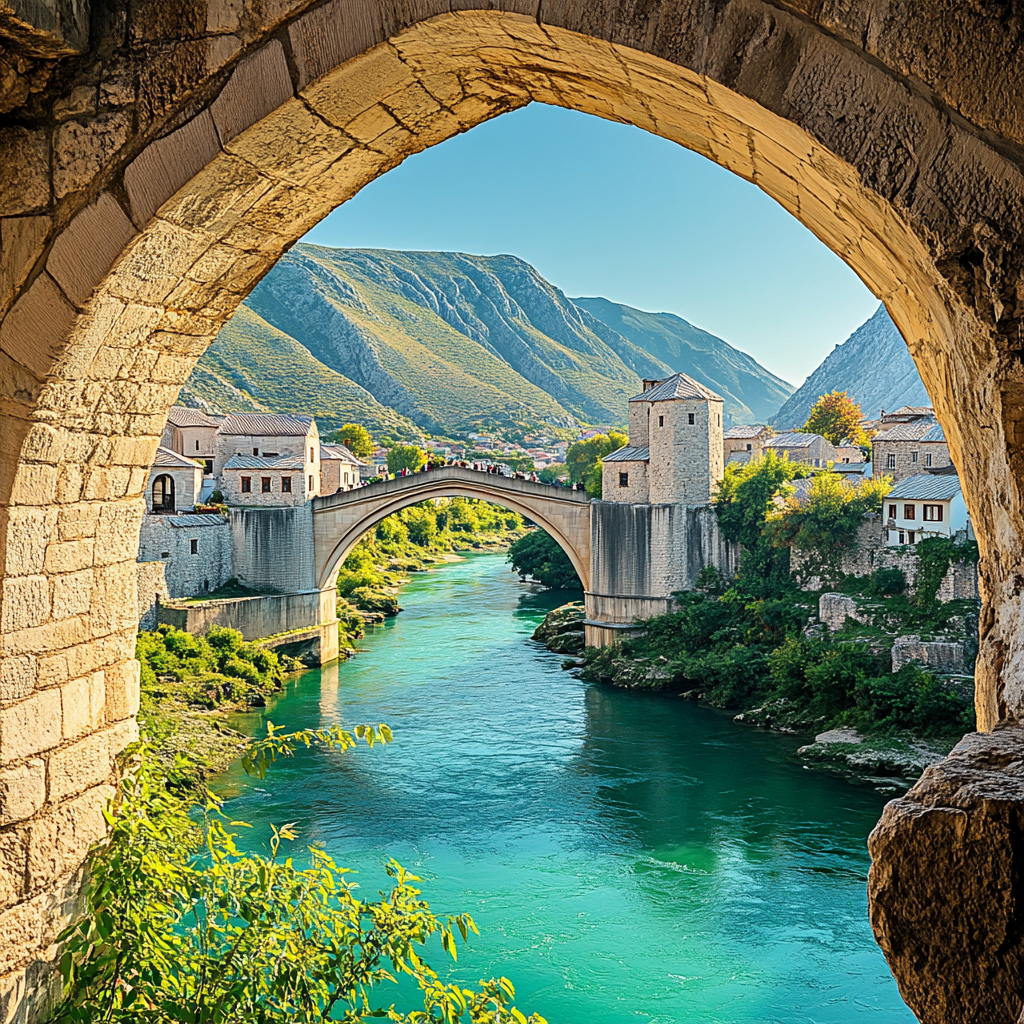
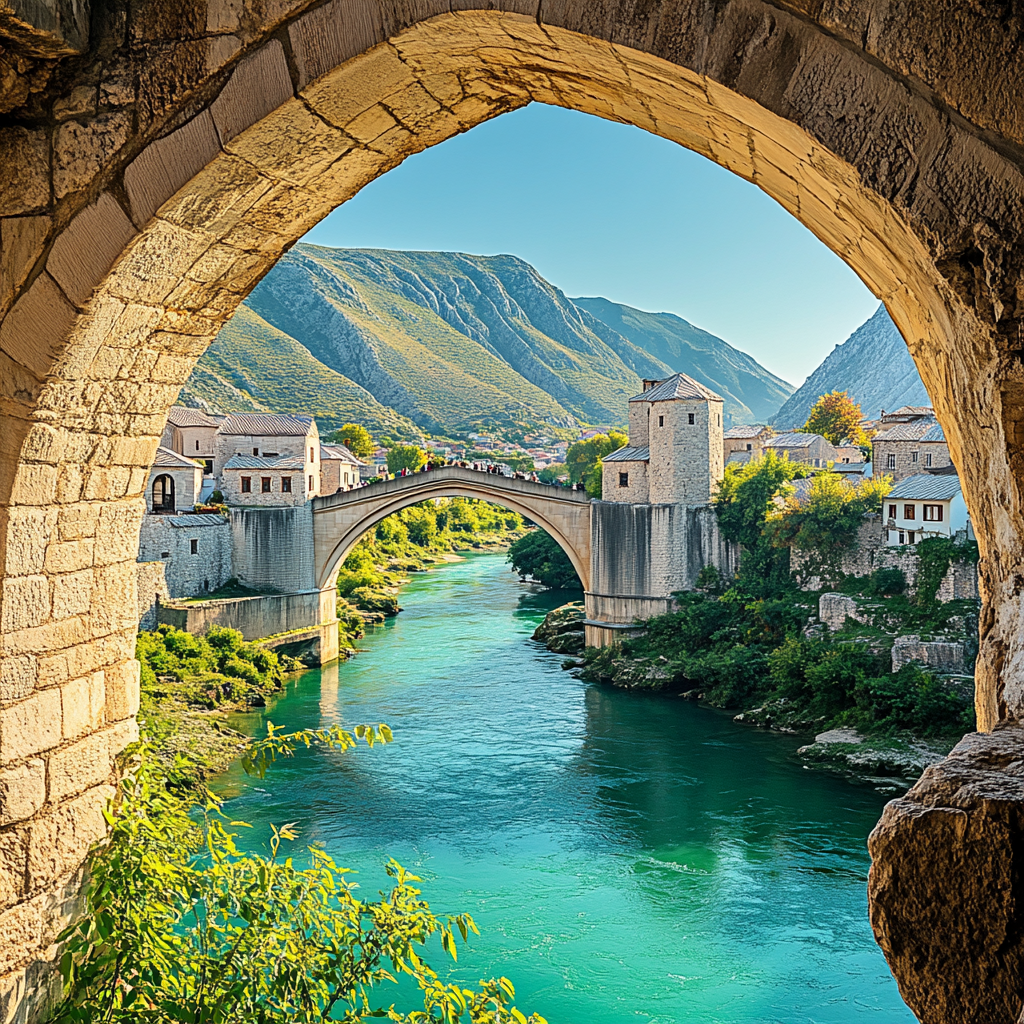
(They finally arrive at the base of the Stari Most bridge, its graceful arch rising above the Neretva River. The sound of the rushing water below echoes through the stone streets.)
Clara: “Standing here, it feels so different from seeing it in pictures. The way the bridge curves over the river, connecting the two sides of the city—it’s more than just a bridge."
Isabel: “Yes, it’s a symbol. A reminder of what’s been lost and what’s been rebuilt. It’s no wonder that people from all over the world come to see it, not just for its beauty, but for what it represents."
Clara: “And what’s interesting is that, unlike the coastal cities where trade shaped the culture, here, the bridge feels like the heart of the city. It’s not about reaching out to the world—it’s about staying connected to itself."
Isabel: “Exactly. Mostar has always been a crossroads of cultures, and the bridge is a testament to that. Even during the most difficult times, it remained a symbol of unity. And now, it’s a bridge between the past and the present, between division and reconciliation."
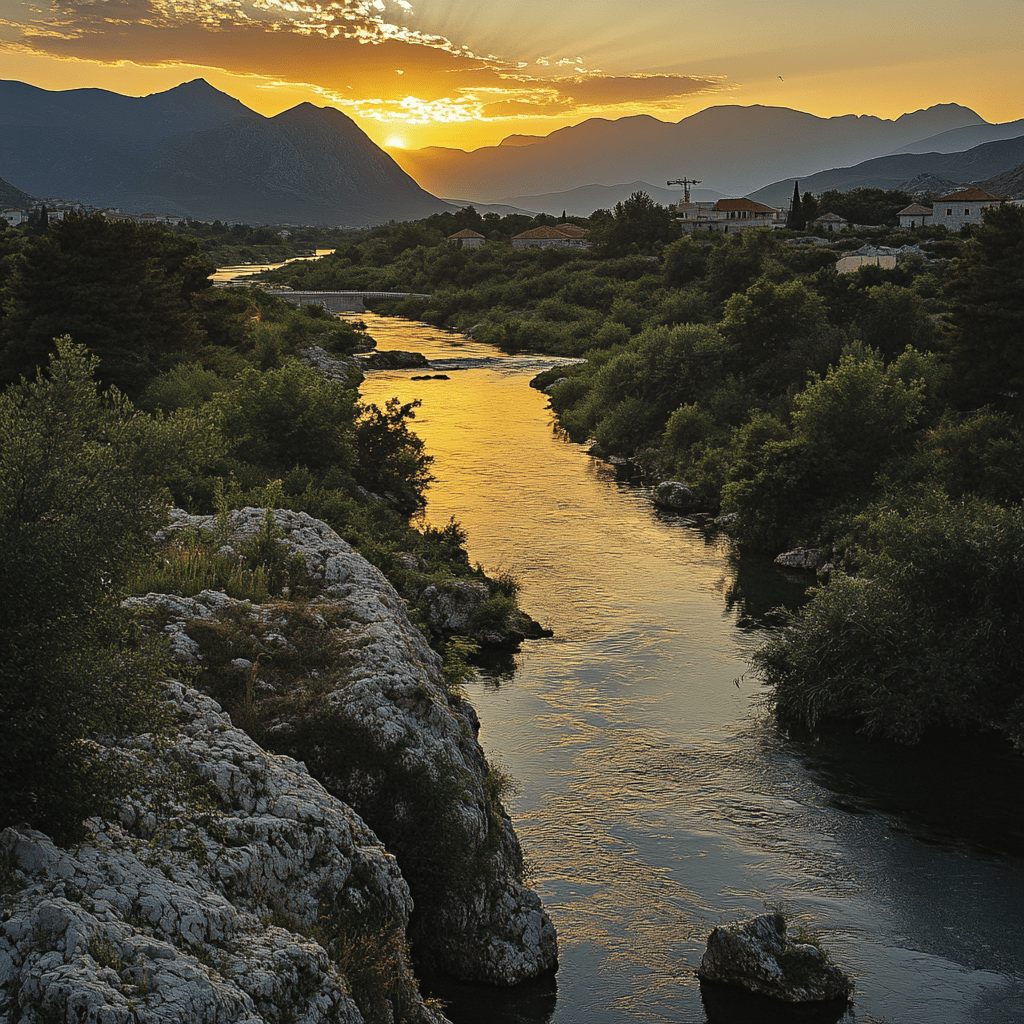
(They stand in silence for a moment, taking in the view of the river and the city on both sides of the bridge, as the sun begins to set behind the mountains.)
場景 2:進入莫斯塔爾——對比與韌性的城市
克拉拉:「我們終於到了。這座城市看起來跟我想像的不一樣——莫斯塔爾的獨特之處不僅僅是那座橋吧?」
伊莎貝爾:「當然不是。那座橋是標誌性建築,但這個地方還有更多值得探索的。莫斯塔爾是一個充滿對比的城市,幾個世紀的歷史都在這裡留下了痕跡。你會看到奧斯曼建築與奧匈帝國風格混合在一起,甚至還有南斯拉夫時期的痕跡。這是一個不同帝國、宗教和文化碰撞並融合的地方。」
克拉拉:「我已經感覺到了。這裡比我們之前去的沿海城市更加層次分明。這裡的空氣彷彿充滿了歷史的重量,但同時又充滿了韌性。」
伊莎貝爾:「沒錯。走在這些街道上,你會注意到戰爭的傷痕與重建的美麗並存。雖然波斯尼亞戰爭的損壞仍然可見,但這裡同時充滿了活力和生命力。這裡的人們非常堅韌,他們重建了自己的城市和社區,就像他們重建了斯塔里莫斯橋一樣。」
(他們走近舊城區,石頭鋪成的街道蜿蜒穿過莫斯塔爾的中心,商店裡出售當地手工藝品,波斯尼亞咖啡的香氣瀰漫在空氣中。)
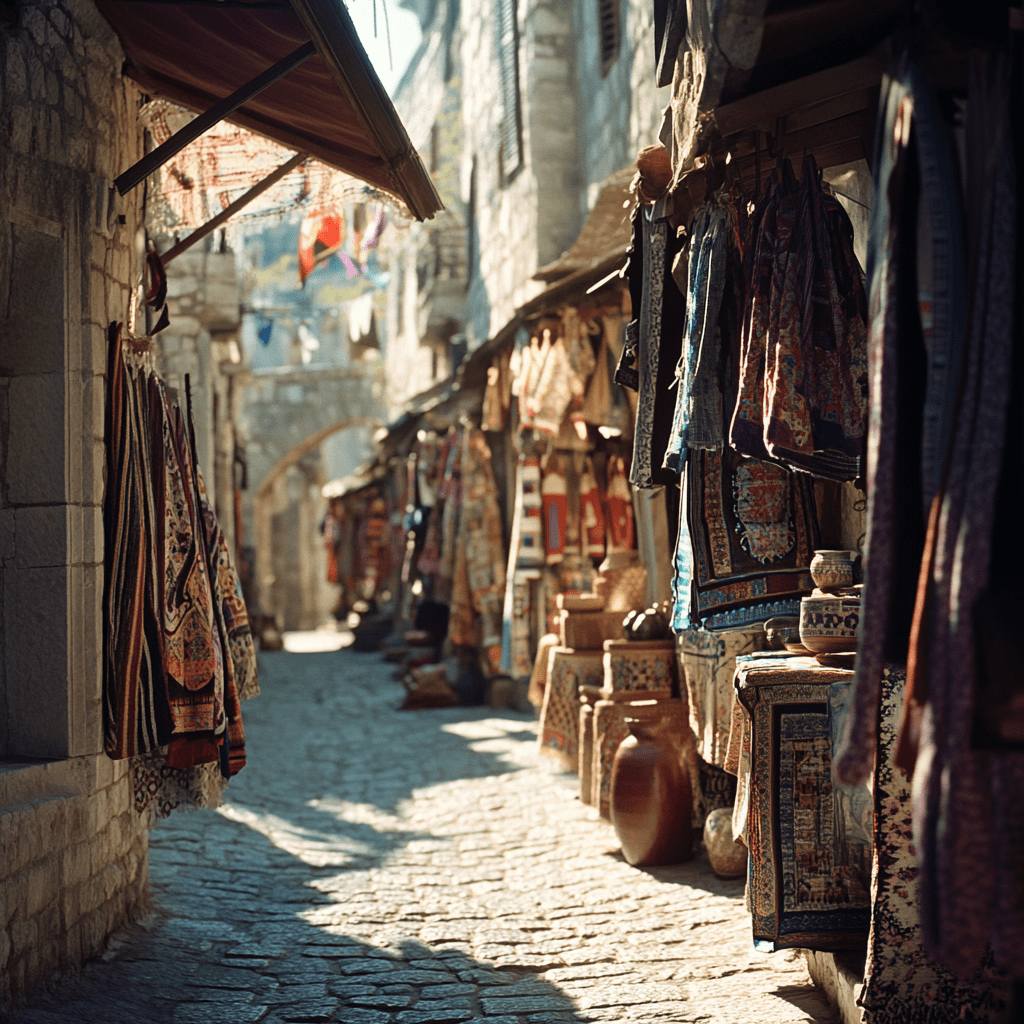
克拉拉:「很奇怪,儘管有過去衝突的痕跡,但這裡仍然有一種溫暖的感覺。這裡感覺像是一個人們從未放棄希望的地方。橋還在那裡,人們的生活也在繼續。」
伊莎貝爾:「這正是莫斯塔爾的特別之處。這座城市本可以被它的過去吞噬,但它卻找到了一種擁抱過去並向前走的方式。橋的重建就是這一點的證明——它連接了河的兩邊,也連接了這座城市的兩個部分。」
克拉拉:「這真是個強大的意象。一座被河流劃分的城市,而這座橋將一切連接在一起。這就像時間的錨,抓住了過去,卻又向未來延伸。」
(他們最終來到斯塔里莫斯橋的橋腳下,那優雅的拱形橋樑高高矗立在內雷特瓦河上方。下方河水的聲音迴響在石頭街道間。)
克拉拉:「站在這裡,感覺跟看照片完全不同。這座橋橫跨河流,連接城市的兩側——這不僅僅是一座橋。」
伊莎貝爾:「是的,它是一個象徵。一個提醒我們曾經失去的東西和重建的力量。難怪來自世界各地的人們來參觀它,不僅僅是因為它的美麗,還因為它所代表的意義。」
克拉拉:「有趣的是,與沿海城市的貿易塑造文化不同,這裡的橋像是城市的心臟。它不僅僅是為了向外聯繫世界,而是保持自身的聯繫。」
伊莎貝爾:「完全正確。莫斯塔爾一直是文化的十字路口,而這座橋就是這一點的見證。即使在最困難的時期,它仍然是一個團結的象徵。如今,它是連接過去與現在,分裂與和解之間的橋樑。」
(她們靜靜地站了一會兒,俯瞰河流和橋兩邊的城市,夕陽開始在遠處的群山後落下。)
Scene 3: The Historical Layers of Mostar
(Clara and Isabel continue their journey through Mostar, walking towards the Koski Mehmed Pasha Mosque after visiting the Stari Most. The old town’s cobblestone streets wind around them, and the vibrant mix of Ottoman and European influences is evident in every building they pass.)
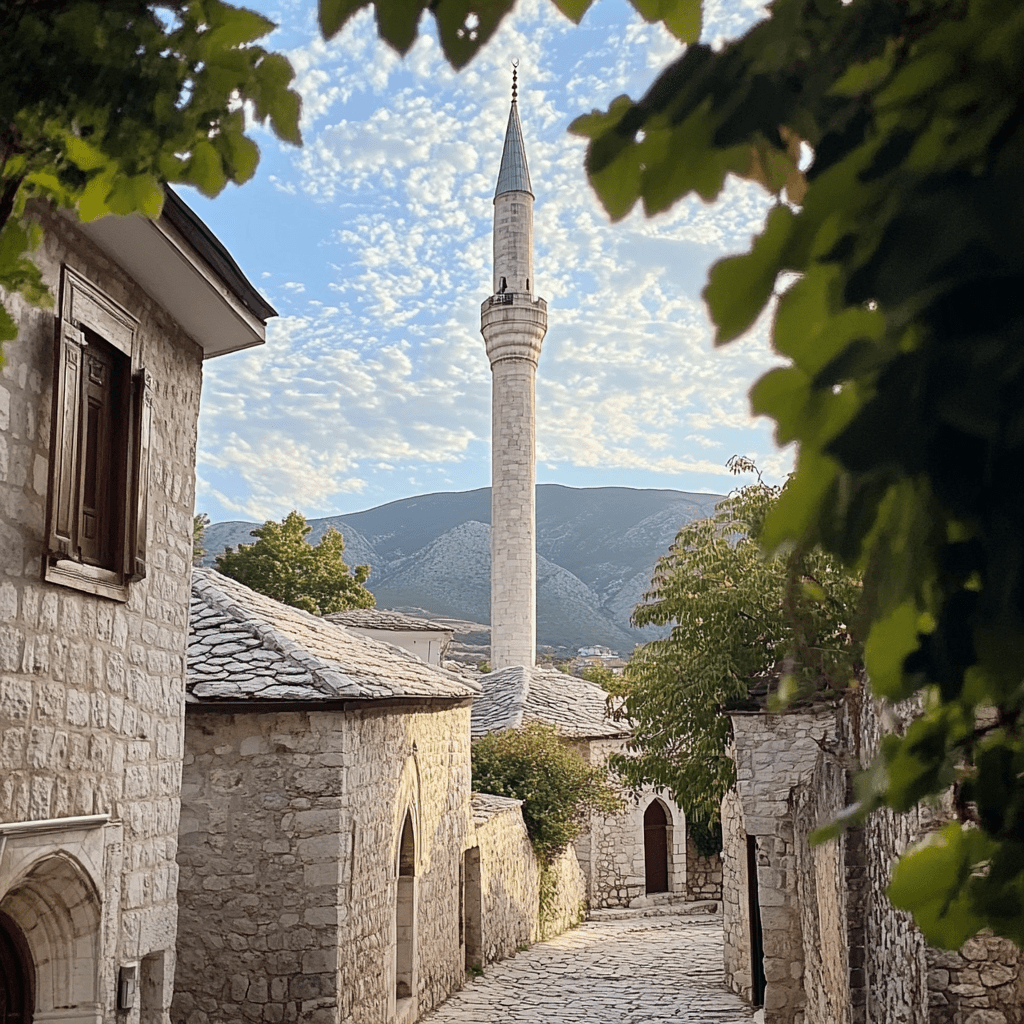
Clara: “It’s incredible how this place seems to hold layers of history in every corner. You can really feel the mix of cultures that have passed through here—Ottomans, Austro-Hungarians, and more."
Isabel: “Yes, Mostar is a city that perfectly illustrates the meeting of East and West. It’s a symbol of both unity and division. Stari Most, for example, was more than just a bridge physically connecting two sides—it connected communities. Christians, Muslims, and Jews lived side by side here for centuries. This city is a testament to how people and cultures can coexist, even through difficult times."
Clara: “It’s amazing how it was rebuilt after being destroyed in the war. I remember reading that it was meant to show the resilience of the people and their determination to rebuild after the conflict. It’s as much a symbol of hope as it is a historical site."
Isabel: “Exactly. The rebuilding of Stari Most was about more than just restoring a bridge; it was about restoring connections. But beyond that, Mostar is also a place where you can see the legacy of the Ottoman Empire. Koski Mehmed Pasha Mosque is one of the best-preserved examples of Ottoman architecture in the city, and it’s still used today, which tells you something about the endurance of culture and faith here."
Clara: “You can see that in how everything blends together—the streets, the mosques, the churches. It’s a living history book."
場景 3:莫斯塔爾的歷史層次
(克拉拉和伊莎貝爾繼續他們在莫斯塔爾的旅程,前往科斯基·穆罕默德帕夏清真寺。舊城區的鵝卵石街道蜿蜒而行,奧斯曼和歐洲風格的混合在每一座建築中都顯而易見。)
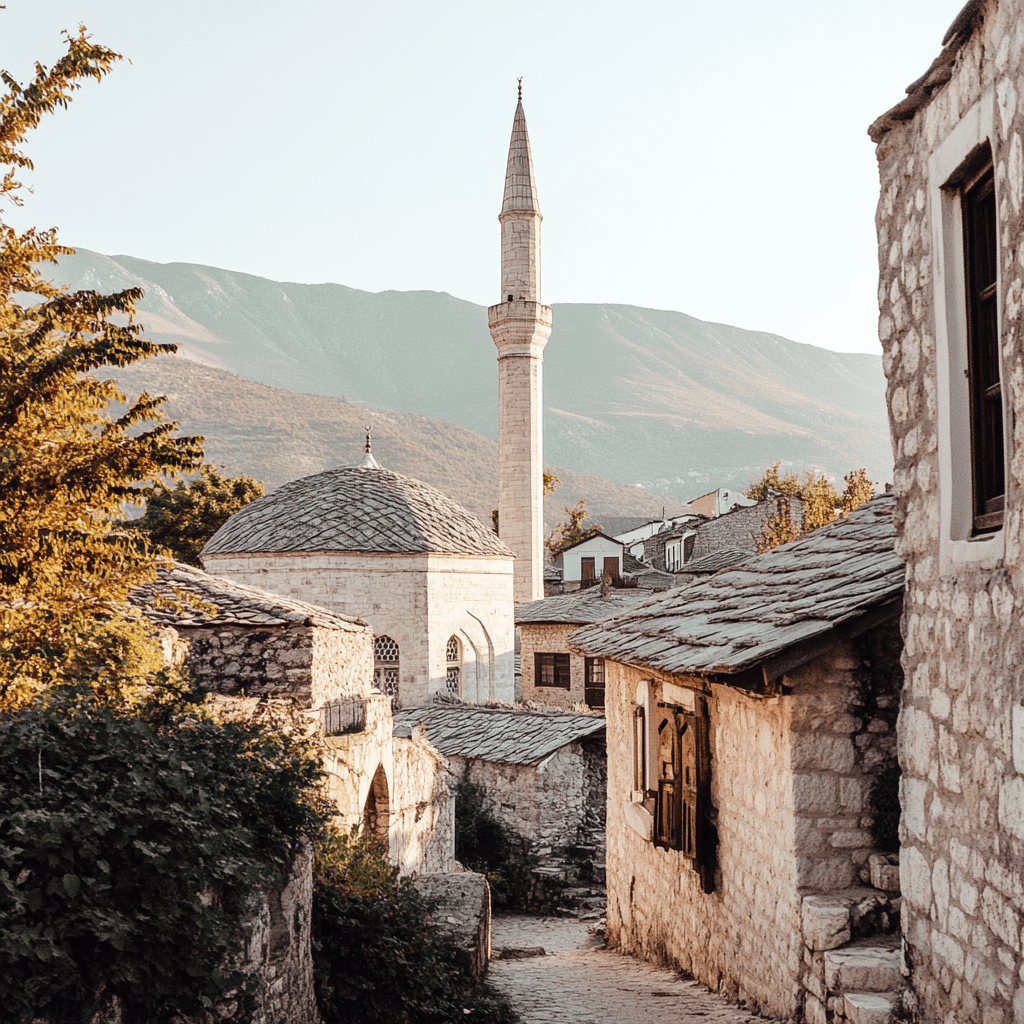
克拉拉:「這座城市的每個角落都彷彿承載著歷史的層層重疊。你真的能感受到這裡曾經有過的多元文化交融。」
伊莎貝爾:「是啊,莫斯塔爾是東西方交匯的完美象徵。它既是團結的象徵,也是分裂的象徵。比如斯塔里莫斯橋,不僅僅是物理上連接兩岸,還連接著不同的社區。幾個世紀以來,基督徒、穆斯林和猶太人一直在這裡和睦共處。這座城市展示了人們如何在困難時期仍然可以共存。」
克拉拉:「它在戰爭中被摧毀後又重建,這真是令人難以置信。我記得讀過,重建這座橋是為了向世界展示,這裡的聯繫仍然存在。這座橋不僅僅是歷史遺跡,還是希望的象徵。」
伊莎貝爾:「沒錯。重建斯塔里莫斯不僅僅是修復一座橋,還是修復人與人之間的聯繫。不過,莫斯塔爾也展示了奧斯曼帝國的遺產。科斯基·穆罕默德帕夏清真寺是這裡保存最完好的奧斯曼建築之一,它至今仍然在使用,這展示了文化和信仰的持久性。」
克拉拉:「你能在這裡看到所有的一切都融合在一起——街道、清真寺、教堂。這裡就像一本活生生的歷史書。」
Scene 4: The Taste of Mostar – A Local Restaurant
(They enter a cozy, traditional restaurant near the river. The interior is simple but warm, with wooden furniture and an old-world charm. The menu features a mix of local Bosnian dishes, showcasing the Ottoman influence on the cuisine.)

Clara: “I’ve been waiting to try the local food here. It’s fascinating how the cuisine reflects the history, just like the architecture. You can see the Ottoman influence in the spices and dishes."
Isabel: “Absolutely. Bosnian food is a great reflection of its history—rich in flavor, yet simple and rustic. You’ll find a lot of Ottoman elements in dishes like burek (meat-filled pastry) and čevapi (grilled minced meat), but also the influence of Austro-Hungarian and Slavic traditions. It’s all about using local ingredients in creative ways."

Clara: “I’ve heard about burek—it’s similar to what you’d find in Turkey or Greece, right?"
Isabel: “Exactly. It’s a legacy of the Ottoman Empire, but the Bosnians have their own take on it. They use more yogurt-based sauces, and the fillings can vary. You’ll also find dishes like sogan-dolma, which are onions stuffed with minced meat and rice, slow-cooked with spices."
(A waiter brings them plates of burek and sogan-dolma, along with a traditional salad of fresh tomatoes, cucumbers, and peppers.)
Clara: “This is so good—comfort food, but with a depth of flavor that’s different from anything I’ve had before. I can really taste the mix of influences here."
Isabel: “Yes, the food tells the story of the region’s history just as much as the architecture does. And don’t forget to try baklava for dessert. It’s another Ottoman legacy, but with a slightly different twist here in Bosnia."

Clara: “It’s so interesting how food, like everything else here, is a fusion of cultures. It’s like you’re tasting history."
Isabel: “Exactly. That’s what makes Mostar so special—it’s a place where you can feel, see, and even taste the history and culture."
場景 4: 莫斯塔爾的味道—當地餐館
(他們走進一間靠近河邊的傳統餐館。餐廳內部簡樸但溫馨,木製家具和古老的裝飾讓人感覺溫暖。菜單展示了波士尼亞的當地菜餚,顯示出奧斯曼風味的影響。)
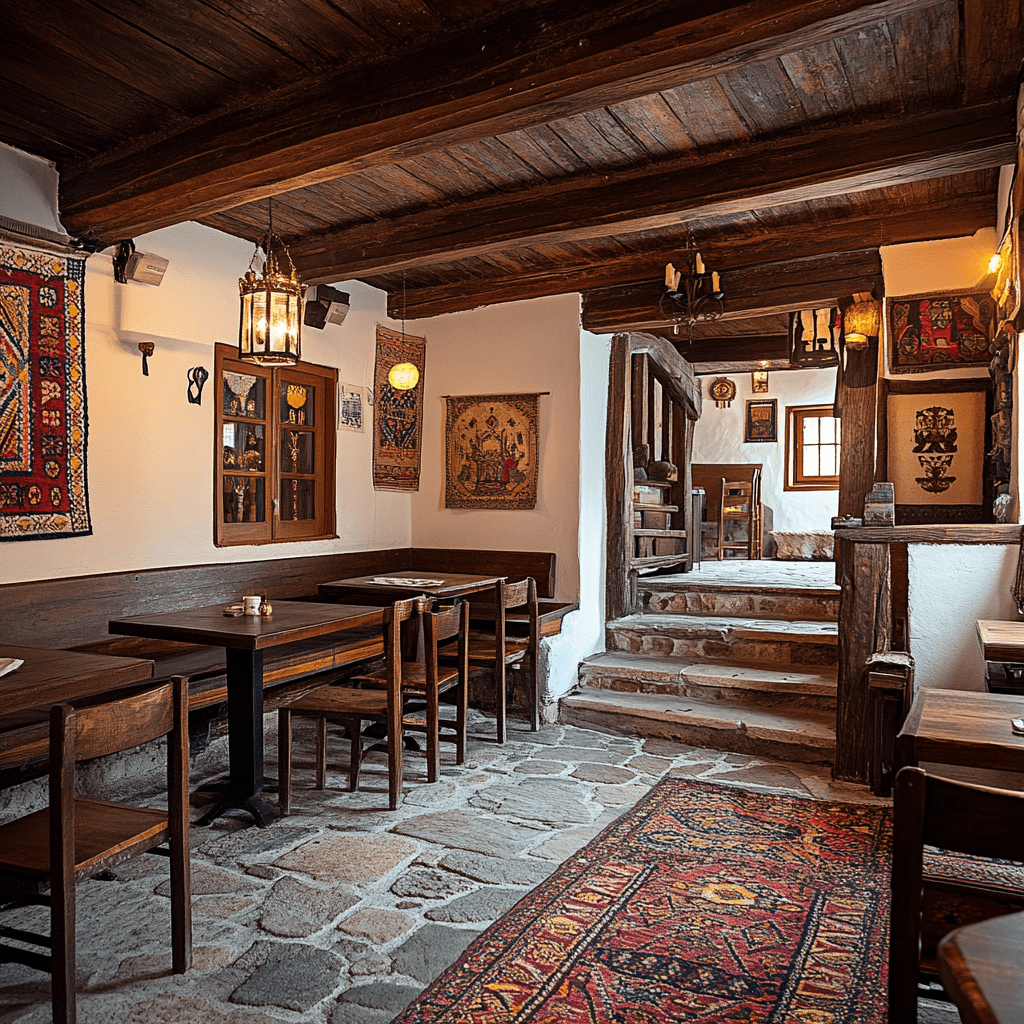
克拉拉:「我一直期待著品嚐這裡的當地美食。這裡的菜餚就像建築一樣,反映著歷史。你可以看到奧斯曼的影響在香料和菜餚中。」
伊莎貝爾:「是的,波士尼亞的食物很好地反映了它的歷史——味道豐富,但又簡單樸實。你會發現像博雷克(burek)這樣的菜餚充滿了奧斯曼元素,還有切瓦皮(čevapi)這類燒烤肉排,但也有奧匈帝國和斯拉夫傳統的影響。」
克拉拉:「我聽說過博雷克——它和土耳其或希臘的版本差不多吧?」
伊莎貝爾:「對,它是奧斯曼帝國的遺產,但波士尼亞人有自己獨特的版本。他們會用更多的酸奶醬,餡料也有不同。還有索甘多瑪(sogan-dolma),這是用米飯和絞肉填充的洋蔥,慢煮入味。」
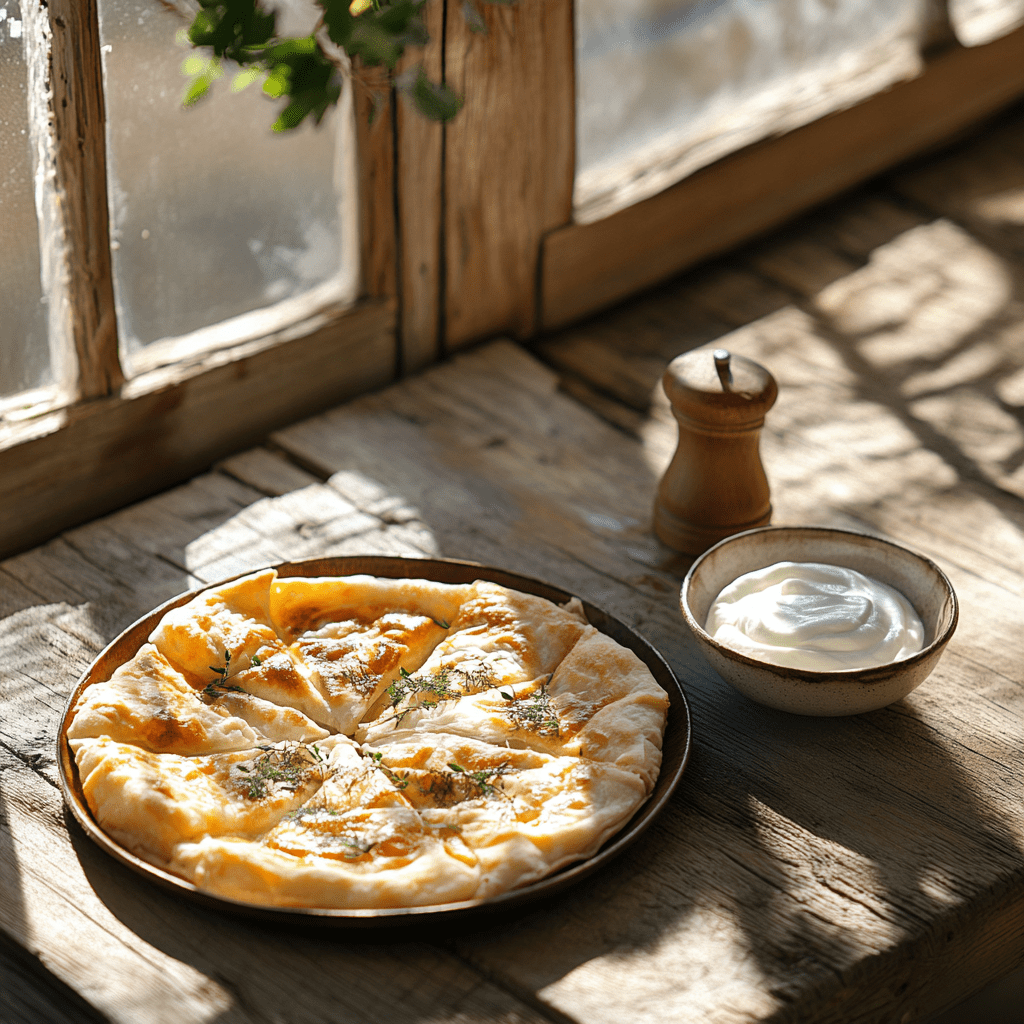
(服務生端上了博雷克和索甘多瑪,還有當地的傳統沙拉,裡面有新鮮的番茄、黃瓜和青椒。)
克拉拉:「這真是太好吃了!這種食物讓人感到舒適,但它的味道很有層次,和我之前吃過的完全不同。我能真的品嘗到這裡不同文化的融合。」
伊莎貝爾:「是啊,這裡的食物正是這個地方歷史的縮影,就像建築一樣,展示了這裡的文化和歷史融合。還有,別忘了嘗嘗甜點巴克拉瓦(baklava)。這是奧斯曼帝國的另一遺產,但波士尼亞版有一些不同的風味。」

克拉拉:「我聽過巴克拉瓦,但我沒想到它在這裡也有這麼深的根源。真有意思,這裡的每一道菜餚都像在講述著這個地方的歷史故事。」
伊莎貝爾:「沒錯,食物反映了這裡的文化融合。你吃的不僅僅是味道,而是這裡的過去和歷史的縮影。」
克拉拉:「莫斯塔爾不僅是歷史的遺址,它的文化也還活著,體現在食物、建築和人們的生活方式中。」
Scene 5: A Deeper Dive into Mostar’s History and the Balkans
(Clara and Isabel are seated in the cozy traditional restaurant, finishing their meal. As they continue their conversation, they begin to reflect not just on Mostar, but on the larger history of the Balkans, especially its complex political landscape.)
Clara: “This food tells such a rich story of cultural exchange, but it makes me think—why has this region seen so much conflict? I mean, Bosnia and Herzegovina, and the entire Balkans for that matter, have been through so many wars."
Isabel: “That’s a good question. The Balkans have always been at the crossroads of empires—Roman, Byzantine, Ottoman, Austro-Hungarian—and each of those powers left their mark. This region has historically been fragmented, and because it was so geographically and culturally diverse, it became a battleground for influence."
Clara: “So before the modern countries we see today, what was here? Did any unified kingdoms exist?"
Isabel: “In ancient times, the region was largely inhabited by different tribes—Illyrians, Thracians, and later, Slavs. By the medieval period, several smaller kingdoms and principalities emerged, like the Kingdom of Serbia, the Kingdom of Croatia, and the Kingdom of Bosnia. But none of these lasted long without being absorbed by larger empires. The Ottomans, in particular, had a massive influence here after the 14th century."
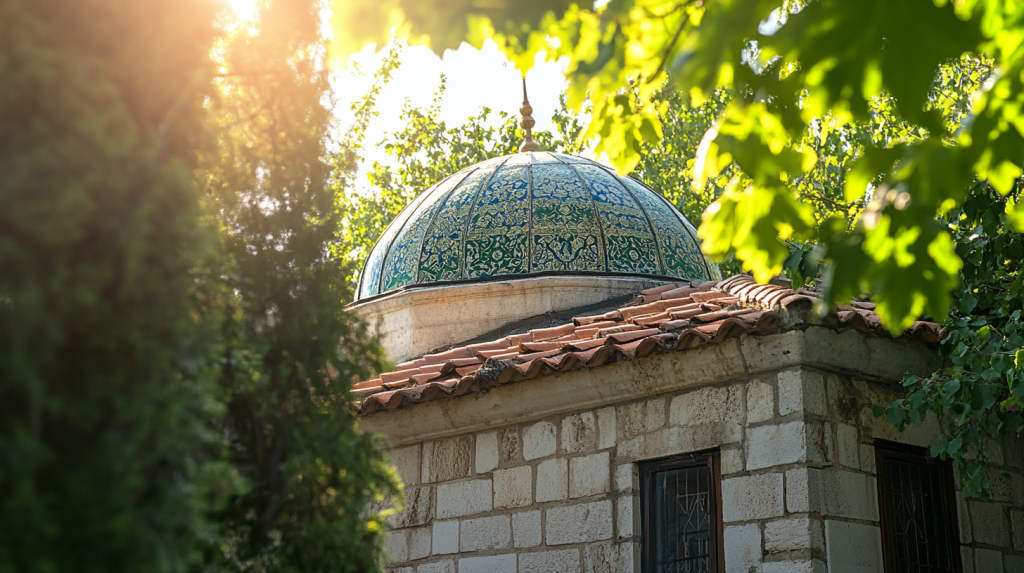
Clara: “And I assume that constant shifting of borders and control led to a lot of unrest?"
Isabel: “Absolutely. When the Ottomans started expanding into Europe, it changed everything. Christian kingdoms in the region either fought or were absorbed into the Ottoman Empire. But even within the empire, you had tensions—ethnic, religious, and political. Muslims, Christians, and Jews lived side by side, but there was always a delicate balance of power."
Clara: “And that balance eventually fell apart."
Isabel: “Yes, by the 19th century, as the Ottoman Empire weakened, the Balkan states began pushing for independence. This was the start of a long and bloody struggle for national identity. The Balkan Wars in the early 20th century were essentially the culmination of centuries of tension between these small states trying to carve out their own place in Europe."
Clara: “So it wasn’t just about one war, but a series of conflicts that kept erupting?"
Isabel: “Exactly. The Balkan Wars, World War I—both had their roots in the political instability of the region. And even after World War I, the creation of Yugoslavia as a single state was an attempt to unify the South Slavic peoples, but it was far from a perfect solution."
Clara: “Yugoslavia eventually fell apart too, right?"
Isabel: “Yes, it did. The rise of nationalism in the 1990s led to its disintegration and the brutal wars that followed, including the Bosnian War. That’s why places like Mostar, with its mix of cultures and religions, became so important—they were symbols of coexistence, and their destruction was meant to erase that coexistence."
Clara: “It’s tragic. The wars, the ethnic cleansing, and the fact that these people who had lived together for centuries suddenly turned on each other."
Isabel: “It’s one of the saddest chapters in modern European history. But places like Stari Most being rebuilt show that people here are resilient. They are trying to heal, even though the scars of war remain."
Clara: “It’s amazing how this place embodies both the beauty of cultural fusion and the devastation of conflict. You can feel it in the food, the architecture, and the people."
場景 5: 深入探討莫斯塔爾的歷史與巴爾幹半島
(克拉拉和伊莎貝爾坐在溫馨的傳統餐館中,享受著他們的餐點。隨著他們的對話進展,他們開始反思莫斯塔爾以及整個巴爾幹半島的歷史,特別是這裡複雜的政治格局。)
克拉拉:「這裡的食物講述了如此豐富的文化交流故事,但讓我不禁思考——為什麼這個地區經歷了那麼多的衝突?我指的是波士尼亞和赫塞哥維納,整個巴爾幹半島,似乎總是處於戰爭中。」
伊莎貝爾:「這是一個好問題。巴爾幹半島一直是帝國的交匯點——羅馬、拜占庭、奧斯曼、奧匈帝國——每一個勢力都在這裡留下了痕跡。這個地區歷來是分裂的,因為它的地理和文化多樣性,成為了爭奪影響力的戰場。」
克拉拉:「那在現代國家之前,這裡是什麼樣子?曾經有過統一的王國嗎?」
伊莎貝爾:「在古代,這裡主要由不同的部落居住——伊利里亞人、色雷斯人,後來是斯拉夫人。到了中世紀,出現了一些較小的王國和公國,比如塞爾維亞王國、克羅地亞王國和波斯尼亞王國。但這些王國都沒有持續太久,最終被更大的帝國吞併。奧斯曼帝國尤其對這裡有著深遠的影響,自14世紀起便控制了這片地區。」
克拉拉:「我猜,不斷變換的邊界和統治帶來了不少動盪吧?」
伊莎貝爾:「是的,當奧斯曼帝國開始向歐洲擴張時,改變了整個局勢。這裡的基督教王國要麼反抗,要麼被吸收進了奧斯曼帝國。但即使在帝國內部,也有許多緊張局勢——民族、宗教和政治之間的矛盾。穆斯林、基督徒和猶太人在這裡共存,但這種權力平衡一直很脆弱。」
克拉拉:「最終,這種平衡還是破裂了。」
伊莎貝爾:「是的,到了19世紀,隨著奧斯曼帝國的衰落,巴爾幹國家開始爭取獨立。這標誌著一場長期而血腥的國家身份爭奪戰的開始。20世紀初的巴爾幹戰爭便是這些小國家試圖在歐洲中尋找自己定位的結果。」
克拉拉:「所以,不僅僅是一場戰爭,而是一系列不斷爆發的衝突?」
伊莎貝爾:「沒錯。巴爾幹戰爭、一戰——這些都源自這個地區的政治不穩定。即使在一戰之後,南斯拉夫的建立試圖統一南斯拉夫人,但那也遠非完美的解決方案。」
克拉拉:「最終南斯拉夫還是解體了,對吧?」
伊莎貝爾:「像莫斯塔爾這樣的地方,由於其文化和宗教的多樣性,成為衝突的象徵。斯塔里莫斯橋的毀壞不僅僅是物理上的破壞,它象徵著多元共存的破碎。而它的重建,則象徵著恢復與希望,表明這裡的人們在面對困難時依然有力量修復他們的社會連結。」
克拉拉:「聽起來真是令人心碎。這裡的人們世世代代和睦共處,然後一夜之間,因為民族和宗教的分歧,彼此變成了敵人。這真是難以接受的現實。」
伊莎貝爾:「是的,這確實是近代歐洲歷史上最悲慘的篇章之一。但是,就像你說的,這座城市,以及像斯塔里莫斯這樣的地標,都是重建的象徵。雖然歷史的創傷無法完全抹去,但這些建築和傳統告訴我們,無論經歷了多少戰爭和破壞,人們的精神還是能夠恢復。」
克拉拉:「這真是一個充滿力量的地方。我可以感受到這裡的美麗與痛苦交織在一起。這座城市告訴我們,儘管歷史帶來了衝突,文化和人們的韌性仍能存續下去。」
Scene 6: Leaving Mostar and Looking Ahead
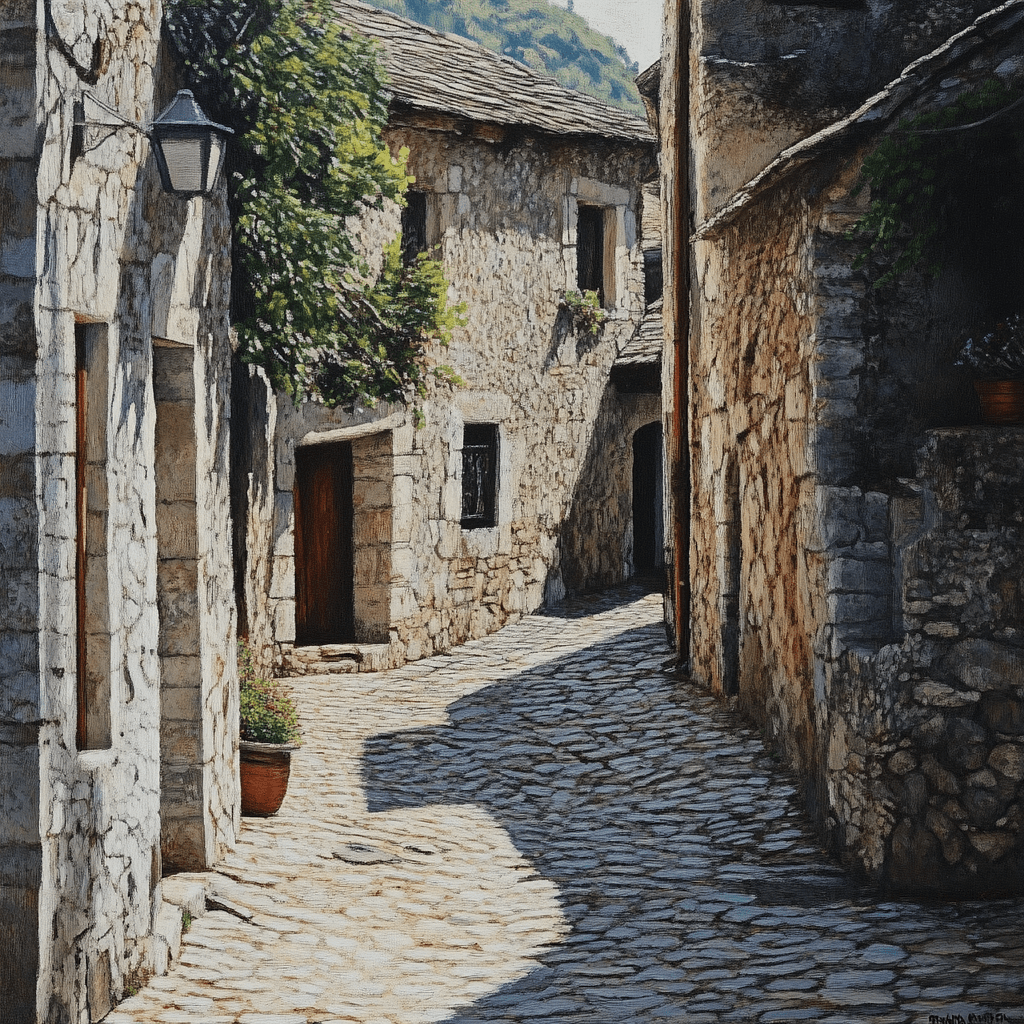
(After their intense discussion, Clara and Isabel finish their meal and step outside the restaurant. The late afternoon sun casts a warm glow over the ancient city, highlighting the timelessness of its stone streets and the flowing Neretva River.)
Clara: “That was a heavy conversation, but necessary. Mostar has taught me more than I expected—not just about Bosnia, but about the entire history of the Balkans."
Isabel: “The Balkans are a mirror of European history in so many ways—a place of constant movement, change, and conflict, but also resilience. The differences between Bosnia and Croatia, for example, reflect the complex history of this region."
Clara: “It’s fascinating how two neighboring countries can be so close in some ways, yet so different in others. Linguistically, Bosnian and Croatian are almost the same language, but it’s the religious and cultural differences that set them apart."
Isabel: “That’s right. Bosniaks in Bosnia are mostly Muslim, a legacy of Ottoman rule, while Croats are predominantly Catholic, with stronger ties to Western Europe and the Habsburg Empire. This difference in religion has had a profound impact on their cultures, architecture, and even how their cities look today."
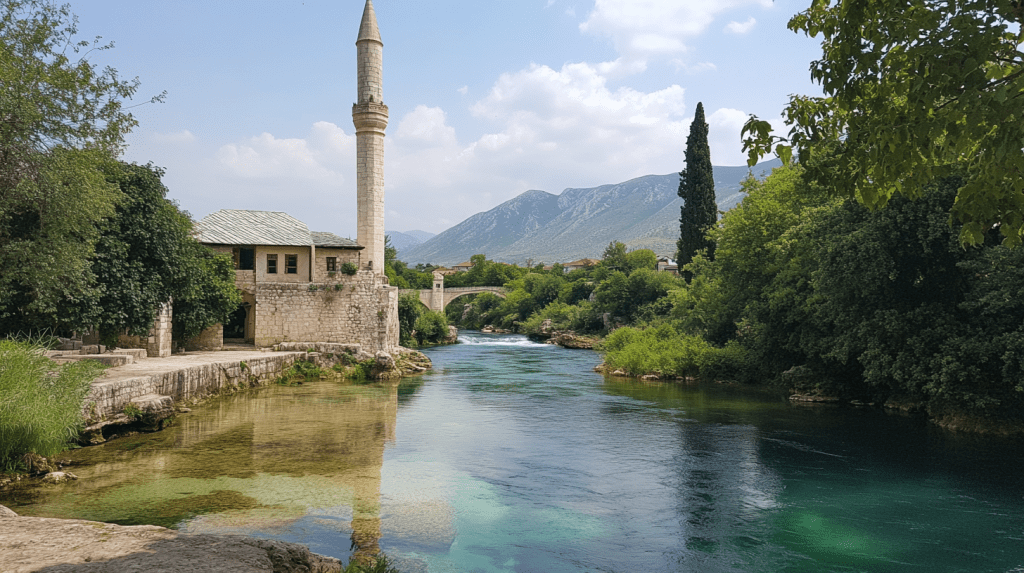
Clara: “I noticed the mosques here in Mostar, with their slender minarets, which gives the city a very different feeling from Croatian towns like Dubrovnik, where churches and bell towers dominate the skyline."
Isabel: “Exactly. Ottoman architecture left a significant mark on Bosnia, with mosques, medresas (Islamic schools), and hammams (bathhouses) being common. Meanwhile, in Croatia, especially in coastal towns, you’ll see more Romanesque and Gothic influences, reflecting the region’s Catholic heritage and its connection to Venice and other parts of Italy."
Clara: “Speaking of architecture, why are Croatian roofs so strikingly red? Is it just for aesthetics?"
Isabel: “The red-tiled roofs you see in Croatia, particularly along the coast, are not just a stylistic choice—they’re a practical one. The tiles are made from terracotta, a clay material that’s abundant in the region. Terracotta not only protects against the harsh coastal weather, but the color also helps reflect the strong Mediterranean sun. It’s a distinctive feature of Croatian architecture, especially in coastal cities like Dubrovnik."
Clara: “That makes sense. It’s interesting how local materials and climate have shaped the look of these cities. And yet, even with such practical reasons behind it, the effect is beautiful. The red rooftops against the blue of the Adriatic Sea are stunning."
Isabel: “It’s a perfect example of how functionality and beauty can coexist. You’ll see more of that as we move inland toward Sarajevo. The differences between Bosnia and Croatia will become even more apparent."
Clara: “I’m eager to see how the landscape changes, too. And Sarajevo—I’ve always wanted to visit."
Isabel: “Sarajevo will give us a much deeper understanding of the political and cultural complexities of this region. It’s a city where the clash of empires, religions, and modern politics is felt in every corner. From the assassination of Archduke Franz Ferdinand to the Bosnian War, Sarajevo has always been at the center of things."
Clara: “It sounds like a place where history isn’t just remembered—it’s lived every day."
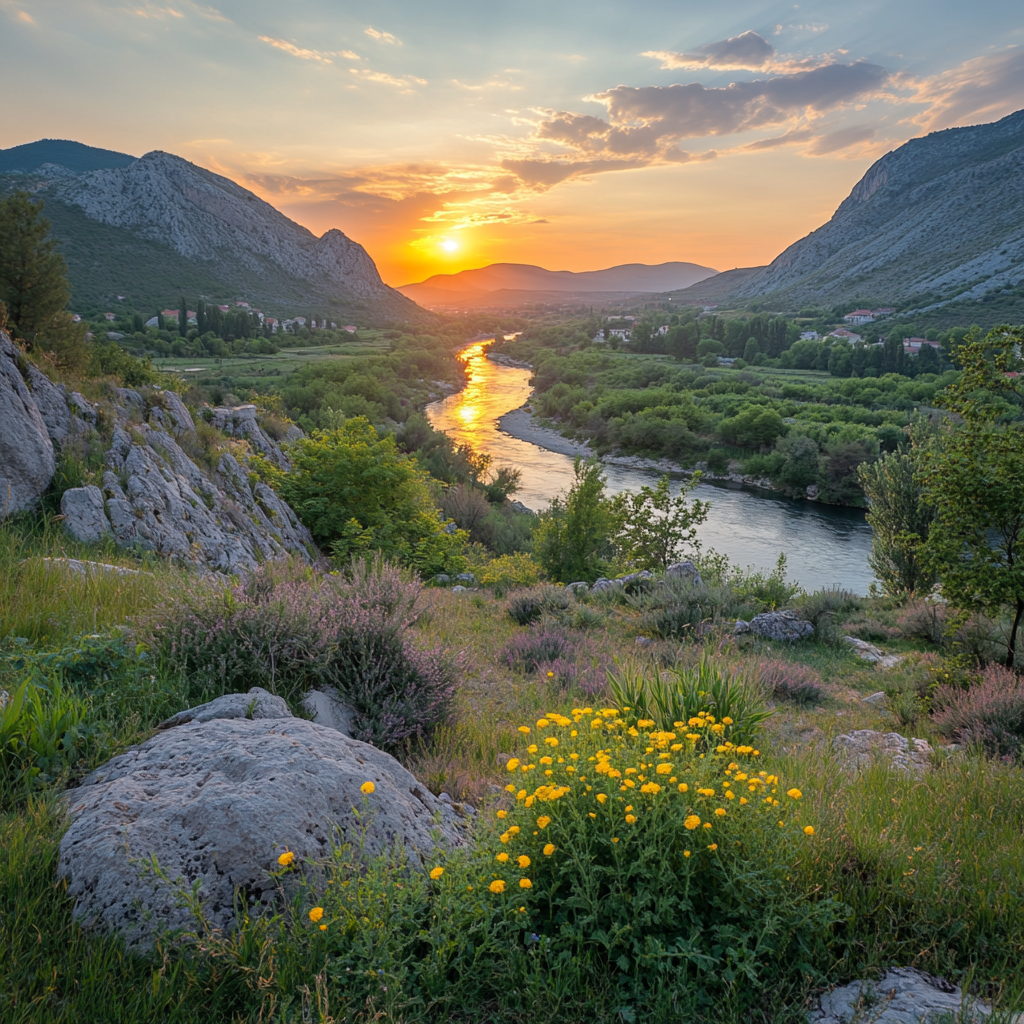
(As they walk toward their car, the sun begins to dip behind the mountains, casting long shadows over Mostar. The town’s quiet resilience, visible in its rebuilt bridge and reconstructed homes, lingers in their thoughts.)
場景 6: 離開莫斯塔爾,展望未來
(在結束了這場沉重的對話後,克拉拉和伊莎貝爾走出餐廳。晚霞的餘暉照在這座古老的城市上,石板街道和流淌的內雷特瓦河彷彿凝結了時間。)

克拉拉:「這是一場深刻的對話,但也是必要的。莫斯塔爾教給我的不僅僅是關於波士尼亞的歷史,而是整個巴爾幹半島的歷史。」
伊莎貝爾:「巴爾幹半島在很多方面都是歐洲歷史的縮影。這是一個充滿變動、衝突和復原的地方。波士尼亞和克羅埃西亞之間的差異反映了這個地區的複雜歷史。」
克拉拉:「真是有趣,兩個毗鄰的國家在某些方面如此接近,但在其他方面卻如此不同。語言上,波士尼亞語和克羅埃西亞語幾乎相同,但在宗教和文化上卻有顯著差異。」
伊莎貝爾:「沒錯。波士尼亞的主要民族是波士尼亞克人,他們多數是穆斯林,這是奧斯曼統治留下的遺產。而克羅埃西亞人主要是天主教徒,與西歐,尤其是哈布斯堡帝國,有著更緊密的聯繫。這種宗教差異對兩國的文化、建築,甚至是城市面貌都有深刻的影響。」
克拉拉:「我注意到莫斯塔爾的清真寺和細長的宣禮塔,這讓這座城市與像杜布羅夫尼克這樣的克羅埃西亞城市感覺非常不同,克羅埃西亞的城市多是教堂和鐘樓。」
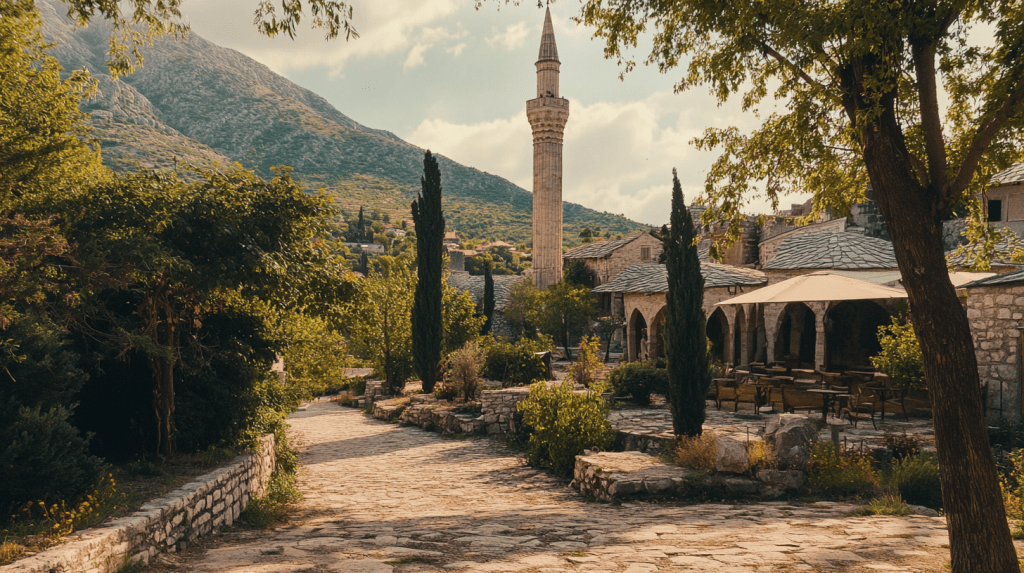
伊莎貝爾:「正是如此。奧斯曼時期的建築在波士尼亞留下了深刻的印記,清真寺、伊斯蘭學校和浴場都很常見。而在克羅埃西亞,尤其是沿海地區,則可以看到更多羅馬式和哥特式建築,這反映了該地區的天主教傳統以及與意大利,尤其是威尼斯的緊密聯繫。」
克拉拉:「說到建築,為什麼克羅埃西亞的屋頂都是那麼顯眼的紅色?這是單純的美學設計嗎?」
伊莎貝爾:「你在克羅埃西亞看到的紅色屋頂,特別是在沿海地區,不僅僅是一種美學選擇——它實際上具有實用性。這些紅色瓦片是由當地豐富的粘土製成的,這種瓦片不僅可以抵禦沿海惡劣的天氣,顏色還有助於反射強烈的地中海陽光。這是克羅埃西亞建築的一大特色,特別是在像杜布羅夫尼克這樣的沿海城市。」
克拉拉:「原來如此。很有趣的是,當地的材料和氣候形塑了這些城市的外觀。即使是出於實用的原因,最終的效果還是非常美觀。紅色的屋頂和亞得里亞海的藍色真是絕妙的搭配。」
伊莎貝爾:「這是一個功能與美學完美結合的例子。接下來我們會深入波士尼亞內陸,前往塞拉耶佛,那裡的差異會更加明顯。」
克拉拉:「我也很期待看到這裡的地貌變化。至於塞拉耶佛,我一直很想去看看。」
伊莎貝爾:「塞拉耶佛會讓我們更深入了解這個地區的政治和文化複雜性。這是一座帝國、宗教和現代政治交融的城市。從斐迪南大公遇刺事件到波士尼亞戰爭,塞拉耶佛一直是歷史的中心。」
克拉拉:「聽起來像是一個歷史不僅被記住,還在每天的生活中被體現的地方。」
(當他們走向車子時,夕陽漸漸消失在群山之後,莫斯塔爾安靜的韌性,透過重建的橋樑和重新修復的房屋,留存在他們的記憶中。)

 Virtual Travel | 虛擬旅行沉浸式英語學習
發表留言