
Scene 1: Discussing the Landscape Transition and Historical Influence

Evelyn: “The landscape is changing so dramatically. We’ve gone from these dense forests to these exposed limestone formations. Is this kind of variety common in Slovenia?"
Isabella: “Yes, Slovenia’s geography is incredibly diverse. We’re at the meeting point of the Alps, the Dinaric Alps, and the Pannonian Basin. This convergence is why we see such a range of landscapes—from fertile fields to these karst formations."
Evelyn: “So this karst terrain, is it unique to this area? I can see how the water has carved through the limestone over millions of years."
Isabella:
“Indeed. The term ‘karst’ actually originates from this region. It describes landscapes formed when water erodes soluble rocks like limestone, creating caves, sinkholes, and underground rivers. Postojna Cave, where we’re heading, is one of the world’s largest and most famous karst systems."
Evelyn: “It’s fascinating to think how the landscape has been shaped over such a long time. But these villages we’re passing—they look ancient too. What kind of history do they hold?"
Isabella: “Many of these villages date back to the medieval period. Slovenia was long caught between powerful empires, especially the Austro-Hungarian Empire and the Venetian Republic. These influences are reflected in the architecture and local traditions. Despite centuries of conflict and shifting borders, these communities have preserved their way of life."

Evelyn: “It’s amazing how Slovenia has maintained its cultural identity despite such a turbulent history. How did they manage to hold on to their language and traditions through all that?"
Isabella:
“That’s one of the remarkable things about Slovenia. Even under Austro-Hungarian rule, the people retained their language and customs. After the collapse of that empire, Slovenia became part of the Kingdom of Yugoslavia, and later the Socialist Federal Republic of Yugoslavia. Despite these political changes, Slovenia always kept its distinct identity, and now as an independent nation, it’s a blend of cultural influences from centuries of history."
Evelyn:
“You can really sense that history in these old villages, the stone walls, the traditional houses—they tell a story of resilience. And I suppose the karst terrain must have influenced how people lived here?"
Isabella: “Absolutely. The karst terrain shapes everything here, from agriculture to water systems. The limestone is porous, so villagers rely on wells and underground water sources. The land is rocky and difficult to farm, so pastoralism has always been more common than crop farming. These people had to adapt to the harsh environment over the centuries."
Evelyn: “It must have been a difficult life. But it’s impressive how these communities have persisted for so long. It feels like this landscape has shaped the people as much as the people have shaped the land."
Isabella: “Exactly. This land demanded creativity and resilience from those who lived here. Just as the karst landscape has been shaped by water, the people have been shaped by the land, building homes from the very rock they live on and developing methods to survive in a challenging environment."
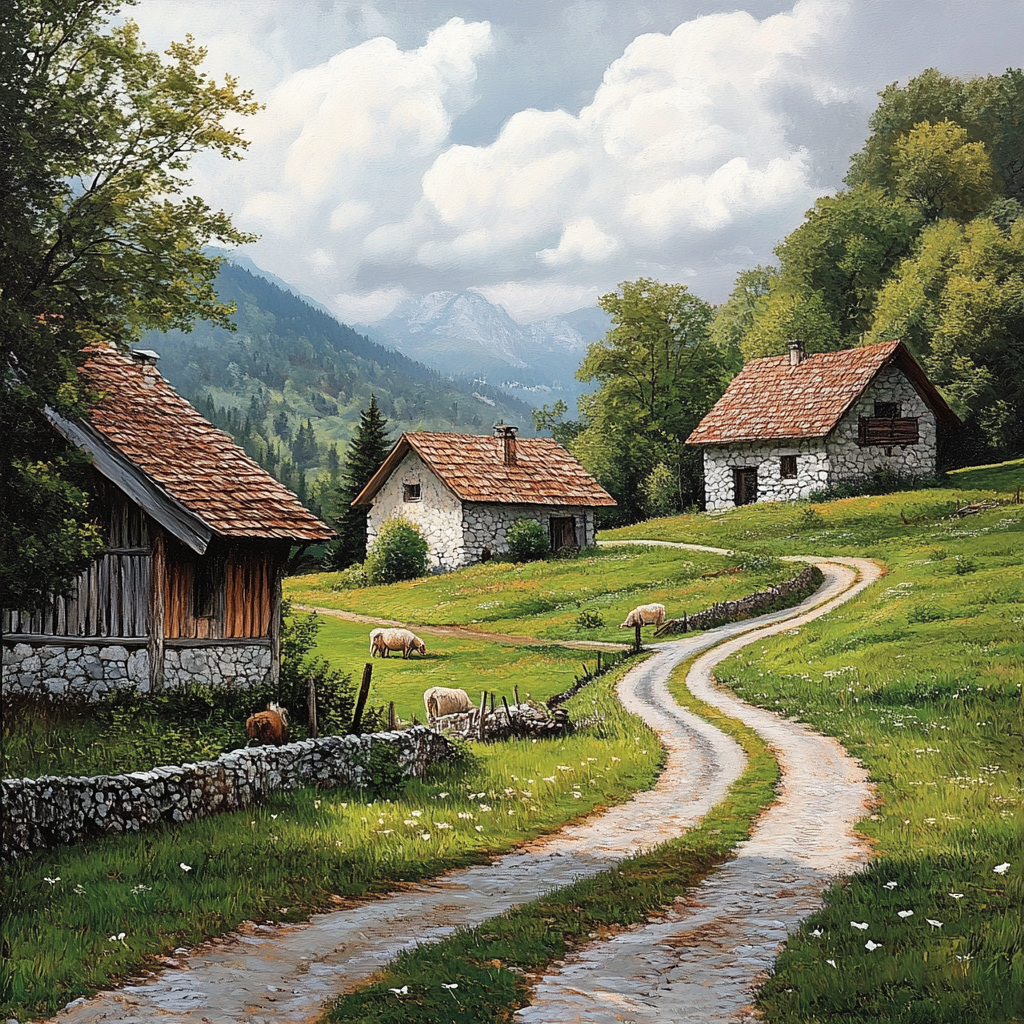

場景 1: 討論地貌的變化與歷史的影響
伊芙琳:“這裡的景觀變化真是太大了,從茂密的森林到現在這些裸露的石灰岩地形。這種多樣性在斯洛文尼亞很常見嗎?”
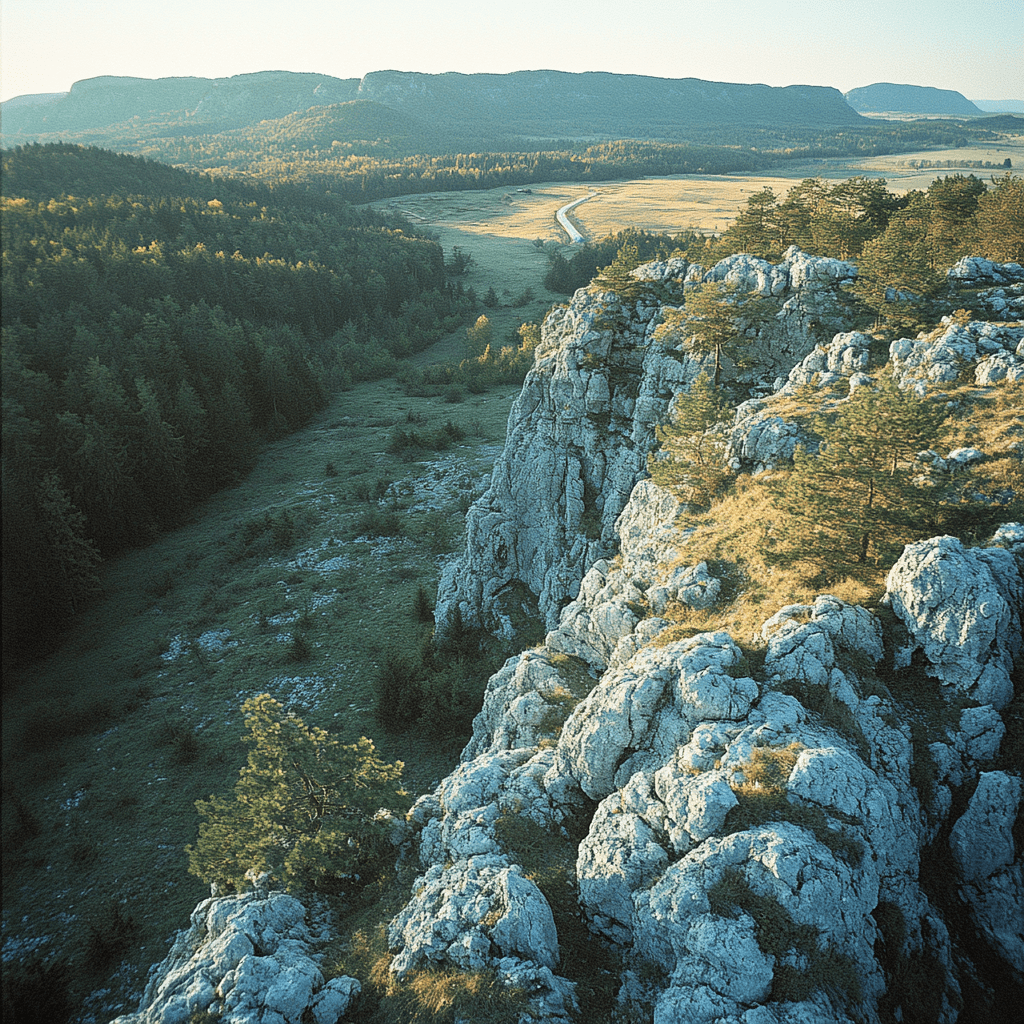
伊莎貝拉:“是的,斯洛文尼亞的地理非常多樣。我們正處於阿爾卑斯山、迪納里克山脈和潘諾尼亞盆地的交匯處。這種匯合讓我們能看到各種不同的景觀,從肥沃的農田到這些卡斯特地貌。”
伊芙琳:“所以這種卡斯特地形在這裡是獨特的嗎?我能看到水流如何在數百萬年內雕刻了石灰岩。”
伊莎貝拉:“沒錯。‘Karst’這個詞就是從這個地區發源的。這是指當水侵蝕可溶性岩石(如石灰岩)時形成的景觀,從而產生了洞穴、溶洞和地下河。我們要去的波斯托伊納鐘乳石洞就是世界上最大、最著名的卡斯特地形之一。”
伊芙琳:
“想到這片土地如此漫長的形成歷史,真是令人驚嘆。但我們經過的這些村莊看起來也相當古老。這些村莊有什麼樣的歷史背景?”
伊莎貝拉:“許多村莊可以追溯到中世紀時期。斯洛文尼亞長期處於幾個強大帝國的邊緣地帶,尤其是奧匈帝國和威尼斯共和國的影響。這些村莊的建築和傳統融合了多種元素。儘管邊界和政權幾經變遷,這些社區依然保留著自己的生活方式。”
伊芙琳:“真是太神奇了,斯洛文尼亞能在這麼動盪的歷史中保持其文化身份。他們是如何在這些動盪中保留自己的語言和傳統的?”
伊莎貝拉:“這就是斯洛文尼亞讓人驚嘆的地方。即使在奧匈帝國的統治下,這裡的人民依然保持了自己的語言和習俗。隨著奧匈帝國的崩潰,斯洛文尼亞成為南斯拉夫王國的一部分,後來又加入了南斯拉夫聯邦。即使在這些政治變動中,斯洛文尼亞始終保持著其獨特的身份,現在作為一個獨立國家,它成為了歷史上多元文化的交融體。”

伊芙琳:“你真的能在這些古老的村莊中感受到那段歷史,石牆和傳統的房屋講述了堅韌的故事。而且我想卡斯特地形應該也對這裡的居民生活產生了深遠影響?”
伊莎貝拉:“當然。卡斯特地形影響著這裡的方方面面,從農業到水資源。石灰岩具有滲透性,因此村民們依賴井和地下水源。這片土地岩石多、土壤薄,種植農作物非常困難,因此放牧一直比農耕更普遍。這些人不得不適應這種惡劣的環境,並在數個世紀中堅持生存下來。”
伊芙琳:“這樣的生活一定非常艱苦。但這些社區能持續這麼久,真是令人欽佩。感覺這片土地塑造了他們,就像他們塑造了這片土地一樣。”
伊莎貝拉:“沒錯。這片土地要求居住在這裡的人們具備創造力和韌性。就像水塑造了卡斯特地貌一樣,這片土地也塑造了居住在這裡的人們。他們從石頭中建造了家園,並發展出適應這種特殊環境的生存方式。”

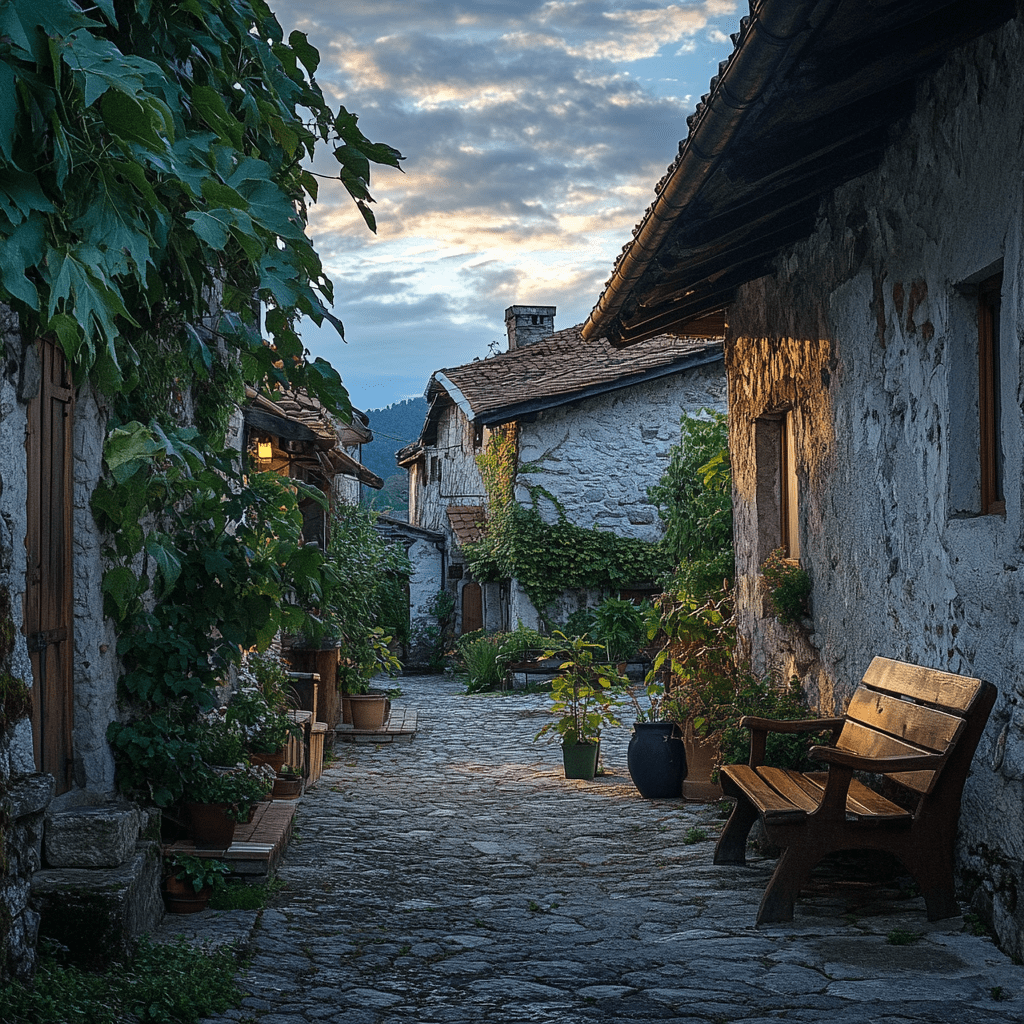
Scene 2: The Journey Through History and the Role of the Karst Terrain
Evelyn:
“I imagine the caves aren’t just natural wonders. In the past, they must have played a significant role for the people living here.”
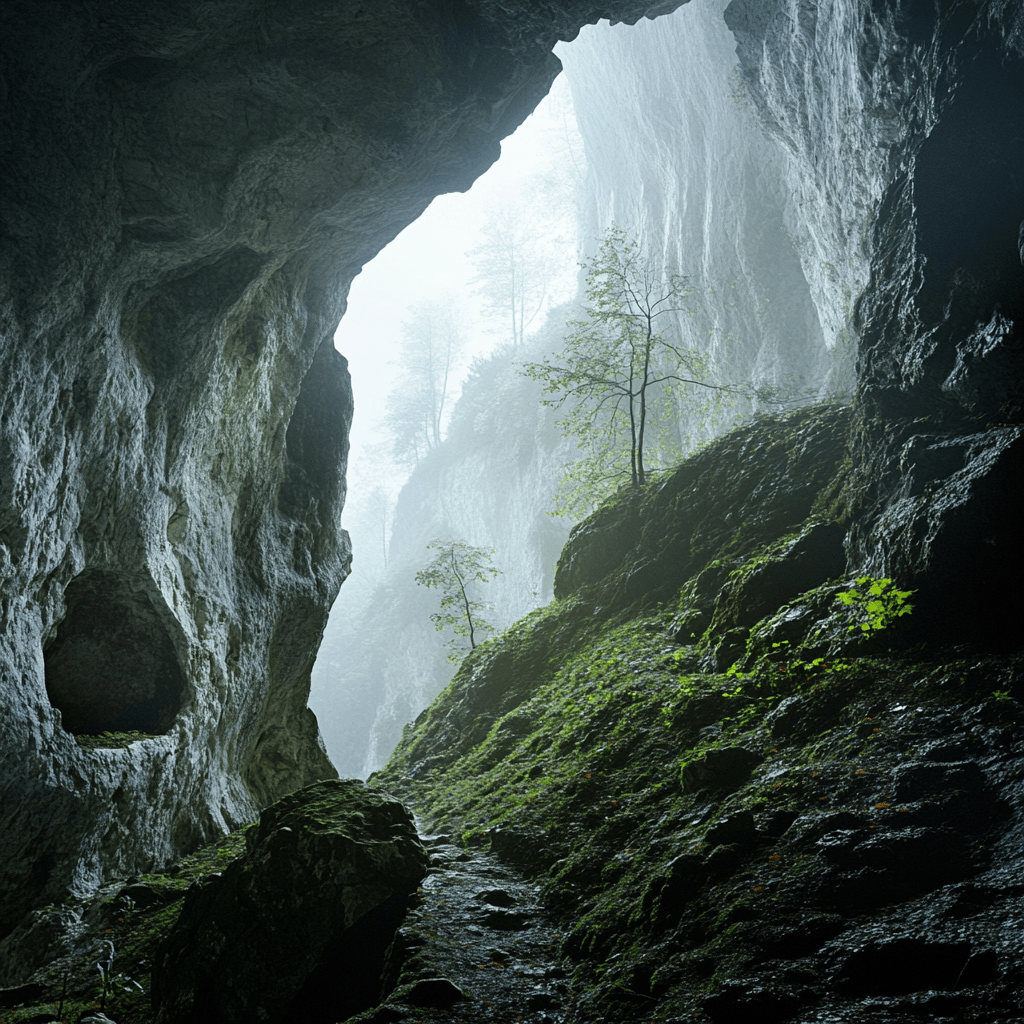
Isabella: “Absolutely. These caves have been vital for centuries, both as shelters and as strategic locations. In medieval times, people used them as hideouts during invasions, and during World War II, Postojna Cave was even used by the Nazis as a fuel storage site. The caves have always had practical uses beyond their beauty."
Evelyn: “That’s fascinating. So these caves aren’t just geological formations—they’re intertwined with human history.”
Isabella: “Exactly. The karst terrain shaped not only the landscape but also the course of history in this region. The caves provided refuge in times of conflict, and their underground rivers helped sustain communities during times of drought. In a way, the land and its history are inseparable here."
Evelyn: “So the land itself has played a role in shaping the history of the people who lived here. It’s amazing how natural formations like caves and rivers become part of the human story."
Isabella: “Yes, and that’s what makes this region so unique. The karst landscape provided both challenges and opportunities. While the rocky terrain made agriculture difficult, the caves offered shelter, water, and sometimes even protection during wars. The people here have had to be resilient and resourceful to survive."
Evelyn: “It really feels like the relationship between humans and nature is deeply interwoven here. And now, as we get closer to Postojna Cave, I can see how these caves must have been both a sanctuary and a resource."
Isabella: “Exactly. And not just in recent history. Archaeological findings suggest that these caves were used by prehistoric people thousands of years ago. This region has been continuously inhabited for millennia, and the caves have always been a key part of life here. Over the centuries, they’ve been places of refuge, storage, and spiritual significance."
Evelyn: “Spiritual significance? So, the caves had a religious or cultural role too?"
Isabella: “Yes, in some periods, they did. There are records of early pagan rituals taking place in certain caves, long before the spread of Christianity in this region. Later, with the Christianization of Slovenia, some caves became places of pilgrimage or were used by hermits seeking solitude. The connection between the landscape and spirituality has always been strong here."
Evelyn: “It’s fascinating how landscapes can shape not just the survival strategies of people, but also their beliefs and spiritual practices."
Isabella: “That’s the case here. The karst landscape, with its hidden caves and underground rivers, often evoked a sense of mystery and reverence. It’s easy to see why people might have considered these caves sacred, places where the natural world felt closer to the divine."
Evelyn: “And now, we’re about to step into one of these ancient formations ourselves. It’s incredible to think we’ll be walking through a space that’s witnessed so much history—natural and human."
Isabella: “Yes, entering the cave is like stepping into another world. It’s a reminder of the power of nature, and also of the many generations who’ve passed through these same corridors, whether seeking shelter, storing supplies, or simply marveling at the beauty of the earth’s formations."
場景 2: 卡斯特地形在歷史中的角色
伊芙琳:“這樣說來,這片土地本身在塑造這裡的歷史方面扮演了重要角色。真是不可思議,像洞穴和河流這樣的自然景觀竟然成為人類歷史的一部分。”
伊莎貝拉:“沒錯,這正是這片地區如此獨特的原因。卡斯特地貌既帶來挑戰也提供了機會。儘管岩石地形讓農業變得困難,但洞穴提供了庇護、水源,有時甚至在戰爭期間成為避難所。這裡的人們必須具備極強的適應能力和資源管理能力才能生存。”
伊芙琳:“在這裡,感覺人與自然的關係是如此緊密交織。現在隨著我們接近波斯托伊納鐘乳石洞,我可以想像這些洞穴曾經既是避難所,也是寶貴的資源。”
伊莎貝拉:“沒錯,不僅僅是在近代歷史中。考古學發現表明,這些洞穴在數千年前就被史前人類使用。這片地區已經持續有人類居住了幾千年,而洞穴一直是生活中不可或缺的一部分。幾個世紀以來,這些洞穴成為避難所、儲存地,甚至是精神崇拜的場所。”
伊芙琳:“精神崇拜?這些洞穴還具有宗教或文化的意義?”

伊莎貝拉:“是的,在某些時期的確如此。有記錄表明,在基督教傳入這個地區之前,某些洞穴曾經是異教儀式的舉行地。後來,隨著斯洛文尼亞的基督教化,有些洞穴成為朝聖地,或被隱士用作靜修之所。在這裡,景觀與精神世界之間的聯繫一直非常強烈。”
伊芙琳:“真有意思,景觀不僅僅塑造了人們的生存方式,還影響了他們的信仰和精神實踐。”
伊莎貝拉:“這裡確實如此。卡斯特地形中隱秘的洞穴和地下河常常激發人們的敬畏感。可以想像,為什麼這些洞穴會被視為神聖的地方,這裡的自然世界讓人感覺離神聖更加接近。”
伊芙琳:“現在我們即將進入這些古老的地層中,真令人難以置信。我們即將行走的空間,既見證了自然的歷史,也見證了人類的歷史。”
伊莎貝拉:“是的,進入這個洞穴就像是進入另一個世界。這提醒我們自然的力量,也讓我們想到,世世代代的人們曾經走過這些同樣的通道,無論是為了尋求庇護、儲存物資,還是單純地驚嘆於大自然的壯麗。”
Scene 3: Entering the Depths of Postojna Cave
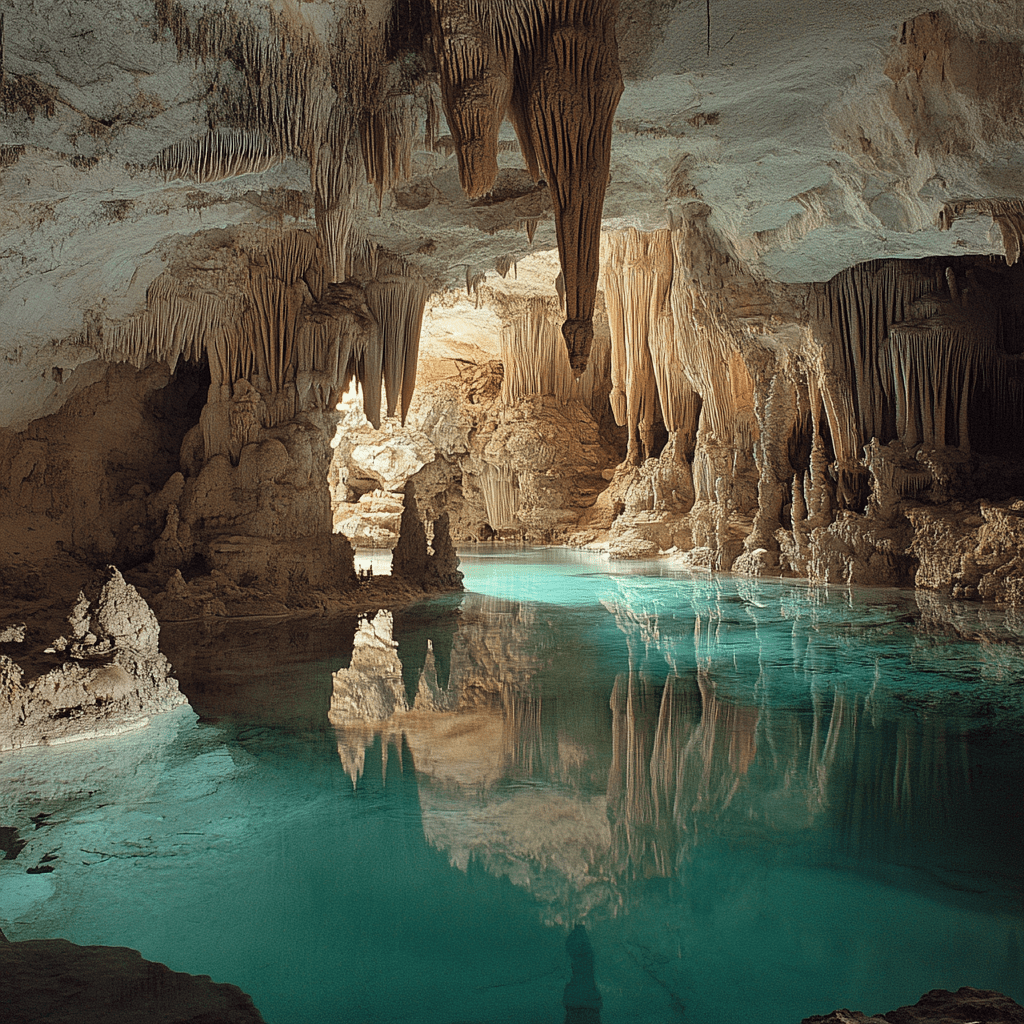
Evelyn: “The air feels different as we step inside—cooler and a bit damp. It’s like entering a hidden world beneath the surface. The silence is almost eerie, but also peaceful."
Isabella: “That’s the magic of these limestone caves. The temperature stays around 10 degrees Celsius all year, regardless of the season. The high humidity adds to the feeling of stillness, and the air is fresh because it’s constantly being filtered through the porous rock."
Evelyn: “It’s amazing how insulated it feels from the outside world. I can imagine how prehistoric people might have used this place for shelter—it’s so secluded. And look at those formations! How long do you think it took for them to form?"
Isabella: “Stalactites and stalagmites grow very slowly, only a few millimeters a year. Some of these formations are tens of thousands of years old. The water dripping from the ceiling, full of minerals, slowly creates these structures over time. This process has been happening here for millions of years."
Evelyn: “It’s like walking through a natural cathedral, with these towering formations all around us. It’s humbling to think about the timescale involved."
Isabella: “Yes, it really puts things into perspective. This cave was carved out by the underground rivers that still flow through parts of it today. The Pivka River, which runs through here, shaped much of what we see. The water dissolved the limestone, slowly eroding it and creating these vast chambers."
Evelyn: “And despite all the changes in the world above, the cave remains as it has for millennia. It must have been awe-inspiring for the first explorers who ventured into these depths."
Isabella: “Indeed. And while it’s been known to locals for centuries, serious exploration of the cave only began in the early 1800s. Since then, it’s become one of the most studied karst cave systems in the world. The delicate balance of water, rock, and time is what makes it so special."
Evelyn: “I can see why this place has such a rich history. It’s not just a geological wonder but also a place that has shaped human history—from providing shelter to now being a center of scientific study and tourism."
Isabella: “Exactly. And it’s not just about the past; even today, the cave continues to play a role in the local culture. Postojna Cave is a symbol of resilience and adaptation—how humans have learned to live with and respect nature over the centuries."
Scene 3: 進入波斯托伊納鐘乳石洞的深處

伊芙琳:“一進入洞穴,空氣就變得不同了——更涼爽,有些潮濕。感覺像是進入了地表下的一個隱秘世界。這裡的靜謐幾乎有些詭異,但也讓人感到平靜。”
伊莎貝拉:“這就是這些石灰岩洞穴的魅力所在。這裡的溫度全年都保持在10度左右,不論外面的季節如何。高濕度增添了靜謐的氛圍,洞中的空氣因為不斷通過多孔的岩石過濾而顯得特別清新。”
伊芙琳:“這裡與外界完全隔絕的感覺真的很奇妙。我能想像史前人類如何在這裡避難——如此隱蔽。而且看看那些岩石結構!你覺得它們形成需要多長時間?”
伊莎貝拉:“鐘乳石和石筍生長得非常緩慢,每年僅增長幾毫米。有些結構已經有數萬年的歷史了。從天花板滴下來的水富含礦物質,經年累月地形成這些結構。這個過程在這裡已經持續了幾百萬年。”
伊芙琳:“感覺就像走進了一座天然的大教堂,周圍這些高大的岩石結構讓人感到無比謙卑。想到這樣的時間尺度,真是令人驚嘆。”
伊莎貝拉:“是啊,這真的讓人重新審視時間的意義。這個洞穴是由地下河流雕刻而成的,今天我們還能看到皮夫卡河在某些地方流過。這條河流溶解了石灰岩,慢慢地侵蝕並形成了這些寬廣的洞廳。”
伊芙琳:“儘管外面的世界變化萬千,這個洞穴卻始終保持不變。那些最初探索這些深處的人一定會感到無比震撼。”
伊莎貝拉:“沒錯。雖然當地人早就知道這些洞穴的存在,但對它們的認真探索卻直到19世紀初才開始。自那時以來,這裡成為了世界上研究最深入的卡斯特洞穴系統之一。水、岩石和時間之間的微妙平衡造就了這一切。”
伊芙琳:“我能理解為什麼這個地方有這麼豐富的歷史。它不僅僅是一個地質奇觀,還是一個塑造了人類歷史的地方——從提供避難所到現在成為科學研究和旅遊的中心。”
伊莎貝拉:“正是如此。而且不僅僅是過去,即使到了今天,這個洞穴依然在當地文化中發揮著重要作用。波斯托伊納洞穴象徵著堅韌和適應——數百年來,人類學會了如何與自然共存並尊重它。”
Scene 4: Exploring the Ecosystem Inside the Cave
Evelyn: “I can hear the faint sound of water. There must be an underground river flowing nearby. Do you think anything lives in these waters?"
Isabella: “Absolutely. The caves here are home to one of the most fascinating creatures in Europe—Proteus anguinus, commonly known as the olm, or ‘human fish.’ It’s a rare, blind amphibian that has adapted perfectly to life in these dark, isolated waters."
Evelyn: “A ‘human fish’? That sounds mythical. What does it look like?"
Isabella: “It has a long, pale, almost translucent body, resembling the texture of human skin—hence the name. The olm is completely blind, but it has an extraordinary sense of smell and hearing, which it uses to navigate the cave waters. It’s truly one of nature’s miracles."

Evelyn: “I’m amazed that life can adapt to such extreme conditions. The water here is so still and clear. How do they survive in a place with no sunlight?"
Isabella: “The underground rivers bring in nutrients from the surface, but life here has adapted to extreme scarcity. The olm can go without food for years by slowing down its metabolism. In addition to olms, there are other tiny invertebrates like cave shrimp and small aquatic insects, all specially adapted to these dark, nutrient-poor environments."
Evelyn: “It’s incredible that an ecosystem this delicate and specialized can survive down here. This place truly feels like another world, hidden away from time."
Isabella: “Exactly. The cave environment, especially the water system, has remained relatively unchanged for millennia. These species have evolved in isolation, shielded from the rapid environmental changes that happen on the surface. It’s a reminder of how resilient life can be, even in the most unlikely places."
Evelyn: “And it’s not just the biology that’s fascinating. The water itself looks almost untouched, as if it’s been trapped here for centuries. I imagine the caves must have been a source of fresh water for the people living above ground."
Isabella: “Indeed. In times of drought, the underground rivers provided a vital source of fresh water. And during times of conflict, caves like this offered refuge to people, protecting them from the dangers outside. There are even historical records of communities using these caves for shelter during wars."
Evelyn: “It’s fascinating how the caves have shaped both natural and human history. From providing water and shelter to becoming a sanctuary for unique species, it’s like the cave is a world within a world."
Isabella: “And that’s what makes places like this so significant. The connection between geology, biology, and human history is deeply intertwined here. These caves are not just natural wonders; they’re a testament to the resilience of life and the complex relationship between people and nature."
場景 4:探索洞穴中的生態系統
伊芙琳:“我聽到水聲,附近肯定有一條地下河。你覺得這些水裡有什麼生物嗎?”
伊莎貝拉:“當然有。這裡的洞穴是歐洲最奇特的生物之一的家園,叫做洞螈(Proteus anguinus),也被稱為‘人魚’。這是一種罕見的、失明的兩棲動物,完全適應了這種黑暗、與世隔絕的水域。”
伊芙琳:“‘人魚’?聽起來像是傳說中的生物。它長什麼樣子?”
伊莎貝拉:“它有著長長的、蒼白近乎透明的身體,皮膚看起來像人類的皮膚,這也是它名字的由來。洞螈完全失明,但它有極其靈敏的嗅覺和聽覺,依靠這些感官在洞穴水中導航。這真是大自然的奇跡。”

伊芙琳:“真讓人驚嘆,生命竟能適應如此極端的條件。這裡的水如此靜謐清澈。他們是如何在沒有陽光的地方生存的?”
伊莎貝拉:“地下河從地表帶來營養物質,但這裡的生命已經適應了極端的匱乏環境。洞螈可以通過減緩新陳代謝,在數年內不進食。除了洞螈,還有一些小型無脊椎動物,如洞穴蝦和小型水生昆蟲,它們都專門適應了這種黑暗、養分稀少的環境。”
伊芙琳:“這樣一個脆弱而專門化的生態系統能在這裡生存,真是令人難以置信。這裡的感覺完全像是一個被時間遺忘的世界。”
伊莎貝拉:“沒錯。洞穴環境,尤其是這個水系統,已經保持了幾千年來相對不變。這些物種在隔絕的環境中進化,免受地表上快速的環境變化影響。這提醒我們,即使在最不可能的地方,生命也有著驚人的適應能力。”
伊芙琳:“不僅是生物學讓人驚嘆,這裡的水看起來也像是幾個世紀以來都沒被打擾過一樣。我想這些洞穴在地表上方的居民生活中一定是珍貴的水源。”
伊莎貝拉:“沒錯。在乾旱時期,地下河提供了至關重要的淡水來源。而在戰爭時期,像這樣的洞穴為人們提供了避難所,保護他們免受外界危險的侵害。歷史記錄顯示,曾經有社區在戰爭期間利用這些洞穴作為避難所。”
伊芙琳:“真是有趣,這些洞穴不僅塑造了自然歷史,還塑造了人類歷史。從提供水源到成為避難所,甚至成為稀有物種的家園,這個洞穴真像是一個與世隔絕的世界。”
伊莎貝拉:“這就是這些地方如此重要的原因。地質學、生物學和人類歷史之間的聯繫在這裡深深交織。這些洞穴不僅僅是自然奇觀,它們也是生命韌性和人與自然複雜關係的見證。”

 Virtual Travel | 虛擬旅行沉浸式英語學習
發表留言