
Scene 1: The Balance Between Preservation and Tourism

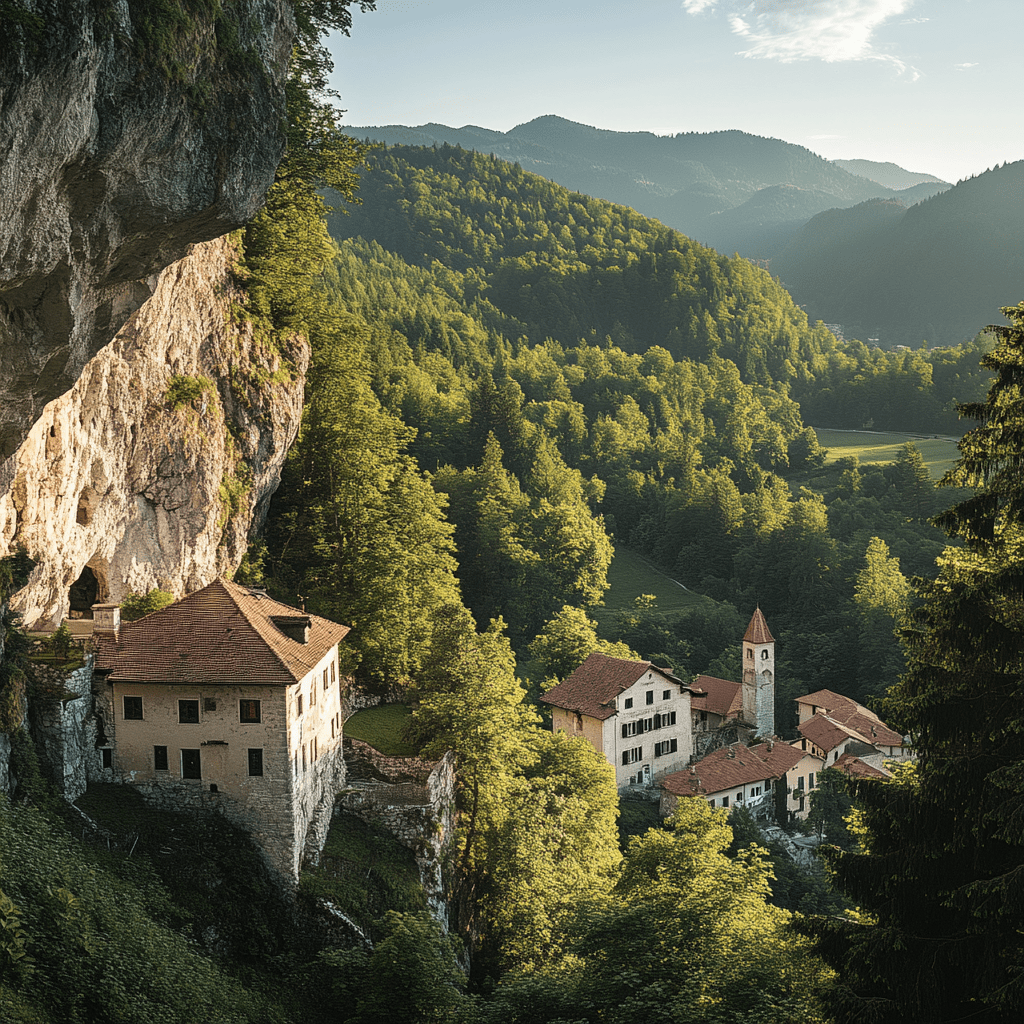
Evelyn: “This town really has its own charm, doesn’t it? It feels like time has slowed down here. The stone houses, the quiet streets—it’s so peaceful. But I imagine the town’s relationship with the cave is what keeps it alive."
Isabella: “Definitely. Postojna has grown around the cave for centuries. The town thrives on the tourism the cave attracts, but they’ve done a good job preserving its peaceful, small-town atmosphere. The town may be small, but the cave’s significance is huge."
Evelyn: “And I’m sure that requires careful management. I’ve read about how sensitive cave ecosystems can be. There must be strict rules in place for protecting Postojna Cave."
Isabella: “Yes, absolutely. The Slovenian government has put in place a series of regulations to ensure the cave isn’t damaged by the sheer number of tourists who come here every year. They have strict limits on the number of visitors per day, and the tours are carefully guided to avoid disrupting the cave’s natural balance."
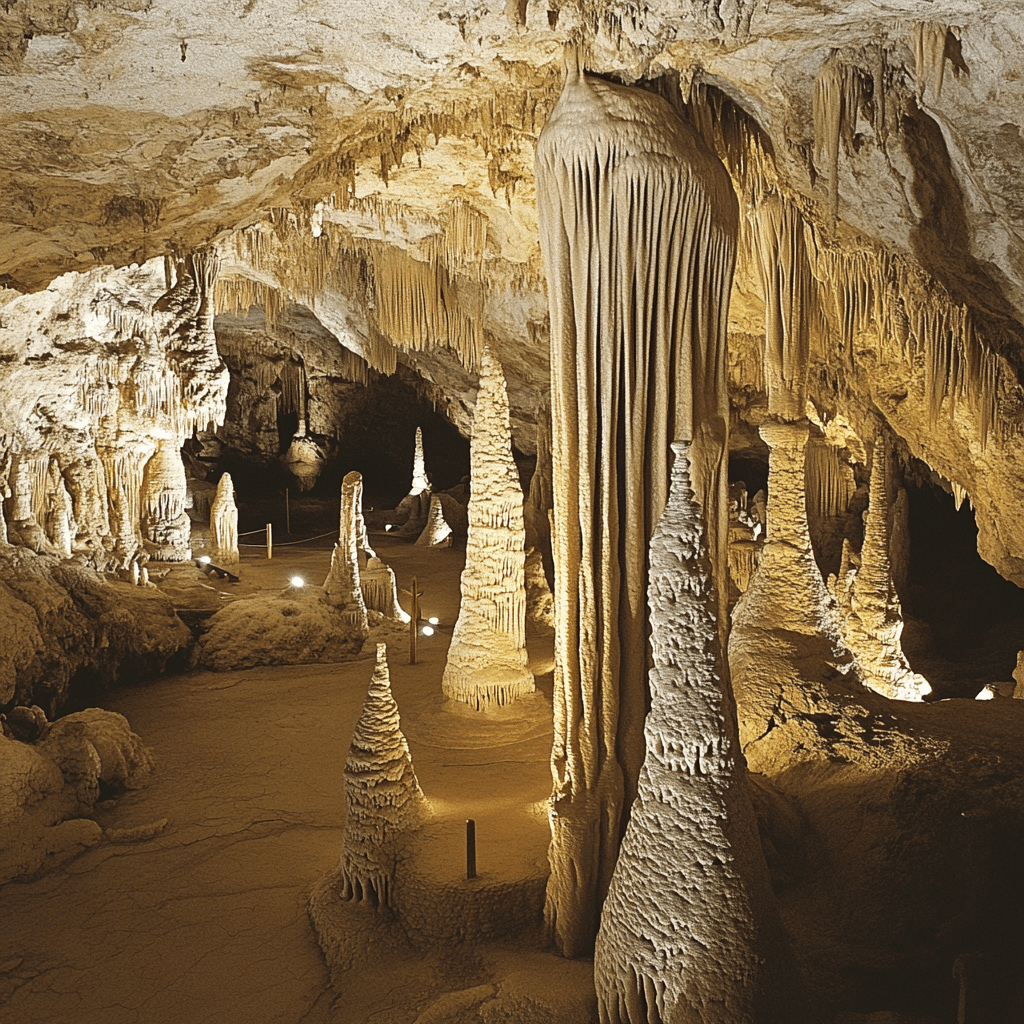
Evelyn: “That makes sense. With something so delicate, even a small amount of human impact could have long-lasting consequences. I noticed we weren’t allowed to touch any of the formations."
Isabella: “Exactly. Even the oils from our skin could affect the growth of the stalactites and stalagmites. They’ve also installed special lighting inside the cave to minimize the impact on the cave’s ecosystem. Regular lights could encourage the growth of algae, which would disrupt the delicate environment inside."
Evelyn: “It’s reassuring to know that they’re so protective of the cave. It would be a tragedy to lose such a natural wonder. Are there other restrictions we should know about?"
Isabella:
“There are also rules about what you can bring into the cave. No food or drinks are allowed, and of course, there’s no littering. The goal is to keep the cave as untouched as possible. Also, certain parts of the cave are closed to the public to preserve them for research purposes."
Evelyn: “It sounds like they’ve struck a good balance between allowing people to experience the cave and protecting it for future generations."
Isabella: “Exactly. It’s a delicate balance, but one that’s necessary. Postojna Cave is a UNESCO World Heritage site, and preserving it is a top priority. They even work with scientists to monitor the cave’s health, ensuring that the water quality and air circulation remain stable."
Evelyn: “I’m glad we were able to visit. The cave was stunning, but I’m equally impressed by how well it’s protected. It’s not just about tourism—it’s about ensuring the cave’s legacy endures."
Isabella: “Yes, this town and its cave are deeply intertwined. Postojna may be small, but its contribution to Slovenia’s cultural and natural heritage is immense."
場景 1:探索小鎮並討論洞穴保護法規
伊芙琳:“這個小鎮真有它自己的特色,感覺時間在這裡放慢了。石頭房屋,安靜的街道——這裡的平靜讓人放鬆。但我想這個鎮和洞穴的關係才是它能繁榮的原因。”
伊莎貝拉:“沒錯。波斯托伊納小鎮已經圍繞著洞穴發展了幾個世紀。這個鎮靠著吸引遊客來到洞穴,但他們在保留這裡的寧靜和小鎮氛圍方面做得很好。雖然這個鎮很小,但洞穴的意義卻非常重大。”
伊芙琳:“我相信這需要謹慎的管理。我聽說過洞穴生態系統是多麼敏感,波斯托伊納鐘乳石洞的保護法規一定非常嚴格。”
伊莎貝拉:“沒錯。斯洛文尼亞政府制定了一系列規定,確保洞穴不會因為每年大量的遊客而受到損壞。他們對每天的遊客數量有嚴格的限制,所有的導覽都是精心設計的,避免破壞洞穴的自然平衡。”
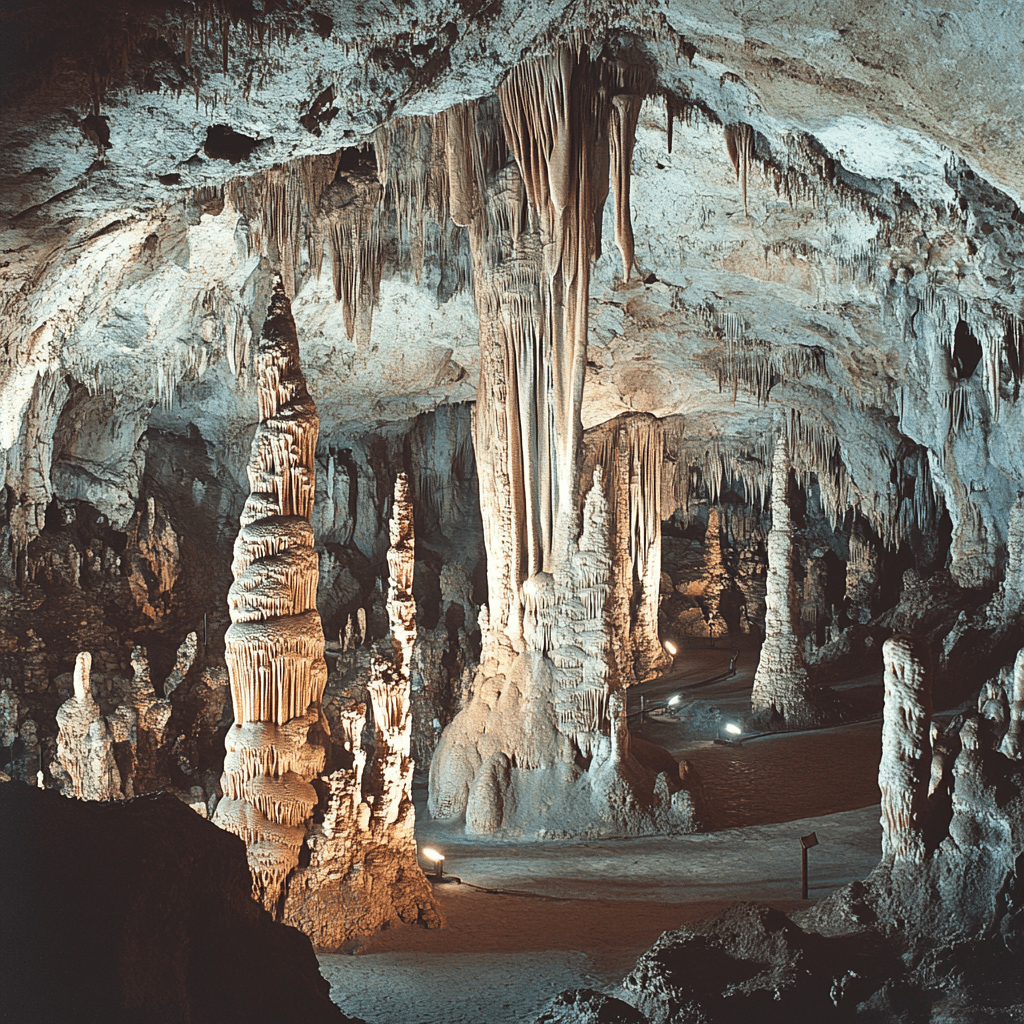
伊芙琳:“這很合理。對於這麼脆弱的環境,哪怕一點點人為的影響都可能帶來長期的後果。我注意到我們不允許觸摸任何岩石結構。”
伊莎貝拉:“沒錯。我們皮膚上的油脂都可能影響鐘乳石和石筍的生長。他們還在洞穴內安裝了特別的照明設備,以減少對洞穴生態系統的影響。普通的燈光會促進藻類的生長,這會破壞洞穴內部的微妙環境。”
伊芙琳:“知道他們如此重視保護洞穴,真是讓人安心。如果失去這樣的自然奇觀,真是莫大的悲劇。還有其他限制嗎?”
伊莎貝拉:“還有一些關於帶入洞穴物品的規定。禁止攜帶食物或飲料,當然,也不能隨意丟垃圾。目標是盡可能保持洞穴不受破壞。另外,洞穴的某些部分是對公眾關閉的,專門用於研究保護。”
伊芙琳:“聽起來他們在允許人們體驗洞穴和保護它之間找到了良好的平衡。”
伊莎貝拉:“正是如此。這是一個微妙的平衡,但非常必要。波斯托伊納洞穴是聯合國教科文組織世界遺產,保護它是最重要的。他們還與科學家合作,監測洞穴的健康狀況,確保水質和空氣流通保持穩定。”
伊芙琳:“我很高興我們能來這裡參觀。洞穴令人驚嘆,但我同樣對他們如何保護它感到印象深刻。這不僅僅是關於旅遊,而是確保這個洞穴的遺產能夠延續下去。”
伊莎貝拉:“是的,這個小鎮和它的洞穴密切相連。波斯托伊納或許很小,但它對斯洛文尼亞的文化和自然遺產的貢獻巨大。”
Scene 2: Dining and Local Cuisine
Evelyn: “I’m starving after all that exploring! What kind of food is this town known for?"
Isabella: “Postojna and the surrounding region are known for hearty, traditional Slovenian dishes. You’ll find a lot of meats, stews, and local cheeses. One of the most famous dishes here is ‘žganci,’ which is made from buckwheat and often served with sausages or sour milk."
Evelyn: “That sounds interesting. I’ve never tried anything like it. What else should we try while we’re here?"
Isabella:
“Definitely try the local ‘kraški pršut,’ which is a type of dry-cured ham from the Karst region. It’s often served with fresh bread and cheese. And if you have a sweet tooth, you can’t leave without trying ‘potica,’ a traditional rolled pastry filled with walnuts or poppy seeds."
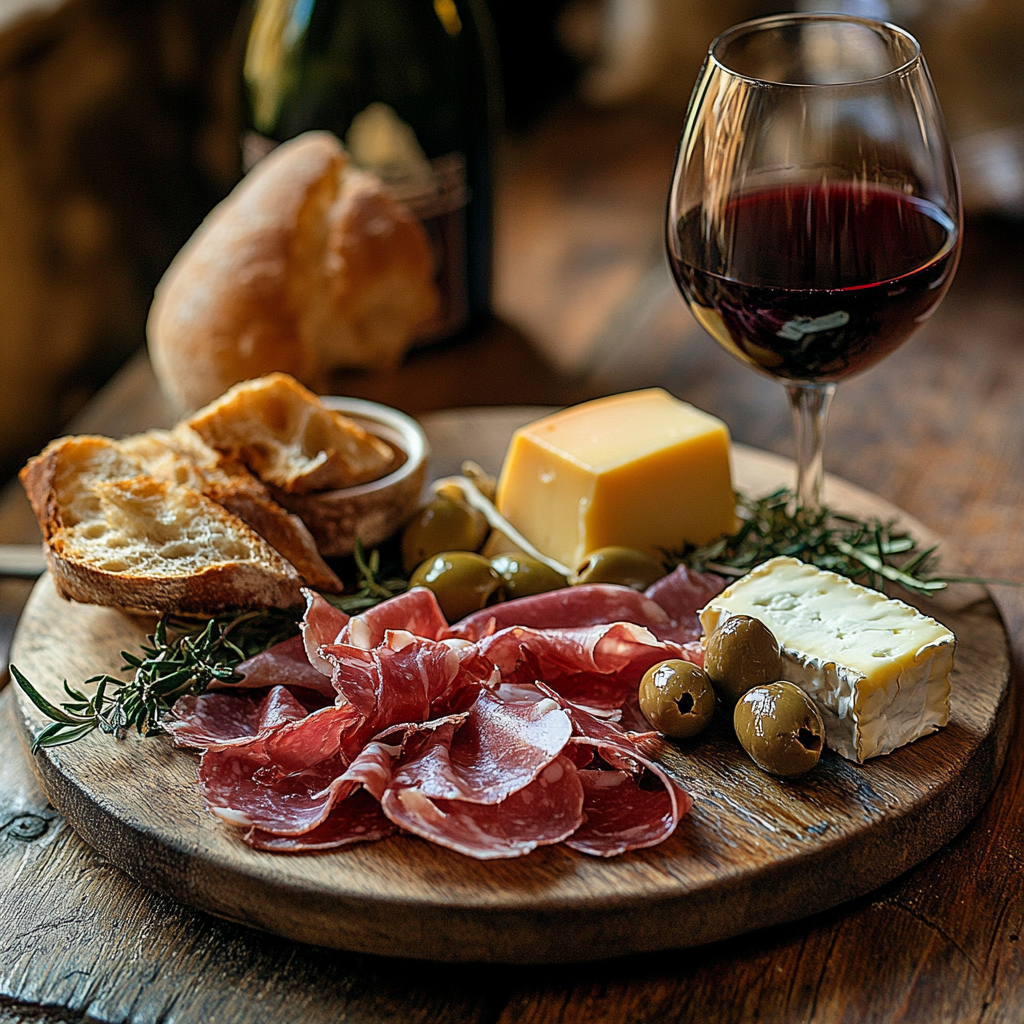
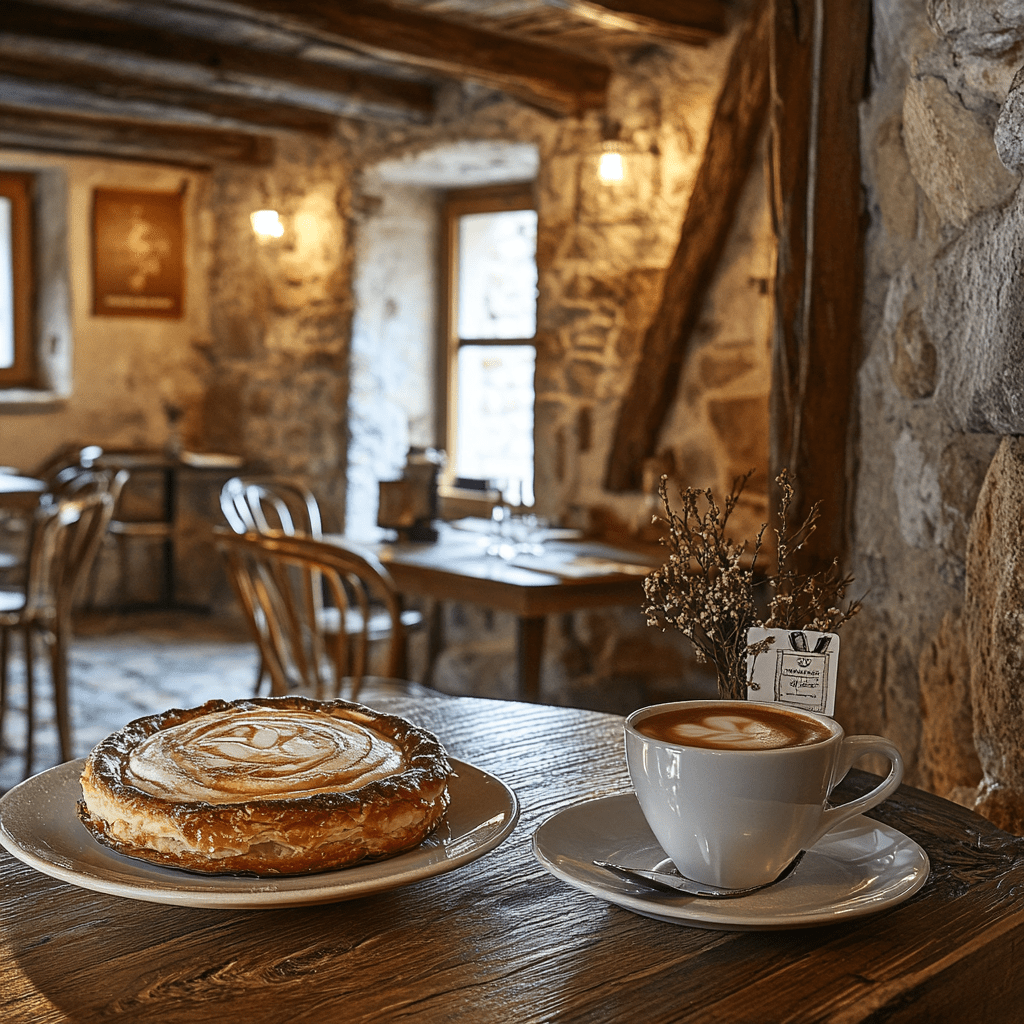
Evelyn: “I love the sound of that. It’s amazing how the food here is so connected to the region. Even the ingredients seem to reflect the local landscape—like the buckwheat from the hills and the cured meats from the Karst."
Isabella: “Exactly. Slovenian cuisine is very much a reflection of the land and the seasons. The food here is simple but rich in flavor, and you can taste the history in every bite. Even the wines from the Karst region have a unique flavor because of the limestone soil they grow in."
Evelyn: “That’s fascinating. I had no idea the local geology even affected the wine! I’m definitely ready to dig into some of these dishes. It’s the perfect way to end the day after exploring the caves."
場景 2: 波斯托伊納的當地美食特色
伊芙琳:“在探險了一整天後我餓壞了!這個小鎮以什麼樣的美食著稱?”
伊莎貝拉:“波斯托伊納和周邊地區以豐盛的斯洛文尼亞傳統菜餚聞名。你會發現很多肉類、燉菜和當地的奶酪。這裡最著名的菜之一是‘žganci’,這是一道由蕎麥製成的料理,通常配上香腸或酸奶。”
伊芙琳:“聽起來很有趣,我從來沒吃過這樣的東西。我們在這裡還應該嘗試什麼?”
伊莎貝拉:“你一定要嘗嘗當地的‘kraški pršut’,這是一種來自卡斯特地區的風乾火腿,通常搭配新鮮麵包和奶酪一起吃。如果你喜歡甜食,離開之前一定要試試‘potica’,這是一種傳統的捲餅,裡面填滿了核桃或罌粟籽餡。”
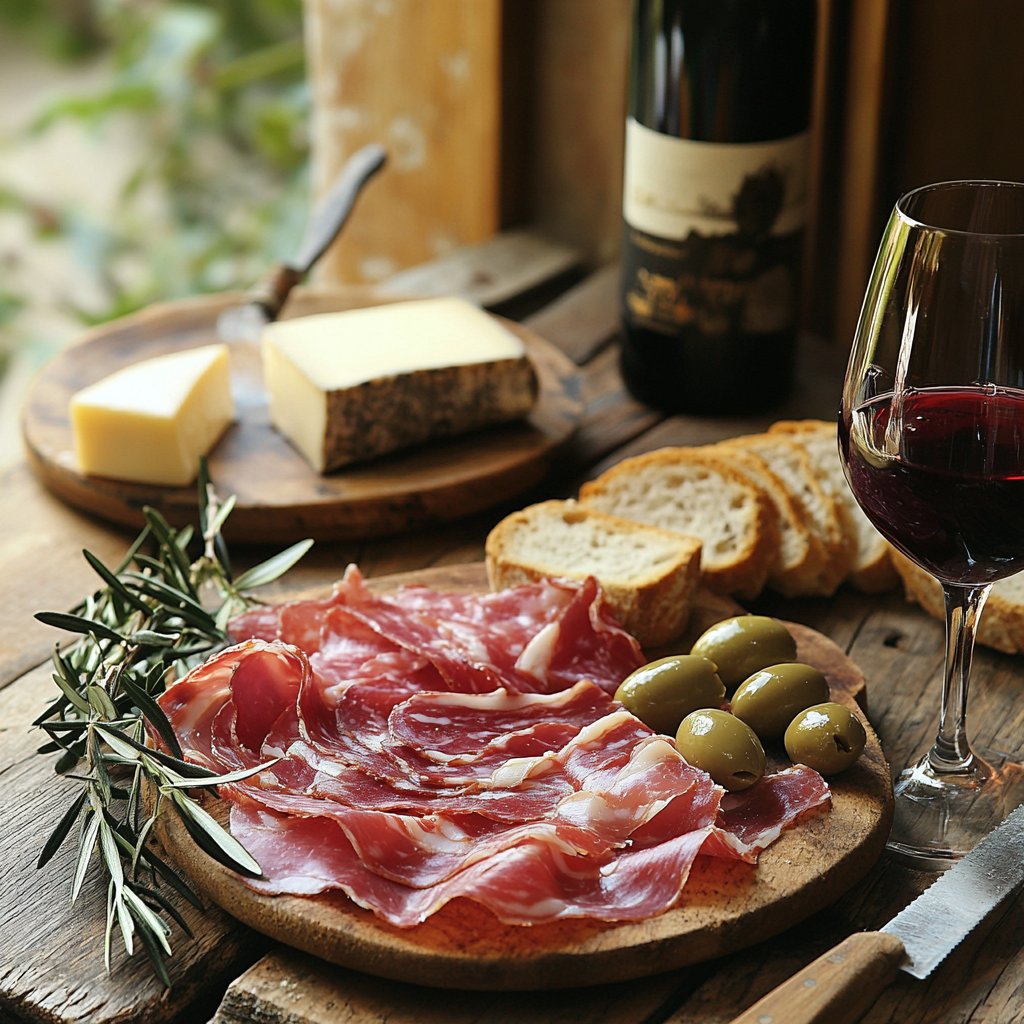
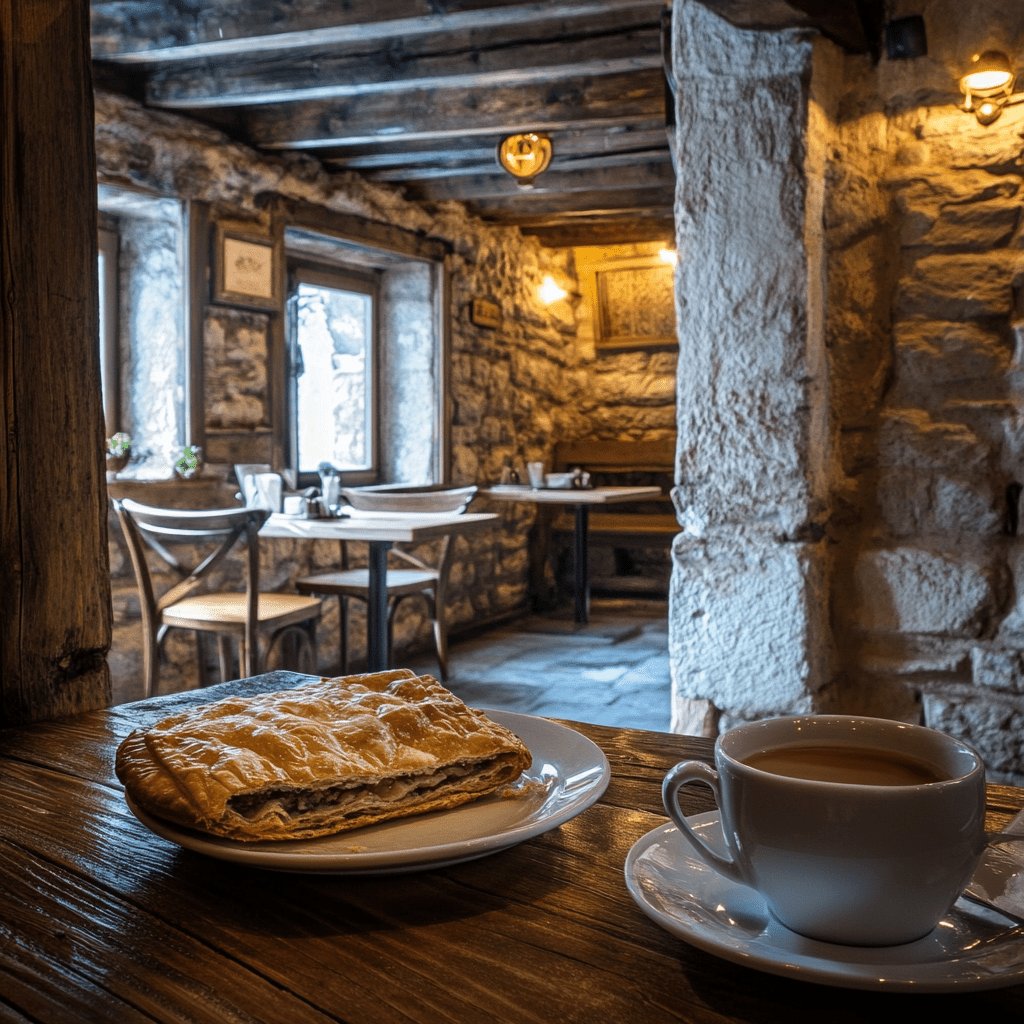
伊芙琳:“這聽起來真棒。這裡的食物與這片土地的聯繫如此緊密。就連食材似乎都反映了當地的地貌——例如來自山丘的蕎麥和來自卡斯特地區的風乾肉。”
伊莎貝拉:“沒錯。斯洛文尼亞的美食很大程度上反映了土地和季節的變化。這裡的食物雖然簡單,但味道濃郁,每一口都能品味到歷史。就連來自卡斯特地區的葡萄酒,也因為它們生長的石灰岩土壤而擁有獨特的風味。”
伊芙琳:“真是有意思,我沒想到連當地的地質也會影響到葡萄酒的風味!我已經迫不及待想品嚐這些美食了。這真是探索完洞穴後,結束一天的完美方式。”

 Virtual Travel | 虛擬旅行沉浸式英語學習
發表留言