
Scene 1: Discussing the Role of Castles in Slovenia
Evelyn: “It’s fascinating how many of the castles here in Slovenia, like Bled Castle, were built as both defensive strongholds and noble residences. It feels like every stone wall has two stories—one of warfare and one of domestic life."
Isabella: “Exactly. Bled Castle, for instance, is perched up on that cliff for a reason. It wasn’t just a picturesque home for the local rulers; it was a fortress meant to oversee and protect the region. That kind of dual purpose is something you see a lot in this part of Europe."
Evelyn: “And it makes sense, given the strategic importance of this area. The location of these castles isn’t just about the view. They were positioned to control important trade routes and defend against invaders, especially during medieval times when Slovenia was part of the Holy Roman Empire."
Isabella: “Yes, the geography plays a key role too. Many Slovenian castles, like Predjama Castle, are literally built into cliffs or hillsides, taking advantage of natural fortifications. The stone itself becomes part of the defense system. Predjama’s integration into the cliff makes it nearly impossible to breach from below."
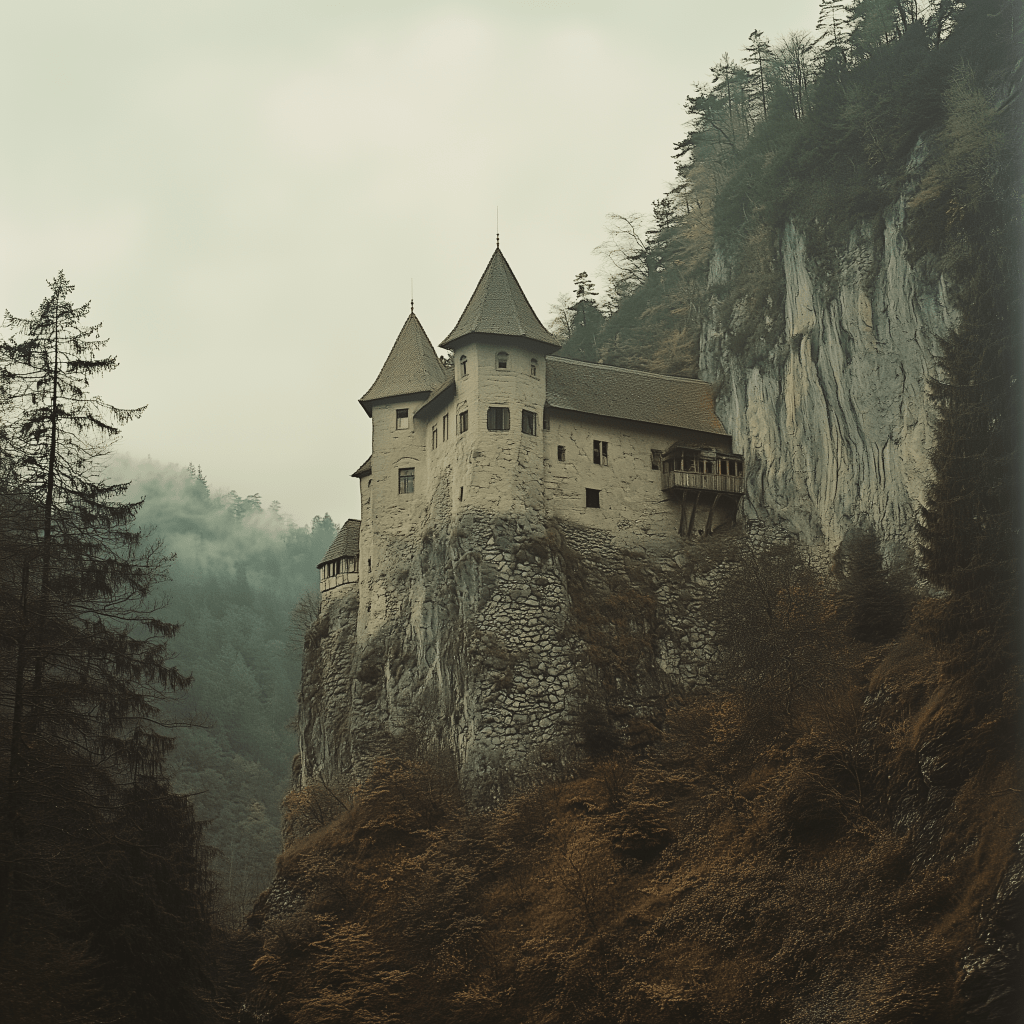
Predjama Castle
Evelyn: “It’s brilliant, really—using the landscape as an ally. The castles in northern Europe, like in Germany or even England, are often surrounded by moats or built on hilltops, but here in Slovenia, the natural rock formations are the primary defense."
Isabella: “Right. It’s a more natural, geological solution compared to artificial fortifications. The karst landscape here provides endless opportunities for these kinds of defensive strategies. The stone is tough, and it’s almost like the land itself becomes a barrier."
Evelyn:
“At the same time, many of these castles still had to serve as homes. Take Ljubljana Castle—it wasn’t just a military stronghold; it was also a residence for the local rulers and administrators. They had to balance defense with comfort, which you can see in the mix of grand halls and narrow, protected corridors."

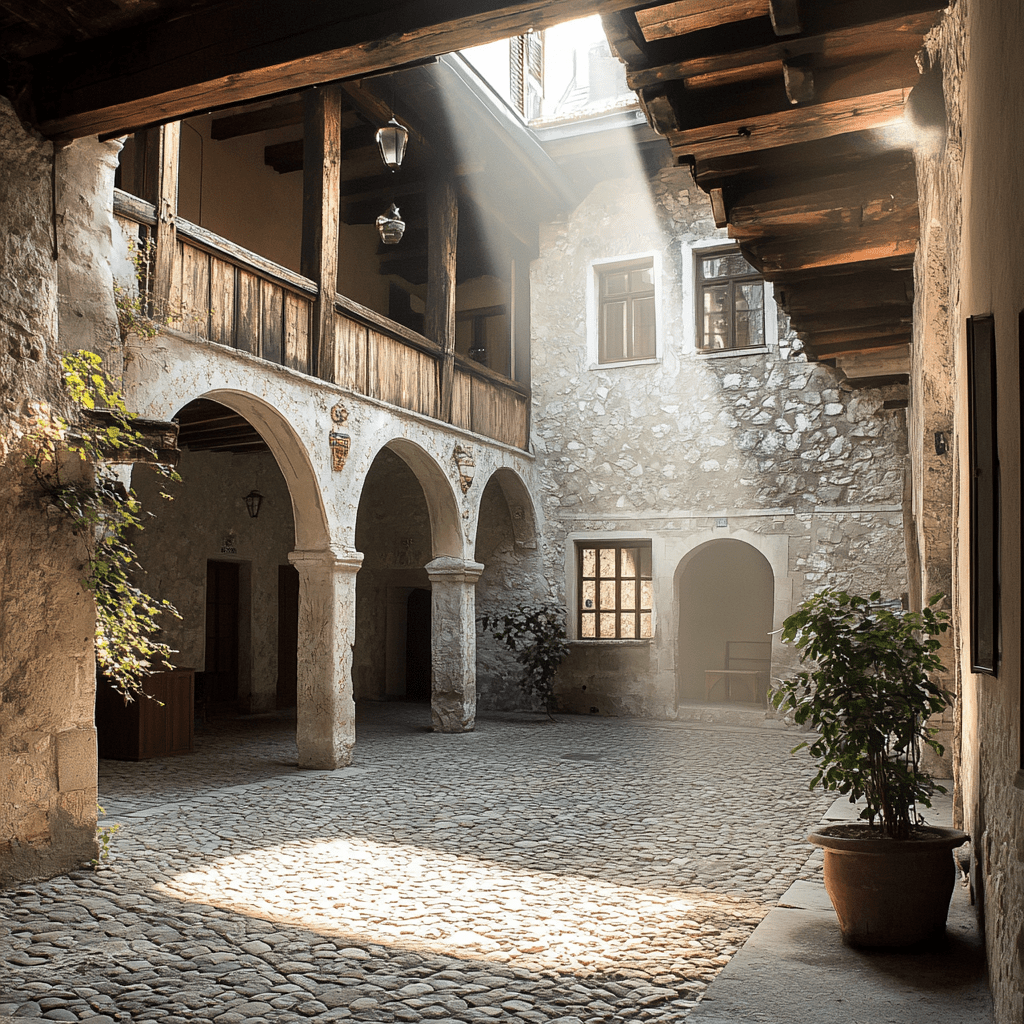
Ljubljana Castle
Isabella: “Yes, and in Predjama, you even have that secret tunnel that allowed the castle’s inhabitants to smuggle in supplies during sieges. It’s such a clever use of the natural terrain, but they still had to live there—raise families, govern, host dignitaries. It must have been a tough balance."

A Secret Tunnel in Predjama Castle
Evelyn: “That’s true. It’s interesting to compare that with other European castles. In France or Italy, the emphasis seems to be more on luxury and grandeur, especially during the Renaissance period, while in Slovenia, even the most luxurious castles still had to be battle-ready."
Isabella: “Exactly. Slovenian castles were definitely built with function in mind first—especially during the medieval and early modern periods. Even the architecture reflects this. In places like Bled Castle, you have thick stone walls, narrow windows, and defensive towers, but the interiors still include grand halls and more comfortable living spaces."


Bled Castle
Evelyn: “Which makes sense when you think about the history of the region. These castles had to be prepared for invasions from neighboring powers like the Habsburgs or the Ottoman Empire. It’s a reminder of how fragile life could be, even for the nobility."
Isabella: “And yet, despite the emphasis on defense, they managed to make these places livable, even elegant. You can see that in the design of the grand halls, the courtyards, and the details like the stone carvings or the wooden beams in the chambers. It’s functional, but there’s beauty in it too."
Evelyn: “Absolutely. That balance between function and beauty is part of what makes these castles so intriguing. They were designed to withstand sieges, but they also had to reflect the status and power of the nobles who lived there."
Isabella: “And in many ways, that’s what makes Slovenian castles stand out compared to those in other parts of Europe. Here, it’s all about working with the landscape—using the natural surroundings not just as defense, but as part of the aesthetic too."
Evelyn: “It’s a beautiful, rugged practicality. The castles here feel more connected to the land, almost as if they’ve grown out of the rock. It’s that connection to the landscape that makes them so unique."
場景 1: 探討斯洛維尼亞古堡的功能
伊芙琳:“真是太有趣了,像布萊德城堡這樣的斯洛維尼亞古堡,不僅僅是防禦的堡壘,還是貴族的住所。感覺每一道石牆都有兩個故事——一個關於戰爭,一個關於家庭生活。”
伊莎貝拉:“沒錯。布萊德城堡坐落在懸崖上不僅僅是為了美景;它是為了保護這片地區的要塞。這種雙重功能在這個歐洲地區很常見。”

布萊德城堡
伊芙琳:“這也合情合理,考慮到這個區域的重要戰略地位。這些城堡的選址不僅僅是為了風景,它們被建在戰略位置,以控制重要的貿易路線並抵禦入侵者,尤其是在斯洛維尼亞屬於神聖羅馬帝國時期。”
伊莎貝拉:“是的,地理在這裡也起到了關鍵作用。許多斯洛維尼亞的城堡,比如普雷德雅瑪城堡,直接建在懸崖或山坡上,利用天然的防禦措施。岩石本身就是防禦系統的一部分。普雷德雅瑪城堡與懸崖融為一體,幾乎無法從下方攻破。”
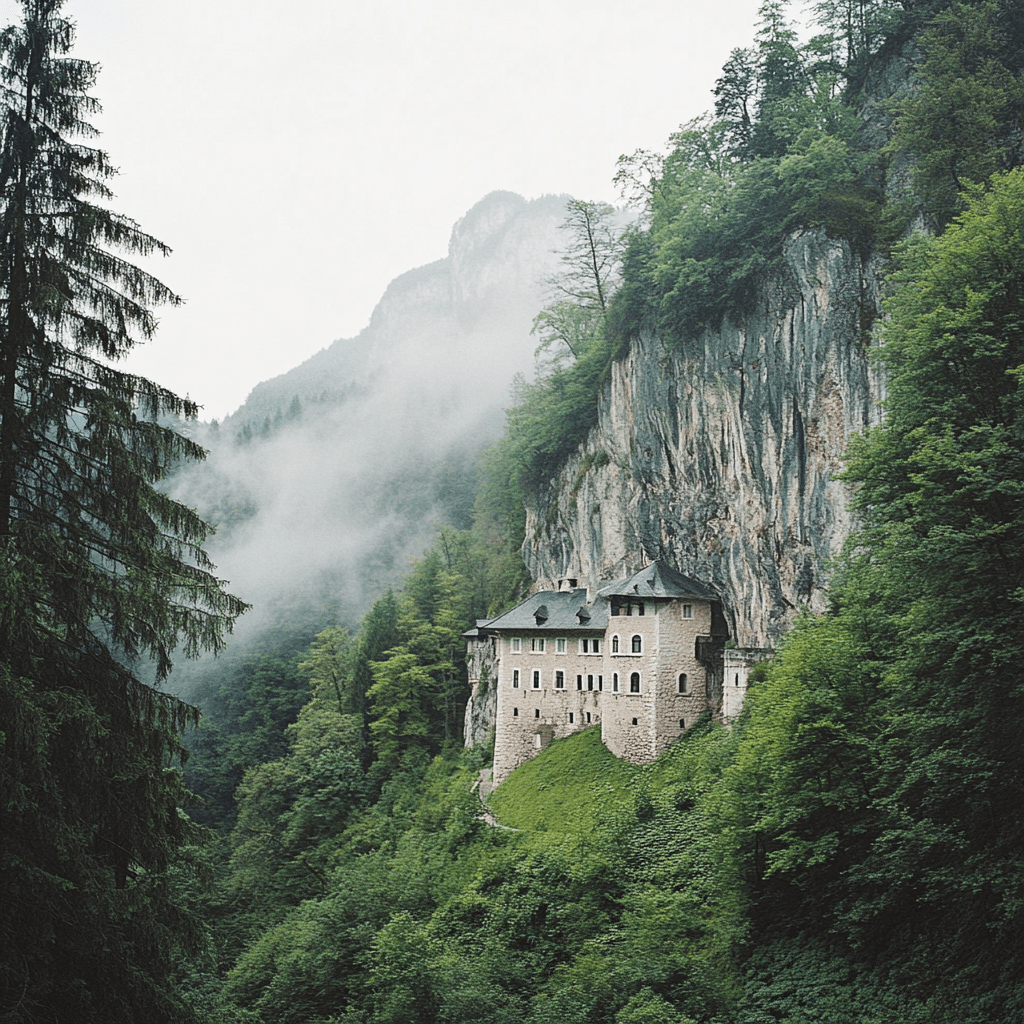
普雷德雅瑪城堡
伊芙琳:“這真是聰明,利用地形作為盟友。北歐的城堡,像德國或英國的城堡,通常有護城河或建在山頂上,而在斯洛維尼亞,天然的岩石地形成為主要的防禦。”
伊莎貝拉:“沒錯。這是一種更自然的地質解決方案,而不是依賴人工建造的防禦工事。這裡的卡斯特地貌提供了無限的防禦策略。這些岩石堅固,幾乎讓整個地形成為一道天然屏障。”
伊芙琳:“同時,這些城堡還需要成為家園。像盧比安納城堡,它不僅僅是一座軍事堡壘,它也是地方統治者和行政官員的住所。他們必須在防禦和舒適之間取得平衡,這可以從那些宏偉的會堂和狹窄的防禦走廊中看出來。”
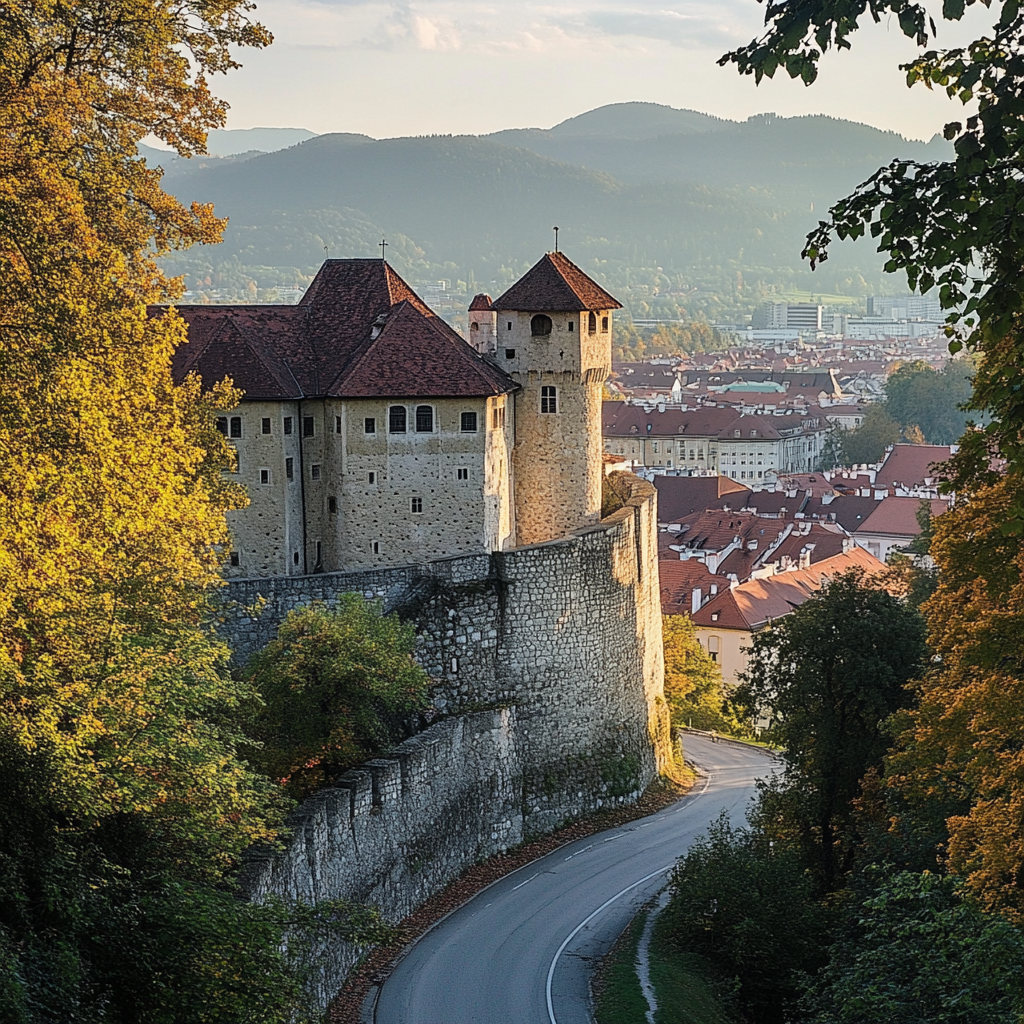
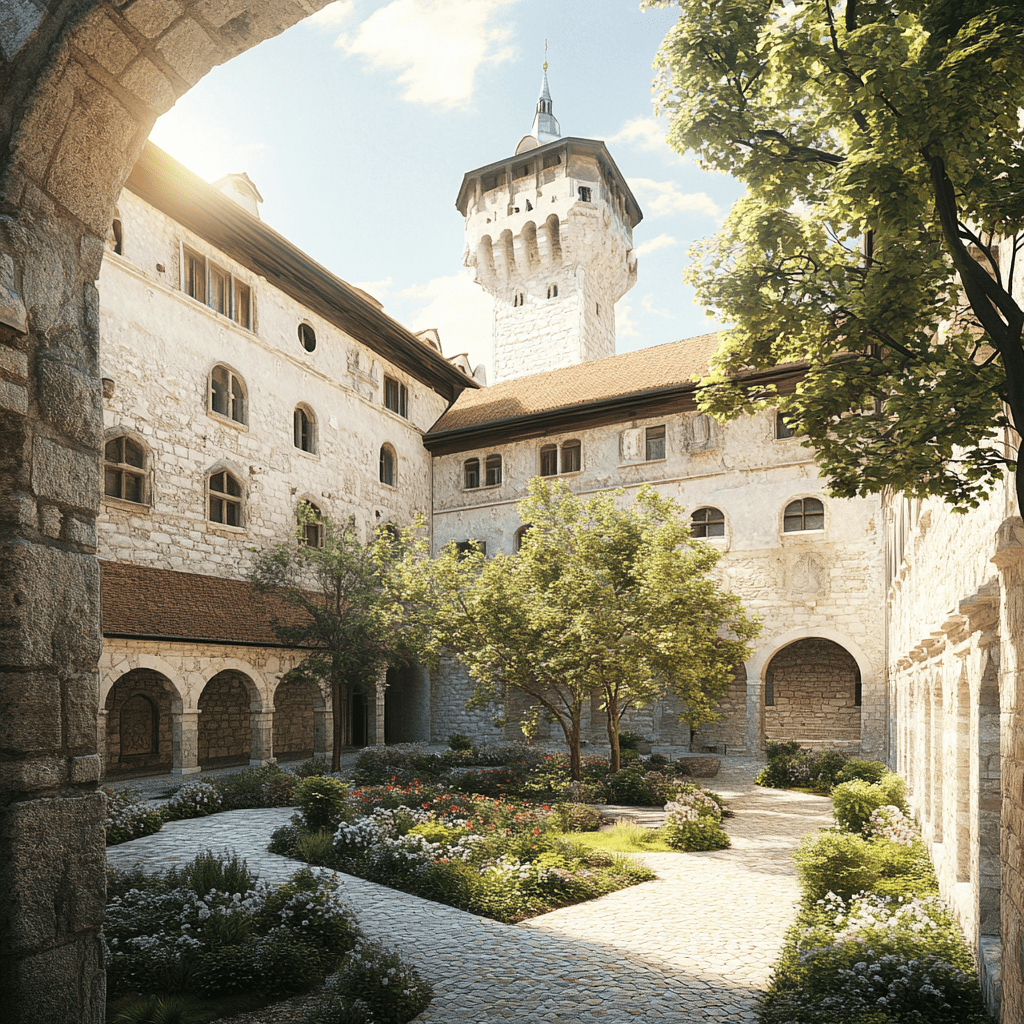
盧比安納城堡
伊莎貝拉:“沒錯,還有普雷德雅瑪城堡的秘密通道,當城堡被圍攻時,居民可以通過這個通道走私物資。這是對地形的巧妙利用,但他們仍然必須在這裡生活——養家、管理政務、接待貴賓。這一定是一種艱難的平衡。”

普雷德雅瑪城堡的秘密通道
伊芙琳:“這讓我想到了其他歐洲的城堡。在法國或義大利,城堡更注重豪華和宏偉,特別是在文藝復興時期,而在斯洛維尼亞,即使是最豪華的城堡,也必須時刻準備應對戰爭。”
伊莎貝拉:“沒錯。斯洛維尼亞的城堡首先是為了實用性而建的——尤其是在中世紀和近代早期。甚至建築風格也反映了這一點。在布萊德城堡,你可以看到厚重的石牆、狹窄的窗戶和防禦塔,但內部仍然有豪華的會堂和舒適的生活空間。”
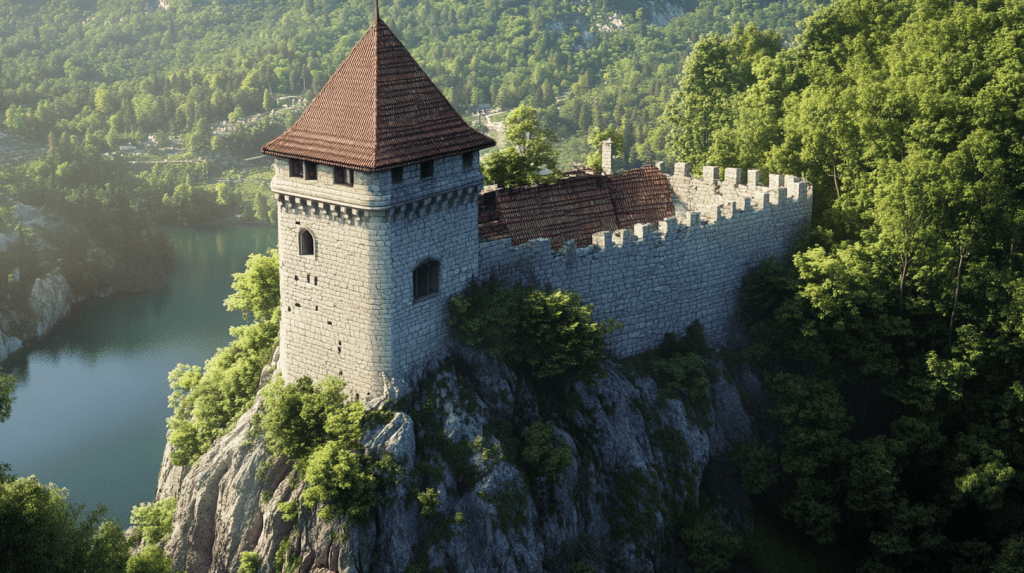
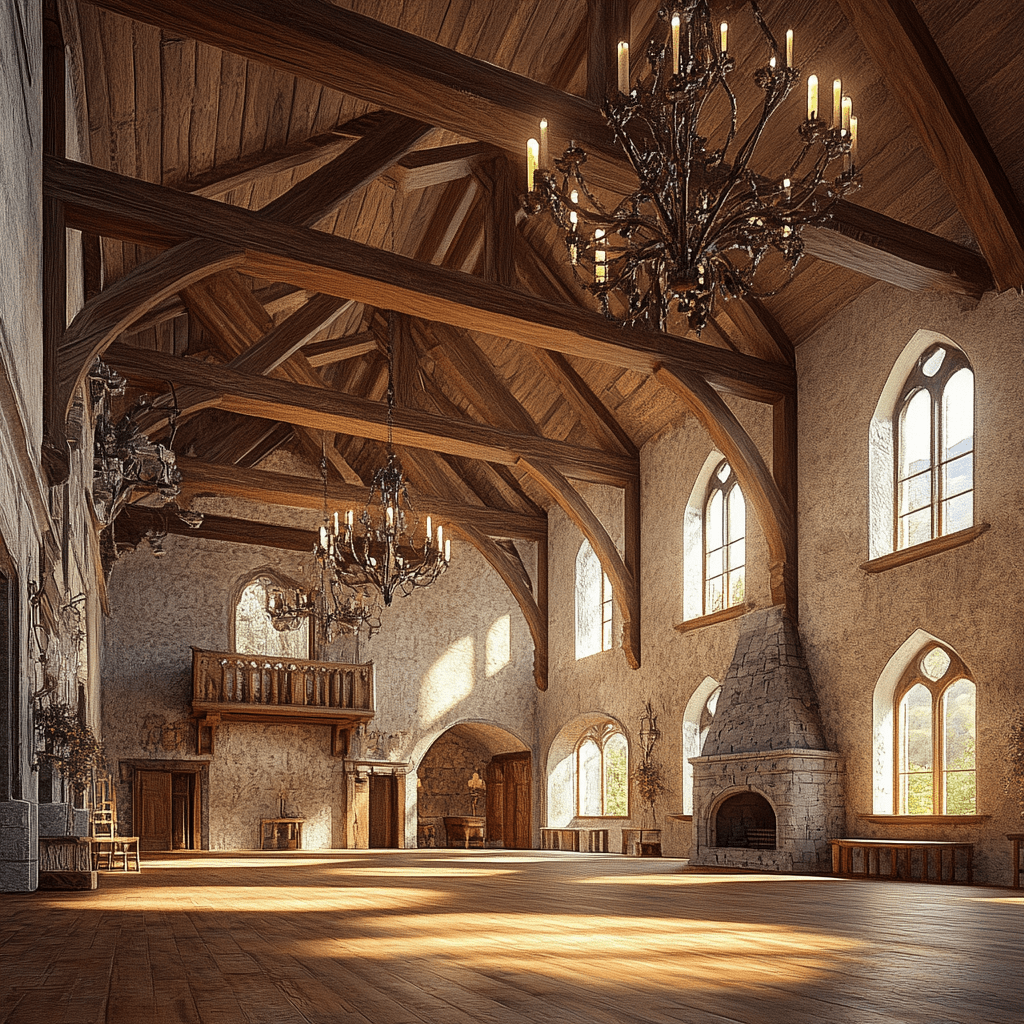
布萊德城堡
伊芙琳:“考慮到這個地區的歷史,這也說得通。這些城堡必須時刻準備應對來自鄰近勢力的入侵,如哈布斯堡家族或奧斯曼帝國。這提醒我們,即使是貴族的生活,也充滿了脆弱性。”
伊莎貝拉:“儘管如此,這些城堡的設計仍然考慮到了舒適性,甚至優雅。你可以從那些設計精美的會堂、庭院和石刻裝飾中看到這一點。它們的功能性很強,但也充滿了美感。”
伊芙琳:“確實如此。這種在功能與美感之間的平衡,正是讓這些城堡如此迷人的原因。它們被設計成能夠承受圍攻,但同時也反映了居住其中的貴族的地位和權力。”
伊莎貝拉:“而且,在很多方面,這正是斯洛維尼亞城堡與歐洲其他地區城堡的不同之處。在這裡,建築物與自然景觀密切相連——不僅僅是作為防禦,還成為了美學的一部分。”
伊芙琳:“這種粗獷而實用的美感讓這些城堡與周圍的自然環境融為一體,彷彿它們是從岩石中生長出來的一樣。這種與地景的連結,使它們獨一無二。”
伊莎貝拉:“而且,當你站在城堡的高處,俯瞰湖泊或山脈時,你可以感受到這種連接。我想,那些居住在這些城堡裡的貴族,不僅僅是在保護自己的權力和財產,他們同時也在象徵著他們與這片土地的聯繫。”
伊芙琳:“是的,他們的城堡既是防禦工事,也是他們與土地之間的物質象徵。每一座城堡似乎都講述著一個既有自然,又有人類歷史的故事。”
伊莎貝拉:“這讓我們今天參觀這些古蹟時,能感受到這些地方的力量與歷史,不僅僅是建築本身的力量,而是它們與自然環境的共鳴。”
伊芙琳:“這也是為什麼斯洛維尼亞的城堡如此迷人。這裡的建築物不僅是歷史的見證,還見證了人類如何利用自然,同時在自然的力量之中找到生活的意義。”
Scene 2: Comparing Slovenian Castles with Other European Castles
Evelyn: “It makes me wonder if castles in other parts of Europe had similar roles. Were they all built with this blend of defense and residence, or was there more variation in their functions depending on the region?"
Isabella: “That’s a good question. In many ways, yes, castles across Europe were designed with similar dual purposes in mind: defense and serving as noble residences. But the architectural styles and strategies varied depending on the geography, political situation, and the era they were built in."
Evelyn: “Take England and Scotland, for example. Castles like Edinburgh Castle were certainly built with defense in mind, given Scotland’s history of conflict with England. But they also evolved to become symbols of royal power and authority. The Tower of London, while originally a fortress, became a royal palace, a prison, and even a treasury over the centuries."

Edinburgh Castle
Isabella: “Right, the Tower of London is a great example. It started as a fortification but took on many roles throughout history, just like Ljubljana Castle. However, the English castles also often focused more on political control over a territory, whereas in Slovenia, many castles were more integrated with the landscape for natural defense."

London Tower
Evelyn: “And in France, during the Renaissance, many castles—like the ones in the Loire Valley—started to lose their military function altogether. They became châteaux, more like luxurious country homes than fortresses. By that time, the focus was less on defense and more on displaying wealth and status."
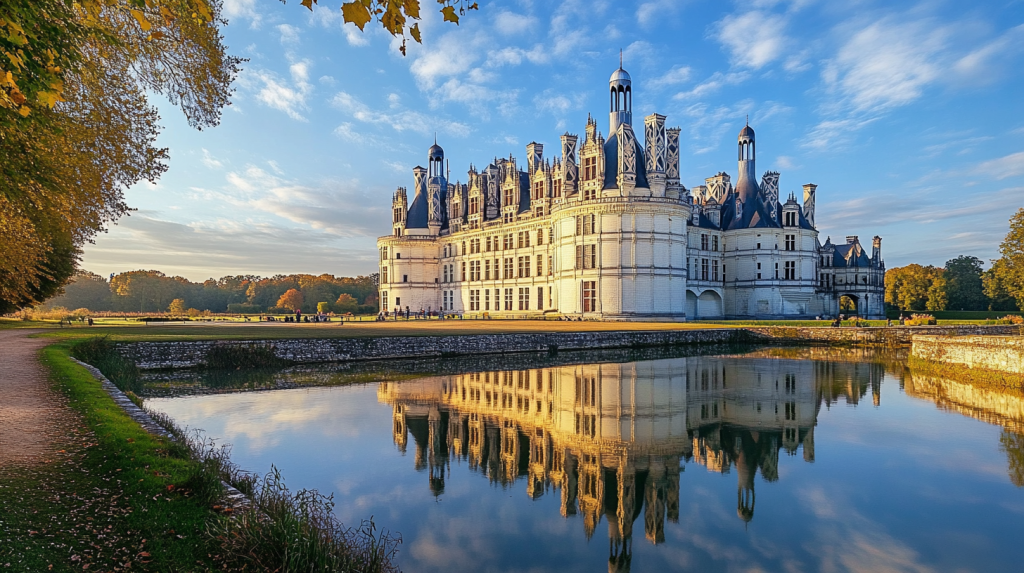

Château de Chambord
Isabella: “Yes, especially during the Renaissance, the nobility in places like France and Italy focused more on building palatial homes for comfort and prestige. Defense was no longer the priority because warfare had changed, with gunpowder and cannons making traditional castle defenses less effective."
Evelyn: “Exactly. The shift from medieval warfare to more modern forms of combat meant that castles had to adapt, or they simply became obsolete. In contrast, regions like Eastern Europe held on to the defensive functions of castles for much longer, due to their strategic importance in conflicts with the Ottoman Empire or other neighboring powers."
Isabella: “Yes, in places like Hungary, Romania, or even parts of the Balkans, castles continued to serve as military outposts for centuries. Bran Castle in Romania, for example, was not just a residence but also an important fortification against Ottoman invasions."
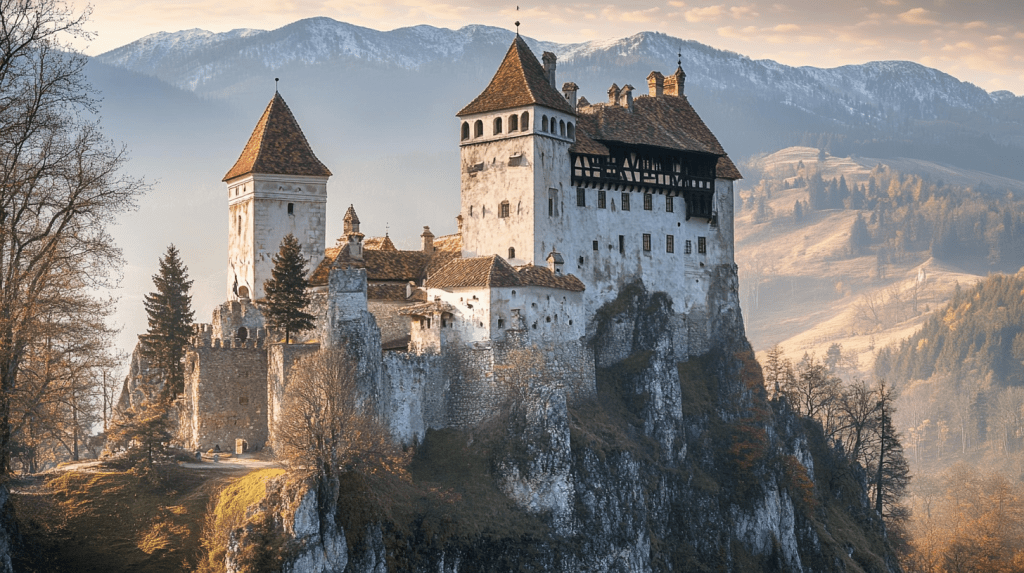
Bran Castle
Evelyn: “That’s a key difference between the castles in Western Europe versus those in Eastern Europe and the Balkans. In the west, castles transitioned into palaces or were abandoned, while in places like Slovenia, Hungary, and Croatia, they continued to have military significance even into the 17th and 18th centuries."
Isabella: “It’s interesting how the political landscape shapes the architecture. Even though the castles had similar functions—defense and housing nobility—the priorities shifted depending on the time and region. In Germany, for example, you see a mix. Some castles, like Neuschwanstein, were built purely for aesthetic reasons, long after castles were needed for defense, while others like Burg Eltz still maintained their defensive structures."

Neuschwanstein
Evelyn: “And then you have Italian castles. Some, like Castel dell’Ovo in Naples, have histories that stretch back to Roman times. They served as military outposts but later became luxurious residences for the wealthy and powerful, especially in the Renaissance. The coastal location also gave them strategic importance, much like Slovenian castles with their connections to trade routes."
Isabella: “Yes, the castles in Italy had a lot of dual purpose as well, especially in the north, near places like Venice or Milan, where defense against invasions from neighboring territories was essential. But they also became cultural centers for the Renaissance movement, hosting artists, scholars, and nobility."
Evelyn: “So in a way, Slovenian castles sit somewhere between these two worlds. They were still highly functional as fortresses in the late Middle Ages and early modern period, but they also had to be comfortable enough to serve as residences for the local nobility."
Isabella: “Exactly. And it’s that balance between function and beauty, between defense and daily life, that makes castles across Europe so fascinating. Whether in Slovenia, France, or England, each castle tells a story not just of war and survival, but also of culture, politics, and the lives of the people who lived there."
場景 2:比較斯洛維尼亞古堡與其他歐洲古堡的功能
伊芙琳:“我在想,其他歐洲地區的城堡是否也有類似的角色?它們是否同樣是防禦與住所的結合,還是根據地區不同,功能有所變化?”
伊莎貝拉:“這是一個很好的問題。很多方面來看,是的,歐洲各地的城堡設計都是為了類似的雙重目的:防禦和作為貴族住所。但是,根據地理、政治局勢和建造時期的不同,建築風格和策略也有所不同。”
伊芙琳:“比如說英格蘭和蘇格蘭的城堡,像是愛丁堡城堡,它們無疑是為了防禦而建,考慮到蘇格蘭與英格蘭之間的衝突歷史。但這些城堡後來也逐漸成為了皇權的象徵。倫敦塔一開始是一座堡壘,但隨著時間推移,成為了皇宮、監獄,甚至是財富儲存的場所。”

愛丁堡城堡
伊莎貝拉:“沒錯,倫敦塔就是一個很好的例子。它從防禦工事開始,但在歷史上承擔了許多不同的角色,與盧比安納城堡有著相似之處。不過,英國的城堡往往更多集中於政治控制,而斯洛維尼亞的許多城堡則更多依賴於地形作為自然防禦。”
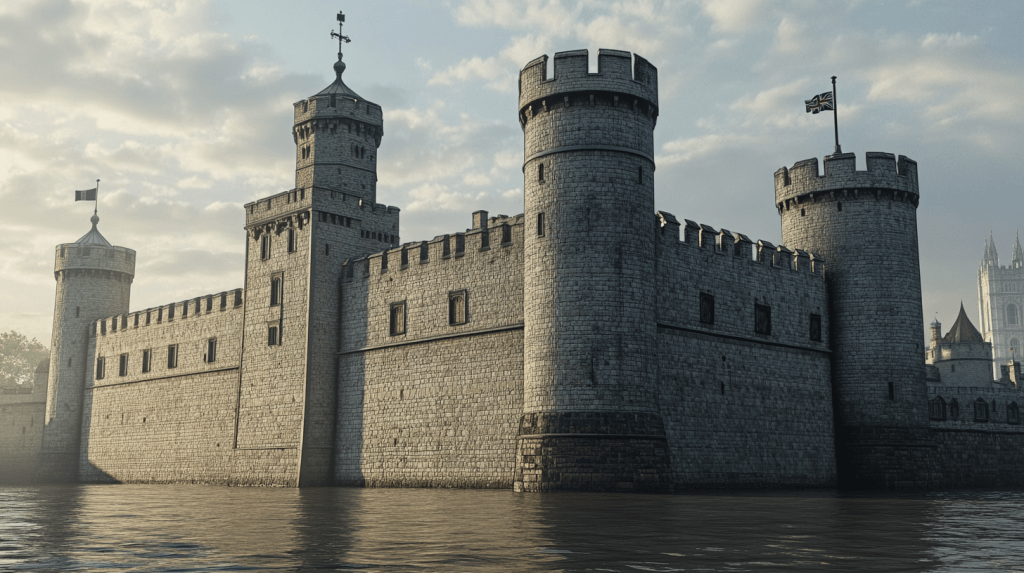
倫敦塔
伊芙琳:“而在法國,特別是文藝復興時期,許多城堡——比如盧瓦爾河谷的那些——開始失去它們的軍事功能,變成了更像豪華鄉村別墅的城堡。那個時期,重點不再是防禦,而是展示財富和地位。”

香波爾城堡 (盧瓦爾河谷)
伊莎貝拉:“是的,特別是在文藝復興時期,像法國和義大利的貴族更多地集中於建造舒適且具有顯赫地位的宮殿式住所。防禦已經不再是優先事項,因為火藥和大炮的出現使得傳統的城堡防禦措施變得不再那麼有效。”
伊芙琳:“沒錯。從中世紀的戰爭到更現代的戰鬥形式,城堡不得不適應變化,否則它們就變得過時了。相比之下,像東歐這些地區的城堡,由於與鄰國的衝突,特別是對抗奧斯曼帝國的入侵,保留了防禦功能更久。”
伊莎貝拉:“是的,像匈牙利、羅馬尼亞,甚至部分巴爾幹地區的城堡,幾個世紀以來一直是軍事據點。像羅馬尼亞的布蘭城堡,不僅是貴族的住所,還是對抗奧斯曼入侵的重要堡壘。”
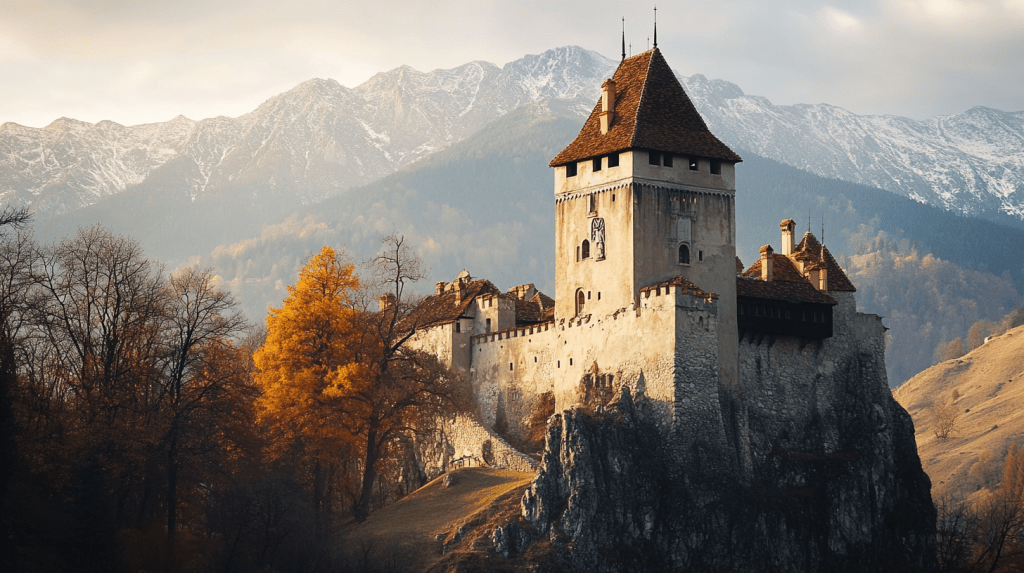
布蘭城堡
伊芙琳:“這就是西歐城堡和東歐、巴爾幹地區城堡之間的一個關鍵區別。在西歐,城堡逐漸轉變為宮殿或被廢棄,而在斯洛維尼亞、匈牙利和克羅埃西亞等地區,它們在17、18世紀仍然具有重要的軍事意義。”
伊莎貝拉:“這真是政治地形如何塑造建築的例子。
Scene 3: The Dual Purpose of Castles: Defense and Culture Across Europe
Isabella:
“It’s fascinating how the political landscape shapes the architecture. Even though the castles had similar functions—defense and housing nobility—the priorities shifted depending on the time and region. In Germany, for example, you see a mix. Some castles, like Neuschwanstein, were built purely for aesthetic reasons, long after castles were needed for defense, while others like Burg Eltz still maintained their defensive structures."
Evelyn: “And then you have Italian castles. Some, like Castel dell’Ovo in Naples, have histories that stretch back to Roman times. They served as military outposts but later became luxurious residences for the wealthy and powerful, especially in the Renaissance. The coastal location also gave them strategic importance, much like Slovenian castles with their connections to trade routes."
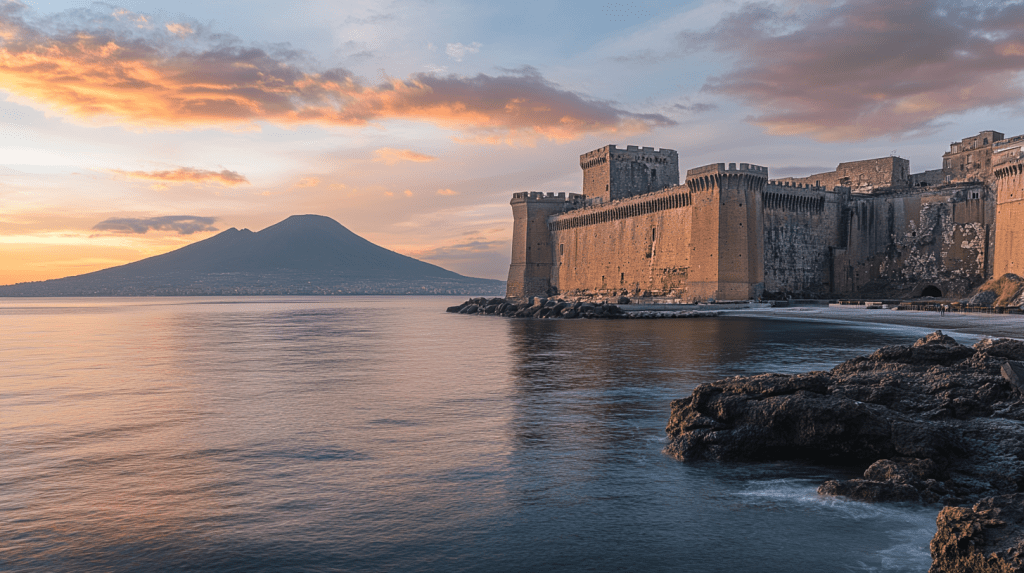
Castel dell’Ovo in Naples
Isabella: “Yes, the castles in Italy had a lot of dual purpose as well, especially in the north, near places like Venice or Milan, where defense against invasions from neighboring territories was essential. But they also became cultural centers for the Renaissance movement, hosting artists, scholars, and nobility."
Evelyn:
“So in a way, Slovenian castles sit somewhere between these two worlds. They were still highly functional as fortresses in the late Middle Ages and early modern period, but they also had to be comfortable enough to serve as residences for the local nobility."
Isabella:
“Exactly. And it’s that balance between function and beauty, between defense and daily life, that makes castles across Europe so fascinating. Whether in Slovenia, France, or England, each castle tells a story not just of war and survival, but also of culture, politics, and the lives of the people who lived there."
場景 3: 歐洲城堡的雙重角色:防禦與文化的交融
伊莎貝拉:“這真是政治地形如何塑造建築的例子。即使城堡有相似的功能——防禦和容納貴族——但隨著時間和地區的不同,優先事項有所轉變。在德國,你會看到一個混合體。像新天鵝堡這樣的城堡,純粹是為了美學建造的,遠在需要防禦的時代之後,而像艾爾茨城堡這樣的地方仍然保留著他們的防禦結構。”
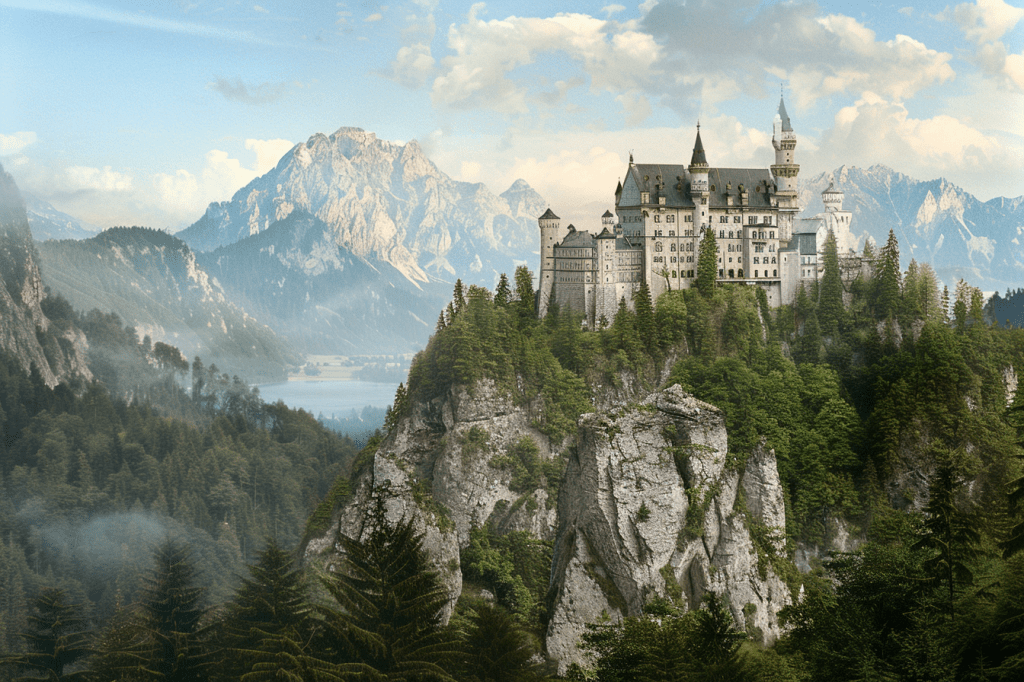
新天鵝堡
伊芙琳:“然後你還有義大利的城堡。有些,如那不勒斯的蛋堡,其歷史可以追溯到羅馬時代。它們最初是軍事前哨,但後來成為了文藝復興時期富裕和有權勢者的豪華住所。沿海的位置也使它們具有戰略意義,這與斯洛維尼亞的城堡有點相似,因為它們與貿易路線有聯繫。”

蛋堡 (那不勒斯)
伊莎貝拉:“是的,義大利的城堡也有很多的雙重用途,尤其是在北部,比如在威尼斯或米蘭附近,防禦來自鄰近領土的入侵至關重要。但是,它們也成為了文藝復興運動的文化中心,接待藝術家、學者和貴族。”
伊芙琳:“所以在某種程度上,斯洛維尼亞的城堡位於這兩個世界之間。它們在中世紀晚期和近代早期仍然高度功能性,作為堡壘使用,但它們也必須足夠舒適,以便作為當地貴族的住所。”
伊莎貝拉:“正是如此。這種功能與美感、防禦與日常生活之間的平衡,使得歐洲各地的城堡都如此迷人。無論是在斯洛維尼亞、法國還是英格蘭,每座城堡不僅講述了戰爭和生存的故事,還講述了文化、政治和生活在那裡的人的故事。”

 Virtual Travel | 虛擬旅行沉浸式英語學習
發表留言