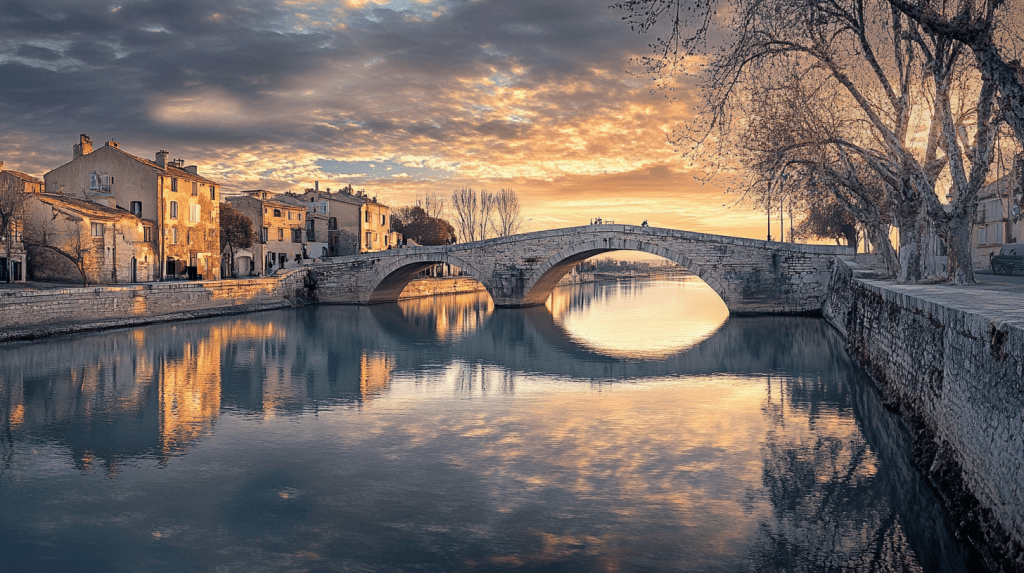
Background:
Emma and Julia are two scholars from different academic fields, but they share a strong interest in history and the environment. Emma is a historian with a focus on the Mediterranean region, particularly the cultural and historical developments of the area over centuries. Julia, on the other hand, is an environmental scientist who studies ecosystems and how they have been shaped by human activity. Both have developed a mutual respect for each other’s work, often finding ways to connect historical events with ecological changes.
They have traveled to Aix-Marseille University to attend a seminar that brings together scholars from different fields to discuss the relationship between history, culture, and the environment in the Mediterranean. The university, with its rich academic tradition and proximity to the diverse landscapes of Provence, offers the perfect setting for such discussions.
Scene 1: Seminar at Aix-Marseille University

Emma: “This university has so much history. Can you believe it was founded in 1409?"
Julia: “I know! It’s incredible. Just think about the scholars who walked these halls centuries ago. It must have been such a vibrant place, full of debates about law, art, and philosophy."
Emma: “Exactly. It’s fascinating how much the intellectual landscape here has shaped European thought. And now we’re discussing the Mediterranean’s history and ecology—pretty fitting for such a historic setting."
Julia: “I’ve been thinking the same. The intersection of history and ecology is so apparent in places like the Camargue. The wetlands, the salt flats… They’ve been influenced by human activity for centuries. I can’t wait to see them in person."
Emma: “You’ll love it. There’s so much Roman influence still visible in the landscape. It’s a perfect example of how history and nature are intertwined. You’ll see that history isn’t just in the books—it’s alive out there."
Julia: “That’s what excites me. The way human interaction with the environment is visible through time. The landscape itself tells the story, and we get to witness it."
背景
艾瑪和茱莉亞是來自不同學術領域的學者,但她們對歷史和環境有著共同的興趣。艾瑪是一位歷史學家,專注於地中海地區,特別是這片區域數百年來的文化與歷史發展。茱莉亞則是一位環境科學家,研究生態系統及其如何受到人類活動的影響。她們彼此尊重對方的工作,並經常尋找將歷史事件與生態變遷聯繫起來的方法。
她們此次前往艾克斯-馬賽大學,參加一場匯集各領域學者的研討會,討論歷史、文化與地中海環境之間的關係。這所大學擁有深厚的學術傳統,並且靠近普羅旺斯的多樣景觀,是進行這類討論的理想場所。
場景 1:艾克斯-馬賽大學的研討會

艾瑪:「這所大學有著悠久的歷史。你能相信它創建於1409年嗎?」
茱莉亞:「我知道!真的難以置信。想想那些幾個世紀前在這些大廳中走過的學者,這裡一定充滿了關於法律、藝術和哲學的辯論。」
艾瑪:「沒錯。這裡的學術氛圍塑造了歐洲的思想格局,這真是令人著迷。而現在我們在討論地中海的歷史和生態——在這樣一個歷史悠久的場所討論這些話題,真的很合適。」
茱莉亞:「我也在想這件事。歷史與生態的交集在像卡馬爾格這樣的地方非常明顯。濕地、鹽田……幾個世紀以來都受到了人類活動的影響。我迫不及待想親眼看看。」
艾瑪:「你一定會喜歡的。羅馬的影響在這片景觀中依然可見。這正是歷史與自然交織的完美範例。你會發現,歷史並不僅存在於書本裡——它依然活生生地展現在那裡。」
茱莉亞:「這正是讓我興奮的地方。人類與環境的互動在時間中是如此顯而易見。景觀本身講述著故事,而我們將親眼見證這一切。」
Scene 2: The Journey to Arles – Discussing Roman Influence
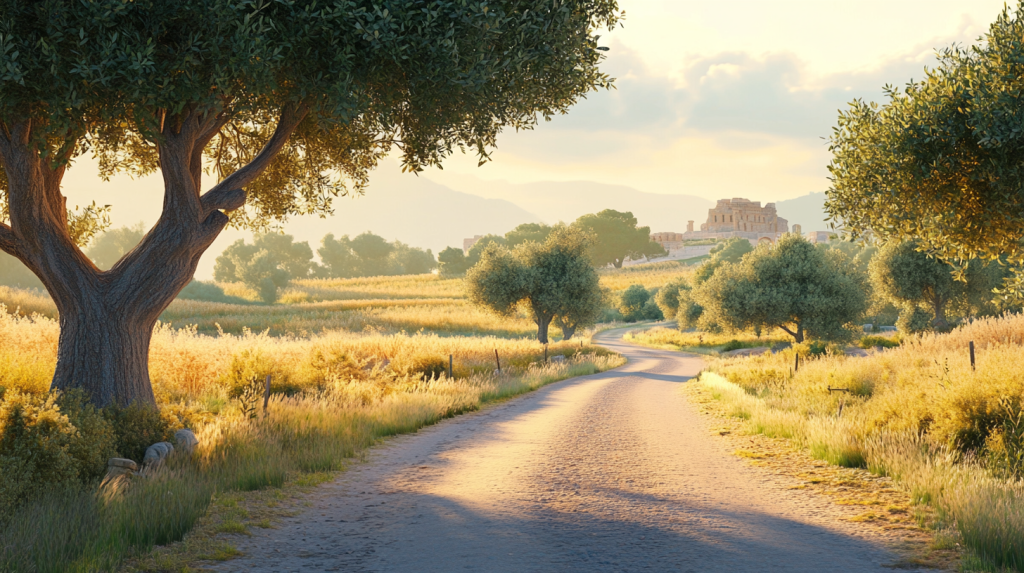
(On the road to Arles, passing through the Provençal countryside)
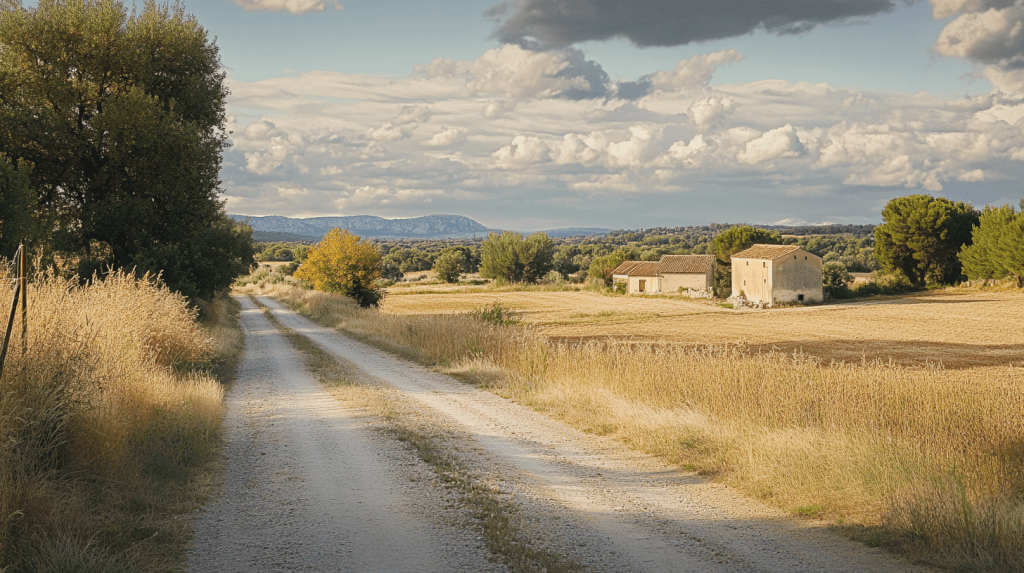

Emma: “You know, Julia, Arles wasn’t just any Roman settlement. It was the Rome of Gaul, a key hub in the Roman Empire’s expansion into what they called ‘Gallia Narbonensis.’ The Romans didn’t just conquer—they reorganized the land, reshaped societies, and built infrastructure that transformed local life.”
Julia: “I’ve read about Gallia Narbonensis. Before the Romans arrived, this region was mainly controlled by Celtic tribes. The landscape was probably quite different—more rural, less organized. It must have been a shock for the locals when the Romans introduced their roads, aqueducts, and urban planning.”
Emma: “Exactly. The Romans viewed land through a different lens. To them, geography was an asset, something to be controlled. They built these straight roads—‘viae’—to connect major cities, Arles being one of the most important. These roads allowed for the quick movement of goods, soldiers, and messages across vast distances, which is why we still follow many of those same routes today.”
Julia: “It’s fascinating how their infrastructure has endured for centuries. But I’m curious—why Arles? Why was this city so significant to the Romans?”
Emma: “Arles was perfectly positioned along the Rhône River, which acted as a natural highway. The river connected inland Gaul to the Mediterranean Sea, making Arles a critical center for trade. Its proximity to Italy meant that it could serve as a launching point for further expansion into Gaul. When Julius Caesar needed a reliable base for his campaigns during the Gallic Wars, Arles was the obvious choice.”
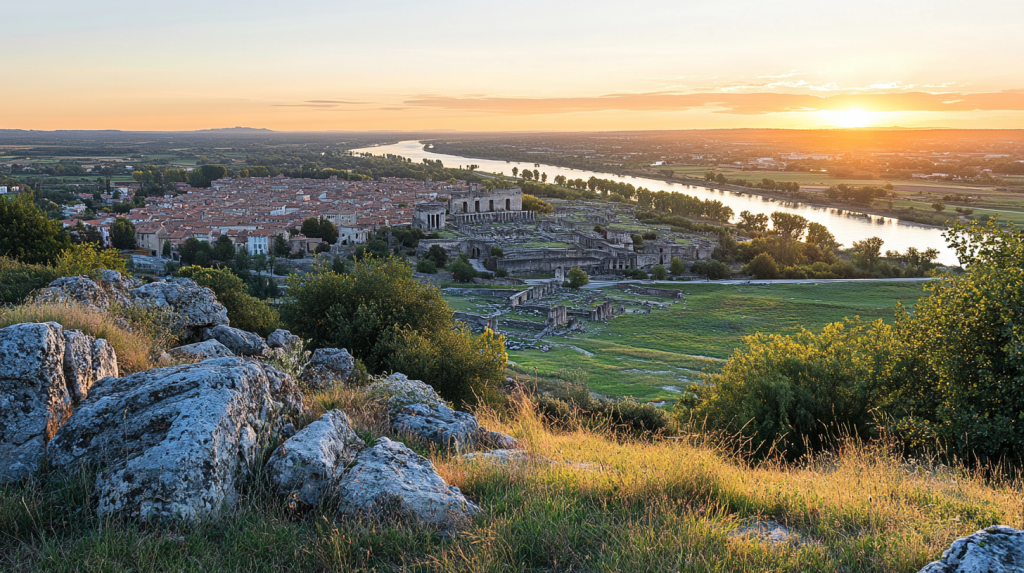
Julia: “So, Arles was a strategic and economic hub. But what about the cultural impact? How did the Romans impose their culture on the local people?”
Emma: “The process of Romanization was multifaceted. The Romans brought their architecture, language, and laws, but they were also surprisingly pragmatic. They didn’t force their culture on the locals; instead, they offered incentives. Locals could gain Roman citizenship if they adopted Roman customs and supported Roman governance. This cultural blending created a unique hybrid—local traditions coexisting with Roman laws and structures.”
(As they drive closer to Arles, the landscape shifts, and the silhouette of the Roman Amphitheatre comes into view.)

場景 2: 前往阿爾勒——討論羅馬影響
(在前往阿爾勒的路上,穿過普羅旺斯的鄉村景觀)

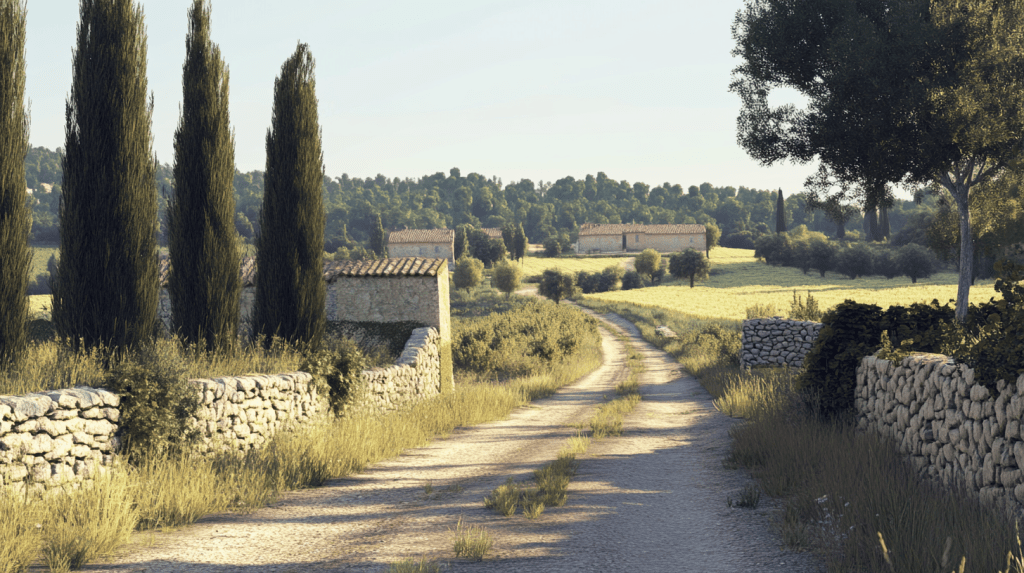
艾瑪:「你知道嗎,茱莉亞,阿爾勒並不僅僅是一個普通的羅馬定居點。它是高盧的羅馬,是羅馬帝國向所謂的‘納博訥高盧’(Gallia Narbonensis)擴張的關鍵樞紐。羅馬人不僅僅是征服者——他們重新組織土地,重塑社會,並建設了改變當地生活的基礎設施。」
茱莉亞:「我讀過關於納博訥高盧的資料。在羅馬人到來之前,這個地區主要由凱爾特部落控制。那時的景觀可能非常不同——更多的是農村,且不太有組織。當羅馬人引入道路、渡槽和城市規劃時,當地人一定感到十分震驚吧。」
艾瑪:「沒錯。羅馬人對土地的看法與眾不同。對他們來說,地理是一種資源,一個需要被控制的資產。他們修建了這些筆直的道路——‘viae’——來連接主要城市,而阿爾勒是其中最重要的城市之一。這些道路使商品、士兵和信息能夠迅速在廣大地區間傳輸,這也是為什麼我們今天仍然遵循許多相同路線的原因。」
茱莉亞:「他們的基礎設施能夠經歷數世紀而仍然保存下來,真是令人著迷。但我很好奇——為什麼阿爾勒如此重要?對羅馬人來說,這座城市有什麼特殊意義?」
艾瑪:「阿爾勒的位置極為優越,它位於羅納河沿岸,這條河就像一條天然的高速公路。羅納河將內陸的高盧地區與地中海連接起來,使阿爾勒成為一個重要的貿易中心。它靠近意大利,這意味著它可以作為進一步向高盧擴張的起點。在凱撒需要一個可靠的基地來進行高盧戰爭的時候,阿爾勒是最明智的選擇。」

茱莉亞:「所以,阿爾勒是一個戰略和經濟樞紐。但文化上呢?羅馬人如何將他們的文化強加給當地人?」
艾瑪:「羅馬化的過程是多方面的。羅馬人帶來了他們的建築、語言和法律,但他們也出乎意料地務實。他們並不強迫當地人接受羅馬文化;相反,他們提供了誘因。如果當地人採用羅馬的習俗並支持羅馬的統治,他們就能獲得羅馬公民身份。這種文化融合創造了一個獨特的混合體——當地傳統與羅馬法律和結構並存。」
(當他們駛近阿爾勒時,景觀開始改變,羅馬競技場的輪廓逐漸出現在視線中。)
Scene 3: At the Roman Amphitheatre – The Legacy of Roman Power
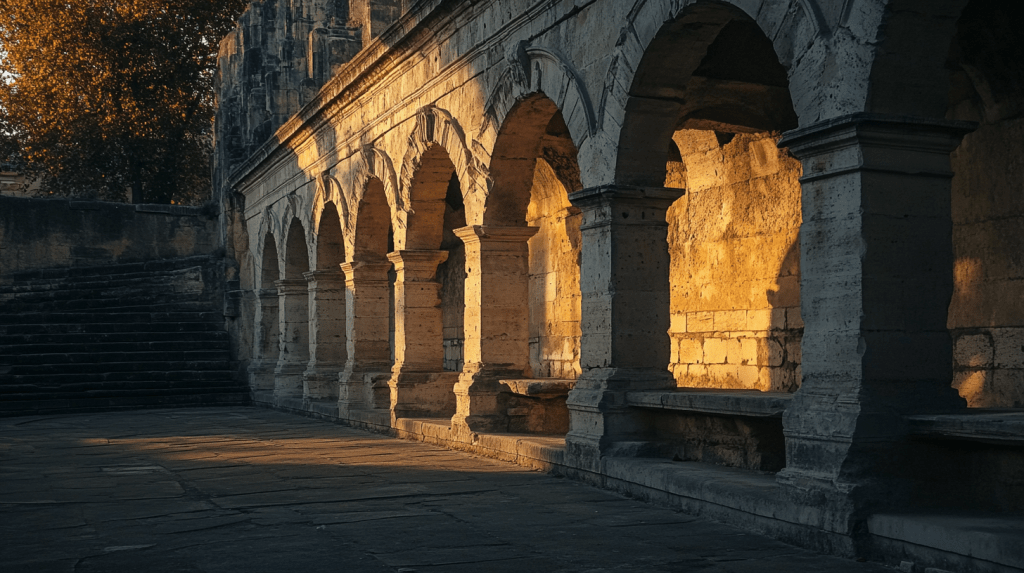
Julia: “Standing here in front of this amphitheatre, it’s easy to see why the Romans were so influential. This wasn’t just a place for entertainment, was it?”

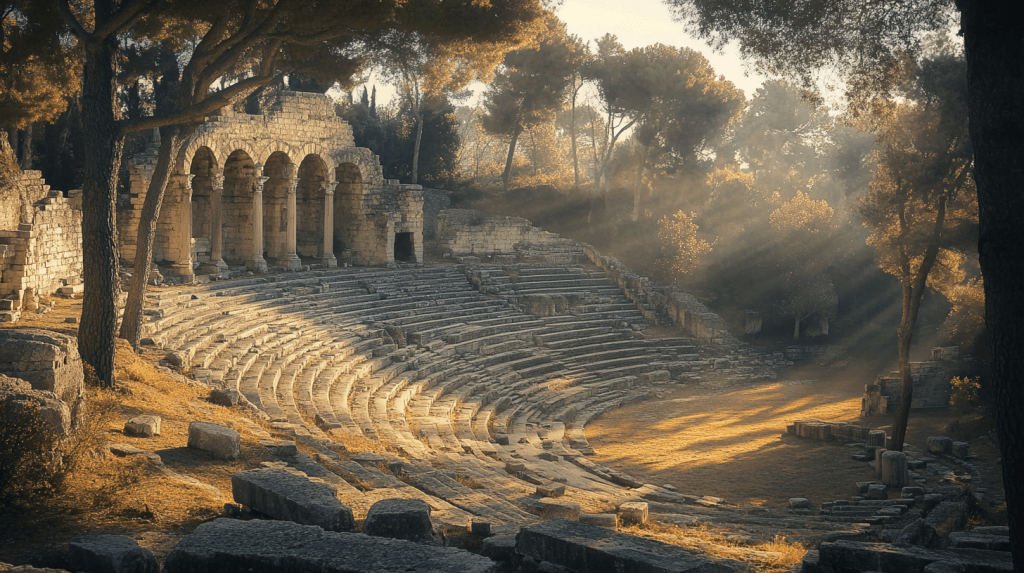
Emma: “Not at all. Amphitheatres like this were symbols of Roman power and civilization. They served not only as venues for gladiatorial combat and public spectacles but also as tools for social control. The games were a way to distract and entertain the masses, keeping them content and preventing unrest. At the same time, they reminded everyone of the might of the Roman state.”
Julia: “It’s incredible that this amphitheatre has lasted through so many centuries. What did it take to build something like this?”
Emma: “Roman engineering was unparalleled. They used precise calculations and advanced techniques to create structures that could withstand the test of time. The amphitheatre in Arles could hold about 20,000 spectators, and it was designed with a network of corridors and vaults to manage the crowds efficiently. The stone used here was sourced locally, but the methods they used were spread across the empire—from Syria to Britain. It’s a testament to the Roman way of thinking: centralized control and uniform standards, no matter the location.”
Julia: “So, this wasn’t just local craftsmanship. It was part of a much larger Roman system.”
Emma: “Exactly. Roman amphitheatres were as much about imperial ideology as they were about local culture. They projected Roman power across the empire. Arles, despite being far from Rome, was still very much a Roman city in its identity.”
場景 3: 在羅馬競技場——羅馬力量的遺產
茱莉亞:「站在這座競技場前,羅馬人為何如此具有影響力,這一點顯而易見。這裡不僅僅是娛樂場所,對吧?」
艾瑪:「完全不是。像這樣的競技場是羅馬權力和文明的象徵。它們不僅是角鬥士比賽和公共表演的場所,還是社會控制的工具。這些遊戲是為了分散和娛樂群眾,讓他們滿足並防止動亂。同時,它也時刻提醒著每個人羅馬帝國的強大。」
茱莉亞:「這座競技場歷經了這麼多個世紀仍然屹立不倒,真是令人難以置信。建造這樣的建築需要什麼樣的技術?」
艾瑪:「羅馬的工程技術是無與倫比的。他們使用精確的計算和先進的技術,建造能經受住時間考驗的建築。阿爾勒的競技場可容納約2萬名觀眾,並設計了走廊和拱頂系統,以有效管理人群。這裡使用的石材是當地取材,但他們使用的方法遍及帝國各地——從敘利亞到不列顛。這體現了羅馬的思維方式:中央控制和統一標準,無論在哪裡都一樣。」
茱莉亞「所以,這不僅僅是當地的工藝,而是更大羅馬體系的一部分。」
艾瑪:「沒錯。羅馬競技場既代表帝國的意識形態,也反映了當地文化。它們把羅馬的力量傳遞到了整個帝國各地。儘管阿爾勒遠離羅馬,但它在身份上仍然是一座非常羅馬化的城市。」
Scene 4: Walking Through the Ruins – Discussing Geography and Power
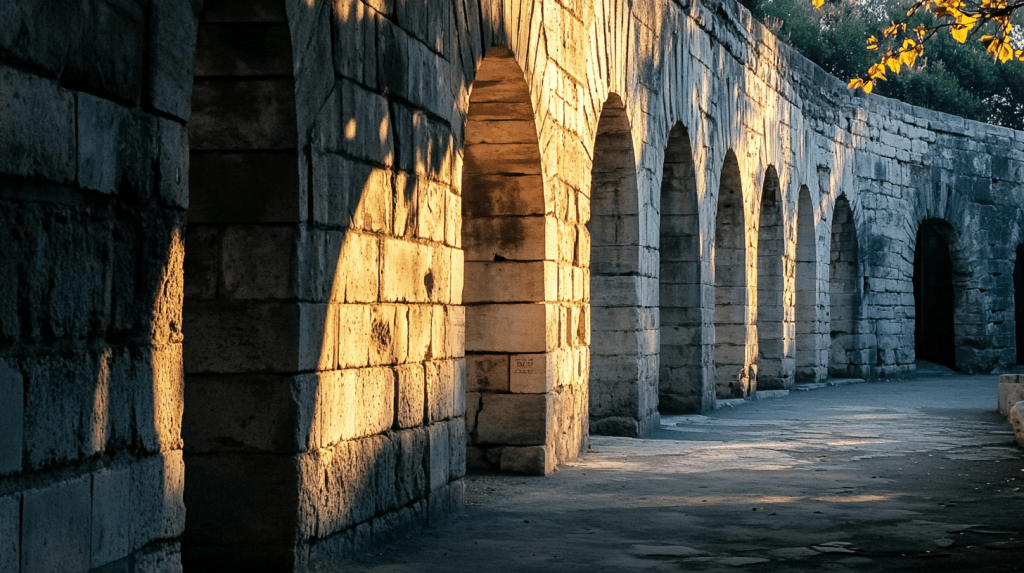
(They walk through the ancient streets of Arles, passing by remnants of Roman houses and public buildings.)

Julia: “These ruins are fascinating, but what strikes me most is the strategic placement of Arles. The Rhône River must have been crucial for its growth.”
Emma: “Absolutely. The Rhône wasn’t just a natural boundary—it was a lifeline for trade and transportation. The Romans knew this, which is why they developed cities like Arles along its banks. Goods flowed in from across the Mediterranean and inland from Gaul, making Arles a commercial hub.”
Julia: “It reminds me of how natural resources shape human history. The Romans could harness the power of the river, but at the same time, they had to manage its floods and navigate its currents. There must have been a delicate balance between controlling nature and working with it.”
Emma: “That’s a great point. The Romans weren’t just conquerors—they were managers of landscapes. They built aqueducts to bring fresh water to their cities, drained swamps, and redirected rivers. But in doing so, they also altered ecosystems. We see the long-term effects of that even today in places like the Camargue, where human intervention has shaped the wetlands.”
Julia: “So, their legacy isn’t just cultural—it’s environmental. The way they manipulated the land has had lasting consequences.”
Emma: “Exactly. Roman cities like Arles were more than just political centers; they were hubs of innovation, engineering, and environmental transformation. Every stone street, every aqueduct, and every amphitheatre tells a story of how human ambition shaped both society and nature.”
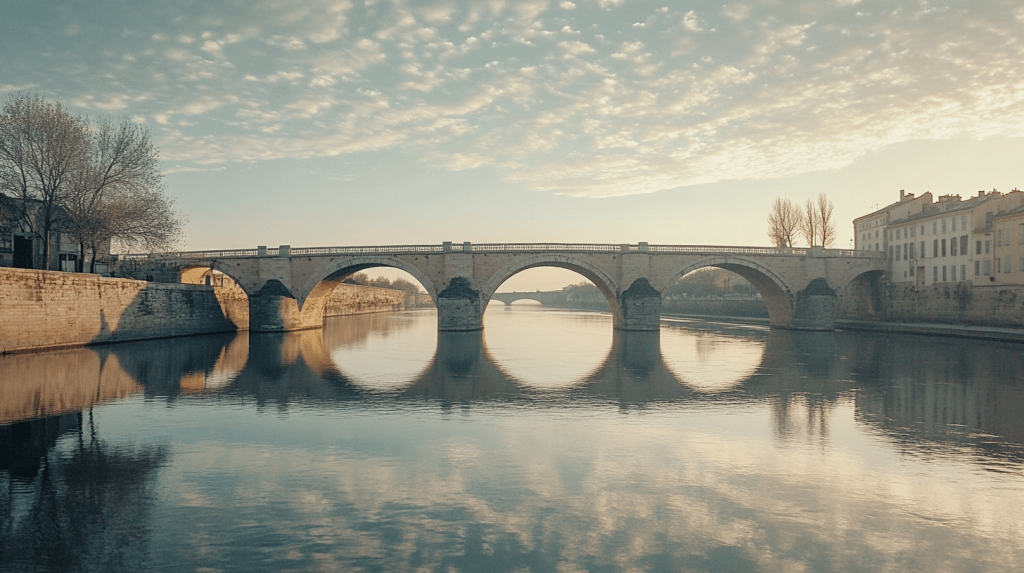
Julia: “It’s fascinating how they could exert so much influence just through infrastructure. Roads, aqueducts, amphitheatres—they didn’t just impose military control, they shaped how people lived for centuries."
Emma: “Yes, the brilliance of Roman rule wasn’t just about conquest. It was their ability to leave lasting marks on everyday life. The roads we’re traveling on today were once Roman, and they connected the far reaches of the empire—from Spain to the Balkans, from Britain to North Africa. These were more than just trade routes; they were lifelines for ideas, governance, and culture. Arles was particularly important because it linked southern Gaul to Italy and Spain, forming a crucial part of the empire’s backbone."
Julia: “It’s interesting to think about how geography made Arles so important. Being on the Rhône and so close to the Mediterranean—no wonder it was a key Roman port."
Emma: “Exactly. Geography was central to Rome’s success. Arles’ position on the Rhône River allowed goods to move easily between the Mediterranean and inland Gaul. But the Mediterranean itself—what the Romans called ‘Mare Nostrum,’ or ‘Our Sea’—was the empire’s real connective tissue. Control of the sea meant control of the empire. The Romans knew that, and they built cities like Arles to exploit these geographical advantages."
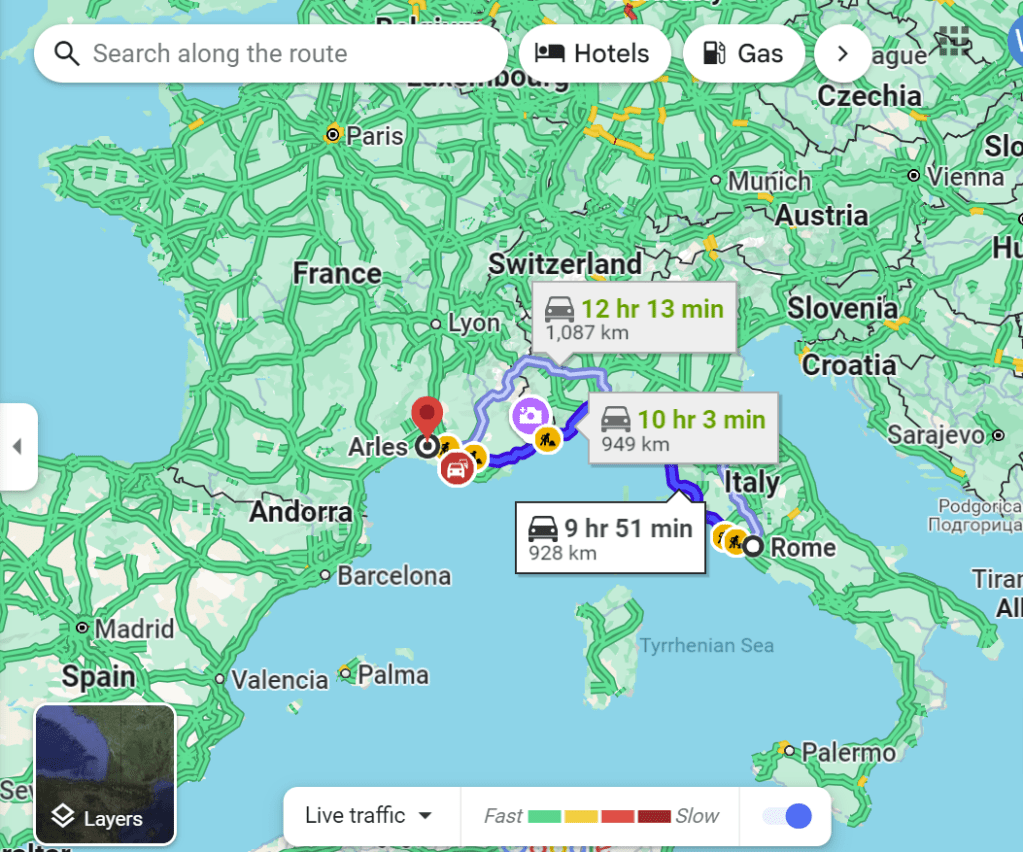
Julia: “What about the local people? How did they react to Roman rule?"
Emma: “At first, there was resistance, especially from the Celtic tribes who lived in this region. But over time, they adapted. Romanization wasn’t a forced process in most cases. It happened gradually. The local elites saw the benefits of aligning themselves with Rome—they gained political power, wealth, and even Roman citizenship. Eventually, cities like Arles became thoroughly Romanized, but they retained a distinct local character, blending Gaulish and Roman traditions."
Julia: “So, even though they were part of the Roman Empire, the people here still held onto some of their identity?"
Emma: “Yes, that’s the interesting part. You get this fusion of cultures. Roman architecture, laws, and language blended with local customs. It created a unique identity for each province. In Arles, you’d have seen people speaking Latin, attending Roman games in the amphitheatre, but still practicing some of their local traditions—especially in rural areas where Roman influence wasn’t as strong."
場景 4:漫步於遺跡中——討論地理與權力
(他們漫步在阿爾勒的古老街道上,經過羅馬時期的房屋遺跡和公共建築。)

茱莉亞:「這些遺跡真是引人入勝,但最讓我印象深刻的是阿爾勒的戰略位置。羅納河對這座城市的發展一定至關重要。」
艾瑪:「絕對沒錯。羅納河不僅僅是一條自然邊界——它是貿易和交通的生命線。羅馬人很清楚這一點,這就是為什麼他們在河岸邊發展像阿爾勒這樣的城市。貨物從地中海各地以及高盧內陸流入,使阿爾勒成為一個商業樞紐。」
茱莉亞:「這讓我想到自然資源如何塑造人類歷史。羅馬人能夠利用河流的力量,但同時他們也必須應對河水的泛濫並駕馭其水流。他們一定在控制自然和與自然共存之間找到了微妙的平衡。」
艾瑪:「你說得很對。羅馬人不僅僅是征服者——他們還是景觀的管理者。他們建造渡槽,將淡水引入城市,排乾沼澤,改道河流。但在這樣做的過程中,他們也改變了生態系統。我們今天仍能在卡馬爾格等地看到這些長期影響,那裡的濕地因人類干預而改變。」
茱莉亞:「所以,他們的遺產不僅僅是文化層面的——還有環境方面。他們改造土地的方式留下了持久的影響。」
艾瑪:「沒錯。像阿爾勒這樣的羅馬城市不僅僅是政治中心;它們也是創新、工程和環境改造的樞紐。每一條石街、每一座渡槽、每一個競技場都講述了人類野心如何塑造社會和自然的故事。」
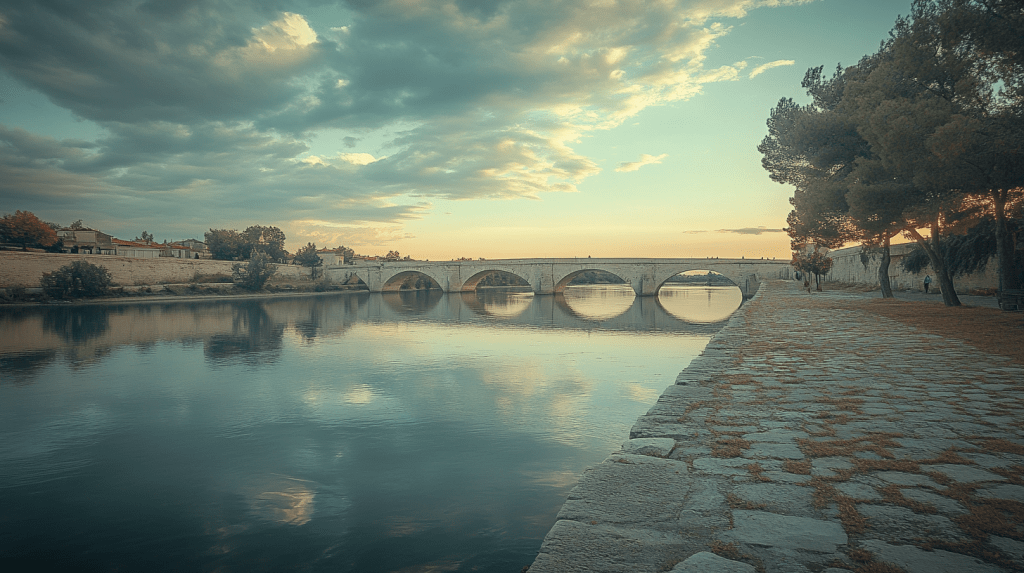
茱莉亞:「真是令人著迷,他們僅僅通過基礎設施就能施加如此大的影響。道路、渡槽、競技場——他們不僅僅是實行軍事控制,他們塑造了人們數個世紀的生活方式。」
艾瑪:「是的,羅馬統治的輝煌不僅僅在於征服,而在於他們能夠對日常生活留下深遠的影響。我們今天走的這些路曾經是羅馬的,它們連接著帝國的遙遠角落——從西班牙到巴爾幹,從不列顛到北非。這些道路不僅是貿易路線;它們是傳遞思想、治理和文化的生命線。阿爾勒尤為重要,因為它連接了高盧南部、意大利和西班牙,是帝國脊樑的重要一部分。」
茱莉亞:「想到地理位置如何讓阿爾勒變得如此重要,這真是有趣。位於羅納河畔,距離地中海又這麼近——難怪它成為了羅馬的關鍵港口。」
艾瑪:「沒錯。地理是羅馬成功的關鍵。阿爾勒位於羅納河的優越位置,使貨物能夠輕鬆地在地中海與高盧內陸之間流通。但真正的連接體系是地中海——羅馬人稱之為 ‘Mare Nostrum’,意思是 ‘我們的海’。控制了這片海域,就意味著控制了帝國。羅馬人很清楚這一點,於是他們建立了像阿爾勒這樣的城市,以充分利用這些地理優勢。」
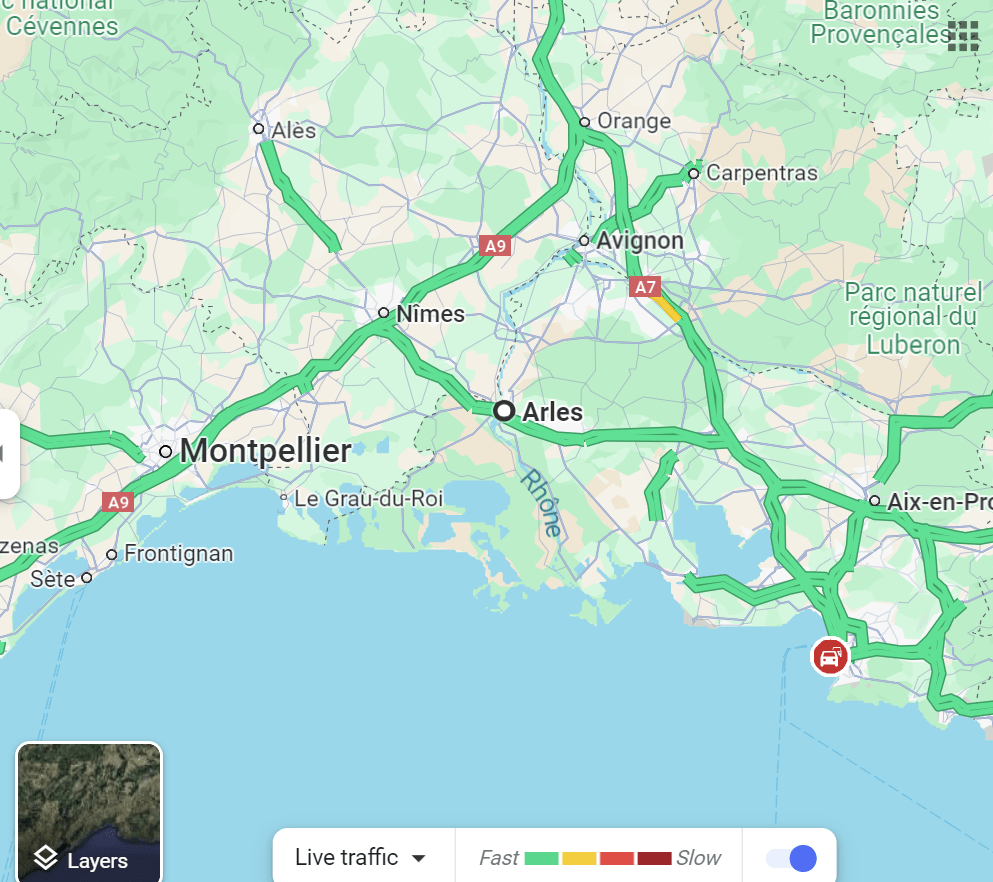
茱莉亞:「那當地人呢?他們對羅馬的統治有什麼反應?」
艾瑪:「一開始是有抵抗的,尤其是來自居住在這個地區的凱爾特部落。但隨著時間的推移,他們適應了。大多數情況下,羅馬化並不是強制的,而是逐漸發生的。當地的精英們看到了與羅馬結盟的好處——他們獲得了政治權力、財富,甚至是羅馬公民身份。最終,像阿爾勒這樣的城市變得完全羅馬化,但它們仍保留著獨特的地方特色,融合了高盧和羅馬的傳統。」
茱莉亞:「所以,即使他們屬於羅馬帝國,這裡的人們仍然保留了一些自己的身份認同?」
艾瑪:「是的,這就是有趣的地方。你會看到文化的融合。羅馬的建築、法律和語言與當地的習俗融合在一起。這為每個省份創造了獨特的身份。在阿爾勒,你會看到人們講拉丁語,參加競技場的羅馬遊戲,但他們仍然保留著一些本地傳統——特別是在羅馬影響較弱的鄉村地區。」
Scene 5: The Role of Paris in Roman Times: A Modest Beginning
Julia: “It’s interesting to think about cities like Paris. Was Paris a major city during Roman times, and did it have the same kind of influence as it does today?”
Emma: “Actually, Paris wasn’t the major metropolis it is today during the Roman era. Back then, it was known as Lutetia, and while it was an important settlement in the province of Gallia, it wasn’t nearly as influential as cities like Arles, Lyon, or even Marseille. The Romans did build roads, baths, and public buildings in Lutetia, but it was more of a regional town than a major urban center.”
Julia: “So, Paris wasn’t a big player back then, but it still had some Roman influence?”
Emma: “Exactly. Lutetia was under Roman control, and like many other towns in the Roman Empire, it followed Roman urban planning principles. You can still find remnants of Roman influence today, like the ancient Roman baths and the amphitheater in Paris. But compared to southern cities like Arles or Nîmes, it didn’t play as prominent a role.”
Julia: “That’s interesting because today Paris is such a powerful and influential city. It’s hard to imagine that it wasn’t always that way.”
Emma: “It really puts things in perspective. Paris’ rise came much later, especially in the medieval period. During the Roman times, the heart of Roman Gaul was really in the south. Cities like Arles and Lyon were far more central to the Roman administration and trade networks.”
場景 5: 羅馬時期巴黎的角色:從小鎮到大都市
茱莉亞:「想想像巴黎這樣的城市很有趣。在羅馬時期,巴黎是個大都市嗎?它有今天這樣的影響力嗎?」
艾瑪:「其實,巴黎在羅馬時期並不像今天這樣是一個大都市。當時它叫盧泰提亞(Lutetia),雖然它是高盧省的一個重要定居點,但遠不如阿爾勒、里昂,甚至馬賽這樣的城市有影響力。羅馬人在盧泰提亞修建了道路、公共浴場和公共建築,但它更像是一個區域性的城鎮,而不是主要的城市中心。」
茱莉亞:「所以,巴黎當時並不是一個重要的城市,但還是受到了羅馬的影響?」
艾瑪:「沒錯。盧泰提亞是在羅馬的控制之下,像其他羅馬帝國的城鎮一樣,它也遵循了羅馬的城市規劃原則。今天你仍然可以在巴黎找到一些羅馬時期的遺跡,比如古羅馬浴場和競技場。但與南部的城市如阿爾勒或尼姆相比,巴黎的角色並不那麼顯著。」
茱莉亞:「這很有意思,因為今天的巴黎是如此強大和有影響力,很難想像它以前並不是這樣的。」
艾瑪:「這確實讓人重新審視歷史。巴黎的崛起主要是在後來的中世紀時期。在羅馬時期,羅馬高盧的核心實際上在南部。像阿爾勒和里昂這樣的城市在羅馬的行政和貿易網絡中更為重要。」

 Virtual Travel | 虛擬旅行沉浸式英語學習
發表留言