
Scene 1: On the Road from Roman Ruins to the Wetlands
Julia: “As we leave these ancient ruins behind, you can really see how the landscape shifts. It’s amazing to think that we’re heading towards the wetlands now. What an interesting mix—Roman history and these vast, untouched ecological areas.”
Emma: “Yes, the wetlands are such a stark contrast. While the Romans reshaped landscapes for their cities and infrastructure, places like the Camargue wetlands remained largely untamed. It’s one of the few areas that hasn’t been entirely changed by human hands, at least not until more recent centuries when agriculture and salt production became dominant.”
Julia: “Speaking of agriculture, I’ve noticed that the rural areas here have a distinct character. The houses are so different from what you see in northern France. Everything feels more open and connected to the land.”
Emma: “That’s right. In this region, homes were traditionally built using local materials—stone, wood, and clay. You’ll notice that many of the older houses have low, wide roofs. That’s to protect them from the mistral winds that blow through this area. It’s very practical, and you see how the architecture adapts to the environment.”
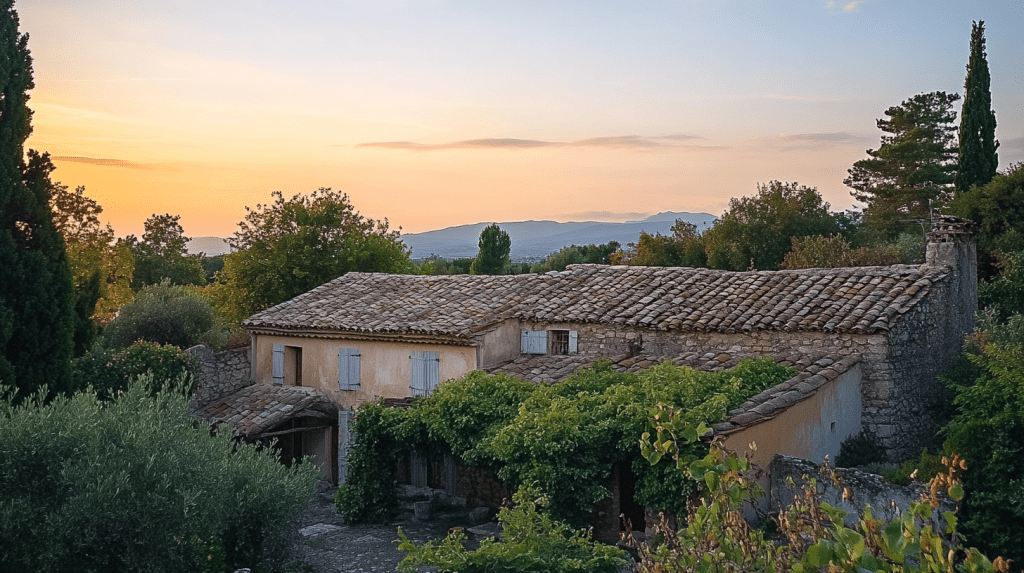
Julia: “And the agriculture here is so unique too. The wetlands provide such fertile soil, but I’ve read that farming here is tricky because of the salinity. They’ve had to adapt to growing specific crops, haven’t they?”
Emma: “Yes, exactly. The Camargue is famous for its rice fields, which thrive in the slightly salty conditions. The rice here is even protected with a geographical indication, which is a big deal in French agriculture. And let’s not forget the salt production—the salt marshes here have been worked for centuries, providing a crucial resource for both local and export markets.”
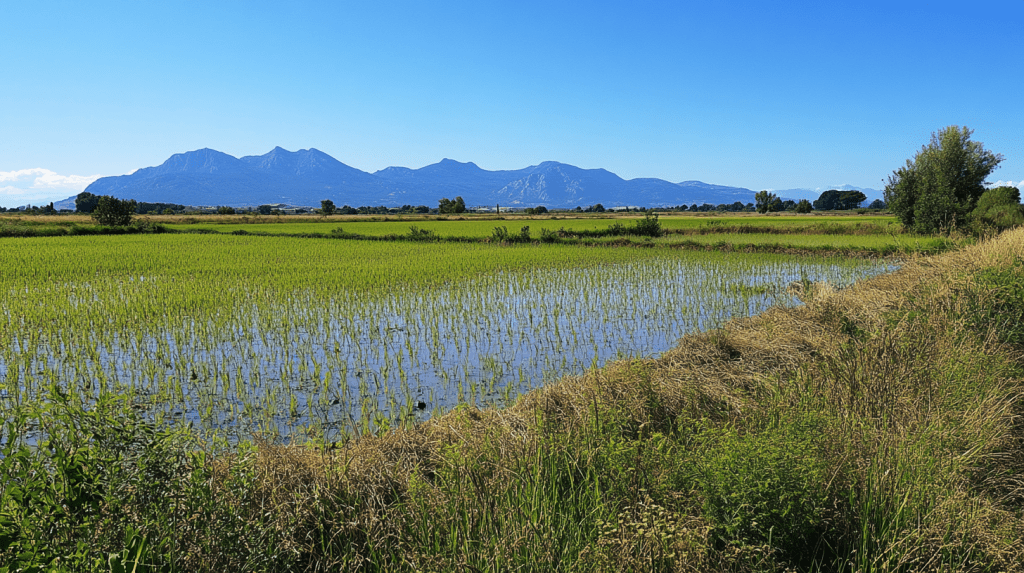
Julia: “It’s amazing how people have learned to live alongside such a diverse environment. The way they’ve integrated agriculture, salt production, and even tourism into a natural landscape like this is quite impressive.”
Emma: “It’s a delicate balance, though. The ecology of the wetlands is fragile, and with increasing tourism and farming, the area has had to be carefully managed. Even today, efforts to preserve the natural wildlife—like the flamingos and wild horses—are a big part of the conversation around sustainable development here.”
Julia: “It makes me wonder how much the geography here shaped the history and development of this region. The Rhône River, the fertile land, the salt marshes—all of it seems so interconnected.”
Emma: “Absolutely. Geography dictated everything here—from where people settled, to what they farmed, to how they traded. Even today, this region is known for its unique blend of natural beauty and agricultural production, all shaped by the wetlands and the proximity to the Mediterranean.”
場景一:從羅馬遺跡前往濕地
茱莉亞:「離開這些古老的遺跡後,你可以明顯感受到景觀的變化。想到我們現在正前往濕地,真是有趣。羅馬歷史與這些廣闊、未受人為破壞的生態區域形成了如此奇妙的對比。」
艾瑪:「是的,濕地與這裡的羅馬城市形成了強烈的反差。羅馬人為城市和基礎設施改造了許多地區,而像卡馬爾格這樣的濕地則幾乎保持了原始狀態。至少在近幾個世紀之前,這裡的人們主要依靠農業和鹽業為生,這些地方幾乎未受到太多改變。」
茱莉亞:「說到農業,我注意到這裡的鄉村地區有其獨特的風格。房屋的設計與法國北部的完全不同,感覺一切都與土地更加緊密地連接在一起。」
艾瑪:「沒錯。這個地區的房屋傳統上使用當地的材料建造——石頭、木材和黏土。你會發現許多老房子有低矮、寬闊的屋頂,這是為了抵擋當地強勁的密史托風(mistral wind)。這種設計非常實用,也體現了建築如何適應環境。」
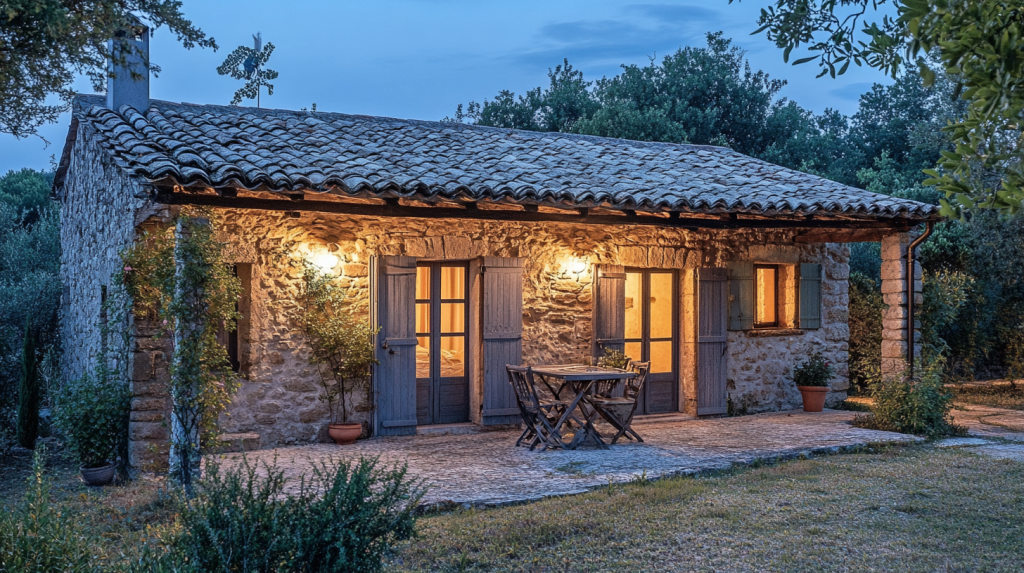
茱莉亞:「這裡的農業也非常獨特。濕地提供了肥沃的土壤,但我聽說由於鹽分含量高,耕作非常困難。他們必須適應這些條件來種植特定的作物,對吧?」
艾瑪:「沒錯。卡馬爾格以水稻田聞名,這些水稻正好適應了略微含鹽的條件。這裡的水稻甚至擁有地理標誌保護,這在法國農業中非常重要。還有鹽的生產——這裡的鹽田已經經營了幾個世紀,為當地和出口市場提供了重要資源。」
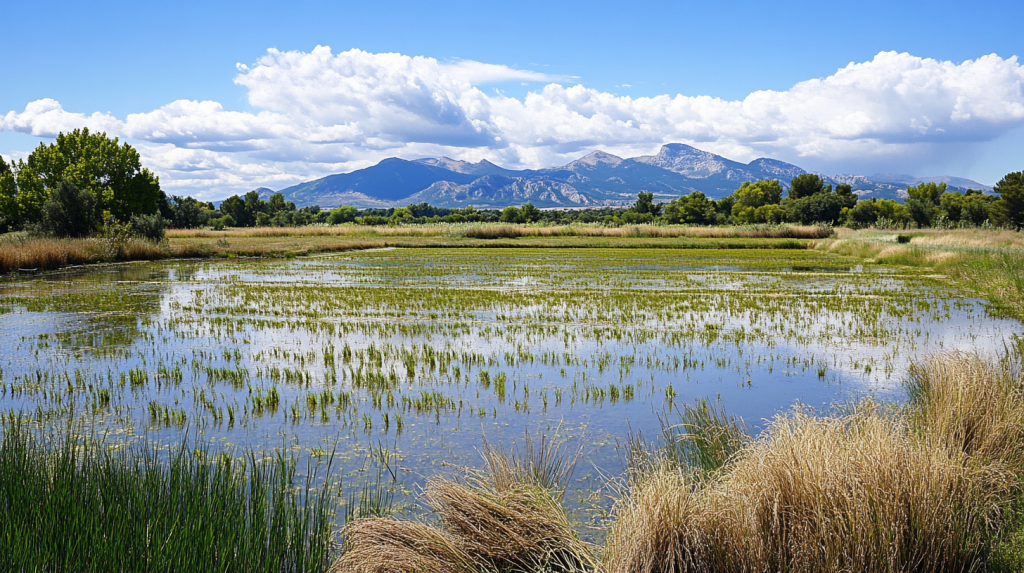
茱莉亞:「真令人驚嘆,當地人能夠在如此多樣的環境中生活。他們將農業、鹽業,甚至旅遊業都融合在這片自然景觀中,這真是了不起。」
艾瑪:「但這是一個微妙的平衡。濕地的生態系統非常脆弱,隨著旅遊業和農業的增加,這個地區需要小心管理。即便是今天,保護自然野生動物——比如火烈鳥 (紅鶴)和野馬——仍是有關可持續發展的重要議題。」
茱莉亞:「這讓我想到地理在這個地區的歷史和發展中扮演了多麼重要的角色。羅納河、肥沃的土地、鹽田——所有這些似乎都緊密相連。」
艾瑪:「完全正確。地理決定了一切,從人們的居住地點到他們種植什麼,再到他們如何進行貿易。即使在今天,這個地區仍然以自然美景與農業生產的獨特結合聞名,這一切都受到濕地和靠近地中海的地理條件影響。」
Scene 2: Transitioning to the Wetlands – Exploring Ecology and Adaptation
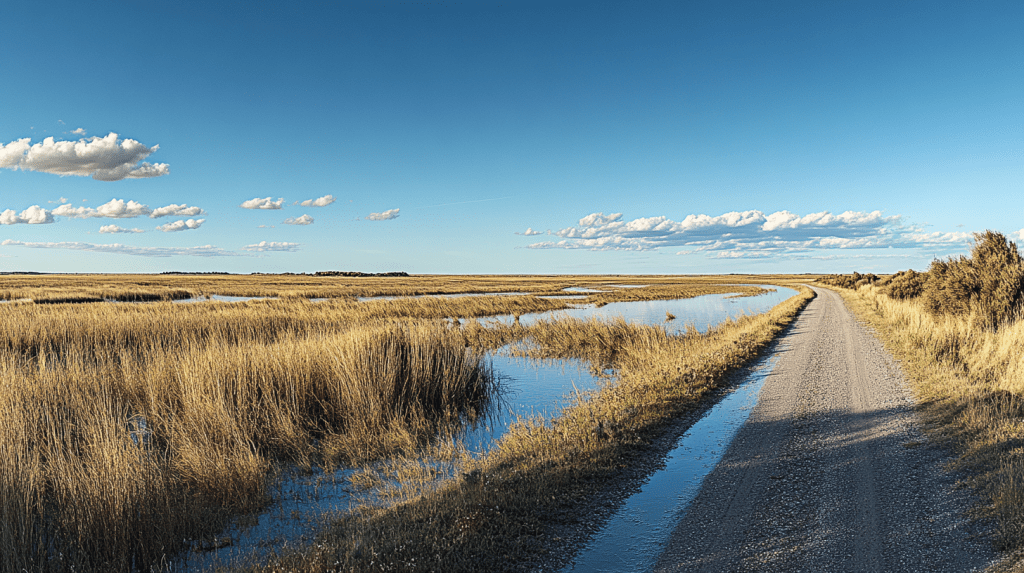
(As they leave the Roman ruins behind, the landscape shifts. Open water surfaces and fields stretch out as they approach the Camargue wetlands.)
Julia: “It’s remarkable how quickly the environment changes. We’ve gone from solid Roman stone structures to open marshlands in no time.”
Emma: “Yes, and these wetlands are special. They’ve been shaped over thousands of years, mostly by the Rhône River. While the Romans built cities and roads, this area evolved naturally, without much intervention—until salt production and agriculture expanded.”
Julia: “I wonder how people adapted to living in such a unique landscape. The wetlands must have posed some challenges for early settlers.”
Emma: “Definitely. Early inhabitants had to contend with the unpredictable flooding and saline soils. But they found ways to adapt—by raising livestock like the black Camargue bulls and horses, and by growing rice. You’ll notice how agriculture here is closely tied to the rhythms of the land.”
Julia: “And the salt marshes—were they always used for salt production, or did that come later?”
Emma: “Salt production has been going on for centuries. The Romans didn’t do much here, but by the Middle Ages, the marshes were a significant source of salt, a valuable resource at the time. It’s interesting how the people here learned to use the natural environment without overwhelming it.”
Julia: “That seems to be a theme around here—working with the environment rather than trying to dominate it. You see that in the way homes are built, too. They look so integrated into the landscape.”
Emma: “Exactly. The architecture here blends with nature, with homes built to withstand the harsh mistral winds, using local materials that merge with the surrounding landscape. It’s a very different approach from the monumental Roman structures we just saw.”
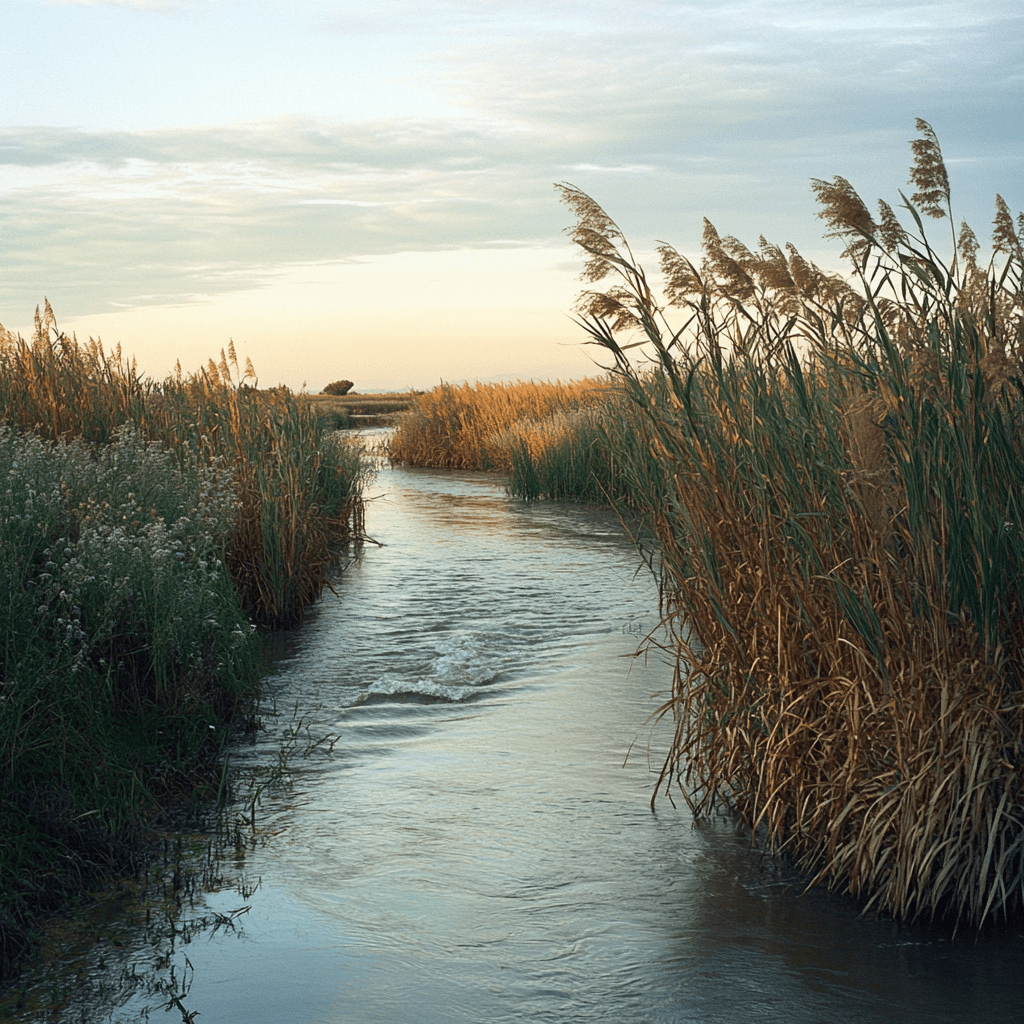
Julia: “It’s such a contrast, isn’t it? The Romans were about dominating the land, while here, it’s about living in harmony with it.”
Emma: “Yes, and that harmony extends to the wildlife as well. The wetlands are a sanctuary for flamingos, herons, and many other species. It’s amazing how such a fragile ecosystem has been preserved amidst human activity.”

Julia: “It really makes you think about the balance between development and conservation. I wonder if the locals here ever worry about how tourism might affect this delicate environment.”
Emma: “They do. There are conservation efforts in place to protect the wetlands, but with increasing visitors and climate change, it’s a constant challenge. Maintaining that balance is crucial for the future of the Camargue.”
場景 2:轉向濕地——探索生態與適應
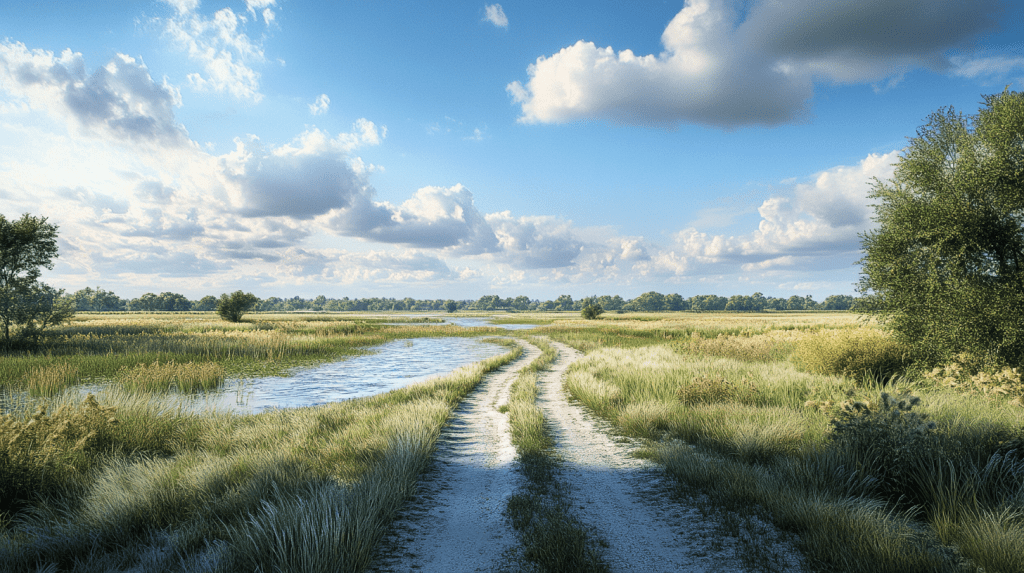
(當他們離開羅馬遺跡後,風景逐漸變化。開闊的水面和田野展現在他們眼前,濕地的氣息撲面而來。)
茱莉亞:「這裡的環境變化真是太快了。我們從堅固的羅馬石造建築轉向這片廣闊的濕地,幾乎是一瞬間的事情。」
艾瑪:「是的,這些濕地很特別。它們在數千年裡被羅納河塑造而成。當羅馬人忙於修建城市和道路時,這片地區則自然演變,直到鹽業和農業的擴展改變了它。」
茱莉亞:「我很好奇,生活在這片獨特景觀中的人們是如何適應的。濕地對早期居民來說一定充滿了挑戰。」
艾瑪:「確實如此。早期居民不得不應對不可預測的洪水和鹽鹼土壤。他們最終找到了適應的方法——比如養殖卡馬爾格黑牛和馬匹,並種植水稻。你會發現,這裡的農業與土地的節奏緊密相連。」
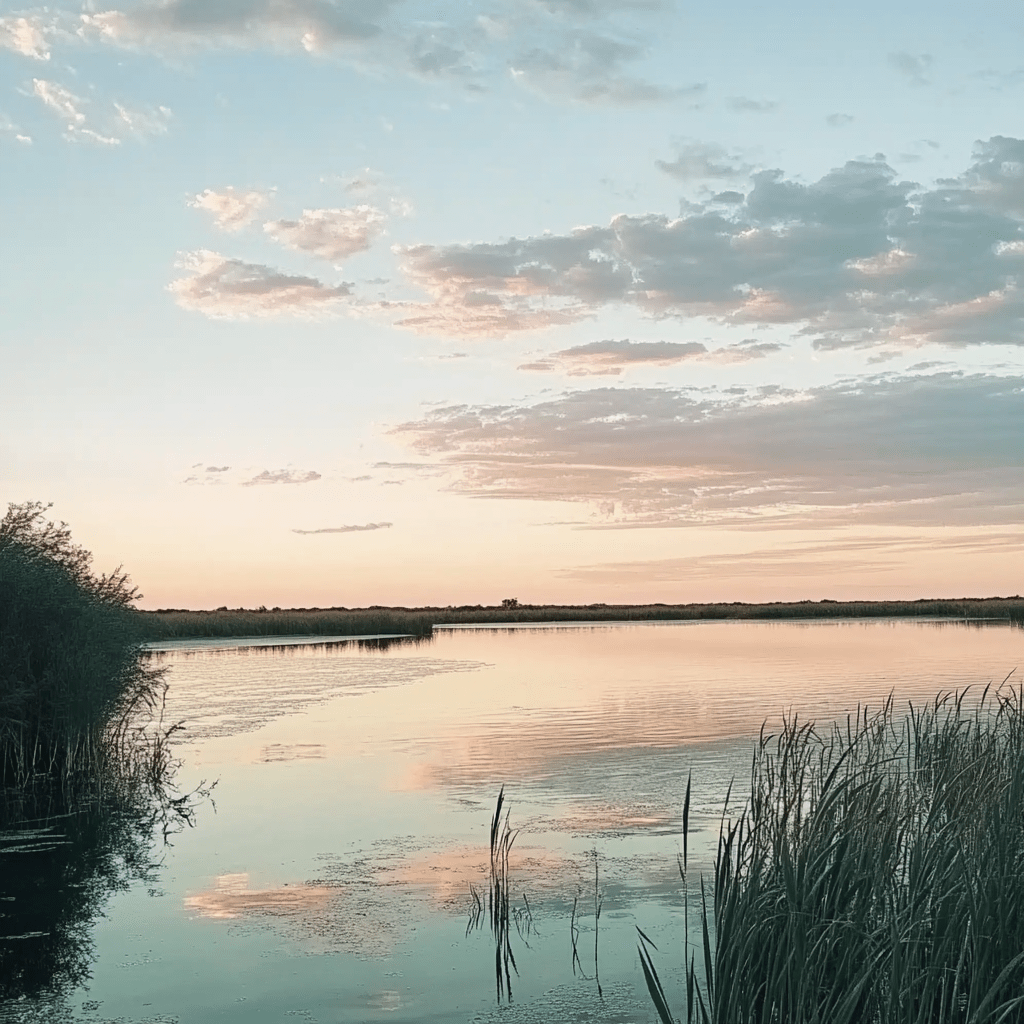
茱莉亞:「那鹽田呢?它們一直是用來製鹽的嗎,還是後來才開始?」
艾瑪:「製鹽已有數個世紀的歷史。羅馬人在這裡並沒有太多涉足,但到了中世紀,鹽田已經成為一個重要的資源,鹽當時可是非常珍貴的。這裡的人學會了利用自然環境,而不過度開發它。」
茱莉亞:「這似乎是這片地區的特點——與環境共存,而不是試圖征服它。這也反映在房屋的建造方式上。這些房子看起來與景觀融為一體。」
艾瑪:「沒錯。這裡的建築與自然融合,房屋的設計是為了抵禦強勁的密史托風,使用當地的材料,與周圍的景觀和諧相處。這與我們剛才看到的羅馬宏偉建築完全不同。」
茱莉亞:「真是強烈的對比。羅馬人更像是征服土地,而這裡的人則是在與土地共生。」
艾瑪:「是的,這種共生關係也延伸到了野生動物。這片濕地是火烈鳥、蒼鷺和許多其他物種的庇護所。在人類活動的背景下,這樣一個脆弱的生態系統能夠保存下來,真是了不起。」
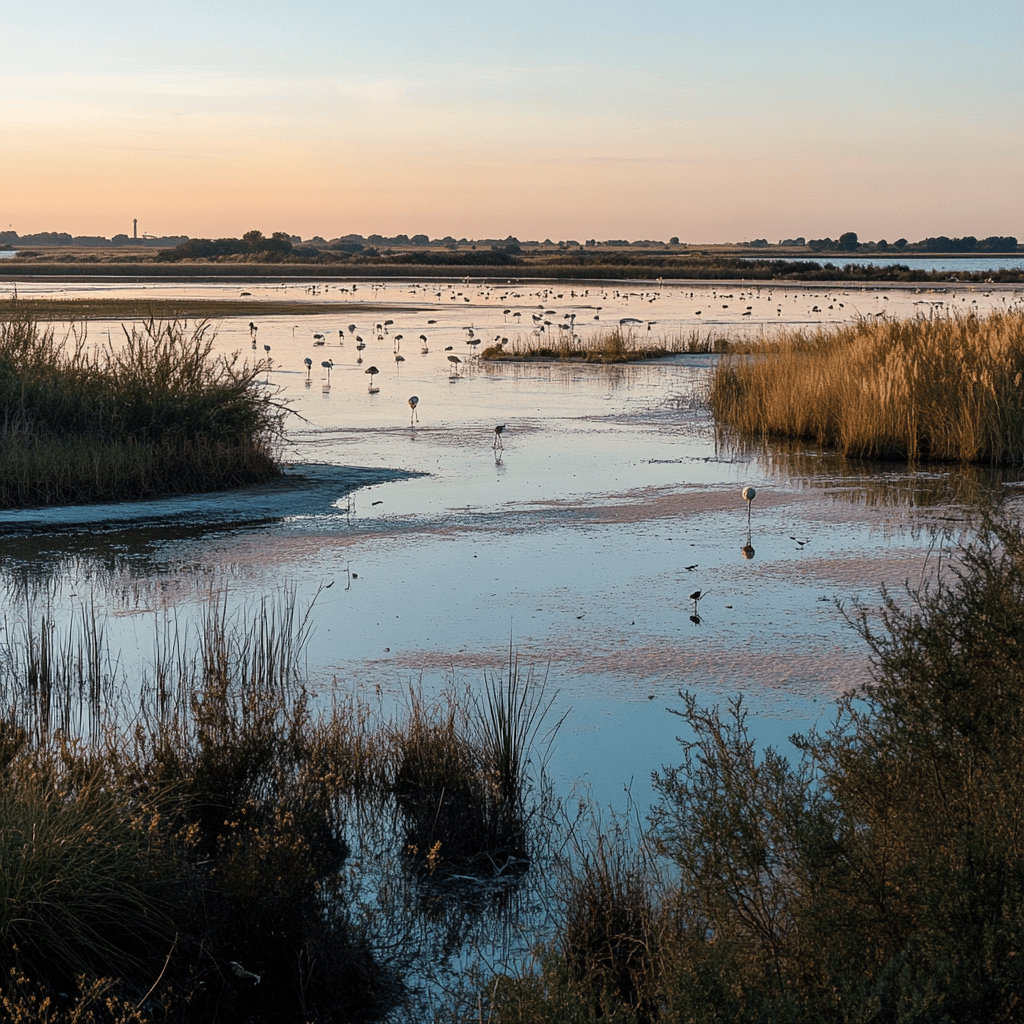
茱莉亞:「這讓我想到發展與保護之間的平衡。我想當地人是否會擔心旅遊業對這片脆弱環境的影響?」
艾瑪:「他們確實有這樣的擔憂。這裡已經有一些保護濕地的努力,但隨著遊客的增多和氣候變化的挑戰,這始終是一個難題。保持這種平衡對卡馬爾格的未來至關重要。」
Scene 3: Lunch in Camargue – the Influence of Wetlands on Local Cuisine
(After a long morning of exploring the wetlands, Julia and Emma arrive at a small, cozy restaurant nestled near the water’s edge.)

Julia: “It looks like the menu here is heavily influenced by the local landscape. I see a lot of seafood, rice, and salt as key ingredients.”
Emma: “Yes, the wetlands have shaped the food culture here. Camargue rice is famous, especially the red rice that grows in the slightly saline soil. It’s a staple in many dishes. And the salt marshes provide sea salt that’s used in almost everything.”
Julia: “It’s interesting how rice, something I usually associate with Asia, is such a big part of the cuisine here. I can see how the landscape influences not just what people grow, but what they eat.”
Emma: “Exactly. The wetlands create a unique environment where rice thrives, and the seafood comes from the nearby Mediterranean coast. You’ll find a lot of dishes featuring fish like sea bream, mussels, and even bull meat, which is quite traditional here due to the Camargue’s black bulls.”
Julia: “So even the livestock is influenced by the wetlands. It’s fascinating how interconnected everything is—from the way people build their homes to what they put on their plates.”
Emma: “That’s the beauty of this region. The wetlands dictate not just the landscape, but also the way of life. The food reflects the balance between land and water, and how the people here have learned to adapt to both.”
(They order a meal featuring Camargue rice with grilled sea bream, garnished with locally harvested sea salt and a side of sautéed vegetables.)
Julia: “This grilled sea bream with rice is delicious. I can taste the freshness of the ingredients.”

Emma: “Yes, everything is locally sourced. The rice, the fish, even the salt—it all comes from right here. It’s a great example of how the wetlands continue to sustain the people who live here.”
場景 3:午餐時間—探索濕地對當地飲食的影響
(在漫長的上午探索濕地後,茱莉亞和艾瑪來到一家位於水邊的小餐館,氛圍溫馨舒適。)
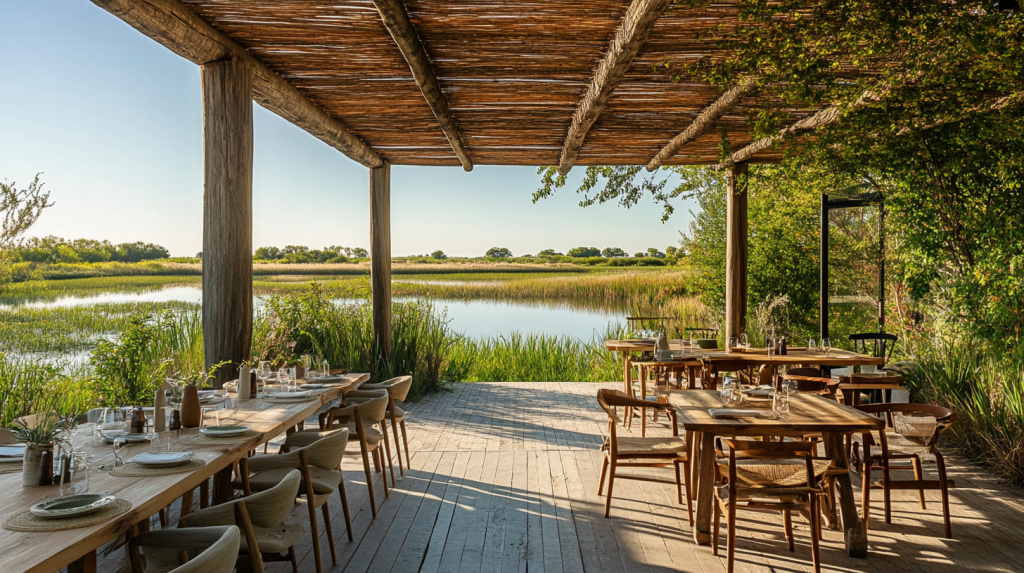
茱莉亞:「這裡的菜單似乎深受當地景觀的影響。我看到很多海鮮、米飯和鹽是主要食材。」
艾瑪:「是的,濕地塑造了這裡的飲食文化。卡馬爾格的稻米非常有名,特別是生長在略含鹽土壤中的紅米,這是許多菜餚的主食。而這裡的鹽田則提供了幾乎所有菜餚中使用的海鹽。」
茱莉亞:「很有趣,米飯通常讓我想到亞洲,但在這裡也是重要的食材。我可以看到,景觀不僅影響人們種植什麼,還影響他們吃什麼。」
艾瑪:「沒錯。濕地創造了一個獨特的環境,適合水稻生長,而海鮮則來自附近的地中海海岸。你會發現這裡有很多以魚類為主的菜餚,比如鯛魚、貽貝,甚至還有傳統的牛肉,這是因為卡馬爾格地區的黑牛。」
茱莉亞:「連牲畜也受到濕地的影響。從人們如何建造房屋到他們的餐桌上的食物,一切都是如此相互聯繫。」
艾瑪:「這正是這個地區的魅力所在。濕地不僅決定了景觀,還決定了生活方式。這裡的食物反映了陸地與水域之間的平衡,也展現了當地人如何適應這兩者。」
(她們點了一份卡馬爾格米飯配烤鯛魚,佐以當地採收的海鹽和炒蔬菜。)
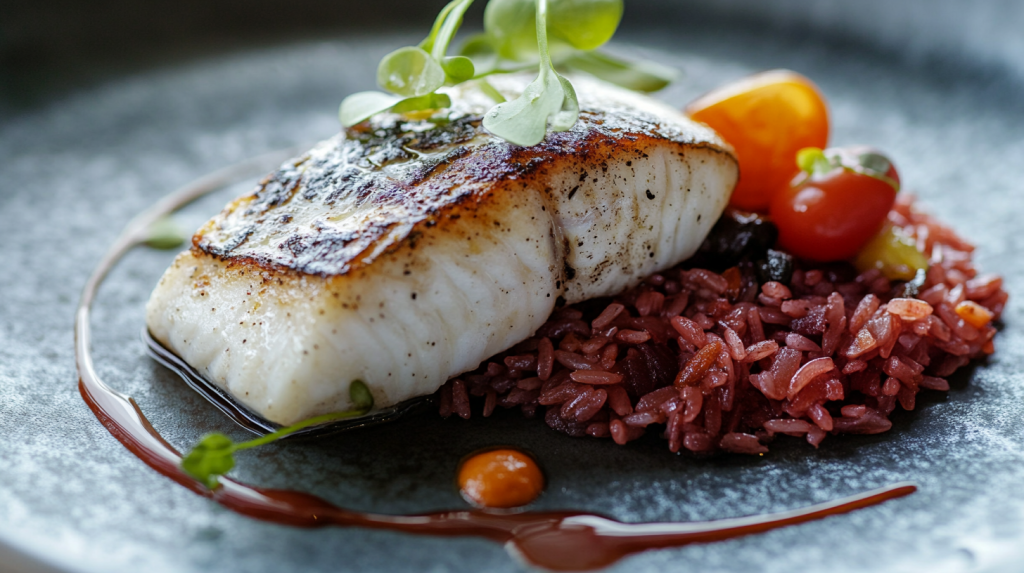
茱莉亞:「這烤鯛魚配米飯太美味了,食材的鮮味完全體現出來了。」
艾瑪:「是的,所有食材都是當地採購的。米飯、魚,甚至鹽,都是來自這片濕地。這正是濕地如何持續養育當地居民的最佳例證。」
Chat: Flamingos in Camargue
Julia: “I’ve noticed the flamingos here in Camargue. Are they migratory birds, or do they stay here year-round?”
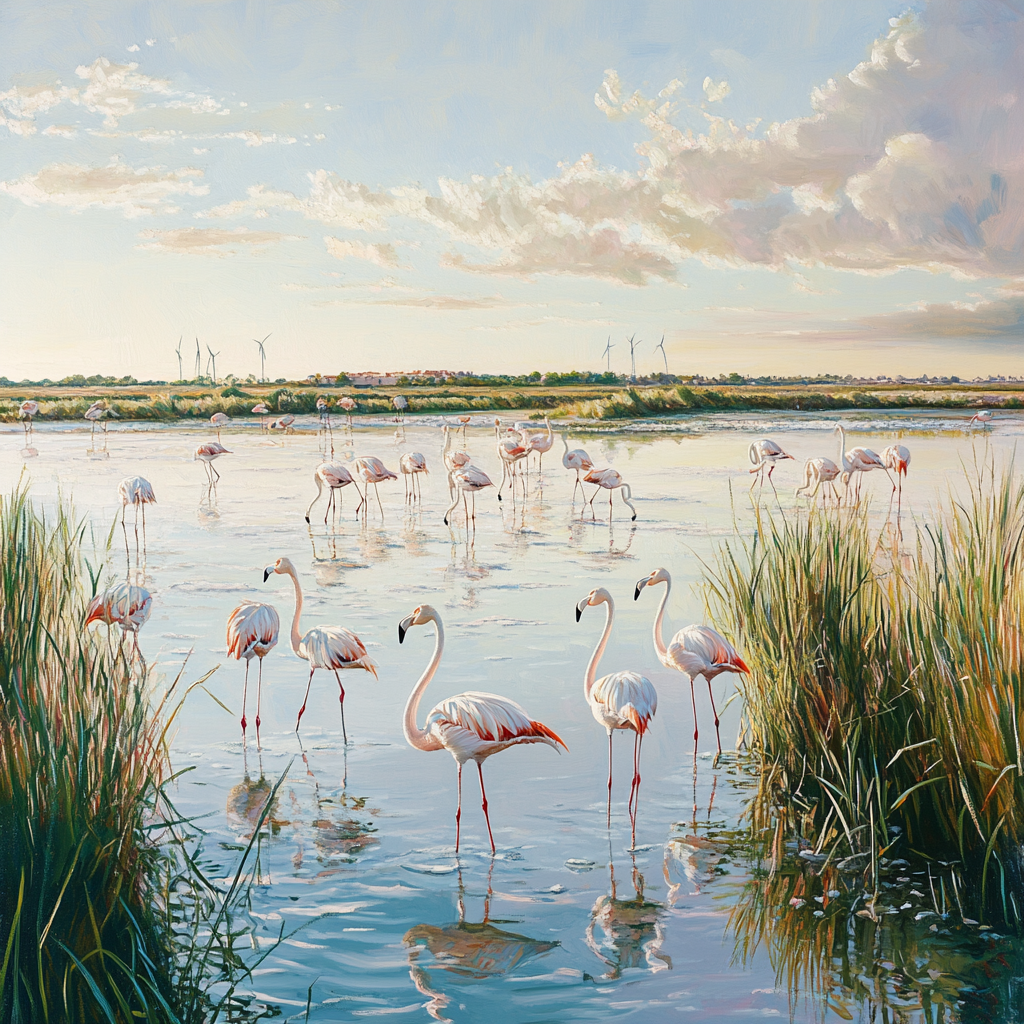
Emma: “Great question. The flamingos in Camargue are actually a mix of both resident and migratory populations. Some stay here all year, while others migrate depending on the season. The wetlands are an important stopover point for migratory flamingos, especially in the winter.”
Julia: “I didn’t realize some stay year-round. I thought they were mostly migratory birds.”
Emma: “Yes, that’s a common assumption. The Camargue’s climate is mild enough that it can support a resident population, especially in the Étang de Vaccarès lagoon. However, many flamingos migrate between here and northern Africa, particularly Tunisia, depending on food availability and weather conditions.”
Julia: “So the wetlands here are essential for their survival, right? The balance between human activity and conservation must be delicate.”
Emma: “Exactly. The flamingos rely on the briny waters of the salt marshes to feed on the small organisms they need, like brine shrimp, which give them their pink color. Human development and climate change pose threats to these habitats, so conservation efforts are vital to keeping this ecosystem balanced.”
Julia: “It’s fascinating how the natural landscape here not only supports such unique wildlife but also ties into the region’s identity.”
聊天: 卡馬爾格的紅鶴 (火烈鳥)

茱莉亞:「我注意到這裡的火烈鳥。牠們是候鳥嗎?還是會全年待在卡馬爾格?」
艾瑪:「好問題。卡馬爾格的火烈鳥其實有兩種,一部分是常駐鳥類,另一部分是候鳥。部分火烈鳥全年居住在這裡,而另一些則會隨著季節遷徙。濕地是候鳥的重要中途停留地,特別是在冬季。」
茱莉亞:「我還以為牠們大多是候鳥,沒想到有些是全年留在這裡的。」
艾瑪:「是的,這是一個普遍的認知錯誤。卡馬爾格的氣候足夠溫和,可以支撐一部分常駐火烈鳥,尤其是在瓦卡雷湖(Étang de Vaccarès)附近。不過,很多火烈鳥會隨著季節在這裡和北非之間遷徙,特別是突尼斯,這主要取決於食物供應和天氣狀況。」
茱莉亞:「那麼,這片濕地對牠們的生存至關重要吧?人類活動和保護措施之間的平衡一定很微妙。」
艾瑪:「沒錯。火烈鳥依賴鹽水沼澤來捕食牠們所需的小生物,比如鹽水蝦,這也賦予牠們粉紅色的羽毛。人類開發和氣候變化對這些棲息地構成了威脅,因此保護工作對保持這個生態系統的平衡至關重要。」
茱莉亞:「真有趣,這片自然景觀不僅支持這麼獨特的野生動物,還與這個地區的身份息息相關。」
Chat: A Conversation on Northern and Southern France
Julia: “You know, I’ve always found it fascinating how different life can be between northern and southern France. It’s almost like being in two different countries.”
Emma: “That’s true. The culture, the way people live, and even their attitudes are so distinct. In the north, life feels a bit more structured and formal, whereas in the south, everything is more laid-back and casual.”
Julia: “I’ve noticed that too. The pace of life seems slower in the south, especially in rural areas. People here take their time with meals, enjoy long conversations, and there’s a certain emphasis on enjoying life’s simple pleasures.”
Emma: “Yes, the Mediterranean lifestyle really shines through in the south. Long lunches, siestas, and spending time outdoors are a big part of the culture. The climate plays a role too—warm weather encourages a more relaxed lifestyle.”
Julia: “And in the north, people tend to be more work-focused, don’t they? The colder climate and the industrial history of regions like Normandy and Paris seem to shape a more fast-paced, structured approach to life.”
Emma: “Exactly. The north, with its colder weather, industrial cities, and proximity to northern Europe, tends to be more business-oriented. People are a bit more reserved, and there’s a stronger emphasis on punctuality and efficiency. That’s not to say people don’t enjoy life up north, but it’s a different kind of enjoyment—more focused on getting things done.”
Julia: “It’s interesting how geography and history shape these regional differences. The south feels influenced by Mediterranean cultures, while the north seems more connected to its industrial past and northern European neighbors.”
Emma: “Absolutely. You can see it in everything, from the architecture to the food. In the north, you get hearty dishes like stews, butter, and cream, while in the south, it’s all about olive oil, fresh vegetables, and seafood.”
Julia: “And even the social interactions are different. In the south, people seem more open and friendly. I feel like it’s easier to strike up a conversation with strangers here than in the north.”
Emma: “That’s definitely true. Southern hospitality is real. People here are more likely to invite you for a drink or to share a meal, even if they don’t know you well. In the north, people are friendly, but they tend to be a bit more reserved at first.”
Julia: “So, do you think these differences create any tension between the regions? Or is it just a matter of embracing the diversity within the country?”
Emma: “There can be some cultural tension, especially when it comes to things like politics and economics. The south is traditionally more agricultural, while the north is more industrial, so their priorities can sometimes clash. But overall, I think most people appreciate the diversity—it’s what makes France such an interesting place.”

Julia: “Southern France is so diverse. Even within the south, there are noticeable differences between the regions, don’t you think?”
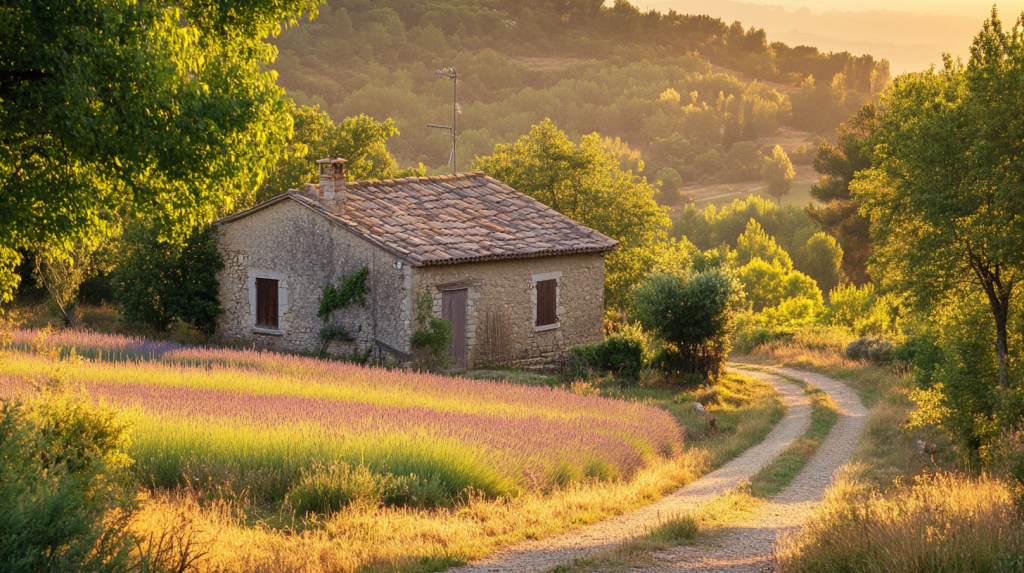
Emma: “Absolutely. Take Provence and the Côte d’Azur, for example. Provence feels more rural, with its lavender fields and small villages, while the Côte d’Azur is more glamorous and tourist-driven, with its beaches and luxury resorts.”
Julia: “Yes, Provence has that slower, traditional lifestyle, especially with its focus on agriculture. You see vineyards and olive groves everywhere. It’s a stark contrast to the fast-paced, flashy lifestyle you find along the Côte d’Azur.”
Emma: “Exactly. And if you go west to Languedoc, the atmosphere changes again. It’s more rugged and untamed, with its medieval towns and vineyards stretching over rolling hills. The Languedoc region feels less polished, but there’s a certain charm in its rougher edges.”
Julia: “I love how the history of the Cathars still lingers in the Languedoc region. You can see it in the architecture and even in the local stories people tell.”
Emma: “And then you have the Pyrenees region, which is totally different again. Mountain life is more isolated, and the culture is a mix of French and Spanish influences, especially with Basque traditions creeping in.”
Julia: “It’s fascinating how one part of the south can be all about sunbathing and sipping cocktails by the sea, while another part is about rugged hikes in the mountains and preserving ancient traditions.”
Emma: “That’s what makes southern France so special. Whether it’s the chic atmosphere of Nice or the laid-back feel of a Provençal village, each region has its own distinct identity.”
聊天:法國不同區域差異
茱莉亞:「你知道嗎,我一直覺得法國南方和北方的生活差異很有趣。就好像是兩個完全不同的國家一樣。」
艾瑪:「的確。文化、生活方式,甚至人們的態度都很不一樣。在北方,生活感覺更加有條理和正式,而在南方,一切都顯得更隨意和輕鬆。」
茱莉亞:「我也注意到了。南方的生活節奏似乎比較慢,特別是在鄉村地區。人們用餐的時間更長,喜歡長時間的談話,並且非常強調享受生活中的簡單樂趣。」
艾瑪:「是的,地中海式的生活方式在南方非常明顯。長時間的午餐、小憩、以及在戶外活動是這裡文化的重要部分。氣候也起了很大作用——溫暖的天氣讓人更容易過上輕鬆的生活。」
茱莉亞:「而在北方,人們似乎更專注於工作。像諾曼底和巴黎這樣的工業地區,加上較冷的氣候,似乎塑造了一種更快節奏、更有結構的生活方式。」
艾瑪:「沒錯。北方,由於天氣較冷,城市工業化程度高,靠近北歐國家,生活方式也更加商業化。人們比較內斂,更加重視準時和效率。這並不是說北方人不會享受生活,而是他們的生活方式更偏向於完成事情。」
茱莉亞:「地理和歷史如何塑造了這些區域差異真是有趣。南方受到地中海文化的影響,而北方似乎更多地與其工業歷史和北歐鄰國有聯繫。」
艾瑪:「沒錯。你可以從建築到食物中看出這些差異。在北方,你會看到比較豐富的菜餚,比如燉肉、奶油和黃油,而在南方,橄欖油、新鮮蔬菜和海鮮是主角。」
茱莉亞:「甚至社交互動方式也不同。在南方,人們似乎更加開放和友好。我覺得在這裡跟陌生人聊天比在北方容易。」
艾瑪:「確實如此。南方的熱情好客是真實存在的。即使不太熟的人,也可能會邀請你喝酒或共進晚餐。而在北方,人們雖然友善,但一開始會稍微拘謹一些。」
茱莉亞:「那你覺得這些差異會不會引發地區之間的緊張關係?還是說這只是法國多樣性的體現?」
艾瑪:「有時候確實會有文化上的摩擦,特別是在政治和經濟問題上。南方傳統上以農業為主,而北方則以工業為主,所以他們的優先事項有時候會衝突。但總的來說,我覺得大部分人都很珍惜這種多樣性,這也是法國如此有趣的地方之一。」

茱莉亞:「法國南部真的是多樣化的。即使在南方,不同地區之間也有明顯的差異,你不覺得嗎?」
艾瑪:「沒錯。以普羅旺斯和蔚藍海岸為例,普羅旺斯給人一種更加鄉村的感覺,有著薰衣草田和小村莊,而蔚藍海岸則更為奢華和觀光化,充滿了海灘和豪華度假村。」
茱莉亞:「是的,普羅旺斯的生活節奏更慢,更傳統,特別是對農業的關注。到處都是葡萄園和橄欖樹,這與蔚藍海岸快節奏、奢華的生活方式形成了鮮明對比。」
艾瑪:「完全同意。而如果你往西走到朗格多克,氣氛又變了。這裡的風景更加粗獷,遍布中世紀小鎮和起伏的葡萄園。朗格多克地區的感覺比較樸實,但正是這種粗獷讓它別具魅力。」
茱莉亞:「我喜歡朗格多克地區裡關於卡特教徒的歷史。你可以在建築中看到這些影響,甚至當地人講的故事裡也能感受到。」
艾瑪:「還有比利牛斯山區,又是完全不同的風貌。山區生活更加孤立,文化融合了法國和西班牙的影響,尤其是巴斯克傳統也滲透進來。」
茱莉亞:「很有意思的是,南方的一部分是陽光下的海灘和雞尾酒,而另一部分則是山中的徒步旅行和保持古老的傳統。」
艾瑪:「這正是法國南部的特別之處。無論是尼斯的時尚氛圍,還是普羅旺斯村莊的悠閒生活,每個地區都有自己獨特的身份。」
Chat: France’s Regional Dialects

Julia: “One thing I’ve always found fascinating about France is the variety of accents and dialects. It feels like every region has its own unique way of speaking.”
Emma: “Yes, the accents can be quite different. In the south, for example, you hear more of that soft, melodic intonation. It’s influenced by Occitan, which is still spoken in some rural areas.”
Julia: “I’ve noticed that. When I was in Provence, the accent was so much softer compared to what I’m used to hearing in Paris. It almost feels like people are singing when they speak.”
Emma: “Exactly. In contrast, the Parisian accent can sound more clipped and direct. It’s a more standardized version of French, but it doesn’t have the musical quality you hear in the south.”
Julia: “What about the north? I’ve heard the accent in Normandy is quite different too.”
Emma: “Yes, the northern accents, especially in Normandy or Picardy, can have a slightly harsher sound. The ‘r’ is pronounced more gutturally, and there are some regional words that you won’t hear elsewhere in France.”
Julia: “It’s interesting how geography and history shape the way people speak. The southern regions seem more influenced by languages like Occitan and Catalan, while the north feels closer to its Germanic and Celtic roots.”
Emma: “That’s true. And if you go to places like Alsace or Brittany, you’ll hear influences from German or Breton. Even though French is the national language, these regional languages and dialects still influence the way people speak.”
Julia: “It’s amazing how much diversity there is in such a relatively small country. I guess these regional accents and languages are part of what makes France so culturally rich.”

聊天: 法國口音的歷史根源

茱莉亞:「我一直覺得法國有趣的一點是各地的口音和方言如此多樣。感覺每個地區都有自己獨特的說話方式。」
艾瑪:「是的,各地的口音真的很不一樣。比如說在南方,你會聽到更多柔和的、旋律感強的語調。這受到奧克語的影響,這種語言在一些鄉村地區仍然有人使用。」
茱莉亞:「我注意到了這點。當我在普羅旺斯的時候,口音比我在巴黎聽到的要柔和得多。感覺他們說話時好像在唱歌一樣。」
艾瑪:「沒錯。相比之下,巴黎的口音聽起來更簡潔直接。這是一種更標準的法語,但沒有南方那種音樂感。」
茱莉亞:「那北方呢?我聽說諾曼底的口音也很不一樣。」
艾瑪:「是的,北方的口音,尤其是在諾曼底或皮卡第地區,會有一點更為粗重的感覺。‘r’的發音更為喉音化,而且有些地方詞彙是法國其他地方聽不到的。」
茱莉亞:「地理和歷史是如何塑造人們的語音方式,真是有趣。南方似乎更多地受到奧克語和加泰羅尼亞語的影響,而北方則更接近其日耳曼和凱爾特的根源。」
艾瑪:「沒錯。如果你去像阿爾薩斯或布列塔尼這樣的地方,會聽到來自德語或布列塔尼語的影響。儘管法語是國家語言,但這些地區語言和方言仍然影響著人們的說話方式。」
茱莉亞:「真是令人驚嘆,在一個相對較小的國家裡,竟然有這麼多的多樣性。我想這些地區口音和語言正是法國文化豐富性的體現。」
Chat: The Weather in Province
Julia: “The weather here in Provence is so lovely. I imagine it must be pretty mild year-round, right?”
Emma: “Yes, Provence is known for its Mediterranean climate. The summers are hot and dry, and the winters are generally mild. But you’d be surprised—snow isn’t unheard of in the winter.”
Julia: “Really? I wouldn’t expect snow in such a sunny region.”
Emma: “It’s rare, but it does happen, especially in higher elevations like in the Luberon or around Mont Ventoux. The mountains can get a dusting of snow, and even the lower areas might experience light snow occasionally. But it doesn’t last long.”
Julia: “So, it’s more of a brief winter moment rather than anything serious?”
Emma: “Exactly. You’ll mostly see frost on the ground in the early mornings, and it warms up by midday. But Provence has a unique weather pattern because of the mistral wind, which blows cold air down from the north in winter. It can make the winters feel much colder than they actually are.”
Julia: “Ah, I’ve heard of the mistral. So even without heavy snow, the wind can make winter feel quite chilly.”
Emma: “Yes, the mistral can drop temperatures quickly, especially in the valleys. So, while Provence has a mild winter overall, the wind and occasional snow give it some surprising weather moments.”
聊天: 普羅旺斯的天氣
茱莉亞:「這裡的天氣真是太好了。我想普羅旺斯一年四季的氣候應該都很溫和,對吧?」
艾瑪:「是的,普羅旺斯以其地中海氣候而聞名。夏天炎熱乾燥,冬天通常很溫和。但你可能會驚訝——冬天有時也會下雪。」
茱莉亞:「真的嗎?在這麼陽光充足的地方,我沒想到會下雪。」
艾瑪:「雖然不常見,但確實會下雪,特別是在高海拔地區,比如呂貝隆山脈或蒙凡土山周圍。山區有時會積雪,甚至在低海拔地區偶爾也會有小雪。但雪通常不會持續很久。」
茱莉亞:「所以,這更像是短暫的冬季一瞥,而不是什麼嚴重的積雪?」
艾瑪:「沒錯。你通常會在清晨看到地上有霜,到了中午天氣就會回暖。不過普羅旺斯的天氣很特別,因為冬天有密史托風(mistral),這種風從北方吹來,會帶來寒冷的空氣,讓冬天感覺比實際氣溫更冷。」
茱莉亞:「啊,我聽說過密史托風。所以即使沒有大雪,這股風也會讓冬天感覺更冷。」
艾瑪:「是的,密史托風會迅速降低氣溫,尤其是在山谷裡。所以,儘管普羅旺斯的冬天整體上很溫和,但風和偶爾的雪讓這裡的冬季天氣充滿驚喜。」
Chat: How the Mistral Shapes Life in Provence
Julia: “You mentioned the mistral earlier. I’ve heard about it, but I don’t really know what causes it. Why is it such a big deal in Provence?”
Emma: “The mistral is a unique weather phenomenon in southern France. It’s a cold, strong wind that blows from the north, specifically from areas like the Alps and central France, through the Rhône Valley, and it affects much of southern France, especially Provence. It’s caused by high-pressure systems building up over northern Europe, particularly around regions like Scandinavia and northern France, and low-pressure systems forming over the Mediterranean.”
Julia: “So, it’s the combination of pressure systems from the north, like northern France and Scandinavia, and the Mediterranean that causes it? How does that lead to such strong winds?”
Emma: “Exactly. When these pressure systems develop, cold air rushes down from northern and central France, funneling through the narrow Rhône Valley, which acts like a wind tunnel. This amplifies the wind’s speed as it moves south toward the Mediterranean coast. The mistral can reach speeds of up to 100 kilometers per hour, and it can last for several days.”
Julia: “That sounds intense! So, it’s more than just a breeze; it’s a really strong wind. How often does it happen?”
Emma: “It’s fairly common, especially in the winter and early spring. Some years, the mistral can blow for weeks at a time. While it brings clear, sunny skies, it also makes everything feel much colder because of the wind chill.”
Julia: “So even though Provence has mild winters, the mistral can make it feel much colder?”
Emma: “Exactly. Even when the temperatures are above freezing, the mistral makes it feel much colder than it actually is. It also has a big impact on agriculture here. The wind dries out the soil quickly, but it helps keep vineyards and crops dry, preventing diseases caused by too much moisture.”
Julia: “That’s fascinating. So, the mistral is both a challenge and a benefit to the people here?”
Emma: “Yes, the mistral is a big part of life in Provence. People here have adapted to it, and even the houses are built to withstand the wind. Many homes face away from the wind and have narrow windows to minimize its impact.”
聊天: 密史托風如何塑造普羅旺斯的生活
茱莉亞:「你之前提到了密史托風。我聽說過它,但不太清楚它的成因。為什麼它在普羅旺斯這麼重要?」
艾瑪:「密史托風是法國南部的一種獨特天氣現象。這是一股從北方吹來的寒冷強風,具體來說,是從阿爾卑斯山和法國中部等地區開始,經過羅納河谷,影響法國南部的大部分地區,尤其是普羅旺斯。它的成因是北歐,特別是斯堪的納維亞和法國北部的高壓系統與地中海上空的低壓系統相互作用。」
茱莉亞:「所以是來自北方,比如法國北部和斯堪的納維亞的壓力系統與地中海相互作用嗎?這樣怎麼會產生這麼強的風?」
艾瑪:「沒錯。當這些壓力系統形成時,寒冷的空氣從法國北部和中部湧入,並沿著狹窄的羅納河谷向南吹,這就像一個風道,極大地加速了風的速度。密史托風的風速可以達到每小時100公里,有時甚至會持續數天。」
茱莉亞:「哇,這可不是微風,這是非常強的風。它經常出現嗎?」
艾瑪:「相當常見,尤其是在冬天和初春。有些年份,密史托風會持續吹好幾周。雖然這種風會帶來晴朗的天空,但也會因風寒效應讓氣溫感覺比實際的更低。」
茱莉亞:「所以,即使普羅旺斯的冬天溫度比較溫和,密史托風也會讓人感覺更冷?」
艾瑪:「沒錯。即使溫度在零度以上,密史托風也會讓人感覺比實際冷得多。它對這裡的農業也有很大影響。風能快速帶走土壤中的水分,但也有助於保持葡萄園和農田乾燥,防止因過度潮濕引起的疾病。」
茱莉亞
「真是有趣,所以密史托風對當地人來說既是挑戰,也是益處?」
艾瑪:「是的,密史托風在普羅旺斯的生活中扮演著重要角色。當地人已經適應了它,甚至房屋的設計也考慮到了抵禦這種風的影響。許多房子是背對風建造的,而且窗戶比較窄,以減少風的影響。」
Chat: Living with the Mistral: The Architecture and Climate of Provence
Julia: “You mentioned that houses here are designed to withstand the mistral. How exactly does the architecture reflect that?”
Emma: “Well, the mistral can be extremely strong, so people in Provence have developed specific architectural features to protect against it. For example, many houses are built facing away from the wind. This means the main doors and windows are often positioned on the side opposite to where the mistral blows, usually the south side, which is also sunnier and warmer.”
Julia: “That’s clever! So the house design not only protects from the wind but also maximizes sunlight and warmth.”
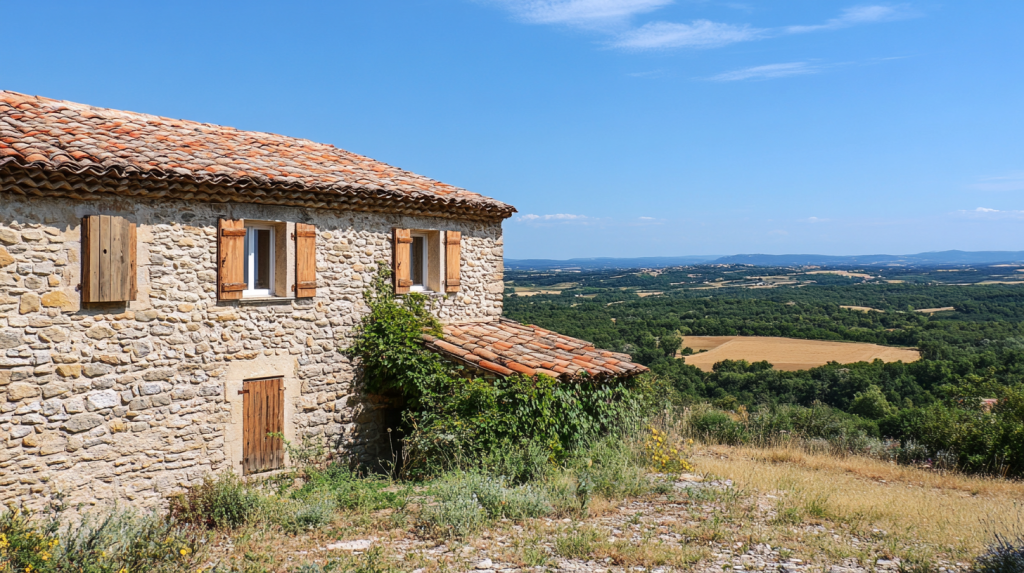
Emma: “Exactly. You’ll also notice that the windows are smaller than in other parts of France. Smaller windows help reduce the impact of the wind, and in some cases, they have wooden shutters that can be closed during strong winds. The thick stone walls also help to insulate the house from both the wind and temperature changes.”
Julia: “And what about the roofs? I’ve seen that the roofs are often low and sloped.”
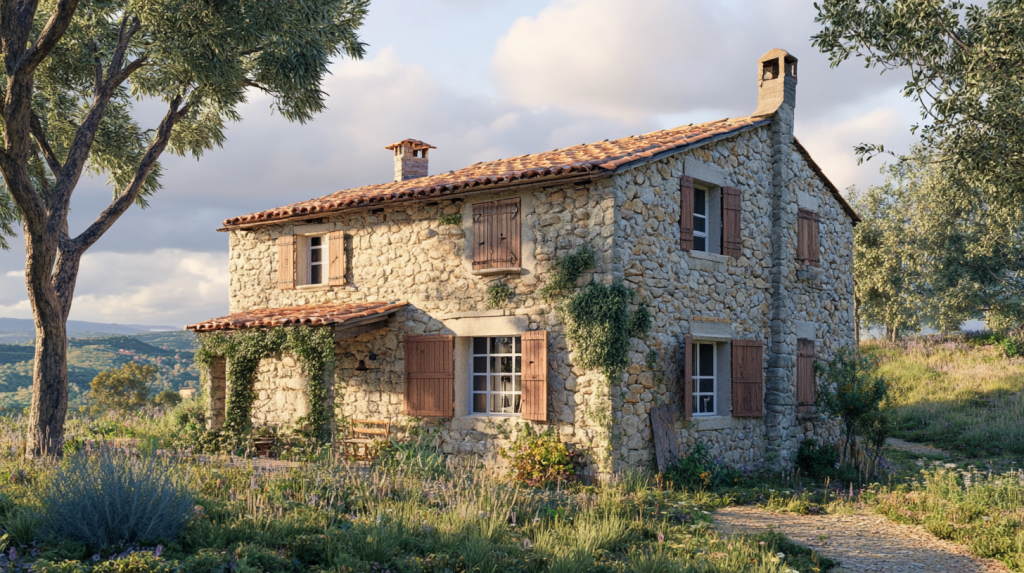
Emma: “Yes, the roofs are designed to be low and sloped to minimize wind resistance. A high or flat roof would catch the wind and potentially cause damage. Sloping roofs allow the wind to pass over the house more easily. And the materials are usually heavy, like terracotta tiles, which help keep the roof in place during strong gusts.”
Julia: “That’s fascinating. So the architecture here isn’t just about style, it’s about function—adapting to the local environment.”
Emma: “Absolutely. The mistral has been shaping life in Provence for centuries, and you can see its influence not just in the landscape but also in the way people build and live. It’s a perfect example of how humans adapt to nature.”
聊天:普羅旺斯的建築與氣候 – 與密史托風共存
茱莉亞:「你提到這裡的房子設計是為了抵禦密史托風。建築是如何反映這一點的?」
艾瑪:「密史托風非常強烈,所以普羅旺斯的房屋設計有一些特別的特徵來保護人們免受風的影響。比如,很多房子是背對風建造的,這意味著主要的門窗通常位於背風面,通常是南面,那裡也更加陽光充足、溫暖。」
茱莉亞:「真聰明!這樣的設計不僅可以防風,還能最大限度地利用陽光和熱量。」
艾瑪:「沒錯。你還會注意到這裡的窗戶比法國其他地方的小。小窗戶能減少風的衝擊,有些窗戶還配有木製百葉窗,可以在強風來臨時關閉。此外,厚實的石牆可以幫助房子抵禦風和氣溫的變化。」
茱莉亞:「那屋頂呢?我看到這裡的屋頂通常比較低,而且是斜的。」
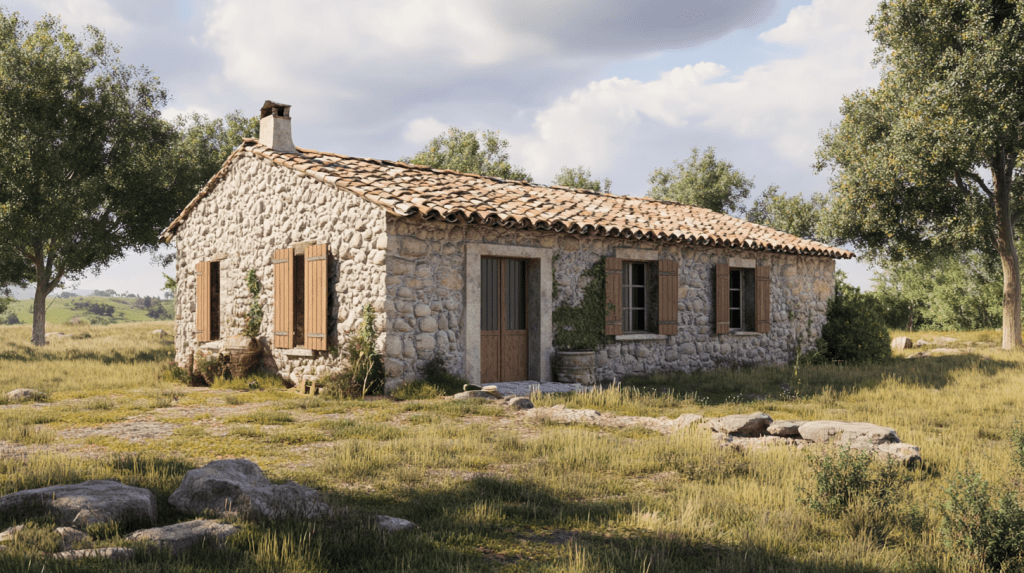
艾瑪:「對,屋頂的設計是低矮和傾斜的,以減少風的阻力。如果屋頂很高或是平的,就更容易被風抓住並造成損壞。斜屋頂可以讓風更輕鬆地掠過房子。而且屋頂通常用的是比較重的材料,比如赤陶瓦,這樣能在強風時保持穩固。」
茱莉亞:「這真是太有意思了。看來這裡的建築不僅僅是為了美觀,還是為了功能,適應當地環境。」
艾瑪:「沒錯。密史托風已經影響了普羅旺斯幾個世紀,你可以從景觀和建築設計中看到它的影響。這完美展現了人類如何適應自然的力量。」

 Virtual Travel | 虛擬旅行沉浸式英語學習
發表留言