
Conference room in Eger, Hungary. The conference has just ended, and our two scholars are seated, chatting about their impressions of the city.
- Sophia: A scholar with a background in history and geography, particularly interested in Central European culture and landscapes.
- Clara: An ecologist focused on river ecosystems and biodiversity, keen to explore the local flora and fauna of the Danube region.
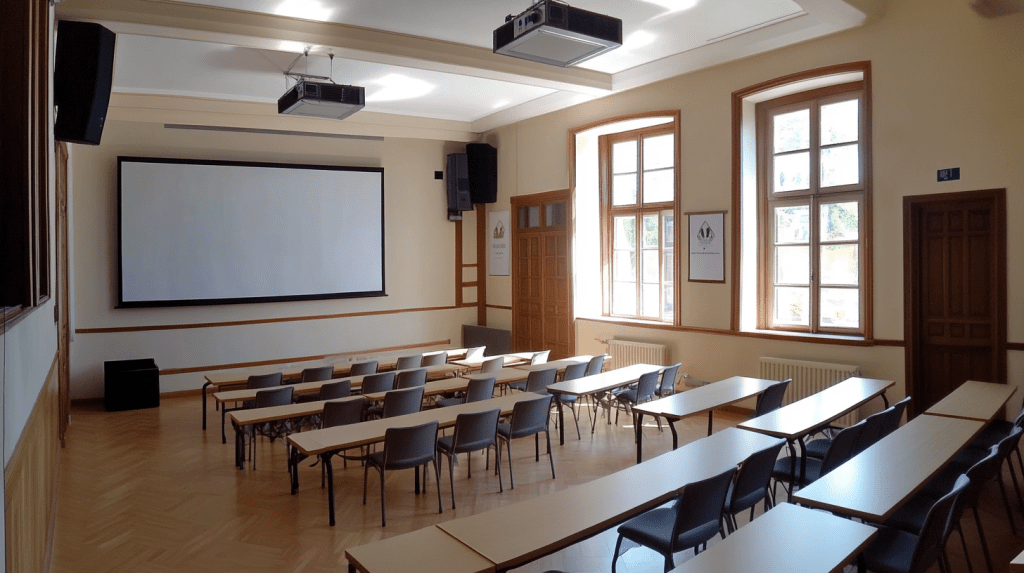
Sophia: “So, Clara, how are you finding Eger so far? The mix of history here is fascinating, from the medieval era to the Ottoman influence."
Clara: “I agree, Sophia. It’s rare to find such a blend in one place. And the ecosystems around the Danube basin—it’s like a living textbook for ecologists!"
Sophia: “I know! The biodiversity here must be incredible. It reminds me of what I studied about Central Europe’s ancient woodlands and wetlands. After seeing Eger, it’s tempting to explore even further along the Danube."
Clara: “Absolutely. We could plan a journey along the river, tracing its flow through different landscapes. What do you think? We could learn so much along the way!"
Sophia: “Perfect idea! Let’s go over the maps later and see where we should start. Maybe we can even visit a few lesser-known historical sites along the way."

匈牙利埃格爾的會議室。會議剛剛結束,兩位學者坐在一起,聊著對這座城市的印象。
- Sophia(索菲亞):一位歷史與地理背景的學者,對中歐文化和地貌特別感興趣。
- Clara(克拉拉):一位生態學家,專注於河流生態系統與生物多樣性,對多瑙河地區的植物和動物十分好奇。
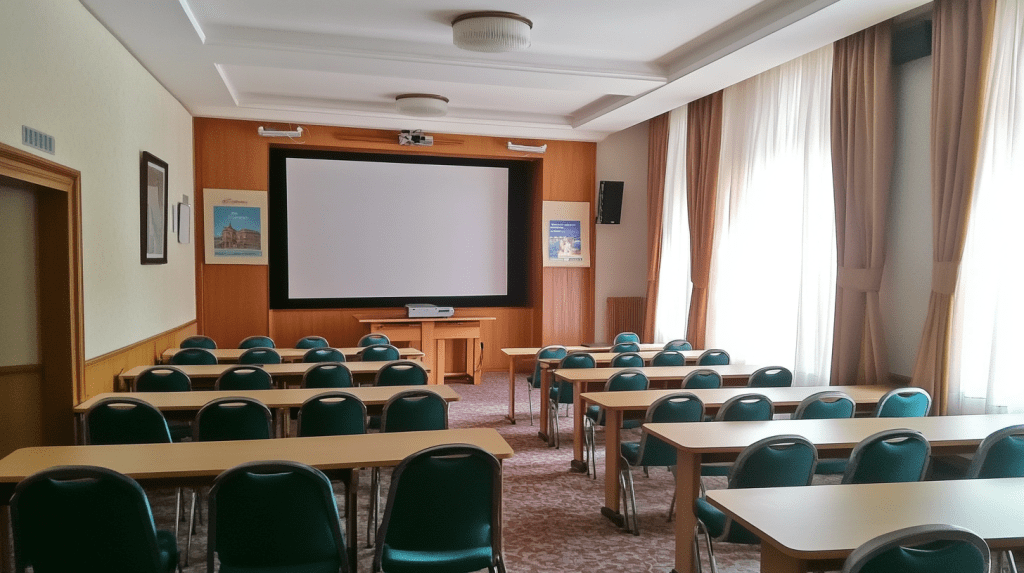
Sophia:「克拉拉,你覺得埃格爾怎麼樣?這裡的歷史真是迷人,從中世紀到奧斯曼的影響應有盡有。」
Clara:「我同意,索菲亞。很少能在一個地方見到這麼多元的文化交融。而且多瑙河流域的生態系統就像一本活的生態教科書!」
Sophia:「是啊!這裡的生物多樣性一定非常豐富,讓我想起了我研究過的中歐古代森林和濕地。看完埃格爾之後,真想沿著多瑙河繼續探索下去。」
Clara:「完全同意!我們可以計劃一場沿河的旅程,看看它穿過的各種地形。你覺得怎麼樣?我想我們會學到很多。」
Sophia:「好主意!等下我們來看一下地圖,看看該從哪裡開始。或許還能順路參觀一些鮮為人知的歷史遺址呢!」

Eger’s Strategic Importance: A Historic Battleground Between Empires
Sophia and Clara are seated at a café in Eger, overlooking the historic streets and Baroque architecture. The atmosphere is calm as they reflect on the city’s rich history and strategic location.
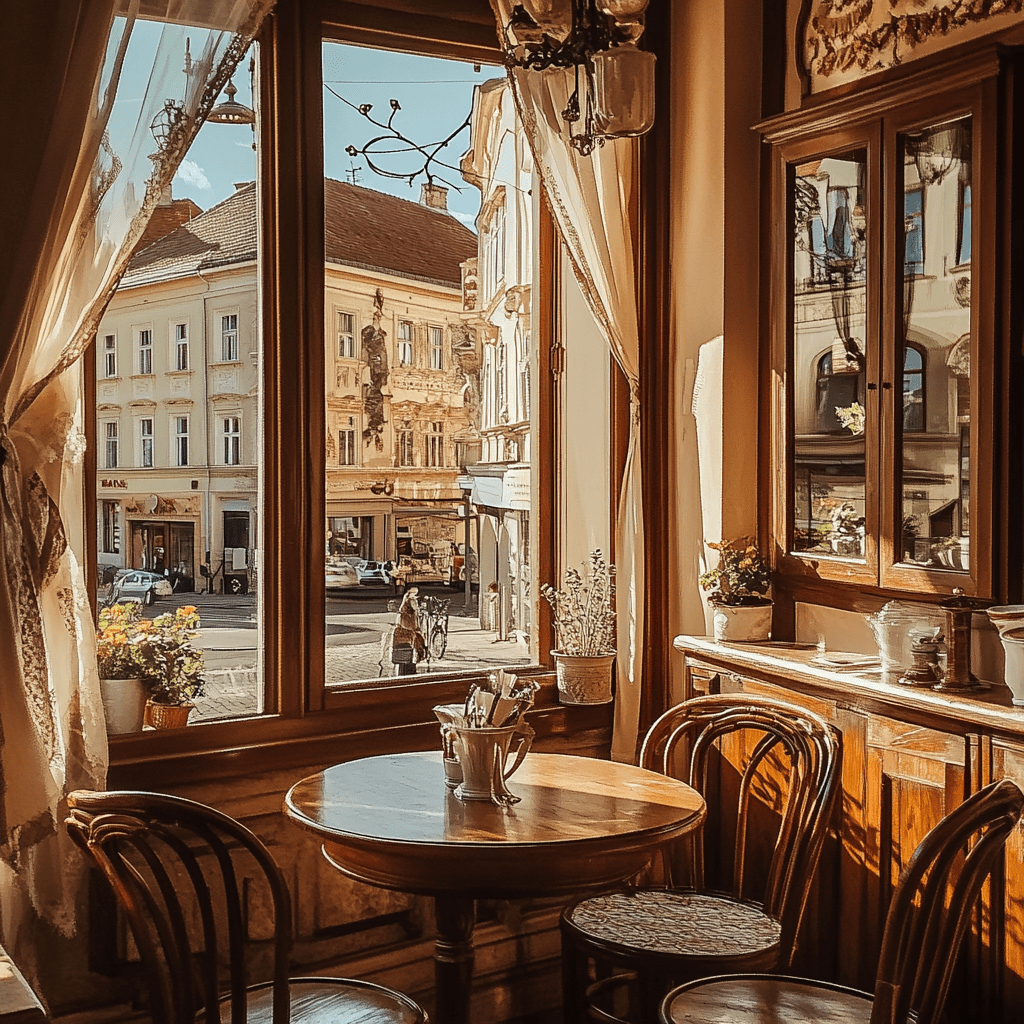
Sophia: “You know, Clara, Eger is more than just a beautiful city. It has been a significant cultural and strategic center for centuries. The Ottomans and Austrians both fought over this place."
Clara: “That’s true. Its location on the northern edge of the Hungarian plains made it crucial in defending against invasions. The city’s castle was a key defensive point for Hungary."

Sophia: “Exactly. And after the Ottoman invasion in the 16th century, Eger became a blend of influences. The architecture here reflects that—there’s this fascinating mix of Gothic, Baroque, and Ottoman styles all in one place."

Ottoman-style Architecture in Eger, Hungary

Gothic Architecture in Eger, Hungary
Clara: “It’s a city that’s really shaped by its geography. Eger sits near the Bükk Mountains, which gives it this natural boundary. It’s almost like a gateway between the mountains and the plains."
Sophia: “A perfect meeting of landscapes. And I read that Eger’s location also contributed to its famous wine production, especially the ‘Bull’s Blood’ wine. The volcanic soil and unique climate are ideal for vineyards."
Clara: “That’s something I’d love to explore further—the relationship between the soil, climate, and how they shaped the local culture and economy. It’s fascinating how geography can influence what a place becomes."
Sophia: “Yes, and it’s remarkable to see it all so well-preserved. Walking through Eger feels like stepping back in time, but you can also see how each era left its mark."
Clara: “Exactly. This city isn’t just a place on a map; it’s like a timeline, a living record of so many influences and events. It’s the perfect start for our journey."
埃格爾的戰略意義:帝國之間的歷史戰場
Sophia 和 Clara 坐在埃格爾的一家咖啡館,俯瞰著歷史街道和巴洛克風格的建築。氣氛寧靜,她們正在討論這座城市的豐富歷史和重要的地理位置。
Sophia:「你知道嗎,Clara,埃格爾不僅僅是一座漂亮的城市。幾個世紀以來,它一直是重要的文化和戰略中心。奧斯曼人和奧地利人都曾為這裡爭奪。」
Clara:「沒錯。它位於匈牙利平原的北緣,成為抵禦入侵的重要防線。這座城市的城堡對於匈牙利的防衛至關重要。」
Sophia:「就是這樣。而在16世紀奧斯曼人入侵之後,埃格爾成為多種影響的融合之地。這裡的建築就反映了這一點——這裡有哥德、巴洛克和奧斯曼風格的有趣結合。」

奧斯曼風格建築

歌德式建築
Clara:「這是一座由地理塑造的城市。埃格爾位於比克山附近,自然地形成了邊界。它就像是山脈和平原之間的門戶。」
Sophia:「真是景觀的完美交匯。我還讀到埃格爾的地理位置也促進了當地著名的葡萄酒生產,尤其是‘牛血’葡萄酒。火山土壤和獨特的氣候特別適合葡萄園。」
Clara:「這正是我想更深入探索的——土壤和氣候如何塑造了當地的文化和經濟。地理真是對一個地方的發展有著深刻的影響。」
Sophia:「是的,看到這一切保存得如此完好真是令人驚嘆。漫步在埃格爾就像是回到了過去,但同時也能看到每個時代留下的印記。」
Clara:「正是如此。這座城市不僅僅是地圖上的一點,它就像是一條時間軸,記錄著各種影響和事件。真是我們旅程的完美起點。」
Visit Eger Castle
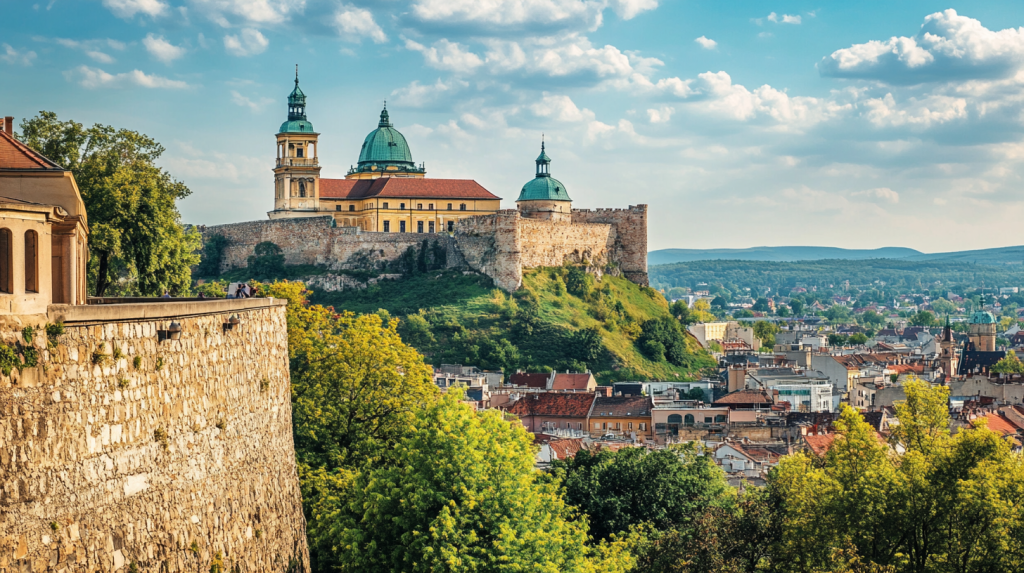
Sophia and Clara are walking up to the historic Eger Castle, which overlooks the city. The sun is setting, casting warm hues over the castle walls as they begin discussing its history and significance.

Sophia: “This castle has witnessed so much history. Back in 1552, during the Ottoman invasion, just a few thousand Hungarian defenders held off a massive Ottoman army right here."
Clara: “That’s incredible. I read about how the locals, including women, fought with everything they had. It’s inspiring to think about their resilience. The landscape must have played a role in their defense too."
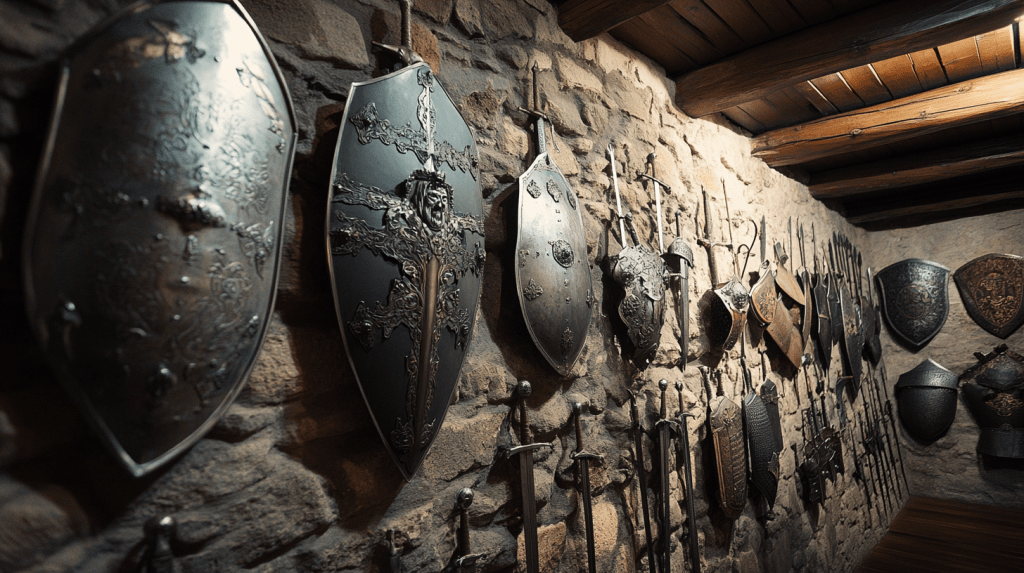
Sophia: “Absolutely. The elevation here gave the defenders a strategic advantage. They could see the enemy approaching from a distance, giving them time to prepare. And the castle walls—imagine how solid they must have been."
Clara: “The natural surroundings add to its charm as well. Look at how the hills protect it from multiple sides. It’s almost like nature built a fortress around the fortress."
Sophia: “Exactly. Geography can be a powerful ally. And speaking of which, after this, maybe we could visit the Danube-Ipoly National Park tomorrow. It’s known for its unique landscapes and biodiversity."
Clara: “That sounds perfect. I’d love to see how the river has shaped the ecosystem there. The Danube is such a life source for the region, and it creates these beautiful wetlands and forests."
Sophia: “And it’s not just about the natural beauty. Historically, rivers like the Danube were crucial for trade and movement of people. The settlements around here owe so much to the river."
Clara: “I can’t wait. Exploring both the history and ecology in one trip—it’s exactly why I love traveling."
參觀埃格爾城堡
Sophia 和 Clara 正走向俯瞰整個城市的埃格爾城堡。夕陽下的城堡牆壁被溫暖的色彩映照著,她們開始討論城堡的歷史和重要性。
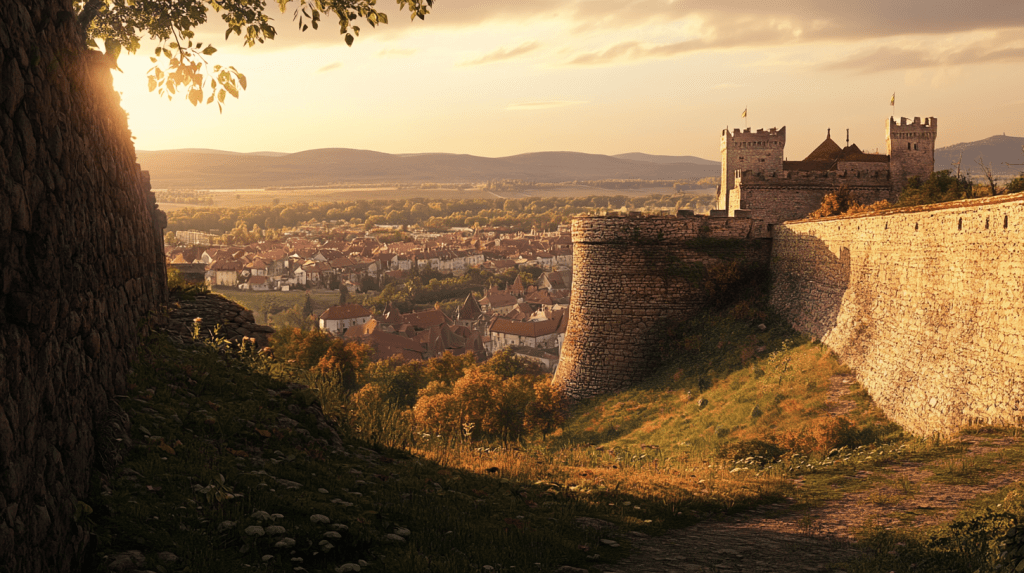
Sophia:「這座城堡見證了太多歷史。1552年奧斯曼入侵時,只有幾千名匈牙利守軍就在這裡抵擋住了龐大的奧斯曼軍隊。」
Clara:「真是不可思議。我讀過當時連婦女都參與戰鬥,拿出一切能用的武器。想到他們的堅韌令人敬佩。這裡的地形也一定幫助了他們的防禦。」
Sophia:「完全正確。這裡的高度給守軍提供了戰略優勢。他們能從遠處看到敵人來襲,有更多準備時間。還有這些城牆——想想當時它們有多堅固。」
Clara:「周邊的自然環境也為它增色不少。看看這些山丘,從多個方向保護著城堡。這就像是大自然為城堡構築了一道額外的防線。」

Sophia:「就是這樣。地理真的是強大的盟友。說到這,明天我們可以去參觀多瑙-伊波利國家公園。那裡以獨特的地貌和生物多樣性著稱。」
Clara:「聽起來很棒。我很想看看多瑙河是如何塑造那裡的生態系統的。多瑙河是這個地區的生命之源,創造了美麗的濕地和森林。」
Sophia:「這不僅僅是自然之美。歷史上,多瑙河對貿易和人員流動至關重要。這一帶的許多定居點都受益於這條河流。」
Clara:「真期待啊!在一趟旅行中探索歷史和生態,這正是我喜歡旅行的原因。」
Hungary’s Cultural and Linguistic Heritage
Sophia and Clara are resting near the walls of Eger Castle, taking in the view of the Hungarian countryside. As they admire the landscape, their conversation turns to Hungary’s unique cultural and linguistic heritage.
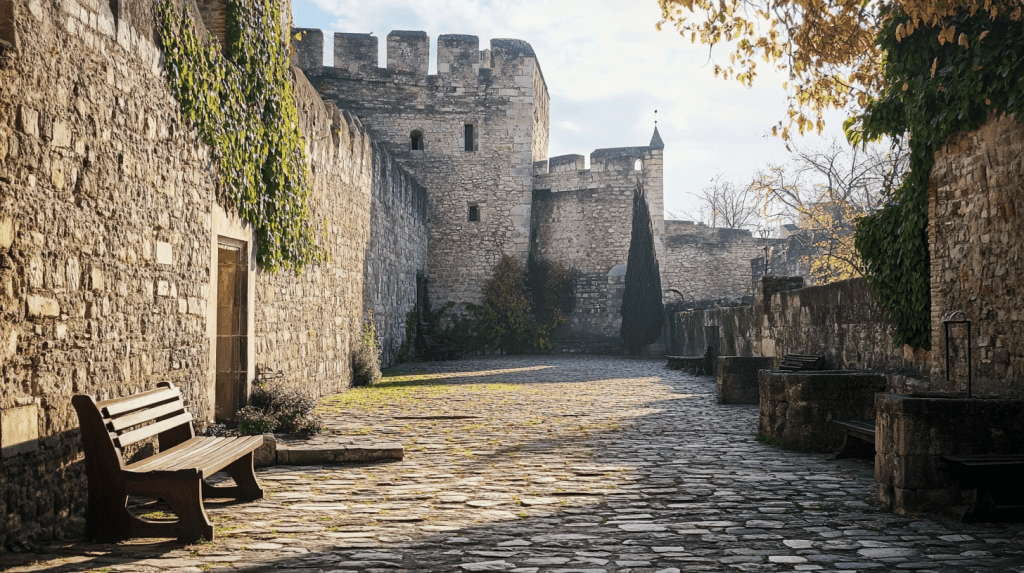
Sophia: “You know, Hungary’s history is as fascinating as its geography. Hungarians are actually quite unique in Europe—their language, Magyar, is unlike any of their neighbors’ languages."
Clara: “Yes, I read that it belongs to the Uralic language family, along with Finnish and Estonian, rather than the Indo-European languages most Europeans speak. That makes it quite challenging to learn!"
Sophia: “Exactly. It’s remarkable how isolated their language has remained, despite centuries of interaction with neighboring countries. Hungary has long been surrounded by Slavic, Germanic, and Romance-speaking populations, but Magyar has survived through it all."
Clara: “And yet, despite the linguistic differences, Hungary has shared close historical ties with many of its neighbors. The Austro-Hungarian Empire, for instance, deeply connected them to Austria and even influenced regions like Slovakia, Croatia, and parts of Romania."
Sophia: “Yes, the empire left a lasting impact on architecture, cuisine, and even political structures in the region. But with the empire’s fall, borders shifted, and many ethnic Hungarians found themselves outside Hungary’s modern borders, especially in places like Transylvania and Slovakia."
Clara: “It must be challenging for those communities. Imagine holding onto your language and traditions in a different country. Yet I think it’s made the Hungarian identity even stronger."
Sophia: “I agree. The preservation of their language and culture is a testament to their resilience. And, even though relations have been complex at times, Hungary shares cultural exchanges with its neighbors, like Romania and Slovakia, through festivals, music, and art."
Clara: “Yes, and it’s interesting how Hungarian folk music and dance have influenced other Central European cultures. Their music has these haunting, unique tones you don’t quite hear elsewhere."
Sophia: “It’s such a blend of East and West. Hungary’s position between Europe and the East has created a cultural mosaic that’s truly one-of-a-kind."
討論匈牙利的文化與語言遺產
Sophia 和 Clara 正在埃格爾城堡的城牆附近休息,欣賞著匈牙利鄉村的景色。隨著她們欣賞風景,對話轉向匈牙利獨特的文化和語言遺產。
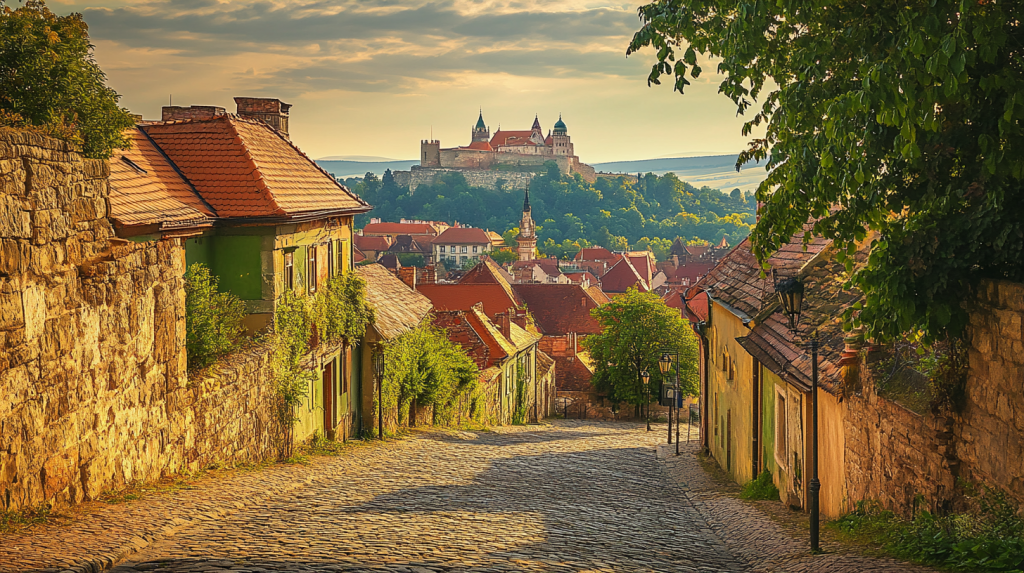
Sophia:「你知道嗎,匈牙利的歷史和地理一樣迷人。匈牙利人在歐洲其實是非常獨特的——他們的語言,馬扎爾語,與鄰國的語言完全不同。」
Clara:「是的,我讀過它屬於烏拉爾語系,與芬蘭語和愛沙尼亞語同屬一系,而不是大多數歐洲人使用的印歐語系。這讓它學起來相當具有挑戰性!」
Sophia:「沒錯。令人驚奇的是,儘管匈牙利與周邊國家互動了數百年,他們的語言卻保持了獨立性。匈牙利長期被說斯拉夫語、日耳曼語和羅曼語的群體包圍,但馬扎爾語卻一路存留下來。」
Clara:「然而,儘管語言不同,匈牙利和周邊國家之間的歷史聯繫卻十分密切。比如奧匈帝國,這使得他們與奧地利密切相連,甚至影響了像斯洛伐克、克羅埃西亞和羅馬尼亞的一些地區。」
Sophia:「是的,帝國留下了深遠的影響,無論是建築、飲食還是政治結構方面都能看到痕跡。但隨著帝國解體,邊界變動,許多匈牙利族人發現自己生活在匈牙利的現代國界之外,尤其是在特蘭西瓦尼亞和斯洛伐克。」
Clara:「對那些社區來說一定很有挑戰。想像一下在另一個國家中保持自己的語言和傳統。然而,我覺得這也讓匈牙利的身份認同變得更加堅定。」
Sophia:「我同意。他們語言和文化的保存是對他們韌性的一種證明。儘管有時關係複雜,匈牙利與鄰國如羅馬尼亞和斯洛伐克之間仍有著文化交流,比如節日、音樂和藝術。」
Clara:「是的,很有趣的是匈牙利的民間音樂和舞蹈也影響了中歐其他文化。他們的音樂有著一種幽遠、獨特的韻味,是其他地方不常聽到的。」
Sophia:「這真是東西方的融合。匈牙利位於歐洲與東方的交界,形成了一種獨特的文化馬賽克。」
Origins of the Hungarian People
Sophia and Clara are resting on a hillside overlooking Eger, taking in the landscape. Their conversation turns to the origins of the Magyar people and why they migrated to the Carpathian Basin.
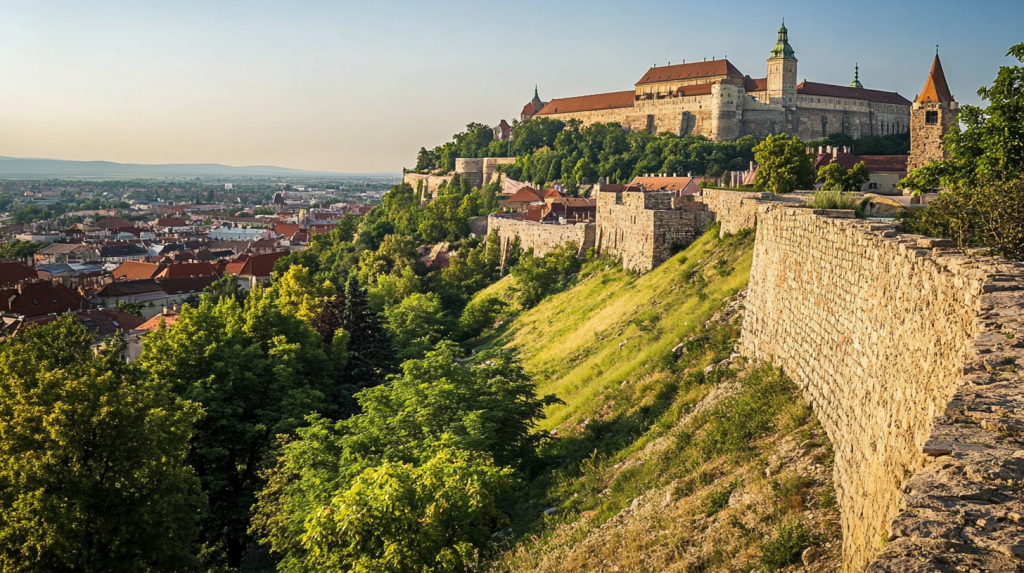
Clara: “Sophia, I still find it fascinating that Hungarian is so different from the languages spoken around here. Do you know much about where the Hungarians originally came from?"
Sophia: “Yes, actually. The Hungarian, or Magyar, people didn’t originally come from this region. Most scholars believe they migrated from the Ural Mountains, which is now in modern-day Russia, around the 9th century."
Clara: “That’s incredible! So, they were nomadic tribes who traveled across Eurasia?"
Sophia: “Exactly. They were part of a larger group of Uralic-speaking people. Over time, the Magyars migrated westward, moving through the steppes until they finally settled in the Carpathian Basin. They were skilled horsemen and warriors, which helped them conquer and establish themselves in the region."
Clara: “That would explain why their language is from the Uralic family rather than the Indo-European family that most Europeans speak. It must have been challenging to preserve their language and culture, surrounded by so many other linguistic influences."
Sophia: “It was. Despite centuries of contact with Slavic, Germanic, and Romance-speaking neighbors, they’ve held onto their language. The Magyar tribes were quite insular, and as they settled in the Carpathian Basin, they developed a strong cultural identity that helped preserve their language and traditions."
Clara: “It’s impressive. And I suppose being part of the Austro-Hungarian Empire also played a role in shaping modern Hungary, even though they managed to keep their language alive."
Sophia: “Yes, definitely. The empire brought many influences but also led to a stronger sense of Hungarian nationalism, particularly as people fought to retain their unique heritage. That desire to maintain their language and identity is a huge part of what makes Hungary so unique today."
Clara: “It’s fascinating how migration and adaptation can shape a nation’s identity so profoundly. It’s as if the Hungarian language itself is a piece of history, carrying the story of their journey across Eurasia."
Sophia: “Exactly. And visiting these historic sites, knowing all this, makes me appreciate their culture even more. It’s amazing to see how history and language are intertwined here."
匈牙利人的起源
Sophia 和 Clara 休息在俯瞰埃格爾的山坡上,欣賞著周圍的景色。她們的對話轉向馬扎爾人的起源,以及他們為什麼會遷徙到喀爾巴阡盆地。
Clara:「Sophia,我真的覺得匈牙利語和這裡其他語言如此不同很有意思。你對匈牙利人的起源有了解嗎?」
Sophia:「是的,其實匈牙利人,或者說馬扎爾人,並不是從這片區域來的。大多數學者認為他們大約在九世紀時從烏拉爾山脈,也就是現今的俄羅斯地區,遷徙而來。」
Clara:「太不可思議了!所以他們是從歐亞大陸遷徙過來的遊牧部落嗎?」
Sophia:「沒錯。他們是更大一群烏拉爾語系民族的一部分。隨著時間的推移,馬扎爾人向西遷移,穿越草原,最終定居在喀爾巴阡盆地。他們是技術高超的騎手和戰士,這幫助他們征服並在這片地區立足。」
Clara:「這解釋了為什麼他們的語言屬於烏拉爾語系,而不是大多數歐洲人使用的印歐語系。能在如此多的語言影響下保持語言和文化,這一定不容易。」
Sophia:「確實如此。儘管幾個世紀以來與斯拉夫、日耳曼和羅曼語系的鄰居接觸,他們始終保留了自己的語言。馬扎爾部落相對封閉,當他們在喀爾巴阡盆地定居後,發展出了一種強烈的文化身份,幫助他們保護自己的語言和傳統。」
Clara:「真令人欽佩。我想成為奧匈帝國的一部分也影響了現代匈牙利的發展,雖然他們還是成功保留了自己的語言。」
Sophia:「是的,沒錯。帝國帶來了許多影響,但也引發了更強的匈牙利民族意識,特別是當人們為保留自己獨特的文化遺產而奮鬥時。那種想要保持語言和身份的渴望,正是讓匈牙利在今天如此獨特的原因。」
Clara:「真有意思,遷徙和適應能如此深刻地塑造一個國家的身份。匈牙利語本身就像是一段歷史,承載著他們穿越歐亞大陸的故事。」
Sophia:「沒錯。了解了這些,再來參觀這些歷史遺跡,更讓我欣賞他們的文化。真是讓人驚嘆,歷史和語言在這裡交織在一起。」
A Reflection on Hungary’s Cultural Fusion
After leaving the castle, Sophia and Clara walk through the historic district of Eger, observing the people passing by. They notice the diversity in the locals’ appearances, sparking a discussion about Hungary’s long history of cultural blending.
Clara: “Sophia, I can’t help but notice the diversity in people’s appearances here. Do you think the Hungarian population has mixed with other ethnic groups over the centuries?"
Sophia: “Absolutely. While the original Magyar people came from the Ural region, Hungary has been a crossroads of Europe for centuries. They’ve had contact with Slavs, Germans, Turks, and even Italians and French. All of this led to a natural blending of ethnicities over time."
Clara: “That makes sense. So, would you say that Hungary’s population today is a mix of various European and even some Eastern traits?"
Sophia: “Yes, exactly. You can see it in their features—some Hungarians have darker, Mediterranean looks, while others have lighter, Central European traits. It’s like the country carries visual traces of its history and the people who passed through."
Clara: “And it’s not just about physical appearance, right? I imagine all this mixing influenced the culture too."
Sophia: “Very much so. Hungarian culture is a fascinating blend. For example, Turkish rule left a mark on Hungarian cuisine—like the use of paprika, which is now central to their dishes. Then, during the Habsburg period, they adopted some Austro-German influences in their architecture, music, and even etiquette."
Clara: “So it’s this combination of East and West, almost like a bridge between cultures. Does that affect their traditions and celebrations too?"
Sophia: “It does. For instance, Hungary has folk music that includes both traditional Magyar elements and influences from surrounding cultures. Their dances and costumes reflect a mix of regional styles. You’ll find similarities with Central European traditions, but with a uniquely Hungarian twist."
Clara: “It’s amazing how Hungary maintains its unique identity despite so much cultural blending. Even the language remains distinct."
Sophia: “Yes, that’s the truly remarkable part. Hungary’s language and core traditions have kept their identity intact. But at the same time, they’re open to influences, creating a culture that’s complex and rich with diversity."
探討匈牙利的文化交融歷史
Sophia 和 Clara 離開城堡後,走在埃格爾的歷史街區中,看著周圍人群來來往往,注意到當地人相貌的多樣性,這引發了她們對匈牙利長期以來文化融合的討論。
Clara:「Sophia,我注意到這裡的人長相非常多樣化。你覺得匈牙利人經過這麼多年是不是和其他民族混血了?」
Sophia:「確實如此。雖然最早的馬扎爾人來自烏拉爾地區,但匈牙利幾個世紀以來一直是歐洲的交匯點。他們與斯拉夫人、德國人、土耳其人,甚至意大利人和法國人都有接觸,這自然就導致了各種族間的融合。」
Clara:「這很有道理。所以可以說,今天的匈牙利人是歐洲各民族,甚至一些東方特徵的混合體?」
Sophia:「沒錯。你可以從他們的相貌中看出這種多樣性——有些匈牙利人長得偏地中海風格,而另一些則更像中歐特徵。這就像是這個國家承載了它歷史的視覺痕跡,以及曾經在這裡留下足跡的人們。」
Clara:「不僅僅是外貌吧?我想這些文化融合一定也影響了匈牙利的文化。」
Sophia:「非常影響。匈牙利文化是一個迷人的混合體。比如,土耳其的統治在匈牙利菜肴中留下了痕跡——像是紅椒的使用,現在已經成為匈牙利料理的核心。哈布斯堡時期的影響則體現在建築、音樂,甚至禮儀方面,他們吸收了一些奧地利和德國的風格。」

Clara:「所以匈牙利是東西文化的結合體,有點像一座橋。這樣的影響是否也體現在他們的傳統和節日上?」
Sophia:「確實如此。匈牙利的民間音樂包含了傳統馬扎爾元素以及周邊文化的影響。他們的舞蹈和服飾體現了各地區的風格。你可以看到與中歐傳統相似的地方,但又帶有獨特的匈牙利風格。」
Clara:「真是驚人,匈牙利能在如此多的文化融合中保持自己獨特的身份。甚至連語言都依然保持著獨立性。」
Sophia:「是的,這才是最了不起的地方。匈牙利的語言和核心傳統保留了他們的身份認同。同時他們也對外來影響持開放態度,這造就了一種複雜而豐富的多元文化。」
The migration of the Magyar people to the Carpathian Basin
Sophia and Clara are seated in a cozy restaurant in Eger, enjoying the local atmosphere. Their conversation turns to the origins of the Magyar people and the reasons behind their migration to the Carpathian Basin.

Clara: “Sophia, I’ve always wondered what the original Magyars were like before they settled here in Hungary. What can you tell me about them?"
Sophia: “The Magyars were actually a nomadic people, originally from the Ural Mountains region, near modern-day Russia. They were part of the Uralic language group and lived alongside other groups like the Finns and Estonians. Their society was quite unique for that time."
Clara: “Nomadic? So, did they rely on herding and horseback riding like other nomadic cultures?"
Sophia: “Exactly. The Magyars were skilled horsemen and archers. They relied heavily on horses for mobility, herding, and even warfare. They lived in small tribal groups, and their lifestyle was well-adapted to the open steppes and plains. They moved frequently, following pastures and resources."
Clara: “It sounds like they were very resourceful and adapted well to different landscapes. But why did they leave the Ural region?"
Sophia: “There are a few theories. Some historians think they were pushed out by stronger neighboring groups, like the Pechenegs or other Turkic tribes. Others believe they migrated to find new pastures and expand their territories. By the 9th century, they started moving westward, looking for lands with more stability and resources."
Clara: “So their migration wasn’t a quick journey. They must have traveled through many lands before arriving here."
Sophia: “Yes, it was a gradual process. They moved across the Eurasian steppes, facing both hostile and friendly tribes along the way. They passed through areas now known as Ukraine and the Carpathian Mountains, eventually reaching the Carpathian Basin in 895 AD. Here, they found fertile land, rivers, and natural defenses, which made it ideal for settlement."
Clara: “It’s interesting to think that the Magyar culture, which originally thrived on constant movement, ended up settling in a place where they could grow roots. Did they keep any of their nomadic traditions?"
Sophia: “Absolutely. Even after settling, the Magyars retained many aspects of their nomadic culture. They continued to value horsemanship and archery, and their early military tactics reflected their nomadic heritage. Some of their traditional folk music and clothing styles are said to have roots in their time on the steppes."
Clara: “It’s amazing how those origins still influence Hungary today. The fact that they managed to preserve their language, despite all the migrations and influences, is incredible."
Sophia: “It truly is. The Magyars’ journey and their ability to adapt are a big part of what makes Hungarian history so unique. And here we are, in a land shaped by their decision to settle."
馬札爾人遷徙到克爾巴阡盆地的原因
Sophia 和 Clara 坐在埃格爾一家溫馨的餐館中,享受著當地的氛圍。她們的對話轉向馬扎爾人的起源,以及他們為什麼會遷徙到喀爾巴阡盆地。

Clara:「Sophia,我一直很好奇,最早的馬扎爾人在定居匈牙利之前是什麼樣子?你可以給我講講他們的背景嗎?」
Sophia:「馬扎爾人其實是一個遊牧民族,最初來自烏拉爾山脈附近的地區,也就是現今的俄羅斯。他們屬於烏拉爾語系,與芬蘭人和愛沙尼亞人有語言上的聯繫。他們的社會結構在當時相當特別。」
Clara:「遊牧民族?那麼他們的生活應該依賴於畜牧和騎馬,像其他遊牧文化一樣?」
Sophia:「正是如此。馬扎爾人是技術高超的騎手和弓箭手。他們高度依賴馬匹,不僅用於移動,還用於放牧和戰爭。他們生活在小部落中,這種生活方式非常適合開闊的草原和平原。他們經常移動,追隨牧場和資源。」
Clara:「看來他們非常靈活,能適應不同的地形。但為什麼他們會離開烏拉爾地區?」
Sophia:「有幾種說法。一些歷史學家認為他們是被更強大的鄰近族群驅逐的,比如佩切涅格人或其他突厥部落。還有些人認為他們是為了尋找新的牧場和擴展領地。到了九世紀,他們開始向西遷徙,尋找更穩定和富饒的土地。」
Clara:「所以他們的遷徙不是短時間內完成的。他們在抵達這裡之前應該經歷了許多地方吧。」
Sophia:「是的,這是一個漸進的過程。他們穿越歐亞大草原,與沿途的敵對或友好的部落接觸。他們經過了現在的烏克蘭和喀爾巴阡山脈,最終在公元895年到達了喀爾巴阡盆地。這裡有肥沃的土地、河流和天然的防禦,非常適合他們定居。」
Clara:「很有意思,原本以遊牧文化為生的馬扎爾人,最終選擇在一個能夠扎根的地方定居。他們是否保留了一些遊牧的傳統?」
Sophia:「確實如此。即使在定居之後,馬扎爾人仍然保留了許多遊牧文化的元素。他們依然重視騎術和射箭,他們早期的軍事戰術也反映了遊牧的影響。他們的一些傳統民間音樂和服飾風格據說也源自於他們在大草原上的時期。」
Clara:「真是不可思議,那些起源至今仍然影響著匈牙利。能在經歷如此多的遷徙和文化影響下保留住自己的語言,真的是件了不起的事情。」
Sophia:「確實如此。馬扎爾人的遷徙和適應能力是匈牙利歷史中獨特的一部分。而我們現在就身處這片因他們的決定而成形的土地。」
當然,以下是關於匈牙利人祖先的DNA研究的對話,兩位學者可以探討現代科學如何通過基因組研究來揭示馬扎爾人遷徙的歷史和文化起源。
DNA Research on the Magyars
Clara: “Sophia, I wonder if there’s been any DNA research on the Magyars. It would be fascinating to see if genetics could confirm their migration routes or even reveal more about their origins."
Sophia: “Actually, there has been some recent DNA research on the Magyars. Geneticists have examined ancient remains found in Hungary and other parts of Europe to trace the origins of the early Magyar tribes. It’s fascinating how much science can tell us about history!"
Clara: “So, were they able to confirm that the Magyars came from the Ural Mountains region?"
Sophia: “Yes, DNA evidence does support that theory. Genetic markers have shown similarities between ancient Magyar samples and modern Uralic-speaking populations, particularly those in the Ural Mountains and parts of Siberia. This supports the idea that they came from a region further east."
Clara: “That’s incredible! I imagine this could also help trace the routes they took during their migration. Could they identify any specific stops along the way?"
Sophia: “Yes, some researchers believe that the DNA evidence suggests certain stops in the Eurasian steppes. There are traces of genetic mixing with Turkic and Slavic populations, which aligns with historical accounts that the Magyars interacted with these groups as they moved westward."
Clara: “So, the DNA actually reflects their encounters and blending with other cultures. That must have been a complex journey, culturally and genetically."
Sophia: “It really was. And it’s amazing how even after centuries of mixing, some distinct genetic markers of the Magyar people remain. It tells a story of resilience and adaptation. They blended with local populations but also preserved a unique cultural and genetic identity."
Clara: “And today’s Hungarians carry that legacy in their DNA, almost like a living record of the Magyar journey. It’s so intriguing to think that modern science can give us insights that historical records alone couldn’t."
Sophia: “Exactly. The combination of DNA research with archaeology and historical studies gives us a much fuller picture. It’s like a puzzle coming together, and every piece adds depth to the story of the Magyars."
針對馬札爾人的 DNA 研究
Clara:「Sophia,我在想,有沒有什麼DNA研究針對馬扎爾人?看看基因學是否能確認他們的遷徙路線,甚至揭示更多關於他們起源的資訊。」
Sophia:「其實最近有一些針對馬扎爾人的DNA研究。基因學家研究了匈牙利和歐洲其他地方發現的古代遺骸,以追溯早期馬扎爾部落的起源。科學在揭示歷史方面真是讓人驚嘆!」
Clara:「所以,他們能夠確認馬扎爾人來自烏拉爾山脈地區嗎?」
Sophia:「是的,DNA證據確實支持這個理論。基因標記顯示古代馬扎爾樣本與現代烏拉爾語系人群,特別是烏拉爾山脈和西伯利亞部分地區的人群有相似性,這支持了他們來自更東部地區的說法。」
Clara:「太不可思議了!我想這也有助於追溯他們遷徙過程中的路線。他們能辨認出遷徙過程中的特定停留地點嗎?」
Sophia:「是的,一些研究人員認為DNA證據顯示他們在歐亞草原上的某些停留地點。還發現他們與突厥和斯拉夫人群有基因混合,這與歷史記載中他們向西遷徙時與這些族群的互動相符。」
Clara:「所以,DNA其實反映了他們與其他文化的接觸和融合。這段旅程在文化和基因上都相當複雜。」
Sophia:「確實是。令人驚嘆的是,儘管經過了幾個世紀的混合,一些馬扎爾人的獨特基因標記依然存在。這講述了堅韌和適應的故事。他們與當地人融合,但也保留了獨特的文化和基因身份。」
Clara:「現代匈牙利人今天在DNA中攜帶著這份遺產,就像馬扎爾人旅程的活生生的記錄。想到現代科學能帶來這些歷史記錄無法提供的見解,真是有趣。」
Sophia:「完全同意。DNA研究與考古學和歷史研究相結合,讓我們看到更完整的圖景。這就像拼圖,每一塊都增加了馬扎爾人故事的深度。」
Exploring Hungary’s Culinary Heritage in Eger
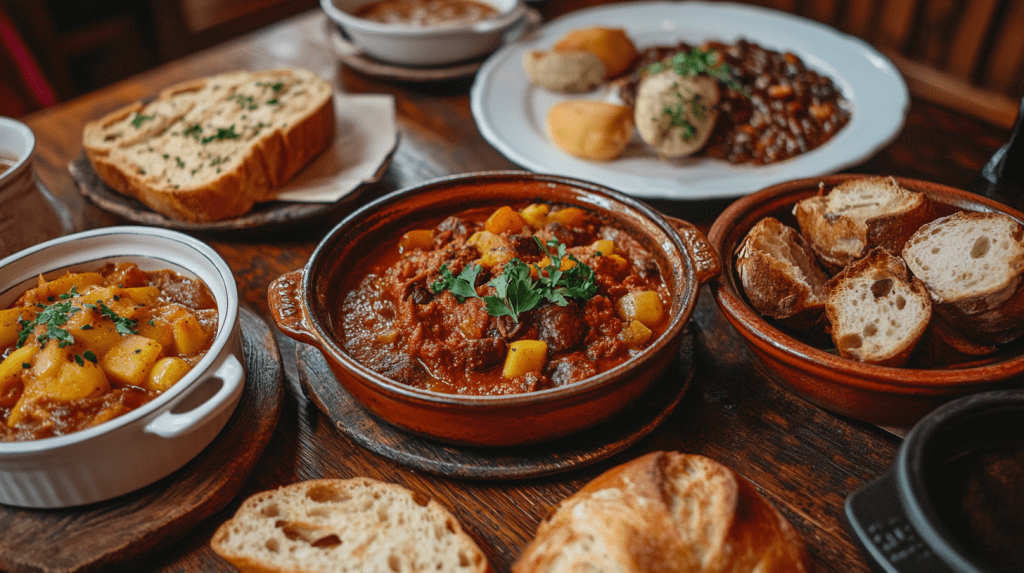
Sophia and Clara are seated in a cozy restaurant in Eger, with a table full of traditional Hungarian dishes. As they enjoy the meal, they discuss the deeper cultural significance behind Hungarian cuisine.
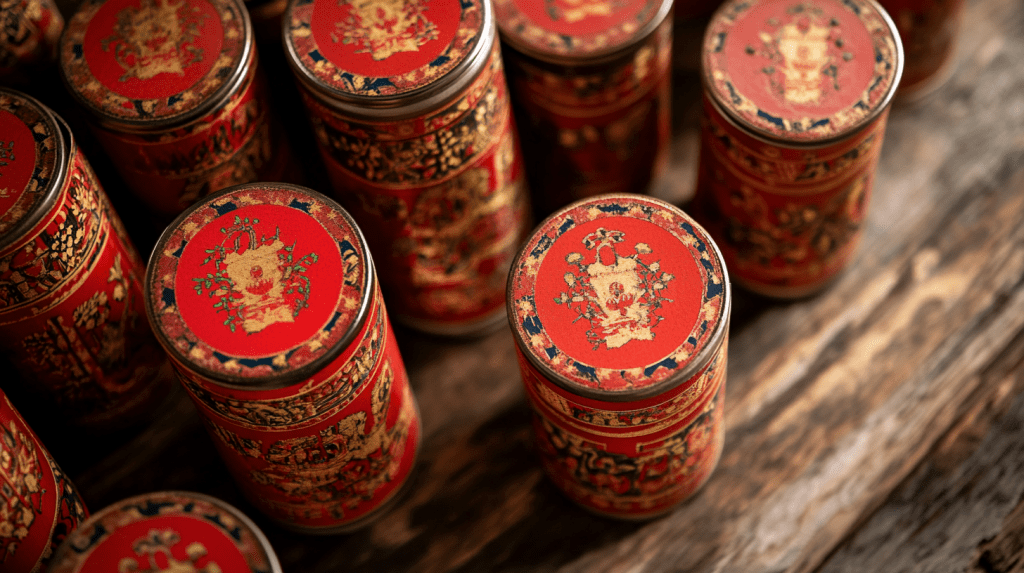
Sophia: “Clara, have you noticed how much paprika they use in these dishes? I’ve read that it became a staple in Hungarian cuisine during the Ottoman occupation. Before that, spices like black pepper were more common, but they eventually replaced them with paprika."
Clara: “That’s fascinating. It’s like paprika has become part of their national identity. I wonder if that’s why goulash, with its rich paprika base, is so iconic here. It’s almost like each spoonful carries centuries of history."
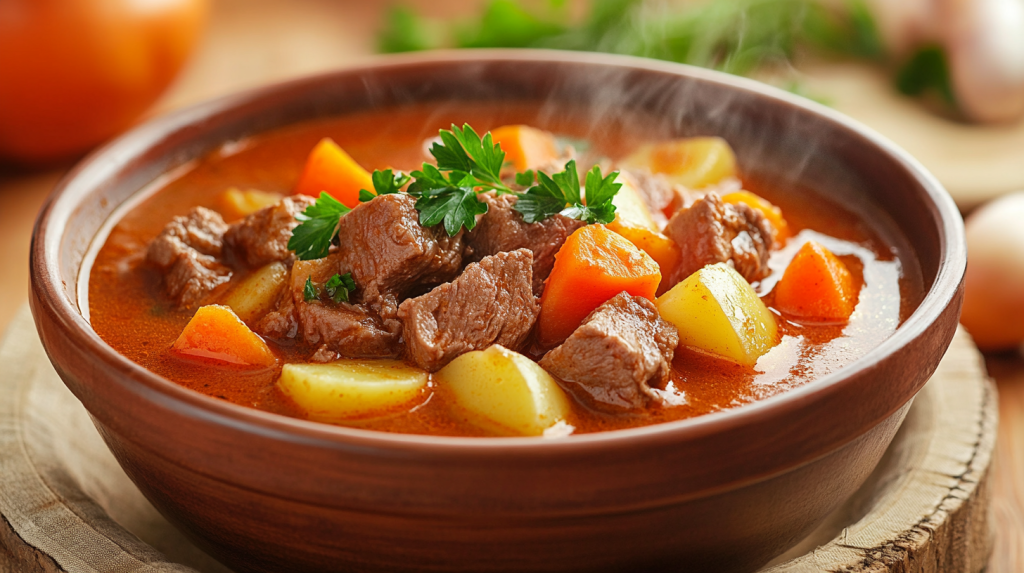
Traditional Hungarian goulash
Sophia: “Exactly. And what’s interesting is how each region in Hungary has a slightly different take on goulash. Here in Eger, they seem to add more onions to make it a bit sweeter and richer. In other regions, you might find it spicier or with different vegetables."
Clara: “Yes, and this ‘hortobágyi palacsinta’—the stuffed pancake with meat. I read that it’s not as old as we might think; it actually became popular in the 20th century. But it’s become almost symbolic of Hungarian hospitality, blending tradition with creativity."

Sophia: “True. It reminds me of how food traditions evolve. Even though dishes like this one are relatively new, they somehow feel timeless because they use flavors and ingredients deeply rooted in the culture."
Clara: “And the dumplings we’re having—they’re simple, but the technique seems refined. Each one is soft but holds together perfectly. You can see that Hungarian cuisine isn’t just about flavor; it’s also about texture and balance."
Sophia: “Definitely. The sourdough bread, too. Its dense, rustic texture is perfect for absorbing the sauces. I feel like every aspect of the meal is designed for warmth and sharing, even the bread."
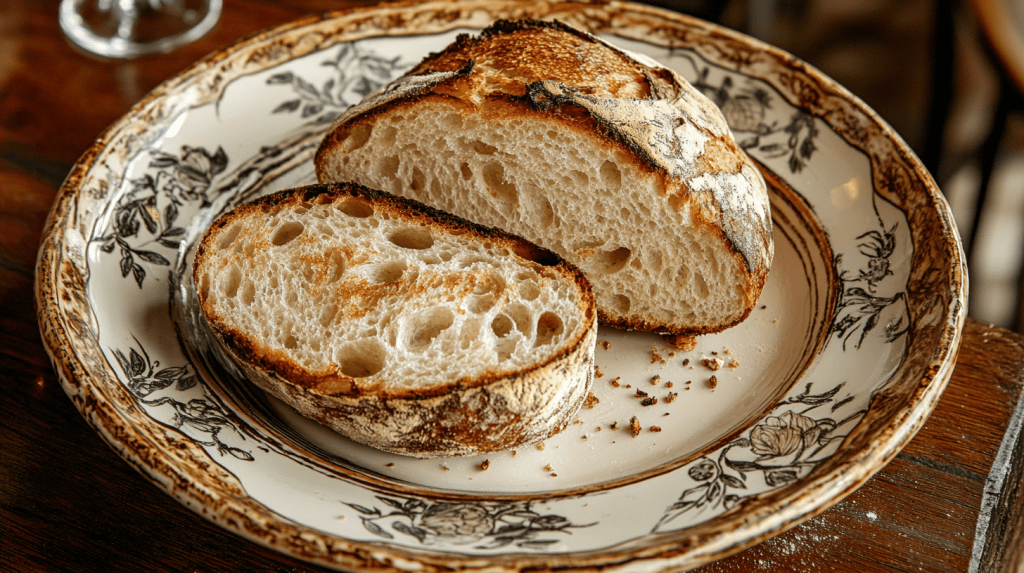
Sourdough bread
Clara: “Hungarian cuisine really captures a sense of resilience and adaptation. Imagine how they preserved their culinary identity through different empires and influences, like the Ottomans, Austrians, and even modern influences. Each dish seems to tell a story of survival and cultural blending."
Sophia: “And to think we’re experiencing it here, in a historic town like Eger. The flavors, the setting—it’s like we’re not just tasting food; we’re tasting history."
Clara: “Exactly. It makes me appreciate the layers of culture and tradition that go into each dish. Hungarian cuisine isn’t just food; it’s a legacy passed down on every plate."
匈牙利的飲食
Sophia 和 Clara 坐在埃格爾一家溫馨的餐館中,桌上擺滿了幾道匈牙利的傳統美食。她們邊享用邊討論匈牙利飲食文化背後的深層意義。
Sophia:「Clara,你有注意到這些菜裡用了多少紅椒粉嗎?我讀到說,紅椒粉是在奧斯曼帝國佔領匈牙利時成為飲食的一部分。在那之前,黑胡椒等香料更為常見,但後來被紅椒粉取代了。」
Clara:「真有意思。紅椒粉幾乎成為了匈牙利的國家象徵。我想這就是為什麼像這道濃郁的紅椒燉牛肉(goulash)會如此經典吧。每一口好像都在講述幾百年的歷史。」
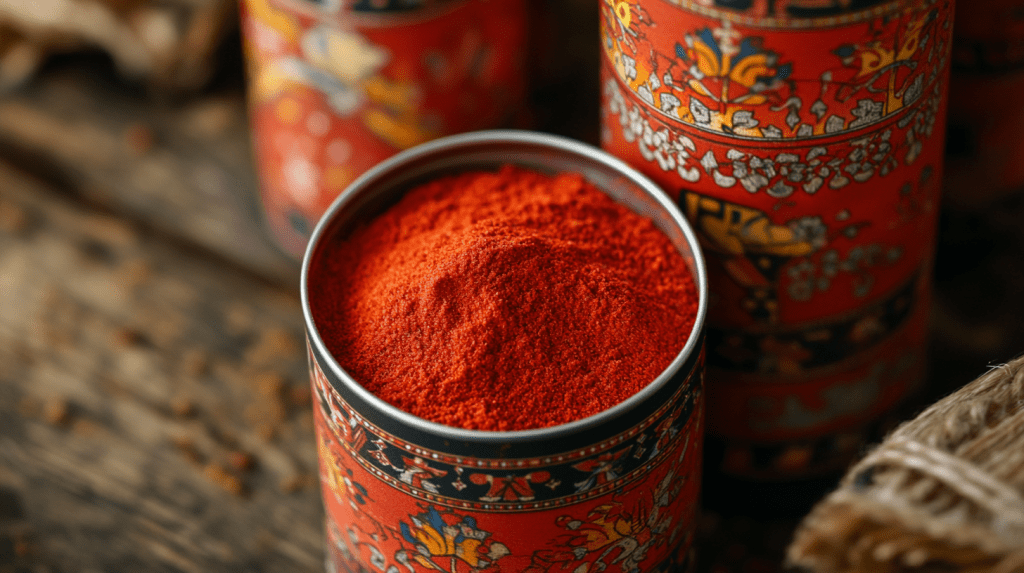

Sophia:「沒錯。而且有趣的是,匈牙利的每個地區對燉牛肉的做法都有所不同。在埃格爾這邊,他們好像會多加一些洋蔥,讓味道更甜、更濃厚。在其他地區,你可能會吃到更辣的版本,或者配上不同的蔬菜。」
Clara:「是啊,還有這道‘霍爾托巴吉薄餅’(hortobágyi palacsinta),裡面夾著肉餡。據我所知,這道菜並沒有我們想像的那麼古老,它其實在20世紀才開始流行。但它已經成為匈牙利熱情好客的象徵了,傳統中帶著創意。」
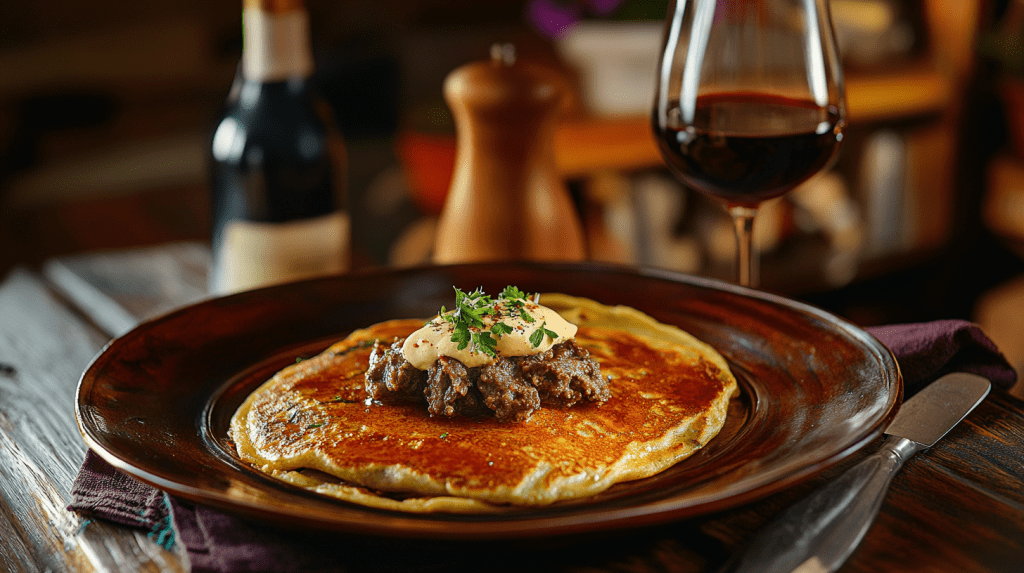
‘霍爾托巴吉薄餅’(hortobágyi palacsinta)
Sophia:「沒錯。這讓我想到,飲食傳統是如何演變的。即使這些菜相對較新,但因為使用了傳統食材和風味,吃起來還是有一種跨越時間的感覺。」
Clara:「還有這些小麵團,雖然簡單,但做法精細。每一顆都鬆軟卻不會散開。可以看出匈牙利料理不僅僅追求味道,也重視口感和平衡。」
Sophia:「確實。還有這種酸麵包。它的質地紮實而質樸,特別適合用來吸收湯汁。我感覺整頓飯的設計都很注重溫暖和分享的感覺,連麵包都不例外。」
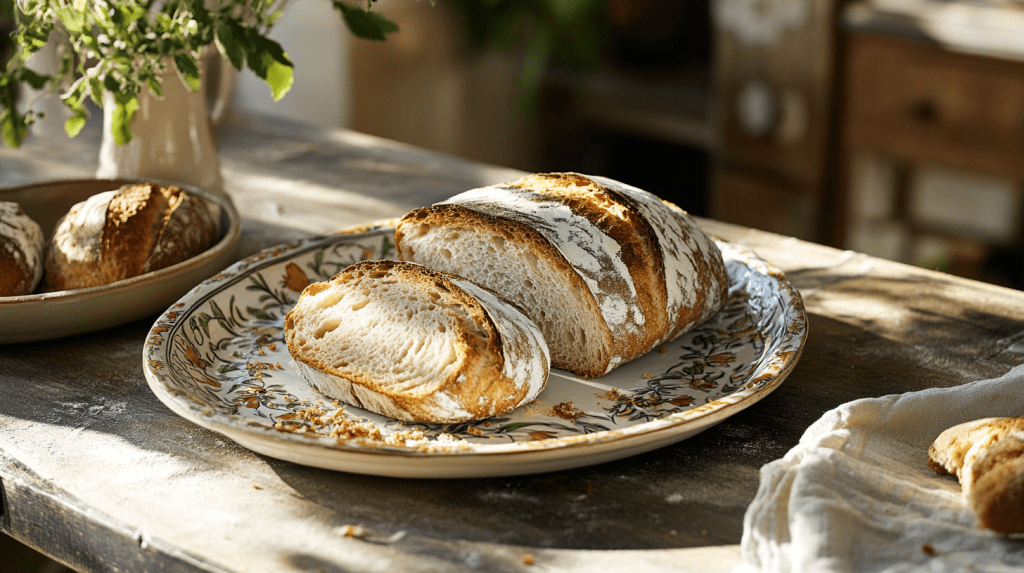
酸麵包
Clara:「匈牙利料理真的能讓人感受到一種韌性和適應性。想像一下,他們如何在歷經不同帝國和影響下保持自己的飲食身份,比如奧斯曼、奧地利,甚至現代影響。每道菜似乎都在講述著文化融合和延續的故事。」
Sophia:「而且,這一切我們都在埃格爾這樣的歷史小鎮裡品味著。這些風味、這樣的氛圍——好像我們不僅僅是在品嚐食物,而是在品味歷史。」
Clara:「的確。這讓我更珍惜每一道菜中所蘊含的文化和傳統。匈牙利料理不僅僅是食物,它更像是一種代代相傳的遺產。」

 Virtual Travel | 虛擬旅行沉浸式英語學習
發表留言