
Scene 1: At the Visegrád Castle Overlook
Setting: Sophia and Clara stand on the overlook at Visegrád Castle, taking in the sweeping view of the Danube Bend. Observing the unique curve of the river in this region, they discuss the area’s historical and strategic significance.
Sophia: “Did you know that this bend in the Danube has served as a natural defensive line for Hungary for centuries? The river curves sharply here, forcing any advancing forces to slow down."
Clara: “Exactly. This natural barrier was crucial, especially during the Ottoman period. The high and varied terrain on both sides of the river made it difficult to cross and allowed defenders a clear vantage point to observe any approaching enemy."
Sophia: “From a geographical perspective, this bend almost acts like a twisted chain. Imagine enemy troops trying to move along this curved landscape—they’d be much slower and more exposed to attack. That’s why Visegrád was an ideal location for a defensive stronghold."
Clara: “And these ancient castle ruins we’re standing in were built for precisely that reason. The Kingdom of Hungary recognized the importance of this strategic location as far back as the 13th century and started reinforcing its defenses. Visegrád Castle wasn’t just a royal symbol; it was the key to controlling the Danube."
Sophia: “The Danube also provided water for the troops stationed here, sustaining them for extended periods. So, the river wasn’t only a defensive barrier but also a lifeline. During the Ottoman era, Hungarian soldiers held back enemy forces here, slowing their advance toward Buda."
Clara: “The Hungarian Kingdom was right on the boundary between Europe and the Ottoman Empire at the time, so the defensive pressure was immense. In that era, the Danube Bend functioned a bit like China’s Great Wall, using terrain to slow and disperse invading forces."
Sophia: “And after the Ottoman retreat, the Habsburgs strengthened the defenses here, bringing the Danube Bend under Austrian control. It became a critical border defense for the Austro-Hungarian Empire, protecting not only from external threats but also controlling trade routes."
Clara: “It’s fascinating to think of this place as a meeting point for multiple historical periods. From medieval Hungary to the Ottoman Empire, and later the Austro-Hungarian Empire—each ruler relied on this terrain to protect their borders."
Sophia: “Exactly. Each era brought its own defensive needs, but the geographic advantage of the Danube Bend remained constant. It was a natural barrier and a hub for military and trade routes alike. This geography supported the defensive strategies of the Hungarian Kingdom and became part of the historical memory of the people here."
第一段:在維謝格勒城堡的觀景平台
Setting: Sophia 和 Clara 站在維謝格勒城堡的觀景平台上,俯瞰著多瑙河的壯麗曲流。她們注意到河道在這一地區的特殊彎曲形態,討論著這裡的歷史戰略意義。
Sophia: 「你知道嗎?多瑙河曲流區這樣的地形,其實在幾個世紀以來都是匈牙利的天然防線。河流在這裡形成一個大弧形,讓入侵者的行軍速度大大減緩。」
Clara: 「確實。這種曲流形成了自然屏障,特別是在防禦奧斯曼帝國的時期,這裡至關重要。河流兩岸的地勢高低起伏,不僅難以穿越,還能居高臨下地觀察入侵軍隊的動向。」
Sophia: 「從地理的角度來看,這裡的曲流像是一道彎曲的鎖鏈。想像一下,敵軍需要在這個彎曲的地形上行軍,會非常緩慢,還容易被包圍。這也讓維謝格勒成為了理想的防禦據點。」
Clara: 「而且,我們現在看到的這些古老城堡遺址正是因為這個原因而建立的。匈牙利王國在13世紀就意識到這個戰略位置的重要性,於是開始加強防禦工事。維謝格勒城堡不僅是王室的象徵,更是控制多瑙河的關鍵。」
Sophia: 「多瑙河也為這裡的防禦提供了水源,支撐了長期駐守的軍隊。可以說這條河不僅是戰略屏障,更是一條生命線。奧斯曼帝國時期,匈牙利士兵曾在這裡阻擋敵軍,減緩他們向布達的推進。」
Clara: 「當時的匈牙利王國正處於歐洲與奧斯曼帝國的交界地帶,這裡的防禦壓力可想而知。多瑙河曲流區在那個時代的作用,甚至有點類似中國的長城,都是利用地勢來延緩和分散敵軍。」
Sophia: 「而在奧斯曼帝國撤退之後,哈布斯堡王朝也在這裡加強了防禦,將多瑙河曲流區納入了奧地利的控制範圍。這裡逐漸成為奧匈帝國邊境的重要防線,不僅防禦外敵,也控制著貿易路線。」
Clara: 「這樣看來,這片曲流區是匈牙利歷史上多個時期的交會點——從中世紀的匈牙利王國到奧斯曼帝國,再到奧匈帝國,每個時代的統治者都依賴這個地形來守護邊境。」
Sophia: 「沒錯,每個時代的防禦需求都不一樣,但多瑙河曲流的地理優勢始終如一。它既是天然屏障,又是軍事與貿易的交通要道。這種地理條件為匈牙利王國的防禦戰略提供了支持,也成為了當地人歷史記憶的一部分。」
Gardens of Tradition
Sophia and Clara stroll through the town of Szentendre. They reach a spot where they can see local residents’ gardens and, in the distance, the Danube, observing the plants and flowers that fill these quaint spaces.

Sophia: “These little yards are so charming, and it’s clear the locals really value their gardens. Look over there; that yard is filled with herbs, probably ones commonly used in Hungarian cooking."
Clara: “Yes, I see thyme, rosemary, and marjoram. These herbs are popular here for cooking, and their scents bring such life to the space. Hungarian families also often grow mint and chamomile for tea—it’s a practical and comforting choice."
Sophia: “Really? There’s something so peaceful and down-to-earth about this kind of self-sufficient way of life. And look at that cherry tree—it must be full of fruit every spring. I can imagine the whole family harvesting together."
Clara: “Exactly. Many Hungarian yards have cherry and plum trees, and they use the fruit to make jams that last through the winter. It’s a wonderful tradition."
Sophia: “And the flowers—they’re so vibrant and full of life. I see geraniums and lavender over there. They’re beautiful and also attract bees and butterflies."
Clara: “Yes, geraniums and lavender are typical here—not only for decoration but for their uses as well. Lavender helps keep bugs away, and the scent of geraniums adds charm to the garden. You’ll also often find sunflowers and cornflowers in Hungarian gardens. Sunflowers are a symbol of vitality, and cornflowers, being the national flower, hold a special place."
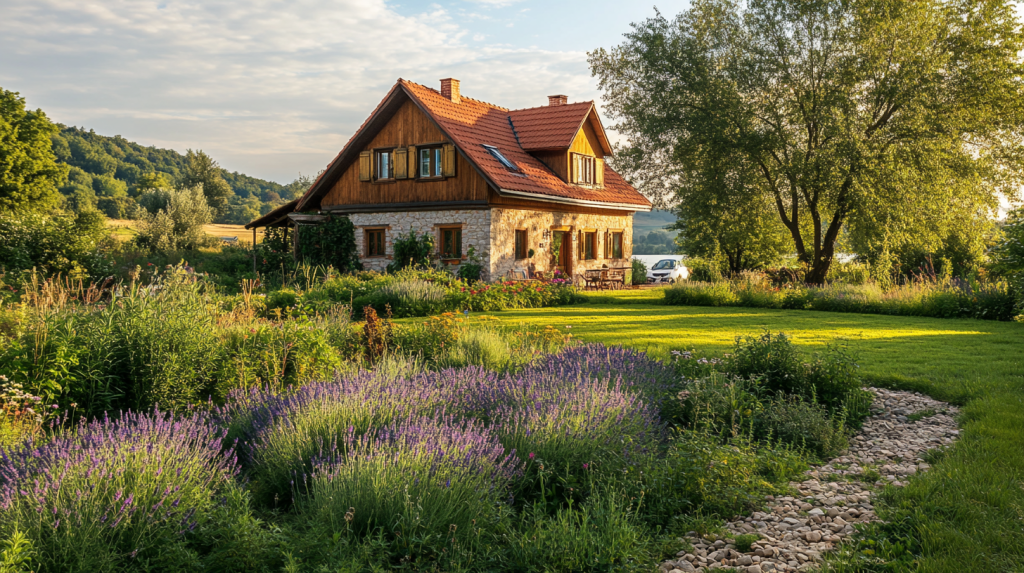

Sophia: “This gives me such an appreciation for their way of life. They don’t just grow plants for beauty; they also value practicality. And look, the vegetable garden has tomatoes, peppers, and cucumbers—essential ingredients in their daily meals."
Clara: “Absolutely. These vegetables are at the heart of Hungarian cuisine. Peppers, especially red ones, are essential in so many traditional dishes. Having a vegetable garden allows them to have fresh ingredients at hand, and kids often get involved in planting and learning about nature."
Sophia: “It’s a lifestyle that feels both relaxing and meaningful. Their close interaction with nature encourages them to value the land and fosters a sense of self-sufficiency."
Clara: “And these gardens and vegetable patches have become part of family traditions. Every generation has planted and harvested on this land. Their gardens are not only a food source but a way to pass down culture."

傳統的花園:多瑙河畔匈牙利的鄉村生活
Sophia 和 Clara 漫步在聖安德烈小鎮的街道中。她們來到一處可以看到當地居民的庭院和遠處的多瑙河,觀察著當地的花園和菜園。

Sophia: “這些小院子真是可愛,而且看得出當地人非常珍惜他們的花園。你看,那邊的院子裡種滿了香草,應該是匈牙利人常用的藥草吧。"
Clara: “是的,那裡應該有百里香、迷迭香和馬鬱蘭。這些香草在匈牙利料理裡經常用來調味,而且它們的香氣讓院子充滿了生活氣息。匈牙利的家庭還會種薄荷和洋甘菊,用來泡茶,很有實用價值。"
Sophia: “真的嗎?這樣簡單的自給自足方式讓人覺得很安靜、很實在。你看那棵櫻桃樹,應該是每年春天結滿果實吧,讓人不禁聯想到家庭一起收穫的畫面。"
Clara: “是啊,匈牙利的院子裡經常會有櫻桃樹和李子樹,這些果實可以用來製作果醬。這裡的人會在每年夏季收成後自製果醬,滿足整個冬天的需求。"
Sophia: “還有這些花,很多都非常豐富多彩,充滿活力。你看,那邊有一排天竺葵和薰衣草,它們不僅漂亮,還能吸引蜜蜂和蝴蝶。"
Clara: “是的,天竺葵和薰衣草是這裡的特色花卉,既美觀又實用。薰衣草常被用來驅蟲,而天竺葵的香氣也能增添花園的魅力。匈牙利的花園裡還經常能見到向日葵和矢車菊,向日葵象徵著活力,而矢車菊是匈牙利的國花,特別具有代表性。"

Sophia: “這讓我更了解這裡的生活方式。他們不僅欣賞植物的美,更注重它們的實用性。就像那個菜園裡還種了西紅柿、辣椒和黃瓜,看來這些都是他們日常飲食中不可缺少的食材。"
Clara: “沒錯,這些蔬菜的確是匈牙利菜中的主角。像辣椒,尤其是紅椒,是許多傳統匈牙利菜的靈魂調味料。小院裡的菜園讓他們在日常生活中可以享用新鮮的食材,甚至還能讓小孩子參與種植,學習自然知識。"
Sophia: “這樣的生活方式讓人覺得放鬆且富有意義。與自然的互動讓這裡的人更能珍惜土地,也培養出一種自給自足的精神。"
Clara: “而且這樣的花園和菜園已經成為他們家庭傳統的一部分了。每一代人都在這片土地上種植、收穫,這裡的花園和菜園不僅僅是食物的來源,更是文化的延續。"
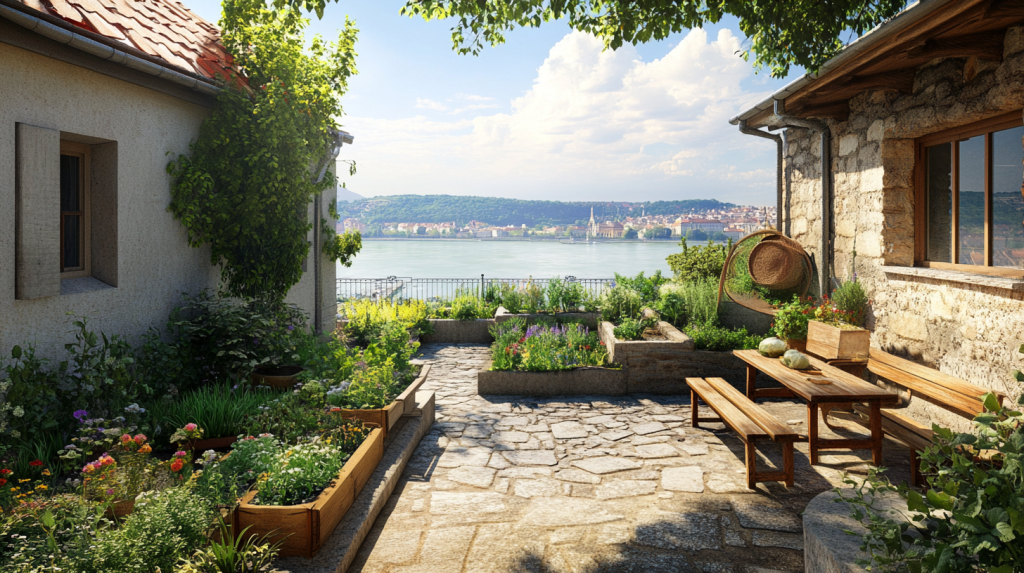
Exploring Hungary’s Market Treasures
Sophia and Clara explore a Hungarian market, engaging in conversations with vendors selling paprika, honey, and pottery. They immerse themselves in the local lifestyle through these interactions.

Sophia: “This paprika smells amazing! Is it freshly ground?"
Vendor: “Yes, just ground. It’s our family recipe—paprika is the soul of Hungarian cooking. You can smell that mild sweetness from the slow roasting process."
Clara: “The sweetness is really unique. People often think paprika just means ‘spicy,’ but the flavor varies so much. You offer sweet, mild, and hot varieties, right?"
Vendor: “Exactly. Our main variety is sweet paprika, which is perfect for stews, especially beef goulash. The mild and hot ones are for those who prefer a stronger kick."
Sophia: “And I see you have different types of honey here, too. The colors vary quite a bit. Are they harvested in different seasons?"
Vendor: “That’s right. Some are from spring, some from autumn. Spring honey is lighter in taste, while autumn honey has a darker color and a bit of a nutty flavor. The bees collect nectar from different flowers in each season, which gives each honey its unique character."
Sophia: “That’s fascinating. It’s like each jar captures a season. And I imagine the darker honey pairs well with cheeses or spreads?"
Vendor: “Exactly! Many locals enjoy it that way. The lighter honey is popular for tea, while the darker honey adds depth to savory dishes and pastries. Every family here has their favorite way to use it."
Clara: “And it’s nice to see that traditional ways of producing honey are still valued. This market feels like such a connection to the land and its cycles."
Vendor: “Yes, absolutely. We try to preserve these old methods, not only for the taste but because it respects nature’s pace. It’s a way to honor the land that provides for us."
In the market, Sophia and Clara are drawn to a stall displaying exquisite embroidery. The vendor enthusiastically introduces them to various embroidery patterns and techniques.
Sophia: “These patterns are so intricate! Are they traditional Hungarian designs?"


Vendor: “Yes, they are. Each region in Hungary has its own embroidery style, with unique colors and motifs. For example, the Kalocsa region is famous for its vibrant floral designs with bold reds and blues."
Clara: “I can see the floral motifs—these look like cornflowers and tulips, right? The colors are so vivid. Do you use any special dyes?"
Vendor: “Yes, the colors are traditionally made with natural dyes, though nowadays some use synthetic ones for durability. The cornflower and tulip are indeed common, as they represent Hungary’s connection to the land and nature."
Sophia: “And these patterns…they almost look symbolic. Do they carry any specific meanings?"
Vendor: “They do. Many of these motifs symbolize happiness, love, and prosperity. For instance, the tulip is often seen as a symbol of protection and love, while the heart motif represents unity and family bonds."
Clara: “It’s amazing how much meaning is embedded in these designs. Are these techniques passed down within families?"
Vendor: “Absolutely. Many families have been doing this for generations. Mothers teach their daughters, who then pass it on. It’s a way to keep our heritage alive. Some of these pieces can take weeks, even months, to finish, especially the ones with very detailed stitching."
Sophia: “I can imagine. The stitching is so fine. It must require a lot of patience and skill."
Vendor: “It does. It’s a labor of love, really. Each piece tells a story—not just of the pattern but of the hands that crafted it. These aren’t just decorative; they’re part of our identity."
Clara: “Thank you for sharing that with us. Seeing these pieces, understanding their history…it feels like a window into Hungary’s soul."
Vendor: “I’m glad to hear that. For us, embroidery is more than an art form—it’s a way to honor our ancestors and express our pride in our culture."
探索匈牙利市場的珍寶
Sophia 和 Clara 來到匈牙利市集,開始與賣紅椒粉、蜂蜜和陶瓷器的攤主交流,了解當地生活的真實面貌。

Sophia: 「這紅椒粉真香,我猜這是剛磨好的?」
攤主: 「對,剛磨好的。這可是我們家祖傳的調配法呢!匈牙利的菜大多靠這紅椒粉提味。您可以聞到這種甜香,這可是經過慢烘後的效果。」
Clara: 「這樣的甜香確實很特別。很多人覺得紅椒就是辣,其實不同品種的味道差異非常大。這紅椒粉還分甜、微辣和特辣三種對吧?」
攤主: 「沒錯,我們家主打的是甜紅椒,特別適合燉菜,尤其是牛肉湯。微辣和特辣的紅椒粉也是我們這裡的特色,適合那些喜歡刺激味道的人。」
Sophia: 「我還看到這些蜂蜜,看來不同的蜂蜜有不一樣的色澤,是不同季節採集的嗎?」
攤主: 「對了,有的蜂蜜是春天採的,有的是秋天。春天的蜂蜜比較清淡,秋天的則顏色深一點,帶點堅果味,因為那時候蜜蜂採的是深色花蜜。」
Clara: 「這種堅果味道還真是新鮮。我想這是當地的特色,能讓蜂蜜口感更加多層次。」
攤主: 「是的,這可是大自然給的禮物。還有這些陶瓷,這些藍白花紋是我們匈牙利特有的設計風格,每一片都是手工繪製,通常用來裝紅椒粉或者蜂蜜。」
在匈牙利市場上,Sophia 和 Clara 被一個展示著精美刺繡的攤位吸引,攤主熱情地介紹著不同的刺繡圖案和手工技藝。
Sophia: 「這些圖案真是細緻!這是傳統的匈牙利設計嗎?」
攤主: 「是的,每個匈牙利地區都有自己獨特的刺繡風格和圖案。比如說,Kalocsa 地區以鮮豔的花卉設計而聞名,常用明亮的紅色和藍色。」
Clara: 「我看到了這些花卉圖案——這些像是矢車菊和鬱金香對吧?顏色那麼鮮豔,你們是用特殊的染料嗎?」
攤主: 「是的,這些顏色傳統上是用天然染料製成的,不過現在也有一些使用合成染料以增加耐久性。矢車菊和鬱金香的確很常見,象徵了匈牙利與大自然的連結。」
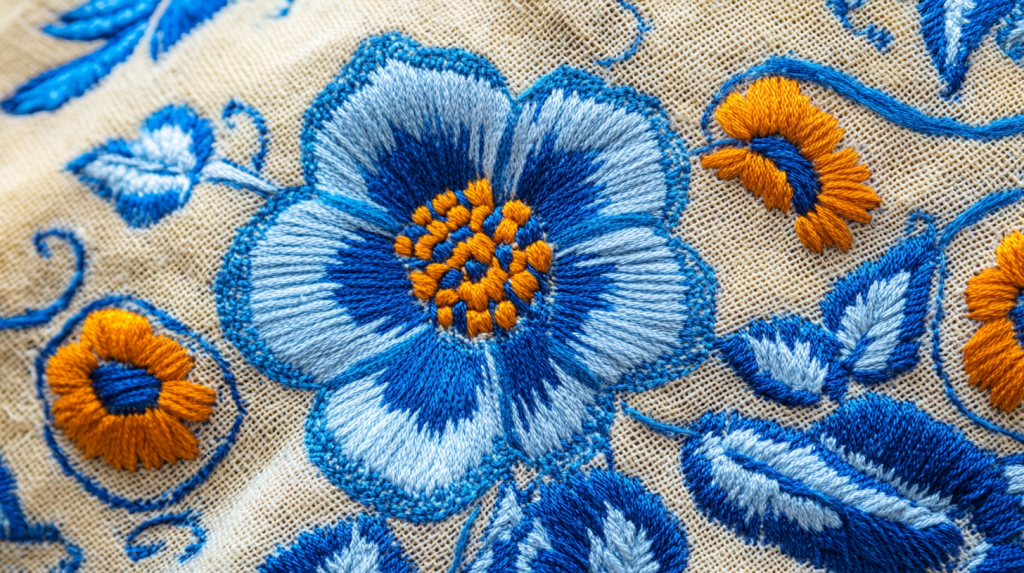
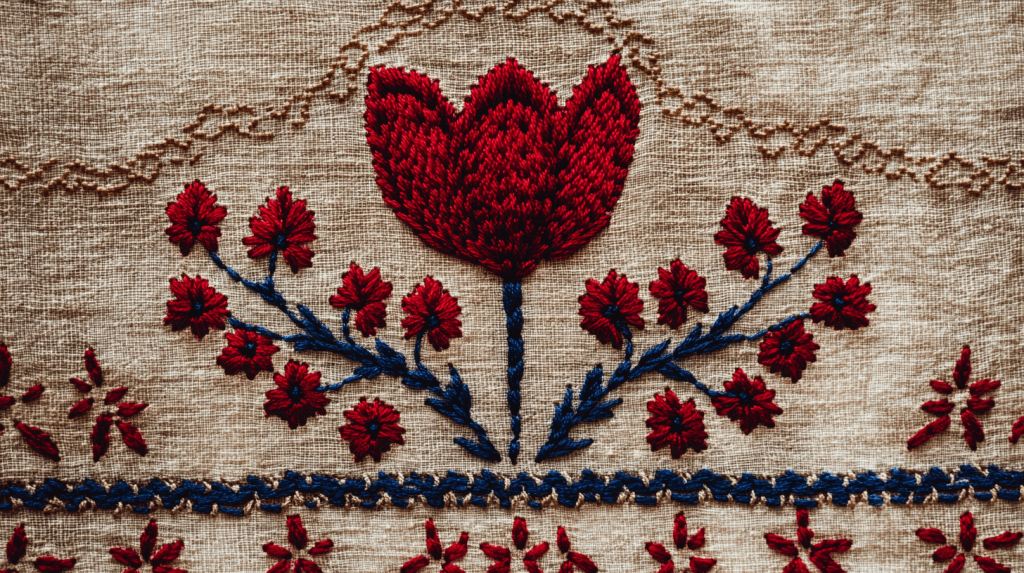
Sophia: 「這些圖案看起來像是有特殊意涵的。它們有什麼特定的象徵意義嗎?」
攤主: 「有的,這些圖案通常象徵著幸福、愛和繁榮。例如,鬱金香通常被視為保護和愛的象徵,而心形圖案則代表著團結和家庭的連結。」
Clara: 「這麼多的意義都融入了這些設計中,真是讓人驚嘆。這些技藝是家族之間代代相傳的嗎?」
攤主: 「沒錯,很多家庭已經做這個幾代人了。母親教女兒,女兒再傳給下一代,這也是保持我們傳統的一種方式。有些精細的作品甚至需要幾週甚至幾個月才能完成。」
Sophia: 「我可以想像得到,這些針法太精細了。一定需要極大的耐心和技藝。」
攤主: 「的確如此,這是一種愛的勞動。每一件作品不僅訴說著圖案的故事,也訴說著製作它的人的故事。這些刺繡不僅僅是裝飾,它們是我們身份的一部分。」
Clara: 「謝謝你與我們分享這些。看到這些作品,瞭解它們的歷史……感覺就像看到了匈牙利的靈魂。」
攤主: 「聽你這麼說我很高興。對我們來說,刺繡不僅是一種藝術形式,更是對我們祖先的敬意,也是對我們文化的自豪表達。」
Discovering Life Along the River
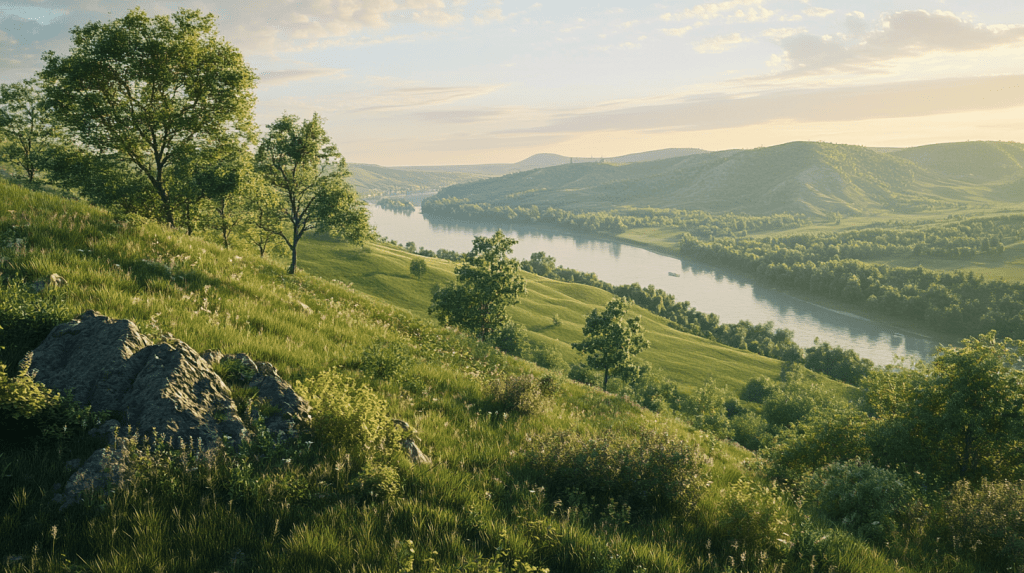
After finishing their tour of the market, Sophia and Clara take a quiet path down to the Danube, where they find a peaceful spot to sit and admire the river and the surrounding countryside. They continue their conversation from the market, naturally discussing the details of everyday life.
Sophia: “Talking to the vendors about the paprika and honey was really fascinating. I feel like these simple things are all nourished by the Danube."
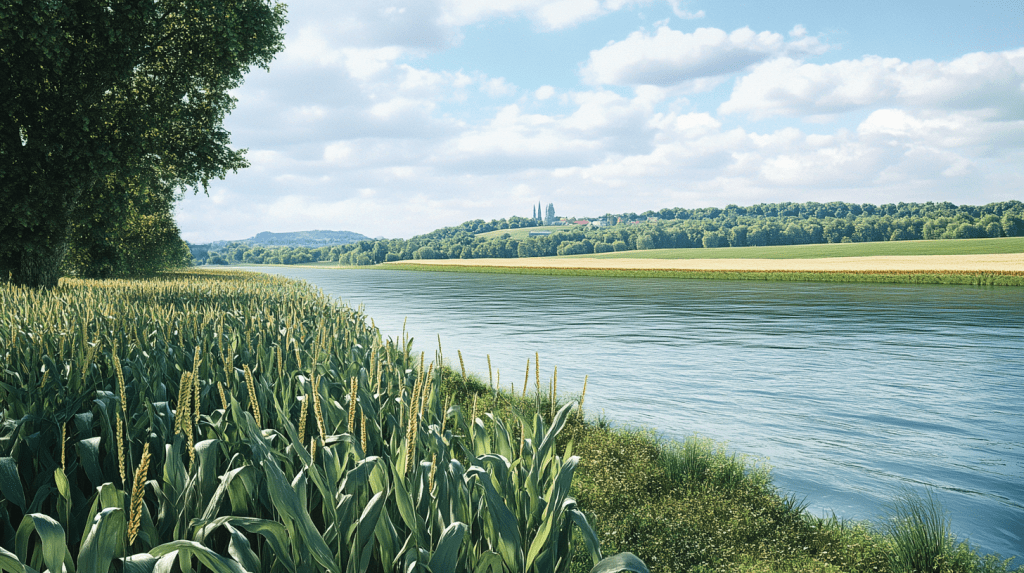
Clara: “Absolutely, the river is woven into their way of life. Look at these small fields along the riverbanks—some people are even growing corn and wheat."
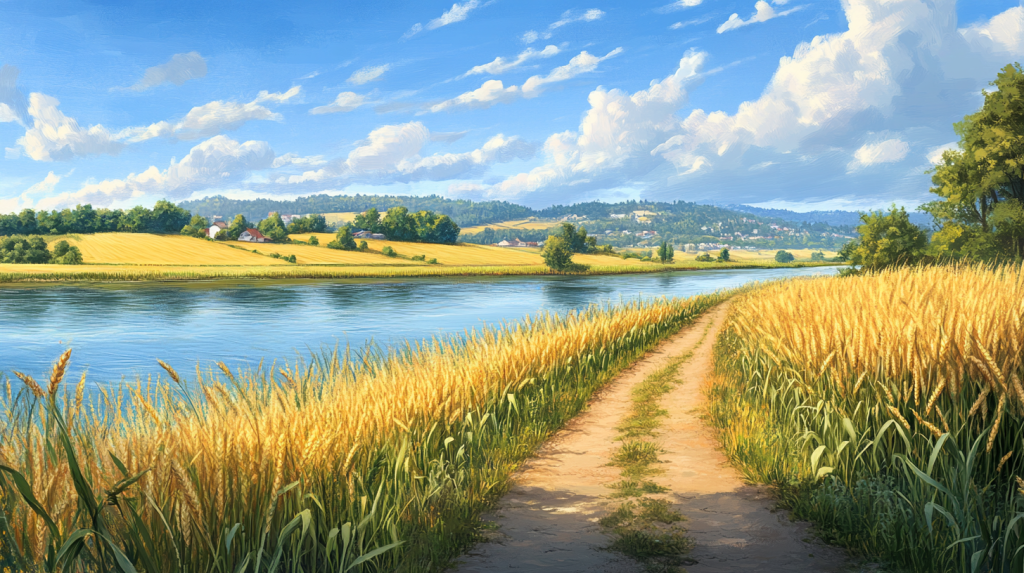
Sophia: “Yes, and life for the local fishermen must be challenging too. I wonder if the fish they sell in the market come from this part of the river."
Clara: “Very likely. The Danube supports a small fishing community here. The fish aren’t just food—they’re also an important source of income for some families. I’ve heard that some of them still use traditional fishing methods, like specially shaped nets that catch fish without harming the ecosystem."
Sophia: “That’s such a clever way to keep the fish population sustainable. I also overheard a vendor at the market saying that many families here plant fruit trees in the summer, like the family selling the homemade jam."
Clara: “Yes, Hungarians really value nature’s gifts. I imagine that every day by this river, they must feel how precious the land and water are. It reminds me of the blue-and-white pottery at the market; the patterns seemed to reflect the colors of the river."
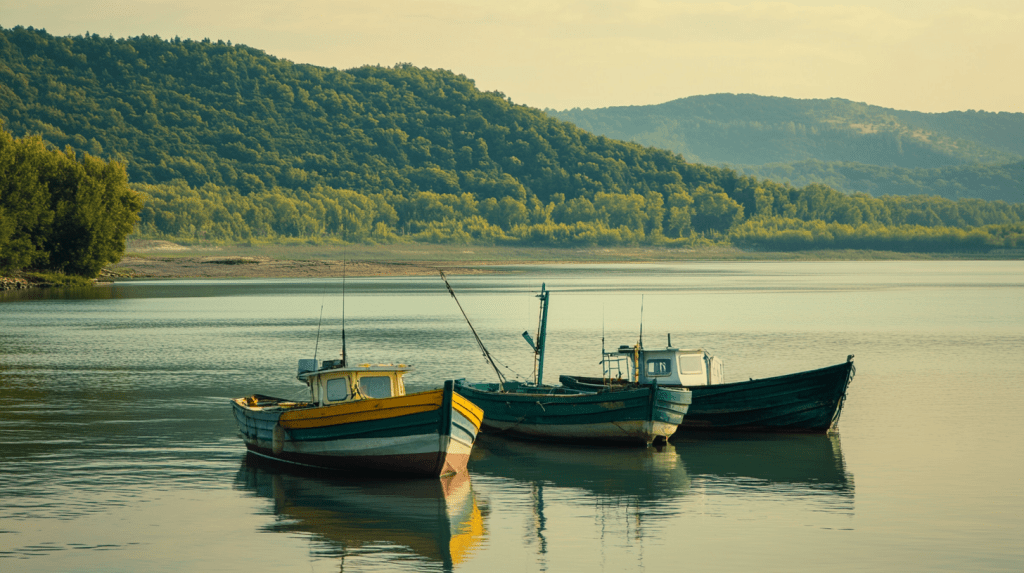
Sophia: “Exactly. Looking at this river, it feels like it brings more than food—it brings a way of life. For them, living here is really about finding harmony between nature and people."
Clara: “Maybe that’s why their lifestyle has such depth. They respect nature, hold onto tradition, and see food and crafts as a natural part of life here."
探索沿河的生活
結束市場的參觀後,Sophia 和 Clara 沿著一條小徑來到多瑙河邊,找了一個安靜的地方坐下,欣賞河流與鄉村景色。兩人繼續剛才在市場中的話題,自然地聊著生活細節。
Sophia: 「市場的攤主聊起紅椒和蜂蜜,真是特別有意思。我現在覺得,這些平凡的東西都是被多瑙河滋養出來的。」
Clara: 「的確,這條河幾乎融入了他們的生活方式。你看這些河岸邊的小農田,有人還種著玉米和小麥呢。」
Sophia: 「對啊,而且這裡的漁民生活應該也不容易。不知道那些在市場賣的魚,有沒有來自這段河流。」
Clara: 「很有可能,多瑙河支撐了這裡的小漁業。河裡的魚對他們來說不僅是食物,還是家庭收入的來源之一。聽說他們有些人還會用古老的捕魚方式,比如用特定形狀的網,這樣既能捕魚,也不會破壞魚群的生態。」
Sophia: 「這倒是很聰明的方法,能保護魚群的持續性。我剛才還在市場上聽到有個攤主說,這裡很多家庭在夏天會種一些果樹,就像那位賣果醬的人家。」
Clara: 「對,匈牙利人特別珍惜自然的恩惠。我猜他們每天面對這條河,就會感到土地和水是多麼寶貴。這讓我想起市場上的那些陶瓷,藍白的花紋跟這河水的顏色真搭。」
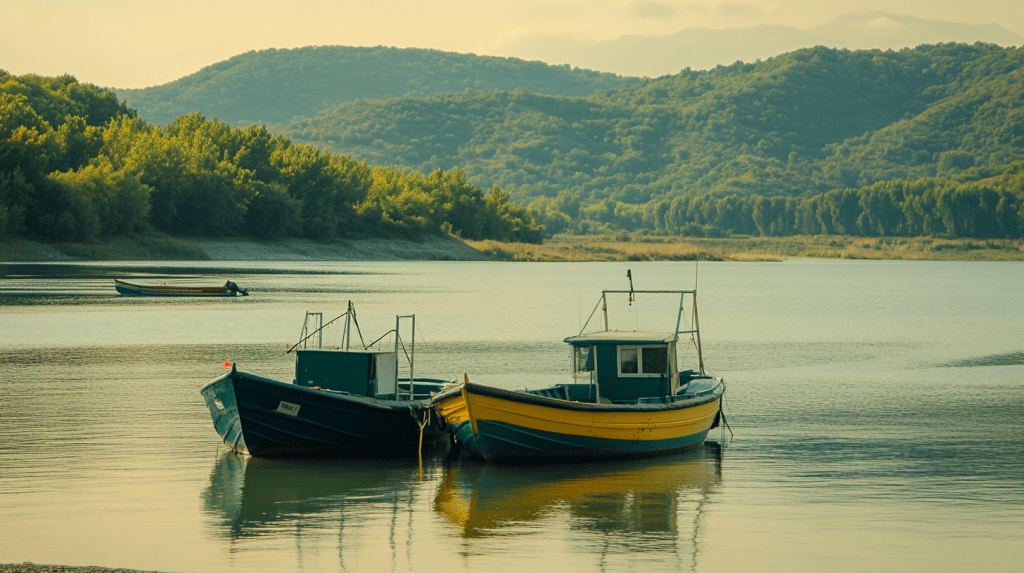
Sophia: 「是啊,看著這條河,感覺它不僅帶來了食物,還帶來了一種生活態度。對他們來說,這裡的生活方式其實就是自然和人之間的協調和平衡。」
Clara: 「或許這就是為什麼他們的生活方式那麼有韻味。他們尊重自然,保留了傳統,無論是食物還是手工藝,都是自然的一部分。」
The Lifeline of Empires: A Journey Through the Danube’s Historical and Cultural Influence
Sophia and Clara sit by the Danube, taking in the river view as they continue exploring the significance of this river for Hungary and the surrounding regions.
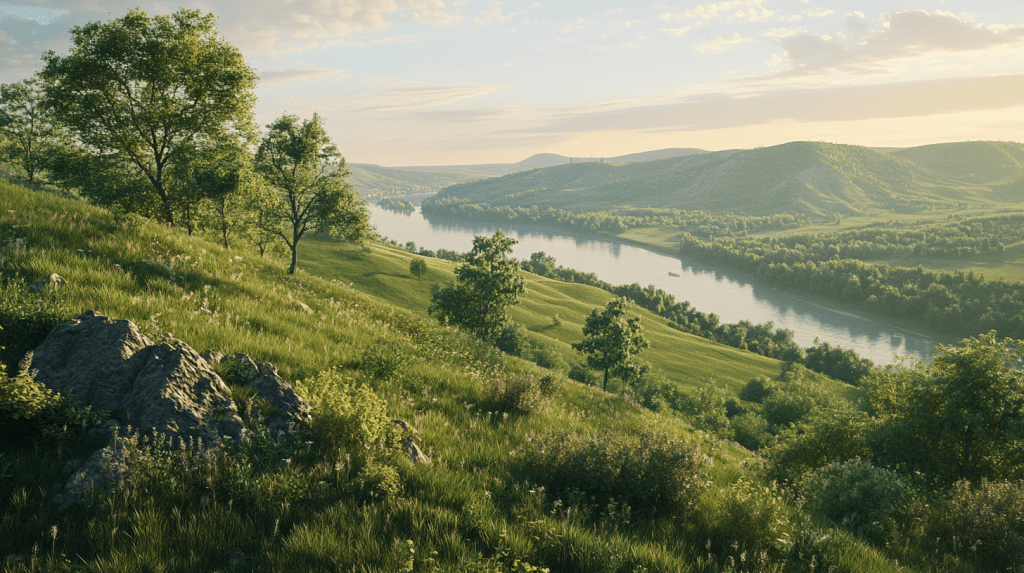
Sophia: “It’s amazing to think that this river doesn’t just belong to Hungary. The Danube flows through so many countries, each with its own connection to it."
Clara: “Yes, it starts all the way up in Germany, in the Black Forest, and travels over 2,800 kilometers. It passes through Austria, Slovakia, Hungary, Croatia, Serbia, Romania, Bulgaria, Moldova, and Ukraine before finally reaching the Black Sea."
Sophia: “That’s incredible. It must be one of the most international rivers in the world. No wonder it has influenced so many cultures along the way."
Clara: “Exactly. Because of its size and connectivity, the Danube has been a vital trade route for centuries. Goods, people, and ideas have flowed along this river, connecting the regions it touches. It’s essentially a highway between cultures."
Sophia: “I can see why it’s so significant historically. Kingdoms, empires, and even modern states must have depended on it for trade and transportation. Do you know if Hungary had specific hubs along the river for trade?"
Clara: “Budapest, of course, has always been a major center for trade. But smaller towns along the river, like Esztergom and Visegrád, were also important historically. These places were not only fortified but were well-positioned to monitor and control movement along the river."
Sophia: “It must have also impacted the military strategies of different empires. Controlling a part of the Danube meant controlling access to the heart of Europe."
Clara: “Exactly. During the Ottoman and Habsburg periods, the Danube was a frontier. Whoever controlled the river had a strategic advantage. It’s why we see so many castles, forts, and settlements along its banks—they weren’t just scenic locations but defensive points too."
Sophia: “And nowadays, I imagine it still plays a big role in connecting these countries, though perhaps not with the same level of military significance."
Clara: “Yes, now it’s more about economic and ecological connections. It remains an important shipping route for cargo, but also a lifeline for industries and agriculture along its banks. Plus, tourism along the river is big, with river cruises allowing people to experience this journey."
Sophia: “So, even in modern times, the Danube continues to unite and sustain life across so many different regions. It’s like a silent witness to centuries of history and human movement."
Clara: “Absolutely. From ancient trade routes to modern-day transportation and tourism, the Danube has shaped life and commerce in Central and Eastern Europe. And sitting here, it’s a reminder of how interconnected we all are through geography."
帝國的生命線:探索多瑙河的歷史與文化影響
Sophia 和 Clara 坐在多瑙河邊,一邊欣賞河景,一邊繼續探索這條河流對匈牙利及其周邊地區的重要性。
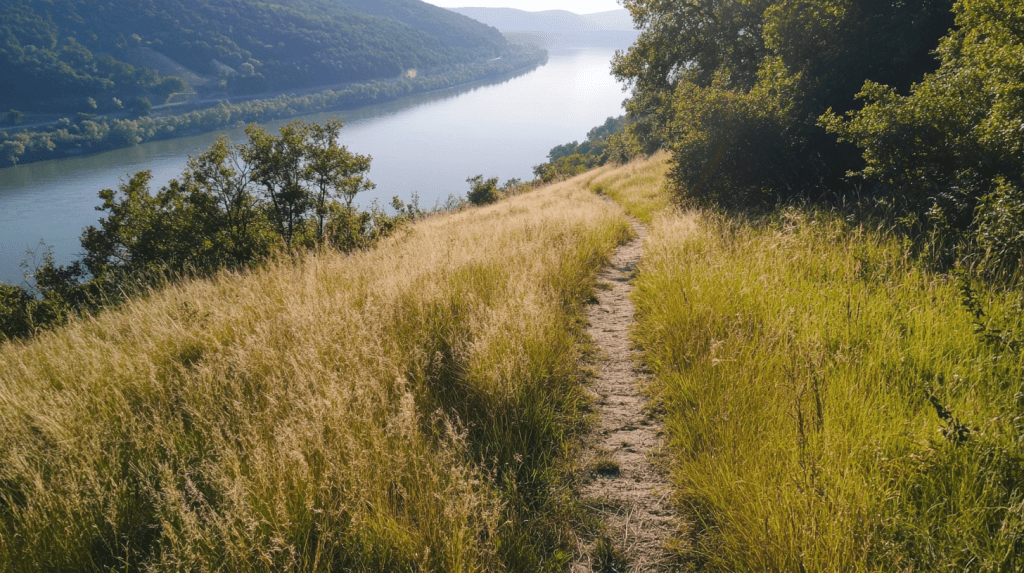
Sophia: 「真讓人驚嘆,這條河不僅僅屬於匈牙利。多瑙河流經許多國家,每個地方都有屬於自己的多瑙河故事。」
Clara: 「是啊,它從德國的黑森林一路流出,行程超過 2,800 公里,經過奧地利、斯洛伐克、匈牙利、克羅地亞、塞爾維亞、羅馬尼亞、保加利亞、摩爾多瓦,最後到達烏克蘭,注入黑海。」
Sophia: 「真是難以想像,這條河大概是世界上最多國家共同擁有的河流之一。難怪它影響了沿途那麼多文化。」
Clara: 「沒錯。由於它的規模和連通性,多瑙河幾個世紀以來都是重要的貿易路線。貨物、人群、思想,都是沿著這條河流動,把這些地區串聯起來,成為一條跨越文化的‘高速公路’。」
Sophia: 「這在歷史上意義重大。王國、帝國,甚至現代國家都依賴它來進行貿易和交通。匈牙利沿河有什麼重要的貿易城市嗎?」
Clara: 「當然了,布達佩斯一直是主要的貿易中心。不過,像埃斯泰爾戈姆和維謝格勒這些小城市在歷史上也非常重要。它們不僅是防禦要塞,還是監控河道運輸的重要據點。」
Sophia: 「我想這條河流還影響了不同帝國的軍事策略。控制多瑙河的一部分就意味著掌握了通往歐洲腹地的通道。」
Clara: 「是的,特別是在奧斯曼和哈布斯堡時期,多瑙河成為邊界。誰控制了河流,誰就擁有了戰略優勢。所以河岸上分佈著眾多城堡、堡壘和聚落,它們並不只是風景優美的地方,也是防禦據點。」
Sophia: 「而在現代,我想它依然在聯繫這些國家,儘管軍事意義已經不同了。」
Clara: 「現在更多的是經濟和生態聯繫。它依然是一條重要的貨運路線,也支撐了沿岸的工業和農業。旅遊業也很發達,很多人坐遊輪來體驗這段旅程。」
Sophia: 「所以即便在現代,多瑙河仍然連結著許多不同地區的生命,像一位默默見證歷史的河流。」
Clara: 「完全同意。從古代的貿易路線到現代的交通和旅遊,多瑙河塑造了中東歐的生活和商業。坐在這裡,真的讓人意識到我們如何通過地理彼此相連。」

 Virtual Travel | 虛擬旅行沉浸式英語學習
發表留言