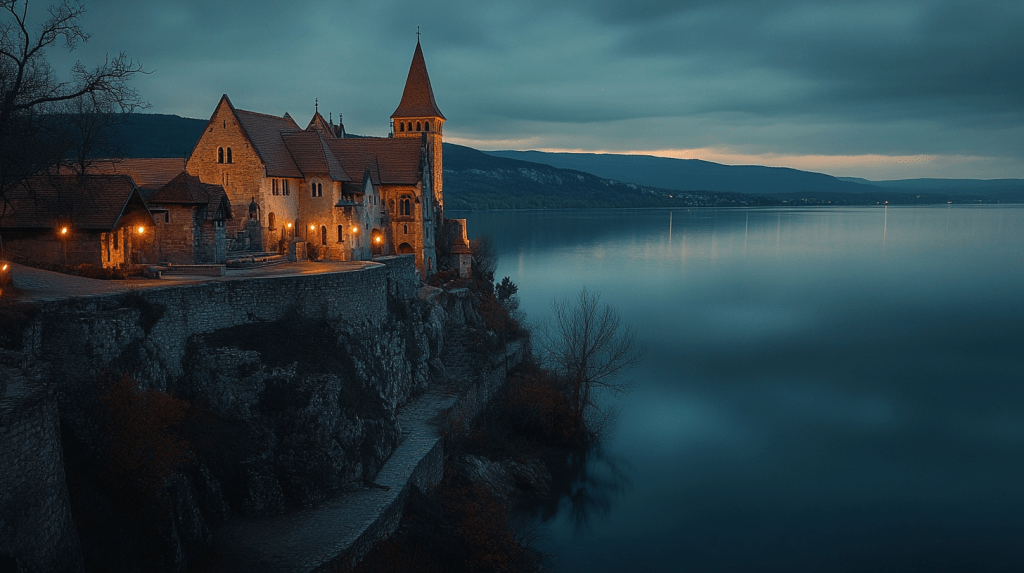
Visit Lake Balaton
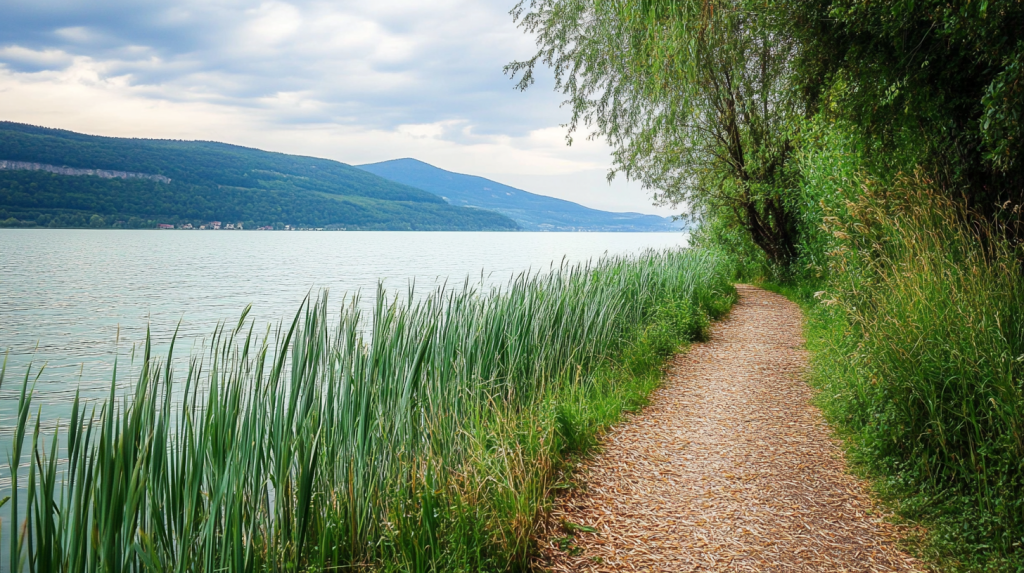
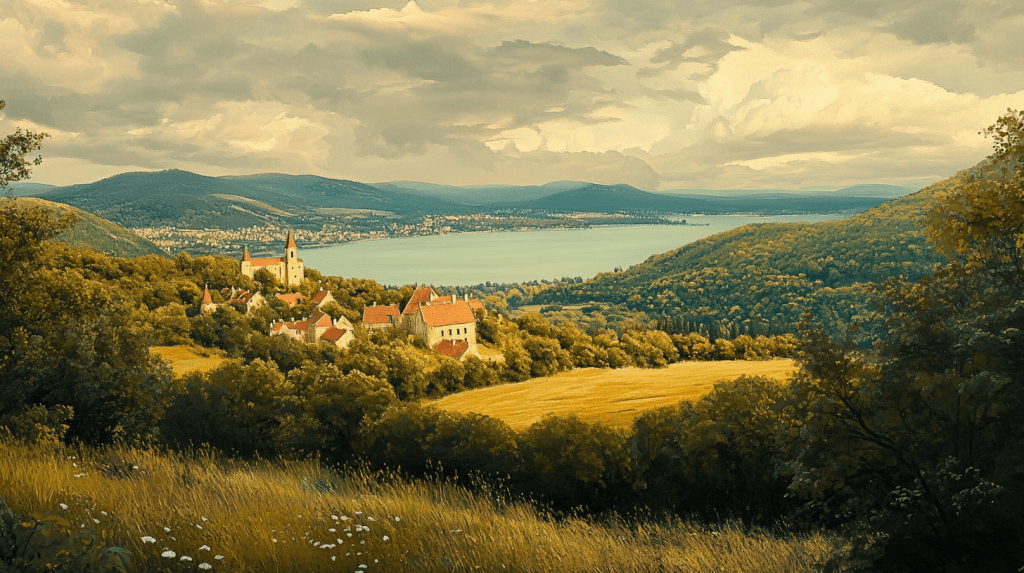
Sophia and Clara arrive at the Tihany Peninsula’s observation platform, gazing over the stunning Lake Balaton and the surrounding landscape. The volcanic terrain of the peninsula is clearly visible under the sunlight, sparking a conversation about the geological history of the area and its significance in Hungary’s past.
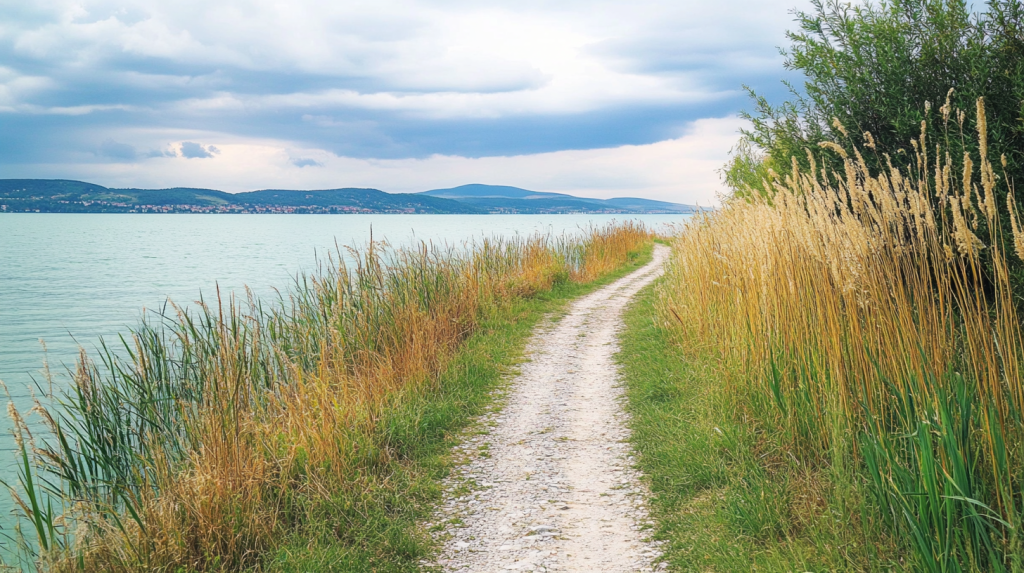
Sophia: “Clara, look at this remarkable terrain! The landscape here is so unique. Did you know that this peninsula is actually part of an ancient volcanic zone?"
Clara: “Really? I had no idea there was a volcanic background here. So, these basalt and volcanic rocks must be remnants of eruptions from millions of years ago?"
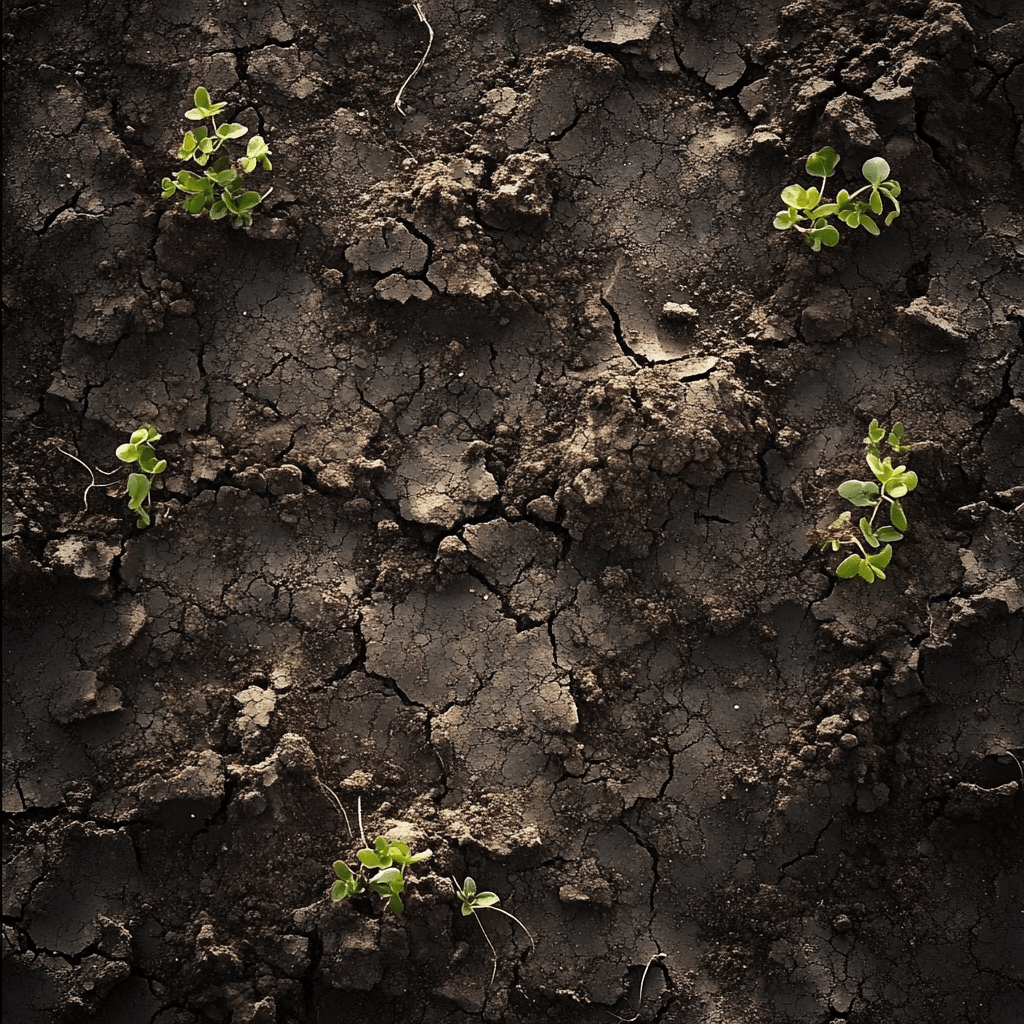
Sophia: “Exactly! Geologists believe that around 8 to 11 million years ago, this area was a highly active volcanic region. After the eruptions, the volcanic rock layers formed the Tihany Peninsula we see today. These rocks don’t just showcase the power of volcanic activity—they also enrich the soil with minerals, making it incredibly fertile."
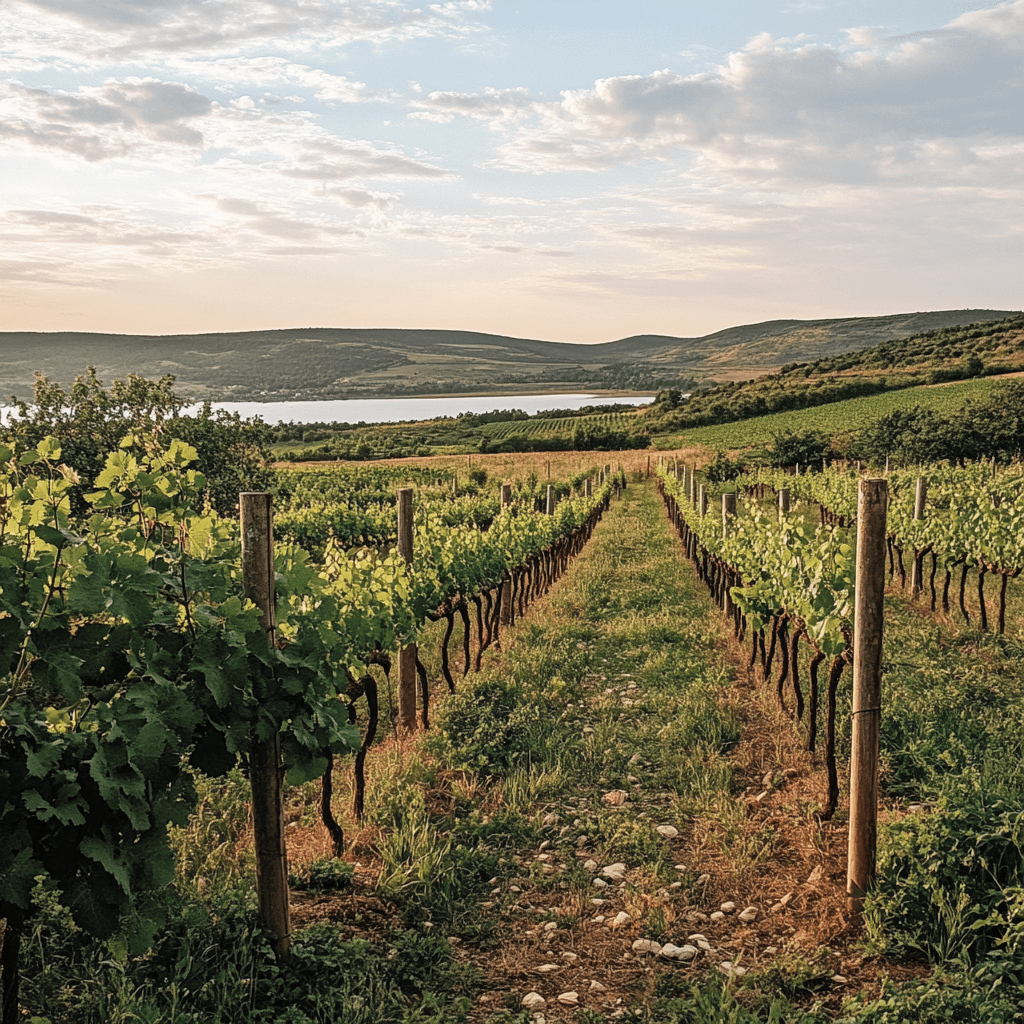
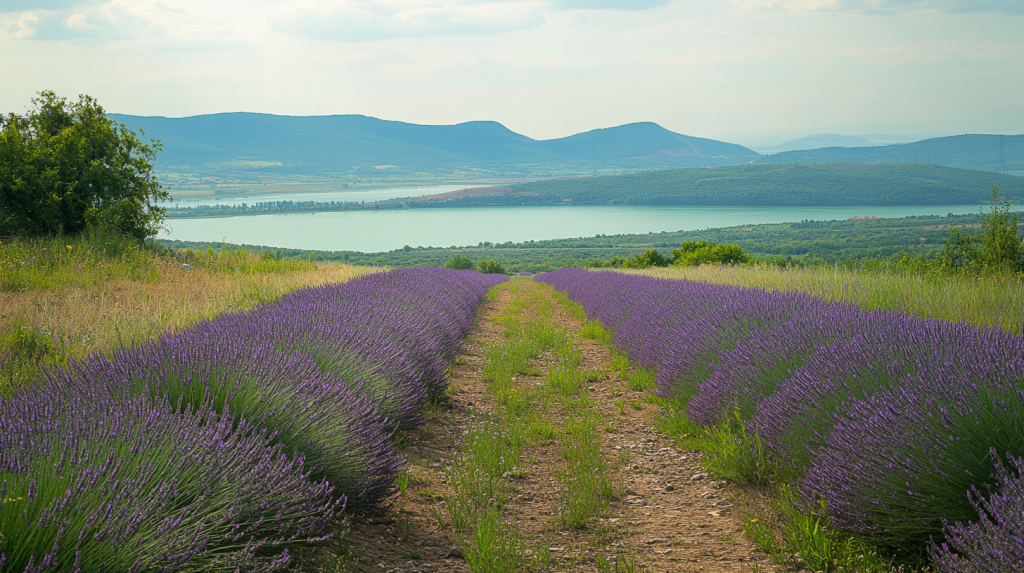
Clara: “No wonder the vineyards and lavender fields here are so lush. The minerals in the volcanic soil must really benefit these plants."
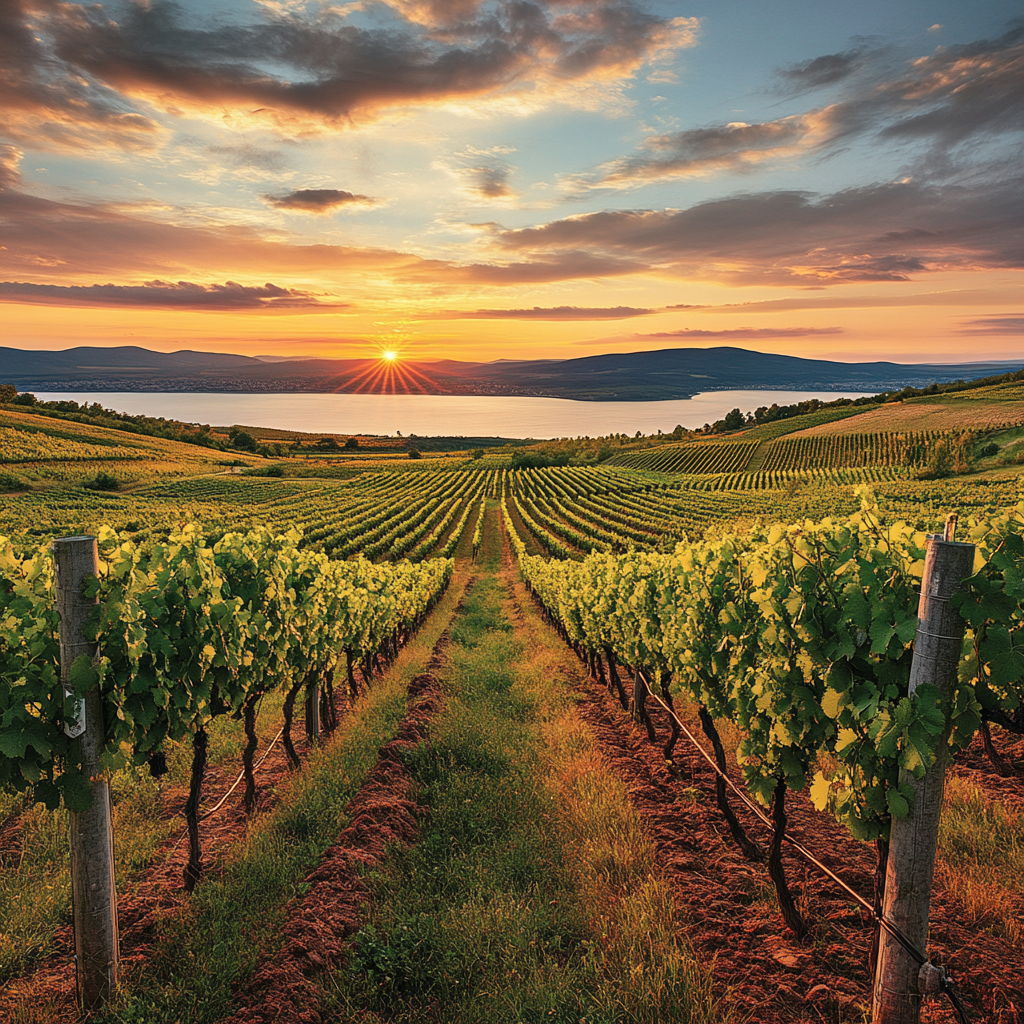
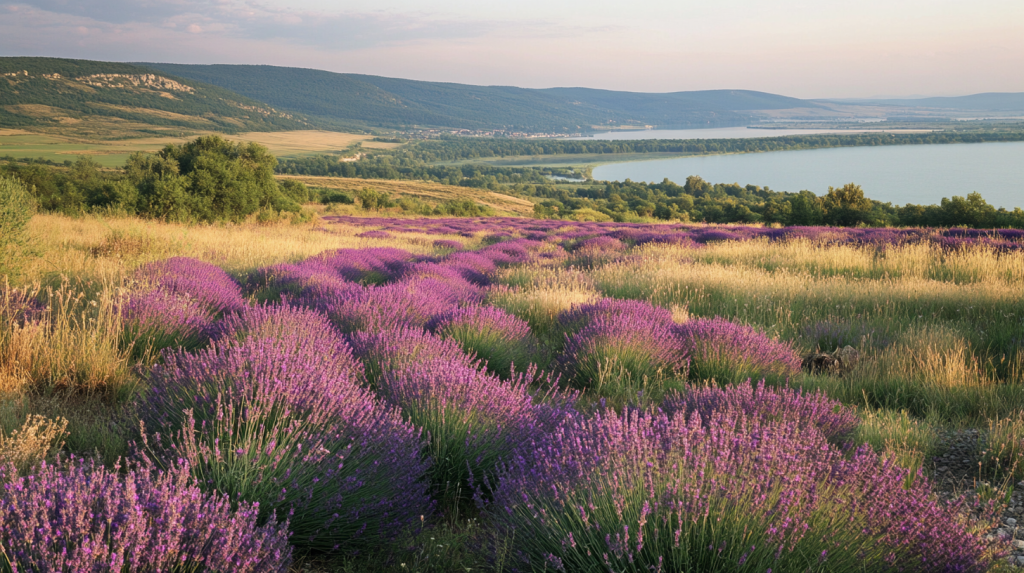
Sophia: “Precisely! The local agriculture relies heavily on this mineral-rich soil. In fact, the wines and lavender products from here are famous across Hungary, thanks to this volcanic soil."
Clara: “Has this terrain held any special significance throughout history? I noticed that this peninsula is much higher than the surrounding areas."
Sophia: “Good question. This elevated terrain and the solid volcanic rock made the Tihany Peninsula a natural defense point. In the Middle Ages, people chose this spot to build the Tihany Abbey—not only for its vantage point over Lake Balaton but also as a defense against invaders."
Clara: “So the height offered a natural strategic advantage, and the monks at the abbey could better guard the lake’s key transportation routes."
Sophia: “Exactly. There are also a few volcanic crater lakes here, like Inner Lake and Outer Lake. In ancient times, these lakes provided a vital water source for the locals, and the mineral-rich water created ideal habitats for plants and animals."
Clara: “It sounds like this peninsula’s geology didn’t just shape the natural environment—it directly influenced people’s ways of life. The volcanic remains provided water, fertile land, and even defensive benefits."
Sophia: “Absolutely. This volcanic legacy has had a profound impact on Hungarian history. In fact, the geology here records evidence of interactions between the Eurasian and African tectonic plates, making this place a key site for studying the geological history of this region."
Clara: “That’s incredible! This seemingly peaceful peninsula actually holds millions of years of geological history and has witnessed so many changes in Hungary’s past."
Sophia: “Every corner of this land tells a story. The very peninsula we’re standing on is not only a natural heritage site but also a testament to an ancient history."
拜訪巴拉頓湖
Sophia 和 Clara 來到蒂豪尼半島的觀景平台,俯瞰著壯麗的巴拉頓湖和四周的自然景觀。半島的火山地貌在陽光下清晰可見,他們開始討論這片土地的地質歷史及其在匈牙利歷史中的角色。
Sophia: 「Clara,看這片壯觀的地形!這裡的地貌真是獨特,你知道這片半島其實是一個古老的火山區嗎?」
Clara: 「是嗎?我還真不知道這裡有火山背景。這樣說來,這些玄武岩和火山岩應該是數百萬年前的火山活動留下的吧?」
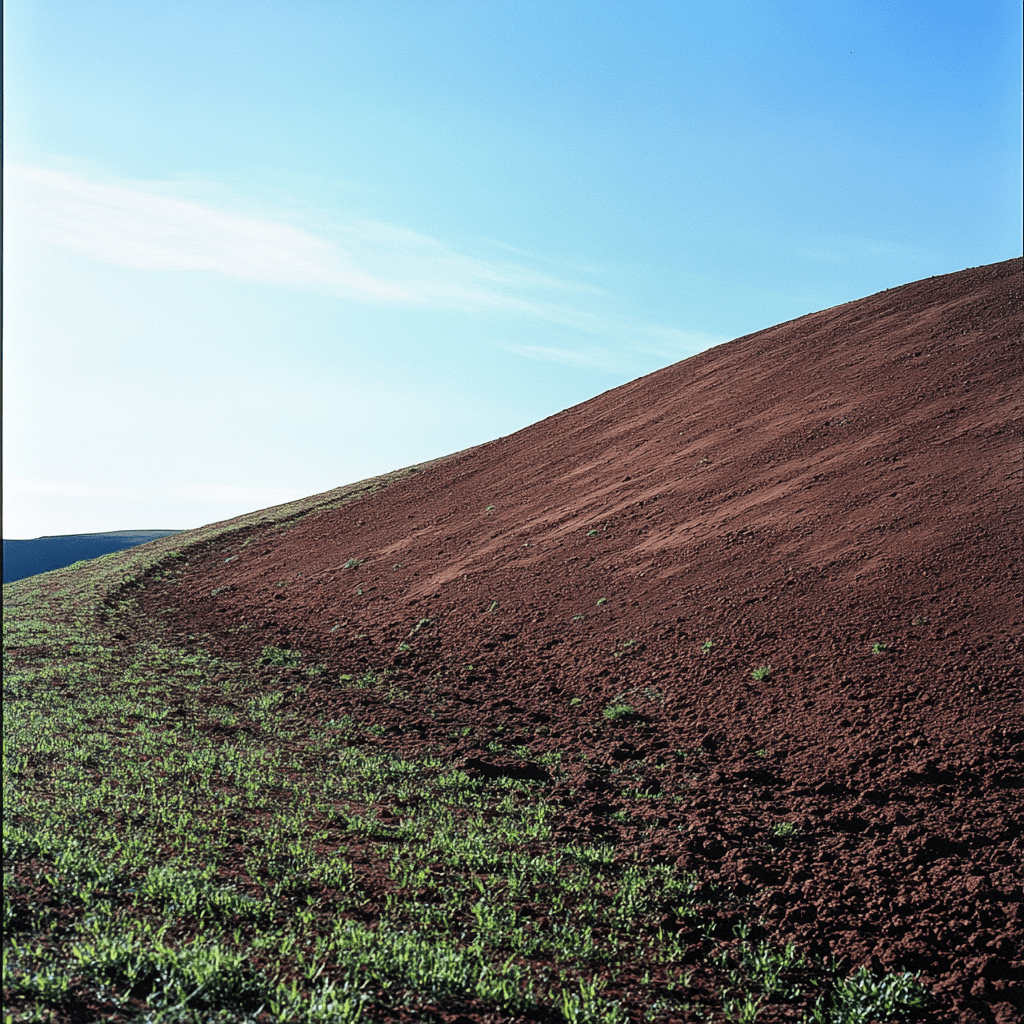
Sophia: 「正是如此!據地質學家推測,大約在800萬至1100萬年前,這裡曾經是個活躍的火山區。火山噴發後,留下的火山岩層成為了今天我們所看到的蒂豪尼半島。這些岩石不僅展示了火山的力量,還讓這裡的土壤充滿了礦物質,特別肥沃。」
Clara: 「怪不得這裡的葡萄園和薰衣草田如此茂盛。火山土壤裡的礦物質應該對這些植物的生長很有幫助吧?」
Sophia: 「對的!當地的農業大多依賴這種富含礦物的土壤。事實上,這裡的葡萄酒和薰衣草產品在匈牙利相當有名,都是得益於這片火山土壤。」
Clara: 「那這樣的地形在歷史上有什麼特別的意義嗎?我注意到這片半島的地勢比周圍地區高很多。」
Sophia: 「這是個好問題。這裡的高地和堅固的火山岩層,讓蒂豪尼半島成為天然的防禦點。在中世紀,當地的居民選擇在這裡建造蒂豪尼修道院,不僅是因為它可以俯瞰巴拉頓湖,也能防禦外來入侵者。」
Clara: 「這麼說來,半島的高度提供了天然的視野優勢,修道院的修士們也能夠更好地守護湖區的交通路線。」
Sophia: 「沒錯。這裡還有一些火山口湖,比如內湖和外湖。這些湖泊在古代不僅為居民提供了寶貴的水源,還因為湖水富含礦物質,成為了動植物理想的棲息地。」
Clara: 「聽起來這片半島的地質不僅塑造了自然環境,還直接影響了人們的生活方式。火山遺跡為居民提供了水源和肥沃的土地,甚至還有防禦功能。」
Sophia: 「是的,這片火山遺跡對於匈牙利的歷史有著深遠的意義。其實,這裡的地質還記錄了歐亞板塊與非洲板塊之間的相互作用,是研究這片土地地質歷史的重要地點。」
Clara: 「真是令人驚嘆!這片看似靜謐的半島,其實蘊藏著數百萬年的地質故事,還見證了匈牙利歷史中的種種變遷。」
Sophia: 「每個角落都在訴說著這片土地的歷史。我們現在站的這片半島,不僅是自然遺產,也是一段悠久歷史的載體。」
Visiting Tihany Abbey
Sophia and Clara continue their stroll along the Tihany Peninsula and arrive at the famous Tihany Abbey. This medieval abbey is perched on the high point of the peninsula, offering a view of the entire Lake Balaton. The two pause to admire the abbey’s majestic architecture and begin a conversation about its historical significance.
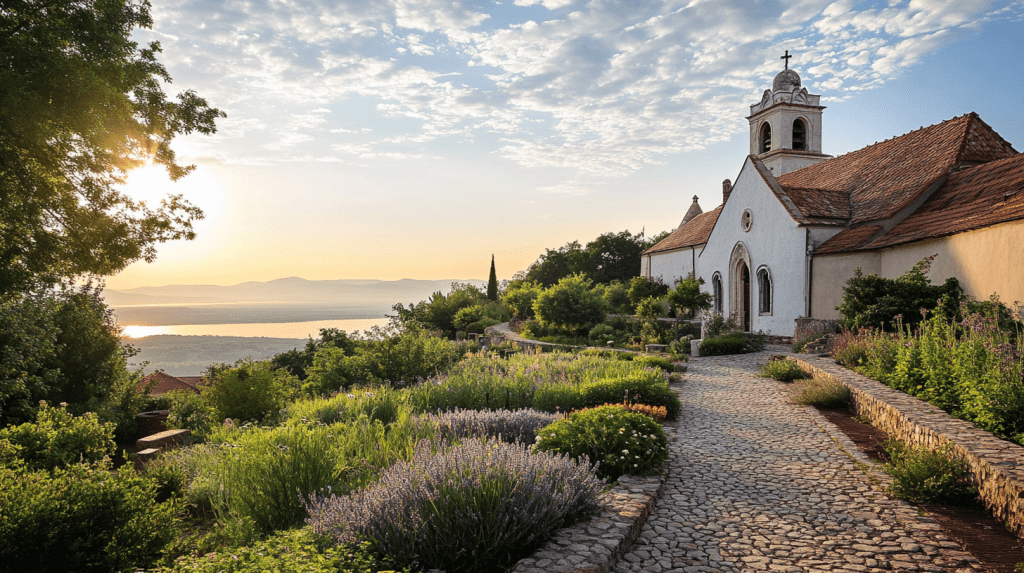
Sophia: “Clara, this abbey is magnificent, isn’t it? Sitting on this hill, overlooking Lake Balaton—it must have been a truly strategic place, both for defense and spiritual reflection."
Clara: “Absolutely. I read that this abbey was founded in 1055, making it one of the oldest Benedictine monasteries in Hungary. Can you imagine all the history these walls have witnessed?"
Sophia: “It’s incredible. The monks who lived here weren’t just dedicated to their faith; they also played a big role in the local community. They farmed, kept livestock, and even cultivated lavender, using the fertile volcanic soil of the peninsula."
Clara: “So they were largely self-sufficient? That makes sense, especially in such a remote location. I can see why they chose this spot—the elevation gave them a perfect vantage point to spot any potential threats from afar."
Sophia: “Yes, and they needed it. During the Ottoman occupation in the 16th century, this abbey was also used as a fortification. Even though the Ottomans controlled much of Hungary, they allowed the monks here to continue practicing Christianity. The abbey became a symbol of resilience."
Clara: “That’s fascinating. I didn’t realize that the Ottomans permitted religious diversity here. It’s remarkable how the abbey remained a sanctuary for both faith and local culture during those challenging times."
Sophia: “Exactly. The abbey was more than just a religious site; it was also a center for preserving knowledge. The monks copied manuscripts, preserved early Christian texts, and even recorded local history and knowledge about botany and medicine."
Clara: “So they were like the historians and scientists of their time, documenting and passing down knowledge. It’s amazing to think how much of our understanding of medieval Hungary might come from the work they did here."
Sophia: “Yes, and the architecture reflects that history too. The abbey combines Gothic and Baroque styles, showing the different periods of renovation and expansion over centuries. Those twin Baroque towers were added in the 18th century, and they give the abbey such a distinctive profile against the sky."
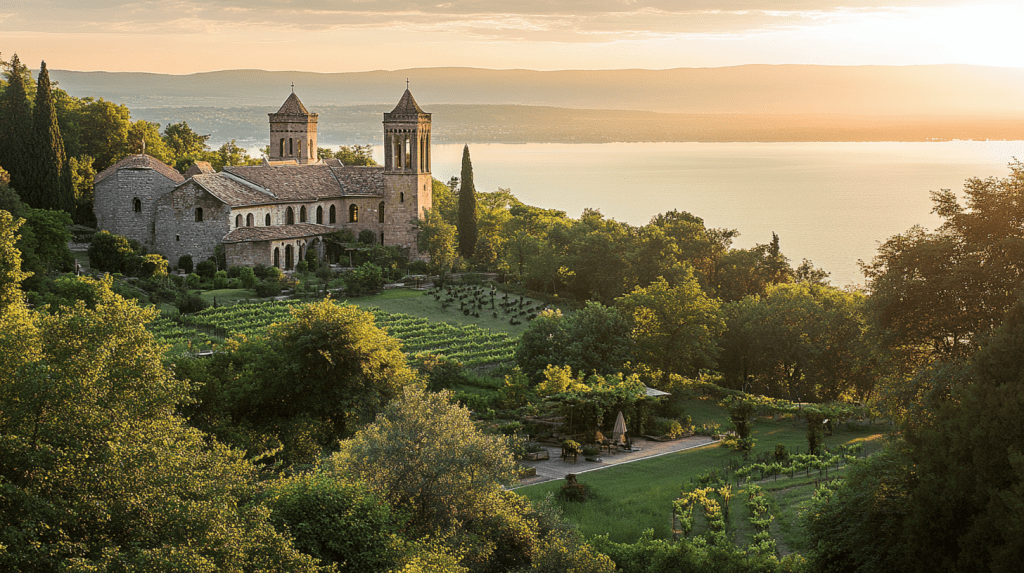
Clara: “The mix of architectural styles adds to its charm. And I’ve read that the abbey even has an underground crypt where some of the early monks were buried. It’s like a hidden chapter of history, lying beneath us."
Sophia: “Yes, the crypt is a reminder of the centuries of devotion here. It’s fascinating to think that monks from all those years ago walked these same grounds, working, studying, and preserving their faith."
Clara: “And today, the abbey continues to be a place of peace and reflection, while also welcoming visitors to explore its history. It’s really a place where time seems to stand still."
Sophia: “Indeed. The abbey isn’t just a building—it’s a bridge between the past and present, a symbol of resilience, faith, and the enduring connection between people and their land."
參觀蒂豪尼修道院
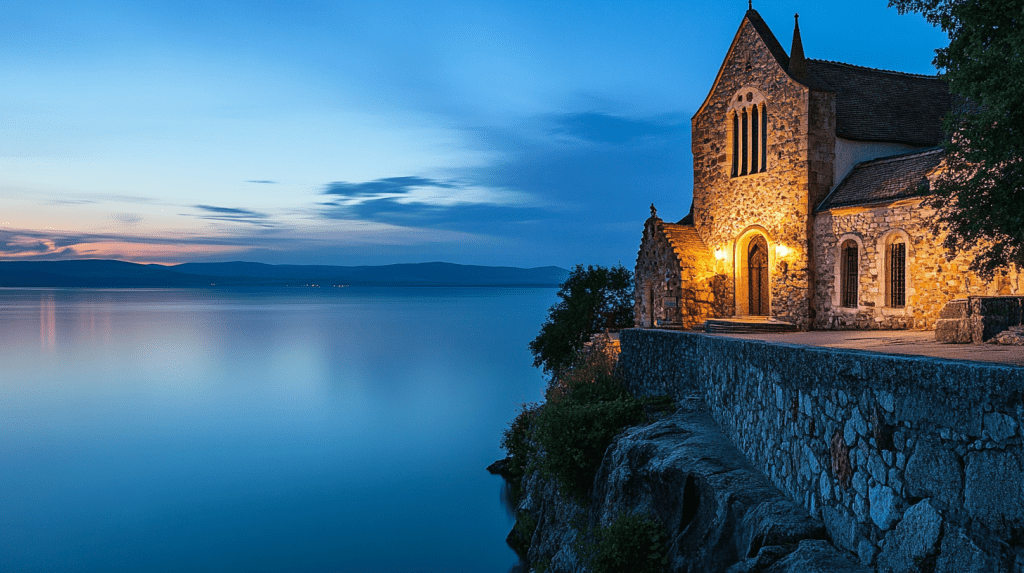
Sophia 和 Clara 繼續在蒂豪尼半島上漫步,來到著名的蒂豪尼修道院(Tihany Abbey)。這座建於中世紀的修道院坐落在半島的高處,可以俯瞰整個巴拉頓湖。兩人停下腳步,欣賞著修道院莊嚴的建築,並展開一段關於修道院歷史的討論。
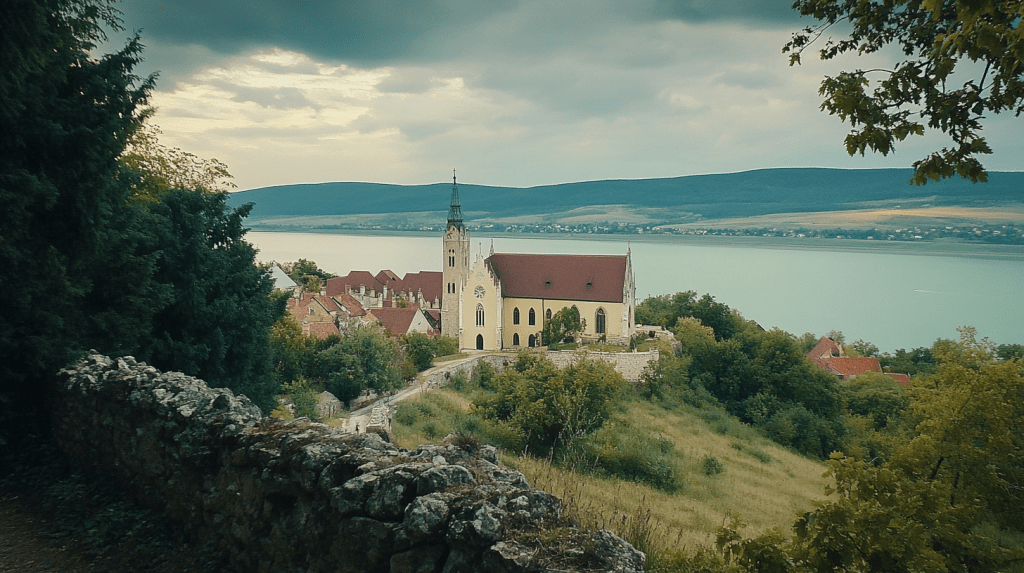
Sophia: 「Clara,這座修道院真是壯觀,不是嗎?坐落在這座山丘上,俯瞰著巴拉頓湖——這裡一定是個理想的位置,既有防禦作用,又適合心靈的沉思。」
Clara: 「完全同意。我讀過這座修道院建於1055年,是匈牙利最古老的本篤會修道院之一。想想這些牆壁見證過的歷史,真是不可思議!」
Sophia: 「真的很讓人驚嘆。住在這裡的修士們不僅致力於信仰,還在當地社區扮演了重要角色。他們耕種、養殖,甚至在這片半島的火山土壤上種植薰衣草。」
Clara: 「所以他們基本上是自給自足的?在這麼偏遠的地方,這樣的安排很合理。我也能理解為什麼他們選擇了這個位置——這個高度給了他們一個完美的瞭望點,可以從遠處發現任何潛在的威脅。」
Sophia: 「是的,這在當時是必要的。在16世紀奧斯曼帝國的統治期間,這座修道院還被用作防禦工事。雖然奧斯曼帝國控制了匈牙利的大部分地區,但他們允許這裡的修士繼續實踐基督教信仰,這座修道院成為了堅韌的象徵。」
Clara: 「這真是太有趣了。我沒想到奧斯曼人允許宗教多樣性,這座修道院在那段艱難時期成為了信仰和當地文化的庇護所,這太難得了。」
Sophia: 「正是如此。這座修道院不僅僅是一個宗教場所,它也是知識的保護中心。修士們抄寫手稿,保存早期的基督教經典,甚至記錄了當地的歷史以及有關植物學和醫學的知識。」
Clara: 「所以,他們就像是當時的歷史學家和科學家,記錄並傳遞知識。想到我們對匈牙利中世紀的了解可能有許多來自於他們的工作,這真是令人驚嘆。」
Sophia: 「是的,而且修道院的建築也反映了這段歷史。修道院結合了哥德式和巴洛克式風格,展示了數個世紀以來的裝修和擴建。那兩座巴洛克風格的雙塔是18世紀加上的,使修道院在天空中有一個獨特的輪廓。」
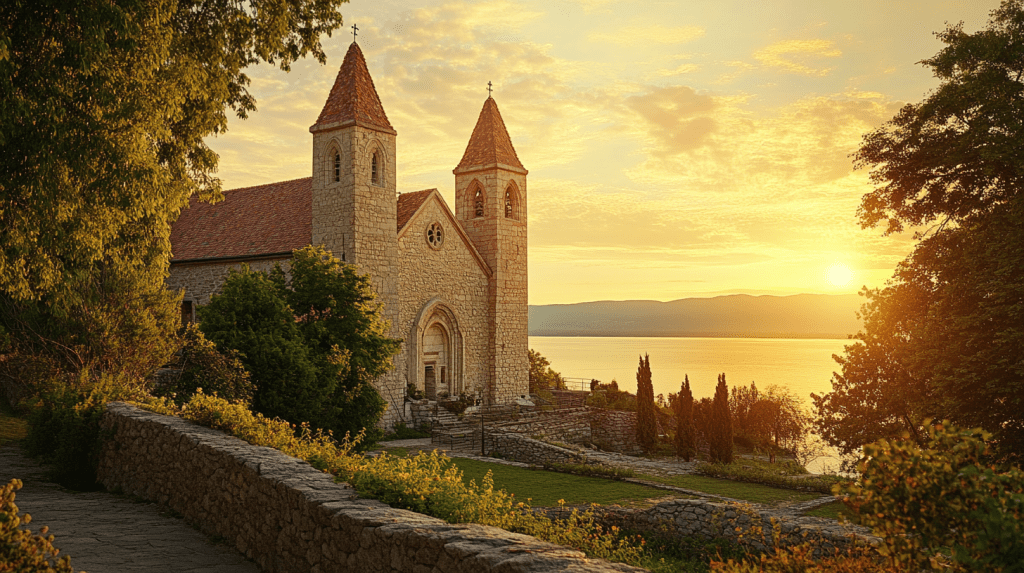
Clara: 「這種建築風格的混合增添了它的魅力。而且我讀到修道院裡還有一個地下墓穴,早期的一些修士就安葬在那裡。就像是埋藏在我們腳下的隱藏歷史篇章。」
Sophia: 「是的,這個墓穴提醒著我們這裡幾個世紀以來的奉獻。想到那些幾百年前的修士們曾經在這片土地上行走、學習和守護他們的信仰,真是令人著迷。」
Clara: 「而今天,這座修道院依然是一個寧靜與反思的地方,同時歡迎遊客來探索它的歷史。這真是一個讓時間似乎停止的地方。」
Sophia: 「的確。這座修道院不僅僅是一座建築——它是連接過去與現在的橋樑,是堅韌、信仰和人們與土地之間持久聯繫的象徵。」
Geological Activity in Europe
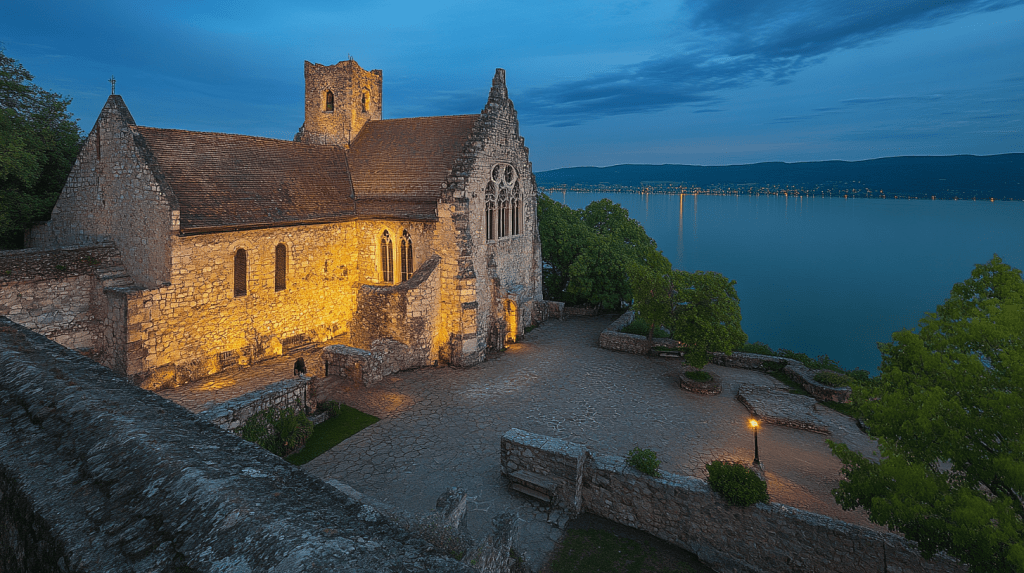
Sophia and Clara are standing on a high point on the Tihany Peninsula, overlooking the shimmering surface of Lake Balaton in the sunset. They take in the serene view, and their conversation turns to geological activity in Europe.
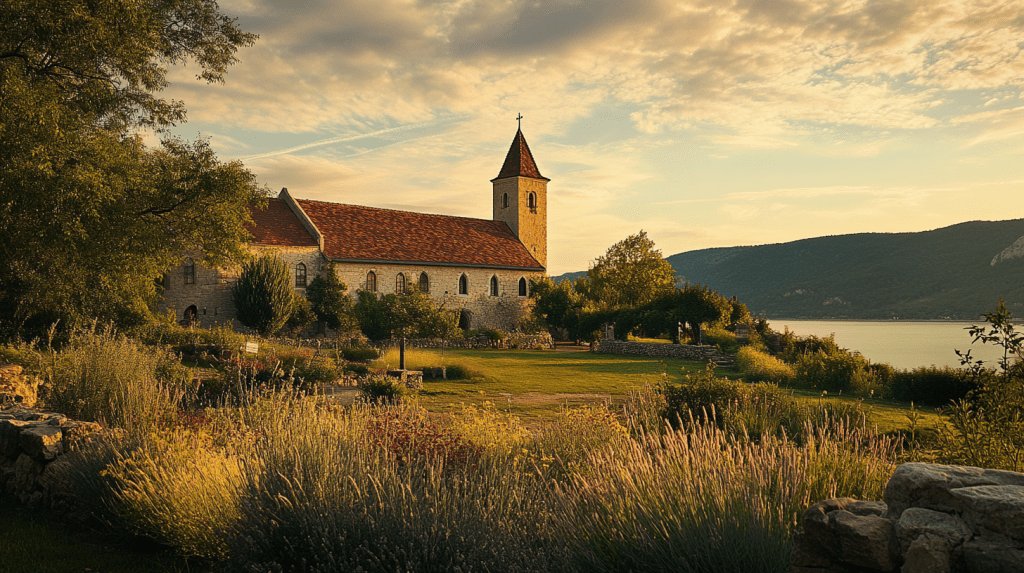
Clara: “Sophia, standing here looking over this lake, I can’t help but wonder about geological activity in Europe. Other than Iceland, does the European continent experience earthquakes or volcanic activity?"
Sophia: “That’s a great question, Clara. While Europe isn’t as seismically active as places like the Pacific Rim, parts of southern Europe do experience earthquakes. Countries like Greece, Italy, and Turkey are more prone to seismic activity because they sit along the boundary between the African and Eurasian tectonic plates."
Clara: “What about volcanoes? Are there any active ones on the European mainland besides Iceland?"
Sophia: “Yes! Mount Vesuvius in Italy is one example. It famously erupted in AD 79, destroying Pompeii and Herculaneum, and it’s still considered one of the only active volcanoes on the European mainland."
Clara: “That’s remarkable. So even though Europe isn’t known for geological activity, the southern regions still see some impact from earthquakes and volcanic eruptions."
Sophia: “Exactly. It’s a reminder of Earth’s dynamic nature. Even in relatively stable areas like Europe, we can still see the forces of nature at work."
Clara: “Discussing this while looking out over the peaceful lake feels almost surreal. The tranquility of the lake contrasts so sharply with the power of Earth’s geological forces."
Sophia: “Yes, the contrasts in nature really make us appreciate its many faces."
歐洲地質活動
Sophia 和 Clara 正在蒂豪尼半島的高處俯瞰巴拉頓湖,遠處湖面的光芒在夕陽下閃爍。他們站在觀景平台上,環顧四周的自然景色,話題轉向了歐洲的地質活動。
Clara: “Sophia, 站在這裡俯瞰這片湖泊,讓我不禁想到歐洲的地質活動。除了冰島,歐洲大陸上還有地震和火山活動嗎?"
Sophia: “這是個好問題,Clara。儘管歐洲不像環太平洋地區那麼活躍,南歐還是有一些地震頻繁的區域。比如說,希臘、義大利和土耳其的地震活動較多,因為這些地區位於非洲板塊和歐亞板塊的交界處。"
Clara: “那麼火山呢?除了冰島,歐洲大陸還有活火山嗎?"
Sophia: “有的!義大利的維蘇威火山就是其中一個例子。它在公元79年那場著名的爆發中摧毀了龐貝和赫庫蘭尼姆,至今仍然被視為歐洲大陸上的唯一活火山之一。"
Clara: “那真的很特別。也就是說,雖然歐洲的地質活動相對較少,但南部地區還是會有火山和地震的影響。"
Sophia: “正是如此。這也提醒我們,地球的動態特性並非僅限於特定地區,即使在相對平穩的歐洲,也能看到大自然的力量。"
Clara: “能在這裡看著湖面聊到這些話題,感覺很不一樣。這片靜謐的湖泊對比著地球的活力,讓人更覺得奇妙。"
Sophia: “沒錯,大自然的對比讓我們更懂得欣賞她的各種面貌。"

 Virtual Travel | 虛擬旅行沉浸式英語學習
發表留言