

The Workshop in Cremona
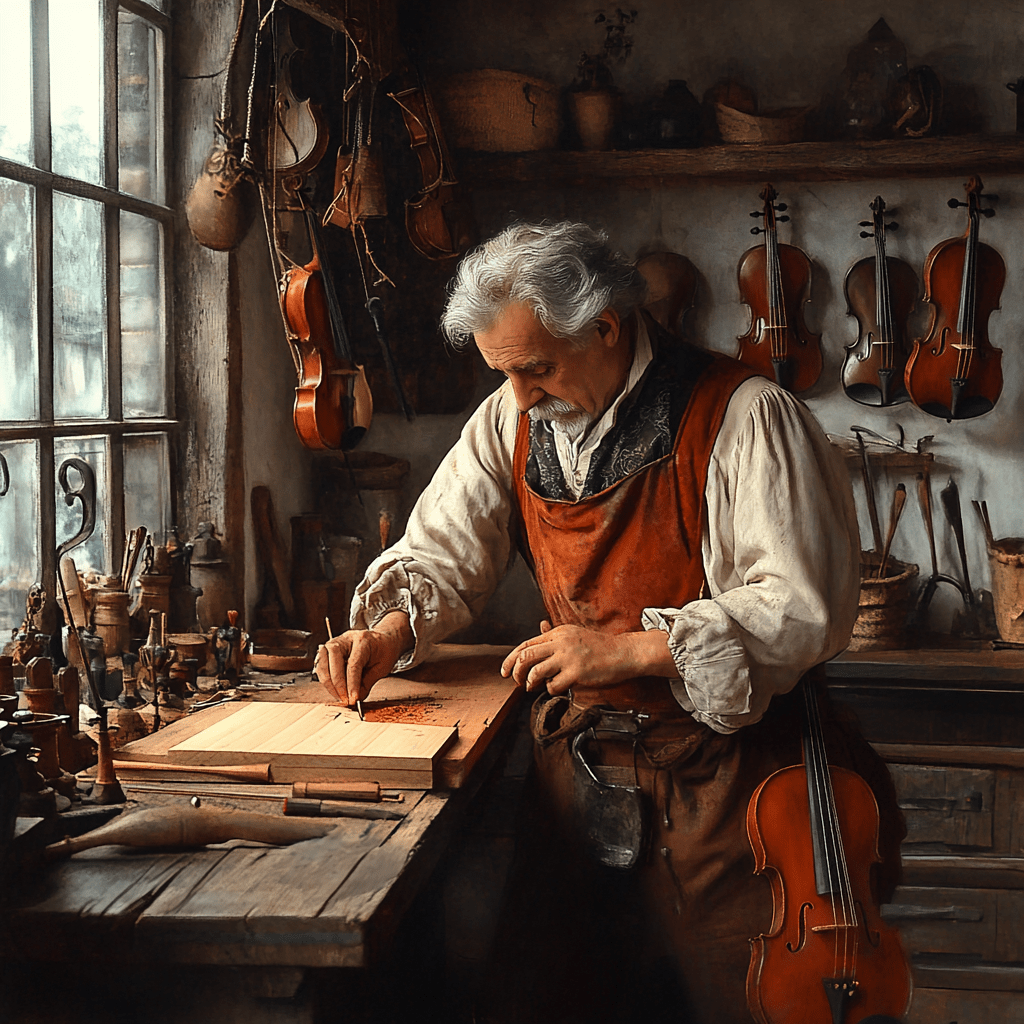
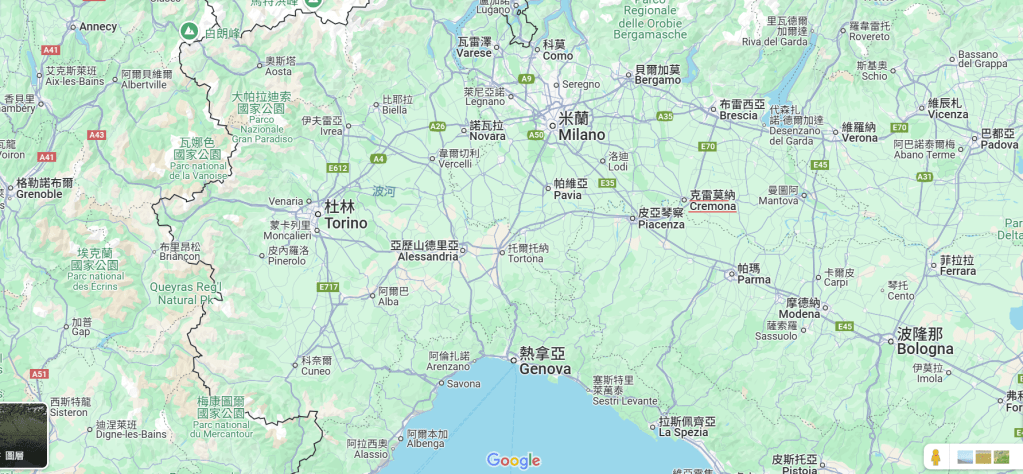
In 1700, in Cremona, Italy, Antonio Stradivari and his apprentice were at work.

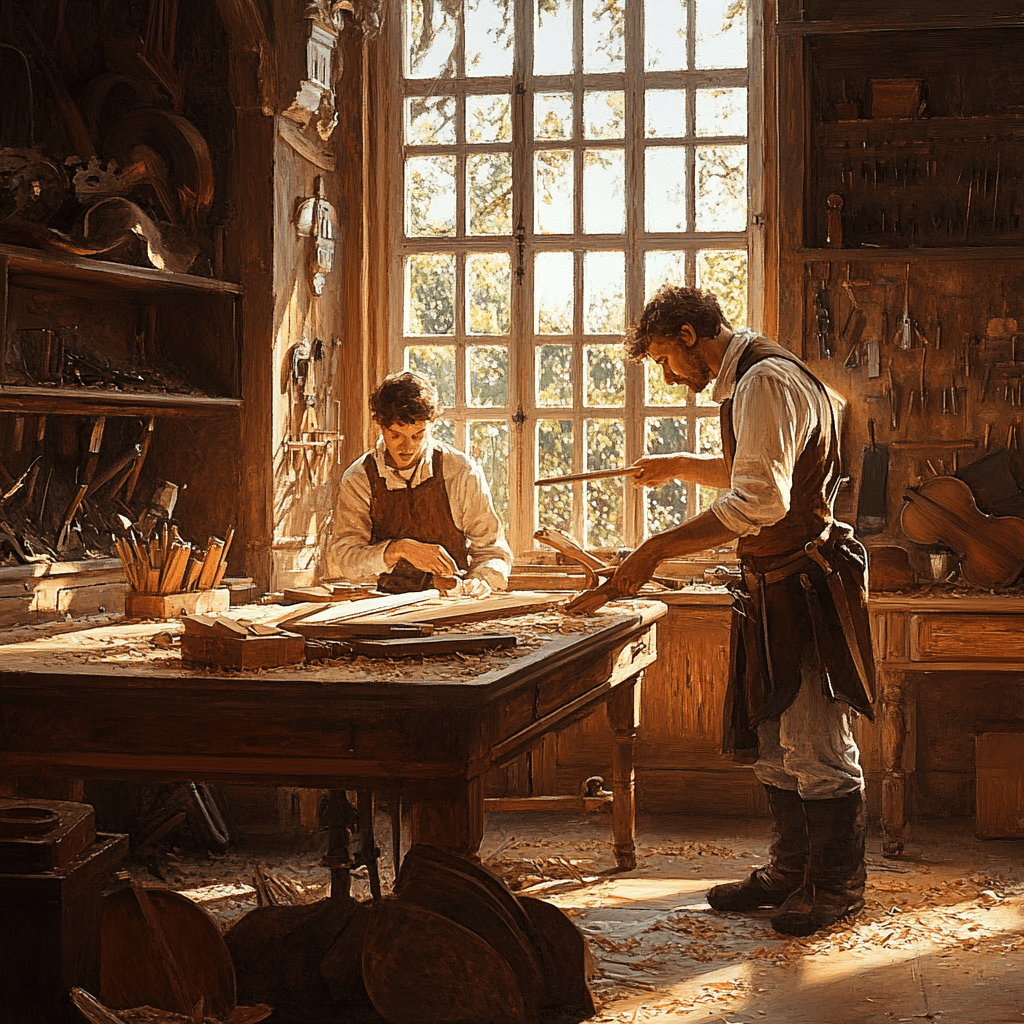
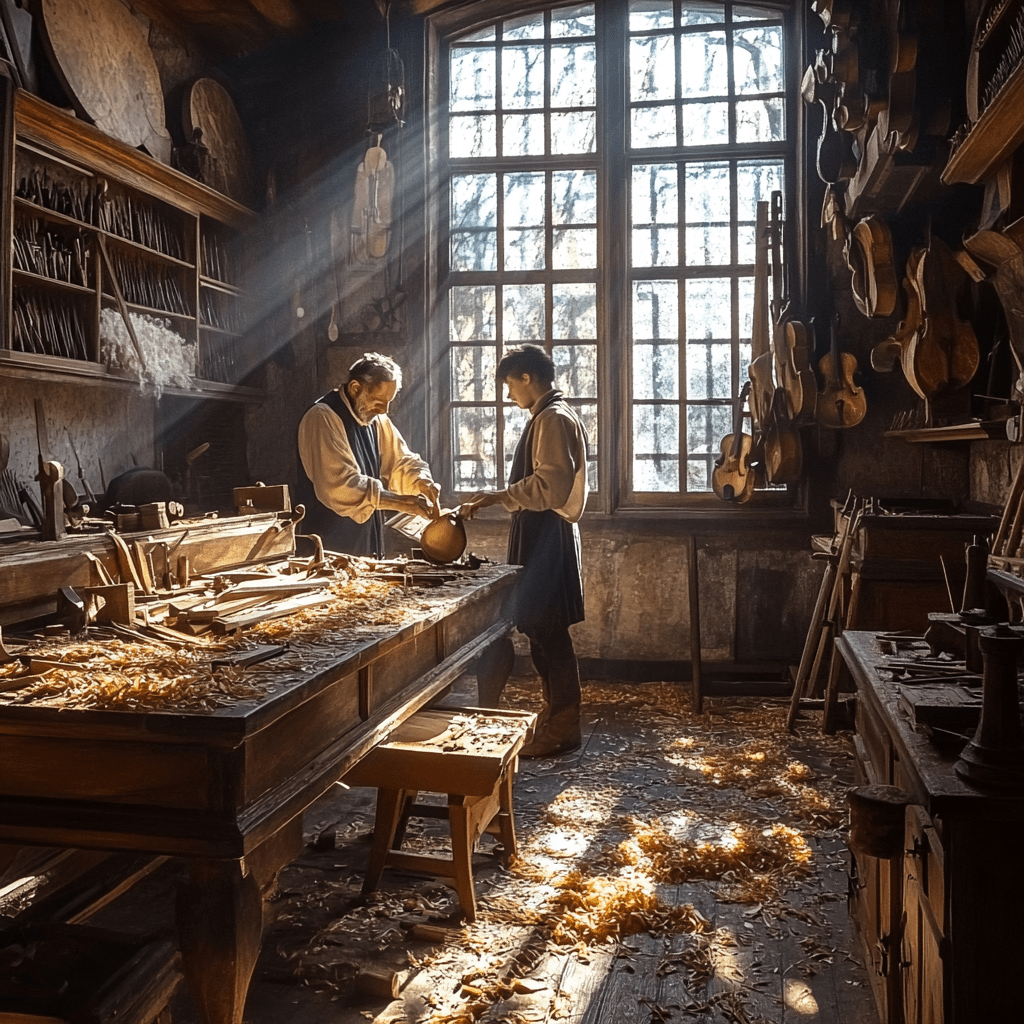
The morning sunlight filtered through the tall windows of the workshop, casting long shadows on the wooden benches scattered with tools—chisels, planes, and gouges. Antonio Stradivari stood near a large oak table, inspecting a freshly cut piece of spruce. His apprentice, Matteo, a slender boy of sixteen with an eager expression, watched intently.
“Matteo," Antonio began, running his fingers along the grain of the wood, “this spruce is from the Fiemme Valley. Do you know why we use this wood for the belly of the cello?"
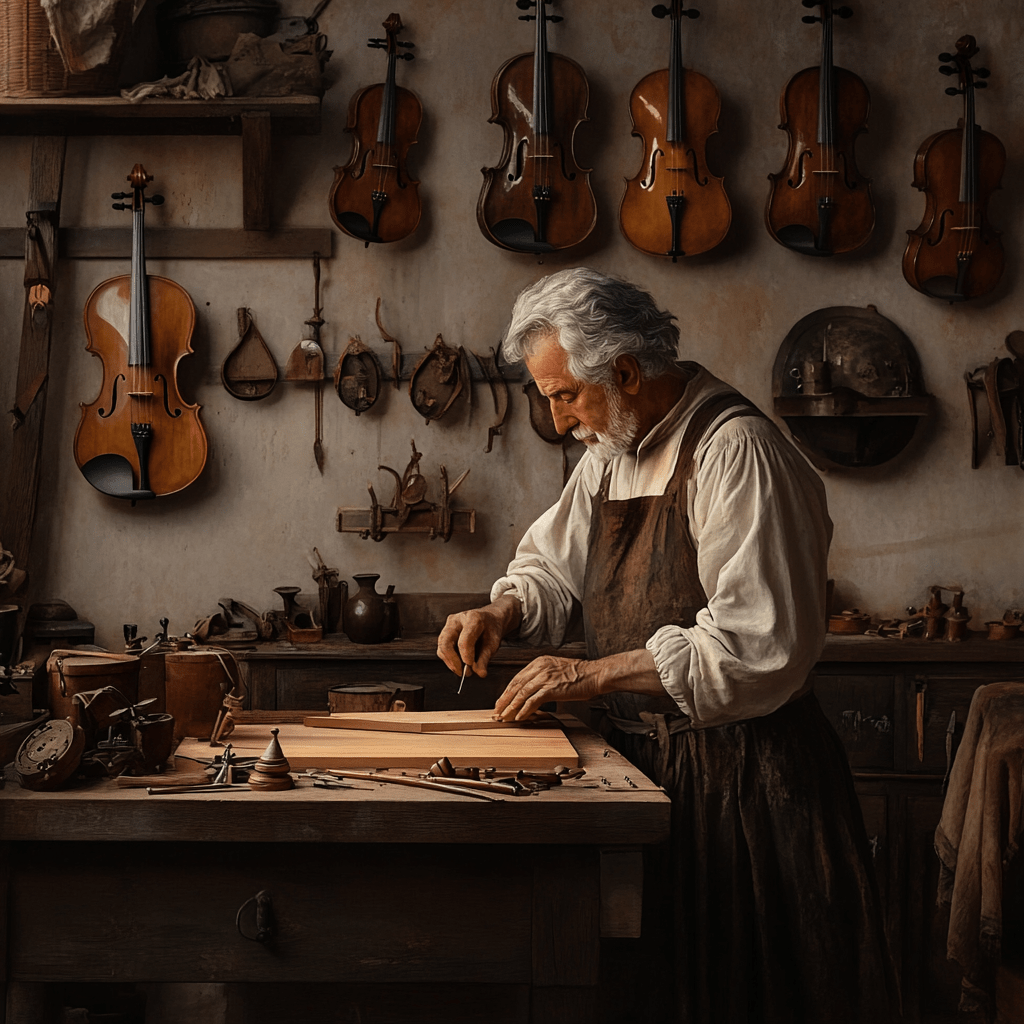
Matteo hesitated for a moment, then replied, “Because it vibrates well, maestro?"
Antonio nodded, a faint smile forming on his lips. “Exactly. The evenness of the grain allows for a rich, resonant sound. But it’s not just about the material. It’s about how we shape it, how we let it sing."
Matteo leaned closer, eyes wide with curiosity. “Will we start carving it today?"
Antonio chuckled softly. “Patience, my boy. First, we must let it rest and adjust to the humidity in the workshop. But there is something you can do. Fetch the maple for the back plate. We have work to do."
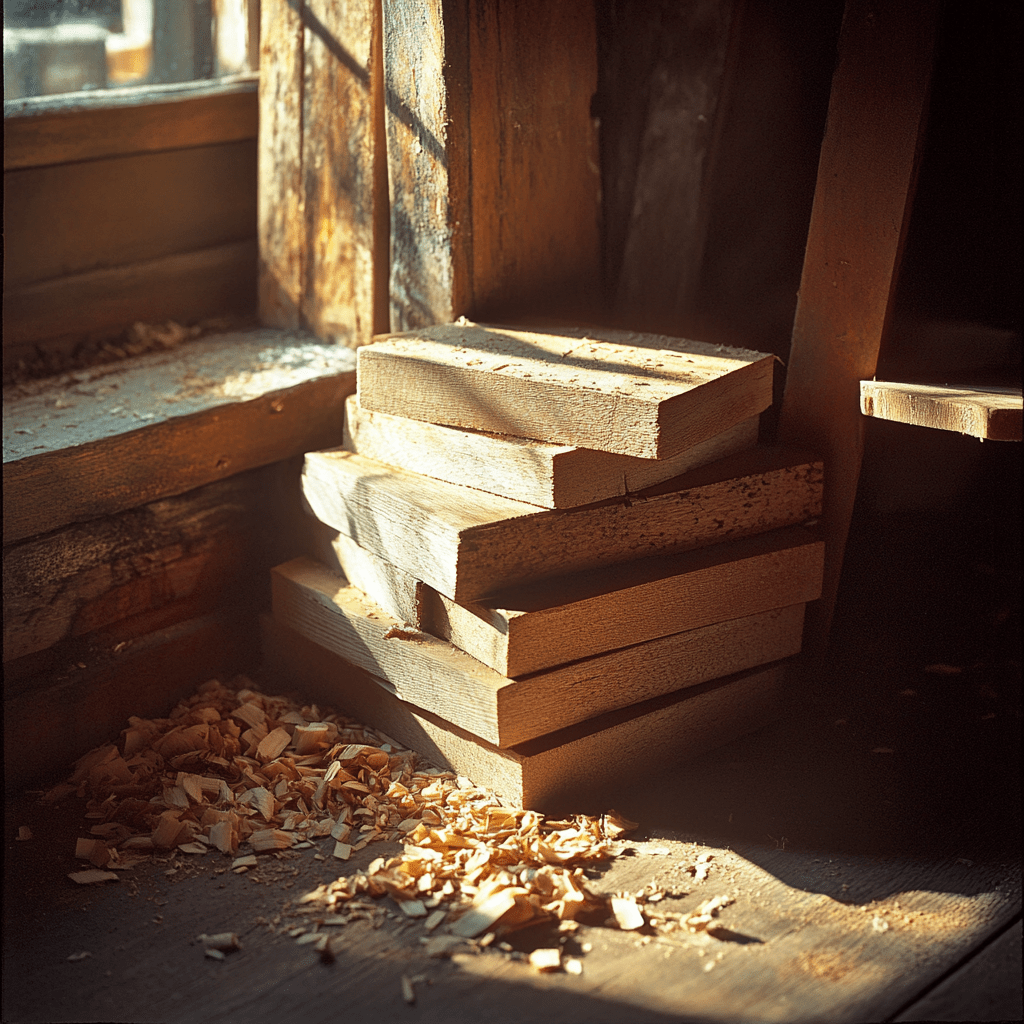
Matteo dashed to the corner of the room, where several planks of maple were stacked neatly. The workshop smelled of wood shavings and varnish, a scent Matteo had come to associate with the magic of creation.
As Matteo carried the plank to the table, Antonio said, “One day, this cello will travel far, perhaps across the seas. But its voice will always carry a piece of Cremona. Remember that."
1700年在意大利克雷莫納(Cremona),安東尼奧·斯特拉迪瓦里和他的學徒在工作。
克雷莫納的工作坊
清晨的陽光穿過高高的窗戶,灑在滿是工具的木製工作台上——鑿子、刨子和雕刻刀四處散落。安東尼奧·斯特拉迪瓦里站在一張巨大的橡木桌旁,仔細檢查一塊剛切好的雲杉木。他的學徒馬泰奧站在一旁,一個瘦削、滿臉渴望的十六歲男孩,專注地盯著老師的動作。
「馬泰奧,」安東尼奧開始說話,一邊用手指輕輕滑過木頭的紋理,「這塊雲杉來自費姆山谷(Fiemme Valley)。你知道為什麼我們用這種木材來製作大提琴的面板嗎?」
馬泰奧稍稍猶豫了一下,然後回答:「因為它的共振效果很好,師傅?」
安東尼奧點了點頭,嘴角露出一絲微笑。「沒錯。均勻的紋理能夠產生豐富而有共鳴的聲音。但這不僅僅是材料的問題。這取決於我們如何雕刻它,如何讓它歌唱。」
馬泰奧湊得更近,眼中充滿了好奇。「我們今天就開始雕刻它嗎?」
安東尼奧輕輕笑了笑。「耐心點,孩子。我們得先讓它休息,適應工作坊的濕度。不過你可以去做點事。去拿那塊要做背板的楓木吧。我們有很多工作要做。」
馬泰奧迅速跑向房間的一角,那裡整齊地堆放著幾塊楓木。工作坊裡彌漫著木屑和漆料的味道,這股氣息對馬泰奧來說已經成為創造奇蹟的象徵。

當馬泰奧把木板搬到桌子上時,安東尼奧說:「有一天,這把大提琴會遠渡重洋,但它的聲音永遠帶著克雷莫納的氣息。記住這一點。」
Preparing the Maple
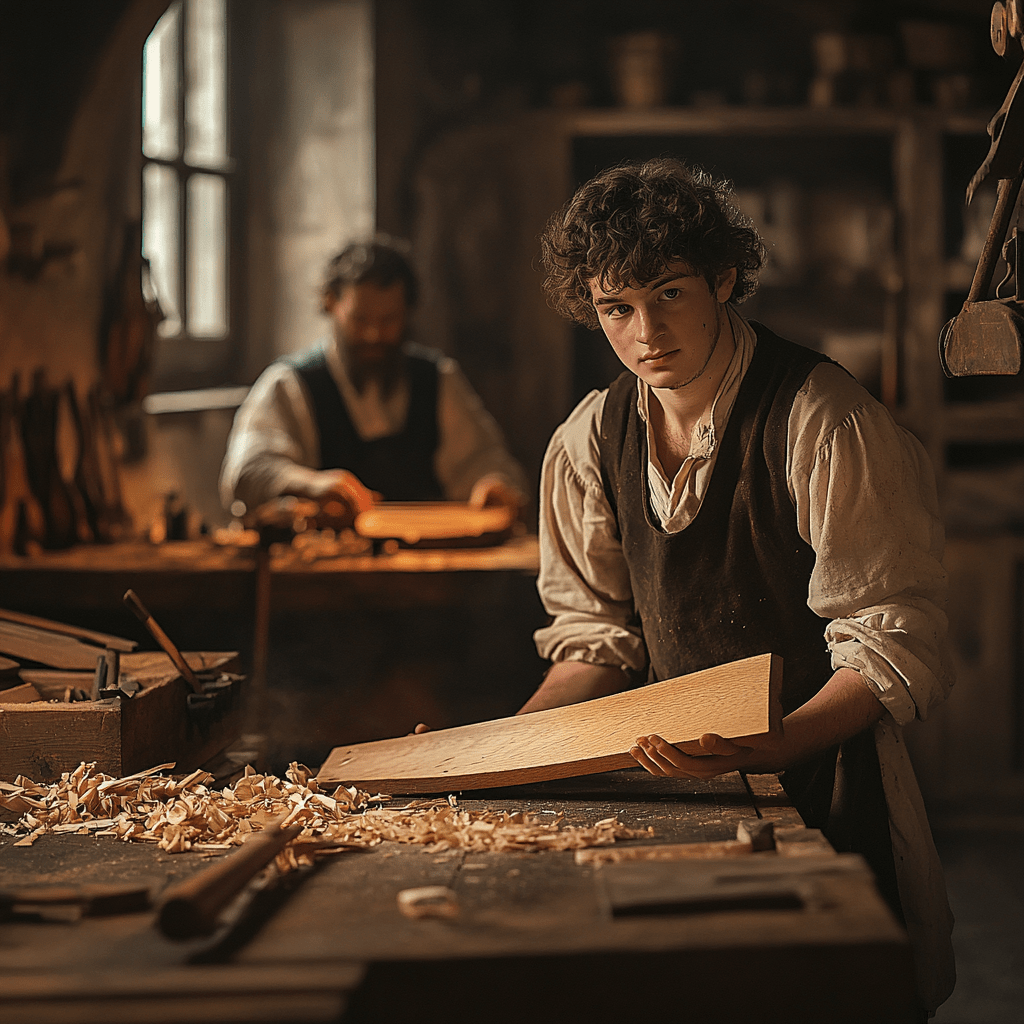
The sound of scraping echoed softly through the workshop as Matteo pulled the plane across the maple plank under Antonio’s watchful eyes. Thin, curled shavings fell to the floor, adding to the golden pile that had already accumulated. Matteo worked carefully, mindful of the even pressure Antonio had shown him.
“Slow down," Antonio said, his tone firm but patient. He stepped closer and adjusted Matteo’s grip. “This is not just any wood. This maple will determine the character of the cello’s voice. If you plane too much, you risk losing its balance."
Matteo paused, wiping sweat from his brow. “But, maestro, how can we know when it is perfect? The wood seems alive—it changes with every stroke."
Antonio smiled, kneeling beside Matteo. “That, my boy, is the art of it. Listen to the sound the plane makes, feel the resistance beneath your hands. The wood will tell you when it is ready."
He took the plane from Matteo and demonstrated, his movements fluid and precise. The sound was steady, rhythmic, almost musical. Matteo watched in awe as the plank began to reveal its soft, glowing surface.
“Now, you try again," Antonio said, handing the tool back. “Remember, you are not just shaping wood. You are shaping its destiny."
準備楓木
刨刀刮過楓木板的聲音在工作坊裡輕輕迴響,馬泰奧專注地按照安東尼奧的指導,用平穩的力道推動刨刀。細長的木屑緩緩落下,與地上已經堆積的金黃色木屑融為一體。馬泰奧小心翼翼地工作,努力模仿安東尼奧之前展示的均勻力度。

「慢一點,」安東尼奧語氣堅定但不失耐心。他走近一步,調整了馬泰奧握刨刀的姿勢。「這不是普通的木材。這塊楓木將決定這把大提琴的聲音性格。如果刨得太多,你會破壞它的平衡。」
馬泰奧停下來,用袖子擦去額頭的汗珠。「可是,師傅,我們怎麼知道什麼時候才是完美?這塊木頭好像有生命似的,每一次刨削都讓它變化。」
安東尼奧微笑著,蹲在馬泰奧旁邊。「孩子,這就是藝術的所在。聽刨刀發出的聲音,感受手下的阻力。木頭會告訴你,它什麼時候準備好了。」
他從馬泰奧手中接過刨刀,親自示範起來,動作流暢而精確。刨刀發出的聲音穩定而有節奏,幾乎像一段音樂。馬泰奧目不轉睛地看著,楓木板逐漸顯露出柔和、微光的表面。
「現在,你再試一次,」安東尼奧說,把工具遞回去。「記住,你不僅是在塑造木頭,你是在塑造它的命運。」
The Woodcutters of Fiemme Valley
A week later, Antonio and Matteo set out early in the morning, their cart rattling along the dirt road as they headed toward the Fiemme Valley. The crisp air carried the faint scent of pine, and the towering mountains loomed ahead, their peaks dusted with snow. Matteo had never been this far from Cremona, and his excitement was barely contained.

“Maestro," Matteo asked, his voice cutting through the rhythmic creak of the wheels, “why do we come all the way here for the wood? Can’t we use trees closer to home?"
Antonio turned the reins slightly, guiding the cart around a bend. “The spruce from the Fiemme Valley is unique," he explained. “Its straight grain and resonance are unmatched. The trees grow slowly in this climate, and the wood becomes dense and even—perfect for creating soundboards."
As they reached a small clearing, a group of woodcutters waved to them. These men, rugged and strong, had spent generations harvesting the finest trees for luthiers like Antonio. One of them, a bearded man named Pietro, greeted Antonio with a firm handshake.
“Signor Stradivari! We have just what you need," Pietro said, motioning toward a stack of freshly cut spruce logs. “These were felled during the right phase of the moon, as always."
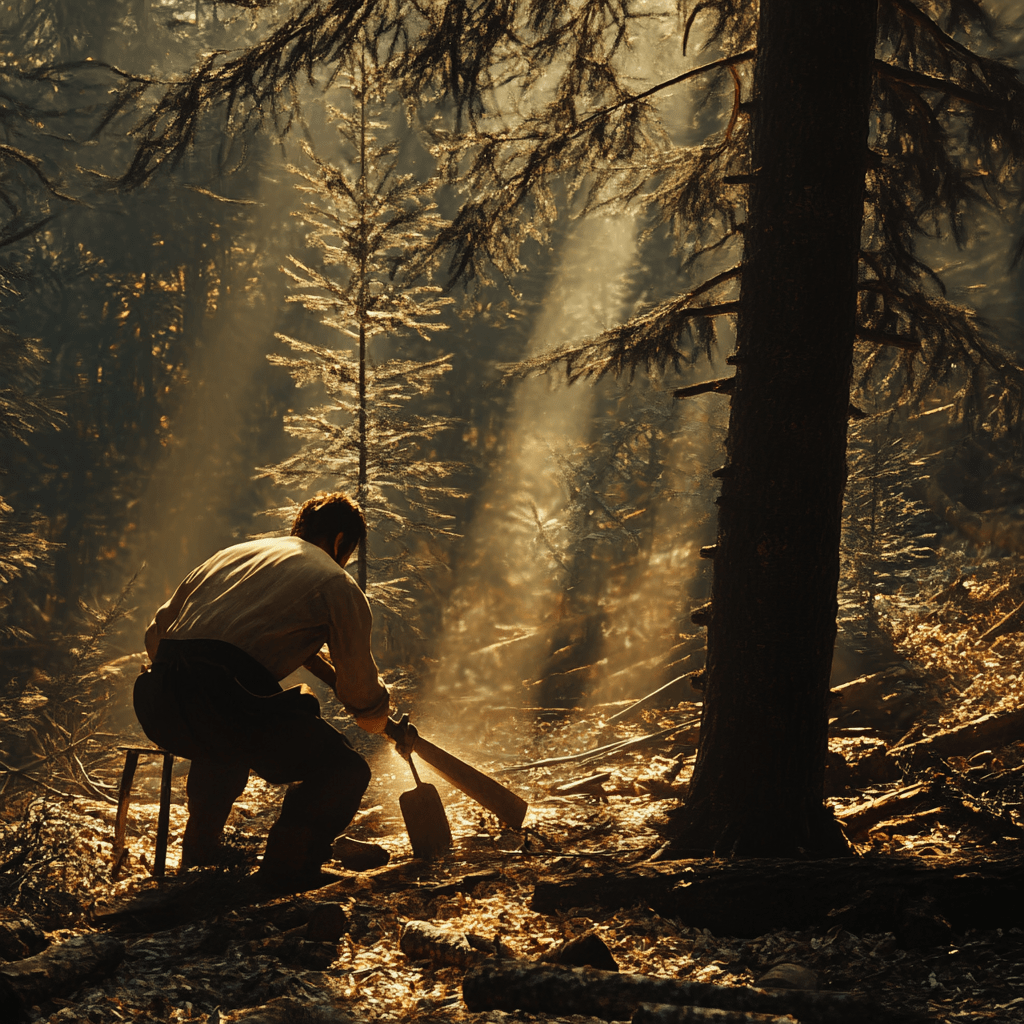

Matteo tilted his head in curiosity. “The moon, maestro? Does it really matter?"
Antonio smiled knowingly. “Yes, Matteo. Wood cut during the waning moon has less sap, which makes it lighter and less prone to warping. It is one of many details that separate an ordinary instrument from a masterpiece."
As the woodcutters loaded the logs onto the cart, Matteo picked up a small piece of spruce and held it to his ear, as if trying to hear the music hidden inside. Antonio chuckled. “One day, you’ll learn to listen, Matteo. Not just with your ears, but with your hands and your heart."
費姆山谷的伐木工
一週後的清晨,安東尼奧和馬泰奧啟程出發。他們的馬車在土路上顛簸著,朝費姆山谷(Fiemme Valley)前進。清冷的空氣中瀰漫著淡淡的松樹香氣,遠處高聳的群山披著薄雪。馬泰奧從未離開過克雷莫納這麼遠,他的興奮幾乎藏不住。
「師傅,」馬泰奧的聲音穿過車輪的節奏聲,「為什麼我們要特地來這裡取木材?家附近的樹木不能用嗎?」

安東尼奧微微拉動韁繩,引導馬車繞過一個彎道。「費姆山谷的雲杉是獨一無二的,」他解釋道。「它的紋理筆直且具有良好的共振效果。在這樣的氣候下,樹木生長緩慢,木材變得密實且均勻——這是製作共鳴板的完美材料。」
當他們抵達一片小空地時,一群伐木工向他們揮手致意。這些粗獷而結實的男人,世代為像安東尼奧這樣的琴師提供最優質的木材。其中一人,是名叫彼得羅(Pietro)的男子,滿臉鬍鬚,他用有力的握手迎接了安東尼奧。
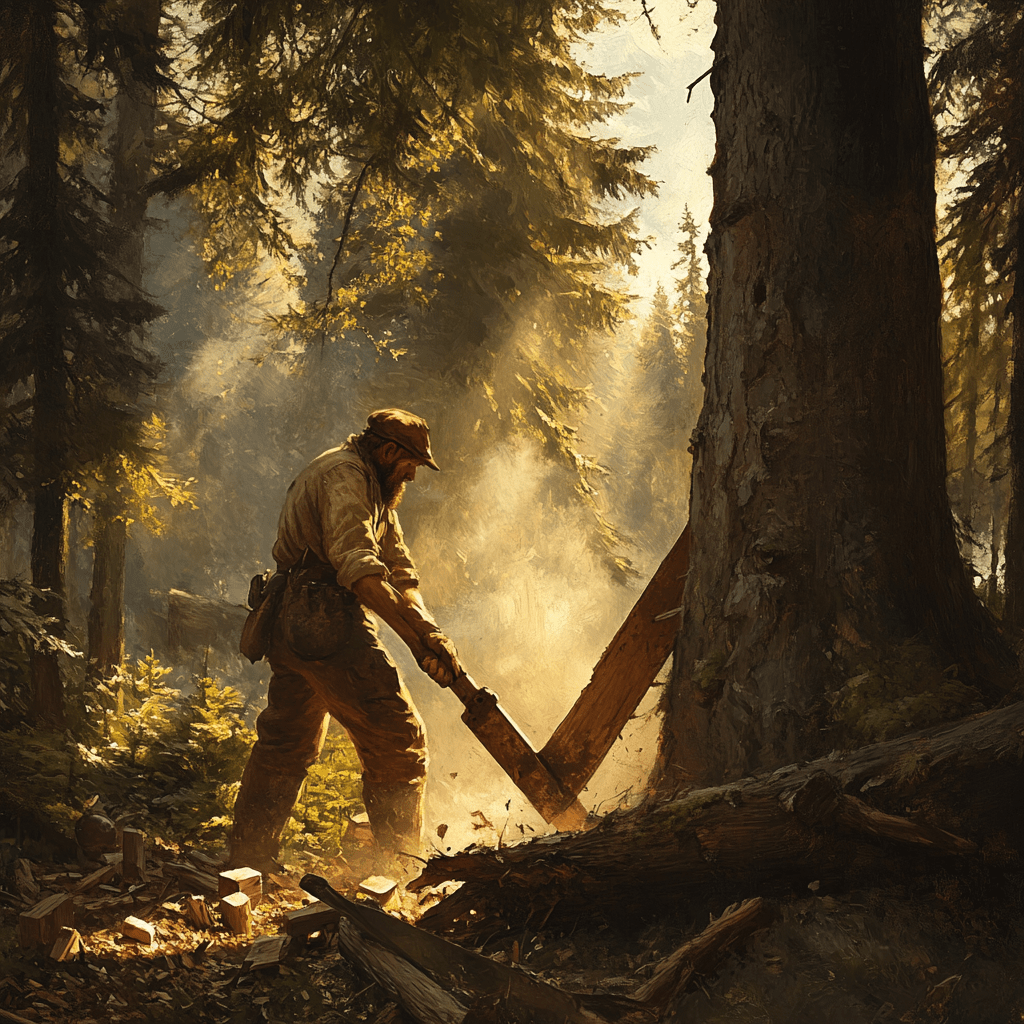

「斯特拉迪瓦里先生!我們已經準備好了您需要的木材。」彼得羅指向一堆剛砍下的雲杉木。「這些都是在月亮合適的時候砍的,一如既往。」
馬泰奧好奇地歪著頭。「月亮?師傅,這也有關係嗎?」
安東尼奧意味深長地笑了笑。「當然有,馬泰奧。在月虧期間砍伐的木材含有更少的樹液,這使它更輕且不易變形。這是區分普通樂器與經典之作的眾多細節之一。」
當伐木工將木材裝上馬車時,馬泰奧拿起一小塊雲杉,湊到耳邊,彷彿試圖聆聽隱藏在裡面的音樂。安東尼奧輕輕笑了:「總有一天,你會學會聆聽,不僅用耳朵,還要用手和心。」
The value of the “Taft" cello lies in its craftsmanship and innovation, showcasing Antonio Stradivari’s mastery.
- Premium Materials: Stradivari selected high-quality spruce from the Alps for the top and European maple for the back and sides, ensuring superior resonance and durability.
- Golden Era Design: Made in 1700, during Stradivari’s prime, the cello’s balanced dimensions and arching contribute to its unparalleled sound.
- Unique Varnish: The thin, protective varnish enhances the wood’s vibration and adds a distinctive aesthetic appeal.
- Handcrafted Precision: Each instrument bears the unique touch of Stradivari’s artistry, making it irreplaceable.
- Historical Significance: The “Taft" cello embodies the pinnacle of 17th-century craftsmanship and cultural heritage.
This blend of acoustic brilliance, innovation, and history makes the “Taft" cello a masterpiece treasured by musicians and collectors alike.
「Taft」大提琴的價值在於其精湛工藝與創新,充分展現了安東尼奧·斯特拉迪瓦里的製琴技術。
- 頂級材料:選用阿爾卑斯雲杉為面板、歐洲楓木為背板和側板,確保優異的共鳴與耐用性。
- 黃金時期設計:製於1700年,琴體的尺寸與弧度設計平衡,音質無與倫比。
- 獨特漆料:薄而保護性強的漆層增強木材振動,並賦予獨特的美學價值。
- 手工製作:每把琴都經過細緻雕刻,獨具藝術魅力,無法複製。
- 歷史意義:作為17世紀製琴巔峰的見證,「Taft」大提琴承載著豐富的文化內涵。
其音質卓越、工藝精湛與歷史價值,使得「Taft」大提琴成為音樂家與收藏家的珍寶。

 Virtual Travel | 虛擬旅行沉浸式英語學習
發表留言