
Julia, a history professor from Finland, has been researching the cultural transitions of the Arctic regions for years. This winter, she invited her colleague and close friend, Emma, an ecologist from the UK, to experience life in the far north. Emma’s research often revolves around the relationship between ecosystems and human activities, making Julia’s snowy hometown an ideal place for her to gain new insights.
Arrival in the Snowy North
The story begins with Emma arriving in Rovaniemi, the heart of Finnish Lapland. As the train pulls into the station, the snow-covered landscape immediately captures Emma’s attention. Julia is already waiting, wrapped in a thick coat, with a warm smile despite the biting cold.
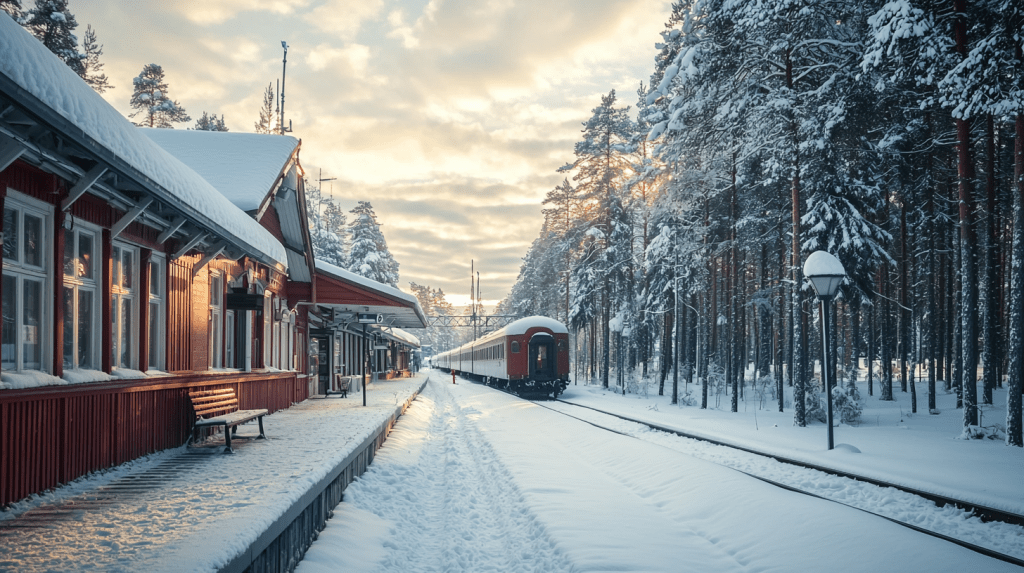
The train slowed as it approached the Rovaniemi station, its horn breaking the silence of the vast snowy expanse. Emma pressed her face against the cold glass window, her breath fogging the pane as she tried to take in the view. Rows of pine trees, laden with snow, stretched endlessly into the distance.
“Emma!” Julia’s voice rang out as soon as Emma stepped off the train, her suitcase dragging through the freshly fallen snow. Julia was bundled in a thick coat, her woolen hat pulled low over her ears, but her smile was warm enough to melt the frost.
“Julia! It’s colder than I imagined!” Emma exclaimed, pulling her scarf tighter around her neck.
Julia chuckled. “Welcome to Lapland. This is mild, by the way. Wait until we get a proper snowstorm!”
Emma groaned dramatically. “I should have brought my entire wardrobe.”
“Don’t worry, I have extra blankets and plenty of hot drinks waiting for you at the cabin. Come on, let’s get you settled.”
茱莉亞是芬蘭的一名歷史教授,長期研究北極地區的文化變遷。今年冬天,她邀請了她的好友兼同事艾瑪來到北國體驗生活。艾瑪是一位英國的生態學家,專注於研究生態系統與人類活動的關係,而茱莉亞居住的雪國小鎮對艾瑪的研究來說是絕佳的學習機會。
抵達雪國
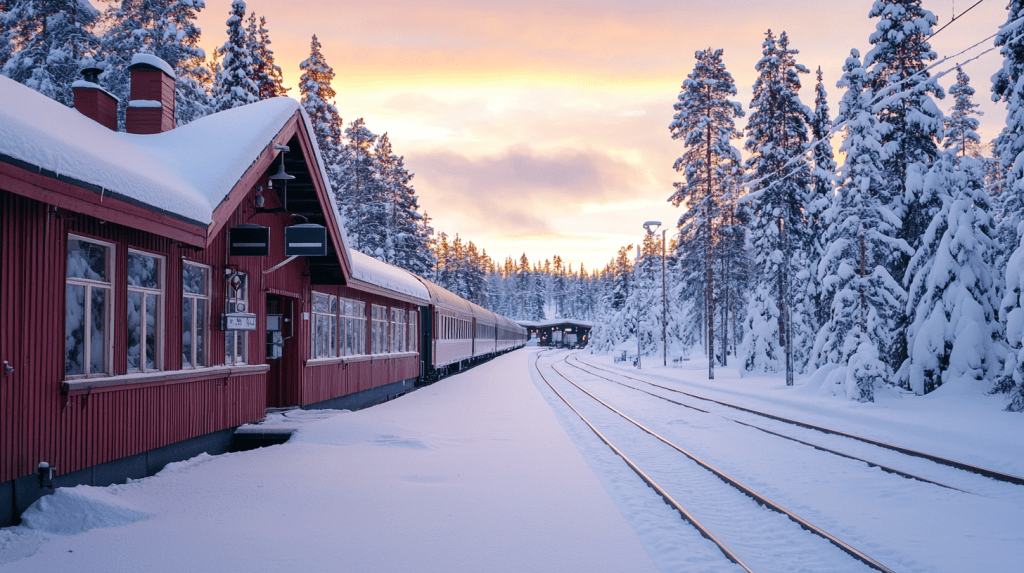
故事從艾瑪抵達芬蘭拉普蘭的羅瓦涅米開始。火車駛入車站,窗外的雪白世界立刻吸引了艾瑪的目光。茱莉亞早已等候在月台上,身穿厚實的外套,在刺骨的寒風中露出溫暖的笑容。
火車在羅瓦涅米車站嘎然停下,金屬的摩擦聲在覆滿積雪的靜謐景色中回響。艾瑪有些緊張地調整著圍巾,透過窗戶望著外面輕舞的雪花,還有站台上正熱情揮手的茱莉亞。
火車門「嘶」地一聲打開,北國的寒風如同一道冰牆撲面而來。艾瑪拖著行李走下車,靴子在雪地上發出嘎吱聲。
「艾瑪!這裡!」茱莉亞的聲音從圍在她臉上的圍巾中傳出,有些模糊。
「茱莉亞!哦,這比我想像的還冷!」艾瑪驚呼,一邊將外套裹得更緊。
茱莉亞笑得很開心,臉頰被凜冽的寒風凍得通紅:「這?這才剛開始呢!等溫度降到零下三十度妳就知道了!」
艾瑪瞪大了眼睛,一臉不可置信:「零下三十?妳一定是在開玩笑!」
茱莉亞大笑,接過艾瑪的行李:「走吧,妳很快就會習慣的。我們先回小屋,那裡很暖和,還有熱飲等著妳。」
她們向茱莉亞的車走去,車燈劃破暮色。艾瑪忍不住感嘆周圍的靜謐美景,世界彷彿被一層純淨的白雪包裹著。

The Warmth of the Hearth

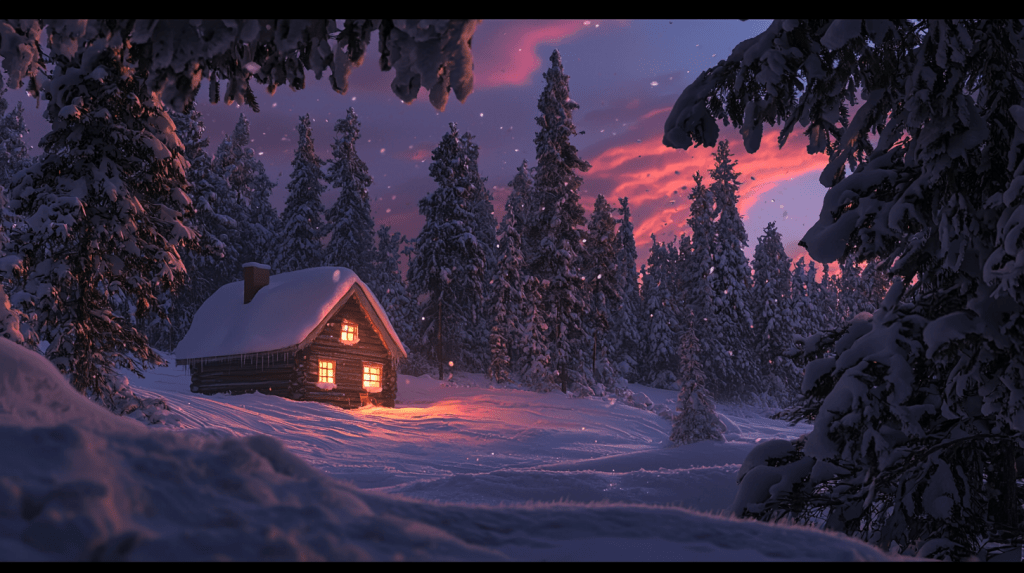
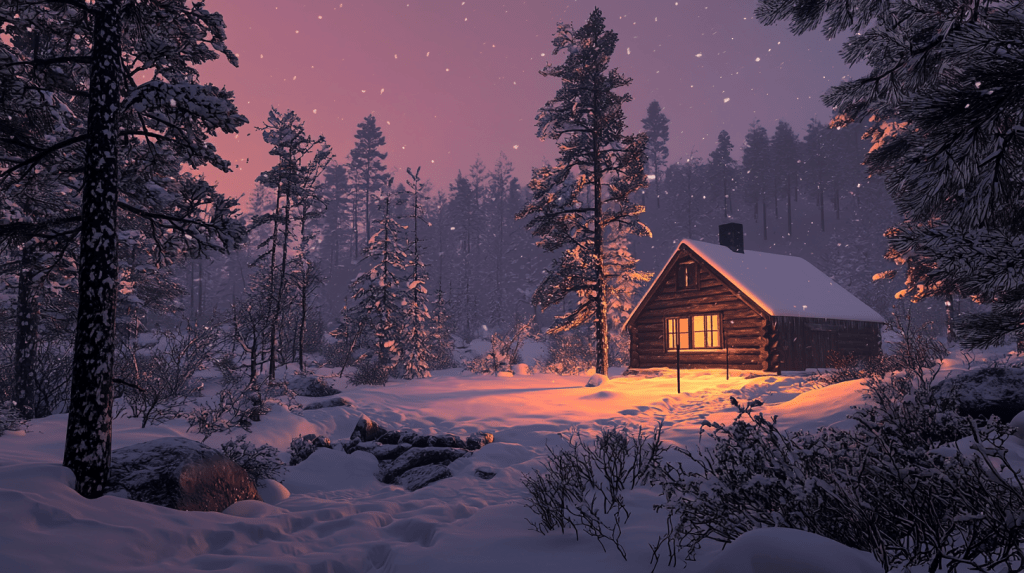
Julia’s cabin sat at the edge of a dense forest, its red walls dusted with snow and icicles hanging from the roof. As they approached, the faint glow of light from the windows promised warmth and comfort.
Emma stepped inside and was immediately enveloped by a wave of warmth. The cabin smelled of pinewood, with a faint hint of cinnamon wafting from the kitchen. A fire crackled merrily in the stone fireplace, casting flickering shadows on the wooden walls.
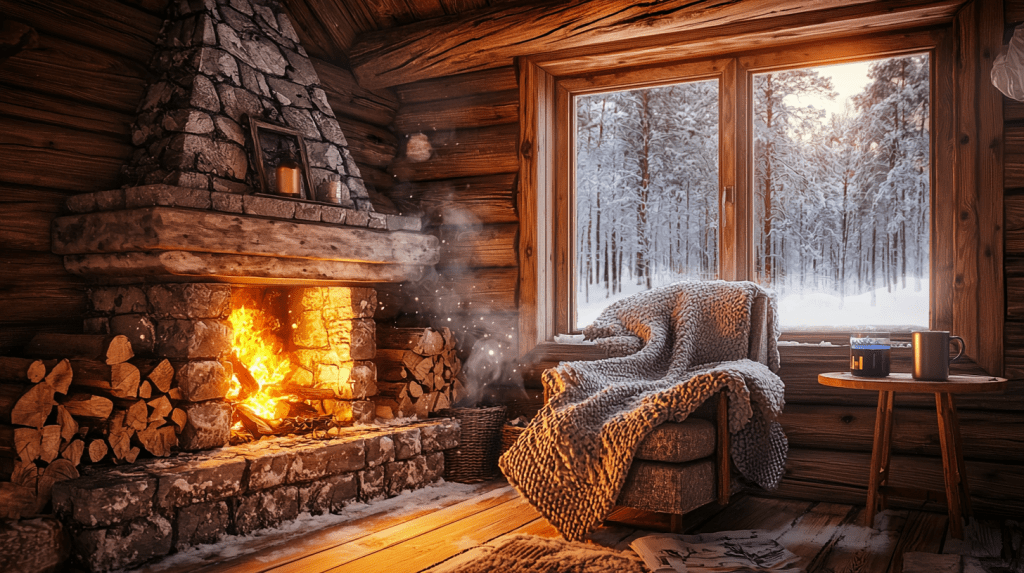
“Wow,” Emma breathed, looking around. “It’s so cozy! Like something out of a fairy tale.”
Julia smiled as she set Emma’s suitcase by the door. “It’s my little retreat. Here, let me take your coat. Sit by the fire; you must be frozen.”
Emma sank into a soft armchair by the fireplace, stretching her hands out toward the flames. “I didn’t realize how much I needed this until now. It’s perfect.”
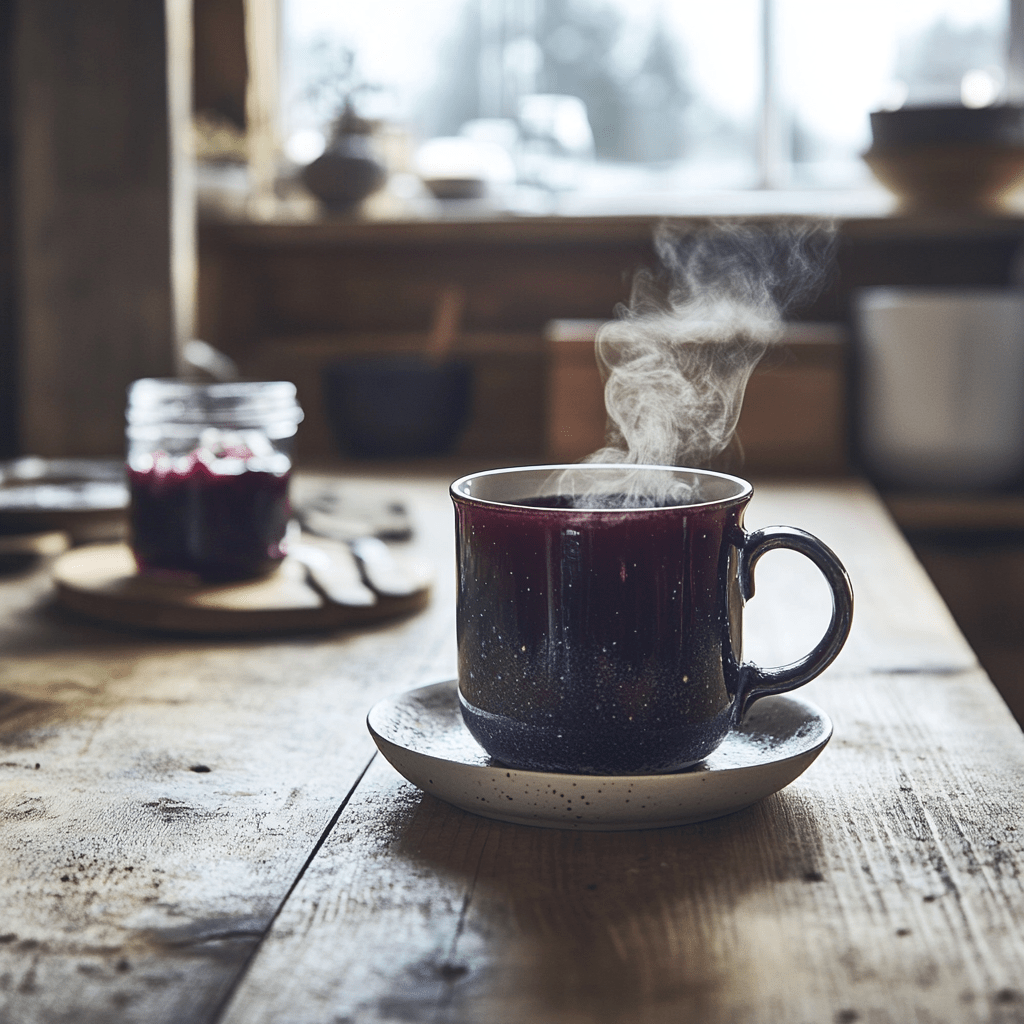
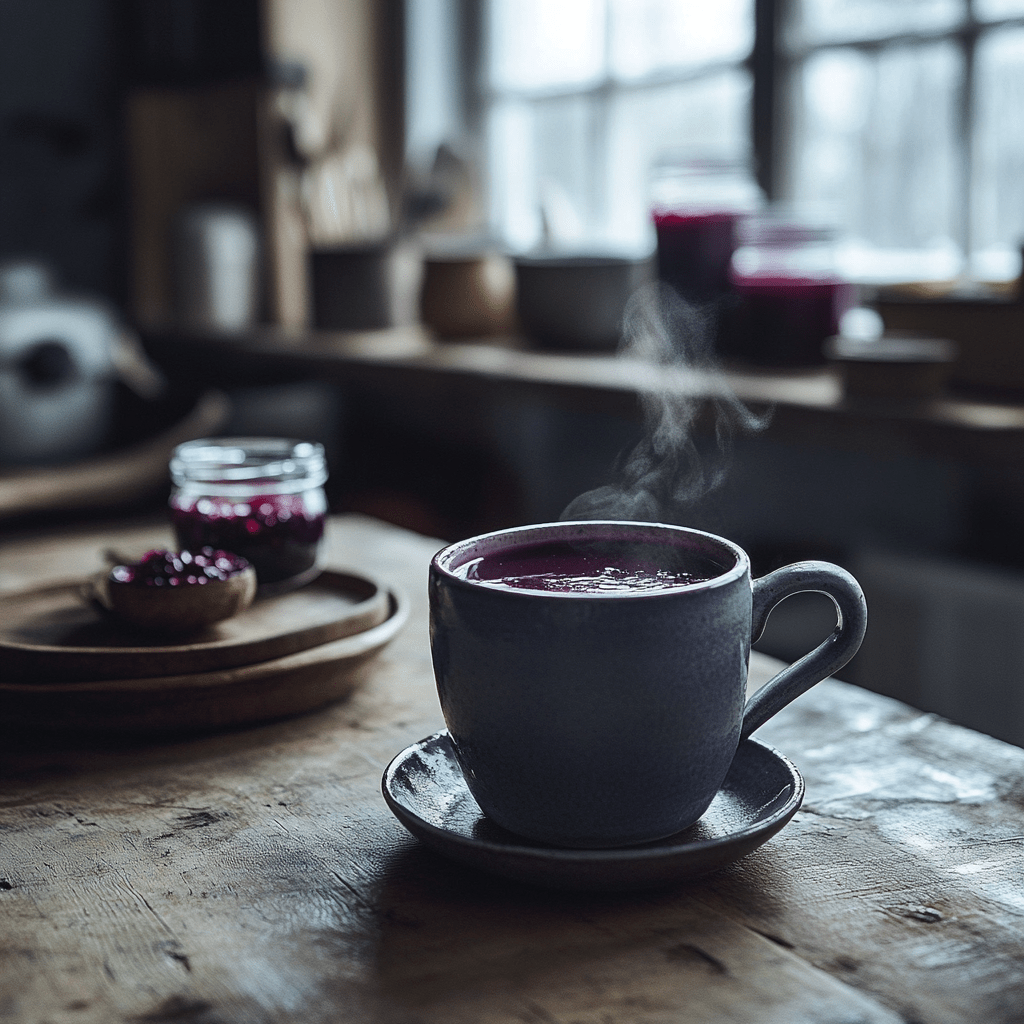
Julia walked over with two steaming mugs of dark red liquid. “Here, blueberry juice. It’s a Finnish winter favorite.”
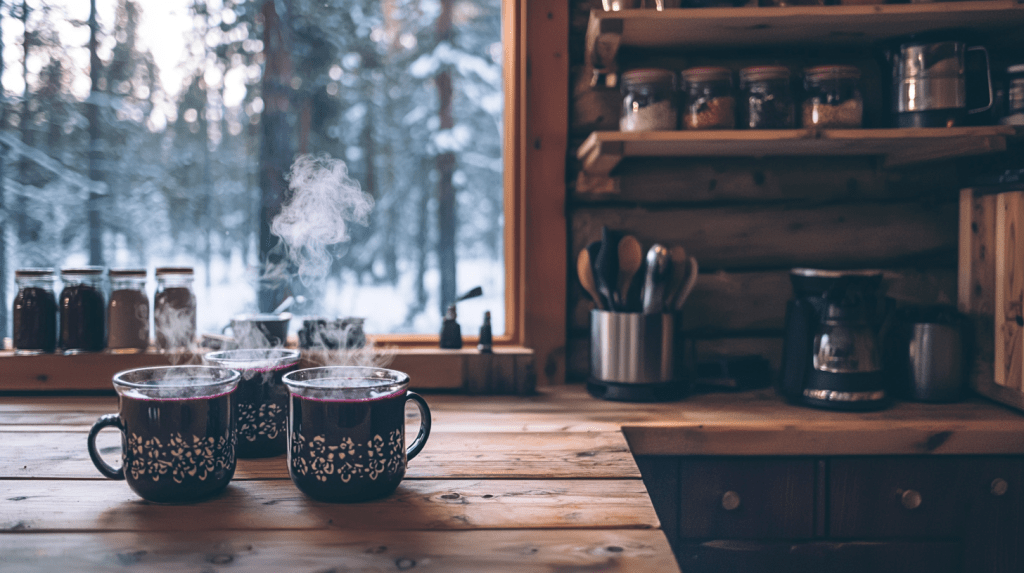
Emma took a sip and let out a satisfied hum. “This is amazing. Sweet and tangy, with a hint of warmth. I need the recipe!”
Julia laughed as she sat down across from Emma. “I’ll teach you, but only if you survive the sauna experience tomorrow.”
“Sauna? Oh, I can handle that. But the part where you jump into the snow afterward? That’s where I draw the line!”
“We’ll see about that,” Julia teased. “For now, just relax and enjoy the quiet.”
The two friends sat in comfortable silence, listening to the crackle of the fire and the wind howling faintly outside.
爐火的溫暖
茱莉亞的小屋坐落在一片濃密的森林邊緣,紅色的木牆上覆滿雪霜,屋簷垂掛著冰柱。他們靠近時,窗戶透出的微光彷彿在預告著裡面的溫暖與舒適。

艾瑪一踏進屋內,立刻被一股暖流包圍。小屋裡彌漫著松木的清香,還隱隱透著廚房裡飄出的肉桂味。石製壁爐裡的火焰劈啪作響,火光在木牆上投下跳動的影子。
「哇,」艾瑪環顧四周,感嘆道:「這也太舒適了!就像童話裡的小屋一樣。」
茱莉亞微笑,將艾瑪的行李放在門邊:「這是我的小天地。來,把外套脫下來,坐到火爐邊,妳肯定快凍僵了。」
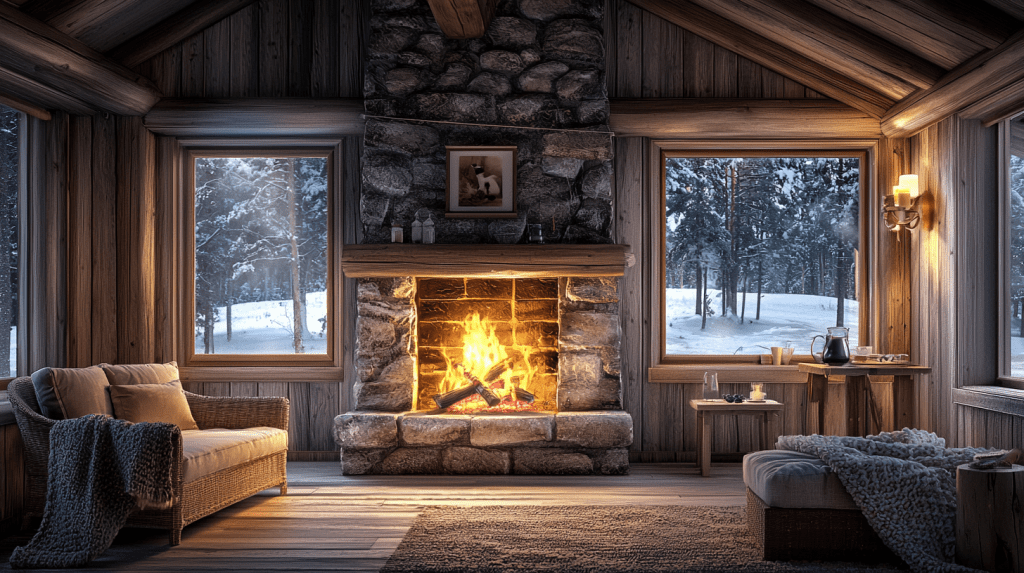
艾瑪坐在壁爐旁的軟椅上,伸出雙手靠近火焰。「我不知道自己有多需要這種暖和,直到現在。這真是太完美了。」
茱莉亞端來兩杯熱氣騰騰的深紅色飲料:「來,藍莓汁。這是芬蘭冬季的招牌飲品。」
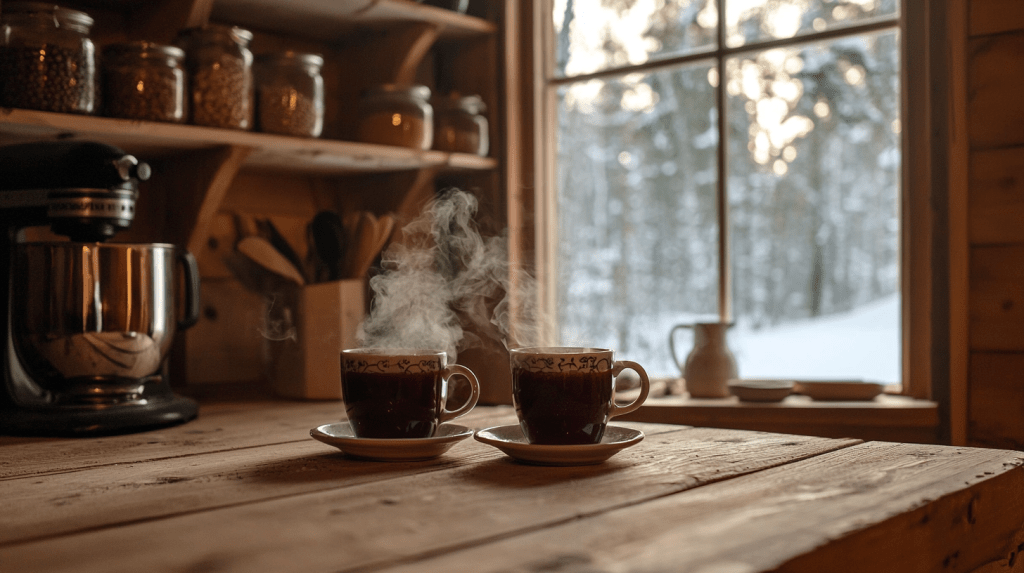
艾瑪啜了一口,滿足地哼了一聲:「這太棒了。甜中帶酸,還有股溫暖的感覺。我一定要學怎麼做!」
茱莉亞笑著坐在艾瑪對面:「我可以教妳,不過妳得先通過明天的桑拿挑戰。」
「桑拿?哦,這我沒問題。不過跳進雪地裡那一部分?我絕對不行!」
「走著瞧,」茱莉亞打趣道。「現在就好好放鬆,享受這份靜謐吧。」
兩人安靜地坐著,聽著壁爐的火焰劈啪作響,微風在窗外低語。
A Cozy Kitchen Chat
Emma looked around the kitchen, taking in its rustic simplicity. The wooden shelves were lined with jars of preserved berries, herbs, and dried mushrooms. A basket of root vegetables sat on the counter, and the aroma of fresh bread lingered in the air.

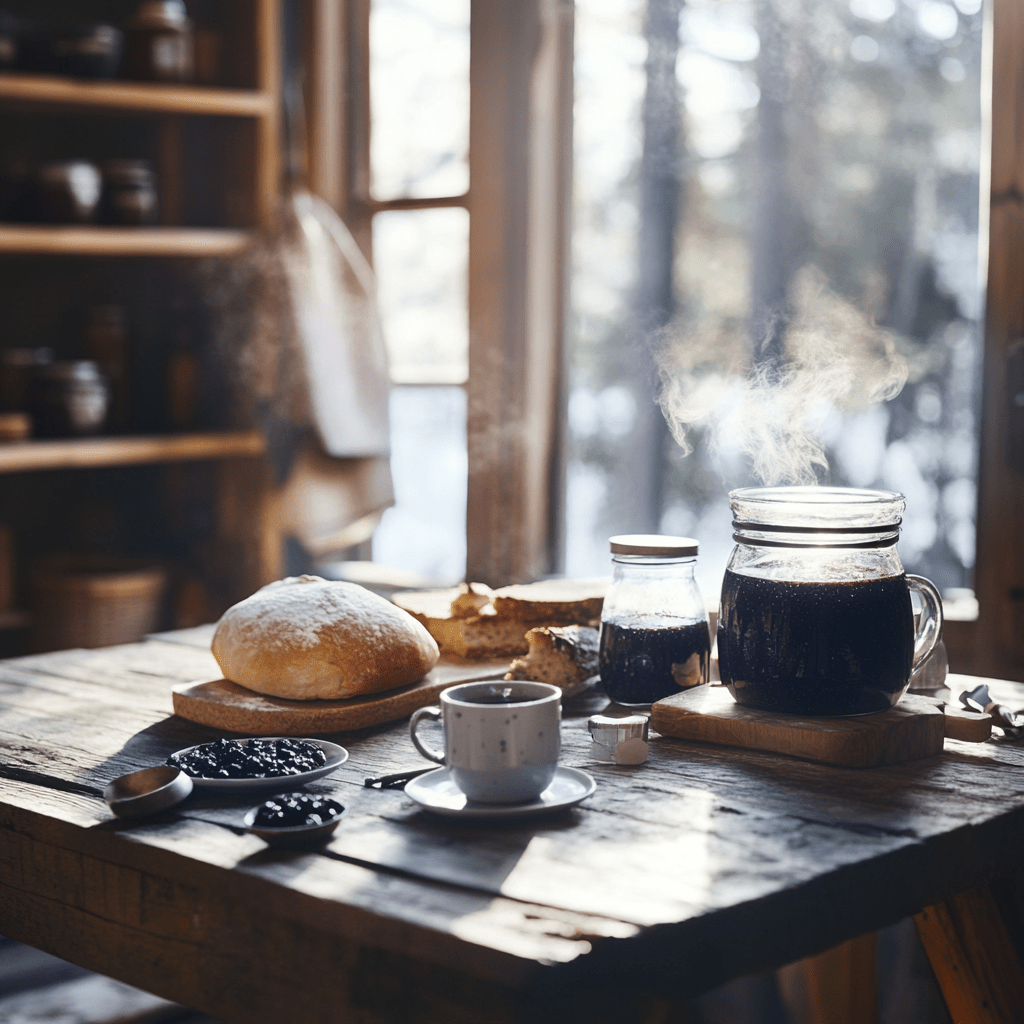
“This is such a charming kitchen,” Emma said, wrapping her hands around the warm mug of blueberry juice. “But I’m curious—where do you get your groceries? I didn’t see any stores nearby on the way here.”
Julia smiled as she ladled soup into a pot on the stove. “There’s a small grocery store in the village, about a 15-minute drive from here. It has the basics, but for fresh produce or specialty items, I usually plan a trip to the town center once a week.”

Emma sipped her juice, the tartness making her smile. “Do you stock up for the whole week in one go? Or do you just grab what you need?”
“In winter, I stock up. Driving through the snow every day isn’t exactly practical,” Julia replied, stirring the pot. “But honestly, I rely on preserved foods a lot. Berries, jams, pickled vegetables—they’re lifesavers when the roads are bad.”
Emma glanced at the jars on the shelf. “Did you make these yourself?”
“Most of them, yes. It’s a tradition here to preserve as much as you can during the summer and autumn. Blueberries, lingonberries, cloudberries—we forage for them and make jams or freeze them. It’s part of the rhythm of life here.”
“I love that idea,” Emma said, setting her mug down. “It feels so connected to the seasons, so self-sufficient.”
Julia chuckled. “It’s lovely, but it’s also necessity. When you live in a remote place like this, you can’t always rely on fresh supplies. You learn to make do with what you have.”
在廚房聊天
艾瑪環顧廚房,感受到這個空間樸實而溫馨的氣息。木架上擺滿了保存的莓果、香草和乾蘑菇,櫃檯上放著一籃根莖類蔬菜,空氣中飄著新鮮麵包的香味。

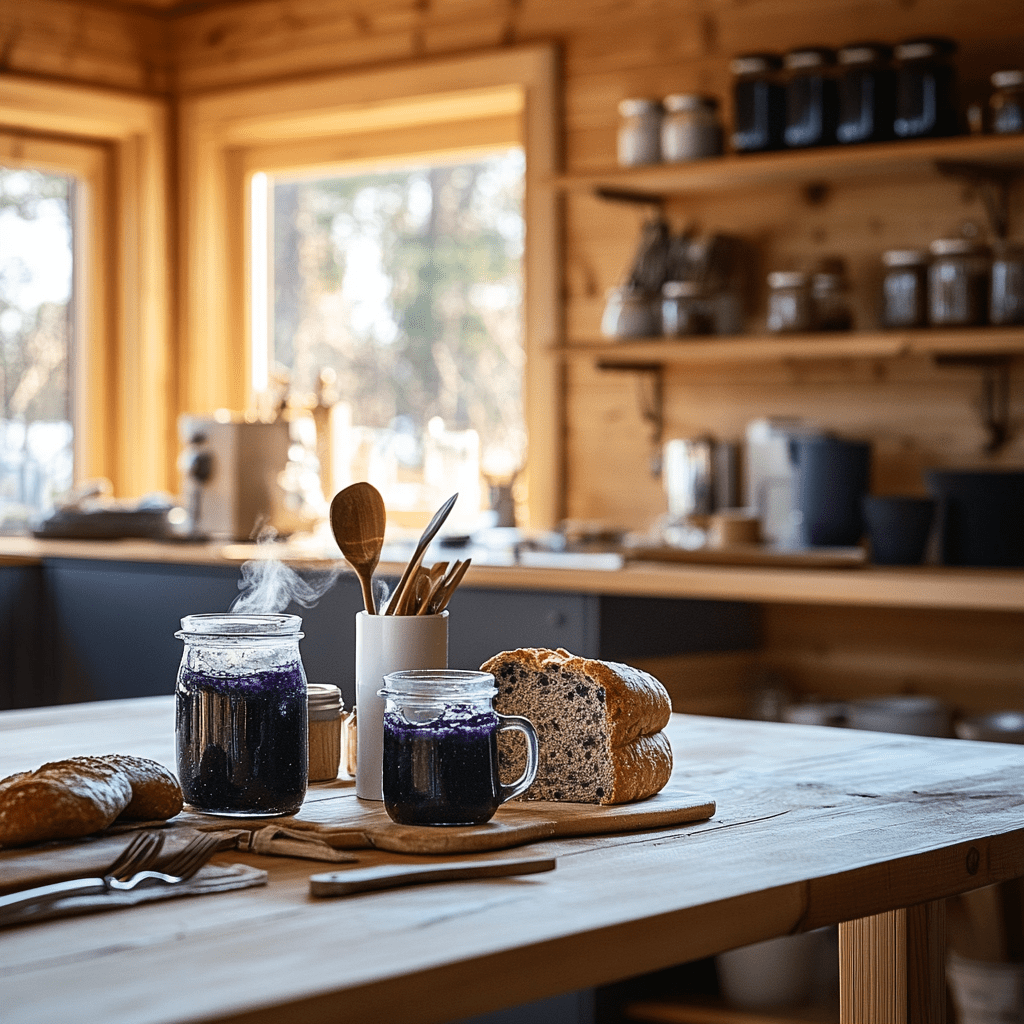
「這廚房真迷人,」艾瑪說,一邊用雙手捧著溫暖的藍莓汁。「不過我很好奇——妳平常去哪裡買菜?我們一路過來都沒看到店鋪啊。」
茱莉亞微笑,正在爐子上舀湯進鍋:「村裡有個小超市,開車大概十五分鐘就到。基本的東西都有,但要買新鮮蔬菜或特殊食材的話,我通常一週去鎮中心一次。」
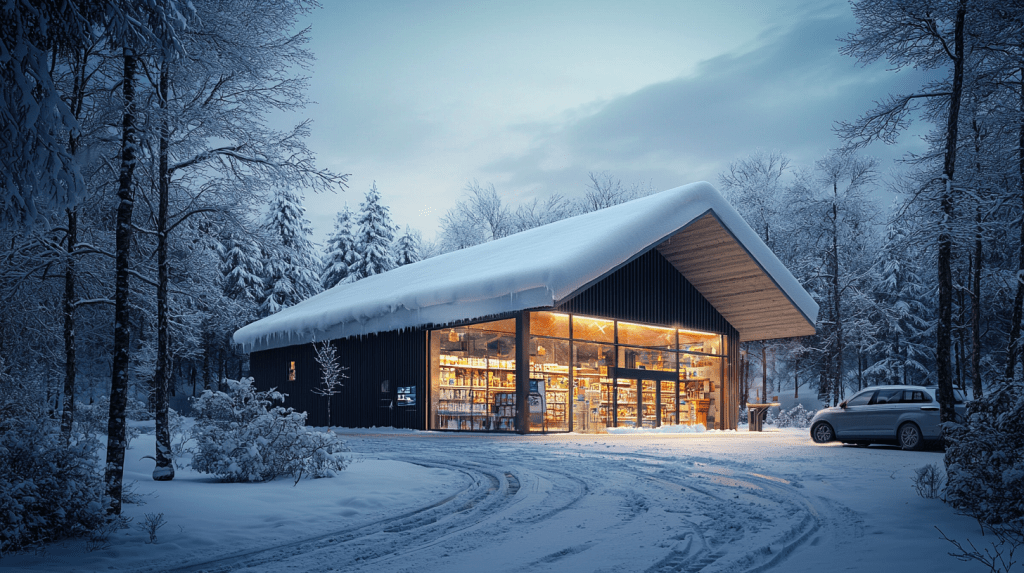
艾瑪啜了一口藍莓汁,那微微的酸味讓她露出笑容:「那妳是一次買一整週的量,還是只買需要的?」
「冬天當然是一次買足。每天開車在雪地裡可不太現實,」茱莉亞一邊攪拌鍋裡的湯,一邊回答。「不過說真的,我平常也很依賴保存的食物。莓果、果醬、醃菜——當道路不好走的時候,這些可就是救星了。」
艾瑪瞥了一眼架子上的罐子:「這些是妳自己做的嗎?」
「大部分是。這裡有個傳統,夏天和秋天儘量把東西保存起來。藍莓、越橘、雲莓——我們會自己去採,然後做成果醬或冷凍起來。這是一種生活的節奏。」
「我很喜歡這種方式,」艾瑪放下杯子說。「感覺跟季節緊密連結,而且很自給自足。」
茱莉亞笑了:「是很美好,但也是種必要。住在這種偏遠地方,不能總是依賴新鮮補給。妳得學會善用手邊的東西。」
Surviving the Winter: Heat, Power, and Connectivity
Emma leaned back in her chair, her curiosity piqued as she glanced at the stove radiating warmth and the faint hum of the kitchen’s modern appliances.
“So,” she began, taking another sip of her blueberry juice, “how do you keep this place warm in such harsh winters? Is it all from the fireplace?”
Julia shook her head with a smile. “The fireplace helps, of course, but it’s mostly supplemental. The cabin is insulated really well—thick walls, double-paned windows. And we have a geothermal heating system. It’s pretty common here in Finland, especially in rural areas.”
Emma raised an eyebrow. “Geothermal? That sounds… fancy.”
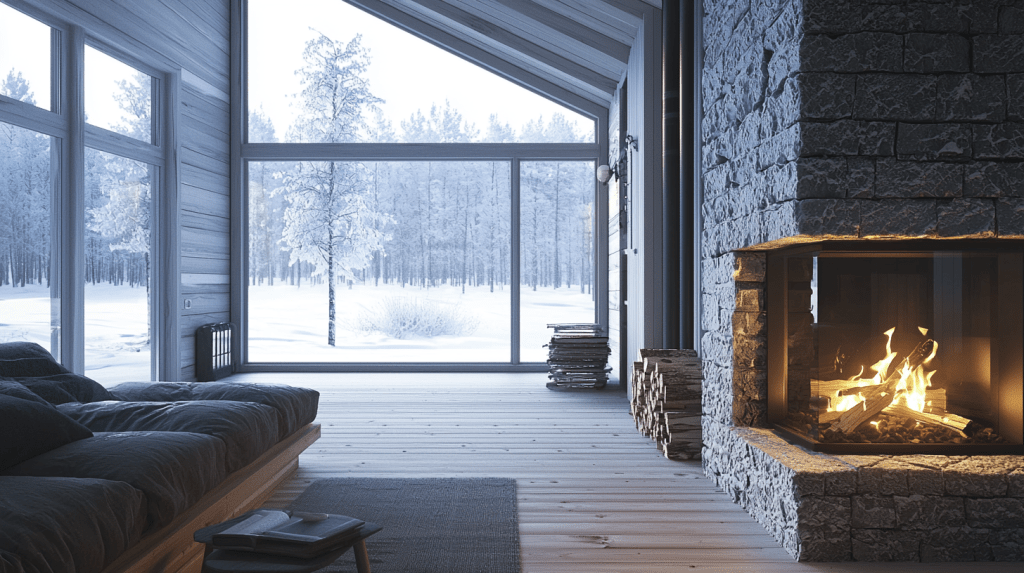
“It’s actually very efficient,” Julia explained. “Pipes are buried deep in the ground to capture the earth’s heat, and it circulates through the house. It’s eco-friendly and works even in sub-zero temperatures.”
“That’s impressive,” Emma said. “But what about power? Do you have to worry about outages in storms or heavy snow?”

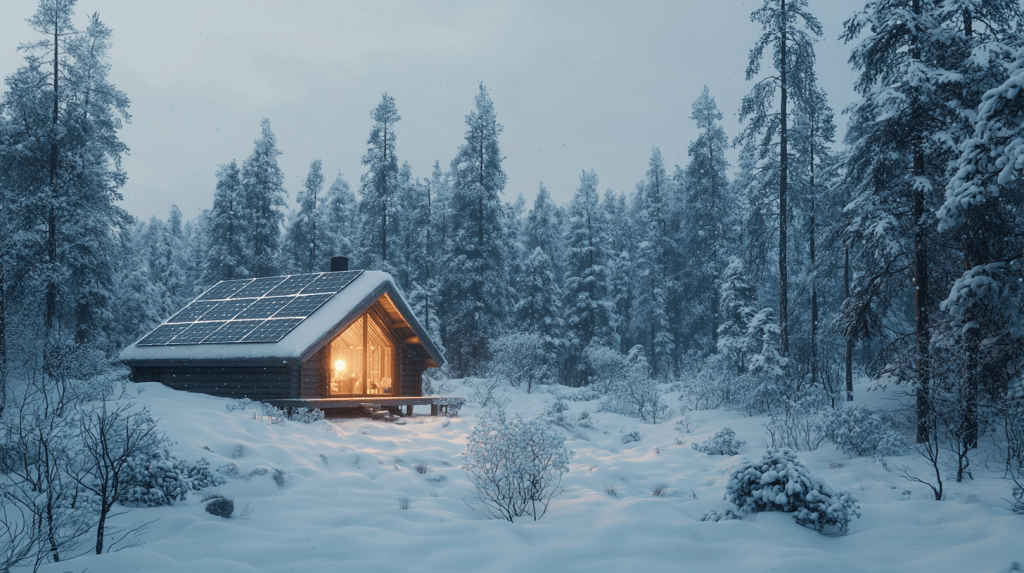
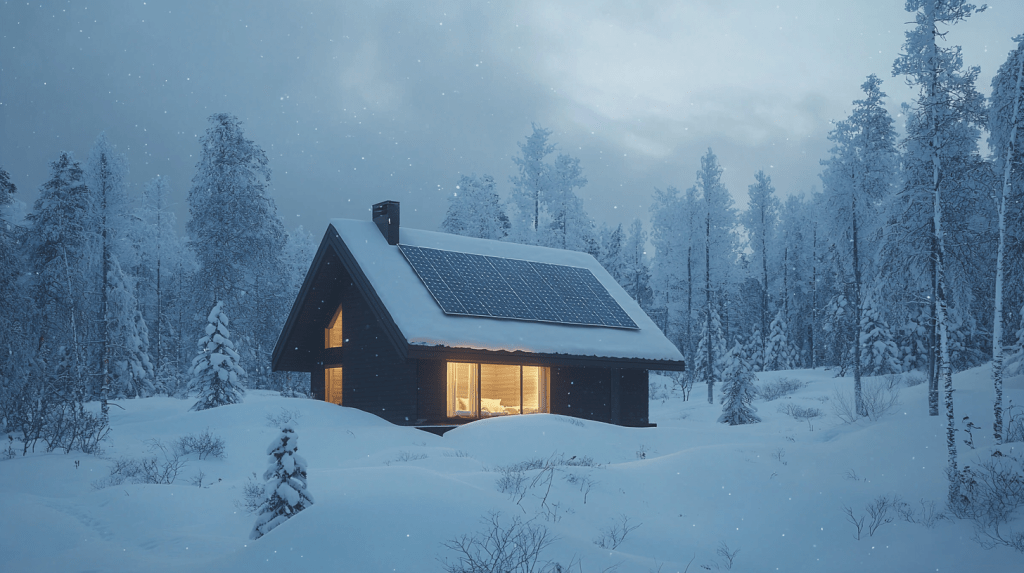
“Not really,” Julia said, stirring the pot on the stove. “The power grid is stable, but many of us in rural areas have backup generators or solar panels. Some even use wind power. It’s all about being prepared. You never know when the roads might be blocked, and you’re stuck for a few days.”
Emma glanced at the window, where snowflakes were gently falling. “And the internet? You’re telling me I could actually work from here during a blizzard?”

Julia laughed. “Absolutely. Finland has some of the best internet infrastructure in the world, even in remote places like this. Fiber optics reach most rural areas. You might be snowed in, but you won’t miss a Zoom call.”
Emma grinned. “Now that’s my kind of isolation. So, if the roads are impassable, you can just hole up here with a good book, endless tea, and the internet?”
Julia nodded. “Exactly. That’s why I love it here. It’s quiet, self-sufficient, and connected enough to not feel cut off. You can actually get a lot done—or not, if you just want to relax.”
Emma looked around the cozy kitchen, imagining herself working by the fire while snowstorms raged outside. “It sounds almost too good to be true. Like a dream winter escape.”
Julia smiled knowingly. “It is, as long as you’re okay with hauling firewood and shoveling snow.”
艾瑪靠在椅背上,視線落在散發溫暖的爐灶和廚房裡輕微嗡嗡作響的現代電器上,心裡滿是好奇。
冬日生存指南:熱源、電力與網路
「所以,」她開口說,一邊啜飲著藍莓汁,「妳是怎麼在這麼嚴酷的冬天裡讓這地方保持溫暖的?全靠壁爐嗎?」
茱莉亞微笑著搖了搖頭:「當然壁爐很有用,但它只是輔助。這座小屋的保溫效果很好——厚厚的牆壁、雙層玻璃窗。而且我們有地熱供暖系統。在芬蘭的鄉村,這其實很常見。」

艾瑪挑了挑眉:「地熱?聽起來很高端啊。」
「其實非常高效,」茱莉亞解釋道。「管道埋在地下深處,用來捕捉地熱,然後把熱量傳到屋內。它很環保,而且即使在零下的氣溫下也運作得很好。」
「真是厲害,」艾瑪讚嘆。「那電力呢?暴風雪或大雪的時候妳需要擔心停電嗎?」
「不太需要擔心,」茱莉亞一邊攪拌爐上的鍋一邊說。「電網很穩定,但我們這些住鄉村的人通常都會有備用發電機或太陽能板。有些人甚至用風力發電。最重要的是做好準備。妳永遠不知道哪天路會被封住,然後妳得困在家裡幾天。」
艾瑪看向窗外,雪花正輕輕飄落。「那網路呢?妳是說我甚至可以在暴風雪中在這裡遠程工作?」
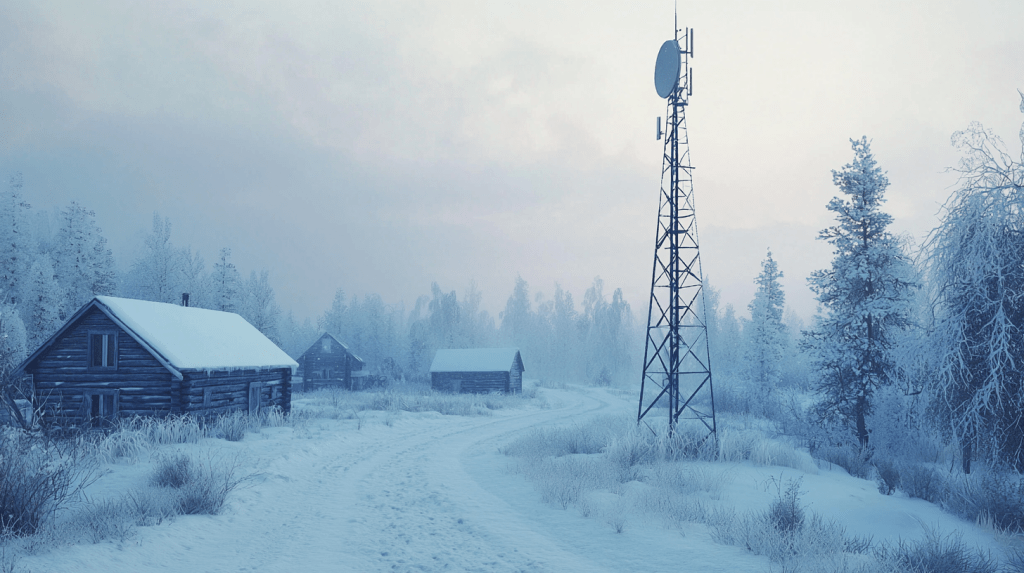
茱莉亞笑了:「完全沒問題。芬蘭的網路基礎設施是世界一流的,即使在像這樣的偏遠地區。光纖網路幾乎覆蓋了大部分的鄉村。妳可能被困在雪裡,但絕對不會錯過任何一次視訊會議。」
艾瑪笑了起來:「這才是我喜歡的孤立生活。如果路不通,妳就可以躲在這裡,讀本好書、喝無限量的熱茶,還能上網?」

茱莉亞點點頭:「完全正確。這也是我愛這裡的原因。安靜、自給自足,又不至於完全與世隔絕。妳可以真的完成很多事情——或者什麼都不做,只是放鬆。」
艾瑪環顧這間溫馨的廚房,想像自己在火爐旁工作,外面則是暴風雪肆虐。「這聽起來簡直太美好了,像一個完美的冬日夢境。」
茱莉亞意味深長地笑了:「確實如此,只要妳不介意搬木柴和鏟雪。」
The Short Days of Winter: Emotions and Culture

As Emma glanced out the frosty window, noticing how the sun barely grazed the horizon before retreating again, she asked, “How do people here cope with such short days in winter? It feels like the world is perpetually dusk.”
Julia stirred her tea thoughtfully. “It’s not easy, even for us who’ve grown up with it. The darkness can affect your mood—it’s called seasonal affective disorder, or SAD. Some people feel tired, others a bit down.”
Emma nodded. “That makes sense. So, what do you do to counter it?”
Julia smiled. “We make the most of what light we get. You’ll notice a lot of houses have large windows, and we use warm, soft lighting indoors to keep spaces cozy. Candles are a big part of it too; they’re not just decorative but comforting. And of course, saunas help—relaxation is a good antidote to stress.”
“Does it change the pace of life here?” Emma asked.
“Yes, winter is naturally slower,” Julia replied. “We don’t fight the season; we adapt. People spend more time indoors with family, cooking, knitting, or reading. It’s a time for quiet reflection and simple joys. It’s also why festivals like Christmas and Yule are so important—they’re bright spots in the dark months.”
Emma smiled. “It sounds like you’ve woven the season into your culture instead of resisting it.”
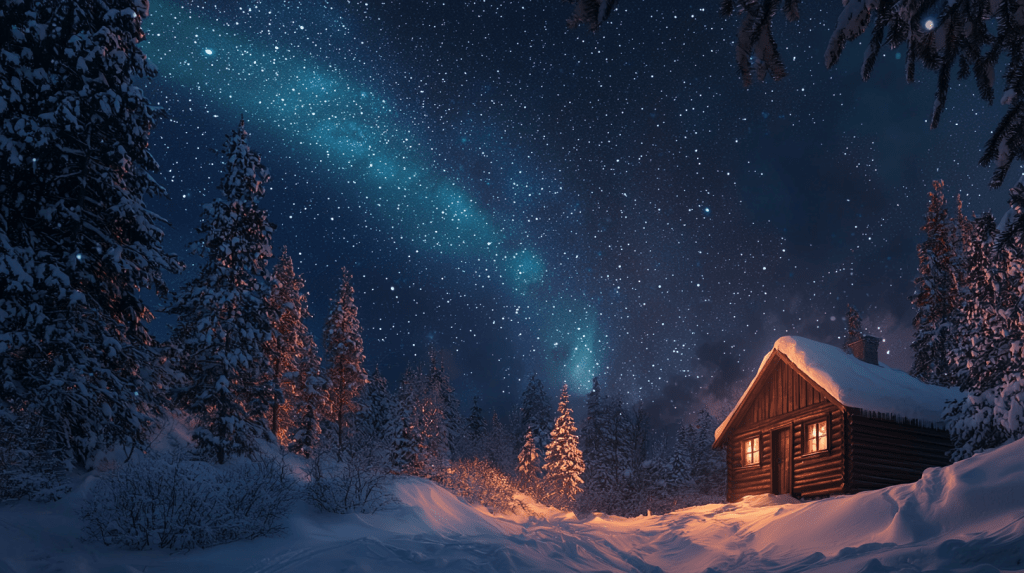
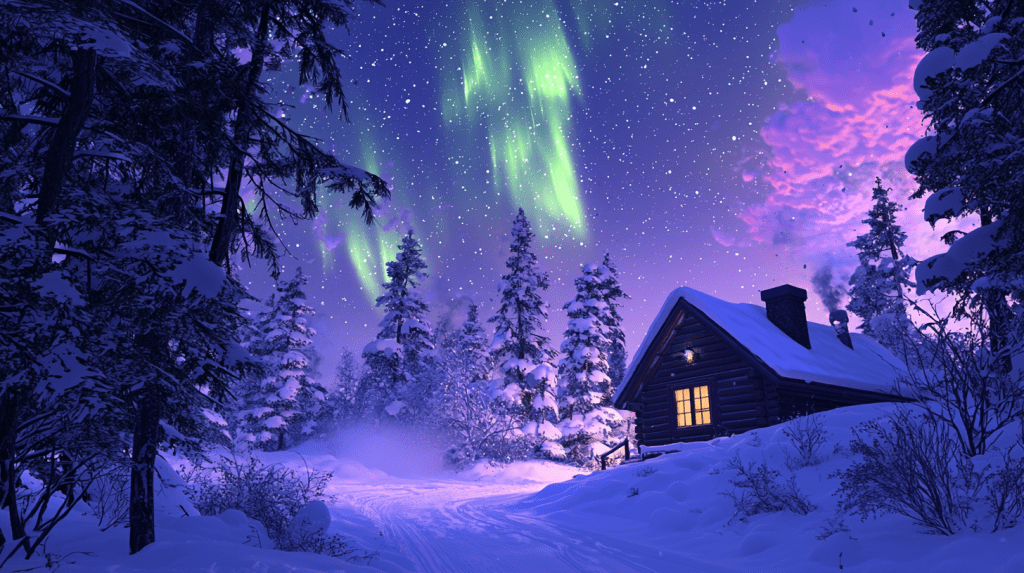
Julia nodded. “Exactly. We also embrace outdoor activities like skiing or even just walking in the snow. Being in nature, even in the dark, keeps us grounded. And the stars or auroras on clear nights are worth braving the cold.”
Emma leaned back, sipping her tea. “It’s fascinating. I think I’d like to try living through a full Finnish winter someday, just to experience this rhythm.”
Julia laughed. “You’re welcome anytime. Just remember, the darkness isn’t just something we endure—it’s something we live with and find beauty in.”
艾瑪透過結霜的窗戶向外望去,注意到太陽幾乎只是掠過地平線,很快又隱沒,她忍不住問:「這麼短的日照,當地人是怎麼應對的?感覺整個世界都處於永恆的黃昏中。」
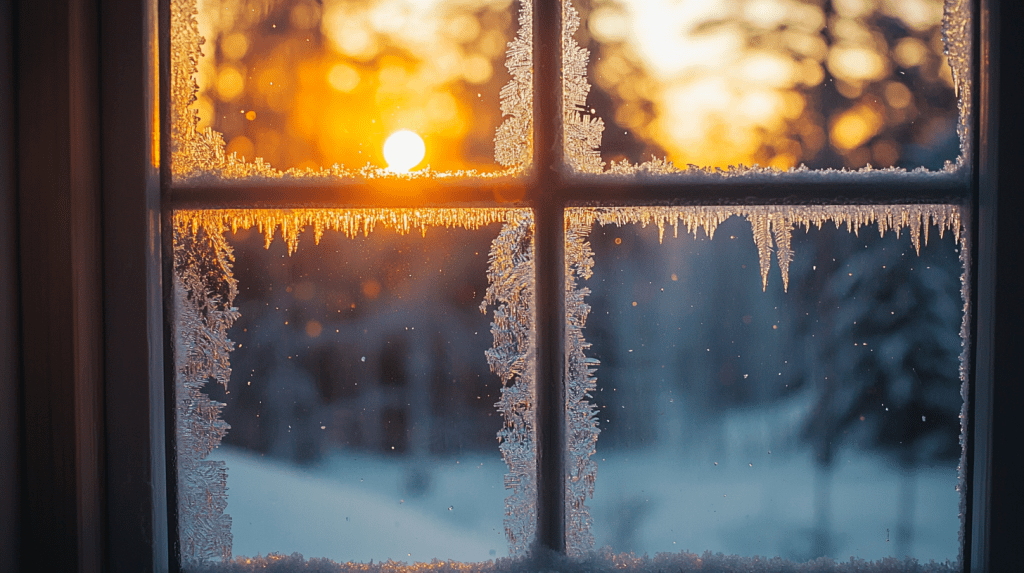
短日照冬季的影響
茱莉亞一邊攪拌著茶,一邊若有所思地說:「這確實不容易,即使是對我們從小就習慣這種環境的人來說。黑暗會影響情緒——這叫做季節性情感障礙(SAD)。有些人感到疲倦,有些人則會有些低落。」
艾瑪點頭:「可以理解。那你們會怎麼做來對抗它?」
茱莉亞微微一笑:「我們會充分利用有限的陽光。妳會發現這裡的房子通常有大窗戶,而且我們在室內會用溫暖柔和的燈光來保持舒適的氛圍。蠟燭也是很重要的,不僅僅是裝飾,更是一種慰藉。當然,桑拿也有幫助——放鬆是對抗壓力的良藥。」

「這會改變這裡的生活節奏嗎?」艾瑪問道。
「是的,冬天的生活自然會慢下來,」茱莉亞回答。「我們不會對抗季節,而是適應它。人們會花更多時間和家人待在室內,烹飪、編織或者讀書。這是一段安靜反思和享受簡單樂趣的時光。也正因如此,像聖誕節和尤勒節這樣的節日格外重要——它們是黑暗月份中的亮點。」
艾瑪微笑:「聽起來你們是將季節融入了文化,而不是與之對抗。」
茱莉亞點點頭:「完全正確。我們還會擁抱戶外活動,比如滑雪,甚至只是漫步在雪中。即使在黑暗中,置身自然也能讓我們保持平衡。而晴朗夜晚的星星或極光,總是值得忍受寒冷。」
艾瑪靠在椅背上,啜飲著茶:「這真令人著迷。我想有一天我會想試著完整地度過一個芬蘭的冬天,感受這種生活節奏。」
茱莉亞笑了:「隨時歡迎。記住,黑暗不只是我們忍受的東西——它是我們生活的一部分,也是我們找到美的地方。」
Visiting the Greenhouse: A Warm Escape
Emma followed Julia outside, the snow crunching under their boots as they walked toward a small structure beside the cabin. It had frosted glass walls and a sloped roof covered in snow. Warm light spilled from the inside, creating a glowing contrast against the cold, dark surroundings
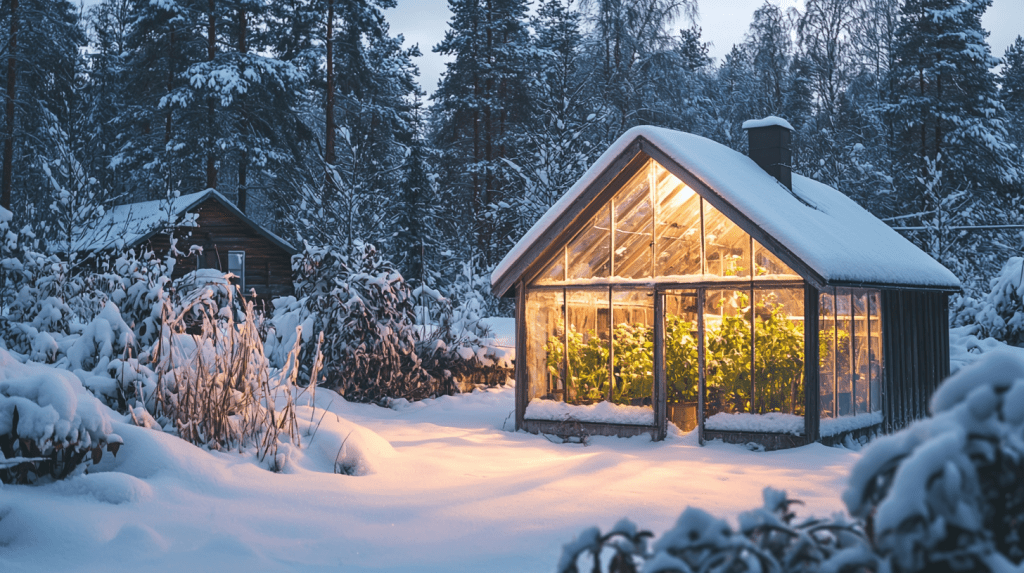
“Is this your greenhouse?” Emma asked, her voice tinged with surprise.
Julia nodded, pushing the door open. A wave of humid, warm air greeted them, carrying the fresh scent of plants. Inside, vibrant green herbs, cherry tomatoes, and small flowering plants thrived in neat rows under soft LED lights.
Emma looked around, amazed. “This feels like stepping into a different season. It’s so… alive in here!”
Julia smiled. “It’s my little haven. During the darkest months, it’s nice to have a place like this—a reminder that spring will eventually come.”
“How do you keep it warm enough?” Emma asked, leaning closer to a small basil plant.
“We use a wood stove for heat and insulated panels to keep the warmth in,” Julia explained. “The LED lights help the plants grow, and during sunny days, the glass traps heat. It’s not perfect, but it works.”
Emma touched the leaves of a tomato plant gently. “This must be so rewarding. It’s like having a tiny slice of summer all year round.”
Julia nodded. “Exactly. It’s also practical. Fresh herbs and vegetables in winter make a big difference. Plus, taking care of the plants gives me something to focus on when the days feel too long and dark.”
Emma smiled, looking up at the soft glow of the lights above. “I think I’d spend all my time here if I had something like this. It’s so peaceful.”
“You’re welcome to stay as long as you like,” Julia said warmly. “But I’ll warn you—watering plants in the snowstorm isn’t as glamorous as it sounds!”
They both laughed, their voices echoing softly in the warm, green space.
參觀溫室
艾瑪跟著茱莉亞走出小屋,靴子踩在雪地上發出嘎吱聲。他們走向小屋旁邊的一個小建築,那是一個有著霜玻璃牆和斜屋頂的溫室,屋頂上覆滿了積雪。從裡面溢出的溫暖燈光在寒冷而黑暗的環境中顯得格外明亮。

「這是妳的溫室嗎?」艾瑪驚訝地問。
茱莉亞點點頭,推開了門。一股溫暖而濕潤的空氣撲面而來,伴隨著植物的清香。裡面整齊地排列著茂盛的綠色香草、小番茄,以及一些正在開花的小型植物,在柔和的LED燈光下生機勃勃。
艾瑪環顧四周,驚嘆不已:「感覺像走進了另一個季節。這裡充滿了生命力!」
茱莉亞微笑:「這是我的小天堂。在最黑暗的日子裡,有這樣一個地方真是太好了——提醒我春天終究會到來。」
「妳是怎麼讓它保持這麼暖和的?」艾瑪湊近一株羅勒葉問道。
「我們用木柴爐供暖,還有隔熱板來保持溫度,」茱莉亞解釋道。「LED燈幫助植物生長,陽光好的日子裡,玻璃會捕捉熱量。雖然不完美,但效果還不錯。」
艾瑪輕輕觸碰著番茄植株的葉子:「這一定很有成就感。就像全年都有一小片夏天。」
茱莉亞點點頭:「完全正確。而且這也很實用。冬天能有新鮮的香草和蔬菜真的很不一樣。此外,照顧這些植物在漫長黑暗的日子裡也能讓我集中注意力。」
艾瑪微笑著,抬頭看向頭頂溫暖的燈光:「如果我也有這樣的地方,我可能會把所有時間都花在這裡。這裡真是太安靜了。」
茱莉亞溫柔地說:「妳隨時可以來,不過我要提醒妳——在暴風雪裡給植物澆水可不像聽起來那麼浪漫!」
兩人都笑了起來,笑聲在溫暖的綠色空間裡輕輕回蕩。
Arctic Dinner: Food, Traditions, and Drinks
The dining table was set with hearty dishes: reindeer stew, roasted root vegetables, and a loaf of dark rye bread. A small bowl of lingonberry jam sat in the center, its bright red color standing out against the earthy tones of the meal. Julia poured hot cloudberry tea into simple ceramic mugs, the steam curling lazily into the air.
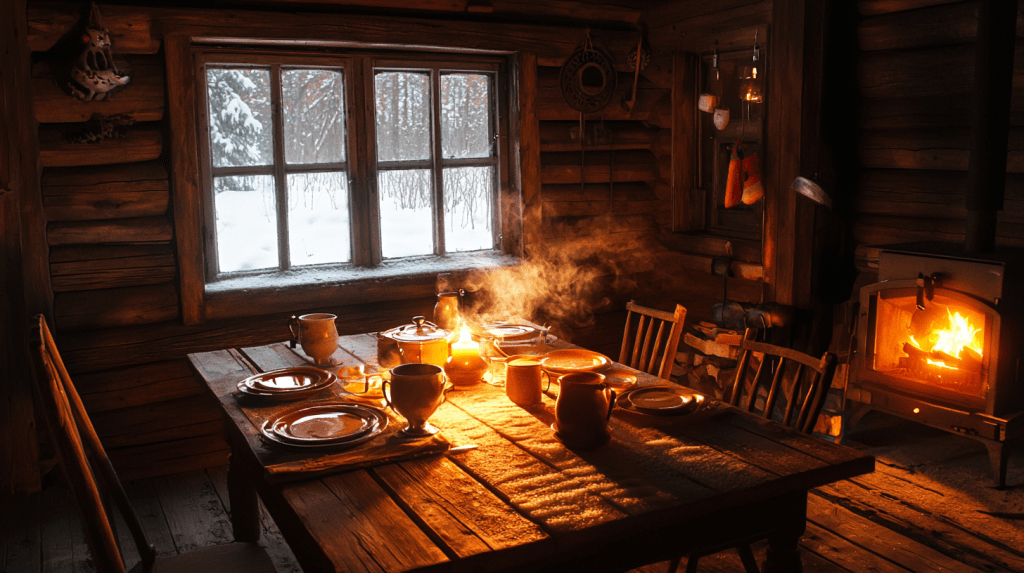
Emma took a deep breath, savoring the aroma. “This smells amazing. Is reindeer a common dish here?”
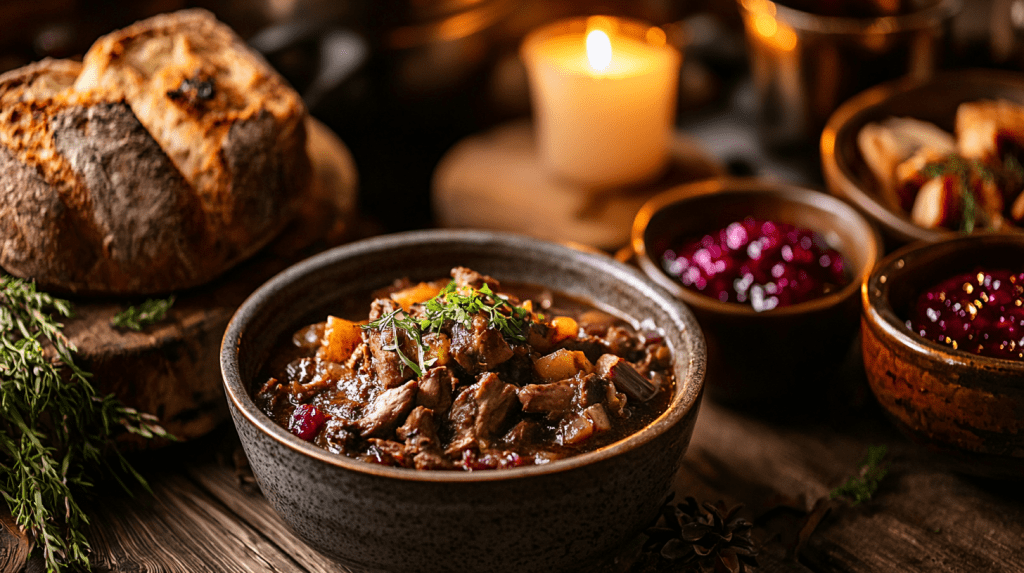
Julia nodded, settling into her seat. “Very much so, especially in the north. It’s a staple food for the Sámi people, and it’s incredibly nutritious. We prepare it in many ways—stewed, roasted, even smoked.”
Emma tasted a bite and nodded approvingly. “It’s tender and rich. I can see why it’s a favorite. And the lingonberry jam? Is it always paired with meat?”
“It is,” Julia said with a smile. “The sweetness of the berries balances the savory flavors of the meat. It’s the same with elk or even fish dishes.”
Emma glanced at the table. “Speaking of fish, I’ve noticed a lot of smoked fish here. Is that another winter tradition?”
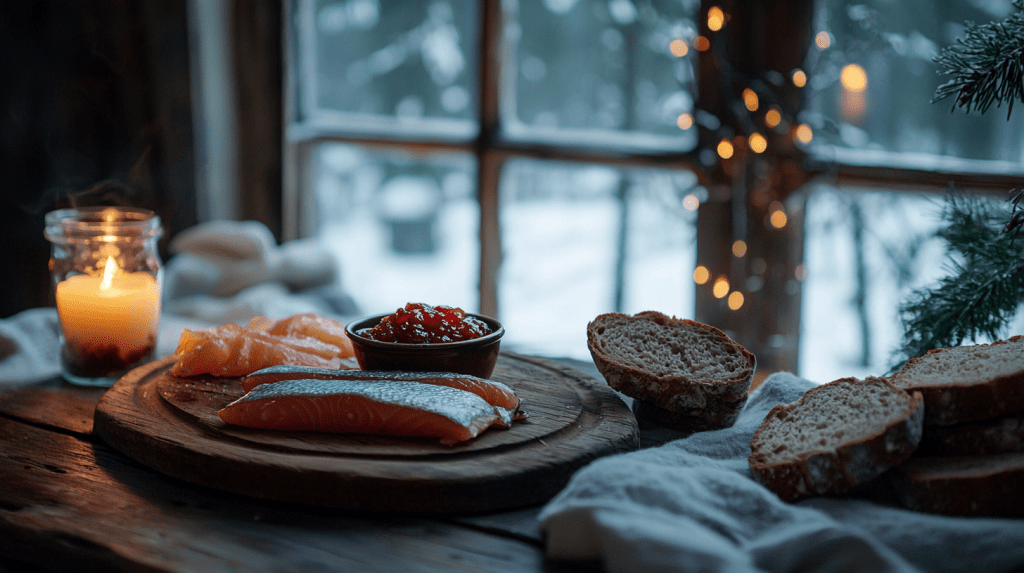
“Yes, smoking and curing are traditional methods of preserving food for the winter,” Julia explained. “Salmon, trout, even small whitefish—smoking enhances their flavor and keeps them edible for months.”
Emma sipped her tea thoughtfully. “And what about drinks? I see we’re having tea tonight, but do people drink alcohol with dinner?”
Julia laughed lightly. “Oh, definitely. Beer and vodka are popular choices, especially in social settings. Glögi, which is a type of mulled wine, is a favorite during the holidays. It’s warm, spiced, and perfect for winter evenings.”
“Do you drink much?” Emma asked curiously.
“Not really,” Julia admitted. “I’ll have a glass of glögi during Christmas, or maybe a small beer with friends, but Finns aren’t all heavy drinkers as the stereotypes suggest.”
Emma chuckled. “Fair enough. This tea, though—it’s fantastic. What’s in it?”
“Cloudberries,” Julia said. “They’re rare and considered a delicacy. We forage them during the late summer and make jams, teas, or even desserts. I thought it would be a nice touch for tonight.”
Emma raised her mug. “To Arctic winters and their hidden treasures.”
Julia clinked her mug against Emma’s. “Cheers—or as we say in Finnish, ‘Kippis.’”
極地的晚餐
餐桌上擺滿了豐盛的菜餚:馴鹿燉肉、烤根莖蔬菜和一條深色的黑麥麵包。一小碗越橘果醬放在正中央,鮮紅的顏色在餐桌的樸實色調中格外顯眼。茱莉亞將熱騰騰的雲莓茶倒進簡約的陶瓷杯中,蒸氣懶散地升起。

艾瑪深吸了一口氣,感受著香氣:「這聞起來真棒。馴鹿是這裡的常見菜嗎?」
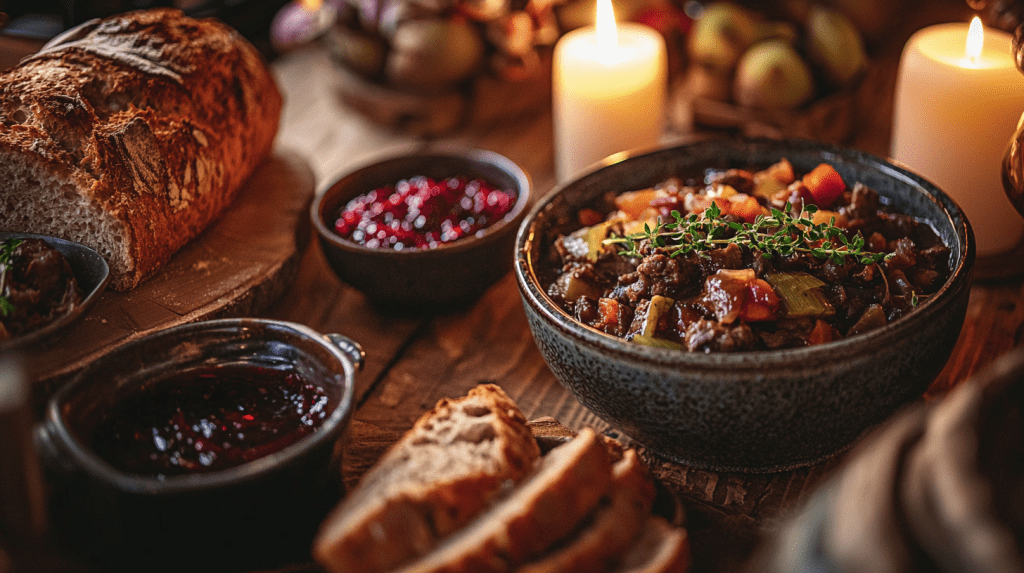
茱莉亞點點頭,坐下來:「非常常見,特別是在北部。這是薩米人的主食之一,而且營養豐富。我們有很多種烹飪方式——燉煮、烤製,甚至煙熏。」
艾瑪嘗了一口,滿意地點頭:「很嫩而且味道濃郁。我可以理解為什麼這麼受歡迎。那越橘果醬呢?它總是和肉一起搭配嗎?」
「沒錯,」茱莉亞微笑著說。「莓果的甜味可以平衡肉的鹹香。無論是馴鹿、麋鹿,甚至是魚,都是這樣。」
艾瑪看了一眼餐桌:「說到魚,我注意到這裡有很多煙熏魚。這也是冬天的傳統嗎?」

「是的,煙熏和醃製是保存冬季食物的傳統方法,」茱莉亞解釋道。「三文魚、鱒魚,甚至是小白魚——煙熏能增強它們的風味,而且能保存好幾個月。」
艾瑪啜了一口茶,若有所思地說:「那飲料呢?今晚我們喝的是茶,但吃晚餐時大家會喝酒嗎?」
茱莉亞輕輕笑了:「當然會。啤酒和伏特加在社交場合很受歡迎。還有一種叫 ‘Glögi’ 的熱紅酒,是節日期間的最愛。它溫暖、帶香料味,非常適合冬夜。」
「妳自己喝得多嗎?」艾瑪好奇地問。
「不算多,」茱莉亞坦白說。「聖誕節時我會喝一杯 Glögi,或者和朋友一起喝點啤酒。但芬蘭人並不像刻板印象裡那麼愛喝酒。」
艾瑪笑了:「可以理解。不過這茶真是太好了。裡面是什麼?」

「雲莓,」茱莉亞回答。「它們很稀有,被認為是珍品。我們會在夏末採集,用來做果醬、茶,甚至是甜點。我覺得今晚配這個應該不錯。」
艾瑪舉起杯子:「為北極冬天和它隱藏的珍寶乾杯。」
茱莉亞用杯子輕輕碰了碰艾瑪的杯子:「乾杯——或者我們芬蘭人說 ‘Kippis’。」

Preparing for the Night: The Bedroom and Bath
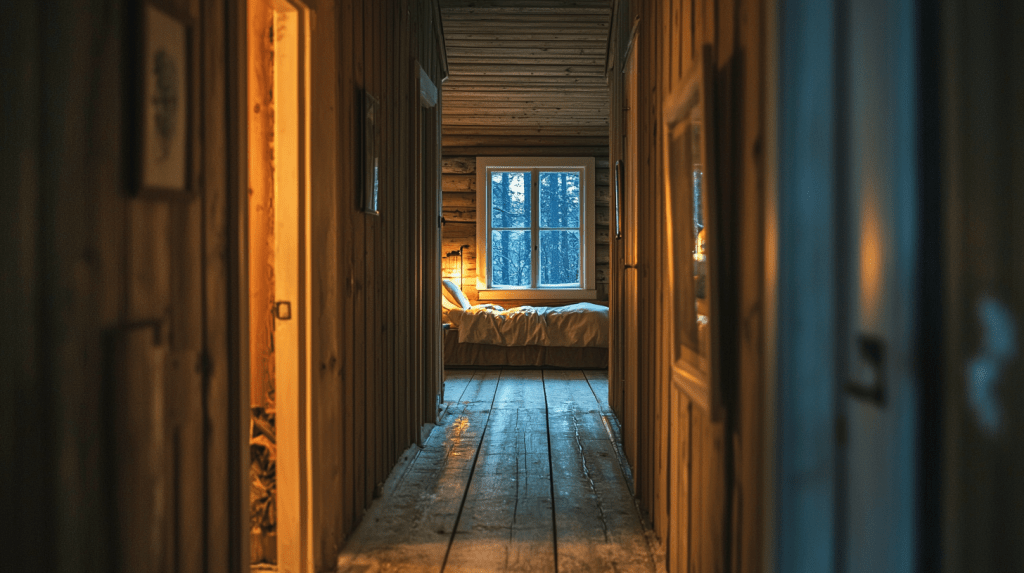
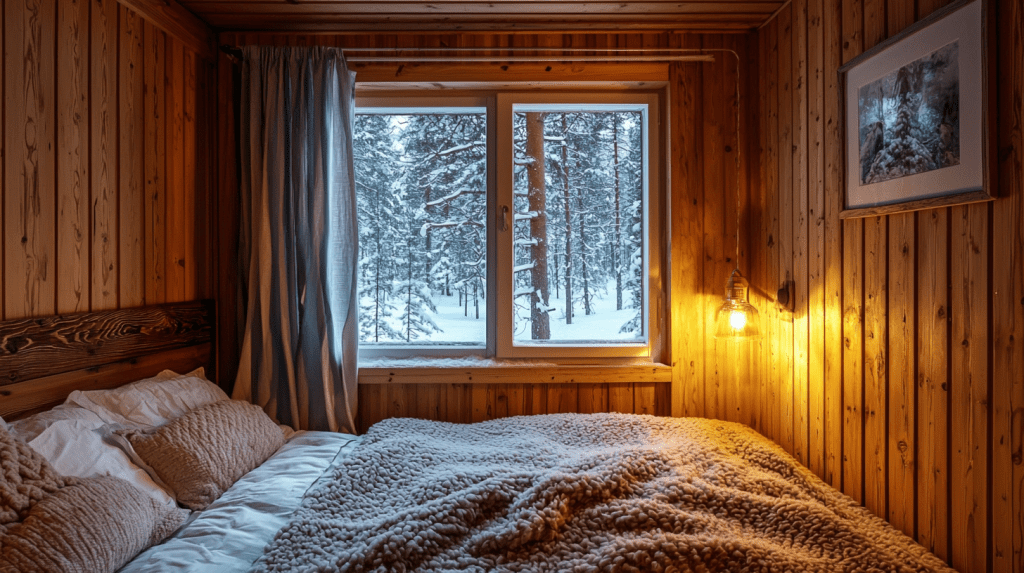
Julia led Emma down a narrow hallway, the soft creak of wooden floors echoing in the cozy silence of the cabin. She opened a door at the end, revealing a small but inviting bedroom. The walls were paneled in warm-toned wood, and a neatly made bed with a thick, woolen blanket sat beneath a window frosted with delicate ice patterns.

“This is where you’ll be staying,” Julia said with a smile. “I hope it’s comfortable enough.”
Emma stepped inside, admiring the simplicity. “It’s perfect. The blanket looks so warm—I feel like I’ll sleep like a log.”

Julia chuckled. “That’s the goal. The wood stove should keep the cabin warm all night, but let me know if you need another blanket.”
Emma glanced around and then turned to Julia. “Do you usually bathe before bed? I wasn’t sure what’s typical here, especially with the cold.”
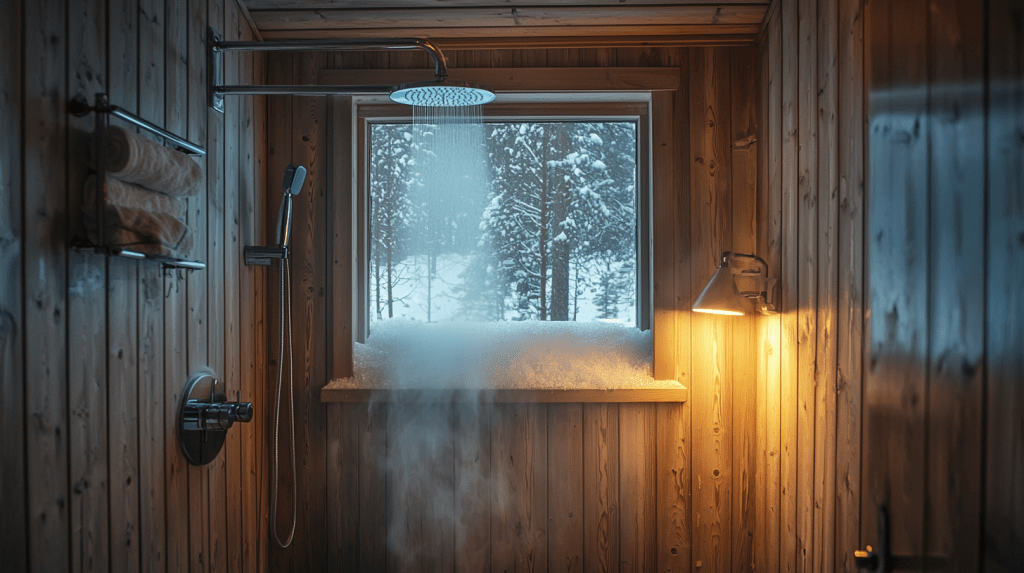
Julia nodded. “Yes, most of us do. There’s a small bathroom with a heated shower just down the hall. It’s nice to warm up before sleeping, especially after being out in the cold all day.”
“Sounds lovely,” Emma said. “Do you ever do the sauna before bed?”
“Sometimes,” Julia replied. “It’s incredibly relaxing, but I don’t want to overdo it tonight. A quick shower will do. If you want to try the sauna tomorrow, we can make an evening of it.”
Emma smiled. “I’d love that. For tonight, though, a hot shower sounds like the perfect way to end the day.”
Julia handed her a towel from a nearby shelf. “Go ahead. I’ll make sure everything’s ready for you in the morning.”
“Thanks, Julia,” Emma said warmly. “This is already shaping up to be one of the most peaceful nights I’ve ever had.”

極地旅遊的第一夜
茱莉亞帶著艾瑪走進一條窄窄的走廊,木地板在靜謐的氛圍中發出輕微的吱嘎聲。她推開走廊盡頭的一扇門,裡面是一間小而溫馨的臥室。牆壁用溫暖色調的木板裝飾,床上整齊鋪著厚實的羊毛毯,床邊的窗戶上結滿了美麗的霜花。
「這就是妳今晚的房間,」茱莉亞微笑著說。「希望妳覺得夠舒服。」
艾瑪走進房間,欣賞著房間的簡單又舒適。「太棒了,這毯子看起來好暖和——我感覺我今晚一定會睡得很沉。」
茱莉亞笑了:「這就是目標。壁爐應該會讓整個小屋一整晚都保持溫暖,但如果妳需要更多毯子,隨時告訴我。」
艾瑪環顧四周,然後轉向茱莉亞:「妳們通常睡前會洗澡嗎?我不太確定這裡的習慣,特別是在這麼冷的地方。」
茱莉亞點頭:「是的,大多數人都會。我們這裡有一個帶加熱淋浴的小浴室,就在走廊那頭。在睡前暖暖身子,特別是整天在外面待過,感覺非常舒服。」
「聽起來很不錯,」艾瑪說。「妳們會在睡前用桑拿嗎?」
「有時候會,」茱莉亞回答。「桑拿非常放鬆,但我今晚不想過度放鬆,簡單洗個熱水澡就好。如果妳明天想試桑拿,我們可以晚上一起享受。」
艾瑪笑了:「那太棒了。不過今晚,來個熱水澡應該就是一天最好的結尾了。」
茱莉亞從旁邊的架子上拿了一條毛巾遞給她:「去吧,我會確保明天早上的一切都準備妥當。」
「謝謝妳,茱莉亞,」艾瑪感激地說。「這大概會是我度過的最安靜的夜晚之一。」

 Virtual Travel | 虛擬旅行沉浸式英語學習
發表留言