
A Day in Tara – Meeting the People Who Live Here
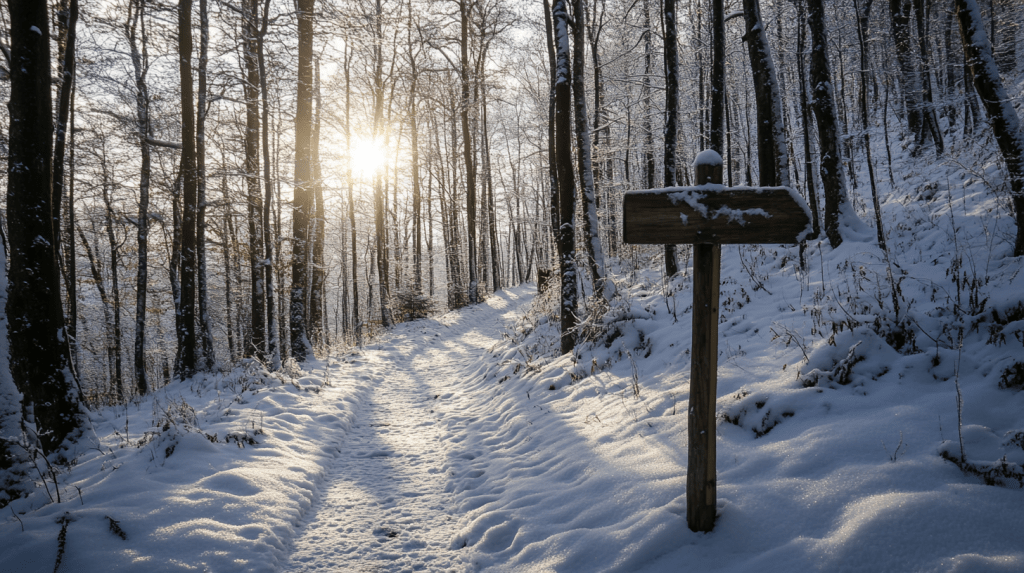
Emma and Julia walked along a forest trail lightly covered with snow, with sunlight filtering through the treetops. The air was crisp yet refreshing. In the distance, a park ranger was inspecting a wooden signpost. Julia greeted him and then introduced Emma.
Julia: Добро јутро! (Good morning!)
Ranger: Добро јутро! Out for a walk?
Emma: Yes, we’re just exploring the area.
Ranger: (Nods) Good, good. The trail’s clear today, shouldn’t be any problems.
Emma: Do animals come close to the trails in winter?
Ranger: (Shrugs) Sometimes. Deer, foxes, maybe a wild boar. Bears are sleeping now, so no worries there.
Emma: (Relieved) That’s good to know.
Julia: Has the number of winter visitors increased recently?
Ranger: Oh yeah. A few years back, almost no one came in winter except locals. Now, more tourists, more hikers, even some foreign visitors like you.
Emma: Is that a good thing?
Ranger: (Pauses) Good for business. Not so good when people don’t respect the place. Littering is a problem. Some people think the forest is a theme park.
Emma: (Nods) That happens everywhere, unfortunately.
Ranger: Yep. But as long as visitors behave, they’re welcome.
In a small clearing, they came across a snowshoe rental cabin, where a local guide was helping visitors adjust their gear. Emma decided to try snowshoe hiking, and the guide secured the straps on her snowshoes.

Guide: First time?
Emma: (Laughs) That obvious?
Guide: (Smirks) You look like you’re about to walk on the moon.
Emma: It kinda feels like that!
Guide: You’ll get used to it. Just don’t walk like a normal person—widen your steps a little.
Emma: (Takes a few steps) Okay… this is weird but not bad.
Julia: What do locals think about snowshoeing?
Guide: (Shrugs) My grandfather used to use them to get around in deep snow. Now, people just do it for fun.
Emma: Do you have a favorite trail?
Guide: (Points) Up there, Crnjeskovo Ridge. Takes effort, but the view’s worth it.
Emma: Maybe next time, when I’m not walking like a penguin.
Guide: (Laughs) Fair enough.
A Visit to a Mountain Homestead

Old Man: You lost?
Julia: (Laughs) No, just exploring.
Old Woman: (Wipes hands on her apron) You’re not from around here.
Emma: No, we’re staying at the lodge.
Old Woman: Ah, tourists. Not many in winter.
Emma: Do you live here all year round?
Old Man: (Snorts) Of course. Where else would we go?
Julia: (Smiles) It must be peaceful.
Old Woman: It is. But when snow blocks the road, we don’t see people for weeks.
Emma: What do you do in winter?
Old Man: Same as always. Chop wood, take care of the animals, eat.
Old Woman: And make rakija.
Emma: (Laughs) Of course!
Ice Fishing – Learning from a Local
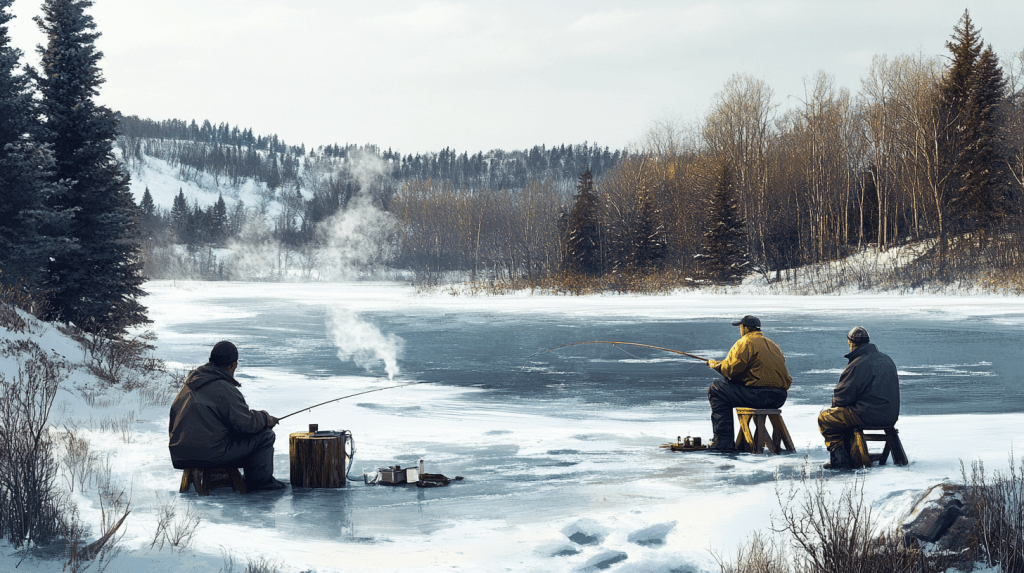
Emma: (Shivering) How do you stay out here so long?
Fisherman: (Chuckles) You dress warm. And you don’t think about the cold.
Emma: (Looking at his bucket) Any luck today?
Fisherman: A few. Enough for lunch.
Julia: Do a lot of people still ice fish here?
Fisherman: Used to be more. Young people don’t have the patience.
Emma: I don’t think I do either.
Fisherman: (Smirks) Then don’t try.
A Warm Meal After a Cold Day
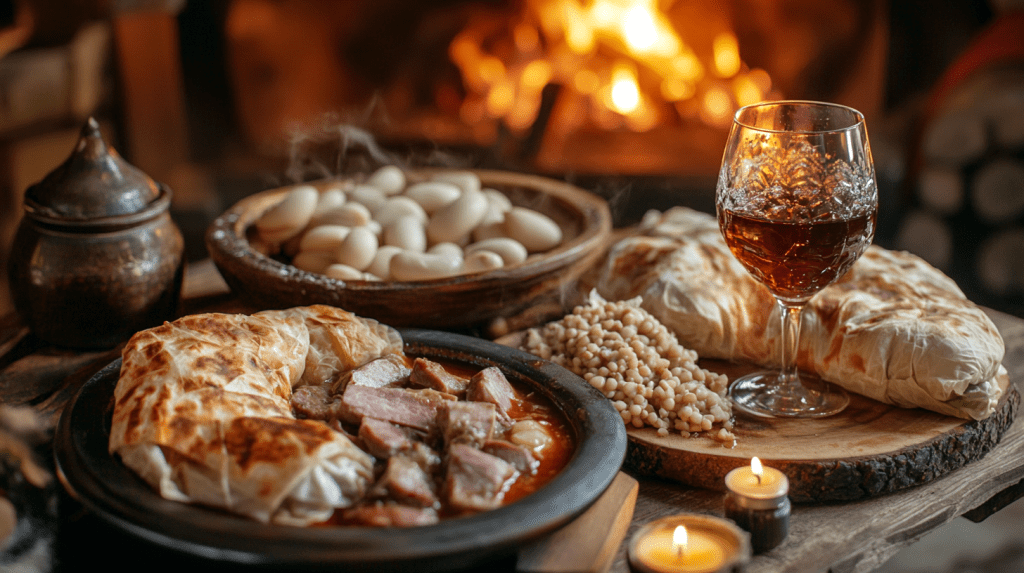
Rakija (Ракија) is a traditional Balkan spirit, typically distilled from fermented fruits, with an alcohol content of around 40-50%, sometimes even higher. It is considered the national liquor of Serbia, Croatia, Bosnia and Herzegovina, Montenegro, North Macedonia, and Bulgaria.
Innkeeper: So? Good day?
Emma: (Smiling) The best. Snowshoeing, meeting people, learning how to survive winter in the mountains.
Innkeeper: (Grins) You learned the most important thing?
Emma: (Raises her glass) Rakija?
Innkeeper: (Laughs) Now you get it.
塔拉國家公園的一天——與當地人的交流
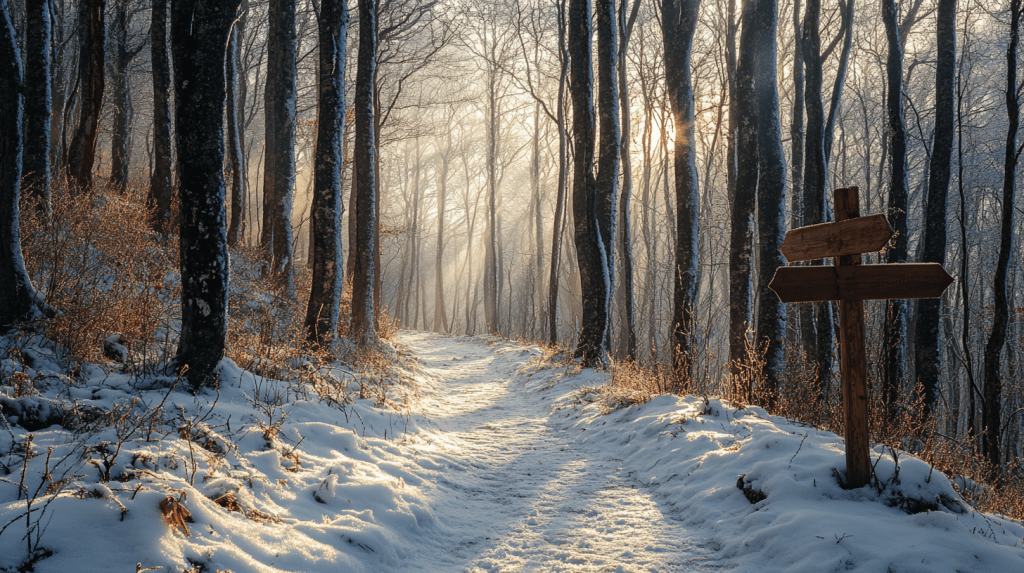
Emma 和 Julia 走在鋪滿薄雪的森林步道上,陽光透過樹梢灑落,空氣清冷但清新。遠處,一名護林員正檢查木製指示牌。Julia 向他打了個招呼,然後介紹了 Emma。
Julia: Добро јутро! (早安!)
護林員: Добро јутро! 出來散步嗎?
Emma: 是的,我們正在探索這片區域。
護林員: (點頭) 不錯,今天的步道狀況很好,不會有問題。
Emma: 冬天的時候,動物會靠近這些步道嗎?
護林員: (聳肩) 有時候。鹿、狐狸,偶爾會有野豬。熊現在在冬眠,所以不用擔心。
Emma: (鬆口氣) 那就好。
Julia: 最近來這裡的冬季遊客變多了嗎?
護林員: 嗯,確實是。幾年前,冬天幾乎沒什麼外地人來,只有當地人。但現在有更多遊客,還有不少外國人。
Emma: 這是件好事吧?
護林員: (停頓了一下) 對當地的經濟來說是好事。但有些遊客不太尊重這片森林,垃圾問題越來越嚴重。有些人以為這裡是遊樂園。
Emma: (點頭) 這種情況在很多地方都發生了。
護林員: 是啊。但只要大家有禮貌,我們還是很歡迎的。
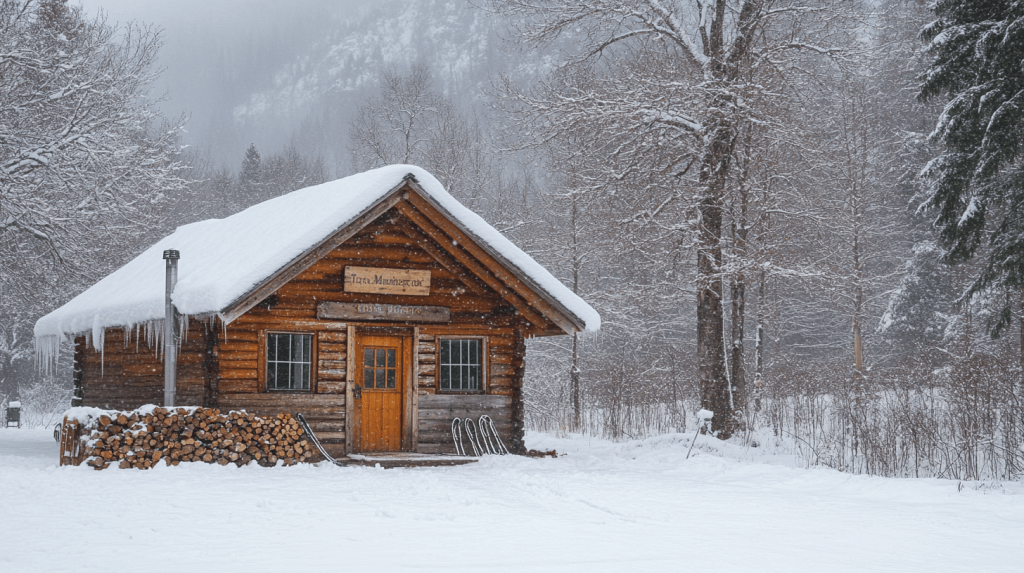
在一個小開闊地,他們遇到一間雪鞋租借小屋,一位當地嚮導正在幫遊客調整裝備。Emma 決定嘗試雪鞋健行,嚮導幫她綁緊雪鞋的帶子。
嚮導: 第一次試嗎?
Emma: (笑) 這麼明顯嗎?
嚮導: (咧嘴笑) 你看起來像是準備登上月球。
Emma: 確實有點像!
嚮導: 你會習慣的。別像平常走路那樣,步伐放寬一點。
Emma: (試著走幾步) 好吧……感覺很奇怪,但還不錯。
Julia: 當地人平常會用雪鞋嗎?
嚮導: (聳肩) 我祖父以前用來走雪地。那時候,沒有人清理道路,這是唯一能出門的辦法。現在,這更像是一種運動了。
Emma: 你最推薦哪條路線?
嚮導: (指向遠方) 那邊,Crnjeskovo Ridge,有點挑戰性,但風景超棒,天氣好的時候能看到波士尼亞。
Emma: 也許下次吧,等我不再走得像企鵝一樣。
嚮導: (笑) 公平的選擇。
和當地夫婦聊天
Emma 和 Julia 來到一間隱藏在山谷裡的小木屋,屋頂還覆蓋著些許積雪。屋前的木柴整齊堆放,一位上了年紀的男人正在劈柴,女人則在門口看著燉鍋裡的火。

老爺爺: 你們迷路了?
Julia: (笑) 沒有,只是到處看看。
老奶奶: (擦擦圍裙) 你們不是這裡的人吧?
Emma: 不是,我們住在山腳下的旅館。
老奶奶: 啊,遊客啊。冬天來的不多。
Emma: 你們一年四季都住在這裡嗎?
老爺爺: (哼了一聲) 當然啦,還能去哪?
Julia: (微笑) 這裡應該很安靜吧?
老奶奶: 是啊。但下大雪的時候,路被封了,幾個星期都不會見到人。
Emma: 那你們冬天怎麼辦?
老爺爺: 跟平常一樣。劈柴、照顧牲畜、吃飯。
老奶奶: 還有釀 rakija(水果白蘭地)。
Emma: (笑) 果然少不了這個!
冰釣——與當地漁夫聊天
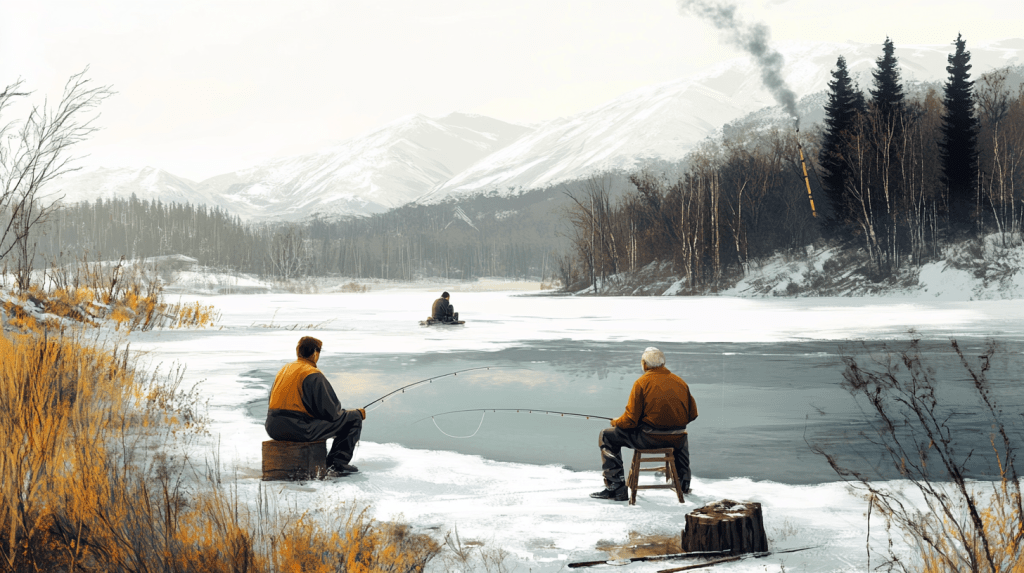
湖面結冰,幾名漁夫正蹲在冰洞旁,一名年輕人正在拉起魚線,另一名年長的男人則坐在木凳上悠閒地抽著菸。
Emma: (發抖) 你們怎麼能坐這麼久?不冷嗎?
漁夫: (笑) 習慣了。你不想著冷,就沒那麼冷。
Emma: (看看他的桶子) 今天有收穫嗎?
漁夫: 幾條,夠吃了。
Julia: 這裡還有很多人會冰釣嗎?
漁夫: 以前多,現在少了。年輕人沒耐心。
Emma: 我應該也沒這種耐性。
漁夫: (笑) 那就別試了。
結束寒冷的一天,溫暖的晚餐
回到旅館後,Emma 和 Julia 坐在壁爐旁,桌上是熱騰騰的燉豆湯(pasulj)和新烤好的麵包。旅館老闆端來了一小壺 rakija,在她們杯子裡倒了一點。
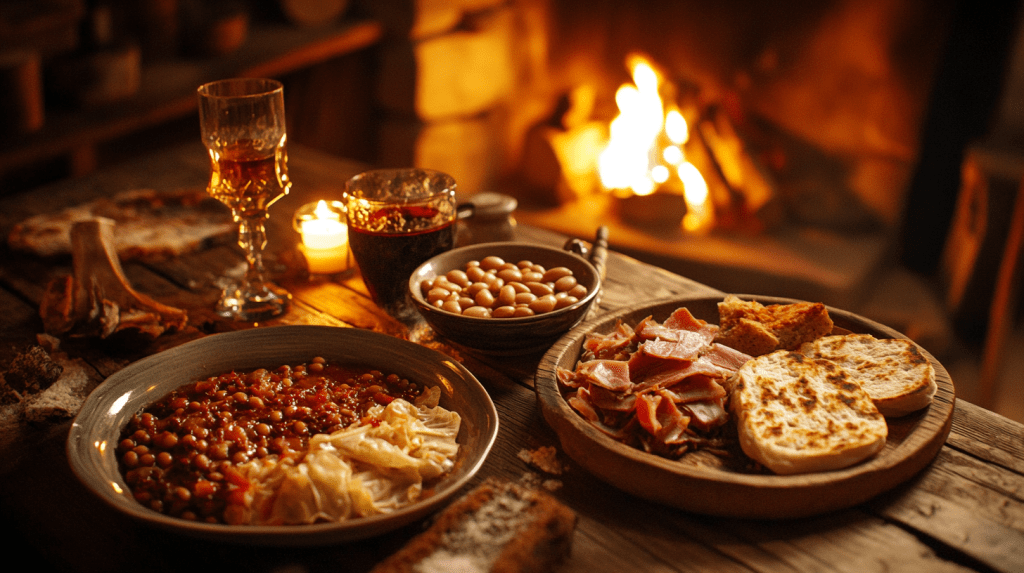
Rakija(Ракија) 是一種 巴爾幹半島傳統的烈酒,通常由 發酵水果蒸餾而成,酒精濃度約 40-50%,有時甚至更高。它是塞爾維亞、克羅埃西亞、波士尼亞、黑山、北馬其頓和保加利亞等國家的 國民烈酒,在家庭聚會、慶典和日常社交中極為常見。
旅館老闆: 怎麼樣?今天玩得開心嗎?
Emma: (笑) 非常棒。試了雪鞋,認識了一些當地人,還學到怎麼在這裡過冬。
旅館老闆: (咧嘴笑) 那你學到最重要的事了嗎?
Emma: (舉起酒杯) Rakija?
旅館老闆: (大笑) 現在你明白了!
A Quiet Evening at the Lodge – History, Culture, and Food
Emma and Julia find themselves in the lodge’s rustic dining area, seated at a wooden table near a crackling stone fireplace. The warm light flickers against the wooden beams, casting soft shadows across the room. Outside, the wind howls faintly through the mountain valley, but inside, the air is filled with the rich aroma of traditional Serbian dishes. The table is set with steaming plates of ćevapi, fresh lepinja bread, creamy kajmak, and sarma stuffed cabbage rolls, served alongside a small glass of rakija.
Emma: (Stretching) After a long day of hiking, I can’t think of anything better than this meal.
Julia: (Smiling) Serbian food is meant to be filling—hearty, full of tradition, and best enjoyed after a day of physical work.
Emma: It definitely smells amazing. (Picking up a piece of ćevapi) This reminds me a little of kebabs.

Kebabs are a popular dish made of skewered and grilled meat, often accompanied by vegetables, flatbread, and sauces. They originate from the Middle East, Central Asia, and the Mediterranean, but have been widely adopted in many cuisines worldwide.
Julia: That’s because of the Ottoman influence. The Ottomans ruled this region for centuries, and their cuisine left a deep mark on the Balkans.
Emma: Makes sense. And what’s this? (Pointing at a creamy spread)
Julia: That’s kajmak, a type of fermented dairy spread. It’s rich, buttery, and best when spread over warm lepinja bread. Try it.
Emma: (Taking a bite) Oh wow. It’s salty, but smooth. Almost like clotted cream but tangier.
Julia: Exactly! People here eat it with everything—bread, meat, even potatoes.
Serbian Cuisine and Its Historical Roots
Emma: You can really taste history in the food. It’s like every empire that ruled this land left something behind.
Julia: That’s the Balkans for you—nothing here is entirely one thing. It’s always a mix of influences. Take sarma, for example. It’s popular all over the Balkans, but it originated from the Ottoman Empire.
Emma: (Eating a bite of sarma) I can see why it’s so popular. It’s comforting, warm, and full of flavor.

Sarma
Julia: And yet, if you go up north to Vojvodina, the food starts feeling more Austrian. You’ll find things like goulash, strudel, and schnitzel—remnants of the Austro-Hungarian influence.

Hungarian goulash: made by tender chunks of slow-cooked beef, potatoes, and carrots in a deep red paprika-infused broth.
Emma: So Serbia’s cuisine changes depending on the region?
Julia: Exactly. The north is more Central European, while the south still carries a lot of Ottoman flavors. And in places like this, deep in the mountains, the food is simpler—meat, dairy, and hearty stews meant to keep you warm in the winter.
Emma: It makes sense. Geography and history shape everything, even what’s on the dinner table.
Rakija – The Spirit of Serbia
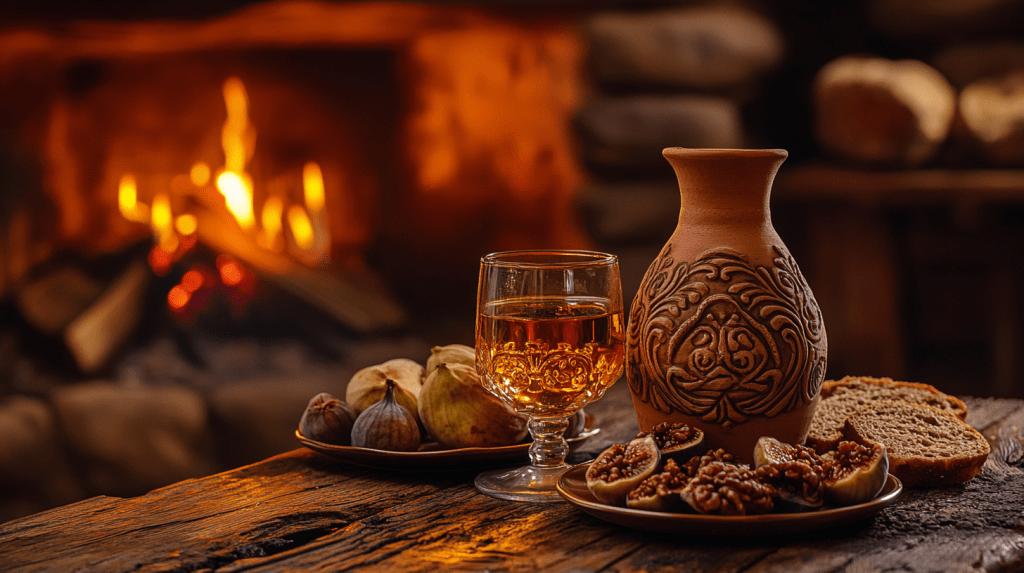
Rakija: a traditional Balkan fruit brandy, along with a plate of walnuts, dried figs, and fresh bread.
Lodge Owner: You cannot finish dinner without rakija. It is tradition.
Emma: (Taking the glass) I’ve heard about this drink. Strong, right?
Julia: (Chuckling) Let’s just say it’s not for the faint of heart.
Emma: (Taking a sip, eyes widening) Whoa. That’s… strong.
Lodge Owner: (Laughs) It warms the soul. And it cures everything—headaches, heartbreak, even the flu.
Julia: (Smiling) Every family in Serbia has their own homemade rakija. Some say it’s better than the store-bought versions.
Emma: I bet. It’s smooth but fiery at the same time. What’s it made from?
Julia: Usually plums—that’s called Šljivovica—but people also make it from grapes, apricots, or even quinces.
Emma: So this isn’t just a drink. It’s part of the culture.
Lodge Owner: (Nods) More than that—it is part of life.
The Lodge at Night
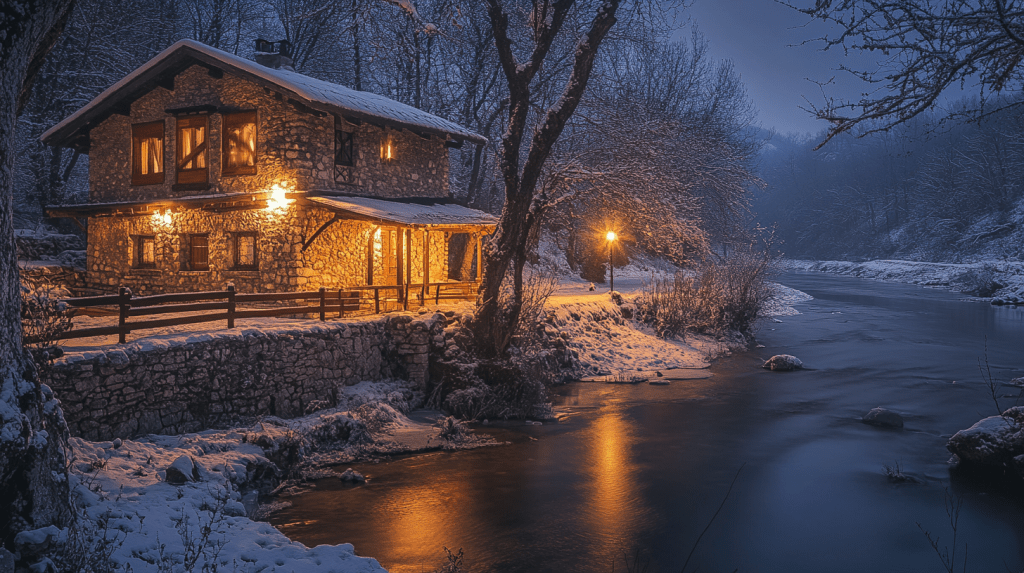
Emma: (Quietly) It’s interesting… life in the cities must have changed so much, but out here, it feels like time moves differently.
Julia: It does. In the cities, people rebuild, modernize, and forget. But in places like this, people hold onto traditions because that’s how they survived for centuries.
Emma: Do you think that’s why Serbia still has such strong cultural traditions?
Julia: Absolutely. When you live in a place that’s constantly caught between empires, wars, and shifting borders, holding onto your customs becomes an act of defiance.
Emma: (Leaning back) I can see that. And I think I understand Serbia a little better now.
Julia: (Raising her glass of rakija) To understanding—and to never forgetting the past.
Emma: (Smiling, clinking glasses) To Serbia.
晚餐時光——山間旅館的的寧靜夜晚
Emma 和 Julia 坐在旅館溫暖的餐廳內,木製餐桌旁,壁爐裡的柴火劈啪作響,柔和的燭光在木樑上投下搖曳的影子。窗外,山谷裡的寒風輕輕呼嘯,但室內瀰漫著傳統塞爾維亞美食的濃郁香氣。桌上擺滿了熱騰騰的 ćevapi(塞爾維亞烤肉腸)、新鮮的 lepinja(扁平麵包)、濃郁的 kajmak(發酵奶油),以及 sarma(燉白菜捲),旁邊還有一小杯 rakija(水果烈酒)。
Emma: (伸展身體) 經過一整天的健行,我想不出還有比這頓飯更讓人期待的事了。
Julia: (微笑) 塞爾維亞的食物就是這樣,豐盛又有飽足感,尤其適合勞動一天之後享用。
Emma: 聞起來真的很香。 (拿起一塊 ćevapi) 這讓我想到土耳其的烤肉串。
Julia: 沒錯,這是因為 奧斯曼帝國的影響。奧斯曼人統治這片土地幾個世紀,飲食文化留下了深遠的影響。
Emma: 這倒是很合理。(指著一小碟奶油狀的醬) 這又是什麼?
Julia: 這是 kajmak,一種發酵奶油,口感濃郁,帶點奶香和鹹味,最好塗在熱騰騰的麵包上吃。你試試看。
Emma: (咬了一口) 哇,這口感很特別!有點像 英式奶油(clotted cream),但更濃郁、更有層次。
Julia: (點頭) 對,這裡的人會搭配 麵包、肉類,甚至馬鈴薯 一起吃,幾乎是家家戶戶的標配。
從餐桌看塞爾維亞的歷史
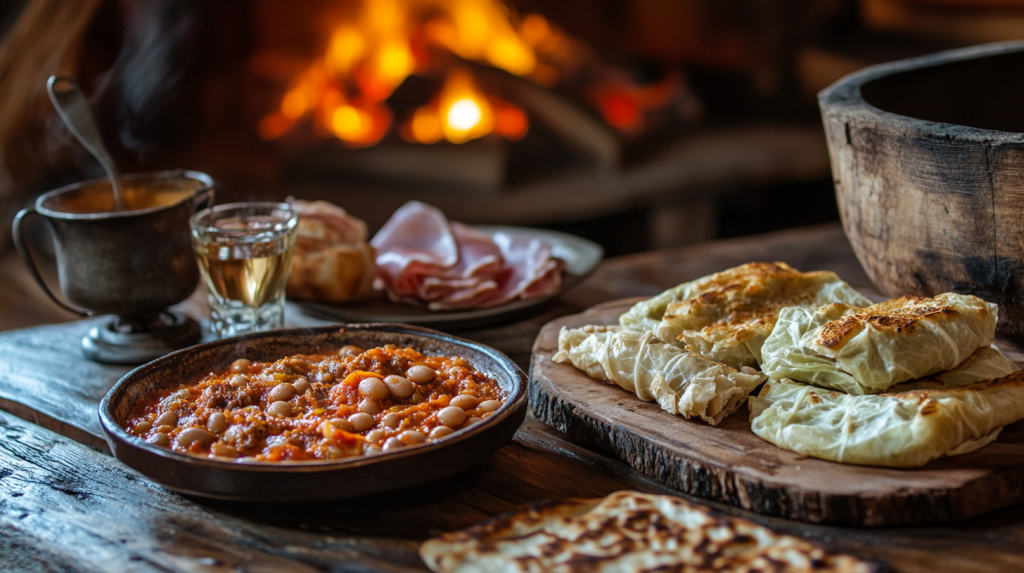
Emma: 你真的能從食物裡品味到歷史,好像每一個統治這片土地的帝國都留下了一點痕跡。
Julia: 這就是巴爾幹地區的特色——這裡沒有哪樣東西是單一的,所有文化都混合在一起。像 sarma(燉白菜捲),整個巴爾幹半島都吃,但它其實來自 奧斯曼帝國。
Emma: (咬了一口 sarma) 這道菜真的很受歡迎,口感溫暖又富有層次,我能理解它為什麼會流傳這麼久。
Julia: 但如果你往北走,比如到 伏伊伏丁那(Vojvodina),你會發現那裡的食物更接近奧地利。你能吃到 goulash(匈牙利燉牛肉)、strudel(捲餅) 和 schnitzel(炸肉排),這些都是奧匈帝國留下的影響。
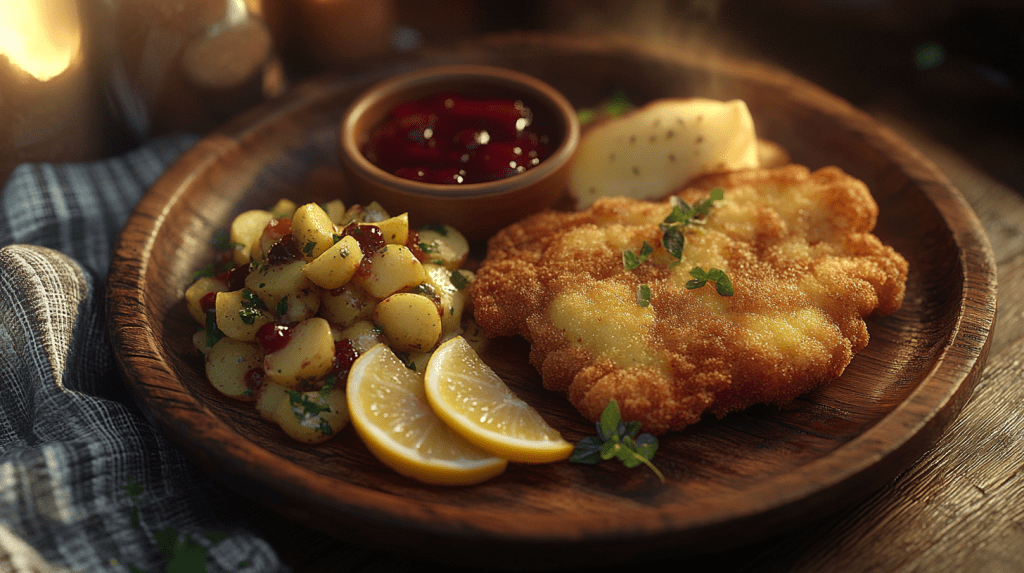
Schnitzel(炸肉排)
Emma: 所以塞爾維亞的料理會根據地區不同而有所變化?
Julia: 完全正確!北部更偏向 中歐風味,而南部則帶有更多 奧斯曼的影響。而在這樣的山區,料理則更加 簡單純樸,以 肉類、乳製品、燉菜 為主,因為這些才適合嚴寒的冬季。
Emma: 這真的很有道理。地理環境和歷史不僅塑造了文化,也影響了人們的飲食習慣。
Rakija——塞爾維亞的靈魂烈酒
旅館老闆: 沒有 Rakija,這頓飯就不完整。這是我們的傳統。
Emma: (拿起杯子) 我聽說過這種酒,應該很烈吧?
Julia: (笑) 我只能說,這不是給膽小鬼喝的。
Emma: (抿了一口,眼睛瞪大) 哇,這真的…很強烈!
旅館老闆: (大笑) 它能溫暖你的靈魂,而且什麼病都能治——頭痛、心痛,甚至感冒。
Julia: (微笑) 幾乎每個塞爾維亞家庭都有自己的 Rakija 釀製配方,有些人說 自家釀的比市售的更好。
Emma: 我相信!它喝起來很順滑,但後勁十足。這通常是用什麼釀的?
Julia: 最常見的是 梅子(Šljivovica),但也有人用 葡萄、杏子、榲桲(quince) 來釀。
Emma: 所以這不只是一種酒,而是一種文化象徵。
旅館老闆: (點頭) 不只是文化,而是生活的一部分。
歷史與生存的故事
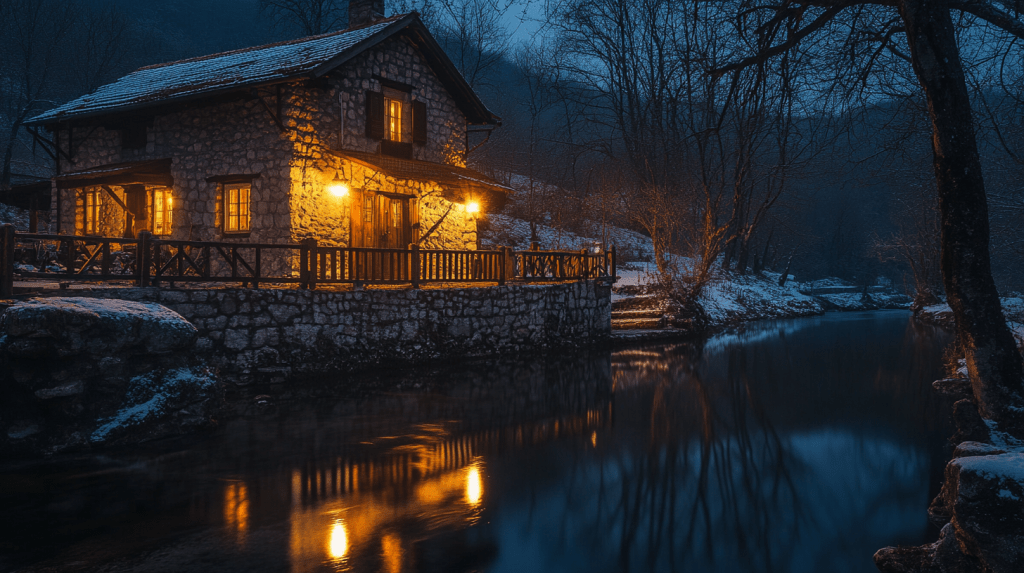
Emma: (若有所思) 這很有趣……城市生活一直在變化,但在這種地方,時間彷彿過得比較慢。
Julia: 確實如此。在城市裡,人們不斷地重建、現代化,甚至忘記過去。但在這些山區,傳統一直被保存,因為 這是他們生存的方式。
Emma: 你覺得這就是為什麼塞爾維亞的文化這麼強韌嗎?
Julia: 沒錯。在一個 總是夾在不同帝國、戰爭和邊界變遷 的地方,保留自己的文化不只是習慣,而是一種 抵抗的方式。
Emma: (微笑) 我能理解這種感覺。我覺得自己對塞爾維亞又多了一層認識。
Julia: (舉起杯子) 敬理解,也敬那些從未被遺忘的過去。
Emma: (微笑,舉杯) 敬塞爾維亞。
Geology, Climate, and Local Life in Tara
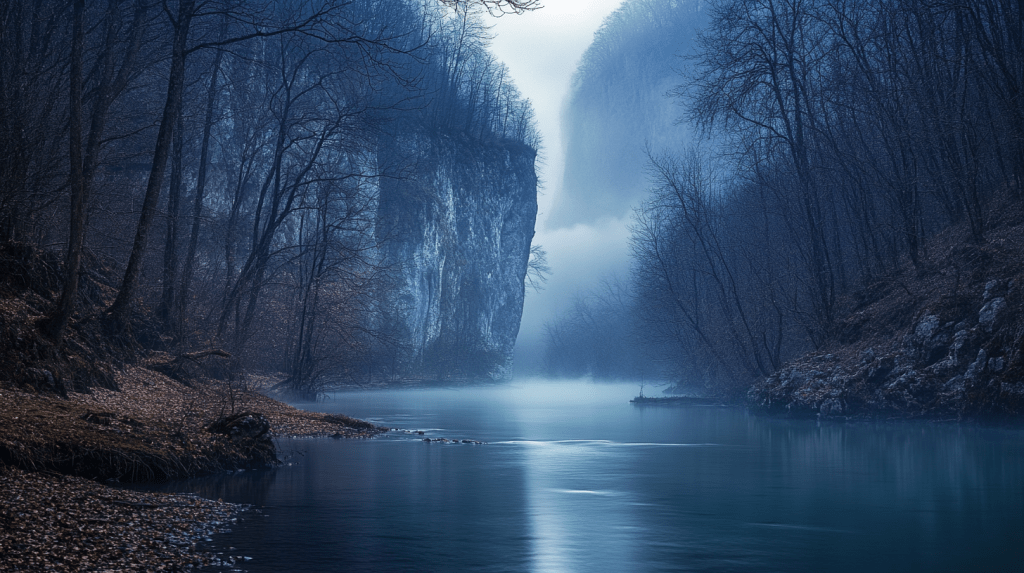
Emma: Don’t you think these mountains have a certain rugged, weathered look to them?
Julia: (Smiling) Are you talking about their geological age, or just the sense of history they carry?
Emma: Both! They don’t look like young volcanic landscapes. They seem like they’ve been eroded for millions of years.
Julia: You’re absolutely right. This region is part of the Dinaric Alps, an ancient fold mountain range that formed during the Jurassic period—long before the Alps. The rocks here are mostly limestone and dolomite, which is why you see so many canyons and caves.
Emma: Limestone terrain… that explains why the Drina River Gorge has such steep cliffs, doesn’t it?
Julia: Exactly! Limestone is highly soluble in water, which creates karst landscapes—full of underground rivers and cave systems.
Emma: (Laughs) That would also explain why some springs suddenly appear and then mysteriously disappear.
Julia: Yes, many of the rivers in this area sink underground, only to re-emerge kilometers away.
Emma: This reminds me of Slovenia, where there are vast karst systems as well.
Julia: Right, Slovenia’s Postojna Cave is one of the most famous karst formations in Europe. But the landscapes here in Tara are even more rugged because of intense tectonic uplift, which made these valleys steeper and more dramatic.
Emma: (Nods) That makes me think of the coastal mountains in Croatia. They’re also part of the Dinaric Alps, but they seem much drier than here.
The Climate of Tara and Its Differences with Neighboring Countries
Emma and Julia sit at a rustic wooden table as the lodge owner brings them steaming bowls of Pasulj (Serbian bean stew) and freshly baked Lepinja bread. The warm, comforting aroma fills the air as they continue their conversation.

Pasulj (Serbian bean stew)
Emma: (Blowing on her soup) It feels colder here than I expected, even though this isn’t high-altitude Alpine terrain.

Julia: (Nods) That’s because Tara’s elevation is high enough to trap cold air, and northern winds often get stuck in these valleys, creating longer winters than in cities like Belgrade or Zagreb.
Emma: So the climate here is more continental, rather than the warmer Mediterranean climate we see in southern parts of the Balkans?
Julia: Exactly. Take Croatia’s Dalmatian coast, for example—it’s much warmer in winter because the Adriatic Sea regulates temperatures. But Tara is cut off from the sea by mountains, so it doesn’t get that warming effect.
Emma: What about Montenegro? I imagine Podgorica must be much warmer than here.
Julia: You’re right. Podgorica, being in a lowland area, has a much milder climate. But if you go up to Durmitor National Park, the climate there is actually colder than here, because of the higher altitude.
Emma: That’s fascinating—how the same country can have such big climate variations between its lowlands and mountains.
Julia: (Laughs) That’s very common in the Balkans. Take Skopje, North Macedonia—its winters are much milder than here because it’s in a basin, protected by mountains.
Emma: But if you go to Lake Ohrid, the climate becomes more humid because of the lake’s influence.
Julia: (Smiling) Exactly. That’s why traveling in this region requires more than just checking the country’s name—you have to look at the geography and elevation to know what to pack.
How Do Locals Adapt to This Climate? – Food and Lifestyle
Lodge Owner: Talking about the weather, are you?
Emma: Yes, we were wondering why it feels colder here than we expected.
Lodge Owner: (Laughs) That’s why we eat so much stew and meat. You wouldn’t survive winter on light food!
Julia: (Tasting the stew) This Pasulj is much thicker than the ones I’ve had in Belgrade.
Lodge Owner: That’s because here, we use more smoked pork and a richer meat broth. You need something hearty to keep warm.
Emma: That explains why the people here seem much more resistant to the cold than we are.
Lodge Owner: (Grins and raises his glass) This is the real way we stay warm.
Emma & Julia: (Lifting their glasses) Za zdravlje! (To health!)
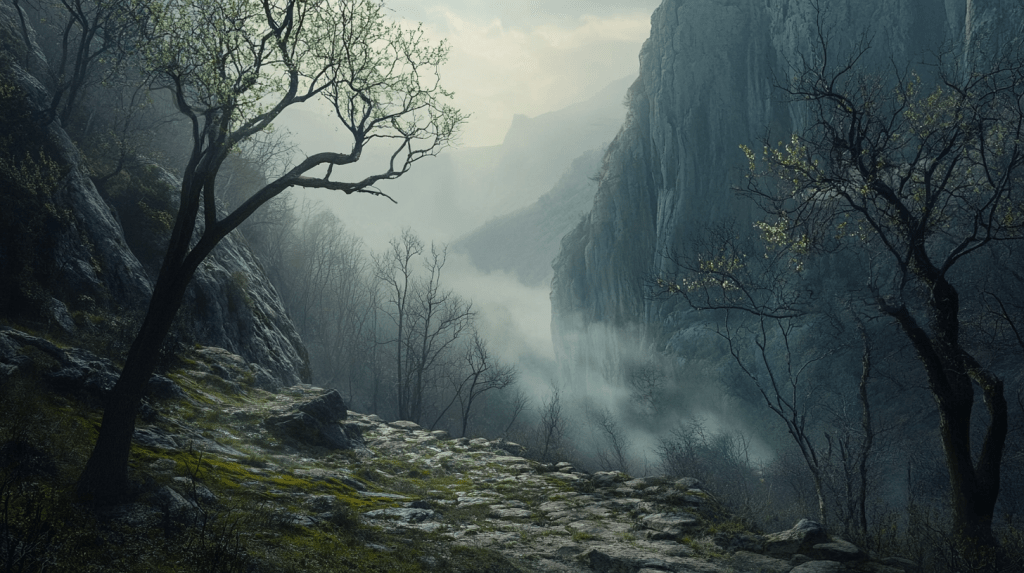
Emma: (看著窗外) 你不覺得這裡的山有一種特別的滄桑感嗎?
Julia: (笑) 你是說地質上的「老」,還是只是覺得它們歷史悠久?
Emma: 兩者都有吧!這片山脈看起來不像是新生的火山地形,而是經過長時間侵蝕的樣子。
Julia: 你說對了。塔拉國家公園屬於 迪納里克阿爾卑斯山脈 (Dinaric Alps),這是一條古老的摺皺山脈,形成於侏羅紀時期,比阿爾卑斯山還早。這些岩石主要是石灰岩和白雲岩,所以會有許多峽谷和洞穴。
Emma: 石灰岩地形,這就是為什麼德里納河谷會切割出這麼深的峽谷,對吧?
Julia: 沒錯!石灰岩容易被水溶解,形成喀斯特地貌——這就是為什麼這一帶有很多地下河流和洞穴系統。
Emma: (笑) 這也解釋了為什麼有些地方會有突然出現的泉水,然後又莫名消失了。
Julia: 是的,這些河流可能突然滲入地下,然後在幾公里外的某個地方重新冒出來。
Emma: 這和斯洛維尼亞很像,對吧?那裡也有大量的喀斯特地形。
Julia: 對,斯洛維尼亞的 波斯托伊納洞穴 (Postojna Cave) 就是喀斯特地貌的經典代表。但塔拉這裡的地形比斯洛維尼亞的更崎嶇,因為這裡的地殼抬升比較劇烈,讓這些山谷變得更陡峭。
Emma: (點頭) 這讓我想到克羅埃西亞沿海地區,那裡的山脈也是迪納里克山脈的一部分,不過比這裡乾燥得多。
塔拉的氣候和周邊國家的差異
旅館老闆端上來兩盤燉豆湯 (Pasulj) 和烤得金黃酥脆的皮塔餅 (Lepinja)。Emma 和 Julia 一邊吃著熱騰騰的食物,一邊繼續討論塔拉的氣候。
Emma: (吹了吹湯) 這裡的冬天感覺比我預期的還要冷,明明不算是阿爾卑斯山的高海拔地區。
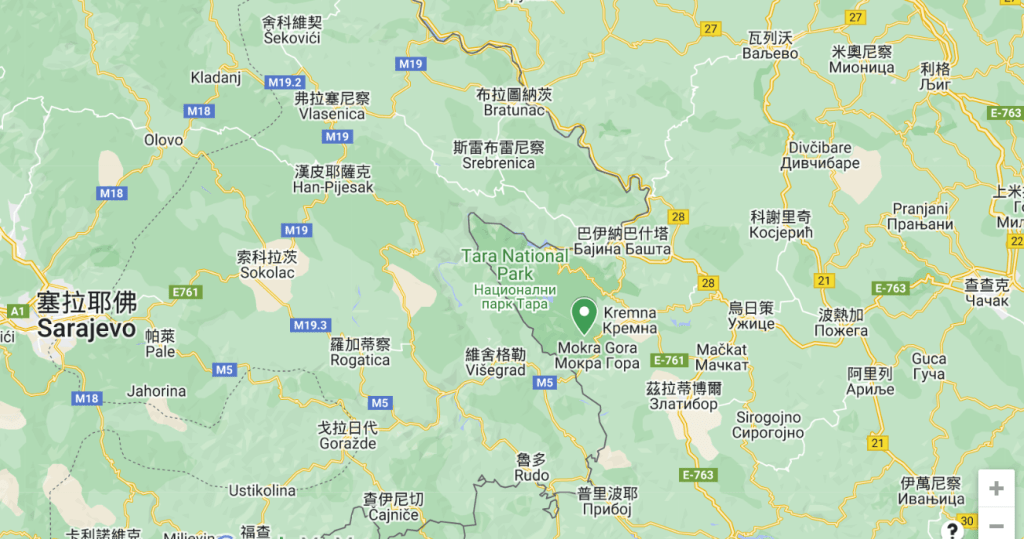
Julia: (點頭) 塔拉的氣候比貝爾格勒或薩格勒布冷,是因為這裡的地勢高,加上來自北方的冷空氣會滯留在山谷裡,造成比周圍地區更長的冬季。
Emma: 所以這裡的氣候更接近中歐內陸型,而不是巴爾幹半島南部那種溫暖的地中海氣候?
Julia: 沒錯。像克羅埃西亞的達爾馬提亞海岸,那裡冬天比這裡暖和多了,因為有亞得里亞海調節溫度。但這裡被高山隔開了,來自海洋的暖流進不來。
Emma: 那黑山呢?波德里察 (Podgorica) 感覺要比這裡溫暖許多。
Julia: 你說得對。黑山的低地氣候比這裡溫和,但如果你往 杜米托爾國家公園 (Durmitor National Park) 走,就會發現那裡的氣候跟塔拉很像,甚至更冷,因為那邊的海拔更高。
Emma: 這倒是很有趣。同樣的國家,低地和高山地區的氣候差異可以這麼大。
Julia: (笑) 這在巴爾幹很常見。像北馬其頓的斯科普里冬天也比塞爾維亞的這些山區暖和,因為它在一個盆地裡,受到周圍山脈的保護。
Emma: 但如果你去奧赫里德湖 (Lake Ohrid),那裡的氣候又會更濕潤,因為有湖泊影響。
Julia: (微笑) 沒錯。所以在這一區旅行時,不能只看國家名,要看地形和海拔,才知道該帶什麼衣服。
當地人的適應方式——食物與生活習慣
旅館老闆: 你們在討論天氣?
Emma: 是啊,我們在聊為什麼這裡的冬天比我們想像的還要冷。
旅館老闆: (笑) 這就是為什麼我們吃這麼多濃湯和肉。冬天太冷,吃清淡的東西活不下去。
Julia: (喝了一口湯) 我能理解。這燉豆湯比我在其他地方吃到的還要濃稠。
旅館老闆: 這裡的 Pasulj 跟你在貝爾格勒吃到的不一樣,因為我們會加更多煙燻豬肉,還會用更濃的肉湯熬煮。
Emma: 這應該就是為什麼這裡的人比我想像的還能忍受寒冷吧?
旅館老闆: (笑著舉起酒杯) 這才是我們真正的「暖身方式」。
Emma & Julia: (舉杯) Za zdravlje! (為健康乾杯!)
The Hot Springs of Tara
Emma and Julia sit in the outdoor hot spring of the lodge. Steam rises in the cold mountain air, and the surrounding trees are dusted with frost. The night sky is clear, with faint stars shimmering above the valley. The warmth of the water contrasts with the crisp winter air, making the experience even more relaxing.

Emma: (Leaning back) This feels amazing… I wouldn’t have expected to find natural hot springs in a place this cold.
Julia: I know, right? It’s not something you associate with inland mountain regions.
Emma: So how did these hot springs even form? There aren’t any volcanoes around here.
Julia: There are different types of hot springs. The ones here are what we call deep groundwater heating systems, or geothermal springs.
Emma: (Raises an eyebrow) Meaning?
Julia: The rock formations beneath us are ancient and have many fractures and faults. Rainwater seeps deep underground, where it gets slowly heated by the Earth’s natural heat. Eventually, it rises back to the surface through cracks in the rock, emerging as a hot spring.
Emma: So the heat is coming from deep inside the Earth, not from volcanic activity?
Julia: Exactly. Volcanic hot springs are directly heated by magma, which is why they often smell like sulfur. But this kind of geothermal spring is different—the heat comes from the natural warmth of the Earth’s crust.
Emma: That explains why the water here doesn’t have that strong sulfur smell like some hot springs I’ve been to.
Julia: Right. The mineral content here is mostly calcium, magnesium, and carbonates, which makes the water gentler on the skin.
Emma picks up a cup of hot tea, watching as small bubbles rise from the bottom of the spring.
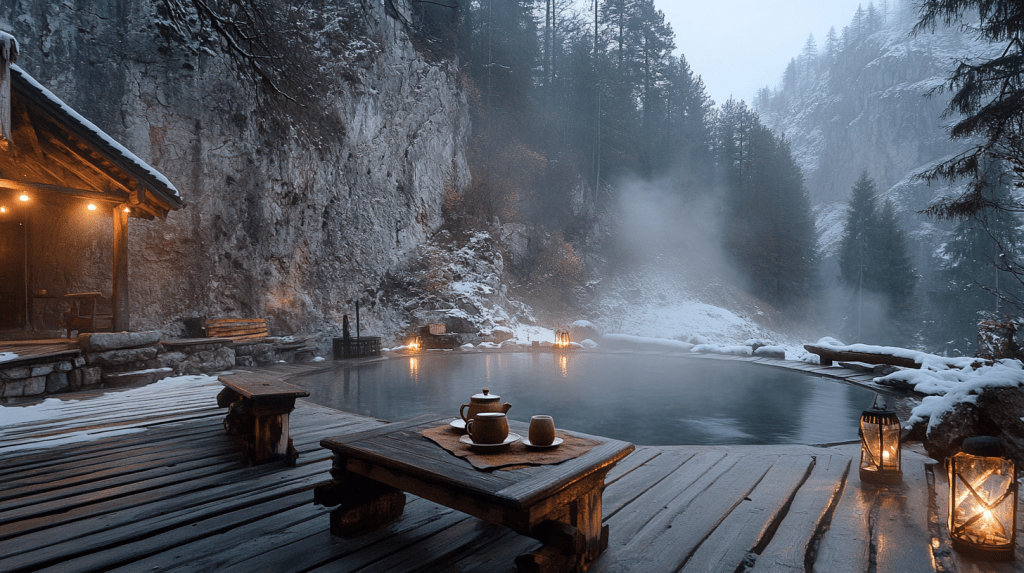
Emma: This makes me wonder… if there are hot springs here, does that mean there are earthquakes, too?
Julia: Good question! Hot springs are often linked to fault lines, and faults can be a source of earthquakes. So in some places, hot springs and seismic activity go hand in hand.
Emma: (Frowning) What about here in Tara? Is this a seismically active area?
Julia: Not really. The Balkans do experience earthquakes, but this region isn’t one of the most active zones. However, Serbia, along with the rest of the Balkans, lies between the Eurasian Plate and the Adriatic Microplate, so occasional earthquakes do happen.
Emma: I remember reading about the 1963 Skopje earthquake—it destroyed most of the city.
Julia: Yes, that was caused by a major fault in North Macedonia. In Serbia, there are smaller fault lines, but they don’t produce large quakes often.
Emma: So while there are faults underground, they’re not the dangerous kind?
Julia: Exactly. The faults here mainly allow groundwater to circulate and heat up, rather than causing big earthquakes.
Emma: So, soaking in this hot spring is completely safe?
Julia: (Laughs) Absolutely. Unlike Iceland or Japan, where geothermal areas are associated with volcanic activity and earthquakes, this place is geologically stable.
Are There Any Legends About These Hot Springs?
The lodge owner walks by with a fresh pot of hot tea. Hearing their conversation, he smiles and takes a seat nearby.
Lodge Owner: You’re talking about the hot springs?
Emma: Yeah, we were discussing the geology and whether they’re linked to earthquakes.
Lodge Owner: (Laughs) You scholars always make things sound complicated. I just know that this water is good for you—especially in winter.
Julia: (Smiling) That’s a fair point. We’re just looking at it from a different perspective.
Emma: Do people around here have any stories about the hot springs?
Lodge Owner: There’s an old legend. They say a shepherd got lost here one winter. He was freezing to death when his sheep suddenly ran toward a patch of warm water. When he followed them, he found this hot spring. He got in and survived the night. Since then, people believe the water has healing powers.

Emma: (Laughs) That sounds like a classic hot spring legend, but I like it.
Julia: Actually, there’s truth to it. Geothermal springs really do have therapeutic properties, especially for arthritis, circulation, and skin conditions.
Lodge Owner: See? No need for all that science—local people have known it for centuries.
Emma: (Laughs) Fair enough. Science helps explain it, but experience is what really matters.
Julia: (Raises her cup) To Tara’s hot springs!
Emma & Lodge Owner: (Clinking cups) Cheers!
在旅館的溫泉池邊——討論溫泉的地質成因
Emma 和 Julia 在旅館的戶外溫泉池裡,池邊的蒸汽在冷冽的空氣中升騰,四周是覆蓋著淡淡雪霜的山林。夜色已深,但溫泉水帶來的溫暖讓她們感到無比放鬆。
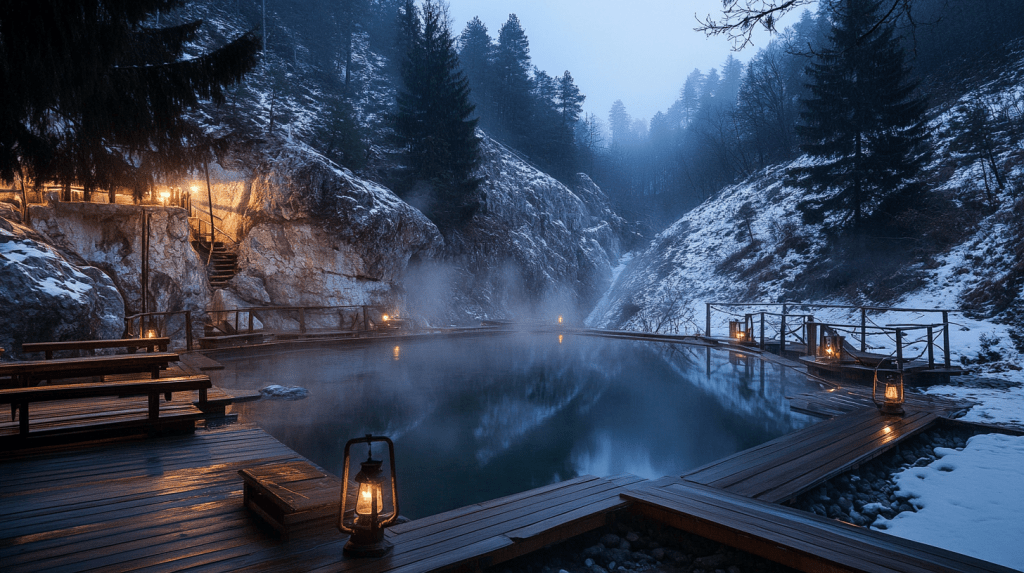
Emma: (靠在池邊) 這感覺太棒了……想不到這麼冷的地方居然有天然溫泉。
Julia: 是啊,這種地質條件並不常見,尤其是在像塔拉這樣的內陸山區。
Emma: 所以這些溫泉是怎麼來的?這裡又不是火山區。
Julia: 溫泉的形成方式有幾種,這裡的應該屬於深層地下水加熱型溫泉,也叫地殼內部加熱系統。
Emma: (眨眼) 什麼意思?
Julia: 這裡的地層很古老,底下有許多斷裂帶和裂縫。雨水滲入地下,然後因為地殼內部的熱能慢慢加溫,最後再從裂縫或岩層破裂處湧出來,變成溫泉。
Emma: 所以,水的熱量是從地球內部來的?
Julia: 對,這跟火山型溫泉不同。火山區的溫泉水是被岩漿直接加熱的,但這裡沒有活火山,所以水的熱量來自地殼內部的地熱,而不是熔岩。
Emma: 這也解釋了為什麼這裡的水不是那種冒著硫磺味的溫泉。
Julia: 沒錯,火山型溫泉通常含有更多硫化物,味道比較刺鼻。這裡的水礦物質成分主要是鈣、鎂和碳酸鹽,所以比較溫和。
Emma 拿起一杯熱茶,一邊喝著,一邊看著溫泉水不斷從池底湧出,形成細小的氣泡。
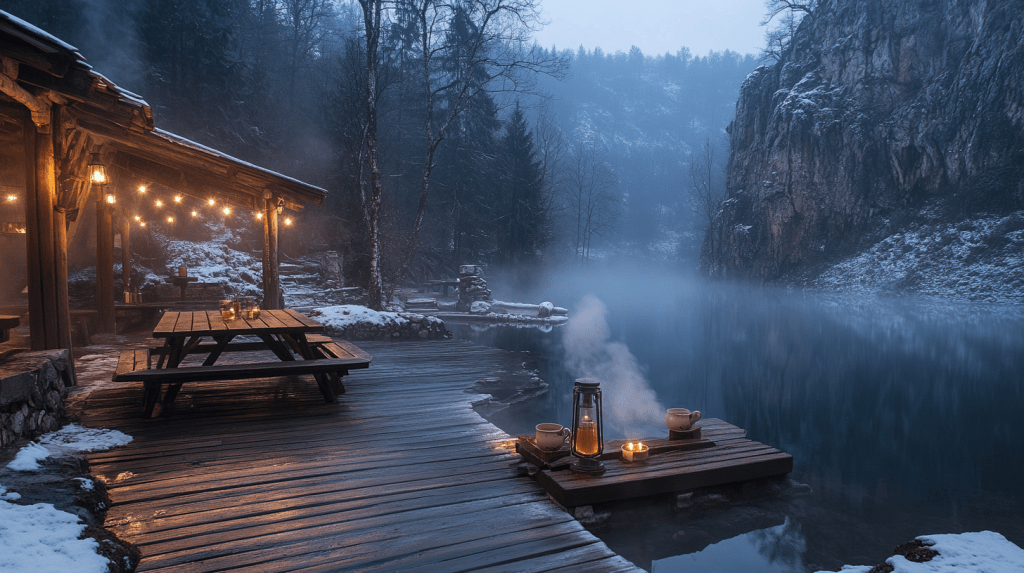
Emma: 這讓我想到一個問題……這裡有溫泉,那會不會有地震?
Julia: 這是個好問題!溫泉通常和地殼的斷層系統有關,而斷層又可能是地震的來源,所以在某些地方,溫泉確實和地震活動有關。
Emma: (皺眉) 那塔拉這裡呢?這裡地震多嗎?
Julia: 這裡不算地震頻繁的地區,但整個巴爾幹半島都位於歐亞板塊和亞得里亞微板塊的交界處,所以有些地方確實有地震活動。
Emma: (點頭) 我記得北馬其頓的斯科普里在1963年發生過大地震,幾乎把整座城市毀了。
Julia: 是的,那場地震是因為斯科普里斷層發生活動。而塞爾維亞的地震活動雖然不像斯科普里那麼強烈,但貝爾格勒附近偶爾還是會有小地震。
Emma: 所以塔拉這裡雖然有斷層,但不算是高風險區?
Julia: 對,這裡的地質運動比較穩定,斷層主要是形成溫泉和峽谷,而不是劇烈活動的斷層帶。
Emma: 這樣的話,泡溫泉應該是安全的吧?
Julia: 當然!這裡的地熱活動很穩定,不像冰島或日本那種火山溫泉,有時會伴隨地震或噴發的風險。
溫泉傳說
旅館老闆端來了一壺熱茶,聽到她們的討論後,笑著坐下來加入話題。
旅館老闆: 你們在聊什麼?
Emma: 我們剛剛在討論溫泉的地質,還有它和地震的關係。
旅館老闆: (笑) 你們學者總是把事情講得那麼複雜。我只知道,這裡的溫泉對身體好,特別是冬天的時候。
Julia: (笑) 當然,我們只是從不同的角度來理解。
Emma: 這裡的溫泉有什麼傳說嗎?
旅館老闆: 傳說很久以前,有一位牧羊人在冬天迷路了,快要凍死的時候,他的羊群突然跑到這裡來,結果他發現這裡有熱水,於是躺進去,活了下來。從那以後,人們就相信這裡的水有治癒的能力。

Emma: (笑) 這故事聽起來像很多溫泉的傳說版本,但還是很有趣。
Julia: 其實,這種地熱溫泉確實有療養效果,尤其是對關節炎、循環系統和皮膚病。
旅館老闆: 你看,這就不用學術分析了,當地人早就知道這裡的水是好東西。
Emma: (笑) 你說得對,科學只是幫助我們理解,但體驗才是最重要的。
Julia: (舉杯) 為了塔拉的溫泉,乾杯!
A Slow Morning Departure from Tara
The morning mist lingers in the valleys as Emma and Julia step outside their lodge, the air still carrying the scent of pine and damp earth. They stand for a moment, gazing at the rolling hills, the crisp mountain air filling their lungs as they prepare for the drive ahead.
Emma: (Stretching) I don’t feel ready to leave just yet.
Julia: (Smiling) I know what you mean. There’s something about this place that makes you want to slow down.
Emma: I think it’s the air—the silence, even. You don’t get this kind of stillness in cities.
Julia: And yet, we’re heading back to one. But we’re not rushing. We have time.
Emma: (Grinning) Then let’s make the most of the journey back.
A Slow Stroll Through Valjevo’s Old Quarter
By midday, they arrive in Valjevo, a town that has seen centuries of conflict, trade, and revolution. The old Tešnjar district, with its Ottoman-era stone streets and wooden houses, still feels like a step back in time. The town is not crowded, just a few locals sitting outside small cafés, drinking strong Serbian coffee in silence.
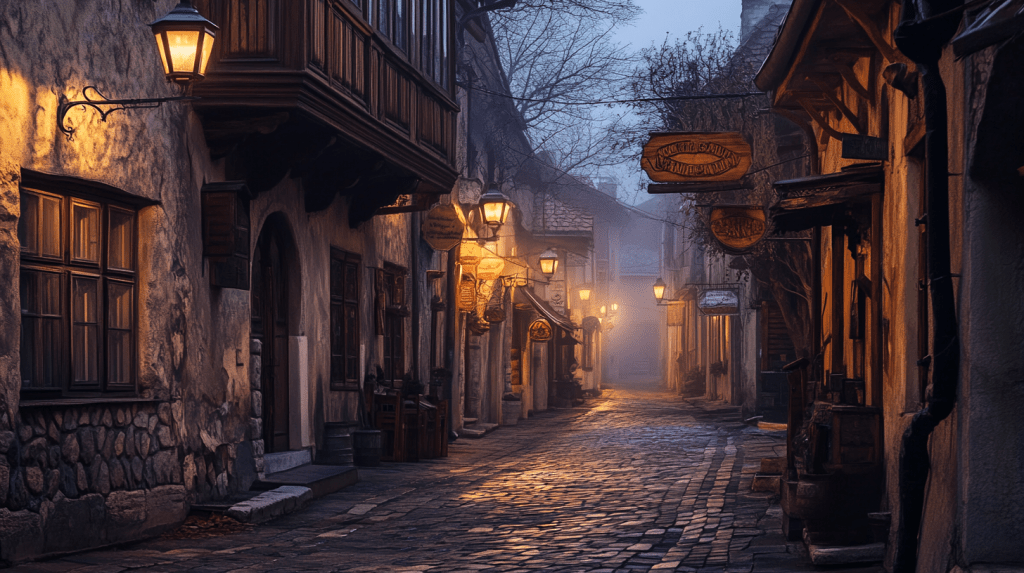
Emma: (Walking slowly) It feels different from Tara, but still peaceful in its own way.
Julia: It’s not as untouched as the mountains, but it carries its own weight of history.
Emma: I like that people still use these old buildings—unlike some historic towns that feel more like museums than living places.
Julia: That’s because Valjevo never tried to be something else. It just exists as it always has—sometimes forgotten, but never entirely erased.
Emma: That’s an interesting way to put it. Cities that are “forgotten but never erased."
Coffee and the Stories of the Past
They enter a small kafana, the interior dimly lit with wooden beams overhead and the scent of brewing coffee filling the air. The waiter, an older man with weathered hands, serves them coffee in traditional copper pots, along with a few pieces of lokum (Turkish delight).

Emma: (Taking a sip) This is stronger than I expected.
Julia: (Smiling) Serbian coffee isn’t just a drink, it’s a ritual. Slow, unfiltered, meant to be savored.
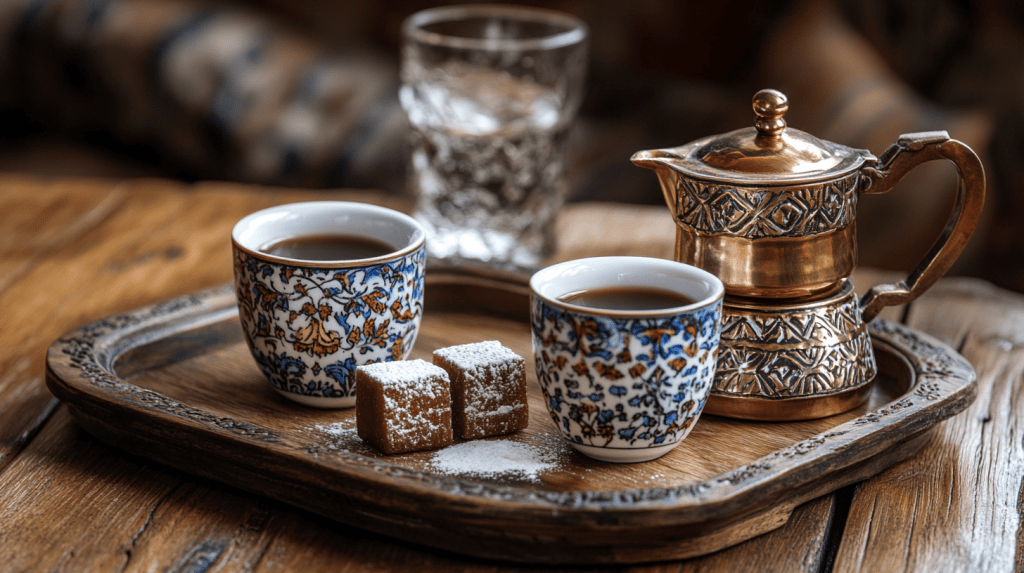
Emma: (Looking around) Do you think people who lived here two centuries ago had coffee like this?
Julia: Most likely. Ottoman influence ran deep here. The Nenadović family, who led the first Serbian uprising, probably drank coffee just like this while discussing their plans for rebellion.
Emma: (Grinning) I like imagining them sitting in a place like this, whispering about their strategies.
Julia: The past isn’t as distant as we think—it lingers in places like these.
The Nenadović Tower – A Symbol of Serbian Resistance
They visit Nenadović Tower, a stone-built structure on a hill overlooking Valjevo. The wind carries a chill as they climb the steps, looking at the old weapons and relics displayed inside.
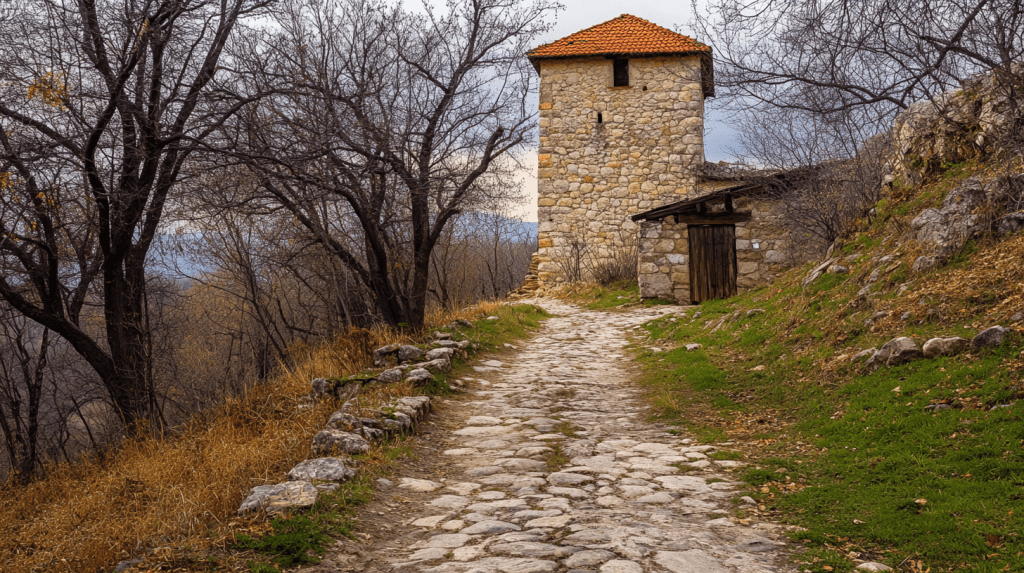
Emma: It’s strange standing here, knowing this tower once stored weapons for a revolution.
Julia: Serbia’s history is full of cycles—rebellion, struggle, rebuilding. This was one of the first places where the fight for independence began.
Emma: (Leaning on the stone wall) The Balkans have always been a place of transitions, haven’t they? Never completely one thing or another.
Julia: That’s why the region is so fascinating. Every place carries the remnants of something before it.
A Detour Along the Gradac River
Before leaving Valjevo, they take a short walk along the Gradac River, where the water flows clear and untouched. The canyon walls rise on either side, ad the only sound is birdsong and the occasional rustling of leaves.

Emma: (Looking at the water) After all the history, this feels like a reset.
Julia: Nature has that effect. It reminds you that history is just a layer on top of something much older.
Emma: I think that’s what I love about this trip—it’s not just about one thing. It’s history, it’s landscapes, it’s people.
Julia: (Smiling) That’s what travel should be. Not just places, but the feeling of those places.
The Final Drive to Belgrade Airport
The last leg of their journey takes them back to Belgrade Nikola Tesla Airport, a smooth 1.5-hour drive from Valjevo. The conversation slows, replaced by quiet reflection. The car moves from countryside roads to highways, the urban skyline of Belgrade growing larger in the distance.
Emma: It’s strange. I feel like I understand Serbia so much better now, but at the same time, I know I’ve only scratched the surface.
Julia: That’s what the best trips do. They don’t give you all the answers—they make you want to come back for more.
Emma: (Smiling) And I think I will.
Julia: (Glancing at the road ahead) Next time, maybe somewhere even deeper into the Balkans?
Emma: (Grinning) Let’s see where the road takes us.
從塔拉回貝爾格勒
從塔拉出發的清晨時刻
晨霧仍然籠罩著塔拉的山谷,Emma 和 Julia 站在旅館外,看著群山層層疊疊,清新的冷空氣讓人精神一振。他們整理行李,把最後一杯熱茶喝完,準備上路。
Emma: (伸展身體) 我還沒準備好離開這裡。
Julia: (微笑) 我懂這種感覺,這裡讓人想慢下來,待久一點。
Emma: 我想是因為這裡的空氣,還有那種寂靜的感覺。在城市裡,很難找到這麼純粹的寧靜。
Julia: 我們總是急著趕路,但這趟旅程不該只是直奔終點。
Emma: (微笑) 那就慢慢走吧,把沿途的每一個地方都好好感受一遍。
泰什尼亞爾老城區——穿越數百年的歷史
中午時分,他們來到瓦列沃,這座擁有深厚歷史的小城。泰什尼亞爾 (Tešnjar) 老城區保留了奧斯曼時代的石板街道與木造建築,腳步聲在巷弄間回響。這裡不像大城市的旅遊景點那樣熱鬧,只有幾個當地人坐在咖啡館門口,靜靜地喝著咖啡。
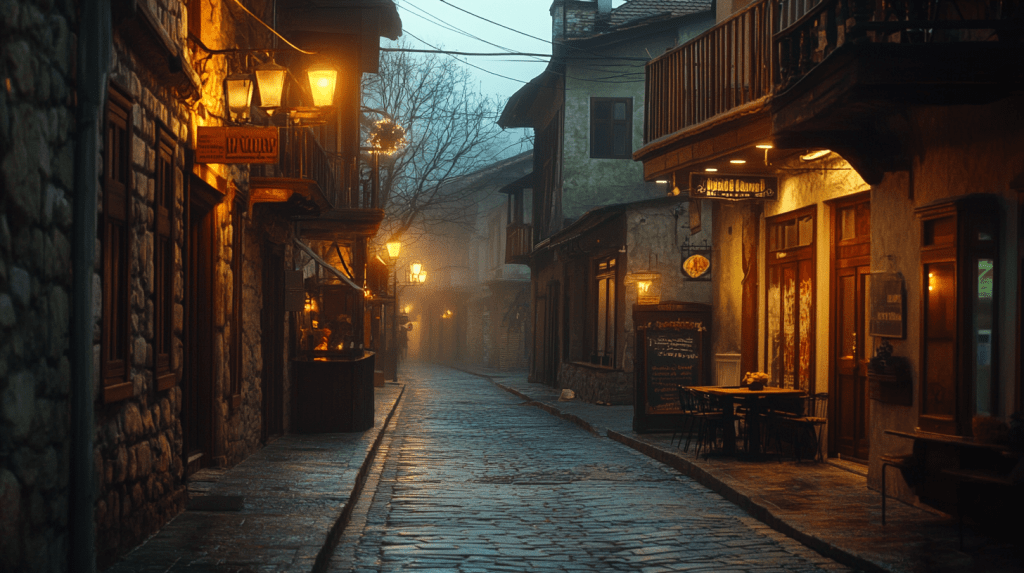
Emma: (慢慢走著) 這裡和塔拉不一樣,但同樣有一種沉靜的感覺。
Julia: 山區的寧靜來自自然,而這裡的寧靜來自歷史的沉澱。
Emma: 這裡的建築很有舊時代的風格,和我在薩拉熱窩或伊斯坦堡看到的有些相似。
Julia: 沒錯,因為瓦列沃曾是奧斯曼帝國的重要貿易城市。這條老街最早在十八世紀就形成了,商人、工匠、旅人都曾在這裡停留。
Emma: (看著一間古老的商店) 這些房子還有人在用,不像某些歷史景點只是給遊客參觀的。
Julia: 這就是這座城市的特別之處——它沒有刻意變成「觀光化的歷史」,而是自然地活在時間裡。
老咖啡館裡的慢時光
他們走進一家老咖啡館,裡面的木質桌椅和昏黃燈光讓人感覺仿佛回到過去。老闆端來兩杯 塞爾維亞咖啡 (Serbian coffee),銅壺裡的濃縮咖啡散發出濃郁的香氣,旁邊還放著幾塊 土耳其軟糖 (lokum)。

Emma: (喝了一口) 哇,這比我想像的還要濃烈。
Julia: (笑) 塞爾維亞咖啡基本上就是土耳其咖啡,只是當地人加了一點自己的風格。它是未過濾的,喝到底時要小心,不然會把咖啡渣一起喝下去。

Emma: (看著窗外) 你覺得兩百年前的人是不是也坐在這樣的地方,喝著同樣的咖啡?
Julia: 很有可能。當時的瓦列沃是奧斯曼帝國的一部分,當地的反抗者 涅納多維奇家族 (Nenadović family) 就是在這裡策劃第一次塞爾維亞起義的。
Emma: (微笑) 我喜歡這種想像,他們可能也在這裡喝咖啡,低聲討論革命計畫。
Julia: (看著杯底的咖啡渣) 歷史並不總是消失,它只是換了一種方式存在。
涅納多維奇塔——塞爾維亞獨立的象徵
他們前往瓦列沃郊外的一座小型石塔,這裡曾是反抗軍的武器庫。山風輕輕吹過,石牆上仍能看到歲月留下的痕跡。
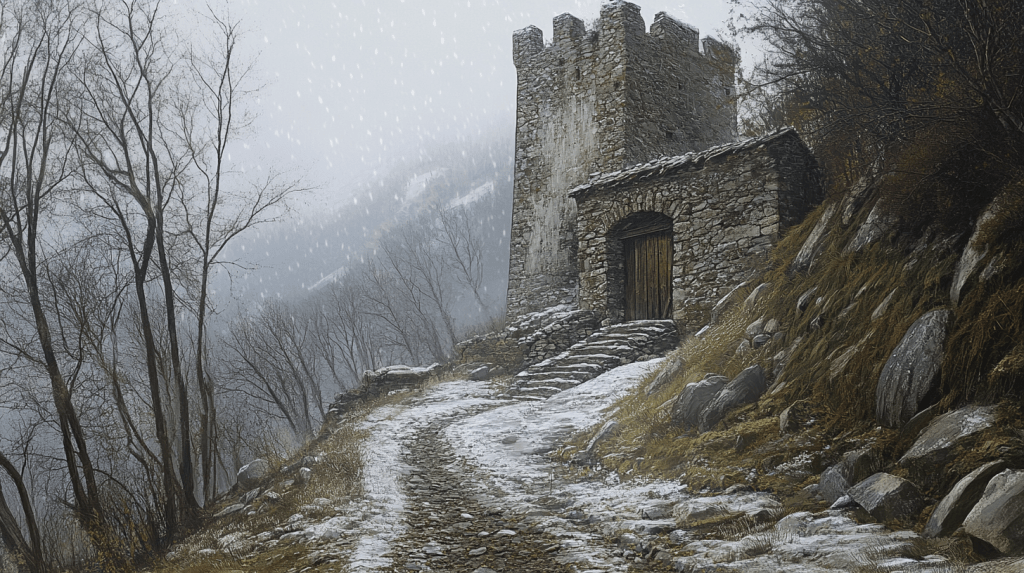
Emma: 這座塔不大,但它的意義應該不小。
Julia: 沒錯,這裡曾經存放著起義軍的武器,為了對抗奧斯曼統治。這座塔見證了塞爾維亞歷史上最重要的反抗時刻之一。
Emma: 巴爾幹一直都是變遷的交叉點,不屬於東方也不屬於西方,總是在兩者之間擺盪。
Julia: 這就是為什麼這個地區的歷史這麼迷人。它永遠不是一個單一的故事,而是許多文明交錯的結果。
格拉達茨河畔的散步
在離開瓦列沃之前,他們決定沿著 格拉達茨河 (Gradac River) 走一小段路。清澈的河水在峽谷中流動,陽光透過樹葉閃爍,氣氛寧靜而溫暖。
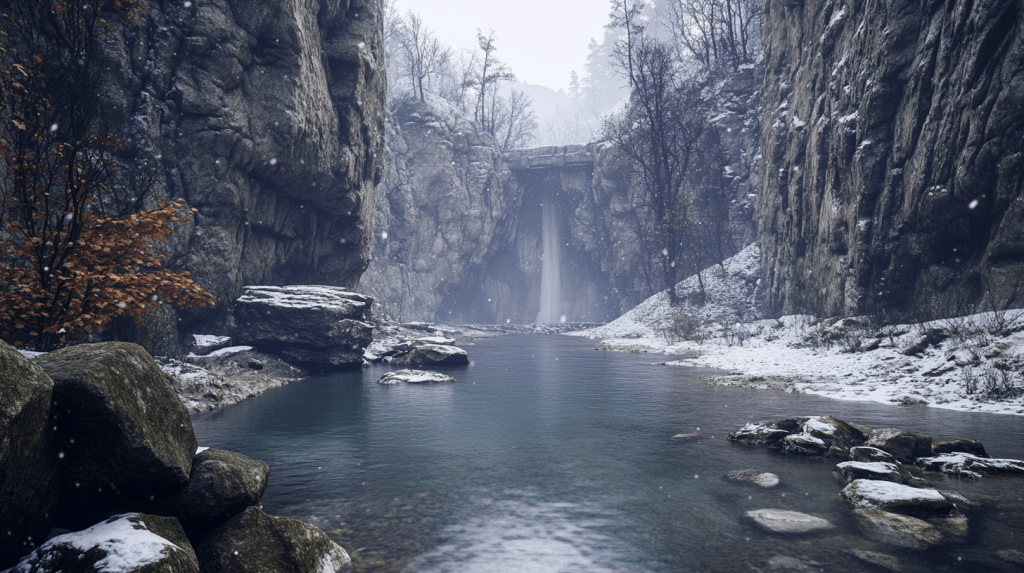
Emma: (深呼吸) 這比我預想的還要美。
Julia: 這是旅程的最後一片純淨之地,就像是一場深呼吸,讓我們慢慢回到現實世界。
Emma: 這次旅行,不只是關於歷史、地理,還關於那些我們與這些地方建立的連結。
Julia: (微笑) 旅行的意義就在於此,不只是去過,而是帶著感受離開。
前往貝爾格勒機場——旅程的結束
Emma 和 Julia 坐在車裡,離開瓦列沃後的道路逐漸從鄉間小路轉為筆直的高速公路。遠方,貝爾格勒的城市輪廓越來越清晰,從群山到城鎮,再到現代都市,景色的變化讓人有種時空錯位的感覺。兩人靜靜地看著窗外,偶爾交換幾句話,但更多的是回味這趟旅程的點點滴滴。
Emma: (望著窗外) 這一路的變化好明顯,從森林、河谷,到老城鎮,現在回到現代城市……感覺像穿越了不同的世界。
Julia: 這也說明了塞爾維亞的多樣性,這裡不只是巴爾幹的一部分,它融合了中歐、東歐、甚至奧斯曼的影響。
Emma: (笑) 也難怪這裡的咖啡既像土耳其風格,但喝起來又有點歐洲的感覺。
Julia: (點頭) 這種文化交錯的感覺,正是讓人想要再回來的原因。
Emma: 你覺得這趟旅程哪一刻最讓你印象深刻?
Julia: (沉思) 可能是在塔拉國家公園的某個清晨,當霧氣從山谷裡升起,一切都靜靜地蘊含著故事。你呢?
Emma: (微笑) 我想是我們在那間老咖啡館裡,喝著濃濃的塞爾維亞咖啡,想像著幾百年前的人也曾坐在那裡談論著他們的世界。歷史是活著的,不是冷冰冰的書頁。
貝爾格勒市區——回到現代
當他們駛入貝爾格勒市區,摩登的高樓、老式電車、新舊並存的建築風格再次提醒他們,這座城市依然是歷史與現代的交匯點。
Emma: 這裡跟我們幾天前來的時候,看起來好像完全不一樣了。
Julia: 不是城市變了,而是我們變了。
Emma: (笑) 哇,聽起來好像哲學思考。
Julia: (微笑) 旅行總會改變我們看待世界的方式,讓我們用不同的視角去看同一個地方。
Emma: 所以這趟旅程的意義,遠不只是我們「到過」這些地方,而是我們如何理解它們。
機場離別——旅程的餘韻
車子駛入貝爾格勒尼古拉·特斯拉機場 (Belgrade Nikola Tesla Airport, BEG),兩人走進航站樓,辦理登機手續後,在候機區坐下,等待航班。機場內部現代而明亮,這幾天他們走過的古老城鎮與自然景觀形成強烈對比。]
Julia: (看著螢幕上的航班資訊) 這趟旅程就要結束了。
Emma: 但感覺像是另一個開始,而不是結束。
Julia: (笑) 你是說下一趟旅程的開始?
Emma: 不只是旅程,而是這種探索的心情。我覺得我們才剛開始理解這片土地,還有太多故事等著我們發掘。
Julia: 那麼,下一次,我們要去哪?
Emma: (想了想) 也許是巴爾幹的另一個角落,也許是更遠的地方……我們可以讓旅程自己決定。

 Virtual Travel | 虛擬旅行沉浸式英語學習
發表留言