

Evening. Emma and Julia have just finished their research for the day and are returning to their apartment in Vilnius’ Old Town. Their apartment is in a 19th-century building, with wooden stairs, carved doors, and slightly worn but historic corridors.

First Encounter with Elena
(Emma carries groceries up the stairs while Julia searches for the apartment key.)
Elena: “Oh? Are you new here?”
(A familiar voice in English comes from the corridor. They turn to see an elderly woman with silver hair but bright eyes, standing by her door—apparently their neighbor.)
Emma: “Yes, we just moved in recently.” (She smiles.)
Julia: “Do you live here as well?”
Elena: “Of course, I’ve been here for over thirty years.” (She speaks in a nostalgic tone.) “I’m Elena, a retired English teacher. It’s always nice to hear English—it feels like home. Are you students?”
Emma: “We’re researchers, here for academic work.” (She briefly introduces their research focus.)
Elena: “Academic research? That sounds interesting! I hope it’s not too complicated—if it’s full of mathematical formulas, I’m afraid I won’t be much help.” (She chuckles.)
Julia: “No, our research is more about cultural history, especially the historical background of this city.”
Elena: “Oh, then you’ve come to the right place!” (Her eyes light up with interest.)
“Vilnius has so many stories to tell. Even this building has its own history…” (She pauses, lost in thought.)
Emma: “This building has a story?” (They both become intrigued.)
Elena: “Oh, plenty. Many years ago… But that’s not a story to be told in the hallway.” (She shakes her head with a knowing smile.)
“Since we’re neighbors, we should get to know each other properly. I live in the apartment upstairs, the one with the old stained-glass window. Come over for tea sometime, and I’ll share some stories about this city.”
Julia: “We’d love that!” (She seems genuinely interested.)
Elena: “Then it’s settled.” (She nods and steps into her apartment but turns back with a parting remark.)
“Oh, and by the way—don’t stay out too late. This street has its fair share of mysterious tales…” (She gives them a knowing smile before closing her door.)
Emma: “…That just made me even more curious.”
Julia: “Looks like we’ll be hearing some interesting stories along with our research.” (She unlocks their apartment door, deep in thought.)

初次相遇
傍晚,Emma 和 Julia 剛結束一天的研究,回到維爾紐斯舊城區的公寓。她們租住的公寓是一棟 19世紀的老建築,擁有木質樓梯、帶雕花的舊門,以及略顯斑駁但充滿歷史感的走廊。

(Emma 拿著剛買的食材爬樓梯,Julia 正在找房門鑰匙)
Elena:「哦?你們是新搬進來的嗎?」
(一道熟悉的英語聲音從走廊傳來,兩人轉頭,看到一位 白髮但精神矍鑠的老太太 正站在門邊,看來是她們的鄰居)
Emma:「是的,我們剛來這裡不久。」 (微笑回應)
Julia:「您也住這裡嗎?」
Elena:「當然,我已經住了三十多年了。」 (她用一種帶著懷舊的語氣說道) 「我是 Elena,以前是英語老師,看到有人說英語,總覺得親切。你們是學生嗎?」
Emma:「我們是研究員,在這裡進行學術研究。」 (她簡單介紹了一下自己和 Julia 的研究方向)
Elena:「學術研究?有趣!你們在研究什麼呢?希望不是太艱深的數學公式,那樣我可幫不上忙。」 (她開玩笑地笑了笑)
Julia:「不,主要是關於文化歷史的研究,尤其是這座城市的歷史背景。」
Elena:「哦,那你們來對地方了!」 (她眼睛一亮,似乎對這個話題很感興趣) 「維爾紐斯有太多故事可講,光是這棟樓,也有好多歷史……」 (她頓了頓,像是陷入回憶中)
Emma:「這棟樓有什麼特別的故事嗎?」 (她們對 Elena 的話產生了興趣)
Elena:「有啊,很多年前……不過,這可不是在走廊上說得完的故事。」 (她笑著搖頭) 「你們搬來這裡,作為鄰居,應該好好認識一下。我住在樓上那間帶老舊花窗的公寓,改天來喝茶吧?我可以告訴你們更多關於這座城市的故事。」
Julia:「我們當然樂意!」 (她露出感興趣的神情)
Elena:「那就這麼說定了。」 (她點點頭,推開自己公寓的門,走了進去,但又回頭說了一句)
「哦對了,別太晚回家,這條街在以前可是有不少奇妙的傳說呢……」 (她神秘地笑了一下,然後關上了門。)
Emma:「……她的話讓人更好奇了。」
Julia:「看來我們的研究之餘,還會聽到一些有趣的故事。」 (她一邊打開公寓門,一邊若有所思地說道。)\

An Afternoon Chat
A weekend afternoon. Sunlight filters through the old windows of Elena’s apartment, casting a warm glow on the wooden floors. The air is filled with the rich aroma of Tinginys, a Lithuanian chocolate biscuit cake, and the faint sounds of footsteps and church bells drifting in from the street. Emma and Julia sip tea, enjoying the relaxed atmosphere.
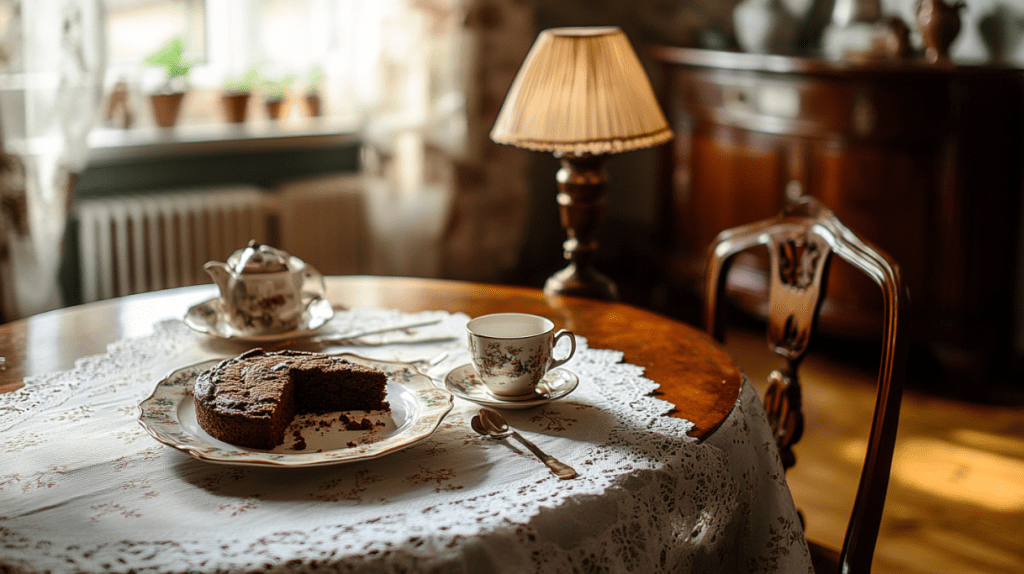
Julia: “By the way, have you kept in touch with Dovydas?" (She asks casually, curious about the former student.)
Elena: “Oh, hmm…" (She thinks for a moment, nodding lightly.) “The last I heard, he got a scholarship and went to Western Europe to study history. I remember receiving a letter from him—he said he was researching the transformation of Eastern European towns, and that some old Lithuanian documents were proving useful for his work."
Emma: “So he went abroad? He must have become quite the scholar." (She takes a sip of tea, looking thoughtful.)
Elena: “Yes, he was always passionate about history. I’m not sure where he is now, but the academic world is small—you might run into him at a conference one day." (She smiles, her tone lighthearted.)
Julia: “If that ever happens, we’ll have to bring up this conversation." (She doesn’t dwell on the mention of the ‘manuscript,’ as it’s just a casual story at this point.)
Emma: “By the way, Elena, your apartment has such a unique character. This building must have a long history, right?" (She looks around, admiring the old wooden furniture and vintage details.)
Elena: “Oh, yes, I’ve lived here for over thirty years." (She gently runs her fingers over the wooden table’s edge, her voice tinged with nostalgia.) “But this building is much older than I am—it was built over 150 years ago. Back then, it was a townhouse for a wealthy merchant family. Later, during the Soviet era, it was converted into communal apartments."
Julia: “That explains the beautiful carved staircases and the stained-glass windows. They look like original features."
Elena: “Yes, but things have changed over the years. This building once housed scholars, artists, even musicians… Now, the residents are mostly young professionals and students."
Emma: “When we moved in, we noticed a few interesting little shops nearby, and some old bookstores. This area feels livelier than we expected."
Elena: “Oh, you must visit the independent bookstore on the next street. The owner is quite the character—he has an incredible collection of old books, including rare Lithuanian history and literature. Sometimes, he even buys private collections. You might find something interesting for your research."
Julia: “That sounds fascinating! We should definitely check it out. We’re still getting to know the area—any other recommendations?"
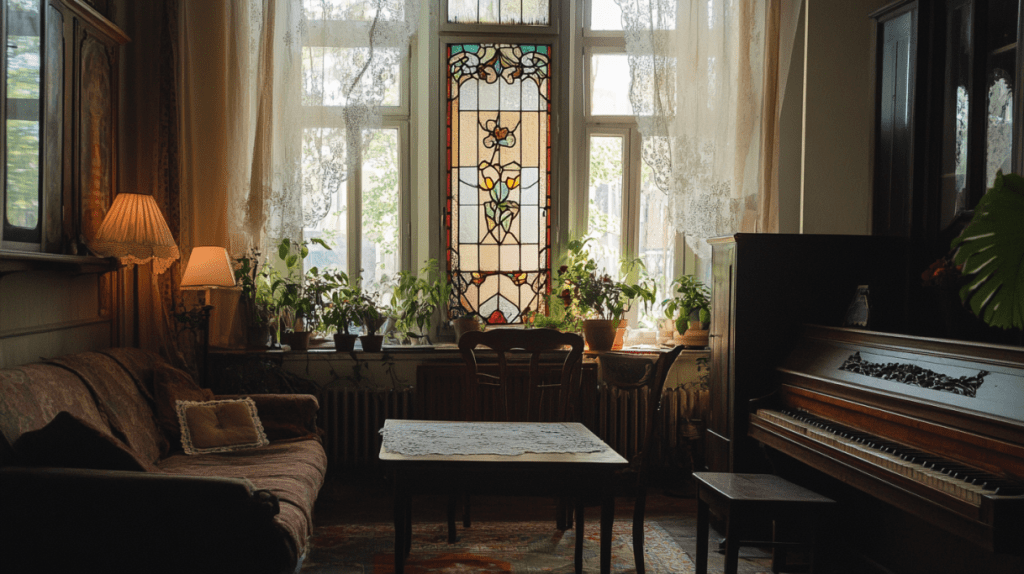
Elena: “If you enjoy a more peaceful atmosphere, the riverside promenade at sunset is a lovely place for a walk. It offers a different view of the Old Town." (She smiles, glancing out the window.) “And on Saturdays, there’s a market where villagers sell handmade crafts and traditional foods. It’s a wonderful way to experience authentic Lithuanian culture."
Emma: “That all sounds amazing! We should take advantage of the good weather while it lasts."
Elena: “Exactly! Research is important, but so is experiencing life. You’re not just academics here—you’re part of this city now." (Her voice carries the wisdom of someone who has seen the city change over time.)
Julia: “You’re right. We’ll make sure to enjoy it fully." (She exchanges a smile with Emma, feeling a sense of ease in their new home.)
與 Elena 閒聊
週末下午,Emma 和 Julia 在 Elena 家喝茶,吃著傳統的 Tinginys 甜點,屋內瀰漫著淡淡的可可與茶香。外頭傳來街上的腳步聲,偶爾還有老城區教堂的鐘聲,營造出一種溫暖而靜謐的氛圍。

Julia:「說起來,Dovydas 後來還有和您聯繫嗎?」 (她隨口問道,對這位學生的故事有些好奇。)
Elena:「哦,嗯……」 (她想了想,輕輕點頭。) 「最後一次聽到他的消息,是他拿到了一個獎學金,去了西歐讀歷史。我記得他寫過一封信給我,說他正在研究某個關於東歐城鎮變遷的主題,還提到立陶宛的某些古老文獻對他的研究很有幫助。」
Emma:「他出國了?那應該是個很有發展的學者吧。」 (她若有所思地喝了一口茶。)
Elena:「是啊,他一直很熱愛歷史。我不確定他現在在哪裡,但學術圈就那麼大,也許哪天你們會在某個研討會上遇見他呢?」 (她笑著,語氣輕鬆。)
Julia:「如果真有那麼一天,我們倒是可以再聊聊這個話題。」 (她並沒有把「手稿」的話題掛在心上,畢竟這只是個閒聊的故事。)
Emma:「對了,Elena,這棟公寓看起來很有歷史,住這裡應該很久了吧?」 (她環顧四周,感受著老房子的獨特氣息。)
Elena:「哦,是的,我大概在這裡住了三十多年了。」 (她的眼神帶著一絲懷舊,輕輕撫摸著木質餐桌的邊角。) 「這棟建築已經有超過 一百五十年 的歷史了,當年還是某個富裕商人的家族宅邸,後來才改成公寓。」
Julia:「難怪裡面還保留了很多原本的裝飾,像樓梯的雕刻,還有那些彩繪玻璃窗……真的很漂亮。」
Elena:「是啊,不過這些年來有些細節已經變了。以前這裡的住戶大多是學者、藝術家,甚至還有音樂家……現在住的更多是年輕的專業人士和學生。」
Emma:「我們搬來的時候,發現附近有幾家很有趣的小店,還有一些老書店,這裡感覺比我們想像的更有活力。」
Elena:「哦,你們一定要去街角的 那家獨立書店,它的老闆是個極具個性的收藏家,書架上有許多立陶宛歷史和文學的珍貴書籍……有時候,他還會買一些私人收藏品,也許你們能找到有趣的研究材料。」
Julia:「聽起來很值得去看看。我們剛來沒多久,還不太熟悉這一帶,有沒有什麼特別的地方您推薦的?」
Elena:「如果你們喜歡悠閒的氛圍,傍晚的河畔步道 是個不錯的地方,沿著維爾紐斯河走,能看到老城區的另一面。」 (她微笑著,看向窗外。) 「還有,每個星期六的市集,會有很多來自周邊村莊的手工藝品和食物,能感受到真正的立陶宛風情。」
Emma:「這些都聽起來很棒!我們應該趁天氣還好的時候多走走。」
Elena:「那就對了,研究雖然重要,但生活的體驗同樣不可少。你們來到這裡,不只是學術工作者,更是這座城市的一部分。」 (她的語氣帶著一絲智慧與溫暖,彷彿是位長輩給予後輩的建議。)
Julia:「您說得對,我們會好好享受這段時間的。」 (她微笑著,看向 Emma,兩人都有種輕鬆而自在的感覺。)
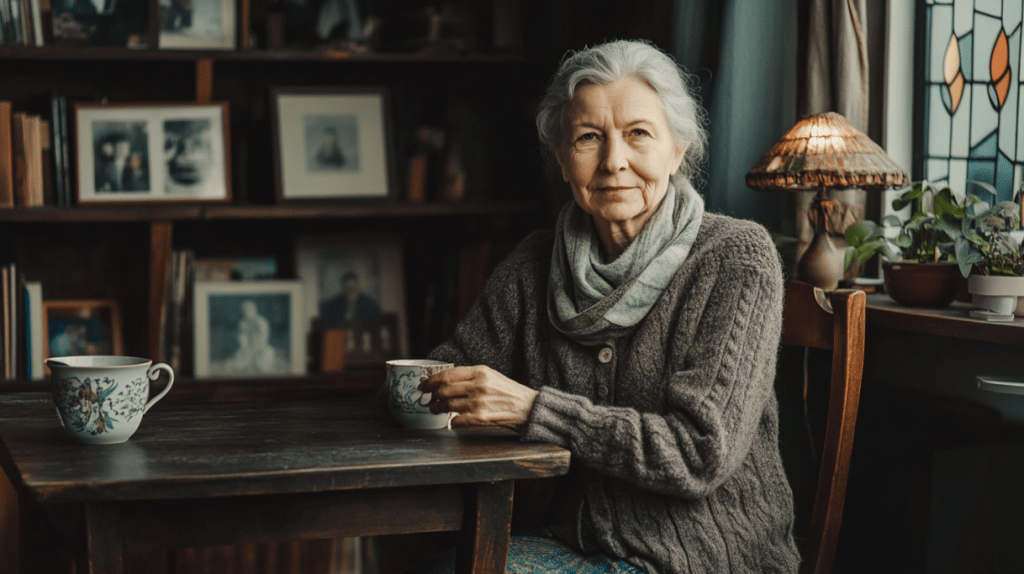
Scene: Tea and Memories—Elena’s Experience Leaving the Soviet Union
Evening. Outside, the Old Town is bathed in the warm glow of streetlights. Inside Elena’s apartment, the last few pieces of Tinginys remain on the plate, and steam rises gently from their tea cups. The atmosphere is peaceful, yet there’s a quiet depth to their conversation.
Emma: “Elena, if you don’t mind me asking, I’ve always been curious… What was it like for you when Lithuania became independent?”
Elena (smiles softly, stirring her tea thoughtfully): “Hmm… The Vilnius you see today is nothing like the one I grew up in.” (Her voice carries a trace of nostalgia as she gazes out the window.) “For many, it was a time of hope, but also one of uncertainty and chaos.”
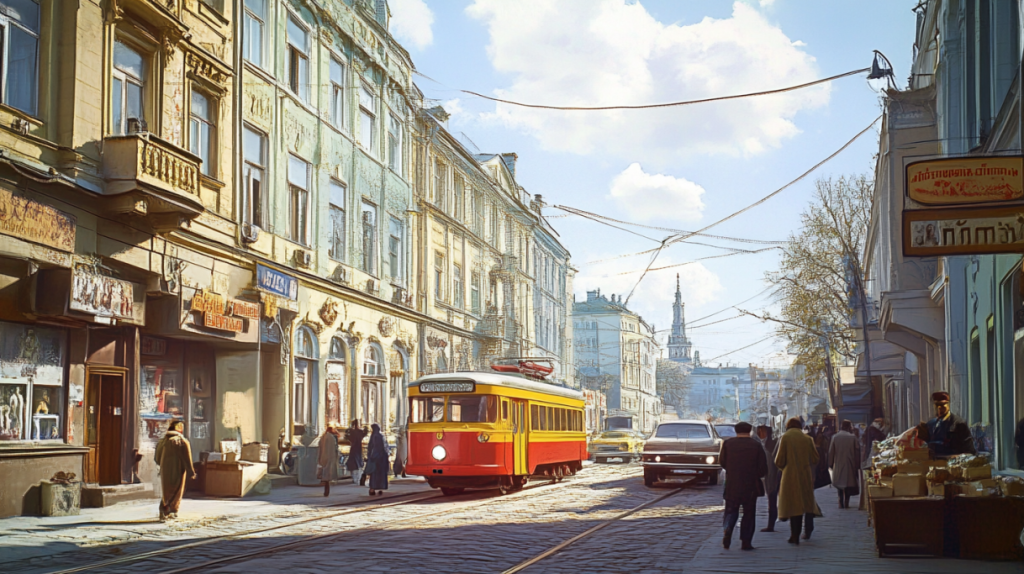
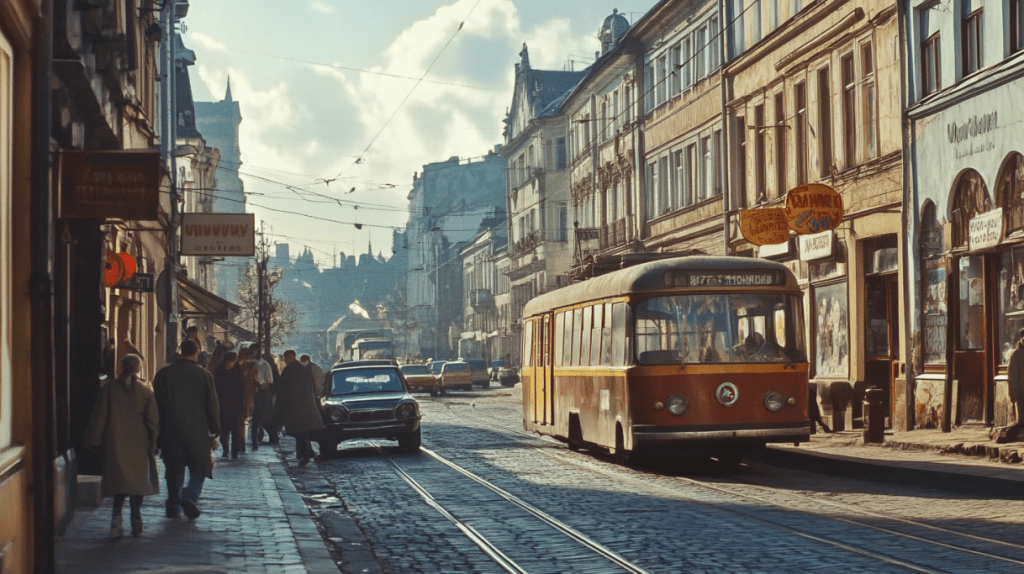
A historical scene of Vilnius, Lithuania during the Soviet era, set in the 1970s or 1980s
Julia: “Uncertainty?”
Elena: “Yes. You see, under the Soviet system, life was tightly regulated—everyone had a job, food was rationed by the state. There were restrictions, of course, but at least life was predictable.” (She pauses, lost in thought.)
“But in the early 1990s, after independence, everything changed overnight. The economy was in turmoil—many people lost their jobs, prices skyrocketed, and salaries couldn’t keep up.”
Emma: “That must have been incredibly difficult… Were you still teaching at the time?”
Elena: “Yes, I was still teaching English. After independence, learning English suddenly became a priority—everyone wanted to learn it because we were opening up to the West.” (She smiles slightly, with a hint of pride.)
“But at the same time, our schools struggled. There was barely any funding, old equipment couldn’t be replaced, and teachers’ salaries were pitiful.”
Julia: “It sounds like a dramatic shift… How did people adjust to all of it?”
Elena: “Oh, everyone tried to find their way. Some took advantage of the new opportunities—starting businesses, moving to Western Europe. But for others, the shift to a market economy was harsh. Many people struggled.” (She sighs slightly.)
“I remember going to the market one day to buy bread, only to find that the price had tripled overnight—while my salary was still stuck at Soviet-era levels.”
Emma: “That kind of instability must have been frightening… Did you ever consider leaving Lithuania?”
Elena (shakes her head with a small, knowing smile): “To be honest, many people asked me that. I had friends who emigrated to Germany, the UK, even the U.S. They built good lives there. But I always knew—this is my home.”
Julia: “So, staying felt more meaningful to you than leaving?”
Elena: “Yes, I never once thought about leaving.” (Her voice is firm as she lifts her tea cup.) “I love this city—its history, its culture, its people. Even during the hardest times, I knew that Vilnius would find its own way forward.”
Emma: “So you truly witnessed the transformation of the city.”
Elena: “Not just witnessed—I lived through it.” (She smiles gently, her eyes reflecting years of experience.)
“Young people today might find it hard to imagine what it was like, but for my generation, this was a long and difficult transition. We sacrificed a lot, but in the end, we gained our freedom.”
Julia: “It sounds like independence wasn’t just a political event for you—it was a deeply personal struggle, too.”
Elena: “Exactly. Did you know? During the Soviet era, we couldn’t even travel freely—borders were closed. Only a select few were granted special permits to leave.” (She laughs softly, shaking her head.) “So when we finally gained the right to choose our own path, that feeling was indescribable.”
Emma: “You should be proud of everything you’ve seen and lived through. You witnessed the rebirth of a nation.”
Elena (nods and gently taps her tea cup): “Yes… My generation lived through history. You two came here to study history, but I—I was a part of it.” (She smiles, with a quiet sense of pride.)
茶與回憶——Elena 的蘇聯時代與獨立後的經歷
時間:夜幕降臨,窗外的老城區籠罩在昏黃的燈光中。Emma 和 Julia 還坐在 Elena 的餐桌前,茶壺裡的熱氣裊裊升起,桌上的 Tinginys 甜點只剩最後幾塊。
Emma:「Elena,如果您不介意,我一直很好奇……對於您來說,蘇聯解體後的變化是什麼樣的?」
Elena (輕輕地笑了一下,然後慢慢地攪動著杯中的茶湯。):「嗯……你們現在看到的維爾紐斯,和我年輕時可是完全不同的。」 (她的語氣帶著懷舊,眼神望向窗外。)
「對於很多人來說,那是一個充滿希望的時代,但同時也伴隨著不確定性和混亂。」
Julia:「不確定性?」
Elena:「是的。你們知道,蘇聯時代我們的生活是被嚴格規範的,每個人都有固定的工作、國家補助食物配給,雖然限制多,但至少生活是穩定的。」 (她停頓了一下,像是在思索過去。)
「但 1990 年代初,當我們宣布獨立後,整個社會開始劇變。經濟轉型並不容易,許多人失去了工作,商店裡的物價飛漲,但收入卻趕不上。」
Emma:「那時候一定很艱難……您當時還在教書嗎?」
Elena:「是的,那時我還在學校教英文。剛獨立的時候,學英語變成了一件『重要的事』,因為我們開始向西方靠攏,年輕人都想學好英語,尋找新的機會。」 (她微笑了一下,帶著一點自豪。)
「但同時,我們的學校資源變得極為有限,許多老舊設備無法更新,老師的薪水也微薄得可憐。」
Julia:「聽起來像是一種劇烈的轉變……那時候的人們怎麼適應這一切?」
Elena:「哦,每個人都在努力適應。有些人抓住了機會,創業或移民到西歐,但也有很多人無法適應市場經濟的變化,日子變得很苦。」 (她嘆了口氣。)
「我還記得,當時有一天我去市場買麵包,發現價格幾乎漲了三倍,而我的薪水卻還停留在舊蘇聯時期的水平。」
Emma:「這樣的變化太劇烈了……那您當時有考慮過離開立陶宛嗎?」
Elena (輕輕搖頭,嘴角露出一絲微笑。):「說實話,很多人問過我這個問題。我也有朋友移民到德國、英國,甚至美國,他們後來生活得很好。但我一直覺得,這裡才是我的家。」
Julia:「這麼說,對您來說,留下來比離開更有意義?」
Elena:「是的,我從來沒有想過要離開。」 (她語氣堅定,端起茶杯。) 「我熱愛這座城市,它的歷史、它的文化,它的一切,即使在最混亂的時候,我也知道,這座城市終究會找到自己的路。」
Emma:「所以,您見證了這座城市的轉變。」
Elena:「不只是見證,而是親身經歷。」 (她微微一笑,目光溫柔。) 「現在的年輕人可能無法想像當年的情況,但對於我們這一代人來說,這是一場漫長而艱難的過渡,我們付出了許多,但也得到了自由。」
Julia:「這樣聽起來,立陶宛的獨立對您來說不只是政治上的轉變,而是一場關於個人生活與未來的挑戰。」
Elena:「正是如此。你們知道嗎?在蘇聯時期,我們甚至無法自由地旅行,所有的國界都是封閉的,只有少數人可以獲得特殊許可證離開。」 (她低頭笑了一下。) 「所以當我們終於能夠自由選擇自己的道路時,那種感覺是難以言喻的。」
Emma:「您應該為這一切感到自豪,畢竟,您見證了一個國家的重生。」
Elena (點了點頭,輕輕敲了敲茶杯):「是啊,我們這一代人,親身經歷了歷史的變遷。你們來這裡研究歷史,而我,正是這段歷史的一部分。」 (她笑了笑,眼神中帶著淡淡的驕傲。)
Dinner with Elena—A Local’s Choice
The evening air is cool as Emma, Julia, and Elena walk through the quiet cobblestone streets of Vilnius’ Old Town. The soft glow of streetlights reflects off the damp pavement, and the faint sound of music drifts from nearby restaurants. The city is calm, with only a few locals passing by.
Julia: “Elena, we really appreciate your hospitality, and we’ve been wanting to take you out for dinner to say thank you.”
Elena (laughs, shaking her head): “Oh, that’s very kind of you, but really, there’s no need—”
Emma: “No, no, we insist! You’ve been so welcoming, and we’d love to treat you. Besides, you must know the best places that only locals go to.”
Elena (smiles mischievously): “Well… if you truly want a real Lithuanian meal, I know just the place. But be warned—there are no English menus, and the staff only speaks Lithuanian.”
Julia: “That’s exactly what we’re looking for!”
Arriving at the Restaurant
They turn into a small, hidden alley where a modest yet inviting family-run restaurant stands tucked away. The wooden sign hanging above the door is slightly worn, and the warm glow from inside spills onto the cobbled street. Through the window, the flickering light of candles and the hum of quiet conversations create an intimate and welcoming atmosphere.
Inside, the restaurant is simple but full of character—wooden tables, old photographs on the walls, and the rich aroma of roasted meats and fresh bread filling the air. There are no tourists here, only local patrons chatting over hearty meals.
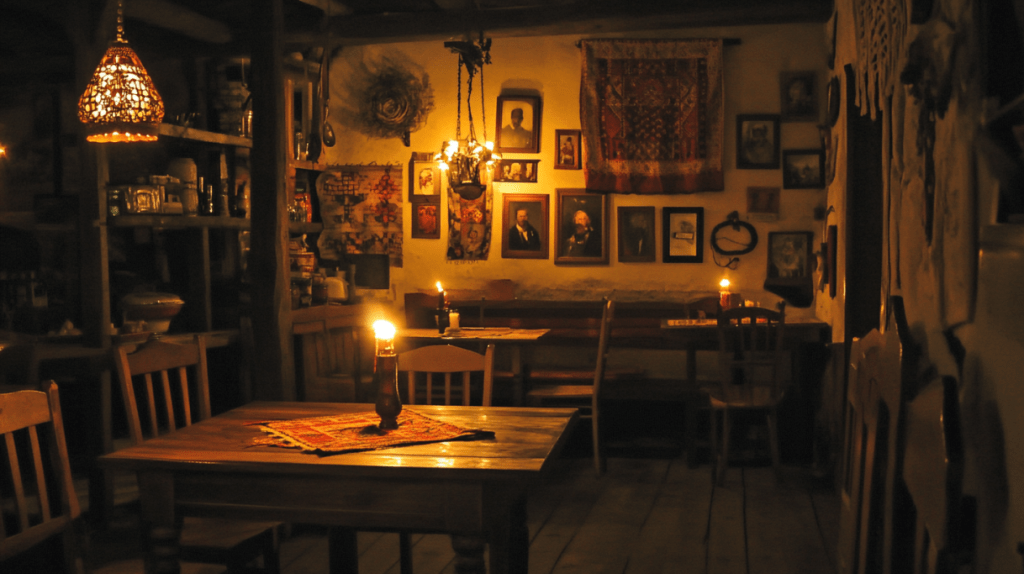
A middle-aged woman in an apron greets Elena warmly in Lithuanian. After a brief exchange, she leads them to a cozy wooden table in the corner, lit by a small candle.
Ordering Traditional Dishes Beyond the Tourist Menu
Emma: “We’ve already tried the potato dumplings and cold beet soup. What else would you recommend?”
Elena (smiles approvingly): “Good, then it’s time for something truly homemade.” (She speaks to the waitress in Lithuanian, then turns back to explain.)
Elena: “First, I’ve ordered Kugelis, which is a Lithuanian potato pudding—crispy on the outside, soft and savory inside. It’s usually served with sour cream and bacon.”

Kugelis, Lithuanian potato pudding
Julia: “That sounds like a denser version of mashed potatoes.”
Elena: “It’s somewhat similar, but richer and more filling.”
Emma: “That sounds delicious! What else?”
Elena: “Next, I got Žemaičių blynai, also known as Samogitian pancakes. These are potato pancakes stuffed with minced meat, fried until golden and crispy. They’re best eaten with sour cream.”
Julia: “I love crispy pancakes! This is a must-try.”
Elena: “And finally, I ordered Troškinta kiauliena su kopūstais, which is braised pork with sauerkraut. It’s slow-cooked until the meat is tender, with a mild black pepper and bay leaf aroma. It’s a dish that keeps Lithuanians warm in winter.”

Troškinta kiauliena su kopūstais, which is braised pork with sauerkraut
Emma: “This sounds like the perfect dish to pair with beer.”
Elena (grinning): “Exactly. That’s why I also ordered a round of Lithuanian dark rye beer. This place makes their own, and it has a slightly sweet, malty flavor. You’ll love it.”
Dinner and Conversation
Julia (cutting into the Žemaičių blynai, watching the meat filling inside): “This is amazing. The pancake is crispy, but the inside is so flavorful.”
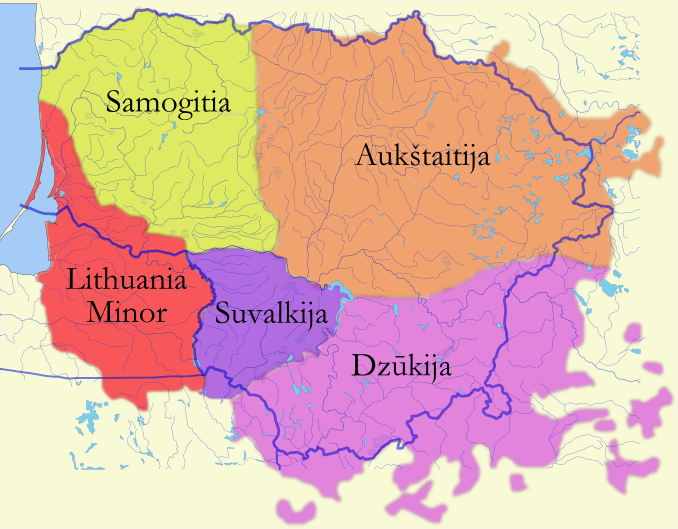
Elena: “This dish comes from Samogitia, which is in western Lithuania. That region has a slightly different cooking style from Vilnius.”
Emma: “So different parts of Lithuania have distinct food cultures?”
Elena: “Absolutely. For example, in Dzūkija, which is more forested, people eat a lot of wild mushrooms and rye bread. But in Aukštaitija, dairy products and potato dishes dominate.”

Hearty Wild Mushroom Stew
Julia: “That reminds me of the food differences between northern and southern Germany.”
Emma (takes a sip of the dark rye beer): “This beer is really unique. It has a hint of sweetness but still feels hearty.”
Elena: “Yes, Lithuanian rye beer is different from the lagers most people are used to. It’s brewed using traditional methods that are unique to this region.”
A Walk Through the Old Town After Dinner
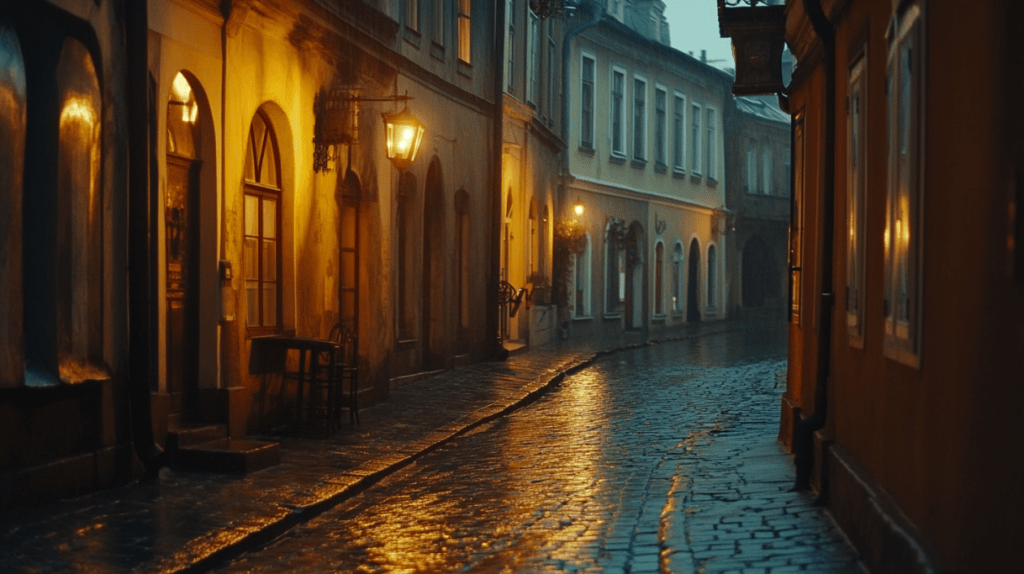
After finishing their meal, they step outside into the crisp night air. The streets are quieter now, the glow of streetlights reflecting off the cobblestones.
Emma: “That was incredible. I feel like I understand this city better now.”
Elena (smiling): “Food isn’t just about taste—it’s a connection to history and tradition.”
Julia: “You’re right. Cuisine is a form of cultural memory.”
Elena: “And now you’ve had a true taste of Lithuanian daily life. You’re no longer just visitors—you’re becoming part of the city.”
Emma: “Then I guess next time, we should treat you to drinks.”
Elena (laughs heartily): “Good! But be prepared—Lithuanian traditional spirits are not for the faint-hearted.”
They walk back to their apartments, laughing, their bond deepened by shared stories and a meal that was more than just food—it was a glimpse into the real heart of Vilnius.
與 Elena 共進晚餐
夜幕降臨,維爾紐斯舊城區的街燈映照在濕潤的石板路上,街道上行人不多,顯得靜謐而溫暖。Emma、Julia 和 Elena 穿過熟悉的小巷,空氣中瀰漫著晚餐時分的香氣。

Julia:「Elena,今天真的很謝謝您的招待,我們一直想找個機會請您吃頓飯,表達我們的感謝。」
Elena (笑著擺手):「不用這麼客氣!你們是很好的鄰居,和你們聊天也讓我覺得很愉快。」
Emma:「那更應該請您吃飯了!而且,您一定知道哪裡有當地人才會去的好餐館吧?」
Elena (故作神秘地笑了笑):「嗯……如果你們想要吃真正的立陶宛家常菜,我知道一個地方,不過那裡沒有英文菜單,服務員也只講立陶宛語。」
Julia:「太棒了!我們不想吃觀光客餐廳。」
Elena (點點頭):「那就走吧,希望你們有心理準備,這裡的料理不只是 Cepelinai 和 Šaltibarščiai。」
抵達當地餐館
她們來到一條隱秘的巷子裡,一家 小而溫馨的家庭式餐館 坐落在角落,木門上掛著一塊手寫菜單,燈光從窗戶透出,讓室內顯得格外溫暖。這裡沒有華麗的裝潢,只有簡單的木質桌椅,牆上掛著幾張泛黃的老照片,背景傳來低聲交談與杯盤碰撞的聲音。
一位 年長的女店主 看到 Elena,立刻用立陶宛語親切地與她打招呼,似乎是熟客。幾句寒暄後,三人被領到角落的一張木桌旁。

點菜:跳脫觀光客的立陶宛料理
Emma:「我們已經吃過馬鈴薯餃子和甜菜湯了,今天想試試不一樣的東西。」
Elena (露出滿意的笑容):「很好,那我們來點真正的立陶宛家庭料理。」 (她看向女店主,用立陶宛語點了幾道菜,然後轉頭解釋給她們聽。)
Elena:「首先,我幫你們點了 Kugelis(烤馬鈴薯布丁),這道菜外酥內嫩,通常會搭配酸奶油或培根。」

Julia:「這聽起來有點像薯泥?」
Elena:「是有點像,但更扎實,味道更濃郁。」
Emma:「聽起來很好吃!還有什麼推薦的?」
Elena:「另一道是 Žemaičių blynai(薩莫吉提亞煎餅),這是一種包著碎肉餡的馬鈴薯煎餅,炸得金黃酥脆,配酸奶油吃最棒。」
Julia:「這個我們一定要試試!」
Elena:「最後,我點了 Troškinta kiauliena su kopūstais(燉豬肉配酸菜),這道菜在寒冷的冬天特別受歡迎,肉質燉得很軟,帶有淡淡的黑胡椒香氣。」
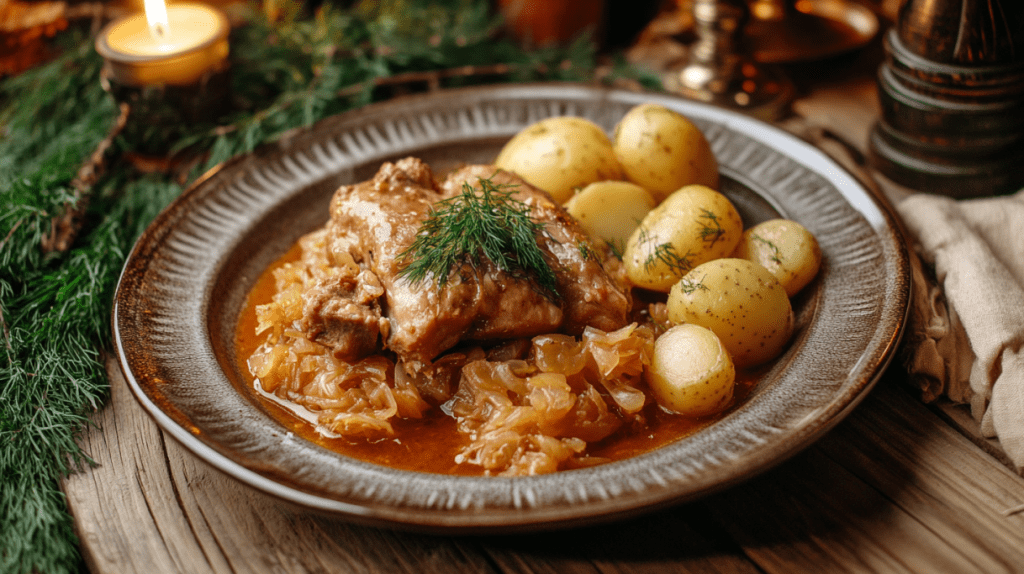
Emma:「這一定很適合搭配啤酒。」
Elena (笑著點頭):「沒錯,所以我幫你們點了立陶宛當地的黑麥啤酒,這裡的酒是手工釀造的,你們一定會喜歡。」
用餐與閒聊
Julia (切開 Žemaičių blynai,看著裡面的肉餡):「這個煎餅太好吃了,外皮酥酥的,裡面的餡料很香濃。」
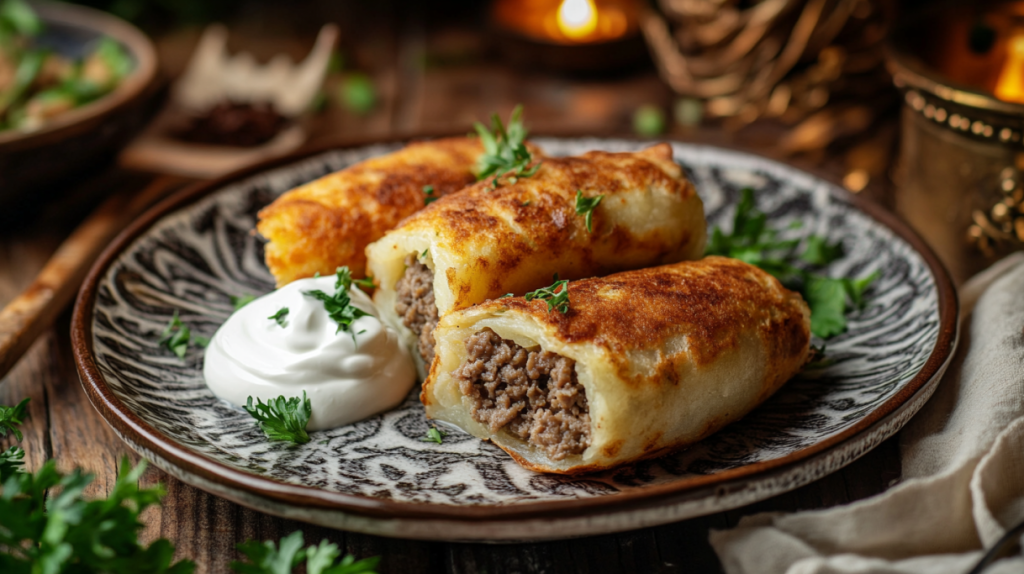
Žemaičių blynai
Elena:「這道菜來自 薩莫吉提亞地區,也就是現在的西立陶宛,那一帶的料理風格和維爾紐斯稍微有些不同。」
Emma:「所以立陶宛不同地區的飲食文化也有差異?」
Elena:「當然,比如 Dzūkija 地區 靠近森林,那裡的人吃很多野菇和黑麥麵包,而 Aukštaitija 地區 則以乳製品和馬鈴薯料理聞名。」

Julia:「這讓我想到德國南北部的飲食差異。」
Emma (喝了一口黑麥啤酒):「這啤酒的風味很特別,有一種淡淡的甜味。」
Elena:「對,這種黑麥啤酒和一般的拉格啤酒不同,它的釀造方式是立陶宛當地獨有的。」
晚餐後的散步
用完餐後,她們沿著舊城區的小巷慢慢散步,街道上已經沒有太多行人,氣氛顯得寧靜而放鬆。

Emma:「這真是一次很棒的體驗,我覺得自己更融入這座城市了。」
Elena (微笑著):「這裡的食物不只是味道好,更是一種文化的延續。」
Julia:「您說得對,美食是一種文化記憶。」
Elena:「而且,你們現在真正體驗到立陶宛的日常生活了,不再只是外來的研究者,而是這座城市的一部分。」
Emma (點點頭,笑道):「那麼,下一次該換我們請您喝酒了。」
Elena (大笑):「好啊,但你們要做好準備,立陶宛的傳統烈酒可不是開玩笑的。」
三人一路笑著回到公寓,這一頓晚餐不僅讓她們品嚐到了最地道的 立陶宛家常菜,更讓她們的關係更進一步,成為了真正的朋友。

 Virtual Travel | 虛擬旅行沉浸式英語學習
發表留言