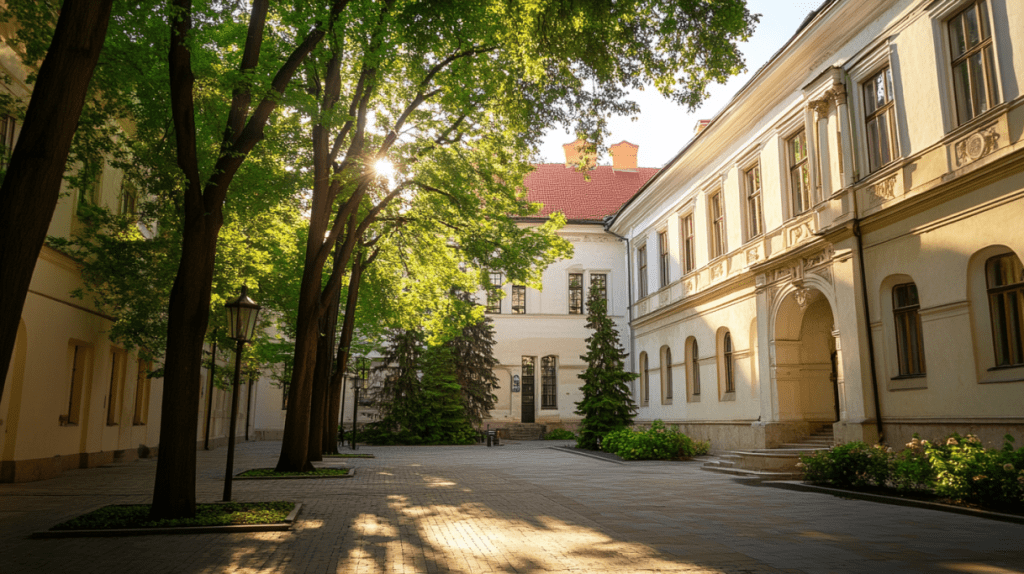
Lunch at a Cozy Resturant
During lunch, Tomas led Emma and Julia to a cozy restaurant near the university. The interior was adorned with traditional Lithuanian wooden furniture, and local artwork graced the walls, creating a warm and inviting atmosphere. They chose a table by the window, where sunlight streamed in, adding a touch of comfort to their upcoming meal.
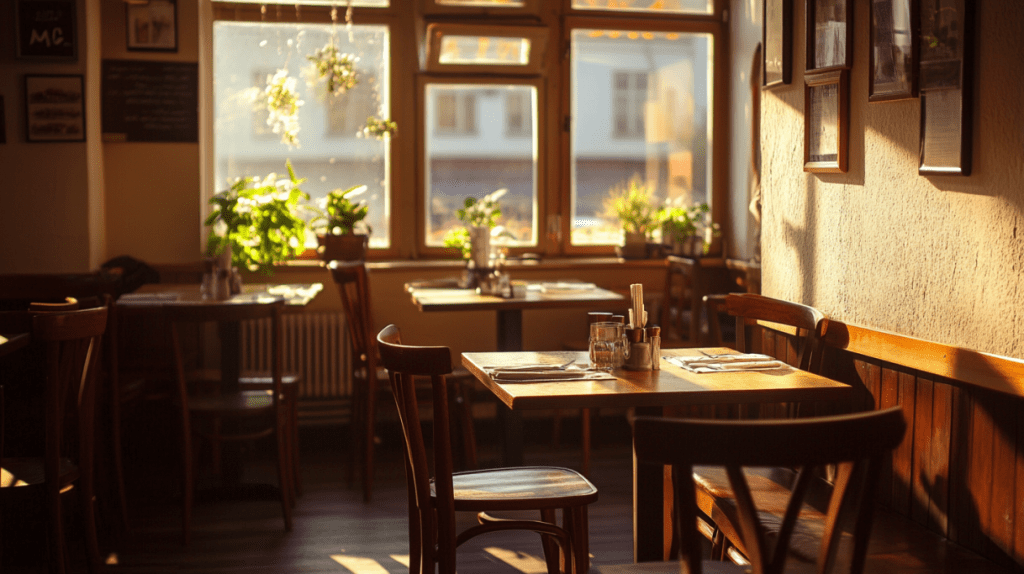
Tomas: “This place is known for its Šaltibarščiai. I highly recommend trying it."
Emma: “Sounds delightful. I’m eager to taste the local specialties."
Julia: “Me too. Thanks for the suggestion, Tomas."
As they waited for their orders, the trio engaged in casual conversation. Emma and Julia noticed that while Tomas spoke English fluently, there was a subtle accent they couldn’t quite place.
Emma: “Tomas, your English is excellent, but I detect a hint of an accent. Are you from Lithuania?"
Tomas: “Actually, no. I’m from Poland. I came to Vilnius University for my master’s studies."
Julia: “That’s interesting. What drew you to study here in Lithuania?"
Tomas: “Vilnius University has a strong reputation in my field, and the international student community here is vibrant. The diverse environment was a significant factor in my decision."
Emma: “I can see why that would be appealing. How have you found adapting to life in Vilnius?"
Tomas: “Vilnius is a lively city with rich history. As an international student, I’ve found the people here to be welcoming, and the university offers ample support to help newcomers settle in."

At that moment, the waiter arrived with their Šaltibarščiai, a traditional Lithuanian cold beet soup. Its vibrant pink color, combined with yogurt and fresh herbs, offered a refreshing and unique taste. The three of them began to enjoy their meal, continuing their pleasant conversation.
在學校附近午餐
午餐時,Tomas 帶領 Emma 和 Julia 前往大學附近一家溫馨的餐館。餐館內部裝飾著傳統立陶宛風格的木質家具,牆上掛著當地藝術家的畫作,營造出溫暖的氛圍。他們選了一個靠窗的座位,陽光透過窗戶灑在桌上,為即將享用的美食增添了幾分愜意。

Tomas:「這裡的 Šaltibarščiai 非常有名,我推薦你們嘗試一下。」
Emma:「聽起來不錯,我很期待品嚐當地的特色菜。」
Julia:「我也是,謝謝你的推薦,Tomas。」
在點餐後,三人開始閒聊。Emma 和 Julia 注意到 Tomas 的英語非常流利,但帶有一絲她們無法辨認的口音。
Emma:「Tomas,你的英語非常好,但我聽出一點口音。你是立陶宛人嗎?」
Tomas:「其實不是。我來自波蘭,來維爾紐斯大學攻讀碩士學位。」
Julia:「這很有趣。是什麼吸引你來立陶宛學習呢?」
Tomas:「維爾紐斯大學在我的研究領域享有盛名,而且這裡的國際學生社群非常活躍。多元化的環境是我選擇這裡的重要因素。」
Emma:「我能理解這對人的吸引力。你覺得適應維爾紐斯的生活如何?」
Tomas:「維爾紐斯是一座充滿活力且歷史悠久的城市。作為國際學生,我發現這裡的人們非常友好,大學也提供了大量支持,幫助新生適應環境。」
此時,店員端上了 Šaltibarščiai,這是一道立陶宛的傳統冷甜菜湯。其鮮艷的粉紅色,加上酸奶和新鮮香草,口感清爽獨特。三人開始享用美食,繼續著愉快的談話。

Chatting about Lithuanian and Polish Cuisines
Tomas: “Both Lithuanian and Polish cuisines share similarities due to our intertwined histories, but there are distinct differences as well. For instance, in Lithuania, a popular dish is Cepelinai, which are potato dumplings filled with minced meat, dry curd cheese, or mushrooms. These are typically served with sour cream and bacon bits. In Poland, we have Bigos, often referred to as hunter’s stew. It’s a hearty mix of sauerkraut, fresh cabbage, various meats, and sausages, slowly cooked to blend the flavors."
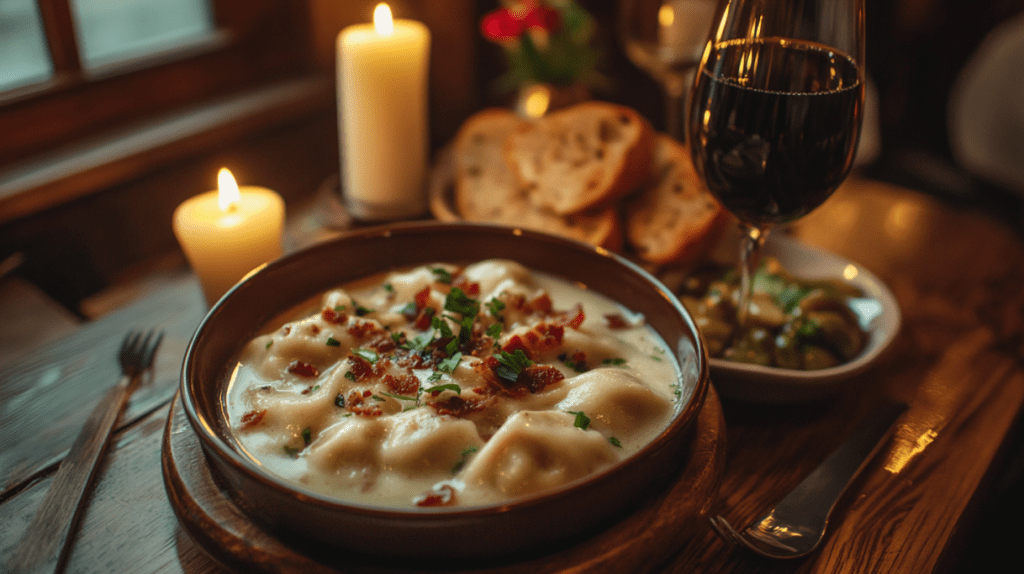
Cepelinai
Emma: “Those both sound delicious. Are there differences in cooking techniques between the two cuisines?"
Tomas: “Yes, there are. Lithuanian cuisine often utilizes potatoes as a base, evident in dishes like Cepelinai. Their cooking methods include boiling, baking, and frying. Polish cuisine, on the other hand, incorporates a variety of ingredients and favors braising and stewing techniques. For example, Bigos is simmered over a long period, allowing the flavors to meld together."

Bigos
Julia: “It’s interesting how historical and cultural contexts influence culinary practices."
Tomas: “Absolutely. Our shared history has led to overlapping flavors, but regional preferences and available ingredients have shaped unique dishes and cooking methods in each country."
聊立陶宛與波蘭美食
Tomas:「立陶宛和波蘭的料理因我們交織的歷史而有相似之處,但也存在明顯的差異。例如,在立陶宛,一道受歡迎的菜餚是 Cepelinai,這是一種用馬鈴薯製成的餃子,內餡包含絞肉、乾凝乳或蘑菇 。通常會配上酸奶油和培根丁一起食用。在波蘭,我們有 Bigos,通常被稱為獵人燉肉。這是一道豐盛的菜餚,將德國酸菜、新鮮高麗菜、各種肉類和香腸混合,慢慢燉煮以融合風味。」
Emma:「這些聽起來都很美味。兩國的烹飪技術有什麼不同嗎?」
Tomas:「是的,確實有。立陶宛料理經常以馬鈴薯為基礎,明顯體現在像 Cepelinai 這樣的菜餚中。他們的烹飪方法包括煮、烤和炸。另一方面,波蘭料理融合了各種食材,更偏好燉煮技術。例如,Bigos 需要長時間慢燉,使各種風味相互融合。」
Julia:「歷史和文化背景如何影響烹飪習慣,真是有趣。」
Tomas:「完全正確。我們共享的歷史導致了相似的風味,但地區偏好和可用食材在每個國家塑造了獨特的菜餚和烹飪方法。」
Geology Education
Emma: “Tomas, could you share your experiences studying geography and geology at the University of Warsaw? How does it compare to Vilnius University?"
Tomas: “Certainly. At the University of Warsaw, the Faculty of Geography and Regional Studies offers diverse programs, including spatial management, environmental protection, and tourism. The curriculum emphasizes both theoretical knowledge and practical skills, with students engaging in fieldwork and research projects. Admission is competitive, requiring high scores on the national Matura examination, leading to significant academic pressure.
In contrast, Vilnius University’s Faculty of Chemistry and Geosciences provides programs in geology, hydrology, and cartography. The university promotes a balanced academic environment, encouraging participation in extracurricular activities alongside studies. Lithuanian students also undergo a national examination process for university admission, but the intensity of competition and associated stress may vary compared to Poland."
Julia: “It’s interesting to see how each university’s approach influences the student experience."
Tomas: “Absolutely. While both institutions maintain high academic standards, their unique cultures and structures shape distinct educational journeys for their students."
Emma: “Tomas, could you share how geology education operates in Lithuania? How do students enter this field?"
Tomas: “Certainly. In Lithuania, students can choose earth science-related courses during high school. After completing their secondary education, they must take national entrance exams. Based on their results, they can apply to universities for geology or related programs."
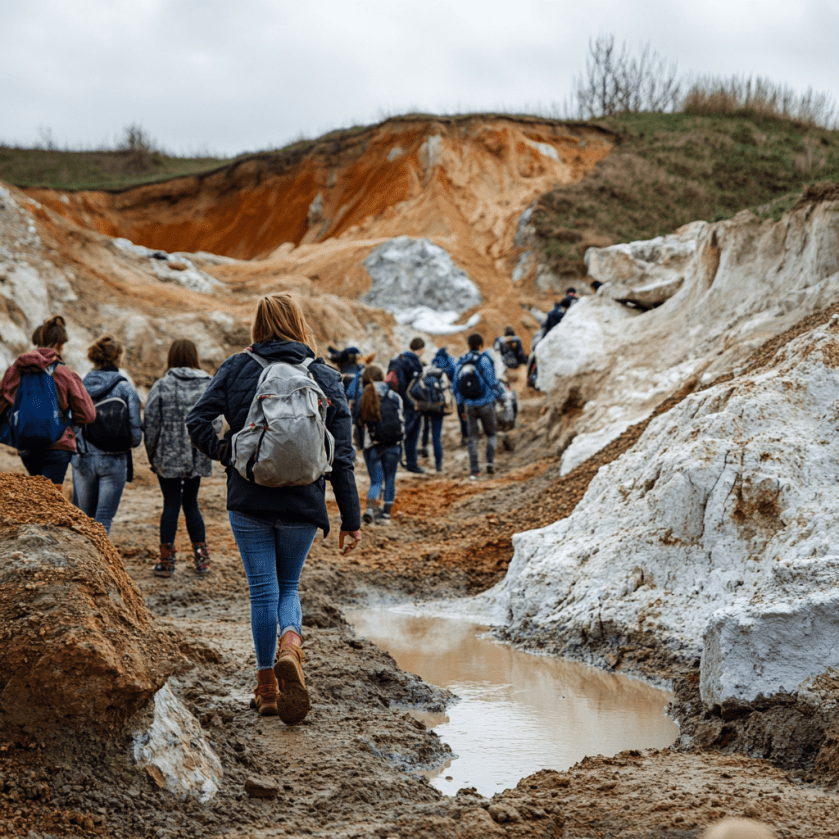
Julia: “And how does it work in Poland?"
Tomas: “Poland’s system is quite similar. High school students select geography or earth science courses and, upon graduation, take a national exam called the ‘Matura.’ Their scores determine eligibility for university geology programs."
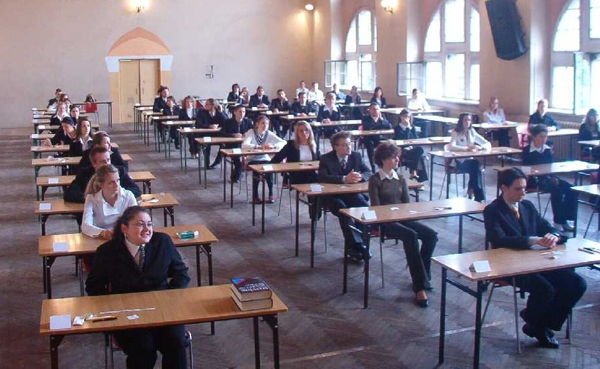
Matura (from Wiki)
Emma: “Are there differences in the geology curricula between the two countries?"
Tomas: “Lithuanian universities typically emphasize fieldwork and practical experience, offering students various field internships. In Poland, the focus has traditionally been more on theoretical knowledge, but in recent years, there’s been a shift towards incorporating more practical components to meet modern geological demands."
Julia: “Do students face significant pressure when choosing their majors?"
Tomas: “In Lithuania, students do experience pressure when selecting their fields of study, especially in competitive programs. However, both countries provide guidance and counseling to assist students in making informed decisions aligned with their interests and the job market."
聊兩國地質教育
Emma:「Tomas,你能分享一下在華沙大學學習地理和地質的經歷嗎?與維爾紐斯大學相比如何?」
Tomas:「當然。在華沙大學,地理與區域研究學院提供多樣的課程,包括空間管理、環境保護和旅遊等。 課程強調理論知識與實踐技能的結合,學生參與實地考察和研究項目。 入學競爭激烈,需要在全國性的Matura考試中取得高分,這導致了相當大的學術壓力。
相比之下,維爾紐斯大學的化學與地球科學院提供地質學、水文學和製圖學等課程。 該大學倡導平衡的學術環境,鼓勵學生在學習之餘參與課外活動。 立陶宛學生也需要通過全國考試進入大學,但相比波蘭,競爭的激烈程度和相關的壓力可能有所不同。」
Julia:「很有趣,看到每所大學的教學方式如何影響學生的體驗。」
Tomas:「完全同意。雖然兩所大學都保持高水平的學術標準,但它們獨特的文化和結構為學生塑造了不同的教育旅程。」
艾瑪:「托馬斯,你能分享一下立陶宛的地質學教育是如何運作的嗎?學生們是如何進入這個領域的?」
托馬斯:「當然。在立陶宛,學生在高中階段可以選擇地球科學相關的課程。完成中等教育後,他們需要參加全國統一的入學考試。根據考試結果,他們可以申請大學的地質學或相關專業。」
茱莉亞:「那麼,波蘭的情況如何?」
托馬斯:「波蘭的系統與此相似。高中生選修地理或地球科學課程,畢業時參加名為 ‘Matura’ 的全國考試。根據他們的成績,他們可以申請大學的地質學課程。」
艾瑪:「兩國的地質學課程設置有什麼不同嗎?」
托馬斯:「立陶宛的大學通常強調實地考察和實踐經驗,為學生提供各種實地實習機會。在波蘭,傳統上更側重於理論知識,但近年來,為了滿足現代地質學的需求,課程開始更多地融入實踐環節。」

茱莉亞:「學生在選擇專業時會面臨很大的壓力嗎?」
托馬斯:「在立陶宛,學生在選擇專業時確實會感到壓力,特別是在競爭激烈的課程中。然而,兩國都提供指導和諮詢,幫助學生根據他們的興趣和就業市場做出明智的決定。」
As lunch drew to a close, the trio delved into plans for exploring Lithuania and its neighboring countries.
Future Plans
Emma: “With our stay extending until the end of the year, we have ample time to delve into the unique geological features of Lithuania. The glacial landforms here, remnants of the last Ice Age, present intriguing research opportunities."
Julia: “Absolutely. Moreover, Latvia’s Paleoproterozoic strata offer valuable insights. Tallinn’s well-preserved medieval Old Town also provides a fascinating case study on the interplay between urban geological structures and historical architecture."
Tomas: “If structural geology piques your interest, the Carpathian Mountains in Poland are ideal for observing thrust fault formations. Additionally, Warsaw’s Geological Museum boasts an extensive collection of mineral and rock specimens, making it a worthwhile visit."
Emma: “These suggestions are excellent. We can utilize our research sabbatical to conduct a series of geological surveys across Lithuania and its neighboring countries, thereby broadening our research perspectives and gaining a deeper understanding of the Baltic region’s geological diversity."
The three continued their discussion with enthusiasm, eagerly anticipating the exploratory journeys that lay ahead.
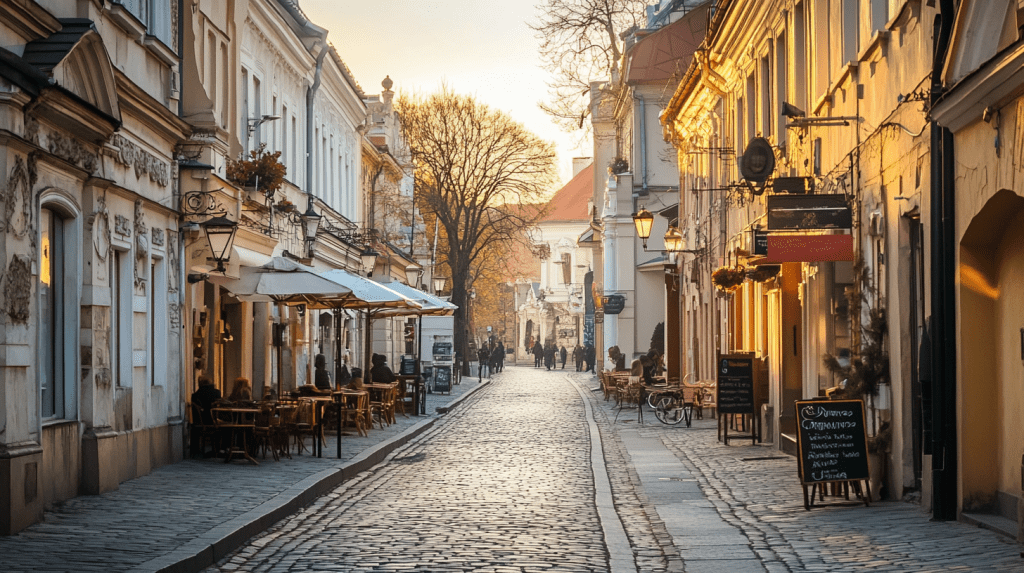
未來計畫
午餐接近尾聲,三人開始討論在立陶宛及其周邊國家的旅遊計劃。
Emma:「我們在這裡待到年底,有充足的時間探索立陶宛和鄰近國家。立陶宛的地質特徵相當獨特,像是冰河時期遺留下來的地形值得深入研究。」
Julia:「沒錯,而且拉脫維亞的古元古代地層也很有研究價值。塔林的中世紀舊城區保存完好,對於研究城市地質結構與歷史建築的關係非常有幫助。」
Tomas:「如果你們對構造地質學感興趣,波蘭的喀爾巴阡山脈提供了觀察逆衝斷層的絕佳機會。此外,華沙的地質博物館收藏了豐富的礦物和岩石標本,值得一訪。」
Emma:「這些建議都很棒。利用我們的研究假期,我們可以在立陶宛和鄰近國家進行一系列的地質考察,這不僅能拓展我們的研究視野,也能深入了解波羅的海地區的地質多樣性。」
三人愉快地討論著未來的旅行和研究計劃,對即將展開的探索之旅充滿期待。

 Virtual Travel | 虛擬旅行沉浸式英語學習
發表留言