
As late spring turned to early summer, the weather in Vilnius grew milder. Sunlight filtered through the historic stone buildings, casting warm hues over the cobblestone pathways that wound through the university’s centuries-old campus. The Old Town, with its red-brick facades and baroque architecture, was alive with the sounds of footsteps echoing through narrow alleyways.

Trees in the courtyards had already sprouted fresh green leaves, and the air carried a faint floral scent. Students gathered in small groups on benches, absorbed in books, engaged in quiet conversations, or simply basking in the brief warmth of the season.
By now, Julia and Emma had settled into their routines in the city. Tomas had already hosted them for dinner, giving them a warm introduction to both the academic environment and daily life in Vilnius. Today, as the morning light streamed into their apartment, they prepared to visit their respective research labs—officially stepping into their roles at the university.
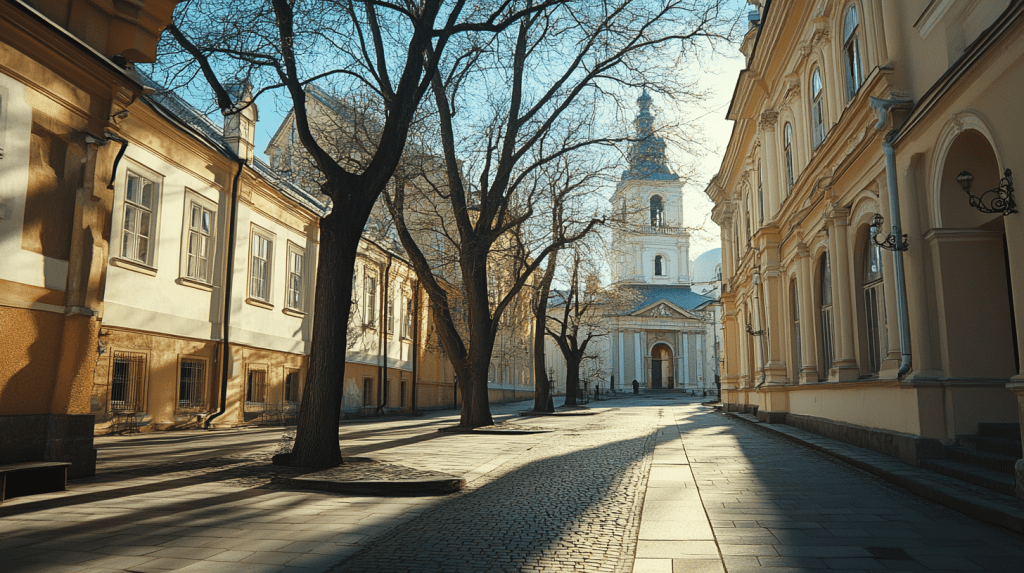
The Atmosphere of the History Department
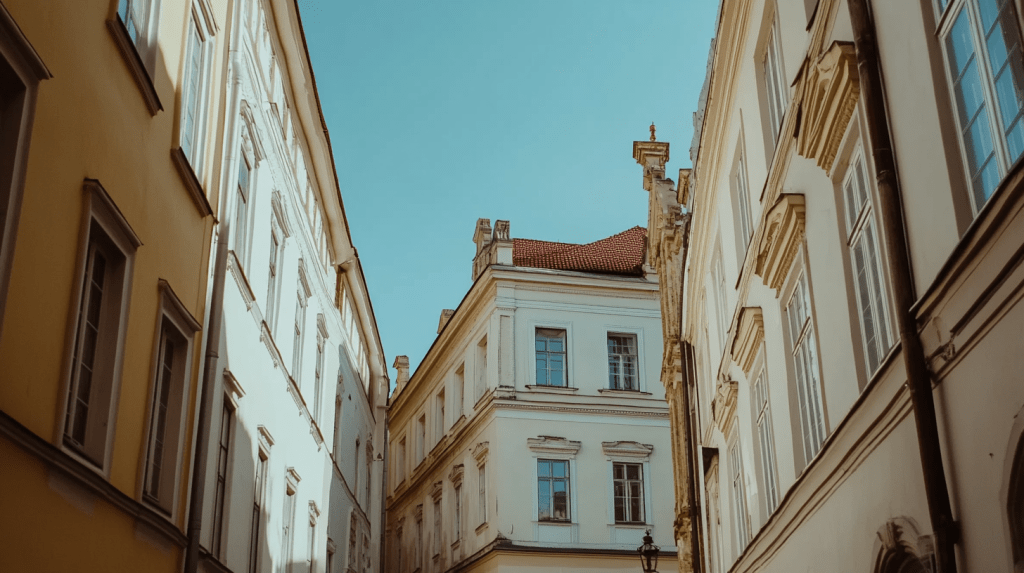
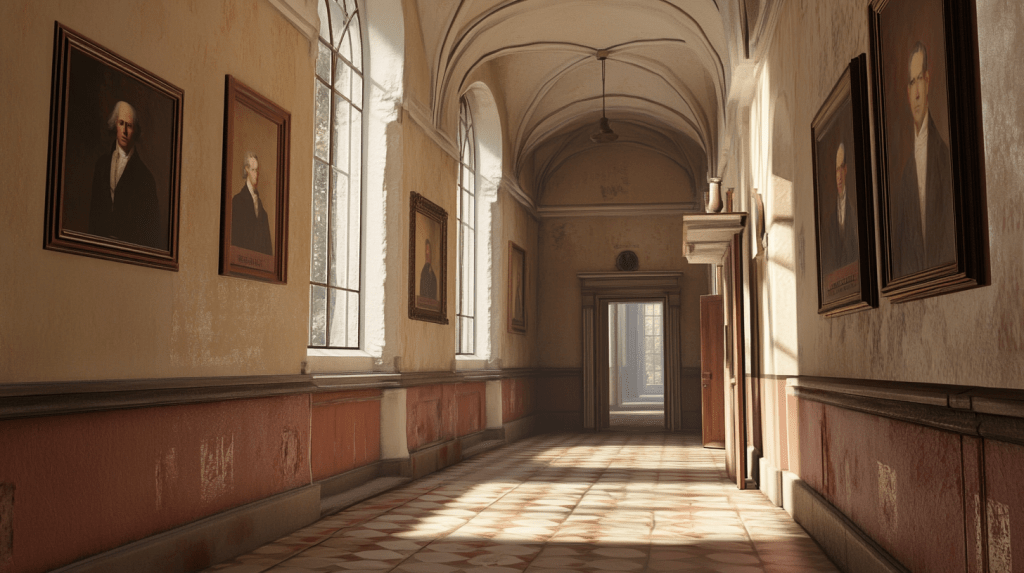
Emma walked through the entrance of the history department, housed in one of the university’s oldest buildings. The grand archways and high windows gave the space an air of solemnity, as though the walls themselves had absorbed the countless discussions and debates that had taken place over the centuries. Along the corridors, framed portraits of historical figures and maps depicting Lithuania’s evolving borders adorned the walls. From medieval noble families to Soviet-era street scenes, each artifact whispered a piece of the city’s long and complex past.
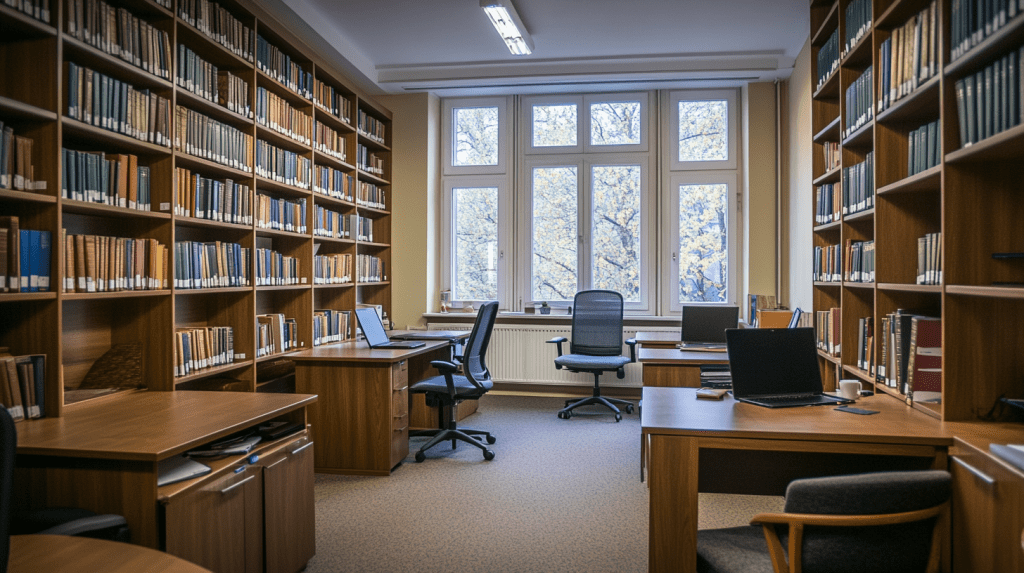
Her office was at the end of a quiet hallway, a shared workspace with several other scholars. Bookshelves lined the walls, already filled with academic volumes, while the desks were equipped with computers—indicating that research here was not confined to dusty archives but integrated with modern digital tools.

A man in his forties rose from his desk as she entered, offering a welcoming smile. “Emma, welcome! I’m Jonas. I specialize in medieval Eastern European history, and I also coordinate research projects in our department.”
“Thank you. I was just getting familiar with the campus—this university is even bigger than I expected,” Emma replied with a light chuckle as she placed her laptop on the desk.
“You’ll get used to it,” Jonas assured her, handing over a printed document. “Here’s a list of ongoing research projects in our department. Have a look and see if anything interests you. Of course, if you have your own focus, feel free to dive straight into that.”
Emma skimmed through the list, noting the diverse range of topics—from aristocratic family histories to modern political shifts. One particular study caught her eye: a project investigating Lithuania’s trade networks with the Nordic countries during the early modern period.
“If you need access to resources, our digital archives are extensive. You’ll find scanned manuscripts, historical correspondences, and even city records. We also have access to open data repositories from universities across Europe, which can be much more efficient than sifting through physical archives.”
That caught Emma’s interest. Unlike traditional historians who primarily relied on narrative interpretations, her research often involved data-driven analysis and cross-referencing texts with statistical patterns. Having such an extensive digital collection at her disposal meant she could move forward with her work much more quickly than anticipated.
維爾紐斯的春末初夏,天氣漸漸回暖,陽光灑落在這座擁有數百年歷史的大學校園裡。老城區的紅磚建築與鵝卵石小徑交錯,樹木已經長滿了新葉,微風帶著淡淡的花香。學生們三三兩兩地坐在長椅上讀書、交談,或只是靜靜地享受這段短暫的溫暖時光。

Julia 和 Emma 在這座城市裡安頓下來已經幾天了。Tomas 已經接待過她們,一起吃過飯,讓她們對這座城市的學術環境與日常生活有了初步的認識。這天早晨,她們各自準備前往自己的研究室,開始正式進入學術工作的狀態。

歷史系的學術氛圍

The Atmosphere of the History Department
Emma 走進維爾紐斯大學歷史系的主樓,這座建築已有幾百年的歷史,拱形的門廊與挑高的窗戶讓人不自覺地放慢腳步,彷彿走進了時間的長廊。牆上掛著立陶宛歷史發展的年表與老照片,從中世紀貴族的肖像到蘇聯時期的街景,每一張圖片都訴說著這座城市曾經歷過的變遷。
她的辦公室位於一條長廊的盡頭,是一間與其他幾位學者共用的研究室。書架上已經擺滿了學術專著,桌上則放著幾台電腦,顯然這裡的學者們習慣使用數位工具進行研究,而不是只依賴紙本資料。
「Emma,你來了!」一位年約四十的男學者從座位上起身,友善地向她打招呼。他是 Jonas,一位專精於東歐中世紀史的副教授,也是她這間研究室的負責人之一。
「是的,剛剛還在熟悉路線,這座校園比我想像的還要大。」Emma 笑著回應,將電腦包放到桌上。
「你會慢慢習慣的。」Jonas 點點頭,遞給她一份列印好的文件,「這是我們歷史系目前正在進行的幾個研究計畫,你可以看看有沒有興趣的部分,或者如果你有自己的研究方向,也可以直接開始。」

Emma 瀏覽了一下,發現這些計畫涵蓋的範圍相當廣泛,從中世紀貴族的家族歷史,到近代的政治變遷,甚至還有一項關於立陶宛與北歐的貿易網絡研究。
「如果你有需要資料,學校的數位檔案系統可以提供許多珍貴的史料。我們的數位資源很豐富,你也可以直接連接歐洲各大學的開放數據庫,這樣會比只在圖書館裡翻舊書更有效率。」Jonas 補充道。
Emma 聽後頗為認同。她的研究一向仰賴數據分析與文本交叉比對,而不只是傳統的歷史敘述。有了這些資源,她的研究將能夠更快展開。
The Research Environment of the Geography Department
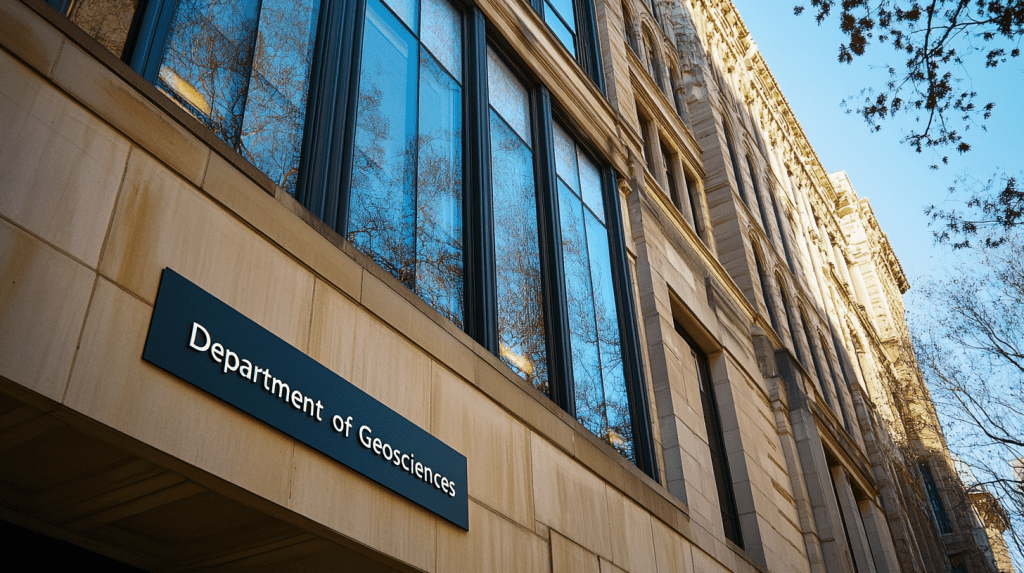
Meanwhile, Julia entered the geography department, immediately sensing the stark contrast in atmosphere. Unlike the classical charm of the history building, this facility had a distinctly modern feel—wide, open spaces, large windows allowing ample sunlight, and an entire wall dedicated to digital maps and data visualizations. Satellite images, climate models, and GIS-based land analysis charts decorated the workspace, giving the impression of a department deeply engaged in technological research.
Her assigned lab was fully equipped with GIS (Geographic Information System) software, remote sensing tools, and an interactive map projection system that could display historical and contemporary geographical changes side by side. Julia’s anticipation grew—this was exactly the kind of environment where she could push her research forward.

“Julia, welcome!” A young female scholar approached her with a bright smile. “I’m Dalia. I help coordinate some of the research groups here. We have specialists working on a range of topics, so I’m sure you’ll find something interesting.”
They shook hands, and Julia took in the room around her. Some researchers were deeply focused on processing satellite imagery, while others were writing code to refine geographical models. Her desk, positioned near a large window, offered a clear view of part of the campus—a blend of historic buildings and green spaces, with students walking below.
Dalia pointed to a large map pinned to the wall. “One of our current projects focuses on land-use changes along the Baltic coastline over the past fifty years. We’re analyzing how climate change has reshaped certain areas.”
Julia stepped closer to examine the marked regions on the map. Different colors indicated shifts in land cover, while a series of images demonstrated how some areas had undergone significant vegetation loss over time.
“This is definitely within my field of interest,” Julia remarked. “I’ve always believed that combining historical maps with modern geospatial data can give us a more accurate understanding of past environmental changes.”
Dalia’s eyes lit up. “That’s fantastic! We actually have a dataset tracking the historical shifts in Lithuania’s river systems since the 18th century. If you’re interested, we can collaborate on that.”
Julia considered the idea. Her primary focus had always been on urban landscape transformations, but river movements played a crucial role in shaping settlements. This project might provide new insights that connected directly to her expertise.

地理系的研究環境
當此同時,Julia 來到了地理系,立刻感受到與歷史系截然不同的氛圍。與充滿古典氣息的歷史系大樓不同,這棟建築展現出一種現代感——開闊的空間、大片的窗戶引入充足的自然光,其中一整面牆則專門展示數位地圖與資料視覺化圖表。
工作區裡貼滿了衛星影像、氣候模型以及以 GIS(地理資訊系統)為基礎的土地分析圖表,顯示出這個系所高度投入於科技導向的研究。
她被分配到的實驗室配備齊全,包括 GIS 分析軟體、遙測工具,以及一套可同時呈現歷史與現代地理變化的互動式地圖投影系統。Julia 內心充滿期待——這正是她能大展長才的理想環境。

「Julia,歡迎!」一位年輕的女性學者帶著明亮的笑容走向她。「我是 Dalia,負責協調這裡幾個研究小組。我們有很多學者從事不同的研究領域,我相信你一定會找到感興趣的方向。」
她們握了握手,Julia 環顧四周,幾位研究人員正聚精會神地處理衛星資料,有些則正在編寫地理模型的程式碼。她的辦公桌靠近一扇大窗戶,視野良好,可以俯瞰校園的一隅——那是一片歷史建築與綠意空間交織的景象,學生們在下方悠閒地走動著。
Dalia 指著牆上的一張大地圖說道:「我們目前有一個研究計畫,專注於過去五十年來波羅的海沿岸的土地利用變遷。我們正在分析氣候變遷是如何改變某些區域的地貌。」
Julia 走近觀察,那張地圖上以不同顏色標示了土地覆蓋的變化,而旁邊還附有幾張對照圖片,展示出某些區域的植被如何隨著時間流逝而逐漸減少。
「這正是我感興趣的領域。」Julia 點頭道,「我一直認為,將歷史地圖與現代地理數據結合,可以更準確地理解過去的環境變遷。」
Dalia 眼神一亮,「太好了!我們這裡剛好有一組資料,是追蹤立陶宛自 18 世紀以來河川系統變化的。如果你有興趣,我們可以一起合作。」
Julia 若有所思地點點頭。她的研究重點一直是城市地景的演變,而河流的變遷正是影響人類定居型態的重要因素。這個計畫或許能為她的研究開啟一條全新的視角與線索。
Adjusting to the New Environment and Academic Work
That evening, Julia and Emma returned to their apartment, eager to exchange their first impressions of their new research environments. As they prepared a simple dinner of salad and a Lithuanian-style stew, their conversation naturally drifted toward their work.

“It looks like our research approaches are going to be very different,” Emma said with a laugh. “I’ll be working with a lot of historical texts and digital archives, while you’ll be analyzing GIS data and modeling geographic shifts.”
“But our fields might intersect more than we think,” Julia replied, stirring the stew. “Dalia mentioned that they’re studying historical shifts in Lithuania’s river systems. If those rivers ever changed course significantly, they could have impacted settlements—maybe even entire towns disappearing from historical records.”
Emma nodded thoughtfully. “That’s possible. If such events influenced population movements, there might be written records about it—if we know where to look.”
Their academic journeys had only just begun, and already, unexpected links between their disciplines were emerging. The blend of historical documentation and geographical modeling might uncover hidden narratives about the region’s past—stories waiting to be pieced together.
As they finished dinner, Emma glanced at the window, where the city lights were beginning to flicker against the deepening twilight. “Elena mentioned that we should take a walk around the Old Town at night—it’s supposed to be a completely different experience.”
Julia agreed, setting her utensils down. “Why not? Maybe we’ll find some inspiration outside the lab as well.”
With that, they grabbed their coats and stepped out into the streets of Vilnius, the ancient yet ever-changing city that would soon become the backdrop of their unfolding research and discoveries.
適應新環境,進入學術工作
那天傍晚,Julia 和 Emma 回到她們在舊城區的公寓,迫不及待地想交換彼此對新研究環境的第一印象。她們一邊準備簡單的晚餐——沙拉和一道立陶宛風味的燉菜——談話便自然地轉向了當天的工作。
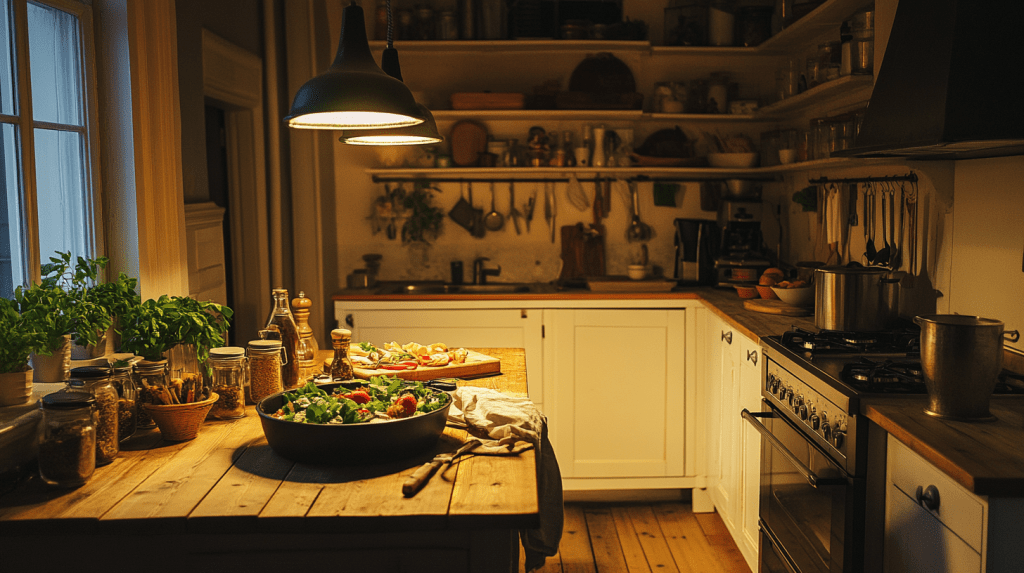
「看來我們的研究方式會很不一樣呢。」Emma 笑著說「我這邊是大量的歷史文本和數位檔案,而你那邊則是分析 GIS 資料、建構地理變遷模型。」
「但我們的領域或許比我們想像的更有交集。」Julia 一邊攪拌鍋中的燉菜,一邊回應
「Dalia 跟我提到,他們正在研究立陶宛河流系統的歷史變化。如果那些河流曾經大幅改道,可能影響到聚落的位置,甚至讓一些村莊從歷史記錄中消失。」
Emma 若有所思地點點頭,「那確實有可能。如果這些自然變遷影響了人口遷移,應該會在某些文獻裡留下痕跡——前提是我們知道去哪裡找。」
學術之路才剛起步,她們卻已經意外地發現了彼此研究之間的連結。歷史文獻與地理建模的結合,也許能拼湊出過去這片土地上被遺忘的故事。
晚餐即將結束時,Emma 看向窗外,黃昏漸深,城市的燈光一盞盞亮起,映照著老城區靜謐的街景。
Elena 說,「我們應該去舊城區夜裡走走——聽說那是完全不同的體驗。」
Julia 放下餐具,點了點頭:「好啊。說不定在實驗室外,也能找到些靈感。」
她們披上外套,走出公寓,踏上維爾紐斯的街道——這座古老而不斷變化的城市,正靜靜地等待著,成為她們即將展開的研究與發現旅程的背景。
Evening Moments: Ice Cream and Quiet Laughter
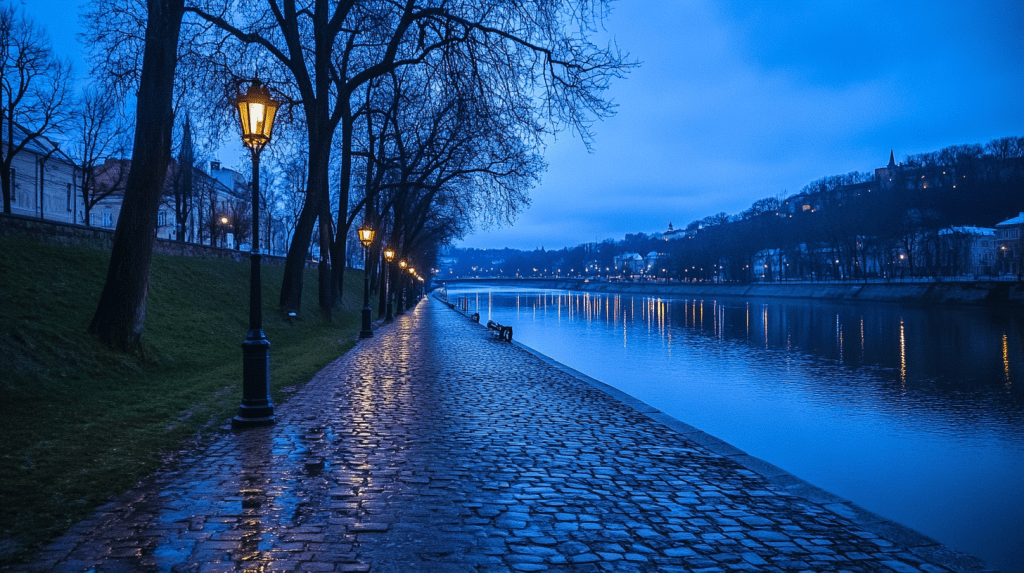
That evening, as the sun dipped below the rooftops of Vilnius, streetlights flickered on one by one.
Julia and Emma strolled slowly along the Neris River, the damp cobblestones beneath their feet glistening in the soft light. The river shimmered quietly, reflecting the glow of old lanterns and distant windows. After a long day of work, they had no set destination—just a desire to walk and let the day gently unravel.

After crossing a small old bridge, they found themselves in a modest square nestled between quiet buildings. A warm yellow light hung from a stone archway, giving the place an atmosphere like something out of a quiet film. In one corner, a little ice cream cart stood with a handwritten wooden sign that read:
“Homemade Ice Cream – Lithuanian Forest Berry Flavors.“
It looked unassuming, but inviting.

“How about something sweet?” Emma smiled, nodding toward the cart. “We’ve earned it.”
“Probably the least academic thing we’ll do all day,” Julia said with a chuckle, heading toward the stand.
The vendor, a middle-aged woman in a knit apron, greeted them warmly in English. “Today I have blackcurrant, forest blueberry, and something special—pine needle honey.”
Julia raised an eyebrow. “Pine needle?”
“Yes, a taste of the forest,” the woman replied proudly.

Artisan pine needle and honey flavored ice cream served in a handmade ceramic bowl.
Intrigued, they each made their choice—Emma picked blackcurrant, while Julia opted for the mysterious pine honey. They sat on an old wooden bench at the edge of the square, facing a centuries-old church whose bell had just chimed softly for the hour.
“It really does taste like the forest,” Julia said after her first bite. “A bit herbal, but nice.”
“It feels like summer break,” Emma leaned back, holding up her ice cream to the night sky. “Remember when we were kids? No deadlines, no reviewer number two…”
They both burst into laughter, the kind that lingers and fills the quiet spaces.
They joked about Dalia’s promise to take them to pick wild berries in Dzūkija. Emma was convinced it was a joke.
Julia, however, had already looked up the park and bus routes. “If we really go,” she said, “we’ll need boots.”
On their way back to the apartment, they passed a café with a gallery wall outside. It was hosting a small exhibit titled “Old Vilnius.”

Emma paused to look. One sepia-toned photo showed women washing clothes by the river, with the same bridge they’d crossed earlier faintly visible in the background.
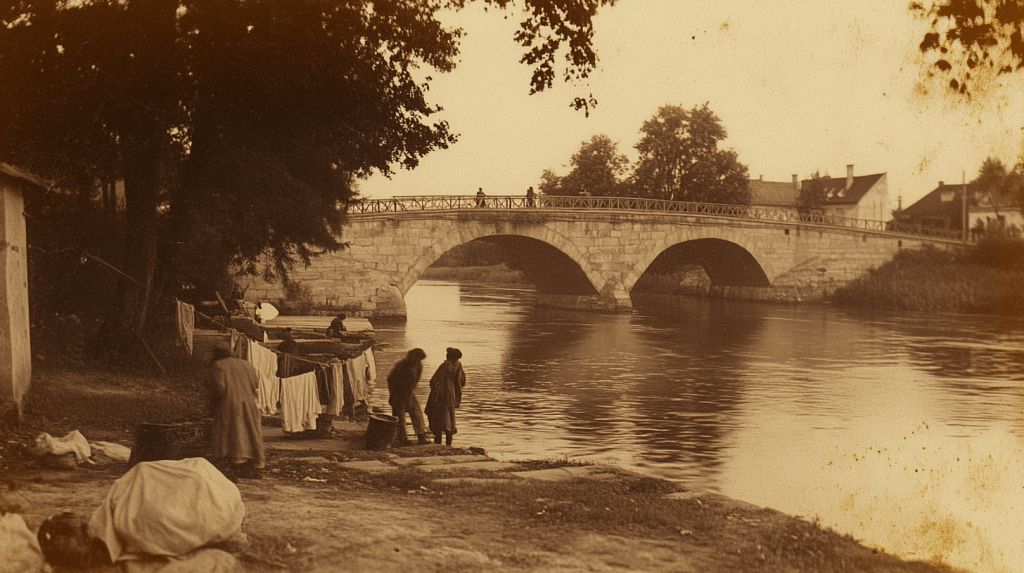
“So much has changed,” Emma said softly, “and yet, it hasn’t.”
“That’s probably the most magical thing about this place,” Julia replied, gazing at the photo. “Some stories live in the streets we walk every day.”
By the time they returned to their apartment and climbed the creaky wooden stairs, the riverside breeze still lingered on their coats.
Nothing dramatic had happened that night—but it was one of those quiet moments that would stay with them. A small, glowing piece of their life in a new city, gently falling into place.
夜晚散步的插曲:冰淇淋與回憶
那天晚上,天色剛剛暗下來,街燈一盞盞亮起。Julia 和 Emma 沿著涅里斯河邊慢慢散步,腳下是濕潤的石板路,河面在微風中泛著微光。剛吃完晚餐的她們沒有特別目的,只是想在靜謐的夜裡走一走,放鬆一下腦袋裡那些還來不及整理的想法。

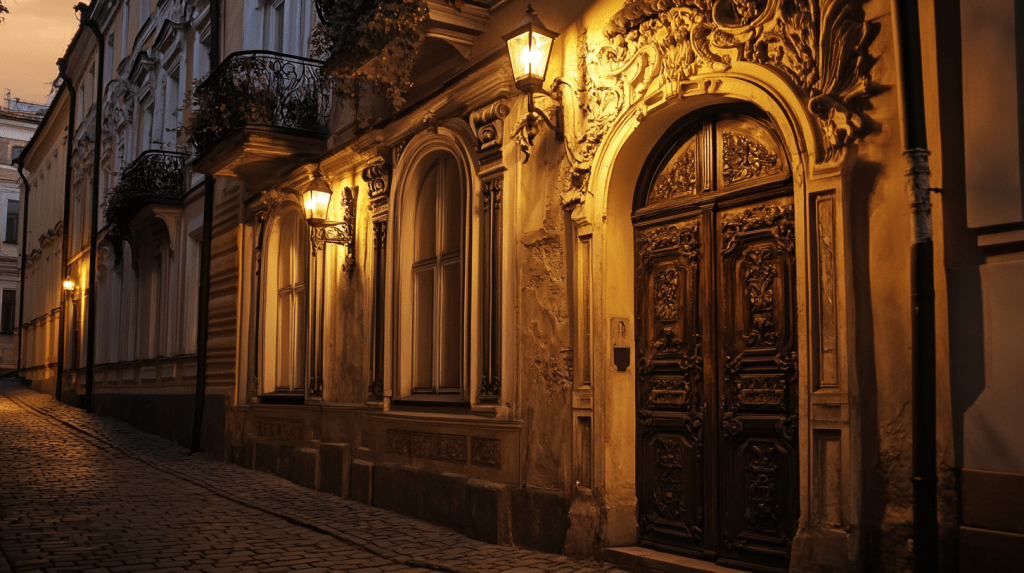
穿過一座老橋後,她們來到一個不大的廣場。那裡有幾盞暖黃的吊燈,掛在石造迴廊下,氣氛像老電影的場景。

廣場角落停著一輛小小的冰淇淋車,上面用手寫的木牌寫著:「自製冰淇淋|立陶宛莓果風味」——看起來簡單卻特別。

「來點甜的怎麼樣?」Emma 笑著看向 Julia,「我們今天都夠認真了。」
「也許這就是今晚最學術無關的一件事。」Julia 回以微笑,走向攤車。
攤車的老闆是一位穿著針織圍裙的中年婦女,見她們靠近便用英文親切地說:「我們今天有黑醋栗、森林藍莓,還有一種特別的是松針蜂蜜。」
Julia 驚訝地挑眉:「松針?」
「是的,立陶宛森林的味道。」老闆自豪地補充。
她們最後各選了一種,Emma 拿了黑醋栗,Julia 則選了松針蜂蜜。她們坐在廣場邊緣一張老舊的木椅上,身後是古老的教堂鐘塔,塔上的鐘在整點輕輕地響了一聲。

「這口感真的有森林的感覺。」Julia 一邊吃一邊說「帶點草味,但又不奇怪。」
「有種放暑假的感覺。」Emma 靠在椅背上,舉起冰淇淋看著星空。「還記得小時候吃冰淇淋的樣子嗎?那時候不用擔心研究進度,也沒有 reviewer #2。」
兩人不禁大笑,笑聲在夜空下顯得格外輕盈。
他們聊到 Dalia 還曾經說過,要找機會帶她們去 Dzūkija 採野莓。
Emma 說她懷疑那不過是個笑話,Julia 則認真地查了那個國家公園的位置和交通方式。
「如果真的要去,我們得準備雨靴。」她一本正經地說。
走回公寓的路上,她們經過一面掛滿照片的外牆,是某家藝文咖啡館,正舉辦「老維爾紐斯」主題攝影展。
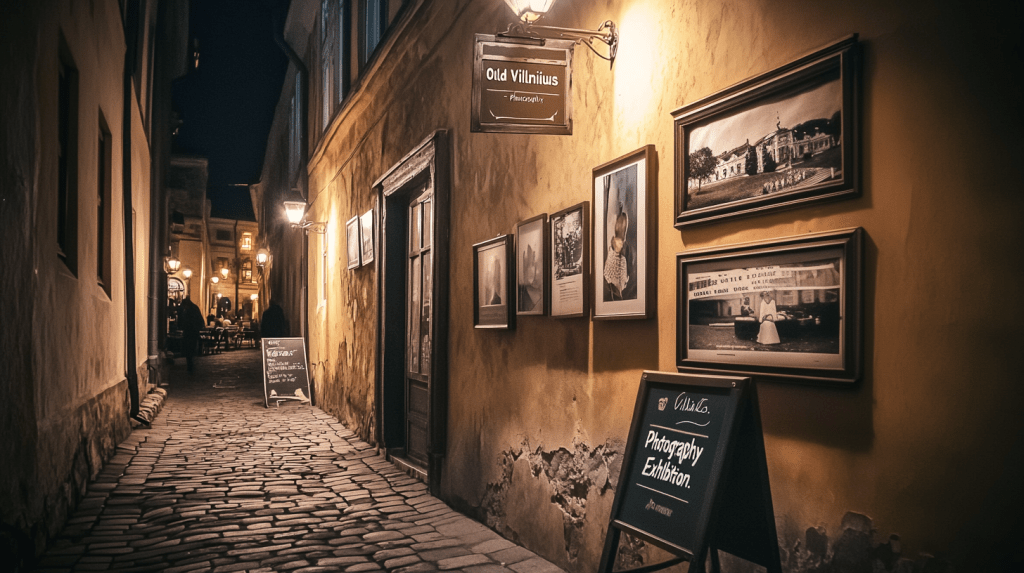
Emma停下腳步,細看其中一張泛黃的照片——一群人在河邊洗衣,背景是一座她們今天走過的老橋。

「這裡變了好多,但也沒變。」Emma輕聲說。
「可能這就是這城市最迷人的地方吧。」Julia 看著照片,忽然低聲補了一句,「有些故事,就藏在我們平常走過的每一條路裡。」
當她們回到老公寓、踏上木質樓梯時,河邊的風似乎還留在衣角。
那晚沒有重大事件,卻是旅程中最平凡卻最動人的一頁——那是兩位學者在異鄉漸漸安頓下來、開始感受生活的節奏的一個夜晚。

 Virtual Travel | 虛擬旅行沉浸式英語學習
發表留言