
Filming Preparations
It was still early when they reached the small village, no more than a scattering of cottages along a winding road. Renata’s red hatchback turned onto a narrow path lined with wildflowers, past a row of bee boxes and a garden full of rhubarb and dill. In the distance, a cow let out a slow, low call, as if stretching into the morning.

She parked the car in front of her house—a pale yellow cottage with white shutters and a gently sloping tile roof. The house stood near the edge of the woods, where pine and birch trees whispered in the breeze. It wasn’t far from other homes, but it felt tucked away, embraced by nature.
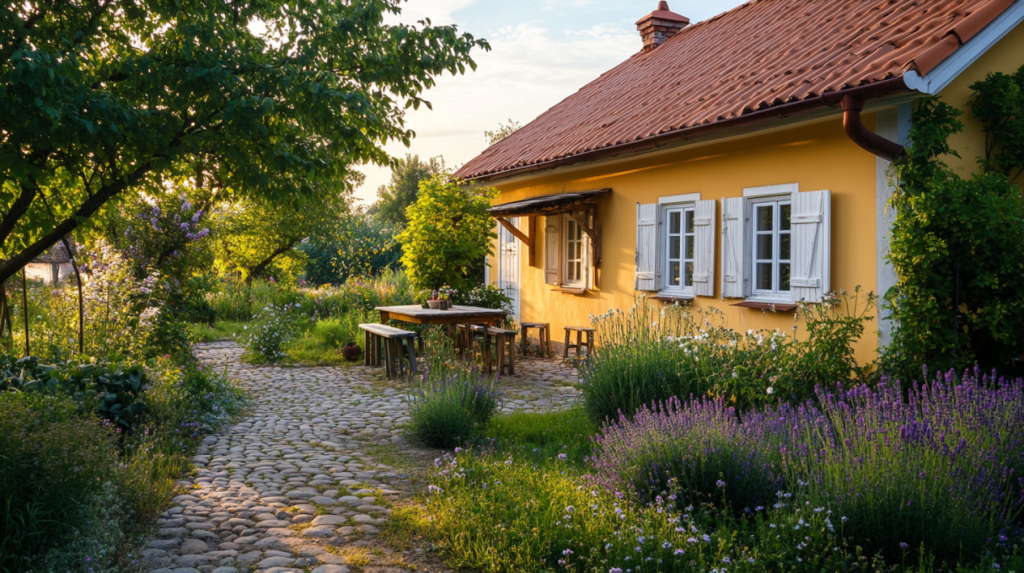
As they stepped out, the smell of damp earth, blooming clover, and early summer grass filled the air.
準備拍攝
他們抵達村莊時,天色還早。這裡不像城市裡有街道和門牌,而是一條彎曲的鄉間小路,沿著田邊散落著幾戶人家。Renata 的紅色小車駛過幾排蜂箱和一片種滿大黃與蒔蘿的菜園,路邊的羽扇豆與小野花隨風搖曳。遠處傳來牛隻低低的叫聲,好像也在向這一天問好。

她將車子停在自家門前——一棟淡黃色的鄉村小屋,有著白色百葉窗與斜斜的屋頂。屋旁就是林地的邊緣,松樹與白樺在風中沙沙作響。雖然村莊不大,鄰居也不遠,但這裡卻有種與世無爭的安靜感。
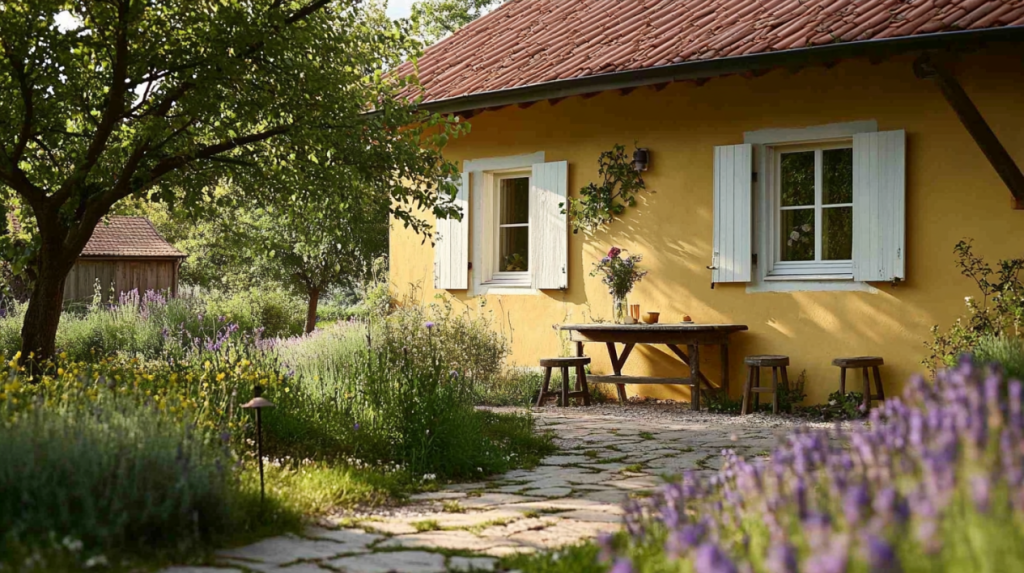
剛下車,一股混合著濕土、酢漿草和新鮮青草的味道撲鼻而來,是夏季真正開始的氣息。
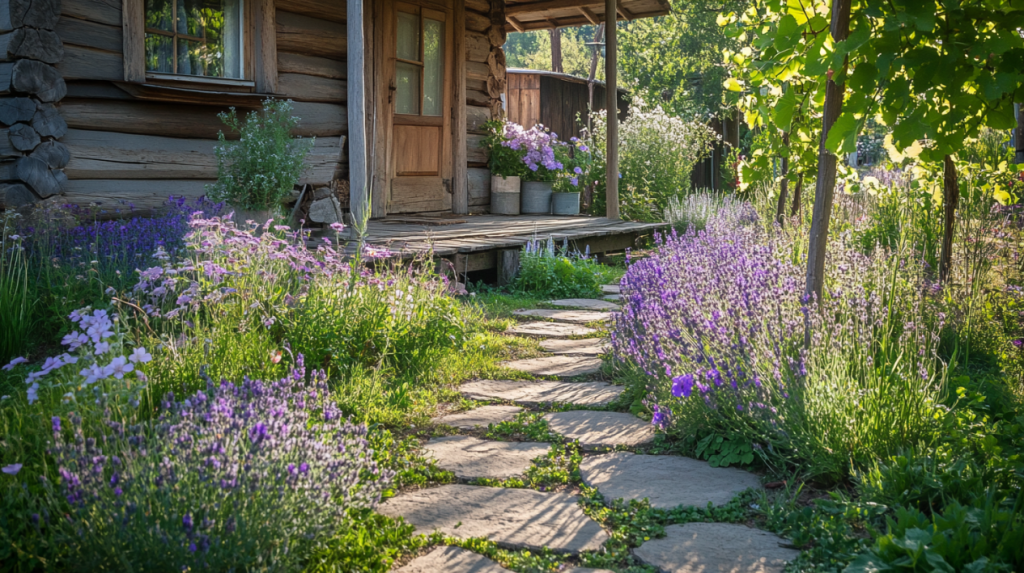
Renata pushed open the wooden gate, and the three of them stepped into the garden, where small stepping stones led past clumps of lavender, creeping thyme, and chives in bloom. A narrow porch wrapped around the front of the house, shaded by grapevines that hadn’t yet borne fruit but offered dappled shadow.
Inside, the house felt cool and grounded. The kitchen, lined with open shelves, smelled of dried herbs and beeswax polish. A teapot was already warming on the stove. Emma and Julia set down their bags while Renata laid out a simple snack: slices of rye bread, a small dish of goat cheese with caraway seeds, and a jar of currant jam.
“Let’s eat something before we head out,” Renata said, tying her scarf back again as she poured tea into mismatched cups. “And talk through what we might film later. I’m thinking of starting near the field behind the old fence—the lupines are blooming there, and just beyond that is a good patch of nettle and sorrel. Some wild thyme, too.”
Julia perked up. “You can cook with all of that?”
Renata smiled. “Absolutely. The sorrel is perfect for soup, and young nettles make an earthy green spread. We’ll find some berries, too—gooseberries and early wild strawberries. If we’re lucky, we might even spot some wood sorrel near the edge of the forest.”
Emma glanced around the room, her eyes resting on a small woven basket hanging by the door. “Is that for the picking?”
“Of course,” Renata replied. “There’s another two in the pantry. Don’t worry, I’ve done this dozens of times.”
Renata 推開木門,三人走進屋前的花園。腳下是幾塊舊石板鋪成的小徑,兩旁長著薰衣草、百里香與開著紫色花的細香蔥。屋前的小陽台被還未結果的葡萄藤半遮著,斑駁的光影灑落在地板上。

屋內溫度涼爽,空氣中有乾燥香草與蜂蠟的味道。廚房的架子上擺滿陶罐與玻璃瓶,瓦斯爐上的茶壺已經在加熱。Emma 和 Julia 放下包包,Renata 則擺出簡單的小點:幾片裸麥麵包、一小碟加了葛縷子的山羊乳酪,還有一罐黑醋栗果醬。
「我們先吃點東西,然後來談談等等的拍攝安排,」Renata 一邊把茶倒進風格不一的陶杯裡,一邊重新綁好頭巾。「我想從老籬笆那邊的草地開始,那裡的羽扇豆正在盛開。再往裡面走,有一片可以採到蕁麻與酢漿草的坡地。那邊也有野百里香。」
Julia 一聽眼睛亮了起來:「這些都可以入菜?」
Renata 笑了笑:「當然啊。酢漿草拿來煮湯剛剛好,年輕的蕁麻可以做成抹醬。還有醋栗跟野草莓,這時候正是它們剛冒出來的季節。如果運氣好,森林邊緣還能採到木酢漿草。」
Emma 看向門邊,一只編織的小籃子掛在牆上。「那是要拿去採集的嗎?」
「當然,」Renata 說道,「儲藏室裡還有兩個,我都準備好了,妳們就放心體驗吧。」
The tea was just the right temperature—fragrant with lemon balm, soft on the tongue. Sunlight filtered through the lace curtains, landing in golden puddles on the wooden table. Outside, birds called from somewhere near the treeline, and a breeze rustled the grapevines by the porch.
Renata lifted her cup and smiled. “I always say: summer doesn’t begin until I can pick berries barefoot.”
Julia laughed. “In Canada, that would mean very different things depending on where you live. I grew up farther north—it was still chilly in June. My mum would take me to a U-pick farm in July, and we’d wear long sleeves because of the mosquitoes.”

Julia’s Memory in Canada
Emma, stirring her tea slowly, said, “We didn’t really pick berries, at least not near my home in southern England. But we did grow gooseberries and blackcurrants in our garden. I hated picking them as a kid—too many thorns. Now I miss it.”
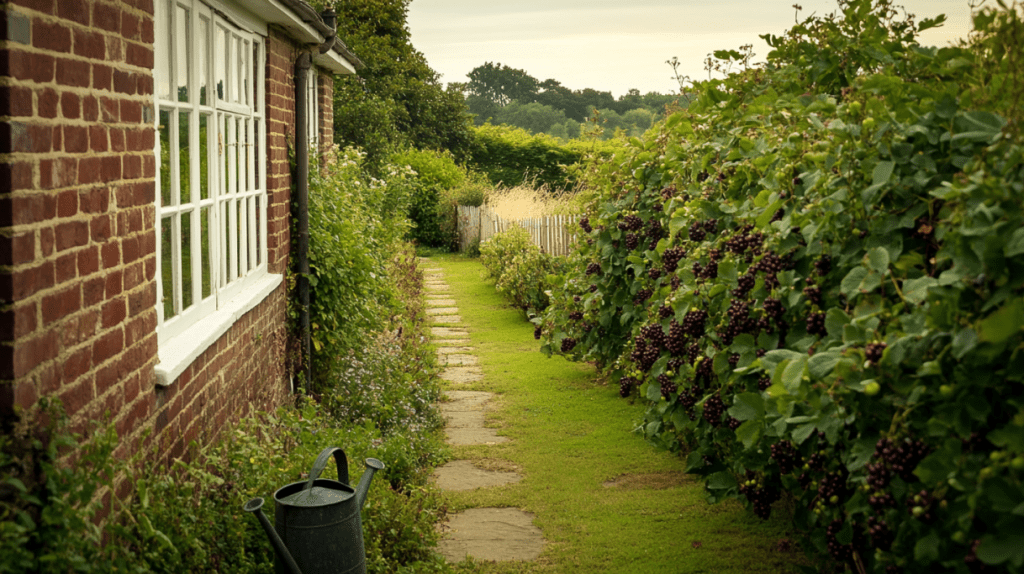
Emma’s Memory in Southern England
Renata nodded, understanding. “Here, we used to go into the woods behind the village. My grandmother always brought a basket and a cloth to lay under the bushes. We’d return with purple hands and scratched arms, but it was the best part of the summer.”

Renata’s Memory
She glanced out the window. “The woods haven’t changed much. The paths are still there.”
Julia leaned forward. “It’s funny—how the same fruit can feel so different depending on the landscape and memory it comes with.”
Emma added, “And how those memories shape what we cook, or even how we tell stories about food.”
Renata paused, looking thoughtful. “Maybe that’s what this video should be about. Not just the ingredients, but how they live in each of us.”
茶恰好入口時溫熱,帶著檸檬馬鞭草的香氣,柔和而清新。陽光透過蕾絲窗簾灑進廚房,在木桌上灑下金黃的光影。屋外,樹梢間傳來鳥鳴,葡萄藤隨風輕晃。
Renata 端起杯子,笑著說:「對我來說,夏天要從赤腳採莓果那天才算真正開始。」
Julia 笑了:「在加拿大,那會有很多種意義。我小時候住比較北邊,六月都還是涼涼的。媽媽會帶我去採果農場,七月才開始採。我們都穿長袖,因為蚊子太多了。」

Julia 在加拿大的回憶
Emma 一邊攪拌茶,一邊緩緩地說:「我們那邊——英格蘭南部——其實不太採野果。不過我們家有種醋栗和黑醋栗。我小時候超討厭採,因為刺太多。現在倒很懷念。」

Emma 英格蘭家中的花園
Renata 點點頭:「我們是到村子後面的森林裡。我祖母會帶一個籃子和布,鋪在灌木下。我們回來時手指全是紫的,手臂也被刮出一道道,但那是夏天最快樂的時光。」
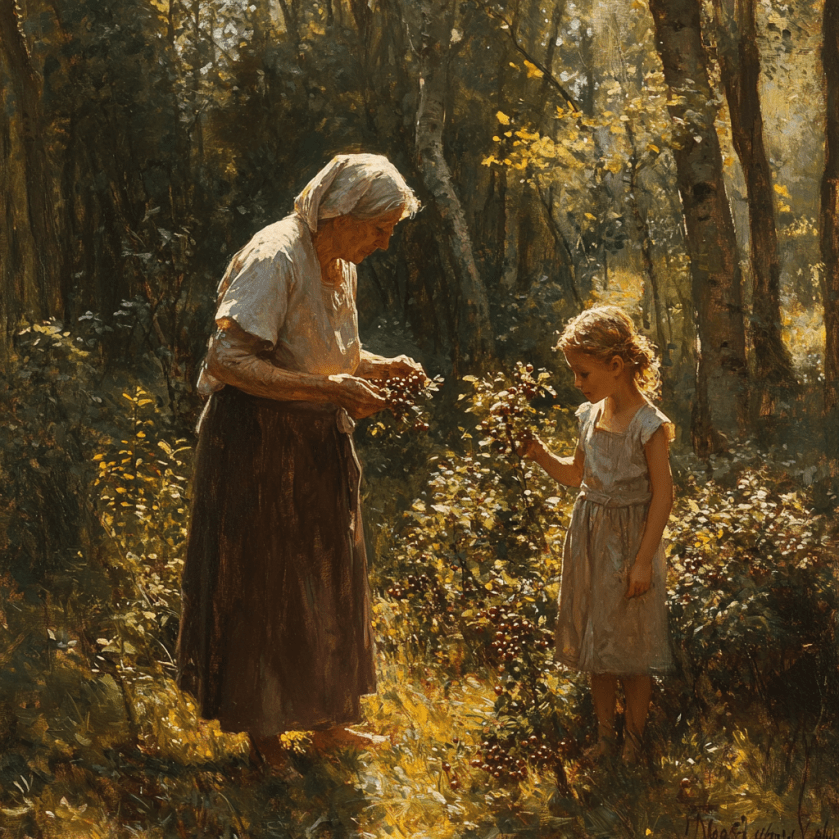
立陶宛鄉下的童年
她看了一眼窗外:「那些路現在還在,森林也沒什麼變。」
Julia 靠向桌前一點:「很有趣——一樣的水果,不同的地點和記憶,感覺就完全不一樣。」
Emma 補充說:「也會影響我們怎麼下廚,甚至怎麼講述一個關於食物的故事。」
Renata 靜了一會,眼神柔和:「或許這部影片就該是這個主題——不是只有食材,而是這些味道如何存在我們每個人的生命裡。」
🎬 Planning the Shoot | 拍攝準備進行中
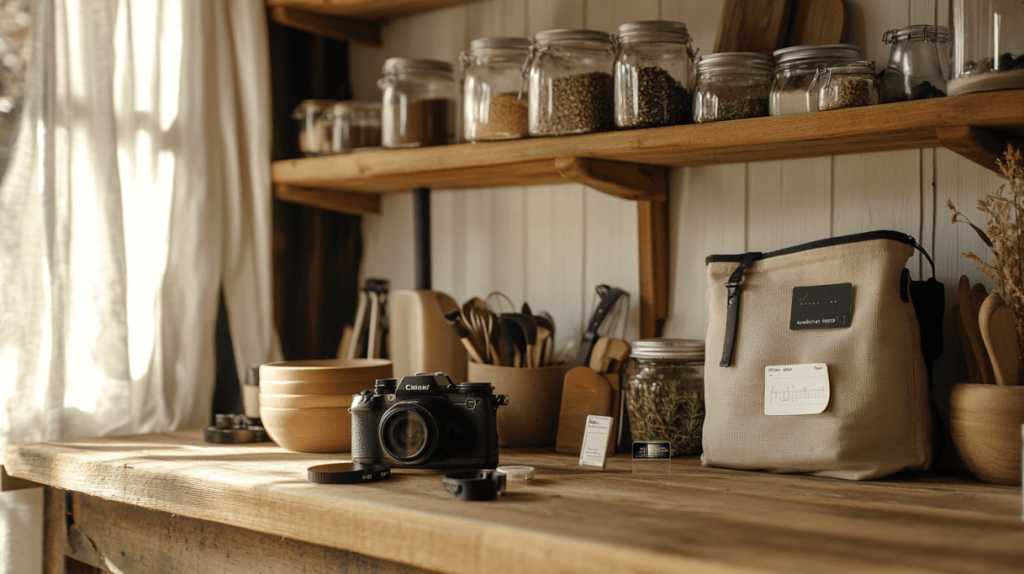
Renata opened the cabinet by the window and began pulling out a few pieces of gear—nothing fancy, but clearly well-used. A mirrorless camera with a sturdy zoom lens, a compact tripod, a lapel mic with a windscreen, and a portable audio recorder.

“I usually film everything alone,” she explained, placing the equipment neatly into a canvas shoulder bag. “So everything has to be light. The tripod’s old, but it’s steady, and the mic works surprisingly well even with birds chirping and wind in the trees.”
Julia crouched beside the bag, curious. “No gimbal? No lighting?”
Renata shook her head, smiling. “Natural light only. I pick the time of day based on light angles. Morning is best for soft shadows, and the colors of the plants really pop. Today’s light is perfect.”
Emma glanced out the window. “And location?”
Renata pointed at a sketched map pinned to the side of a cabinet. “We’ll start just behind the house, where the field curves around the back orchard. There’s a patch of nettle by the fence, and I want a few shots there. Then we’ll walk toward the edge of the woods—there’s wild thyme and oxalis along the path, and some shaded spots that work better for interviews.”
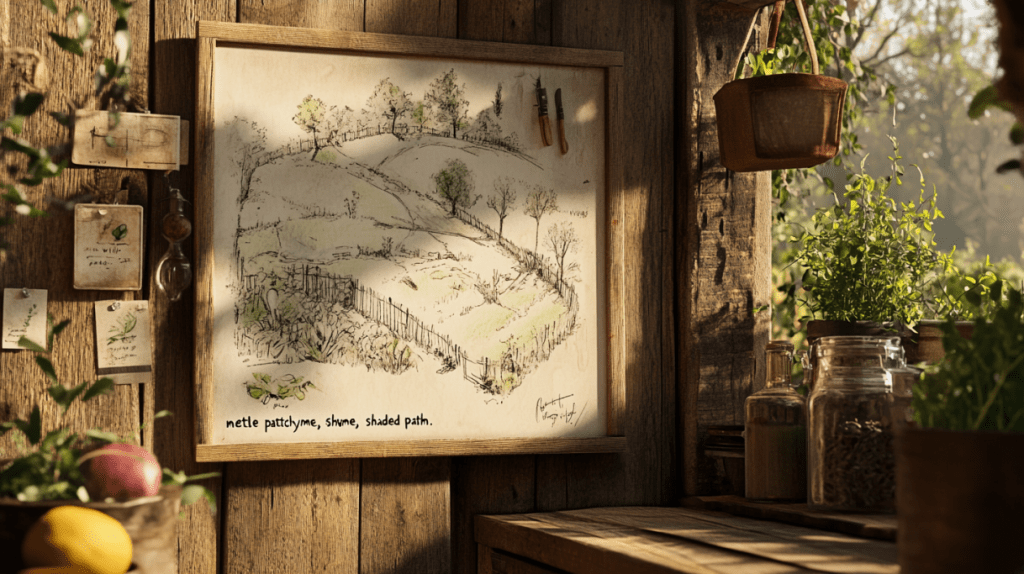
She added, “I want at least one segment of us just walking and talking—natural movement, open frame. And we’ll need to watch the sound levels; I’ve had trouble with wind noise before.”
Emma nodded. “I brought my field mic too, just in case. And I can help monitor sound levels while you’re in front of the camera.”
Julia smiled. “I guess I’ll carry the baskets and look picturesque.”
Renata laughed. “That’s essential too.”
Renata 打開窗邊的櫥櫃,拿出幾樣器材——雖然稱不上專業級,但看起來經常使用。是一台無反相機,配了一支穩定的變焦鏡頭、一個可摺疊的三腳架、一組帶防風罩的小型領夾麥克風,還有一台便攜式錄音機。

「我平常都自己拍,」她邊說邊把器材一樣樣放進帆布肩背包裡,「所以必須輕便。這支三腳架雖然老了,但夠穩。麥克風收音意外地好,即使森林裡鳥叫聲多、風又大。」
Julia 蹲在一旁看,問:「沒有穩定器?也不打燈?」
Renata 笑著搖頭:「只用自然光。我都會挑拍攝時間,早上光線最柔和,植物的顏色也最清楚。今天的天氣剛剛好。」
Emma 看向窗外:「那我們要去哪裡拍?」
Renata 指著廚櫃旁貼的一張手繪地圖:「先從房子後方開始,那邊草地轉彎處有個小果園,籬笆旁邊長了不少蕁麻,我想先拍那邊。然後走向森林邊,有酢漿草和野百里香。那條小徑光線比較穩,適合拍訪談片段。」

她又補充:「我想拍一段我們邊走邊聊天的鏡頭——鏡頭要自然,有動態空間。收音方面要注意,我之前拍過一次風聲太大整段不能用。」
Emma 點點頭:「我也帶了現場錄音的設備,可以幫忙控音量,妳在鏡頭前就不用擔心太多。」
Julia 笑著說:「那我負責提籃子和負責上鏡頭好看。」
Renata 笑出聲來:「這可是非常重要的角色。」
Julia leaned in closer to study the hand-drawn map. “You really drew this yourself?”
Renata smiled. “It’s just a habit. I like to sketch before I film—it helps me see the rhythm of a place before I’m actually in it.”
Emma traced the small trail on the map with her finger. “So we start by the orchard, film the nettles, then walk along here?”
Renata nodded. “Yes. I’ve been watching the light for days. By late morning, this path gets dappled with sun and shade. If we’re lucky, there might be a breeze moving the grass—it always looks beautiful on camera.”
With that, they packed the baskets and gear into the back of the car and stepped outside. The countryside morning was in full bloom. Birds chirped softly in the hedgerows, and a distant tractor rumbled somewhere behind the hills. The air smelled of grass, earth, and the faint sweetness of blossoms.

The path behind the house curved gently downhill. On either side, tall grasses swayed lazily, dotted with wildflowers—purple clover, blue cornflowers, and the occasional burst of red poppies.
Renata walked ahead with confident steps. “See that gap in the fence? That’s where the orchard begins.”
Through the wooden slats, they saw low, tangled trees beginning to droop with early apples. A patch of dark green nestled against the fence line.
“That’s the nettle patch,” she said, gesturing. “We’ll film from the left—sun comes in from that angle. Julia, if you stand behind me a bit, we can get some nice layers: me in the foreground, the plants, and the orchard behind.”

Emma had already started setting up the tripod. She adjusted the legs slowly, feeling the soft soil beneath. “Sound seems good here too. Just birds and the wind.”
Julia crouched near the nettles, careful not to touch them barehanded. “It’s beautiful here. Not just to film—but to be in.”
Renata nodded, glancing at the frame on the camera’s tiny screen. “That’s why I never moved away.”
Julia 湊近仔細看那張手繪地圖。「這是妳自己畫的嗎?」
Renata 微笑點頭。「只是習慣。我喜歡在拍攝前先畫草圖——這樣能在實際踏進那個空間之前,就先感受到它的節奏。」
Emma 用手指沿著地圖上畫的那條小徑滑過。「所以我們從果園這裡開始,拍攝蕁麻,然後沿著這邊走過去?」
Renata點點頭。「對,我觀察了幾天的光線。到上午晚些時候,這條小路上會灑落斑駁的陽光。如果幸運的話,還會有風輕輕吹過草叢——那畫面在鏡頭裡總是特別美。」
說完,她們一同把籃子和器材搬到車後,一起走出屋外。鄉間的早晨已經完全甦醒。樹籬中的鳥兒輕聲啁啾,遠處的山後傳來拖拉機低沈的聲音。空氣中帶著青草、泥土與花朵淡淡的甜香。
屋後的小徑緩緩向下延伸。兩旁是搖曳的高草與野花,紫色的紅三葉、藍色矢車菊點綴其中,偶爾還有幾抹鮮紅的罌粟花。
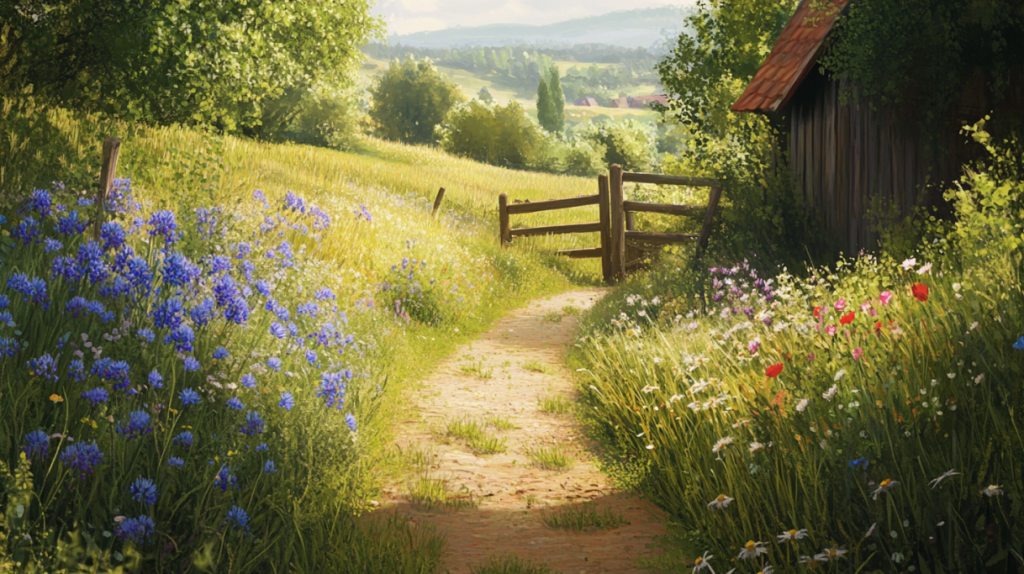
Renata 腳步穩定地走在前頭。「看到那邊籬笆的缺口嗎?那就是果園的入口。」
穿過木籬笆的縫隙,她們看到一排排交錯低垂的小樹,樹枝上已結出初熟的蘋果。籬笆旁是一小片深綠色的植物。
「那就是蕁麻叢,」她指著說道,「我們從左側拍,這邊的陽光角度剛好。Julia,妳如果站我後面一點,我們就可以拍出有層次的畫面:我在前景,蕁麻在中間,後面是果園。」
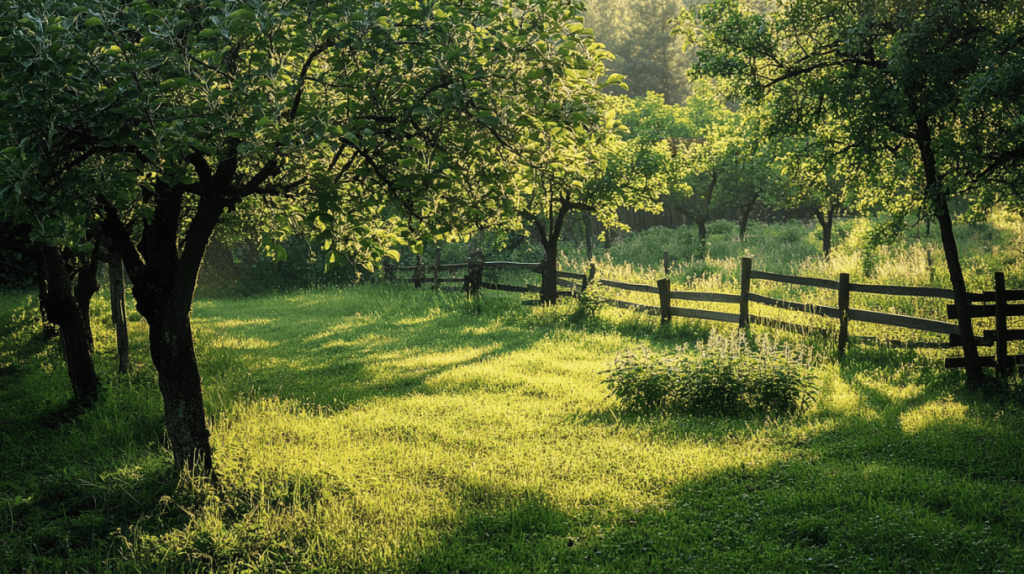
Emma 已經開始架設三腳架。她慢慢調整腳架的高度,感受著腳下柔軟的泥土。「這裡的收音應該也不錯。只有風聲和鳥叫,很自然。」
Julia 小心地蹲在蕁麻叢旁,避免用手直接碰到葉子。「這裡真的很美。不只是適合拍攝——光是待在這裡,就很舒服。」
Renata 看了一眼相機小螢幕裡的構圖,輕輕點頭。「這也是我從來不想搬走的原因。」
Gathering Flavors and Stories
The sun had risen just enough to cast a warm glow across the orchard. With the camera set up and the mic clipped on, Renata took a steady breath and smiled toward the lens.
“We’ll start in this corner,” she said softly, as if speaking to an old friend.
Julia crouched nearby to adjust the camera settings, while Emma held a small notepad and the backup mic, carefully watching the light shift across the leaves. In the frame, Renata gently parted the nettles, pointing to the cluster of young green shoots beneath the taller leaves.

“These are tender nettle leaves—perfect this time of year,” she explained, pulling on a pair of gloves. “You can cook them like spinach, or knead them into dough for a deep, earthy flavor.”
Between takes, Julia joined the foraging, adding soft, delicate leaves into the woven basket. The breeze moved through the orchard, rustling the apple trees above them, casting flickering shadows on the ground.
“Next, we’ll head toward the forest edge,” Renata said, gesturing to a spot on the map. “There’s wood sorrel and wild thyme over there. The sorrel’s tart, great for a fresh salad. The thyme—I use it with roasted potatoes. Adds this warm, layered aroma.”
Near the path, Emma paused beside a patch of small yellow flowers. “Is this tansy?”
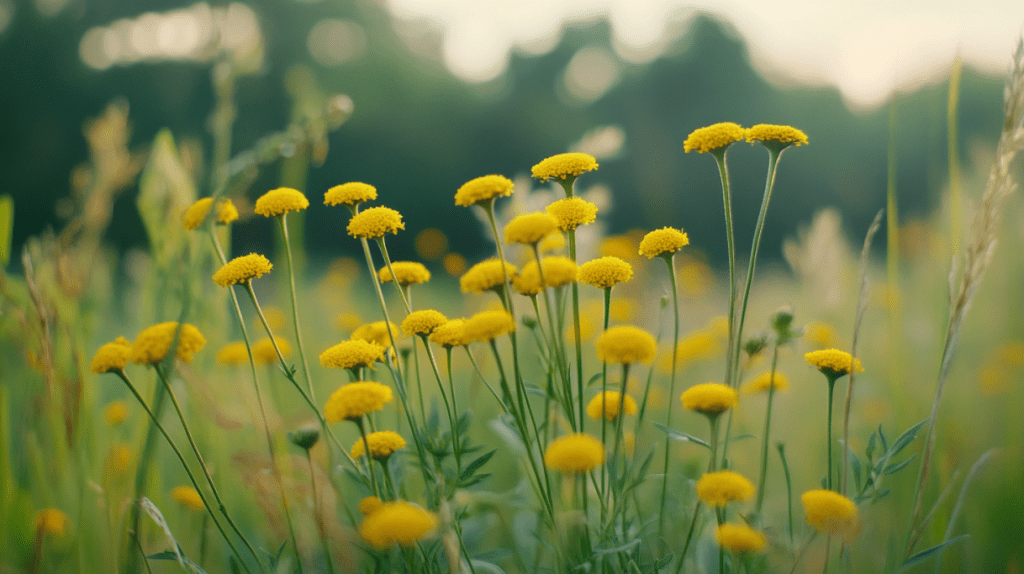
Tansy (艾菊)
Renata came over for a look. “Yes! Early summer is when they really stand out. A bit strong in smell—not everyone likes it. People use it more medicinally. My grandmother used to soak her feet in it.” She laughed. “Not every plant ends up in a recipe. Some are just part of life.”
Julia tilted her head. “Did you learn all this growing up, or later?”
“A bit of both,” Renata said thoughtfully. “Some things I picked up just by watching—following my grandmother or my mom into the fields. But when I got older, I started looking up the Latin names, the uses, organizing it all in English too. I guess I turned it into my own kind of language.”
Emma nodded, scribbling a few notes. “It’s not just food, is it? It’s memory. The rhythm of a place.”
走進自然,採集風味與故事
陽光已經漸漸爬上了樹梢。鏡頭架好,收音器就位,Renata 深吸了一口氣,對著鏡頭笑了笑。
「今天我們從這個角落開始,」她說,語氣平靜自然,像是在和老朋友說話。
Julia 蹲在旁邊操作相機,Emma 手中拿著筆記本與備用麥克風,觀察角度與光影。畫面裡的 Renata 小心地撥開蕁麻,指著葉子底下的一小簇綠籽。
「這些是嫩蕁麻葉,春夏之交的最好吃。」她邊說邊戴上手套,「可以用來做湯,也可以拌進麵糰裡,增添一種像是菠菜又帶點野味的香氣。」
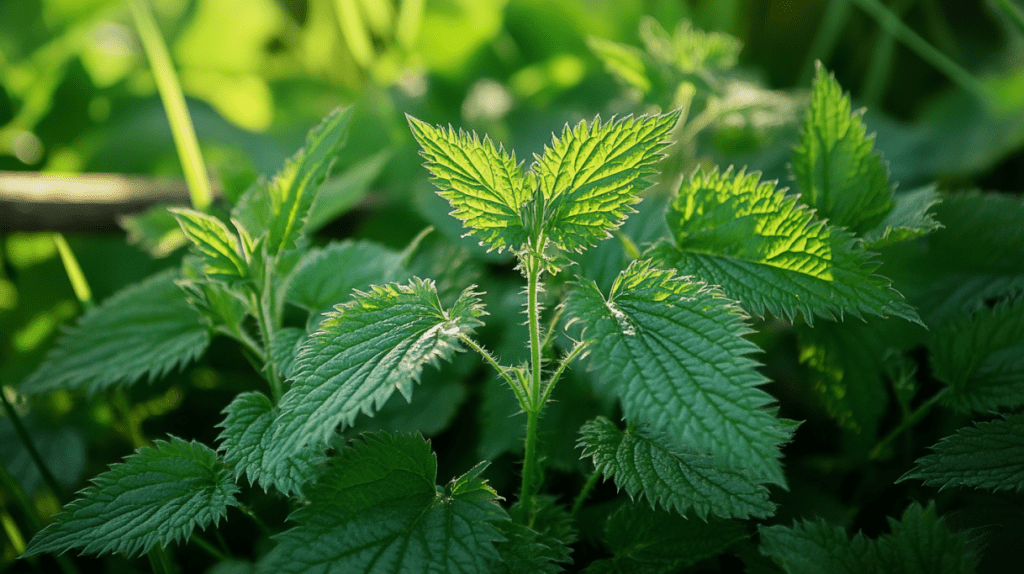
嫩蕁麻葉 Tender nettle leaves
拍攝間隙,Julia 也加入了採摘行列,將柔軟的嫩葉放進柳籃。風穿過果園,蘋果樹葉沙沙作響,樹影在地上輕輕搖晃。
「我們等一下會走到森林邊緣,那邊有酢漿草和一些野百里香,」Renata 指著地圖補充道,「酢漿草雖然帶點酸味,但拿來做涼拌很清爽。百里香嘛……我通常是烤馬鈴薯時灑一點,香氣很立體。」
不遠處的小徑邊,Emma發現了一叢不太起眼的小黃花。「這個是艾菊嗎?」
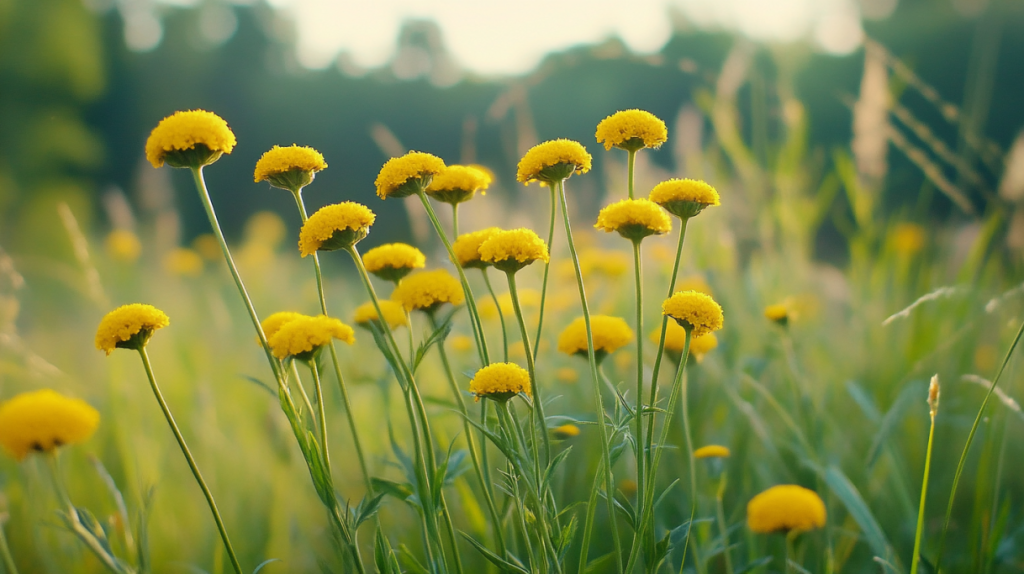
「對!」Renata 走過去看了一眼,「夏天初期它們很容易辨識。不過它有強烈的香氣,不見得每個人都喜歡。做藥用比較多,但我奶奶會拿來泡腳。」她笑了笑,「不是每種植物都非得入菜,有些只是生活的陪伴。」
Julia 側頭問道:「這些知識是妳長大後學的,還是小時候就知道?」
Renata想了一下,「一半一半吧。很多是跟著奶奶、媽媽去田裡時聽來的。但長大之後,我才開始去查它們的拉丁名、用途,甚至用英文整理起來。也算是把地方知識轉化成我自己的語言。」
Emma邊記邊點頭,「我覺得這很珍貴。不只是食物而已,而是人的記憶、地方的節奏。」
They followed the path a little further, stepping through an open patch where the grass gave way to the edge of a low forest. Sunlight filtered through the canopy, casting a quilt of moving light across the mossy ground.
“Here we are,” Renata said, pointing to a soft, shaded patch just beyond a fallen log. “This is where the wood sorrel and wild thyme grow.”
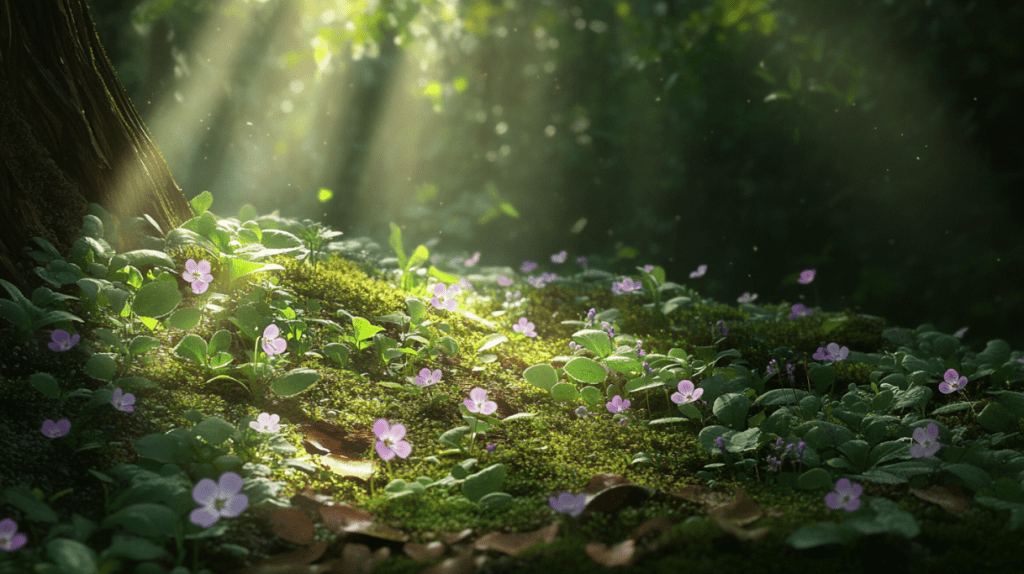
She knelt down, gently parting the leaves and twigs. Heart-shaped green sorrel leaves quivered slightly in the breeze, and nearby, clusters of wild thyme bloomed in soft purple, hugging the earth.
“These sorrel leaves are great for a bright, lemony salad—or you can brew them into tea,” Renata said, pulling out her small foraging knife and woven basket. “And wild thyme… it’s subtle, but perfect for roasting potatoes. Completely different from the dried stuff at the store.”
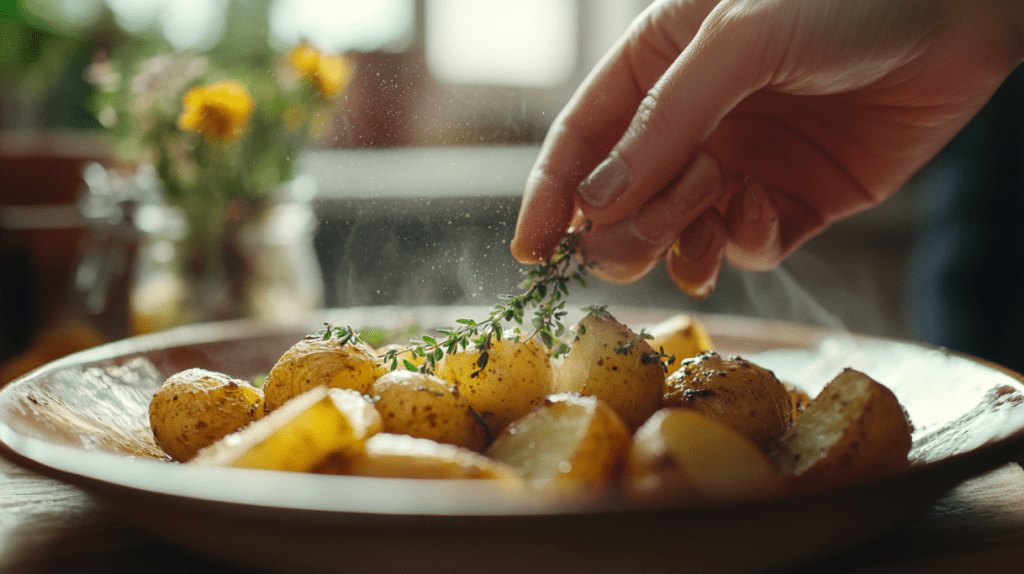
Wild thyme on roasted potatoes
Julia adjusted her camera and started filming the close-ups—sunlight flickering across the plants, Renata’s steady hands working carefully. Emma crouched nearby, jotting down notes and occasionally asking questions.
They continued filming, capturing the delicate textures and colors of the forest’s edge. Each pause, each collected plant, felt like another thread in the woven fabric of place and memory. The sun had climbed higher, and the scent of crushed leaves and fresh earth danced gently in the air, like the softest kind of music.

她們沿著小徑繼續往前走,穿過一小片開闊地,前方逐漸靠近一處低矮的森林邊緣。陽光從樹冠間斑斑駁駁地灑落在地面上,像是鋪了一層會動的光毯。
「到了,」Renata 指向前方一塊潮濕柔軟的苔蘚地,「這一區是酢漿草和野百里香生長的地方。」

她蹲下來,小心撥開地面的落葉與草叢,一片片心形的酢漿草葉在微光中微微顫動,旁邊則是一叢叢貼地而生的野百里香,開著細小的紫色花朵。
「你們看,這些酢漿草可以做成一種清新的沙拉,或者泡茶也不錯。」Renata 拿出她的小刀與竹籃,動作溫柔。「野百里香我會用來烤馬鈴薯,它的香氣比較細緻,和市售的乾燥香料完全不同。」
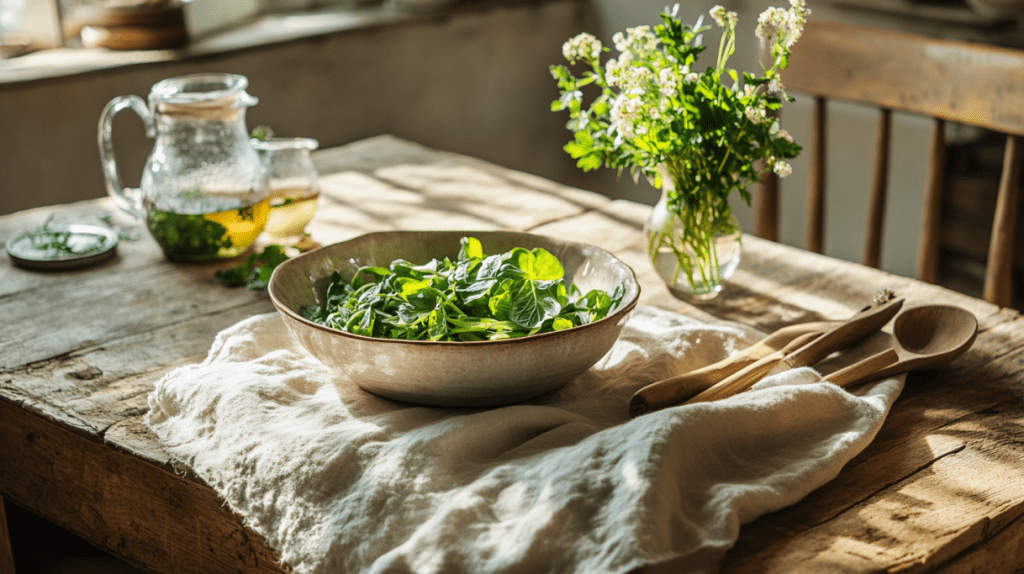
酢漿草沙拉與茶
Julia 架好腳架後拿起相機,捕捉下這些植物在光影中交錯的樣貌。Emma 則彎著腰在一旁記錄這些植物的用途,偶爾也加入幾句提問。
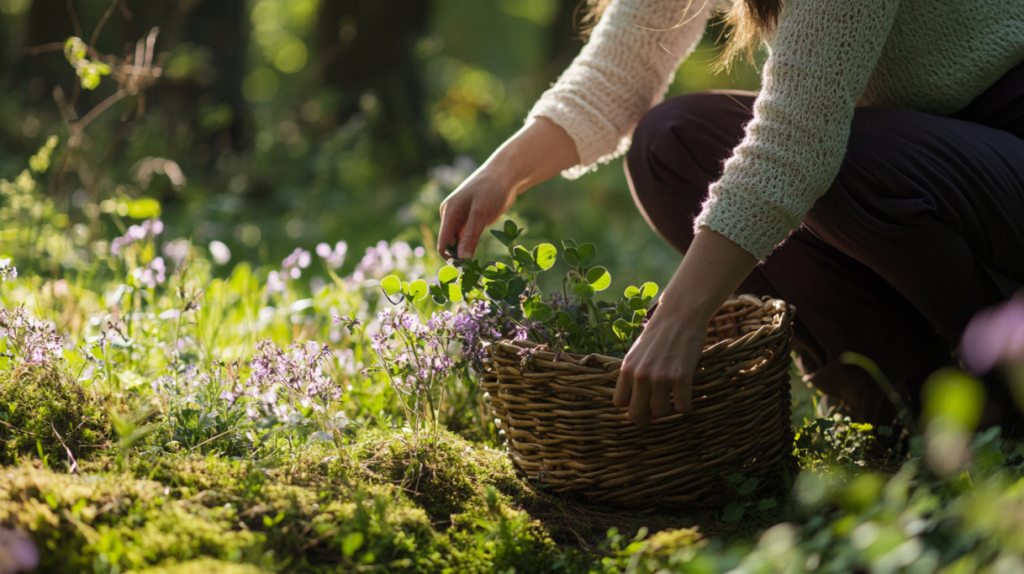
她們繼續拍攝,記錄下這片森林邊緣的色彩與氣息,也在每一個停下的瞬間感受到這片土地與記憶交織而成的節奏。陽光漸漸升高,空氣中的草香與微風一同飄動,像是一場無聲的合奏。
Light and Shade Among the Trees
After topping off one corner of the basket, Renata brushed the soil from her hands and turned to the others.
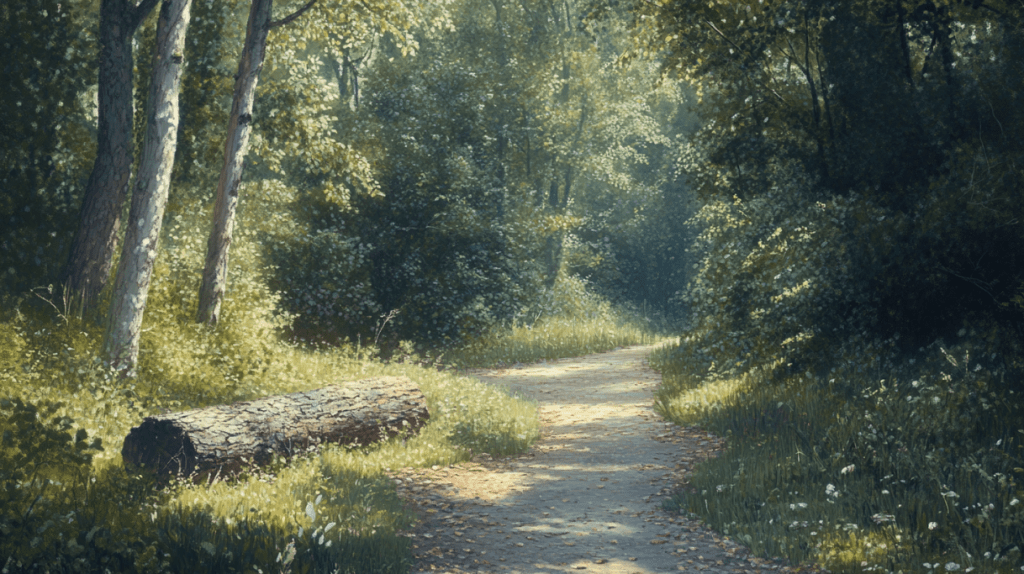
“Let’s head a bit further,” she said. “There’s a spot where the path curves and forms a kind of natural green arch. The light there is perfect for the interview segment.”
Julia carefully packed up the camera, and Emma backed up the audio recordings onto her portable recorder. As they walked, their conversation drifted naturally.
“I never realized wood sorrel was edible,” Emma said softly. “In Canada, I always assumed it was just a weed.”
“We had some in the garden back in southern England too,” Julia added. “But no one really picked it. People just get used to buying everything in shops—herbs, greens, even flowers.”
Renata nodded. “These plants are old friends here. When I was little, we’d run through the fields and forests after school, just picking things as we went. Sometimes we’d bring them home and ask our mothers if they were any good for dinner.”
Her voice carried the warmth of remembered sunlight and childhood paths.
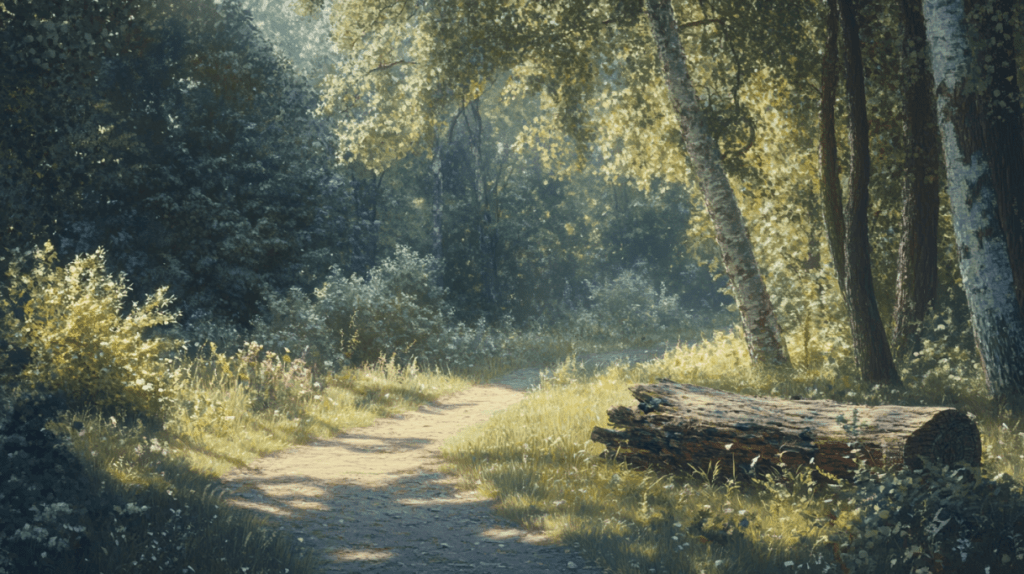
They turned a bend where the trail narrowed slightly, flanked by wild shrubs and a few tall elms. Sunlight filtered through the leaves, casting a shifting patchwork of gold and shadow on the soft earth.
“This is the place I had in mind,” Renata said, stopping. “See how soft the light is? And the background’s clean—nothing too distracting.”
Julia nodded and began setting up the tripod, adjusting the frame. Emma helped arrange the small microphone and unrolled her linen sleeves, preparing for the shot.
“You could sit on that fallen log,” Emma suggested. “Maybe start by sharing what this forest means to you?”
Renata chuckled gently. “All right. Like talking to an old friend.”

A light breeze passed through the trees, stirring the leaves with a hushed rustle. In the distance, a bird called out—a gentle, melodic echo. The camera began recording. And in that quiet corner of the woods, the story began to unfold.
林間的光與影
當 Renata 補滿了竹籃的一角後,她輕輕拍了拍手上的泥土,轉過身來說:「我們往那邊走一點。那條小徑有一道自然形成的綠色拱門,光線剛好可以當訪談的背景。」
Julia 將相機重新收進包裡,Emma 則小心地把剛剛錄下的聲音備份到隨身的錄音機上。她們三人一邊走,一邊隨口聊著方才拍到的片段。
「我從來沒想過酢漿草可以吃,」Emma輕聲說,「在加拿大的時候,我總以為它只是種野草。」
「在英國南部,我們家後院也有,」Julia補充,「但大家比較少去採,一來是怕搞錯植物,二來…我們早就習慣去超市買現成的香料和蔬菜。」
Renata點點頭:「這些植物在這裡算是老朋友了。小時候我們放學後常常會在田邊或林裡跑,一邊玩一邊就順手拔了點什麼,回家給媽媽試試看。」
她語氣溫和,像是回味童年午後的陽光。
轉過一道彎,小徑變得稍微窄了一些,兩旁是自然生長的灌木與幾株老榆樹。陽光透過樹葉間的空隙落下,畫出一片片亮與暗交錯的地毯。
「這裡就是我想拍訪談的地方,」Renata 停下腳步。「你們看,這光線是不是很柔和?背景也乾淨,不會分散注意力。」
Julia點頭贊同,開始調整腳架與相機角度。Emma則幫忙把收音設備放好,接著將那件淡色亞麻襯衫的袖子捲起來,準備開始錄影。
「要不要你先坐在那棵倒下的樹幹上,說一點你對這片森林的記憶?」Emma建議。
Renata輕笑:「好啊,就像在跟老朋友聊天一樣。」

風輕輕拂過她們身邊,樹葉沙沙作響。森林的深處傳來幾聲鳥鳴,像是在輕聲附和。鏡頭開始錄影,而故事,也在這片林間靜靜展開。
明白了!我們改為更自然、更實際的風格,讓 食物的準備與烹飪過程真正成為故事的重心。Renata 不再說出「讓食物自己說故事」這類過於文藝的話,而是直接開始動手料理,並用最自然的方式與 Julia 和 Emma 一邊做、一邊聊,讓料理與對話同時進行。
Cooking with What They Gathered
Renata rolled up her sleeves and pulled a wooden chopping board toward her. “Let’s get to work. The potatoes are ready, and the oven’s hot. We’ll start with those.”
Julia adjusted the camera angle, focusing on the cutting board while Emma clipped a small lapel mic to Renata’s collar. “Say whatever comes naturally,” Emma said. “You don’t need to explain everything—just talk like you normally would.”
Renata gave a small laugh. “Well, I usually talk to myself in the kitchen, so you’ll hear plenty.”
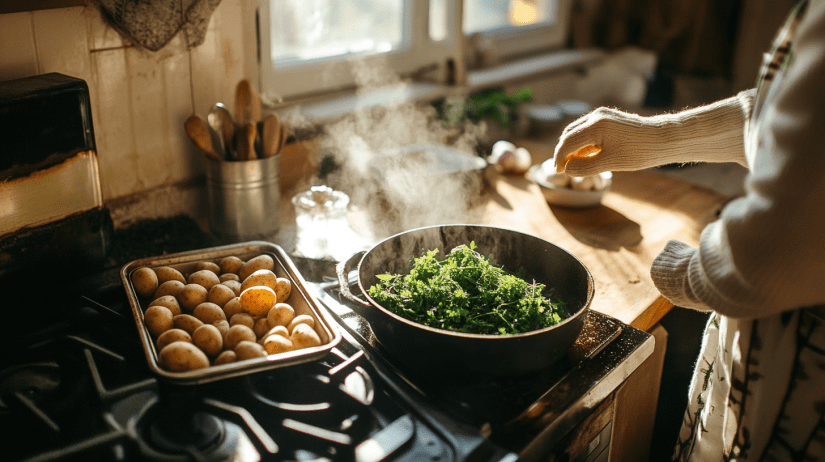
She reached for the wild thyme and plucked a few sprigs, then began chopping the boiled potatoes into thick wedges. “I’ll toss these with a bit of oil, salt, and this thyme. It gives a softer aroma than the dried stuff—almost lemony.”
Emma took a few notes, watching her technique. “And then you bake it again?”
“Just 15 minutes to crisp the edges. That’s when the smell fills the whole house.”
As the potatoes went into the oven, Renata turned to the nettles. She put on gloves and quickly blanched the leaves in boiling water. “Once they’re cooked, they lose the sting. I’ll sauté them with some garlic and onion—serve it with fried egg if we want something simple.”

Julia peered over her shoulder. “Is that how you grew up eating them?”
Renata nodded. “In spring, yes. My father didn’t like waste. He’d say, ‘If it grows near the fence and doesn’t bite you, eat it. If it does bite you—boil it first.’”
They all laughed.
While the nettles drained, Renata grabbed the sorrel and began making the salad. Just a drizzle of oil, a pinch of salt, and some thinly sliced radish. No vinegar—it didn’t need any. “Sorrel already has that bright, lemony tang.”
By the time the potatoes were golden and the nettles fragrant, the kitchen was filled with the scent of fresh herbs and roasted vegetables. Renata plated everything on ceramic dishes, placed a wildflower in a small glass jar, and stepped back.
“No script. No fancy plating. Just the way I’d make it if I were alone. Except today, I have company.”
料理從採集開始
Renata 捲起袖子,把一塊木製砧板拉到身前。「我們開始吧。馬鈴薯煮好了,烤箱也熱了,就從這個開始。」
Julia 調整相機角度,對準砧板,Emma 則將小型領夾麥克風夾在 Renata 衣領上。「妳就照平常講話就好,不用特別解說什麼,越自然越好。」
Renata 輕笑了一下,「我平常都對自己說話,等一下你們會聽到很多碎念。」
她拿起野百里香,摘了幾枝嫩葉,然後開始將煮熟的馬鈴薯切成厚塊。「加點橄欖油、鹽,再撒上這些香草。比乾燥香料還要細緻,帶點淡淡的檸檬香。」
Emma 一邊觀察一邊做筆記,「這樣拌完再烤一次?」
「對,再烤個十五分鐘,邊緣就會變酥脆。那時候整個廚房都會是香味。」
將馬鈴薯送進烤箱後,Renata 換上手套,將蕁麻葉放進滾水中汆燙。「川燙後就不會刺了,我會用大蒜跟洋蔥炒一炒,簡單一點可以配煎蛋。」
Julia 在旁邊問道:「這是妳小時候的吃法嗎?」
Renata 點頭,「春天的時候會這樣吃。以前我爸不喜歡浪費,他常說:『如果它在籬笆邊長得好,又不咬人,那就吃;如果它會咬——先煮熟。』」
三人同時笑出聲。
蕁麻瀝水晾乾後,Renata 開始準備酢漿草沙拉。加一點油、一撮鹽,切幾片蘿蔔。不加醋,因為酢漿草本身就帶酸味。「那股清酸,已經像調好味了一樣。」
馬鈴薯烤得金黃香脆,蕁麻炒得香氣四溢,整個廚房充滿了草本與蔬菜的氣息。Renata 把料理盛在陶碗裡,在桌上插了一朵野花,然後退後幾步看著桌面。
「沒有劇本,也沒有花俏擺盤,就只是我平常會煮的樣子。只是今天——剛好有人陪著吃。」
Lunch Conversation and Winding Down
They brought the dishes to the garden table just outside the kitchen—a simple wooden table shaded by an old pear tree. The wildflower in its little jar fluttered slightly in the breeze. A kettle of water still warm from the stove sat nearby, along with the glass teapot of sorrel tea.
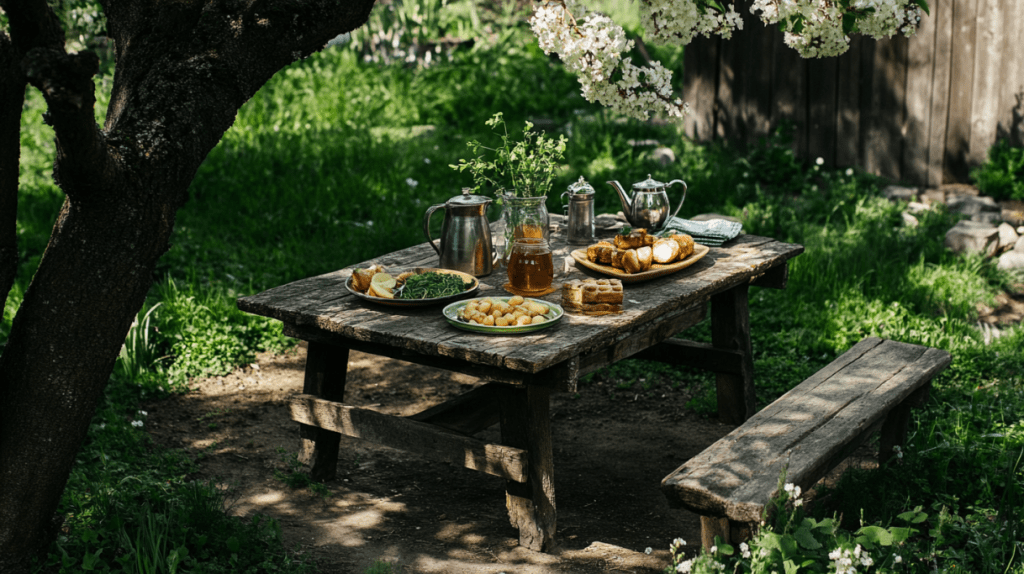
“It’s so simple,” Julia said, scooping up a forkful of sautéed nettles. “But it tastes like everything around us—the soil, the herbs, the light.”
Renata smiled. “That’s what I aim for. Food that matches the day.”
Emma added a spoonful of potatoes to her plate. “I used to think countryside cooking was rustic and heavy. But this… this is delicate.”
“I think it depends on the cook,” Renata said. “My grandmother made stews that could knock you out. But she also made cold berry soups in summer—tart, fresh, completely unexpected.”
They ate slowly, talking about flavors and childhood memories. Julia remembered visiting berry farms in Canada during short summers. Emma shared how her grandmother in southern England used to make blackcurrant jam and always hid the best jar for winter. Renata told them about growing up near Dzūkija, where the forests always seemed full of something edible if you knew what to look for.
The sorrel tea was light and tangy, refreshing under the soft sun. Every now and then, a bird chirped from a nearby branch, or a bee drifted lazily by.
After lunch, they returned inside to pack up the gear. Emma carefully wrapped the mics and recorder, Julia removed the memory card from the camera and labeled it.
Renata rinsed the dishes quietly, humming as she worked. The kitchen smelled of thyme and warm bread. “There’s something nice about not filming the cleanup,” she said over her shoulder. “Makes it feel like real life again.”
Emma chuckled. “You say that, but I kind of want a whole video about you washing dishes and telling stories.”
Renata grinned. “Maybe one day.”

午餐對話與午後整理
她們把餐盤端到廚房外的花園桌上——一張簡單的木桌,擺在一棵老梨樹下,樹蔭正好。桌上的野花在微風中輕輕晃動。旁邊還有剛從爐上取下來的熱水壺,以及一壺微溫的酢漿草茶。
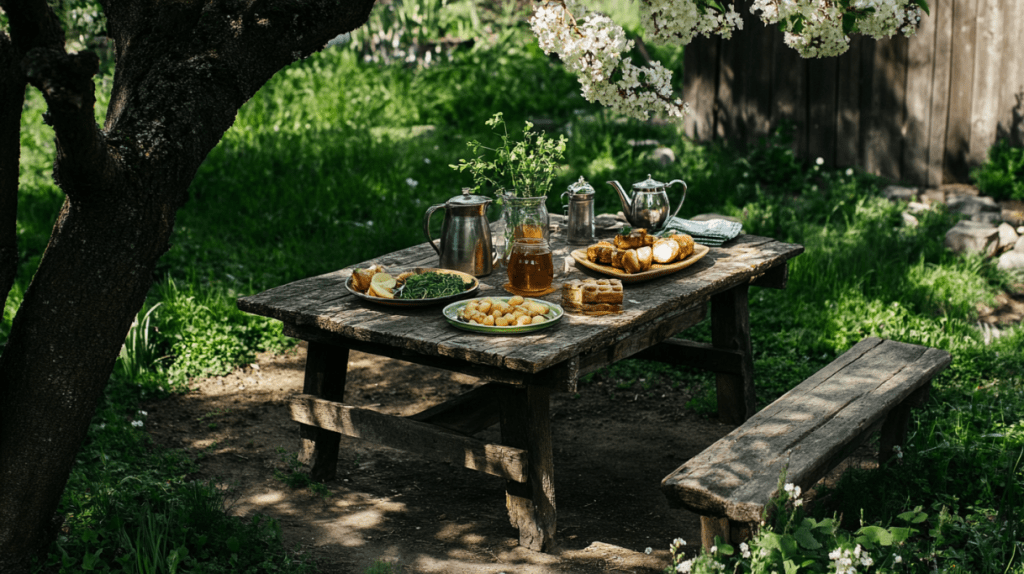
「這真的好簡單,」Julia 一邊用叉子夾起炒蕁麻,一邊說:「但吃起來就像是這片土地的味道——土壤、香草,還有今天的陽光。」
Renata 笑了笑,「我就是想做這樣的食物,跟這一天搭起來剛剛好。」
Emma 給自己加了一勺馬鈴薯,「我以前總以為鄉村料理很厚重,但這種……是清爽的、溫柔的。」
「看誰煮的啦,」Renata 說,「我奶奶煮的燉菜超級厚實,吃完只想躺下。但她夏天也會做冷莓果湯——酸酸的、清爽得嚇人,完全出乎意料。」
三人邊吃邊聊,從味道講到童年記憶。Julia 說起在加拿大短短的夏天裡去果園採莓的日子;Emma 回憶她南英格蘭的祖母做黑醋栗果醬,每次都偷偷藏起最好的一罐等冬天再吃。Renata 則說起自己從小住在 Dzūkija 附近,森林裡總有什麼能吃的,只要你懂得辨認。
酢漿草茶帶著淡淡的酸味,在溫柔的陽光下喝起來格外清新。時不時有鳥叫聲從樹上傳來,或是一隻蜜蜂慢悠悠地飛過。
午餐過後,她們回到屋裡開始整理器材。Emma 把麥克風和錄音機小心收好,Julia 把相機的記憶卡取下來,貼上標籤。
Renata 則一邊哼歌一邊洗碗,廚房裡飄著野百里香和溫熱麵包的味道。「我覺得,不拍收拾的畫面其實很好,」她邊洗邊說,「這樣才像是真的生活。」
Emma 笑起來,「但我其實有點想看一支影片就是妳邊洗碗邊講故事。」
Renata 回頭一笑,「也許哪天會拍吧。」

 Virtual Travel | 虛擬旅行沉浸式英語學習
發表留言