
Early Morning Departure
The sky had just begun to pale when Tomas started the car. A light mist clung to the edges of the buildings, softening the outlines of the Vilnius suburbs. The roads were quiet—just a few buses and early risers on bicycles. On the passenger seat, his thermos of black tea rested beside a folded list of names and addresses.

His first stop was the old town. He turned into the narrow street where Emma and Julia lived, the tires crackling softly over cobblestones. Outside their building, they were already waiting with their bags—Emma adjusting the strap of her backpack, Julia zipping her jacket up to the collar.
“Morning,” Tomas called as he got out to open the back.
“Hope we didn’t keep you waiting,” said Julia, sliding her duffel in.
“Not at all,” he replied. “You’re exactly on time.”
They climbed in, the scent of tea upholstery mixing with the early chill. As they pulled away, Emma looked out the window. “It’s strange seeing the city so quiet.”
“It’ll wake up soon enough,” Tomas said. “We’ll beat the traffic.”
Julia leaned forward from the back seat. “We’re going south first, right?”
“Yeah. Dzūkija,” Tomas nodded. “Through Alytus. Might make a stop near the river if we’re early.”
Emma smiled. “Let’s hope the morning light holds.”
清晨的出發
天剛亮,Tomas 啟動了車子。淡淡的霧氣沿著郊區的建築邊緣盤旋,讓房屋與街道的輪廓變得柔和而安靜。路上幾乎沒有車輛,只有偶爾幾輛公車和踩著腳踏車的早起居民。他的保溫瓶放在副駕駛座上,旁邊是一張摺好的接人清單。

第一站是老城區。他轉進那條熟悉的石板街時,車輪發出細微的聲響。Emma 和 Julia 已經在樓下等著了——Emma 正調整背包肩帶,Julia 則把外套拉鍊拉到最上面。
「早安,」Tomas 下車幫她們打開後車廂時說。
「希望我們沒有讓你久等,」Julia 一邊把旅行袋放進去,一邊說道。
「完全沒有,時間剛剛好。」
車子啟動後,車廂內瀰漫著茶香的氣味。Emma 坐在副駕,看著窗外的街道,「這城市這麼安靜,感覺很不一樣。」
「很快就熱鬧起來了,」Tomas 笑著說,「不過我們可以先躲過早高峰。」
Julia 從後座探出頭來,「我們第一站是往南吧?」
「對,去 Dzūkija,經過 Alytus。若有時間,可能會在河邊先停一下。」
Emma 笑了笑,「希望早晨的光線可以維持久一點。」
Picking Up Ben|
After winding through the quiet morning streets of the Old Town, Tomas turned onto a broader road heading toward the university district. A soft golden light had begun to warm the tops of trees, and patches of early sunlight slid across the dashboard.
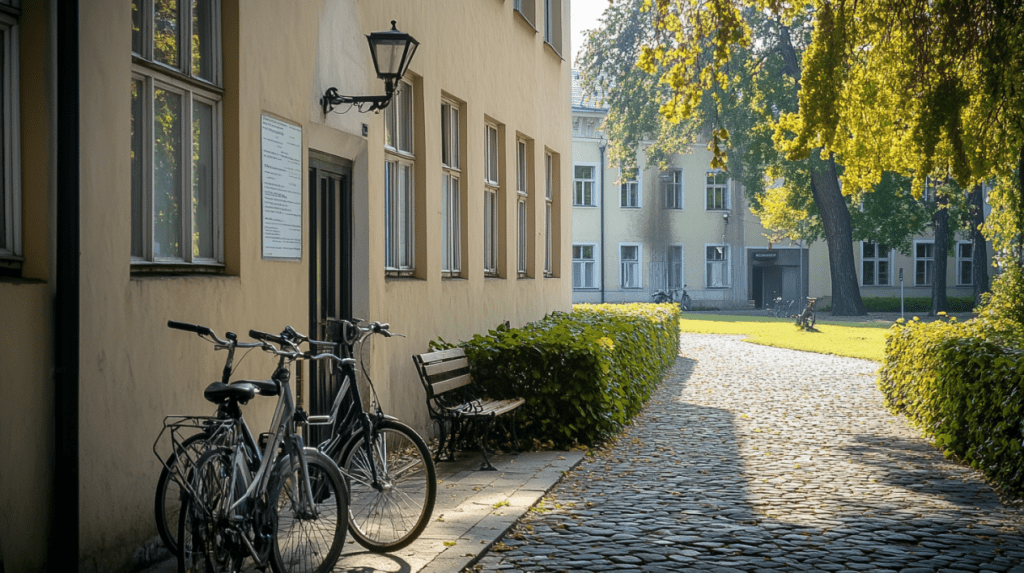
Ben was waiting just outside the university guesthouse, wearing a dark jacket and carrying a well-used duffel bag over one shoulder. He raised a hand in greeting as the van pulled up.
“Morning,” Tomas greeted, stepping out briefly to open the side door.
“Hey,” Ben replied, stowing his bag and climbing in. “Perfect timing.”
Emma turned in her seat. “Hope you managed some sleep.”
Ben gave a small shrug. “Enough to survive the day. I’ve got my thermos.”
“You and Tomas, with your thermoses,” Julia teased.
“We’re the practical ones,” Tomas replied with a grin as he pulled the car back onto the road.
The van moved steadily south, the buildings thinning into trees, then fields. Every so often, one of them pointed out something—a hawk circling above, a church steeple in the distance, the outline of a river glittering in the valley below.
到學校接 Ben
從老城區接到 Emma 和 Julia 後,Tomas 沿著一條較寬的主路,開往大學附近。樹梢已被晨光染成柔和的金黃,陽光像斑駁的畫筆一樣在儀表板上滑過。
Ben 已經在大學招待所外等著了,穿著深色夾克,肩上背著那只熟悉的舊旅行袋。他看到車來,抬手揮了揮。

「早啊,」Tomas 一邊下車打開側門,一邊打招呼。
「剛剛好,」Ben 把袋子塞進車裡,上車坐好。
Emma 回頭看了他一眼,「希望你昨晚有睡飽?」
Ben 聳了聳肩,「夠撐一整天了。我有帶熱茶。」
「你跟 Tomas 都是保溫瓶愛好者,」Julia 開玩笑道。
「我們是實用派,」Tomas 一邊微笑著說,一邊重新開上南下的公路。
車子平穩地往南行駛,城市慢慢淡出視線,取而代之的是越來越多的樹林與農田。沿路不時有人指著窗外——一隻盤旋的老鷹、遠方村落的教堂尖塔、還有山谷間閃閃發亮的河流輪廓。
Picking Up Renata
The countryside unfolded gently as they drove southward, fields rolling out like soft green waves. From the back seat, Ben pointed out the shifting colors of early summer—patches of yellow rye, white wildflowers by the roadside, and the deepening greens of pine woods.

Tomas slowed the van as they approached a narrow turnoff, bordered by a simple wooden fence. Just ahead, a small pale yellow cottage peeked through the trees.
“There it is,” Emma said, leaning forward slightly.
Renata was already outside, standing on the gravel path with a basket by her feet and a small travel bag slung over her shoulder. She waved, a familiar smile on her face, scarf fluttering slightly in the breeze.
“You brought the whole team,” she called, walking toward the van.
“Ready for the road?” Julia asked, hopping out to help with the basket.
Renata nodded. “As I’ll ever be. I even packed nettle chips and strawberry jam for the drive.”
She handed her bag to Ben, who tucked it neatly into the back. Tomas glanced at the clock and started the engine again.
“Let’s head out before the weekend traffic catches up.”
As they pulled away, Renata looked back once at the small house, then forward—toward the horizon they were all about to chase.
接 Renata 出發
車子一路往南,窗外的田野緩緩展開,像柔軟的綠色波浪。坐在後座的 Ben 指著路邊說:「這邊的顏色變得好快——那是剛成熟的裸麥,那邊有野花,還有濃得發亮的松林。」
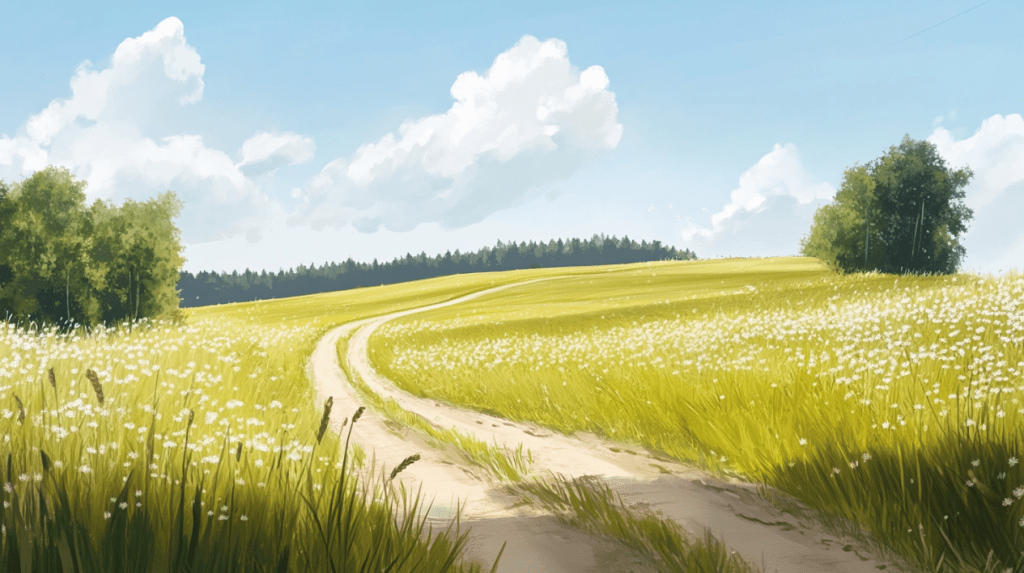
Tomas 放慢車速,車子轉進一條小路,路邊是一排簡單的木籬笆。前方不遠處,一棟淡黃色的小屋從樹叢後探出身來。
「到了,」Emma 輕輕說了一句。
Renata 早已在屋外等候,腳邊放著一個編織籃,肩上背著一只小旅行袋。她朝車子揮揮手,熟悉的笑容在風中展開,頭巾隨風輕輕飄動。
「全員都來啦,」她笑著走向車子。
Julia 立刻跳下車,「準備好了嗎?」
「能準備的都準備了,」Renata 點頭,「我還帶了蕁麻餅乾和草莓果醬,路上可以吃。」
她把行李交給 Ben,Ben 把它整齊地放進後車廂。Tomas 看了一眼時間,重新發動引擎。
「趁假日車潮還沒來,我們先上路吧。」
車子轉出小路,Renata 回頭望了一眼小屋,然後把目光轉回前方——他們即將一起前往的風景,才正要展開。
Crossing the Neris River
Not long after they left the city, the landscape began to open up. Fields stretched out beyond the roadside, and the distant line of forests grew closer with every kilometer.
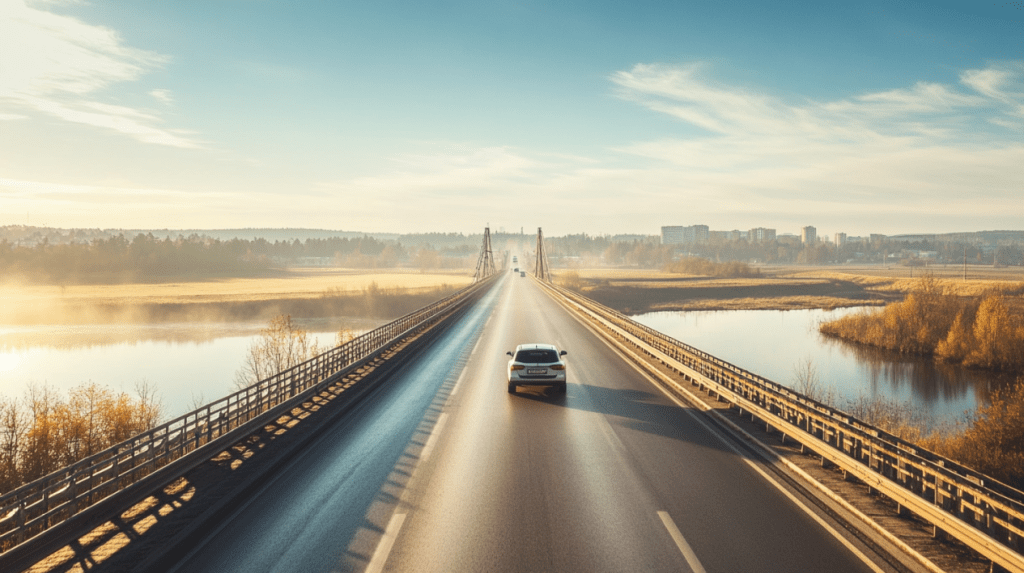
As they crossed a broad bridge, Emma glanced out the window. Below them, a wide river flowed steadily, catching the pale morning light.
Tomas pointed casually. “That’s the Neris River. It’s one of Lithuania’s major rivers — it runs right through Vilnius and connects to the Nemunas downstream."
Ben looked back toward the city skyline fading behind them. “So the whole city grew around this river?"
“Exactly," Tomas said. “Rivers like the Neris were everything in the past — for trade, defense, travel. Vilnius wouldn’t be where it is without it."
Julia watched the water gleaming below. “It’s strange to think we’re already leaving the capital behind. Just a few minutes, and it feels like we’re entering a different world."
Tomas smiled. “That’s Lithuania for you. Cities are small. Forests are never far."
The bridge disappeared behind them, and soon the trees on both sides of the road grew taller, the air cooler, and the sky wider.
跨越涅里斯河
離開城市不久,視野開始開闊起來。道路兩旁是延伸出去的田野,而遠方的森林線一點一點拉近。
車子駛上了一座寬闊的橋,艾瑪望向窗外。橋下,一條寬闊的河流穩穩地流著,映著淡淡的晨光。
托馬斯隨口指了指:「那是涅里斯河(Neris River),立陶宛最主要的河流之一——從維爾紐斯穿城而過,最後匯入涅穆納斯河(Nemunas)。」
Ben回頭望了一眼逐漸遠去的城市天際線:「所以整座城市是圍著這條河發展起來的?」
「沒錯,」托馬斯說。「在過去,河流就是一切——貿易、防禦、旅行。沒有涅里斯河,就不會有今天的維爾紐斯。」
茱莉亞看著河面閃著微光的水波,小聲說:「才開出來幾分鐘,就好像離開了一個世界,進入另一個世界一樣。」
托馬斯笑了笑:「這就是立陶宛。城市很小,但森林永遠不遠。」
橋在背後慢慢遠去,路兩旁的樹越來越高,空氣漸漸變得涼爽,天空也顯得更寬闊了。
On the Road South
As the car left the outskirts of Vilnius, morning sunlight filtered through the treetops, and the air still carried the cool dampness of early dew. The city gradually disappeared in the rearview mirror, replaced by gentle hills and an increasing number of forested areas. Small villages scattered between potato fields and beekeeping boxes came into view, and the landscape began to stretch out—open and unadorned.

After nearly an hour on the road, Tomas pulled over at a roadside gas station that also served as a café. The building was simple, its faded sign barely legible, and a few wooden tables sat outside. Across the road, a handful of dairy cows were chewing cud lazily in the shade of the trees.
“Let’s grab some coffee,” he said, glancing at the back seat. “This might be the last place with hot water before we hit the forest.”
A Pause in Dzūkija
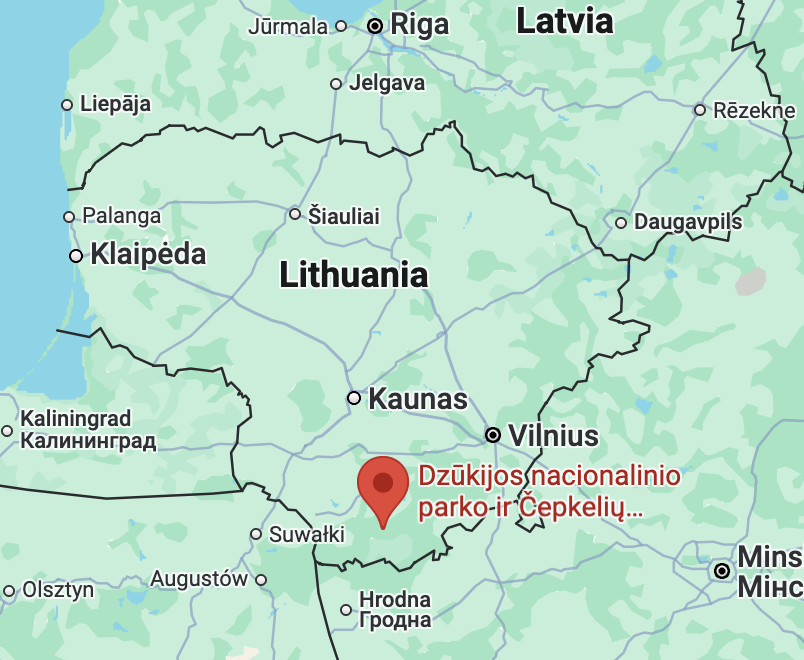
Emma sat down with a hot cup of coffee, glancing toward the distant pasture. “Which region are we in now?”

Renata nodded, “We’re right at the northern edge of Dzūkija. This whole southern part is mostly forest and little villages.”
Ben, adding a dash of milk to his cup, asked, “Isn’t this area mostly agricultural?”
Tomas took a sip of his tea and answered calmly, “Farming is still a major part, yes, but a lot of people also commute into town for work. Historically, this region was known for logging and wild mushroom foraging. You’ll find it’s a bit more conservative here compared to the north, and much closer to nature. The terrain is mostly sandy plains and coniferous forests.”
Julia, studying the map in her hands, added, “So the climate’s probably drier than the north?”
Renata nodded. “Yes, even though Lithuania overall has a temperate oceanic climate, the south tends to be drier in summer and less cold in winter. You’ll notice the plants are different too—lots of conifers, lichens, blueberries, and lingonberries around here.”
Emma watched a rusty old tractor trundle past. “So there aren’t any major cities in this part?”
Tomas replied, “The biggest town in Dzūkija is Alytus, but it’s still pretty small, only tens of thousands of people. Most folks live in villages like this. The population is sparse, but the communities are tight-knit.”
They drank quietly, the wind kicking up a bit of dust across the lot. Ahead of them was the forest boundary. Julia pulled out her camera and gently wiped the lens. Emma, flipping through her notebook, began sketching a lupine flower.

“Let’s take five more minutes,” Tomas said. “After this, we’re heading deeper into the south. The landscape gets even quieter from here.”
南行路上
車子駛離維爾紐斯市區時,陽光從樹梢間灑落,早晨的空氣還帶著一點露水的清涼。城市的輪廓慢慢在後視鏡中退去,取而代之的是平緩的丘陵與逐漸增多的林地。幾座低矮村落間散布著馬鈴薯田與養蜂箱,景色漸漸變得寬闊而樸實。
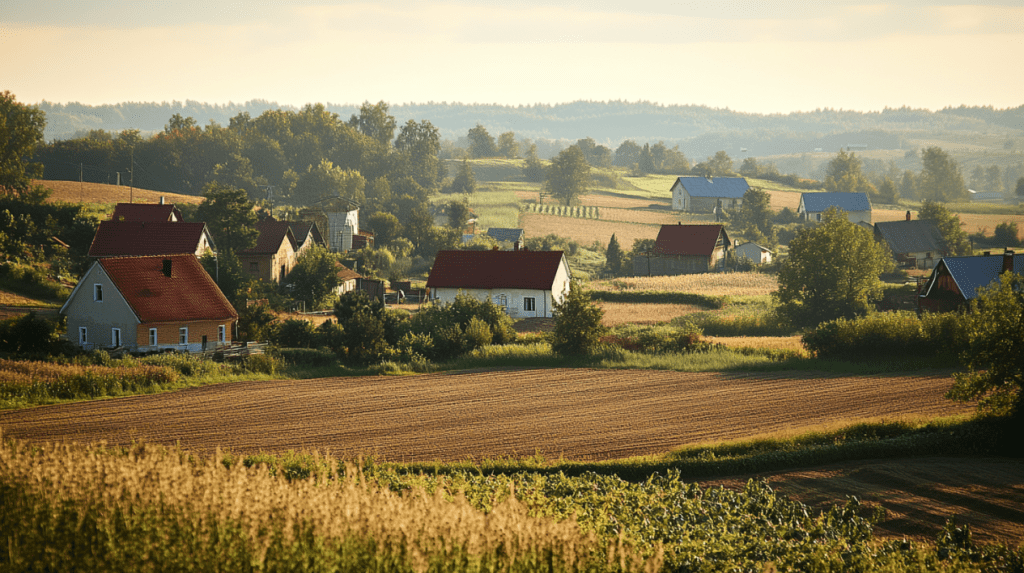
開了將近一個小時後,Tomas 在一個路邊的加油站兼咖啡館前停了下來。這裡的建築簡單,牆上漆著退色的字樣,前方有幾張木桌,還能看見對面牧場裡的幾頭奶牛在樹蔭下反芻。
「來喝杯咖啡吧。」他說,轉頭看了後座一眼,「等一下進森林前,這裡算是最後一個有熱水的地方。」
在Dzūkija地區的休息時刻

Emma 端著熱咖啡坐下,看著遠方的牧場問道:「這附近算是哪一區了?」
Renata 點點頭,「這裡已經算是 Dzūkija 地區的北緣了。整個南方都是這樣的森林和小村落。」
Ben 加了一點牛奶,說:「我聽說這裡的人大多不是靠農業嗎?」
Tomas 抿了一口茶,慢條斯理地說:「農業還是主要的,不過也不少人進城工作,早期這一帶有伐木和採集野菇的傳統。你們會發現這裡比北部保守一點,也更靠近自然。地形以沙質平原和針葉林為主。」
Julia 看著手中的地圖,補充:「所以氣候也比北方乾燥一點吧?」
Renata 點頭:「對,雖然整個立陶宛都屬於溫帶海洋性氣候,但南部夏天偏乾,冬天比較不那麼冷。你們會注意到植物種類也不太一樣,像這邊有很多針葉林、地衣、還有藍莓和越橘。」
Emma 看著不遠處一台舊拖拉機經過,「所以這裡沒有什麼大城市?」
Tomas 回答:「Dzūkija 裡最大的城市是 Alytus,但也不過幾萬人而已。大部分人都住在像這樣的小村子裡。人不多,但社群很緊密。」
他們靜靜喝著咖啡,風吹過地面捲起一點灰塵。從這裡再往前,就要進入森林的邊界。Julia 拿出相機擦拭鏡頭,Emma 低頭看著手中的筆記本,畫了一朵羽扇豆。

「再休息五分鐘吧,然後我們就進入真正的南部了,」Tomas 說,「那裡風景會更安靜一些。」
Entering the Quiet South
The road after the café curved gently through increasingly sparse villages. Wooden houses with sun-bleached fences sat quietly by the roadside, their windows open to the warm air. Occasionally, they passed a bicycle leaning against a tree, or a woman in an apron sweeping her front steps.
As they crossed an old iron bridge, the scenery began to shift. The fields grew wider, more textured. Pine forests thickened in the distance, and the road narrowed slightly, bordered now by wildflowers and tall grass waving in the breeze.

Renata turned in her seat to look at the others. “From here on, we’re in Dzūkija proper,” she said. “It’s the most forested region in Lithuania. Fewer cities, more villages, and a lot of foraging.”
“Does that mean mushrooms?” Emma asked, already peering out the window with interest.
“Mushrooms, berries, herbs… you name it,” Renata replied. “Whole families go out during the season. It’s not just tradition—it’s how people stock their pantries.”
Tomas added, “There are still some older folks who sell their finds at tiny roadside stalls. You’ll see—sometimes it’s just a chair, a basket, and a handwritten sign.”
Ben, watching the road roll past, asked, “Is it mostly farming out here?”
“Forestry and small-scale farming, yes,” Tomas said. “And tourism now, especially eco-tourism. But it’s quiet. People grow what they eat and make what they need. It’s slower, but steady.”

Julia glanced down at her notebook. “Do they still live in those wooden homes we saw?”
“Many do,” Renata said. “And you’ll see—they blend into the forest like they’ve always been there.”
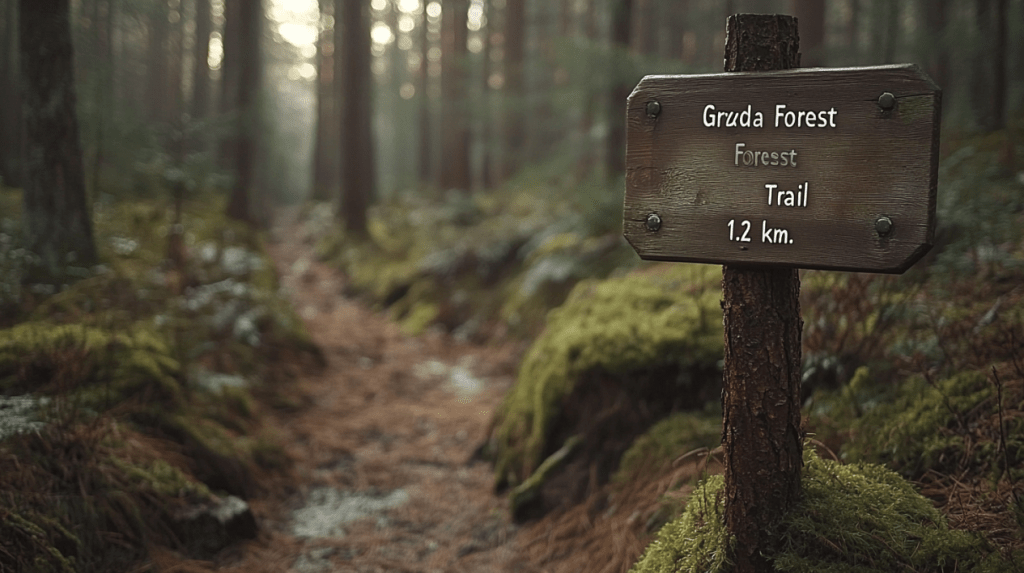
The van turned off the main road onto a narrower gravel path, the tires crunching softly. Sunlight filtered through the trees, casting scattered shadows on the windshield. A wooden sign nailed to a pine read: “Grūda Forest Trail – 1.2 km.”
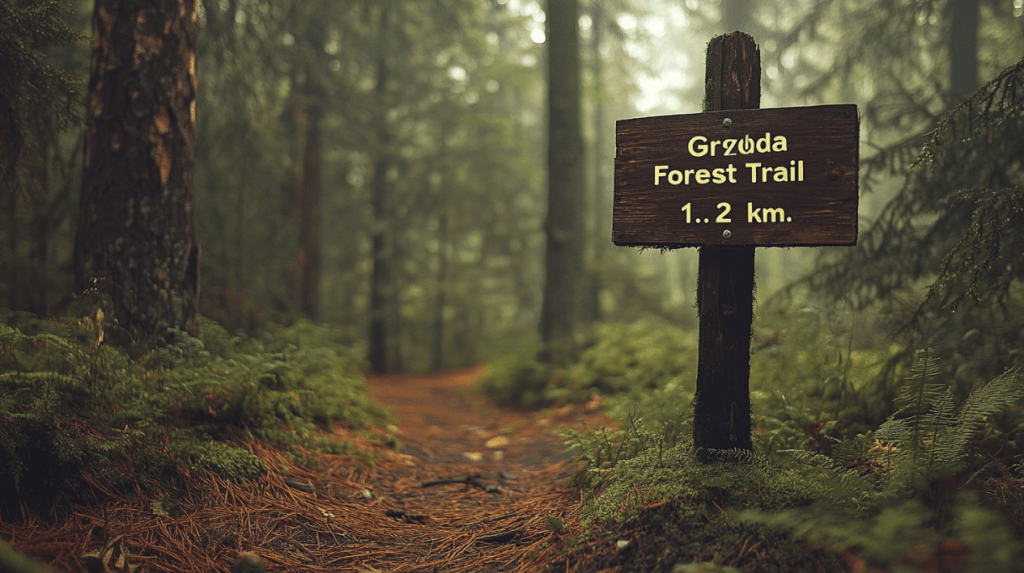
Tomas slowed the car. “There’s a spot just up ahead,” he said. “Good place to stretch our legs—and maybe see some early mushrooms.”
進入寧靜的南方
離開咖啡館之後,車子駛過幾個越來越稀疏的村落。路旁是一棟棟木造老房子,院子裡曬著被單,白色籬笆已被太陽曬得泛灰。偶爾可以看到一台腳踏車靠在樹下,或是一位穿圍裙的婦人,正用掃帚清理台階。
穿過一座老舊的鐵橋之後,景色開始轉變。田野變得開闊,顏色也更有層次。遠方的松林愈來愈濃密,路變窄了,兩側則是隨風搖曳的野花與高草。
Renata 轉身看著大家:「從這裡開始,我們就真正進入 Dzūkija 區了。這是全立陶宛森林覆蓋率最高的地方。城市少,村莊多,還有大量的採集文化。」
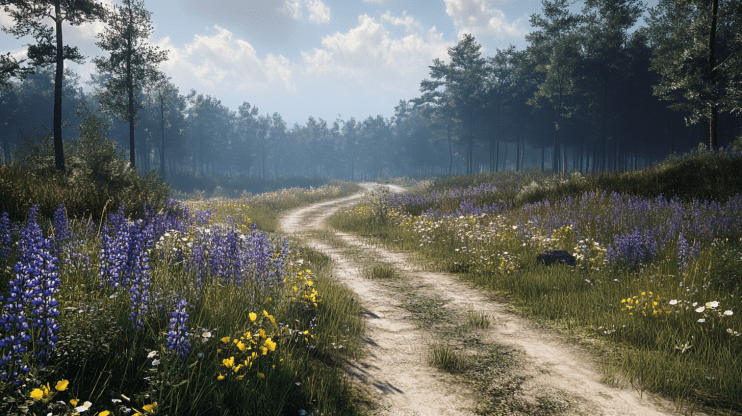
「採菇那種嗎?」Emma 已經靠著窗戶張望。
「不只,還有莓果、草藥……你想得到的野生植物幾乎都有,」Renata 笑道,「整個家庭會一起出門採集,不只是傳統,很多人家的冬季食材都靠這些。」
Tomas 補充:「有些年長的居民會在路邊擺個小椅子,一籃東西和一塊寫字板,就開賣了。」

Ben 看著窗外問:「這邊主要的經濟來源還是農業嗎?」
「主要是林業和小規模的農耕,」Tomas 回答,「現在也有一些生態旅遊,但整體還是很安靜。大家過得不快,但很實在。」
Julia 看了一眼她的筆記本,「剛剛那些木屋還有人住嗎?」
「有啊,」Renata 點頭,「你等等會看到,那些房子好像長出來的一樣,跟森林融在一起。」
車子轉出主要幹道,進入一條較狹窄的碎石路,輪胎壓在石子上發出輕微聲響。陽光穿過樹梢,在擋風玻璃上灑下斑駁的光影。松樹上釘著一塊木牌:“Grūda 森林步道 – 1.2 公里”
Tomas 放慢了車速。「前面有個地方可以停下來,」他說,「可以下來走走,也許還能看到第一批出土的香菇。」

 Virtual Travel | 虛擬旅行沉浸式英語學習
發表留言