
Arrival at the Ferry Terminal and Boarding
Tomas turned off the main road, following signs for the ferry terminal.
The city noise dropped behind them, replaced by the hollow echoes of seagulls and the low clank of cranes moving containers.

They pulled into a small parking area. Ahead, the ferry terminal was functional — a squat building of glass and concrete, with a handful of ticket booths and a waiting area that smelled faintly of salt and diesel.
Ben stretched as he got out of the car. “Feels like we’re about to leave the city behind."
Emma scanned the harbor — the slow movement of ships, the cranes frozen mid-air like mechanical birds, the open flatness of water just beyond.

They bought their tickets — a simple process, a few words exchanged in English — and drove into the boarding lane. Other cars waited ahead of them, most with surfboards, bicycles, or hiking gear strapped to their roofs.
Julia leaned against the open car door, looking across the harbor.
“It already feels different," she said softly. “Like the air’s thinner. Lighter."
Renata smiled. “The sand is waiting."
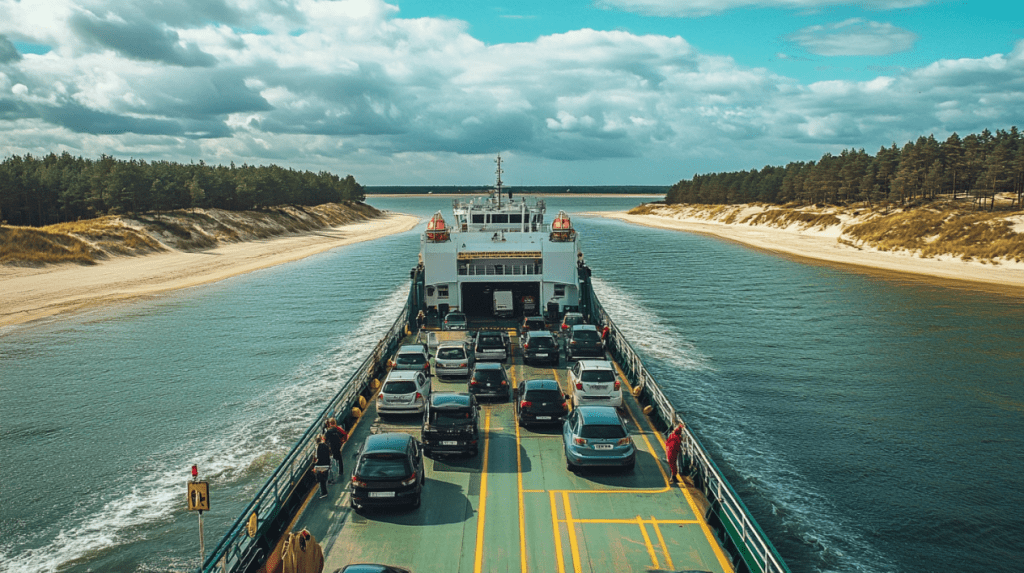
The ferry arrived — squat, low, painted a worn blue and white. Vehicles began to roll aboard, and Tomas steered them forward.
They found a spot along the side, climbed out, and made their way to the outer deck. The air was fresher here, tinged with salt and the soft roar of wind over open water.
The city shrank behind them. Ahead, a thin green strip — the Curonian Spit — rose out of the lagoon like a quiet promise.
Ben leaned against the ferry railing, watching the city shrink behind them.
“Not a long ride, huh?"
Tomas nodded. “Five, maybe ten minutes. It’s quick — just crossing the channel."
Julia smiled. “Still feels like we’re leaving something bigger behind."
Emma looked ahead, squinting against the bright water. “And heading into something… thinner, quieter."
The ferry hummed steadily under their feet, cutting across the pale blue water. Ahead, the green line of the Curonian Spit grew sharper.

抵達港口與登船
托馬斯轉下主幹道,順著渡輪碼頭的指標前行。城市的喧囂漸漸被拋在後頭,只剩下海鷗空曠的叫聲,以及吊車搬動貨櫃時低沉的金屬聲響。
他們開進一個小小的停車場。 前方的渡輪碼頭建築低矮,玻璃與混凝土砌成,只有幾個售票窗口和一個帶著鹽味與柴油味的候船區。

Ben一下車就伸了個懶腰,笑著說:「感覺真的要離開城市了。」
艾瑪環顧四周,望著港口裡緩緩移動的船隻,像機械鳥一般停在半空中的吊車,還有不遠處水面的一片空曠。
他們買票的過程很簡單,只是簡單地用英文確認了幾句話,然後把車開進了排隊區。 前方的車輛有些載著衝浪板,有些綁著自行車或背包裝備,氣氛輕鬆而帶著點冒險的味道。
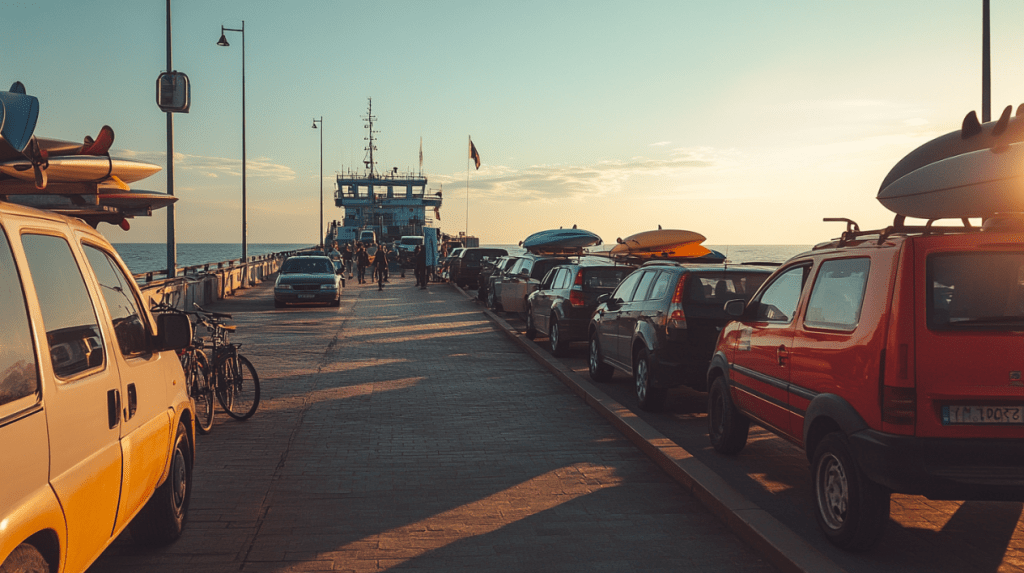
茱莉亞倚在打開的車門邊,輕聲說道:「空氣都不一樣了。好像……變輕了。」
雷娜塔笑了笑:「沙子在等我們呢。」
渡輪慢慢靠岸了——低矮,藍白色的船身已經有些斑駁。車輛一輛輛開上船,托馬斯也跟著緩緩前進。
他們停好車後,一起走上了外層的甲板。這裡的空氣更清新,帶著鹽味和風在水面上奔流的低鳴。
城市的輪廓漸漸在後方縮小。而在前方,一條細細的綠色長帶——庫洛尼亞沙嘴——靜靜地浮現在潟湖之上,像一個低聲的承諾。
Ben靠在渡輪欄杆上,看著城市輪廓越來越遠。
「這段航程不長吧?」
托馬斯點點頭:「五分鐘,頂多十分鐘。只是穿過潟湖的這條水道,很快就到。」
茱莉亞輕輕笑了笑:「但感覺好像真的離開了什麼重要的地方。」
艾瑪眯起眼看向前方,水面被陽光映得發亮。「也像是正要進入一個更單純、更安靜的地方。」
渡輪在腳下穩穩震動著,切過淺藍色的水面。
前方,庫洛尼亞沙嘴的綠色輪廓漸漸清晰。

Geology, Geography, and Life
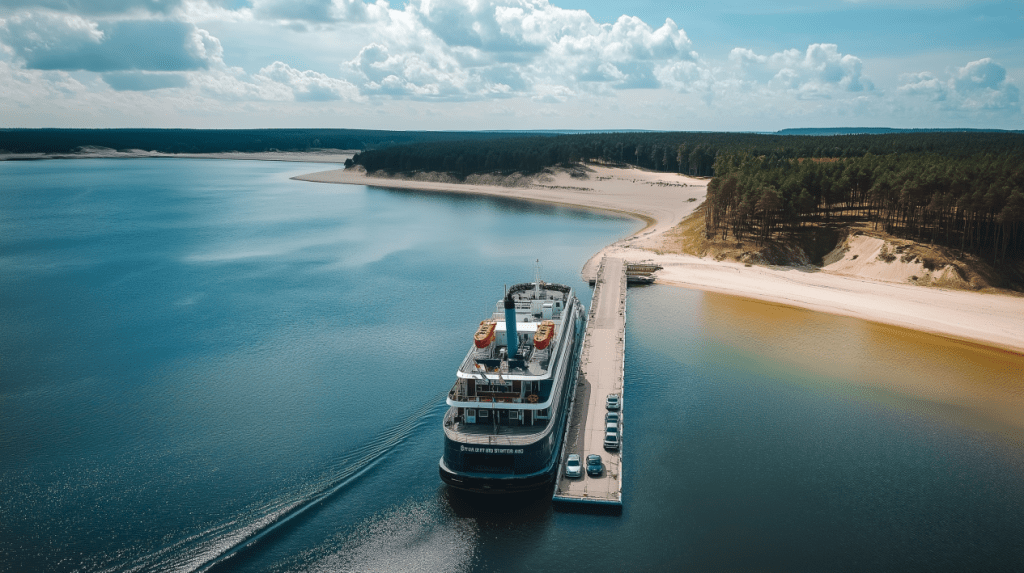
The ferry bumped lightly against the dock. They drove off the boat and followed the narrow road, sand and pine pressing close on either side.
Julia leaned forward, looking out the windshield.
“You know," she said, “this whole spit was shaped by wind, water, and human hands. It’s not just a natural sandbar. People had to replant forests here for centuries to keep it from washing away."
Emma turned toward her. “Really? I thought it was all natural."
Julia shook her head. “No — by the 18th century, parts of it were almost destroyed. Forests were cut, sand dunes started moving inland, burying villages. Reforestation programs saved it. It’s a kind of engineered wilderness."
Ben whistled softly. “So it’s both natural and man-made?"
“Exactly," Julia said. “It’s alive because people kept fighting to stabilize it."
Tomas joined in, one hand resting casually on the steering wheel.
“And it shaped us, too," he said.
“This strip protected the lagoon — gave fishing villages a chance to survive. Later, it became a route for trade, and now… it’s one of our most famous places for tourism."
Emma asked, “Is tourism a good thing here?"
Tomas hesitated.
“Good and bad. Good for jobs, good for awareness. But it’s fragile. Too much pressure, and the dunes collapse again. We learned that the hard way."
Julia smiled, tapping the dashboard lightly.
“Living with land like this… it teaches patience."
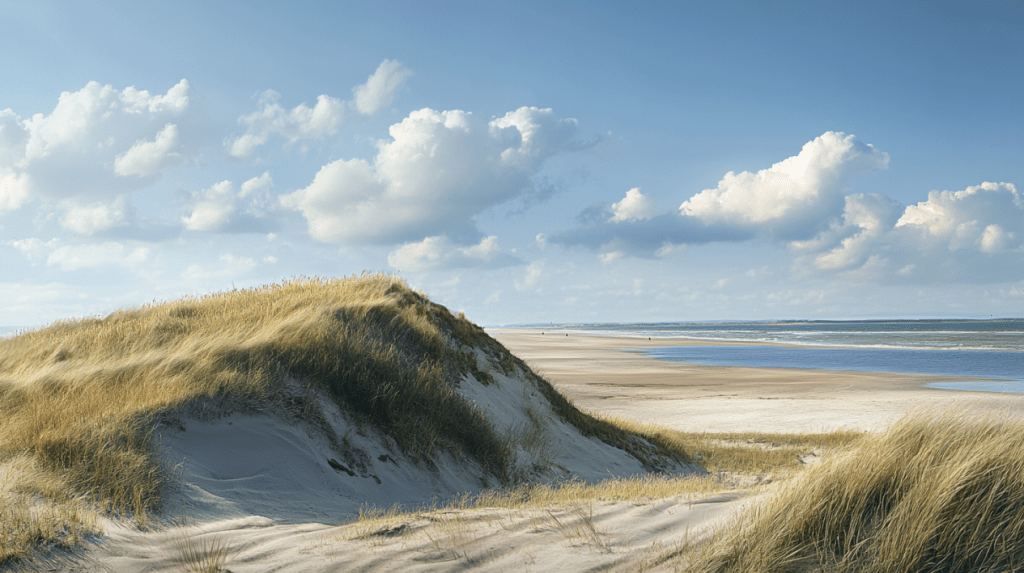
The road curved slightly, opening up to a view of pale dunes shimmering under the soft summer sun.
地質、地理與生活
渡輪輕輕地靠上碼頭。他們開下船,沿著窄窄的道路前行,兩旁是緊貼著的松林與沙地。
茱莉亞往前探了探身子,望著擋風玻璃外的景色。
「你們知道嗎,」她說,「整個沙嘴是風吹、水流、還有人為努力共同塑造出來的。不只是天然形成的沙洲——人們花了好幾個世紀種樹,才能讓它不被沖毀。」
艾瑪轉頭看她,驚訝地問:「真的?我以為這裡是自然生成的。」
茱莉亞搖搖頭。
「不是的——十八世紀的時候,這裡一度幾乎要被摧毀了。森林被砍光,沙丘開始往內陸移動,把村莊都埋了。後來推動了大規模造林,才救回來。這裡是被人努力維護出來的『野地』。」
Ben輕輕吹了聲口哨。「所以這裡又是自然的,也是人造的?」
「沒錯,」茱莉亞說,「能維持到今天,是因為一代又一代的人在這裡和土地抗衡。」
托馬斯也加入了話題,一手輕鬆地搭在方向盤上。「這塊土地也改變了我們,」他說,「沙嘴保護了潟湖,讓漁村得以生存。後來又成為貿易的通道,到了今天……變成了立陶宛最有名的觀光地之一。」
艾瑪問:「那觀光對這裡是好事嗎?」
托馬斯稍微停頓了一下。「好也壞。能帶來就業機會,也提高了大家對這片土地的認識。但同時也很脆弱。人太多,沙丘就又開始崩塌。我們吃過這方面的苦頭。」
茱莉亞輕輕敲了敲儀表板,笑著說:
「跟這樣的土地生活……會學會什麼叫做耐心。」
道路微微轉了個彎,前方,淡淡的沙丘在初夏陽光下閃著溫柔的光。
First Stop on the Curonian Spit
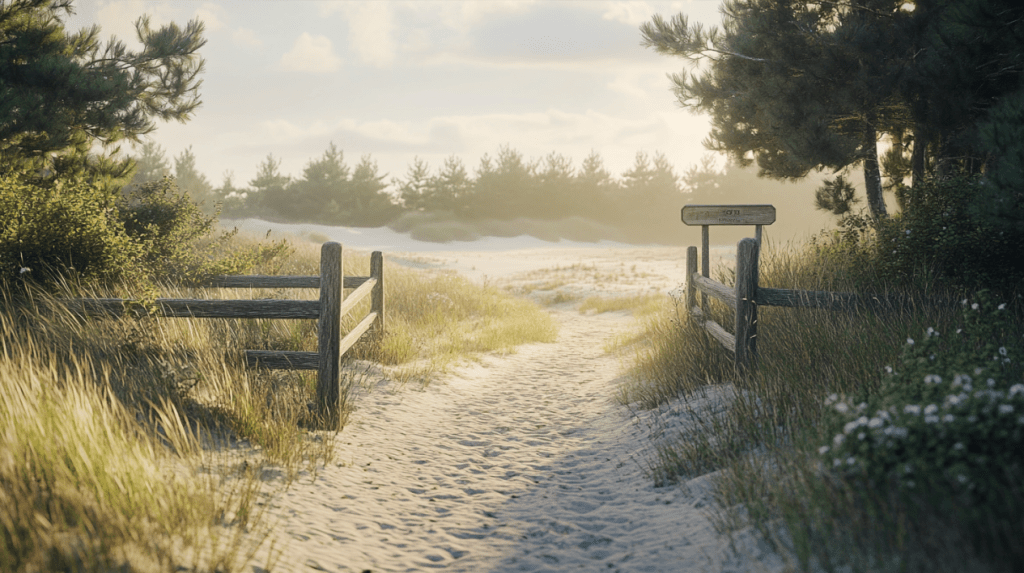
Tomas turned off onto a small gravel parking area near a trailhead.
A simple wooden sign pointed toward a path winding through low pines and grasses.
Beyond it, faint golden dunes shimmered under the early afternoon sun.
“Let’s stretch our legs," he suggested.
They got out of the car, the air instantly different — lighter, sharper, with the faint dry scent of sand and pine needles.
Julia adjusted her backpack and walked a few steps ahead. “The dunes here aren’t just natural. They’ve been reshaped, rebuilt, protected over centuries. Left alone, the wind would tear them down."
Ben looked around, noting the wooden fences that ran along parts of the trail. “Are these to stop people from trampling the sand?"
“Partly," Julia said. “And partly to stop the wind from breaking through.
It’s incredibly fragile. If a path opens, the sand starts moving again — and it doesn’t stop."
Emma crouched down to look at a clump of tough, silver-green grass.
“This helps too?"
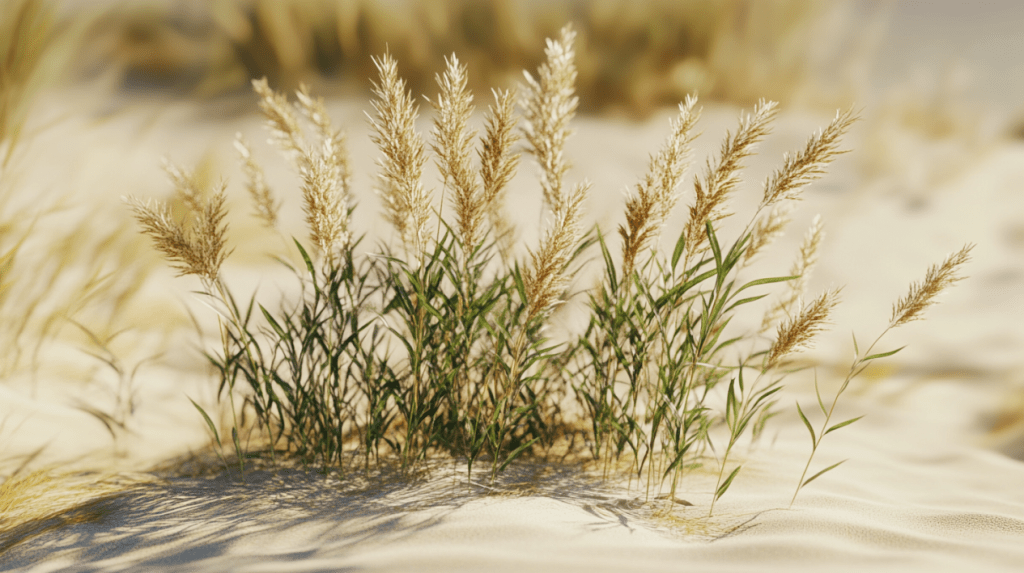
Julia smiled. “Yes. Plants like marram grass anchor the dunes. Without them, everything would blow away."
Tomas added, “There used to be villages here. Some were buried when the dunes shifted."
Renata looked up from her camera. “Buried?"
Tomas nodded. “Gone. Swallowed by the sand. That’s why there are strict rules now — no walking off marked paths, no disturbing the vegetation.
It’s not just for beauty. It’s survival."
They continued along the trail, the pale sand bright against the deep green of the pines, the open sky stretching wide above them.
沙嘴上的第一站
托馬斯將車子停進一個碎石鋪成的小型停車區,附近有一個簡單的木製指標,指向一條蜿蜒穿過低矮松林和野草的小徑。遠遠的,淡金色的沙丘在初夏午後的陽光下微微閃光。

「下來走走吧,」他提議。
他們下了車,空氣立刻變了——變得更輕盈、更乾爽,帶著一點沙子和松針的氣味。
茱莉亞背好背包,走在前面幾步。「這裡的沙丘其實不是完全自然形成的,」她說,「歷史上被重塑、保護了好幾個世紀。要是不管它,風很快就能把這片地方摧毀掉。」
Ben環顧四周,注意到步道旁邊立著幾段木圍欄。
「這是為了防止遊客踩壞沙丘嗎?」
「一部分是,」茱莉亞回答,「另一部分是為了防止風從地表打穿。這裡非常脆弱,只要地面出現一條空隙,沙子就會重新流動,而且一發不可收拾。」
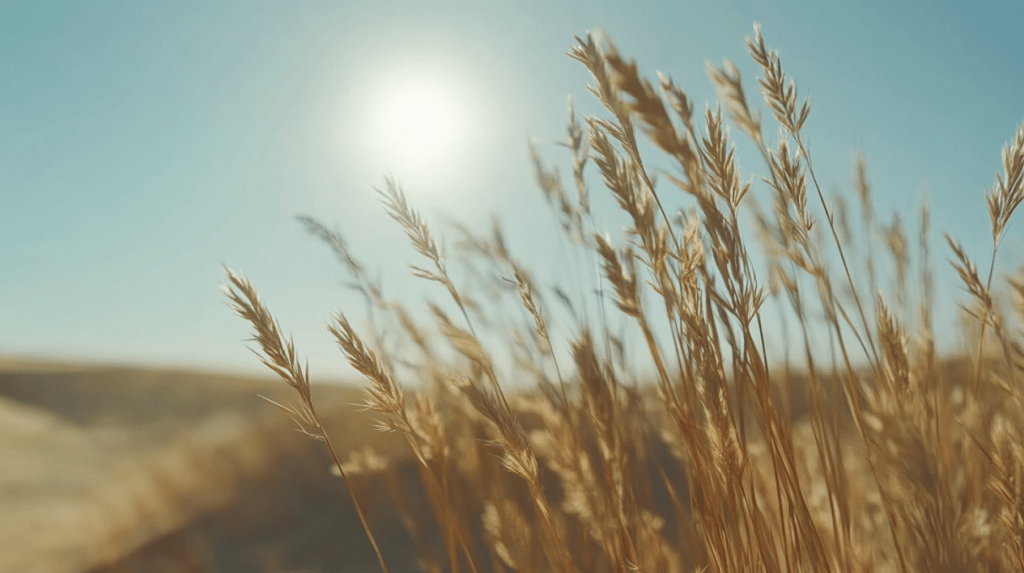
艾瑪蹲下來,仔細看著一叢銀綠色的堅韌野草。
「這些植物也是保護的一部分嗎?」
茱莉亞微笑著點頭。「是的。像這種沙丘草(marram grass)可以固定沙層,沒有這些植物,整片沙丘很快就會被風吹散。」
托馬斯補充說:
「以前這一帶有好幾個村莊,因為沙丘移動,整個被埋了。」
雷娜塔放下正在拍照的相機,驚訝地問:「被沙子埋了?」
托馬斯點點頭。「對,整個村子消失了,變成沙丘的一部分。所以現在這裡的規定很嚴格—不能走出步道,不能破壞植被。這不是為了觀光漂亮,而是為了生存。」
他們沿著小徑慢慢前行,淡淡的沙丘在松林深綠色的背景下格外耀眼,
天空寬闊而安靜地展開在他們頭頂。
More aboute Curonian Spit
Julia leaned on the ferry railing, watching the narrow green line grow closer. “So technically, it’s not an island," she said.

Emma glanced at her. “Really? I thought it was."
Julia shook her head. “It’s a spit — a sand formation. It connects to Russia at the south. Here at Klaipėda, we need the ferry because there’s a shipping channel cut through."
Tomas added, “Without the channel, you could walk or drive across.
But the port needed an entrance, so they built the cut."
Ben looked thoughtful. “So it’s attached… but also separated?"
“Exactly," Tomas said, smiling.
Ben pointed down the long stretch of sand.
“So if we just kept walking south, we’d end up in Russia?"
Tomas shook his head.
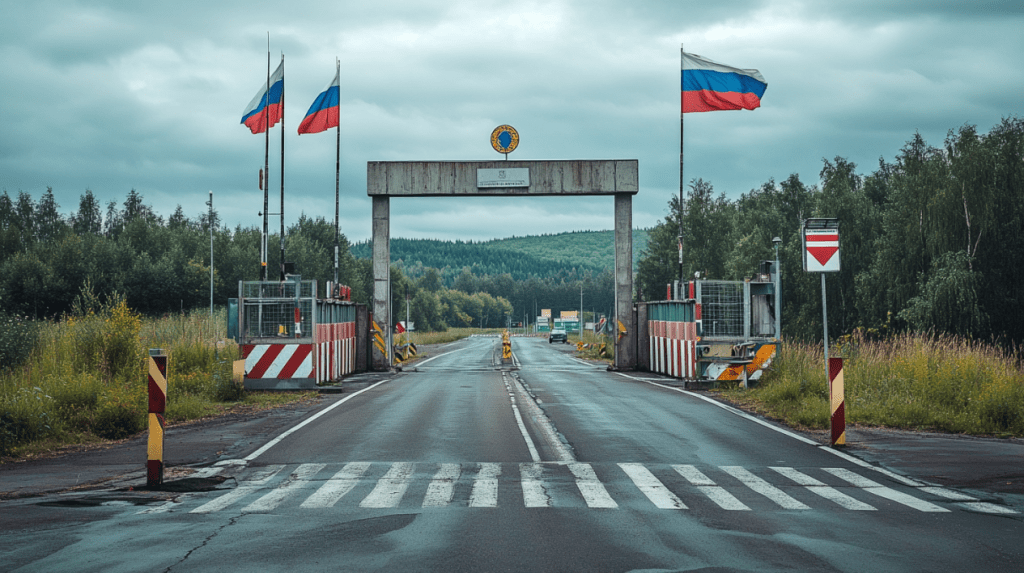
“Not without a visa. There’s a border checkpoint. You need Russian permission to cross."
Emma looked surprised. “I thought it was just one long natural area."
Julia smiled.
“Geography is simple. Politics is not."
Ben looked south across the thin line of dunes.
“If someone had a visa, could they just walk into Russia from here?"
Tomas shook his head.
“In theory, yes. But in reality, almost no one does. The crossing is strict, and you need special permission. Most people enter Kaliningrad through the main land border or by plane."

Emma smiled.
“Seems like this place was made for quiet, not for traffic."
Emma looked south, where the thin line of sand disappeared into the horizon."Being this close to Russia… does it ever feel tense?"
Tomas nodded slowly. “Always. We’re part of NATO, and we trust the alliance. But history never feels far away."
Renata added,
“Living here means knowing peace is precious — and fragile."
Emma watched the ferry drift away from Klaipėda’s port.
“It’s strange to think… standing here, we’re part of both NATO and the EU."
Julia nodded. “And the Schengen zone, too. That’s why we can just drive across most borders without even noticing."
Ben said, “But the Russian side — that’s where everything changes."
Tomas smiled slightly. “Yes. The line between open and closed is very real."
進一步了解庫洛尼亞沙嘴
茱莉亞倚著渡輪欄杆,看著前方那條細長的綠色地帶逐漸逼近。
「嚴格說起來,這裡不是島,」她說。
艾瑪轉頭看她:「真的?我一直以為是。」

茱莉亞搖搖頭:「這是一條沙洲,不是真正的島。南邊是連著俄羅斯的陸地。在克萊佩達這裡,要搭渡輪,是因為港口挖了一條航道切開。」
托馬斯補充說:「如果沒有那條航道,其實可以直接走路或開車過去。
但港口需要一個海上入口,所以才把沙洲切斷了。」
Ben若有所思地說:「所以是連著的,也算是分開的?」
「沒錯,」托馬斯笑著說。
Ben指著那條綿延的沙嘴。「如果一直往南走,是不是就走到俄羅斯了?」
托馬斯搖搖頭。
「沒簽證不行。那裡有邊境檢查站。要有俄羅斯政府核發的許可才能通過。」
艾瑪驚訝地說:「我還以為這整條沙嘴是一片自然連續的地方呢。」
茱莉亞笑了笑。「地理很單純,政治可不是。」
Ben朝著細長的沙丘線望了過去。「如果有人拿到簽證,可以直接從這裡走進俄羅斯嗎?」
托馬斯搖搖頭。「理論上可以,但現實裡幾乎沒有人這麼做。那邊的邊境很嚴格,要事先申請特別通行許可。大部分人還是從陸地大口岸或者搭飛機進去加里寧格勒。」
艾瑪笑了笑。「這地方看起來就不是為了大量交通而存在的。」

艾瑪望向南方,那條細細的沙嘴延伸到視線之外。
「住在這麼靠近俄羅斯的地方……會讓人感到緊張嗎?」
托馬斯慢慢點了點頭。「一直都有那種感覺。我們是北約的一員,我們信任這個聯盟。但歷史的影子,從來沒有真正遠離過。」
Renata 補充說:「住在這裡的人都知道,和平是珍貴的,也是脆弱的。」
艾瑪望著渡輪緩緩離開克萊佩達的港口。「很奇妙……站在這裡,我們其實是北約,也是歐盟的一部分。」
茱莉亞點點頭。「還有申根區呢。這就是為什麼在歐洲大部分地方,開車就能自由跨境,幾乎感覺不到邊界。」
Ben接著說:「但到了俄羅斯那邊……一切就不一樣了。」
托馬斯微微笑了笑。「對,開放與封閉之間的界線,這裡非常真實地存在著。」
Beyond the Border
Emma studied the map carefully. “Wait — if we keep going south, we hit Russia… but it’s not connected to Russia?"
Julia nodded. “Right. That’s Kaliningrad — a Russian exclave. It’s surrounded by Lithuania, Poland, and the sea. No direct land link to Moscow."

Ben whistled. “So it’s like a little island of Russia trapped in Europe?"
Tomas smiled. “Exactly. And it makes this region very… sensitive."
Julia pointed south, across the dunes. “That’s Kaliningrad — but it used to be Königsberg. German territory."
Emma frowned. “Then why is it Russian now?"
Tomas answered, “After World War II, the Soviets took it. The Germans fled or were expelled. They repopulated it with Russians. Lithuania and Poland had no say."
Ben shook his head slowly. “So the people living there today… they’re not the original residents?"
Tomas smiled thinly. “No. The old stories of this land — they belong to people who are gone."
They climbed a small rise in the dunes. From the top, they could see the land narrowing even further, a thin ribbon of sand and forest vanishing into the misty southern horizon.
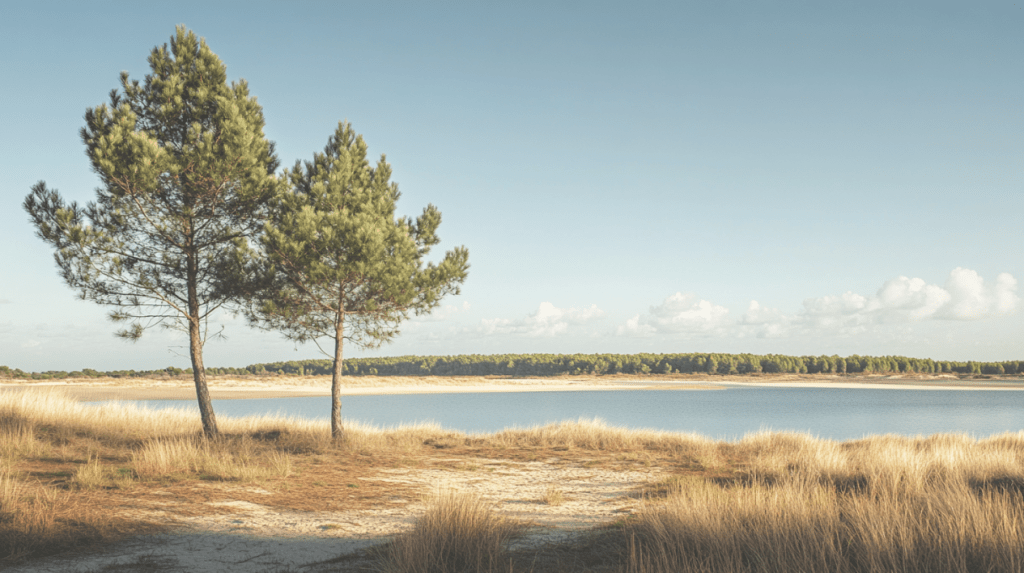
Julia shaded her eyes. “That’s the border. Somewhere down there."
Ben stared for a long moment. “So close. But a whole world apart."
Tomas stood quietly beside him. “In a way, yes. The people there grew up with a different history, a different memory of this land."
Emma turned slowly, facing the north. “And what about us?"
Tomas smiled gently. “We keep walking."
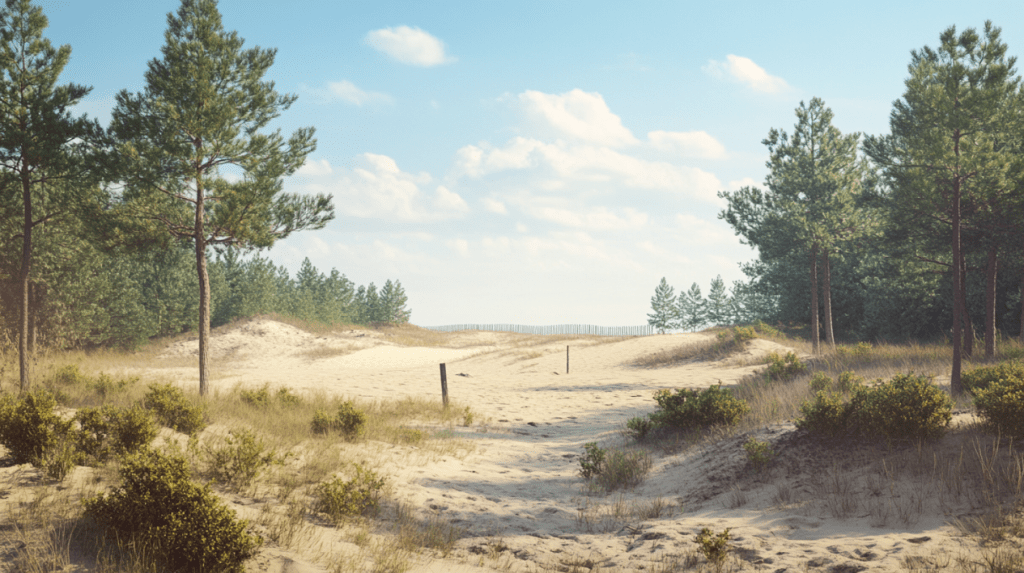
They left the high ground and followed the narrow trail northward. The dunes rolled softly around them, low pine trees bending in the wind,
the sound of the sea steady and far away.
Here, the tension of borders faded, replaced by the simple, endless rhythm of sand, wind, and light.
Tomas checked the time as the car drove north along the narrow road of the spit. “There’s a small town ahead — Juodkrantė. We can stop there to grab something to eat."
Ben smiled. “Good. I’m starting to run low on energy."
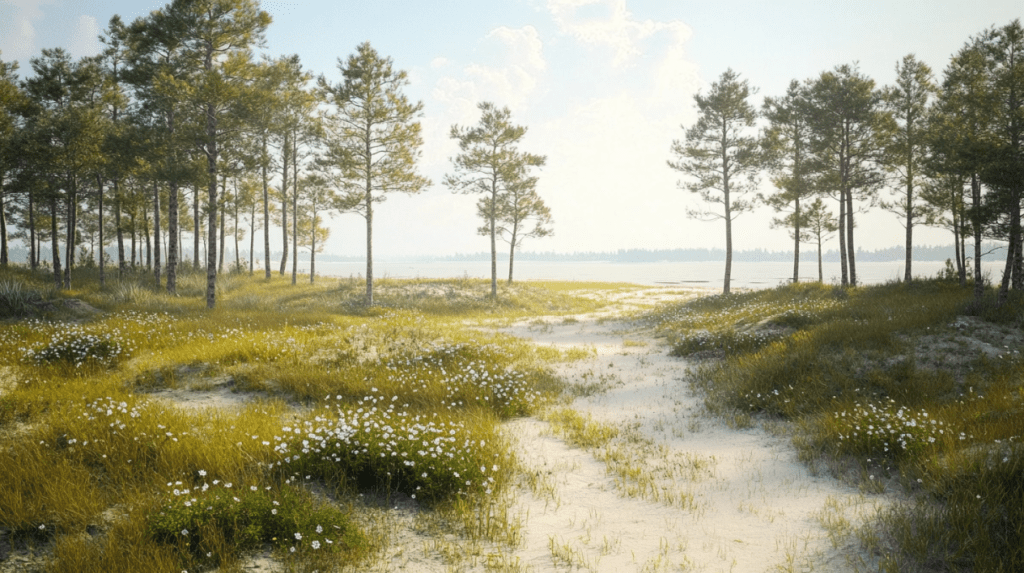
The road stretched ahead, winding between the forests and the shining waters of the lagoon.

邊界之外
艾瑪低頭仔細看著地圖。「等等——如果一直往南走,會到俄羅斯……但跟俄羅斯本土沒連在一起?」
茱莉亞點了點頭。「沒錯。那是加里寧格勒州,是俄羅斯的一塊飛地。
被立陶宛、波蘭和波羅的海包圍著,跟俄羅斯本土是分開的。」
Ben輕輕吹了聲口哨。「所以,這裡像是被困在歐洲中間的一小塊俄羅斯?」
托馬斯笑了笑。「正是。也因此,這個地區一直很敏感。」
茱莉亞指著南方的沙丘彼端。「那是加里寧格勒——但以前叫哥尼斯堡,是德國領土。」
艾瑪皺了皺眉。「那為什麼現在屬於俄羅斯?」
托馬斯接著說:「二戰後,蘇聯佔領了這裡。德國人逃亡或被趕走,然後蘇聯把俄國人遷入這塊地區。立陶宛和波蘭根本沒有發言權。」
Ben慢慢搖了搖頭。「所以現在住在那裡的人……不是原本這片土地的居民?」
托馬斯淡淡地笑了笑。「不是。這片土地真正的舊故事,屬於那些已經消失的人們。」
他們沿著沙丘爬上一個小小的高地。從高處望去,地形變得更加細長,一道細緻的沙與森林帶,漸漸消失在南方朦朧的地平線中。

茱莉亞用手遮住額頭,望向遠方。「邊境就在那下面的某個地方。」
Ben凝視了許久。「看起來那麼近,卻像是完全不同的世界。」
托馬斯靜靜地站在他旁邊。「某種意義上來說,確實是。那邊的人,擁有著不同的歷史,對這片土地,也有著不同的記憶。」
艾瑪緩緩轉過身,朝著北方望去。「那我們呢?」
托馬斯輕輕一笑。「我們繼續走下去。」

他們離開小高地,沿著北方狹窄的小徑前進。沙丘在四周柔和起伏,低矮的松樹在風中微微彎曲,遠方,海浪的聲音輕輕持續著。
在這裡,邊境的緊張感逐漸消散,取而代之的是沙、風與光交織成的一種單純而無盡的節奏。
托馬斯看了看時間,車子沿著狹窄的沙嘴道路往北行駛。
「前面有個小鎮——Juodkrantė,我們可以先停下來吃點東西」
Ben笑了笑。「太好了,我快沒力氣了。」
道路在眼前延伸開來,夾在松林和潟湖閃亮的水面之間。

 Virtual Travel | 虛擬旅行沉浸式英語學習
發表留言