Walking through the Fish Market
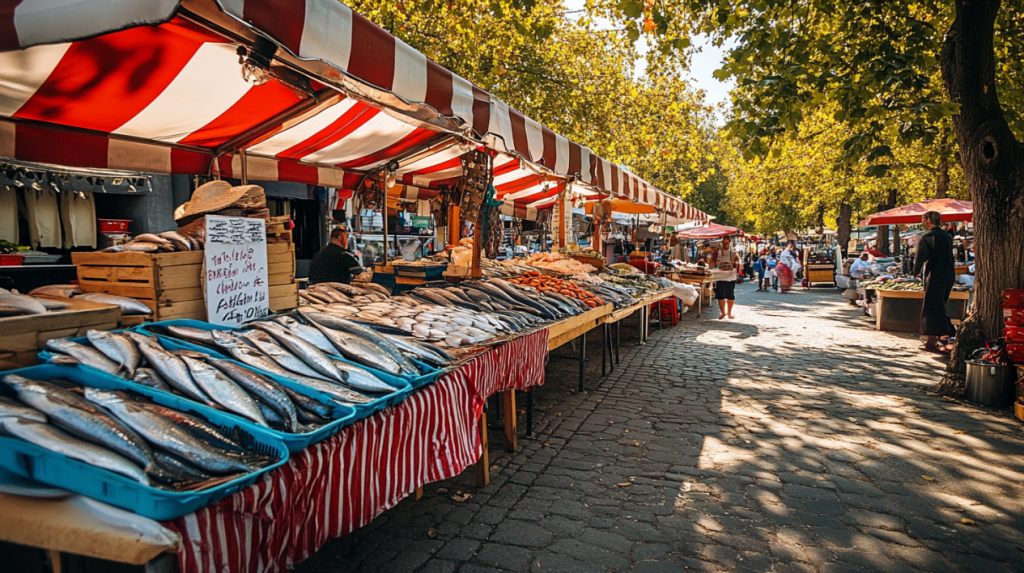
The morning sun had warmed the cobblestones, and a salty breeze drifted in from the lagoon. As the five of them turned the corner toward the market square, the air shifted—suddenly rich with the scent of brine, smoke, and fresh fish.
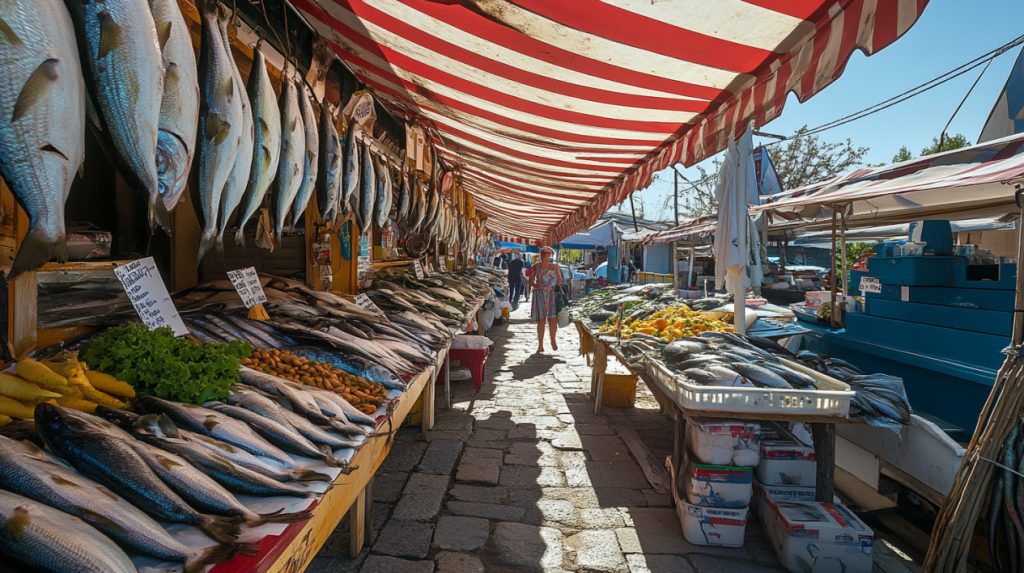
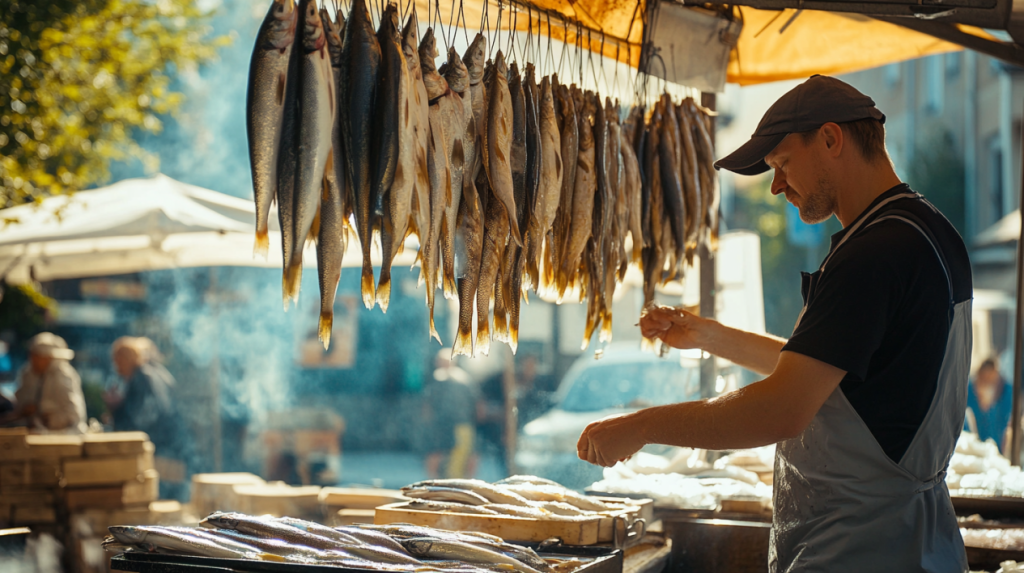
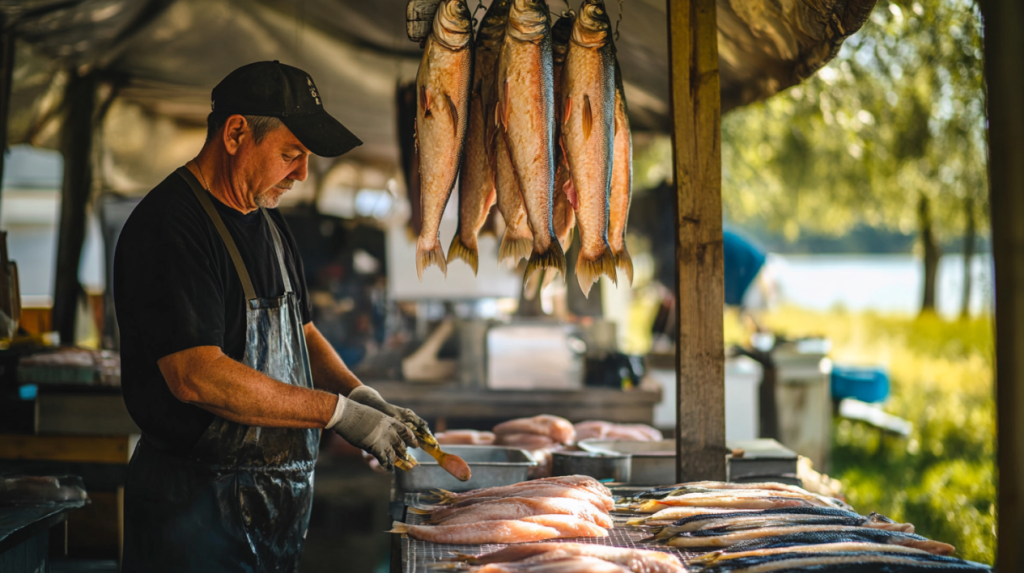
Stalls stretched beneath makeshift canopies and striped umbrellas. Smoked fish hung in rows from iron racks, their golden skins glinting in the light. Some were long and slender—probably pike or zander—while others were rounder, with darker backs. Nearby, wooden tables displayed crates of fresh perch, flounder, and the occasional eel, all laid on crushed ice or blue plastic sheets.
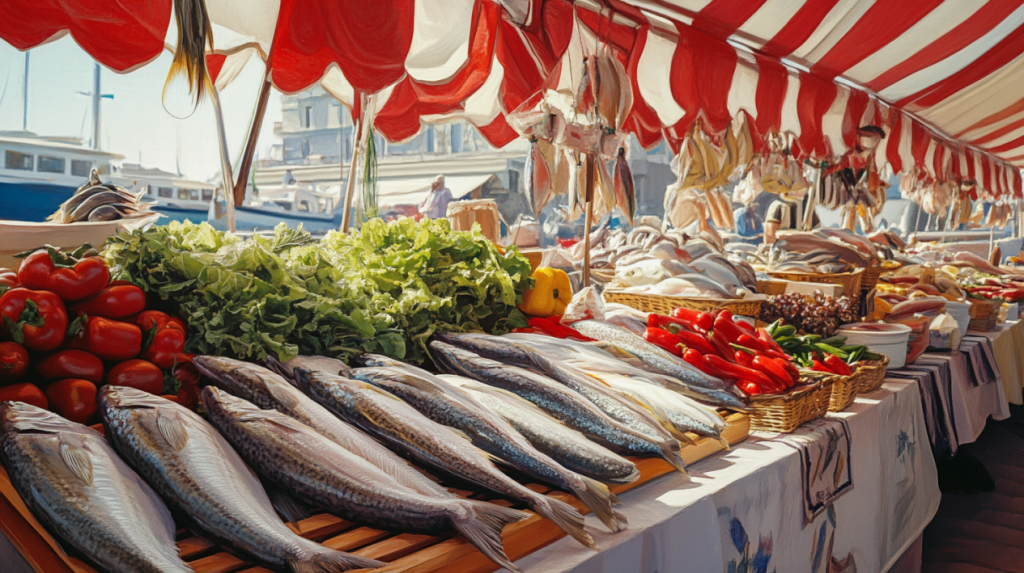
“I love how the fish look like they’re part of some still life painting,” Julia said, pausing to take a photo.
“They smell like work,” Renata added, inhaling deeply. “That’s dried alder smoke. Very traditional. I grew up with this smell.”
Ben moved around slowly, camera slung over his shoulder, catching angles. “This is beautiful—rough, but beautiful. Look at the guy carving the fish. Did you see how fast he is?”
Tomas stepped aside to let an old woman pass with her net bag. “Fishing here isn’t just a job. It’s part of the cultural economy. Even the architecture around here—notice the rooflines? They were shaped to store fishing gear.”
Emma pointed to a small chalkboard propped near a stall. “It says they’re selling ‘sea pike’—is that just branding?”
The fishmonger, overhearing, leaned over and said in Lithuanian-accented English, “That’s zander from the lagoon. But sea sounds more romantic, no?”
They all laughed.
Renata raised her phone to record. “Okay, let’s get a few shots of the smoked ones hanging. And maybe I can ask someone about salinity—whether the seawater’s affecting their catches.”
Tomas nodded. “Good idea. That ties right into yesterday’s discussion.”
They moved deeper into the market, weaving between baskets, crates, and hand gestures, absorbing the rhythm of a place that had started early and would wind down by noon.
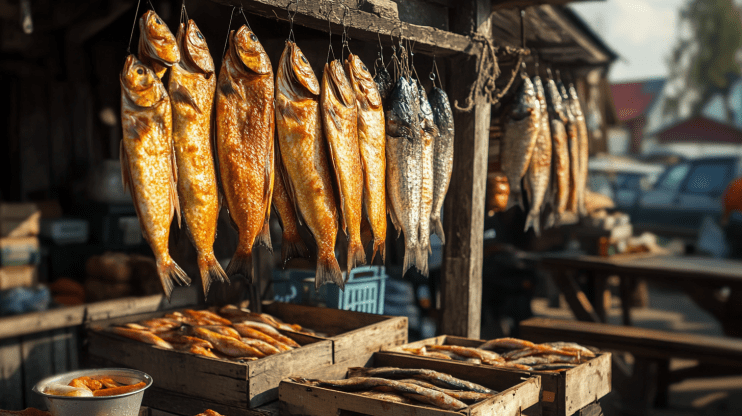
Renata stood still for a moment in front of one of the smoked fish stalls, her eyes narrowing.
“I need something that looks good on camera, but also makes sense culturally,” she said, half to herself, half to the group.
Emma leaned in. “What are you thinking?”
“If I go with the smoked pike, I could present it cold with horseradish and black bread. Classic, but it’s very sharp in flavor. Maybe too intense.”

smoked pike
Tomas pointed to a crate nearby. “Zander is from the lagoon and has a milder taste. It also connects to the salinity topic—you could mention how it’s adapting.”
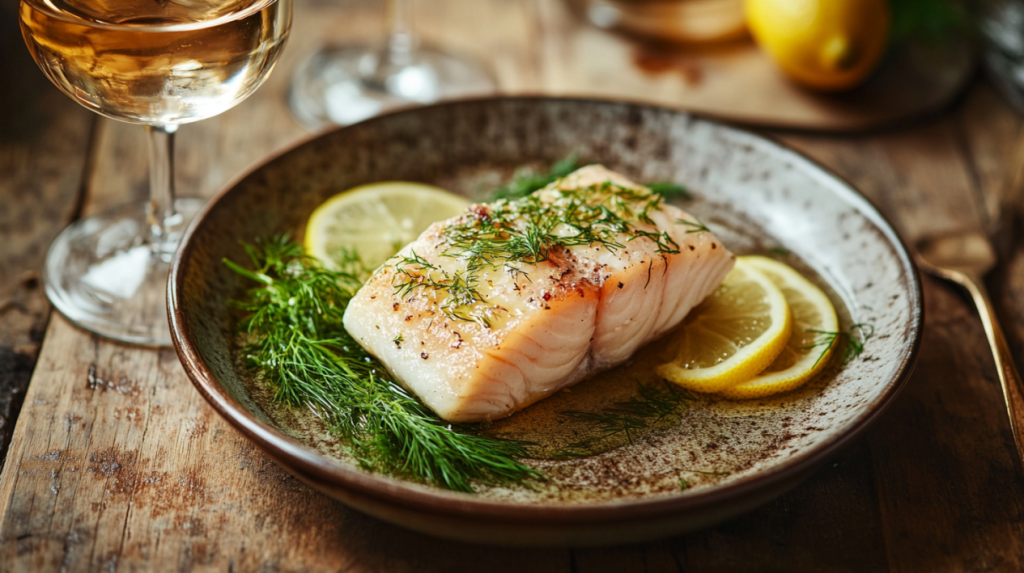
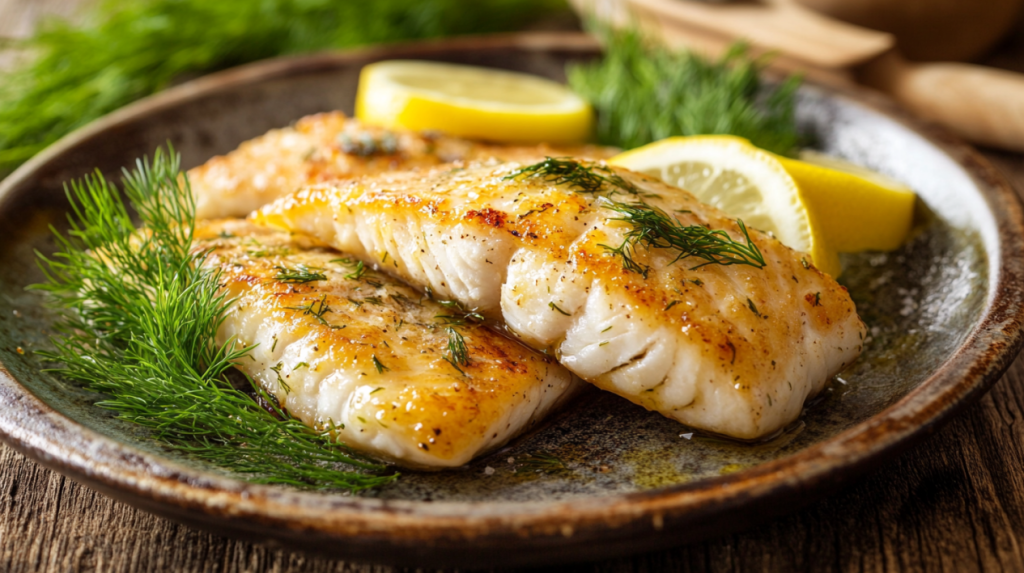
Renata nodded, thoughtful. “That’s smart. I could serve it with dill butter, and talk about how the fish reflects the lagoon’s changing balance. And maybe one bolder option—like a hot smoked bream, served whole.”
Ben raised his camera. “Whatever you choose, make it dramatic. The more bones, the better for the shot.”
Julia grinned. “I’ll pass on eating that, but I want to see how you explain it to your viewers.”
走進魚市場
早晨的陽光照亮了石板路,潟湖那端吹來淡淡的鹹風。他們五人轉過街角,魚市場的氣息瞬間撲鼻而來——混合著鹽水、煙燻與鮮魚的味道,濃烈卻不刺鼻。
市場的棚架用鐵架和條紋遮布搭成,攤位上吊著一排排煙燻魚,魚皮在陽光下泛著金光。有的細長如梭魚,有的扁圓帶深色魚背;不遠處的木桌上鋪著碎冰或藍色塑膠布,擺著新鮮的鱸魚、比目魚、甚至有幾條鰻魚。

「這些魚看起來像一幅靜物畫,」Julia 拿出手機拍照。
「這味道聞起來像工作,」Renata 吸了一口氣笑著說,「這是用榿木燻的,很傳統。我小時候家裡附近就是這個味道。」
Ben 背著相機慢慢繞著拍,一邊觀察角度:「很有美感,粗獷但真實。你們看到那個人切魚的手速了嗎?」
Tomas 讓出路,讓一位提著網袋的老太太先走過去:「這裡的捕魚不只是職業,也是文化經濟的一部分。你們注意到屋頂的形狀嗎?早期是為了方便儲存漁網設計的。」
Emma 指著一個用粉筆寫的黑板:「這邊寫著 ‘sea pike’,不就是湖裡的鱸魚嗎?」
賣魚的大叔聽見了,笑著用帶立陶宛口音的英文說:「是潟湖裡的 Zander。不過加個 sea,聽起來比較浪漫嘛。」
大家都笑了起來。
Renata 拿出手機開始錄影:「我想先拍一些吊著的煙燻魚,等等問問看有沒有人願意聊聊海水鹽度改變有沒有影響他們的捕魚。」
Tomas點頭:「這樣很好,剛好接上我們昨天討論的話題。」
他們穿過一籃又一籃的魚貨,走進這座小鎮最早甦醒的角落——一個在中午前就會安靜下來的節奏。
Renata 在一攤煙燻魚前站住了,盯著魚架上那一排排黃金色的魚看了好一會兒。

「我要找一條既上鏡、又能代表地方文化的魚,」她邊想邊自言自語地說,語氣一半是對自己,一半像是在問其他人。
Emma 湊過來問:「妳有什麼想法嗎?」
「如果選煙燻梭魚,配辣根醬跟黑麥麵包,是最經典的吃法。但味道很重,可能觀眾會不習慣。」
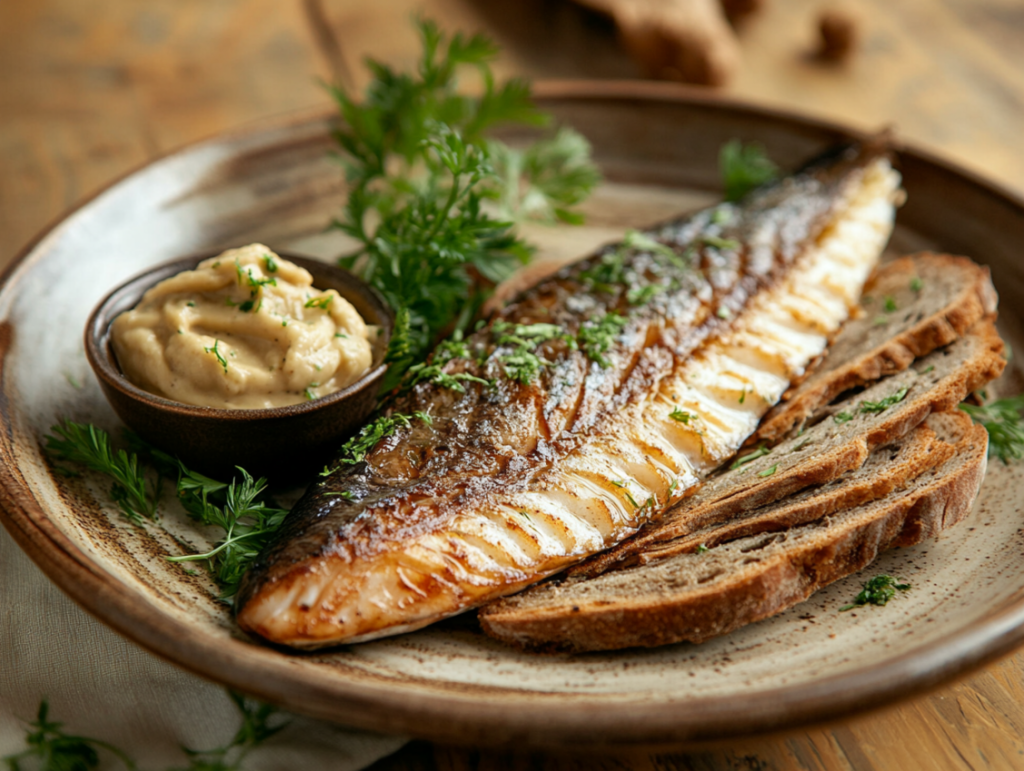
煙燻梭魚,配辣根醬跟黑麥麵包
Tomas 指向一旁的木箱:「Zander 是潟湖的魚,味道比較溫和。妳也可以順便講講海水進來後魚種的變化。」
Renata 點點頭,開始計算畫面與味道的平衡:「那我可以做成蒔蘿奶油烤魚,順便談一下潟湖的鹽度改變怎麼影響漁業。還可以加一條熱燻的鯉魚,整條端上桌比較有畫面。」

蒔蘿奶油烤魚
Ben 一邊舉起相機一邊說:「只要骨頭多一點、魚頭完整,那畫面就夠震撼。」
Julia 笑著說:「我不一定會吃那條,但我想看看妳要怎麼講給觀眾聽。」
Conversation with the Fisherman
Renata stepped closer to a stall where a middle-aged man in a thick jacket was arranging fresh fish in neat rows. His hands were stained with salt and smoke, and he moved with the quiet efficiency of someone who had done this every morning for decades.
“Labas rytas,” she greeted him. “I’m filming a food piece. Would you mind if I asked a few questions?”
The man looked up, then gave a polite nod. “If you don’t ask too many.”
She smiled. “I’m looking for fish that would’ve been caught here—something that shows what the lagoon gives us.”
He gestured to the crates. “This one—zander. From the lagoon. Still good. But you see fewer now. Water changes things.”
“Because of the sea?” Renata asked.
He gave a short laugh. “They let the sea come in more, for the ships. The water’s saltier now. You feel it. The fish feel it more.”
Emma, listening from behind, stepped forward. “Does that mean fewer freshwater fish?”
“Some don’t come back,” he said. “Others move upstream. And when the algae come in summer, it’s worse. Water too warm, too thick. Then everything gets sick.”
Julia glanced at the fish. “Do people still eat them then?”
The fisherman gave a slow shrug. “People eat what’s here. Not everyone can be picky.”
Renata nodded, serious now. “I think I’ll take two zander. And… maybe one of those bream. Whole. Head and all.”
He grinned. “For the camera?”
“For the story,” she replied.
與漁夫的對話
Renata 走近一個攤位,一位中年男子正在把一條條新鮮的魚整齊排好。他穿著厚外套,雙手有著鹽與煙燻留下的痕跡,動作穩定而熟練,看得出來這樣的清晨他經歷過上百次。
「早安,」Renata 用立陶宛語問候。「我正在拍一支關於食物的影片,可以問您幾個問題嗎?」
男人抬起頭,看了她一眼,然後點點頭:「只要不太多。」
Renata 笑了:「我想找一種能代表這裡的魚,最好是潟湖裡捕的。」
他指了指箱子:「這個——Zander,潟湖裡的。還不錯。但現在少了。水變了。」
「因為海水進來了嗎?」Renata 問。
他苦笑了一下:「他們為了讓船進得來,讓海水灌進來多了。現在水比較鹹。你喝得出來,魚更明顯。」
Emma 聽到這裡也湊了過來:「那是不是代表淡水魚變少了?」
「有些魚不回來了,」男人說,「有些往上游躲。但夏天藻類來的時候最糟。水太熱、太濁,魚容易生病。」
Julia 看了一眼魚櫃:「這樣人們還會買嗎?」
男人聳聳肩:「這裡的人吃的是當地的東西。不是每個人都能挑三揀四。」
Renata 聽完後點了點頭,臉上不再是拍片時的笑容,而是一種真誠的思索:「那我買兩條 Zander,還有那條鯉魚。整條的,連頭一起。」
男人露出笑容:「是要拍照吧?」
「是要說故事。」Renata 回答。
Choosing herbs and vegetables for the dish
With the fish packed in paper and tucked safely into Renata’s tote bag, the group moved on to the vegetable stands nearby.
Tables overflowed with early summer produce—crisp cucumbers, bunches of dill, golden onions, red radishes, and pale green cabbage still beaded with dew.
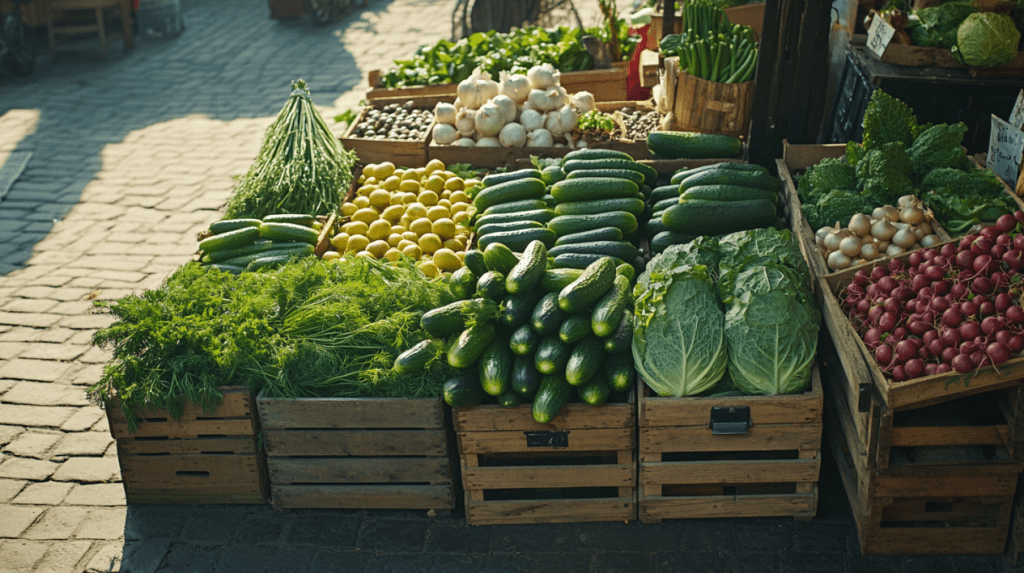
“I’ll need dill for sure,” Renata said, scanning the herbs. “And maybe horseradish—fresh if we can find it.”
Emma picked up a handful of tiny carrots, dirt still clinging to their roots. “These could be roasted with the fish.”
“And these onions,” Julia added, pointing to a pile of firm yellow bulbs. “They’d go well if you pickle them lightly.”
Tomas held up a small bunch of flat-leaf parsley. “Not exactly traditional, but it adds color. Good for the plate.”
Ben took a photo of a vendor slicing radishes into paper-thin rounds. “Can we just make a video about the market? This is all perfect.”
Renata laughed. “Next time. Today we’re feeding the story.”
She paid for a handful of herbs, three lemons, a net of young potatoes, and a wedge of curd cheese she hadn’t planned on but couldn’t resist.
With her arms full and a recipe forming in her head, she glanced at the others.
“Okay, I think we’re ready.”
挑選搭配魚料理的蔬菜與香料
魚已經包好,用紙仔細包著放進 Renata 的布袋裡。
他們繼續往市場的蔬果區走去。攤位上堆滿了初夏的農產品——脆脆的小黃瓜、一束束新鮮的蒔蘿、金黃的洋蔥、鮮紅的蘿蔔,以及還帶著露水的嫩綠捲心菜。
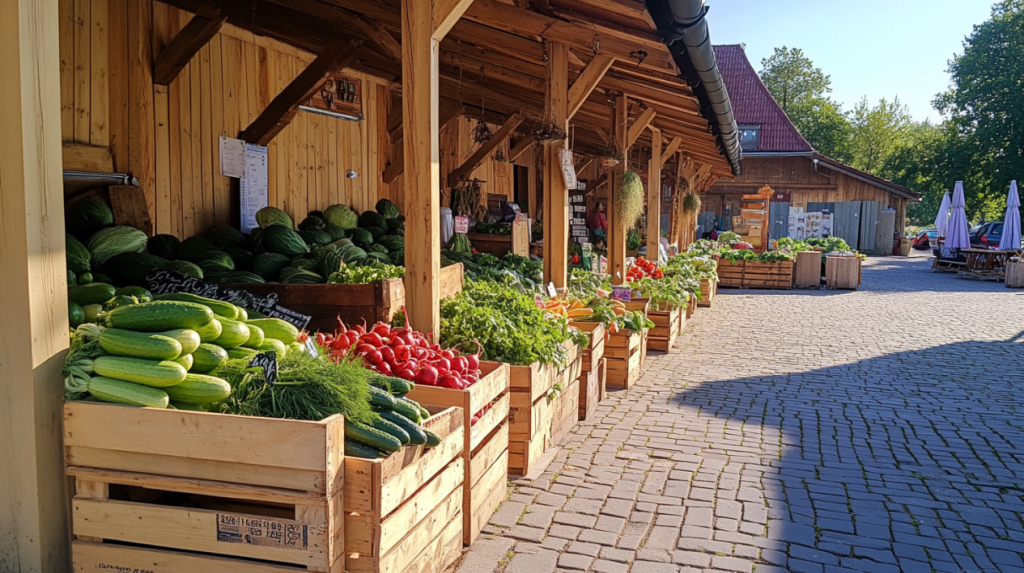
「蒔蘿是一定要的,」Renata 一邊看香草一邊說,「如果有新鮮辣根就更好了。」
Emma 拿起幾根還帶著泥土的小胡蘿蔔:「這個可以一起烤魚,很甜。」
「還有這些洋蔥,」Julia 指著一堆結實的黃洋蔥說:「你可以稍微醃過,搭魚一起吃剛剛好。」
Tomas 拿起一小束扁葉香芹:「不太傳統,但顏色漂亮,畫面好看。」
Ben 正在拍一位攤販把蘿蔔切成薄片:「我覺得光是市場就可以拍一整支影片了,畫面太有感覺了。」
Renata 笑了:「下次吧,今天要拍的是味道的故事。」
她買了一把香草、三顆檸檬、一袋小馬鈴薯,還有一塊原本沒打算買、卻忍不住帶走的凝乳起司。滿手提袋與食材,她轉頭看著其他人說:
「好,我們準備好了。」
Back to the Guesthouse Kitchen
They walked back to the guesthouse with full arms and growling stomachs. The sun was higher now, filtering through the pine branches, and the streets had grown busier with cyclists and children on scooters.
Inside, the kitchen was warm with light and smelled faintly of coffee from earlier guests. Renata set the bags down on the wooden table and rolled up her sleeves.
“Okay, team. If we want to eat before two, we need to move.”
Emma washed the carrots and potatoes by the sink. Julia began slicing lemons and setting out small ceramic bowls. Tomas opened the windows to let in the breeze, while Ben adjusted his camera, testing angles for the overhead shot.

Renata worked quickly: the zander would be lightly pan-fried with dill butter, while the smoked bream would be served cold, with pickled onions and horseradish on rye. She laid the fish out on cutting boards, then turned to the camera with a practiced smile.
“Today’s story,” she said, “is about what the lagoon gives—and what it remembers.”
The kitchen filled with the sound of sizzling, knife taps, and the murmured rhythm of teamwork. Outside the window, laundry fluttered on a line, and a dog barked distantly down the street.
Ben looked through his viewfinder. “This is going to look amazing.”
“And it’s going to taste even better,” Julia said, peeking at the potatoes.
回到民宿準備午餐
她們一邊提著滿滿的袋子、一邊笑著趕回民宿,肚子早就餓得咕嚕咕嚕叫。太陽升高了,松樹枝葉間透出斑駁的光影,街上開始有腳踏車經過,小孩滑著滑板車沿路追逐。
進了廚房,窗邊還留著早上咖啡的香味,光線暖暖地灑在木桌上。Renata 把袋子放下,捲起袖子說:
「好,夥伴們,要在兩點前吃到東西就快點動起來喔。」
Emma 在水槽邊清洗馬鈴薯與胡蘿蔔。Julia 開始切檸檬,把陶瓷小碟擺好。Tomas 去開窗,讓風灌進來。Ben 架好相機,調整俯拍角度,準備拍烹飪畫面。

Renata 動作俐落:潟湖的 Zander 用蒔蘿奶油煎香,煙燻鯉魚則冷盤搭配醃洋蔥與辣根,配黑麥麵包。她將魚擺上砧板,轉頭面對鏡頭,露出熟悉的主持笑容。
「今天的主題,是關於潟湖給了我們什麼,又留下了什麼記憶。」
廚房裡充滿滋滋聲、刀碰砧板的節奏,與一種安靜協作的氣氛。窗外晾著的衣服隨風飄動,遠處有狗叫聲傳來。
Ben 看著取景螢幕說:「這畫面太棒了。」
Julia 偷看鍋裡的馬鈴薯,笑著說:「味道應該更棒。」
Wine or Beer?
The table was set simply—wooden plates, linen napkins, ceramic bowls filled with roasted potatoes, lemon wedges, and a small jar of horseradish. The fish was the centerpiece: one platter hot and steaming, the other cold and glistening under curls of pickled onion.

As Renata arranged the last piece of bread, Emma looked up from her seat.
“Wait, are we just drinking water with this?”
Julia grinned. “I was about to ask the same.”
Renata wiped her hands on a towel. “Wine or beer?”
“Depends on the fish,” said Tomas, sniffing the steam. “The zander could go with a crisp white wine. But the smoked bream—definitely beer.”
Ben leaned against the doorframe. “You want me to go grab something?”
Tomas stood. “I’ll come with. We can ask that guy near the harbor. He had unfiltered beer yesterday.”
Emma called after them, “And something dry! Not sweet. We’re not filming dessert yet.”
Renata laughed and sat down. “Fine. While they hunt for alcohol, we’ll set the scene.”
選酒時間
餐桌擺得簡單,卻充滿質感——木盤、麻布餐巾、陶碗裡裝著烤小馬鈴薯、檸檬片與一小罐辣根。桌中央擺著今天的主角:一盤熱騰騰的 Zander,另一盤則是冰涼發亮的煙燻鯉魚,洋蔥絲像細雨般鋪在上面。

Renata 正在把最後幾片黑麥麵包擺好,Emma 坐在一旁抬起頭說:
「等等,我們該不會真的只配水吧?」
Julia 笑了:「我也正想問這個。」
Renata 拿毛巾擦擦手:「要喝酒嗎?紅酒還是啤酒?」
Tomas湊過來聞了聞剛煎好的魚:「Zander 可以配白酒,清爽的那種。煙燻鯉魚嘛,一定要啤酒才撐得住。」
Ben 懶懶地靠在門邊:「要我去買嗎?」
Tomas 一邊站起來一邊說:「我跟你去。我記得昨天港邊那家攤販有賣無濾過的啤酒。」
Emma在後面提醒:「記得買乾一點的,不要甜的,我們又不是要拍甜點!」
Renata笑著坐下:「那好,等他們去尋酒,我們來擺拍現場。」
The Wine Returns

The front door creaked open just as Renata was adjusting a ceramic bowl for the overhead shot.
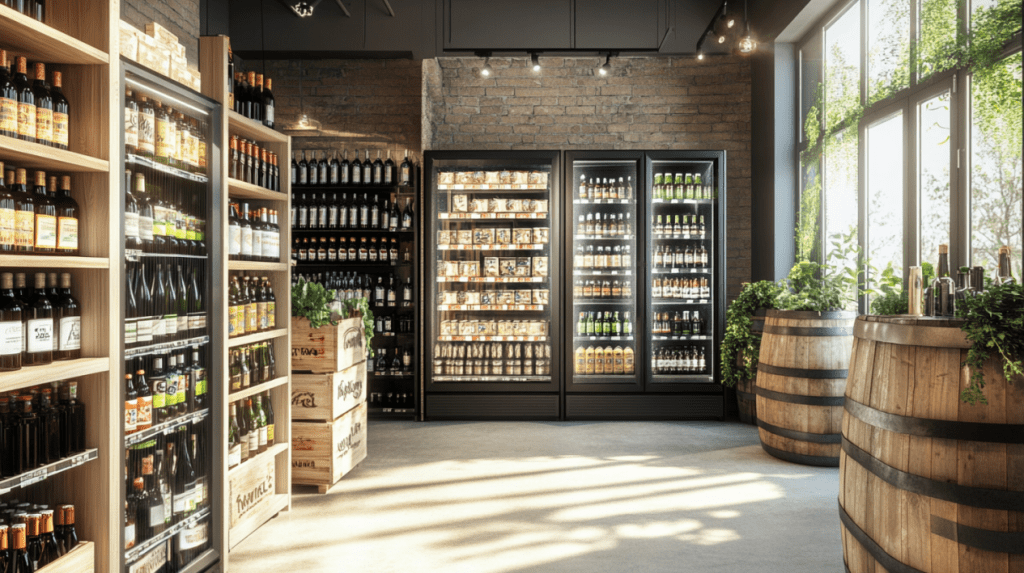
Tomas walked in holding a brown paper bag, with Ben behind him balancing two glass bottles—one of amber-colored unfiltered beer, the other a chilled bottle of dry white wine with a modest Lithuanian label.
“Success,” Ben announced, setting the bottles down like treasure. “The guy at the harbor stand said this beer is brewed in Klaipėda. He drinks it himself, so I’m trusting him.”
Tomas nodded. “And the wine’s from a vineyard near Anykščiai. Not famous, but it’s crisp and dry.”
Julia read the label, amused. “It says it pairs well with ‘lake fish, root vegetables, and quiet evenings.’ That’s us, isn’t it?”
Renata uncorked the wine and poured small glasses.
The white shimmered pale gold in the glass, while Ben popped open the beer with the back of a spoon.

They clinked glasses—not for a toast, but to mark the rhythm of the moment—and began eating.
Forks clicked, a camera whirred gently from the corner, and the steam from the fish mingled with the scent of dill and butter.
Emma took a bite and closed her eyes. “Okay, this might be the best thing we’ve eaten since we got here.”
酒帶回來了
門口「喀啦」一聲打開時,Renata 正在調整陶碗的位置準備拍上視角畫面。
Tomas 拿著一袋紙包走進來,Ben 小心翼翼地捧著兩瓶玻璃瓶,一瓶是琥珀色的無濾過啤酒,另一瓶則是貼著簡單立陶宛酒莊標籤的白酒。
「成功歸來,」Ben 把瓶子放到桌上,像展示寶物一樣笑說,「港邊那個賣酒的說這瓶啤酒是 Klaipėda 當地釀的,他自己每天都喝,我信他一回。」
Tomas 補充:「這瓶白酒是從 Anykščiai 那邊的小酒莊來的,酒商說不出名但夠乾淨。」
Julia 拿起酒瓶看著標籤笑了:「它上面寫:『適合搭配湖魚、根莖蔬菜與安靜的夜晚。』這不是說我們嗎?」
Renata 打開酒瓶,倒了幾杯,酒色帶著淡淡的金黃光澤。Ben 用湯匙背面打開啤酒蓋,一聲輕響。

他們舉杯,不是為了乾杯,而像是為了紀錄這個中午的節奏。
魚香混著蒔蘿與奶油的氣息,鏡頭在角落靜靜拍著,叉子碰盤的聲音與窗外的風吹聲交織成一種恰到好處的寧靜。
Emma 吃了一口,閉上眼睛說:「老實說,這可能是我們來這裡後吃到最好的一餐了。」
An Afternoon Walk for Something Sweet
After lunch, none of them felt full in the satisfying way—they were content, but still missing something. Maybe it was habit, or just the way good food wakes up other cravings.
“I could eat something sweet,” Julia said, pushing her empty plate slightly forward.
“Something small,” Emma added, “but warm. Or crumbly. Or fried.”
“I know a place,” said Tomas, already reaching for his jacket. “Near the bookstore. Locals go there for coffee and dough.”
So they went out again, walking through streets now brighter and filled with more people than in the morning. The breeze carried the scent of trees and distant smoke, and every now and then, they passed a cyclist with a basket full of bread or berries.

The café was tucked into a wooden house with lace curtains and uneven steps. In the glass case near the counter sat rows of varškės spurgos—golden curd doughnuts dusted in powdered sugar, and a tray of tinginys, chocolate biscuit slices glistening under the soft lights.
Renata smiled. “We’re definitely filming this next time.”
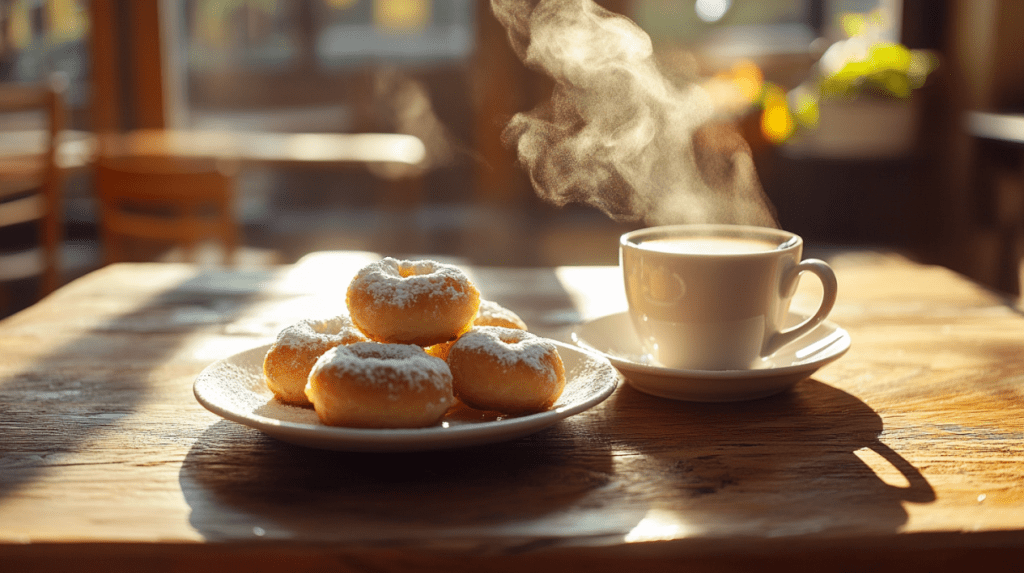
They ordered coffee and shared a plate of still-warm doughnuts, each bite chewy and faintly lemony. Julia broke off a piece of tinginys and said, “This is like childhood condensed into a dessert.”
Ben was already halfway through his second doughnut. “I don’t care if we’re filming or not. This is essential travel documentation.”
Tomas raised his mug. “To the unplanned courses.”
午后散步,來點甜的
午餐吃完,大家雖然不餓了,但那種「吃飽」的滿足感還沒真正降臨。也許是習慣,也許是好吃的魚喚醒了味蕾的其他渴望。
「我想來點甜的,」Julia 把空盤往桌上一推說。
「要小小一點的,」Emma 接話,「最好是熱的,或是酥酥的、炸的也行。」
「我知道一家店,」Tomas 已經起身拿外套了,「在書店旁邊,本地人都去那裡喝咖啡配麵糰類點心。」
他們又出門了,街道比早上更明亮,行人變多了。
風吹來松樹與遠方煙燻的味道,偶爾還會擦身而過一兩位腳踏車騎士,籃子裡載著麵包或莓果。
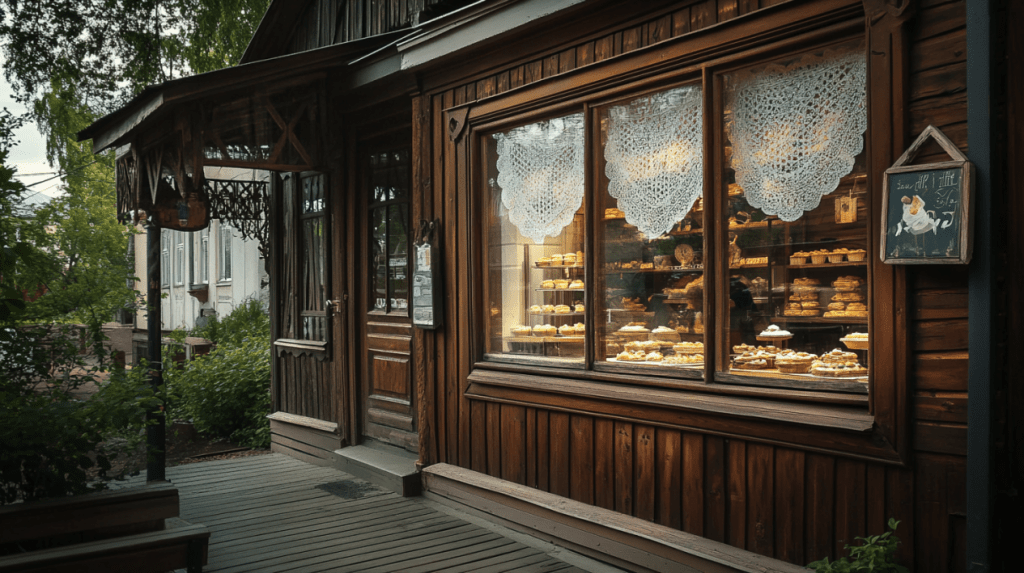
那家小店藏在一棟木屋裡,窗邊掛著蕾絲窗簾,門階微微傾斜不平。櫃台裡陳列著一排排 varškės spurgos——金黃色的凝乳甜甜圈,上面撒著糖粉;還有一盤 tinginys,像巧克力與餅乾混合的切片蛋糕,在燈光下微微發亮。
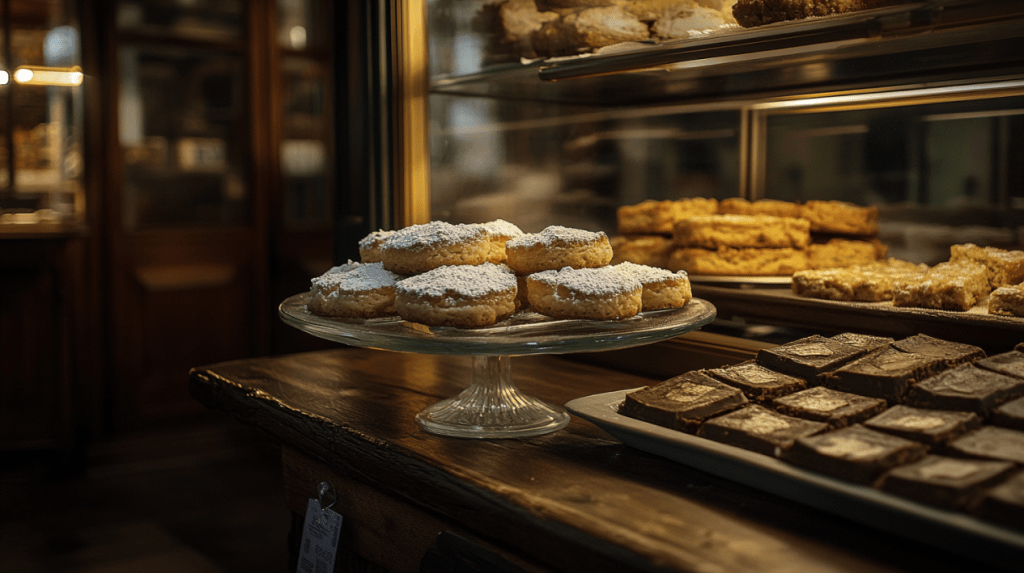
Renata 看著笑說:「這個我們下次一定要拍一集。」
他們點了咖啡,也點了一盤還帶著熱氣的甜甜圈,每一口都帶點微酸的檸檬香與濕潤的嚼感。
Julia 掰下一小塊 tinginys 說:「這根本就是童年的味道,濃縮起來變成甜點。」
Ben 已經吃掉第二顆甜甜圈了:「不管有沒有要拍,這根本就是旅行的核心部分。」
Tomas 舉起咖啡杯:「敬意料之外的那一課。」
Driving Back Toward Klaipėda
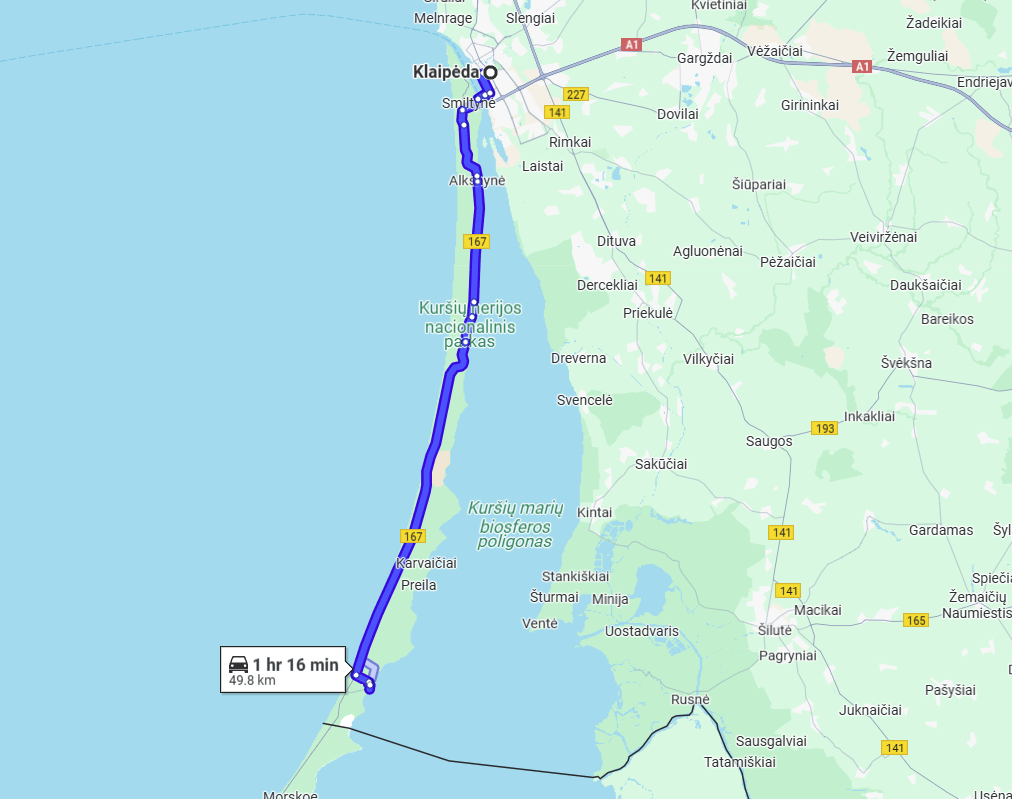
By the time they climbed back into the car, the sun had started leaning west, painting long streaks of gold across the pine forest.
They rolled down the windows. The scent of smoked fish, forest moss, and fresh pastry still clung to the inside of their jackets.
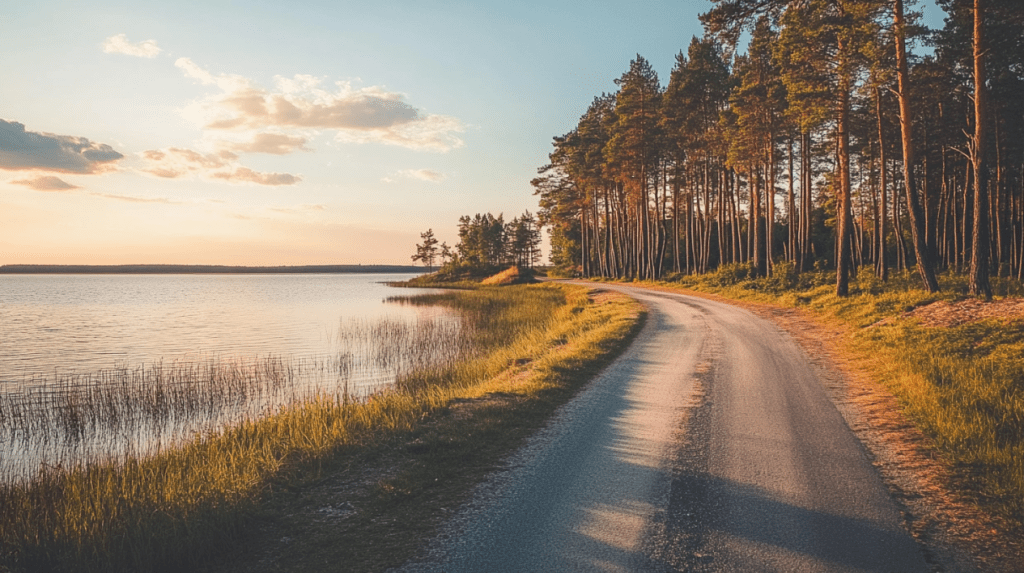
Renata sat in the passenger seat, scrolling through the clips they had filmed. “We could cut it into two parts—market and meal, then dessert and the ride back.”
“Add the ferry crossing as the closing shot,” Ben said from the back seat, adjusting his camera bag. “That light over the lagoon is going to be perfect.”
Tomas drove slowly, following the narrow ribbon of road winding along the Curonian Spit. On one side: glimpses of the lagoon, calm and soft in the afternoon light. On the other: the darker roll of Baltic waves through gaps in the trees.
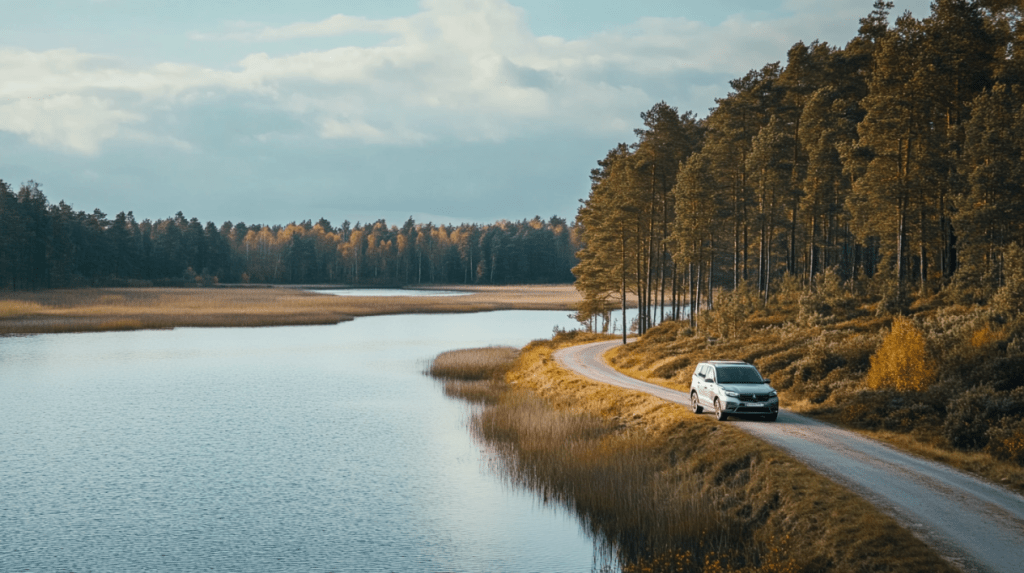
Emma leaned her head against the window. “It’s strange, isn’t it? You spend the whole day on a sliver of land between two bodies of water and somehow feel steadier than ever.”
Julia smiled. “Or maybe just better fed.”
They reached the ferry ramp at Smiltynė just as a small line of cars began boarding. No rush—just the slow rhythm of return. As they rolled onto the ferry deck, Tomas turned off the engine, and for a moment the silence of the water took over.
Behind them, the forest thinned into evening. Ahead, the lights of Klaipėda began to blink on, one by one.

開車回本土的路上
當他們回到車上時,太陽已經微微傾斜,松樹林間的道路被晚光拉出長長的金線。
車窗半開著,剛才吃過點心的甜味、森林的潮氣與煙燻魚的香味,還殘留在他們外套的纖維裡。
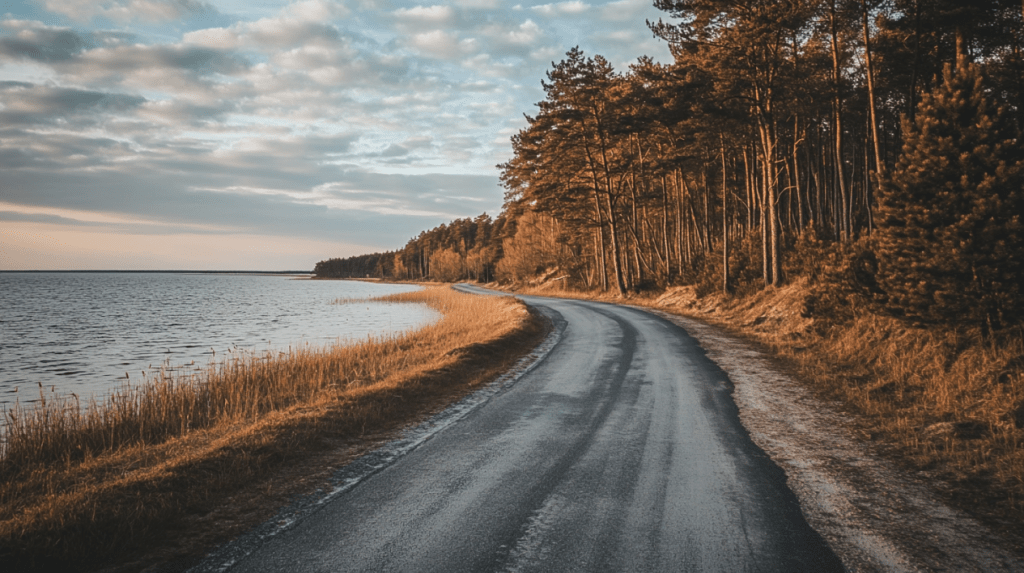
Renata 坐在副駕座上,一邊滑著手機檢查今天拍的畫面:「我覺得可以剪成上下集,一集講市場和午餐,另一集講點心和回程。」
Ben 在後座調整相機包:「結尾可以放渡輪畫面,夕陽照在潟湖上的那段光線應該會很美。」
Tomas 沿著細長的沙嘴慢慢駕駛,一邊是潟湖午後柔和的水面,一邊是從樹林間偶爾透出的波羅的海浪光,像兩種節奏交錯行走。

Emma 靠著車窗看風景,低聲說:「今天整天待在兩片水域之間,反而覺得腳下更踏實了。」
Julia 笑著補一句:「也可能是吃太飽了。」
到了 Smiltynė 渡輪口時,幾輛車已經排隊準備登船。他們也不急,跟著那種「結束一日」的慢節奏緩緩前進。車開上渡輪甲板後,Tomas 熄火,船身一靜,彷彿連水聲都變得更明顯。
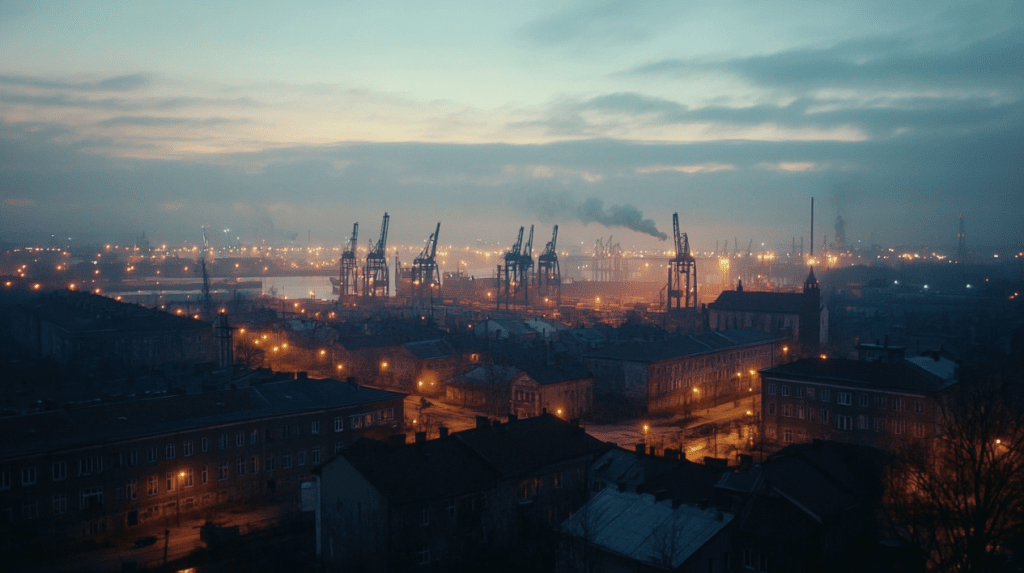
他們身後的森林正漸漸暗下去,而前方,克萊佩達的城市燈光,一盞盞地亮起來。

 Virtual Travel | 虛擬旅行沉浸式英語學習
發表留言