
Breakfast and Plans for the Day
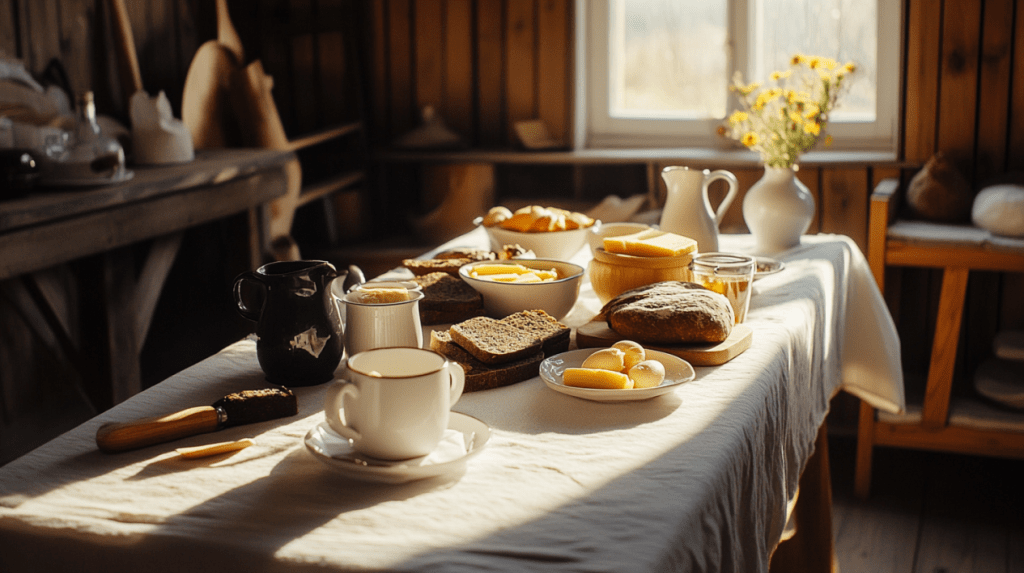
The morning light slanted through the linen curtains, casting soft patterns on the wooden floor of the dining area.
The air smelled faintly of toasted rye bread and forest dampness.
The guesthouse served a modest but satisfying breakfast: hard-boiled eggs, slices of smoked cheese, pickled cucumbers, and bowls of barley porridge topped with a knob of butter.
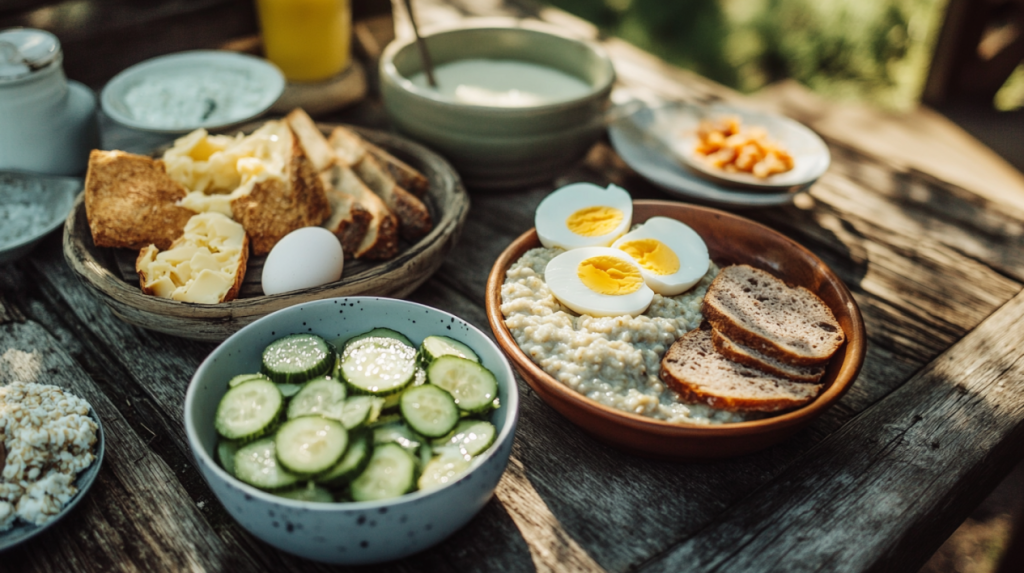
On the table stood a large ceramic pot of herbal tea—mint and chamomile, still steaming.
Ben yawned as he reached for a slice of bread. “I thought we’d all sleep like logs after yesterday’s drive.”
Tomas chuckled. “You snored like one.”
Emma smiled and poured herself some tea. “So, what’s the plan today? Are we just heading north, or…?”
Julia unfolded a leaflet she had picked up near the stairs.
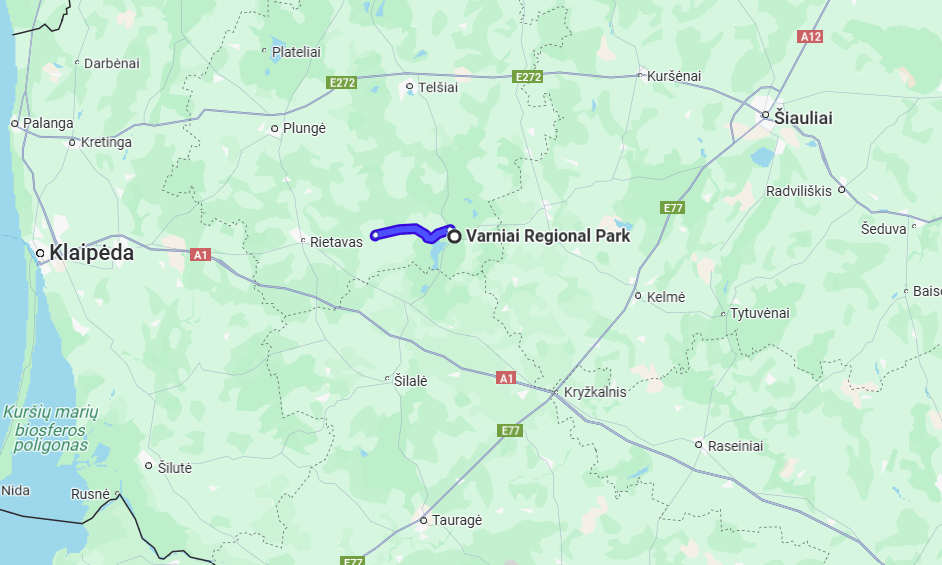
“I was reading about this nature park nearby—Varnių Regional Park. It’s only 20 minutes from here. They’ve got glacial hills, lakes, and some bird observation points. Might be a good spot for filming.”
Renata, spreading cheese on bread, perked up. “Birds and lakes? That sounds promising. We could collect some background shots for the food episode too.”
Tomas nodded. “It’s a great representation of this region’s post-glacial terrain. Lots of kettle lakes and moraines. The old forest roads are still visible too.”
Ben looked curious. “So this is still part of the Samogitian highlands, right? It’s weird how the land feels so quiet, but it’s layered with history.”
早餐與當天行程的討論
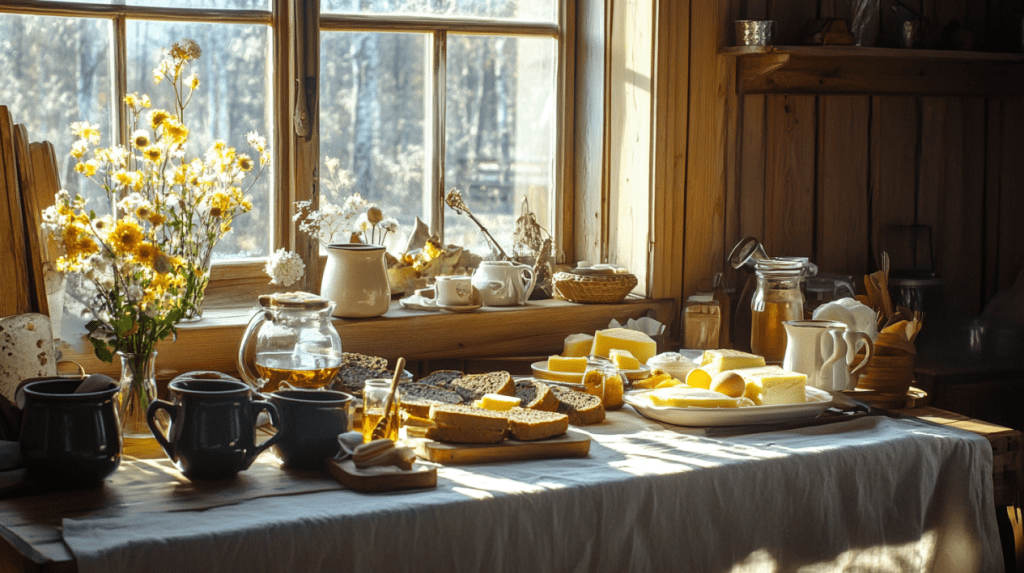
清晨的陽光穿過亞麻窗簾,斜斜地灑在木地板上,投出柔和的光影。
空氣中混合著烤黑麥麵包與濕潤森林的氣味。
早餐不算豐盛,卻足夠讓人滿足:熟雞蛋、煙燻乳酪片、醃小黃瓜,以及一碗碗淋了奶油的薏仁粥。
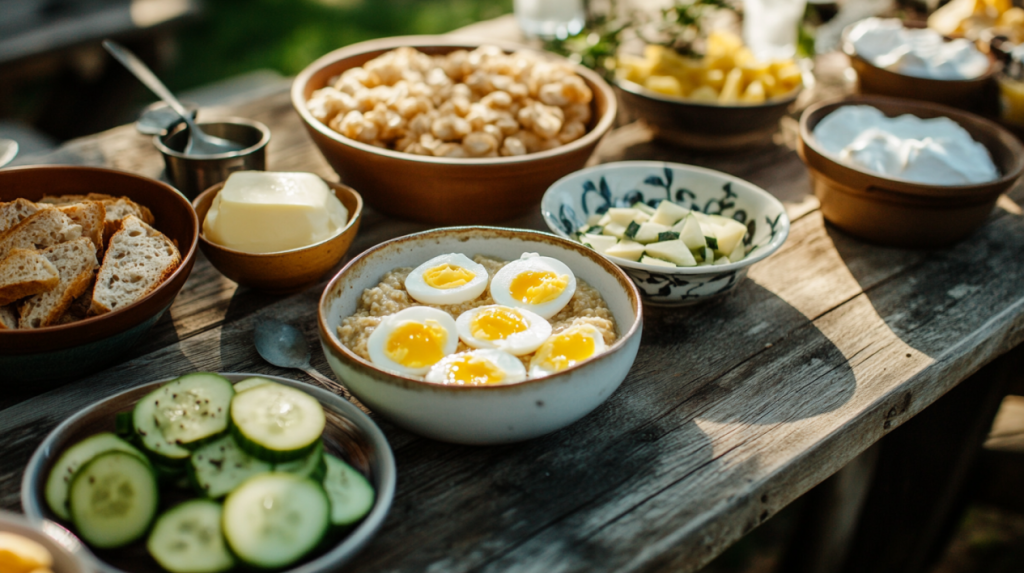
桌上還有一壺陶製的花草茶——薄荷和洋甘菊,熱氣正緩緩升起。
Ben一邊打著哈欠,一邊拿起一片麵包:「我原本以為我們昨晚開那麼久,應該會睡死才對。」
Tomas笑道:「你真的睡得像原木一樣,還會打呼。」
Emma倒了一杯茶,微笑說:「那今天的行程呢?我們是直接往北開,還是有別的計畫?」
Julia從樓梯口拿來的一張摺頁攤開來:「我剛看到一個資料——附近有個 Varnių 地區公園,開車大概二十分鐘。那裡有冰河丘陵、湖泊,還有鳥類觀測點。可以順便拍一些素材。」
Renata一邊抹乳酪一邊抬頭:「有鳥有湖?這聽起來很可以啊。還能拍一些背景畫面,用在我們食物影片裡。」
Tomas點頭:「那邊是這整個地區冰河地形的縮影。有一堆壺穴湖跟冰磧丘,舊森林道路現在還看得到。」
Ben露出興趣的神情:「所以這裡還算是薩莫吉希亞丘陵的一部分?很妙耶,這片土地明明很靜,但感覺藏著好多故事。」
Glaciers and the Land
— A question over breakfast
Ben spread some butter on his porridge and looked up. “Hey Julia, I’ve been meaning to ask—how much did the glaciers shape this whole region? I mean, does it still affect farming or how people live here?”
Julia sipped her tea before answering. “Quite a lot, actually. During the last Ice Age, glaciers carved out these hills and left behind a mix of soils—gravel, clay, and sand.
That uneven layering makes the land patchy. Some fields are fertile, others are too stony.”
Tomas added, “That’s why the agriculture here is more mixed—smaller farms, less industrial. People grow what fits the soil, not what sells best.”
Emma looked thoughtful. “So it’s not like those endless flat wheat fields in Ukraine or central Lithuania?”
Julia shook her head. “Not at all. Samogitia is full of micro-landscapes. One hill might be good for hay, the next for potatoes, and the valley in between might be too wet to use at all.”
Renata smiled. “Sounds like cooking with a mystery box—you just work with what you’ve got.”
Ben laughed. “No wonder you like this region.”
冰河與土地
Ben舀了一口粥,抹上奶油後抬頭問:「Julia,我一直想問——這整個地區以前被冰河影響有多大啊?會不會到現在還影響農業或居民的生活?」
Julia喝了一口茶,才回答:「其實影響蠻大的。最後一次冰河期的時候,這裡的地形就是被冰河雕刻出來的——留下很多丘陵,還有混合的土壤,有礫石、黏土、沙地,分布很不平均。有些地方可以種田,有些地太硬或太貧瘠了。」
Tomas補充:「所以這裡的農業多半是混合型的小農場,不太工業化。大家種的是適合土地的作物,不一定是最賺錢的。」
Emma若有所思地說:「那就不像烏克蘭或立陶宛中部那種一望無際的平原種小麥?」
Julia搖頭:「完全不一樣。薩莫吉希亞是一種微地形拼圖。一座丘陵適合割草,下一個可能適合種馬鈴薯,而兩者之間的山谷可能太濕根本不能耕作。」
Renata笑了:「聽起來很像廚房裡隨機食材挑戰——你只能照現有的東西去煮。」
Ben也笑出來:「難怪妳這麼喜歡這區。」
Pastures and the Land
Renata reached for another slice of rye bread and asked, “Are there people doing any grazing here? Like sheep or cows on these hills? I wonder if the landscape makes animal farming harder too.”
Julia nodded. “Yes, actually. But it’s not like the big pasture systems you see in the west. Because the land is uneven and divided by small patches of forest or wetlands, people tend to keep just a few animals—small-scale, often for household use.”
Tomas added, “And traditionally, Samogitia had more mixed farming—some oats, root vegetables, and a cow or two. Horses were important here too, for pulling carts through the muddy terrain.”
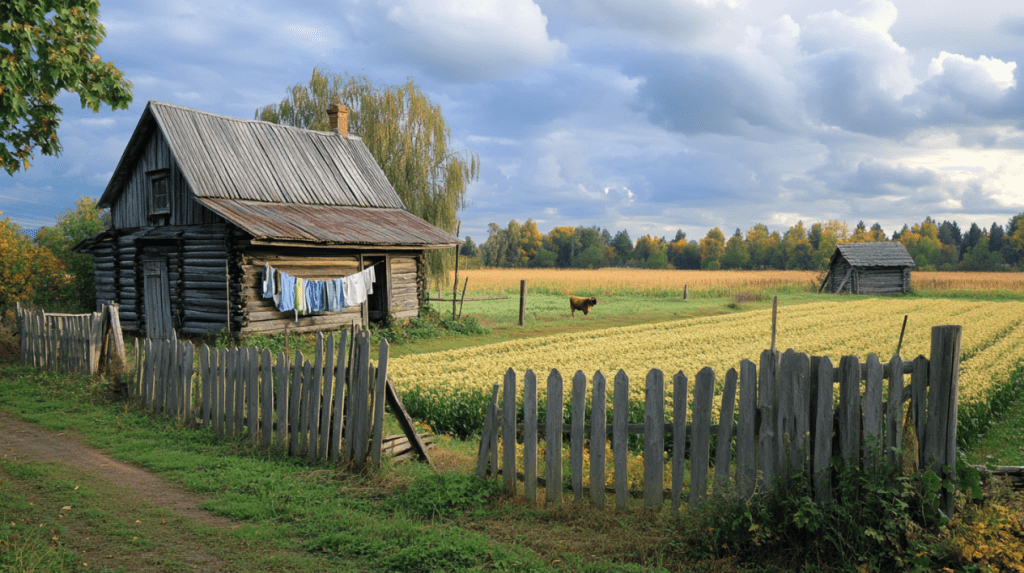
Emma looked up. “So that’s why the fields are so irregular. They were shaped around what was usable.”
Ben grinned. “Makes you think—this region was designed more by retreating ice and stubborn farmers than by city planners.”
Renata laughed. “And that’s probably why the butter here tastes better.”
Everyone chuckled and went back to their food.
放牧與地貌
Renata又拿了一片黑麥麵包,邊吃邊問:「這裡有人在放牧嗎?像是放羊或養牛什麼的?我在想,這種地形會不會連畜牧也不好做?」
Julia點頭:「有啊,但不是那種大規模放牧。因為這裡地形起伏大,又常常有小片森林或濕地隔開,大家通常只養幾隻牛或羊,多是自家用的。」
Tomas補充:「傳統上,薩莫吉希亞這裡就是混合農業比較多——種點燕麥、根莖類作物,再養個一兩頭牛。以前馬也很重要,要拉車、走泥路用的。」
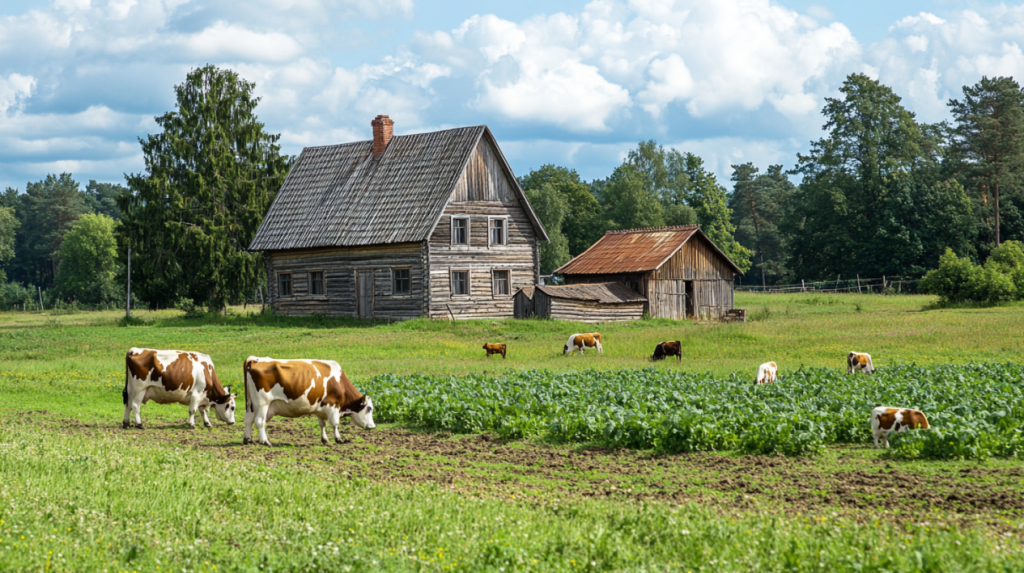
Emma抬頭說:「所以田地形狀才那麼不規則,是照著能用的地形慢慢劃出來的吧。」
Ben笑道:「這地區的規劃,感覺比較像是冰河退去和農夫硬撐出來的成果,不是城市人規劃的。」
Renata也笑了:「難怪這裡的奶油比較香。」
大家都笑了起來,又繼續吃著早餐。
On the Road to the Wetlands
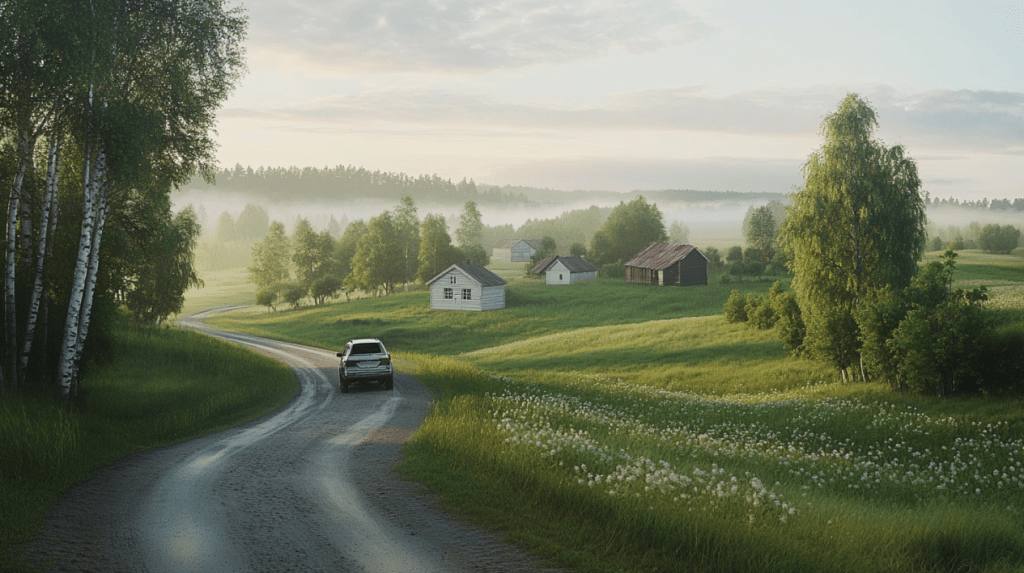
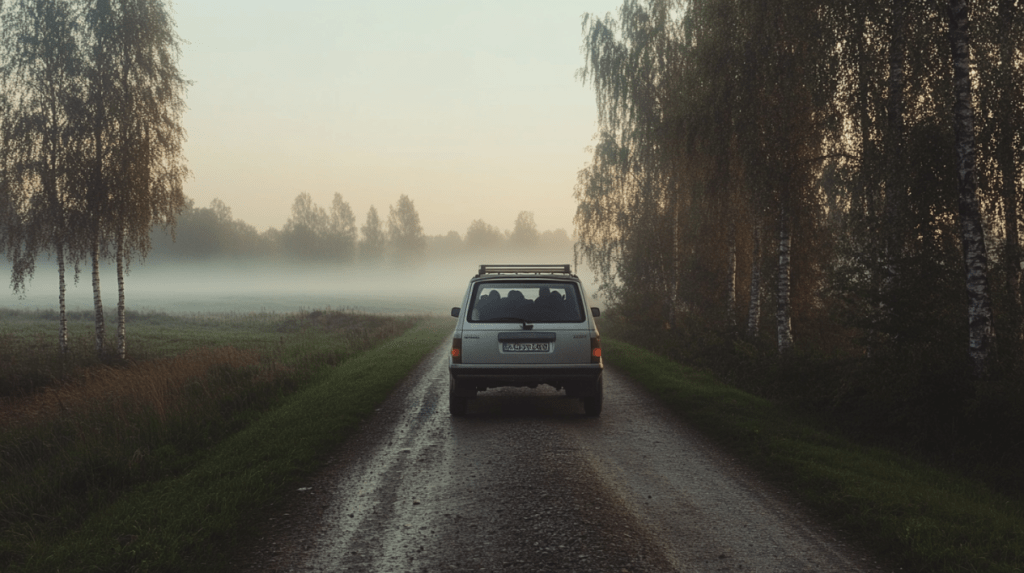
The group packed their things and left the countryside guesthouse just as the morning mist began to lift.
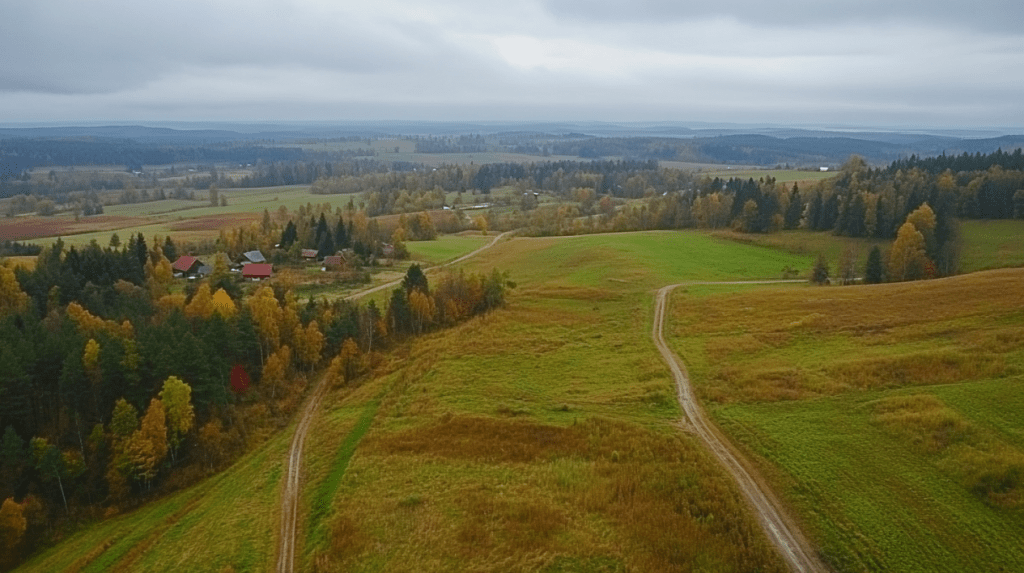
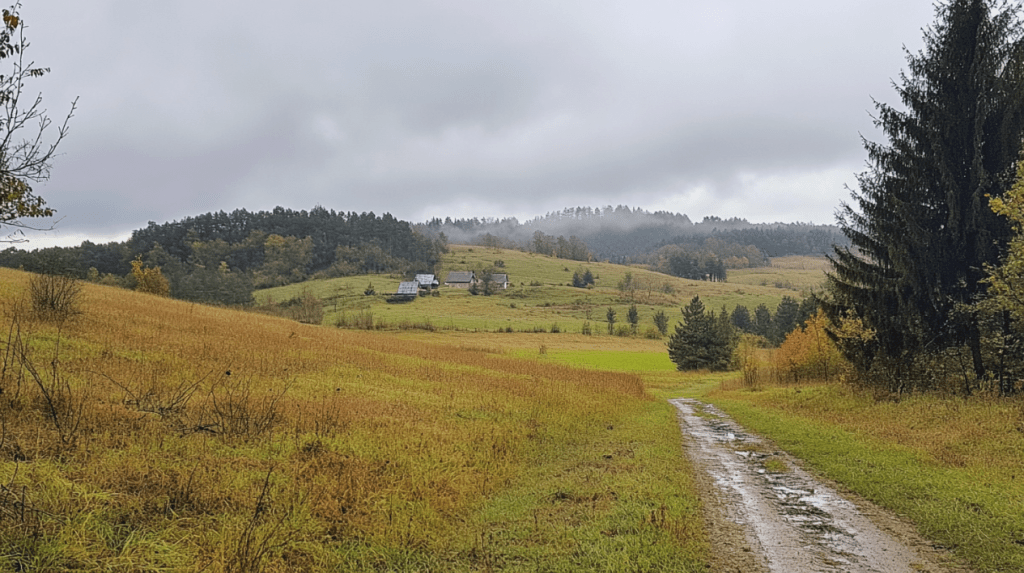
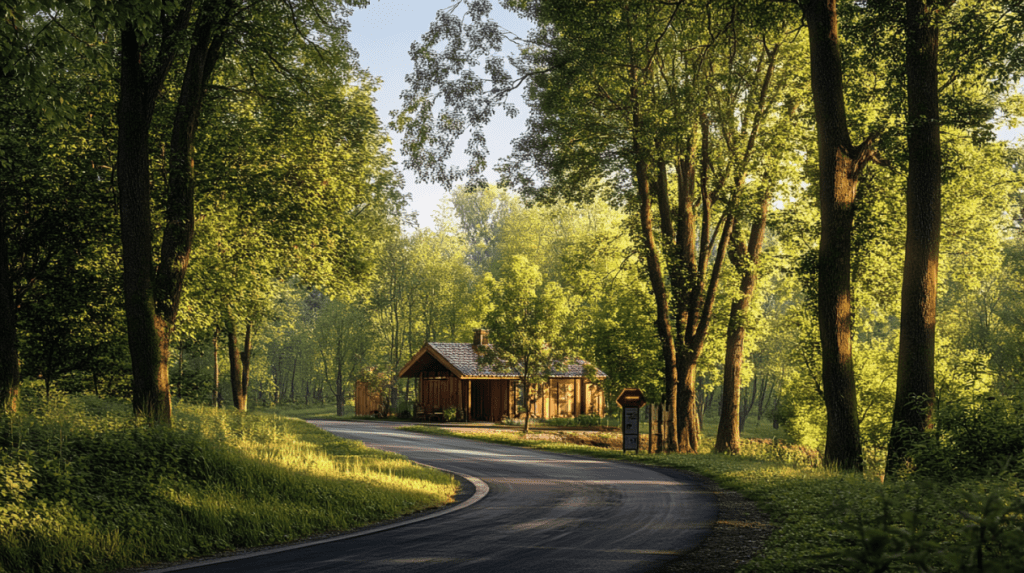
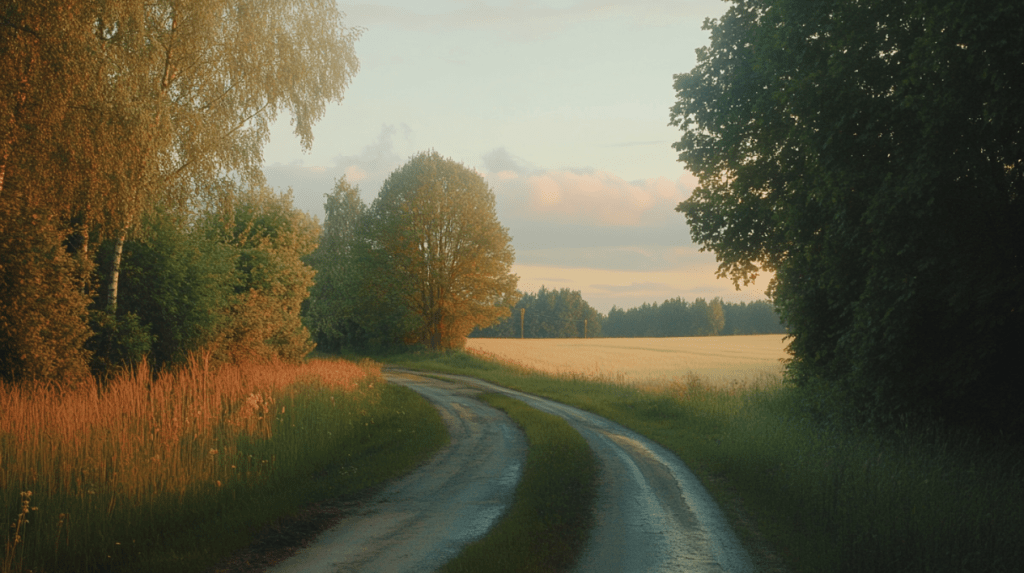
The gravel road curved gently through green hills, with patches of birch forest on both sides. A few lone farmhouses stood quietly in the distance, smoke rising from their chimneys.
Inside the car, Tomas was at the wheel, with Julia beside him.
Renata and Emma sat in the back, and Ben had the camera ready on his lap, occasionally filming the roadside scenes.
Emma leaned forward. “So… this area always feels kind of apart from the rest of Lithuania. Is it just me?”
Tomas nodded. “You’re not wrong. Samogitia’s always been a bit isolated. No major river, no seaport, no big highway junctions. That means trade routes mostly passed it by.”
Renata added, “It explains why it still feels rural. There’s a sense of time moving slower here.”
She looked out the window. “And that also means fewer investments. When Lithuania focused on developing Vilnius or Kaunas, places like this didn’t get the same attention.”
Ben asked, “So is this considered one of the poorer regions?”
Tomas hesitated. “Economically, yes—at least in terms of GDP per capita. But it’s more complex. There’s a strong sense of local identity, cultural preservation, and a growing focus on eco-tourism.”
Emma smiled. “So not rich in money, but rich in character.”
Tomas laughed. “Exactly.”
The car continued down the winding road, heading toward the regional park, the morning sun now casting golden light over fields still wet with dew.
前往濕地的路上
一行人整理好行李,在晨霧漸散的時候離開了那間鄉間旅館。碎石路在綠色丘陵間蜿蜒,兩旁偶爾有一小片白樺林。
遠處的農舍靜靜佇立,屋頂冒著一縷炊煙。
車上,Tomas 開著車,Julia 坐在副駕。
後座是 Renata 和 Emma,Ben 把相機放在腿上,不時對著窗外拍攝。
Emma 往前探身說:「我總覺得這一區好像一直有點和立陶宛其他地方不太一樣。是我想太多嗎?」
Tomas點點頭:「妳沒錯。薩莫吉希亞本來就比較偏。沒有大河、不是港口,也沒什麼高速公路交會點。以前的商路大多繞過這裡。」
Renata 接著說:「這也解釋為什麼這裡的氣氛還那麼鄉村,感覺時間過得比較慢。」
她望著窗外說:「也代表資源投入比較少。立陶宛過去主要發展維爾紐斯或考那斯,像這樣的地方比較常被忽略。」
Ben問:「所以這區算是比較貧窮的地區?」
Tomas想了一下:「以人均GDP來說,是偏低。但事情也沒那麼簡單。這裡的在地文化保留得很好,近年還慢慢發展起生態旅遊。」
Emma 笑著說:「所以不是很有錢,但很有個性?」
Tomas也笑了:「可以這麼說。」
汽車繼續行駛在彎彎的道路上,朝著自然公園的方向前進。
陽光已照亮濕潤的田野,露珠閃著微光。
Glacial Traces in the Hills
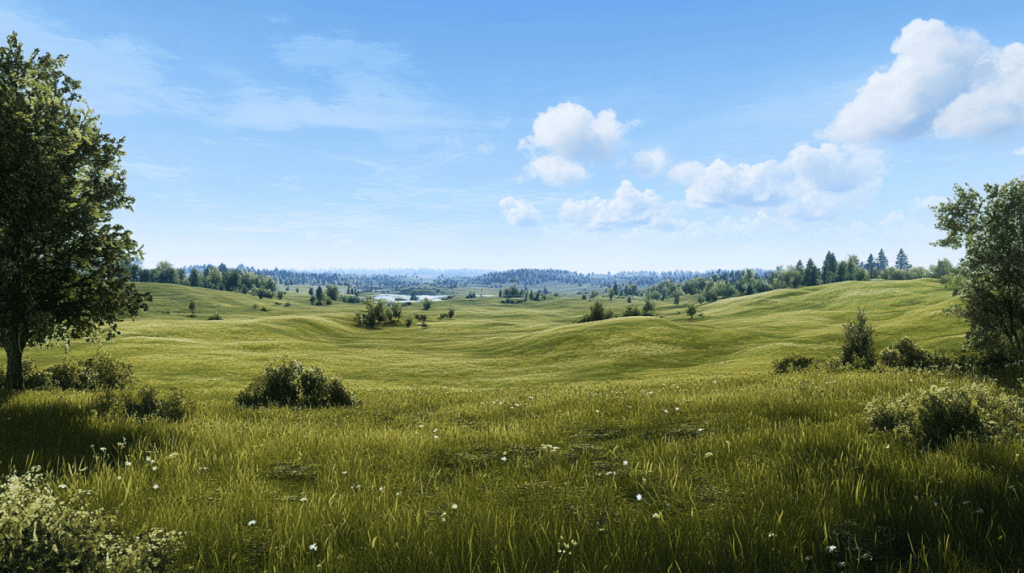
The road wound through low hills and grassy ridges. They pulled over by a clearing where the ground gently rose and fell like frozen waves.
Julia stepped out and took a deep breath. “This is a textbook example of glacial moraine.”
Ben raised his camera. “What gave it away?”
“The rolling terrain,” Julia said, pointing at the undulating fields.
“When glaciers retreated from this region thousands of years ago, they pushed sediment into heaps like this. These hills aren’t natural erosion—they’re leftovers from the Ice Age.”
Emma looked around. “So this isn’t just countryside. It’s… a geological museum?”
“Exactly,” Julia smiled. “That dip over there might’ve been a kettle lake—formed when a buried chunk of ice melted and the soil collapsed.”
Tomas added, “The scattered lakes in this region often follow no logical river path. It’s because the drainage here was shaped by those glacial remnants.”
Renata squinted into the distance. “And the soil here… would it be good for farming?”
“In patches,” Julia said. “Glacial soil can be rich but uneven. Some areas are fertile, others rocky or too damp. That’s why you’ll see a mix of small farms and pastures.”
Ben said, “Makes sense why the population is more spread out here.”
Emma added, “And why the region developed more slowly—no river transport, no natural ports.”
“But full of hidden stories,” Tomas said.
Julia nodded. “Exactly. Landscapes remember even when people don’t.”
冰河的痕跡
車子穿越連綿的小丘和柔和的草地起伏。他們在一處空曠地停下來,地形像波浪一樣層層推展。
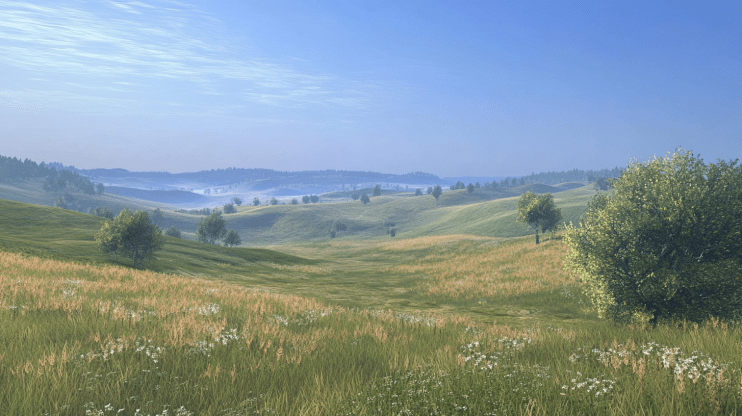
Julia 一下車就深吸一口氣,說:「這裡就是典型的冰磧丘陵。」
Ben 舉起相機問:「怎麼看出來的?」
「就是這種起伏不平的地勢,」Julia 指著遠方說:「幾千年前冰河退去時,把沉積物推成這樣的堆。這不是自然風化,而是冰河留下的痕跡。」
Emma 環顧四周說:「那這片土地其實不是普通農村,而是地質博物館?」
「可以這麼說,」Julia 笑了笑:「你看那邊的凹地,很可能原本是一個冰磧湖——埋在地下的冰融化後讓地面塌陷。」
Tomas 接著說:「這一帶的湖泊分布不規則,很多都跟河流無關,因為排水系統就是被這些冰河遺跡塑造出來的。」
Renata 眯著眼看遠方:「那這樣的土壤,適合種東西嗎?」
「部分適合,」Julia 說:「冰河帶來的土壤有時很肥沃,但分布不均,有些地方太濕、有些太硬。所以才會看到混合的小型農場和放牧地。」
Ben 點頭:「難怪這裡人口不多,也比較分散。」
Emma 補充說:「還有發展比較慢,沒有河口、也沒有港口。」
Tomas 笑道:「但故事特別多。」
Julia 認同地說:「風景記得的,往往比人還多。」
By the Lakeshore of Lūkstas
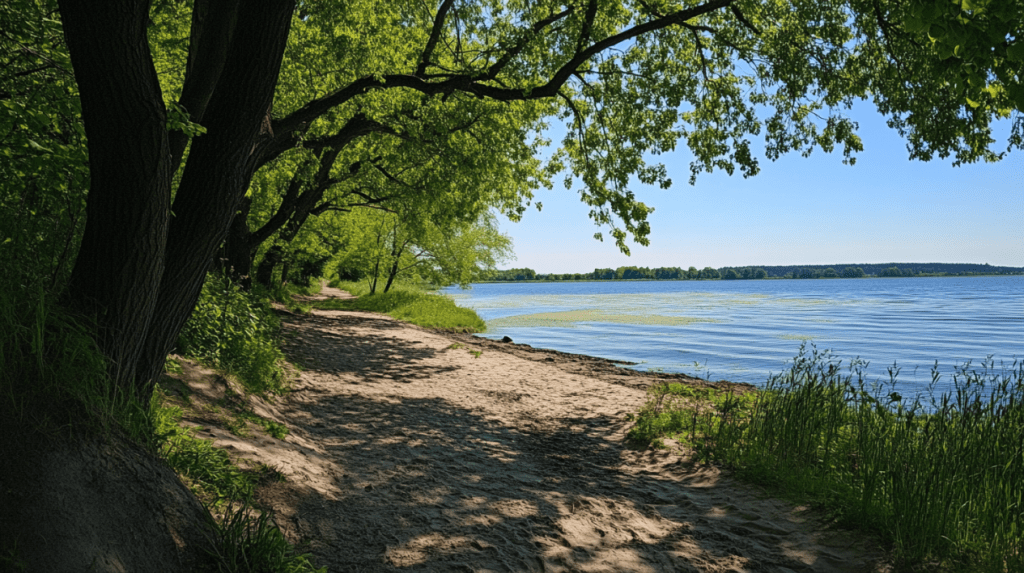
They stopped by the lakeshore not far from the main road—just a small clearing between reeds and low willows.
The air smelled faintly of algae and wildflowers. Julia stepped down the grassy slope with binoculars already in hand.
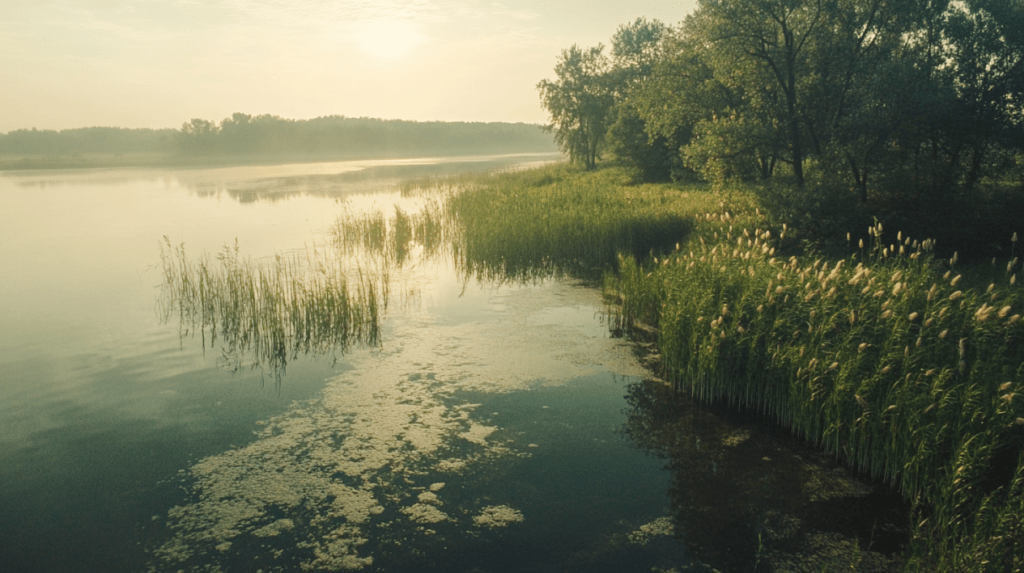
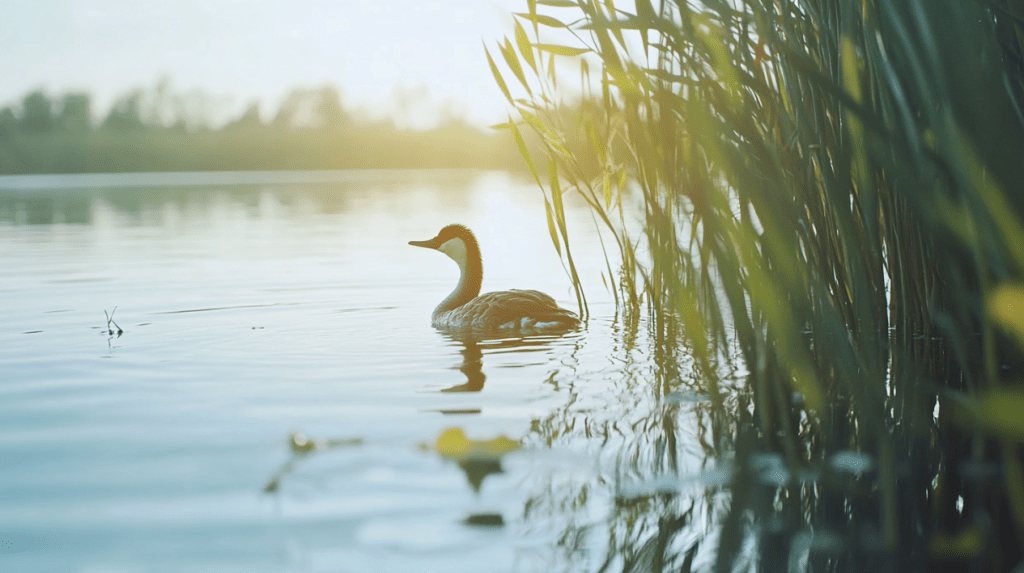
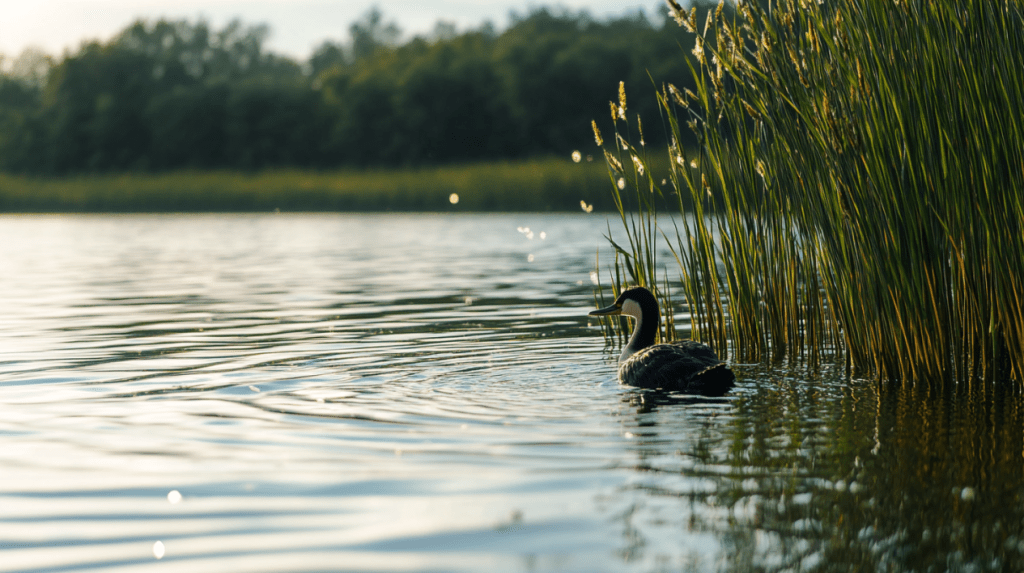
“There’s a pair of great crested grebes,” she said, pointing across the water. “They usually nest this time of year—see how low they swim, close to the reeds?”
Ben adjusted his lens. “Got them. Beautiful birds. That fan of feathers behind the head—like they’re always dressed for a parade.”
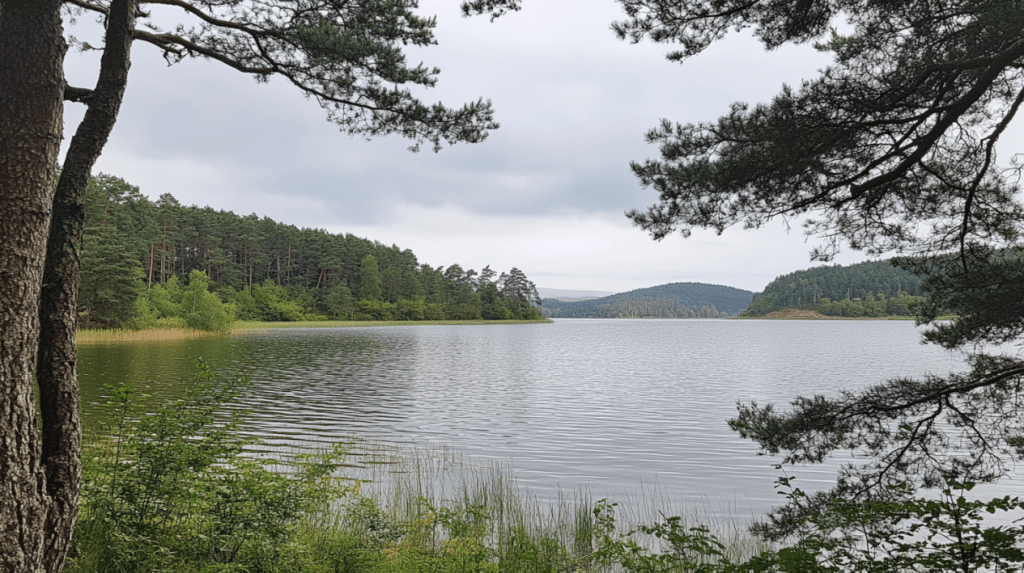
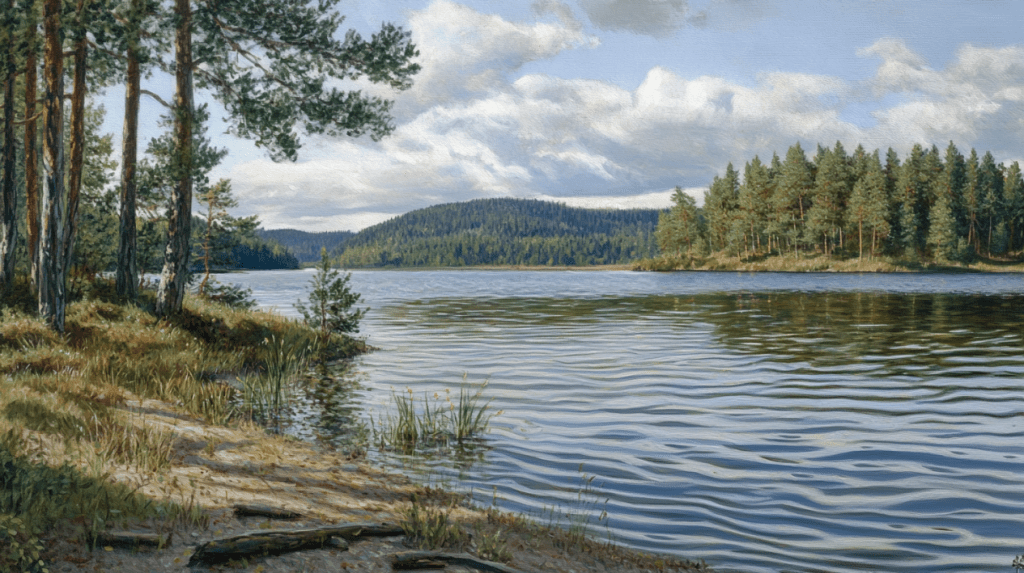
Tomas wandered closer to the edge, looking out over the gentle ripples. “This lake—Lūkstas—is glacial in origin, right?”
“Yes,” Julia nodded. “A classic kettle lake, formed when retreating glaciers left chunks of ice buried under sediment. Once they melted, these depressions became lakes. That’s why the shoreline is so irregular.”
Emma asked, “So it’s part of a bigger moraine system?”
“Exactly. And the lakebed still has glacial clays and organic layers. Sometimes even peat. Great for paleo-climate studies.”
Renata walked around with her phone, filming a few birds in the reeds. “Can we see any eagles here?”
Julia smiled. “If we’re lucky. White-tailed eagles do patrol this area. But you’ll more often see geese, ducks, and little waders like sandpipers.”
“Still good enough for me,” Renata said, zooming in on a group of tufted ducks. “This could be great footage for a video about wetland food chains.”
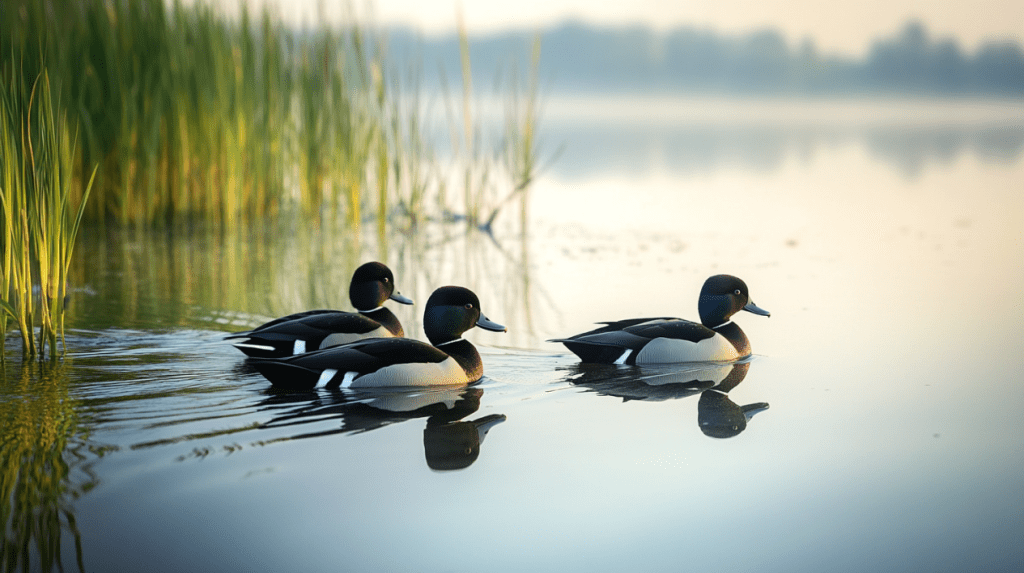
The group lingered a while longer, the only sounds being birdsong and the soft hum of wind across water.
停留 在Lūkstas 湖畔
他們在一處靠近主路的小湖畔空地停下來——蘆葦與低矮柳樹之間的空隙,空氣中混合著水草與野花的味道。
Julia 手裡已經拿著望遠鏡,率先走下滿是草的斜坡。
「那邊有一對鳳頭鸊鷉,」她指著湖面說,「牠們這個季節會築巢——你看牠們游得很低,靠近蘆葦。」
Ben 調整相機鏡頭:「拍到了。羽毛像開扇一樣,真的很漂亮,像穿禮服來參加遊行的。」
Tomas 走到湖邊,看著微微起伏的水面說:「這個湖是冰河時期留下來的吧?」
Julia 點頭:「沒錯,是典型的冰磧湖。當年冰河退去時,留下了埋在沉積物裡的冰塊,融化後就形成這種不規則的凹地。」
Emma 問:「所以這湖屬於整個冰磧地形系統的一部分?」
「完全正確,」Julia 說:「而且湖底還有冰河帶來的黏土和有機層,有些地方還有泥炭層,很適合用來做古氣候研究。」
Renata 一邊拿著手機繞湖邊拍攝,一邊問:「這裡會有老鷹嗎?」
Julia 微笑:「運氣好的話會看到白尾海鵰。但比較常見的是雁鴨、水鴴、小涉禽之類的。」
「對我來說已經夠好了,」Renata 說,一邊拍著一群鳳頭潛鴨,「這些可以拿來做一集濕地食物鏈的影片。」
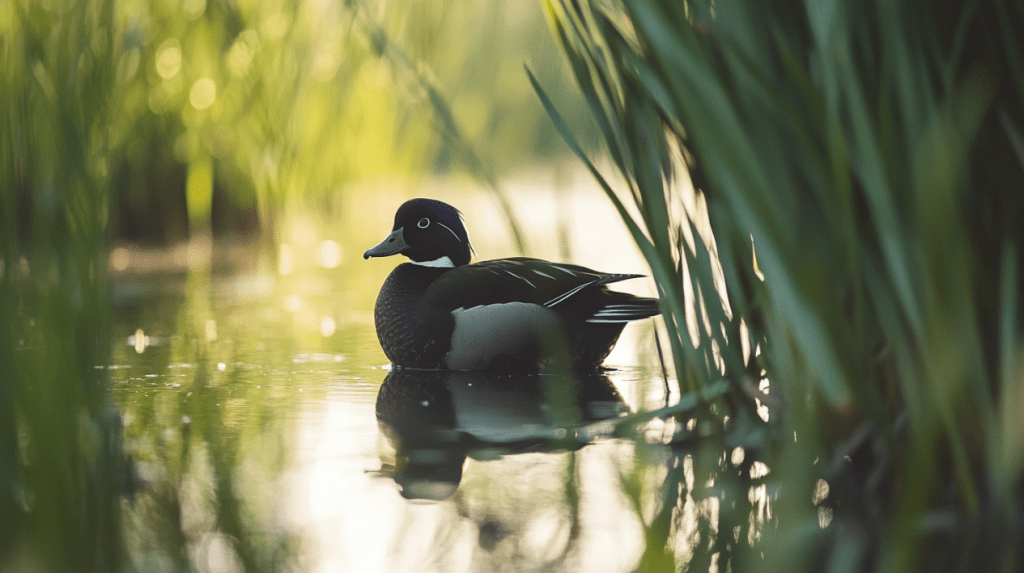
眾人又靜靜地待了一會兒,四周只剩下鳥叫聲與風吹過水面的低吟。
Birds and Balance
The lakeside was calm. A few reed stalks swayed in the breeze, and in the distance, a crested grebe floated quietly, then dove.
“Look,” Julia pointed, raising her binoculars. “That’s a Podiceps cristatus, a crested grebe. One of the top predators in this kind of freshwater food chain.”
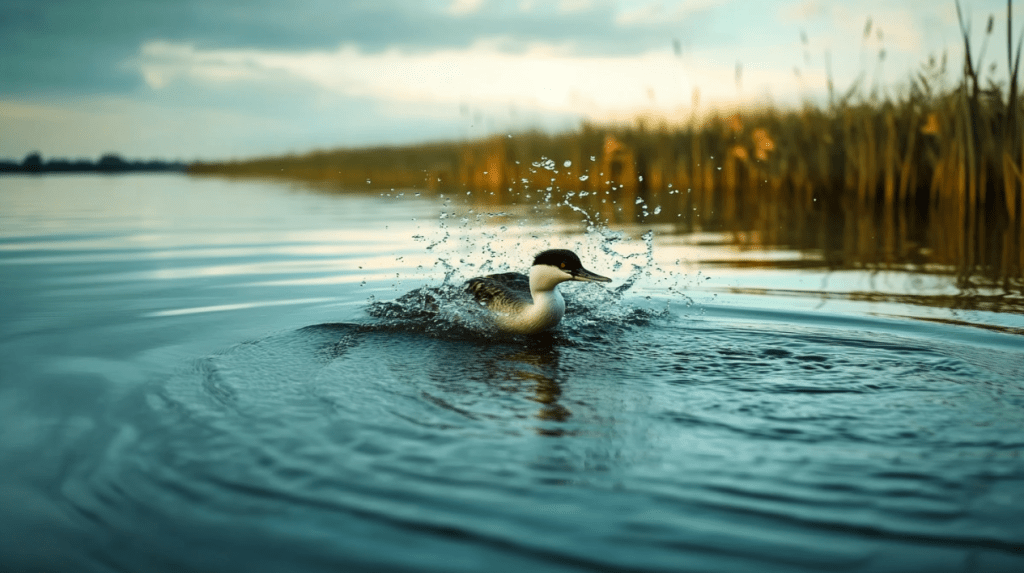
Podiceps Cristatus
Ben adjusted his camera lens. “Top predator? That cute little thing?”
Julia smiled. “They’re excellent swimmers. They feed on small fish, insects, even amphibians. In this lake, they’re near the top.”
Tomas looked toward the water. “And in a balanced lake system, every species has its place. Too many nutrients—say from nearby farms—and algae takes over. That affects insect larvae, then fish, and finally birds like this one.”
Emma asked, “So when people talk about ‘eutrophication,’ that’s what they mean?”
“Exactly,” Julia nodded. “Too much nitrogen or phosphorus, often from fertilizers, and the whole ecosystem shifts. These birds are indicators—if they’re missing, something’s off.”
Renata was crouched, watching a butterfly land on a flower. “So this isn’t just about birds—it’s a web, right?”
“A web that starts small,” Julia said. “Plankton, insects, larvae… and ends with what we see here. And of course, above that—humans.”
Tomas added, “And sometimes, monks.”
Everyone looked at him.
“Back in the 18th century,” he explained, “monks around lakes like this kept nature records—ice patterns, bird arrivals, fish behavior. Not for science, but for faith and calendars. But now, those records help us understand long-term change.”
Ben whistled. “That’s… unexpectedly useful.”
Julia looked toward the hills. “Shall we move on to the next lake tomorrow? It might be quieter—and wetter.”
Renata grinned. “I’ll bring better shoes.”
湖畔與食物鏈的對話
湖邊十分寧靜。幾株蘆葦隨風搖晃,遠處一隻鳳頭鸊鷉靜靜地漂浮著,然後突然潛入水中。
「你們看,」Julia 舉起望遠鏡說:「那是 Podiceps cristatus,鳳頭鸊鷉。在這種淡水湖裡,牠算是食物鏈頂端的掠食者之一。」
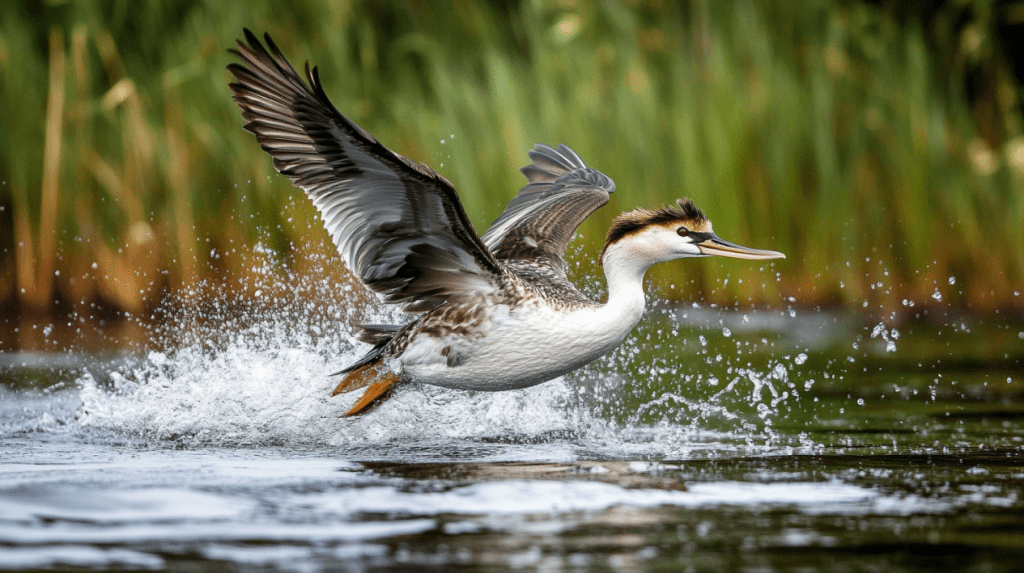
Ben 一邊調整相機鏡頭一邊笑:「這麼可愛的鳥也算頂端掠食者?」
Julia笑了笑:「牠們游得很好,吃小魚、昆蟲,甚至兩棲類動物。這種湖裡牠們地位蠻高的。」
Tomas 望著水面說:「一個平衡的湖泊生態系,每個物種都有自己的角色。如果附近農田流入太多養分,藻類會大量繁殖,先影響昆蟲幼蟲,再來是魚,最後是像這樣的鳥類。」
Emma 問:「所以人家說的富營養化,就是這個意思?」
「沒錯,」Julia點頭:「過多氮或磷,通常是來自肥料,整個生態系就會偏移。這些鳥就像指標,牠們不見了,就代表系統出問題了。」
Renata 蹲著看一隻蝴蝶落在花上:「所以這不只是鳥的事,這是一張網,對吧?」
「從最小的開始,」Julia 說:「浮游生物、昆蟲、幼蟲……然後才是我們看到的這些鳥。最後,還有我們人類。」
Tomas 補了一句:「有時候,還有修士。」
大家都看向他。
「十八世紀的修道士們,」他解釋:「會記錄湖邊自然的變化——結冰的時間、鳥類來的日期、魚的行為。他們不是為了科學,而是為了宗教曆法。但現在,那些記錄變得非常有價值。」
Ben 吹了聲口哨:「真沒想到這麼有用。」
Julia 看向遠方的山丘:「我們明天要不要去下一個湖?那裡可能更安靜……也更濕。」
Renata 笑說:「我要換雙鞋才行。」
A Taste of Samogitia
After a quiet morning watching grebes glide across the reeds and listening to Julia explain the food web of Lūkstas Lake, the group began to feel the kind of hunger only fresh air can bring.
A winding dirt path led them to a wooden farmhouse tucked behind a row of poplars.
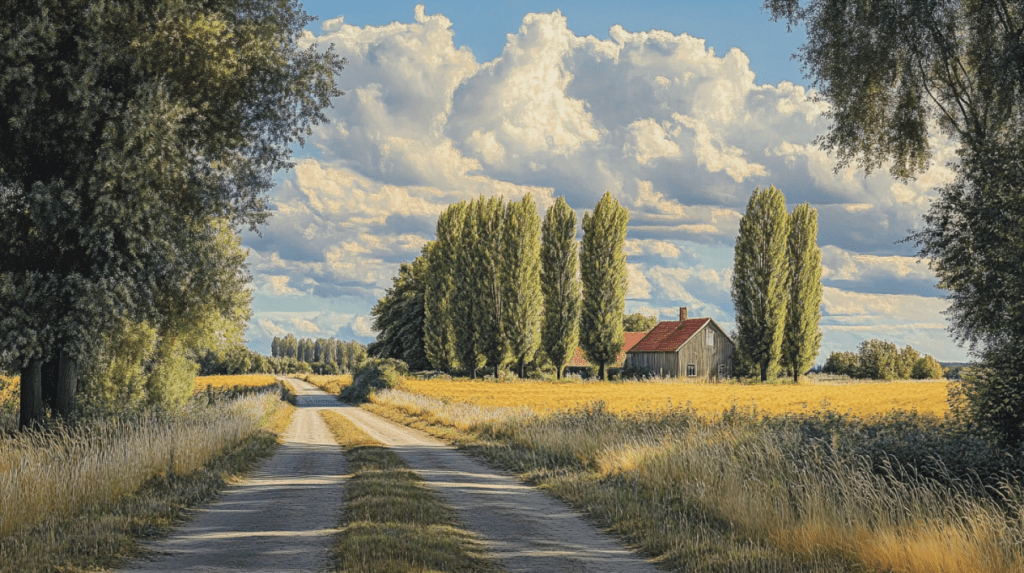
The sign out front simply read: “Lunch. Homegrown.”
Inside, the scent of dill, slow-simmered barley, and fried onions filled the air.
An older woman with silver-streaked braids greeted them warmly. “Everything today came from our own field or nearby woods,” she said, smiling at Renata, who was already taking notes. “Except the salt.”
They sat down to a table laid with handwoven cloth and ceramic dishes. The menu was fixed: a thick wild mushroom soup, creamy barley porridge topped with butter and dill, slices of roasted beetroot, and a tray of smoked pork served with pickled cucumbers.
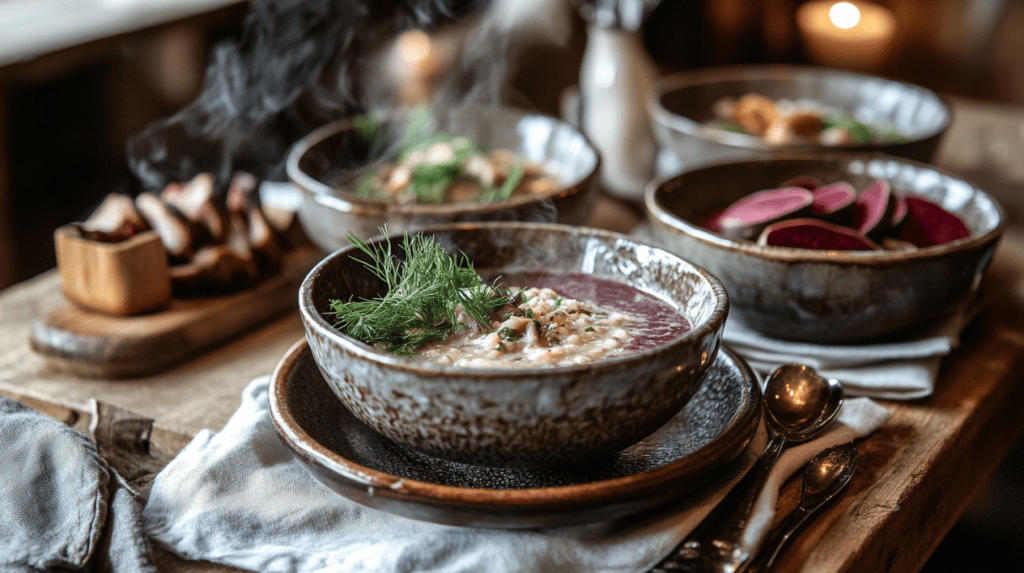
As they ate, the woman told them how her husband still wakes at dawn to gather mushrooms and tend the small oat fields. “We don’t do this for tourists,” she said. “We do it because it’s the way we live.”
Ben quietly snapped a photo of the table.
薩莫吉希亞的風味
在湖邊觀察鳳頭鸊鷉與蘆葦間的食物鏈後,眾人漸漸感到餓意,空氣中的青草味與陽光讓人期待一頓溫暖的飯食。
他們沿著一條小小的土路前行,來到一處隱藏在白楊樹後的木造農莊。
門口的木牌簡單寫著:「午餐.自家食材」。
屋內瀰漫著蒔蘿、薏仁與炒洋蔥的香氣,一位綁著銀髮辮子的老婦迎上前來,微笑著對 Renata 說:「今天的菜都是我們田裡種的,或者附近森林採的,除了鹽巴以外。」
他們圍坐在鋪著手織布的桌旁,陶碗裡盛著熱騰騰的野菇濃湯、奶油蒔蘿拌薏仁、烤甜菜片與一盤煙燻豬肉佐醃小黃瓜。
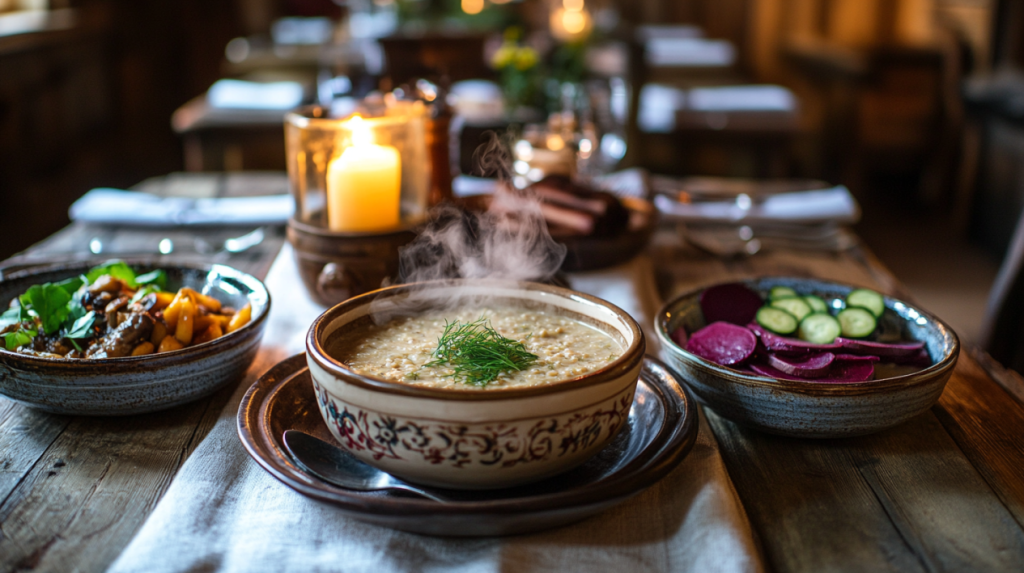
女主人邊添湯邊說,丈夫每天天未亮就起床採菇、巡田,「我們不是為觀光做這些,而是一直這樣生活。」
Ben 一邊吃一邊安靜地拍了張桌面的照片。
Afternoon Among the Wild Herbs
As lunch drew to a close, the farmhouse hostess returned with a small linen bag.
“You might find this useful,” she said, handing it to Julia.
Inside were a few freshly picked herbs—wild thyme, meadowsweet, and something Julia recognized instantly.
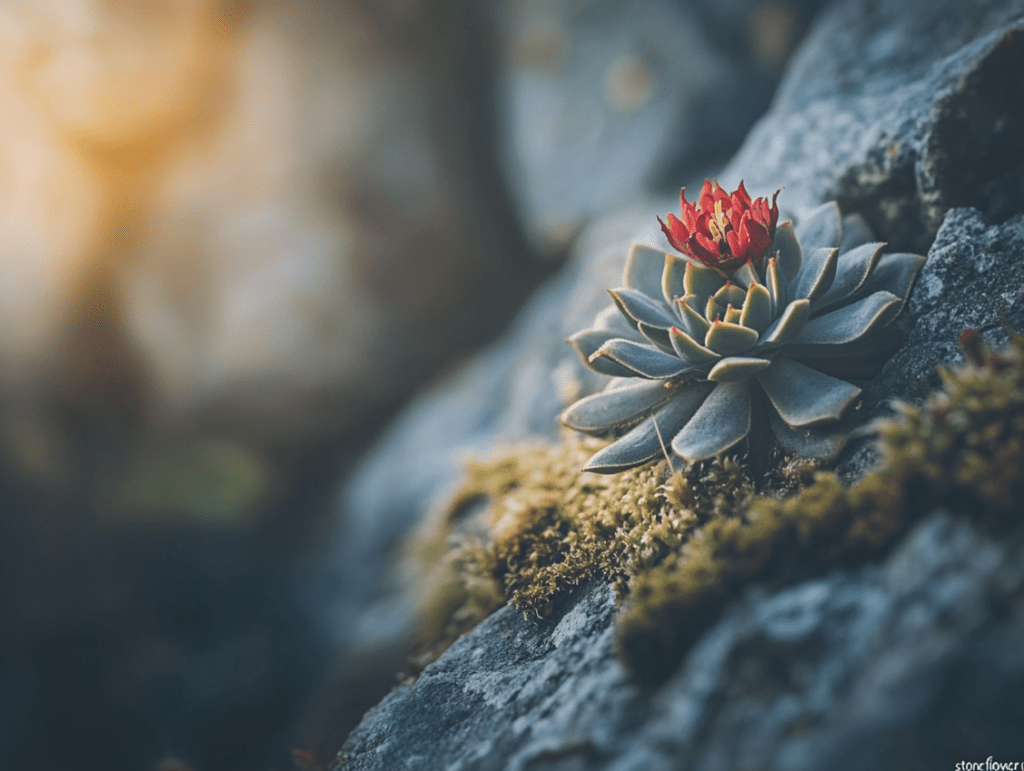
Emma crouched down to examine a small plant growing from a crack in the rocks. Its leaves were thick, tightly packed—almost succulent-like.
“Is this Rhodiola rosea?” she asked, surprised.
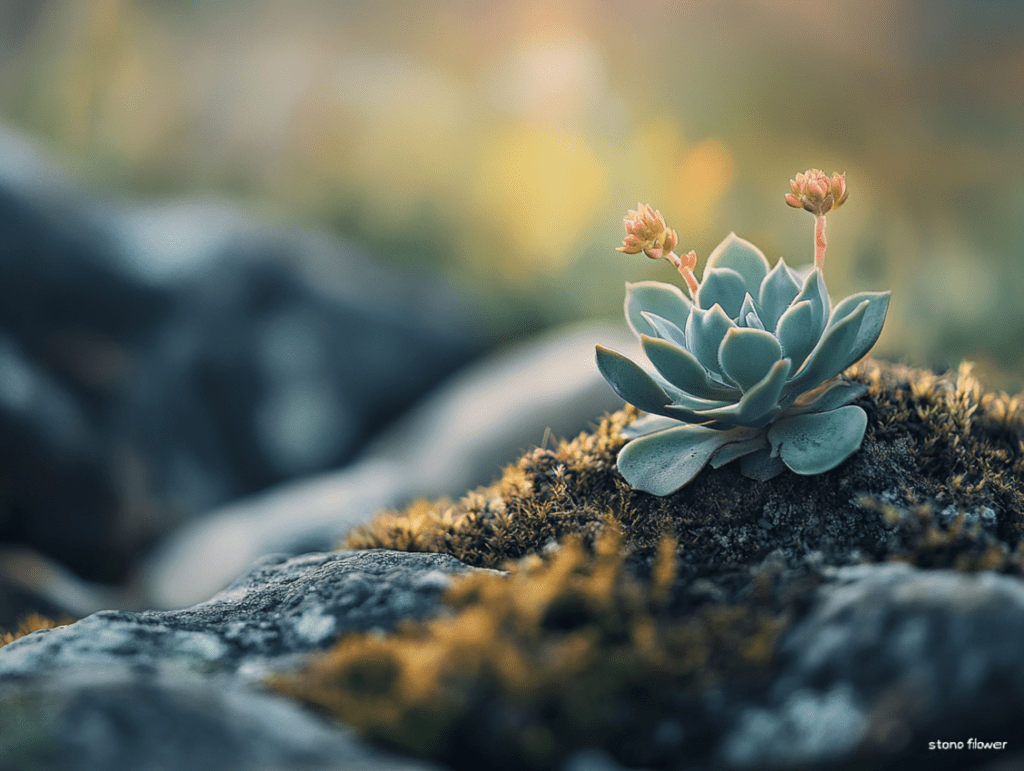
The woman beside her nodded. “Around here, we call it akmeninė gėlė—‘stone flower.’”
Tomas stepped closer to take a look. “In Lithuania, ‘stone flower’ doesn’t always mean Rhodiola. Sometimes it refers to similar-looking plants in the Crassulaceae family. This one might be Sedum telephium, also known as ‘live-forever.’”
Julia nodded. “They’re all cold-hardy plants adapted to glacial terrain. Rhodiola is rarer, but yes, many of these get called ‘stone flower’ informally.”
Ben took a photo. “So what we’re looking at may not be the real Rhodiola, but the vitality it represents is definitely real.”
Renata leaned forward. “Do you use it in food?”
“Sometimes in tea,” the hostess replied. “But mostly in salves. It keeps the skin from cracking in the dry cold.”
They thanked her and stepped back into the open air. The afternoon sun angled low, and the fields beyond the farmhouse shimmered with blooming wildflowers—clover, yellow bedstraw, and tiny campion.
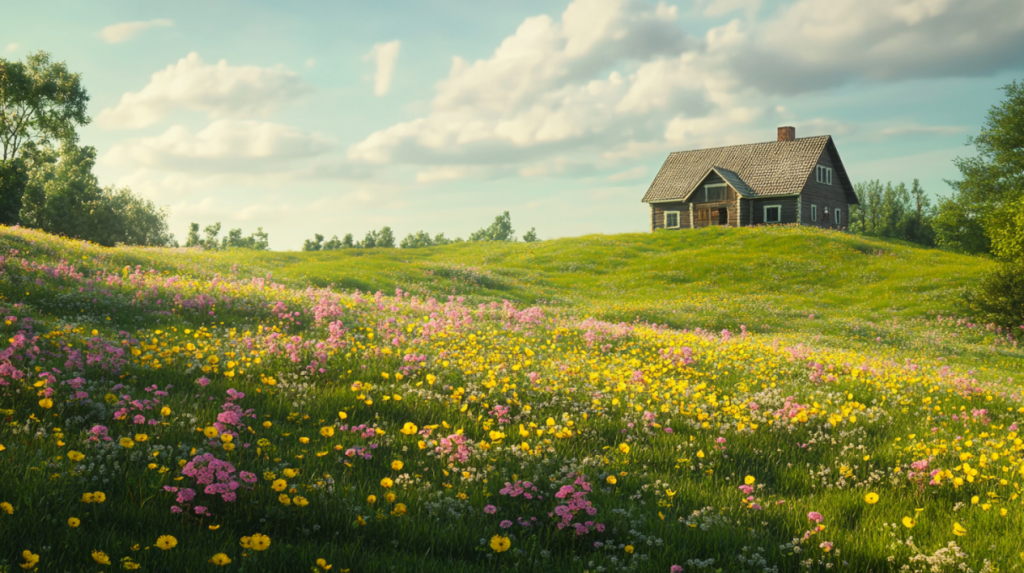
Julia pointed to the varied terrain. “You can tell glacial landforms by how uneven the soil is. These ridges and dips allow a mosaic of plant species to thrive—many are indicators of undisturbed land.”
They wandered farther out, gathering photos, samples, and even a few stories from passing walkers—some remembered how their grandparents used wild plants for food, dye, and healing.
“This is more than a nature walk,” Emma said quietly. “It’s like reading the land’s diary.”
午後的野草與故事
餐後,農莊女主人拿出一個亞麻袋,遞給 Julia:「你們等等可能會用得到。」
袋裡裝著幾種剛採的香草——野百里香、螯蝦草,還有一株 Julia 一眼就認出來的。
Emma 蹲下來看著那叢長在石縫裡的小植物,葉子厚實、排列緊湊,有些像多肉。
「玫瑰根嗎?」她驚喜地問。
一旁的婦人點頭:「我們這裡叫它 akmeninė gėlė,石花。」
Tomas靠近看了看,補充說:「在立陶宛,‘石花’這個名字有時不只指玫瑰根,也可能是形狀類似的景天科植物。這種可能是 Sedum telephium,也叫‘活人草’。」
Julia點頭:「都是耐寒、適應冰河地形的植物。玫瑰根比較稀少,不過這一類的確都會被誤叫成 ‘石花’。」
Ben拍了張照片:「所以我們看到的,也許不是正統的玫瑰根,但它代表的生活力是真的。
Renata 靠近問:「這個能入菜嗎?」
「偶爾泡茶,」她笑著說,「但多半拿來做藥膏,冬天擦手防裂最有效。」
道謝後,他們走出屋外。午後的陽光從一側灑落,農莊後方的田地裡開滿野花——三葉草、黃花蓍與粉紅色的蠅子草。
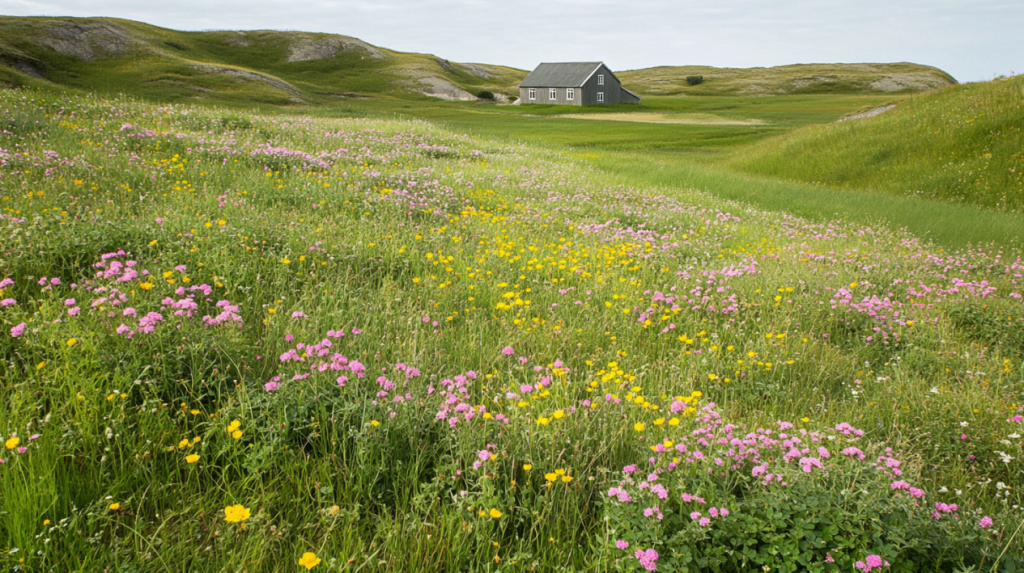
Julia 指著起伏的地勢說:「這些地形就是冰河地貌造成的。像這種不規則的土壤能孕育出不同種類的植物,很多是沒被破壞過的地區才看得到的指標種。」
他們一路走一路拍照、採樣,還和幾位路過的村民聊起往昔——有人提到祖母曾用野花煮染料,也有人記得春天用某種草煮湯喝。
「這已經不只是散步,」Emma 輕聲說:「更像是在讀這片土地的日記。」
A Village That’s Slowly Emptying
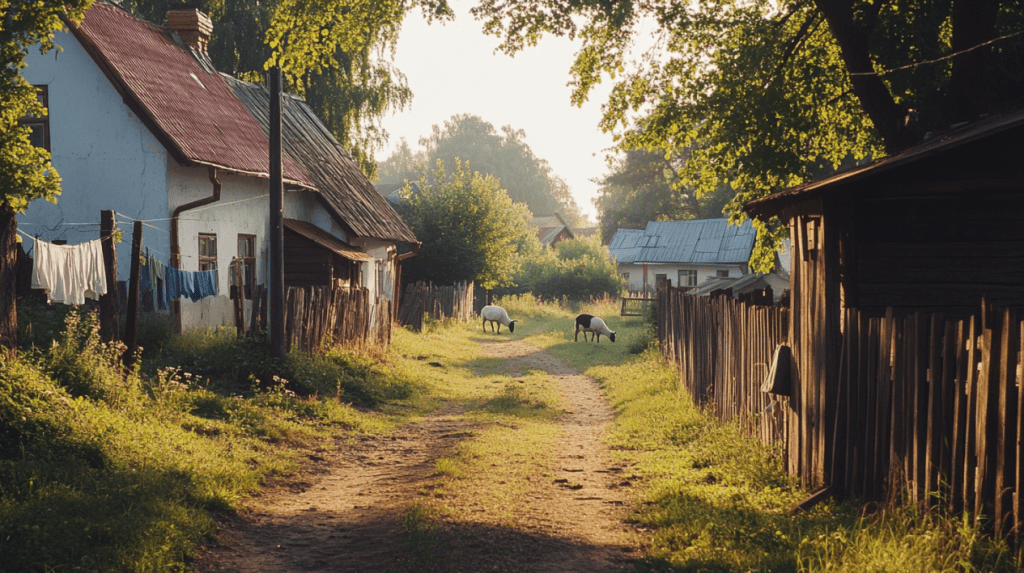
After lunch, the group took a short walk through the village. A few houses had laundry lines swaying in the breeze, but many seemed empty. Just around a bend, they saw an old man tossing hay to a pair of goats behind a wooden fence.
Renata smiled and greeted him in Lithuanian. The man nodded warmly. Tomas exchanged a few words with him while the others paused nearby.
Ben leaned over and asked in English, “What’s he saying?”
Tomas translated, “He says this part of the village used to be livelier, especially when the school was still open.”
Emma looked surprised. “There was a school here?”
Renata nodded. “Closed five years ago. No children left.”
The old man spoke again, this time more quietly. Tomas interpreted, “Most young people leave. Germany, Ireland… even Oslo. Some never come back.”
Julia glanced around. “It’s peaceful, but almost too still.”
Renata added, “He says silence is what remains when even the birds stop returning.”
They stood for a moment, the soft sound of wind brushing through the trees.
Ben said quietly, “It’s strange. We come here looking for quiet—but for them, maybe it’s all that’s left.”
慢慢空下來的村莊
午餐後,他們沿著村子裡的小路散步。有些房子掛著晾衣繩,在風中輕輕搖晃,但更多的房舍看起來空無一人。轉過一個彎,他們看到一位老人正在木柵欄後餵著兩隻山羊。
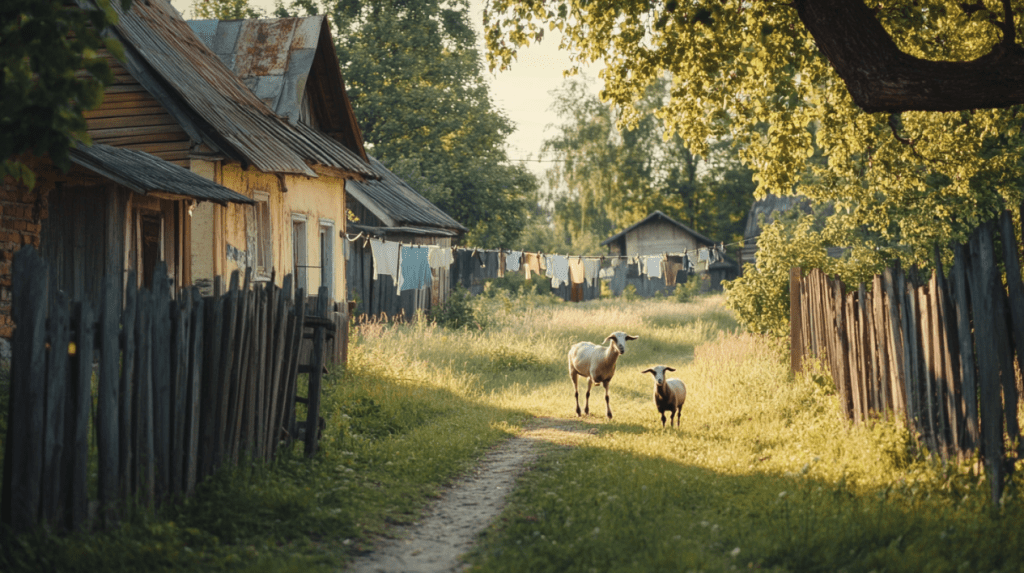
Renata 用立陶宛語打招呼。老人親切地點點頭。Tomas 與他交談幾句,其他人則停下來安靜地看著。
Ben 小聲問:「他在說什麼?」
Tomas 翻譯道:「他說這邊以前熱鬧多了,還有學校的時候。」
Emma 驚訝地問:「這裡以前有學校?」
Renata 輕輕點頭:「五年前關掉了。沒小孩了。」
老人又說了些什麼,語氣低了些。Tomas 接著翻譯:「大部分年輕人都離開了。去德國、愛爾蘭……有些去了奧斯陸。有人一去不回。」
Julia 看了看四周:「這裡很安靜……但好像太過了。」
Renata 接著說:「他剛才說,寂靜就是連鳥都不再回來時,留下的東西。」
大家沉默了一下,風輕輕穿過路邊的樹梢。
Ben 輕聲說:「我們是為了找安靜才來這裡……但對他們來說,也許只剩這些了。」
A Borderless Conversation
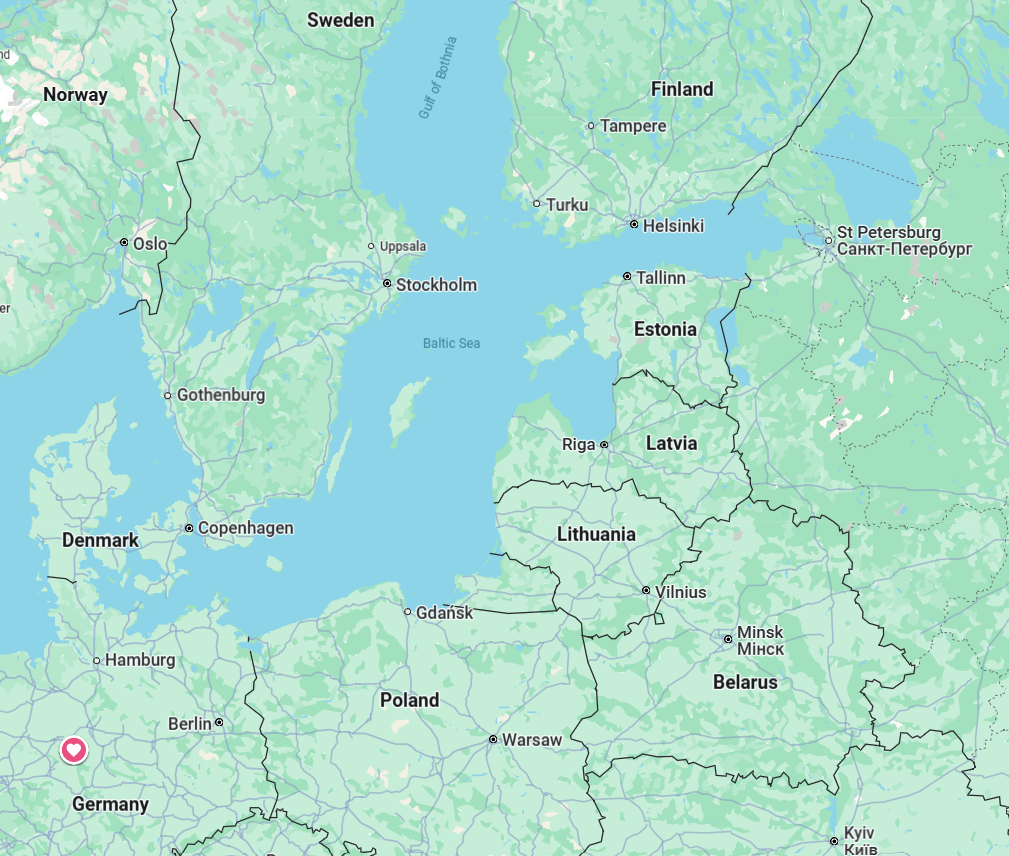
As they passed a small road sign pointing toward Latvia, Ben leaned over to Tomas.
“You know,” he said, “I keep wondering—why do so many young people here go to Germany or Ireland, but not to Latvia or Estonia? Or even Finland? They’re closer.”
Tomas nodded. “You’re not the first to ask that. The main reason is language. We may be neighbors, but our languages are completely unrelated. At least with German or English, we have some foundation from school.”
Renata smiled. “And Finland? It’s beautiful, yes—but extremely expensive. And hard to get work permits unless you speak Finnish.”
Julia looked surprised. “So it’s not really about distance, is it?”
“Exactly,” Tomas said. “It’s about where the doors are already half-open. Germany and Ireland had labor channels early on, and many Lithuanians have family or friends there now.”
Emma stirred her coffee thoughtfully. “Latvia feels so close on the map, yet it’s still… culturally distant.”
Renata laughed. “It’s like being roommates—but with different kitchens and playlists.”
Ben raised his glass. “Languages really are invisible borders.”
Everyone chuckled, and for a moment, the conversation drifted into quiet.
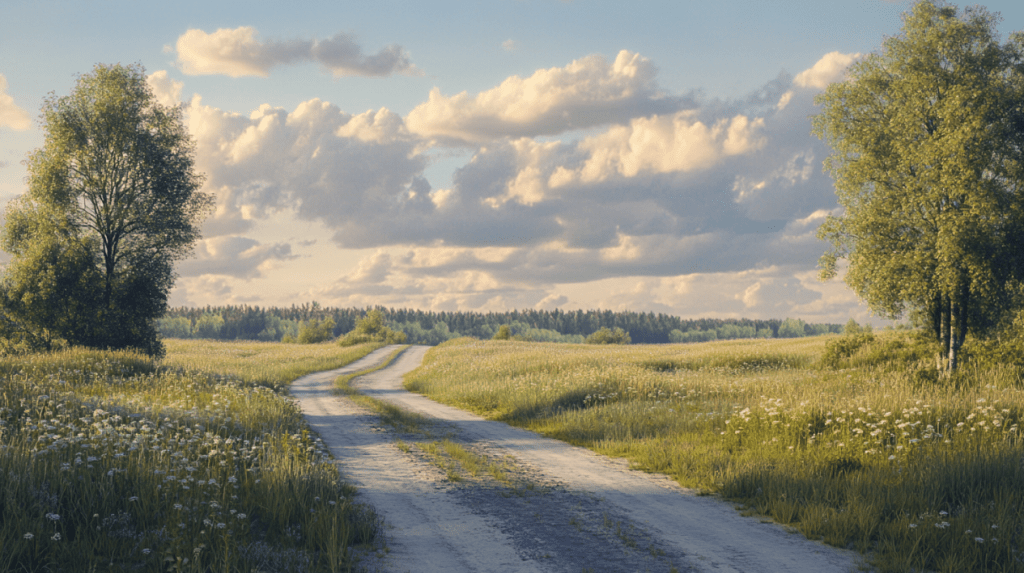
無形的邊界
當他們經過一個指向拉脫維亞的小路牌時,Ben 側身對 Tomas 說:
「你知道嗎,我一直在想,為什麼這裡的年輕人都跑去德國或愛爾蘭工作,卻不去拉脫維亞或愛沙尼亞?甚至是芬蘭?那些地方不是比較近嗎?」
Tomas 點點頭:「這個問題我們常被問到。主要原因是語言。雖然是鄰國,但語言完全不同。我們至少在學校學過英文或德文,但拉脫維亞語或愛沙尼亞語對我們來說就像外星文。」
Renata 笑著補充:「至於芬蘭,雖然真的很漂亮,可是生活費太高了。如果不會芬蘭語,想拿到工作簽證也很難。」
Julia 有點驚訝地說:「所以其實跟距離沒有關係,是不是?」
「正是這樣,」Tomas 說道:「重點是那些『門』是否半開著。德國和愛爾蘭早就開放勞工通道,現在很多立陶宛人也有親戚或朋友在那邊,去了有人照應。」
Emma 拿著咖啡杯若有所思地說:「地圖上拉脫維亞那麼近,可是文化上還是讓人有距離感。」
Renata 笑了:「就像是室友,但各自有廚房,音樂喜好也完全不同。」
Ben 舉起杯子:「語言真的是無形的邊界啊。」
大家笑了起來,話題慢慢淡了下來,車子繼續往東北的方向前行。
Afternoon: Wetlands and Glacial Flora
After a warm local lunch in the village, the group decided to continue their day with a short drive to a nearby wetland area—Velėnija marsh, one of several small bogs in the Samogitian landscape shaped by glacial retreat.
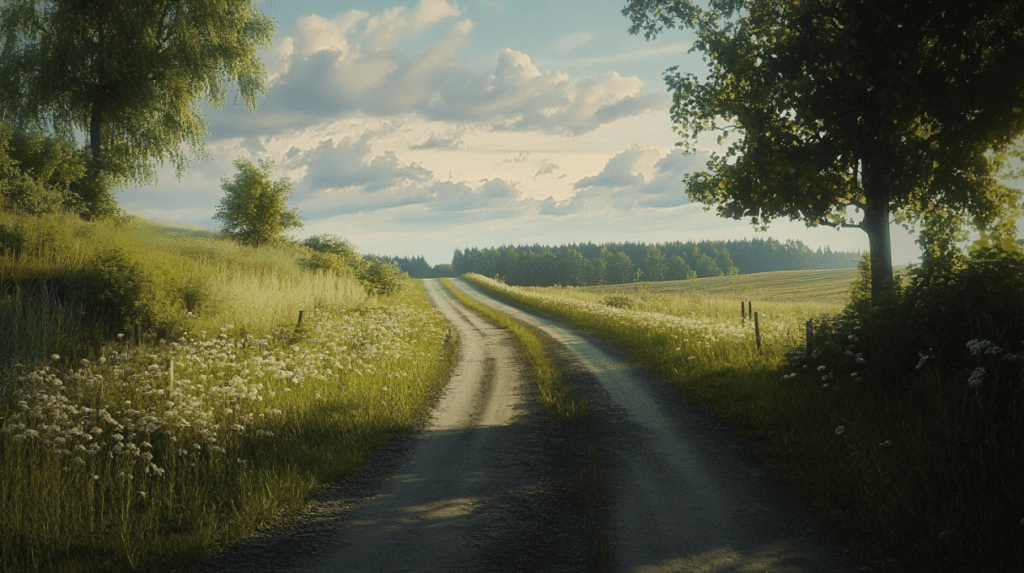
The trailhead was easy to access, with wooden planks guiding the way through stretches of sedge and moss.
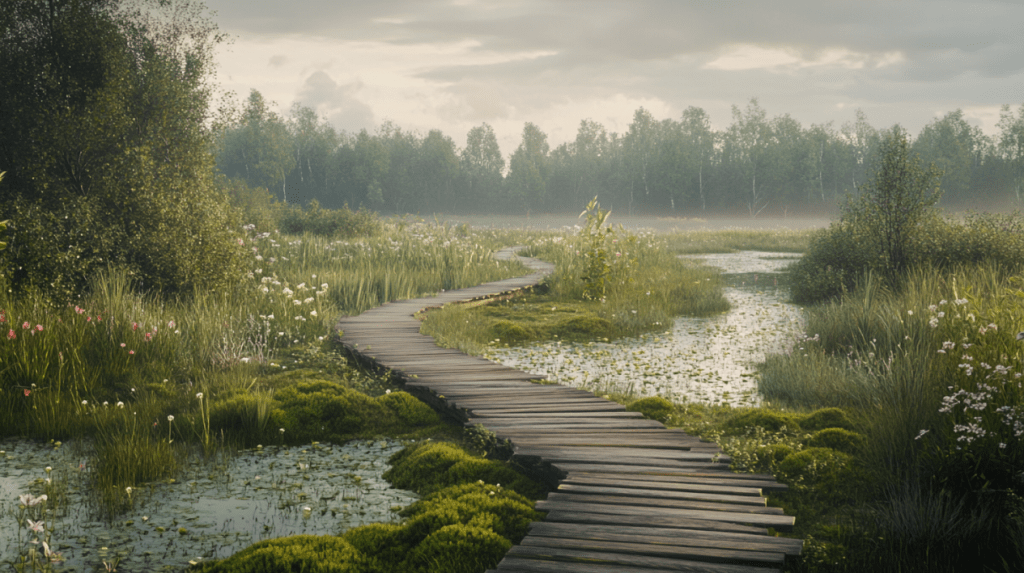
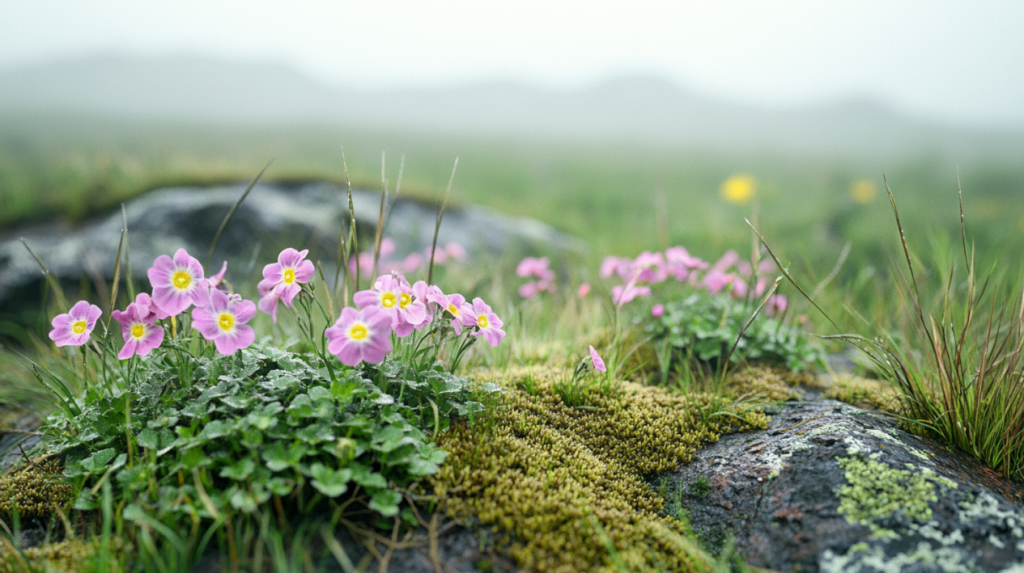
Julia crouched near the edge of a raised hummock and pointed to a small cluster of flowers:
“Bird’s-eye primrose—Primula farinosa. See the pale powder on its stems? That’s how it gets its name. These only grow in calcium-rich fens like this.”
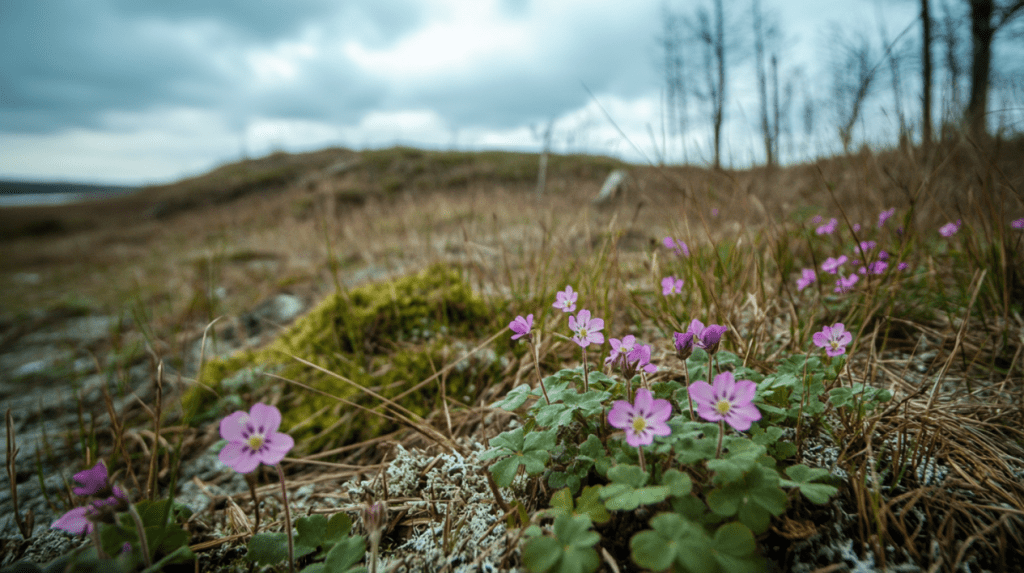
Emma took a closer look and smiled. “They’re surprisingly colorful for such harsh ground.”
Tomas added, “Many of these plants are relics from the last glacial period. They’ve survived because this area hasn’t been heavily farmed or drained.”
Renata, carrying the camera bag, said, “I never thought wetlands could feel this quiet and alive at the same time.”
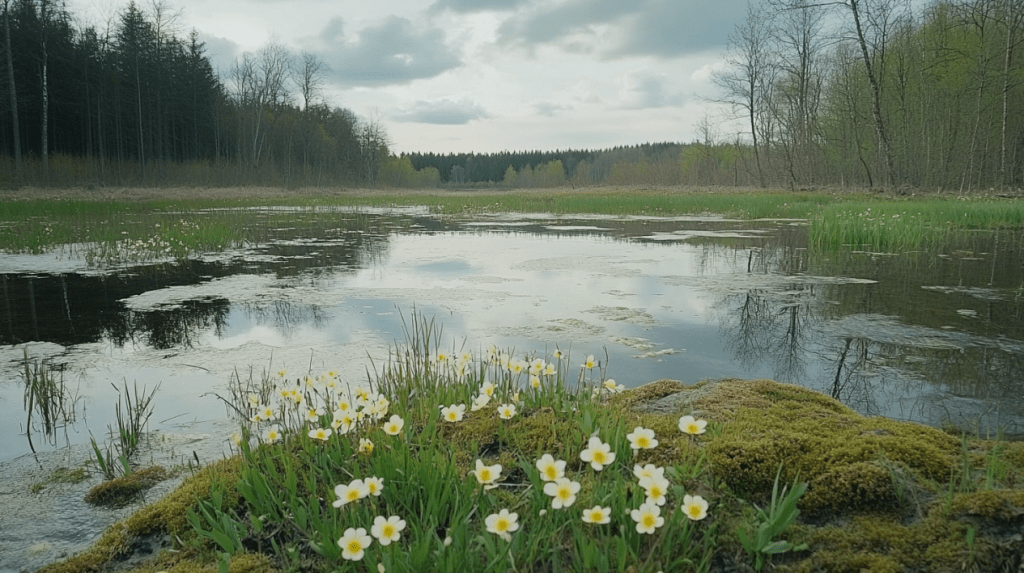
Ben was already walking ahead, setting up his camera to capture the contrast between the soft ground and the jagged treeline in the distance.
He turned back and said, “Let’s make this a slow walk. There’s a lot to see here if we don’t rush.”
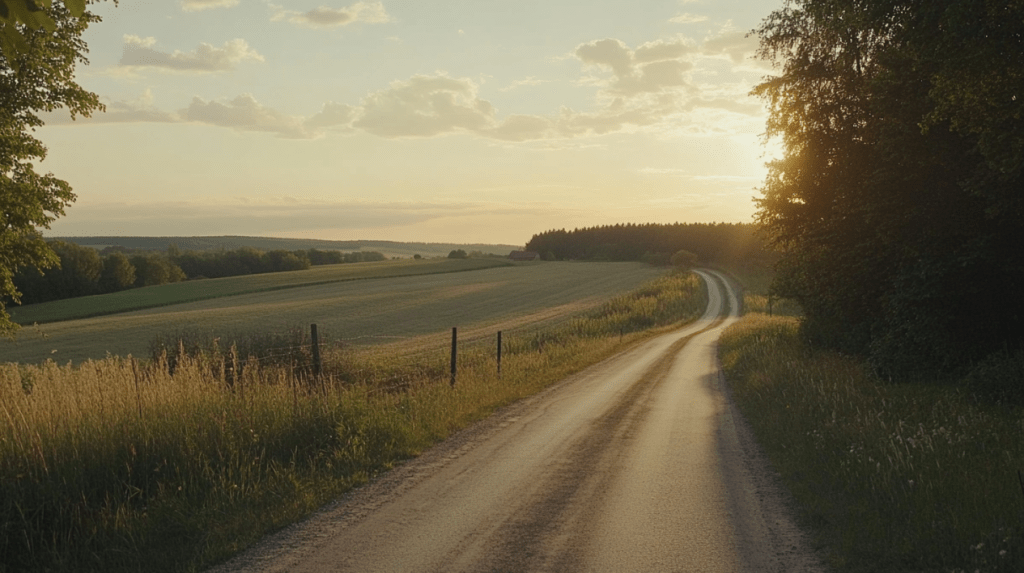
After visiting the wetland, the group returned to the guesthouse.
下午:濕地與冰河植物的足跡
在村子裡享用過熱呼呼的當地午餐後,他們開車前往不遠處的濕地——Velėnija 沼澤。
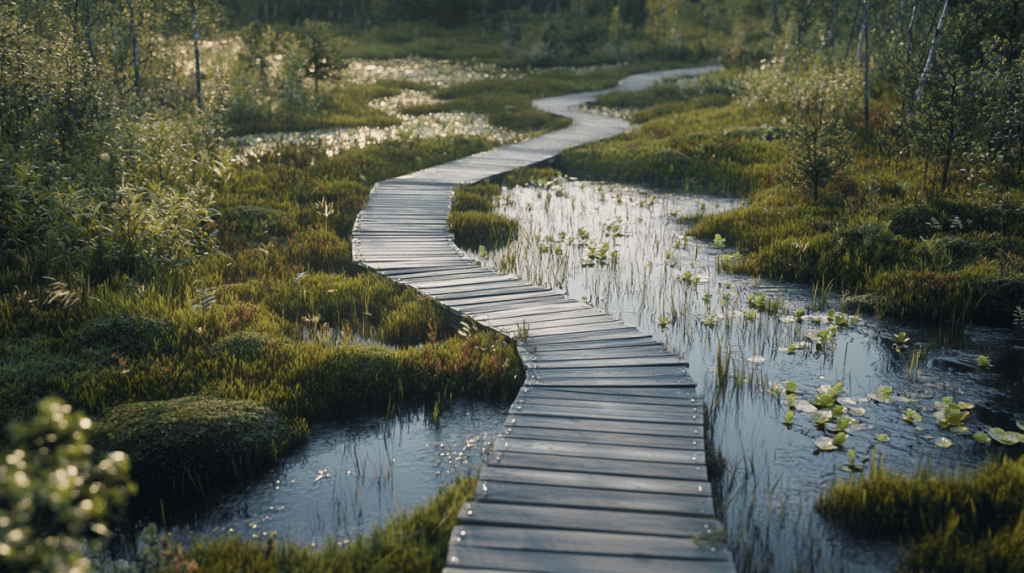
這是一處受到冰河時期地形影響的泥炭濕地,周邊保留了自然狀態的草澤與丘陵。
木棧道沿著濕地邊緣延伸,帶領他們進入一片靜謐的原野。
Julia 蹲在一小塊高起的苔蘚丘上,指著幾株淡紫色的小花說:
「這是鳥眼報春花(Primula farinosa)。你看它莖上那層粉霜,那是它的特徵。這種植物只會在含鈣的中性沼澤裡出現。」
Emma 湊近看了看,笑著說:「這麼貧瘠的土地上,竟然還有這麼鮮豔的花。」
Tomas 補充:「這些植物很多是冰河期留下的遺緒,因為這裡沒有過度農耕,也沒被排水,所以得以存活。」
Renata 拿著攝影包說:「我從沒想過濕地可以這麼安靜,卻又讓人感覺充滿生命。」
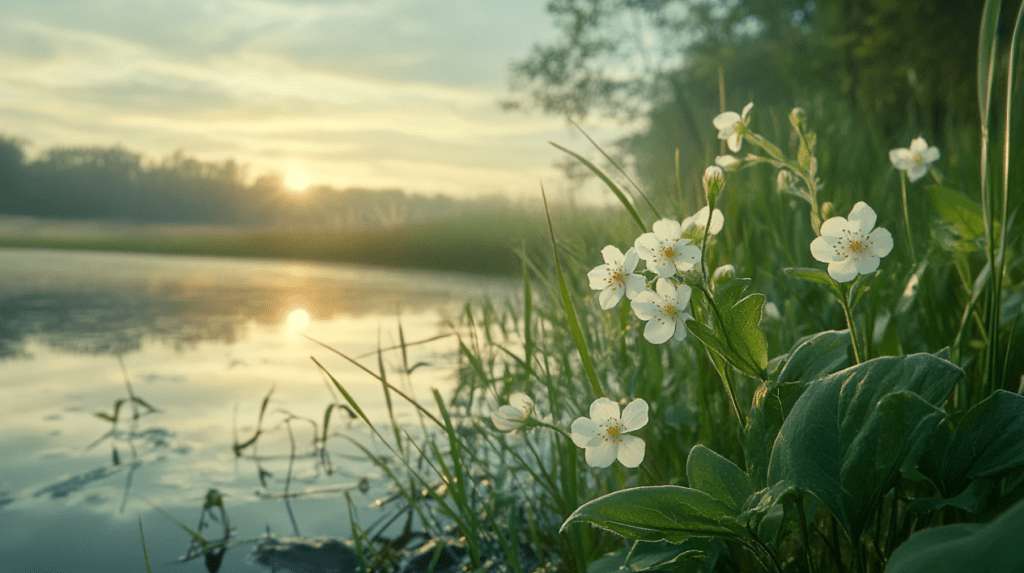
Ben 已經走到前方,調整著腳架,準備拍下柔軟地面與遠方樹線之間的對比。
他轉頭說:「這裡不能快走——只有慢慢看,才會發現那些藏著的東西。」
看完濕地後,一行人回到了旅館。

 Virtual Travel | 虛擬旅行沉浸式英語學習
發表留言