The Archaeological Significance of Lake Biržulis

After dinner, they all returned to the common room of the guesthouse.
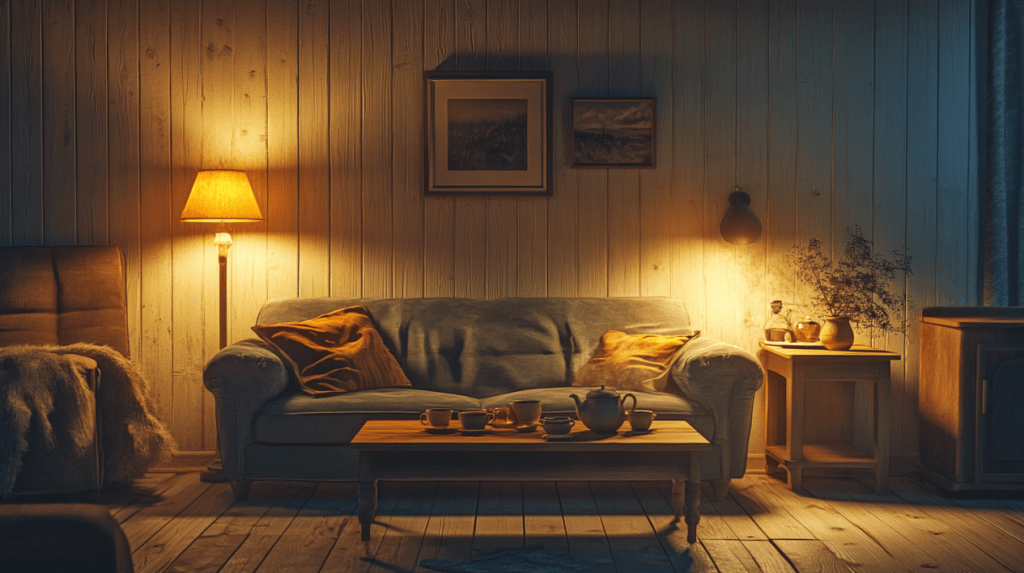
A soft pool of light spread across the pinewood floor. The ceramic teapot on the table was gently steaming.
Julia opened her notebook and pulled out a folder with highlighted maps.
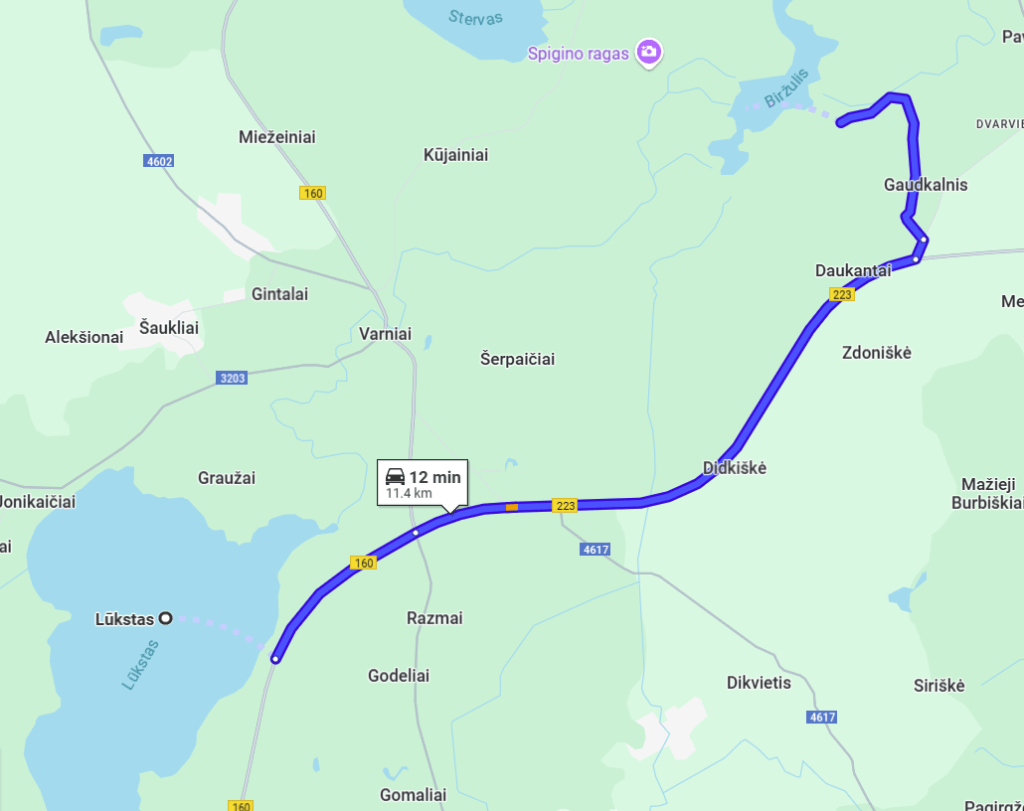
“Tomorrow we’re heading east,” she said, “to Biržulis Lake. It’s not just a natural site—it’s also home to one of the earliest archaeological discoveries in this region.”
Emma leaned closer. “As in, Mesolithic period?”
Tomas nodded. “Yes. Some of the earliest traces of human presence in what is now Lithuania were found there. People lived near the wetlands, made tools, and buried their dead.”
Ben asked, “Have they found remains of houses?”
Julia shook her head. “No structures so far. But graves, hearths, and signs of food processing—yes. Some burials even had grave goods, suggesting ritual behavior.”
Renata’s eyes lit up. “Wasn’t there a famous archaeologist involved in that site?”
Julia smiled. “Yes, Rimutė Rimantienė. She led many of the major excavations around Lake Biržulis in the 1980s. Her fieldwork shaped our understanding of prehistoric settlement patterns in this part of Europe.”
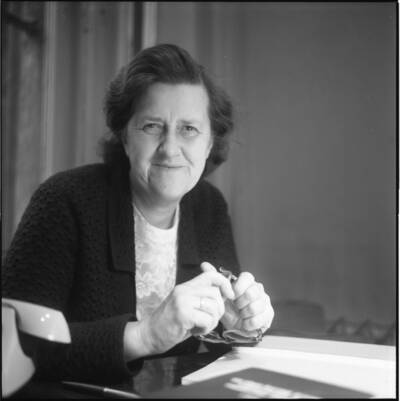
Rimutė Rimantienė: Founder of the School of Stone Age Explorations in Lithuania and the Eastern Baltic Region.
Emma raised an eyebrow. “I’ve read about Gimbutas and her goddess theory. Any overlap?”

Julia replied, “Gimbutas worked further south and was more focused on symbolic systems. Rimantienė was grounded in empirical fieldwork—layers of peat, flint tools, bones. But both contributed to understanding early European societies, just in very different ways.”
Tomas added, “Biržulis was especially valuable because of the peat bog. It preserved organic material—wood, plant remains—that usually doesn’t survive elsewhere.”
Ben nodded, looking impressed. “So we’ll walk on ground that once held some of the oldest evidence of life in this region.”
“And possibly language and trade roots, too,” Julia said. “Even if it’s silent now, the lake still remembers.”

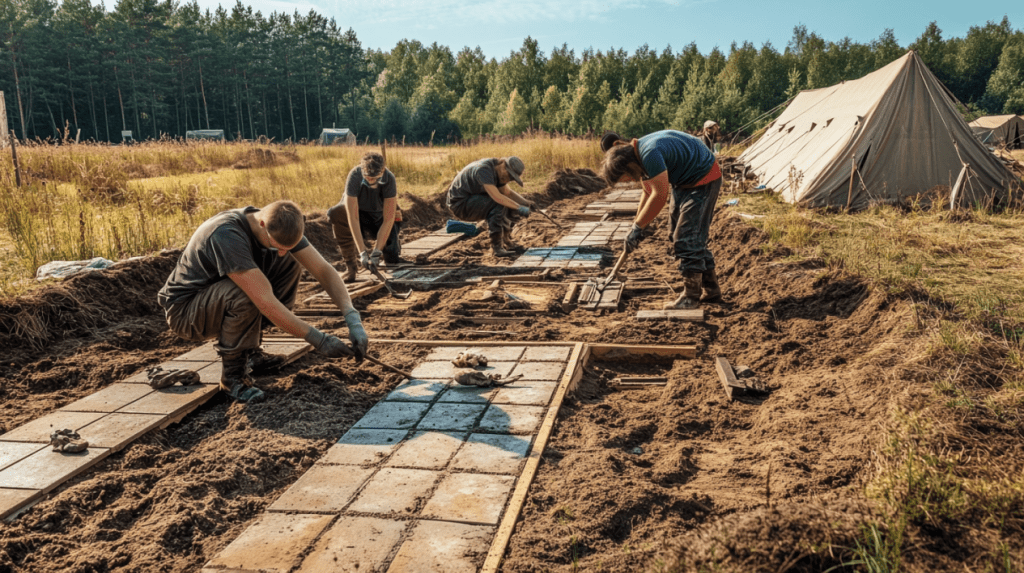
Mesolithic Activity Scene (AI-Generated Imaginary Image)
Emma looked thoughtful. “So… how old are the oldest findings there? Are we talking Neolithic?”
Julia nodded. “Actually, Mesolithic—some remains date back to around 7000 BCE. That’s before agriculture fully arrived in the region.”
Tomas added, “Back then, this area wasn’t a full lake yet. It was a lowland wetland gradually filling with water. People camped along its edges, fishing, gathering plants, probably returning seasonally.”
Ben leaned in. “Do we see similar things elsewhere in Europe?”
Julia replied, “In parts of Denmark and northern Germany, yes—but Biržulis stands out because the peat preserved organic material like wooden tools, even food traces. And its burial practices suggest symbolic behavior early on.”
Renata asked, “Does that connect to how language or trade moved later?”
Tomas smiled. “That’s one of the big questions. Some researchers see links between this area and the broader spread of Finno-Ugric or early Indo-European culture, but it’s not conclusive. What’s clear is—this was never just a remote bog. It was part of a wider prehistoric world.”
Biržulis 湖與考古意義
晚餐過後,大家再次聚在旅館的公共空間。
松木地板上映著立燈拉長的光影,桌上的陶瓷茶壺正悄悄冒著熱氣。
Julia 打開筆記本,從包裡拿出一份標註過的地圖資料夾。
「明天我們會往東走,到 Biržulis 湖。」她說:「那不只是自然景點,也是這個地區最早期的考古遺址之一。」
Emma 靠過來問:「是指中石器時代嗎?」
Tomas 點點頭:「對,立陶宛境內最早的人類活動跡象之一,就是在那附近的濕地發現的。人們住在湖邊,製作工具,也在那裡埋葬死者。」
Ben 好奇地問:「有發現房屋遺跡嗎?」
Julia 搖搖頭:「沒有建築,但有墓葬、火坑與食物加工的痕跡。有些人骨還伴隨著隨葬品,顯示當時已有儀式行為。」
Renata 聽得入神:「那位著名考古學家是不是曾在那裡工作?」
Julia 微笑:「對,是 Rimutė Rimantienė 教授。她在1980年代主持了 Biržulis 湖區的大規模發掘。她的研究奠定了我們對立陶宛史前定居、語言與貿易傳播的基礎。」

Biržulis 湖區的大規模發掘
Emma 想了一下問:「那她跟 Gimbutas 教授的女神理論有關聯嗎?」
Julia 解釋:「Gimbutas 的重點在南歐與符號系統;Rimantienė 則是立足於實地考古——泥炭層、燧石、動植物遺骸。兩人方向不同,但都幫助我們了解歐洲早期社會。」
Tomas 接著說:「Biržulis 特別寶貴的一點,是它的泥炭地保存了木器與植物等有機物,這在其他地方很難保存下來。」
Ben 聽了點頭:「所以我們明天會走在那些曾經留下人類最早痕跡的土地上。」
Julia 說:「也許還埋著語言與文化的源頭。雖然現在湖面很安靜,但它記得那些過去。」
Emma 若有所思地問:「所以……那裡最早的遺物有多古老?是新石器時代嗎?」
Julia 點頭說:「其實是中石器時代——有些遺留物可追溯到西元前七千年,那時農業還沒真正傳入這一帶。」
Tomas 補充:「當時這裡還不是個完整的湖泊,而是逐漸積水的低窪濕地。人們可能在邊緣露營、捕魚、採集植物,而且應該是季節性地回到這個地點。」
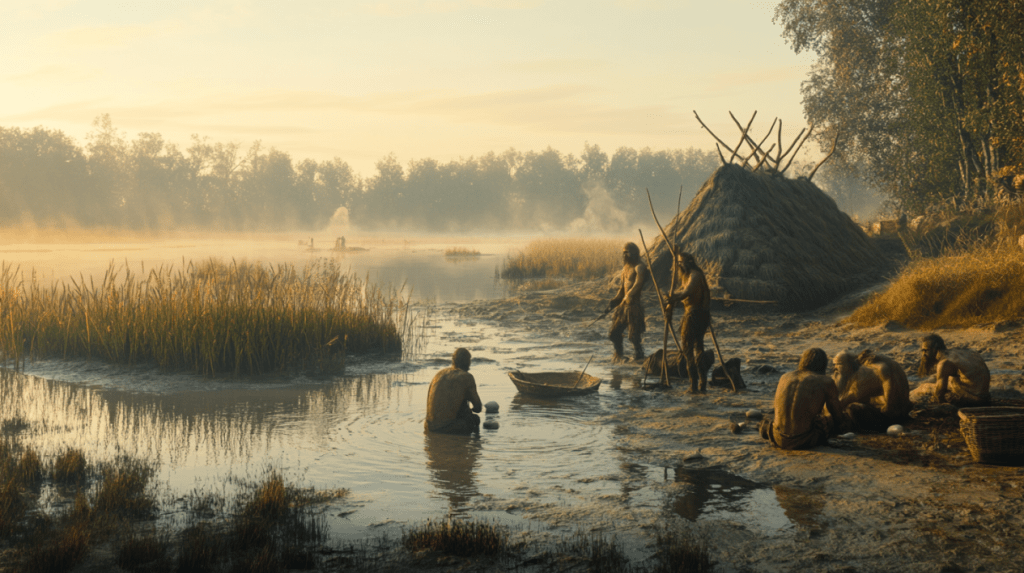
中石器時代活動 (AI 示意圖)
Ben 靠近些問:「歐洲其他地區也有類似的嗎?」
Julia 回答:「在丹麥、德國北部有一些,但 Biržulis 特別之處在於泥炭層保存了有機物,比如木製工具,甚至有食物殘留。那裡的埋葬行為也顯示出很早期的象徵性行動。」
Renata 問:「這些會不會跟後來語言或貿易的擴散有關?」
Tomas 微笑道:「這正是考古界的大問題之一。有些研究者認為,這一帶可能與芬蘭-烏戈爾語族或早期印歐語族的擴散有關,但證據還不夠明確。可以確定的是——這裡從來不只是偏遠的沼澤,而是更大史前世界的一部分。」
「這湖不只是自然景觀,它也是記憶的容器。」
Into the Layers of the Land
The road toward Lake Biržulis slowly curved through low hills and open meadows, where occasional clusters of birch trees and young pine interrupted the horizon. Morning light fell gently over the fields, and a fine mist clung to the surface of shallow depressions — remnants of ancient glacial activity.
Julia pointed at the landscape as they drove.
“This whole region is a textbook example of post-glacial terrain. You see those uneven ridges and kettle-like depressions? These are telltale signs of terminal moraines — where the glacier stopped and dumped everything it had pushed forward.”
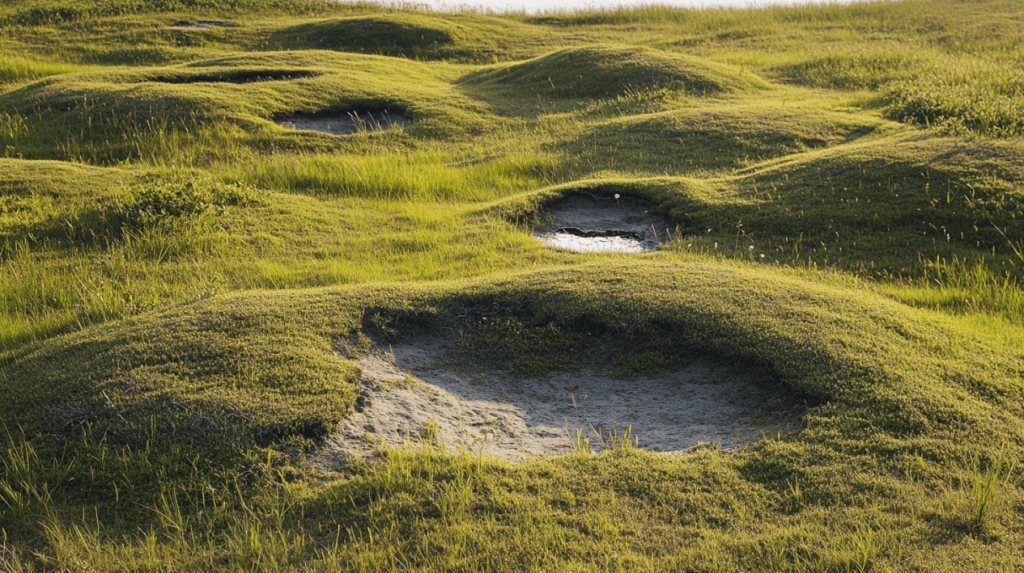
Tomas added, “You’ll also notice how many of the small lakes in this region aren’t fed by rivers. They formed from meltwater trapped in those depressions. Biržulis is one of them — not just a lake, but a window into both the past and the underground.”
Ben peered out the window. “It really looks like a soft, rolling patchwork. Not dramatic, but you can feel the age of the land.”
Emma took out her notebook. “And all these subtle curves—perfect terrain for studying soil layers, sediment shifts, and how prehistoric people adapted to the terrain.”
地景之中:穿越地質的記憶
前往 Biržulis 湖的道路緩緩穿過低矮丘陵與開闊草原,零星的白樺與年輕松樹點綴在地平線上。
清晨的陽光斜灑在田野,淺淺的霧氣仍浮在幾處低窪地表,那是冰河時期遺留下的痕跡。
Julia 一邊指著窗外說:「這一區就是典型的冰河退縮地形。你看那些不規則的坡線,還有像水窪一樣的凹地?那是終端冰磧的痕跡,也就是冰河在退去時堆積下的沉積物。」
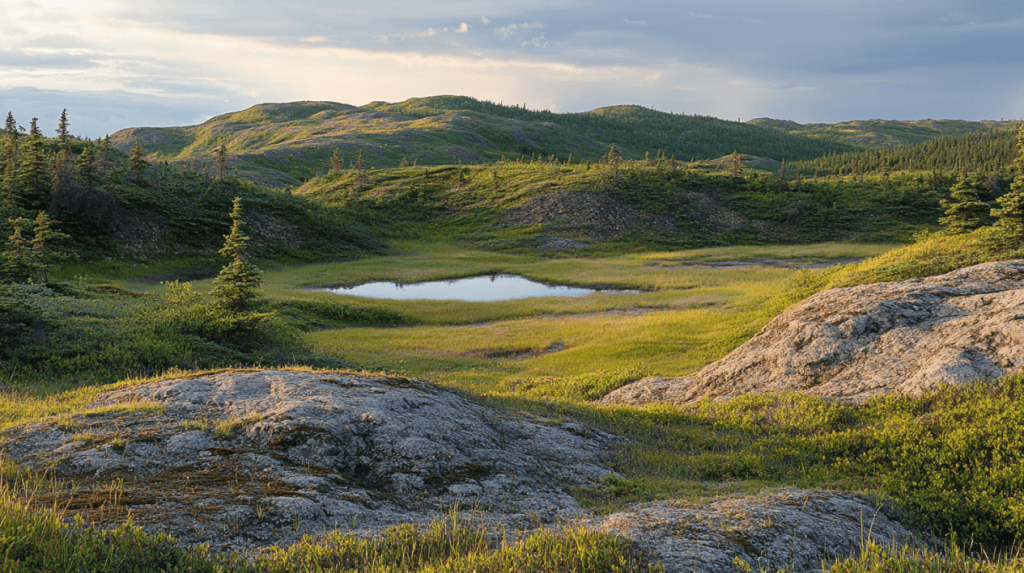
Tomas 補充:「這裡很多湖泊都不是由河流注入,而是冰河退去後,水滯留在這些地形的低處。Biržulis 就是這樣形成的——它不只是個湖,也是地底歷史的窗戶。」
Ben 望著窗外說:「這片土地沒有太誇張的山谷,卻有一種古老靜默的感覺,像是歲月堆疊的紋理。」
Emma 拿出筆記本:「這些細微的地形起伏,對於研究土壤層、沉積演變、還有史前人類如何因地制宜地生活,都是非常重要的線索。
Hidden Waters of the Glacial Land
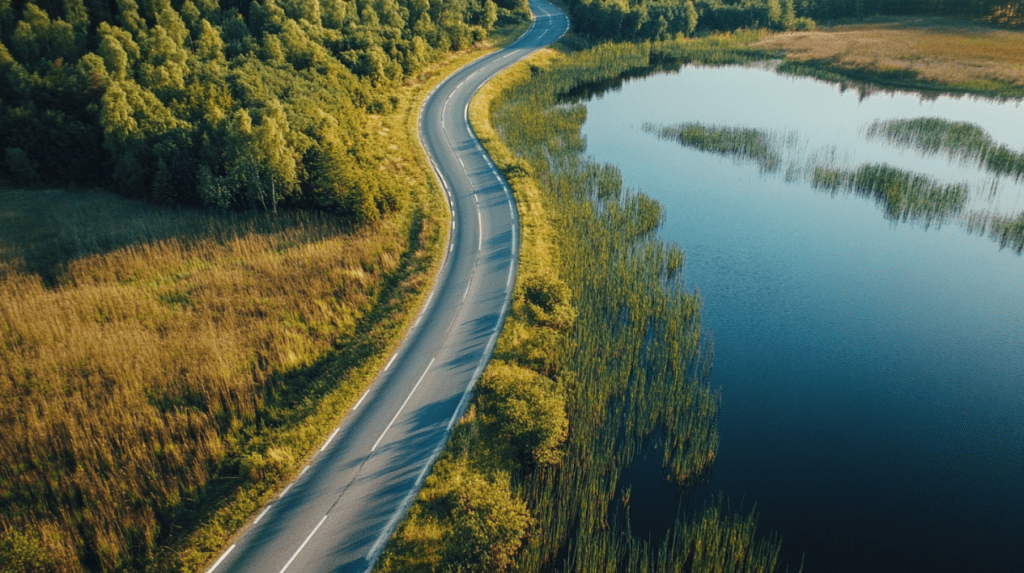
As they drove through a gently undulating landscape dotted with wet meadows and scattered woods, the morning light caught glints of water between clusters of reeds.
Ben leaned forward in his seat. “So that’s Biržulis? It looks completely still. There’s no river feeding into it?”
Julia nodded. “That’s right. Most of these glacial lakes are not connected to rivers in the usual sense.”
Emma turned from the window. “Then how do they stay filled?”
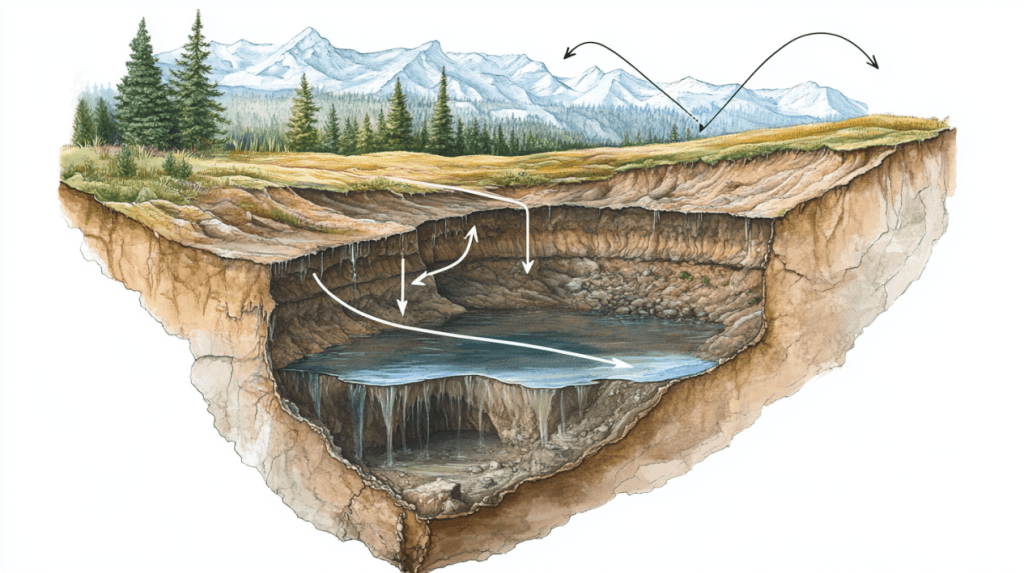
“Snowmelt and rainfall,” Julia replied. “The lake sits in a basin carved by retreating glaciers. In spring, melting snow runs down the slopes and fills the low points. And even if we don’t see any visible streams, the groundwater keeps cycling through.”
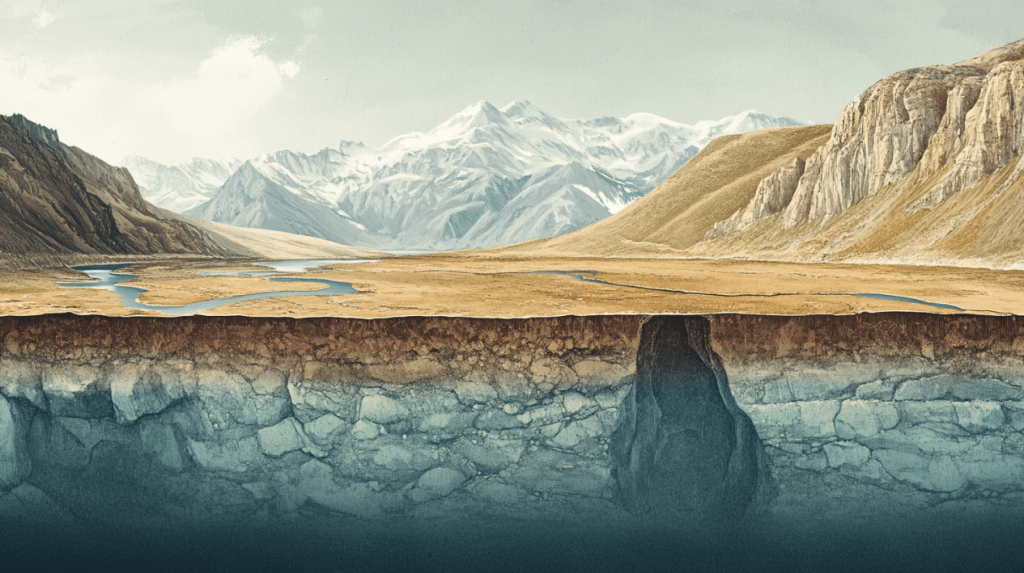
Tomas added, “Sometimes the lake is fed from below—subsurface flow through gravel and sand layers. That’s why it can look static, but the water is always in motion.”
Renata looked out the window and said softly, “So it’s like a quiet reservoir of time. Water, sediment, maybe even memories—just sitting there.”
Julia smiled. “And that’s part of why archaeological remains were preserved so well. The peatland keeps the moisture, and there’s little oxygen, so wood and bones don’t decay easily.”
Ben lifted his camera. “And we’re heading right to the heart of it.”
冰河地景下的隱藏水源

車子行駛在微微起伏的丘陵間,兩側不時閃現濕地與零星林地的光影。
幾束蘆葦之間隱約映出水面閃爍的光。
Ben往前靠了靠:「那就是 Biržulis 湖嗎?看起來完全靜止耶。沒有河流流進去嗎?」
Julia 點頭:「對,大多數的冰河湖都沒有明顯的進出水河道。」
Emma 轉過頭來:「那水怎麼來的?」
「融雪跟降雨。」Julia 說:「這湖是冰河退去後留下的窪地。春天雪水從丘陵慢慢流下來,積在低處。即使我們看不到明顯的溪流,地下水還是會不斷補給。」
Tomas 補充:「有時水是從湖底流進來的,透過砂礫層的地下滲流。所以表面看起來靜止,實際上水一直在循環。」
Renata 看著窗外低聲說:「這樣的湖,好像一個沉靜的時間容器。水、沉積物,甚至是記憶,就那樣靜靜地待著。」
Julia 笑了笑:「所以考古遺物才能保存得那麼好。泥炭地保濕、缺氧,木頭與骨頭才不容易腐爛。」
Ben 拿起相機:「而我們就要走進這記憶的中心。」
Local Waters, Local Flavors
As the car neared the lake, Renata glanced out the window at the still water fringed with reeds and whispered, “I wonder what kind of fish or shellfish live here. Do people actually eat what they catch from this lake?”
Tomas smiled. “Good question. Biržulis itself isn’t a major fishing lake now, but traditionally, yes—people used to catch pike, perch, and even tench from these peat-rich lakes.”
Julia added, “The peat makes the water quite acidic and low in oxygen, which affects what kind of aquatic life survives. You won’t find saltwater species, of course, and even freshwater clams are limited.”
Emma looked interested. “So no mussels or crayfish like in northern Sweden?”
Tomas shook his head.
“Not really. The biodiversity here is narrower. But the fish people used to catch were usually smoked or baked in clay ovens. Old recipes from this region often include baked pike with barley, or perch with wild herbs.”
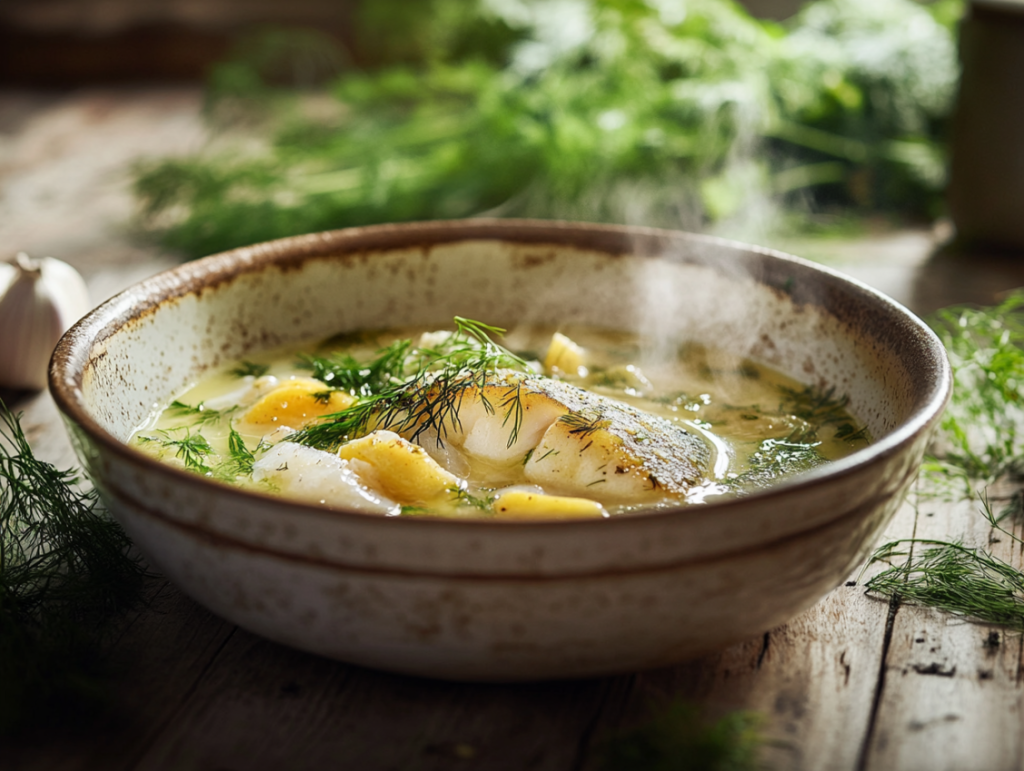
Baltic-style dish of perch simmered with wild herbs
Renata’s eyes lit up. “That sounds wonderful. I’d love to try those traditional dishes—maybe not fancy, but very rooted in place.”
Ben chuckled. “Leave it to you to find something delicious even in a prehistoric landscape.”
在地水域的滋味
車子靠近湖泊時,Renata 看著水面邊緣那圈蘆葦,小聲地說:「我很好奇,這邊有什麼樣的魚或貝類啊?湖裡抓到的東西,當地人會吃嗎?」
Tomas 笑了笑:「好問題。Biržulis 現在不是主要的漁場,不過傳統上是會捕魚的。像是狗魚、鱸魚,還有一種叫做 tench 的淡水魚,都會出現在這類泥炭湖裡。」
Julia 補充:「這種湖的水因為泥炭影響,酸性高、氧氣少,所以能生存的水生物不多。當然不會有鹹水物種,連淡水貝類也有限。」
Emma 好奇地問:「那會像瑞典北部那種有河蚌、溪蝦的地方嗎?」
Tomas 搖頭:「不太一樣,這裡的生物多樣性比較低。不過傳統上人們會把捕到的魚拿來煙燻,或者用陶爐烘烤。當地食譜裡常見的,有烤狗魚配薏仁、或用野草香料煮的鱸魚。」

烤狗魚配薏仁
Renata 眼睛一亮:「聽起來好棒。我很想試試那種料理,不是那種華麗的菜色,但有一種土地的味道。」
Ben 笑著說:「妳真的能在史前地景中發掘美食耶。」
Baltic Neighbors and Glacial Landscapes
Ben leaned his elbow against the window. “So, if Lithuania has these glacial hills and kettle lakes, what about Latvia and Estonia? They’re farther north, right?”
Julia nodded. “Yes, both countries were also heavily shaped by glaciers during the last Ice Age. In fact, Estonia has some of the most well-preserved eskers and moraine ridges in the region.”
Tomas added, “Latvia, especially the Vidzeme Upland, has really dramatic glacial terrain. Rolling hills, erratic boulders, and lake clusters. Quite different from southern Lithuania.”
Emma asked, “Are those areas more mountainous?”
Julia shook her head. “Not mountains, just more pronounced glacial features. But in Estonia, you can see layered landforms almost like steps, especially near Saaremaa and Lake Peipus.”

Renata smiled. “So the Baltics are like a natural museum of ice age geography?”
“Exactly,” Julia said. “And Samogitia is one quiet corner of that museum.”
波羅的海鄰國的冰河地形
Ben 把手肘靠在窗邊,說:「如果立陶宛有這些冰磧丘陵和壺穴湖,那拉脫維亞和愛沙尼亞呢?不是更北一點嗎?」
Julia 點頭說:「沒錯,這兩個國家也深受冰河影響。尤其是愛沙尼亞,那裡保留了波羅的海地區最完整的冰磧脊與冰磧丘。」
Tomas 補充:「拉脫維亞的 Vidzeme 高地一帶地形很戲劇化,有起伏的大丘陵、冰川搬運來的巨石,還有一整片片的湖泊群,和立陶宛南部的地貌很不一樣。」

Emma 問:「那些地區會比較像山嗎?」
Julia 搖頭:「不是山,只是冰河地形比較明顯而已。像愛沙尼亞的 Saaremaa 和 Peipus 湖附近,就能看到層層堆疊的地形,好像天然的階梯。」
Renata 笑著說:「所以整個波羅的海地區就像一座冰河時代的自然博物館?」
「正是,」Julia 說:「而薩莫吉希亞,就像這座博物館中一個安靜的角落。」
Field Stop at the Kettle Hills
They pulled over at a clearing where the terrain began to ripple like waves.
The car crunched to a stop on the gravel path, and everyone stepped out into the soft afternoon light.

Julia shaded her eyes and looked around.
“This is a classic glacial moraine landscape. See those irregular slopes? And those shallow basins over there? That’s where blocks of ice once sat and slowly melted, leaving behind depressions.”
Ben crouched down, picking up a pebble. “So these rocks were just dumped here by ice?”
“Exactly,” Julia said. “The glacier acted like a conveyor belt. It carried rocks, sand, even boulders. When it melted, everything stayed behind, forming what we call a terminal moraine.”
Tomas added, “That’s why the soil here is so mixed—gravel, clay, sand, all packed together. Not great for large-scale farming, but ideal for natural diversity.”
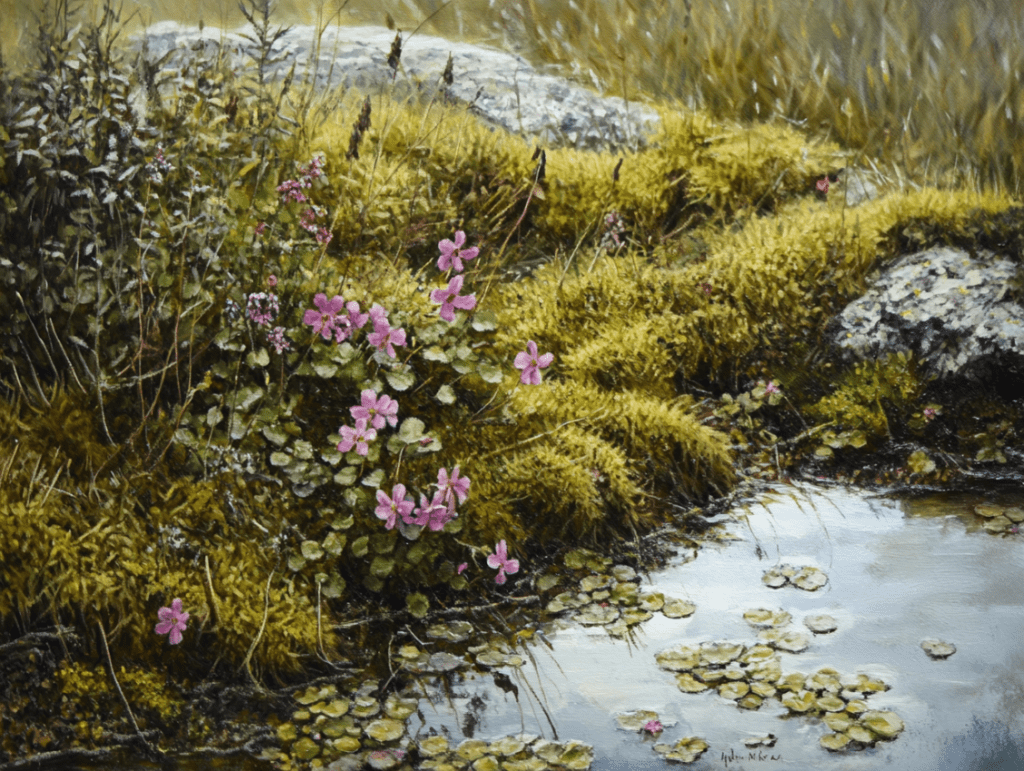
Emma walked a bit farther and pointed at a nearby grove. “And look at the plants—lots of mosses, sedges, even small orchids. This kind of ground has never been plowed, so it keeps rare species.”
Renata was already kneeling beside a patch of wild thyme. “It even smells like a glacier left behind a herb garden.”
Everyone laughed as the wind moved gently over the hills.
冰磧丘陵的現場觀察
他們在一處空曠地停了下來,地勢像波浪一樣層層推展。
車子在碎石路上嘎吱停住,午後的陽光柔和,大家紛紛下車。

Julia 抬手遮住眼睛,看著周圍說:「這裡就是典型的冰磧丘陵。你看那些不規則的坡線,還有像水窪一樣的凹地?那是曾經有冰塊坐落在這裡,慢慢融化後留下的低地。」
Ben 蹲下撿起一顆小石子:「所以這些石頭是冰河搬來的?」
「沒錯,」Julia 回答,「冰河就像輸送帶,搬運著岩石、沙子、甚至大石頭。冰融化後,這些東西就留下來,堆成我們現在看到的終端冰磧。」
Tomas 補充:「所以這裡的土壤成分很混雜——碎石、黏土、沙子混在一起。雖然不適合大規模農耕,但卻孕育了豐富的自然多樣性。」
Emma 走到附近的一片灌木叢邊,指著說:「你們看這些植物——有苔蘚、莎草,甚至還有小蘭花。這些地方從來沒被耕過,才保留下這麼多稀有物種。」

Renata 已經蹲在一片野百里香旁邊,笑說:「這裡根本像冰河留下來的香草花園。」
大家都笑了起來,微風輕輕吹過這片起伏的丘陵地。

 Virtual Travel | 虛擬旅行沉浸式英語學習
發表留言