

Breakfast and a Conversation on Cities
The morning mist still hung low over the fields when the car rolled out from the small inn near Tverai.
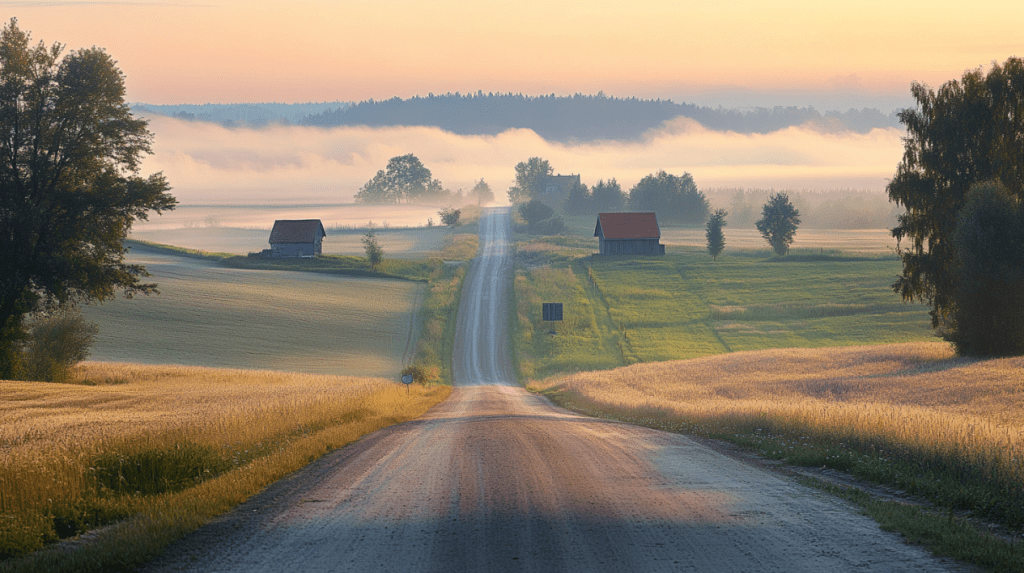
The five of them were quiet at first, letting the soft sunlight filter through the windows as gentle hills rolled past, slowly giving way to flatter stretches of farmland and straight country roads.
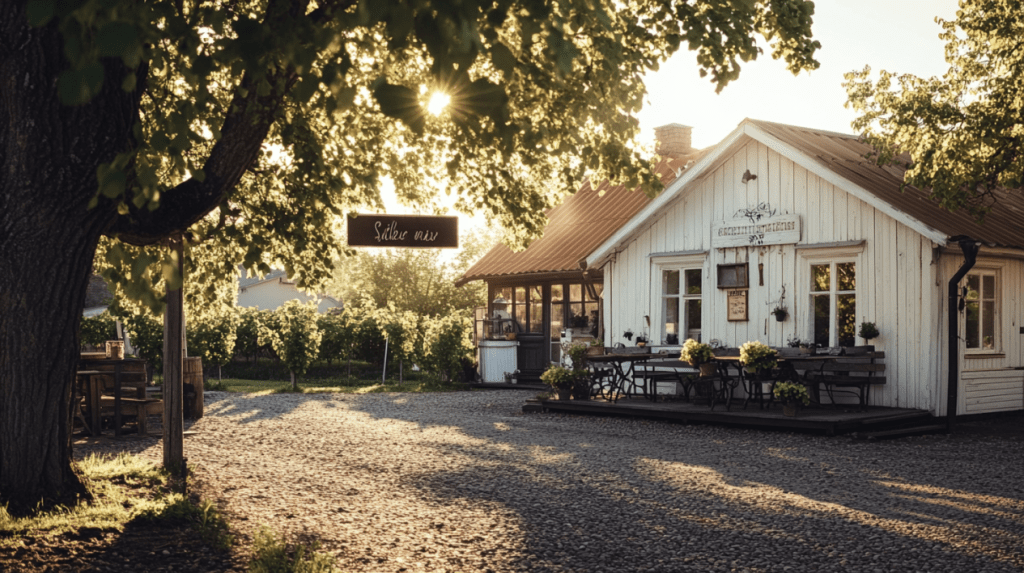
By the time they stopped at a roadside diner near Raseiniai, the low sky had cleared. The place was modest—a wooden house with whitewashed walls, a hand-painted sign swinging from a rusted bracket, and a cluster of linden trees shading the gravel lot.

Inside, the aroma of fried eggs, sour rye bread, and coffee welcomed them. They sat near the window, watching a tractor move slowly across a distant field.
Ben stirred his tea. “So, what’s your take on Kaunas versus Vilnius?” he asked casually, looking at Emma and Tomas.
Emma looked out at the open landscape before replying. “Well, they’re quite different, historically and geographically. Vilnius was always the capital, the administrative center—tucked into the southeast, close to Belarus, multicultural, shaped by centuries of shifting borders.”
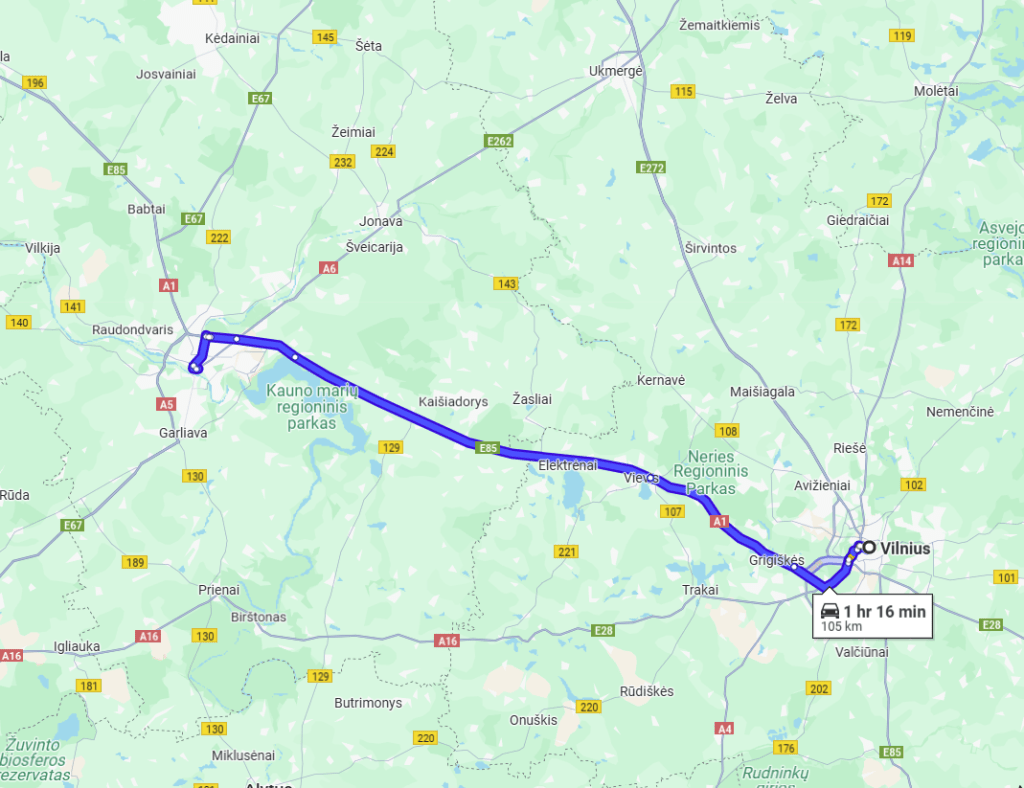
Tomas added, “And Kaunas, for a time, was the temporary capital when Vilnius was under Polish control. Between the wars. That shaped its identity a lot—there’s this whole interwar modernist legacy you don’t see in Vilnius.”
Julia nodded. “Kaunas feels more structured. It’s on flatter land, and maybe that’s part of it. The Neman River flows right through, more open than Vilnius with its narrow valleys.”
“Economically, Vilnius grew stronger after independence, didn’t it?” Ben asked.
“Yes,” Tomas said. “Vilnius became the hub—finance, politics, tech. But Kaunas has industry, strong universities, and some say it’s more genuinely Lithuanian in its spirit.”
Renata smiled. “And Vilnius is the place where cultures meet, sometimes clash. You see the Polish, Russian, Jewish layers much more there.”
The food arrived—plates of eggs, slices of dark bread, cheese, pickled cucumbers, and steaming cups of coffee.
Outside, the clouds had scattered, and the sky had taken on a bright, early-summer blue.
They didn’t stay long. After paying, they stepped back into the car, ready for the final stretch toward Kaunas.
早餐與城市間的對話
當車子從特維賴附近的小旅館駛出時,清晨的霧氣還低低地籠罩在田野上。起初,五個人都安靜地坐著,任陽光穿透車窗灑落在車內。

窗外是一層層起伏的丘陵,隨著里程推進,地勢漸漸平坦,轉為綿延的農田與筆直的鄉間道路。
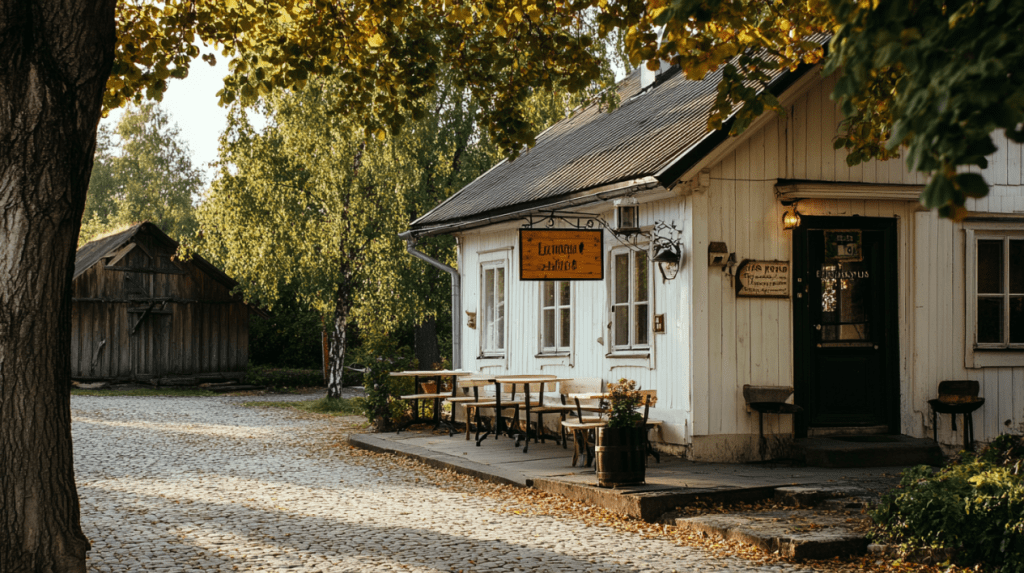
接近拉塞尼艾(Raseiniai)時,他們在一間路邊的小餐館停下來吃早餐。那是一間木造屋舍,刷白的牆面,門口吊著一塊手繪招牌,鐵架微微生鏽,一旁是幾株椴樹為碎石地鋪上陰影。
走進去,便能聞到煎蛋、黑麵包與熱咖啡的香氣。
他們坐在靠窗的位置,窗外是一片平坦的田野,一台拖拉機正緩慢地移動。

Ben 用湯匙攪著茶,隨口問道:「你們覺得,考納斯和維爾紐斯最大的差別是什麼?」
Renata 看了看窗外寬闊的景色,才緩緩說:「歷史與地理上都差滿多的。維爾紐斯一直是首都,行政中心,東南方靠近白俄羅斯,多語多文化,邊界經常變動,所以層層疊疊。」
Tomas 補充說:「考納斯當過臨時首都,那是在兩次世界大戰之間,因為當時維爾紐斯被波蘭控制。那段時期對考納斯的自我認同影響很深,也留下了很多現代主義建築,這是維爾紐斯沒有的。」
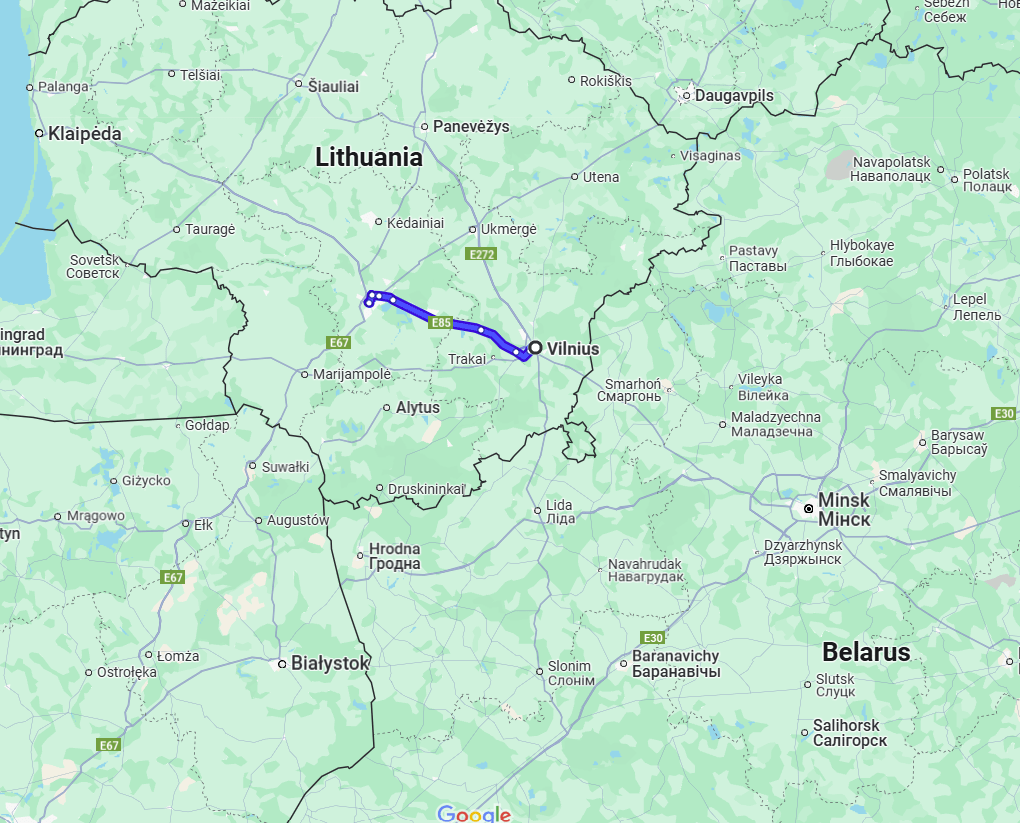
Julia 點頭:「考納斯比較平坦,河也比較開闊,氛圍跟維爾紐斯很不一樣。維爾紐斯在山谷間,街道比較蜿蜒。」
Ben 問道:「但經濟上,維爾紐斯是不是後來發展得比較快?」
「是的,」Tomas 說。「獨立之後,維爾紐斯成了金融、政治、科技的重鎮。但考納斯有自己的工業基礎、大學也強,有些人覺得那裡才是更純粹的立陶宛精神。」
Renata 微笑:「而維爾紐斯則像文化的交匯點。有時候交融,有時候衝突。那裡的波蘭、俄羅斯、猶太人脈絡都很明顯。」
早餐上桌了——煎蛋、黑麵包、起司、醃小黃瓜,還有一杯杯熱咖啡。
窗外的雲層逐漸散開,天色也變得明亮,初夏的藍天透著清爽的氣息。
他們沒有久留。付完帳後,重新上車,準備繼續往考納斯出發。
Rail Lines and City Futures
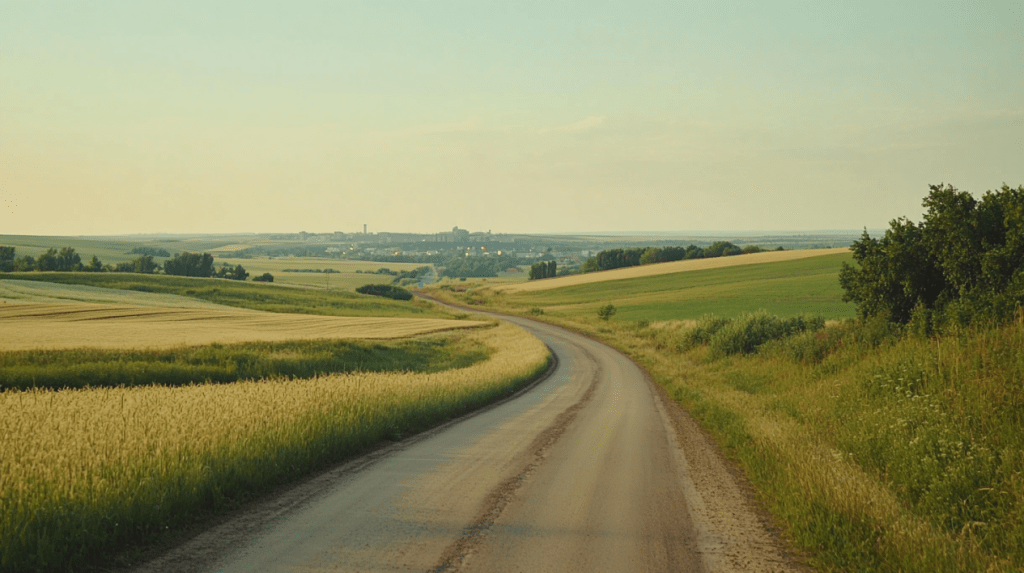
As they left the little diner near Raseiniai and got back on the road, the sky had opened wide above the flat landscape.
Yellow-green fields stretched endlessly on either side, stitched with drainage ditches and distant lines of trees. The road ahead was straight and almost empty.
Tomas leaned back in the front seat, gazing out at the fields. “You know, Kaunas is going to become even more central in a few years.”
Emma glanced at him. “Because of Rail Baltica?”
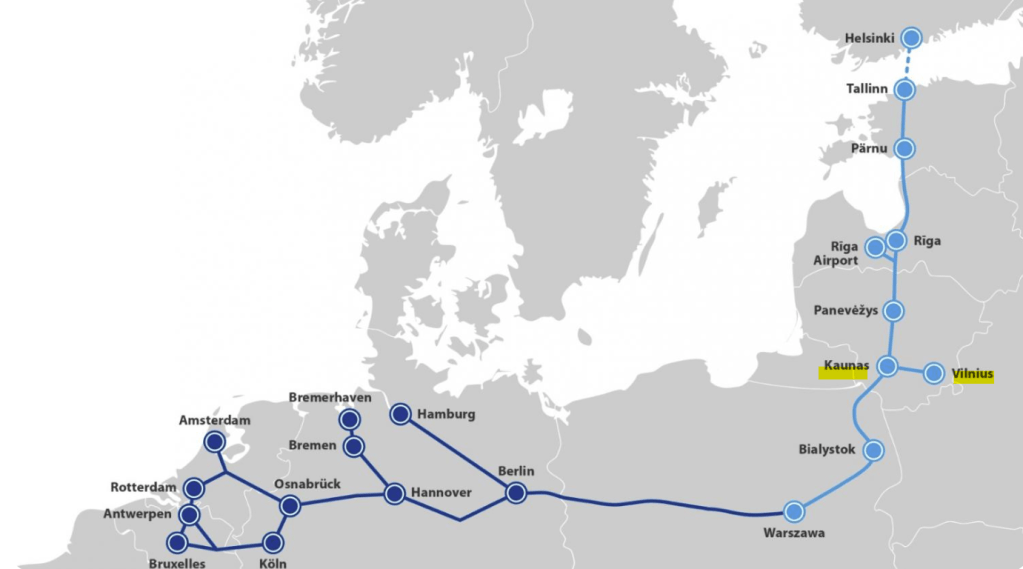
He nodded. “Exactly. The main high-speed line from Warsaw to Tallinn goes right through Kaunas. Vilnius isn’t even on the main route.”
Ben, flipping through photos on his camera, looked up. “Isn’t that odd? I mean, Vilnius is the capital.”
“It is,” Julia replied, “but Kaunas is geographically better placed. It’s closer to Poland, sits on flatter land, and it was easier to connect using standard-gauge tracks.”
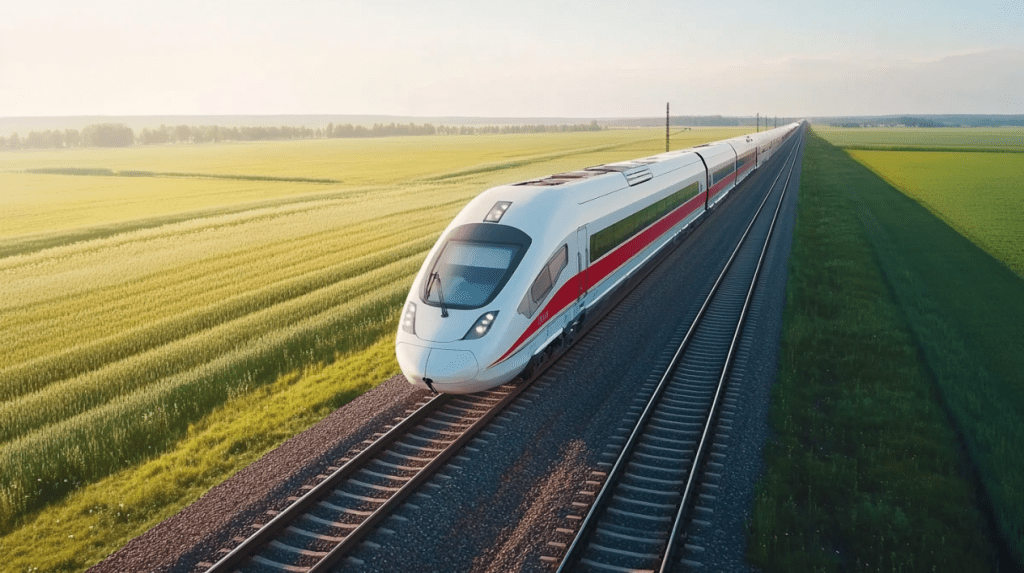
Tomas added, “Vilnius will get a branch line eventually, but the core line bypasses it. That says a lot about how infrastructure follows geography, not politics.”
Emma smiled. “And it might shift the economic center of gravity, too. Kaunas has always had that industrial and transit role. This will reinforce it.”
Ben nodded thoughtfully. “Strange how a railway can change how a city is seen.”
Outside, the fields shimmered in the light. Occasionally, a road sign pointed toward Kaunas, still over an hour away.
鐵道與城市的未來
離開 Raseiniai 附近的小餐館後,他們重新上路。
天空已完全放晴,平原上的光線灑得通透。兩旁是一望無際的黃綠田地,夾雜著排水溝與遠方的樹列,路筆直地延伸向前,幾乎沒有其他車輛。
Tomas 半仰著身子看著窗外說:「考納斯這幾年會變得更重要。」
Emma 看了他一眼:「你是說因為 Rail Baltica 高鐵?」
Tomas 點點頭:「沒錯。從華沙通往塔林的高速鐵路主線,會直接通過考納斯。維爾紐斯反而不在主線上。」
Ben 正在翻相機裡的照片,聽了抬起頭:「咦?那不是有點奇怪嗎?首都卻不是主線?」
Julia 說:「是首都沒錯,但從地理位置來看,考納斯比較適合接軌。它靠近波蘭、地勢平坦,比較好鋪標準軌。」
Tomas 接著說:「維爾紐斯未來會有一條支線,但主要幹線是繞開它的。這就顯示,基礎建設還是遵循地理,而不是政治考量。」

Emma 笑了笑:「這也可能改變整個國家的經濟重心。考納斯本來就是以工業與交通為主,這條鐵路會讓它的地位更穩固。」
Ben 想了一下,點點頭:「很神奇,一條鐵路就能改變人們看一座城市的方式。」
窗外的田野在陽光下微微泛光,偶爾出現的路標上,指向還有一小時車程的 Kaunas。
Academic Roots — Universities of Kaunas and Vilnius
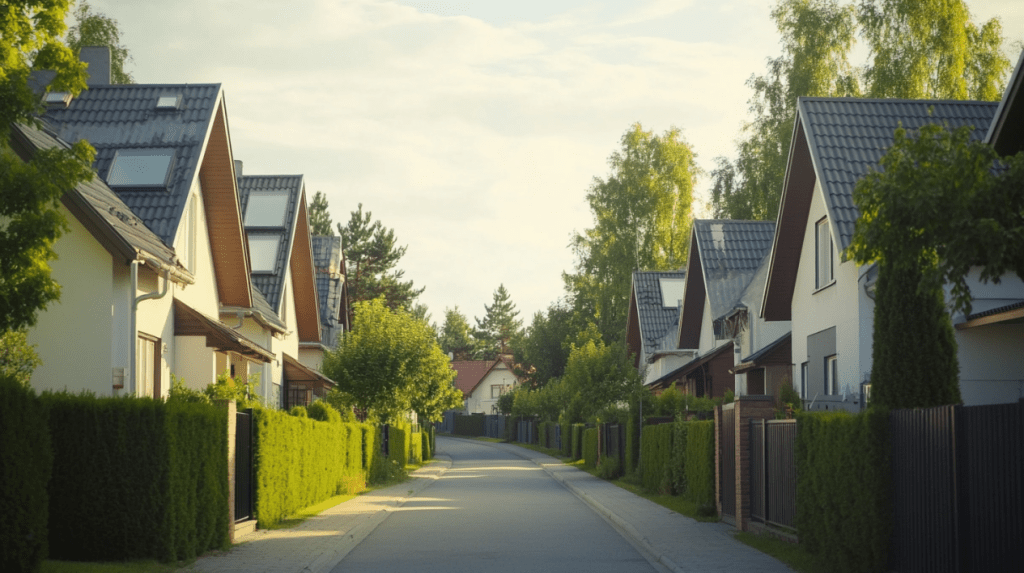
As the road signs indicated they were nearing Kaunas, the landscape slowly shifted—more houses appeared along the roadside, and small industrial buildings peeked out between patches of green.
Emma watched a line of trees glide by and asked, “What about the universities here? I mean, Kaunas versus Vilnius—what’s the academic difference?”
Tomas smiled. “Well, Vilnius University is the oldest, of course. Founded in 1579. It was part of the Polish–Lithuanian Commonwealth’s intellectual heart. Jesuit roots, Latin everywhere in the old archives.”
“Right,” Julia added. “It has that classic, almost medieval academic aura. The courtyard, the old observatory… It feels like a place of centuries.”
“And Kaunas?” Emma asked.
“Kaunas University of Technology is the big one here,” Tomas said. “It’s younger—modern roots, more technical and applied sciences. A lot of engineering, design, computer science. Founded in the 1920s, when Kaunas was the temporary capital.”
Julia looked thoughtful. “So, Vilnius was the classical capital of knowledge, and Kaunas became the capital of function.”
“That’s a good way to put it,” Tomas nodded. “Vilnius grew from religion and philosophy; Kaunas was built on necessity and national ambition.”
Ben glanced at the GPS. “We’re about fifteen minutes out.”
Outside the window, a long tram line appeared on the right, stretching toward the heart of the city.
學術根源——考納斯與維爾紐斯的大學比較
當路邊的指標開始顯示他們已接近考納斯,景觀也漸漸改變——路邊出現了越來越多的房屋,有些小型工廠也從綠意間露出屋頂。
Emma 看著一排排滑過的樹,問道:「這邊的大學怎麼樣?我意思是說,跟維爾紐斯相比的話,學術性質有什麼差別?」
Tomas 笑了笑:「維爾紐斯大學當然是最老的,1579 年創立。那時還是波蘭–立陶宛聯邦的時代,是整個聯邦的學術重鎮,根基在耶穌會修會,舊檔案裡都是拉丁文。」
Julia 補充:「它的氛圍很古典,有點像中世紀的學院,裡面有那種拱形迴廊、古老的天文台……像是一個被知識沉澱幾百年的地方。」
「那考納斯呢?」Emma 繼續問。
「考納斯科技大學是這邊最有規模的,」Tomas 說。「年輕得多,是現代性的產物,主打工程、設計、電腦科學這類應用領域。它是在1920年代成立的,當時考納斯是臨時首都。」
Julia 聽了點點頭:「所以說,維爾紐斯是傳統知識的首都,考納斯是功能性需求下的產物。」
「這說法不錯,」Tomas 笑著說。「維爾紐斯從宗教與哲學中生長,考納斯則是從實用與國族企圖中出發。」
Ben 看了看導航:「再十五分鐘就到了。」
窗外出現一條筆直的電車軌道,延伸進城市的中心。
Soviet Years and the Fate of Universities
As the tram tracks began to appear alongside the road, Julia leaned forward in her seat.
“So… this university in Kaunas—the one we were just talking about—was it already here before the Second World War?”
Tomas nodded. “Yes. The University of Lithuania was founded in 1922, right after independence. It was renamed later, and during the Soviet occupation, things changed a lot.”
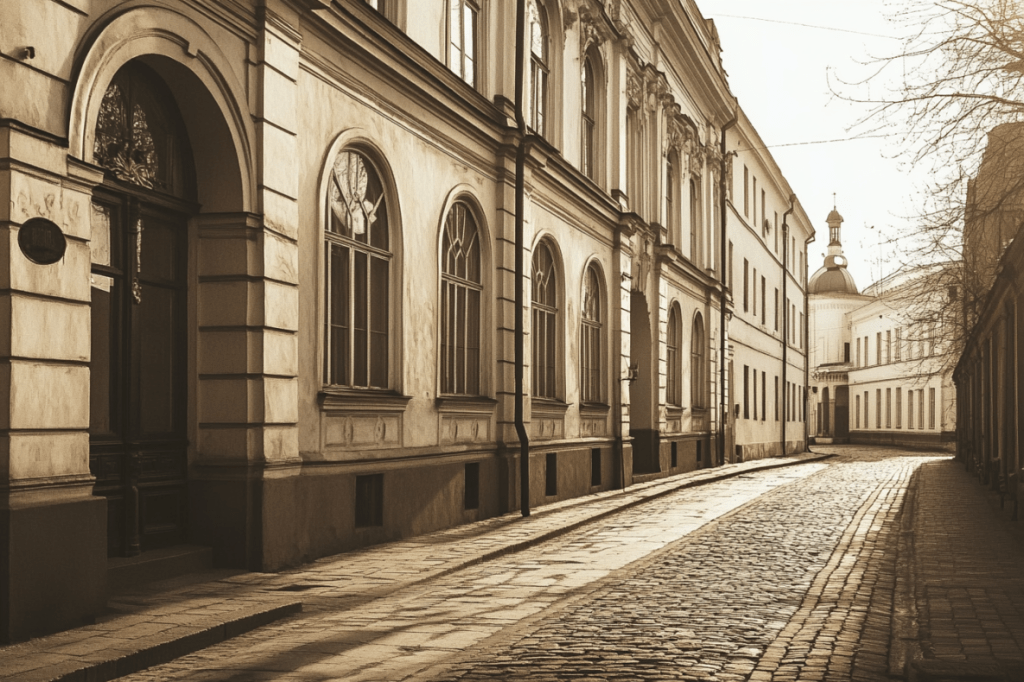
Interwar period university building in Kaunas, Lithuania, 1930s
Emma added, “Some faculties were moved to Vilnius, which was reintegrated into the Soviet system. The university network got reshaped to fit the Soviet mold.”
Ben, who had been quietly watching the passing industrial buildings, finally spoke. “The Soviets restructured higher education everywhere they went. In Kaunas, they pushed a strong emphasis on engineering and applied sciences. Philosophy and humanities were tolerated only within ideological limits.”
Julia looked thoughtful. “So it became more technical. Less about broad education, more about training for the system?”
“Exactly,” Ben said. “Kaunas retained its role as a technical hub, but intellectual autonomy was stripped. Academic work had to serve state interests.”
Emma glanced toward the window. “What about after independence? Did they rebuild the old structure?”
Tomas replied, “There was a revival. Some universities were renamed or reestablished. Vytautas Magnus University was one of the clearest examples—it was closed by the Soviets in 1950 and brought back to life in 1989.”
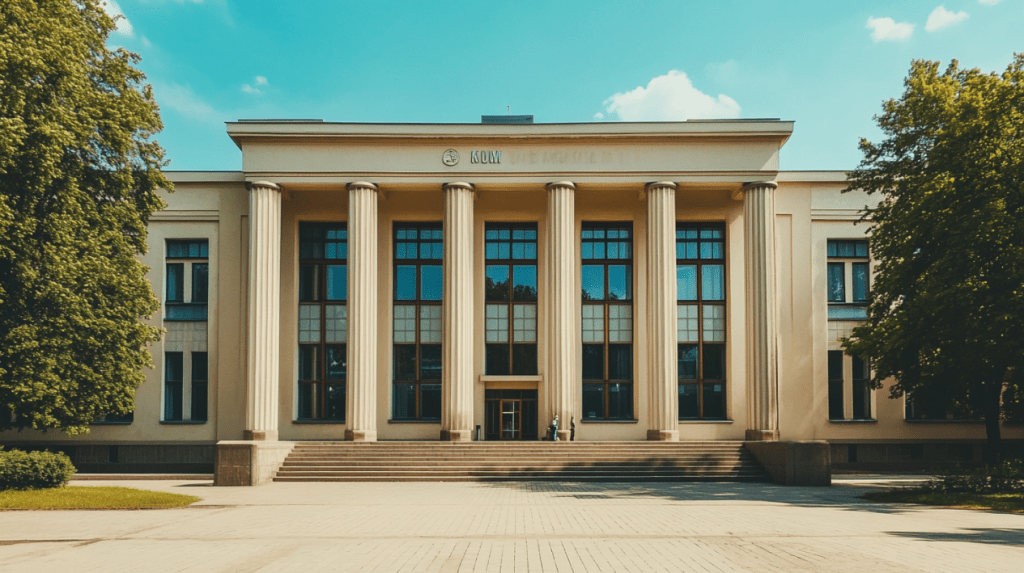
Ben smiled slightly. “That re-founding wasn’t just symbolic. It was political, cultural, even emotional. Like reclaiming a part of the national memory.”
No one spoke for a moment. Outside, the city was beginning to take form: quiet avenues, worn tram lines, and a sense of a place still in dialogue with its past.
蘇聯時代與大學的命運
當路邊出現第一條電車軌道時,Julia 稍微向前傾了身子。
「剛剛我們提到的那所考納斯大學……它在二戰之前就已經存在了嗎?」
Tomas 點點頭:「是的。它是 1922 年獨立之後建立的,叫做立陶宛大學。後來改了名,到了蘇聯佔領時期,整個大學體系都被大幅調整。」
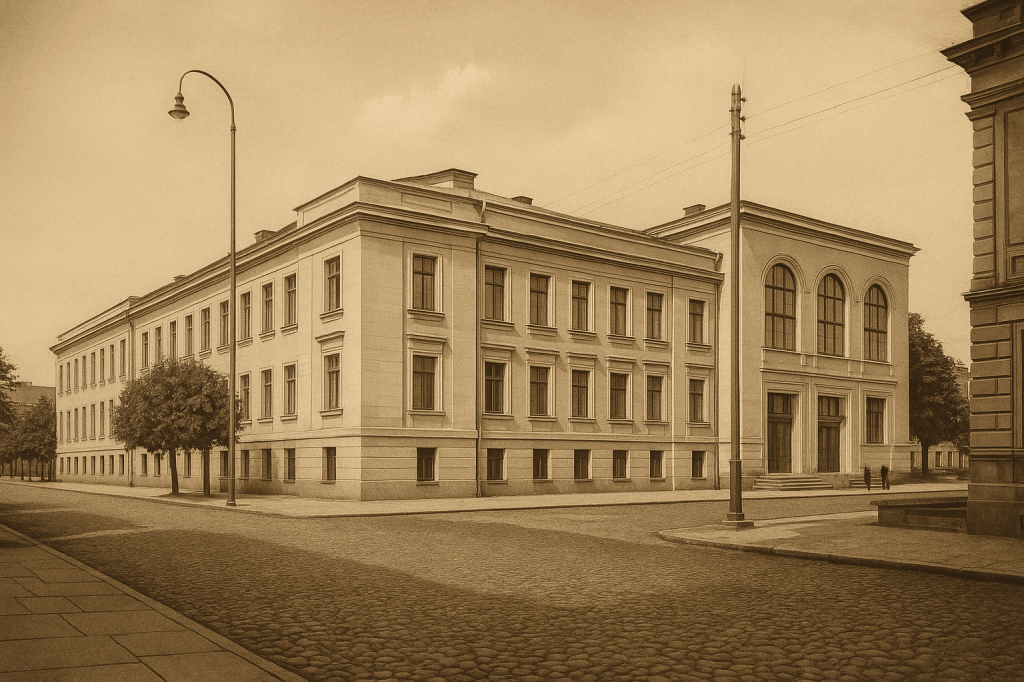
Emma 補充:「有些學院搬回了維爾紐斯,因為那時維爾紐斯又變成蘇聯政權下的行政中心。整個高教體系都被改造成蘇聯的那一套模式。」
Ben 一直看著窗外那些略顯陳舊的工業建築,這時才開口:「蘇聯在所有佔領地區都對高等教育進行重組。像在考納斯,他們特別強調工程與應用科技。至於哲學和人文,只有在符合意識形態的情況下才會被允許存在。」
Julia 若有所思地問:「所以學術變得很技術化,比較不像是全面性的教育,更像是體制內訓練?」
「正是如此,」Ben 說。「考納斯仍然保有技術中心的角色,但學術自主性幾乎被完全剝奪。所有研究都要服務國家利益。」
Emma 看著窗外,輕聲問:「那獨立之後呢?有重新建立原來的系統嗎?」
Tomas 回答:「有的。很多大學都復名或重新設立。最具象徵性的例子是『維陶塔斯馬格努斯大學』,1950 年被蘇聯關閉,1989 年重新創校。」
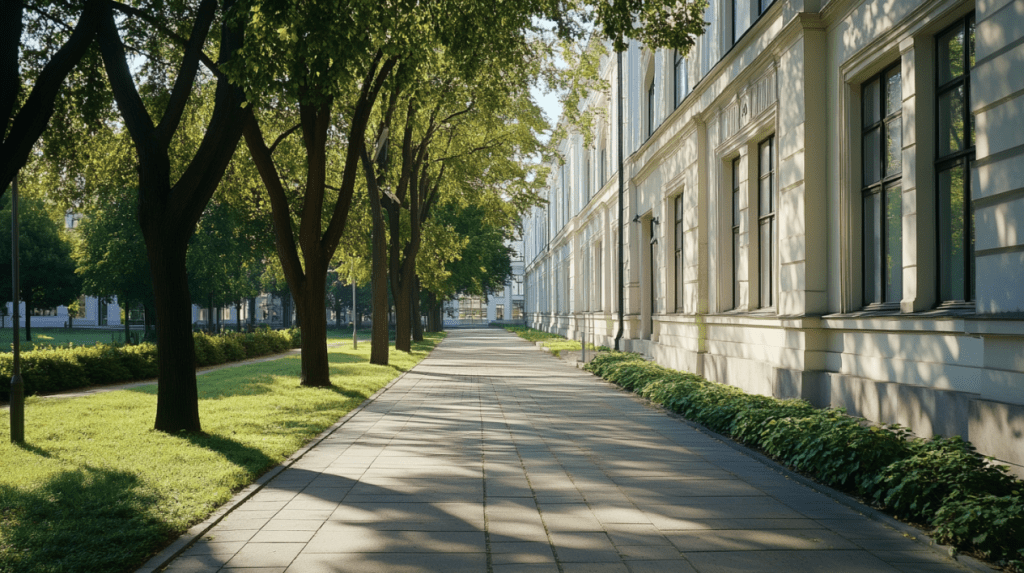
Ben 淡淡一笑:「那次重建不只是象徵,更是政治、文化,甚至情感上的宣示。是一種奪回記憶的行動。」
車內一陣沉默,窗外的城市輪廓也逐漸清晰:寧靜的街道、磨損的電車軌道,一座仍在與歷史對話的城市。
Arrival at the Hotel — A Pause in the City
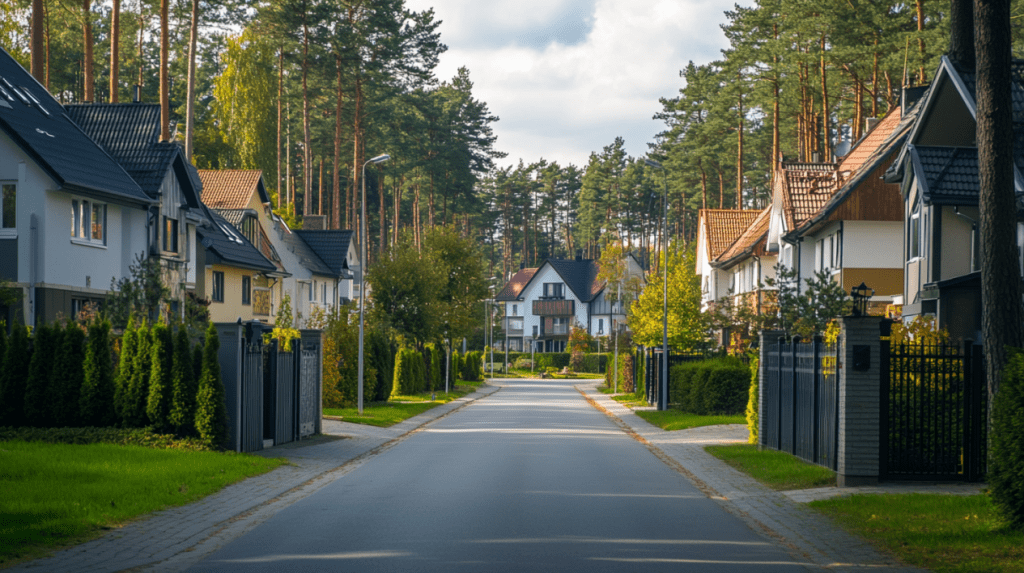
The car finally rolled into Kaunas in the early afternoon, just as the shadows from the trees grew sharper and the city’s quiet rhythm settled into view.
They drove past modest apartment blocks, tram lines, and clusters of interwar buildings with flat roofs and geometric façades—vestiges of another time.
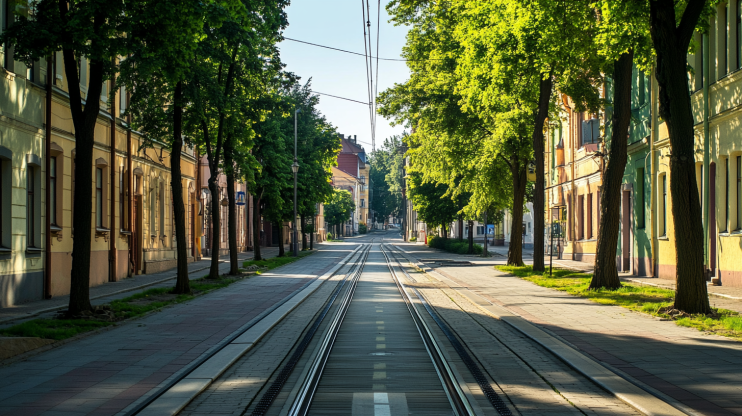
The hotel stood on a quiet street just a few blocks from the river. It was a three-story building, white plastered with deep green window frames, a carved wooden balcony facing the courtyard.

A wrought iron gate creaked as they entered the gravel parking area, shaded by a chestnut tree in full bloom.
Renata got out first. “This is perfect,” she said, already lifting her phone to take a photo. “It feels more like someone’s old house than a hotel.”
Inside, the lobby was simple but full of details—honey-colored wood paneling, a faded map of the city from the 1930s, and a small bookshelf filled with books in multiple languages. The air smelled faintly of old pine and black tea.
At the reception, the owner—a quiet woman in her sixties—handed them old-fashioned keys attached to wooden tags.
“Your rooms are on the second floor. Breakfast is served until ten. You’ll see the river from the end of the corridor.”
Ben lingered by a sepia-toned photograph on the wall. “That’s the same street, isn’t it?” he said to Tomas. “But taken before the war.”
Tomas nodded. “Most of the structures here survived, but the stories changed.”
Upstairs, the rooms were simple but elegant—wide windows, tall ceilings, linen curtains swaying in the breeze. From the balcony, they could see the rooftops of Kaunas, the Neman River glinting beyond.
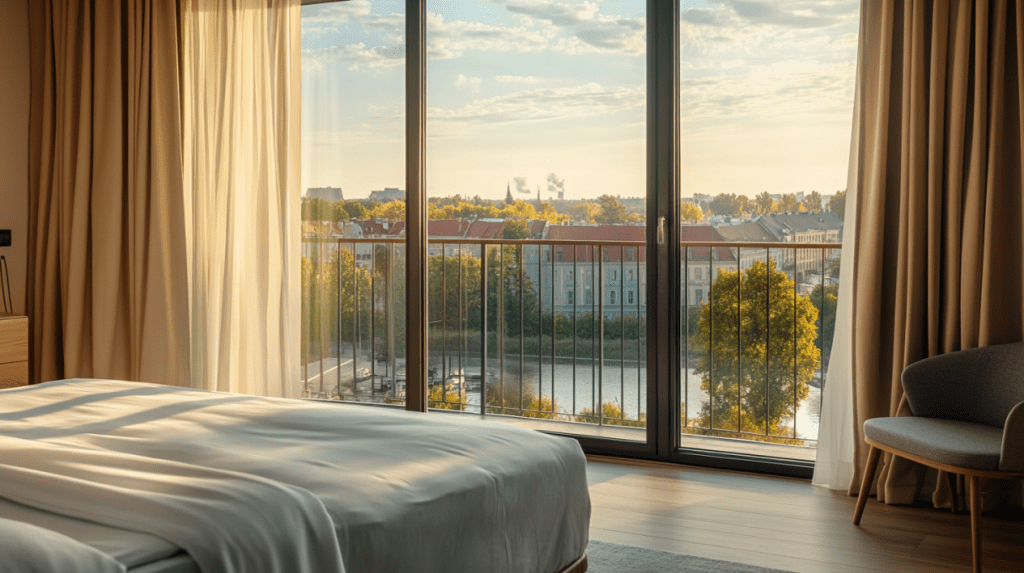
Julia stood quietly by the window for a moment, watching a tram slide silently through the street below. “It feels like a place between times,” she said.
Emma set her bag down, smiling. “A good place to rest before the next layer of questions.”
抵達旅館——在城市中的暫歇
車子在午後駛入考納斯,正好是陽光拉長樹影、城市節奏緩慢沉靜下來的時候。
他們穿過一排排低矮的公寓、電車軌道,還有幾棟保留著戰間期風格的建築——平屋頂、幾何外牆,像是另一個時代的遺跡。

旅館位於一條安靜的小街上,離河邊不遠。
三層樓高的建築,白色粉刷牆面搭配深綠色窗框,二樓有個雕花木製陽台,正對著一片小院。鐵製大門輕輕嘎吱作響,車子停在栗樹遮蔭的小碎石車道上。
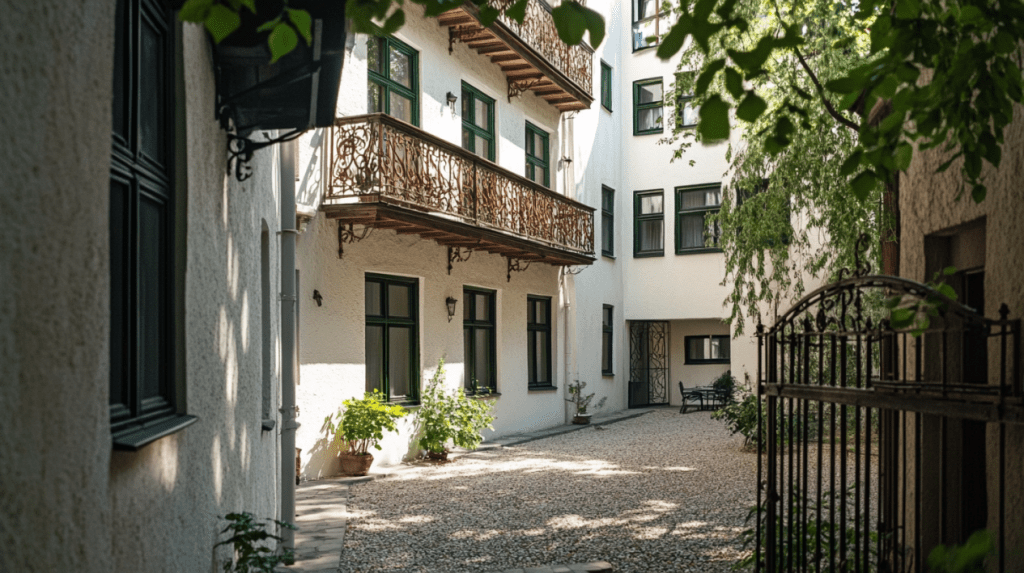
Renata 最先下車:「這地方太棒了,」她說,一邊拿起手機拍照。「比較像某人的老房子,不像旅館。」
走進去,接待大廳簡單卻細節豐富:蜜色木牆、1930 年代的城市舊地圖、一排多語言書籍的小書架。空氣中混著舊松木與紅茶的味道。
櫃台後方是一位六十來歲的女主人,靜靜地將一串串木頭鑰匙交到他們手上:「你們的房間都在二樓,早餐供應到十點。走廊盡頭可以看到河。」
Ben 停在牆上一張褐色老照片前,對 Tomas 說:「這是這條街吧?但拍攝時間在戰前。」
Tomas 點頭:「大部分的建築都撐過來了,但故事換了。」
他們上樓,房間簡潔但帶著優雅:寬敞的窗戶、高高的天花板,亞麻窗簾在微風中飄動。從陽台望出去,可以看見考納斯的屋頂層層堆疊,遠方的尼曼河閃著微光。

Julia 靜靜站在窗邊,看著一輛電車無聲滑過街角:「這裡像是介於兩個時代之間的空間。」
Emma 放下包包,笑著說:「正適合在這裡稍作歇息,然後問下個問題。」
Lunch in the Old Town — A City Built Between Wars
The afternoon sun was warm but not harsh as they left the hotel and walked toward the old town.
The streets were quiet, lined with a mix of early 20th-century buildings—some with flat modernist façades, others still clinging to ornamental details from earlier times. It felt like the city had once paused in mid-thought, and never fully resumed.

They followed Tomas through a narrow side street, where a low sign marked a small restaurant tucked between two clean-lined buildings.

The name, Laiko Stotelė—“Time Stop”—was painted in a simple 1930s typeface above the door.
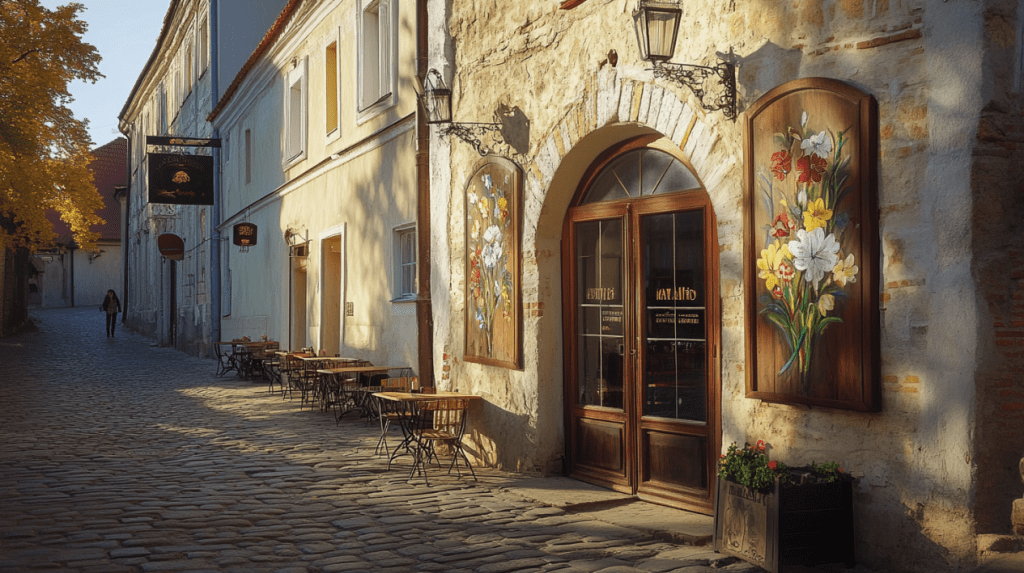
Inside, the décor matched the name: vintage lamps, square wooden tables, a glass cabinet of desserts beside a poster of Kaunas from 1937. A ceiling fan turned slowly above them, creaking in rhythm with the soft jazz playing from a corner speaker.
They settled into a table by the window. A young waiter brought menus and water without a word.
“I love this place already,” said Emma, looking around. “It feels like nothing here is in a hurry.”
Julia opened the menu. “Potato pancakes with mushroom sauce… buckwheat and roast pork… I think we’ve found the real Kaunas.”
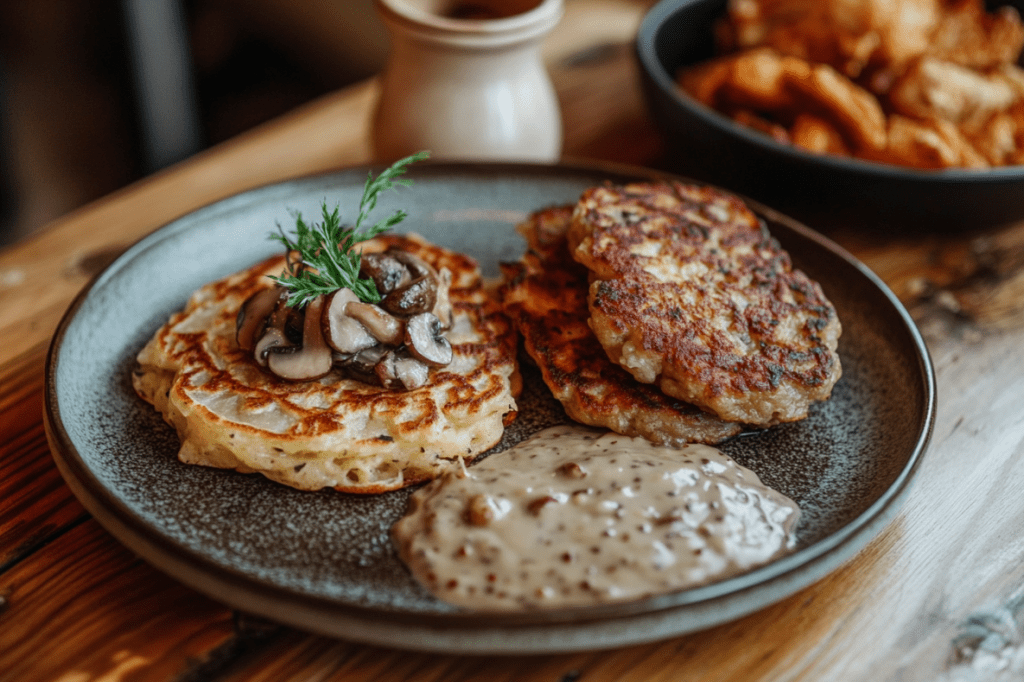
Renata was already photographing the table. “It’s not just the food. Look at those tiles. This place hasn’t been redone in decades.”

Ben tapped lightly on the wooden windowsill. “These buildings were part of the interwar modernization project, weren’t they?”
Tomas nodded. “Yes. When Vilnius was under Polish control, Kaunas had to reinvent itself as a national capital. That meant building fast—and building with purpose. These structures were meant to represent a modern Lithuania.”
Emma added, “You can still feel that urgency in the architecture. It’s proud, but also very controlled.”
Ben smiled. “And now they’ve become frozen in time—quiet witnesses to a vanished vision.”
Their food arrived—crispy potato pancakes, steaming soup, slices of black bread with dill butter. The conversation paused as they each took their first bite.
For a few moments, no one spoke. Only the sound of cutlery, the hum of the ceiling fan, and the weight of a city caught between memory and motion.
老街午餐——戰爭之間的城市風景
午後的陽光溫暖卻不刺眼,五人從旅館出發,緩緩走向老街。
街道靜靜地延展,兩側建築交錯著早期 20 世紀的風格——有些外牆平整簡約,是典型的現代主義樣式;也有些還保留著老裝飾的痕跡,像是城市走到一半突然停住,再也沒續寫下去。

Tomas 領著大家穿過一條安靜的側巷,走進一間夾在兩棟幾何外牆之間的小餐館。
門口掛著低調的招牌,寫著「Laiko Stotelė」——立陶宛語意為「時間的停靠點」,用的是 1930 年代風格的字體。
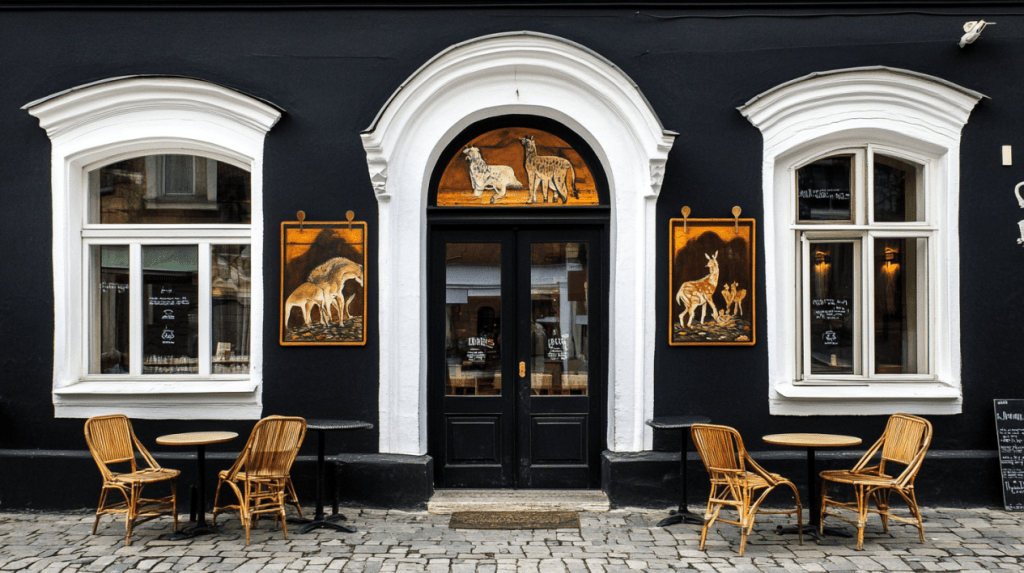
一進門,氣氛與名稱完全一致:復古燈飾、方形木桌、一旁玻璃櫃裡擺著幾款甜點,牆上掛著 1937 年的考納斯城市海報。
天花板的風扇緩慢旋轉,和角落喇叭裡的輕爵士節奏一致地吱呀作響。
他們選了靠窗的位子坐下。年輕的服務生默默遞上菜單與水。
「我已經愛上這裡了,」Emma 環顧四周說。「這裡什麼都不急。」
Julia 翻開菜單:「馬鈴薯煎餅佐蘑菇醬……蕎麥配烤豬肉……我們應該是真的找到『在地的考納斯』了。」
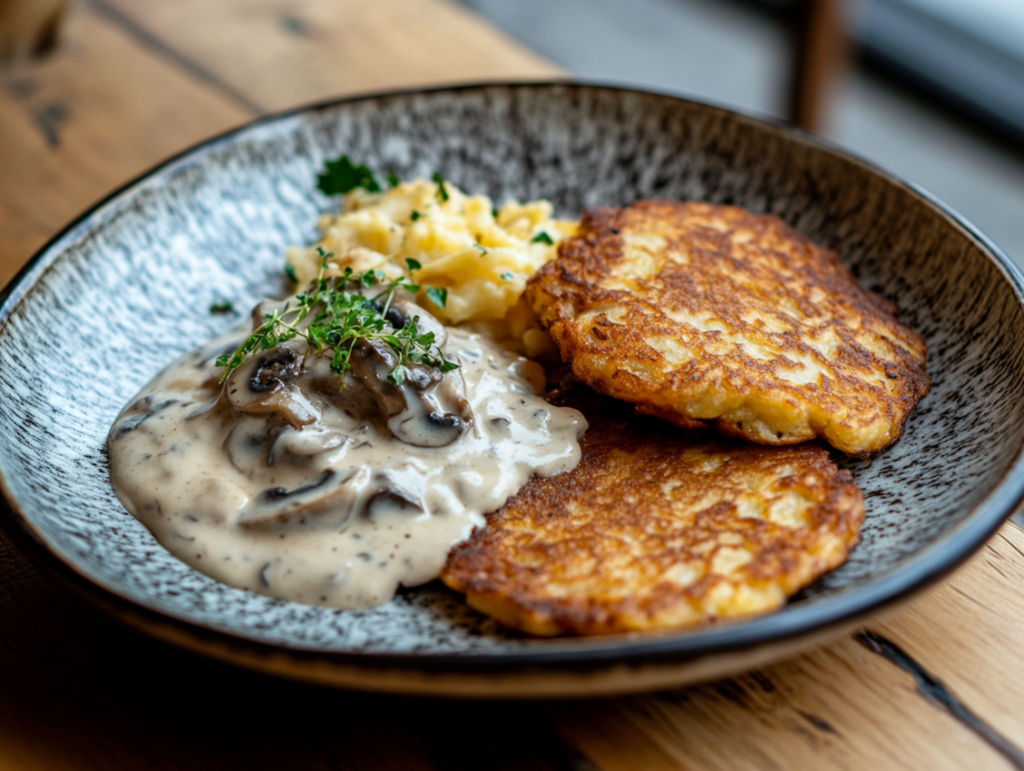
Renata 拿起手機拍下桌面:「不只是食物。你們看那地磚,這裡幾十年都沒大改過吧。」
Ben 手指輕敲窗框:「這一區的建築應該是戰間期現代化工程的一部分?」
Tomas 點頭:「對。當時維爾紐斯在波蘭控制下,考納斯被迫成為臨時首都。他們得快速建立一個『現代化的立陶宛』,建築就是象徵之一。」
Emma 接著說:「你能感覺到那種企圖心。建築很自信,但也帶著壓抑的克制。」
Ben 微笑道:「而如今,它們像被時間凍結了下來——靜靜地見證著一個失落的願景。」
餐點此時上桌——酥脆的馬鈴薯煎餅、熱騰騰的湯、佐上蒔蘿奶油的黑麵包。對話暫時停下,大家各自嚐了一口。

短暫的沉默中,只聽見刀叉碰觸餐盤的聲音、天花板風扇低低的旋轉聲,以及這座城市在記憶與動盪之間靜靜喘息的節奏。

 Virtual Travel | 虛擬旅行沉浸式英語學習
發表留言