
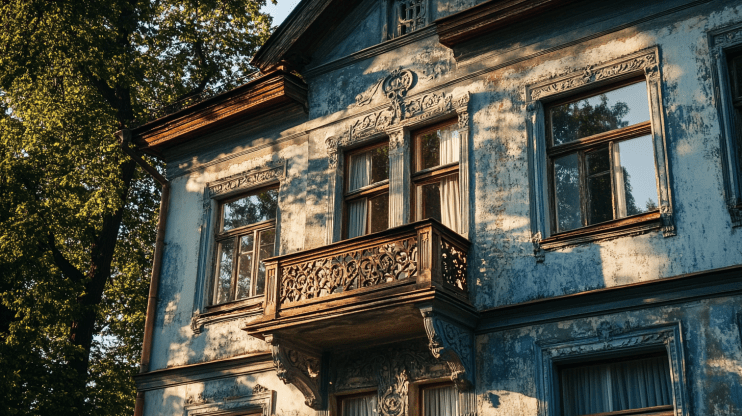
The Past of the Old House
The wooden door creaked faintly, as if the house itself were waking up to greet its guests.
They stepped inside one by one, met by the gentle scent of aged wood and old books—not overwhelming, but quietly present.
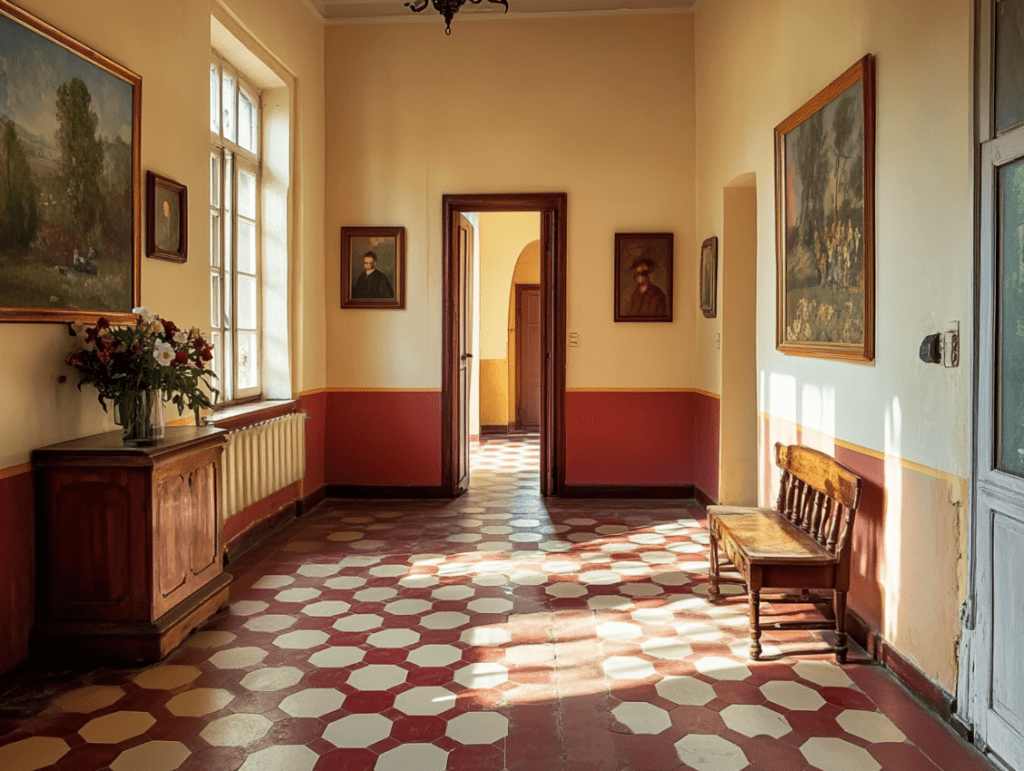
The entryway tiles were a mix of deep red and cream, hexagonal in pattern, and above them hung a yellowed photograph: a group of men in suits standing in front of this very house. One of them was Antanas’s grandfather.
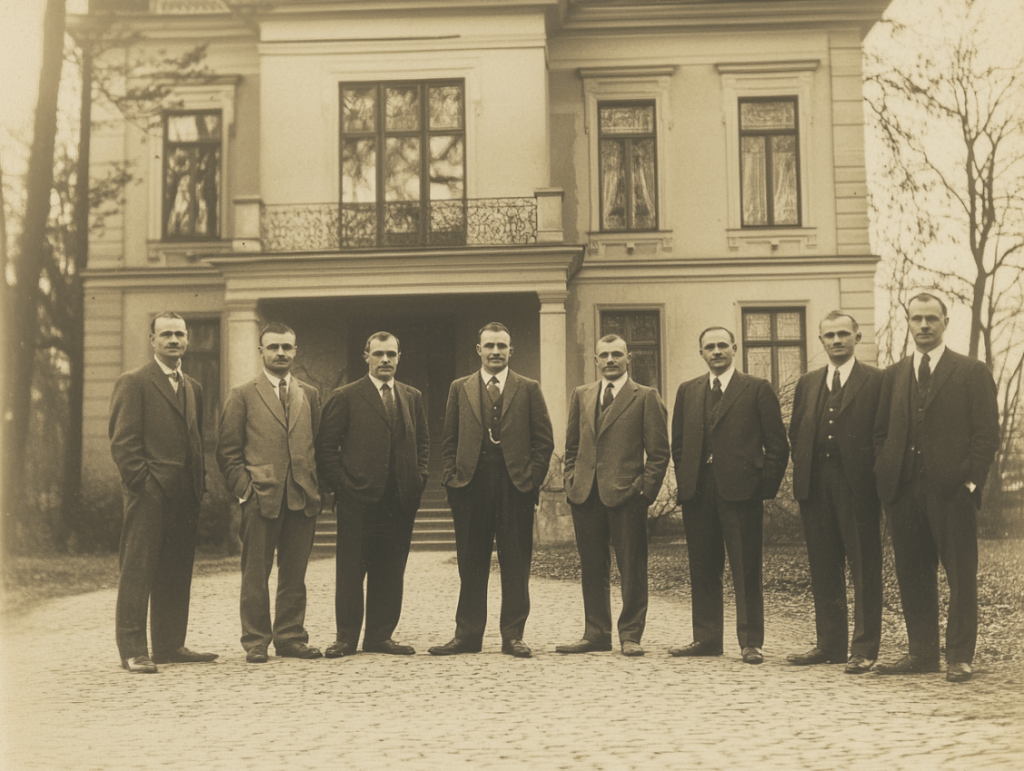
AI-generated photo
“This was taken in 1938—faculty of anatomy,” Antanas said, pointing to the edge of the frame. “He used to lend books to students here, and sometimes they stayed for dinner.”
They entered the sitting room.

The walls were faded gray-blue, clean but softened with time.
Ornate wooden trim lined the top of the windows, and the parquet floor creaked gently beneath their steps. A tall bookshelf was filled with Lithuanian and Russian volumes, alongside a few German medical journals.
“During the Soviet period, the house was taken over—split into shared apartments. Our family was reduced to one floor. My father set up a tiny office in the basement and graded papers by kerosene lamp.”
Emma asked gently, “How did you get it back?”
“After the ’90s, we applied for restitution. It took years to reclaim it. Others weren’t so lucky—some houses were sold off, turned into something else.” He said it calmly, but his fingers traced the edge of the window frame as if to confirm that it was still there.
Julia stepped toward the balcony and looked out. The garden was paved in old stone, with a small laundry shed tucked into the corner. Its roof tiles curled slightly, and rust still marked the old water pipes. A wooden staircase led to the upper floor, the steps slightly warped but clearly cared for.
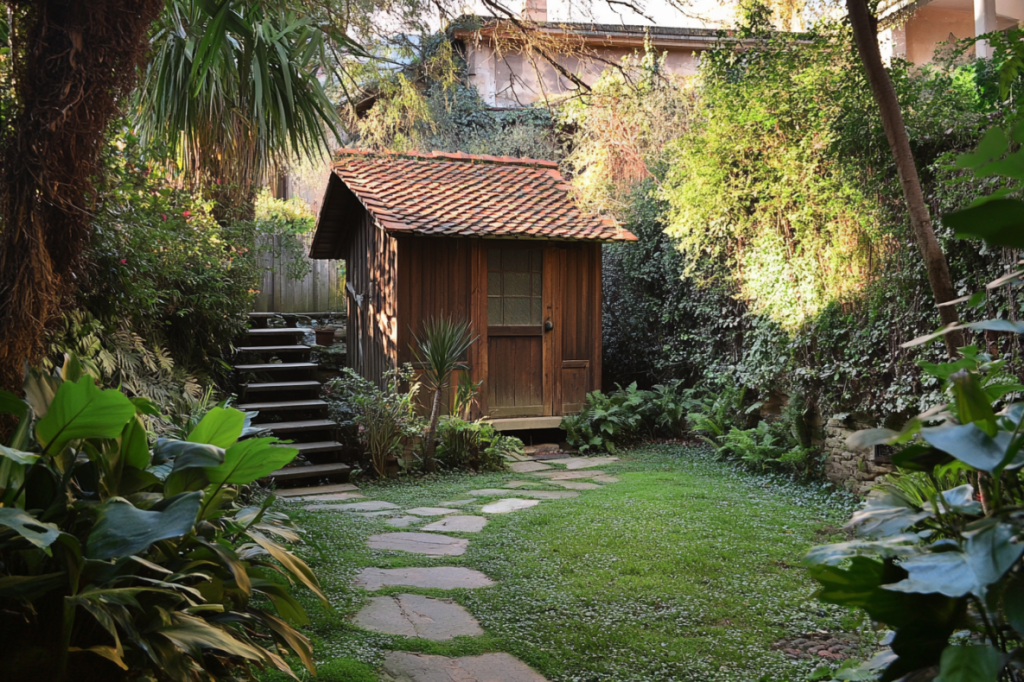
a Laundry Shed
“Does anyone live upstairs now?” Ben asked.
“No, just me. The children live abroad. But I won’t move—this place, for me, isn’t just a home. It’s continuity.”
老屋的過去
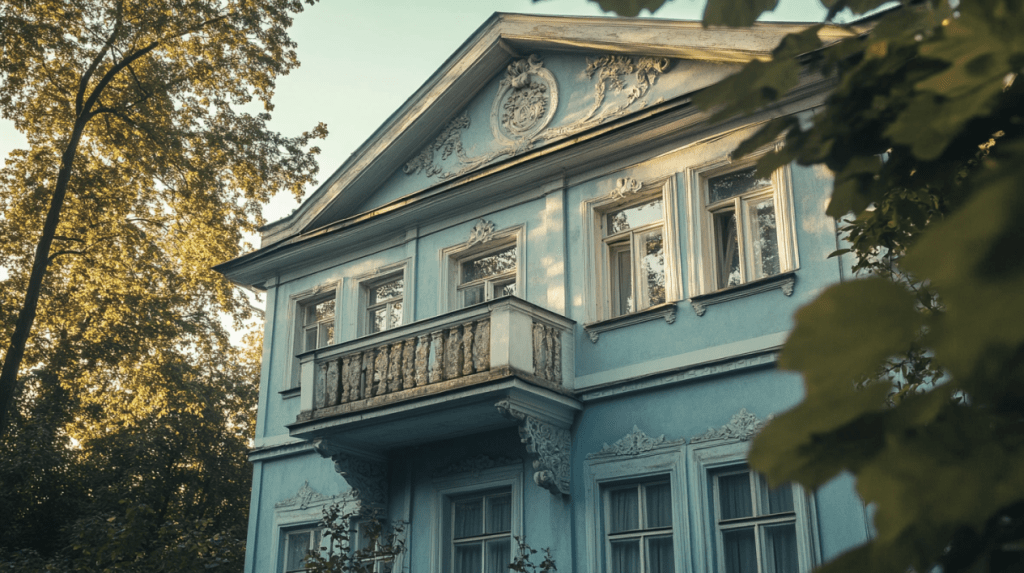
木門發出輕微的咯聲,彷彿這棟房子正在醒來迎接來客。
他們依序踏進屋內,一陣木頭與舊書混合的味道撲面而來,不濃烈,卻帶著歲月的沉靜。
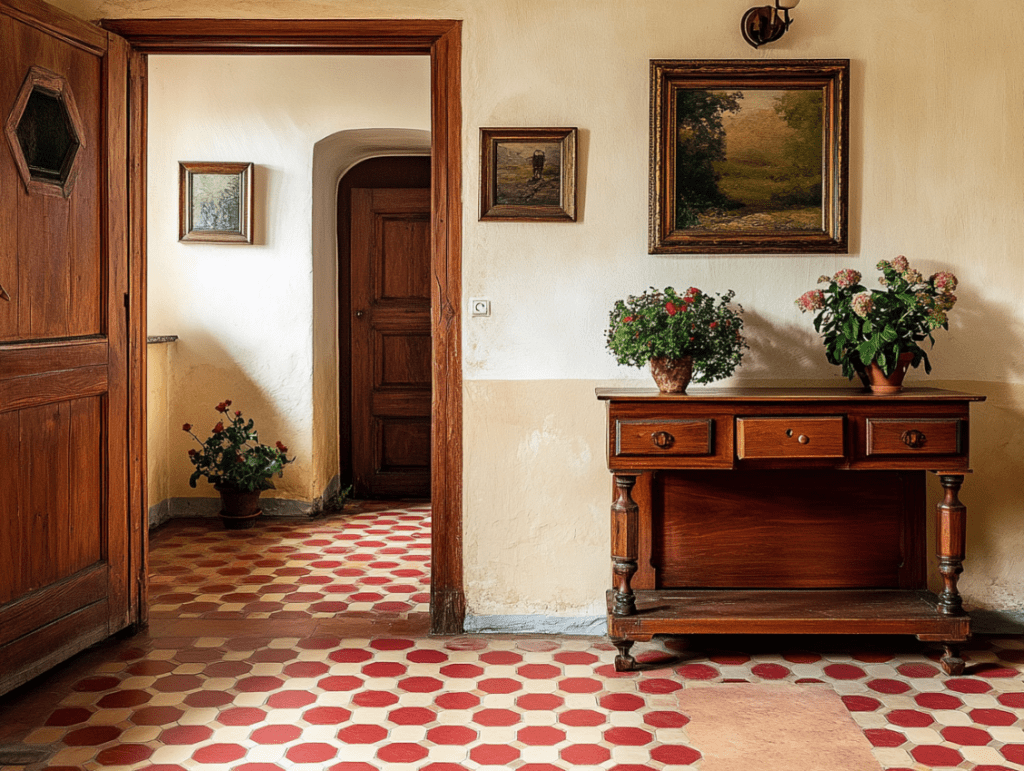
玄關的地磚是深紅與米白交錯的六角形花紋,牆上掛著一張泛黃的老照片,照片裡一群穿著西裝的人站在同一棟屋前,其中一位就是 Antanas 的祖父。
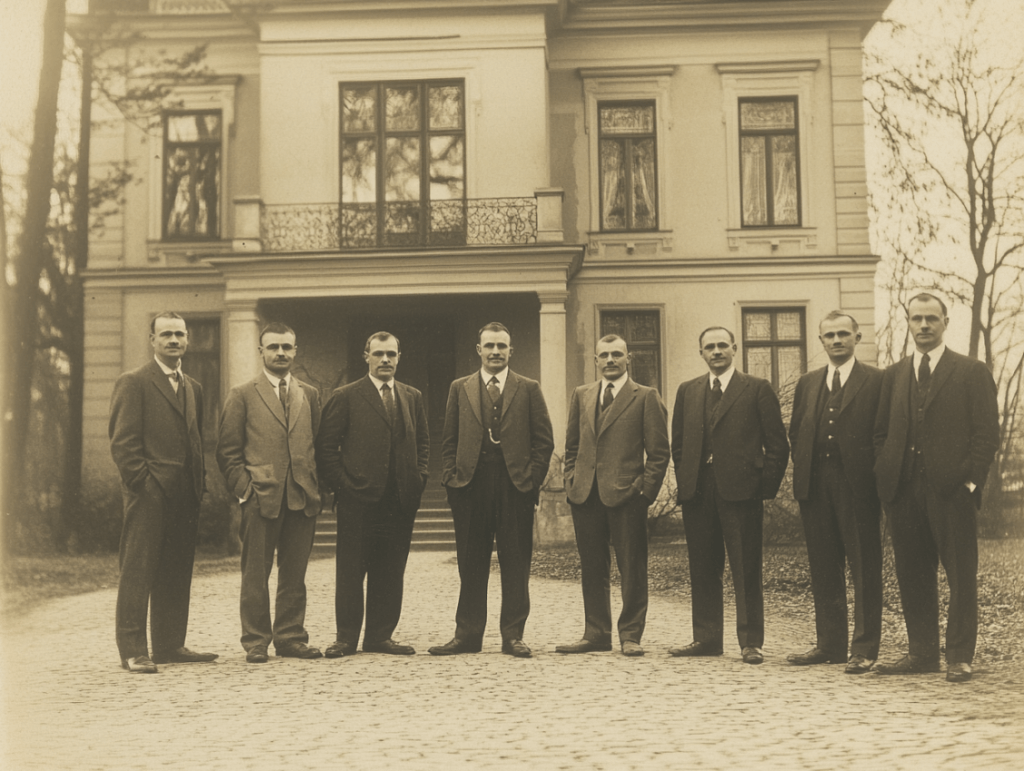
「這張是 1938 年全系教職員合影,」Antanas 指著照片角落說,「他當時教解剖學,家裡也有不少醫學生來借書,偶爾還會被留下來吃晚餐。」
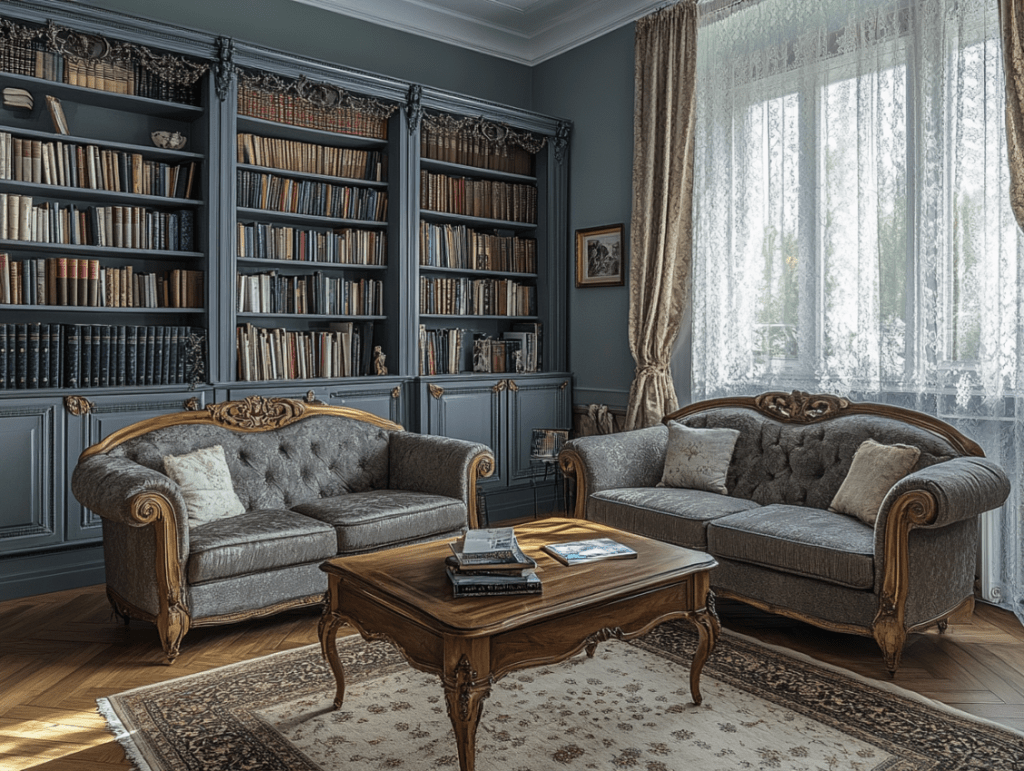
他們走進起居室,牆面是灰藍色的,帶點褪色但乾淨,窗邊天花板上方雕有細緻的木線條。地板是實木拼花,隱隱發出走動時的咯吱聲,一旁書架滿滿是立陶宛文與俄文的書,還有幾本用德文寫的醫學雜誌。
「這棟房子在蘇聯時期一度被接收為『共享住宅』,我們家被擠到只剩一層。那時候我父親還在地下室設了一個臨時工作室,晚上用煤油燈批改學生作業。」
Emma 輕聲問:「後來是怎麼恢復的?」
「90年代以後我們重新申請產權,等了好幾年才拿回來。但有些房子沒那麼幸運,早就賣給開發商改建了。」他說這句話時語氣平靜,但指尖仍在窗框邊輕輕劃了一下,像在確認什麼還在。
Julia 走到陽台前望出去,小院裡鋪著石板路,角落是一座舊洗衣亭,屋瓦微翹,牆邊還留著水管鏽痕。原木樓梯連接著二樓,踏板微微彎曲,卻看得出曾被細心維修。
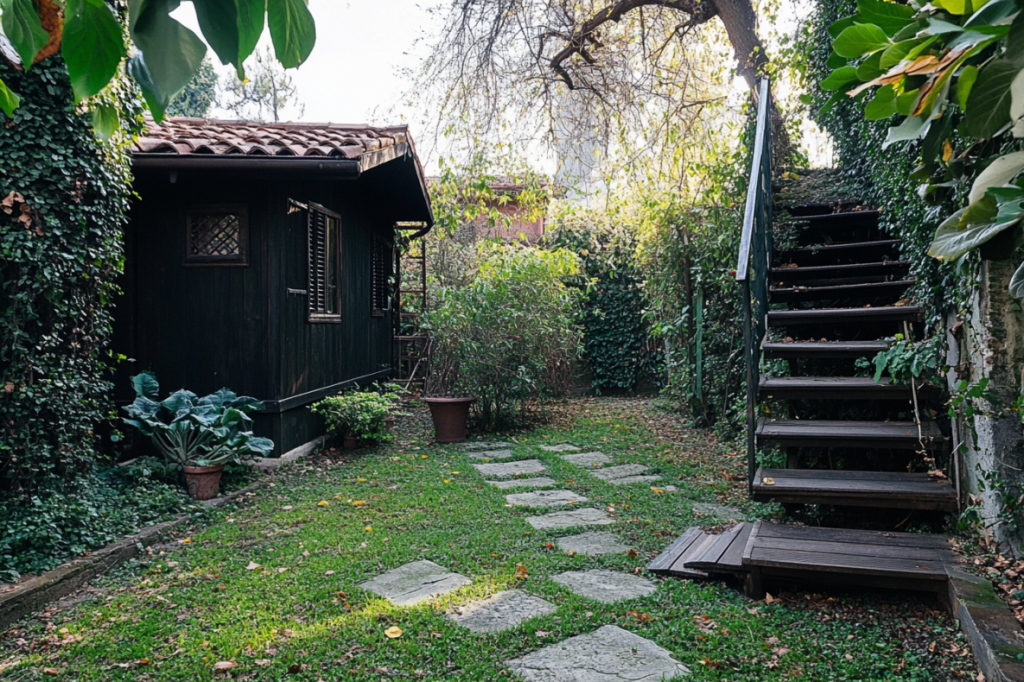
洗衣亭
「還有人住在樓上嗎?」Ben 問。
「現在只有我。孩子們在國外,但我不想搬——這裡對我來說,不只是個居所,而是一段延續。」
The Changing Neighborhood
Julia glanced out the window at the row of neighboring houses. “Are your neighbors still the same ones you knew growing up?”
Antanas smiled, a mix of fondness and reflection in his voice. “Some, yes. Across the street is the daughter of the former university dean—she lives there now with her son. Next door, it’s a young architect couple. I heard they studied in Vilnius and moved back.”
He paused, then added, “But some houses are short-term rentals now, or small offices. Back then, everyone knew each other’s names. Now… the doors are a bit more closed.”
Emma looked at a freshly painted villa down the lane. “Would you still call this a local neighborhood?”
“In a way, yes. But it’s not quite as cohesive anymore.” Antanas shrugged gently. “Some new residents take good care of the houses, but the rhythm has changed—less afternoon tea, more silent electric cars gliding around corners.”
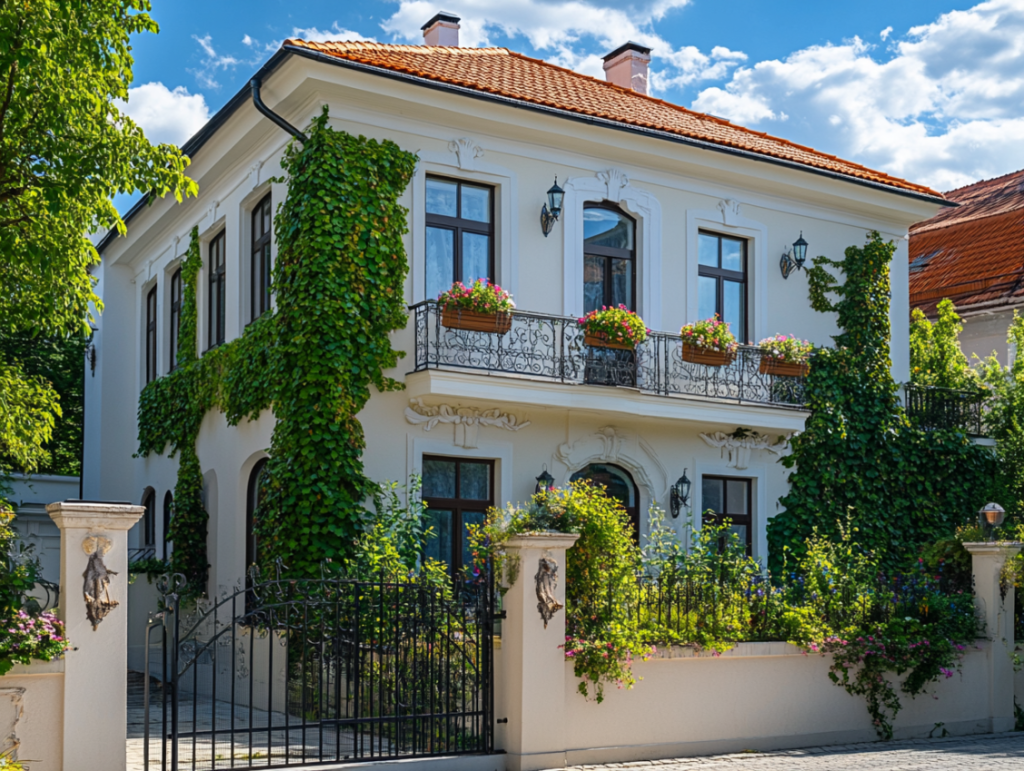
Emma took a sip of tea and smiled. “Do tourists ever come through here these days? I wonder if we’re being… a little intrusive?”
Antanas chuckled. “You don’t count as tourists. At least not the kind with selfie sticks who finish the whole street in five minutes.”
They all laughed.
“This area used to be quiet. You wouldn’t come to Žaliakalnis unless you had someone to visit. But lately, bloggers and video folks have started showing up—talking about the architecture, the stories.” He paused.
“It’s not a bad thing, really. But sometimes you get people standing at your gate taking dozens of photos, or even trying to walk into the yard without asking.”
Julia said quietly, “What you said struck me—it’s different to ‘visit someone’ than to ‘consume a place.’”
Antanas nodded. “Exactly. If someone comes to listen, to ask questions, most of us old homeowners will bring out the tea. But if they’re just here to knock on the walls and wait for an echo—well, then the wall will answer however it wants.”
改變的社區
Julia 望向窗外那排相鄰的房子,轉頭問道:「這附近的鄰居還是你小時候認識的那幾戶人家嗎?」
Antanas 笑了一下,語氣裡混著一點懷念:「有幾戶還在。對面那家是原來大學教務長的女兒,現在跟她兒子一起住。旁邊那棟最近換人了,是一對年輕建築師夫妻,聽說是在維爾紐斯唸書後搬回來的。」
他頓了頓,又補充:「但也有些房子,變成短期出租或辦公空間了。以前鄰里之間彼此都知道名字,現在……門關得比較緊。」
Emma 看了一眼窗邊那棟新粉刷的別墅:「所以這裡還算是『本地人』的社區嗎?」
「算是,但不再像過去那麼單純了。」Antanas 聳了聳肩,「有些新住戶也很用心維護房子,但整體的節奏確實不一樣了——少了聊天喝茶的午後,多了靜音電動車滑過街角的聲音。」
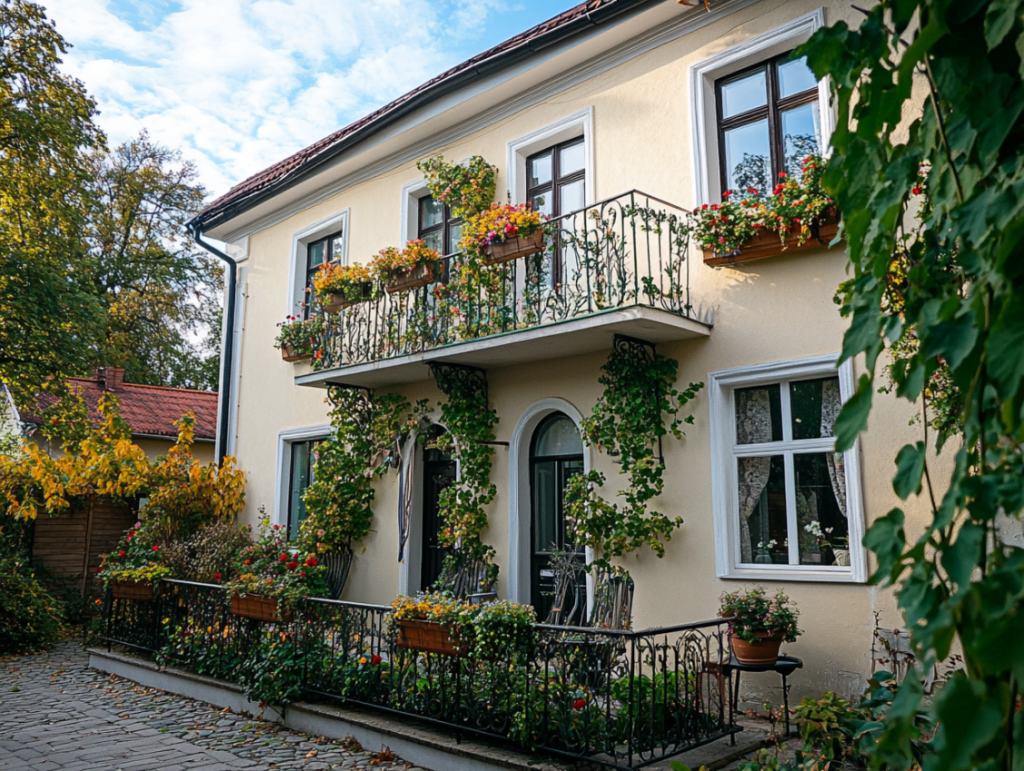
Emma 喝了一口茶,笑著問:「這一區現在也會有觀光客來嗎?我們今天這樣會不會……打擾到你們?」
Antanas 輕輕笑了:「你們不算觀光客,至少不是那種帶自拍棒、五分鐘拍完就走的。」
大家都笑了起來。
「以前這裡很安靜,沒什麼人會特地走進 Žaliakalnis 除非是來拜訪誰。但近幾年有些人開始寫部落格、拍影片,介紹這裡的建築與故事。」
他頓了頓,「也不是壞事啦,只是有時會遇到站在門口狂拍的人,或者不打招呼就推門進院子的。」
Julia輕聲說:「我覺得你說的很重要——是來『拜訪誰』,不是來『消費一個地點』。」
Antanas點點頭:「是啊。如果是來交談的、想理解的,我們這些老屋主大多都會泡茶。要是來敲牆壁聽回音的,就只能讓牆自己回應他們了。」
Where Space Becomes Culture
Emma gently set her teacup down, eyes drifting toward the neat row of houses outside. Her voice was soft but direct.
“Does living in this area… ever come with a sense of superiority?”
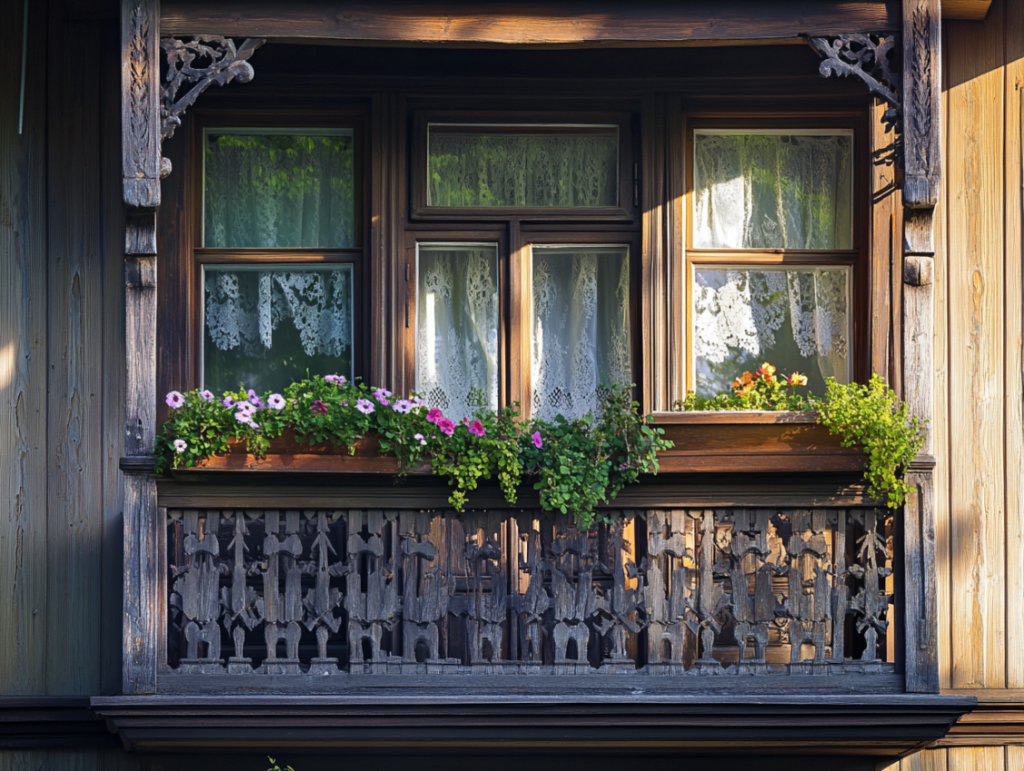
Antanas raised an eyebrow, then smiled. “You mean now? Or before?”
“Both, really,” Emma clarified. “The interwar years, the Soviet period, and today.”
He nodded slowly. “Back in the interwar period—yes, to some extent. This district was built for the educated class: doctors, professors, engineers. Living here meant you were part of the ‘new nation.’ It wasn’t about showing off. It was about carrying responsibility.”
“During the Soviet era, though, that symbolism became dangerous. Many houses were divided into flats. People downplayed their family backgrounds, afraid of being labeled remnants of the bourgeoisie.”
Julia interjected, “And now? Does the space still create a kind of psychological distance?”
Antanas shrugged, his tone calm. “Not superiority in the ‘I’m better’ sense. More like a quiet distinction. Like saying: I prefer libraries over malls, or I value a shaded window more than what’s parked in my garage.”
He paused, then added, “Not necessarily wealthy, but still believing in a certain rhythm. A certain proportion to life.”
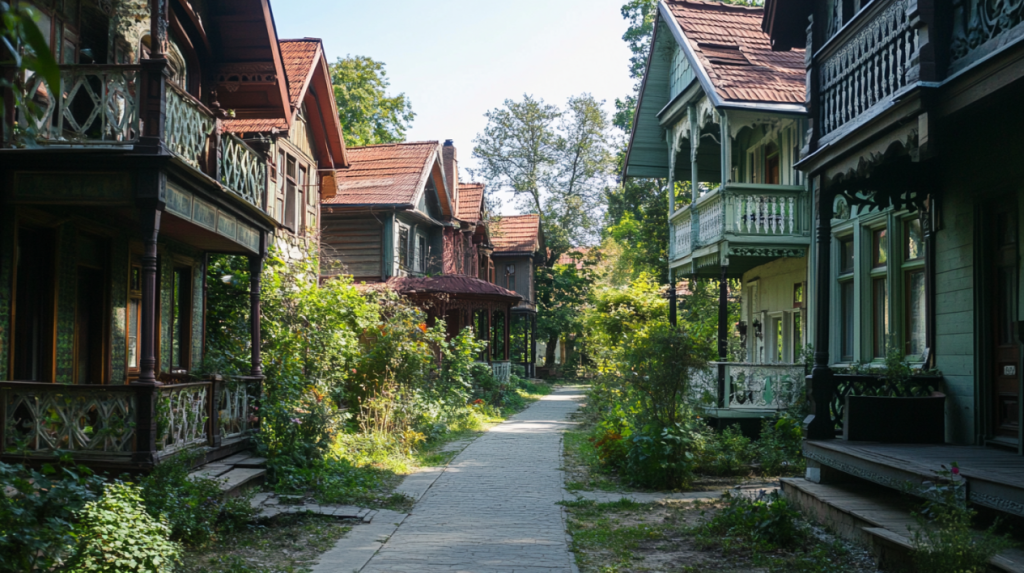
Emma nodded slightly, as if turning over his last sentence in her mind.
“There’s something similar in the UK,” she said. “Some neighborhoods aren’t necessarily wealthy, but you can tell—they’re full of people who read newspapers, listen to the radio, know how zoning works. It’s not about status. It’s just… a quiet, logical kind of living.”
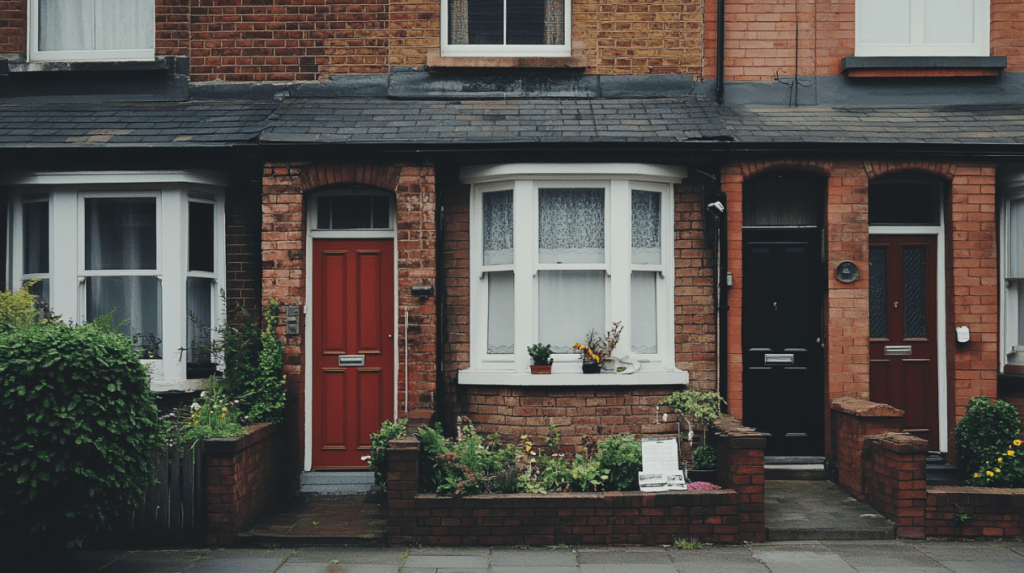
A Quiet Residential Street in the UK
Ben chuckled. “Same in Ireland. The area I grew up in—some say it feels ‘dated.’ But those old houses with front lawns—they reflect a preference for rhythm. It’s not poverty, it’s just a refusal of noise.”
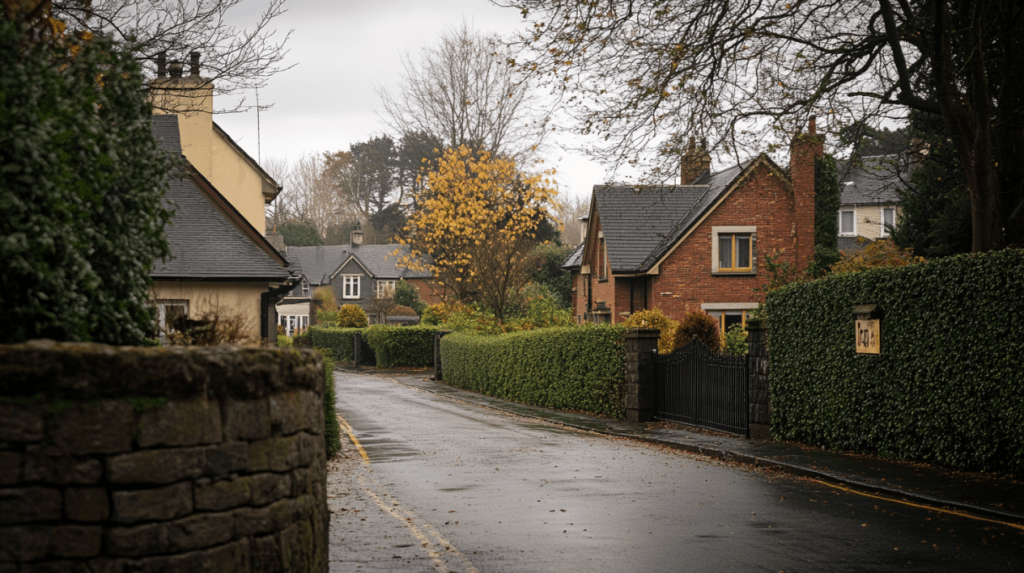
Ben’s Suburban Neighborhood in Ireland
Antanas smiled. “That’s culture embedded in space.”
Emma nodded again. “And culture is the last thing to move out.”
They sat for a moment in silence. The tea was still warm, and the filtered sunlight cast soft shadows of leaves through the sheer curtains. The conversation, like the house, flowed gently—timed to the pulse of something older and quieter.
當空間成為文化
Emma 將茶杯輕輕放回盤子,望著窗外整齊的街道,語氣輕柔卻直接地問:「住在這一區……會讓人產生一種優越感嗎?」
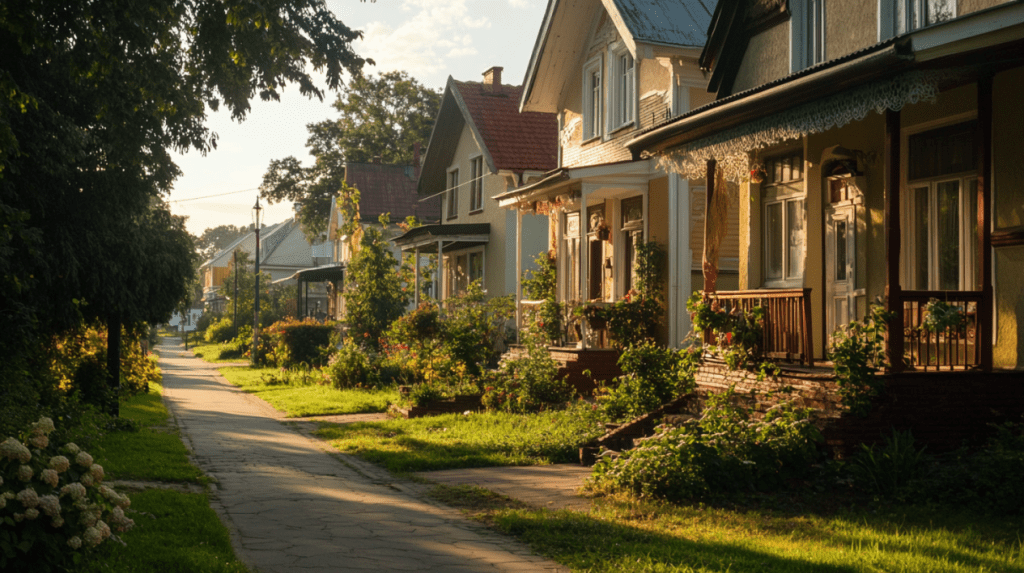
Antanas 微微一愣,笑了笑:「你是說現在?還是從前?」
「兩者都算。」Emma補充,「戰間期、蘇聯時期,還有今天。」
他想了一下,點點頭:「戰間期的確是有的。這裡原本就是給知識階層設計的——醫生、教授、工程師。住這裡,是一種『你是新國家的一部分』的象徵。不是炫耀,而是一種責任感。」
「到了蘇聯時代,這種象徵就變得麻煩了。很多房子被分成公寓,有些人主動壓低自己的背景,怕被視為『資產階級殘留』。」
Julia插話:「那現在呢?還會有這種空間帶來的心理差距嗎?」
Antanas聳聳肩,語氣平和:「不是那種『我比較好』的優越,而是一種安靜的區別。像是在說:我習慣圖書館大過購物中心,或我喜歡窗外的樹蔭多過車庫裡的車型。」
他頓了頓,看了大家一眼:「不一定富裕,但仍相信某種節奏、某種尺度的生活。」
Emma 微微點頭,像是在咀嚼他最後一句話。
「在英國也有類似的情況,」她說,「有些區域不見得是最富有的,但你一看就知道那裡住著一群閱讀報紙、聽廣播、知道城市規劃的人。不是刻意標榜,而是那種低調中帶著邏輯的選擇。」
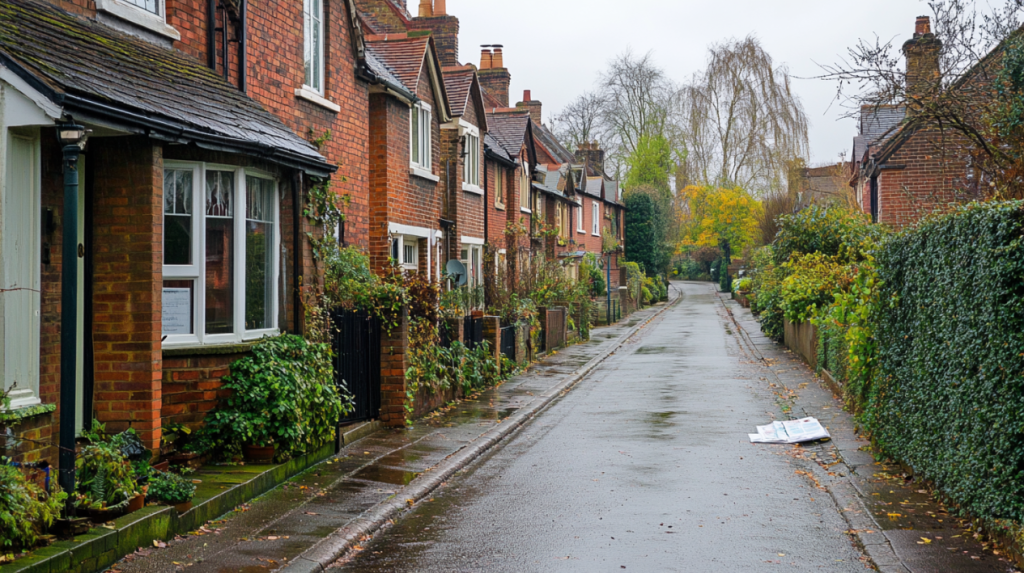
英國郊外住宅區
Ben笑了一下,補充:「愛爾蘭也一樣。我老家的街區,有人會覺得我們那裡『過時』,但其實那些老房子和前院草地背後,是一整套對生活節奏的偏好。不是窮也不是富,而是拒絕某種喧囂。」
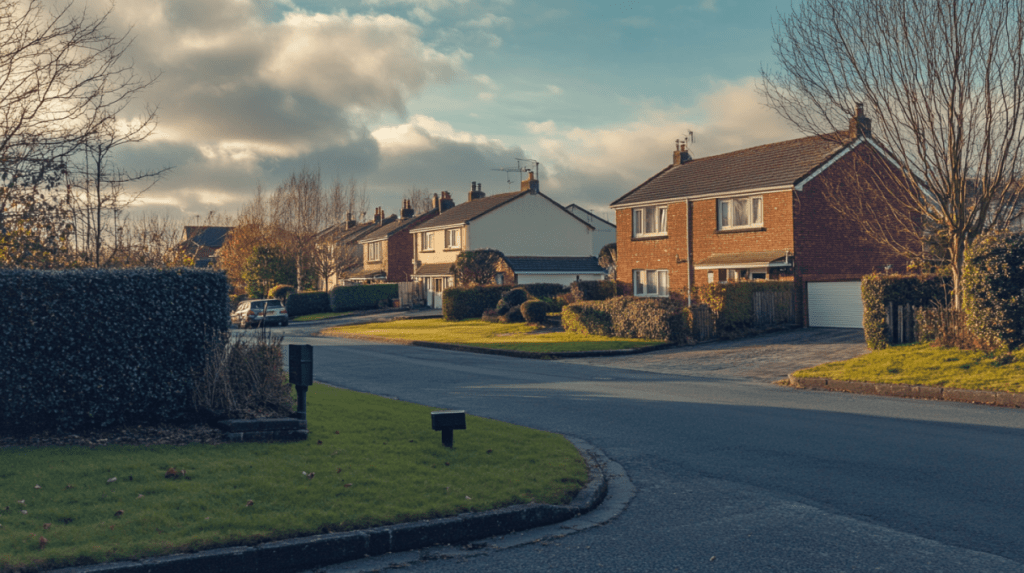
Ben 在愛爾蘭的住宅區
Antanas輕聲說:「那是空間裡的文化。」
Emma點頭:「而文化是最慢搬走的東西。」
他們靜靜地坐著,茶水仍溫熱,窗外的午後陽光透過紗簾投下樹葉斑影。那些關於房子與生活的話語,彷彿與這棟房子本身的脈搏同步,緩慢地流動著。
Say Goodbye
They said their goodbyes as Antanas stood at the doorway, sunlight resting on his shoulders like a memory from another era.
When the garden gate closed behind them, it made no sound—just the summer breeze moving gently through the row of trees lining the path.
The five of them walked slowly down the narrow lane, no one rushing to speak. The house and everything it held seemed to linger in the folds of their thoughts, not yet settled.
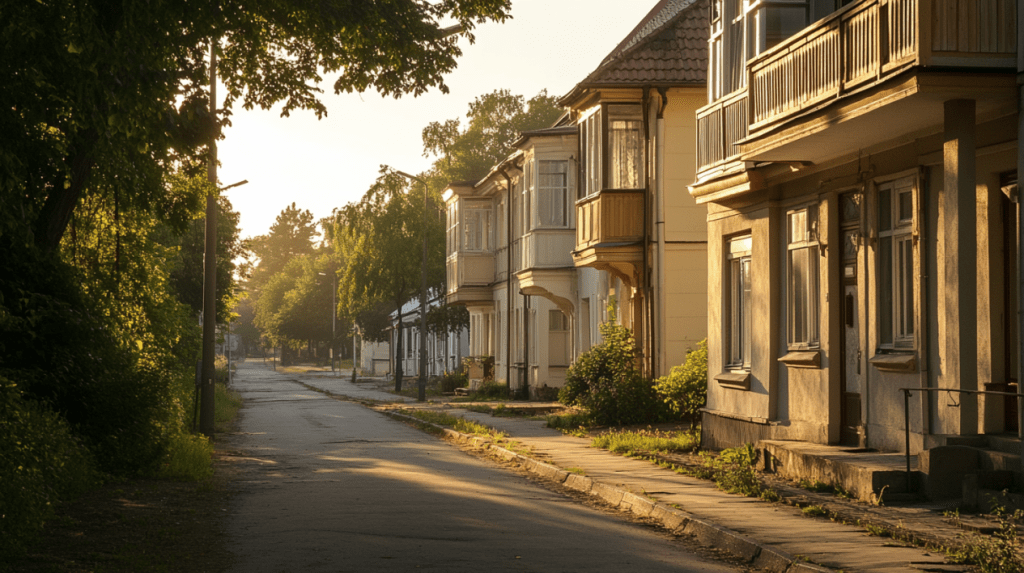
After a few houses and front gardens passed, Julia finally said, “Afternoons like this make you want to reframe your own rhythm.”
“Or at least figure out what’s for dinner,” Ben joked. “I’ve started missing that dark rye bread from breakfast in Raseiniai.”
Tomas glanced at the sky. “Still early. We could head back toward Laisvės alėja, or try one of the older local places.”
“Somewhere with a window seat?” Emma asked. “I’d like to eat and let all this settle, piece by piece.”
They kept walking. The streetlights hadn’t come on yet, but their shadows had already begun to stretch—long, quiet lines tying their steps together like a conversation carried into the evening.
道別
他們道別時,Antanas站在門口目送他們離開,陽光落在他肩上,像是舊時代遺留的一束光。
院門關上時沒有聲響,只有夏日的風輕輕吹過走道上那排樹。
五人順著小巷慢慢走著,沒有人急著說話。整棟房子與剛才的對話,彷彿還附著在他們身上,尚未完全沉澱。
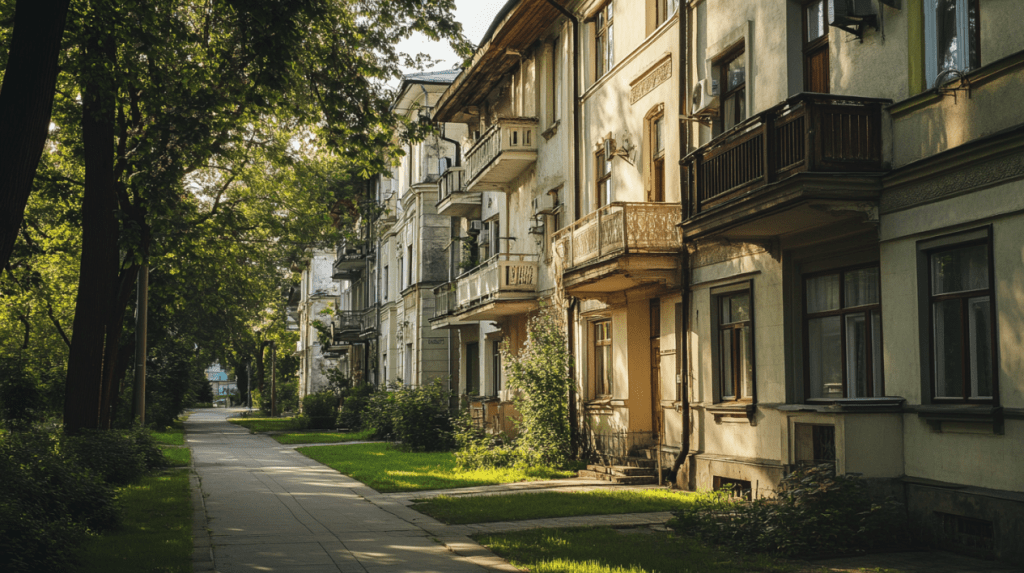
走過幾戶老房與花園後,Julia終於開口:「這樣的午後會讓人想重新整理自己的生活節奏。」
「或者至少先決定晚餐地點,」Ben笑著說,「我已經開始想念那天早上在Raseiniai吃到的黑麥麵包了。」
Tomas看了看天色:「還不算太晚,我們可以回自由大道那一帶,或者找個在地的老餐館。」
「有沒有那種窗邊可以看到街景的地方?」Emma問,「我想一邊吃飯,一邊讓這些片段慢慢落下來。」
他們繼續往下走,街燈尚未亮起,但長長的影子已經悄悄拉開,一條又一條細線,把他們的足跡牽成一道傍晚的對話。

 Virtual Travel | 虛擬旅行沉浸式英語學習
發表留言