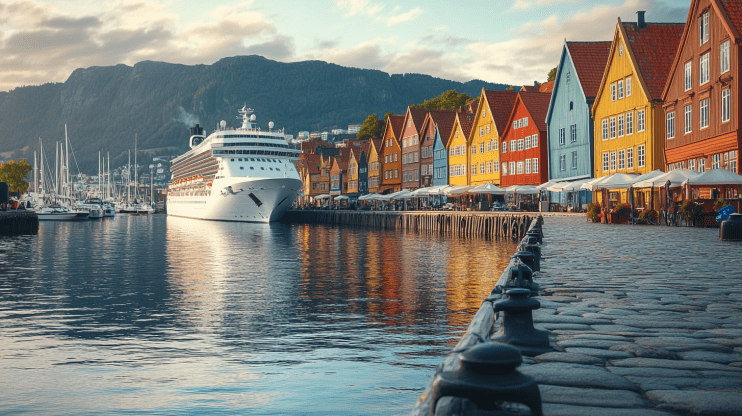
The Port in Morning Light
Bergen harbor stirred with quiet energy that morning.
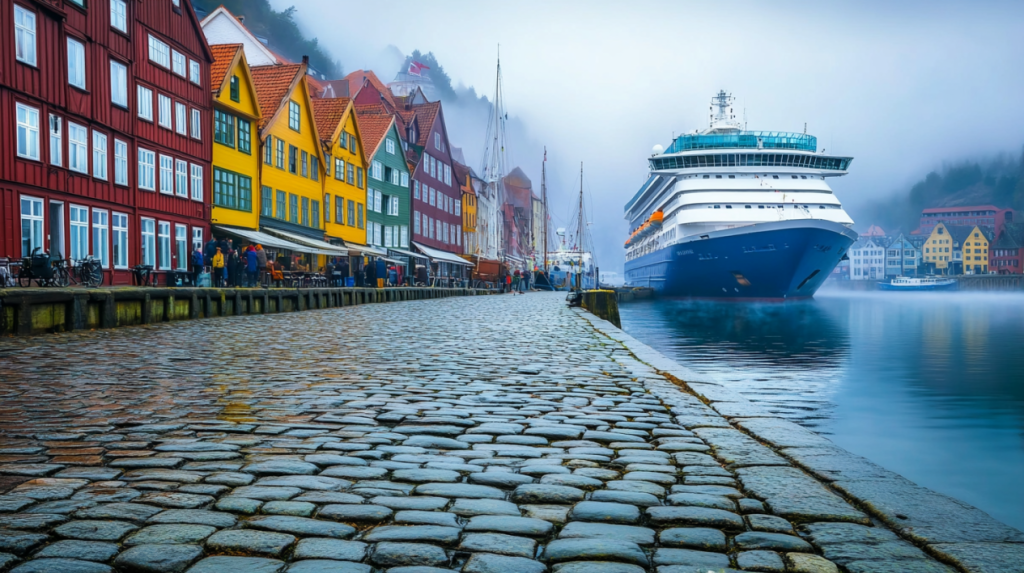
Passengers dragged their suitcases across damp cobblestones toward the modern terminal, while the row of old Hanseatic warehouses stood behind them like painted ghosts of the past.
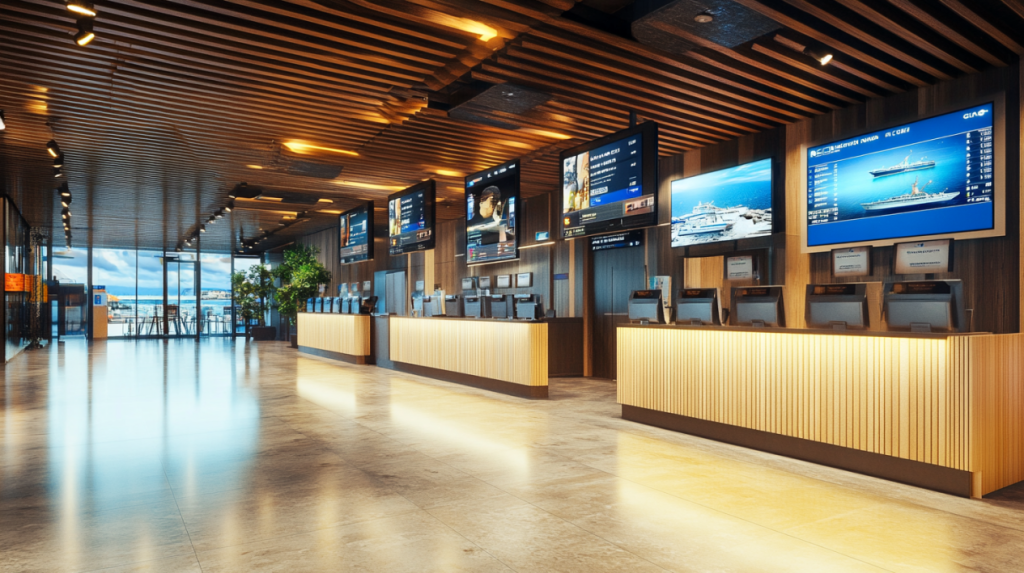
Inside, check-in counters buzzed with efficiency: passports were scanned, luggage tagged, and key cards slipped neatly into sleeves.
Julia and Emma followed the line, their documents quickly approved. “Deluxe cabin, Deck 5,” the clerk said with a smile, handing them their cards.
Their larger suitcases disappeared onto a luggage cart, bound for their cabin.
清晨的海港邊
卑爾根港口在清晨瀰漫著低調卻緊湊的氣氛。
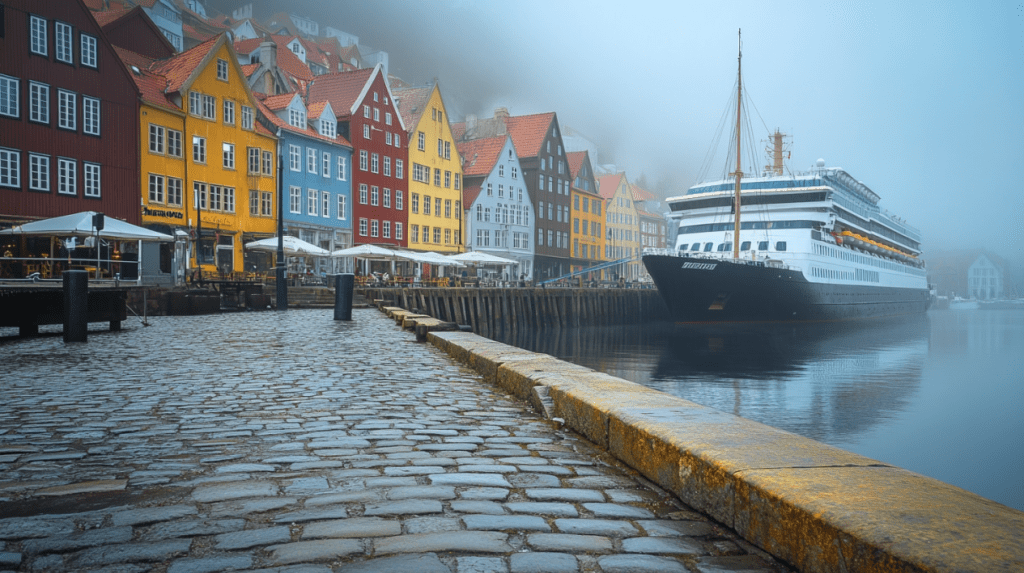
乘客拖著行李箱走過濕潤的鵝卵石,朝著現代化的登船大樓前進,身後一排古老的漢薩倉庫像褪色的影子般矗立。
大樓裡,報到櫃檯井然有序:護照被掃描、行李被貼上標籤、房卡整齊地裝進信封。
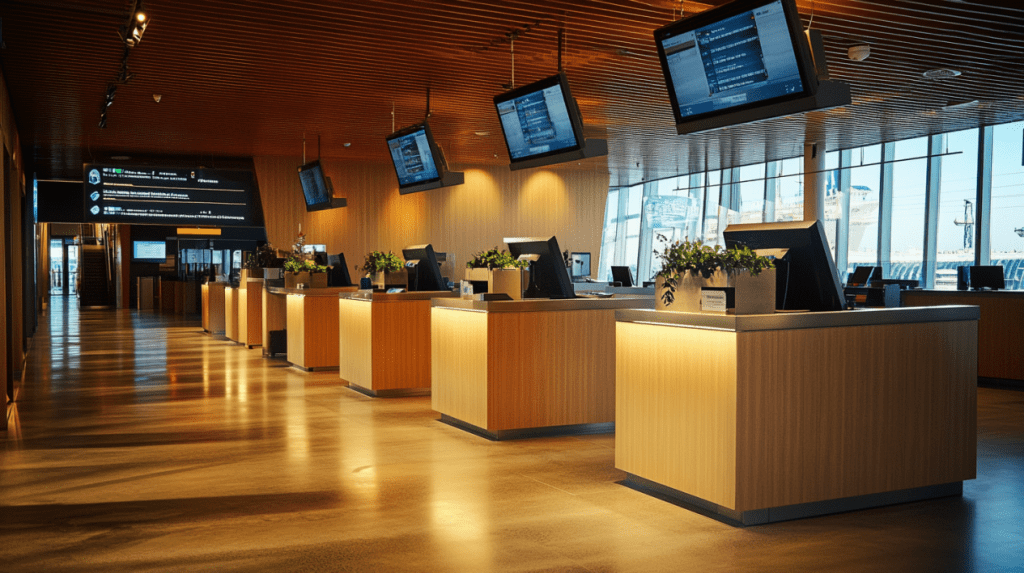
Julia 和 Emma 隨著隊伍完成手續。櫃檯人員微笑著說:「五樓豪華艙,這是你們的房卡。」她們的大件行李被送上推車,不久後會直接送入房間。
First Steps On Board
After a brisk security check, they walked the covered gangway into the ship.
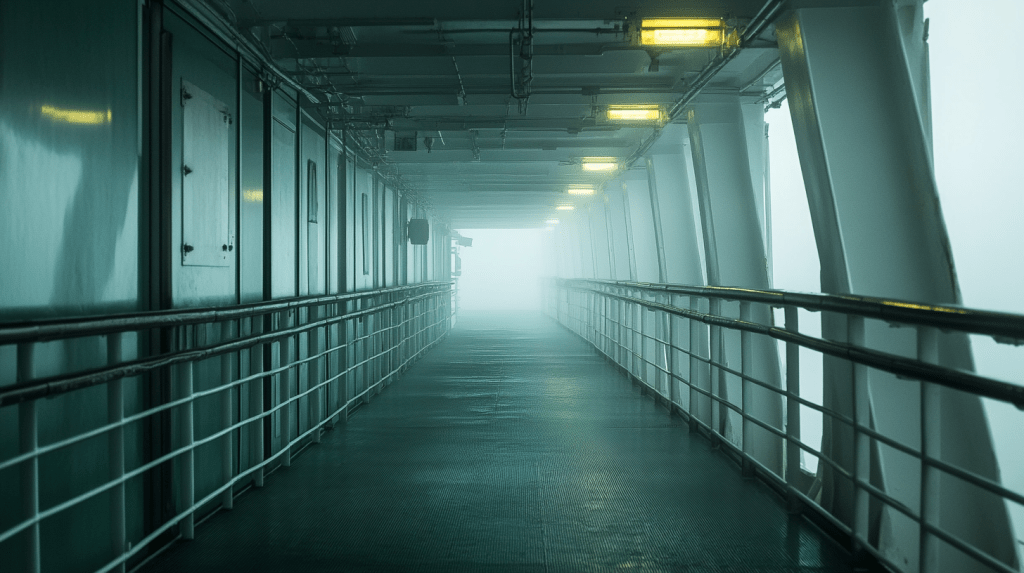
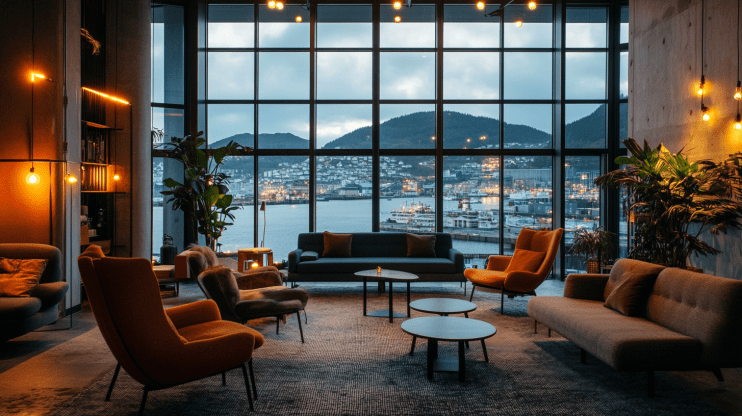
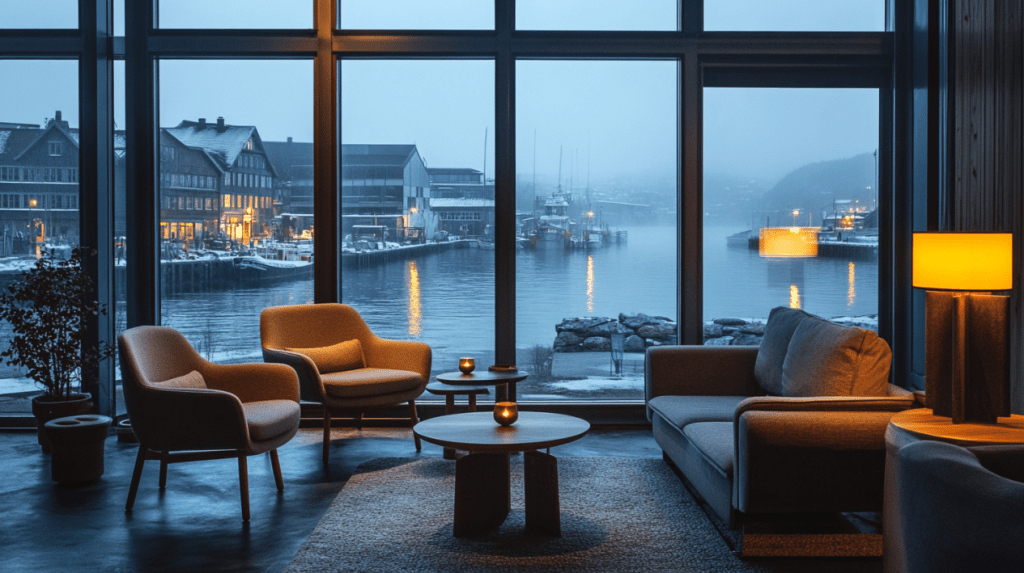
The lobby smelled of varnished wood and fresh coffee. Large windows framed the misty harbor outside, while a crew member handed out foldable deck maps to each guest.
Emma looked around, noting the contrast. “It’s not a floating city. More like a moving hotel.”
Julia nodded. “And the view is the luxury.”
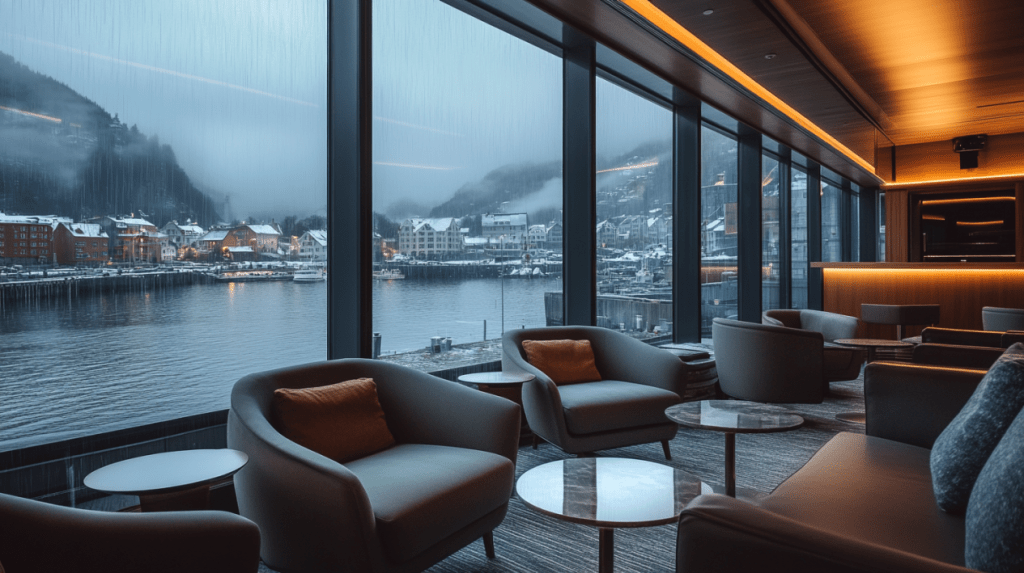
Nearby, a young German couple adjusted their camera straps, whispering in excitement. At the corner, an elderly Norwegian pair leaned on canes, boarding with the calm of routine travelers.
登船
經過簡單的安檢後,她們走過有遮棚的登船橋,進入船艙。
大廳裡瀰漫著拋光木材與咖啡的香氣,巨大的窗戶映出迷霧中的港口。船員逐一遞上摺疊的甲板導覽圖。
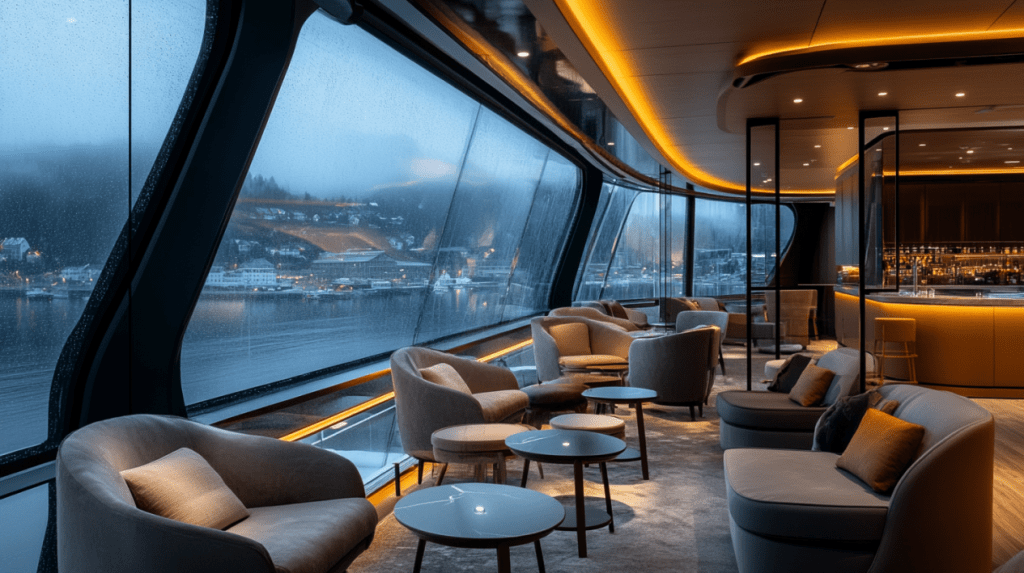
Emma 環顧四周,低聲說:「這不是什麼海上城市,更像一間移動的旅館。」
Julia 點頭:「真正的奢華是窗外的風景。」
不遠處,一對德國年輕夫妻正調整相機背帶,竊竊私語著即將看到的景色;角落裡,一對拄著拐杖的挪威老夫婦神情安然,好像這趟旅程只是他們的日常。
The Cabin
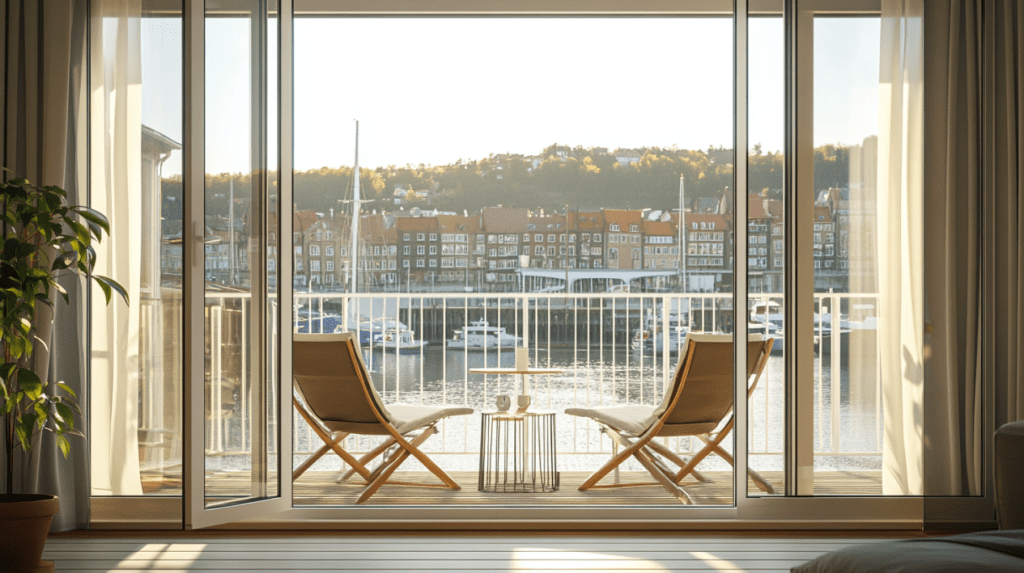
Their cabin on Deck 5 opened with a soft click. Morning light poured through sliding glass doors onto a private balcony furnished with two chairs and a small table.
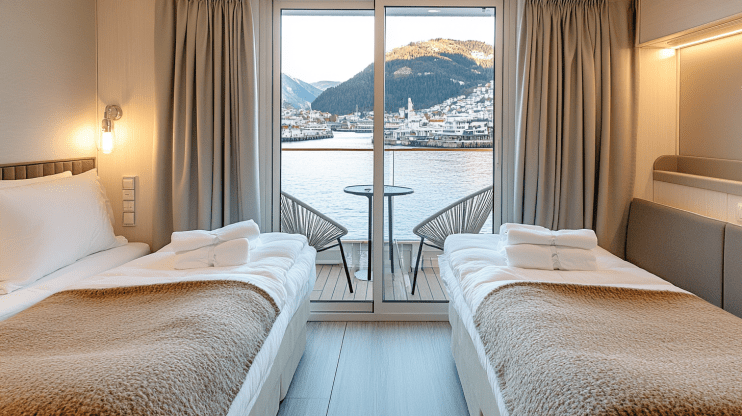
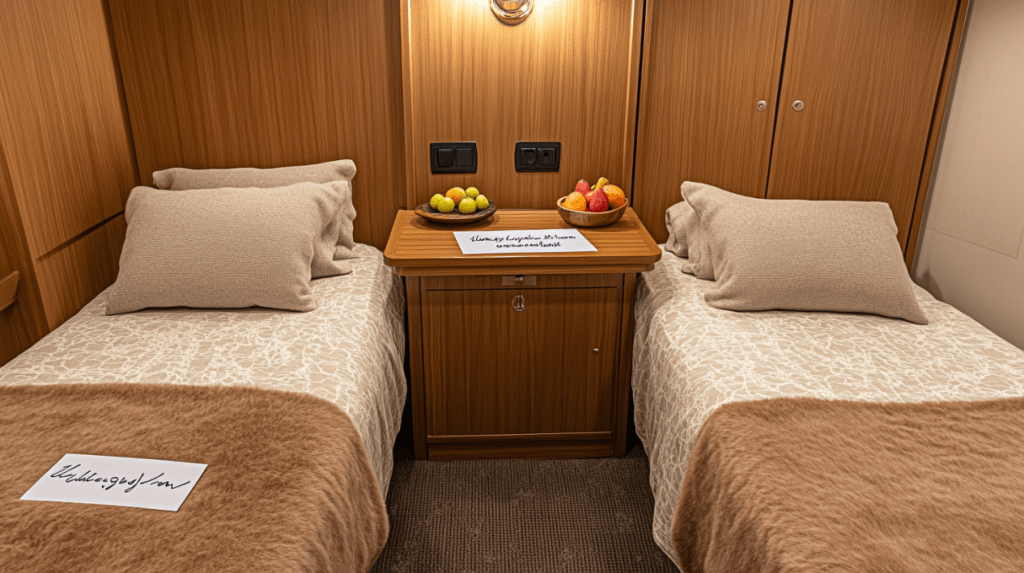
Inside, twin beds were neatly arranged with wool throws, a desk with outlets lined one wall, and a wardrobe stood beside it. A bowl of fruit and a handwritten welcome card added a personal touch.
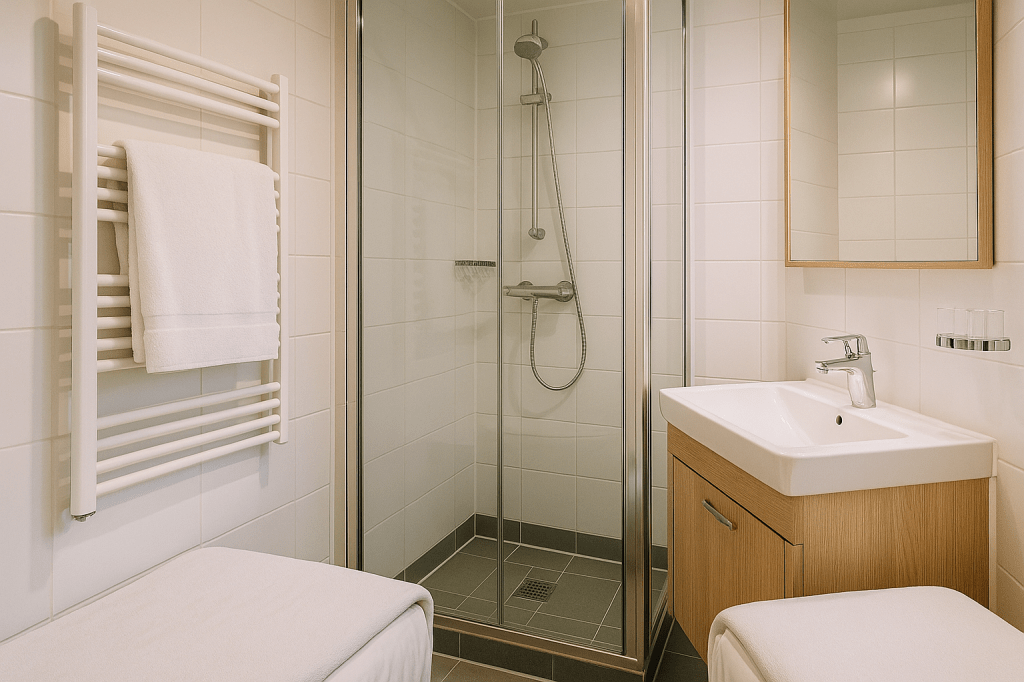
To the right, a compact private bathroom offered a heated towel rack and a glass-panel shower—simple but far better than the shared corridors Emma remembered from her student days.
Emma stepped onto the balcony, inhaling the harbor air. “This is worth every raffle ticket. The whole coastline right outside our door.”
Julia placed her notebook on the desk. “Perfect. Your sunsets out there, my notes in here. Balance achieved.”
船艙
五樓的艙房在房卡一聲輕響中打開。晨光透過落地玻璃灑入,外面是一個擺著兩張椅子與小桌的私人陽台。
房內兩張床整齊地鋪著羊毛毯,靠牆有一張附插座的書桌,旁邊是衣櫥。桌上放著一碗水果與一張手寫的歡迎卡片,帶來幾分溫暖。
右側是一間私人衛浴,雖然不大卻乾淨明亮,有加熱毛巾架和玻璃隔間的淋浴間——比起 Emma 學生時代宿舍裡的走廊共用浴室,好上許多。
Emma 推開陽台的門,深吸一口港口的海風:「這才值回票價啊,整條海岸都會從我們門口滑過。」
Julia 把筆記本放在書桌上,笑道:「很好,你的夕陽在外面,我的筆記在裡面。平衡達成。」
New Companions
As they stepped back into the corridor, voices and footsteps filled the air.
A tall Irishman balanced a tripod over his shoulder and introduced himself as Ben, a photographer documenting northern coasts.
At the stairwell, they met Ingrid, a retired Norwegian teacher with short silver hair and a sketchbook tucked under her arm.
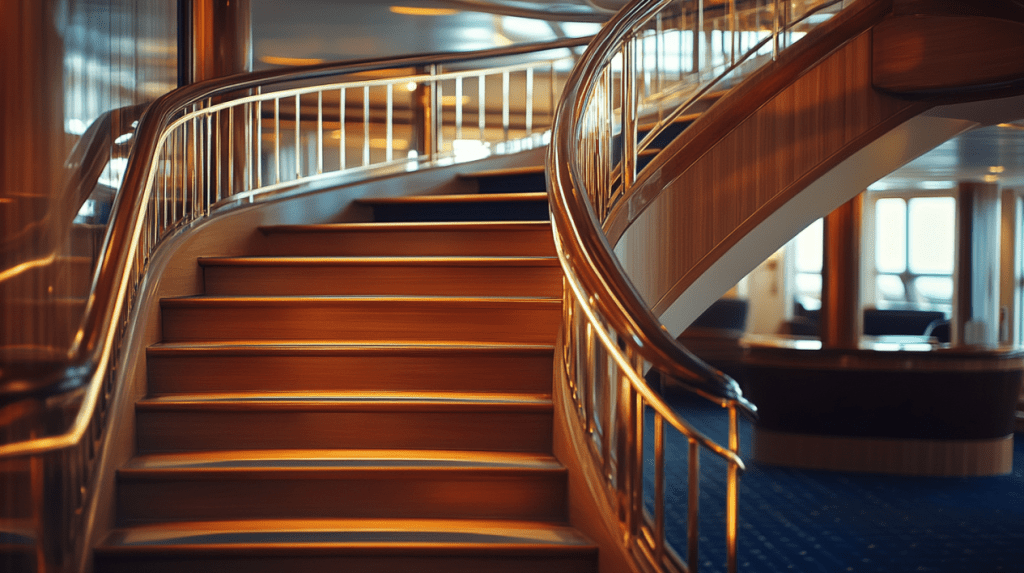
“I taught in several of the towns we’ll pass,” she explained with a warm smile. “For me, every port is like opening a page of memory.”
Emma whispered to Julia as they walked on, “We’ve got a photographer and a storyteller. This feels more like a seminar than a holiday.”
Julia chuckled. “Perfect. That’s how voyages should be—part travel, part learning.”
新同伴
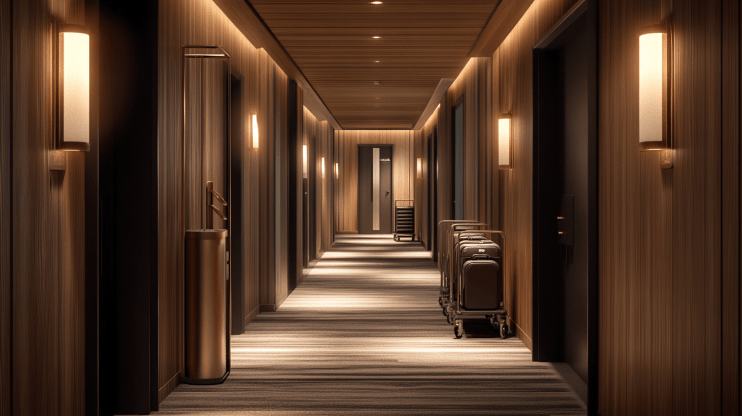
走回走廊時,周圍傳來行李滑動與腳步聲。
一位扛著腳架的高個愛爾蘭男子迎面而來,自我介紹叫 Ben,是來記錄北方海岸的攝影師。
在樓梯口,她們又遇到一位銀白短髮的挪威女性,手裡夾著一本素描本。她微笑著說自己叫 Ingrid,是一名退休老師:「我曾在這條航線上的幾個小鎮教過書。對我來說,每一個港口都像翻開一頁回憶。」
Emma 小聲對 Julia 說:「現在我們有了攝影師,也有了說故事的人。這趟旅行越來越像研討會,而不是假期了。」
Julia 忍不住笑道:「正好,旅行就該如此——一半是行走,一半是學習。」
Departure
By afternoon, a gentle announcement summoned passengers to the outer deck for the safety drill.
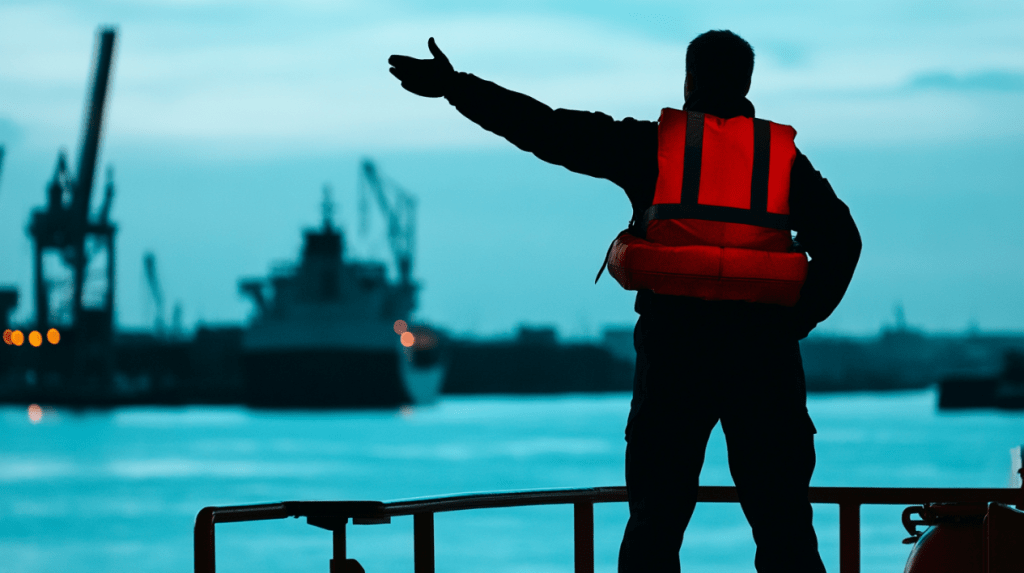
Crew members demonstrated life jackets, while the harbor bell tolled faintly in the distance. Soon after, the ship’s horn echoed across the water—a deep, resonant sound that marked departure.
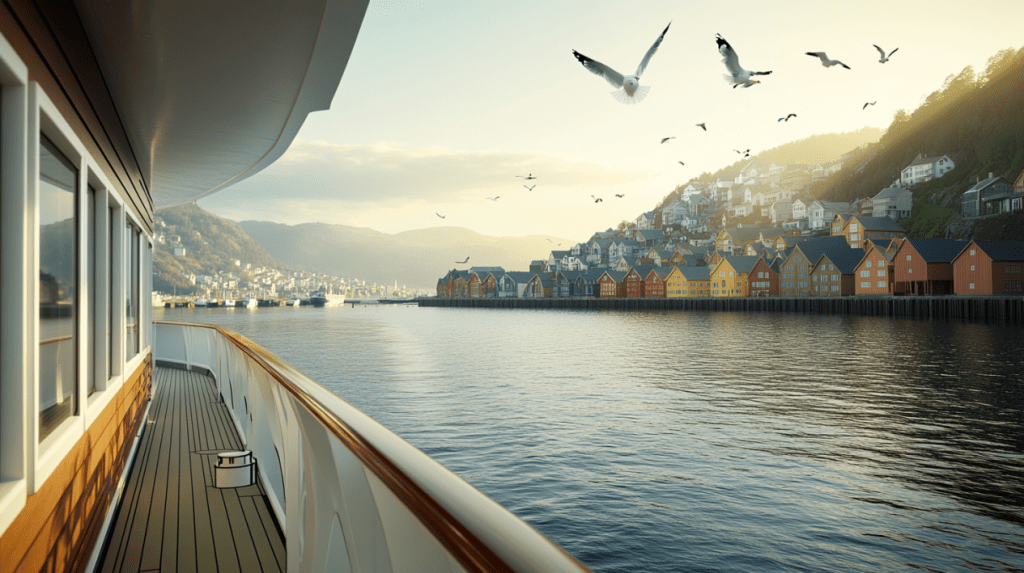
From the deck, Bergen stretched behind them: rows of colorful houses clinging to the hillside, the medieval wharf of Bryggen glowing faintly under the sun, and seagulls wheeling in the salt air.
Emma leaned on the railing. “I once took a Mediterranean cruise, years ago. It was all chandeliers and shopping decks, thousands of passengers. A floating city.” She shook her head with a half-smile. “This feels different. Smaller, steadier. More like traveling with the coastline than escaping from it.”
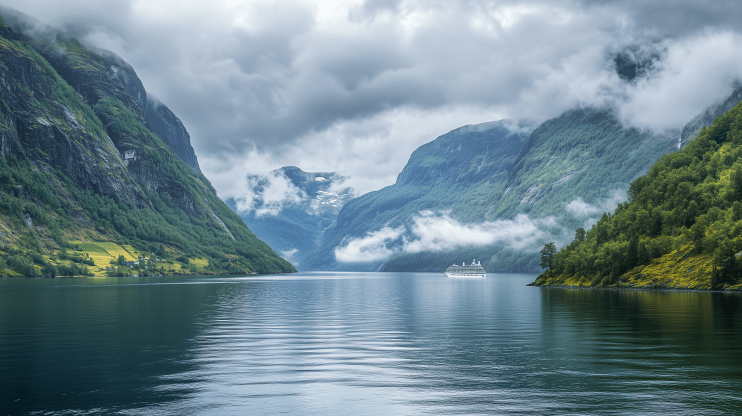
Julia’s eyes followed the mist lifting above the fjords. “Exactly. Less spectacle, more landscape. The difference between being entertained and being taught by the sea.”
After a pause, Emma asked, “But at this latitude…does the sea freeze in winter?”
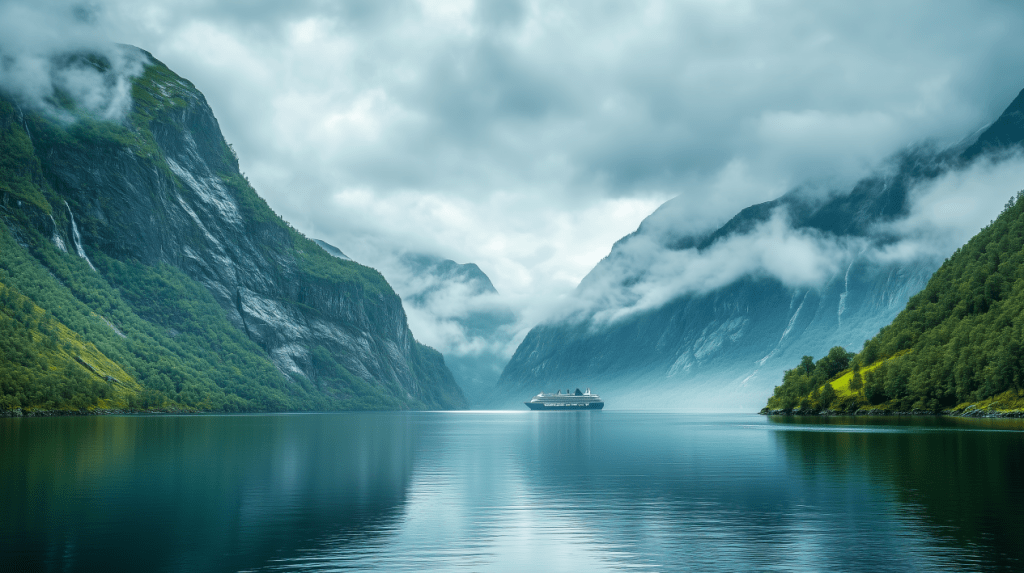
Julia shook her head. “Not here. The Gulf Stream carries warm water from the Atlantic, keeping these harbors ice-free. That’s why ports like Tromsø or Kirkenes can run year-round. They’re true ice-free ports—and that shaped Norway’s maritime identity. Without that, this country could never have been a seafaring nation.”
Emma smiled as the wind brushed her hair. “So this voyage isn’t just geography. It’s a reminder of why Norway belongs to the sea.”
啟航
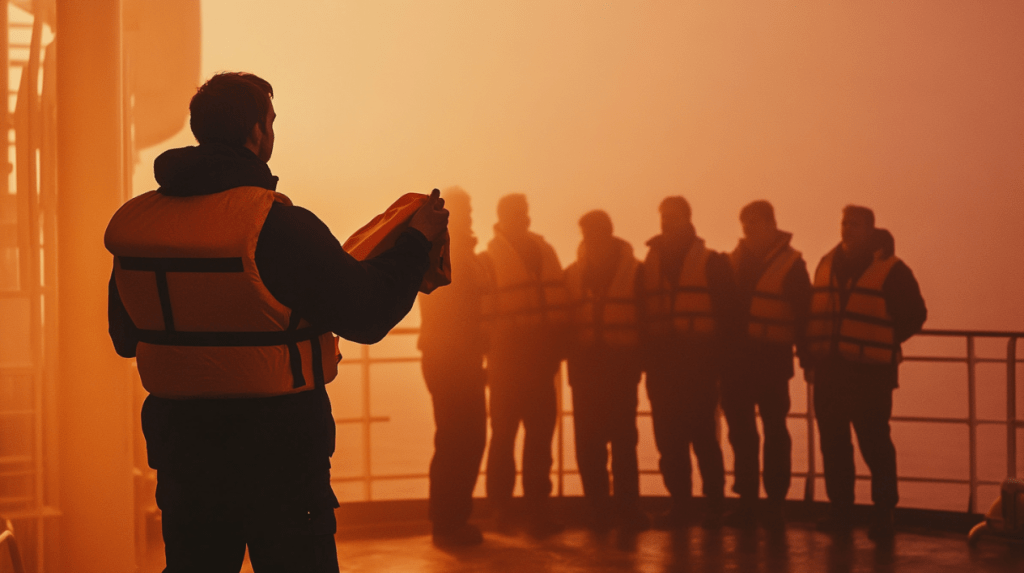
下午時分,廣播輕聲提醒乘客前往甲板進行安全演練。船員示範如何穿戴救生衣,遠處港口的鐘聲隱約傳來。
隨後,船鳴響徹水面——低沉而悠長,象徵著啟航。
甲板上,卑爾根逐漸遠去:色彩繽紛的房屋緊貼在山坡上,中世紀的布呂根碼頭在陽光下隱隱泛光,海鷗在鹹鹹的空氣中盤旋。
Emma 靠在欄杆上說:「我以前坐過一次地中海的郵輪。滿是水晶吊燈和購物甲板,上千名乘客,像是一座海上城市。」
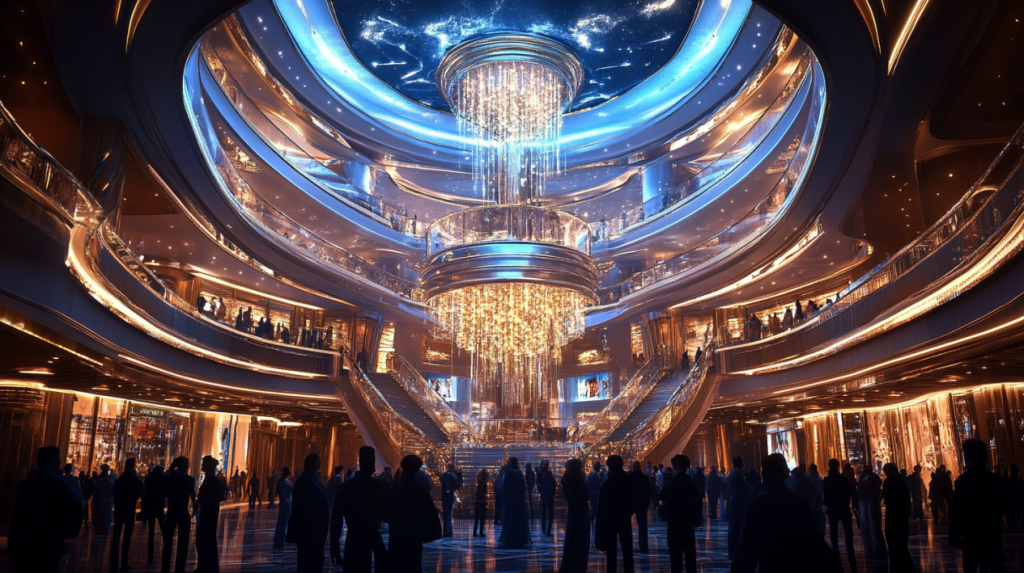
對比:地中海郵輪
她搖搖頭,帶著半笑:「這次完全不同。小巧、穩定,更像是與海岸同行,而不是要逃離陸地。」
Julia 的目光隨著峽灣上方逐漸散去的薄霧移動,輕聲回應:「沒錯。不是表演,而是風景。這是被海教導,而不是被娛樂。」
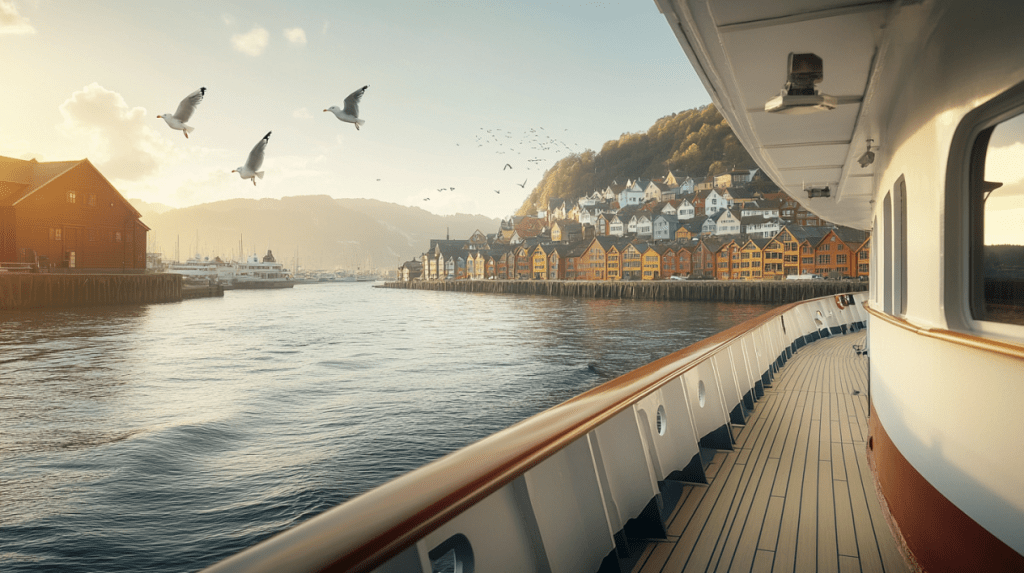
停頓片刻,Emma 又問:「不過,這麼高的緯度……冬天海水不會結冰嗎?」
Julia 搖了搖頭:「不會。墨西哥灣暖流把大西洋的暖水送來,這些港口全年都能保持無冰。特羅姆瑟、甚至希爾克內斯,都能在冬季照常運作。這些『不凍港』其實塑造了挪威的海洋身份。沒有它,這個國家就不可能成為航海民族。」
海風吹起 Emma 的頭髮,她微笑著說:「所以這趟旅程不只是地理,而是提醒我們——為什麼挪威注定屬於大海。」

 Virtual Travel | 虛擬旅行沉浸式英語學習
發表留言