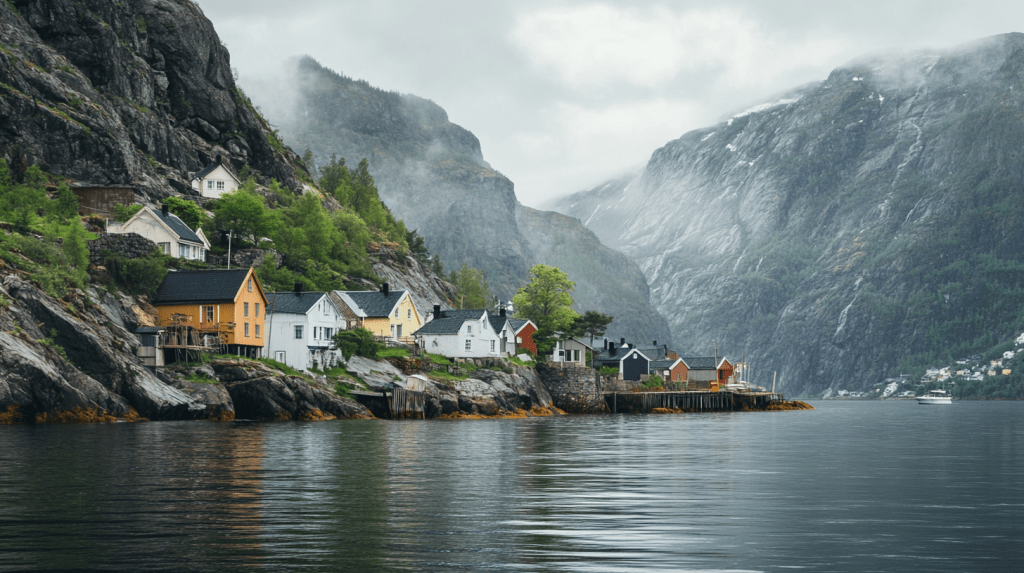
Return to the Ship
By late afternoon, the quay was alive again. Passengers returned in small groups, some carrying shopping bags, others with cameras heavy from the day.

The ship’s gangway clattered with footsteps and rolling luggage.
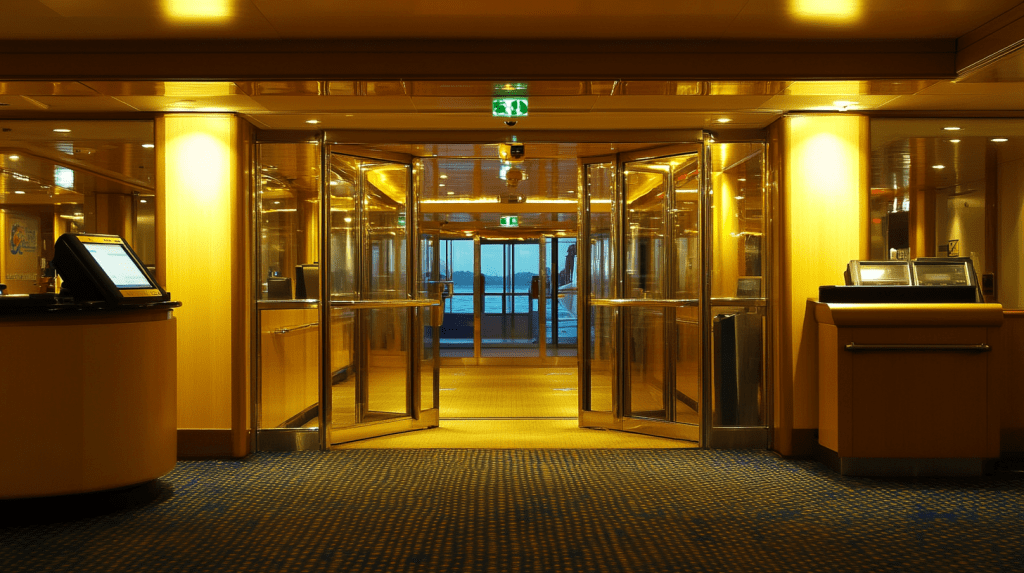
Inside the lobby, the mingled scents of coffee and seawater lingered, as crew members scanned boarding cards with practiced ease.
回到船上
傍晚時分,碼頭再度熱鬧起來。乘客們三三兩兩地返回,有人提著購物袋,有人肩上的相機裝滿了今天的記錄。

登船橋在腳步與行李的滾動聲中嘎吱作響。
大廳裡瀰漫著咖啡與海水混合的氣息,船員熟練地掃描房卡,整艘船又恢復了活力。

Dinner at Sea
The dining hall filled quickly as the ship pulled away from Ålesund.

Through the broad windows, the town’s pastel skyline slipped into mist.
Tonight’s menu offered salmon grilled with herbs, reindeer stew with root vegetables, and cloudberry mousse.

Bread baskets made their rounds, and the murmur of voices blended with the hum of the engines.
Emma tasted the stew. “Comforting after all that walking.”
Julia smiled. “And symbolic. Reindeer from the north, fish from the south—Norway on a plate.”
Ingrid added, “Food is geography too. It tells you where you are without a map.”
海上晚餐

當船緩緩駛離奧勒松時,餐廳很快坐滿。
大窗外,粉彩色的天際線逐漸隱沒在霧氣中。
今晚的菜單有香草烤鮭魚、根莖蔬菜燉馴鹿肉,甜點則是雲莓慕斯。麵包籃在桌間傳遞,談話聲與引擎的低鳴聲交織。


Emma 嘗了一口燉肉:「走了一整天,這樣的食物很讓人安心。」
Julia 笑道:「其實也很有象徵性。北部的馴鹿、南部的魚,這一盤就像把挪威放在桌上。」
Ingrid 補充:「食物本身就是地理,不需要地圖,也能告訴你在哪裡。」
Sharing the Day
Ben flipped through his camera, showing each frame in turn.
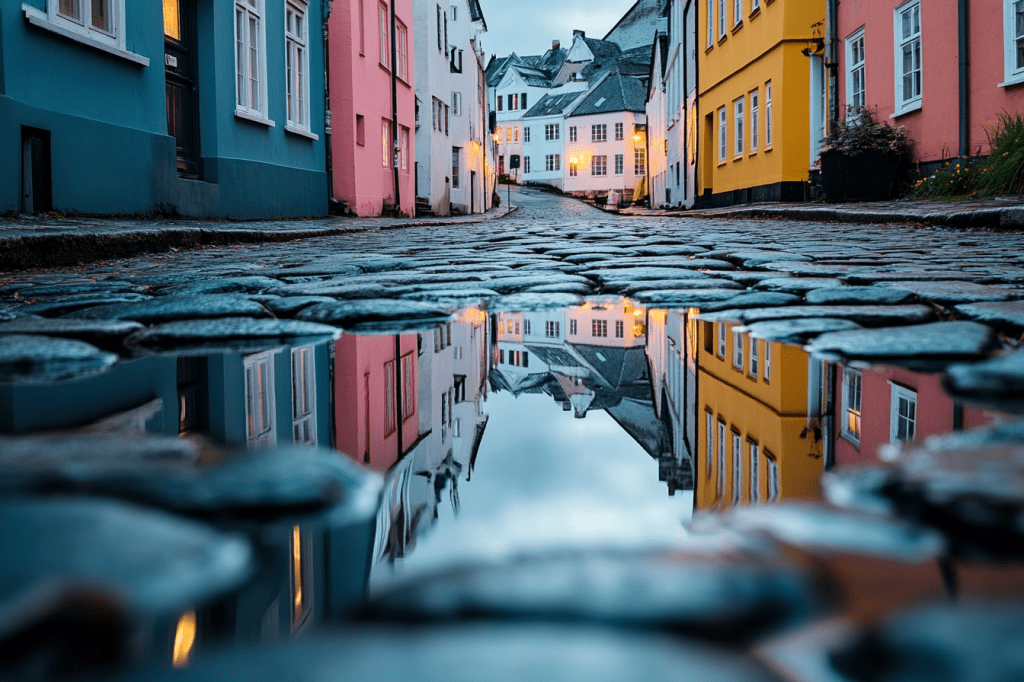
A puddle reflecting upside-down façades.

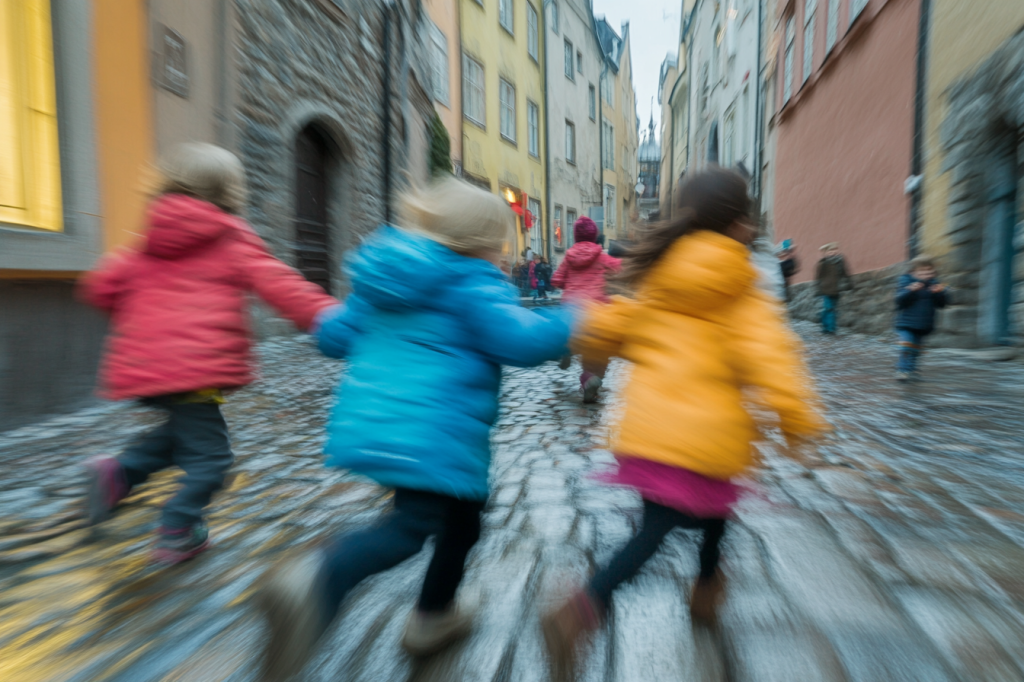
Children in bright jackets rushing across a cobblestone street, caught in blur.
A fisherman at the quay, rough hands repairing a net in the late light.
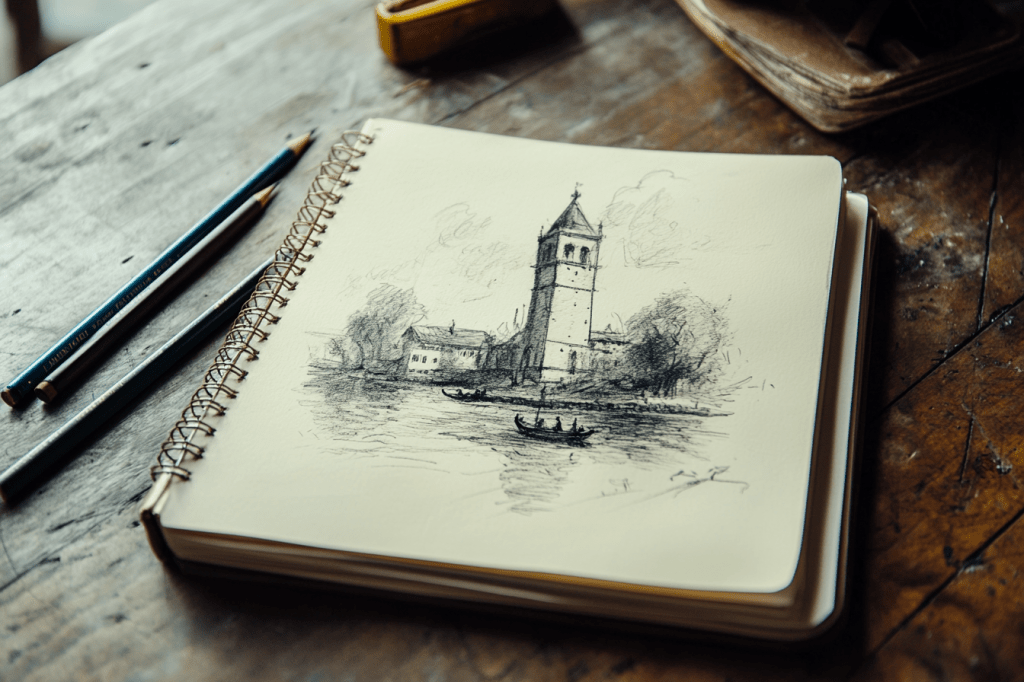
Ingrid opened her sketchbook.
One page showed a canal tower in strong pencil strokes; another only fragments: arched windows, a bridge’s curve, the shadow of a spire.
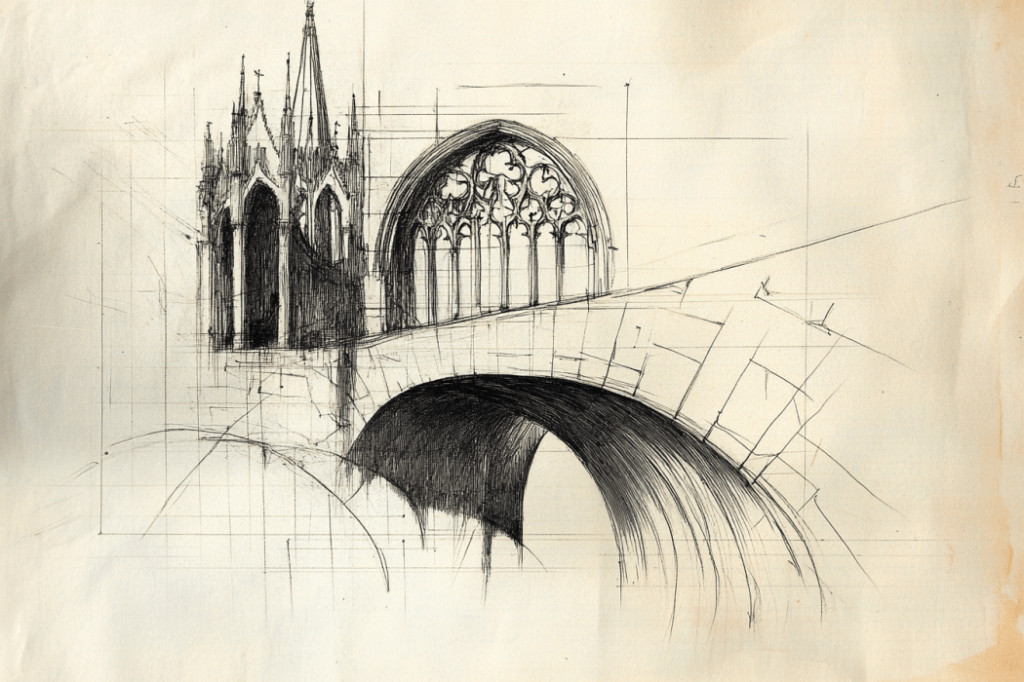
“I don’t draw the whole town,” she said. “Just the pieces that make its rhythm.”
Emma leafed through her notes, filled with café conversations and descriptions of cinnamon rolls.
“We each caught different parts—Ben the reflections, Ingrid the lines, I the voices. And Julia?”
Julia tapped her notebook. “I look at the ground itself. Granite smoothed by glaciers, steep slopes pressing the town against the sea.
It reminds me of western Scotland, where villages cling to narrow lochs.

Scottish west coast village clinging to narrow loch
But Ålesund feels more open—wider fjords, softer light.
Iceland, by contrast, is harsher: basalt cliffs, young lava fields, landscapes still raw with fire and frost.

Iceland basalt cliffs and young lava fields
Here, the land feels older, more weathered.”

Norwegian fjord coastline, granite rocks smoothed by ancient glaciers
She paused, then added, “And each coastline forces people to adapt differently. In Scotland, fishing shaped the communities. In Iceland, survival came from geothermal heat.
In Norway, it was shipping routes—ice-free ports that worked even in January. Outsiders may see similar houses and boats, but underneath are very different survival strategies.”
中文
Ben 滑動著相機,一張張展示。
水窪裡倒映的顛倒街景;
幾個穿著鮮豔外套的孩子在鵝卵石路上奔跑,模糊的瞬間;碼頭邊一位漁夫,在夕陽下用粗糙的手修補漁網。
Ingrid 攤開素描本。某頁是一座運河塔樓的鉛筆勾勒;

另一頁則是片段:拱形的窗、橋的弧線、尖塔的陰影。
「我不會畫整個小鎮,」她說,「我只畫組成它節奏的片段。」

Emma 翻著自己的筆記,上面有咖啡館的對話片段,也有肉桂捲的描寫。

「我們各自捕捉了不同的面向——Ben 是倒影,Ingrid 是線條,我是聲音。那 Julia 呢?」
Julia 敲了敲筆記本:
「我看的是土地本身。花崗岩被冰川磨平,小鎮壓在陡坡與海之間。
這讓我想起蘇格蘭西岸,村落依附在狹窄的海灣旁;

蘇格蘭西岸
但奧勒松更開闊,峽灣更寬,光線也更柔。

挪威峽灣地貌
冰島則嚴酷得多——玄武岩斷崖、年輕的熔岩地貌,火與冰還在塑造土地。相比之下,這裡的土地更古老,也更有歲月感。」
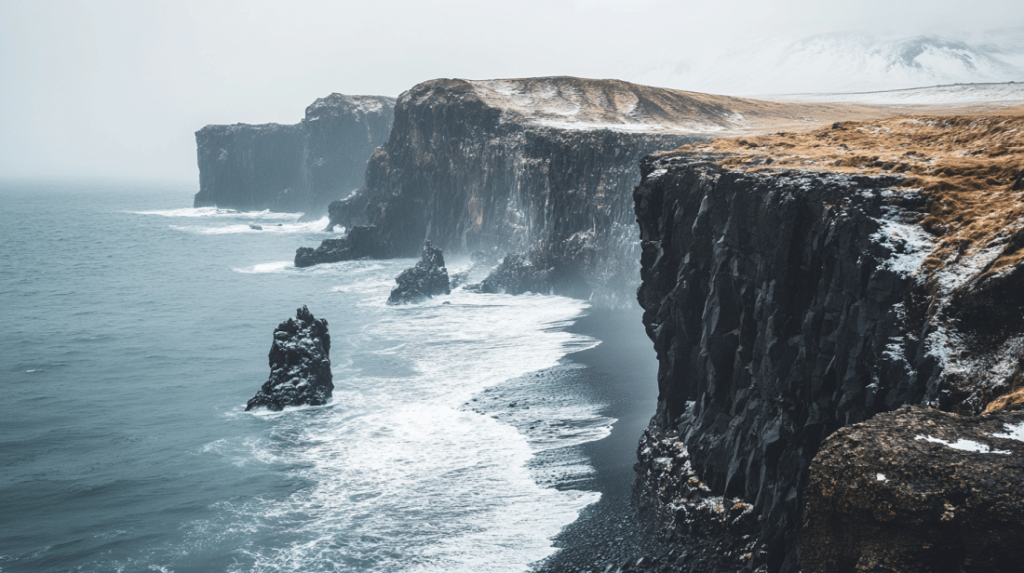
冰島的玄武岩斷崖
她停了一下,補充說:「每一片海岸都迫使人類用不同方式去適應。
蘇格蘭靠漁業建立社區;冰島靠地熱渡過嚴冬;挪威則以航運立國——不凍港讓貿易與旅行即使在一月也能持續。
外人看起來房屋和船隻都差不多,其實背後是完全不同的生存策略。」
Looking Ahead
Julia checked the schedule. “We’ll reach the next port by mid-morning tomorrow.”
Emma asked, “Will it look much different?”
Ingrid shook her head.
“To foreigners, maybe not. Wooden houses, churches, fishing boats—it repeats. But each town’s history is its own: some lived on cod, others on herring, now tourism. Locals see the differences immediately.”
Ben leaned forward. “And in the water?”
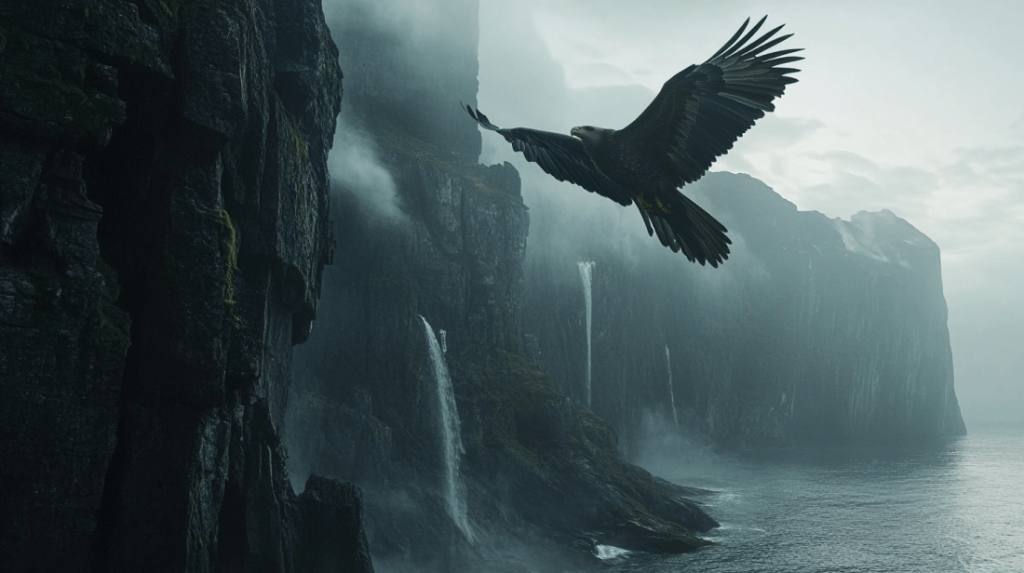
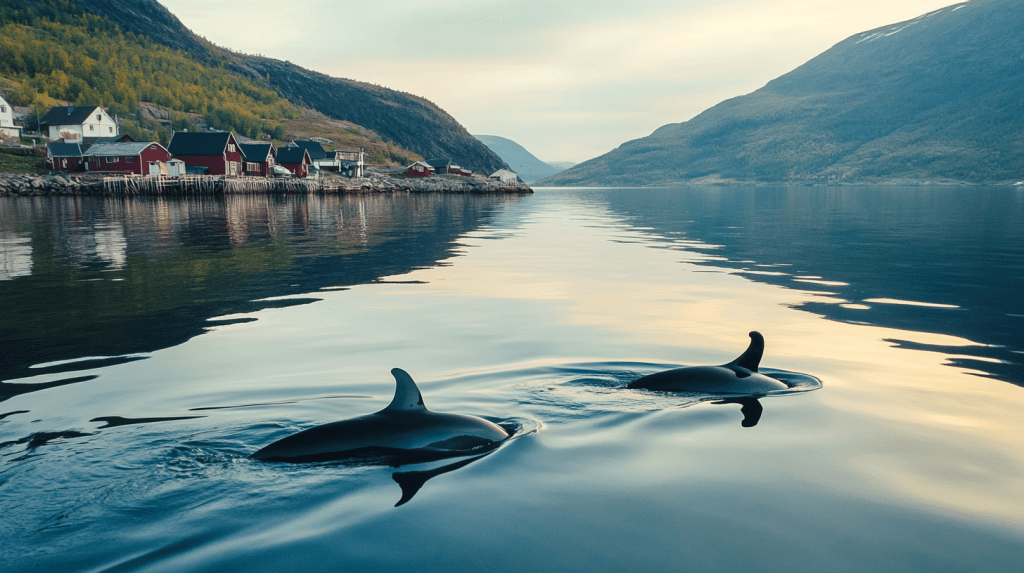
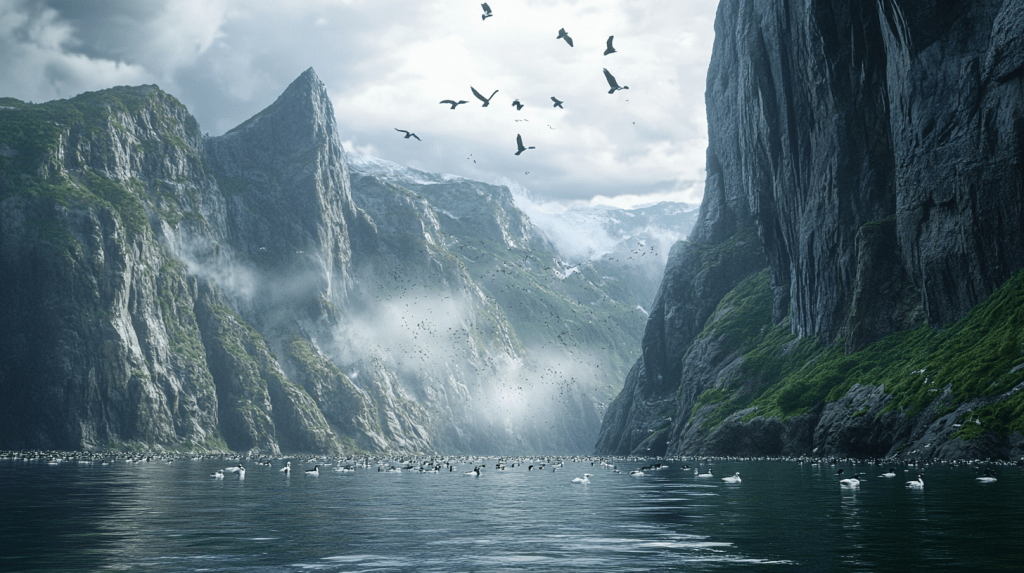
Julia answered, “Seabirds everywhere—eiders, gulls, even sea eagles on the cliffs. In summer, porpoises, sometimes small whales follow fish into the fjords.”
Emma wondered aloud. “And people—do they want houses right by the sea?”
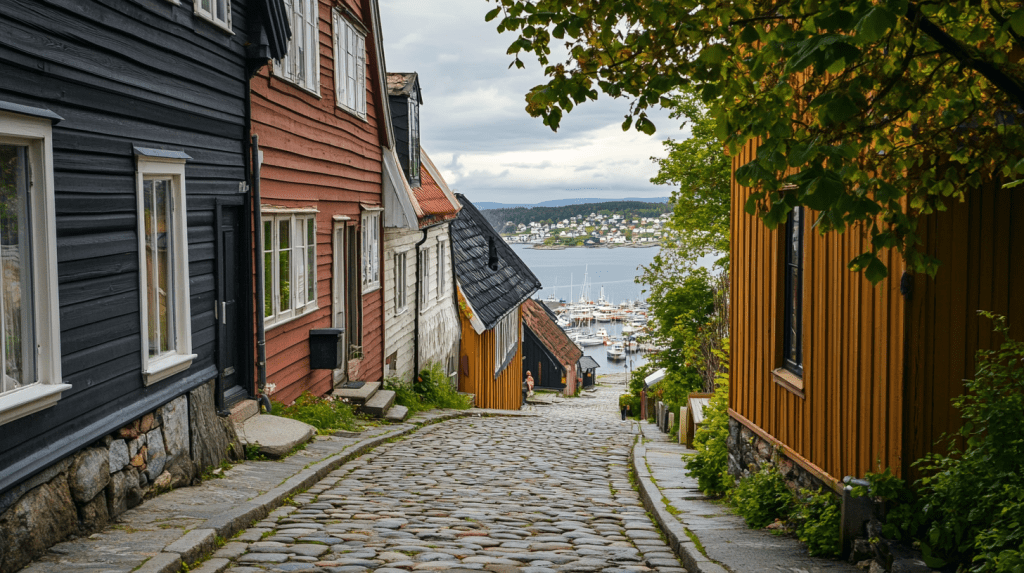
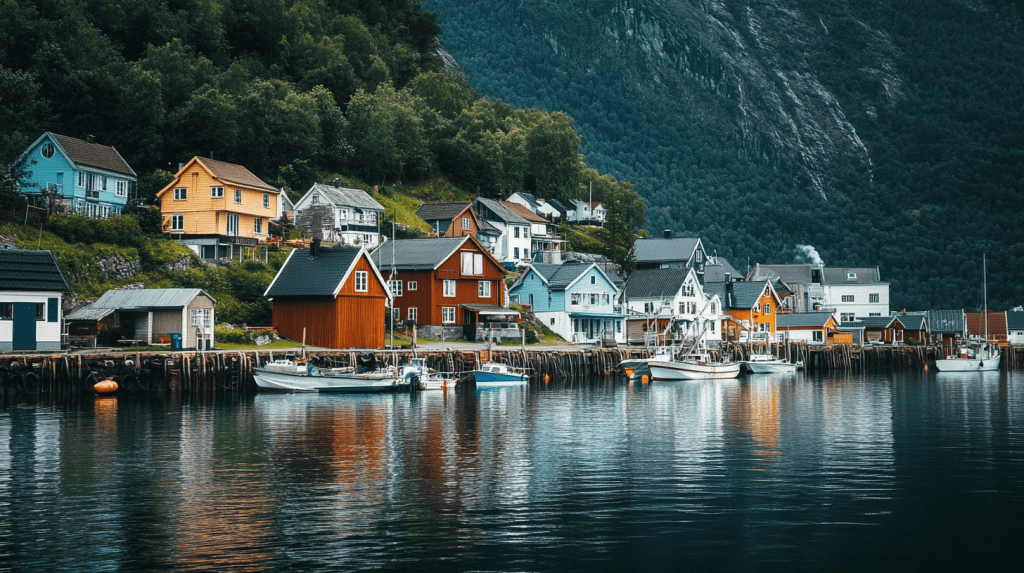
Ingrid replied, “It depends. A sea view looks perfect, but storms and flooding make it risky. Many towns sit slightly uphill—close to the harbor, but safe from waves.”
展望下一站
Julia 看著行程表:「我們明天上午就能到下一個港口。」
Emma 問:「會有什麼不同嗎?」
Ingrid 搖頭:「對外國人來說,可能差不多。木屋、教堂、漁船,看似重複。
但每個小鎮的歷史不同:有的靠鱈魚,有的靠鯡魚,如今則靠觀光。在地人一眼就能分辨。」
Ben 向前傾身:「那海裡呢?」
Julia 回答:
「到處都有水鳥——絨鴨、海鷗,還有懸崖邊的海鷹。夏天時會看到鼠海豚,有時小型鯨魚也會隨著魚群進來。」
Emma 想了想:「那人們是不是都想住在海邊?」
Ingrid 說:「要看情況。看海當然漂亮,但風暴和淹水很麻煩。
許多小鎮會建在稍高的坡地上,既靠近港口,又能避開浪潮。」

Evening Atmosphere
As dessert plates were cleared, the ship rocked gently into the open sea.
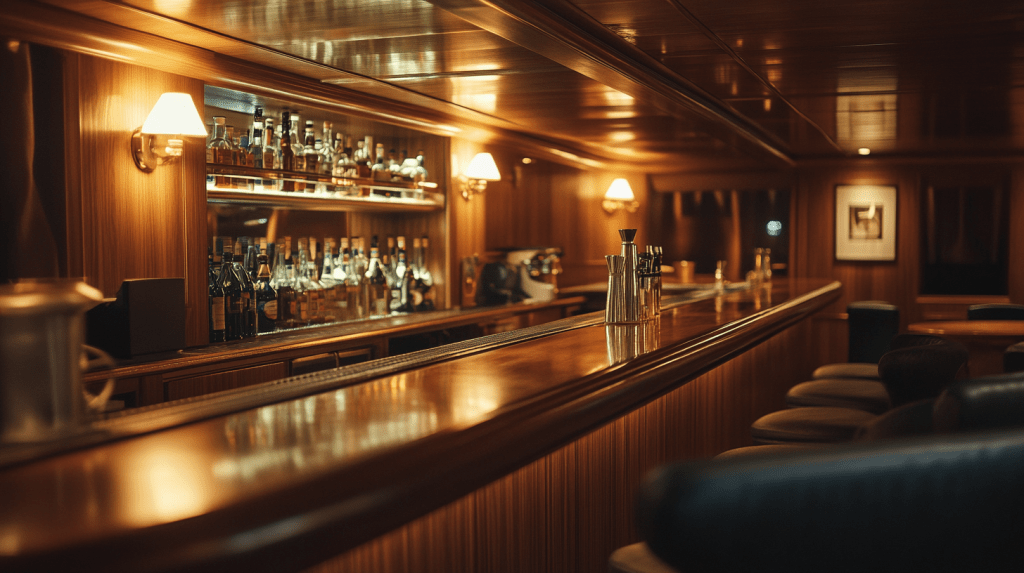
Some passengers lingered at the bar, sipping aquavit; others settled in the lounge, reading or writing under warm lights.

Beyond the wide windows, the fjord glowed faintly under the last silver light.
Emma closed her notebook. “Tomorrow—another town, another story.”
Julia replied, “And another way the sea teaches us.”
夜晚氛圍
甜點盤收走時,船身輕輕搖晃著駛入外海。
有人留在吧台小口品嚐 Aquavit,有人則在休息室看書寫字。
寬大的窗外,峽灣在最後一抹銀光下閃爍。
Emma 闔上筆記本:「明天——又是一個小鎮,又是一個故事。」
Julia 回應:「也是大海教導我們的另一種方式。」

 Virtual Travel | 虛擬旅行沉浸式英語學習
發表留言