
Joshua: As I was unpacking boxes in my new cottage in Easter Ross, I noticed a woman approaching. She had a friendly demeanor, with blonde hair gently swept by the wind, and she wore a simple apron, as if she had just finished some baking.
Scene 1: Moving into the Rented House
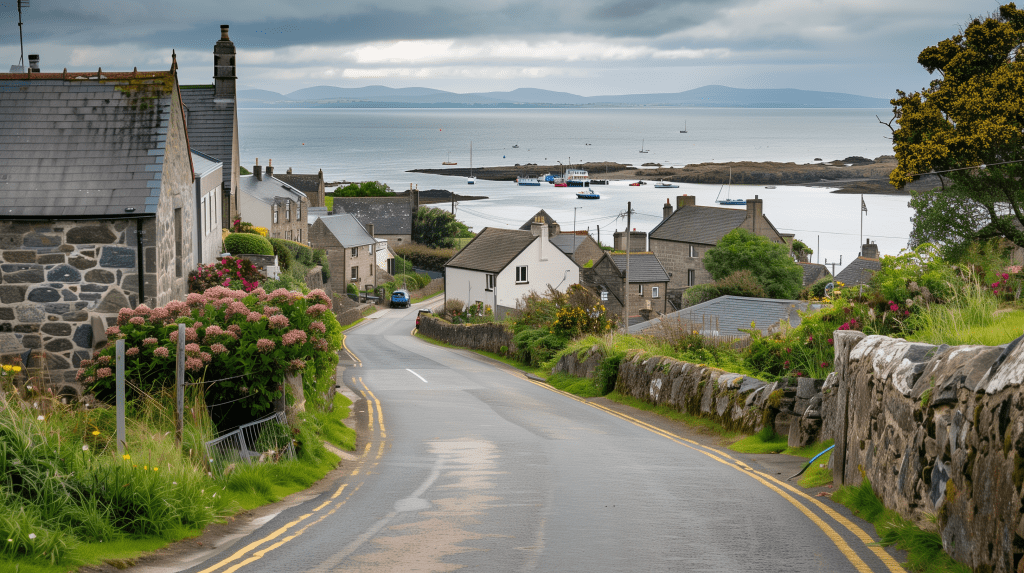
Alice: “Hi there! You must be new around here. I’m Alice—I live nearby."
Joshua: “Hi, I’m Joshua. Yeah, just moved in today. Still trying to get everything sorted."
Alice: “Welcome! This is a quiet spot, perfect if you’re looking for some peace. What brings you to Easter Ross?"
Joshua: “I needed a change of scenery to focus on my writing. This place seemed like just what I was looking for."
Alice: She smiled, clearly understanding. “I get that. My family’s been here for generations—we run a small fishing business. I help out, but I’m more into baking, to be honest."
Joshua: “That sounds like a nice balance. I could use some good walking routes to clear my head. Any recommendations?"
Alice: “Definitely. There’s a great path that winds down to the beach. It’s quiet, and the views are fantastic—especially around sunset."
Joshua: “That sounds perfect. I could use a good walk after all this unpacking."
Alice: “I’ll show you the way if you like. It’s just a short walk from here."
Joshua nodded, appreciating the offer. As they walked through the narrow lanes, Alice pointed out some of the local spots, her familiarity with the area evident.
Alice: “So, here’s the path. Just follow it down, and you’ll hit the beach. It’s a good spot to relax and take in the view."
Joshua: “Thanks, Alice. I think I’m going to like it here."
Alice: “I’m sure you will. And if you ever need anything, just let me know—I’m not far."
場景 1:搬進租來的房子

約書亞: 當我在東尼爾德的新小屋裡整理箱子時,我注意到一位女人向我走來。她看起來很友善,金色的頭髮在風中輕輕飄動,身上穿著簡單的圍裙,似乎剛做完烘焙(baking)。
艾莉絲: 「嗨!你應該是剛搬來的吧?我是艾莉絲,就住在附近。」
約書亞: 「嗨,我是約書亞。對,今天剛搬過來,還在整理東西。」
艾莉絲: 「歡迎!這裡很安靜,如果你想找個平靜的地方,這裡很適合。什麼風把你吹到東尼爾德來了?」
約書亞: 「我需要換個環境來專心寫作,這個地方看起來正合我意。」
艾莉絲: 她笑了,顯然很理解這種感覺。 「我明白。我家在這裡住了好幾代,我們經營一個小漁場。我有時候幫忙,但其實我更喜歡烘焙。」
約書亞: 「聽起來是一個不錯的平衡。我正好需要一些散步路線來清清頭腦,有什麼建議嗎?」
艾莉絲: 「當然有啦。這裡有條小徑通向海灘,很安靜,風景也很棒——特別是日落的時候。」
約書亞: 「聽起來很不錯。整理了這麼久,我正好需要走走。」
艾莉絲: 「要不要我帶你去?離這裡不遠。」
約書亞點點頭,表示感謝。在他們走過狹窄的小巷時,艾莉絲指著一些當地的景點,顯示出她對這片地區的熟悉。
艾莉絲: 「這就是那條小路了。沿著它走下去,你就會到達海灘。那裡是個放鬆和欣賞風景的好地方。」
約書亞: 「謝謝你,艾莉絲。我覺得我會喜歡這裡的。」
艾莉絲: 「我相信你會。如果你需要什麼,隨時找我,我就在附近。」
Scene 2: Exploring the Village and Meeting Alice Again
Joshua decided to take a stroll around the village after settling in. The ancient stone houses and the flowers planted in front of the residents’ homes caught her attention; their simple beauty was captivating. As she followed the path, she caught glimpses of the distant sea, its blue horizon contrasting with the greenery around her. After a peaceful walk, she started to head back to her cottage, when she ran into Alice again.
Alice: “Hey, Joshua! Did you make it down to the beach?"
Joshua: “Not yet. I just wandered around the village today. The houses here are so charming, and I love the flowers everyone has in front of their homes. It’s all so picturesque."

Alice: “I’m glad you like it here. Have you had dinner yet?"
Joshua: “Not yet. I was thinking of grabbing something at the local shop."
Alice: “Why don’t you come over to my place? I just baked a cake, and we can have some tea."
Joshua: She smiled warmly. “That sounds lovely, Alice. I’d love to."
They walked to Alice’s house, which was a cozy stone cottage with a welcoming atmosphere. As they stepped inside, Joshua couldn’t help but admire the kitchen.
Joshua: “Your kitchen is amazing. I love how you can see the garden from the window and the trees behind the house. It must be so relaxing to cook here."
Alice: “Thanks! I do enjoy spending time here. It’s one of my favorite spots in the house."
Alice served the cake, and they sat down by the window, chatting as the evening light filtered through the trees.
場景 2:在村子裡逛逛並再次遇見艾莉絲
在安頓下來後,約書亞決定在村子裡四處走走。古老的石屋和居民家門前種的花吸引了她的注意,它們的樸素之美讓人著迷(captivating)。沿著小徑,她可以看到遠方的海洋,那片藍色的地平線與周圍的綠意形成了鮮明的對比。在這次平靜的散步後,她開始往回走,恰好又遇到了艾莉絲。
艾莉絲: 「嗨,約書亞!你有去海邊嗎?」
約書亞: 「還沒有。我今天只是到村裡逛了逛。這裡的房子真有特色,我很喜歡大家家門前的那些花。真是美極了。」

艾莉絲: 「很高興你喜歡這裡。你吃飯了嗎?」
約書亞: 「還沒呢。我本來打算去當地的小店吃點東西。」
艾莉絲: 「要不要來我家?我剛剛烤了一個蛋糕,我們可以一起喝杯茶。」
約書亞: 她溫暖地笑了笑。 「聽起來很棒,艾莉絲。我很願意。」
她們一起走到艾莉絲的家,這是一座溫馨的石屋,充滿了歡迎的氣氛。當她們進入室內時,約書亞忍不住讚嘆起這個廚房。
約書亞: 「你的廚房真棒。我喜歡從窗戶看到的花園景色,還有屋後的樹林。在這裡做飯一定很放鬆。」
艾莉絲: 「謝謝!我確實很喜歡在這裡待著,這是我家裡最喜歡的地方之一。」
艾莉絲端出了蛋糕,她們坐在窗邊,一邊聊天一邊享受著從樹林間透過的晚霞。

Scene 3: Meeting a Spanish Tourist at the Beach

Joshua was walking along the Scottish seaside, enjoying the fresh breeze and the sound of the waves when she noticed a man standing nearby, looking out at the sea. He seemed to be deep in thought, taking in the vast expanse of the ocean.
Joshua: “It’s beautiful, isn’t it?"
Carlos: The man turned and smiled. “It really is. There’s something special about the sea here."
Joshua: “Are you visiting from somewhere?"
Carlos: “Yes, I’m Carlos, from Spain. I’ve been traveling around Scotland for a few days now. The coastline here is so different from what I’m used to back home."
Joshua: “How so? I’ve never been to Spain."
Carlos: “Well, in Spain, especially along the Mediterranean, the sea is usually much calmer, and the water is a deep, clear blue. The beaches are often crowded with people, especially in the summer. But here, the sea feels wilder, more untamed. The waves are stronger, and there’s a certain rugged beauty to the coastline. It’s peaceful in a different way."
Joshua: “That sounds amazing. I’ve always imagined the Mediterranean to be so serene and picturesque."
Carlos: “It is, in its own way. But I’m really enjoying the contrast here in Scotland. There’s a sense of solitude and connection with nature that’s hard to find back home."
Joshua: “I agree. There’s something about this place that just makes you want to stop and take it all in."
Carlos: “Exactly. It’s a nice change from the lively, always-on-the-go vibe back in Spain."
They both stood there for a moment, appreciating the view before continuing their walk along the shore.
場景 3:在海邊遇見一位西班牙遊客

約書亞正在蘇格蘭的海邊散步,享受著清新的海風和海浪的聲音。她注意到一名男子站在附近,凝視著海洋,似乎在思索什麼,欣賞著這片廣闊的海域。
約書亞: 「這裡真美,不是嗎?」
卡洛斯: 男子轉過身來,笑了笑。 「確實如此。這裡的海有種特別的美。」
約書亞: 「你是來這裡旅遊的嗎?」
卡洛斯: 「是的,我是卡洛斯,來自西班牙。我已經在蘇格蘭旅行了幾天了。這裡的海岸線和我家鄉的很不一樣。」
約書亞: 「有什麼不同嗎?我從來沒去過西班牙。」
卡洛斯: 「嗯,在西班牙,特別是地中海沿岸,海面通常很平靜,水是深藍色且非常清澈。海灘上經常擠滿了人,尤其是在夏天。但在這裡,海洋感覺更狂野、更原始。海浪更強勁,海岸線有種粗獷的美。這裡的平靜是另一種感覺。」
約書亞: 「聽起來很棒。我一直以為地中海會非常寧靜和美麗。」
卡洛斯: 「它的確有它獨特的美。但我非常享受在蘇格蘭的這種對比。這裡有一種難得的孤獨感和與自然的聯繫,這是我在家鄉很難找到的。」
約書亞: 「我同意。這裡有種讓人停下來,靜靜欣賞的魅力。」
卡洛斯: 「沒錯,這裡和西班牙那種充滿活力、總是忙碌的氛圍相比,真是個不錯的改變。」
他們都靜靜地站了一會兒,欣賞著眼前的景色,然後繼續沿著海岸線散步。
Scene 4: Meeting a Geology Professor and Her Students at a Restaurant

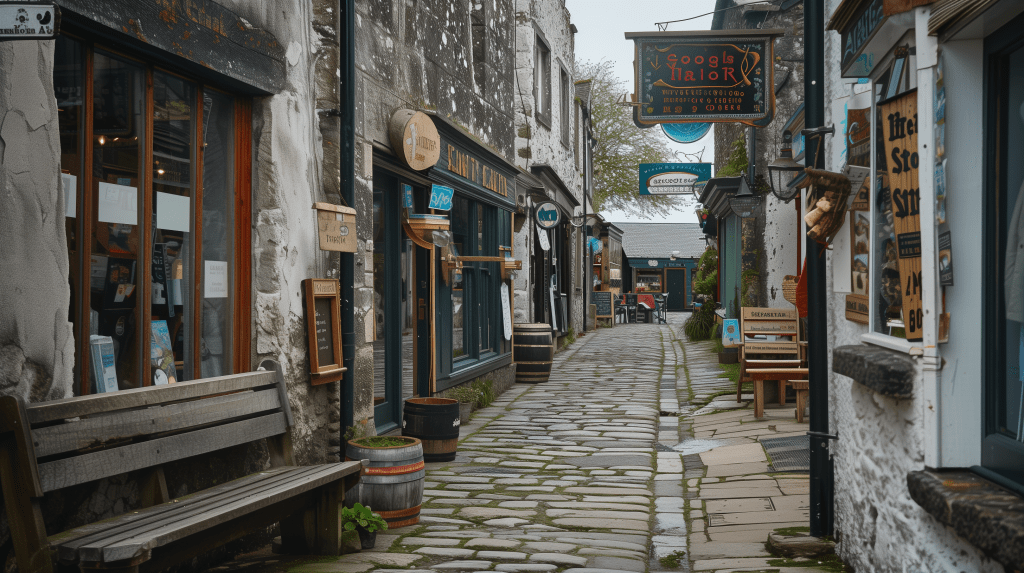
Joshua entered a cozy seaside restaurant, looking forward to a quiet meal after a long day. She noticed a group at a nearby table, chatting and laughing, clearly enjoying their conversation. Curious, she heard snippets about “rock formations” and “fieldwork,” which sparked her interest. Deciding to join in, she approached them with a smile.
Joshua: “Hi, I couldn’t help but overhear—are you all studying geology?"
Professor Harper: A woman with short gray hair and an inviting demeanor looked up. “Yes, we are! I’m Professor Harper, and these are my students. We’re doing some field research around here."
Joshua: “Nice to meet you, I’m Joshua. So, what’s the focus of your research?"
Professor Harper: “Great to meet you too, Joshua. We’re looking at the coastal rock formations. This area has some of the oldest rocks in Scotland, and we’re really interested in how they’ve been shaped over time by natural forces."
Joshua: “That sounds amazing. Have you discovered anything interesting?"
Student 1: A young woman with a notebook chimed in. “It’s been fascinating! We’re finding all these layers of sediment that tell stories of ancient seas, volcanic eruptions, and even ice ages. It’s like reading a history book written in stone."
Student 2: A young man with glasses added. “Yeah, and the way the coastline has been shaped by erosion is incredible. The cliffs here show how the sea and wind have carved out the landscape over millions of years."
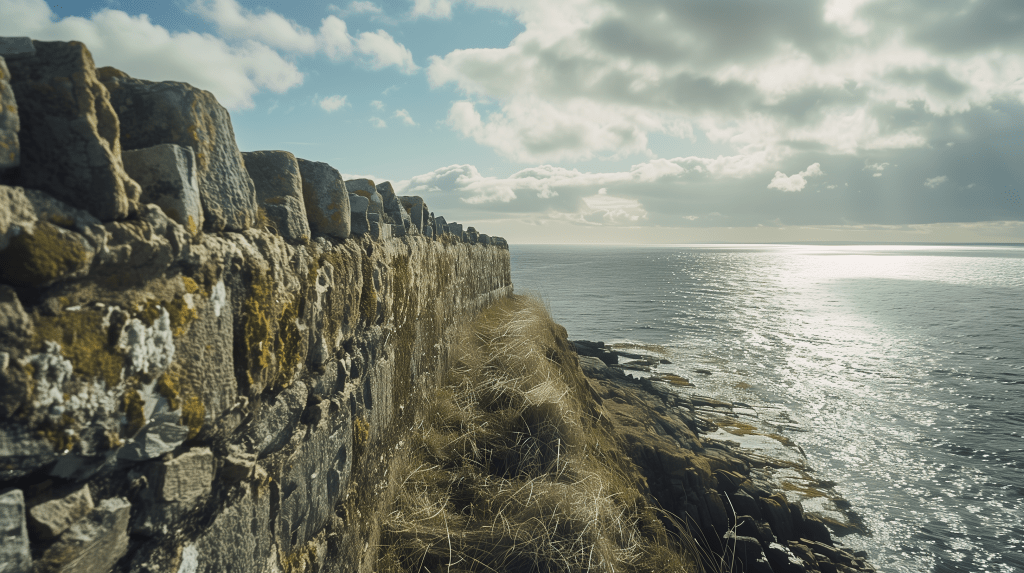
Joshua: “Wow, that’s incredible. It must be something to see history laid out so clearly in the rocks."
Professor Harper: “It really is. And it’s not just about the past—it helps us understand what might happen in the future, especially with climate change affecting coastal areas."
Joshua: “I never realized how much geology could tell us about the world. Do you think most people get how connected it is to our everyday lives?"
Professor Harper: “Not as much as they should. That’s why we love getting out in the field and sharing what we learn—it makes a big difference when people can see it for themselves."
Joshua: “I’m so glad I stopped by to chat. This has been really eye-opening."
Professor Harper: “We’re always happy to talk about what we love. If you’re free tomorrow, we’re heading out for more fieldwork—you’re welcome to join us."
Joshua: Grinning. “I’d love that. Thanks for the offer!"
They exchanged a few more pleasantries before Joshua returned to her table, feeling inspired by the conversation.
場景 4:在餐廳遇見一位地質學教授和她的學生們
約書亞走進一家溫馨的海邊餐廳,希望在忙碌一天後能享受一頓安靜的晚餐。她注意到鄰桌的一群人正在聊天,氣氛輕鬆愉快。出於好奇,她聽到了一些關於“岩層”和“實地考察”的詞語,這引起了她的興趣。於是她微笑著走了過去。
約書亞: 「嗨,我剛好聽到你們的談話——你們是在研究地質學嗎?」
哈珀教授: 一位留著短灰髮、看起來很親切的女士抬起頭來。 「是啊,我們是。我是哈珀教授,這些是我的學生。我們在這附近做一些實地研究。」
約書亞: 「很高興認識你們,我是約書亞。你們的研究重點是什麼呢?」
哈珀教授: 「很高興認識你,約書亞。我們在研究海岸的岩層。這裡有蘇格蘭最古老的岩石之一,我們特別感興趣的是這些岩層是如何在自然力量下形成的。」
約書亞: 「聽起來很棒。你們發現了什麼有趣的東西嗎?」
學生1: 一位手拿筆記本的年輕女子插話道。 「這真的很有趣!我們在岩層中找到了一些沉積層,它們記錄了古代海洋、火山噴發,甚至是冰河時期的歷史。就像在讀一本石頭寫成的歷史書。」
學生2: 另一位戴著眼鏡的年輕男子補充道。 「是啊,而且海岸線的侵蝕也很讓人驚嘆。這些懸崖展示了數百萬年來海洋和風如何雕刻出這片地貌。」
約書亞: 「哇,這真是太神奇了。能夠如此清楚地看到岩石中記載的歷史一定很特別。」
哈珀教授: 「確實是這樣。而且這不僅僅是過去的事情——它還幫助我們理解未來,特別是在氣候變化影響海岸地區的情況下。」
約書亞: 「我從來不知道地質學能告訴我們這麼多關於世界的事情。你覺得大多數人知道地質學與他們日常生活的聯繫嗎?」
哈珀教授: 「很多人可能並不完全了解。所以我們喜歡實地考察,並分享我們的發現——當人們能親眼看到這些的時候,這真的會讓他們大開眼界。」
約書亞: 「我很高興能停下來和你們聊聊。這次對話真是讓我受益良多。」
哈珀教授: 「我們總是樂於分享我們的熱情。如果你明天有空,我們會再出去做些實地研究——你可以一起來。」
約書亞: 笑著說。 「我很願意。謝謝你的邀請!」
他們又聊了幾句後,約書亞回到了自己的桌子,感覺因為這次談話而受到啟發。

Scene 5: Chatting About the Weather in Easter Ross
Joshua and Alice were sitting on the porch of Alice’s house, enjoying the warm summer breeze. The sun was shining, and the air was filled with the scent of blooming flowers.

Joshua: “This weather is perfect. I didn’t expect it to be so nice here in Easter Ross during the summer."
Alice: “Yeah, when it’s good, it’s really good. Summers here can be quite pleasant, though you never know when the rain will decide to make an appearance. But on days like this, it’s hard to beat."
Joshua: “I can imagine. It’s so peaceful and refreshing. How about the rest of the year? What’s autumn and winter like around here?"
Alice: She leaned back in her chair, thinking. “Autumn is beautiful, but it can get pretty wet. The leaves turn all these amazing shades of red and orange, but you’ll need to keep an umbrella handy. As for winter, it’s a mixed bag. We don’t get heavy snow that often, but when it does snow, it’s magical. Mostly, it’s cold and windy, with shorter days and plenty of grey skies."
Joshua: “Sounds like a typical northern climate. But I bet there’s a certain charm to it, especially with the landscape around here."
Alice: “There is, definitely. The hills and coastline take on a whole different character in the winter. It can be tough, but there’s a stark beauty to it that I’ve come to love."
Joshua: “I’m looking forward to experiencing it. I’ve always found that different seasons bring out different sides of a place."
Alice: “You’re right. Each season has its own way of showing you what a place is really like. You’ll see Easter Ross in a whole new light come autumn and winter."
場景 5:聊聊 Easter Ross 的天氣
約書亞和艾莉絲坐在艾莉絲家的門廊上,享受著夏日的暖風。陽光明媚,空氣中瀰漫著盛開花朵的香氣。

約書亞: 「這天氣真是太好了。我沒想到 Easter Ross 的夏天會這麼舒適。」
艾莉絲: 「是啊,天氣好的時候真的很棒。這裡的夏天有時候很舒服,不過你永遠不知道什麼時候雨會突然下起來。但在這樣的日子裡,真的無法比擬。」
約書亞: 「我能想像到。這裡真的很寧靜、讓人心情愉悅。那其他季節呢?秋天和冬天的情況怎麼樣?」
艾莉絲: 她向後靠在椅子上,思索著。 「秋天很美,但也會變得相當潮濕。樹葉會變成令人驚嘆的紅色和橙色,但你最好隨身攜帶雨傘。至於冬天,情況就更複雜了。我們這裡不常下大雪,但一旦下雪的時候,景色真是太美了。大多數時候,天氣又冷又風大,白天很短,天空多半是灰色的。」
約書亞: 「聽起來像是典型的北方氣候。不過我敢打賭,這裡的景色在冬天一定別有一番風味。」
艾莉絲: 「確實是這樣。冬天的時候,山丘和海岸線會呈現出完全不同的面貌。可能有點艱難,但我已經開始愛上這種嚴酷的美。」
約書亞: 「我很期待能親自體驗一下。我總覺得,不同的季節能展現出一個地方不同的面貌。」
艾莉絲: 「你說得對。每個季節都有它獨特的方式來展示一個地方的真實面貌。等到秋冬時,你會以全新的視角來看待 Easter Ross。」
Scene 6: Discussing Scottish History
Several days later, Joshua was having dinner at a small, cozy restaurant in town. The owner, a friendly man in his 50s, mentioned to her that one of the other diners was studying history at a nearby university.
Joshua: Curious, she looked around and spotted a man sitting alone, reading a book. “Excuse me, are you studying history?"
Michael: The man looked up, smiling. “Yes, I am. My name’s Michael. I’m a history student at the University of Aberdeen."
Joshua: “Nice to meet you, Michael. I’m Joshua. I’ve always been fascinated by Scottish history, especially how Scotland and England came to form one country under the Union. Could you tell me more about it?"
Michael: “Of course. The story of how Scotland and England united is really interesting. It all started with the Union of the Crowns in 1603, when King James VI of Scotland also became James I of England. That was the first step towards a more formal union."
Joshua: “So, that’s when the idea of a united kingdom began?"
Michael: “Exactly. But it wasn’t until 1707, with the Acts of Union, that Scotland and England officially became one country, known as Great Britain. There were a lot of political and economic factors that led to it—trade, security, and the need for a stronger, unified government."
Joshua: “How did the people of Scotland react to that?"
Michael: “It was a mixed reaction. Some Scots saw the union as a betrayal of Scottish independence, while others saw it as an opportunity for economic growth and political stability. The debate over whether Scotland should remain part of the UK or become independent continues to this day."
Joshua: “That’s so fascinating. It’s like the history is still very much alive here. You can feel it in the landscape and the culture."
Michael: “Definitely. Scotland’s history is deeply woven into its identity. The landscapes, the castles, even the towns—they all have stories to tell about the past."
Joshua: “I’ve heard that because Scotland is in the north, it was influenced by the Norse, especially the Vikings from Norway. Is that true? And if so, where can you see that influence?"
Michael: “Oh, absolutely. The Vikings had a significant impact on Scotland, especially in the northern and western parts, like the Orkney and Shetland Islands, and even in some parts of the Highlands. You can see their influence in various ways—place names, archaeological sites, and even in some of the old Norse sagas that mention Scotland."
Joshua: “That’s really interesting. Can you give me an example of where I might see this influence if I were to visit those areas?"
Michael: “Sure. If you visit the Orkney Islands, for instance, you’ll find that many of the place names have Norse origins—names like Kirkwall or Lerwick. The Orkney Museum has some fascinating Viking artifacts, and you can also visit sites like the Maeshowe tomb, which has Viking runes carved into its walls."
Joshua: “Wow, that’s incredible. I had no idea the Viking influence was so strong in those areas. It really shows how interconnected the history of this region is."
Michael: “It does. The Vikings were here for several centuries, so their legacy is deeply embedded in the culture and history of these northern regions. It’s one of the things that makes Scotland’s history so rich and complex."
Joshua: “So, what about Easter Ross? Did the Vikings have any influence here as well?"
Michael: “Yes, Easter Ross definitely felt the impact of the Vikings. This region, being on the eastern coast, was part of the Norse-Gaelic Kingdom of the Isles, and later under the influence of the Norse Earldom of Orkney. You can still see traces of that influence today, especially in some of the place names and in the archaeological finds."
Joshua: “Could you give me some examples?"
Michael: “Sure. The name ‘Tain,’ for instance, has Norse roots, likely derived from the Old Norse word ‘Thing,’ which was used for a meeting place or assembly. There have also been Viking artifacts found in this area, like tools and weapons, that show their presence here. Additionally, some of the coastal defenses and ancient stone structures in Easter Ross may have been influenced by Norse designs."

Joshua: “That’s fascinating. It’s amazing how these ancient cultures have left their mark on the landscape. I’ll definitely pay more attention to these details as I explore Easter Ross."
Michael: “It’s one of the joys of being here. The history isn’t just in books—it’s all around you. Every town, every stone has a story to tell."
Joshua: “Thank you so much, Michael. This has been incredibly enlightening."
Michael: “I’m glad I could share it with you. Enjoy the rest of your time in Easter Ross—there’s so much more to discover."
With a renewed sense of curiosity, Joshua looked forward to uncovering more of the historical layers hidden within the landscape of Easter Ross.
場景 6:討論蘇格蘭歷史
幾天之後,約書亞在鎮上的一家溫馨小餐廳吃晚餐。老闆是一位五十多歲的友善男子,他提到有一位客人正在附近的大學學習歷史。
約書亞: 出於好奇,她環顧四周,看到一個男子獨自坐著,正在閱讀一本書。 「不好意思,你是在學習歷史嗎?」
麥可: 那位男子抬頭微笑著說。 「是的,我是。我叫麥可,是亞伯丁大學的歷史學生。」
約書亞: 「很高興認識你,麥可。我是約書亞。我一直對蘇格蘭歷史很感興趣,尤其是蘇格蘭和英格蘭如何合併成一個國家。你能多告訴我一些嗎?」
麥可: 「當然可以。蘇格蘭和英格蘭如何聯合的歷史非常有趣。一切始於1603年的王位聯合,那時蘇格蘭的詹姆斯六世也成為了英格蘭的詹姆斯一世。這是朝著更正式聯合邁出的第一步。」
約書亞: 「所以,這就是聯合王國概念的開始?」
麥可: 「沒錯。但直到1707年,通過《聯合法令》,蘇格蘭和英格蘭才正式成為一個國家,稱為大不列顛。這背後有許多政治和經濟因素,比如貿易、安全,以及建立更強大統一政府的需要。」
約書亞: 「蘇格蘭人當時怎麼看待這件事?」
麥可: 「反應是複雜的。有些蘇格蘭人認為聯合是對蘇格蘭獨立的背叛,而另一些人則認為這是經濟增長和政治穩定的機會。關於蘇格蘭應該留在聯合王國還是成為獨立國家的辯論一直持續到今天。」
約書亞: 「這真是太有趣了。感覺這段歷史至今仍在這裡生動地展現出來。你可以在風景和文化中感受到它。」
麥可: 「確實如此。蘇格蘭的歷史深深地融入了它的身份認同中。這裡的景觀、城堡,甚至是城鎮,都有關於過去的故事可以講述。」
約書亞: 「我聽說蘇格蘭位於北方,尤其是挪威的維京人對這裡有很大的影響。這是真的嗎?如果是的話,從哪裡可以看出這些影響?」
麥可: 「哦,絕對是這樣。維京人對蘇格蘭,特別是北部和西部地區,比如奧克尼群島和設德蘭群島,甚至是部分高地地區,產生了深遠的影響。你可以通過多種方式看到他們的影響——地名、考古遺址,甚至一些古老的北歐傳說中都提到過蘇格蘭。」
約書亞: 「這真是太有趣了。你能給我舉個例子,如果我去那些地區的話,可以看到哪些影響?」
麥可: 「當然可以。如果你去奧克尼群島,你會發現很多地名都有北歐的起源——比如基爾克沃爾(Kirkwall)或勒威克(Lerwick)。奧克尼博物館裡有一些迷人的維京文物,你還可以參觀梅茲豪墓(Maeshowe tomb),那裡的牆壁上刻有維京符文。」
約書亞: 「哇,這真是太不可思議了。我不知道在這些地區維京人的影響如此之深。這真的展示了這個地區歷史的緊密聯繫。」
麥可: 「是的。維京人在這裡待了幾個世紀,所以他們的遺產深深嵌入了這些北部地區的文化和歷史中。這也是蘇格蘭歷史如此豐富和複雜的原因之一。」
約書亞: 「那麼 Easter Ross 呢?維京人在這裡也有影響嗎?」
麥可: 「有的,Easter Ross 的確受到維京人的影響。這個地區位於東海岸,曾是挪威-蓋爾群島王國的一部分,後來受到了奧克尼伯爵領的影響。你今天仍然可以看到這些影響的痕跡,尤其是在一些地名和考古發現中。」
約書亞: 「你能舉些例子嗎?」
麥可: 「當然。比如‘泰恩’這個名字就有北歐的起源,很可能源自古諾斯語的‘Thing’,意思是集會或會議的地方。在這一地區還發現了一些維京文物,比如工具和武器,這些都顯示了他們在此地的存在。此外,Easter Ross 的一些沿海防禦工事和古老的石頭建築可能也受到了北歐設計的影響。」

約書亞: 「這真是太迷人了。這些古代文化在這片土地上留下的印記真是令人驚嘆。我在探索 Easter Ross 時一定會更加注意這些細節。」
麥可: 「這也是在這裡生活的樂趣之一。歷史並不僅僅存在於書本中——它就在你身邊。每一個城鎮,每一塊石頭都有一個故事要講述。」
約書亞: 「非常感謝你,麥可。這次對話真的讓我大開眼界。」
麥可: 「很高興能與你分享。享受你在 Easter Ross 的時光吧——這裡還有更多等待你去發現的東西。」
懷著重新燃起的好奇心,約書亞期待著在 Easter Ross 的景觀中發掘更多隱藏的歷史層次。

 Virtual Travel | 虛擬旅行沉浸式英語學習
回覆給WJ Wang 取消回覆