
Scene 1: Travel Plan after a Conference
The seminar at Lund University had just wrapped up, and the grand hall slowly emptied as scholars gathered their things. Emily, a history and geography scholar, carefully placed her notebook into her bag. Beside her, Sarah, a fellow academic with a focus on archaeology, yawned as she stretched her arms.
“That was a lot to take in," Sarah said with a tired smile. “Who knew discussing ancient Scandinavian settlements could be so intense?"
Emily laughed softly, adjusting her glasses. “Well, Lund has been a center of learning for over a thousand years. It’s fitting that debates here are just as old as the university itself."
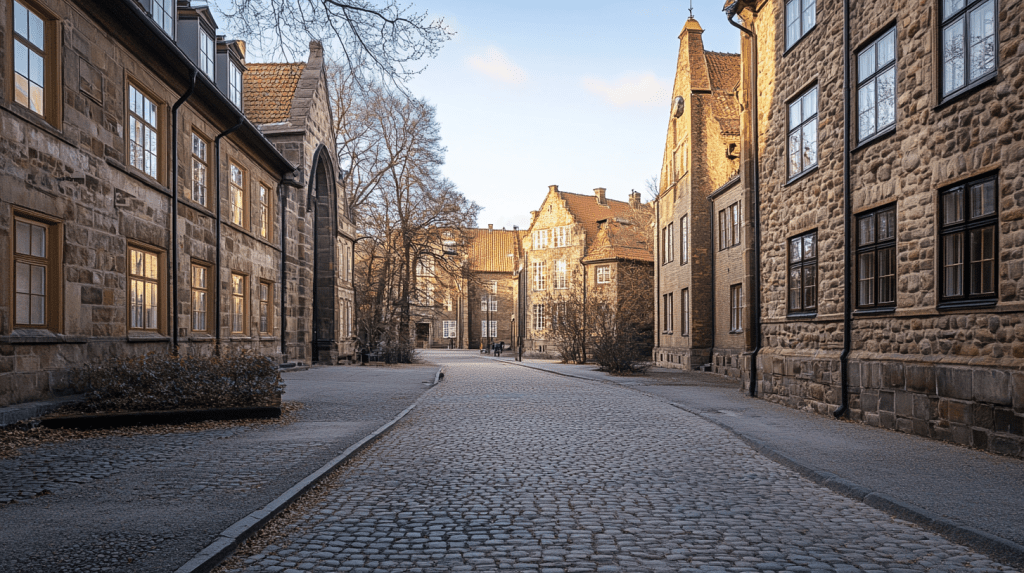
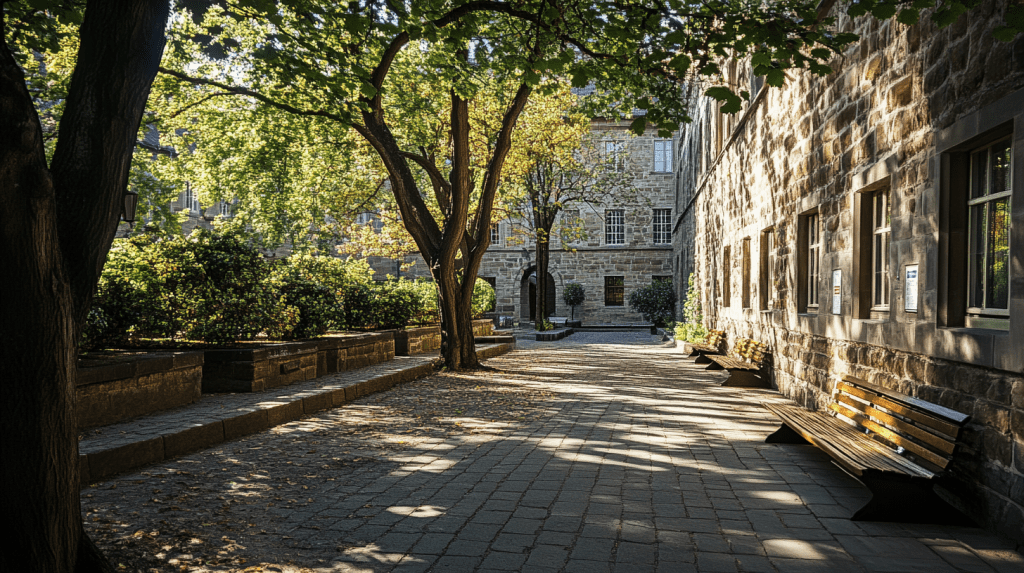
The two women stepped out into the clear midday light. Lund’s historic streets, with their stone buildings and cobbled paths, were gently illuminated by the soft glow of the sun. The seminar had taken place at the university’s main building, nestled in the heart of the city, surrounded by medieval architecture and centuries of history.
“So," Sarah said as they approached their rented car, “now that we’ve survived the academic gauntlet, what’s next on our adventure?"
Emily grinned, pulling out a map. “I thought we could head to the Österlen coast. It’s not too far, and we might just catch the sunset if we’re lucky. Tomorrow, we can explore Ales Stenar—it’s one of the best-preserved megalithic sites in Sweden."
Sarah’s eyes lit up. “I’ve heard about that! It’s like Sweden’s version of Stonehenge, right?"
“Exactly. It’s been a mystery for centuries, and it’s right by the sea, so the views are breathtaking," Emily explained.
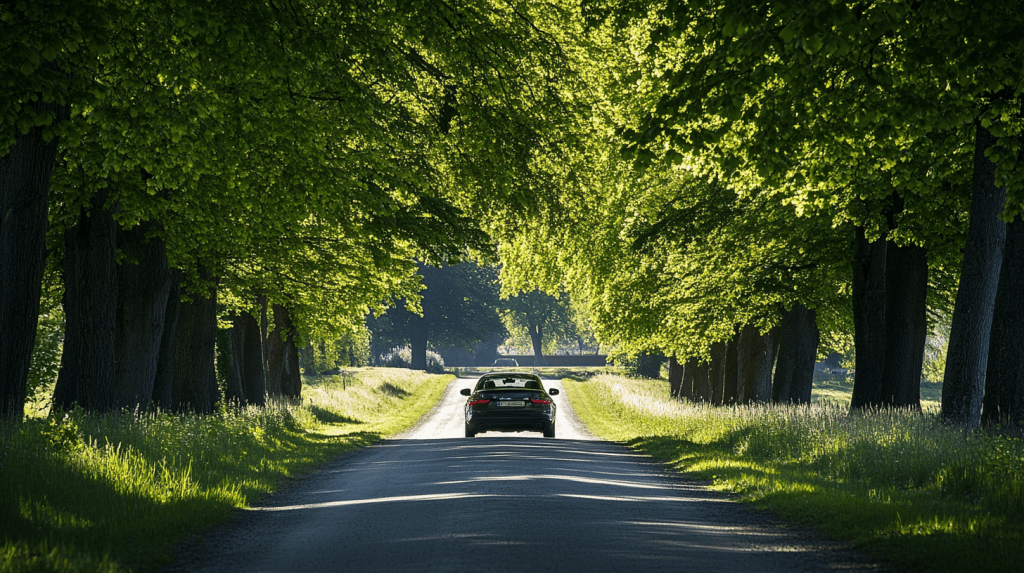
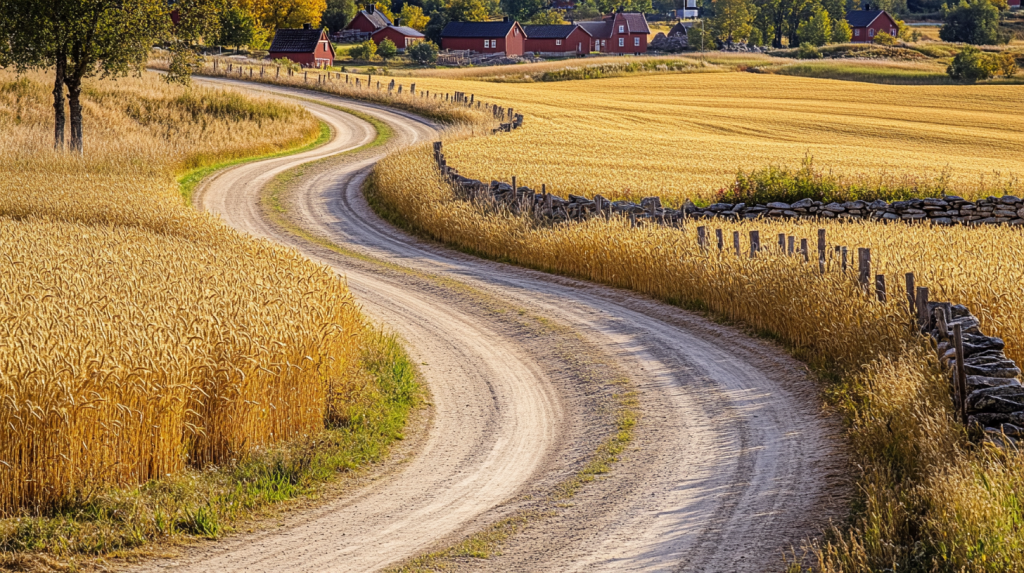
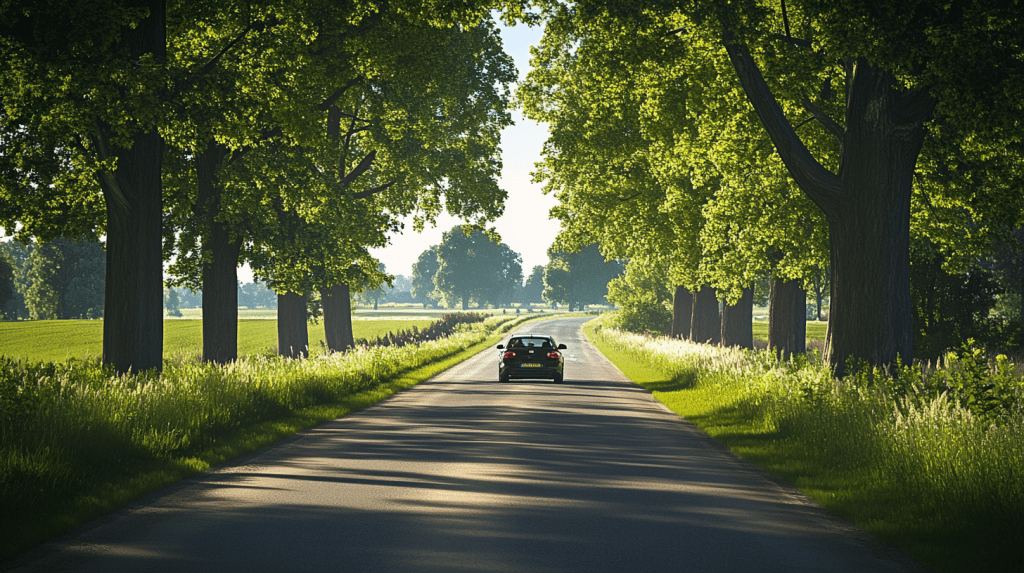
They climbed into the car, ready to leave the city behind. As they drove out of Lund, the landscape shifted from the academic bustle of the city to the serene countryside. Vast fields of wheat and barley swayed in the breeze, dotted with traditional Swedish windmills. The gentle hills of Skåne rolled into the distance, offering a calm contrast to the intensity of their seminar discussions.
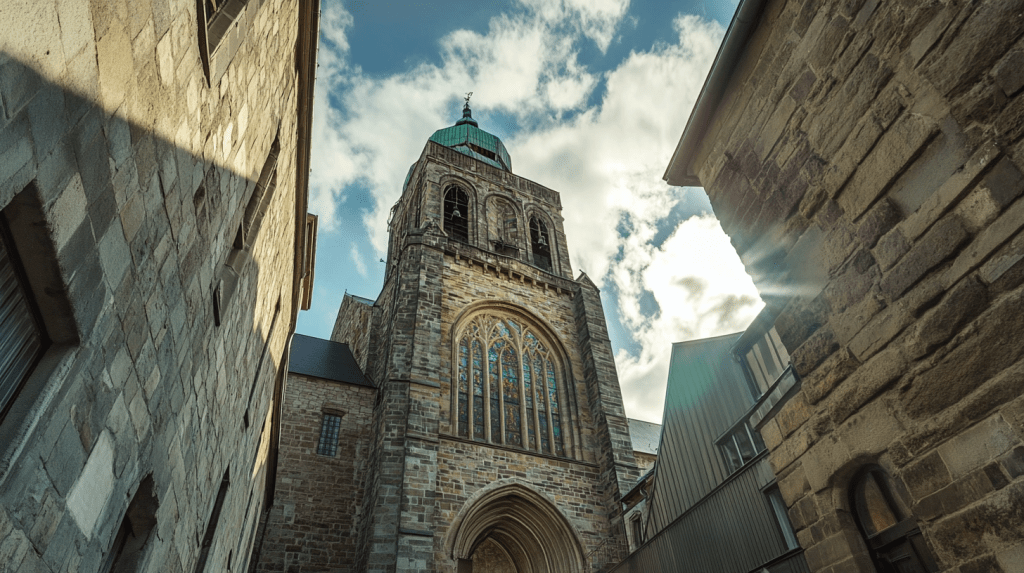
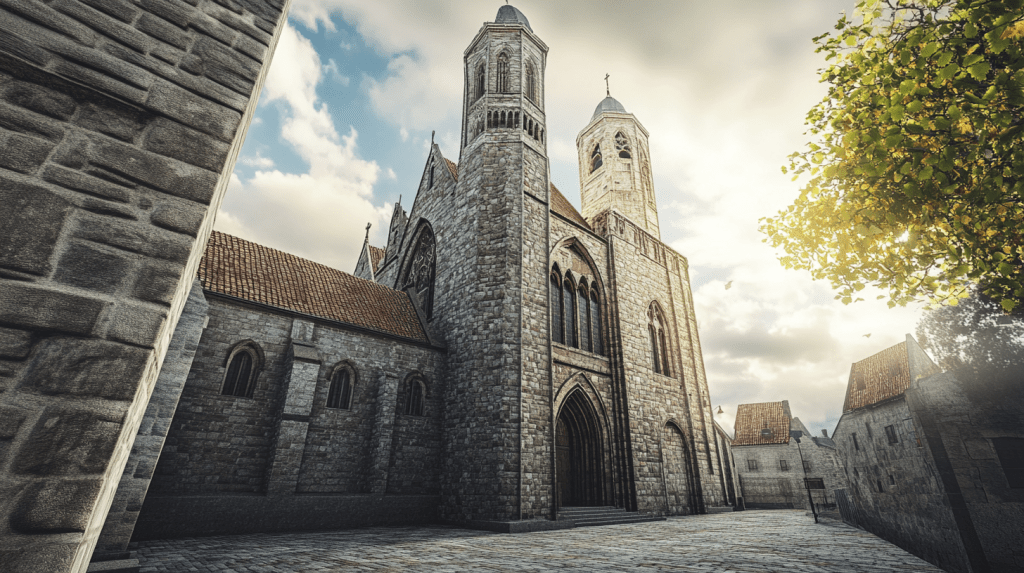
“Do you think we should visit Lund Cathedral now?" Sarah asked, glancing ahead as the city came into view.
“Absolutely," Emily replied with a smile. “No time like the present, and it’s not far from here."
With the road stretching ahead, the two friends embarked on their self-guided tour of southern Sweden, eager to explore its natural beauty and historical wonders.
場景 1: 研討會之後的旅遊計畫
隆德大學的研討會剛剛結束,會場裡的學者們正逐漸收拾東西離開。艾米麗,一位專注於歷史和地理的學者,小心地將筆記本放進包裡。旁邊的莎拉,一位研究考古學的學者,打著哈欠伸了個懶腰。
「這可真是內容豐富的幾天,」莎拉帶著疲憊的笑容說。「沒想到討論古代斯堪的納維亞的定居點能這麼激烈。」
艾米麗輕笑了一聲,調整了一下眼鏡。「這裡可是隆德,一千多年來的學術中心。這裡的爭論和大學本身一樣古老。」
兩位女士走出大樓,沐浴在清澈的正午陽光下。隆德歷史悠久的街道,石砌建築和鵝卵石小徑在柔和的日光中閃耀著。研討會在大學的主樓舉行,位於城市中心,被中世紀的建築和數百年的歷史所包圍。
「所以,」莎拉邊走向她們租來的車邊說道,「現在我們的學術挑戰結束了,接下來的冒險是什麼?」
艾米麗笑著拿出了一張地圖。「我想我們可以先去東勒恩海岸,那裡離這裡不遠,如果我們幸運的話,還能趕上日落。明天,我們就可以去阿勒斯通——那是瑞典保存最好的巨石陣之一。」
莎拉的眼睛一亮。「我聽說過那個地方!那不就是瑞典版的巨石陣嗎?」
「沒錯。這個地方已經是個幾世紀的謎團了,並且靠近海邊,景色非常壯觀。」艾米麗解釋道。
她們坐進車裡,準備告別這座古城。車子駛離隆德時,風景從學術氛圍濃厚的城市轉變為寧靜的鄉村。廣闊的麥田和大麥田在微風中搖曳,點綴著傳統的瑞典風車。斯堪尼亞柔和的丘陵延綿不斷,為她們的旅程增添了一份平靜與祥和,與她們剛剛經歷的研討會形成鮮明對比。
「你覺得我們現在去看看隆德的大教堂如何?」莎拉看著前方漸漸出現的城市問道。
「當然可以,」艾米麗微笑著回答。「此時最合適了,而且離這裡不遠。」
隨著道路在她們眼前展開,這對好友開始了她們自駕游的旅程,準備探索瑞典南部的自然美景和歷史奇觀。
Scene 2: Windmills
As they drove further into the countryside, the landscape began to open up, revealing vast fields stretching out to the horizon. Sarah looked out the window, noticing the iconic windmills dotting the landscape.
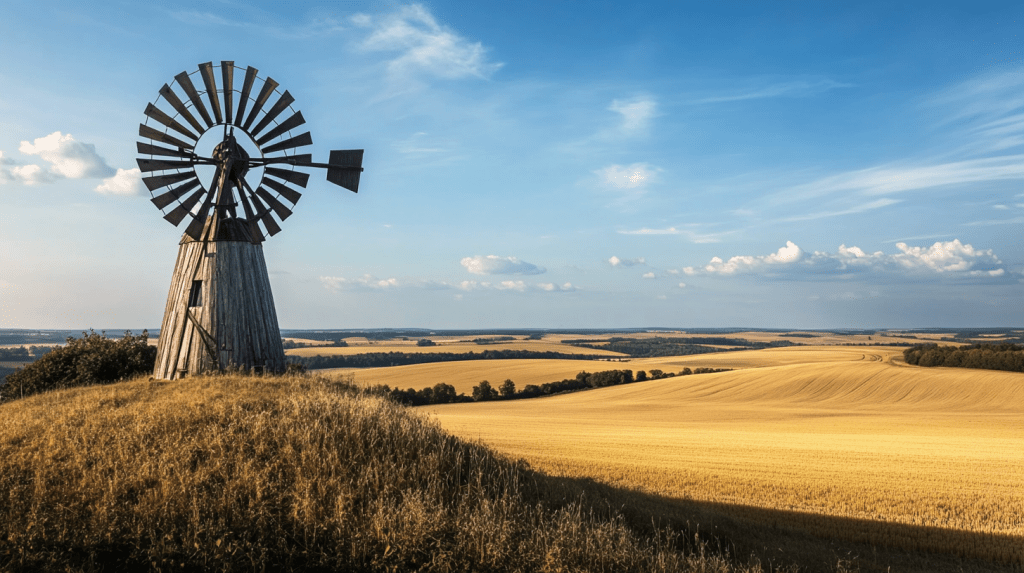
“Look at those windmills," she said, pointing to one in the distance. “They seem to be everywhere around here."
Emily nodded, keeping her eyes on the road. “They’re a symbol of southern Sweden. Windmills have been part of the landscape for centuries, mainly for grinding grain and pumping water. Now, most of them are preserved as historical landmarks."
“I love how they fit so naturally into the scenery," Sarah remarked, her camera ready to snap a photo. “It’s like they’ve always belonged here."
Emily smiled. “They do. And some of them are still operational. You can visit a few, especially in these rural areas, and see how they work."
The windmill blades turned slowly in the breeze, casting long shadows across the green fields. The peacefulness of the countryside was a far cry from the busy streets of Lund, and the two friends savored the quiet moment as they drove on.
場景 2: 風車
隨著她們駛入鄉村,風景逐漸開闊,廣闊的田野延伸到天邊。莎拉望著窗外,注意到點綴在景觀中的風車。
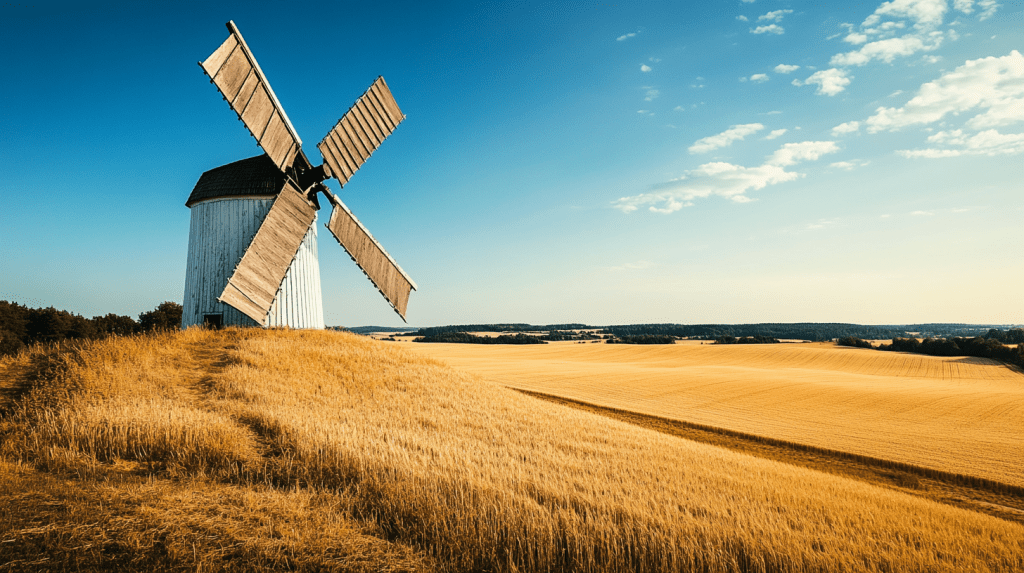
「你看那些風車,」她指著遠處的一座說。「這裡到處都是風車。」
艾米麗點了點頭,目光仍專注在路上。「它們是瑞典南部的象徵。風車已經在這片土地上存在了好幾個世紀,主要用來磨穀物和抽水。現在,大多數都被保存下來,成為歷史地標。」
「我喜歡它們和這片景色融為一體的樣子,」莎拉說著,準備好相機拍照。「就像它們自古以來就屬於這裡一樣。」
艾米麗微笑著。「確實如此。有些風車還在運作,尤其是在這些鄉村地區,你可以參觀並了解它們的工作原理。」
風車的葉片在微風中緩緩轉動,投下長長的陰影,映在綠油油的田野上。鄉村的寧靜與隆德繁忙的街道形成了鮮明的對比,兩位朋友在這段安靜的時光中享受著駕車前行的旅程。
Scene 3: Slowing Down in Skåne
After driving for a while, Emily pulled the car over to a scenic overlook. The view was stunning—rolling hills, lush green fields, and a shimmering lake in the distance. The sound of the wind rustling through the trees filled the quiet air.
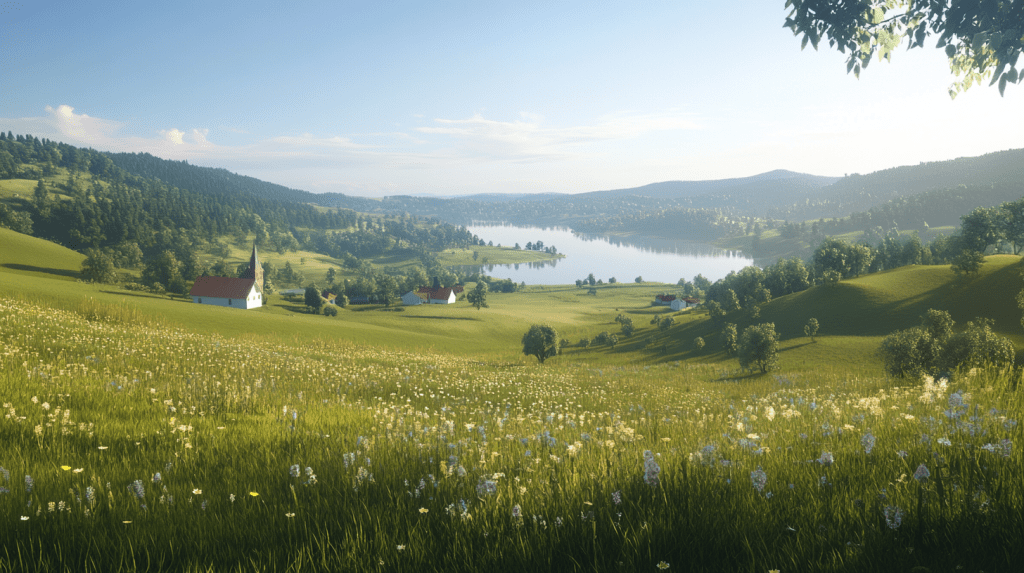
Sarah stepped out of the car, taking in the view. “It’s hard to believe we’re still in the same country. This place feels worlds apart from Stockholm."
Emily nodded. “It does. Southern Sweden, especially Skåne, has its own rhythm. Here, people tend to live slower, closer to nature. The urban bustle feels far away."
Sarah leaned against the car, reflecting. “You know, in the big cities like Stockholm and Gothenburg, life moves so fast. People are always rushing between meetings, work, and the daily grind. But out here… it’s like time stands still."
“Exactly," Emily agreed. “The geography plays a big role in that. Stockholm is on the east coast, surrounded by water, which makes it a hub for trade and business. Gothenburg is more industrial, located near the west coast. But here, in the south, it’s mostly agricultural. People still rely on farming, fishing, and local crafts for their livelihood."
Sarah smiled. “It’s amazing how geography shapes not just the land, but also the way people live. In the cities, you’ve got all the modern conveniences and fast-paced industries. But here, people seem more connected to the land, more self-sufficient."
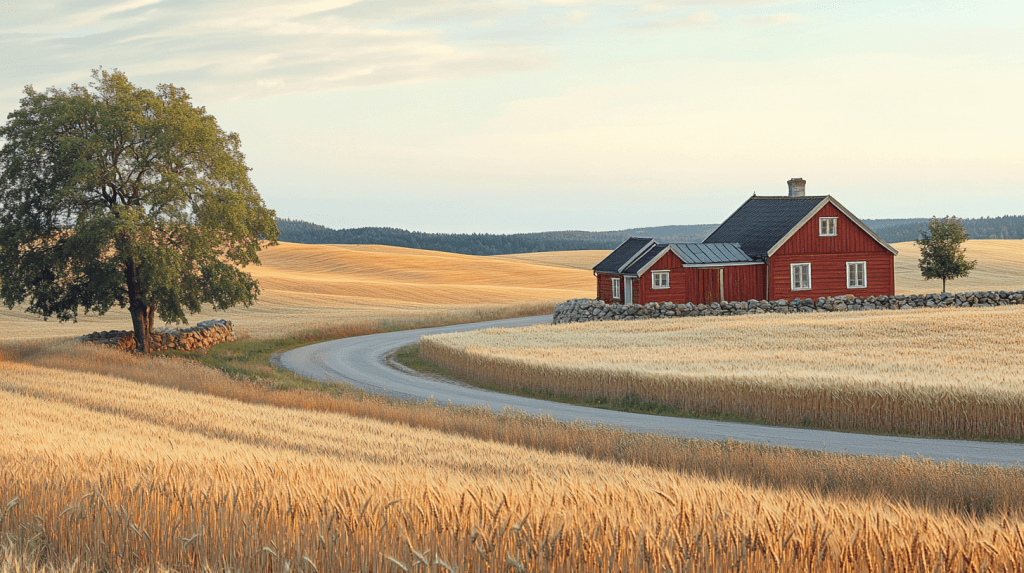
Emily gestured to the nearby farmhouses. “That’s right. Many of these small farms have been family-owned for generations. They grow their own food, raise animals, and keep old traditions alive. Even the houses—the way they’re painted, the materials they use—reflect this deep connection to the land."
Sarah looked thoughtful. “I imagine the work-life balance here is very different too. In the cities, it’s all about careers, technology, and keeping up with the global economy. But out here, people must prioritize different things—like family, community, and sustainability."
Emily nodded. “Exactly. It’s a different kind of wealth. Instead of the latest gadgets or high-paying jobs, people here value the land, their relationships, and the simple things in life. It’s a slower pace, but it’s rich in its own way."
The wind picked up slightly, stirring the leaves on the trees. The peaceful landscape, so far removed from the fast-moving cities, seemed to invite reflection and a deeper appreciation of life’s rhythms.
場景 3: 斯堪尼亞的慢活
開了一段時間後,艾米麗將車停在了一個景觀點。眼前的景色令人驚嘆——起伏的山丘,翠綠的田野,以及遠處閃閃發光的湖面。風輕輕地吹過樹梢,增添了一絲寧靜的氛圍。
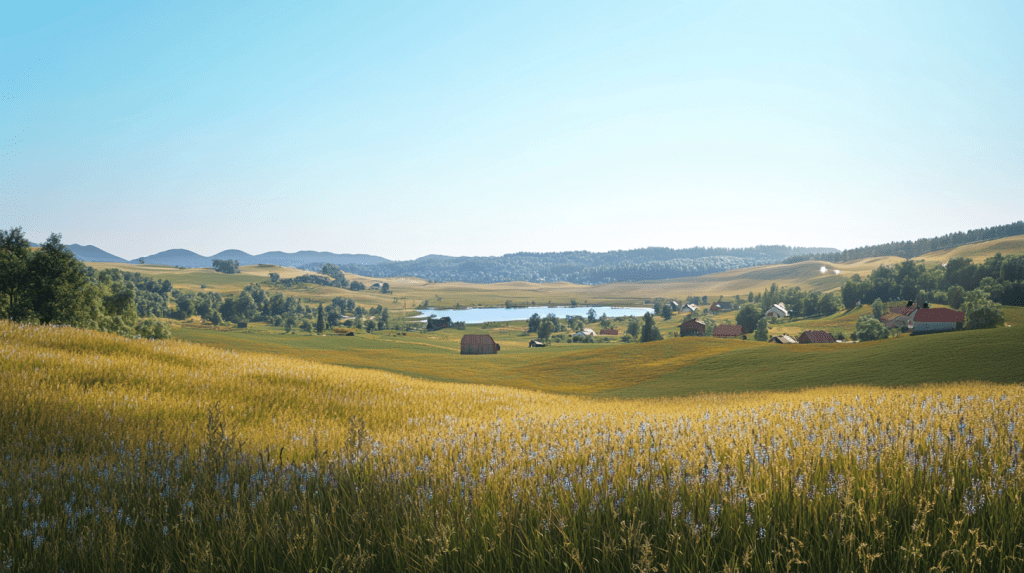
莎拉下了車,望向這片美景。「真難相信我們還在同一個國家。這裡的感覺和斯德哥爾摩完全不同。」
艾米麗點點頭。「是啊。南瑞典,特別是斯堪尼亞,有自己的節奏。這裡的人們生活得更慢,更貼近自然。都市的喧囂在這裡顯得遙遠。」
莎拉靠在車邊,若有所思。「你知道,在大城市,像斯德哥爾摩和哥德堡,生活節奏真的很快。人們總是在會議、工作和日常繁忙的生活中來回奔波。而在這裡……時間似乎靜止了一樣。」
「正是這樣。」艾米麗同意道。「地理位置在這裡扮演了很大的角色。斯德哥爾摩位於東海岸,周圍被水環繞,這讓它成為貿易和商業的中心。哥德堡則更偏工業化,位於西海岸。而在南部,主要以農業為主。人們依賴農業、漁業和本地手工藝品維生。」
莎拉笑了笑。「很驚人的是,地理不僅塑造了這片土地,也塑造了人們的生活方式。在城市裡,你可以享受到所有的現代便利和快節奏的產業。而在這裡,人們似乎更與土地聯繫緊密,更具自給自足的精神。」
艾米麗指向附近的農舍。「沒錯。這些小型農場許多都是世代傳承的。他們自己種植食物,飼養動物,並保持著傳統的生活方式。就連房屋——它們的顏色、材料——都反映了人們與這片土地的深厚聯繫。」
莎拉若有所思。「我想這裡的工作與生活平衡也一定很不一樣。在城市裡,大家都專注於事業、科技和跟上全球經濟的腳步。但在這裡,人們的重心應該更傾向於家庭、社區和可持續發展吧。」
艾米麗點頭道:「確實如此。這是一種不同的富裕方式。與其追求最新的科技產品或高薪工作,人們更重視土地、關係以及生活中的簡單美好。雖然節奏較慢,但生活依然豐富多彩。」
風稍稍加強,攪動了樹上的葉子。這片遠離城市喧囂的寧靜景色,似乎邀請人們去反思並更深刻地體會生活的節奏。
Scene 4: Visit Ale’s Stones
The car rolled to a stop near the coastal cliffs, the distinctive stone circle of Ales Stenar visible in the distance. Emily and Sarah stepped out, greeted by the steady breeze coming off the Baltic Sea.
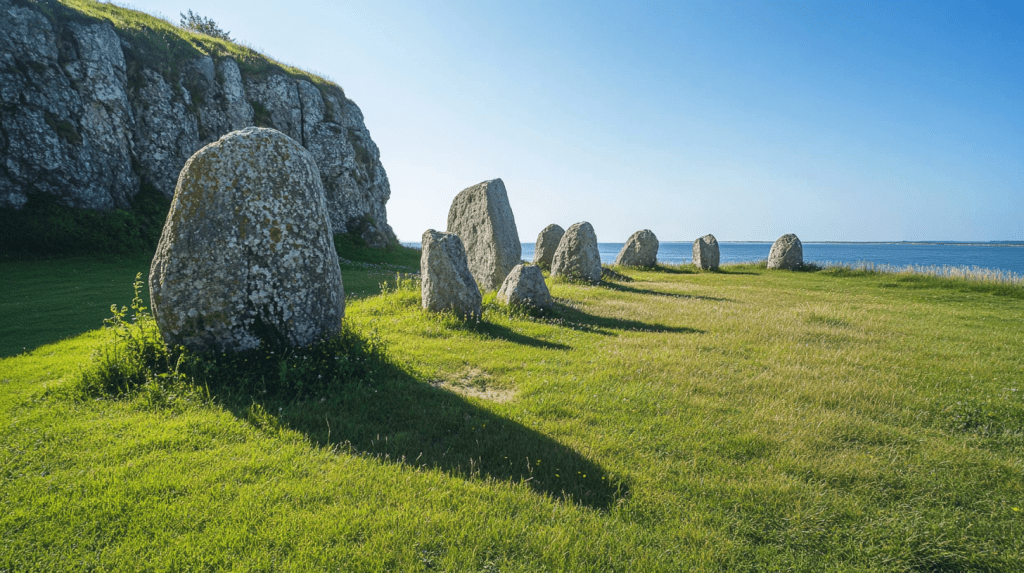
As they walked toward the site, Sarah glanced at the massive stones. “It’s incredible how these stones have stood here for over a thousand years. But I still wonder—why here? Why this formation?"
Emily nodded. “That’s been debated for centuries. Most historians believe Ales Stenar was likely constructed around 1,400 years ago, during the late Iron Age. Some suggest it was a burial monument, though no bodies have ever been found here."
Sarah observed the alignment of the stones. “I read something about it potentially being a solar calendar. The stones supposedly line up with the summer and winter solstices."
“Yes," Emily confirmed, pointing to the largest stones at each end. “Those two are positioned to mark the sunrise during the summer solstice and the sunset during the winter solstice. It’s one of the strongest arguments for the solar calendar theory, though we don’t have definitive proof."
Sarah walked closer to one of the stones, running her hand over its rough surface. “They were brought here from different parts of the region, right? I imagine it wasn’t easy to transport stones of this size back then."
“Not at all," Emily replied. “The logistics of moving these stones, some weighing several tons, would’ve been a huge undertaking. It likely involved entire communities, using wooden sledges, ropes, and possibly even water routes to bring them here. The fact that it was done at all is a testament to the importance of this site."
Sarah stepped back, taking in the full circle. “It’s amazing to think that we still don’t have all the answers. The purpose could have been entirely symbolic or ritualistic for all we know."
“That’s the challenge with prehistoric monuments," Emily said. “Without written records, we’re left to piece together what we can from archaeology and educated guesses. But it’s clear that Ales Stenar had significant meaning for the people who built it."
The wind picked up slightly as they stood among the stones, but their conversation remained focused on the practicalities and historical significance of the site.
場景 4: 拜訪巨石陣
車子在海岸邊的懸崖附近停下,遠處的阿勒斯通石陣清晰可見。艾米麗和莎拉下了車,迎面而來的是來自波羅的海的穩定海風。
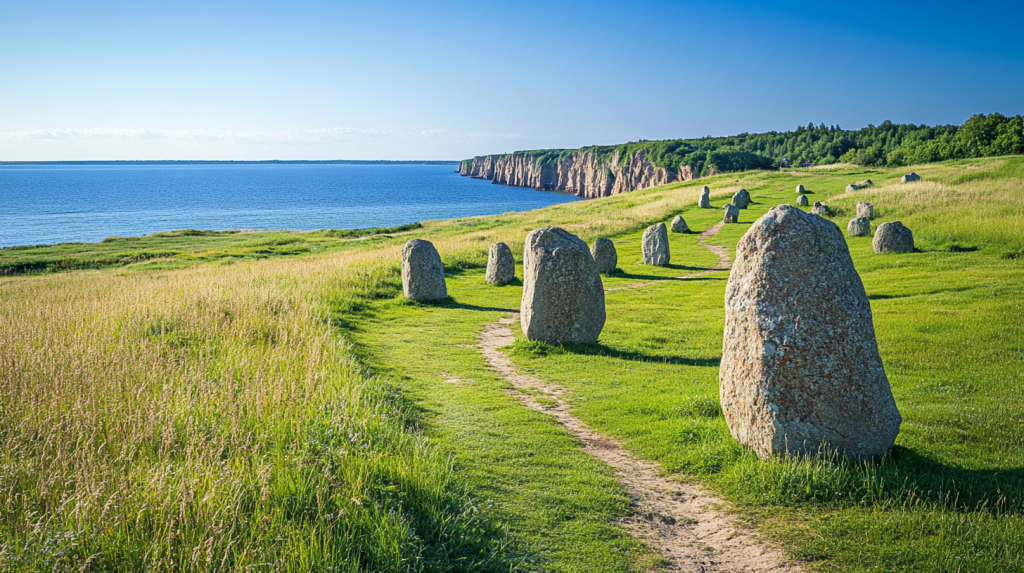
她們向遺址走去,莎拉看著那些巨大的石頭。「這些石頭矗立在這裡已經超過一千年了,真是難以置信。但我還是很好奇,為什麼選擇這裡?為什麼是這種排列方式?」
艾米麗點了點頭。「這個問題已經爭論了幾個世紀。大多數歷史學家認為阿勒斯通大約建於1400年前,屬於鐵器時代晚期。有人說它是個墓地紀念碑,但這裡從未發現過任何遺骸。」
莎拉觀察著石頭的排列。「我看到有些資料說它可能是一個太陽曆。據說這些石頭的排列與夏至和冬至有關。」
「是的,」艾米麗指向兩端最大的石頭。「這兩塊石頭的位置據說分別標示了夏至日出和冬至日落。這是太陽曆理論中最有力的證據之一,儘管我們沒有確鑿的證據。」
莎拉走近其中一塊石頭,手指輕觸粗糙的表面。「這些石頭是從不同地區運來的吧?在當時運輸這麼大的石頭應該不是件容易的事。」
「絕對不容易,」艾米麗回答。「運輸這些重達數噸的石頭,肯定需要整個社區的協作。他們可能使用了木製滑橇、繩索,甚至可能利用水路來運送。這顯示了這個遺址對當時人們的重要性。」
莎拉退後幾步,環視整個石陣。「令人驚訝的是,我們到現在仍沒有完全的答案。它的用途可能純粹是象徵性的,甚至帶有儀式意義。」
「這就是史前遺跡的挑戰所在,」艾米麗說。「沒有書面記錄,我們只能從考古發現和推測中拼湊真相。但很明顯,阿勒斯通對當時的人們來說具有重要的意義。」
隨著她們站在石陣之間,風稍微加強了些許,但她們的對話依舊圍繞著這個遺址的實際歷史意義和挑戰展開。
Yes, the people who constructed Ales Stenar during the late Iron Age were likely part of the broader Scandinavian cultural and ethnic groups that would later form the Swedish nation. However, the term “Swedish" in its modern sense didn’t exist at that time.
Here’s how you could integrate this discussion into the scene:
Scene 5: Tracing Scandinavia’s Past to Modern Sweden
As they stood near one of the larger stones, Sarah turned to Emily with a thoughtful expression. “Do you think the people who built this were ancestors of modern Swedes?"
Emily nodded slowly. “In a way, yes. The people who constructed Ales Stenar were part of the broader Scandinavian cultural groups that lived in the region during the late Iron Age. While they weren’t ‘Swedish’ in the modern sense, they were part of the ethnic and cultural developments that eventually led to the formation of Sweden."
“So, they were Scandinavians," Sarah said, looking out toward the sea. “It’s interesting to think how different their lives must have been, even though we’re standing on the same land."
“Very different," Emily agreed. “At the time Ales Stenar was built, Scandinavia was a collection of small communities, mostly organized around agriculture and trade. These people would have been influenced by the Norse cultures that later shaped the Vikings, but they didn’t yet have a unified identity like the Swedish nation."
“And their beliefs?" Sarah asked, glancing at the stones. “I imagine they had some form of spirituality connected to nature and the seasons, given this solar alignment theory."
“Exactly," Emily said. “Their spirituality was deeply tied to natural cycles—the sun, the seasons, and the land. They likely performed rituals at places like Ales Stenar, which may have held both practical and symbolic significance."
Sarah thought for a moment. “So even though they weren’t ‘Swedes’ as we know them, they laid the foundation for what would become Swedish culture."
“That’s right," Emily replied. “Their way of life, their interaction with the land, and even their spiritual beliefs would carry through into later Scandinavian cultures, eventually forming the roots of what we now consider Swedish identity."
場景 5: 從斯堪的納維亞歷史追溯現代瑞典
站在其中一塊較大的石頭旁,莎拉若有所思地轉向艾米麗。「你覺得建造這些石陣的人,算是現代瑞典人的祖先嗎?」
艾米麗慢慢點了點頭。「某種程度上可以這麼說。建造阿勒斯通的人屬於生活在晚期鐵器時代的斯堪的納維亞文化群體。雖然他們不算是現代意義上的‘瑞典人’,但他們是後來形成瑞典民族的文化和族群的一部分。」
「所以他們是斯堪的納維亞人。」莎拉望向大海。「很有趣的是,雖然我們站在同一片土地上,他們的生活卻與我們完全不同。」
「非常不同,」艾米麗認同道。「在阿勒斯通建成的時候,斯堪的納維亞還只是由小型社區組成,主要依賴農業和貿易為生。這些人受到了後來塑造維京文化的諾斯文化的影響,但當時他們還沒有像今天的瑞典那樣的統一身份。」
「他們的信仰呢?」莎拉看了一眼那些石頭。「我猜,他們的精神信仰應該和自然、季節息息相關,畢竟這裡的排列和太陽有關。」
「沒錯,」艾米麗說。「他們的精神信仰深深植根於自然周期——太陽、季節和土地。他們很可能在阿勒斯通這樣的地方進行儀式,這些地方可能既有實際用途,也有象徵意義。」
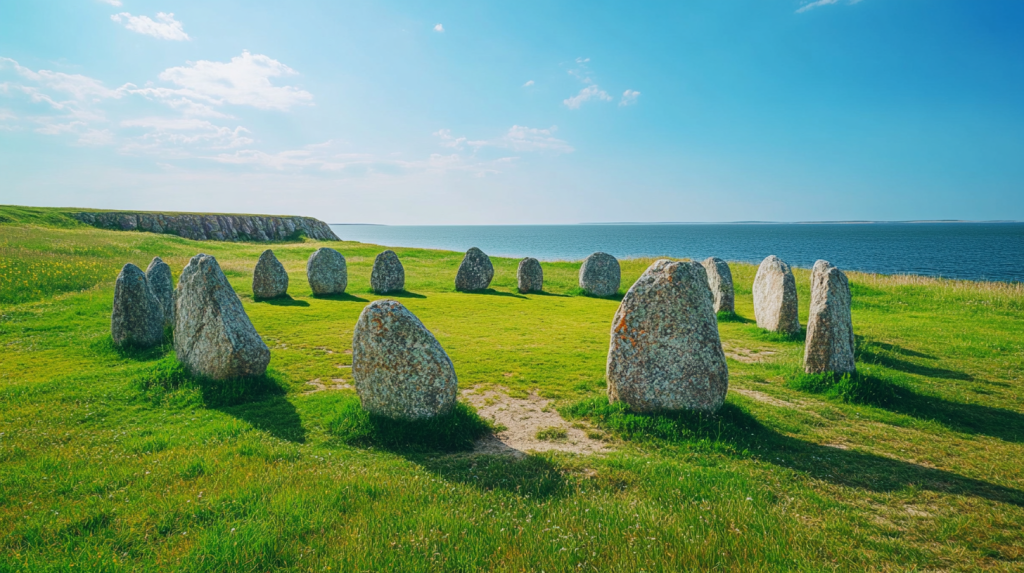
莎拉沉思了一會兒。「所以,即使他們當時還不是我們所認識的‘瑞典人’,他們奠定了後來瑞典文化的基礎。」
「是的,」艾米麗回答。「他們的生活方式、與土地的互動,甚至他們的精神信仰,最終都融入了後來的斯堪的納維亞文化,成為我們現在所稱的瑞典身份的根基。」
Scene 6: Tracing the Past at the Edge of the Baltic

The sun hovered just above the horizon, casting a fiery orange glow over the quiet beach. Emily and Sarah walked side by side, their shoes leaving soft imprints in the sand as the waves from the Baltic Sea gently lapped at the shore.
Sarah took in the scene, her eyes scanning the endless expanse of water. “So, this is the Baltic Sea?" she asked, her voice a mix of awe and curiosity.
Emily nodded. “Yes, the same sea that has shaped the history of this region for centuries. The Baltic has always been crucial to the people living here. It connected them to other parts of Scandinavia, and to regions as far away as Russia and the Hanseatic trading cities."
Sarah looked thoughtful. “So, people relied on it not just for food, but for trade as well?"
“Exactly," Emily said. “Fishing was, and still is, a way of life for many coastal towns. But historically, it was much more than that. During the Viking Age and even later, in the medieval period, this sea was a major route for trade. The towns along these coasts thrived by trading goods like fish, timber, and furs, and they formed key connections with larger trade networks across Europe."
As they continued to walk, the wind picked up, carrying with it the salty scent of the sea. Sarah paused, gazing out over the water. “It’s strange to think how different life must have been back then. I imagine these small coastal communities were very self-sufficient."
Emily smiled. “They were. Many of these towns were isolated, especially during the long winters. People had to rely on fishing, farming, and making their own goods. The sea provided them with fish, but it also opened the door to the outside world. For the most part, though, life was simple, centered around the seasons and the rhythms of nature."
“And today?" Sarah asked, glancing at the quiet beach. “Do people still live like that here?"
“In some ways, yes," Emily replied. “There are still fishing communities and small farms, though tourism has become important for many coastal towns. You’ll still find people who live close to the land and the sea, much like their ancestors did. But the pace of life has changed, of course."
The sun dipped lower, casting long shadows across the sand. Emily glanced at her watch. “We should probably head to the hotel soon, but I love how this place still feels connected to its past. The sea might not dominate life the way it used to, but it’s always there, shaping the culture and the people."
場景 6: 在波羅的海的岸邊

太陽懸掛在地平線上方,將火紅的光芒灑在寧靜的海灘上。艾米麗和莎拉並肩走著,她們的鞋在沙灘上留下輕微的足跡,波羅的海的海浪輕輕拍打著岸邊。
莎拉環顧四周,目光掃過這片無盡的大海。「這就是波羅的海嗎?」她的聲音充滿了驚嘆和好奇。
艾米麗點點頭。「沒錯,這片大海幾個世紀以來一直在塑造這片土地的歷史。波羅的海對這裡的人來說至關重要,不僅連接了斯堪的納維亞其他地區,還連通了遠至俄羅斯和漢薩同盟的貿易城市。」
莎拉若有所思地說:「所以,這片大海不僅僅是供應食物的來源,還是貿易的重要通道?」
「正是如此,」艾米麗回應道。「捕魚一直是這些沿海城鎮的生活方式,直到今天依然如此。但在歷史上,這片海遠不止於此。在維京時代,甚至是中世紀,這片海是貿易的主要通道。沿海的城鎮通過貿易魚類、木材和毛皮等貨物,與歐洲更大的貿易網絡建立了重要的聯繫。」
她們繼續走著,微風吹起,帶來了海水的鹹味。莎拉停下腳步,凝視著大海。「想像以前的生活真是奇怪。我猜這些小沿海社區應該非常自給自足吧。」
艾米麗微笑道:「沒錯。這些城鎮在冬天特別孤立,人們必須依靠捕魚、農業和自己製作物品為生。海洋為他們提供了食物,同時也打開了通往外界的大門。不過,生活大多是簡單的,圍繞著季節和自然的節奏進行。」
「那今天呢?」莎拉望向寧靜的海灘問道。「這裡的人還是這樣生活嗎?」
「某種程度上是的,」艾米麗回答道。「這裡依然有漁業和小型農場,不過旅遊業對很多沿海城鎮變得更加重要了。你仍然能找到像他們祖先一樣與土地和海洋緊密相連的人們,不過生活節奏當然是變了。」
太陽漸漸下沉,長長的影子映在沙灘上。艾米麗看了一下手錶。「我們可能該回旅館了,不過我喜歡這裡依然與過去保持著聯繫。雖然大海不再像以前那樣主宰生活,但它始終在這裡,塑造著文化和人們。」
Scene 7: Dinner at the Hotel
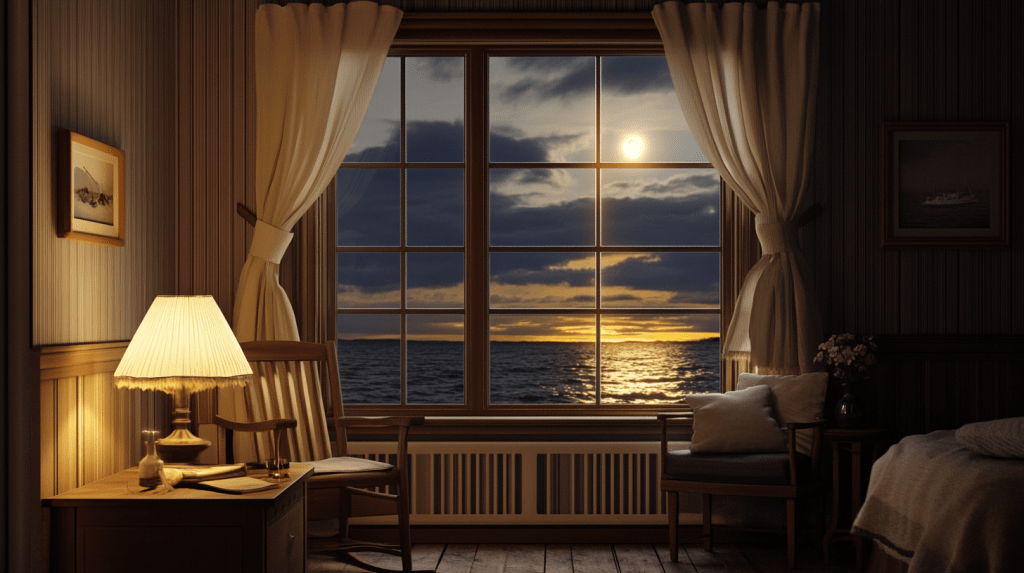
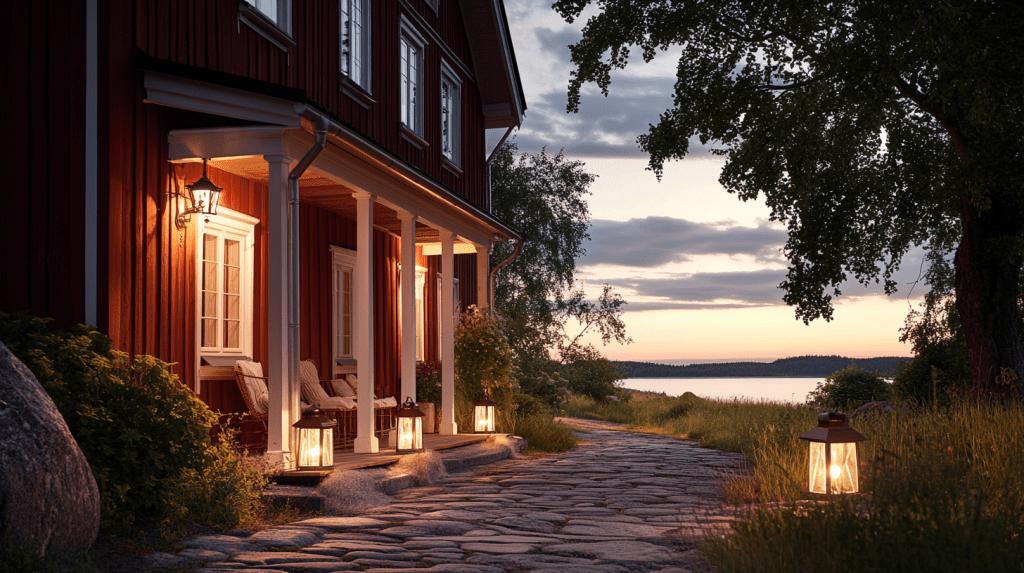
As the sun finally dipped below the horizon, Emily and Sarah arrived at a quaint, traditional-style hotel nestled between the rolling hills and the Baltic Sea. The hotel, a simple yet charming 19th-century building, was painted in the classic Swedish red, with white-trimmed windows and a wooden porch that stretched along the front. Soft lanterns flickered along the stone path leading to the entrance, creating a warm, welcoming atmosphere.
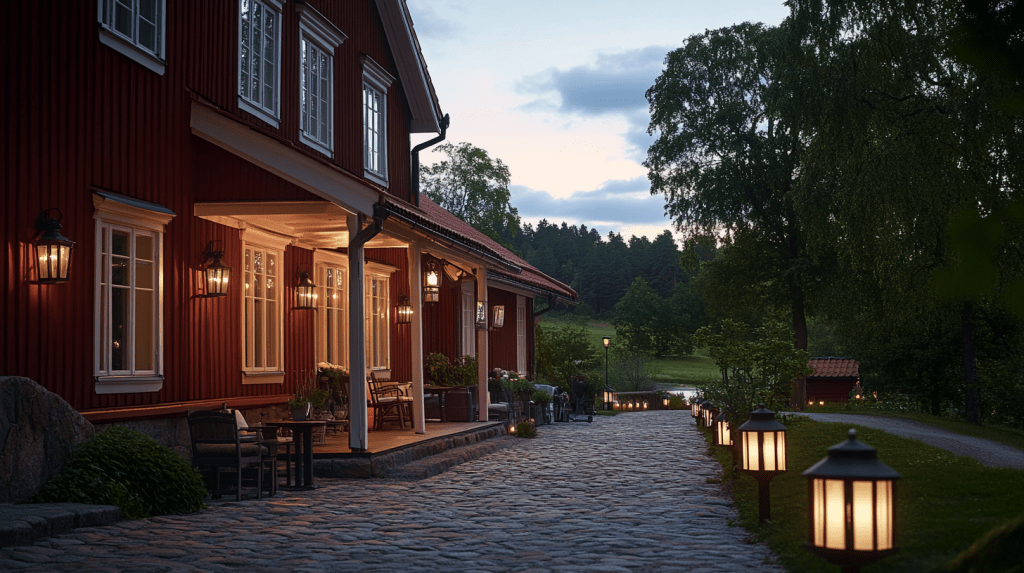
Inside, the hotel lobby was cozy and modest, with wooden beams overhead and a fireplace crackling in the corner. The scent of freshly baked bread and herbs wafted from the kitchen, blending perfectly with the wooden floors and rustic furniture.
After checking in, they made their way to the small dining area, where a handful of tables were set with simple white tablecloths and vases filled with fresh wildflowers from the nearby fields. The menu, handwritten in Swedish, listed a few traditional dishes featuring local ingredients. The atmosphere was calm, with the low murmur of other guests and the occasional clink of cutlery.

Sarah looked over the menu, intrigued. “It all looks so fresh and simple," she said, glancing at Emily. “What would you recommend?"
Emily smiled. “I’d say go for the gravlax—it’s lightly cured salmon, often served with mustard and dill. The herring is also a classic, and I think they might have some homemade rye bread to go with it."
Their meals were served on simple ceramic plates, nothing fancy but full of flavor. The gravlax was fresh, accompanied by a light mustard sauce and slices of dark bread, while the herring was served with potatoes and sour cream.
As they ate, the conversation flowed easily, reflecting on the day spent exploring the coast. The cozy, unpretentious setting of the hotel perfectly matched the simplicity and richness of the local food, making it a perfect end to their day.
場景 7: 旅館的晚餐
隨著太陽逐漸落下,艾米麗和莎拉來到了一家位於起伏山丘和波羅的海之間的傳統風格旅館。這家旅館簡樸而充滿魅力,是一棟19世紀的老建築,刷著典型的瑞典紅漆,白邊窗戶和木質門廊讓人倍感親切。石頭小徑旁的燈籠發出柔和的光,為這寧靜的夜晚增添了一絲溫暖。
走進旅館,迎接她們的是舒適而樸實的氛圍。木樑橫跨在天花板上,角落裡的壁爐裡燃燒著劈柴,發出輕輕的噼啪聲。空氣中飄著新鮮烘焙麵包和草藥的香氣,與木地板和簡單的家具完美融合。
辦理入住手續後,她們來到小餐廳,幾張桌子鋪著簡單的白色桌布,桌上擺著當地田野裡的野花。手寫的菜單上列著幾道以當地食材為主的傳統菜餚。餐廳內氣氛寧靜,只有低聲的交談和偶爾的餐具碰撞聲。
莎拉看著菜單,感到很有興趣。「這裡的菜看起來都很新鮮簡單,」她邊說邊看向艾米麗。「你有什麼推薦的嗎?」
艾米麗微笑道:「我推薦Gravlax,這是輕鹽醃製的鮭魚,通常搭配芥末和蒔蘿。鯡魚也很經典,我想他們還會提供自製的黑麥麵包。」

她們的餐點被端上桌,雖然擺盤簡單,但味道卻十分豐富。Gravlax搭配了清淡的芥末醬和幾片黑麥麵包,而鯡魚則配上了馬鈴薯和酸奶油。
她們一邊享用美食,一邊聊著今天在海岸的探索。這家旅館簡單而溫馨的環境與當地美食的質樸和豐富感相得益彰,為這一天畫上了完美的句號。


發表留言