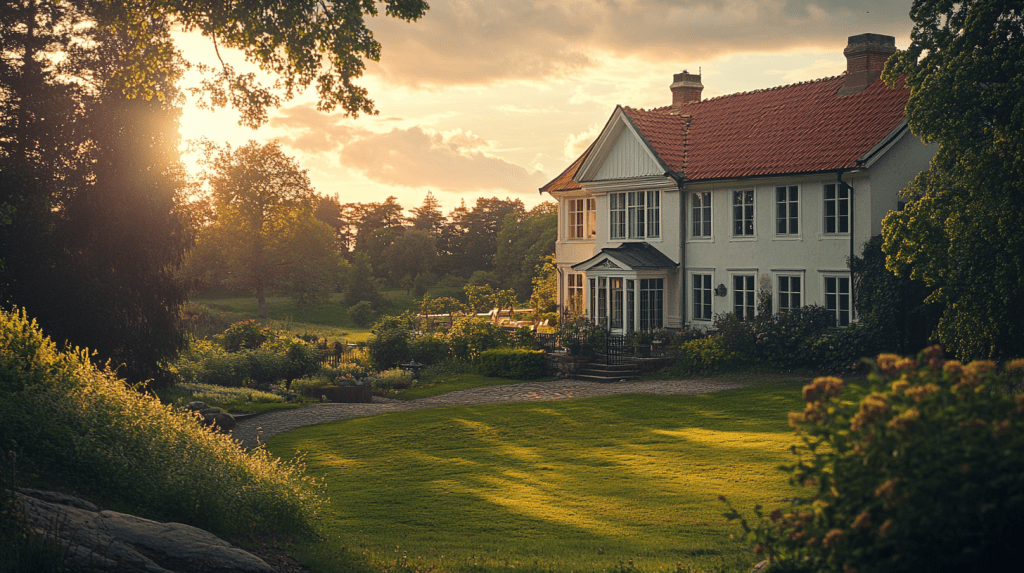
Scene 1: A 19th-Century Stay – Discovering the Charm of a Swedish Manor House
As they drove away from Falsterbo, Sarah sighed and stretched in her seat. “What do you think about heading straight to the hotel? I could really use a break before dinner."
Emily nodded. “I agree. We’ve had a full day, and the manor house sounds like the perfect place to unwind."
They followed the winding roads until the countryside opened up, revealing the grand, restored manor house nestled in the rolling hills. Surrounded by lush gardens, the manor exuded an air of elegance and history.
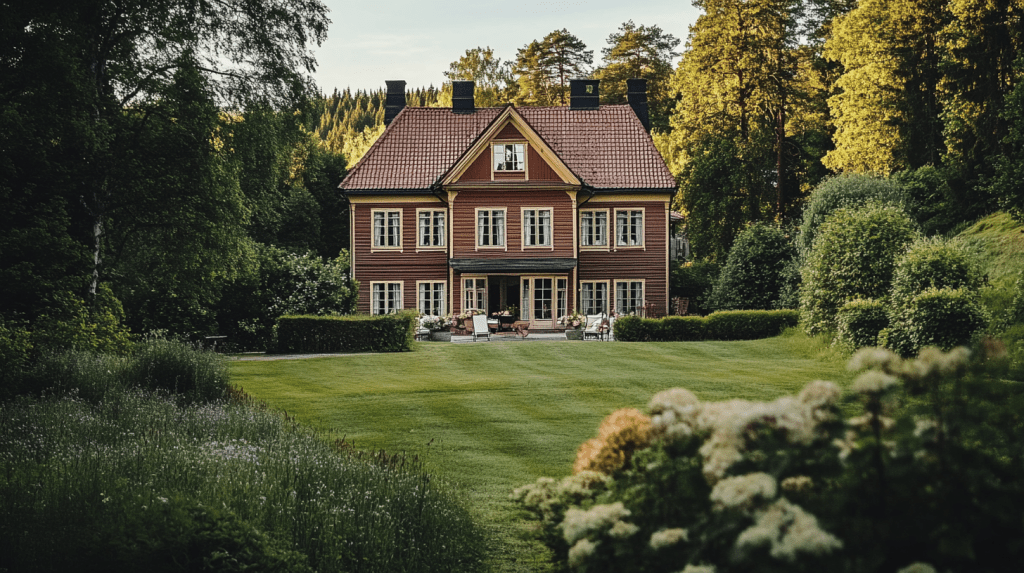
“This looks even better in person," Sarah said, admiring the stately red-brick building with its tall windows and ornate woodwork. “I love how it feels so secluded, like a little escape from the world."
“Exactly," Emily replied. “And the fact that it’s a 19th-century building, restored to keep its original charm—that makes it even more special."
As they entered the lobby, the rich wooden floors creaked beneath their feet. Antique furniture, soft lighting, and a crackling fireplace created a cozy yet elegant atmosphere.
“This place has so much character," Sarah said, running her fingers over the polished wood of the grand staircase. “It feels like stepping into another era."
Emily smiled. “It’s amazing how they’ve kept it so well-preserved. You can see how they’ve balanced modern comfort with the historical details."
Once they reached their room, Sarah opened the door to find an elegantly furnished space. The vintage bed, patterned wallpaper, and large windows with views of the garden made the room feel timeless.
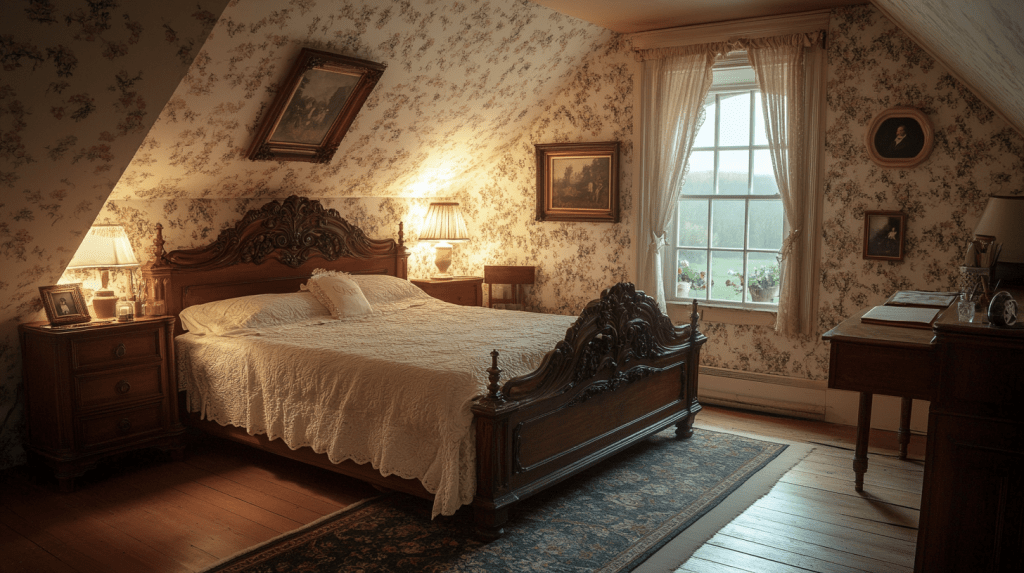
“I could get used to this," Sarah said, sinking into a plush chair by the window. “It’s so peaceful. We made the right choice coming here."
Emily nodded in agreement. “I think so too. The view, the atmosphere—it’s exactly what we needed."
After freshening up, they headed downstairs to the manor’s cozy restaurant. The wooden tables were set with soft candlelight, and the large windows offered views of the gardens, now bathed in the soft glow of twilight.
As they sat down, Emily opened the menu. “How about trying something really traditional? Swedish meatballs with lingonberry sauce?"
Sarah smiled. “That sounds perfect. After a day like this, something hearty and comforting is exactly what we need."
The waiter brought over their meal, and they eagerly dug into the rich, flavorful meatballs, accompanied by mashed potatoes and tangy lingonberry sauce.
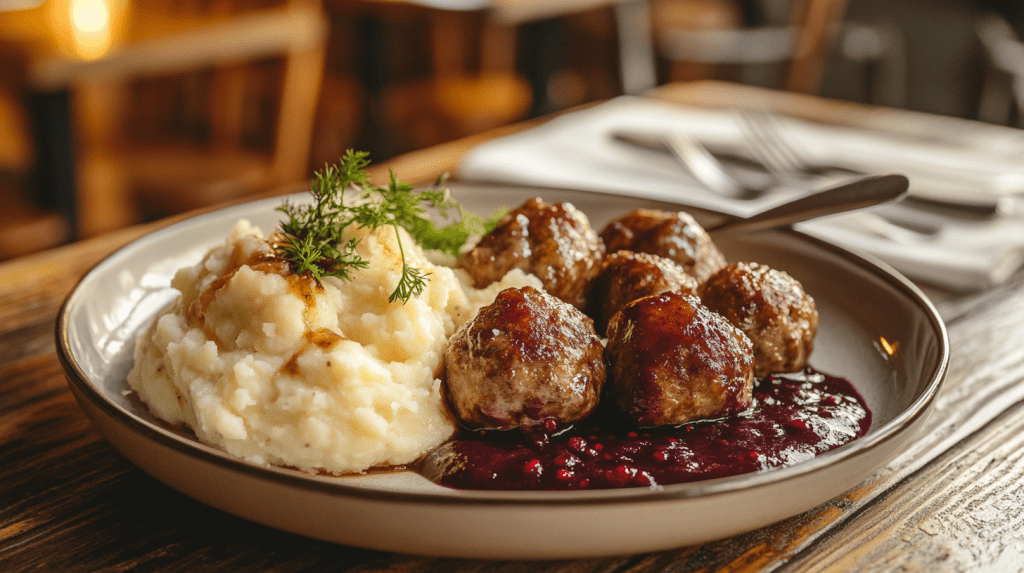
“This is fantastic," Sarah said between bites. “I’ve had meatballs before, but these are next level."
Emily nodded, enjoying the meal. “It’s the sauce, I think. It just ties everything together."
They lingered at the table after finishing their meal, sipping coffee and soaking in the warm, relaxed atmosphere of the manor house.
場景 1: 十九世紀的住宿體驗 – 探索瑞典莊園的魅力
從法爾斯特博離開後,莎拉在座位上嘆了口氣,伸了個懶腰。「我們先直接去旅館怎麼樣?我真的需要休息一下,然後再吃晚餐。」
艾米麗點頭同意。「我也這麼覺得。我們今天行程滿滿,而這間莊園看起來是最適合放鬆的地方。」
她們沿著蜿蜒的道路前行,直到鄉村展現在眼前,恢復的莊園矗立在山丘間。被茂密的花園環繞,莊園散發著優雅與歷史的氣息。
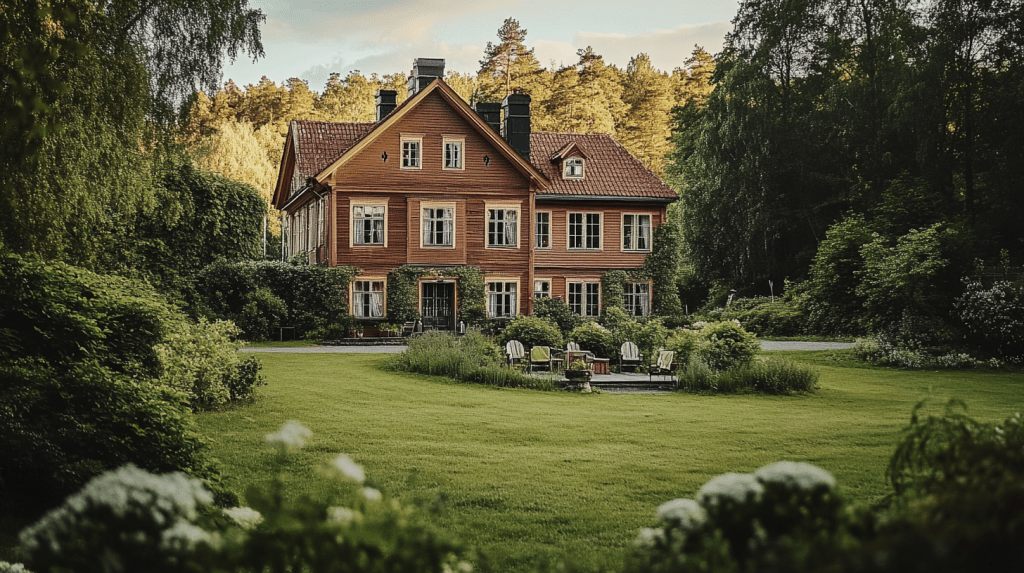
「實景看起來比照片還要好,」莎拉讚嘆道,欣賞著這座磚紅色的莊嚴建築,配有高大的窗戶和精緻的木工細節。「我喜歡這種與世隔絕的感覺,就像是一個小小的避風港。」
「沒錯,」艾米麗回答。「這是座19世紀的建築,能保持這麼多原有的魅力,真的很特別。」
當她們走進大廳時,木質地板在腳下發出輕微的吱吱聲。古董家具、柔和的燈光和壁爐的火光營造出溫馨而優雅的氛圍。
「這裡充滿了歷史氣息,」莎拉邊說邊輕輕撫摸著樓梯的打磨木材。「感覺就像走進了另一個時代。」
艾米麗微笑道。「真讓人驚訝他們能保存得這麼好。你可以看到現代舒適與歷史細節的完美結合。」
當她們進入房間時,莎拉打開門,看到一個優雅的空間。復古的床、圖案壁紙和俯瞰花園的大窗戶讓這個房間充滿了時間的韻味。
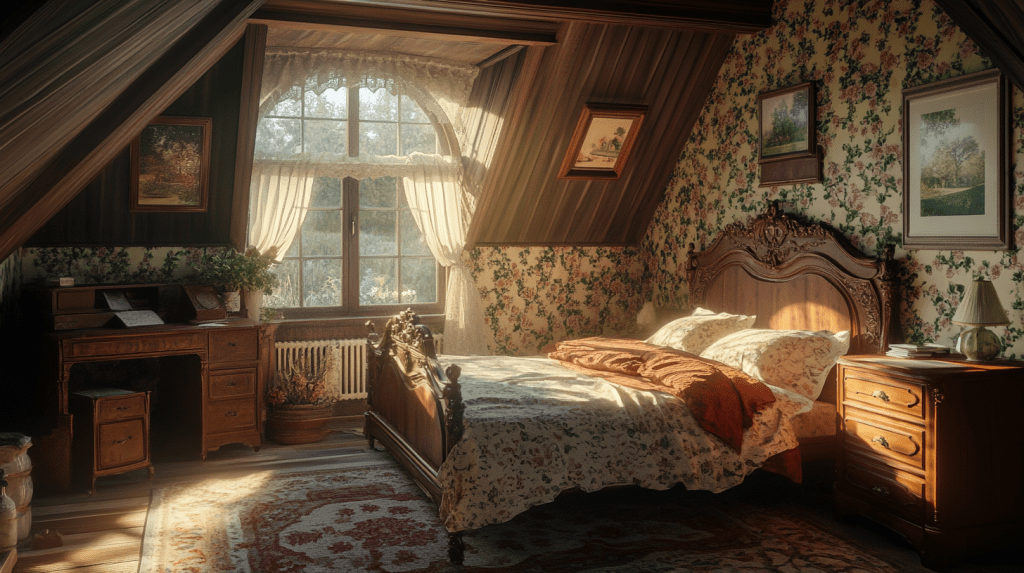
「我可以習慣住在這裡,」莎拉說著,沉浸在窗邊那把舒適的椅子裡。「這裡太安靜了。我們決定來這裡真是太明智了。」
艾米麗點頭同意。「沒錯,這裡的景色和氛圍正是我們需要的。」
稍作整理後,她們下樓來到莊園溫馨的餐廳。木質餐桌上擺著柔和的燭光,窗外的花園在暮色中閃耀著微光。
坐下後,艾米麗打開了菜單。「怎麼樣,試試傳統的瑞典肉丸吧?配上越橘醬,聽起來很不錯。」
莎拉笑了笑。「聽起來完美。經過今天的一整天,我們需要點豐盛又令人滿足的東西。」
服務員端上了她們的晚餐,她們迫不及待地開始享用這道豐富的肉丸,搭配著土豆泥和酸甜的越橘醬。

「這太好吃了,」莎拉一邊吃一邊說。「我以前吃過肉丸,但這真的不一樣。」
艾米麗點頭表示同意。「這一定是因為醬料,它讓整道菜更加完美。」
吃完飯後,她們悠閒地喝著咖啡,享受著這座莊園餐廳溫暖而放鬆的氛圍。
Scene 2: Climate and Industry in Sweden
After finishing their main course, the waiter brought over the dessert menu. Emily smiled. “How about we try the apple cake with vanilla sauce? It’s a Swedish classic."
Sarah nodded. “That sounds perfect. I’ve been wanting to try something traditional."
When the dessert arrived, the warm scent of baked apples filled the air. Sarah took a bite and smiled. “This is delicious. So comforting."
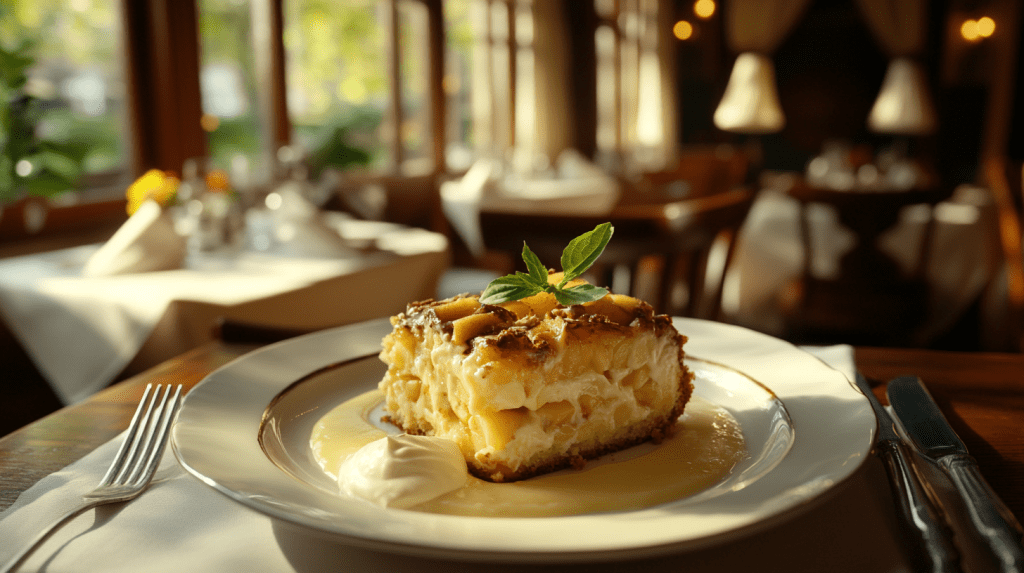
As they enjoyed their dessert, Sarah leaned back and sighed contentedly. “You know, the south of Sweden is so different from what I imagined. It feels so green and mild here."
Emily nodded. “Southern Sweden has a much milder climate compared to the rest of the country. Being close to the sea, the winters are less harsh, and that’s why agriculture is so big here. The climate really shapes the way people live."
Sarah thought for a moment. “And the food must be influenced by that too, right? I’ve noticed that there are a lot of fresh vegetables and fruits in the dishes we’ve had so far."
“Exactly," Emily agreed. “The southern region has access to fresher, locally grown produce because the growing season is longer here. You’ll find a lot of fruits like apples, pears, and berries. And traditional dishes often feature these ingredients—like this apple cake we’re having. In contrast, up north, the food is heartier, with more focus on preserved and pickled items to last through the colder months."
Sarah nodded thoughtfully. “So in the north, people rely more on preservation techniques because of the colder climate?"
“Yes, exactly," Emily replied. “Up there, they make a lot of dishes with smoked or salted fish, and you’ll find more hearty stews and bread made from barley or rye, which can withstand harsher conditions. The seasons are shorter, so they had to get creative with preservation methods."
Sarah leaned forward, intrigued. “And what about the iron industry? I know Sweden is famous for its steel production. Does that play a role in shaping the way people live in different regions?"
Emily smiled. “Yes, the iron industry has a huge influence, especially in central and northern Sweden. Places like Kiruna and Bergslagen are known for their iron mines, and the raw materials from those regions drive the steel industry. That industrial focus has shaped the economy and the way of life in those areas."
“So, the south focuses more on agriculture and tourism, while the north is more industrial?" Sarah asked.
“Exactly," Emily said. “In the north, you’ll find people working in mining and steel production, and the economy is more centered around those industries. The climate there is much colder and more rugged, so life is a bit tougher, but the natural resources are abundant. Here in the south, the economy revolves more around farming, tourism, and trade, thanks to the milder climate and fertile land."
Sarah took another bite of the apple cake, savoring the flavors. “It’s amazing how much geography and climate affect not just the economy, but also the food and the way people live. I hadn’t realized how diverse Sweden really is."
Emily nodded. “It’s fascinating, isn’t it? Sweden’s diversity—from the fertile farmland and mild weather here in Skåne, to the harsh winters and rich iron mines in the north—creates a unique blend of lifestyles, economies, and cuisine."
場景 2: 瑞典的氣候與產業
吃完主菜後,服務員送上了甜點菜單。艾米麗笑著說:「我們來試試蘋果蛋糕配香草醬怎麼樣?這可是瑞典的經典甜點。」
莎拉點頭同意。「聽起來很不錯,我一直想試試這種傳統的甜點。」
當甜點端上來時,烤蘋果的香氣彌漫在空氣中。莎拉咬了一口,微笑著說:「這真好吃,特別溫馨。」
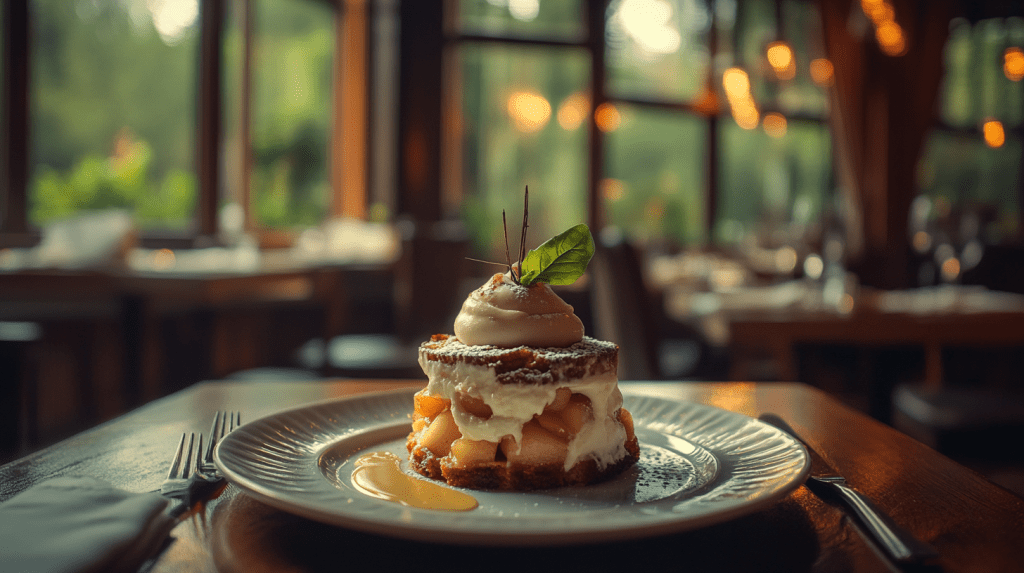
在享受甜點的時候,莎拉靠在椅子上,滿足地嘆了口氣。「你知道嗎,南瑞典和我想像中的完全不一樣,這裡感覺很溫和、很綠意盎然。」
艾米麗點頭說:「南瑞典的氣候確實比其他地區溫和很多,因為靠近海洋,冬天也不那麼嚴酷。這也是為什麼這裡的農業這麼發達。氣候真的深刻影響了人們的生活方式。」
莎拉思索了一會兒說:「那飲食肯定也受氣候影響吧?我注意到我們吃的菜裡有很多新鮮的蔬菜和水果。」
「完全正確,」艾米麗回答說。「這裡的生長季節比較長,所以當地可以種植很多新鮮的蔬菜和水果,像是蘋果、梨和各種莓果。而這些食材也常常出現在傳統菜餚裡,就像我們現在吃的蘋果蛋糕。而在北部,食物會更加豐盛和耐儲存,因為氣候寒冷,冬季比較長。」
莎拉點了點頭。「所以在北方,因為氣候的原因,人們更多依賴保存食物的技術?」
「沒錯,」艾米麗回答說。「北方會有更多的煙燻或醃製魚類,還有大量的燉菜和用大麥或黑麥製作的麵包,這些穀物能耐寒。那裡的生長季節比較短,所以保存食物的技術非常重要。」
莎拉往前傾了傾身子,興致盎然地說:「那鋼鐵產業呢?我知道瑞典以鋼鐵聞名,這對不同地區的生活方式也有影響嗎?」
艾米麗微笑著說:「是的,鋼鐵產業在瑞典的中部和北部地區非常重要。像基律納和貝里斯拉根這些地方以鐵礦聞名,這些地區出產的原材料推動了鋼鐵工業的發展。而這些工業中心對當地經濟和生活方式有著深刻的影響。」
莎拉問:「所以南方主要以農業和旅遊業為主,而北方則更加依賴工業?」
「完全正確,」艾米麗解釋說。「在北方,人們大多從事礦業和鋼鐵生產,當地經濟圍繞這些產業展開。那裡的氣候比南方更加寒冷,環境更加嚴酷,但自然資源也很豐富。而在南方,經濟更多依賴農業、旅遊和貿易,這得益於較溫和的氣候和肥沃的土地。」
莎拉又咬了一口蘋果蛋糕,品味著甜美的味道。「真的很令人驚嘆,地理和氣候不僅影響經濟,也深刻影響了飲食和生活方式。我之前沒有意識到瑞典的多樣性這麼大。」
艾米麗點頭說:「是啊,這真的很有意思。從斯科訥這裡肥沃的農田和溫和的氣候,到北方的嚴冬和豐富的鐵礦,這些資源和地理環境共同造就了瑞典獨特的生活方式、經濟結構和飲食文化。」
Scene 3: Chatting About Trains and Cross-Border Connections
As they sipped their coffee, Sarah looked out the window. “You know, with all the traveling we’re doing by car, it got me thinking. Have you ever taken the train across Sweden?"
Emily smiled. “Oh, plenty of times. Sweden’s rail system is excellent, especially if you want to get to neighboring countries. I’ve taken the train from Stockholm to Copenhagen a few times. It’s super convenient with the Öresund Bridge connecting the two."
Sarah raised an eyebrow. “The bridge? So, you can take a train directly to Denmark?"
“Yes," Emily explained. “The train goes straight from Malmö over the Öresund Bridge to Copenhagen. It’s great for commuters, but tourists use it a lot too. And from there, you can connect to the rest of Europe."
Sarah looked impressed. “That’s amazing. What about other countries, like Norway or Finland?"
“I’ve also taken the train from Stockholm to Oslo," Emily continued. “It’s a beautiful ride, especially through the forests and mountains near the border. There are also regional trains connecting smaller cities between Sweden and Norway. And as for Finland, there’s a connection in the north, near Haparanda, although it’s mostly used for freight. I heard they’re planning to improve passenger services."

Sarah thought for a moment. “Did all of these connections come after Sweden joined the European Union, or were they in place before?"
Emily paused. “That’s a good question. Some of these connections, like the one with Norway, existed long before Sweden joined the EU in 1995. But the Öresund Bridge, connecting Sweden and Denmark, was completed in 2000, so that’s definitely a post-EU project. The EU has also made it easier to standardize railway systems between member states, making travel between countries more seamless."

“That makes sense," Sarah said. “It seems like being part of the EU has helped Sweden become more integrated with the rest of Europe."
“Absolutely," Emily agreed. “The EU’s focus on regional cooperation and infrastructure development has made it easier to connect Sweden with other countries by rail, especially for passenger travel."
場景 3: 聊瑞典火車與跨國連接
她們一邊喝著咖啡,莎拉看著窗外說:「你知道嗎,我們一直在開車旅行,這讓我想到,你有搭過瑞典的火車嗎?」
艾米麗笑著說:「哦,當然有啊。我常常搭瑞典的火車,尤其是想去鄰國的時候。從斯德哥爾摩到哥本哈根的火車我坐過好幾次。很方便,有了厄勒海峽大橋,直接就能到丹麥。」
莎拉挑了挑眉毛。「那座橋?所以你可以直接坐火車去丹麥?」
「是的,」艾米麗解釋道。「火車從馬爾默直接開過厄勒海峽大橋到哥本哈根。這對通勤族來說很方便,很多遊客也會搭。而且到了那裡,你還可以轉接到歐洲其他國家。」
莎拉看起來很驚訝。「這真是太棒了。那去其他國家呢?像是挪威或芬蘭?」
「我也搭過從斯德哥爾摩到奧斯陸的火車,」艾米麗繼續說道。「沿途風景非常美,特別是在邊境附近的森林和山脈。而且還有一些區域性火車,連接瑞典和挪威的較小城市。至於芬蘭,在北部靠近哈帕蘭達那裡有一條鐵路,雖然目前主要用於貨運,但他們正在計劃改善客運服務。」

莎拉想了一會兒問道:「這些鐵路連接是在瑞典加入歐盟之前還是之後才建立的?」
艾米麗停頓了一下。「這個問題問得很好。像是瑞典與挪威的連接,早在1995年瑞典加入歐盟之前就已經存在了。但像是連接瑞典和丹麥的厄勒海峽大橋,是在2000年完工的,所以這是加入歐盟後的項目。歐盟還推動了成員國之間鐵路系統的標準化,使得國際間的旅行更加便捷。」
莎拉點頭說:「那很合理,加入歐盟似乎讓瑞典更好地融入了歐洲。」
「沒錯,」艾米麗同意道。「歐盟非常注重區域合作和基礎設施建設,這使得瑞典和其他國家的鐵路連接,特別是客運,變得更加容易。」
Scene 4: People and Language
As Sarah finished the last bite of her apple cake, she leaned back and stretched. “You know, after learning about the economy, climate, and food here, I’m curious—what about the people? Sweden seems like it has a pretty homogenous culture, but is that really the case?"
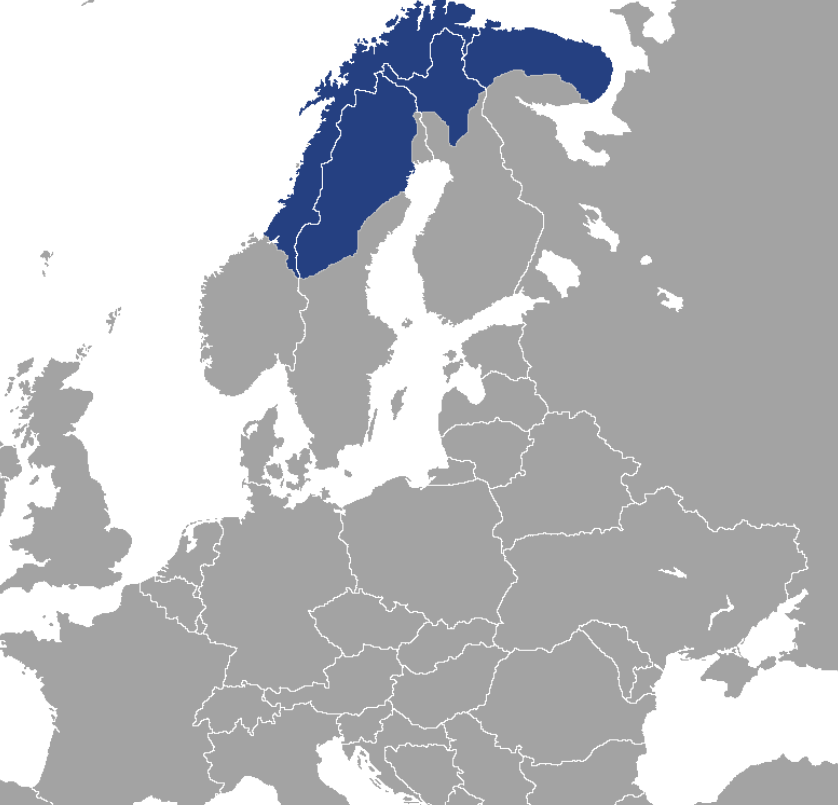
Emily nodded thoughtfully. “It’s true that when people think of Sweden, they often imagine it as a homogenous country. But Sweden is actually quite diverse, especially in recent decades. There are the indigenous Sámi people in the north, who have their own language and traditions, and then there’s been a lot of immigration over the years from places like Finland, the Middle East, and Eastern Europe."
Sarah looked intrigued. “I didn’t realize the Sámi were part of Sweden. Do they have a distinct culture?"
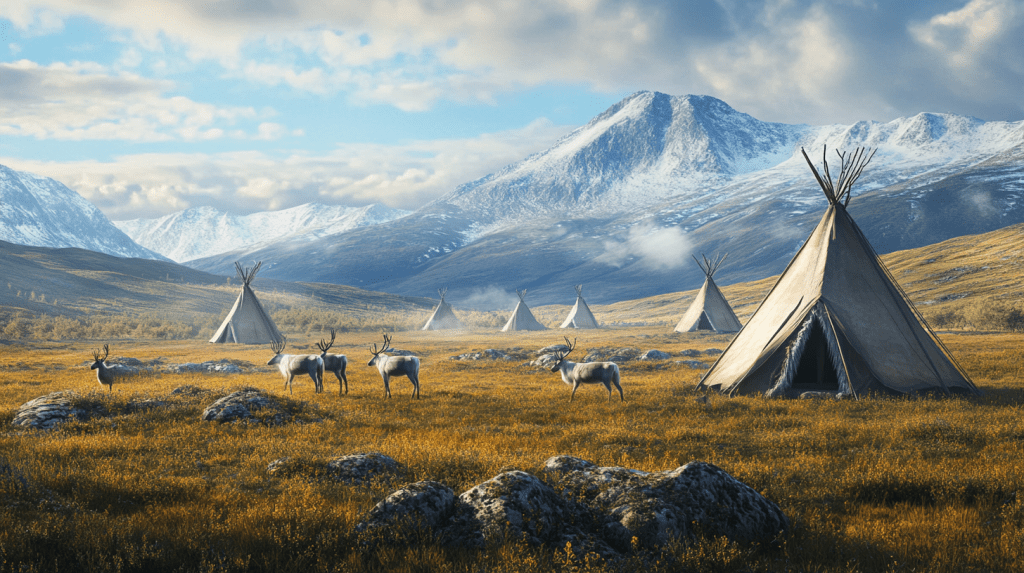
“Yes, the Sámi have lived in the northern parts of Sweden, Norway, Finland, and Russia for thousands of years. They’re traditionally reindeer herders and have a very close relationship with nature. They speak the Sámi language, although not everyone uses it anymore, and they have their own traditions and cultural practices that are recognized by the Swedish government."
“So their way of life is quite different from the rest of the country?"
“Exactly," Emily explained. “The Sámi live in the far north, where the climate is harsh, and their connection to nature is central to their culture. But as you move south, especially to the urban areas like Stockholm, Gothenburg, and Malmö, you see a more modern, cosmopolitan population. Immigration, especially in the last few decades, has brought people from all over the world to Sweden, which has added to the diversity here."
Sarah nodded. “That must have influenced the languages spoken here too, right?"
“Yes," Emily said. “Swedish is the official language, but you’ll also hear Finnish in some regions, particularly along the border with Finland. The Sámi language is protected and taught in schools in the north, and immigrants bring their own languages too. So, you’ll hear Arabic, Kurdish, and other languages spoken in cities."
Sarah raised her eyebrows. “I didn’t realize Sweden had such a multilingual society. Does everyone speak English too?"
Emily smiled. “Pretty much. English is taught from a young age, so most Swedes are fluent. It’s common to hear people switch between Swedish and English in everyday conversations, especially in the bigger cities and with tourists."
Sarah took a moment to absorb everything. “It’s interesting how a country can be both very modern and deeply rooted in tradition, with so many influences blending together."
Emily nodded in agreement. “That’s the beauty of Sweden. It’s a mix of ancient traditions, like those of the Sámi people, and the modern, globalized culture you find in the cities. And each region has its own identity, shaped by its geography, economy, and the people who live there."
場景四: 人民與語言
莎拉吃完最後一口蘋果蛋糕後,靠在椅子上,伸了個懶腰。「你知道嗎,了解了這裡的經濟、氣候和食物後,我很好奇這個國家的人民呢?瑞典看起來似乎有一個很統一的文化,但真的是這樣嗎?」
艾米麗若有所思地點點頭。「人們通常認為瑞典是一個相對同質化的國家,但其實瑞典相當多元化,特別是近幾十年來。在北方有薩米族,他們有自己的語言和傳統,而且多年來還有很多來自芬蘭、中東和東歐的移民。」
莎拉顯得很感興趣。「我沒想到薩米族也是瑞典的一部分。他們有獨特的文化嗎?」
「是的,薩米族已經在瑞典、挪威、芬蘭和俄羅斯的北部生活了數千年。他們以馴養馴鹿為生,與自然的關係非常緊密。他們說薩米語,雖然不是每個人都還在使用,但他們的傳統和文化習俗受到了瑞典政府的保護和承認。」
「那他們的生活方式應該和瑞典其他地區很不一樣吧?」
「沒錯,」艾米麗解釋道。「薩米族住在極北地區,那裡的氣候非常嚴酷,他們的文化與自然有著深厚的聯繫。不過當你往南走,特別是到斯德哥爾摩、哥德堡和馬爾默這些城市時,你會看到一個更加現代和多元化的社會。特別是最近幾十年的移民,帶來了來自世界各地的人,讓瑞典變得更加多樣化。」
莎拉點了點頭。「這應該也影響了這裡的語言吧?」
「是的,」艾米麗說。「瑞典語是官方語言,但在某些地區,特別是靠近芬蘭的邊境,還能聽到芬蘭語。薩米語在北部受保護,並在學校教授。此外,移民帶來了他們自己的語言,所以你在城市裡也會聽到阿拉伯語、庫爾德語等語言。」
莎拉驚訝地說:「我沒想到瑞典是這麼多語的社會。那大家也會說英語嗎?」
艾米麗笑了笑。「幾乎每個人都會。英語從小就開始學習,所以大多數瑞典人都很流利。在大城市裡,尤其是和遊客打交道時,你常常會聽到人們在瑞典語和英語之間自由切換。」
莎拉消化著這些信息,說:「真有趣,一個國家既可以非常現代化,又可以深深植根於傳統,同時還融合了許多不同的影響。」
艾米麗點頭同意。「這就是瑞典的美妙之處。它既有像薩米族這樣古老的傳統,又有現代化的全球文化,而每個地區都有自己的身份,這些身份是由地理、經濟和當地的人們共同塑造的。」
Scene 5: Taking a Walk in the Garden
After settling into their rooms, neither Sarah nor Emily was quite ready to end the evening. Instead, they decided to meet back downstairs and explore what the manor house had to offer after dark.
The moment they stepped into the lounge, they were greeted by the soft glow of the fireplace. The room was warm and inviting, with plush armchairs and old wooden bookshelves filled with leather-bound volumes. A few other guests were quietly reading or chatting over drinks.
“Shall we sit by the fire for a bit?" Emily suggested, gesturing toward the open hearth.
Sarah smiled. “That sounds perfect. We can enjoy some tea and relax."
They settled into the armchairs near the fire, and a waiter brought over steaming cups of herbal tea along with a small tray of delicate Swedish pastries. The warmth of the fire and the quiet murmur of conversation created a peaceful atmosphere.
After a while, Emily glanced out of the large windows. “You know, the gardens must look beautiful in the moonlight. Do you want to take a quick walk?"
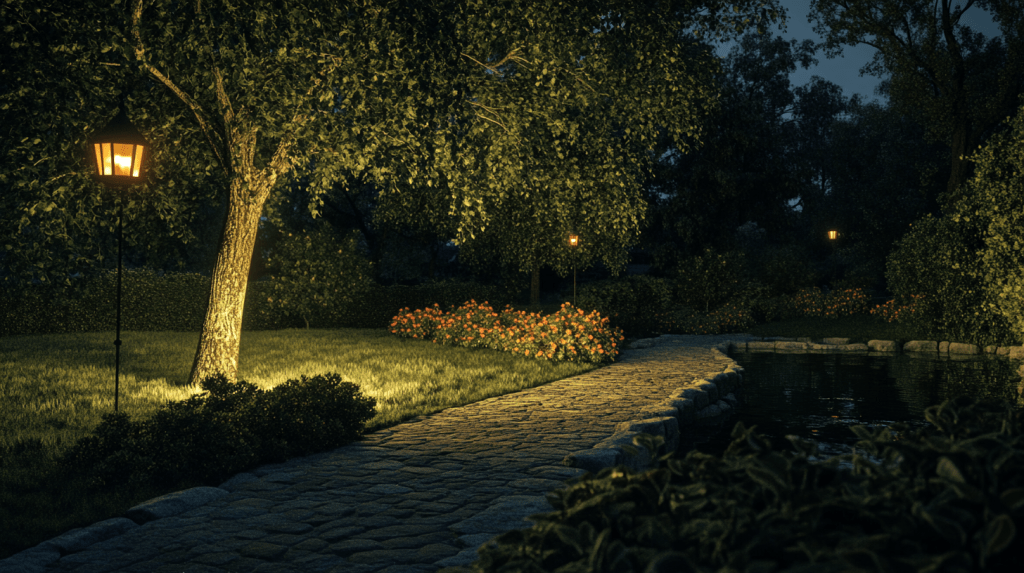
Sarah nodded, intrigued by the idea. They both wrapped themselves in their coats and stepped outside into the cool night air. The garden was bathed in soft moonlight, the pathways lit by lanterns, casting gentle shadows across the stone paths and flowerbeds.

“This is magical," Sarah whispered, looking up at the starry sky. “It feels like we’ve stepped into another world."
Emily smiled. “It’s incredible how quiet it is. You’d never guess we were just a short drive away from the city."
They strolled through the garden, passing by a small pond where the moonlight reflected off the still water. The rustling of leaves and the distant call of an owl added to the peaceful, almost dreamlike ambiance of the evening.
After their walk, they returned to the manor, pausing to take in one final look at the glowing garden before heading upstairs to their rooms.
場景 5: 花園散步
在各自的房間稍作休息後,莎拉和艾米麗都還不太想結束這個晚上。她們決定再次在樓下見面,看看莊園晚上會有哪些美麗的景色。
當她們踏入休息室時,柔和的壁爐火光迎接了她們。房間裡溫暖而迷人,配有舒適的扶手椅和裝滿皮革書籍的老式書架。幾位其他客人正靜靜地閱讀或在品酒閒聊。
「我們坐在壁爐邊一會兒怎麼樣?」艾米麗指著那片溫暖的火堆說。
莎拉微笑著回答:「聽起來不錯,我們可以喝點茶,放鬆一下。」
她們舒適地坐在壁爐旁的扶手椅上,侍者端來了熱氣騰騰的草本茶,還有一小盤精緻的瑞典甜點。火焰的溫暖和輕聲的交談聲讓整個氣氛非常平靜。
過了一會兒,艾米麗瞥了一眼大窗戶外面。「你知道嗎,花園在月光下應該很美,要不要出去走走?」
莎拉點點頭,被這個想法吸引了。她們穿上外套,走到清涼的夜色中。花園在月光下閃閃發亮,小路上點著燈籠,燈光溫柔地灑在石徑和花壇上。
「真是太夢幻了,」莎拉輕聲說著,抬頭看著星空。「感覺像是走進了另一個世界。」
艾米麗微笑著說:「這裡的安靜讓人難以置信,完全看不出我們離城市這麼近。」
她們在花園裡悠閒地散步,經過一個小池塘,月光映照在平靜的水面上。樹葉沙沙作響,遠處傳來一聲貓頭鷹的叫聲,讓這寧靜、如夢似幻的夜晚更添一絲神秘感。
散步後,她們回到莊園,停下來最後欣賞了一眼燈光照耀下的花園,然後才回到樓上各自的房間。


發表留言