
Scene 1: Plan for the Journey to Monsaraz
Scene opens with Clara and Isabel walking out of the conference at Universidade de Évora.
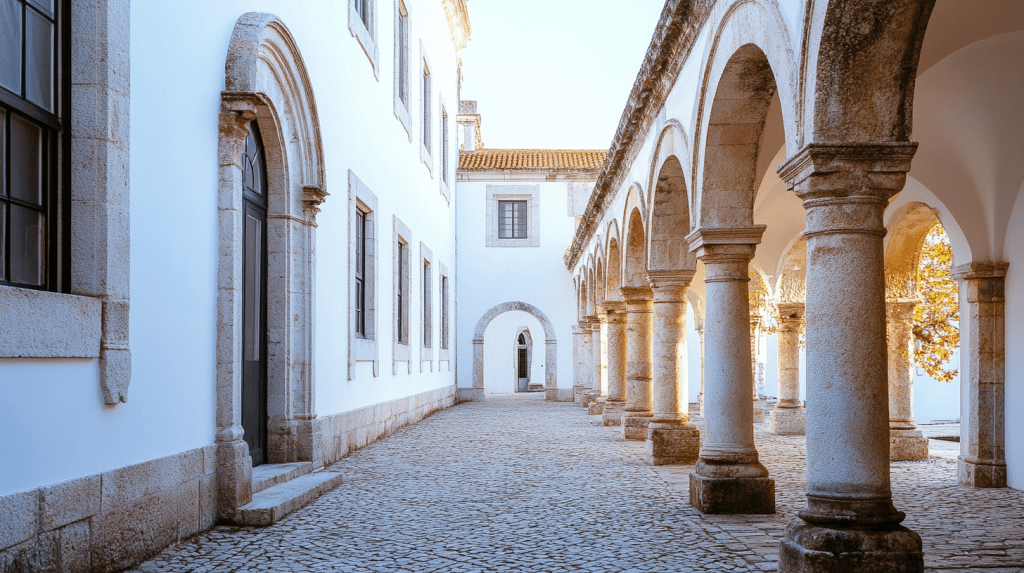
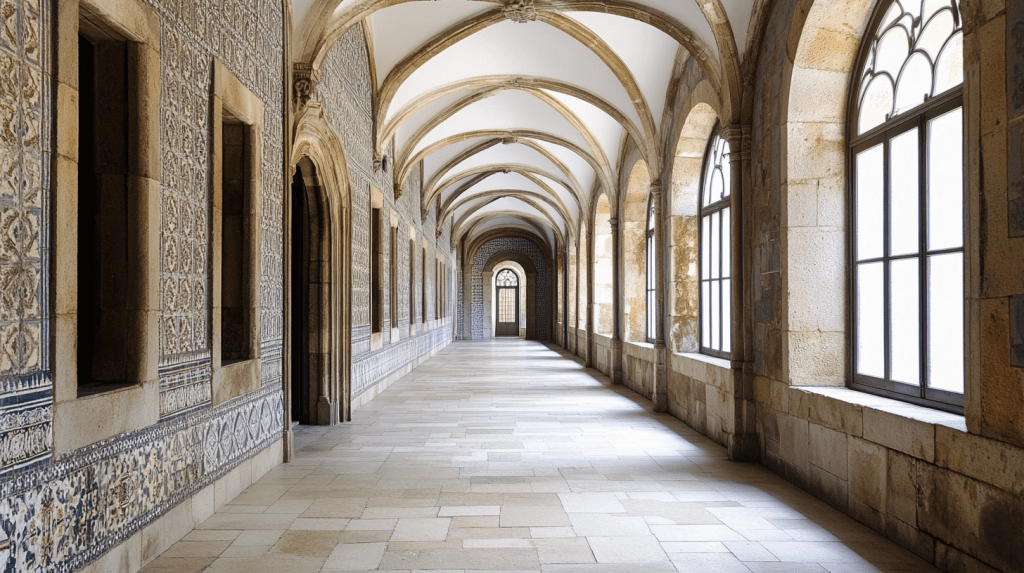
Clara: “That was a fascinating few days. I never thought I’d be so interested in rural history, but learning about the evolution of agricultural landscapes in Portugal was eye-opening."
Isabel: [nodding] “I know, right? Évora is the perfect place for a conference like that. This city is full of layers—Roman ruins, Moorish architecture, medieval history. You can see how all those influences are reflected in the countryside."
Clara: “I can’t wait to actually get out there and see it up close. You mentioned a few villages you wanted to stop by on the way to the coast?"
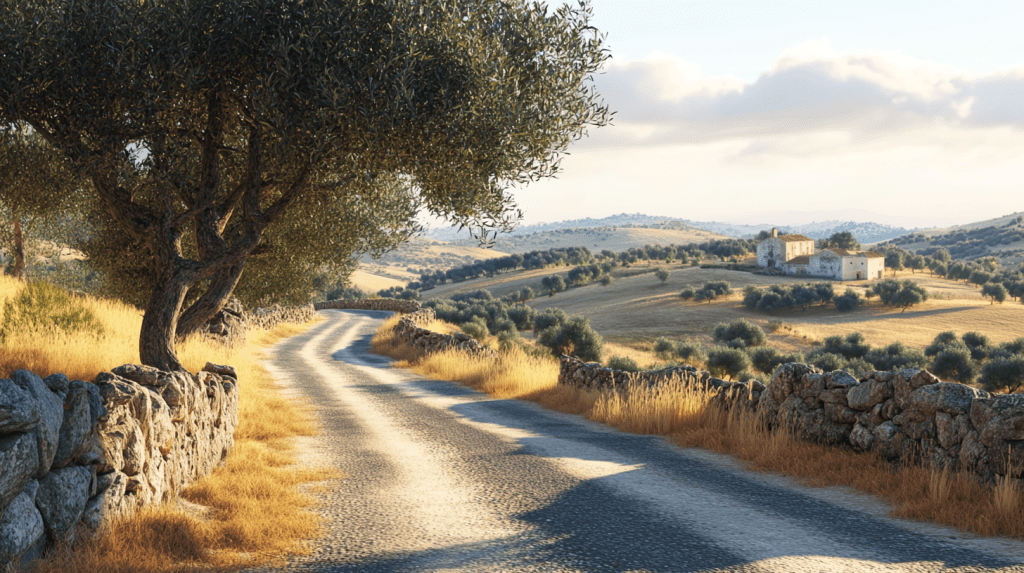
Isabel: “Yes, there are some beautiful hilltop towns like Monsaraz that are practically untouched by time. But first, I thought we could just take a scenic drive through the vineyards and olive groves—get a real feel for Alentejo’s agricultural heritage."
They get into the car, driving through Évora’s narrow streets and into the open countryside.
場景 1: 旅遊計畫 – 探索蒙薩拉斯
場景開啟,克拉拉和伊莎貝爾走出埃武拉大學的學術會議。
克拉拉:「這幾天真是太有意思了。我從來沒想過自己會對農村歷史這麼感興趣,但了解葡萄牙農業景觀的演變真是讓人大開眼界。」
伊莎貝爾:[點頭]「對啊,埃武拉真是舉辦這種會議的完美地點。這座城市有著豐富的歷史層次——羅馬遺跡、摩爾建築、中世紀歷史。你可以看到這些影響如何反映在鄉村裡。」
克拉拉:「我迫不及待想要親眼看看了。你提到過幾個你想去的村莊,它們是在通往海岸的路上嗎?」
伊莎貝爾:「是的,有些像蒙薩拉斯這樣的美麗山頂小鎮,幾乎保持了原始狀態。但我首先想帶你來一段風景優美的自駕旅程,穿越葡萄園和橄欖樹林,真切感受阿連特茹的農業傳統。」
她們上車,駛過埃武拉狹窄的街道,進入開闊的鄉村。

Scene 2: Chatting about the Strategic Significance of Monsaraz in the 14th Century
As they drove out of Évora, the landscape began to shift. The rolling hills stretched out, dotted with olive trees and vineyards. The air was warm, and the sky was a deep, cloudless blue. Clara glanced over at Isabel, who was navigating with the map open in her lap.
Clara: “So where are we headed next? I know you’ve got something special planned."
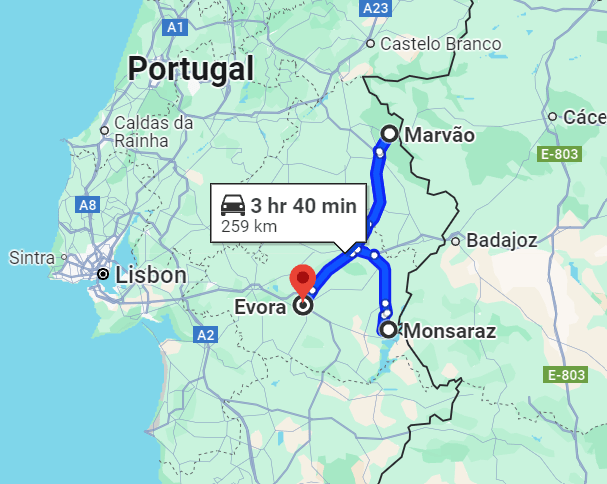
Isabel: [smiling] “We’re going to Monsaraz. It’s one of the most beautiful villages in Portugal. The drive there is quiet, and when we reach the top, we’ll have panoramic views of the entire Alentejo region."
Clara: “Monsaraz? I’ve heard of it. Isn’t it a medieval town? I remember reading something about the fortifications."
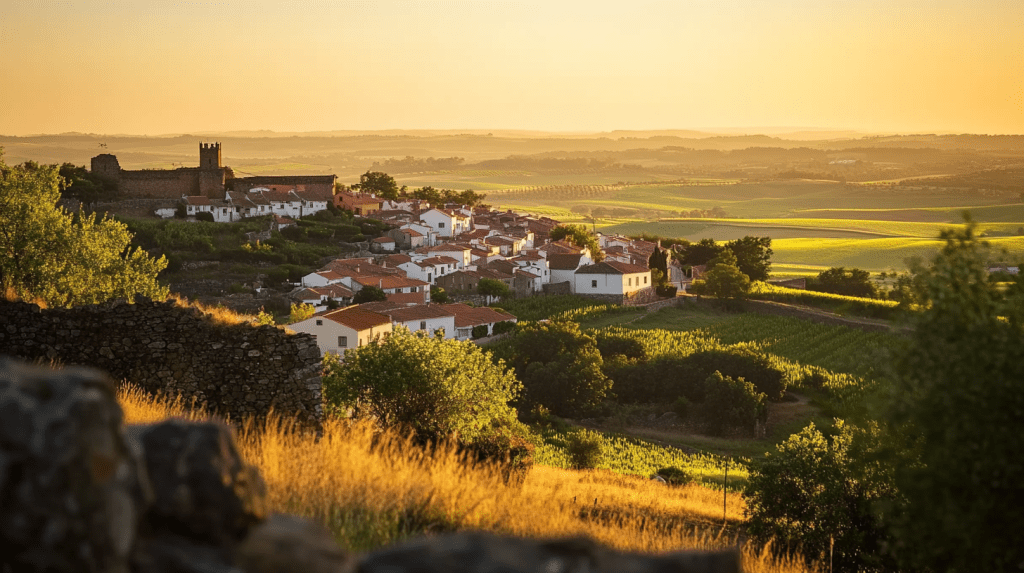
Isabel: “Exactly. The fortifications were built in the 14th century, during a time when the Kingdom of Portugal was still solidifying its borders. This region was especially important because it was close to the Spanish Kingdoms, and both sides wanted control over these lands. Monsaraz’s hilltop location made it a strategic defensive point."
Clara: [nodding thoughtfully] “So it wasn’t just a picturesque village—it had real military importance."
Isabel: “Absolutely. The castle and walls were crucial during the Reconquista and after, as the Portuguese crown sought to protect its territories from Castilian incursions. Monsaraz was a military outpost, guarding the borderlands and ensuring that the area stayed under Portuguese control. The fact that it’s so well-preserved today gives us a glimpse into that medieval history."
Clara: “That’s fascinating. It’s always the small towns with the most interesting stories."
Isabel: [smiling] “That’s what I love about these places. It’s not just the beauty—it’s the history that’s embedded in the walls. And once we get there, you’ll see what I mean. The views over the Alqueva Lake are breathtaking, and you can really imagine what it must have been like for the soldiers stationed there, keeping watch over the plains."
The countryside passed by, with the road occasionally lined with stone walls and vineyards. Clara could feel the pace of life slowing down as they moved farther away from the bustle of Évora.
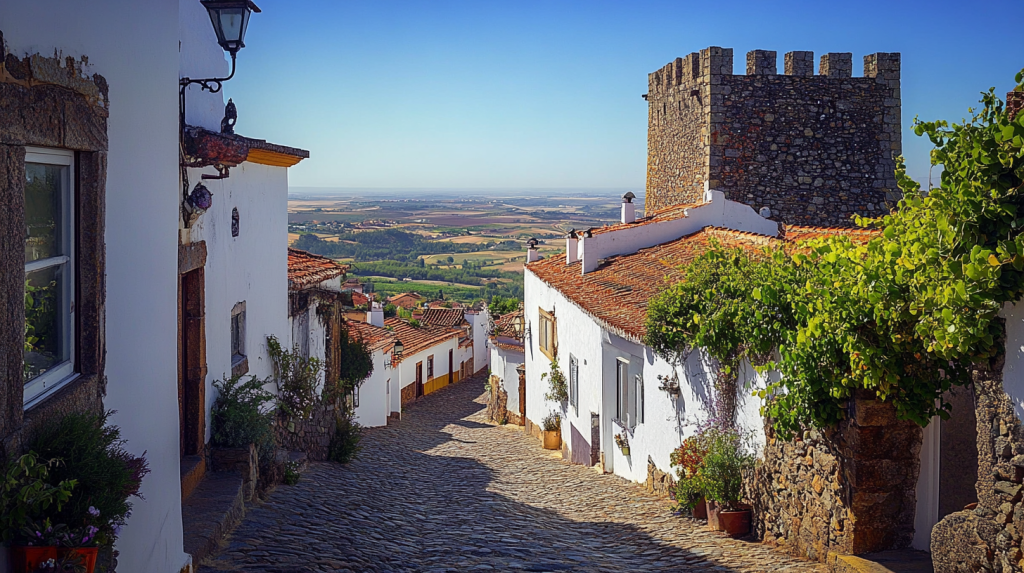
場景 2: 聊天內容 14世紀蒙薩拉斯的戰略意義
當她們駛出埃武拉時,景色開始發生變化。連綿起伏的山丘上點綴著橄欖樹和葡萄園。空氣溫暖,天空是深藍色,沒有一絲雲彩。克拉拉瞥了一眼正專注看著地圖的伊莎貝爾。
克拉拉:「接下來我們要去哪裡?我知道你一定安排了什麼特別的行程。」
伊莎貝爾:[微笑著]「我們要去蒙薩拉斯。這是葡萄牙最美麗的村莊之一。那裡的路很安靜,當我們到達山頂時,你可以俯瞰整個阿連特茹地區。」
克拉拉:「蒙薩拉斯?我聽說過這個地方。這不是一座中世紀的小鎮嗎?我記得看過一些關於它的防禦工事的資料。」
伊莎貝爾:「沒錯。這些防禦工事是在14世紀建成的,那時葡萄牙王國正在鞏固它的邊界。這個地區非常重要,因為它靠近西班牙王國,雙方都想控制這片土地。蒙薩拉斯的山頂位置使它成為一個重要的防禦點。」
克拉拉:[若有所思地點頭]「所以這不僅僅是一個美麗的村莊——它當時有著重大的軍事價值。」
伊莎貝爾:「當然。城堡和城牆在收復失地運動(Reconquista)期間及其後,對於保護葡萄牙領土免受卡斯蒂利亞的入侵起到了至關重要的作用。蒙薩拉斯是個軍事哨所,守護著邊境,確保這片地區繼續處於葡萄牙的控制之下。這座村莊保存得如此完好,讓我們得以一窺中世紀的歷史。」
克拉拉:「這真是太有趣了。總是這些小鎮有著最引人入勝的故事。」
伊莎貝爾:[微笑著]「這也是我喜歡這些地方的原因。不僅僅是美麗——歷史也深深嵌在這些城牆裡。等我們到了那裡,你就會明白我的意思。從阿爾蓋瓦湖上俯瞰的景色令人驚嘆,你可以想像當時駐紮在那裡的士兵是如何守望這片平原的。」
鄉間的景色飛快掠過,路旁偶爾可以看到石牆和葡萄園。隨著她們遠離埃武拉的喧囂,克拉拉感覺到生活節奏慢了下來。

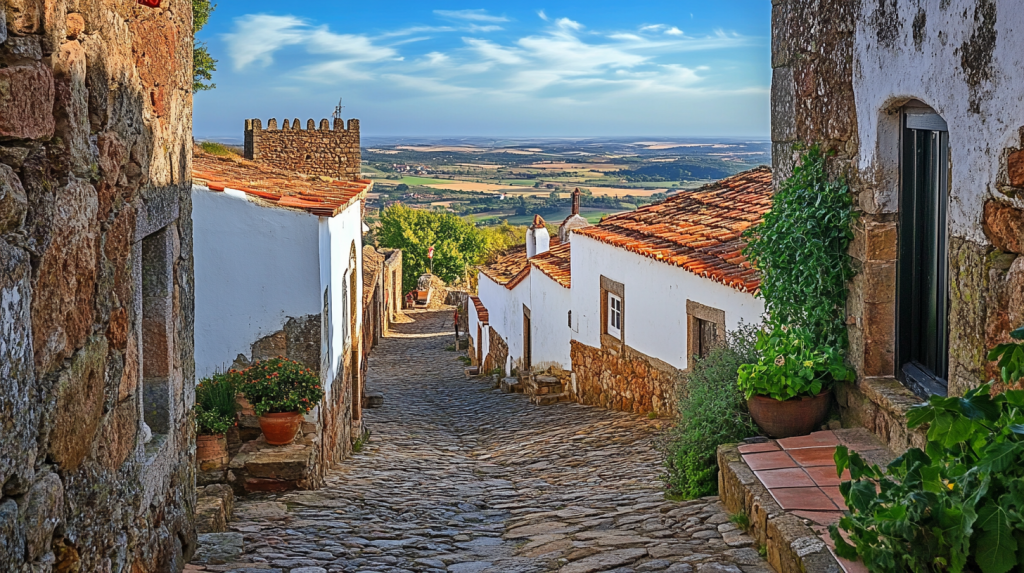
Additional Historical Context:
- 14th Century Background: During the 14th century, the Reconquista was completed, but border disputes between Portugal and the neighboring Castilian kingdoms persisted. The fortified villages like Monsaraz were built to protect the Portuguese frontier.
- Alqueva Lake: While the lake is a modern addition (created in the early 2000s), the surrounding landscape is timeless, and the village’s strategic location on the hill would have offered commanding views of the entire region.
其他歷史背景:
14世紀背景:在14世紀,收復失地運動(Reconquista)已經完成,但葡萄牙與鄰近的卡斯蒂利亞王國之間的邊界爭端仍在繼續。像蒙薩拉斯這樣的防禦村莊是為了保護葡萄牙邊境而建造的。
阿爾蓋瓦湖:雖然這座湖泊是現代的產物(建於2000年代初),但周圍的景觀自古以來未有太大改變。該村莊位於山頂的戰略位置,可以俯瞰整個地區的壯麗景色。
Scene 3:View from the Ancient Stone Walls at the Plains
As they walked along the cobblestone streets of Monsaraz, Sarah paused near one of the ancient stone walls, gazing out over the vast Alentejo plains.
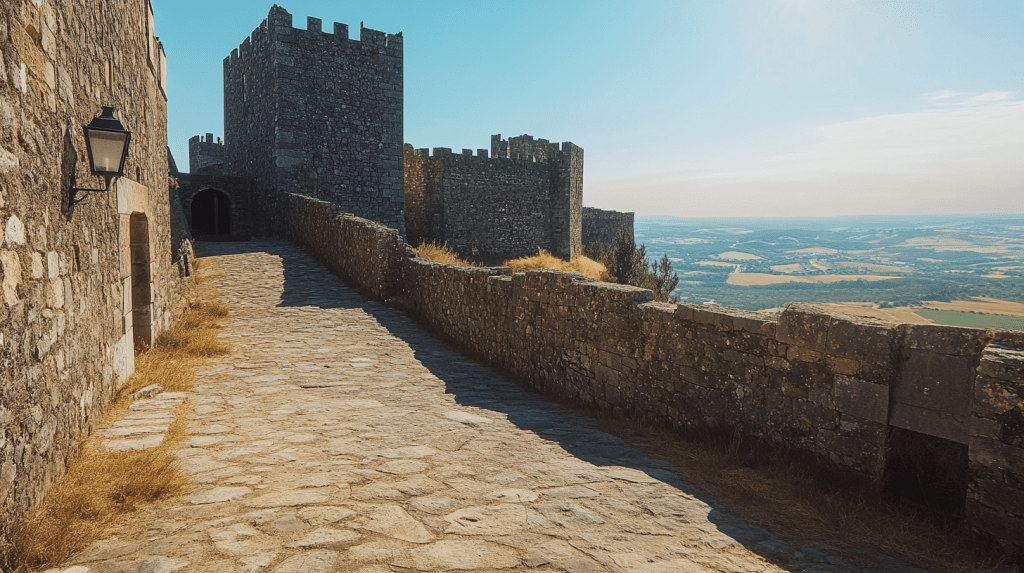
“I can see why this place was so important," Sarah said, her voice thoughtful. “Monsaraz is perched so high, it must have been a perfect lookout point back in the 14th century."
Emily nodded. “Exactly. Monsaraz was a strategic fortress for centuries. Its position allowed them to keep an eye on the border with Castile and control the surrounding plains. It was a key stronghold for the Portuguese during the wars of reconquest and defense."
Sarah traced her fingers along the weathered stone. “It’s amazing to think that these walls have seen so much history—battles, invasions, sieges. The landscape seems so peaceful now, but back then it must have been filled with tension."
Emily smiled. “Yes, the contrast is striking. In the 14th century, Portugal was still establishing its independence, and Monsaraz played a crucial role in protecting the kingdom. The castle you see here was built as part of a network of fortresses to defend against the Castilian armies."
As they continued to walk through the narrow streets, Sarah asked, “So, who controlled this area during the most intense conflicts?"
“It was under the control of the Order of Santiago," Emily explained. “They were granted Monsaraz in the late 13th century to help protect the frontier. The Order was a military and religious force, and they played a vital role in defending the newly established Portuguese borders."
Sarah paused, looking over the town. “It’s incredible to think how the geography of this region shaped its history. Monsaraz wasn’t just a pretty village—it was a critical part of Portugal’s defense strategy."
場景 3: 從古老城牆眺望平原
當她們沿著蒙薩拉什的鵝卵石街道漫步時,莎拉停在一堵古老的石牆旁,凝視著遼闊的阿連特茹平原。

「我現在明白為什麼這個地方那麼重要了,」莎拉若有所思地說。「蒙薩拉什居高臨下,當時一定是個完美的瞭望點。」
艾米麗點頭說:「沒錯。蒙薩拉什世世代代都是一個戰略要塞。它的地理位置讓他們可以監視卡斯蒂利亞的邊境,並控制周圍的平原。在葡萄牙的重奪領土和防禦戰中,這裡是個關鍵據點。」
莎拉用手指輕輕觸摸著那些飽經風霜的石頭。「真難以想像,這些城牆見證了那麼多歷史——戰爭、入侵、圍攻。現在看起來這片風景如此平靜,但當時一定充滿了緊張氣氛。」
艾米麗微笑道:「是的,這種對比非常鮮明。在十四世紀,葡萄牙還在建立獨立地位,而蒙薩拉什在保護王國的過程中發揮了至關重要的作用。你現在看到的這座城堡,是當時為防禦卡斯蒂利亞軍隊而建的一系列要塞之一。」
她們繼續走在狹窄的街道上,莎拉問道:「那麼,在最激烈的衝突時,這片地區由誰控制?」
「這裡當時由聖地亞哥騎士團控制,」艾米麗解釋說。「他們在十三世紀末獲得了蒙薩拉什的控制權,幫助保護邊境。聖地亞哥騎士團是一支軍事和宗教力量,在保衛葡萄牙剛剛建立的邊界上發揮了重要作用。」
莎拉停下來,環顧這座小鎮。「真是不可思議,地理位置竟然塑造了這個地區的歷史。蒙薩拉什不僅僅是一個美麗的村莊,它是葡萄牙防禦戰略中的關鍵一環。」
Scene 4 – Local Culture and Cuisine in Monsaraz
After their walk through the historic streets of Monsaraz, Emily and Sarah found a small tavern nestled in the heart of the village. The stone walls were cool to the touch, and the scent of freshly baked bread filled the air. They settled into a wooden table by the window, overlooking the sweeping Alentejo plains.

“This place has so much history, but what really strikes me is how alive the culture still feels," Sarah said, glancing around at the locals gathered inside. “You can see it in the food, the music, and even the architecture."
Emily nodded as the waiter brought over a basket of warm bread and a plate of presunto—Portuguese dry-cured ham. “Yes, Monsaraz may be rooted in its medieval past, but the traditions are still strong. Alentejo is known for its agricultural heritage, and you can really taste it in the food."
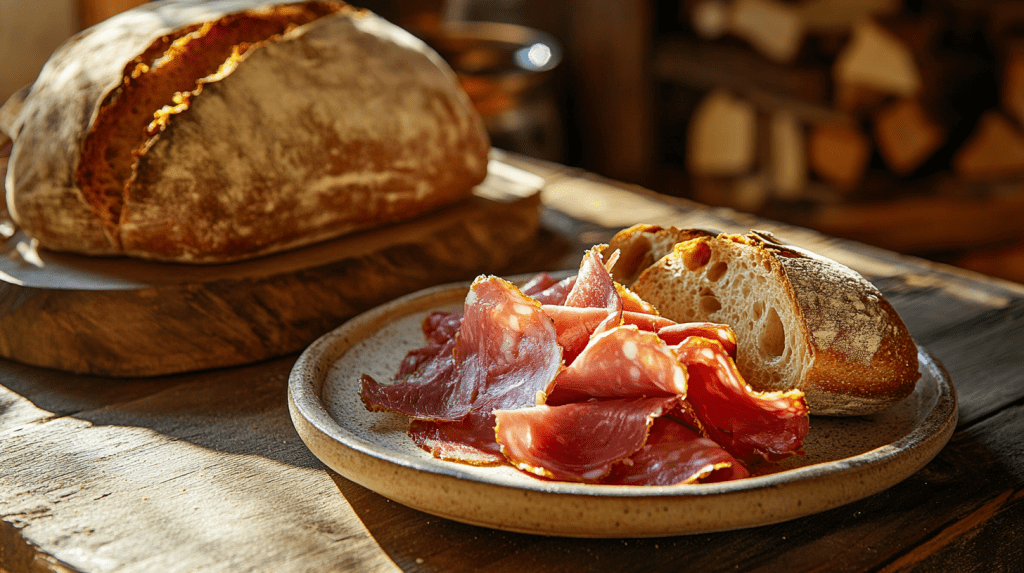
Sarah picked up a piece of bread, dipping it in olive oil. “I’ve noticed that even in the simplest dishes, everything tastes fresh and local. What’s this dish called again?"
“Presunto, paired with local bread and olive oil," Emily explained. “It’s a traditional snack in this region. You’ll also find a lot of stews and grilled meats on the menu, like migas and carne de porco à Alentejana. Simple, hearty food."
As they enjoyed the meal, Sarah gazed out at the sun beginning to set over the plains. “It’s amazing how Monsaraz has preserved both its history and its culture. You don’t see that often these days."
Emily smiled. “That’s the beauty of this region. The slower pace of life, the connection to the land—it’s all part of what makes Alentejo and places like Monsaraz so special."
場景 4: 蒙薩拉什的當地文化與美食
在漫步完蒙薩拉什的歷史街道後,艾米麗和莎拉來到了一家隱藏在村莊中心的小酒館。石牆帶著絲絲涼意,空氣中彌漫著新鮮麵包的香氣。她們選了一張靠窗的木桌,窗外可以俯瞰阿連特茹的廣闊平原。

「這個地方有這麼深厚的歷史,但真正打動我的是它的文化依然這麼有活力,」莎拉環顧著酒館裡的當地人說。「你可以從食物、音樂,甚至建築中感受到。」
服務生端來了一籃熱騰騰的麵包和一盤葡萄牙火腿,艾米麗點點頭。「是的,蒙薩拉什深深扎根於它的中世紀歷史,但傳統依然保留得很完整。阿連特茹地區以農業傳統聞名,你可以從食物中嚐到這一點。」
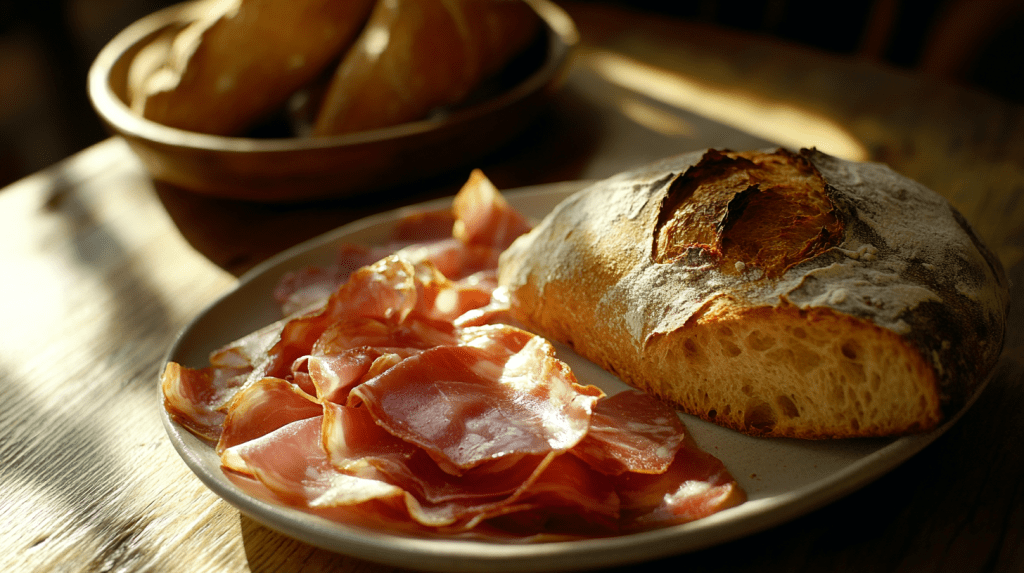
莎拉拿起一片麵包,蘸了一點橄欖油。「我注意到,即使是最簡單的菜肴,食材也非常新鮮,完全是本地的味道。這道菜叫什麼來著?」
「這是葡萄牙火腿,搭配當地的麵包和橄欖油,」艾米麗解釋道。「這是這個地區的傳統小吃。你還會在菜單上看到很多燉菜和烤肉,比如麵包屑炒菜和阿連特茹豬肉。簡單而豐富的料理。」
她們一邊享用美食,莎拉望著太陽漸漸沉入平原。「真令人驚嘆,蒙薩拉什不僅保留了它的歷史,還保留了它的文化。現在很少有地方能做到這一點。」
艾米麗微笑道:「這就是這個地區的美妙之處。生活的節奏較慢,與土地的聯繫如此緊密——這些都是阿連特茹和蒙薩拉什這類地方如此特別的原因。」
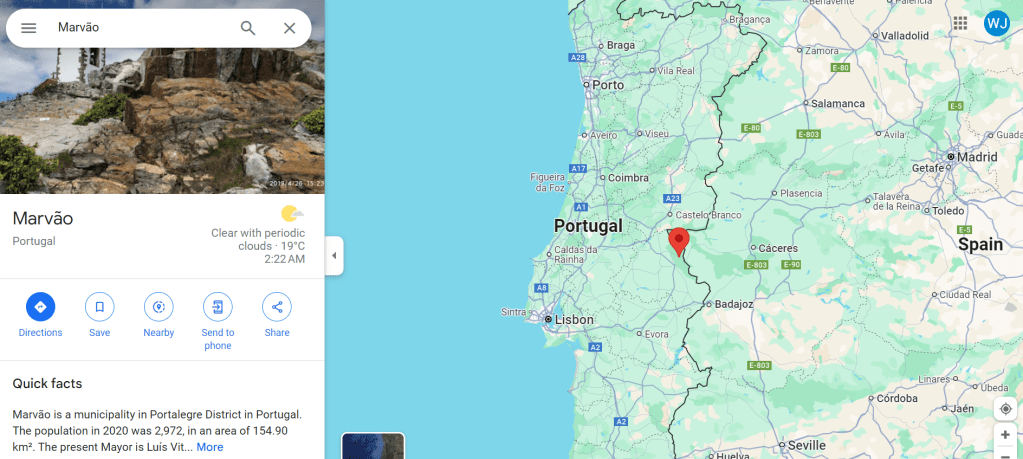
Scene 5 – Arrival in Marvão
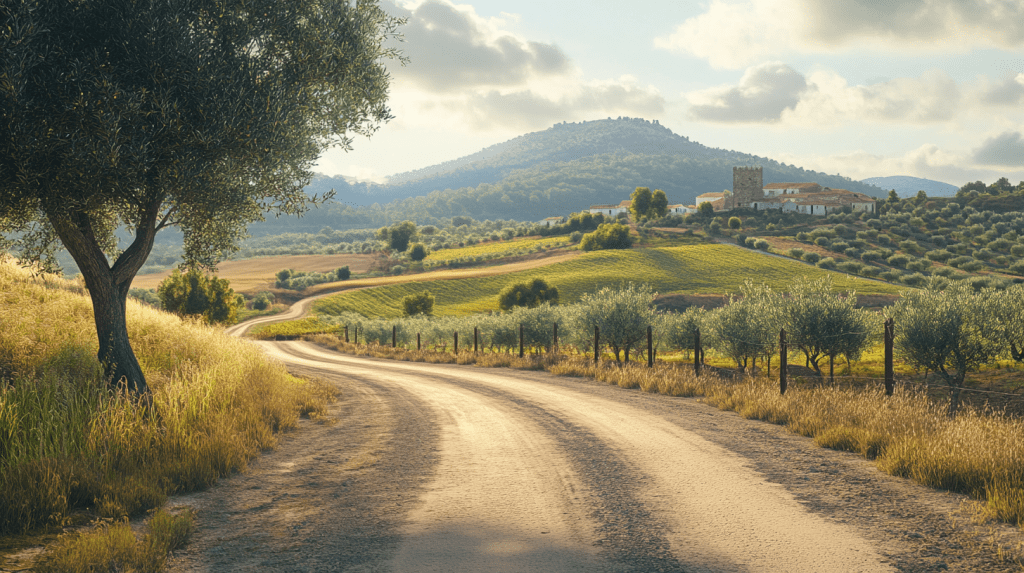
After the scenic drive from Monsaraz, Emily and Sarah approached the hilltop town of Marvão. The winding roads gradually led them higher, revealing breathtaking views of the surrounding landscape. The medieval walls of Marvão stood tall against the clear blue sky, a reminder of the town’s ancient history.
As they parked near the entrance of the town, Sarah stepped out of the car and took in the view. “Wow, this place really does feel like stepping back in time. It’s like a fortress in the sky."
Emily smiled. “That’s exactly what Marvão is. This town has been a strategic lookout for centuries. You can see why—it’s nearly impossible to surprise anyone up here."
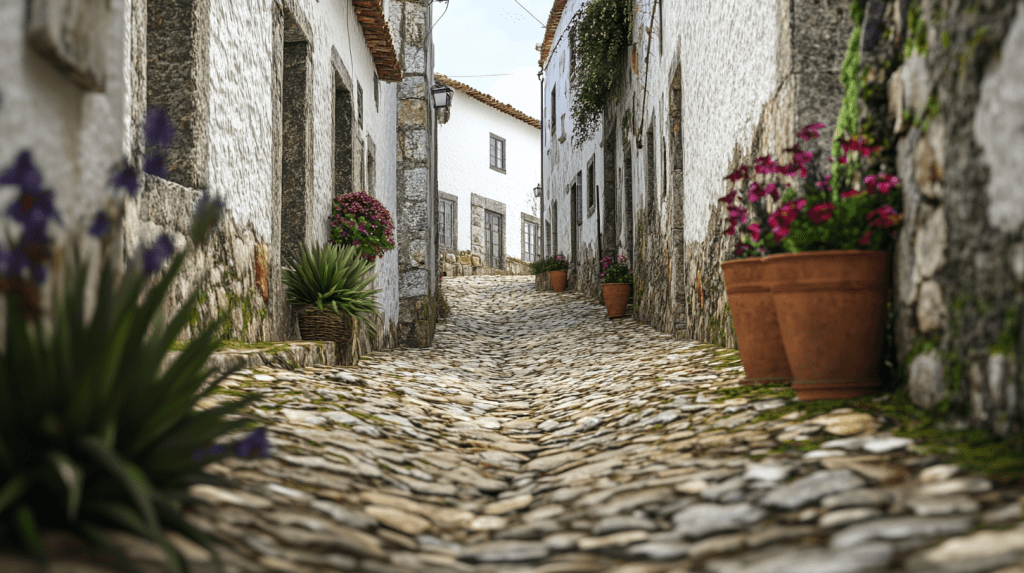
They walked through the narrow stone streets, the sound of their footsteps echoing against the ancient buildings. The town felt peaceful, with its well-preserved medieval architecture and the occasional flower pot brightening up the whitewashed walls.
As they approached the castle, Sarah looked around in awe. “This must have been an incredible stronghold during medieval times."
Emily nodded. “Marvão’s location made it a key defensive point during the wars between Portugal and Castile. The views from the castle are stunning—you can see for miles across the countryside."
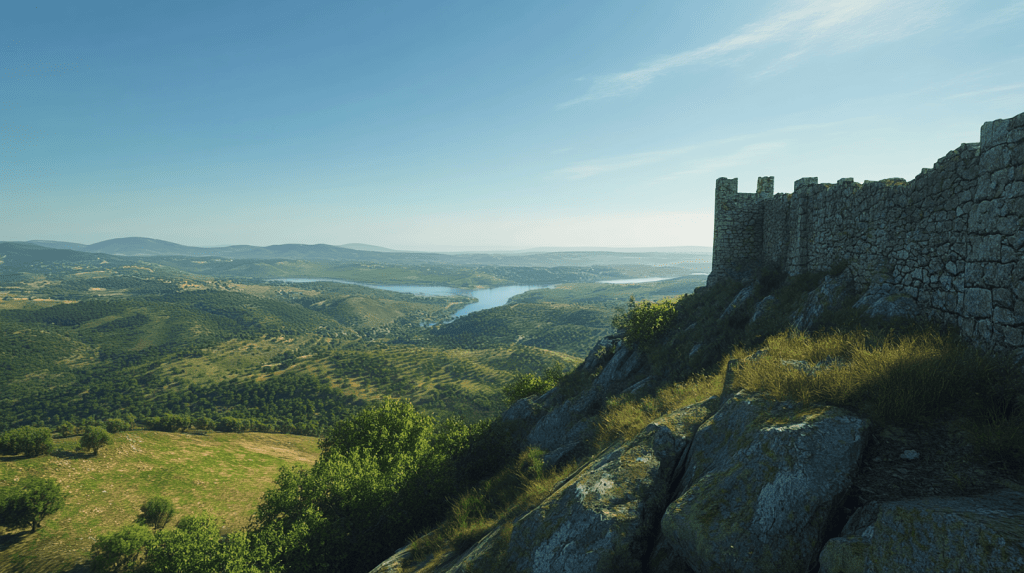
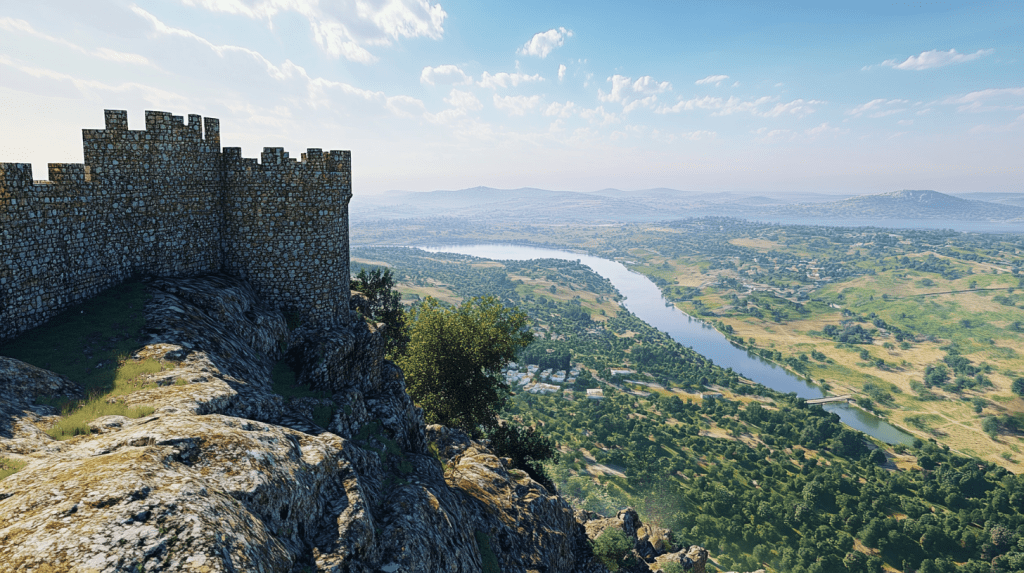
They climbed to the top of the castle, where the panoramic view took their breath away. The rolling hills of Alentejo stretched out in every direction, with the Tagus River shimmering in the distance.
“This is amazing," Sarah said quietly. “I can see why so many people are drawn to this place. It’s like time has stood still here."
場景 5 – 抵達馬爾旺
從蒙薩拉什出發的風景如畫的車程後,艾米麗和莎拉來到了山頂小鎮馬爾旺。蜿蜒的道路逐漸帶她們登高,露出了令人嘆為觀止的周邊景色。馬爾旺的中世紀城牆在藍天下高聳,提醒著人們這座小鎮的古老歷史。

當她們在小鎮入口附近停好車時,莎拉下車,環顧四周。「哇,這地方真的像是回到了過去。就像是天上的堡壘。」
艾米麗微笑著說:「這正是馬爾旺的魅力所在。這座小鎮幾個世紀以來一直是戰略要地。你可以想像,站在這裡,很難有人能對這裡發動突襲。」
她們走在狹窄的石板街道上,腳步聲在古老的建築間迴盪。這座小鎮非常安靜,中世紀建築保存完好,偶爾幾盆花點綴著白色的牆壁,為小鎮增添了幾分生氣。
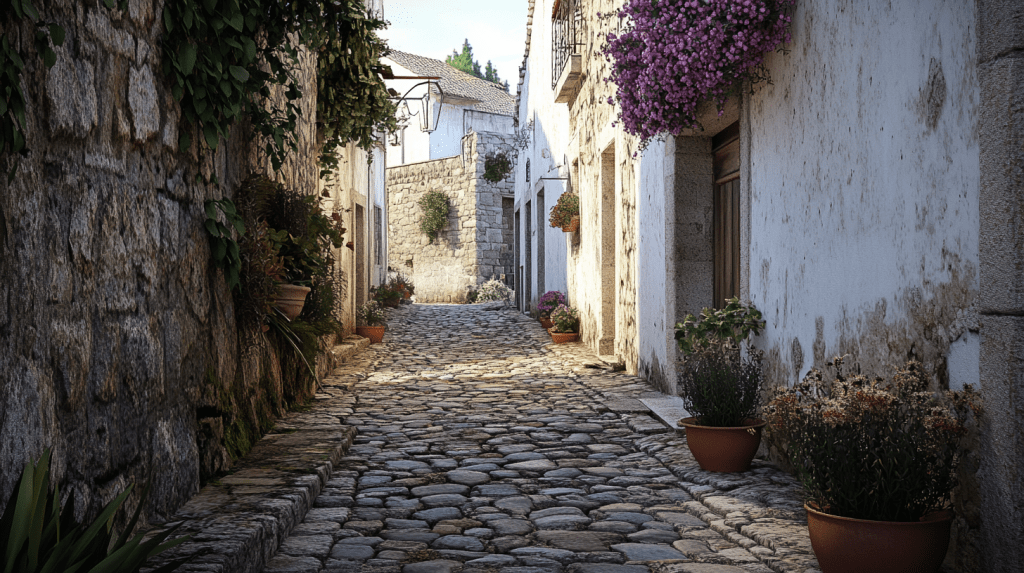
當她們走近城堡時,莎拉四處看著,滿眼驚嘆。「在中世紀時,這裡一定是個了不起的要塞。」
艾米麗點頭道:「馬爾旺的位置使它在葡萄牙和卡斯蒂利亞的戰爭中成為一個關鍵的防禦點。站在城堡上,你可以看到無盡的美景——周圍的鄉村景色一覽無遺。」
她們爬上城堡的頂端,開闊的全景讓她們屏息。阿連特茹的起伏山丘向四面八方延伸,遠處的塔霍河在陽光下閃閃發光。
莎拉靜靜地說:「這太美了。難怪這裡吸引了那麼多人。感覺像是時間在這裡停滯了。」

 Virtual Travel | 虛擬旅行沉浸式英語學習
回覆給The Virtual World Explorer 取消回覆