
Scene 1: Wrapping Up the Conference

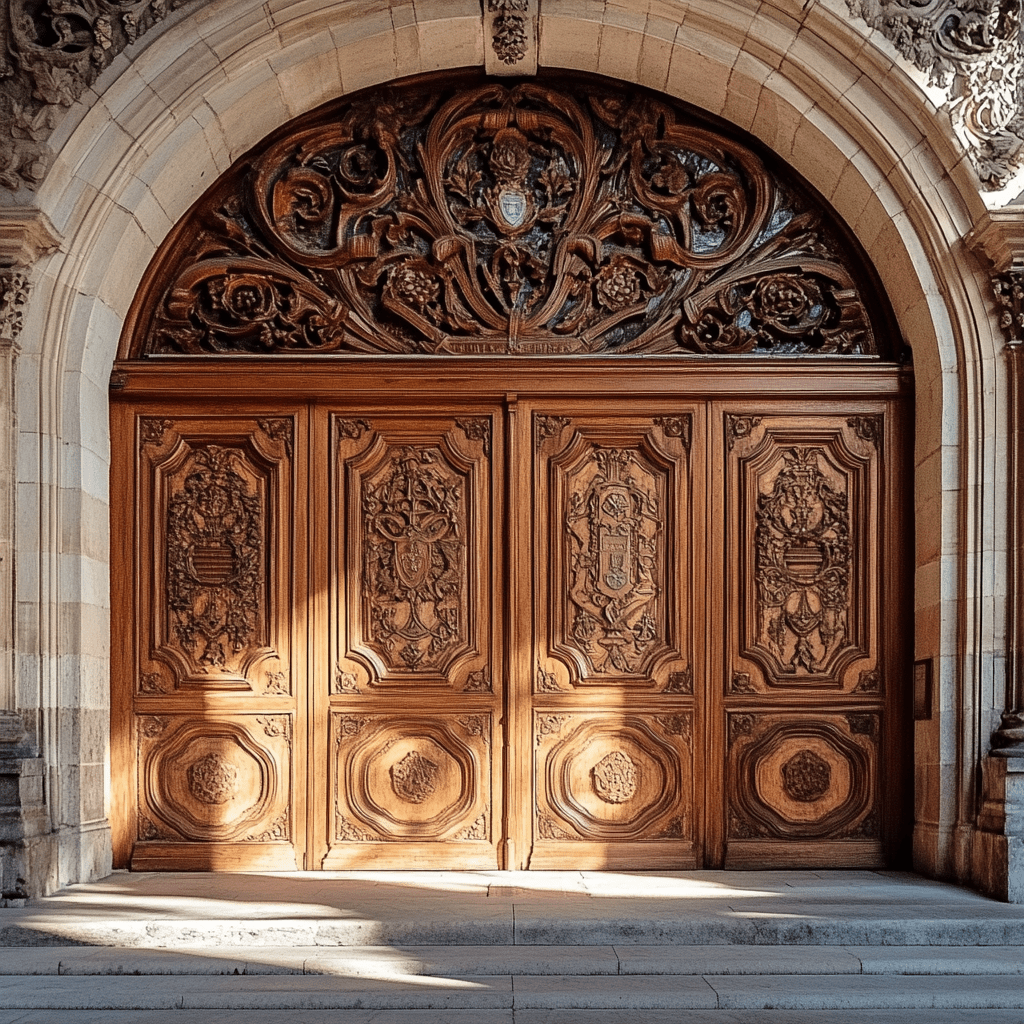
Clara: “You know, Santiago de Compostela University is one of the oldest in the world. It was founded in 1495, just a few years after Columbus sailed to the Americas. You can really feel that history in the atmosphere."
Isabel: “Exactly. That’s what I was thinking earlier when we were walking through the main campus. It’s not just the architecture—the stone buildings and courtyards—but the sense that so many generations of scholars have passed through here. It’s humbling."

Clara: “It’s also interesting how the university’s development was tied to the pilgrimage route. Back then, the Camino de Santiago brought people from all over Europe, so it makes sense that a major academic center would grow in a city like this."
Isabel: “Right. I read that during the 16th and 17th centuries, the university expanded because of its strong connections with other European institutions. It became a hub for theological and legal studies, which makes sense, given the religious significance of the city."
Clara: “That makes it different from other universities, doesn’t it? The religious influence is still there, but now it’s also a center for environmental science and geography. Some of the papers presented at this conference were focused on how the coastal geography has shaped human settlement patterns over centuries."
Isabel: “Yeah, it’s fascinating how geography and history are intertwined here. The landscape shaped the way people lived, and the university was a place where those ideas were developed and shared. I liked the way the professors talked about the connection between the Atlantic coast and the economic development of the region."
Clara: “That’s what I appreciated too. And it feels like we’ve barely scratched the surface. I’m looking forward to seeing more of the landscape when we drive east."

場景 1: 研討會後的旅行計畫

克拉拉:「你知道嗎,聖地亞哥·德孔波斯特拉大學是世界上最古老的大學之一,成立於1495年,就在哥倫布發現美洲幾年後。你真的能感受到這裡的歷史氛圍。」
伊莎貝爾:「完全同意。我們剛才走過主校區的時候,我就有這種感覺。不僅是那些石頭建築和庭院,而是歷代學者曾在這裡留下的足跡,這讓人覺得謙卑。」
克拉拉:「有趣的是,大學的發展與朝聖之路息息相關。當時,聖地亞哥朝聖之路吸引了來自歐洲各地的人,所以在這樣的城市發展出一個學術中心是很合理的。」
伊莎貝爾:「是啊,我讀過16世紀和17世紀時,這所大學因為與其他歐洲學術機構的密切聯繫而擴展。它成為了神學和法律研究的中心,這與這座城市的宗教意義非常吻合。」
克拉拉:「這讓它不同於其他大學,不是嗎?宗教的影響力依然存在,但現在這裡也是環境科學和地理學的中心。在這次研討會上,有些報告就集中討論了沿海地理如何影響了幾個世紀以來的人類居住模式。」
伊莎貝爾:「是啊,這裡的地理和歷史是如此緊密相連。地形塑造了人們的生活,而大學則成為了探討和分享這些思想的地方。我喜歡教授們講述的大西洋海岸與地區經濟發展之間的聯繫。」
克拉拉:「這也是我欣賞的部分。而且我覺得我們還只看到了表面而已。我很期待接下來一路向東,能夠看到更多的景觀。」

Scene 2: Planning the Next Steps in the Mountains

Clara: “That’s what I appreciated too. And it feels like we’ve barely scratched the surface. I’m looking forward to seeing more of the landscape when we drive south."
Isabel nodded, glancing at the map spread out on the café table. “We could take the route that leads us deeper into the Cantabrian Mountains. It’s a beautiful area, and we’ll get to see some of the most remote and untouched parts of northern Spain."

Clara leaned forward, intrigued. “The Cantabrian Mountains… I’ve heard about them but never been. What’s it like there?"
Isabel: “It’s a bit like stepping back in time. The mountains are rugged and dramatic, but they shelter some of the most charming villages. You’ve got old stone cottages, farms that haven’t changed much in centuries, and small communities that are really connected to the land. It’s a peaceful contrast to the more urban or coastal parts of Spain."
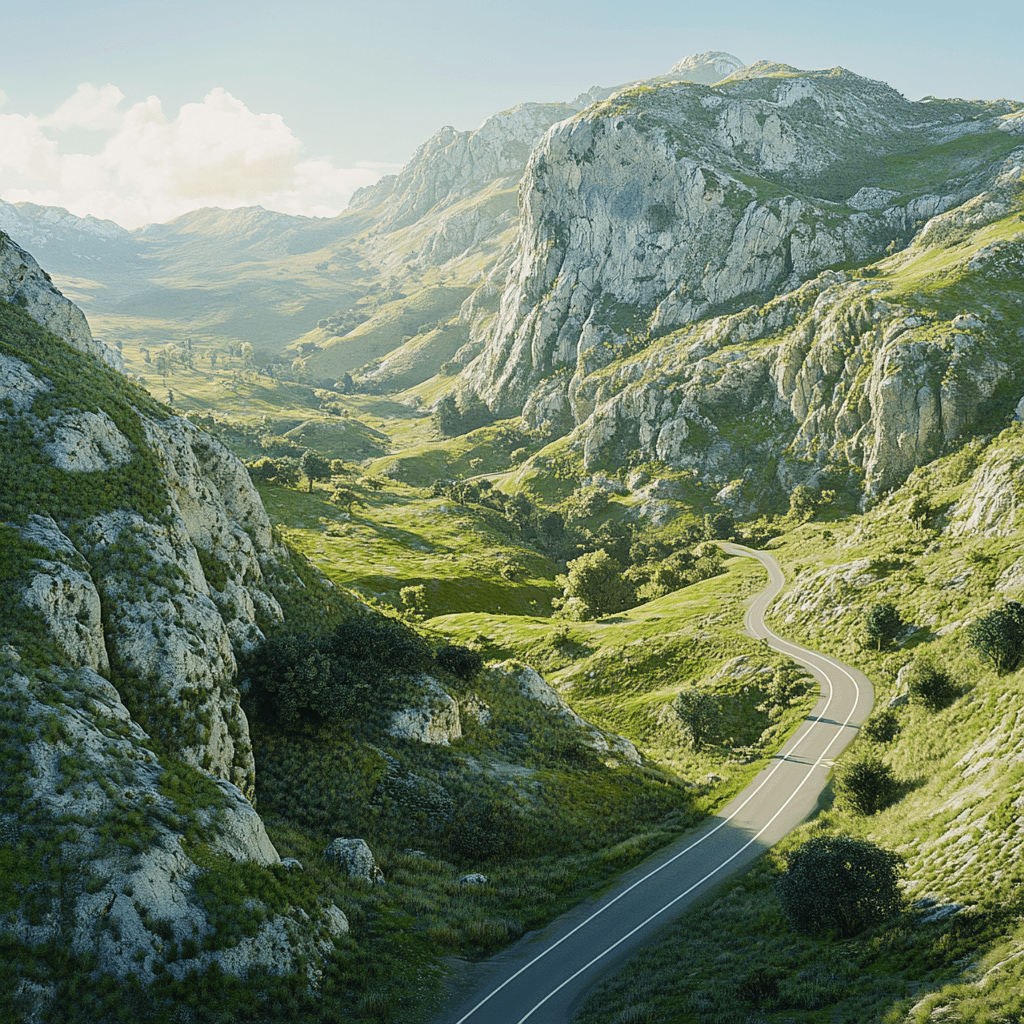
Clara: “That sounds perfect. I’ve always loved mountain landscapes. There’s something about the air, the silence, and how the land feels untouched. Plus, we’ll be able to explore some of the traditional architecture and maybe even try some local dishes."
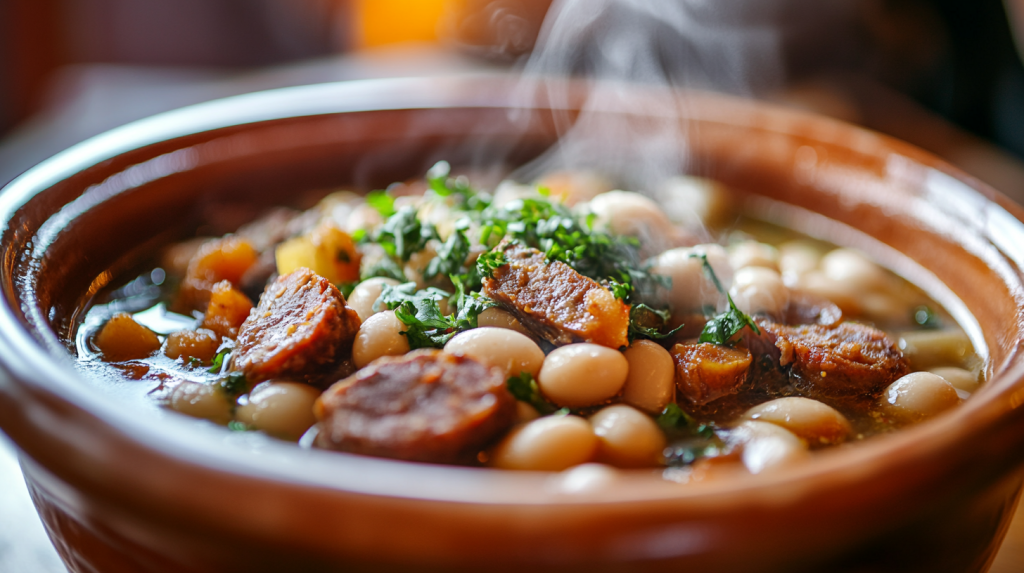
Isabel smiled. “Oh, the food will be incredible. In those villages, everything’s sourced locally—wild game, cheeses, stews made with fresh vegetables from the gardens. You’ll probably find hearty dishes like fabada asturiana—a slow-cooked bean stew with sausage and pork. Perfect after a day of hiking."
Clara: “I can’t wait to try that. Do you think we’ll have time to stop by the Picos de Europa National Park?"
Isabel: “Absolutely. It’s one of the most stunning natural areas in Spain, with rugged peaks, deep valleys, and those lakes that seem to reflect the entire sky. And we can visit Covadonga, where you’ll find the famous Basilica of Covadonga—a place of pilgrimage, nestled right in the mountains. The whole area is steeped in both natural beauty and history."
Clara: “Covadonga… wasn’t that where the Reconquista began? The Christian resistance against the Moors?"
Isabel nodded. “Yes, exactly. The Battle of Covadonga was a key turning point. It’s one of those places where history feels very alive. Standing there, you can almost imagine the events that shaped the course of Spain’s history."

Clara: “It’ll be amazing to see that blend of nature and history. It feels like northern Spain has a deeper connection to its past compared to the more modernized regions."
Isabel: “That’s true. The north has always been a bit more isolated, so traditions here have survived. Even the dialects are different—you’ll hear Asturian or Leonese spoken in some areas. The landscape has shaped the people as much as the people have shaped the land."
Clara: “That’s exactly what draws me to this region. The way geography and history are intertwined. You don’t just visit a place—you experience it through its food, its language, its architecture. It’s like every part of the landscape has a story to tell."
Isabel: “And that’s what makes this trip so special. We’re not just passing through—we’re connecting with each place in a deeper way. I think you’ll really love the Picos de Europa, especially since it’s one of the least commercialized areas in Spain. We’ll hike through valleys, explore old shepherd routes, and maybe even spot some wildlife."
Clara: “Wildlife? What kind?"
Isabel: “You’ll find bears, wolves, and eagles in the national park. It’s one of the few places in Europe where these species still thrive. The park is a sanctuary for biodiversity."
Clara smiled. “I’m so glad we’re heading there. It’s going to be a real adventure, and after the conference, it feels like the perfect way to reconnect with nature."
場景 2: 計畫前往山區

克拉拉:「我也有同感,而且感覺我們才剛剛開始。我真的很期待我們開車東行時看到更多的風景。」
伊莎貝爾點了點頭,瞥了一眼桌上攤開的地圖。「我們可以選擇那條深入坎塔布連山脈的路。那是一個美麗的區域,我們可以看到西班牙北部一些最原始、未受破壞的地方。」

克拉拉興致勃勃地往前傾了傾身體。「坎塔布連山脈……我聽說過,但從來沒去過。那裡是什麼樣子?」
伊莎貝爾:「那裡有點像是時光倒流。山脈崎嶇而壯觀,卻保護著一些最迷人的村莊。你會看到古老的石頭小屋,幾百年來幾乎沒什麼變化的農場,以及與土地緊密聯繫的小社區。這和西班牙更都市化或海岸的地方形成了鮮明的對比,特別寧靜。」

克拉拉:「聽起來太完美了。我一直都喜歡山區景觀。那裡的空氣、寧靜,還有那種未經雕琢的感覺都讓人著迷。而且我們還可以探索一些傳統建築,也許還能嚐到當地的美食。」
伊莎貝爾笑了笑。「哦,那裡的食物會讓你大開眼界。在這些村莊裡,所有的食材都是當地生產的——野味、奶酪、用新鮮蔬菜做的燉菜。你可能會吃到像阿斯圖里亞豆燉肉這樣的傳統菜餚——用豆子、香腸和豬肉慢慢煮成的燉菜,特別適合在徒步旅行後享用。」

克拉拉:「真期待能嚐到這些。你覺得我們會有時間去歐洲之巔國家公園嗎?」
伊莎貝爾:「當然會。那是西班牙最壯觀的自然區域之一,崎嶇的山峰、深邃的山谷和能映照整個天空的湖泊。還有我們可以去,那裡有著名的科瓦東加大教堂,就在山中,是一個朝聖地。整個區域充滿了自然美景和歷史。」
克拉拉:「科瓦東加……那不是收復失地運動開始的地方嗎?基督教反抗穆斯林的起點?」
伊莎貝爾點頭說:「是的,沒錯。科瓦東加戰役是個關鍵的轉折點。那是一個讓歷史變得鮮活的地方。站在那裡,你幾乎可以想像那些塑造了西班牙歷史的事件。」

克拉拉:「能看到自然與歷史的結合,一定會非常棒。感覺西班牙北部與過去的聯繫更深,和那些現代化的地區不同。」
伊莎貝爾:「確實如此。北部地區一直比較孤立,所以這裡的傳統保存得更完整。甚至方言都不同——你會在某些地方聽到阿斯圖里亞語或萊昂語。這裡的景觀塑造了人們的生活,而人們也塑造了這片土地。」
克拉拉:「這正是我被這個地區吸引的原因。地理和歷史交織在一起。你不僅僅是參觀一個地方——你是通過食物、語言、建築來體驗它。就像這片土地的每一部分都有故事要講。」
伊莎貝爾:「這也是這次旅行如此特別的原因。我們不僅僅是在匆匆而過,而是更深入地與每個地方聯繫。我想你會非常喜歡歐洲之巔國家公園,尤其是因為那裡是西班牙最少商業化的區域之一。我們可以徒步穿過山谷,探索古老的牧羊人路線,也許還能看到一些野生動物。」
克拉拉:「野生動物?有什麼種類?」
伊莎貝爾:「在這個國家公園裡,你會找到熊、狼和老鷹。這是歐洲為數不
多的地方之一,這些物種仍然繁衍生息。這個公園是一個生物多樣性的庇護所。」
克拉拉笑了笑:「我真的很高興我們要去那裡。這將是一場真正的冒險,在研討會結束後,這是一個完美的方式來重新聯繫自然。」
Scene 3: Driving through the Cantabrian Mountains
As they climbed higher into the Cantabrian Mountains, the air grew cooler, and the clouds seemed closer. The narrow road wound through dense forests and rocky cliffs, occasionally opening up to reveal breathtaking vistas of the valley below.

Clara shifted in her seat. “It’s getting cooler up here. I didn’t realize we’d be this high—what’s the highest point we’ll reach?”
Isabel glanced at the GPS. “We’ll be close to 2,000 meters at the highest pass. The peaks here aren’t as high as the Pyrenees, but the roads can still get pretty challenging. In winter, it’s almost impossible to drive through some of these areas.”
Clara laughed nervously. “Well, I’m glad it’s not winter now. The thought of driving on icy roads at this altitude doesn’t sound appealing.”
Isabel smiled. “No, definitely not. But we’re lucky to be here in the summer. The road conditions are much better, and we can enjoy the scenery without worrying about snow or ice.”
As they continued along the winding road, they passed small mountain villages, their stone houses nestled into the hillside. Shepherds tended to flocks of sheep grazing on the steep slopes, and the occasional cyclist braved the winding roads.

Clara looked out the window, fascinated. “It’s amazing to see how people live up here. It must be such a different way of life compared to the cities.”
Isabel nodded. “Absolutely. The mountain villages here have been around for centuries, and life moves at a different pace. Many of the locals still rely on traditional ways of farming and herding, especially sheep and goats. The isolation also means they’ve preserved a lot of the region’s old customs.”
Clara smiled. “I imagine the isolation must make them pretty self-sufficient. It’s interesting how geography shapes people’s lives in such specific ways.”
Isabel agreed. “Definitely. Up here, the land and climate dictate everything—from the way they farm to the types of food they eat. You’ll notice that the cuisine here is heartier, perfect for the colder weather.”
As they drove on, the sun slowly dipped behind the rugged peaks of the Cantabrian Mountains. The shadows stretched across the landscape, and the air grew cooler as they gained altitude.
Clara glanced at the steep incline of the road. “Do you think this road will get any steeper? We’re pretty high up already. What’s the elevation here?”
Isabel checked the map. “We’re around 1,500 meters above sea level now, and it looks like the highest point we’ll pass is closer to 2,000 meters. These roads are tricky, especially with the narrow turns, but it’s manageable. The view is worth it though.”
Clara smiled. “Absolutely. The mountains here are so different from anything we’ve seen further south. It’s fascinating how the geography of Spain changes so drastically.”
Culture in the Mountain Area
Isabel nodded. “It’s not just the geography that changes. The people in the north are quite different from those in the south. The Cantabrian region has its own distinct history and culture. The people here, especially in regions like Asturias and Cantabria, have preserved their traditions, and their connection to the land is still very strong.”
Clara leaned back in her seat. “I’ve read that the ethnic composition of Spain is pretty diverse. In the north, you’ve got the Basques, and down in Andalusia, there’s a lot of Moorish influence. It’s interesting how the culture shifts so dramatically across the country.”
Isabel added, “Yes, and the Basques are one of Europe’s oldest ethnic groups. Their language, Euskara, is unlike any other in Europe. It’s completely unique, not related to any Romance or Indo-European languages. In contrast, in the south, you’ll find a much stronger mix of Roman, Visigoth, and Moorish influences. The people in Andalusia have a different rhythm to life—more laid-back, influenced by centuries of cultural blending.”
Clara nodded thoughtfully. “It’s fascinating. Even though we’re in the same country, the regional differences are so pronounced. And it’s not just language, but food, architecture, and even the way people approach daily life.”
Isabel agreed. “It’s a reflection of Spain’s history. For centuries, this country wasn’t unified—it was a patchwork of different kingdoms, each with its own identity. That’s why you still see such diversity today. Up here, in the mountains, people are more connected to the old ways, while down south, especially along the coast, there’s more of a Mediterranean and Moorish influence.”
Clara looked out at the mountains ahead. “I love how every region tells its own story through its people, landscapes, and traditions. I can’t wait to learn more about this part of Spain.”
場景 3: 驅車穿越坎塔布連山脈
隨著她們駕車逐漸深入坎塔布連山脈,空氣變得更加涼爽,雲朵似乎離她們更近了。狹窄的山路蜿蜒穿過茂密的森林和岩石峭壁,偶爾會展現出壯麗的山谷美景。
克拉拉挪了挪身子說:「這裡越來越冷了,我沒想到我們會爬這麼高——我們會到多高的地方?」
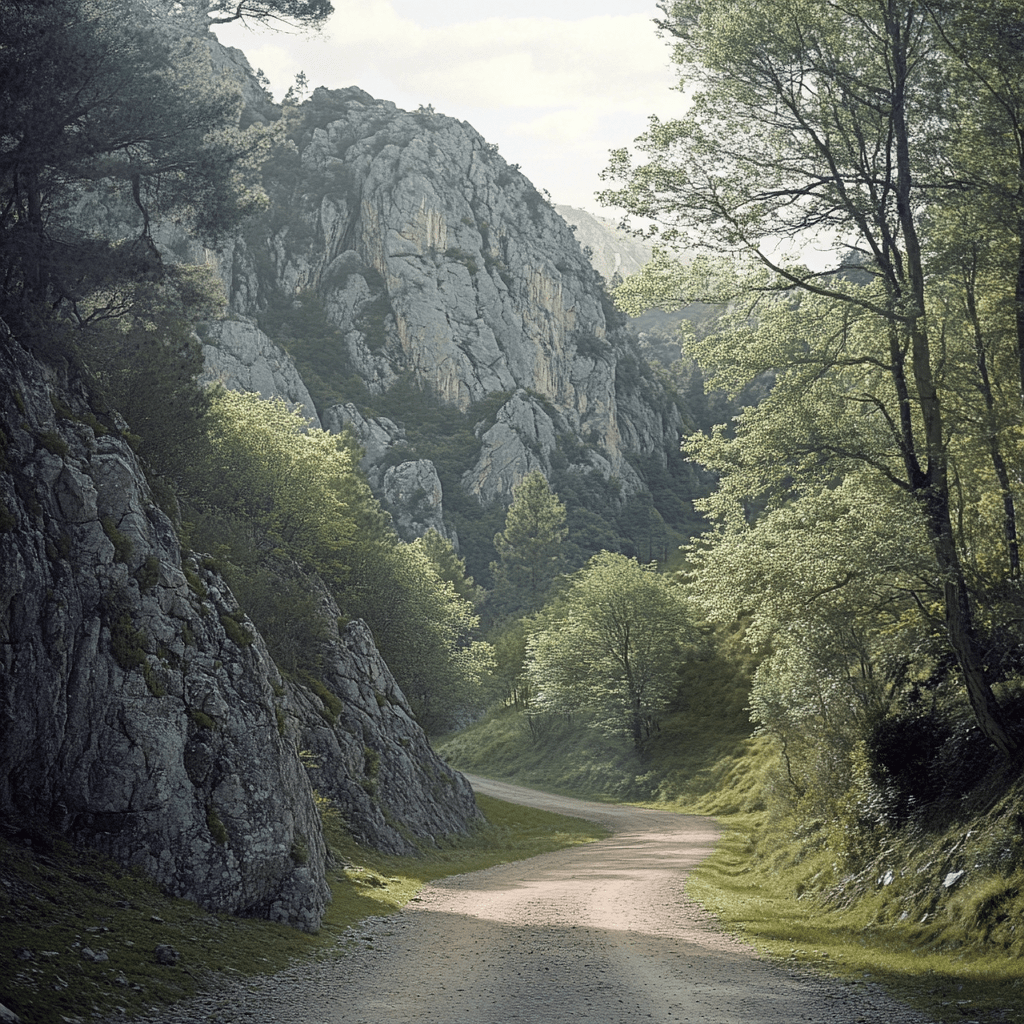
伊莎貝爾看了看GPS說:「我們最高會到接近2000米。這裡的山峰雖然沒有比利牛斯山高,但這些路還是很具挑戰性。冬天的時候,這些地方幾乎無法通行。」
克拉拉緊張地笑了笑說:「還好現在不是冬天,想像在這麼高的地方開冰雪路真是讓人害怕。」
伊莎貝爾笑著說:「的確不敢想。不過我們夏天來這裡很幸運,路況好很多,我們可以欣賞風景,不用擔心雪或冰。」
山區文化
隨著她們繼續沿著蜿蜒的山路前進,她們路過了幾個小村莊,那些石頭建築依山而建。牧羊人在陡峭的山坡上照看著羊群,偶爾還能看到勇敢的自行車手挑戰著這條彎彎曲曲的山路。

克拉拉看著窗外,充滿了好奇。「真讓人驚訝,這裡的人是怎麼生活的。這種生活方式和城市裡肯定大不相同。」
伊莎貝爾點頭道:「沒錯,這些山區村莊已經存在了幾個世紀,這裡的生活節奏完全不同。很多當地人依然依靠傳統的農耕和放牧生活,尤其是養羊和山羊。由於地理隔離,這裡保留了許多傳統習俗。」
克拉拉微笑著說:「我猜這樣的隔離也讓他們變得很自給自足。地理環境對人們的生活方式影響真的很大。」

伊莎貝爾表示同意:「的確如此。這裡的土地和氣候決定了一切,從他們種植的作物到他們吃的食物。你會發現這裡的料理更豐富,適合寒冷的天氣。」
隨著她們繼續前行,太陽慢慢隱沒在坎塔布連山脈的巍峨山峰後方,影子拉長了,空氣越來越涼。
克拉拉瞥了一眼越來越陡峭的山路。「你覺得路會變得更陡嗎?我們已經很高了,這裡的海拔是多少?」
伊莎貝爾檢查了一下地圖說:「我們現在大約在海拔1500米左右,最高點會接近2000米。這些路雖然有點難開,但還是能應付的。景色真是值得一看。」
克拉拉笑了笑說:「絕對的。這裡的山景和我們之前南方看到的完全不同。西班牙的地理變化真讓人著迷。」
伊莎貝爾點點頭說:「不僅僅是地理,這裡的人也和南方非常不同。坎塔布連地區有自己獨特的歷史和文化。尤其是在阿斯圖里亞斯和坎塔布里亞,當地人保留了很多傳統,他們和土地的聯繫依然非常深厚。」
克拉拉靠在座椅上說:「我聽說西班牙的民族構成非常多樣化。在北方有巴斯克人,而在安達盧西亞則有更多摩爾人影響的痕跡。真有趣,文化在這個國家變化如此劇烈。」
伊莎貝爾補充說:「沒錯,巴斯克人是歐洲最古老的民族之一。他們的語言埃斯卡拉語與歐洲其他任何語言都不同,完全獨立,不屬於任何羅曼語系或印歐語系。相比之下,南方的文化融合了更多羅馬、哥特和摩爾人的影響。安達盧西亞人生活的節奏更悠閒,受到幾個世紀文化融合的影響。」
克拉拉深思著點了點頭說:「真的很有趣。雖然我們都在同一個國家,但這裡的區域差異卻如此顯著。不僅是語言,還有食物、建築,甚至人們處理日常生活的方式。」
伊莎貝爾表示同意:「這也是西班牙歷史的體現。幾個世紀以來,這個國家並不統一,它是一個由不同王國組成的拼圖,每個地方都有自己的身份認同。這就是為什麼今天仍然能看到這麼多的多樣性。在這裡,山區的人們更貼近傳統生活,而在南部,尤其是沿海地區,則有更多的地中海和摩爾人影響。」
克拉拉看著前方的山景說:「我喜歡每個地區通過它的人民、景觀和傳統講述自己的故事。我迫不及待想要更多了解這片土地。」
The Basque Cake and Basque Travel Plans
Clara: “Do you think the Basque Cake has anything to do with the Basque people?"
Emily: “Not exactly in terms of ancient tradition, but it’s definitely tied to the modern Basque region. The cheesecake we’re talking about—Basque burnt cheesecake—was created in the 1990s in San Sebastián at La Viña restaurant. What’s interesting is how quickly it became a symbol of modern Basque cuisine."
Clara: “So it’s a recent creation, but it’s become popular worldwide. Why do you think that is?"
Emily: “I think it’s because of its simplicity and unique texture. It’s different from other cheesecakes—it doesn’t have a crust, and the way it’s baked leaves the outside with a caramelized, almost burnt flavor, while the inside is soft and creamy. People love that contrast. Plus, Basque cuisine has gained a lot of attention in recent years, especially with the rise of gastronomy in cities like San Sebastián, which is famous for its food scene."
Clara: “San Sebastián is known for having some of the best restaurants in the world, right? Does the Basque cheesecake reflect anything about the local food culture?"

Emily: “Absolutely. Basque cuisine is all about using high-quality, local ingredients in a simple but flavorful way. The focus is on letting the ingredients speak for themselves, which is reflected in dishes like pintxos and even this cheesecake. It’s not overly complicated, but it’s delicious."
Clara: “That makes sense. It’s like the cake is part of this modern reinvention of Basque culinary identity."
Emily: “Exactly. Basque culture is known for its strong sense of identity and independence, and that’s reflected in their food. San Sebastián, in particular, has become a hub for innovative cooking. Even though the Basque burnt cheesecake isn’t traditional, it still captures that spirit of creativity and pride in local ingredients."
Clara: “I’d love to try it while we’re there. You know, I’m really looking forward to visiting the Basque Country at the end of our trip. It’s one of those places that feels so distinct from the rest of Spain."
Emily: “Me too. I think ending our journey in the Basque region is going to be perfect. It’ll give us a chance to experience the unique mix of culture, history, and food that defines the region. Plus, we can’t leave without trying that famous cheesecake in its birthplace."
Clara: “It sounds like a perfect way to wrap up our trip—diving into Basque culture, visiting San Sebastián, and tasting all the local specialties."
巴斯克蛋糕和巴斯克人
克拉拉:「你覺得巴斯克蛋糕和巴斯克人有什麼關聯嗎?」
艾米麗:「其實和古老的傳統沒什麼關聯,但它確實與現代巴斯克地區密切相關。我們說的這款巴斯克燒烤芝士蛋糕是在1990年代聖塞巴斯蒂安的La Viña餐廳創造的。特別的是,它很快就成為了現代巴斯克料理的象徵之一。」
克拉拉:「所以這是一個新的創作,但卻在全球大受歡迎。你覺得這是為什麼?」
艾米麗:「我想這是因為它的簡單和獨特的口感。它和其他的芝士蛋糕不同,沒有餅底,烤出來的外皮有焦糖化、近乎燒焦的風味,而內部則柔軟奶油狀。人們喜歡這種對比。而且近年來巴斯克料理越來越受到關注,特別是像聖塞巴斯蒂安這樣的城市,因為它的美食聞名世界。」
克拉拉:「聖塞巴斯蒂安是以世界上最好的餐廳聞名的地方之一吧?這款巴斯克蛋糕有反映出當地的飲食文化嗎?」
艾米麗:「當然。巴斯克料理的特色就是使用高品質的當地食材,以簡單但充滿風味的方式烹調。重點在於讓食材本身的味道說話,這在pintxos(巴斯克小食)和這款芝士蛋糕中都能看到。它不複雜,但非常美味。」

克拉拉:「這倒是蠻合理的。這蛋糕好像也成為了巴斯克飲食身份的現代象徵。」
艾米麗:「沒錯。巴斯克文化以其強烈的身份認同和獨立精神聞名,而這也反映在他們的食物中。聖塞巴斯蒂安尤其成為了創新料理的中心。雖然巴斯克燒烤芝士蛋糕並非傳統食物,但它依然體現了當地對創意和本土食材的自豪感。」
克拉拉:「我真期待能在我們旅行的最後一站,親自品嚐這個蛋糕。巴斯克地區一直給我一種與西班牙其他地方截然不同的感覺。」
艾米麗:「我也是。把我們的旅程最後定在巴斯克區真是太完美了。那裡的文化、歷史和食物有著獨特的魅力。我們不能不在蛋糕的發源地品嚐這道名菜。」
克拉拉:「這樣結束旅行真是太棒了——深入探索巴斯克文化,遊覽聖塞巴斯蒂安,並品嚐當地的美食。」
Scene 4: Entering Picos de Europa
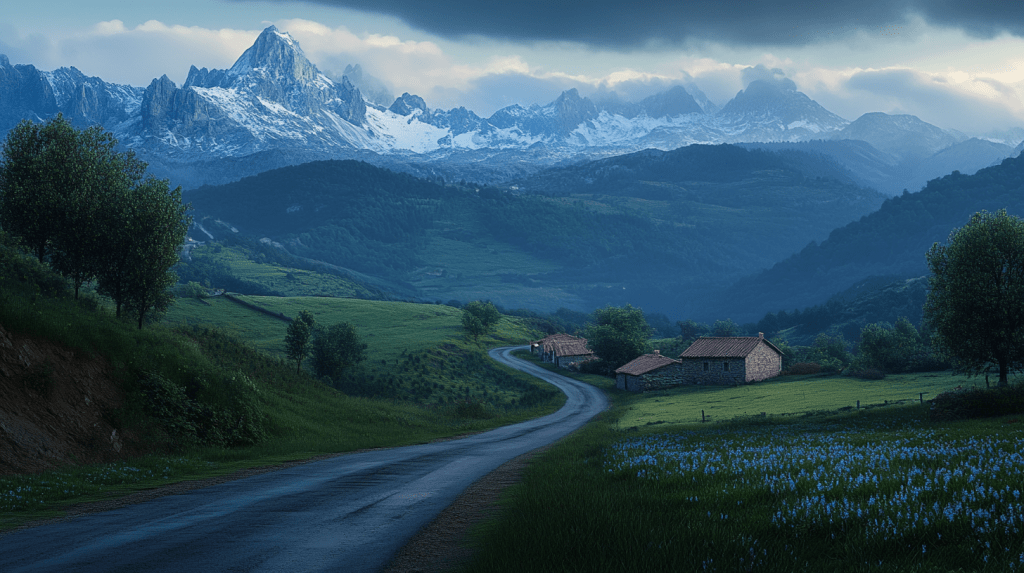
Clara: “So this is it—Picos de Europa, or ‘the Peaks of Europe.’ It’s stunning. You can see why sailors would use these mountains as a landmark when they were returning home."
Emily: “Yeah, the name comes from that. It’s said that these peaks were the first part of Europe sailors would see after crossing the Atlantic. It must have been a powerful sight after weeks at sea."
Clara: “I can imagine. It’s almost like a gateway to Europe. And these mountains are massive. The park stretches across three regions, right?"
Emily: “Exactly. We’re technically in Asturias right now, but it also covers parts of Cantabria and Castile-León. What’s amazing is how different the landscapes are depending on where you are in the park. There are deep gorges, forests, and alpine meadows all packed into one area."
Clara: “The biodiversity here is incredible. I read that it’s home to species like the Cantabrian brown bear and the Iberian wolf. That’s rare for Europe these days."
Emily: “Yeah, the Cantabrian brown bear is critically endangered, but conservation efforts in this park have helped stabilize the population. And the wolves—well, they’ve always been a bit elusive, but they’re definitely part of the ecosystem here."
Clara: “It’s so interesting that a place this wild exists in modern Spain. I guess the remoteness of these mountains has helped preserve it."
Emily: “Absolutely. But it’s also a cultural hotspot. The local villages have been around for centuries, and many of the people here still live much like their ancestors did. Agriculture, pastoralism, and traditional crafts are still alive. In some ways, the mountains protect the culture as much as the ecosystem."
Clara: “That’s fascinating. It reminds me of how these remote areas often act as time capsules. The modern world moves fast, but in places like this, traditions hold strong."
Emily: “Exactly. And the park is also a UNESCO Biosphere Reserve. So it’s not just important for Spain, but it’s recognized globally for its ecological and cultural significance."
Clara: “So it’s not just the wildlife—it’s the entire landscape and the way people live here that makes this place special."
Emily: “Yes. The interaction between people and the environment is what makes Picos de Europa unique. You have these centuries-old villages sitting side by side with untouched wilderness. It’s a real balance between human activity and nature."
Clara: “I’d love to explore one of those villages. Do you think we’ll have time to stop and maybe stay the night?"
Emily: “Definitely. There are a few small inns in the villages ahead. We could stay in one of them. It’s supposed to be a great experience—you really get to feel the local culture, plus the views are incredible."
場景 4: 進入皮科斯歐羅帕國家公園
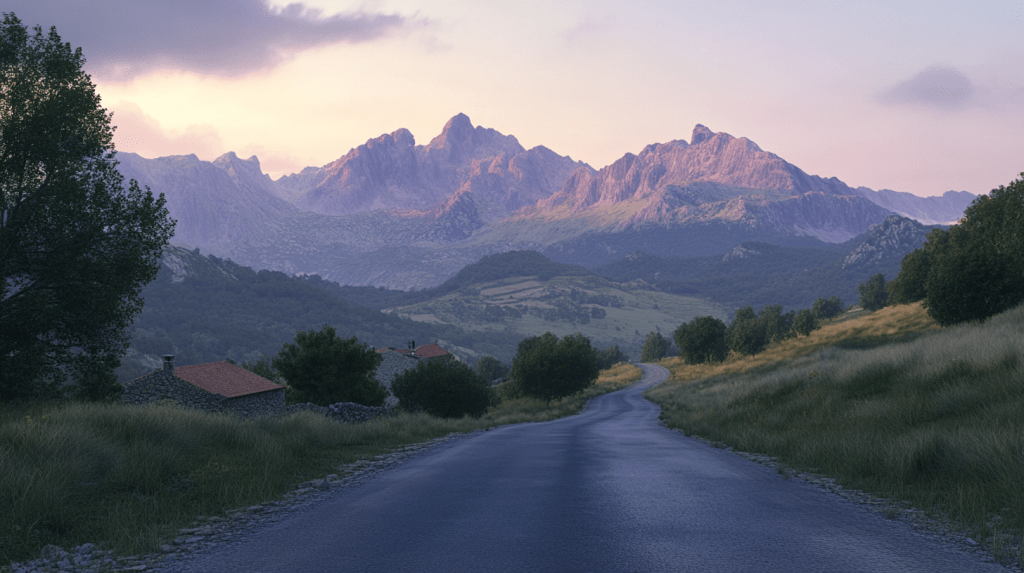
克拉拉:「這就是了,皮科斯歐羅帕國家公園,或者叫做‘歐洲之巔’。真壯觀。難怪當年航海者回家的時候,會把這些山脈當作地標。」
艾米麗:「是啊,這個名字就是這麼來的。據說這些山峰是水手們橫渡大西洋後,看到的歐洲的第一部分。經過幾個星期的航行,看到這樣的景象一定很震撼。」
克拉拉:「我可以想像。這幾乎就像是歐洲的大門。而且這些山脈真是巨大,公園橫跨了三個地區,是嗎?」
艾米麗:「沒錯。我們現在技術上是在阿斯圖里亞斯區,但它也涵蓋了坎塔布里亞和卡斯蒂利亞-萊昂的一部分。令人驚奇的是,這個公園的景觀非常多樣。有深谷、森林和高山草甸,全都集中在一個區域內。」
克拉拉:「這裡的生物多樣性真的令人難以置信。我讀到這裡有坎塔布連棕熊和伊比利亞狼這些物種。這在現代的歐洲很少見了。」
艾米麗:「是啊,坎塔布連棕熊已經瀕臨滅絕了,但這個公園的保育工作讓它們的數量得到了穩定。而狼——牠們一直很神秘,但毫無疑問是這裡生態系統的一部分。」
克拉拉:「真有趣,這樣一個原始的地方竟然在現代的西班牙仍然存在。我猜是因為這些山脈的偏遠,讓這裡得以保存下來。」
艾米麗:「絕對是這樣。但這裡同時也是一個文化熱點。當地的村莊已經存在了幾個世紀,很多人至今依然像他們的祖先一樣生活。農業、放牧和傳統工藝依然活躍。從某種意義上說,這些山脈不僅保護了生態系統,還保護了這裡的文化。」
克拉拉:「這真是太有趣了。這讓我想起了這些偏遠地區常常就像時間膠囊。現代世界的步伐很快,但在這樣的地方,傳統依然保持著。」
艾米麗:「沒錯。而且這個公園也是聯合國教科文組織的生物圈保護區。所以它不僅對西班牙重要,還在全球範圍內被認可為具有生態和文化重要性的地方。」
克拉拉:「所以不僅是野生動物,整個景觀和人們的生活方式才是這個地方的特別之處。」
艾米麗:「是的。人與自然的互動,才是皮科斯歐羅帕獨特之處。這裡有幾個世紀的村莊,與未受破壞的荒野並存。這是一個人類活動與自然之間的真正平衡。」
克拉拉:「我真想探索一個這樣的村莊。你覺得我們會有時間停下來,也許過夜?」
艾米麗:「當然。我們前面有幾個小旅館,我們可以住在其中一個。聽說這是一個很棒的體驗——你能真正感受到當地的文化,而且景色也很美。」
Scene 5: Arriving at the Village
Clara: “There it is, just beyond those trees. The village looks like it’s been frozen in time."
Emily: “Yeah, it’s like stepping back into another era. These stone houses have probably stood here for centuries, unchanged."
As they slowly drove into the village, the cobblestone streets narrowed, lined with small stone cottages. The setting sun cast a warm glow on the walls, and the only sounds were the soft breeze and the occasional chirping of birds. It felt peaceful, almost untouched by the modern world.
Clara: “It’s so quiet here. It’s hard to believe we’re still in the same country as the busy cities we passed through earlier."
Emily: “That’s the charm of these remote mountain villages. The pace of life slows down, and everything feels connected to the land. People here still live much like their ancestors did—farming, raising livestock, making their own goods. It’s a simpler life, but I imagine it’s also a fulfilling one."
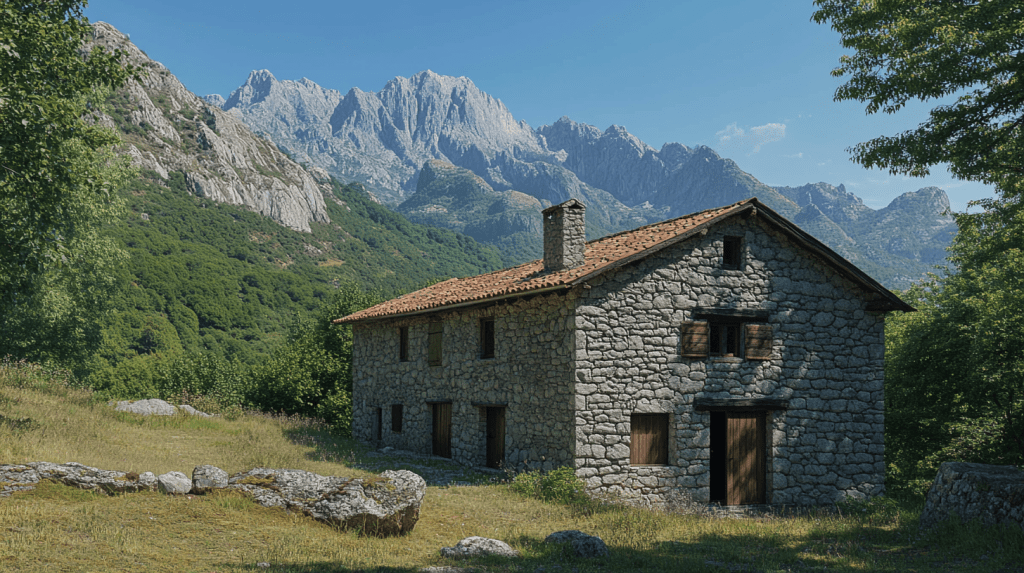
They parked the car near a small inn, the only sign of accommodation in the village. The building was simple but inviting, with ivy crawling up its stone façade. A few lanterns flickered outside, offering a warm welcome in the gathering dusk.

Clara: “It looks cozy. Do you think they’ll have rooms available?"
Emily: “I’m sure they will. Not many travelers come through here. Most people prefer the coast or the big cities, but I think this is exactly the kind of place where we’ll get a real feel for the local culture."
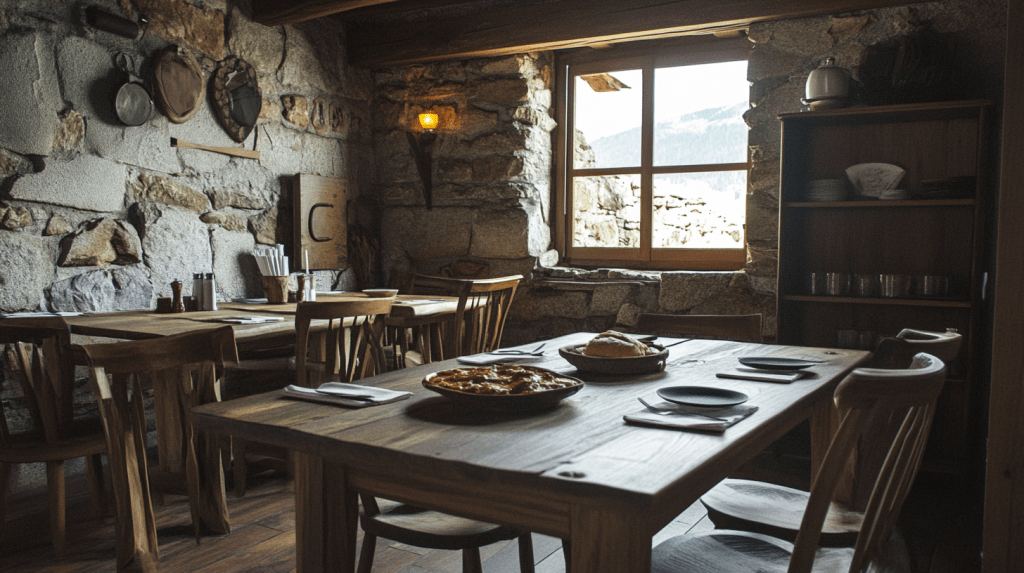
Inside the inn, the air was cool and smelled faintly of woodsmoke. An older woman behind the small wooden counter greeted them with a smile, her hands weathered from years of work. The room was dimly lit by a few oil lamps, adding to the rustic charm of the place.
Innkeeper: “Welcome. You’re lucky to have arrived before nightfall. We’ve got a couple of rooms ready if you’re staying the night."
Emily: “We’d love to. We’ve been traveling through the mountains all day, and this seems like the perfect place to rest."
The innkeeper handed them two heavy iron keys, each attached to a small wooden tag with a room number etched into it. She explained that dinner would be served in the common room in about an hour—simple, traditional fare, made from locally sourced ingredients.
場景 5: 抵達村莊
克拉拉:「就在那片樹後,村莊看起來像是時間停止了一樣。」
艾米麗:「是啊,這就像踏入了另一個時代。這些石頭房子可能已經在這裡矗立了幾個世紀,幾乎沒有變過。」
當她們緩慢地駛入村莊時,狹窄的鵝卵石街道兩旁是小小的石屋。夕陽為村莊的牆壁披上了溫暖的光輝,周圍唯一的聲音是輕柔的微風和偶爾的鳥鳴。這裡感覺寧靜,幾乎未受現代世界的影響。
克拉拉:「這裡好安靜啊。很難相信我們還在同一個國家,之前經過的城市都那麼繁忙。」
艾米麗:「這就是這些偏遠山村的魅力所在。生活的節奏變慢了,一切都與這片土地緊密相連。這裡的人仍然像他們的祖先一樣生活——種田、養畜、自己製作物品。這是一種簡單的生活,但我想這也是非常充實的。」
她們將車停在一間小旅館旁,這是村莊裡唯一的住宿。這棟建築簡單而溫馨,外牆上爬滿了常春藤。幾盞燈籠在逐漸昏暗的天空下閃爍,為旅人送上了溫暖的歡迎。
克拉拉:「看起來很舒適。你覺得他們會有房間嗎?」
艾米麗:「我相信會有。來這裡的旅客不多,大多數人都偏好海岸或大城市,但我覺得這裡才是我們能真正感受到當地文化的地方。」
她們走進旅館,裡面的空氣涼爽,隱隱飄著一股木煙的味道。櫃台後站著一位年長的婦女,她的雙手因多年勞作而顯得粗糙,但她臉上的微笑卻十分親切。房間裡只有幾盞油燈照明,為這個地方增添了幾分古樸的魅力。
旅館老闆:「歡迎。你們很幸運,趕在天黑之前到了。我們還有幾個房間,如果你們要留宿的話。」
艾米麗:「我們很樂意。我們已經在山裡開了一整天,這裡看起來是最完美的休息之地。」
老闆遞給她們兩把沉重的鐵鑰匙,每把鑰匙都連著一個小木牌,上面刻著房間號碼。她告訴她們,晚餐會在一個小時後在公共廳裡供應——是用當地食材製作的簡單傳統菜餚。

Scene 6: Morning Plans in the Picos de Europa -Exploring Trails and Local Wildlife

Clara: “It’s so peaceful here in the morning. I love how the sun rises over the peaks. Do you think we’ll have time to explore more trails today?"
Emily: “Definitely. We’re in the heart of Picos de Europa National Park, and there are so many paths to choose from. We could head toward the Lagos de Covadonga. The views there are incredible, especially with the lakes surrounded by mountains."
Clara: “That sounds perfect. I’d love to see more of the wildlife here too. Do you think we’ll spot any of the famous Cantabrian brown bears?"
Emily: “We might get lucky! But they’re quite elusive. We’re more likely to see chamois or some of the bird species that live in the park."
Clara: “It’s amazing how this park combines such rich biodiversity with stunning landscapes. And after the hike, we could stop by a local village for some fabada."
Emily: “Sounds like a perfect plan. Let’s get started before the trails get too crowded."
場景 6: 計劃探索步道與當地野生動物
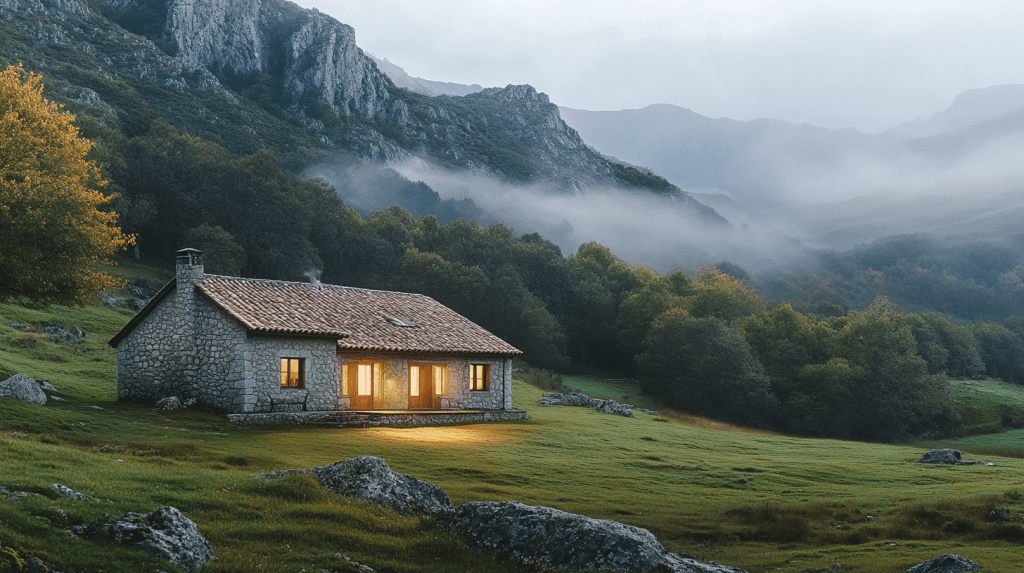
克拉拉:「早上的這裡真是太安靜了。我喜歡太陽從山峰升起的感覺。你覺得今天我們有時間再探索一些步道嗎?」
艾米麗:「當然可以。我們現在就在歐洲之巔國家公園的中心,這裡有很多步道可以選擇。我們可以往科瓦東加湖走,湖水環繞著山脈,景色壯麗極了。」
克拉拉:「聽起來很棒。我也想看到這裡的野生動物。你覺得我們有機會看到著名的坎塔布連棕熊嗎?」
艾米麗:「也許我們會很幸運!但它們通常很難見到。我們比較可能看到的是羚羊或一些這裡的鳥類。」
克拉拉:「這個公園真是把豐富的生物多樣性和壯麗的景觀完美結合了。走完步道後,我們可以在當地的村莊吃點傳統的法巴達。」
艾米麗:「這聽起來是個完美的計劃。我們趁著步道還沒太多人,趕快出發吧。」

 Virtual Travel | 虛擬旅行沉浸式英語學習
回覆給The Virtual World Explorer 取消回覆