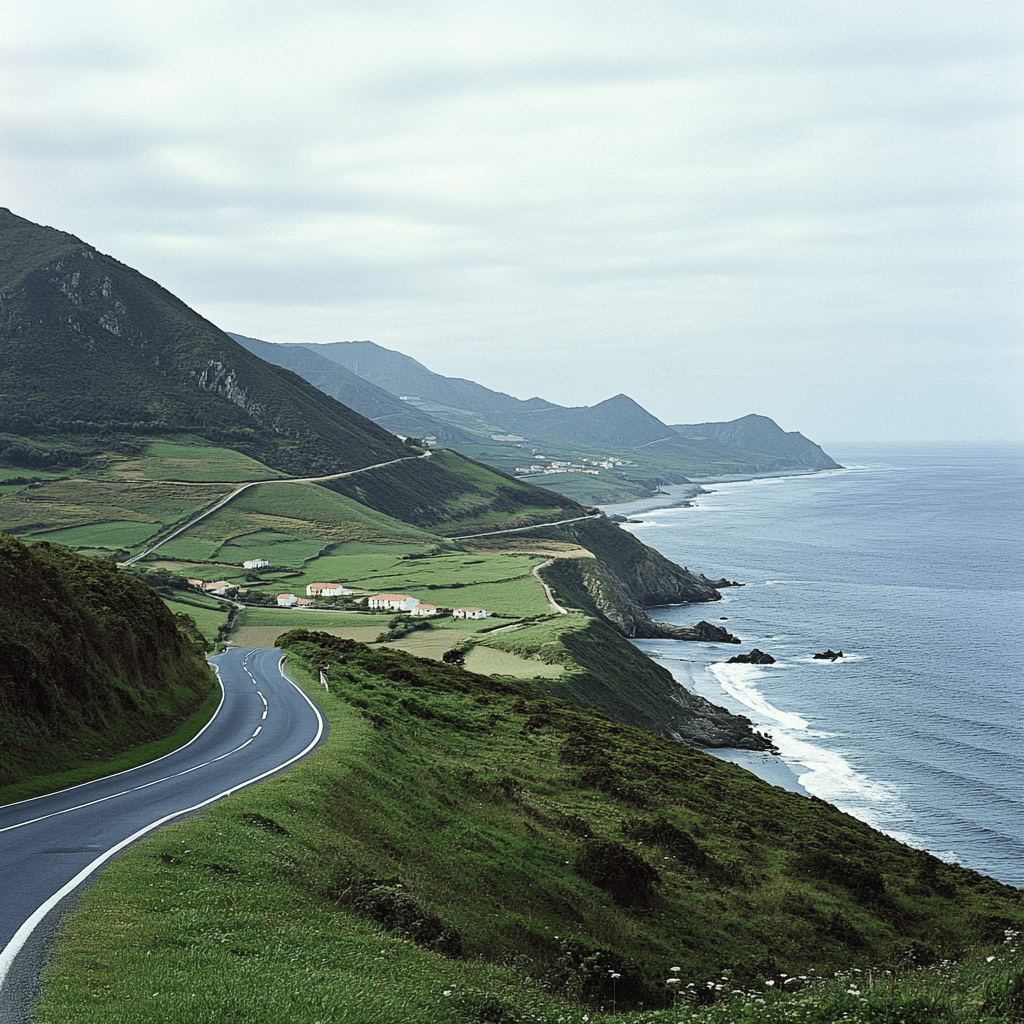
Scene 1: Exploring the National Park
As the sun rose over the rugged peaks of the Cantabrian Mountains, Clara and Isabel ventured into the heart of the Picos de Europa National Park. The air was crisp, and the scent of pine and wildflowers filled the morning breeze.
Clara looked around, taking in the towering cliffs and lush valleys. “This place feels untouched, like stepping back in time. The landscape is so dramatic."
Isabel smiled, adjusting her backpack. “It is. The Picos de Europa is one of Spain’s oldest national parks, established in 1918. Its biodiversity is incredible—there’s everything from mountain goats and bears to rare birds of prey. It’s also a critical habitat for the Cantabrian brown bear, one of the last remaining populations in Europe."
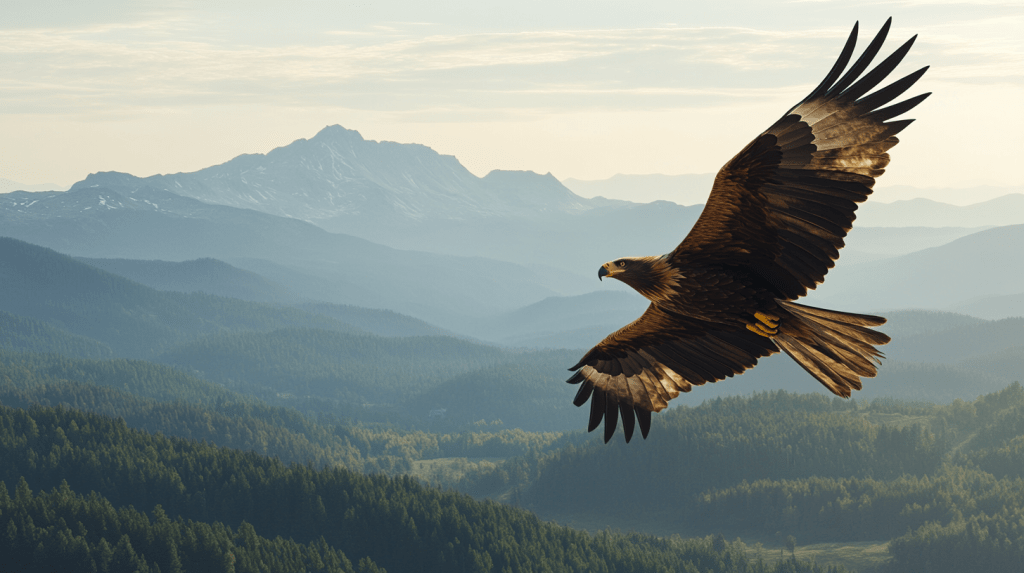
They walked along a narrow trail that wound through the forest. Overhead, a golden eagle soared, its wings cutting through the sky.

Clara pointed to the bird. “Look at that eagle! It’s amazing how wildlife here is so closely tied to the landscape. You can really feel the connection between the animals and the environment."
Isabel nodded. “Exactly. The steep cliffs and dense forests provide the perfect habitat for a wide variety of species. The rivers that run through the valleys bring life to the lower areas, and up here, you can find endemic plants that don’t grow anywhere else."
They paused at a clearing, where a herd of ibex grazed on the slopes, their horns curving gracefully as they navigated the rocky terrain.
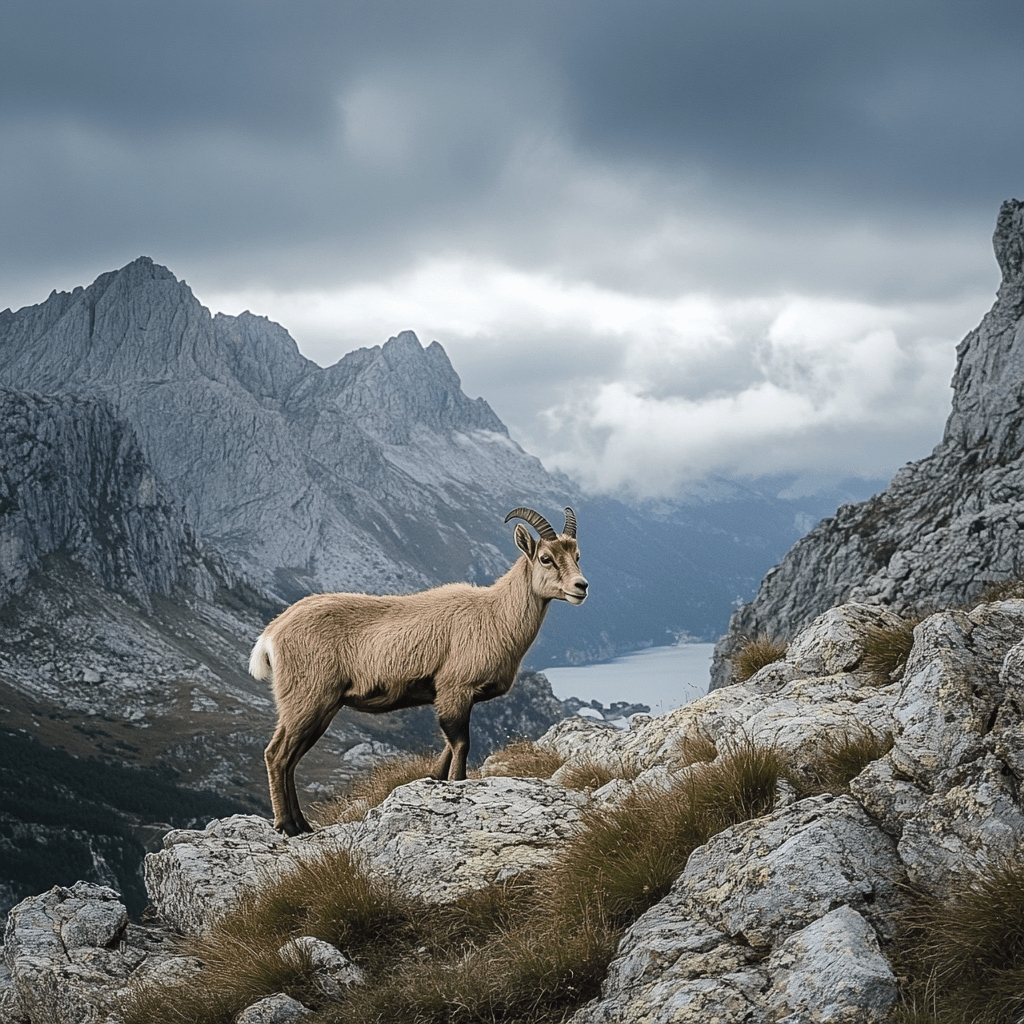
Clara leaned against a tree, watching them. “It’s incredible how they move so easily across the cliffs. It makes you appreciate how well-adapted animals are to their environment."
Isabel smiled, observing the ibex. “Absolutely. And it’s not just the wildlife—this entire region has a delicate balance. The locals who live in the mountain villages have developed ways of farming and grazing that work with the environment, not against it."
Clara looked thoughtful as they continued walking. “It’s interesting how the mountains shape everything here—the wildlife, the people, even the way the land is used. But what’s fascinating is how quickly the environment changes from the mountains to the coast."
Scene 1: 探索國家公園
當太陽升起在坎塔布連山脈的高峰之上,克拉拉和伊莎貝爾來到了歐洲之巔國家公園的深處。空氣清新,松樹與野花的香氣隨著晨風飄散。

克拉拉環顧四周,欣賞著陡峭的懸崖和綠意盎然的山谷。「這裡真像是回到了過去,景色如此壯麗。」
伊莎貝爾笑著調整背包說:「是的。歐洲之巔是西班牙最古老的國家公園之一,成立於1918年。這裡的生物多樣性非常豐富——從山羊、熊到罕見的猛禽都有。這裡還是坎塔布連棕熊的棲息地之一,這是歐洲僅存的棕熊族群之一。」
她們沿著一條狹窄的小徑行走,穿過茂密的森林。在她們的頭頂上,一隻金鷹在空中翱翔,翅膀劃過天空。
克拉拉指著天空說:「看那隻鷹!真令人驚嘆,這裡的野生動物與環境如此緊密地聯繫在一起,讓人感覺到大自然的力量。」
伊莎貝爾點頭說:「沒錯。這裡的懸崖和茂密的森林為多種生物提供了完美的棲息地。山谷中的河流為較低的地區帶來了生機,而在山上,你會發現一些只在這裡生長的特有植物。」
她們在一片空曠地停下,遠處有一群阿爾卑斯山羊在山坡上悠然吃草,它們靈巧地穿梭於岩石間。
克拉拉倚靠著一棵樹,注視著山羊。「牠們在懸崖上行走得如此輕鬆,這真讓人欽佩。大自然真的很奇妙,動物們適應環境的能力令人驚嘆。」

伊莎貝爾微笑著說:「是啊,不僅僅是野生動物,這整個地區的生態平衡都非常微妙。這裡的當地居民發展出了一種與環境共生的農業和牧業方式。」
克拉拉若有所思地說:「這裡的山脈塑造了這裡的一切——無論是野生動物、居民,還是土地的利用方式。而且這裡距離海邊這麼近,真是令人著迷。」
Scene 2: Discussing the Geography of Northern Spain
As they reached a viewpoint overlooking a vast valley that stretched toward the distant coastline, Clara took a deep breath of the cool mountain air. “You can almost see the sea from here. It’s strange to think that just a short distance from these rugged mountains, there’s the Atlantic Ocean."

Isabel nodded, gazing out at the horizon. “That’s one of the unique things about northern Spain. The Cantabrian Mountains rise so close to the coast, and the transition from mountain to sea is incredibly fast. It’s rare to find such contrasting landscapes so close together."
Clara smiled. “It must have had a big impact on the people who live here. Being able to farm, fish, and herd all within a short distance must create a very self-sufficient way of life."
Isabel agreed. “Definitely. The geography forces people to be adaptable. You have mountain villages like the ones we passed earlier, where they rely on livestock and small-scale agriculture, and then just a short drive away, you have fishing communities along the coast. It creates this dynamic balance between land and sea."
Clara looked back toward the mountains. “It’s also amazing how the environment changes so quickly. Down by the coast, you’ve got a more temperate climate with mild winters, but up here in the mountains, the weather can be harsh, especially in winter."
Isabel nodded. “Exactly. The proximity of the ocean moderates the temperature in the coastal areas, but once you get into the mountains, you’re dealing with much colder conditions. That’s why the flora and fauna are so diverse here. You’ll find coastal species and alpine species within just a few kilometers of each other."
Clara laughed softly. “It’s like this part of Spain has everything—mountains, valleys, and the sea, all packed into such a small area."
Isabel smiled. “It’s one of the reasons this region is so special. There’s a deep connection between the people and the land, and you can see how the geography has shaped not just their livelihoods, but their culture as well."
場景 2: 討論西班牙北部的地理
她們到達了一個觀景點,遠遠望去,可以看到一片廣闊的山谷向遙遠的海岸線延伸。克拉拉深吸了一口涼爽的山間空氣說:「幾乎能看到大海了。真奇怪,這麼近的距離內從這些崎嶇的山脈到大西洋。」

伊莎貝爾點點頭,注視著地平線。「這就是西班牙北部的獨特之處。坎塔布連山脈靠近海岸,從山脈到大海的過渡非常快。這種在短距離內擁有這麼不同的地形是非常罕見的。」
克拉拉笑著說:「這一定對當地的居民有很大的影響吧。能夠在這麼短的距離內進行農業、漁業和牧業,生活一定非常自給自足。」
伊莎貝爾同意道:「沒錯,這裡的人必須非常靈活適應環境。你看像我們經過的那些山間村莊,他們依靠畜牧和小規模的農業為生,而離這裡不遠的海岸,則是漁業社區。這種動態的平衡是這片土地的特點。」
克拉拉看向山脈,若有所思地說:「環境的變化真是太快了。靠近海岸的氣候更溫和,而在這裡,山區的冬天可以非常寒冷。」
伊莎貝爾點頭說:「是的,海洋的距離讓沿海地區的氣溫更溫和,但一旦進入山脈,氣候就變得更冷。這也是為什麼這裡的動植物多樣性這麼豐富。你可以在短短幾公里內找到沿海物種和高山物種。」
克拉拉輕笑著說:「感覺這裡什麼都有——山脈、山谷和大海,全都集中在這麼一小片區域裡。」
伊莎貝爾微笑著說:「這也是這片區域如此特別的原因之一。這裡的人和土地之間有著深厚的聯繫,你可以看到這片地理如何不僅塑造了他們的生計,也塑造了他們的文化。」
Scene 3: Exploring the Picos de Europa National Park
As they ventured deeper into the Picos de Europa, the landscape transformed dramatically. Tall peaks loomed overhead, and the narrow trails meandered through alpine meadows, dotted with vibrant wildflowers. The crisp mountain air filled their lungs as the sounds of distant waterfalls echoed through the valleys.

Clara: “It’s incredible how varied the landscape is. One moment we’re in dense forest, and the next, we’re surrounded by wide-open meadows. You can really feel the isolation up here."
Isabel: “It’s what makes this region so special. The biodiversity here is unique—look at those wild orchids by the trail. They thrive in the meadows where there’s plenty of sunlight."
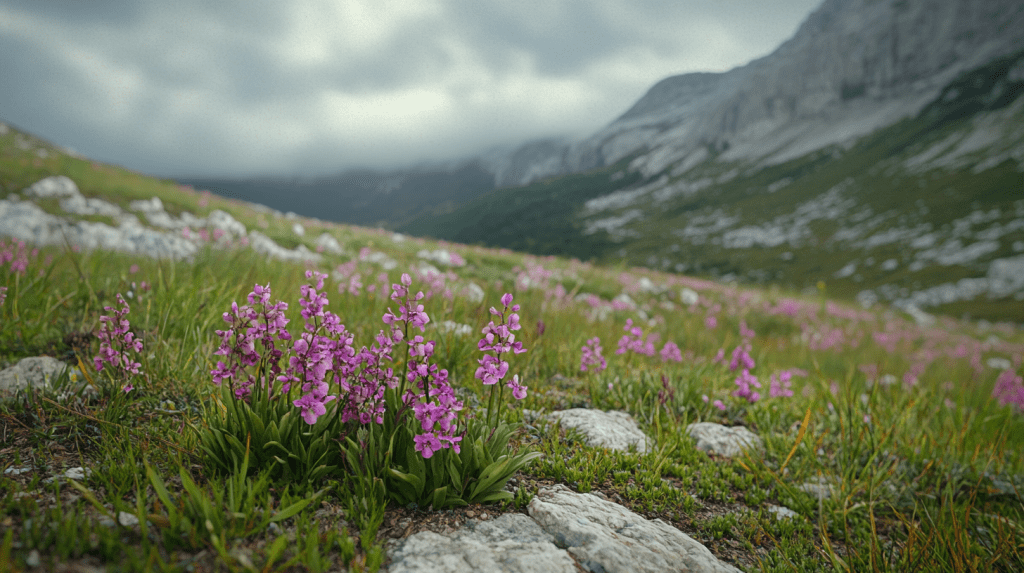
Clara knelt down, gently touching the petals of the orchids. “I’ve never seen such vibrant colors. It’s hard to imagine that just a few miles from here, we were driving through rugged cliffs. The change in the environment is so drastic."
Isabel nodded as she scanned the sky. “And the wildlife here is equally impressive. Keep an eye out for vultures—they often circle these peaks looking for thermals to ride."
They continued their hike, the trail now climbing up to a ridge that overlooked the valley below. When they reached the top, the view took their breath away. Far below, a sea of green hills stretched toward the horizon, where the distant blue of the ocean shimmered faintly.
Clara: “You can actually see the sea from here! The contrast between the mountains and the coast is amazing. No wonder this region has such a strong connection to both land and sea."
Isabel: “Exactly. The proximity to the coast has shaped the way people have lived here for centuries. The mountains provided shelter and isolation, while the sea offered trade routes and access to fishing. In fact, many of the old mountain villages we passed were settled by people who relied on both the mountains and the coast for survival."
Clara: “That makes sense. Living in a place like this, you’d have to adapt to the landscape. I can imagine how difficult it must’ve been to move between the mountains and the sea."
Isabel: “Yes, but the geography also created strong communities. People up here were relatively isolated, so they developed a deep connection to the land. At the same time, they had access to the coast, so they weren’t completely cut off from the outside world."
As they stood on the ridge, the wind whipping through their hair, they both felt a deep sense of connection to the place—its beauty, its history, and its people.
Clara: “I’m glad we decided to come here. There’s something about being surrounded by nature like this that makes you reflect on how intertwined human history is with the land."
Isabel: “Absolutely. And the fact that we can see both the mountains and the sea from here just reinforces that connection. It’s not often you find a place where such contrasting landscapes are so close together."
場景 3:探索歐洲之巔國家公園
當她們深入歐洲之巔國家公園時,景色變化得令人驚嘆。高聳的山峰在她們頭頂上方,而狹窄的小徑穿過點綴著鮮豔野花的高山草地。清新的山間空氣讓她們感覺神清氣爽,遠處瀑布的聲音在山谷中迴盪。

克拉拉:「這裡的景色真是千變萬化。一會兒我們還在茂密的森林裡,一會兒又到了這麼寬闊的草地。這裡的孤立感很強。」
伊莎貝爾:「這正是這個地區的特別之處。這裡的生物多樣性非常獨特——看看這條小徑邊的野蘭花。它們在陽光充足的草地上茁壯成長。」
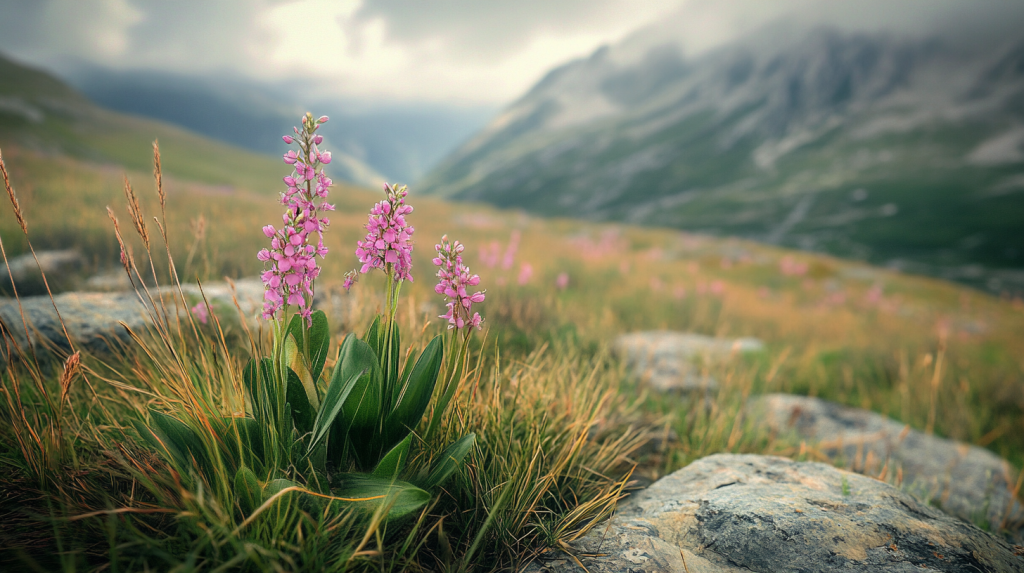
克拉拉蹲下來,輕輕地觸摸蘭花的花瓣。「我從來沒見過這麼鮮豔的顏色。很難想像,僅僅幾英里之外,我們還在崎嶇的懸崖中穿行。這裡的環境變化太大了。」
伊莎貝爾點頭,掃視著天空。「這裡的野生動物也同樣令人印象深刻。注意那些禿鷹——它們經常在這些山峰上空盤旋,利用氣流滑翔。」
她們繼續徒步,小徑爬上了一座山脊,俯瞰著下方的山谷。當她們到達山頂時,眼前的景象讓她們屏息。遠處,綠油油的山丘像一片綠海般向地平線延伸,海洋的藍色在遙遠的地方隱隱閃現。
克拉拉:「從這裡居然可以看到海!山脈和海岸之間的對比太驚人了。難怪這個地區與陸地和海洋有著如此緊密的聯繫。」
伊莎貝爾:「沒錯。靠近海岸的地理位置塑造了這裡的人們數百年來的生活方式。山脈提供了庇護和隔離,而海洋則提供了貿易路線和漁業資源。事實上,我們路過的許多古老山村都是由依賴山地和海洋資源的居民建立的。」
克拉拉:「這說得通。在這樣的地方生活,你必須適應地形。我可以想像,從海岸到山地的遷徙一定非常困難。」
伊莎貝爾:「是的,但地理環境也促進了強大的社群意識。住在這裡的人相對孤立,所以他們與土地的聯繫非常緊密。與此同時,他們又可以通過海岸與外界保持聯繫。」
她們站在山脊上,風在耳邊呼嘯,感受到了一種與這片土地的深刻聯繫——無論是它的美景、歷史,還是這裡的人們。
克拉拉:「我很高興我們來到了這裡。置身於這樣的大自然中,真的讓人反思人類歷史與土地的緊密聯繫。」
伊莎貝爾:「的確如此。能夠在這裡同時看到山脈和大海,更加強了這種聯繫。很少有地方能像這裡一樣,將如此不同的景觀如此緊密地結合在一起。」
Scene 4: Discussing the Coastal and Mountain Relationship
As they descended the ridge and made their way back to the trailhead, their conversation shifted toward the history of the region.
Clara: “It’s interesting how geography really dictates so much about how people live. Do you think the relationship between the coast and the mountains here is similar to other parts of Spain?"
Isabel: “In some ways, yes. Spain has a lot of regions where the mountains meet the sea, but here in the north, the landscape is much more rugged. It forced people to be resourceful. The mountain villages were isolated, but the coast provided an outlet for trade and communication with the wider world. It’s a balance that shaped the culture here."
Clara: “And it must’ve made for some interesting interactions between mountain communities and coastal towns. I imagine that the way people traded and communicated was quite different from what we saw in the south."
Isabel: “Exactly. Up here, the sea was a lifeline, but the mountains were a source of protection. The people of this region have always had a strong sense of independence because of that duality. It’s reflected in the way they’ve maintained their traditions over the centuries."
Clara: “It’s amazing how close the coast is from here, even though we’re deep in the mountains. Do you think we could make a quick detour to see the sea before heading back inland?"
Isabel: “That’s actually not a bad idea. We could take a short drive down to the coast, maybe stop at a viewpoint, and then head back into the mountains as we continue toward the Basque Country. It won’t take too much time, and we’ll get to see how the landscape transitions from mountains to sea."
Clara: “That sounds perfect. I’ve been curious to see how the coastline and the mountain communities interact. It must be fascinating to see how life changes over such a short distance."
Isabel: “Exactly. The transition from sea to mountain is very dramatic here. The people who live along the coast often have a different lifestyle—fishing and trading—while just a few kilometers inland, it’s all about agriculture and herding. You’ll get a sense of how geography shapes these distinct cultures."
Clara: “I can’t wait to see that contrast. And after we’ve visited the coast, we can circle back through the mountains and make our way to the Basque Country."
場景 4:討論海岸與山脈的關係
當她們走下山脊,返回小徑時,話題轉向了該地區的歷史。
Clara:「地理環境真的決定了人們的生活方式。你覺得這裡的海岸和山脈之間的關係,與西班牙其他地區相似嗎?」
Isabel::「某些方面是的。西班牙有很多地方都是山海相連,但在北方,地形更加崎嶇。這迫使人們變得非常有創造力。山地村莊相對孤立,但海岸為他們提供了貿易和與外界交流的通道。這是一種平衡,塑造了這裡的文化。」
Clara:"那這裡的山地社區和沿海城鎮之間的互動一定很有趣。我想像這裡的人們交流和交易的方式,應該和我們在南方看到的完全不同吧?"
Isabel: “沒錯。在這裡,海洋是一條生命線,但山脈也提供了保護。這裡的居民一直以來都有很強的獨立意識,這種雙重性反映在他們的生活方式中。海岸給了他們貿易的機會,而山脈則讓他們保留了傳統。這種融合讓這個地區的文化和其他地方非常不同。"
Clara: “所以,這裡的人不僅僅是生活在山脈中,也和海岸有著密切的聯繫。這樣的地理環境一定讓他們的文化多樣性變得更加鮮明。"
Isabel: “是的。這裡的居民長期以來都依賴山脈的資源來維持生活,但他們同時也從海洋獲取魚類和其他資源。他們不僅僅是農民,還是漁民、工匠,甚至商人,這讓這個地區的文化比其他地方更加多樣化和自足。"
Clara: “這真是讓人難以置信。從這些山脈到海岸的距離這麼短,但卻孕育了如此豐富的文化交織。我們看到的每個小村莊和山間小路都像是一個個獨特的故事。"
Isabel: “正是如此。這種地理的隔離和海岸的開放結合,讓這裡的文化形成了獨特的身份。我們剛剛經過的這些村莊,有些村莊的歷史可以追溯到幾個世紀前,這裡的居民可能和他們的祖先一樣,仍然過著與自然環境緊密聯繫的生活。"
Clara: “我真的很想了解更多。這個地區的歷史和文化太吸引人了,我覺得每走一步都在深入了解這個地方的靈魂。"
Isabel: “等到我們到達海岸的時候,我們可以更深入探討這裡的人們如何在山海之間平衡他們的生活方式。這將會是一個有趣的對比,看看他們如何利用這兩種截然不同的地理環境來塑造他們的文化和生活。"
Clara: “我迫不及待想看到海岸和那裡的人們是如何生活的。我猜那會是一個完全不同的世界,但又與這裡密不可分。"
克拉拉:「真讓人驚訝,雖然我們現在已經深入山區,但離海岸卻這麼近。你覺得我們能順路去看看海嗎?然後再回到山區,繼續我們的行程?」
艾米麗:「這個提議不錯。我們可以短暫下山,停在某個觀景點看一下海景,然後再繞回山裡繼續前往巴斯克地區。這不會花太多時間,而且我們可以觀察一下從山到海的地貌變化。」
克拉拉:「聽起來很棒。我一直很好奇海岸和山區社區之間的互動。這麼短的距離內,生活方式的變化一定很有趣。」
艾米麗:「沒錯。這裡從海到山的過渡非常戲劇化。住在海邊的人以捕魚和貿易為主,而距海幾公里內,生活卻完全是圍繞農業和牧業展開。你會看到地理環境如何形塑了這些不同的文化。」
克拉拉:「我很期待看到這種對比。而且,參觀完海岸後,我們還可以回到山裡,繼續前往巴斯克地區。」
Scene 5: A Detour to the Coast

Clara: “I can smell the sea already! It’s incredible how quickly the landscape changes. Just an hour ago, we were in the middle of the mountains, and now we’re almost at the coast."
Isabel: “That’s one of the unique things about northern Spain. The proximity of the mountains and the sea creates such a rich variety of landscapes in a short distance. We’ll reach the viewpoint soon, where we can see both the mountains behind us and the sea ahead."
Clara: “I’m curious to see how the coastline looks. Is it as rugged as the mountains?"
Isabel: “It’s definitely rugged, but in a different way. The cliffs here are steep, but instead of forests, you’ll see rocky beaches and small fishing villages tucked into the coves. It’s a very different kind of beauty."
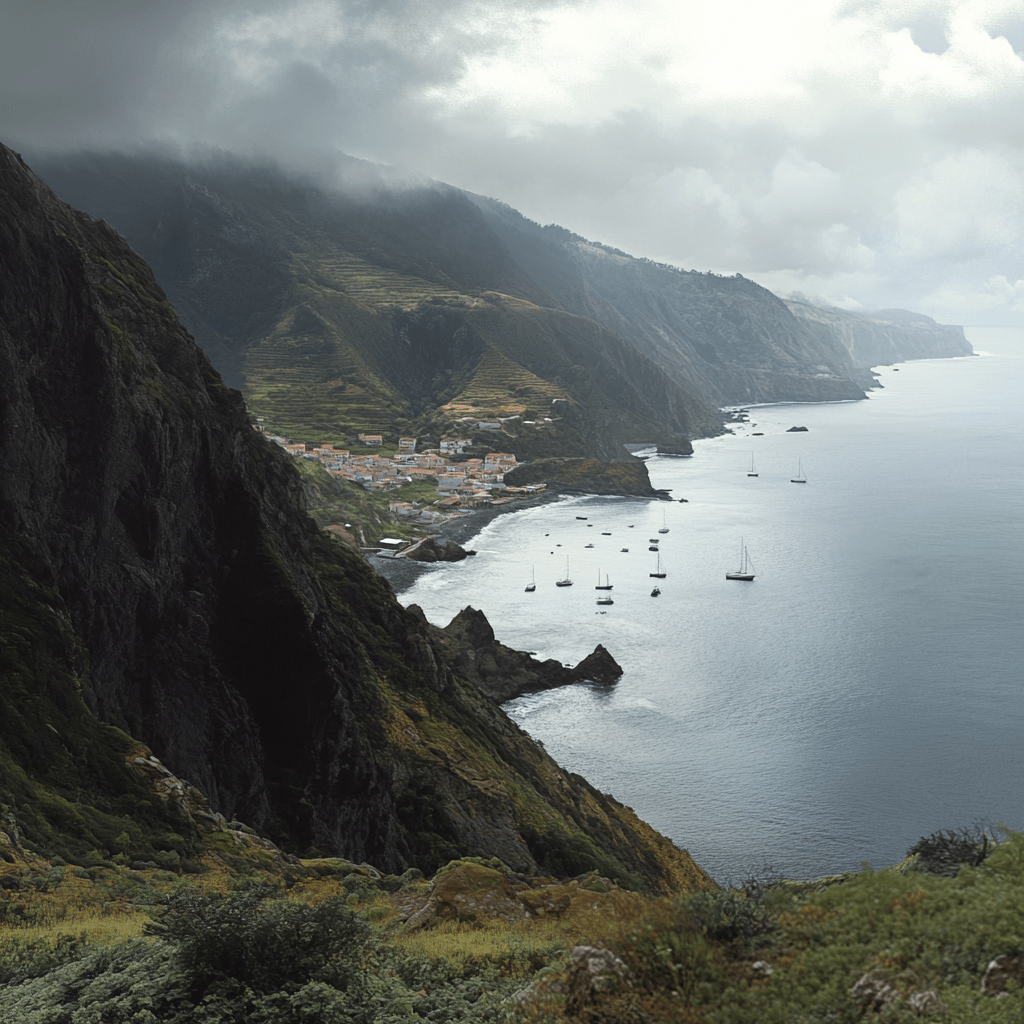
As they arrived at the viewpoint, the vast expanse of the sea stretched out before them, with the rugged coastline descending steeply into the water. Small white houses were dotted along the shore, and fishing boats could be seen bobbing in the waves.
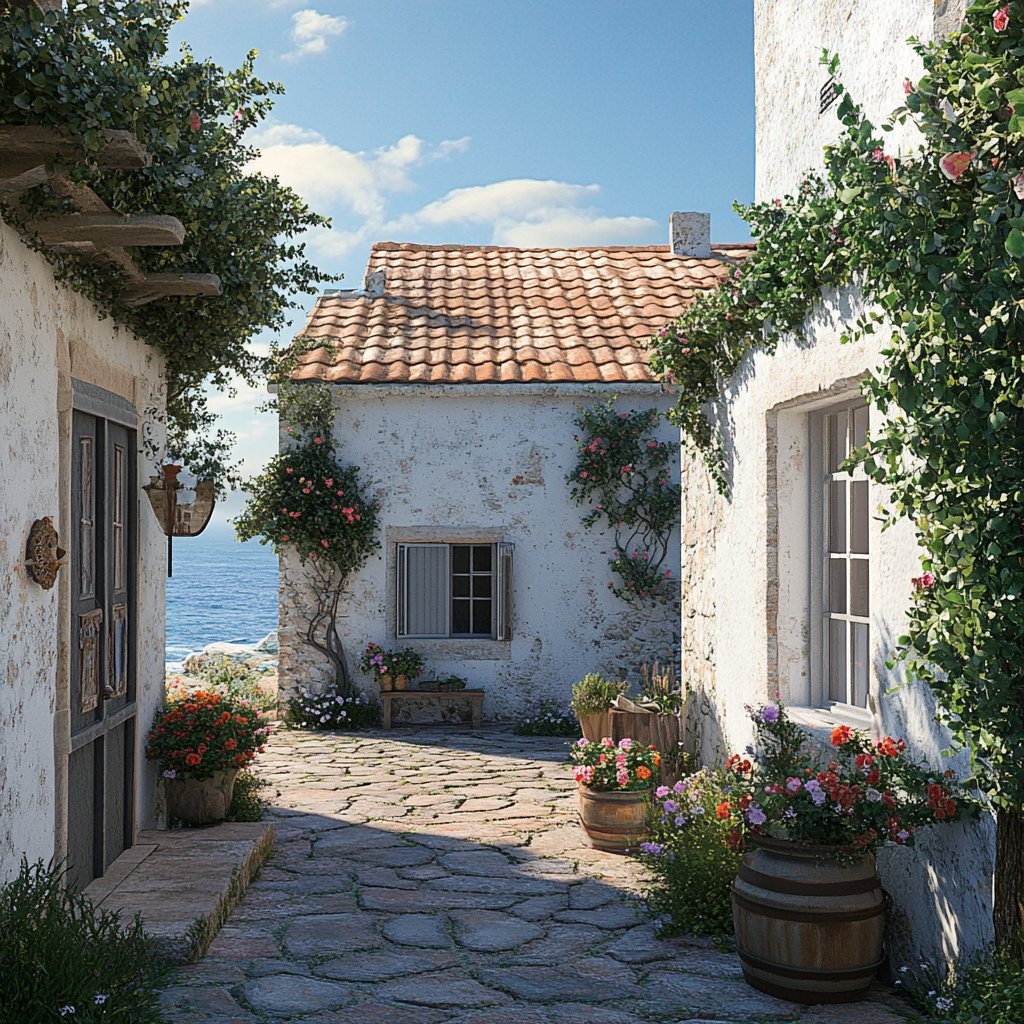
Clara: “Wow, this is stunning. The sea looks so vast from up here. I can see the fishing villages you mentioned. Life here must be so connected to the ocean."
Isabel: “It is. For centuries, these coastal communities have relied on the sea for their livelihoods. Fishing, trading, and even shipbuilding used to be central to their way of life. Today, it’s a mix of traditional fishing and tourism. The ocean is a constant presence in their lives."
Clara: “It’s so peaceful, but I imagine the sea can be unforgiving at times."
Isabel: “Yes, the Atlantic can be unpredictable, especially during the winter months when storms roll in. But the people here have learned to live with it. They’ve built their homes to withstand the wind and the salt air."
After spending some time enjoying the coastal view, they headed back towards the mountains. The road gradually shifted from the coastal cliffs back into the dense forests and winding mountain paths.
場景 5:繞道海岸

克拉拉:「我已經聞到海的味道了!真不可思議,風景變化得這麼快。就在一小時前,我們還在山區,而現在我們幾乎到了海邊。」
艾米麗:「這是西班牙北部的特點之一。山脈與海洋的距離如此之近,讓這裡在短短的距離內就擁有豐富的地形。我們快到觀景點了,在那裡我們可以看到背後的山脈和前方的大海。」
克拉拉:「我很想看看這裡的海岸線。會像山脈一樣崎嶇嗎?」
艾米麗:「它確實崎嶇,但方式不同。這裡的懸崖很陡峭,但你不會看到森林,而是多石的海灘和隱匿在海灣中的小漁村。這是一種截然不同的美。」

當她們到達觀景點時,遼闊的海面展現在她們眼前,崎嶇的海岸線陡然下降到海中。白色的小房子散落在岸邊,漁船在波浪中輕輕搖曳。
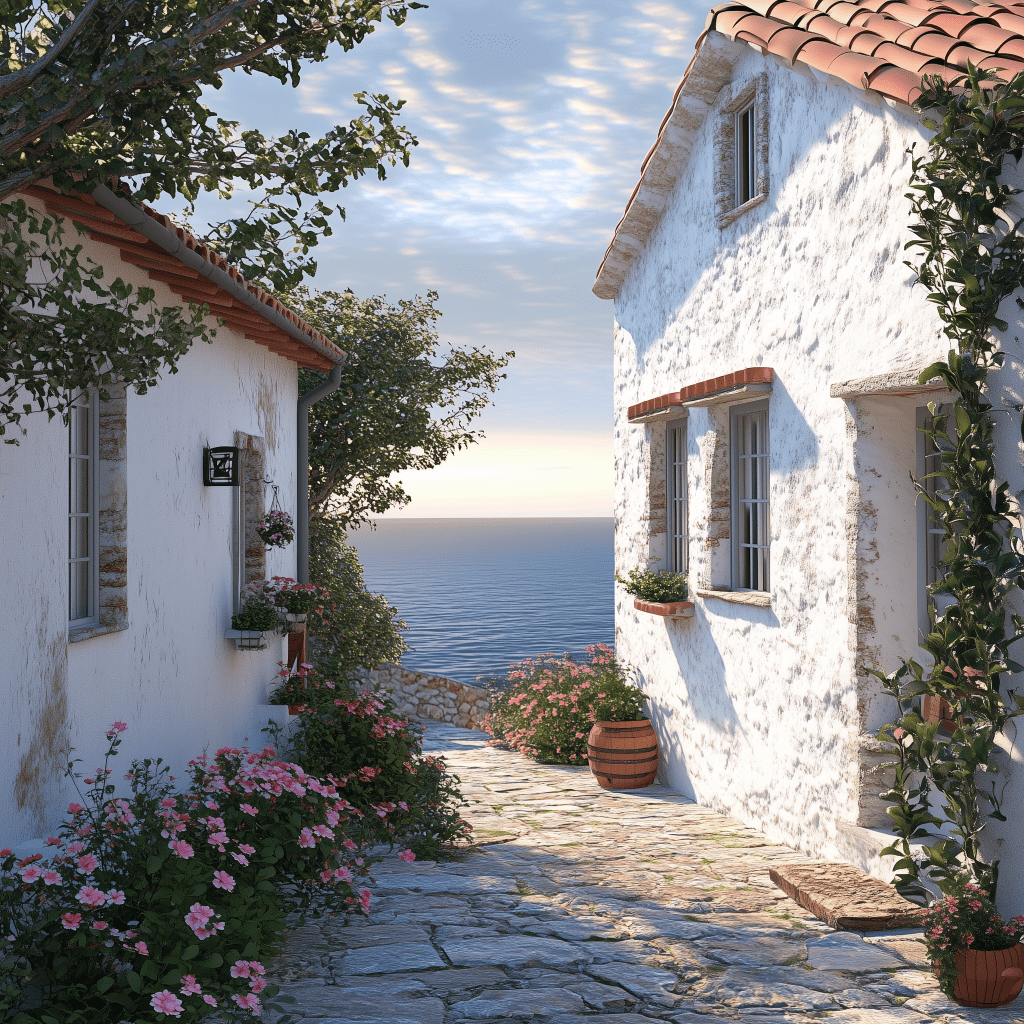
克拉拉:「哇,真是太美了。從這裡看過去,大海顯得如此遼闊。我看到了你提到的那些漁村。這裡的人們生活一定與海洋緊密相連。」
艾米麗:「沒錯。幾個世紀以來,這些沿海社區一直依賴海洋謀生。捕魚、貿易,甚至造船業曾經是他們生活的中心。今天,這裡的生活是傳統漁業與旅遊業的結合。海洋在他們的生活中一直是個不可或缺的存在。」
克拉拉:「這裡很平靜,但我想大海有時也會是無情的吧。」
艾米麗:「是的,大西洋的天氣變幻莫測,尤其是在冬季風暴來臨時。不過這裡的人們已經學會了與之共存。他們的房子也特別建造來抵禦風和鹽分。」
在享受了海岸美景後,她們再次啟程,返回山區。道路逐漸從海岸懸崖過渡到密林與蜿蜒的山路。
Scene 6: Back to the Mountains

Clara: “I’m glad we made that detour to the coast. It gave me a new perspective on how closely connected these two landscapes are."
Isabel: “Yes, it’s fascinating to see how the people here have adapted to both the sea and the mountains. It’s rare to have such contrasting environments so close together. Now, as we head back to the mountains, you’ll see how life up here is completely different."
The air grew cooler as they ascended into the higher altitudes. The dense forests returned, and soon the rugged peaks of the Cantabrian Mountains surrounded them once again.
Clara: “It’s like we’re entering a completely different world again. The sea feels so far away now, but it’s just over those mountains."
Isabel: “Exactly. And up here, the people live a much quieter, more isolated life. Agriculture, herding, and mountain traditions dominate. It’s a slower pace, but one that’s deeply connected to the land."
Clara: “It’s amazing to see how geography shapes not just the landscape, but the way people live. I’m curious to learn more about the traditions of these mountain villages."
Isabel: “We’ll get to experience that firsthand tonight. There’s a small mountain inn in the village where we’ll be staying. It’s run by a local family that has lived in the region for generations. They’ll prepare a traditional meal for us—hearty mountain food that’s perfect for this cool weather."
Clara: “I can’t wait. After seeing the coast, it’ll be great to immerse ourselves in the mountain culture as well."
場景 6:返回山區

克拉拉:「很高興我們繞道去看了海岸。這讓我對這兩個地貌的緊密連結有了新的視角。」
艾米麗:「是的,這裡的人如何適應海與山的生活非常有趣。這樣的地理條件很罕見,能在如此接近的距離內擁有如此不同的環境。現在,我們回到山裡,你會看到這裡的生活與海邊完全不同。」
隨著她們的海拔逐漸上升,空氣變得涼爽。茂密的森林再次出現,坎塔布連山脈的崎嶇山峰再次將她們包圍。
克拉拉:「感覺就像我們再次進入了一個完全不同的世界。海洋現在感覺遙不可及,但實際上就在那些山後面。」
艾米麗:「沒錯。而在這裡,山裡的生活要安靜得多,也更加與世隔絕。這裡的人主要依靠農業、畜牧業,並且保持著許多傳統。生活節奏較慢,但與這片土地有著深厚的聯繫。」
克拉拉:「真是令人驚嘆,地理環境不僅塑造了風景,也塑造了人們的生活方式。我很期待了解更多這些山區村莊的傳統。」
艾米麗:「今晚我們就能親身體驗。接下來我們會住在一個小山村裡的旅館,那是一家當地家族經營的旅館,他們世世代代住在這個地區。他們會為我們準備傳統的山區餐點,非常適合這種涼爽的天氣。」
克拉拉:「我已經迫不及待了。看完海岸後,沉浸在這裡的山區文化一定會非常有趣。」


發表留言