
After leaving the inn in the Basque town, Clara and Isabel decided to continue exploring the more remote villages and mountainous areas of the Basque region. They chose not to head towards large cities, instead opting to delve deeper into the Basque interior, seeking out places that are sparsely populated and more closely connected to nature and history.
From Wiki
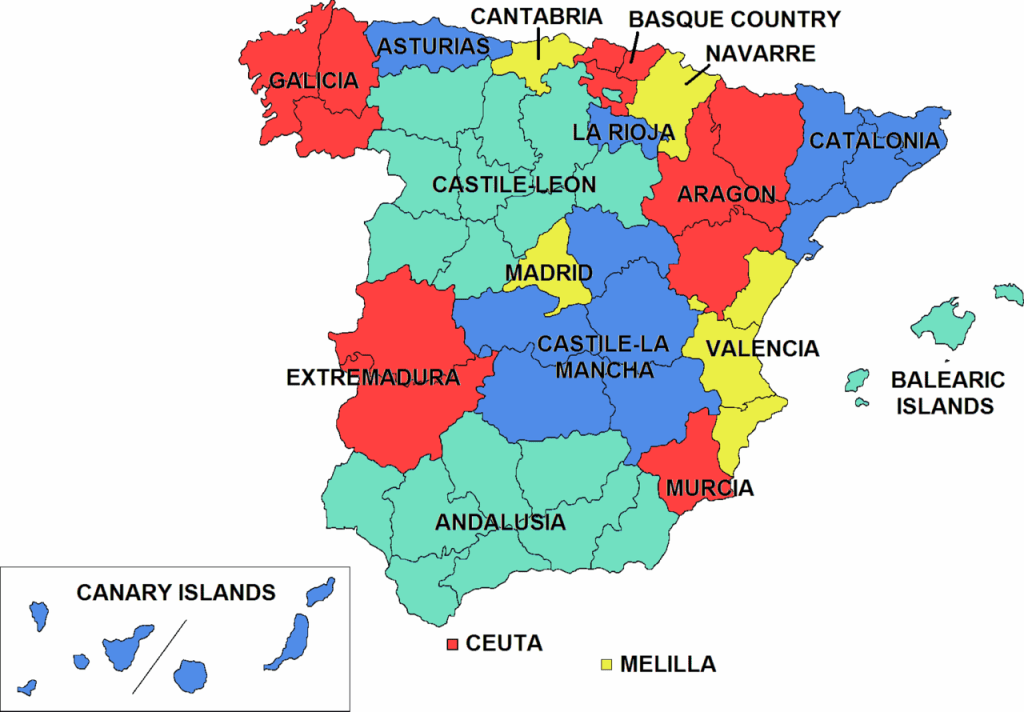
Scene 1: Heading Towards the Mountains
Clara: “That was a good stay. I feel like I’m starting to understand the pace of life here. But I’m curious—what’s next? I’d love to get further into the countryside."
Isabel: “I was thinking the same. We’ve seen the village life, but we haven’t experienced the mountains yet. What if we head towards the Pyrenees? There are a few small villages along the way, tucked into the hills."
Clara: “That sounds perfect. We’ll get a sense of the more isolated communities. I imagine the further we go, the more connected to the land people become."
Isabel: “Exactly. The Pyrenees have always been a natural barrier and a refuge. These villages aren’t just physically remote—they’ve also managed to preserve a lot of their old ways. Let’s head toward one of the small towns nestled up there, maybe near the Irati Forest."
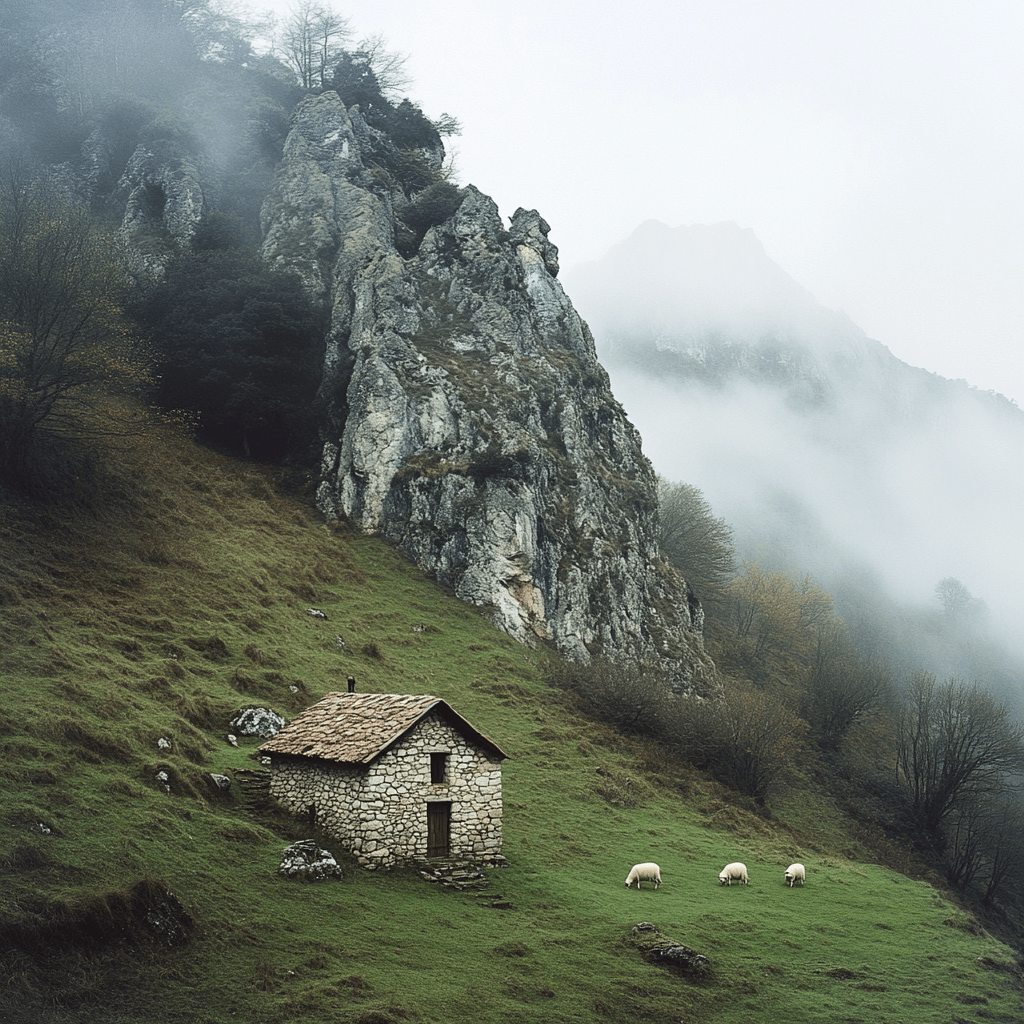
(They pack their bags and check out of the inn. The innkeeper waves them off as they drive out of the small town, the narrow roads soon leading them into more mountainous terrain. The hills grow steeper, and the roads wind tighter as they head further into the Pyrenees.)
Clara: “Look at this place. The landscape feels wilder here—like nature has taken over again. The roads are narrower, and there’s hardly anyone around."
Isabel: “This part of the region has been like this for centuries. Not many people pass through unless they have a reason. It’s isolated, but it’s also protected. There are still shepherds who live up in these mountains."
Clara: “I wonder what life is like up here, so far removed from everything else. Do you think people here are still as connected to the independence movement, or is that more of a village or city thing?"
Isabel: “It’s hard to say. Up here, the focus might be more on survival and the land itself. These communities are likely more self-sufficient, relying on traditional ways. But I bet the spirit of independence is still alive—it’s just tied to their way of life. You’re not as worried about politics when you’re up here; you’re focused on keeping your land and your family going."
Clara: “That makes sense. You can almost feel that connection in the air, can’t you? The landscape itself feels like it’s untouched by modernity. It’s easier to see why people would fight to protect this way of life."
(As they drive deeper into the mountains, the villages they pass become fewer and farther between. They soon arrive at a small town nestled at the foot of the mountains, its stone houses blending into the landscape.)
Clara: “This is exactly what I imagined—small stone houses, no big roads, just the mountains all around. Let’s stop here for a while."
Isabel: “Good idea. We can talk to some of the locals and see how they live here. I bet the traditions run deep."
(They park their car and step out into the cool mountain air. The town is quiet, with only a few people outside tending to their gardens or chatting near the church. It’s a place where time seems to have slowed down.)
在離開巴斯克小鎮的旅館後,Clara 和 Isabel 決定繼續探索巴斯克地區更偏僻的鄉村和山區。他們不再前往大城市,而是選擇深入到巴斯克內陸,尋找那些人煙稀少、與自然和歷史更加緊密相連的地方。
場景 1: 前往山區

克拉拉:「那真是個不錯的住宿。我感覺我開始了解這裡的生活節奏了。不過接下來去哪裡?我想深入鄉村看看。」
伊莎貝爾:「我也有同樣的想法。我們看過了小鎮生活,但還沒真正體驗山區。要不我們往比利牛斯山方向走?沿路還有一些小村莊,藏在群山之中。」
克拉拉:「這主意不錯。我們可以了解更偏遠的社區。我猜我們走得越遠,人們與土地的聯繫就越深。」
伊莎貝爾:「沒錯。比利牛斯山一直是一個天然的屏障和庇護所。這些村莊不僅僅是地理上的偏僻,它們還保留了很多古老的生活方式。我們可以去靠近伊拉提森林的小鎮看看。」
(她們收拾好行李,從旅館退房。當她們開車離開小鎮時,旅館主人揮手告別。車子沿著狹窄的道路駛向更加山區的地帶,山坡變得更加陡峭,彎道也越來越多,逐漸進入比利牛斯山脈。)
克拉拉:「看看這裡。這裡的景觀感覺更加原始,像是大自然重新接管了一樣。道路變窄了,幾乎沒有人跡。」
伊莎貝爾:「這片地區幾個世紀以來都是這樣。除非有特殊原因,否則很少有人經過。這裡與世隔絕,但也因此得到了保護。這些山裡還有牧羊人生活。」
克拉拉:「我想知道這裡的生活是怎麼樣的,遠離一切。你覺得這裡的人仍然關心獨立運動嗎?還是說那主要是小鎮或城市裡的事情?」
伊莎貝爾:「很難說。在這裡,生活的重點可能更多是土地本身和生存方式。這些社區可能更自給自足,依賴傳統的方式。但我猜獨立的精神仍然存在,只是與他們的生活方式緊密相連。當你住在這樣的地方,政治並不是你最擔心的事,你更關心的是如何維持你的土地和家族。」
克拉拉:「這說得通。你幾乎能在空氣中感受到這種聯繫,對吧?這片土地感覺還未受到現代化的侵擾。很容易理解為什麼人們會為了保護這樣的生活方式而奮鬥。」
(她們繼續開車深入山區,經過的村莊越來越少,距離也越來越遠。不久後,她們到達了一個位於山腳的小鎮,石頭房屋與周圍的景觀融為一體。)
克拉拉:「這正是我想像中的樣子——小小的石頭房屋,沒有大馬路,周圍全是山。我們在這裡停一會兒吧。」
伊莎貝爾:「好主意。我們可以跟當地人聊聊,看看他們在這裡是怎麼生活的。我敢肯定這裡的傳統一定很深厚。」
(她們停好車,走進涼爽的山區空氣中。小鎮很安靜,只有幾個人在戶外打理花園或在教堂附近聊天。這是一個時間似乎放慢腳步的地方。)
Scene 2: Continuing Eastward from the Basque Region
Clara: “So, we’re heading further east now. I guess we’ll eventually leave the Basque region, but we’re still in Spain, right?"
Isabel: “Yes, we’ll stay in Spain, but once we leave the Basque region, you’ll start to notice changes not just in the landscape, but also in the culture. The further east we go, the more you’ll see the influence of other regions becoming more apparent."
(They drive along the winding mountain road, leaving behind the green hills of the Basque Country. The terrain gradually becomes drier, with more exposed rocks, and the air becomes warmer.)
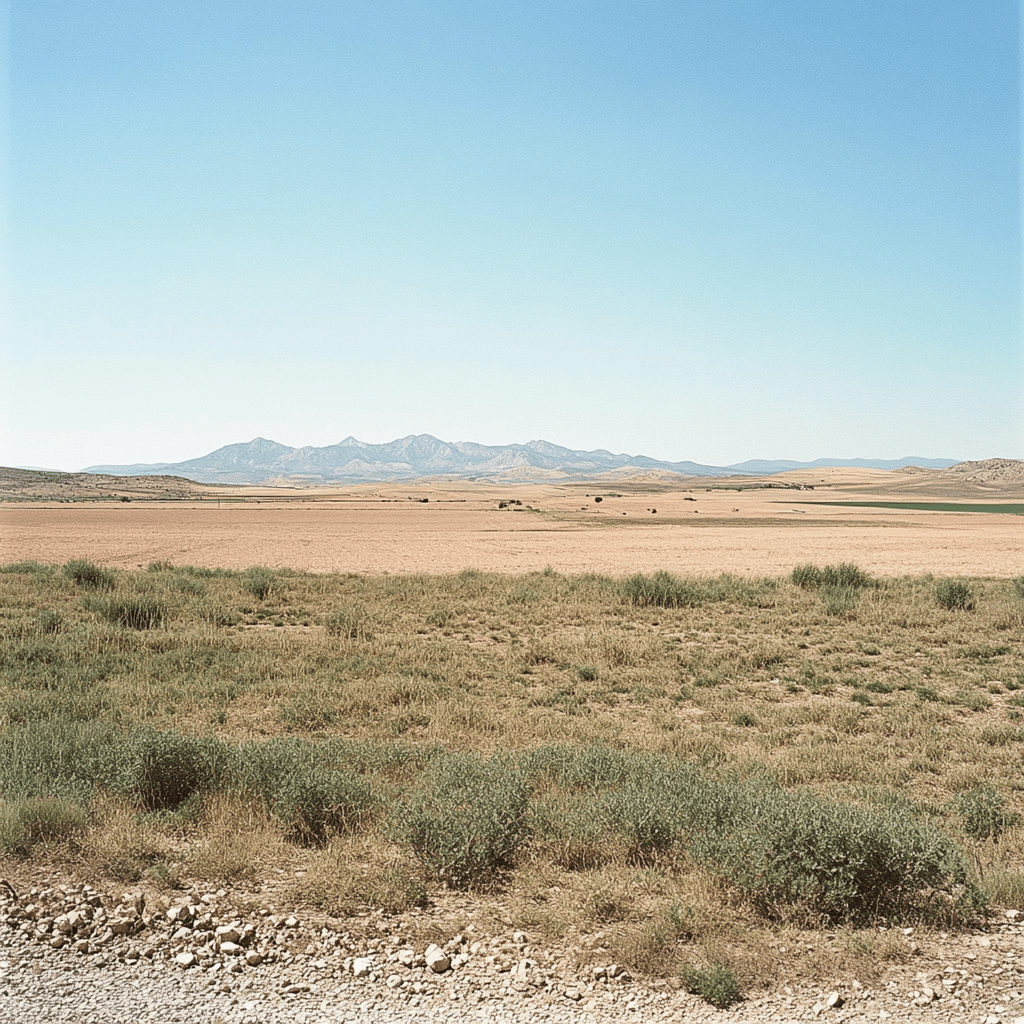
Clara: “The landscape is already starting to change. Fewer trees, more rocks, and the air feels drier. It’s amazing how much things can change in just a few hours."
Isabel: “Yeah, this area is really a crossroads for Spain. We’re leaving behind the milder, greener hills of the Basque Country and moving into the drier, Mediterranean climate. As the geography changes, so do the ways people live."
Clara: “How do things change? I mean, what will be different culturally as we move east?"
Isabel: “First of all, the language. You’ll hear more Spanish and less Basque. As we get closer to regions like La Rioja and Aragón, you’ll start to notice changes in dialects and accents. Along with that comes changes in traditions—everything from food to festivals will start to differ more and more."
Clara: “I’m curious about how these places maintain their identity, especially when they’re so close to each other. In the Basque Country, people’s identity seemed so closely tied to their land and history. Is it the same here?"
Isabel: “It’s somewhat similar, but also quite different. In places like La Rioja, people have their own distinct culture, but it’s more centered around local traditions, especially winemaking. La Rioja is famous for its vineyards, and much of the culture revolves around that industry."
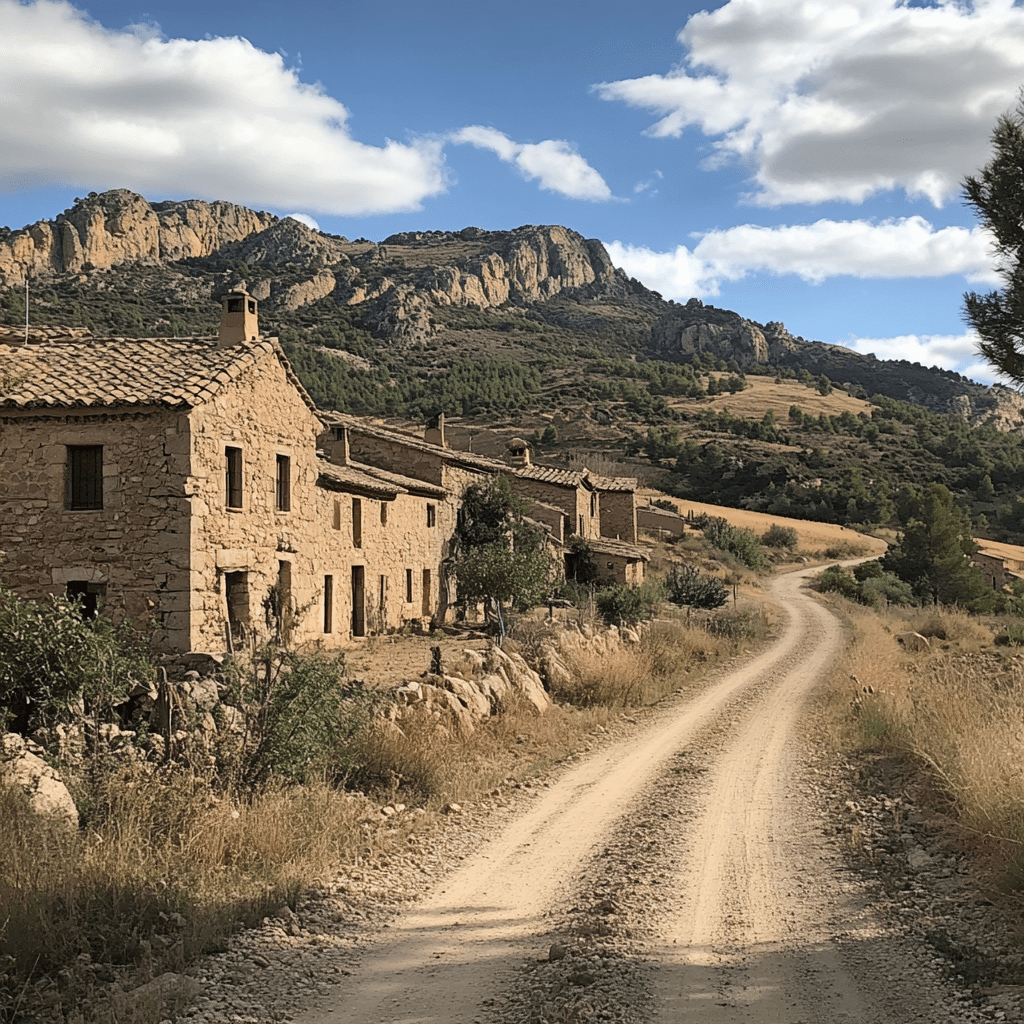
(They pass several vineyard signs, and the hills are now dotted with rows of grapevines stretching to the horizon.)
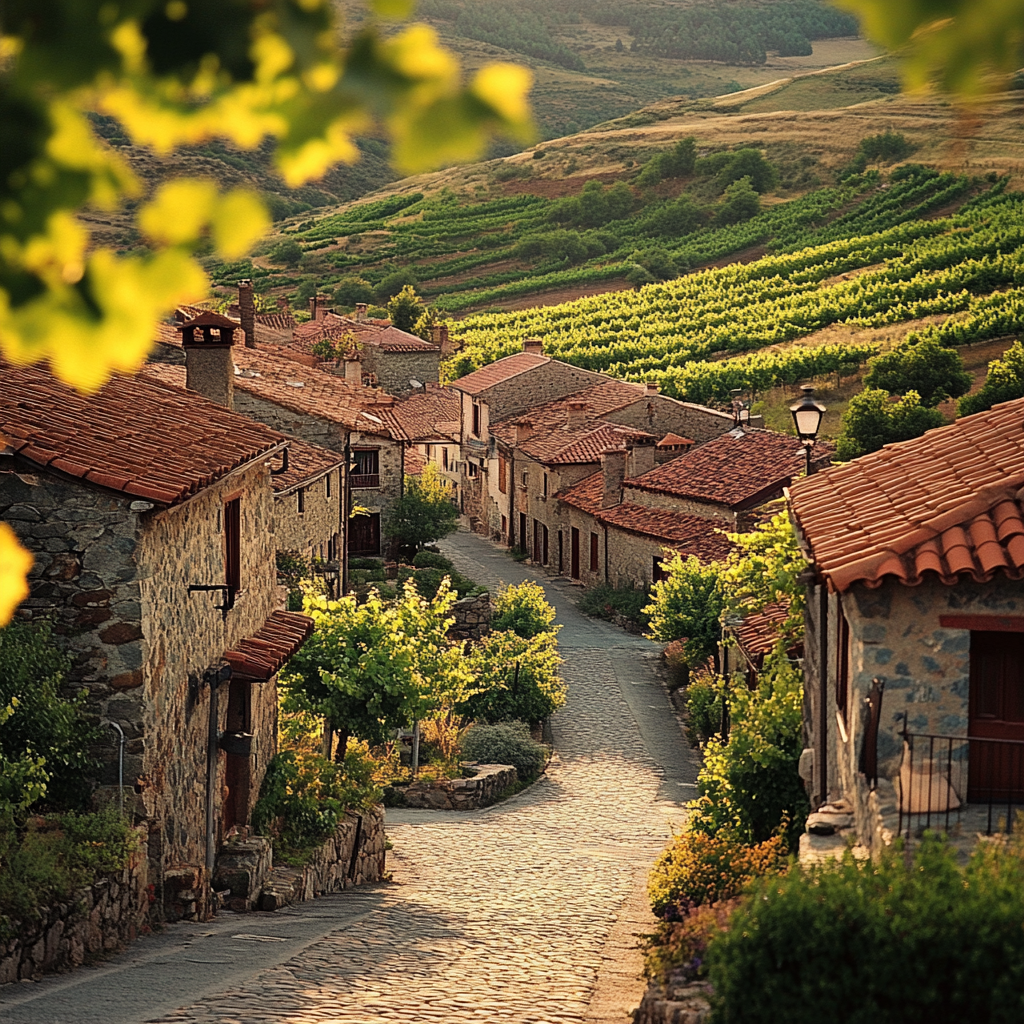
Clara: “So, this is wine country? It’s such a contrast from the mountains and forests of the Basque Country. It feels more open and more developed here."
Isabel: “Exactly, vineyards are the backbone of the economy here, and that changes the way of life. Compared to the more isolated mountain lifestyle of the Basque region, here people rely more on agriculture and trade. Wine is everything in La Rioja—from festivals to the economy, even in daily life."
Clara: “Geographically, it feels like we’re moving into flatter land, but there are still some hills in the distance."
Isabel: “Yes, La Rioja is sort of a transition zone. It has rolling hills that are perfect for growing grapes, but as we keep moving east, the land will get drier and flatter, especially as we approach Aragón. There, the influence of the Ebro River is crucial—it has shaped the landscape and the way people have lived for centuries."
Clara: “It’s fascinating how quickly geography can change, and how it really influences culture. In the Basque Country, the sense of identity was so deeply connected to the mountains and the sea. And here, it’s all about vineyards and agriculture."
Isabel: “That’s one of the amazing things about Spain. You can drive for just a few hours and feel like you’re in a completely different world. The geography changes, and so do the traditions. But even with all these differences, each region still contributes to the larger Spanish identity, even if they express it in different ways."
(They continue driving, and the landscape becomes drier. Vineyards gradually give way to flatter farmland and wide plains, signaling that they’re nearing Aragón.)
Clara: “The landscape is so much more open now. It feels like it’s perfect for large-scale farming. The land just stretches out for miles."
Isabel: “Yes, this terrain and the valleys are what define Aragón. The Ebro River is the lifeblood of this region. Its culture is deeply tied to agriculture and trade, and historically, this area was a crossroads of several kingdoms, which shaped the social structure here."

Clara: “Do people here still feel as connected to their history and culture as the Basques do?"
Isabel: “Absolutely. Aragón has a rich history, especially during the medieval period when it was part of the powerful Kingdom of Aragón. People here take great pride in that history, especially in the castles, churches, and other medieval ruins. While they don’t emphasize independence or an ancient language like the Basques, they still hold their past in high regard."
場景 2: 從巴斯克區繼續向東前行
克拉拉:「所以我們現在往東走了,應該很快就會離開巴斯克區了吧,不過我們還是在西班牙,對吧?」
伊莎貝爾:「對,我們會留在西班牙,但離開巴斯克區後,你會開始注意到不僅是地貌,文化上也會有明顯變化。往東走越遠,你會看到其他地區的影響變得更加明顯。」
(他們沿著蜿蜒的山路駛離巴斯克的綠色丘陵,地形逐漸變得乾燥,岩石裸露出來,空氣也變得更溫暖。)
克拉拉:「風景已經開始變化了。樹木變少了,岩石變多,空氣也感覺乾燥一些了。才開了幾個小時就能看到這麼大的差別,真讓人驚訝。」
伊莎貝爾:「是啊,這一帶是西班牙的交匯點。我們離開了巴斯克地區那種更溫和、綠意盎然的山地,進入了更乾燥的地中海氣候。地理變了,人們的生活方式也會隨之改變。」
克拉拉:「怎麼改變呢?我指的是文化上,接下來我們會看到什麼不同?」
伊莎貝爾:「首先是語言。你會聽到更多的西班牙語,而不是巴斯克語。隨著我們接近像拉里奧哈(La Rioja)和亞拉岡(Aragón)這些地區,方言和口音會開始變化。這也意味著傳統的改變——從飲食到節日,差別會越來越明顯。」
克拉拉:「我很好奇,這些地方怎麼保持自己的身份,尤其是當它們彼此這麼接近的時候。在巴斯克區,人們的身份認同感好像跟他們的土地和歷史緊密相連。這裡也是這樣嗎?」
伊莎貝爾:「有點相似,但也不太一樣。在像拉里奧哈這樣的地方,人們有自己獨特的文化,但它們更多是圍繞著當地的傳統,特別是葡萄酒生產。拉里奧哈因葡萄園而聞名,很多文化都圍繞著這個產業展開。」
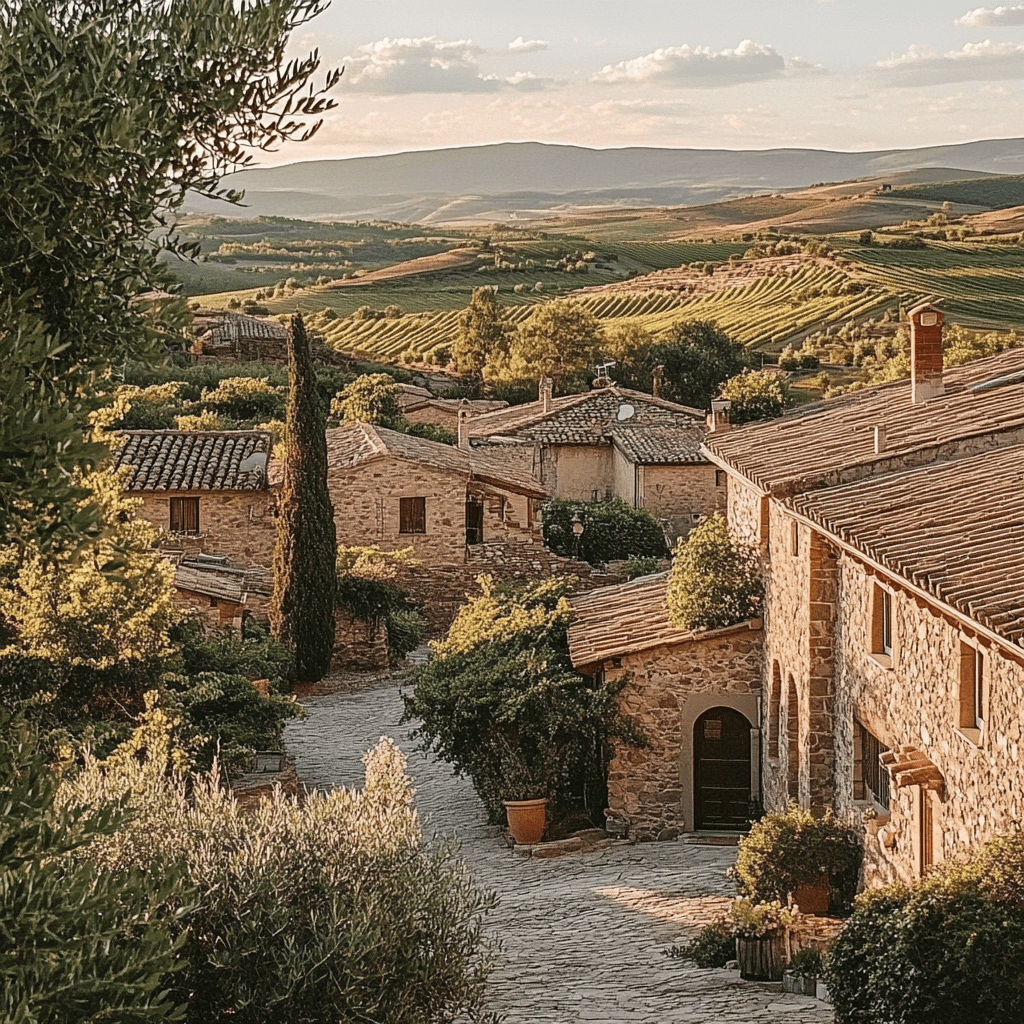
(他們經過幾個葡萄園的標誌,遠處的山坡上已經點綴著成片的葡萄藤,延伸到地平線。)
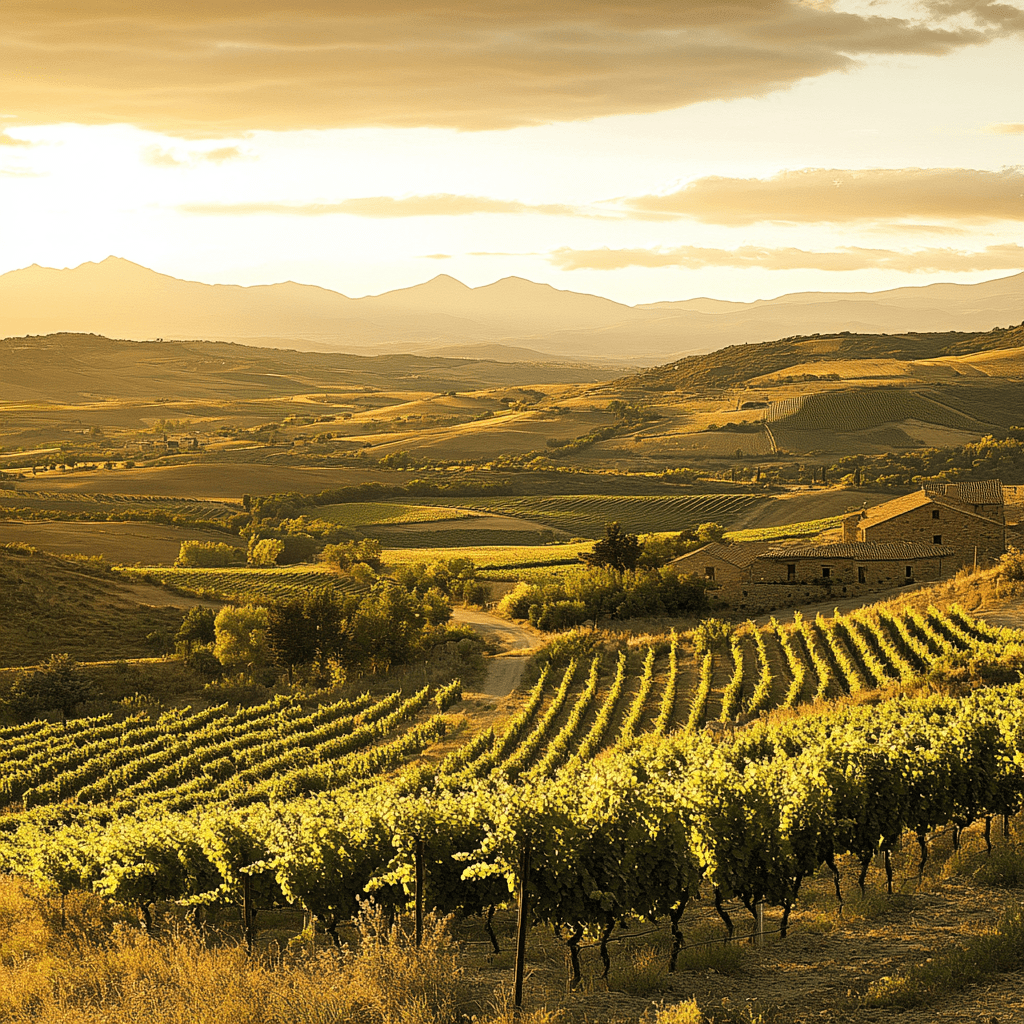
克拉拉:「原來這裡是葡萄酒之鄉啊?這跟巴斯克的山林和森林區完全不一樣,這裡的感覺更開闊、更被開發。」
伊莎貝爾:「沒錯,葡萄園是這裡經濟的支柱,這也改變了這裡的生活方式。相比起巴斯克那種孤立的山區生活,這裡更多依賴農業和貿易。葡萄酒幾乎是拉里奧哈的一切——從節日到經濟,甚至是日常生活。」
克拉拉:「從地理上看,感覺我們正進入更平坦的土地,但遠處還有一些山丘。」
伊莎貝爾:「是的,拉里奧哈算是一個過渡區,有起伏的山丘,適合葡萄種植,但隨著我們繼續往東走,地形會變得更加乾燥和平坦,尤其是接近亞拉岡的時候。那裡的埃布羅河(Ebro River)對當地的影響很大,塑造了這片土地以及這裡的人們生活了幾個世紀。」
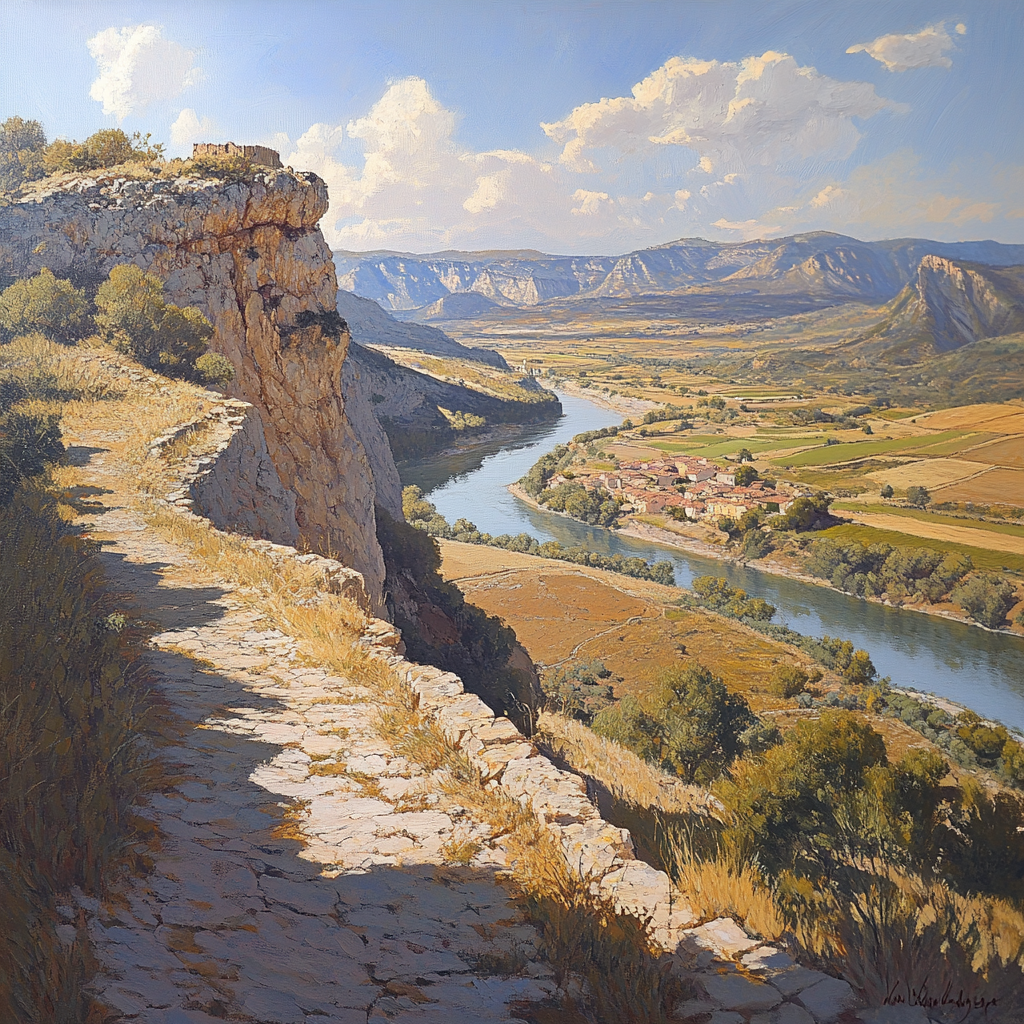
克拉拉:「很有趣,地理變遷如此迅速,而且它真的能深刻影響當地的文化。巴斯克地區的身份感非常強烈,與山脈和海洋有著密不可分的聯繫。而在這裡,似乎一切都圍繞著葡萄園和農業。」
伊莎貝爾:「這就是西班牙迷人的地方之一。你只需開幾個小時的車,就會感覺像進入了完全不同的世界。地理在變,文化也隨之改變。不過,儘管每個地區都有獨特的表達方式,它們依然共同構建了整體的西班牙身份,雖然方式不同,但都有所貢獻。」
(他們繼續駕駛,景觀逐漸變得更加乾燥,葡萄園逐漸變少,取而代之的是更加平坦的農田和開闊的平原,這是亞拉岡地區的前兆。)
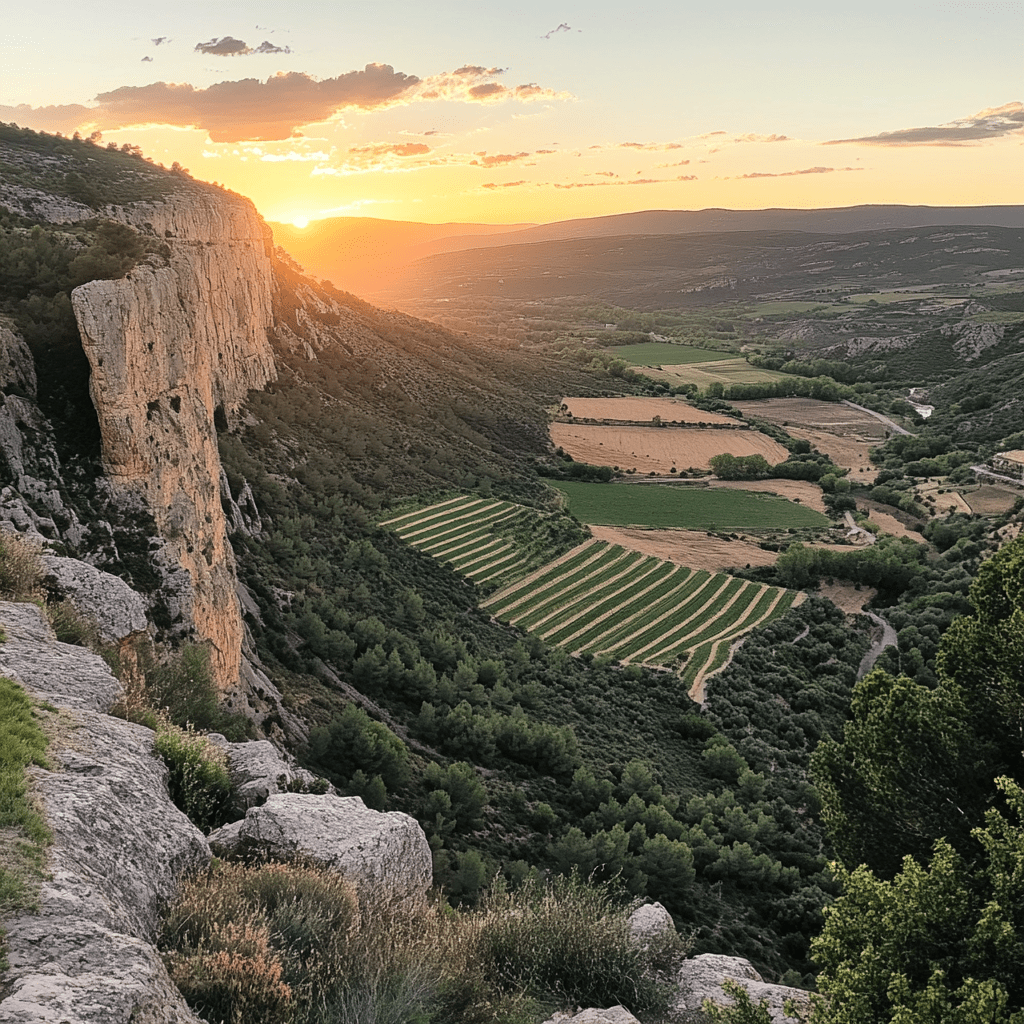
克拉拉:「現在風景變得更加開闊了。感覺這裡適合大規模的耕作和農業。土地向四周延展開來,一眼望不到邊。」
伊莎貝爾:「是啊,這裡的地形和河谷是亞拉岡的象徵,尤其是埃布羅河,它是這片土地的生命線。這裡的文化與農業和貿易緊密相關,從歷史上看,這裡曾是幾個王國的交匯處,這影響了當地的社會結構。」
克拉拉:「這裡的人還會像巴斯克人一樣,對自己的歷史和文化感到強烈的聯繫嗎?」
伊莎貝爾:「一定會的,亞拉岡有著豐富的歷史,尤其是在中世紀,這裡曾是強大的亞拉岡王國的一部分。人們對這段歷史充滿自豪感,特別是那些曾經的城堡、教堂和其他中世紀遺跡。雖然他們不像巴斯克人那樣強調獨立性和古老語言,但他們對自己的過去同樣珍視。」

 Virtual Travel | 虛擬旅行沉浸式英語學習
回覆給The Virtual World Explorer 取消回覆