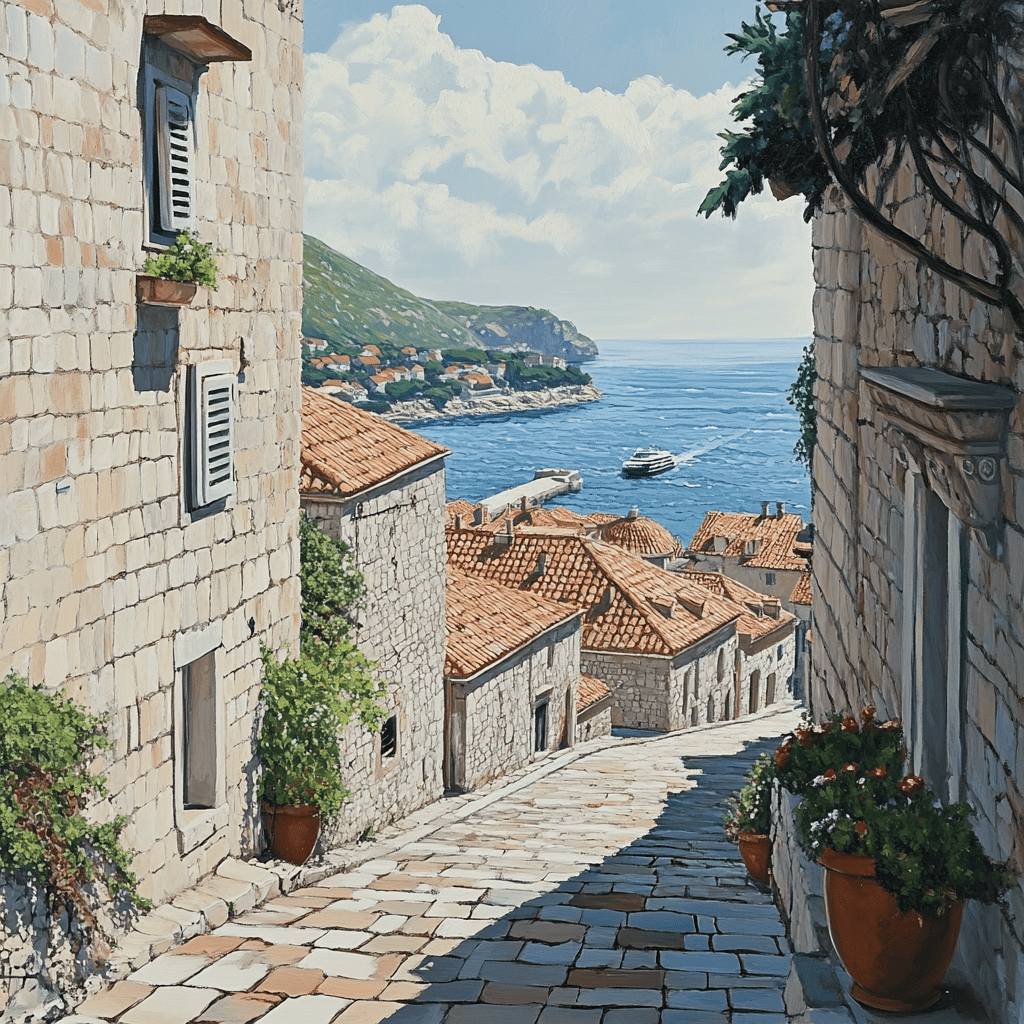
Clara and Isabel had first met during an academic conference two years ago, and despite their different areas of expertise, they quickly bonded over their shared passion for understanding how history and geography shape the world. Clara, a professor of medieval history, had spent years studying the impact of political shifts on European cities. Isabel, a geographer and geologist, was fascinated by how natural landscapes influenced human settlements and migrations throughout history.
Their work often overlapped, particularly in places like Dubrovnik, where geography and politics were inseparable. After years of exchanging ideas through emails and meetings, they finally decided to combine their research interests into a journey—an exploration not just of places, but of how history and geography intertwined to shape cultures. This journey through the Balkans and beyond would be their chance to see these intersections firsthand, starting with Dubrovnik, the ancient maritime powerhouse.
Scene 1: Dubrovnik: A Medieval Powerhouse Amidst the Shifting Sands of Europe
Clara: “Before we rush off to our next destination, we should really take some time to explore this city. Walking along these ancient streets, you can almost feel the weight of history here."
Isabel: “Absolutely. Dubrovnik isn’t just another coastal city—it was the capital of the Ragusa Republic, an independent city-state that managed to survive and even thrive between some of Europe’s most powerful forces. While the rest of Europe was dominated by empires like the Ottomans, Venetians, and the Habsburgs, this small republic held its own through diplomacy and trade."
Clara: “The walls here are remarkable. They’ve been standing since the Middle Ages, right? You can see why they needed such strong defenses."
Isabel: “Yes, Dubrovnik’s walls are legendary, especially for a city its size. They were built starting in the 12th century and were reinforced over the centuries. The fact that they’re still here, largely intact, is incredible. The Republic relied heavily on these fortifications during times of conflict, particularly with Venice and the Ottoman Empire."
(They walk along the city walls, looking out over the sparkling Adriatic Sea.)
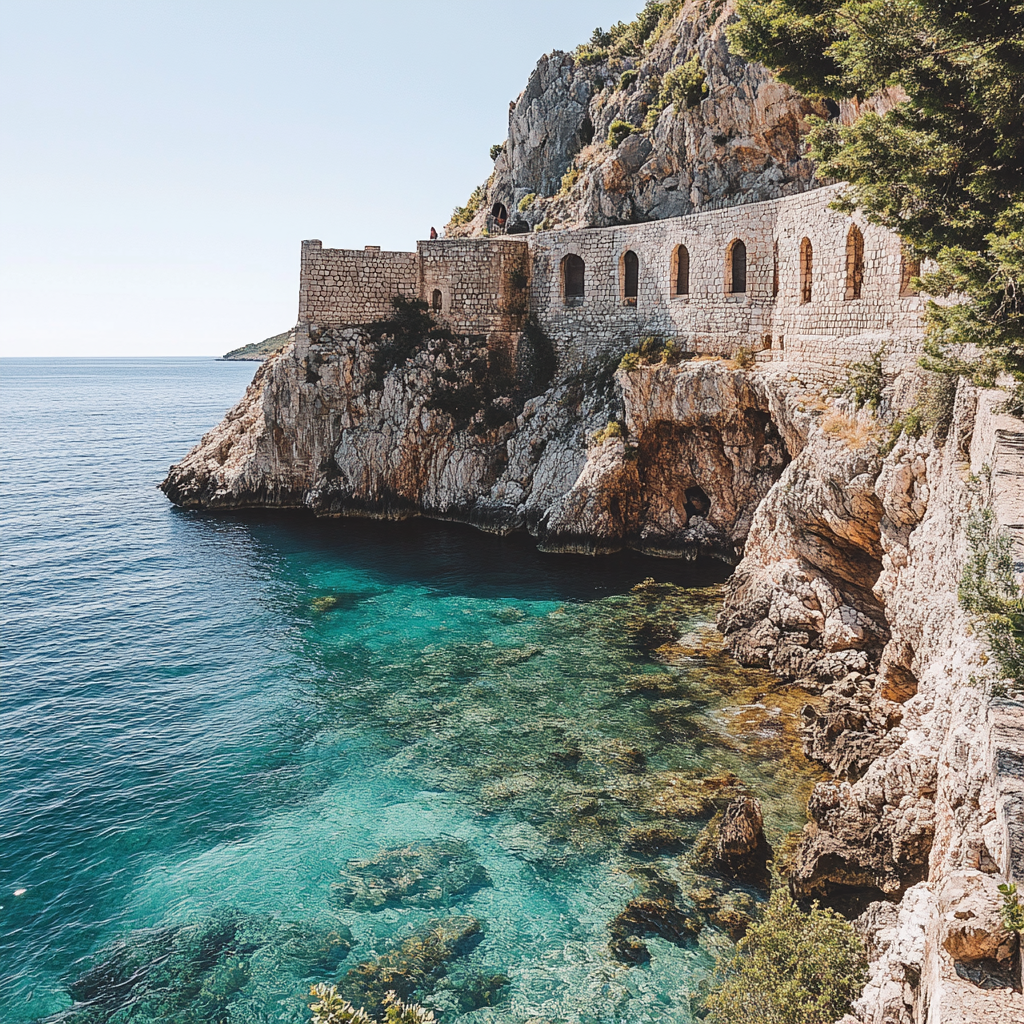
Clara: “It’s amazing how a small city like this could navigate between two empires. You mentioned Venice and the Ottomans—was Dubrovnik allied with one of them?"
Isabel: “That’s the fascinating part. Dubrovnik remained neutral, or at least tried to, using its diplomatic skills to maintain independence. It paid tribute to the Ottoman Empire to avoid being conquered, while simultaneously trading with Venice and the rest of Europe. Its geographic position made it an ideal middleman for trade between the East and the West."

Clara: “That explains the wealth of the city. It wasn’t just about defense; it was about smart diplomacy and economic strategy."
Isabel: “Exactly. During a time when much of Europe was at war or under threat, Dubrovnik was thriving as a hub of trade. It abolished slavery in the 15th century, long before many other European powers even considered it. Its public health systems, like the quarantine station they built during the plague, were centuries ahead of their time."
Clara: “And what about its role in the broader context of medieval Europe? Wasn’t this period particularly chaotic?"
Isabel: “It was. Europe was in turmoil—the Hundred Years’ War was reshaping France and England, the Ottoman Empire was advancing into the Balkans, and the Renaissance was just beginning to stir in Italy. Dubrovnik, while small, stood as a beacon of stability. It wasn’t involved in Europe’s major wars, but it played a crucial economic and diplomatic role, especially for those looking to bypass the larger powers like Venice."
Clara: “That really gives this place a unique position in history. While empires were rising and falling, Dubrovnik was using its geography and political skill to navigate those turbulent waters."
Isabel: “Yes, Dubrovnik was a survivor. It balanced between East and West, Christian and Muslim worlds, using diplomacy, trade, and clever governance. That’s what makes walking these streets so powerful—you’re literally standing in a city that managed to stay afloat while much of Europe was burning."
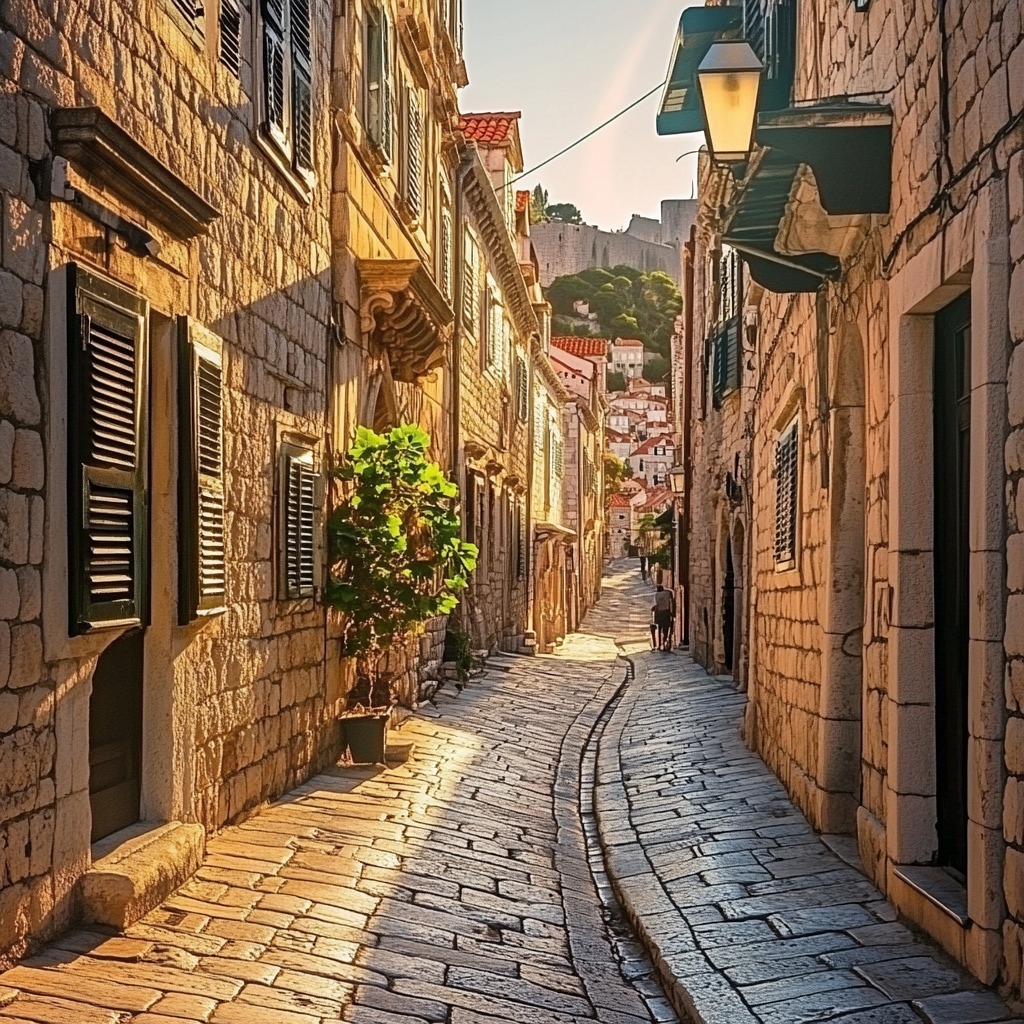
Clara: “And here we are, centuries later, still able to walk these same streets. It’s a testament to the city’s resilience."
Isabel: “Absolutely. The fact that we can see the influence of both the East and West here, in the architecture, the art, and even the food, is remarkable. It’s like a living history lesson."
克拉拉和伊莎貝爾是在兩年前的一次學術研討會上相識的,儘管他們的研究領域不同,但很快因對歷史與地理如何塑造世界的共同熱情而建立了深厚的友誼。克拉拉是一位中世紀歷史學教授,多年來一直研究政治變遷對歐洲城市的影響。伊莎貝爾則是一位地理學家和地質學家,對自然景觀如何影響人類定居點和歷史上的遷徙充滿興趣。
她們的研究經常在像杜布羅夫尼克這樣的地方交集,這裡的地理與政治密不可分。經過數年的電郵交流和學術會議,她們最終決定將各自的研究興趣結合成一次旅程——不僅探索地點,更探索歷史與地理如何交織影響文化。這次穿越巴爾幹半島及其他地區的旅程,將是她們親眼見證這些交集的機會,而杜布羅夫尼克,這座古老的海上強國,將成為她們的起點。
場景 1:杜布羅夫尼克:中世紀歐洲風雲變幻中的強權之城
Clara:「在我們前往下一個目的地之前,我們應該真的花點時間好好逛逛這座城市。走在這些古老的街道上,你幾乎可以感受到這裡厚重的歷史。」
Isabel:「沒錯。杜布羅夫尼克不僅僅是一座普通的沿海城市——它曾是 拉古薩共和國 的首都,一個獨立的城邦,能夠在歐洲一些最強大的勢力之間生存並繁榮。在當時,當歐洲的其他地方被奧斯曼帝國、威尼斯和哈布斯堡家族等帝國主宰時,這個小共和國通過外交和貿易維持了自己的獨立。」
Clara:「這裡的城牆太了不起了。這些牆自中世紀以來就矗立在這裡吧?你能理解為什麼他們需要這麼強大的防禦工事。」
Isabel:「是的,杜布羅夫尼克的城牆非常有名,尤其是對於一座這麼小的城市來說。這些城牆從12世紀開始建造,並在幾個世紀中不斷加固。它們至今幾乎完好無損,這真的很不可思議。在與威尼斯和奧斯曼帝國的衝突中,這些防禦工事對於共和國來說至關重要。」
(她們走在城牆上,俯瞰著閃閃發光的亞得里亞海。)

Clara:「這座小城竟然能在兩個帝國之間游刃有餘,這真是不可思議。你剛剛提到威尼斯和奧斯曼帝國——杜布羅夫尼克當時與其中之一結盟嗎?」
Isabel:「這正是最有趣的地方。杜布羅夫尼克保持中立,或者至少是努力保持中立,利用其高超的外交技巧來維持獨立。它向奧斯曼帝國進貢,以避免被征服,但同時也與威尼斯和歐洲其他地區進行貿易。它的地理位置使其成為東西方貿易的理想中介。」
Clara:「這解釋了這座城市的富庶。這不僅僅是防禦問題,還是智慧的外交和經濟策略。」
Isabel:「沒錯。在歐洲大部分地區陷入戰爭或受到威脅的時期,杜布羅夫尼克作為貿易樞紐蓬勃發展。它在15世紀就廢除了奴隸制度,遠遠早於許多歐洲強國。其公共衛生系統,例如在瘟疫期間建立的隔離站,也是領先於當時的時代。」
Clara:「那麼,這座城市在整個中世紀歐洲的背景下扮演什麼角色?那段時期相當混亂吧?」
Isabel:「的確如此。歐洲當時正處於動盪之中——百年戰爭正在改變法國和英格蘭,奧斯曼帝國正在向巴爾幹地區進軍,文藝復興也正在意大利崛起。而杜布羅夫尼克,雖然規模較小,卻成為了穩定的象徵。它並未捲入歐洲的主要戰爭,但它在經濟和外交上發揮了至關重要的作用,特別是對於那些想繞過威尼斯等大國的勢力來說。」
Clara:「這確實讓這個地方在歷史上有了獨特的地位。當各大帝國崛起和衰落時,杜布羅夫尼克利用其地理位置和政治智慧,巧妙地在這片動盪的水域中前行。」
Isabel:「沒錯,杜布羅夫尼克是一個幸存者。它在東西方之間,基督教世界和穆斯林世界之間遊走,依靠外交、貿易和精明的治理來保持平衡。這就是為什麼走在這些街道上會讓人感到如此震撼——你站在一座在歐洲大部分地區動盪不安時仍能屹立不倒的城市中。」
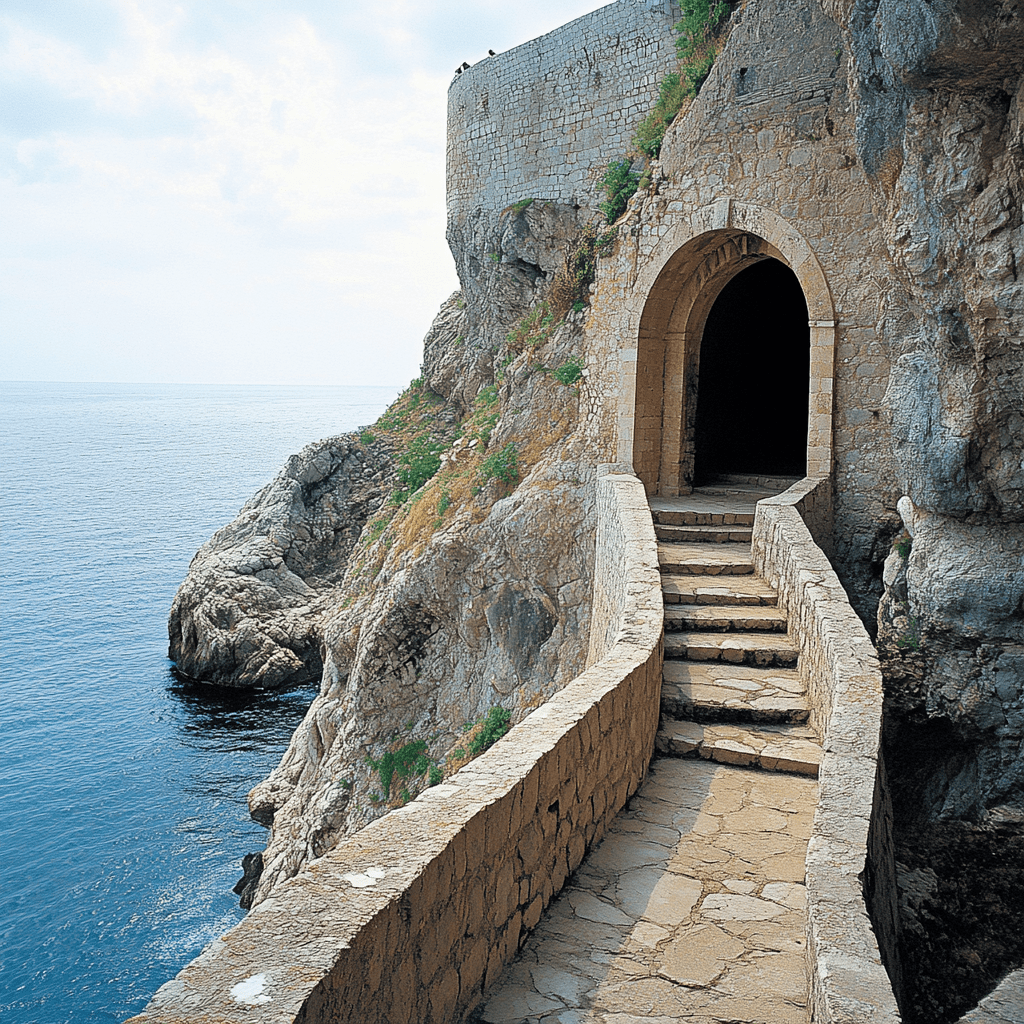
Clara:「幾個世紀後,我們依然能走在這些同樣的街道上,這真的證明了這座城市的韌性。」
Isabel:「沒錯。能夠在這裡看到東西方影響的融合,無論是在建築、藝術還是飲食中,這真的是一個活生生的歷史課程。」

Scene 2: Exploring Dubrovnik’s Ancient Streets
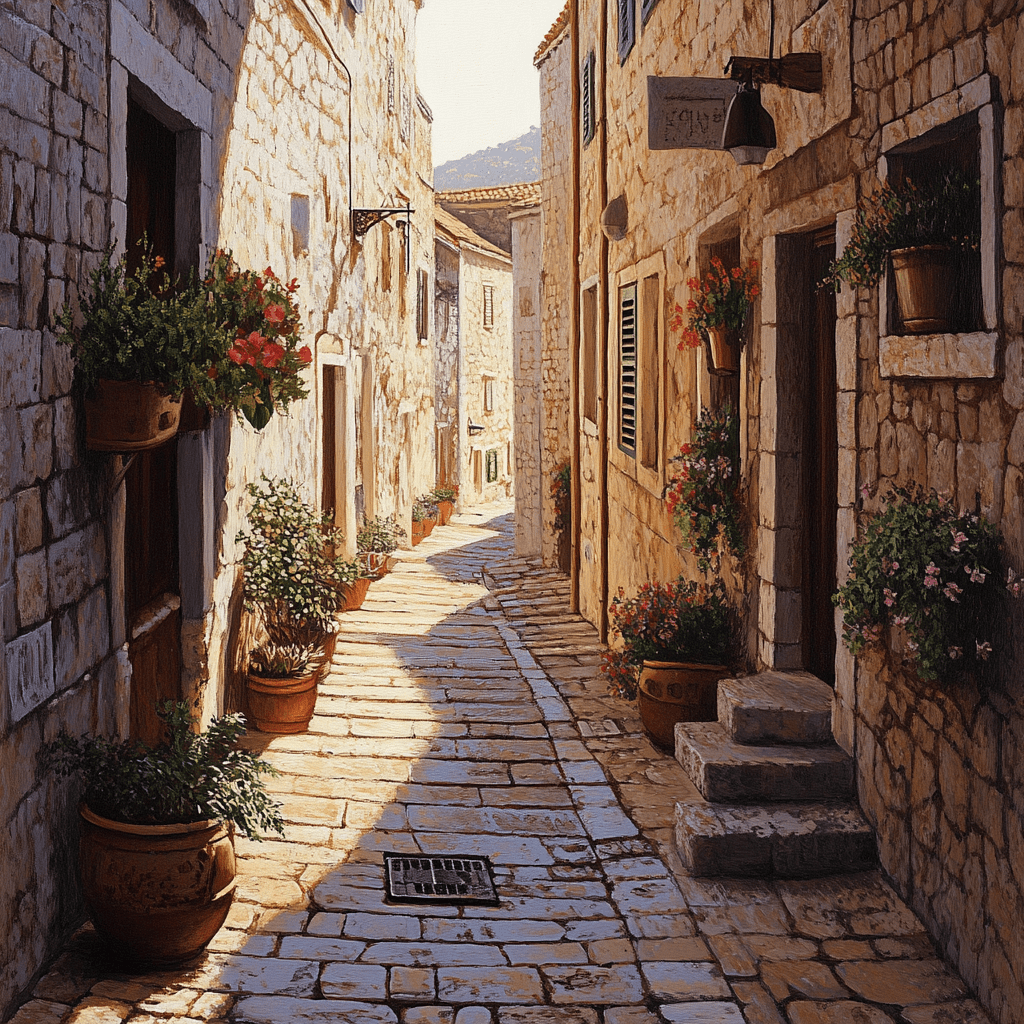
Clara: “Look at this street. The way the stones are worn smooth by centuries of footsteps, it’s like you can feel the history under your feet. I wonder how many merchants and sailors passed through here."
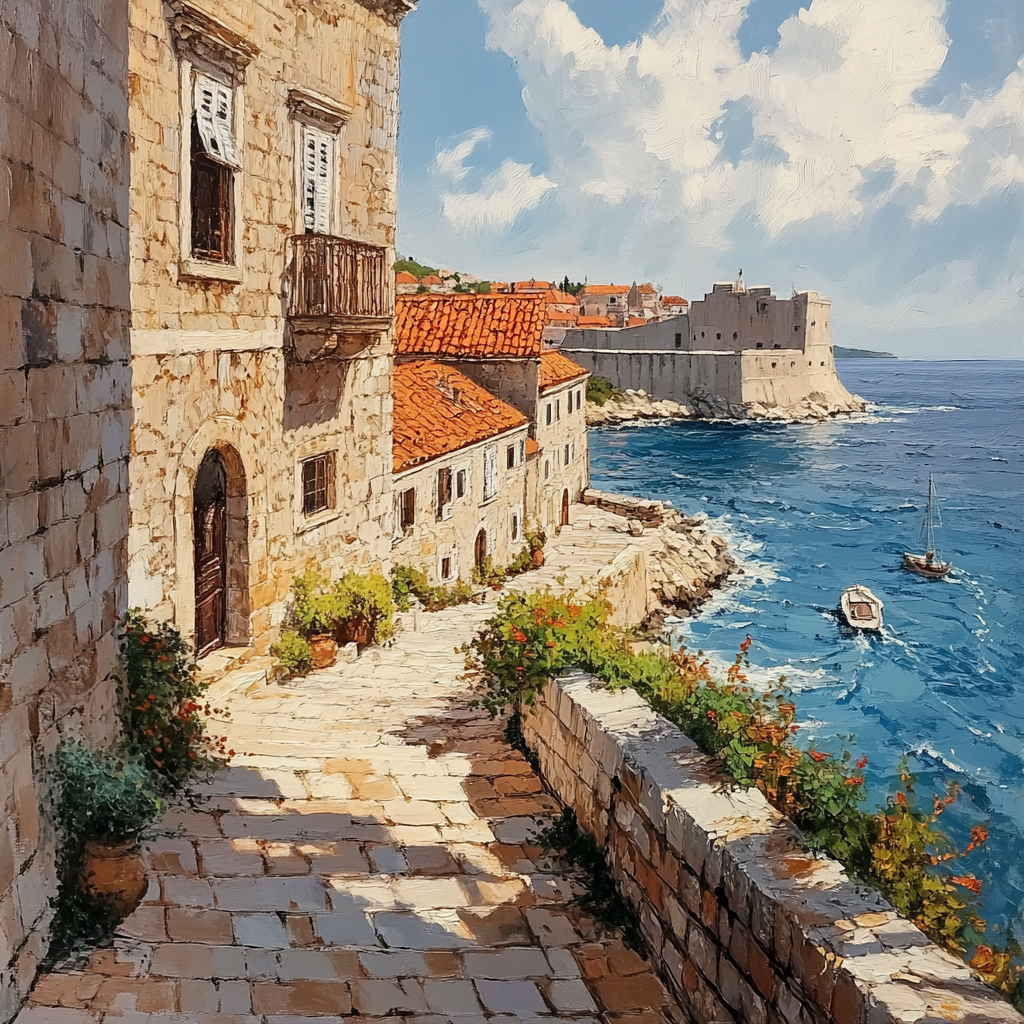
(They walk slowly along the narrow, winding street, the limestone pavement uneven in places. The afternoon sun casts long shadows on the weathered stone buildings, their red-tiled roofs framed by blue sky. Colorful flowers spill out of window boxes, and the sea breeze brings a faint scent of salt.)

Isabel: “It’s incredible to think about. This city was a major trading hub for centuries, connecting the East and the West. Those very stones probably carried goods from all over the Mediterranean—silk from the East, spices from North Africa, and wool from England."
Clara: “And all the while, Dubrovnik was managing to stay independent. A small city-state that somehow balanced between the Ottoman Empire and Venice. It’s remarkable."
(They pause to look up at the bell tower in the distance, its shadow stretching across the main street, Stradun, which is now bustling with tourists and locals alike.)
Isabel: “It makes me think about the role geography played in its success. The city’s location protected it from direct land invasions, and the mountains behind us acted as a natural barrier. And, of course, the sea offered access to the entire Mediterranean."
Clara: “Yes, but it wasn’t just the geography. The people here were known for their diplomatic skills, managing to navigate through centuries of conflict by playing larger powers against each other."
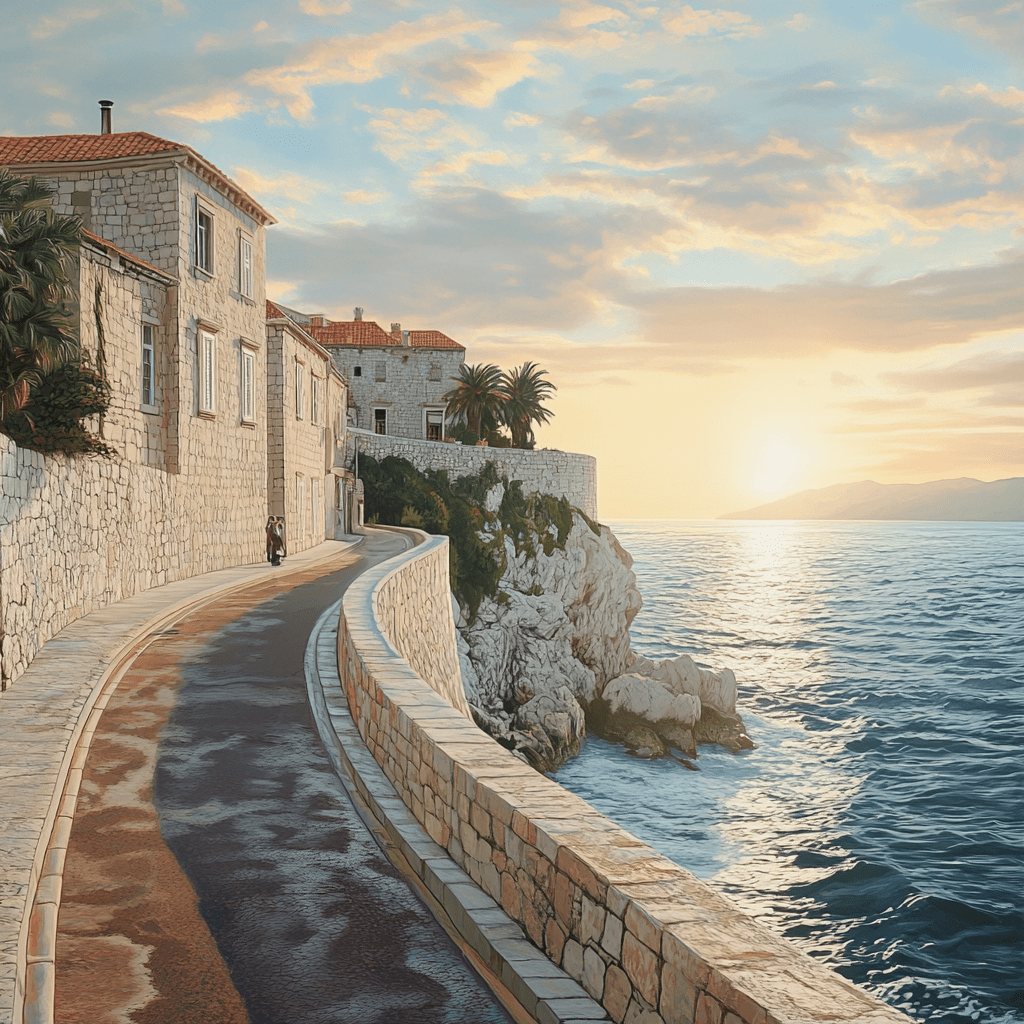
(They walk towards the city walls, where the view opens up to the Adriatic Sea, its deep blue waters contrasting with the rugged stone walls of the city. The breeze picks up slightly, and the sound of waves gently crashing below fills the air.)
Isabel: “Standing here, looking out over the sea, it’s easy to see why Dubrovnik was considered such a prize. It’s hard to imagine how much this place has endured—earthquakes, sieges, even modern conflicts."
Clara: “And yet, it still stands. There’s something resilient about this place, just like the people who built it. Every stone has a story to tell."

第二幕:探索杜布羅夫尼克的古老街道
克拉拉:「看看這條街。這些石頭被幾百年來的腳步磨得光滑,就像你可以在腳下感受到歷史的脈動。我想,有多少商人和水手曾經走過這裡。」
(她們慢慢走在狹窄蜿蜒的街道上,石灰石路面在某些地方不平整。午後的陽光在風化的石建築上投下長長的影子,紅瓦屋頂映襯著藍天,花盆裡的鮮花溢出窗台,海風吹來淡淡的鹹味。)
伊莎貝爾:「想一想真是不可思議。這座城市幾個世紀以來都是重要的貿易樞紐,連接東方與西方。這些石頭可能曾承載著來自地中海各地的商品——來自東方的絲綢,來自北非的香料,還有來自英格蘭的羊毛。」
克拉拉:「而這一切,杜布羅夫尼克還能保持獨立。這座小小的城邦,居然能在奧斯曼帝國和威尼斯之間取得平衡,真是令人驚嘆。」
(她們停下來,仰望遠處的鐘樓,鐘樓的影子投射在繁忙的主街 Stradun 上,遊客與當地人熙來攘往。)
伊莎貝爾:「這讓我想到了地理在這座城市成功中的作用。它的地理位置保護它免受陸地上的直接侵略,背後的山脈成為天然的屏障。當然,大海也讓它能夠連接整個地中海。」
克拉拉:「是的,但不僅僅是地理。這裡的人以他們的外交技巧著稱,能夠在數個世紀的衝突中運籌帷幄,利用大國之間的競爭來保護自己。」
(她們向城牆走去,眼前的景象豁然開朗,亞得里亞海的深藍海水與城市粗糙的石牆形成鮮明對比。微風漸起,耳邊傳來海浪輕輕拍打的聲音。)
伊莎貝爾:「站在這裡,俯瞰著大海,很容易理解為什麼杜布羅夫尼克被視為一座寶貴的城市。很難想像這個地方經歷了多少——地震、圍攻,甚至是現代的戰爭。」
克拉拉:「但它依然屹立不倒。這個地方有種堅韌的力量,就像那些建造它的人一樣。每一塊石頭都有一個故事。」

Scene 3: At a Dubrovnik Café – A Taste of Tradition
Clara: “This café is perfect—quaint and quiet, just what we need after all that walking. And look at this Rožata! It’s a bit like crème brûlée, but there’s something distinct about it."
Isabel: “Rožata is a true Dubrovnik specialty. It’s made with rose liqueur, which gives it that unique flavor. This dessert has been around for centuries, a true reflection of how the city blends local and foreign influences. The fact that they still serve it today shows how strong traditions are here."
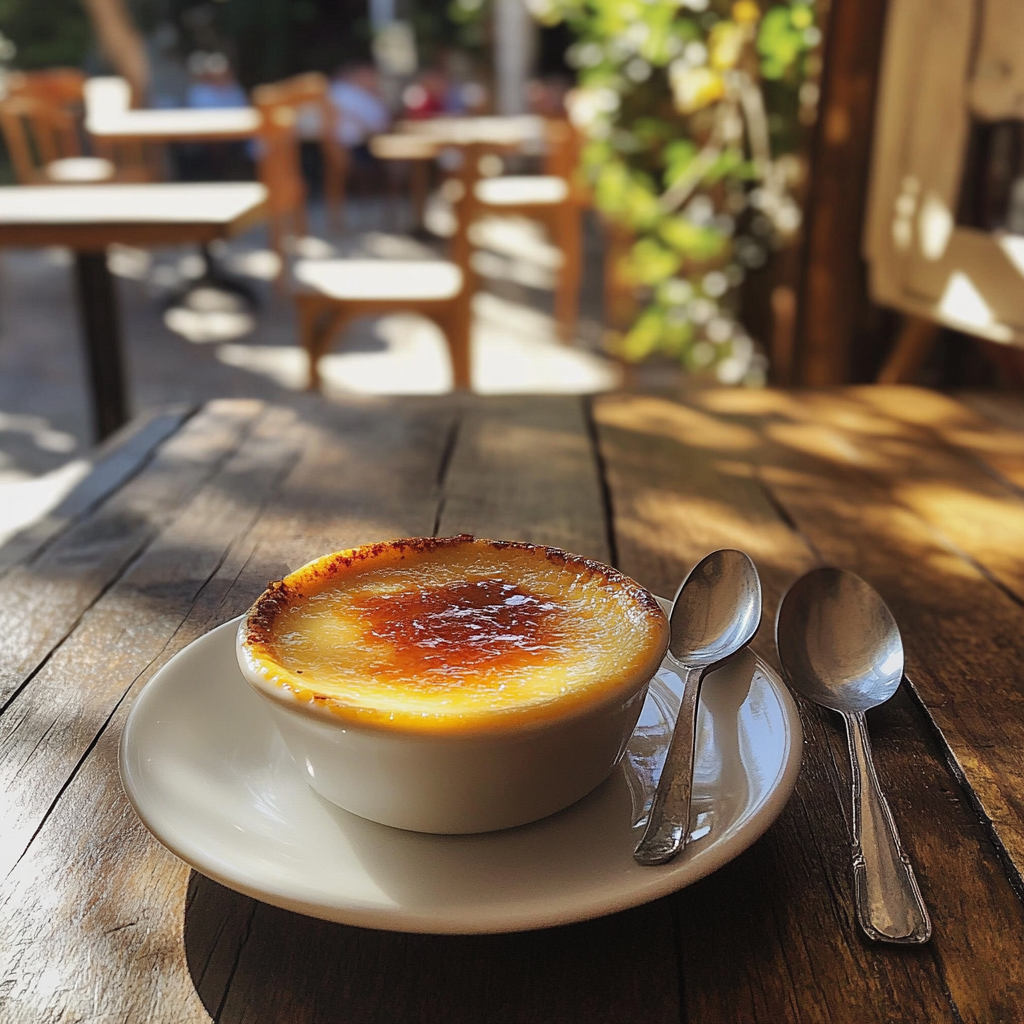
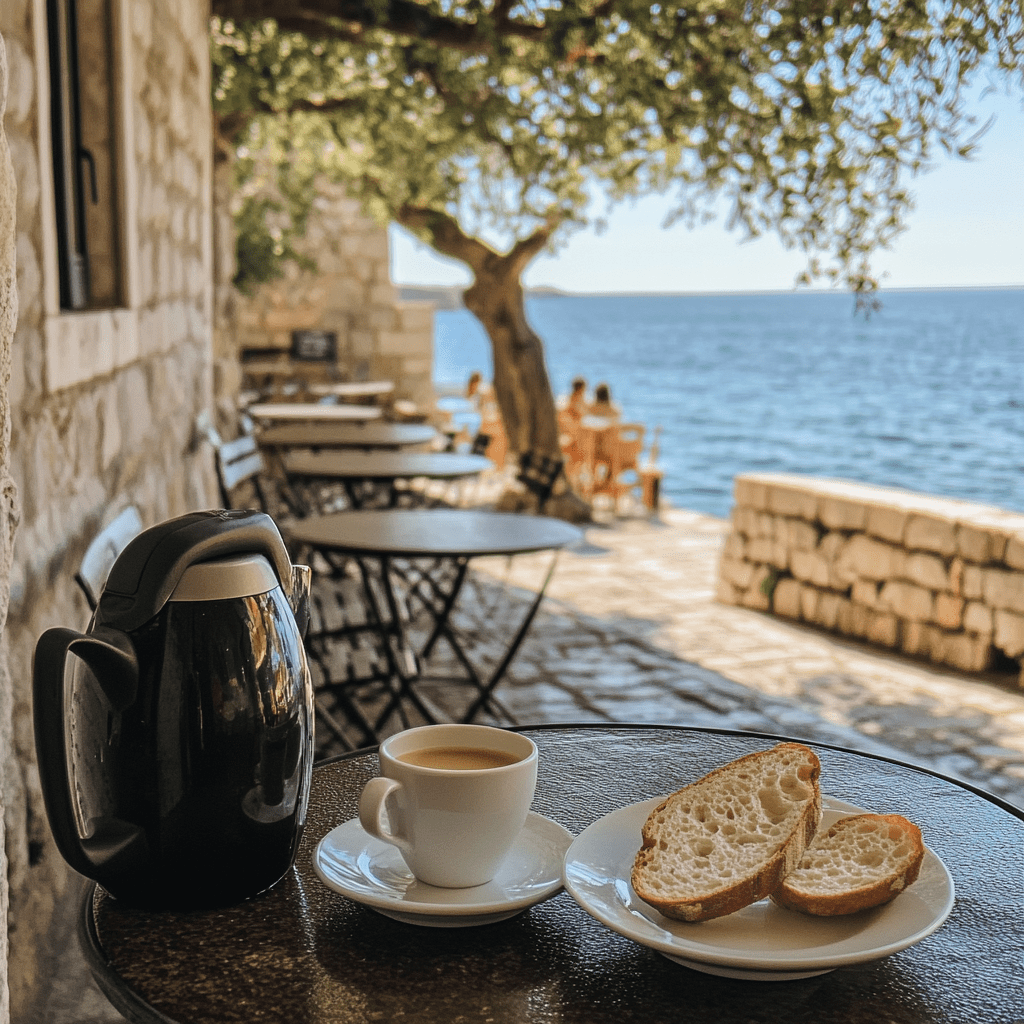
(They sit at a small wooden table outside the café, a light breeze blowing in from the Adriatic. The sound of waves faintly echoes in the background as they sip their coffee.)
Clara: “It’s fascinating. Even the simplest dishes here seem to carry so much history. Like this Dalmatian prosciutto—it reminds me of the way salt trade routes once shaped this region."
Isabel: “Exactly. Salt wasn’t just a commodity; it was a currency here. Dubrovnik’s access to the sea gave it control over salt, which was a key part of its economy. That’s why dishes like this prosciutto, which are cured with local sea salt, are such an important part of the culture."
(Clara picks up a piece of bread, freshly baked and still warm, dipping it in olive oil while watching the locals passing by the stone streets.)

Clara: “You can see how these simple, locally-sourced ingredients tell the story of Dubrovnik. From the olive oil to the seafood, everything comes from around here, yet it feels connected to the wider Mediterranean world."
Isabel: “That’s true. Dubrovnik’s food is a reflection of its history as a maritime power. It was always a point of contact between different cultures. And you see it not just in the food, but in the way people celebrate their traditions—like the Feast of St. Blaise, the city’s patron saint."
Clara: “I read about that. It’s been celebrated here for more than a thousand years, hasn’t it? It’s amazing to think that while much has changed, those traditions remain strong."
Isabel: “Yes, the festival is a mix of religious and local customs, with a grand procession through the streets, and people from all over the region coming to take part. It’s this blend of history, culture, and community that keeps Dubrovnik’s traditions alive."
(They continue sipping their coffee, taking in the peaceful atmosphere of the café and the deep history embedded in every bite of food.)
第三幕:在杜布羅夫尼克的咖啡館 — 品嚐傳統
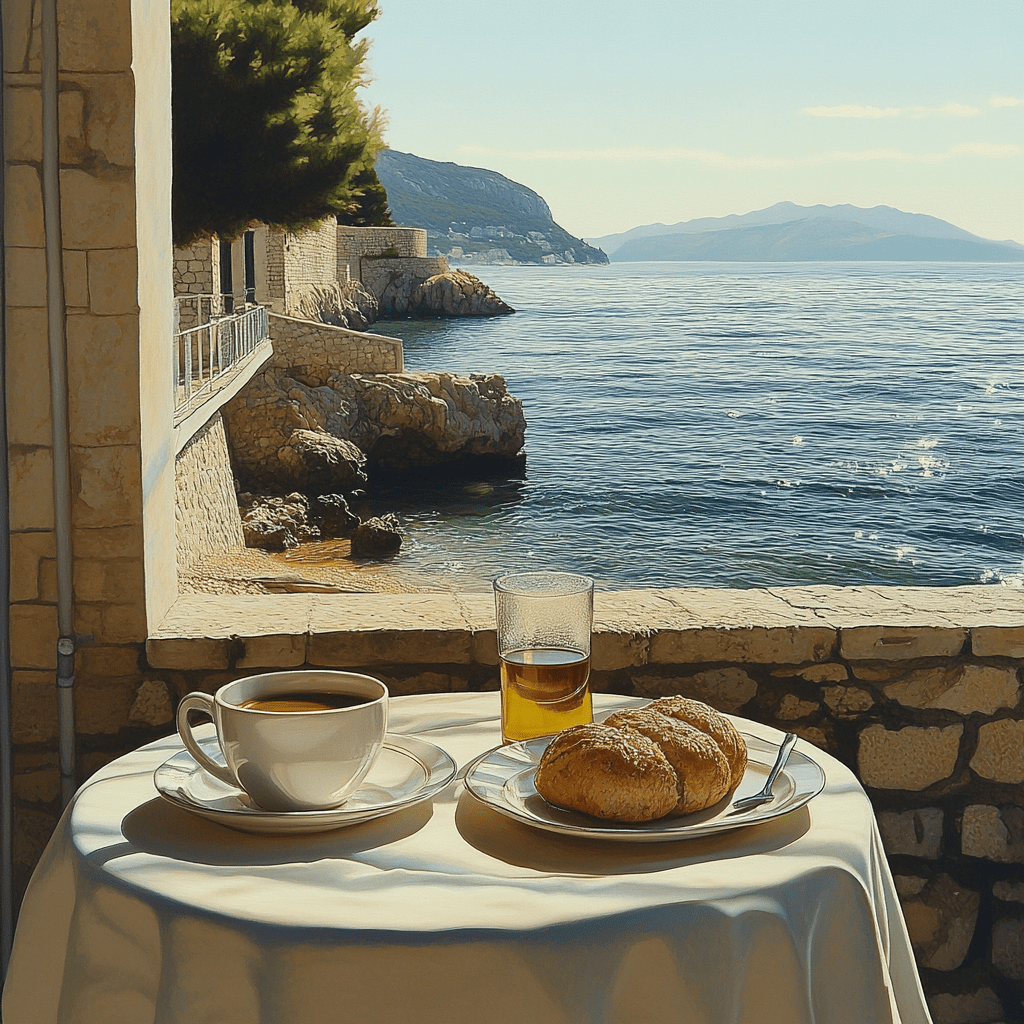
克拉拉:「這家咖啡館真是完美——安靜又小巧,正好適合我們在走了一天後休息一下。看看這道Rožata!有點像法式焦糖布丁,但又有它獨特的風味。」

伊莎貝爾:「Rožata是杜布羅夫尼克的經典甜點。它的獨特風味來自玫瑰酒,這讓它與其他甜點不同。這道甜品已經有幾個世紀的歷史了,正好反映出這座城市如何融合本地與外來的影響。直到今天他們還在供應這道甜點,顯示了當地傳統的強大力量。」
(她們坐在咖啡館外的小木桌旁,亞得里亞海的微風輕輕吹來,耳邊隱隱傳來海浪的聲音,兩人邊喝著咖啡邊談話。)
克拉拉:「這太有趣了。即使是這些最簡單的菜餚,似乎也蘊含著深厚的歷史。像這道達爾馬提亞火腿,讓我想起了曾經影響這個地區的鹽貿易路線。」
伊莎貝爾:「沒錯。鹽不僅僅是商品,還是一種貨幣。杜布羅夫尼克的海上位置讓它掌握了鹽的貿易,這也是當地經濟的重要支柱。所以像這種用當地海鹽醃製的火腿,成為了文化中的重要一部分。」
(克拉拉拿起一塊剛出爐的麵包,還帶著溫熱,蘸著橄欖油,一邊觀察路過的當地居民。)

克拉拉:「這些簡單的、當地的食材展示了杜布羅夫尼克的故事。從橄欖油到海鮮,每樣東西都來自這裡周圍,但它又與更廣闊的地中海世界緊密相連。」
伊莎貝爾:「確實如此。杜布羅夫尼克的食物反映了它作為海上強國的歷史。它始終是不同文化交匯的點。不僅是在食物上,你還能在當地的傳統慶典中看到這一點——像是聖布拉斯節,這是這座城市的守護神。」
克拉拉:「我讀過這個節日。它已經在這裡慶祝了超過一千年了,是嗎?令人驚嘆的是,雖然時間改變了很多,但這些傳統依然如此強大。」
伊莎貝爾:「是的,這個節日結合了宗教和當地習俗,人們會在街上舉行盛大的遊行,來自四面八方的人都會參加。正是這種歷史、文化和社區的融合,讓杜布羅夫尼克的傳統得以延續。」
(她們繼續喝著咖啡,享受著咖啡館的寧靜氛圍,並在每一口食物中感受到歷史的深厚底蘊。)
Scene 4: Planning the Next Destination

Clara: “So, where should we head next? We’ve explored Dubrovnik, and I feel like we’ve really gotten a sense of its historical and cultural significance. But there’s so much more to see in this region."
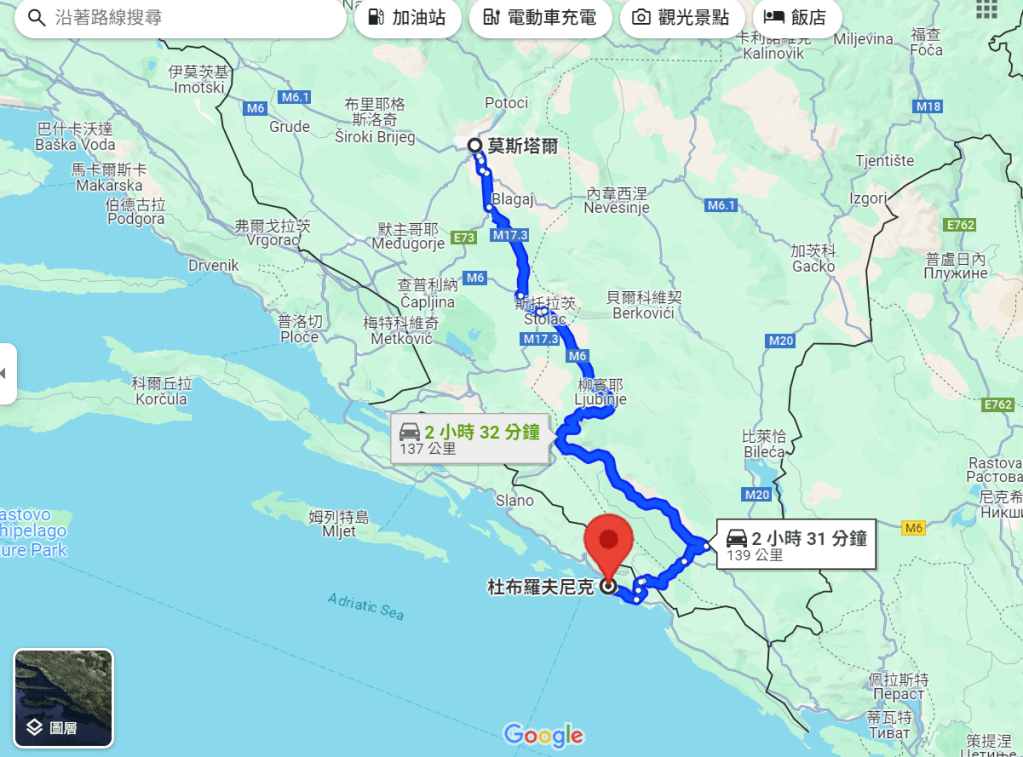
Isabel: “I was thinking we could head inland next, maybe to Mostar in Bosnia and Herzegovina. It’s only a few hours from here and has such a rich history, especially with the iconic Stari Most, the old bridge that has connected cultures for centuries. It’s a perfect example of how the Balkans have been a crossroads for so many different empires and influences."
Clara: “Ah, Mostar. I’ve read a lot about it. That bridge is not just a beautiful piece of architecture; it’s symbolic of the connection between East and West, especially during the Ottoman period. It was destroyed during the war in the 1990s but rebuilt as a sign of reconciliation. It’s fascinating how a single structure can embody so much history and hope."
Isabel: “Exactly. And not just the bridge—the whole town reflects that blend of cultures, with its mosques and churches, Ottoman and Austro-Hungarian influences. It’s like walking through a living history lesson. Plus, it’s nestled between mountains and rivers, so the natural landscape is as impressive as the history."
Clara: “That sounds perfect. We’ll get a blend of history, architecture, and stunning natural scenery. It’ll be interesting to see how different it feels from Dubrovnik, which is so tied to the sea, while Mostar is shaped by its rivers and mountains."
Isabel: “And it’s not just history. Modern Mostar is also a vibrant city, and it’s a great place to explore how the region is healing and moving forward. There’s a lot of art and cultural events happening there as well."
Clara: “I’m excited to see how the past and present coexist in a place like that. Let’s do it—Mostar it is!"
第四幕:計劃下一個目的地
克拉拉:「那我們接下來要去哪裡呢?我們已經探索了杜布羅夫尼克,對這裡的歷史和文化意義有了深刻的了解,但這個地區還有很多值得一看的地方。」
伊莎貝爾:「我在想,接下來我們可以往內陸走,去波斯尼亞和黑塞哥維納的莫斯塔爾(Mostar)。從這裡開車過去只要幾個小時,那裡的歷史非常豐富,尤其是著名的斯塔里莫斯橋(Stari Most)。這座古橋在幾個世紀以來,連接了不同文化,真的是巴爾幹半島如何成為多元文化交匯點的最佳例證。」
克拉拉:「啊,莫斯塔爾。我讀過很多關於它的資料。那座橋不僅僅是一個美麗的建築,它象徵著東西方的連結,特別是在奧斯曼帝國時期。它在1990年代的戰爭中被摧毀,後來重建,象徵著和解。很令人著迷,一座橋竟能承載如此豐富的歷史和希望。」
伊莎貝爾:「沒錯。不僅僅是這座橋,整個城鎮都反映出不同文化的融合,既有清真寺也有教堂,奧斯曼和奧匈帝國的影響隨處可見。走在這座城市裡,感覺就像是在上一堂活生生的歷史課。而且它坐落在群山和河流之間,自然景觀也和歷史一樣令人印象深刻。」
克拉拉:「聽起來太棒了。我們將會看到歷史、建築和壯麗的自然景色交融在一起。它和杜布羅夫尼克的感覺應該很不同,杜布羅夫尼克是和大海緊密相連,而莫斯塔爾則是被河流和山脈塑造的。」
伊莎貝爾:「不僅僅是歷史,現代的莫斯塔爾也是一個充滿活力的城市,是觀察這個地區如何療癒和前進的好地方。那裡有很多藝術和文化活動。」
克拉拉:「我很期待看看過去和現在如何在這樣的地方共存。那就決定了——我們下一站就是莫斯塔爾!」

 Virtual Travel | 虛擬旅行沉浸式英語學習
發表留言