
The University of Zagreb, with over 350 years of history, was one of the key academic centers during the Austro-Hungarian Empire. Two scholars have come here to attend a conference, strolling through the historic campus and experiencing the academic atmosphere and cultural heritage of the city.

Scene 1: Plan the Journey

Evelyn: “Now this is what I call a historic university! Founded in 1669, the University of Zagreb has seen centuries of intellectual and political change. It’s incredible to think how many scholars have walked these halls."
Isabella Carter: “It’s truly remarkable. You can feel the weight of history here. This university has not only survived the Austro-Hungarian Empire but also the Yugoslav era and both World Wars. It’s a perfect place to start our journey."
Evelyn Gardner:
“And what’s fascinating is how the city itself has been a cultural crossroads for centuries. Just like the university, Zagreb has been shaped by so many different influences—from the Austrians and Hungarians to the Ottomans."
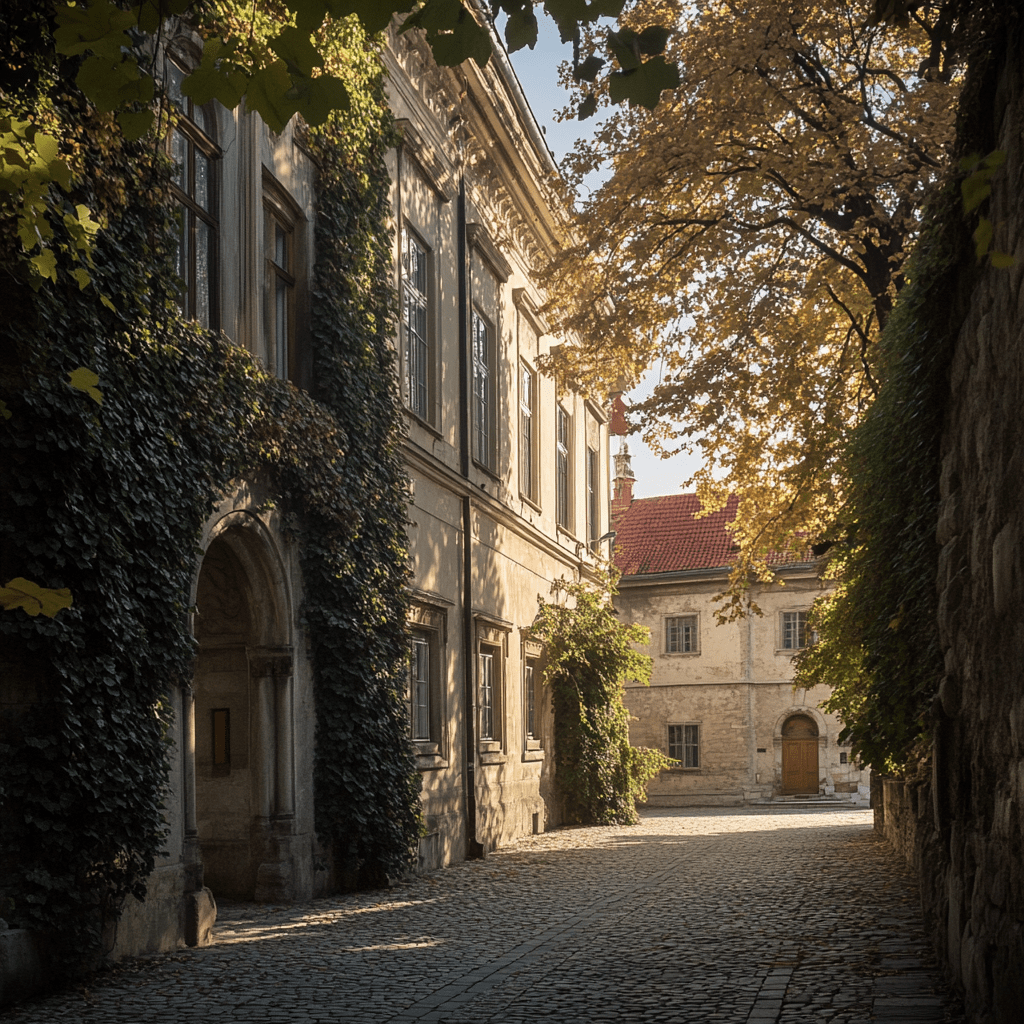
Isabella: “Yes, and it’s also geographically fascinating. Zagreb sits on the Pannonian Basin, which is the result of tectonic forces shaping the land over millions of years. The basin was once a seabed, and you can still find fossils in the surrounding areas."
Evelyn: “That’s amazing. We should plan a stop at the nearby Medvednica Mountain after the conference. There’s so much history tied to the geology of this region. Not to mention, the mountain itself played a role in medieval defense systems."

Isabella: “Absolutely. And from here, we can easily travel to Slovenia’s Lake Bled, and then onwards to the Julian Alps. The geological formations in this region are stunning, and I’m excited to see how the landscape continues to change as we move south."
Evelyn Gardner: “Let’s make sure we also visit the coastal regions—there’s so much history along the Adriatic Sea. We could stop in Trieste or even Venice before heading further into Italy."
Isabella Carter: “I love that idea. Trieste has such a unique blend of Italian, Austrian, and Slavic influences. We can definitely explore the geological and historical aspects along the way. This will be quite the adventure."
場景 1: 計劃旅程
格勒布大學擁有超過350年的歷史,是奧匈帝國時期重要的學術中心之一。兩位學者來到這裡參加學術會議,在歷史悠久的校園中漫步,感受這座城市的學術氛圍與文化遺產。

伊芙琳:“這才叫真正的歷史悠久的大學!薩格勒布大學創立於1669年,見證了幾個世紀的智識與政治變遷。想到有多少學者曾經走過這些走廊,真是令人難以置信。”
伊莎貝拉:“這裡真的令人敬畏。你能感受到這裡的歷史分量。這所大學不僅經歷了奧匈帝國時期,還度過了南斯拉夫時期和兩次世界大戰。這是我們旅行的完美起點。”
伊芙琳:“而且更有趣的是,這座城市本身就是數個世紀以來的文化交匯點。就像這所大學一樣,薩格勒布受到奧地利、匈牙利和奧斯曼等不同影響的塑造。”
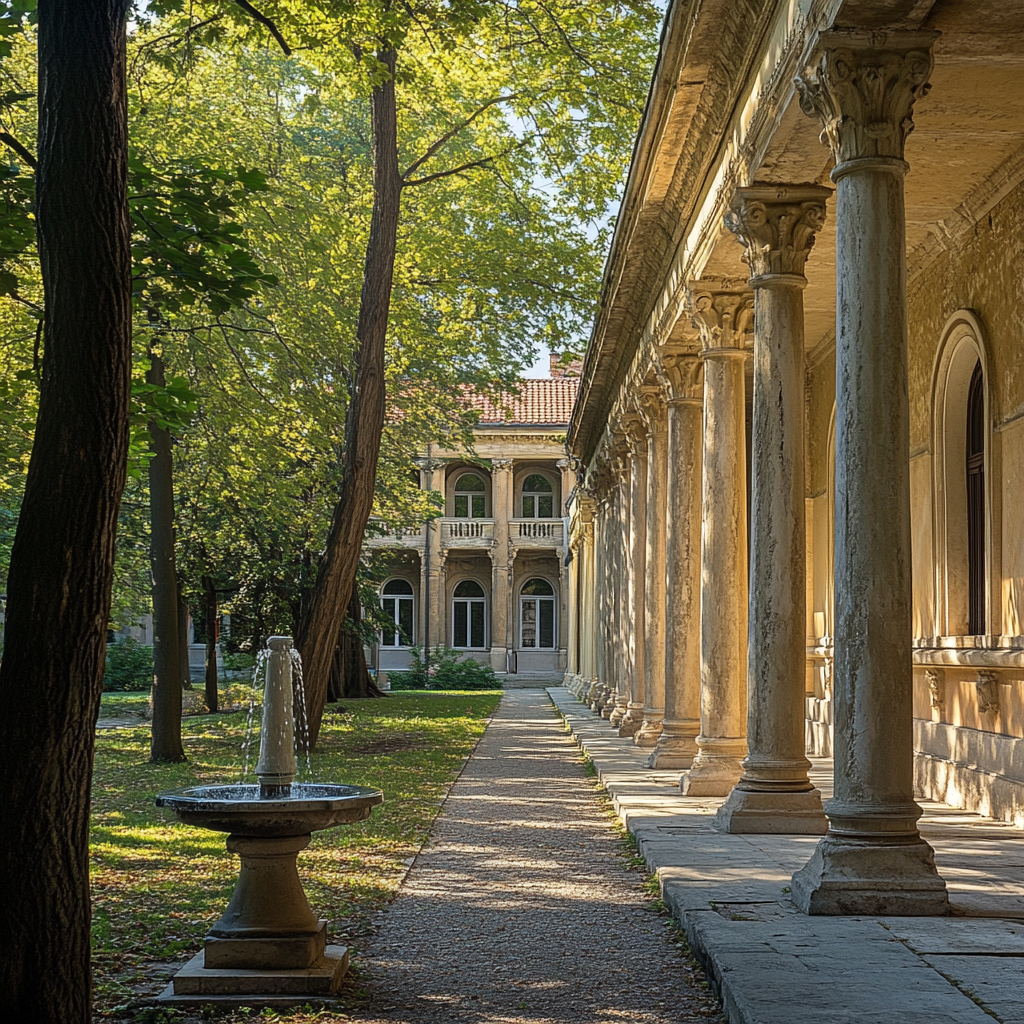
伊莎貝拉:“是的,這裡的地理也同樣迷人。薩格勒布位於潘諾尼亞盆地,這是數百萬年來板塊運動塑造地貌的結果。這個盆地曾經是海底,現在你仍然能在周圍地區找到化石。”
伊芙琳·加德納:“太有趣了。會議結束後,我們應該計劃去附近的梅德韋德尼察山走走。這個地區的地質與歷史有很深的聯繫。而且這座山本身在中世紀時期曾是防禦系統的一部分。”

伊莎貝拉:“沒錯。而且從這裡,我們可以輕鬆前往斯洛文尼亞的布萊德湖,接著再去朱利安阿爾卑斯山。這一地區的地質構造非常壯觀,我迫不及待想看看接下來的地貌如何變化。”
伊芙琳:“我們也一定要去海岸地區看看——亞得里亞海沿岸有太多的歷史。我們可以在的里雅斯特或威尼斯停留,然後再深入義大利。”
伊莎貝拉·卡特:“這個想法太棒了。的里雅斯特融合了義大利、奧地利和斯拉夫的文化影響。我們可以在途中探索地質和歷史,這一定會是一次很棒的冒險。”
Scene 2: Crossing Borders: From Zagreb to Ljubljana
Evelyn: “As we leave Zagreb, it’s fascinating to think how this whole region was once part of the Austro-Hungarian Empire. Zagreb played such an important role back then as a cultural and administrative center."
Isabella: “Exactly, and even though so much has changed since the empire’s fall, you can still see the influence in both Croatia and Slovenia. The geography played a huge part in shaping this region’s history."
Evelyn: “That’s true. These plains and rivers were natural borders for centuries. It’s interesting how geography dictated politics and trade routes."
Isabella: “And now we’re crossing the Pannonian Plain, which was historically significant for agriculture. This flat land is fertile thanks to the rivers that run through it, but it was also an important crossroads for armies and traders."
Evelyn: “The Romans used this plain, didn’t they? To move troops and goods across Europe?"

Isabella: “Yes, the terrain made it easy for them to travel. But as we move into Slovenia, the landscape is going to change dramatically. The hills and mountains will replace these flat plains."
Evelyn: “So we’re going from an ancient seabed to the edge of a mountain range?"
Isabella: “Exactly. The Pannonian Basin was once submerged, and over time it became this fertile plain. But now we’re heading toward the Dinaric Alps, which were formed by tectonic forces over millions of years."
Evelyn: “That’s fascinating. The geography really shapes everything—the land, the people, even the way history unfolded."
Isabella: “And we’re about to see that in action as we approach Slovenia. The terrain here has always influenced where people lived, how they traded, and how empires expanded."
場景 2: 跨越邊界 — 從薩格勒布到盧比安納
伊芙琳:“當我們離開薩格勒布時,想到這整個地區曾經是奧匈帝國的一部分,真是令人著迷。薩格勒布當時作為文化和行政中心,扮演了非常重要的角色。”
伊莎貝拉:“沒錯,雖然自從帝國解體後發生了許多變化,但你仍然可以在克羅地亞和斯洛文尼亞看到它的影響。地理在塑造這個地區的歷史方面發揮了巨大的作用。”
伊芙琳:“的確,這些平原和河流在幾個世紀以來都是天然邊界。很有趣的是,地理如何決定了政治和貿易路線。”
伊莎貝拉:“現在我們正穿過潘諾尼亞平原,這片土地在歷史上對農業至關重要。這片平坦的土地因為流經的河流而變得肥沃,同時也是軍隊和商隊的重要十字路口。”

伊芙琳:“羅馬人曾經利用這片平原,對嗎?用來運送軍隊和貨物穿越歐洲?”
伊莎貝拉:“是的,這片地形使他們的行程變得更加容易。但當我們進入斯洛文尼亞時,景觀將會發生劇烈變化。這些平原將被丘陵和山脈所取代。”
伊芙琳:“所以我們是從古代海床來到了山脈邊緣?”
伊莎貝拉:“沒錯。潘諾尼亞盆地曾經被海水覆蓋,隨著時間推移,它成為了這片肥沃的平原。但現在我們正前往迪那利克阿爾卑斯山脈,這些山脈是數百萬年來板塊運動的結果。”
伊芙琳:“真是太有趣了。地理真的決定了一切——土地、人們,甚至歷史的進程。”
伊莎貝拉:“隨著我們接近斯洛文尼亞,我們會親眼看到這些地形變化是如何影響人們的居住、貿易方式以及帝國的擴張。
Scene 3: On the Way to Lake Bled – Discussing Local History and Geography
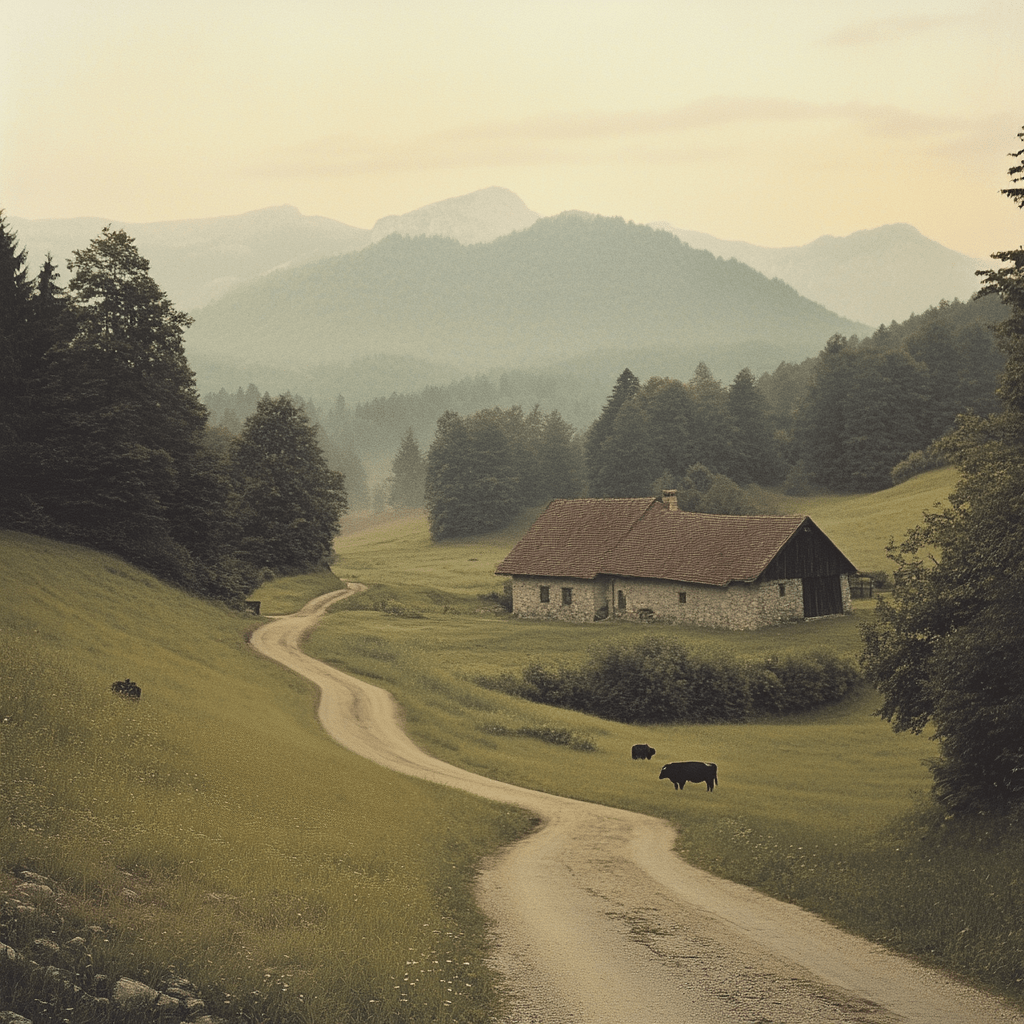
Evelyn: “I’m really curious about what life is like for the people here. These small farms and traditional homes—they must have been here for generations."
Isabella: “Absolutely. Many of these families have been working the land for centuries. Agriculture, particularly dairy farming, is still a big part of life here. You’ll find locals making traditional cheeses, which this region is well known for."
Evelyn: “It’s fascinating how rural life here still reflects old traditions. Even the architecture looks like it hasn’t changed much. Are these homes built with local materials?"
Isabella: “Yes, many of these buildings are made from wood from the surrounding forests and stone from the nearby mountains. Limestone is a common material here, just like in the caves we’re going to explore."
Evelyn: “That makes sense. The architecture really blends into the landscape. And I noticed that many of the houses have steep roofs—is that for the heavy snowfalls in winter?"
Isabella: “Exactly. The steep roofs help the snow slide off easily. Winters can be harsh here, especially in the mountains around Bled, so homes are built to handle those conditions. You’ll also notice close-knit communities here where people help each other, especially during the cold months."
場景 3:前往布萊德湖的路上 – 討論當地歷史與地理
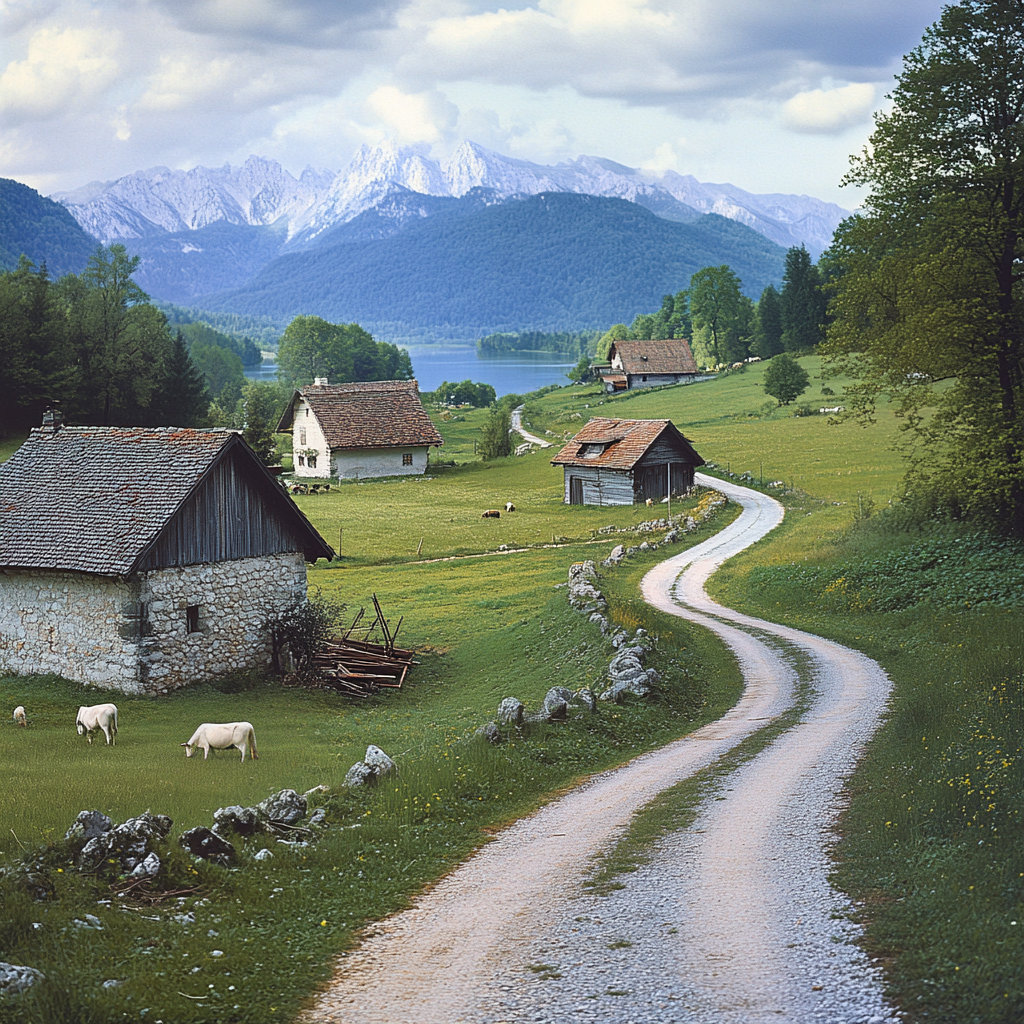
伊芙琳:“我很好奇這裡的人們生活是什麼樣子的。這些小農場和傳統的房屋看起來像是已經存在好幾代人了。”
伊莎貝拉:“沒錯,許多家庭在這片土地上耕作了幾個世紀。農業,尤其是乳製品生產,在這裡仍然是生活的重要部分。你會看到當地人製作傳統的奶酪,這裡的奶製品非常有名。”
伊芙琳:“這裡的鄉村生活仍然保留著古老的傳統,甚至建築風格看起來似乎幾乎沒有改變。這些房屋是用當地的材料建造的嗎?”
伊莎貝拉:“是的,這些建築大多是用當地的木材和附近山脈的石材建造的。石灰岩在這裡很常見,就像我們即將參觀的洞穴一樣。”
伊芙琳:“這很合理。建築物和周圍的自然景觀融為一體。而且我注意到,很多房子的屋頂都很陡,是為了應對冬天的降雪嗎?”
伊莎貝拉:“沒錯,這些陡峭的屋頂設計是為了讓雪更容易滑落。這裡的冬天非常寒冷,特別是在布萊德湖周圍的山區,所以房子必須適應這些氣候條件。”
Scene 4: Approaching Lake Bled – Discussing Geology and Wildlife
Evelyn: “We’re getting close to the lake now. The cliffs are so steep, and the water looks incredibly clear. I know there are some interesting geological features here, but what about the wildlife?"
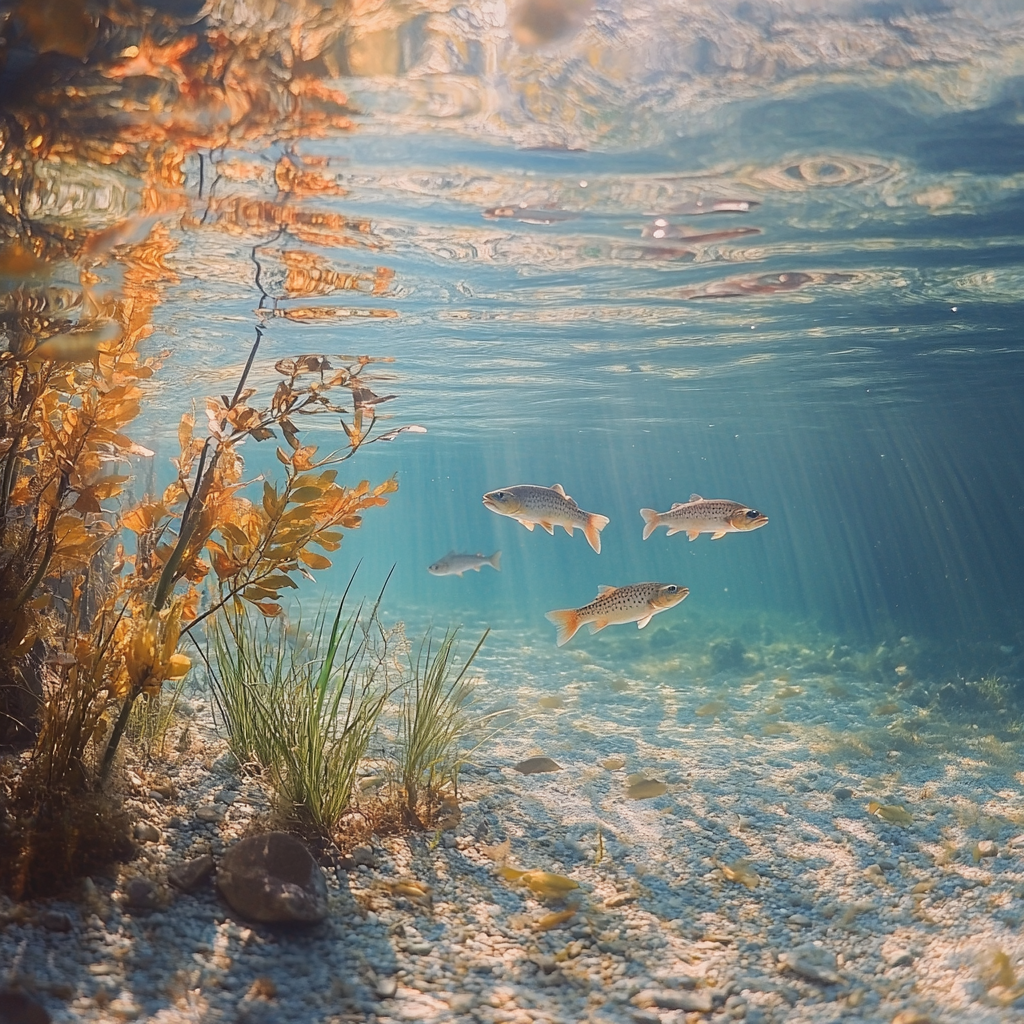
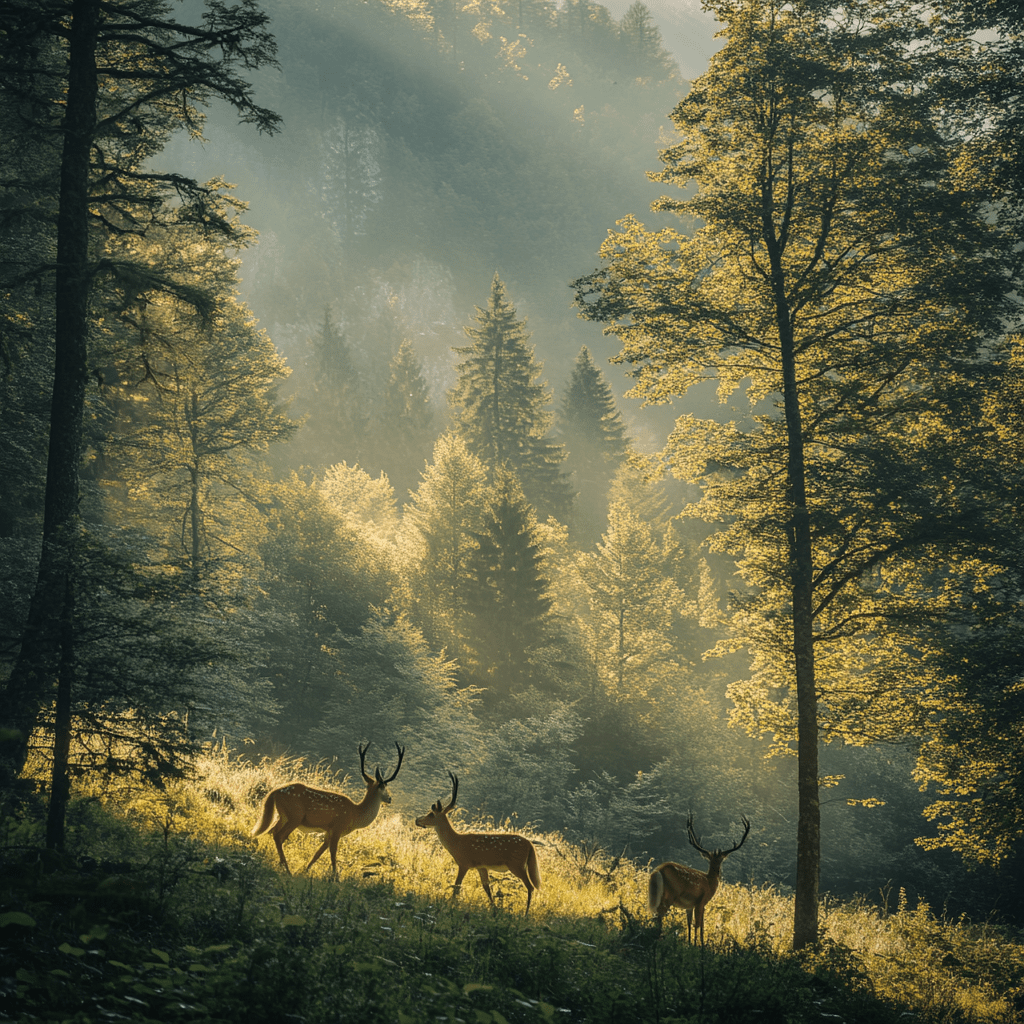
Isabella: “Lake Bled is home to a rich ecosystem. The clear waters support various fish species like trout and whitefish, and you’ll often see water birds such as grey herons and swans around the lake. The swans are quite iconic here."
Evelyn: “I can see the swans gliding gracefully on the water. The natural surroundings seem perfect for them. And the clarity of the water—it’s almost like glass. That must have a lot to do with the geology, right?"

Isabella: “Exactly. The water here is so pure because of the limestone in the surrounding cliffs. Limestone is a porous rock, and it acts as a natural filter. The water seeps through the rock and is filtered, which helps keep the lake incredibly clean. It’s perfect for fish like trout, and the birds benefit from that too. The entire ecosystem relies on this balance."
Evelyn: “It’s amazing how much the geology can shape an environment. And it’s not just the animals—look at the plants. There’s such a clear contrast between the aquatic plants near the shore and the pine trees climbing up the slopes."
Isabella: “Yes, the vegetation is quite diverse here. Closer to the lake, you’ll find wetland plants like reeds, cattails, and aquatic grasses. These plants are essential for the smaller animals, providing shelter and food. Then, as you move up the slopes, the ecosystem changes to mostly coniferous forests. The pines and firs are tough trees that can handle the colder temperatures higher up."
Evelyn: “And I imagine the animals shift with the landscape too."
Isabella: “Exactly. Around the lake, you have smaller animals like birds and amphibians. But in the forests, especially higher up, you’ll find deer, foxes, and sometimes even wild boar. The landscape here supports such a wide range of life because of the diversity in habitats."
Evelyn: “It’s like a perfect balance between water, earth, and life. The way everything is interconnected—the cliffs, the lake, the animals, and the plants—it’s all shaped by the same forces."
Isabella: “Yes, and it’s this balance that has kept Lake Bled so pristine for so long. The lake and its surroundings have remained relatively untouched, allowing this natural harmony to persist. It’s a testament to how geology, climate, and life can work together to create such a thriving ecosystem."
場景 4:靠近布萊德湖 – 討論地理與野生動植物
伊芙琳:“我們快到湖邊了。這裡的懸崖真陡峭,湖水看起來清澈得驚人。我知道這裡有一些有趣的地質特徵,但這裡的野生動植物呢?”
伊莎貝拉:“布萊德湖擁有豐富的生態系統。清澈的湖水支持了多種魚類,比如鱒魚和白魚,還有經常能見到的水鳥,如灰鷺和天鵝。天鵝在這裡很有代表性。”
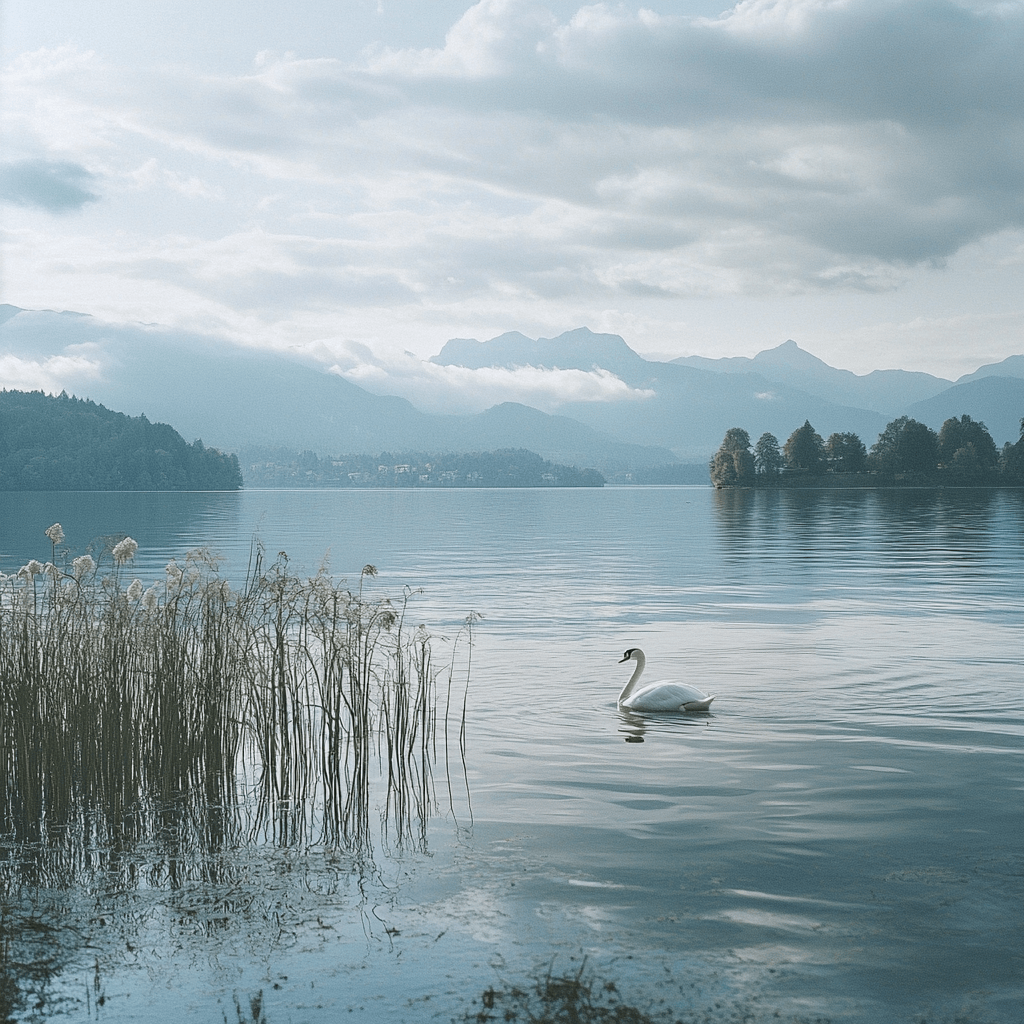

伊芙琳:“我看到那些天鵝優雅地滑行在水面上。這裡的自然環境對它們來說簡直完美。而且水這麼清澈,就像一面鏡子一樣。這肯定和地質有很大關係吧?”
伊莎貝拉:“沒錯。這裡的水質這麼純淨是因為周圍的石灰岩。石灰岩是一種多孔的岩石,能自然過濾水。水從岩石中滲透過去,經過過濾,使湖水保持得非常乾淨。這對鱒魚等魚類非常有利,鳥類也受益於此。整個生態系統依賴於這種平衡。”
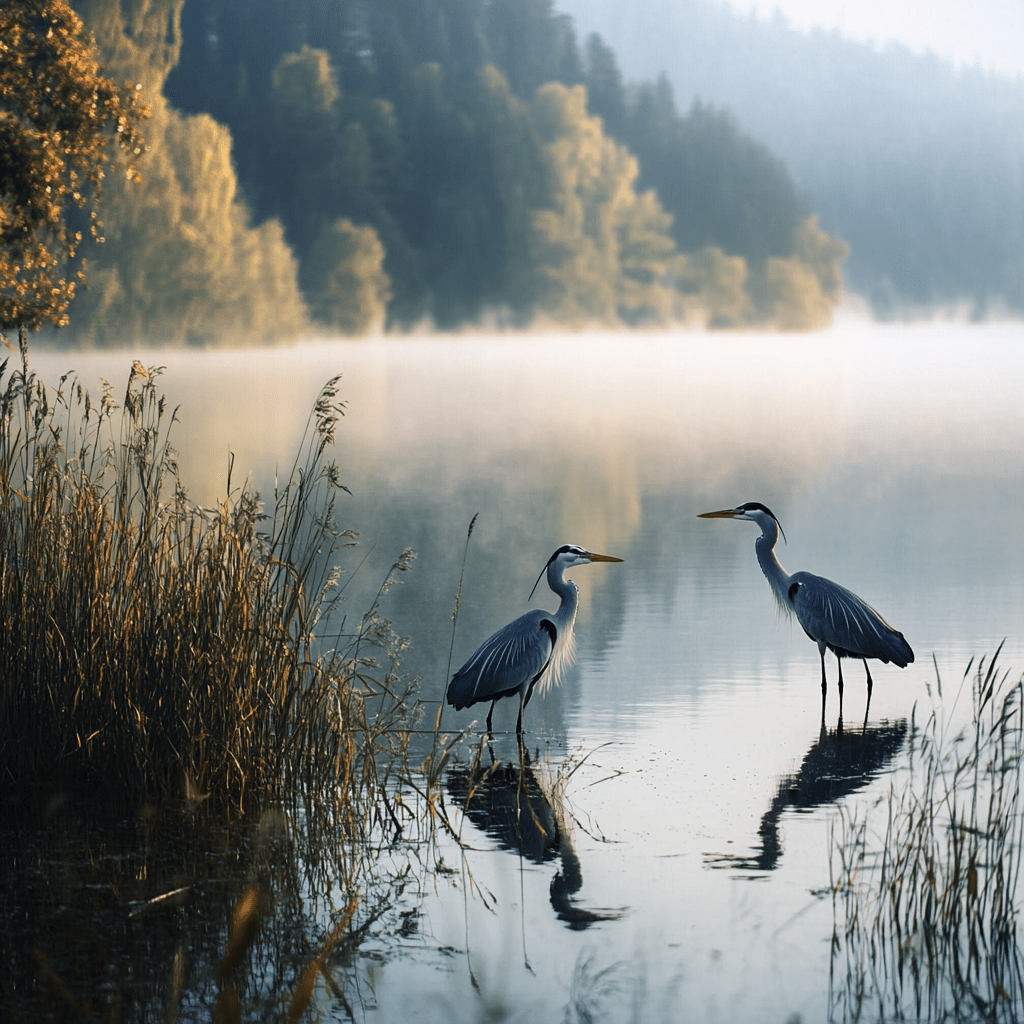
伊芙琳:“地質竟然能如此深刻地影響環境,這真是太神奇了。不僅僅是動物,看看這些植物。湖邊的水生植物和山坡上的松樹形成了鮮明的對比。”
伊莎貝拉:“是的,這裡的植物群落非常多樣化。靠近湖邊,你會發現濕地植物,比如蘆葦、香蒲和水生草本植物。這些植物對小型動物來說非常重要,提供了庇護和食物。隨著你向山坡移動,生態系統逐漸變為針葉林,這裡的松樹和冷杉非常耐寒。”
伊芙琳:“我想,隨著地形的變化,動物的分佈也會改變吧。”
伊莎貝拉:“沒錯。湖邊有許多小型動物,如鳥類和兩棲動物。但在更高的森林裡,尤其是山區,你會發現鹿、狐狸,甚至有時候還能見到野豬。這裡的多樣化棲息地支持了廣泛的生物群落。”
伊芙琳:“這真的是水、土壤和生命之間的完美平衡。一切都是相互聯繫的——懸崖、湖泊、動物和植物,都是由相同的自然力量所塑造的。”
伊莎貝拉:
“是的,這種平衡使布萊德湖一直保持著它的純淨。湖泊及其周圍環境相對未受破壞,使這種自然和諧得以持續。這真是一個展示地質、氣候和生命如何共同作用,創造出如此繁盛生態系統的範例。”

Scene 5: Discussing History, Nature, and Local Traditions
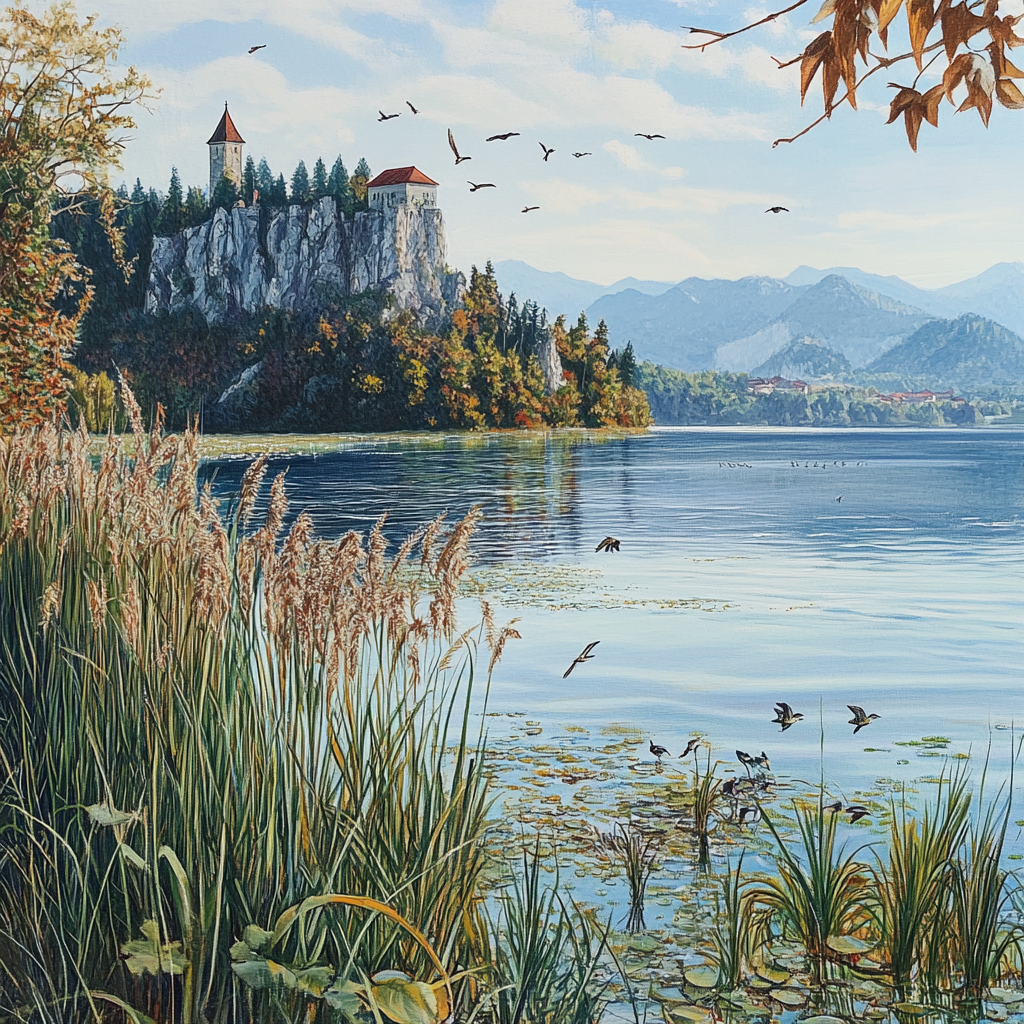
Evelyn: “Standing here by the lake, it’s just breathtaking. The way the lake reflects the mountains and the castle—it looks like something out of a storybook. You can really feel the connection between the natural beauty and the history of this place."
Isabella: “Yes, Lake Bled has been a cultural and spiritual center for centuries. The church on the island is still an important pilgrimage site today. People row out to the island to ring the church bell for good luck, and the tradition has been kept alive since medieval times."
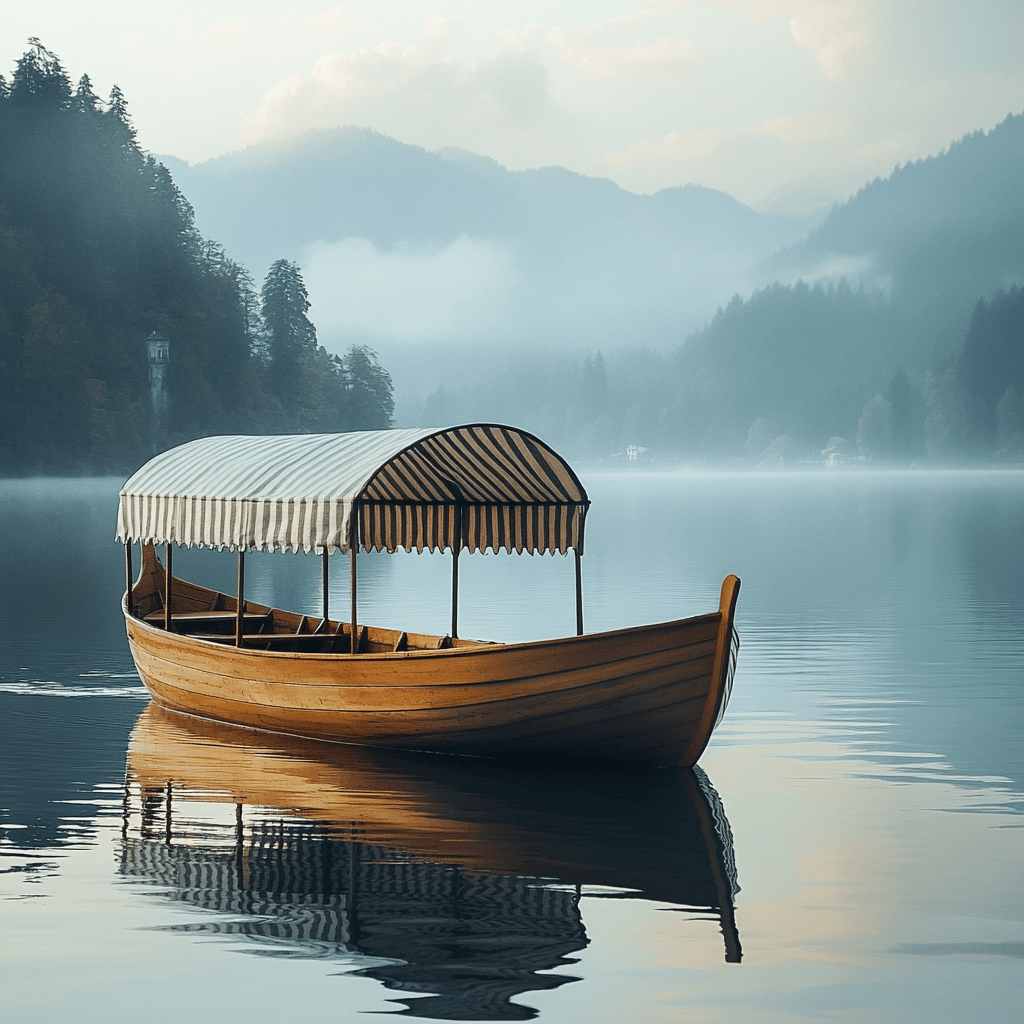
Evelyn: “It’s fascinating to think that this lake, which looks so serene, holds so much cultural depth. And the pletna boats—they’re still in use, right? I saw them near the shore earlier."

Isabella: “Yes, the pletna boats are a local tradition. Only certain families have the right to operate them, and the craft of making and rowing these boats has been passed down through generations. It’s one way the local people maintain their connection to the past, even as tourism has grown."
Evelyn: “This place feels like a perfect blend of nature and culture. The lake’s clear waters, the island with its church, the castle watching over everything—it’s all so interconnected. And the lake itself was formed by glacial activity, right?"
Isabella: “Yes, Lake Bled was shaped by glaciers during the last Ice Age. But beyond the glaciers, the karst landscape—specifically the limestone—has had a huge impact. The same limestone that formed the lake’s cliffs also created the vast cave systems beneath the surface. The local people have used this stone for centuries, building everything from homes to castles. It’s amazing how geology has influenced both the natural and human history here."
Evelyn: “So, the cliffs not only created a stunning landscape, but also provided the resources for the buildings and the culture that developed here."
Isabella: “Exactly. The limestone cliffs are part of what makes this place so unique. They’ve shaped the way people lived, the way they built their homes, and even the way they interacted with the environment. And today, the natural beauty of the lake and the surrounding landscape continues to draw people from all over the world."
Evelyn: “It’s incredible. This lake feels like a living museum, where the geology, history, and culture are all intertwined in a way that you can really feel. And even with the growth of tourism, it seems like people have found ways to preserve these traditions."
Isabella: “Yes, the balance between preserving the local culture and accommodating visitors has been delicate, but it’s worked well here. The people take pride in their traditions, whether it’s rowing the pletna boats, crafting local goods, or maintaining the church on the island. The connection between the past and the present is very strong here."
場景 5:討論湖區的歷史與自然景觀
伊芙琳:“站在這裡看著湖,真是太令人嘆為觀止了。湖水倒映著山脈和城堡,簡直像是從故事書裡走出來的一樣。你可以真正感受到這裡自然美景與歷史之間的聯繫。”

伊莎貝拉:“是的,布萊德湖已經成為文化和精神中心好幾個世紀了。今天,島上的教堂仍然是重要的朝聖地。人們划船到島上,敲響教堂的鐘來祈求好運,這個傳統從中世紀就延續下來。”
伊芙琳:“想到這個看起來如此寧靜的湖泊,竟然承載了如此深厚的文化,真是讓人著迷。而那些pletna船——它們現在還在使用,對吧?我剛才在岸邊看到它們了。”
伊莎貝拉:“是的,pletna船是當地的傳統。只有一些特定的家族有資格操作這些船,製作和划船的技藝已經通過代代相傳的方式保存下來。這是當地人保持與過去聯繫的一種方式,即使旅遊業在這裡發展壯大。”
伊芙琳:“這個地方感覺像是自然與文化的完美融合。清澈的湖水,湖心的小島和教堂,再加上俯瞰一切的城堡——這一切都是如此密不可分。而且湖本身是由冰川活動形成的,對嗎?”
伊莎貝拉:“沒錯,布萊德湖是在最後一次冰河時期被冰川雕刻而成的。但不僅僅是冰川,這裡的喀斯特地貌,特別是石灰岩,也起了很大的作用。形成湖岸懸崖的石灰岩同時也造就了湖下方的廣大洞穴系統。當地人幾個世紀以來都利用這些石頭建造房屋和城堡。地質學不僅影響了這裡的自然歷史,也深刻地影響了人類歷史。”
伊芙琳:“所以,懸崖不僅創造了壯麗的景觀,還為建築和發展提供了資源,並塑造了這裡的文化。”
伊莎貝拉:“沒錯。石灰岩懸崖是這個地方如此獨特的原因之一。它們影響了人們的生活方式、建造房屋的方式,甚至影響了人們與環境的互動。今天,這片湖泊和周圍的自然美景繼續吸引著世界各地的人們。”
伊芙琳:“這真是不可思議。這個湖感覺就像是一個活著的博物館,地質、歷史和文化在這裡交織在一起,讓人真實地感受到這些力量。即使旅遊業增長了,似乎人們仍然找到了一些方法來保護這些傳統。”
伊莎貝拉:“是的,在保護當地文化與接待遊客之間取得平衡一直是一個微妙的過程,但這裡做得很好。無論是划pletna船、製作當地工藝品,還是維護島上的教堂,人們都為自己的傳統感到自豪。這裡過去與現在之間的聯繫非常強大。”

 Virtual Travel | 虛擬旅行沉浸式英語學習
回覆給The Virtual World Explorer 取消回覆