
Holy Roman Empire and Slovenia’s Role
The Holy Roman Empire was a loose federation of territories in Central Europe that existed from 800 AD until its dissolution in 1806. While Slovenia was not an independent entity during this time, its lands were part of the empire’s southern frontier, specifically within the duchies and territories controlled by various noble families.
Slovenia’s Role:
Slovenia’s territory, particularly Carniola, played an important role as a strategic crossroads between Italy, Austria, and Hungary. Its location made it a key region for trade routes and military campaigns during the empire’s existence. Castles like Bled Castle and Ljubljana Castle were built to protect important routes and served as administrative centers. Additionally, Slovenia’s religious ties to the Catholic Church helped spread Christianity throughout the region.
Scene 1: The Strategic Crossroads of Empires
Evelyn: “It’s really peaceful here, isn’t it? Hard to imagine that centuries ago, this quiet region was once a hotbed of military strategy and power struggles. Now all I hear is the clinking of wine glasses and the hum of quiet conversations."
Isabella: “It’s true. Looking at Postojna today, with its cobblestone streets and sleepy charm, it’s easy to forget that this was once a critical region. During the Holy Roman Empire, this area was a vital crossroads between Italy, Austria, and Hungary. But with that came constant tension—armies passing through, battles over territory, and the ever-shifting alliances of empires."
Evelyn: “I suppose that’s why so many castles dot the landscape. Bled Castle, Predjama Castle—they weren’t just decorative symbols of power, were they? They were necessary defenses against all that movement and conflict."
Isabella: “Exactly. Each castle had a specific strategic purpose. Bled Castle, perched on its cliff, wasn’t just a noble residence. It guarded the routes passing through the region, overseeing both trade and potential invaders. The castles were often built high to give their occupants the advantage of spotting threats from a distance. They were more than fortresses—they were beacons of power."
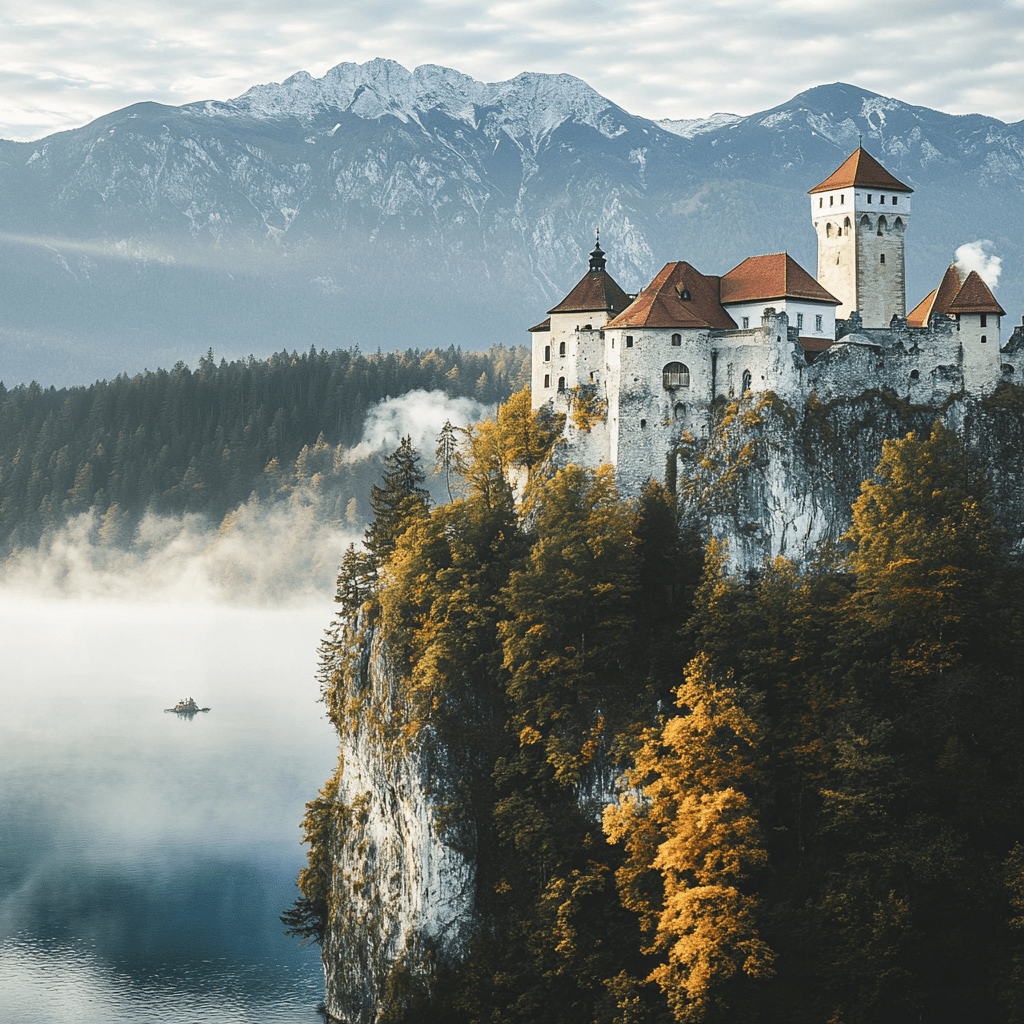
Bled Castle
Evelyn (nodding thoughtfully): “That makes sense. And it wasn’t just armies passing through, was it? Trade must have played a huge role here too. I mean, being at the crossroads of all those empires must have made this place a hub for merchants and travelers."

Predjama Castle
Isabella: “Yes, the region was bustling with activity. Slovenia’s position made it a key stop along trade routes connecting northern Italy with central Europe. Goods like spices, textiles, and metals flowed through these valleys. But with trade came danger. That’s why castles were so important—not just to guard against invading forces, but also to protect the lucrative flow of goods."
Evelyn (leaning back in her chair, taking a sip of wine): “Imagine living back then, watching merchants from Venice or Trieste pass through your town, knowing that the wealth of the region depended on maintaining peace—yet always under the shadow of war."
Isabella: “It would’ve been a delicate balance, for sure. Towns like Ljubljana grew because of trade, but they also lived in constant fear of raids. And it wasn’t just foreign powers. Even noble families fought over control of these routes. There were conflicts between local rulers, all wanting a piece of the wealth flowing through this land."

Ljubljana Castle
Evelyn: “So not only were they dealing with foreign invasions, but internal power struggles too? It sounds like life here must have been a mix of opportunity and anxiety."
Isabella (smiling): “That’s a good way to put it. People in this region were survivors. They had to be. Caught between the ambitions of empires, the fortunes of trade, and the ever-present threat of conflict, they developed a resilience that shaped their culture. It wasn’t an easy life, but it was a life that left its mark on the land and the people."
Evelyn (gazing out the window, her voice softer): “Walking through Postojna today, it’s hard to imagine what that must have been like. I mean, we see the castles, the remnants of history, but we don’t often think about the lives of the people who lived in their shadows—who depended on them for protection, but maybe feared them at the same time."
Isabella: “Exactly. The castles weren’t just places of refuge—they were symbols of power. But for the common people, that power could be a double-edged sword. Nobles could offer protection, but they also demanded loyalty, taxes, and labor. People here had to navigate that balance carefully. In a way, the region’s geography dictated its history—the mountains, the valleys, the passes—they were both opportunities and vulnerabilities."
Evelyn: “And that’s still true today. The geography of this place still feels like it holds stories. The quiet valleys, the winding roads—they must have seen so much movement and change. It’s amazing to think how much the land itself shaped the history of the people who lived here."
Isabella (nodding): “The land is a character in the story, just as much as the people are. It gave life and took it. It protected and threatened. And it shaped the way people lived, fought, and traded. The Holy Roman Empire was vast and complex, but this region—this crossroads of cultures and power—it had its own unique role to play."
神聖羅馬帝國與斯洛維尼亞的角色
神聖羅馬帝國是一個存在於中歐的鬆散聯邦,從公元800年延續到1806年。雖然斯洛維尼亞當時不是獨立國家,但其領土屬於帝國的南部邊界,主要被不同貴族家族控制的公國和領地所統治。
斯洛維尼亞的角色:
斯洛維尼亞的領土,特別是卡尼奧拉(Carniola),在帝國中扮演著重要的角色,作為義大利、奧地利和匈牙利之間的戰略十字路口。它的地理位置使得該地區成為貿易路線和軍事行動的關鍵區域。像布萊德城堡和盧比安納城堡這樣的建築被用來保護重要路線,並且作為行政中心。此外,斯洛維尼亞與天主教會的宗教聯繫,幫助基督教在該地區的傳播。
場景一:帝國的戰略十字路口
伊芙琳:"這裡真的很寧靜,不是嗎?很難想像幾個世紀前,這片安靜的土地曾經是各大帝國軍事戰略和權力鬥爭的熱點。現在我聽到的只有酒杯的碰撞聲和餐廳裡低聲的交談。"
伊莎貝拉:"是啊,但幾個世紀前,這裡可沒那麼平靜。在神聖羅馬帝國時期,斯洛維尼亞是個重要的十字路口。它位於義大利、奧地利和匈牙利之間,這使得它在軍事行動、貿易和外交中成為關鍵地區。"
伊芙琳:"這一定帶來了很多多樣性吧?你幾乎可以感覺到這裡的歷史層層疊疊。"
伊莎貝拉:"絕對的。這裡不僅是戰場,還是文化交流的地方。來自地中海、中歐和巴爾幹的商人和旅行者經常經過,帶來不同的文化、語言和想法。但同時,入侵的威脅也總是存在。"
伊芙琳:"這就能解釋為什麼這裡有這麼多城堡了。像布萊德城堡、普雷德雅瑪城堡——它們不只是象徵權力的裝飾品,對吧?它們是為了應對所有這些來來往往的軍事行動和衝突而建造的。"
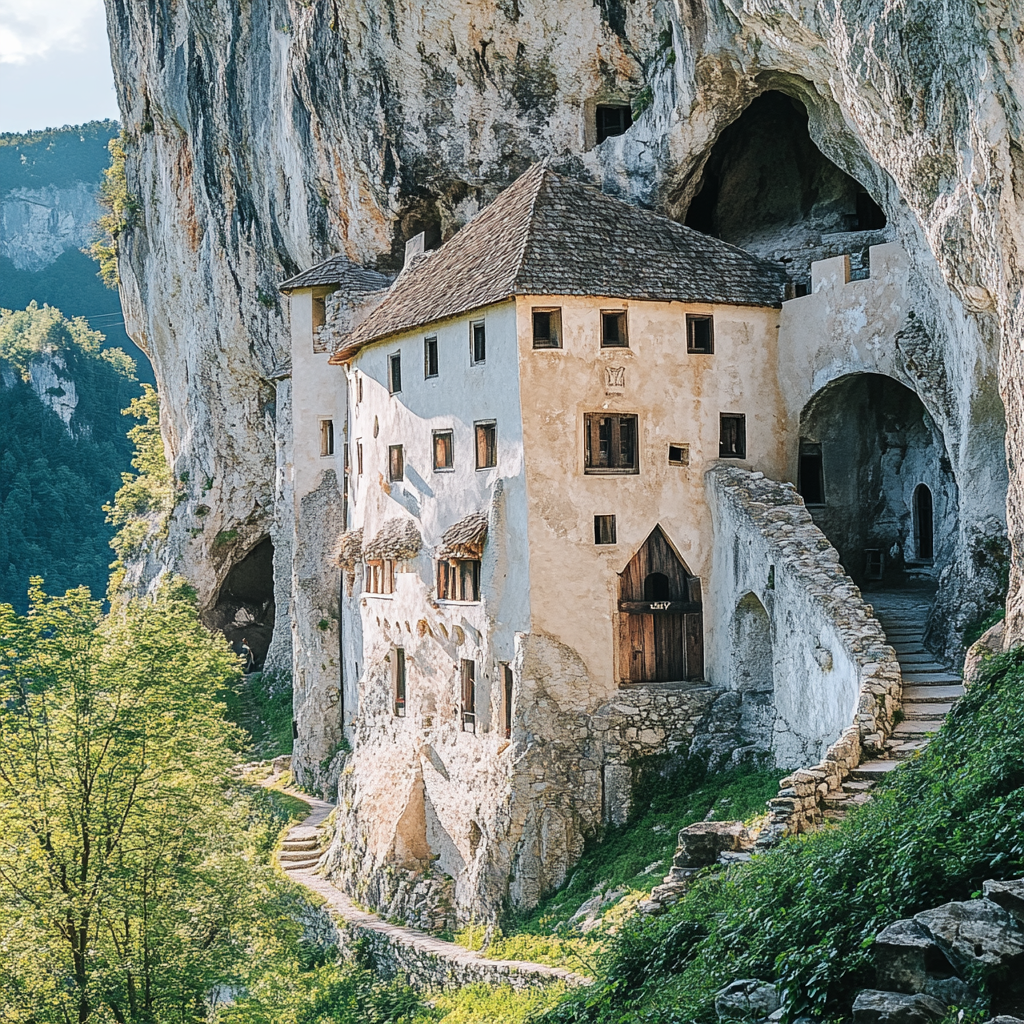
普雷德雅瑪城堡
伊莎貝拉:
“沒錯。每座城堡都有其具體的戰略用途。像布萊德城堡,矗立在懸崖之上,不僅僅是貴族的居所。它保護了穿過這片區域的路線,監視著商人和潛在的入侵者。這些城堡經常建在高處,這樣居住者可以從遠處看到威脅。它們不僅是堡壘,還是權力的燈塔。"
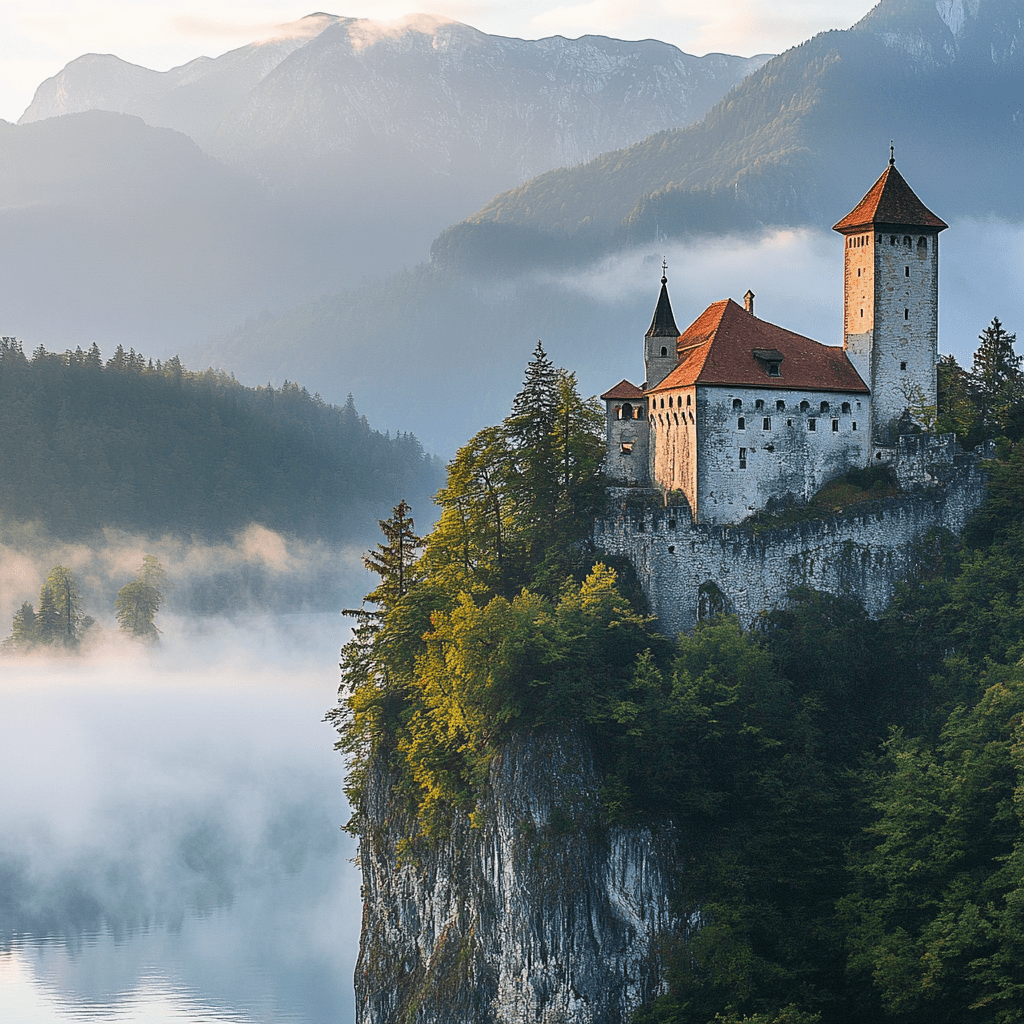
布萊德城堡
伊芙琳(若有所思地點頭):"這很有道理。而且,這裡不僅有軍隊來來往往吧?貿易在這裡也一定發揮了巨大作用。畢竟,位於這些帝國之間的十字路口,這個地方肯定是商人和旅行者的樞紐。"
伊莎貝拉:"是的,這片區域充滿了活動。斯洛維尼亞的地理位置使它成為連接義大利北部和中歐的重要站點。像香料、絲綢和金屬這樣的商品經常穿過這些山谷運輸。但隨著貿易而來的是危險,這就是為什麼城堡如此重要——不僅是為了防禦外來軍隊,還為了保護這些貴重的貨物。"
伊芙琳(靠在椅背上,輕啜一口酒):
“想像一下生活在那個時代,看到來自威尼斯或的里雅斯特的商人穿過你的城鎮,知道這片區域的繁榮依賴於維持和平——但同時也總是生活在戰爭的陰影下。"
伊莎貝拉:"這肯定是一種微妙的平衡。像盧比安納這樣的城市因為貿易而發展起來,但同時它們也總是擔心突襲。而且,這不僅僅是外來勢力的威脅。甚至本地的貴族家族之間也為了控制這些貿易路線而爭奪。"
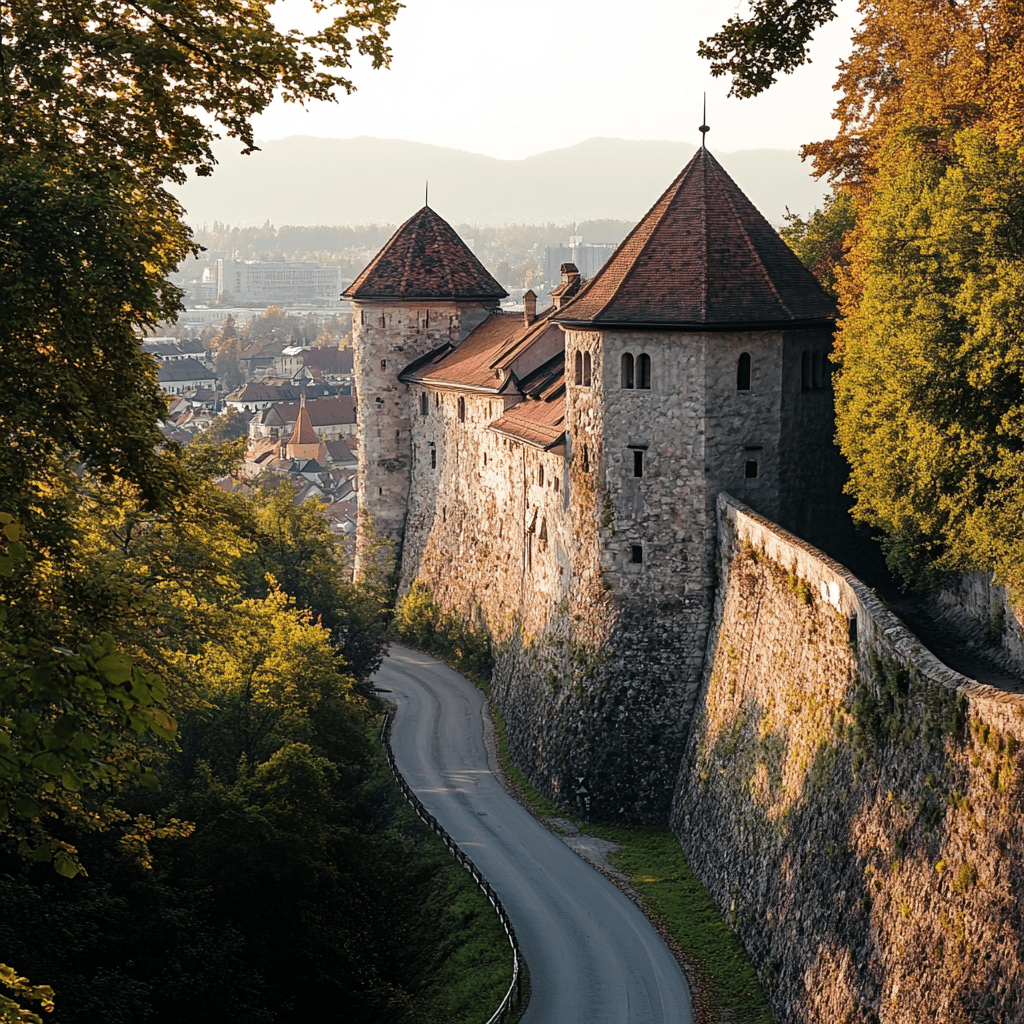
盧比安納城堡
伊芙琳:"所以,他們不僅要面對外來入侵,還有內部的權力鬥爭?聽起來這裡的生活一定充滿了機遇與焦慮的混合。"
伊莎貝拉(微笑):"你說得很對。這裡的人們是生存者。他們必須如此。處於帝國野心的交叉點,貿易的命運,以及不斷存在的衝突威脅中,他們發展出了極強的韌性,這種韌性也塑造了這裡的文化。生活不容易,但它在這片土地和人們身上留下了深刻的印記。"
伊芙琳(望向窗外,語氣柔和):"走在今天的波斯托伊納,真是難以想像那樣的生活。我們看到城堡,這些歷史的遺跡,但我們不常想起那些生活在城堡陰影下的人——那些依賴它們提供保護,但也可能害怕它們的人。"
伊莎貝拉:
“沒錯。城堡不僅僅是避難所——它們也是權力的象徵。但對普通百姓來說,這種權力可能是一把雙刃劍。貴族提供保護,但他們也要求效忠、稅收和勞動。這裡的人們必須小心翼翼地在這之間找到平衡。某種程度上,這片土地的地理環境決定了它的歷史——山脈、山谷、通道——既是機遇也是脆弱點。"
伊芙琳:
“而這一點今天仍然是真的。這片土地的地理環境仍然像是承載著故事。安靜的山谷,蜿蜒的小路——它們一定見證了很多變遷。想到這片土地如何塑造了生活在這裡的人的歷史,真是令人驚嘆。"
伊莎貝拉(點頭):
“這片土地本身就是故事中的一個角色,和人們一樣重要。它賦予了生命,也帶來了威脅。它既保護了人們,也威脅著他們。而且,它塑造了人們的生活方式、戰爭方式和貿易方式。神聖羅馬帝國雖然龐大而複雜,但這片區域——這個文化與權力的交匯點——在其中扮演了獨特的角色。"

 Virtual Travel | 虛擬旅行沉浸式英語學習
回覆給The Virtual World Explorer 取消回覆