Van Gogh, Gauguin and Provence

Provence’s Wheat Fields and Countryside Landscapes
Julia: “It’s hard to believe we’re about to visit the very places where both Van Gogh and Gauguin lived and left their marks. This region isn’t just a place they passed through, but one where they both deeply connected with the land.”
Emma: “Yes, their time here in Provence was more than just creating art. It was about living the landscape, feeling the environment, and letting it influence every brushstroke. They each left a part of themselves here.”
Julia: “What’s fascinating is how different their experiences were, even though they were both so affected by the same surroundings. Van Gogh saw beauty in the everyday scenes—the wheat fields, the olive trees—while Gauguin sought something deeper, something more symbolic.”
Emma: “Exactly. It’s amazing how they could be in the same place but express it in such contrasting ways. Their brief time together in Arles was explosive artistically, but it also showed how different their visions of art were.”

Paul Gauguin’s 1888 Painting: Vincent van Gogh Painting Sunflowers
Julia: “And that’s what makes this trip so exciting—seeing the landscapes that inspired such different interpretations. We’re not just visiting Arles or Saint-Rémy, we’re walking through the memories of two artistic giants.”
Emma: “Yes, these places are more than just historical—they’re living reminders of how deeply a place can shape an artist’s work. I’m curious to see what remains of that energy today.”
梵谷, 高更與普羅旺斯
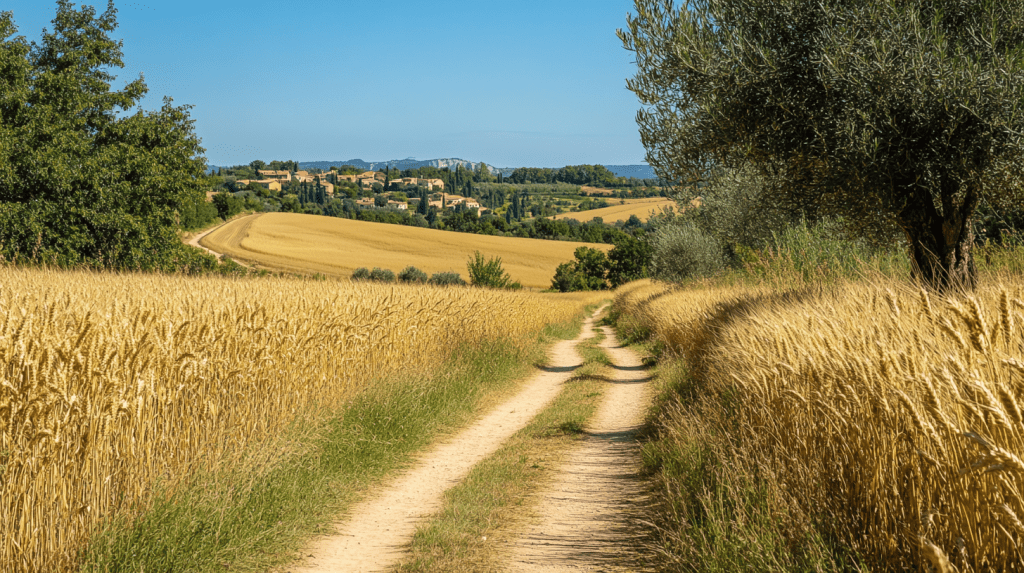
普羅旺斯的橄欖樹、麥田與鄉村風景
茱莉亞:「真是難以置信,我們即將踏上梵谷和高更曾經生活和創作的地方。他們不僅僅是來過這裡,這片土地對他們來說有著深刻的聯繫。」
艾瑪:「沒錯,他們在普羅旺斯的時光不僅僅是藝術創作,而是與這片土地生活在一起,感受這裡的環境,並讓它影響每一筆畫。他們都在這裡留下了自己的一部分。」
茱莉亞:「有趣的是,儘管他們受到同樣的環境影響,卻有著完全不同的體驗。梵谷在日常的景色中看到了美,比如麥田和橄欖樹,而高更則追尋更深層次的、象徵性的意境。」
艾瑪:「沒錯。令人驚奇的是,他們在同一個地方,卻以完全對立的方式表現出來。他們在阿爾勒的短暫相處,藝術上雖然豐富,但也突顯了他們對藝術的不同見解。」
茱莉亞:「這正是讓這次旅行如此令人期待的原因——我們不僅僅是參觀阿爾勒或聖雷米,而是在這些藝術巨匠的記憶中漫步。」
艾瑪:「是的,這些地方不僅僅是歷史遺跡,它們活生生地展示了場所如何深刻影響一位藝術家的作品。我也很想看看今天那種能量是否還存在。」
The Influence of Provence on the Paintings of Van Gogh
(The two scholars are walking along a path surrounded by fields of wheat and olive trees, heading toward the small village of Saint-Rémy-de-Provence.)
Julia: “It’s incredible how these landscapes seem to almost come alive. I can see why Van Gogh was so inspired by this place. The light, the colors—it’s all so vivid. It’s as if the land itself is a painting.”
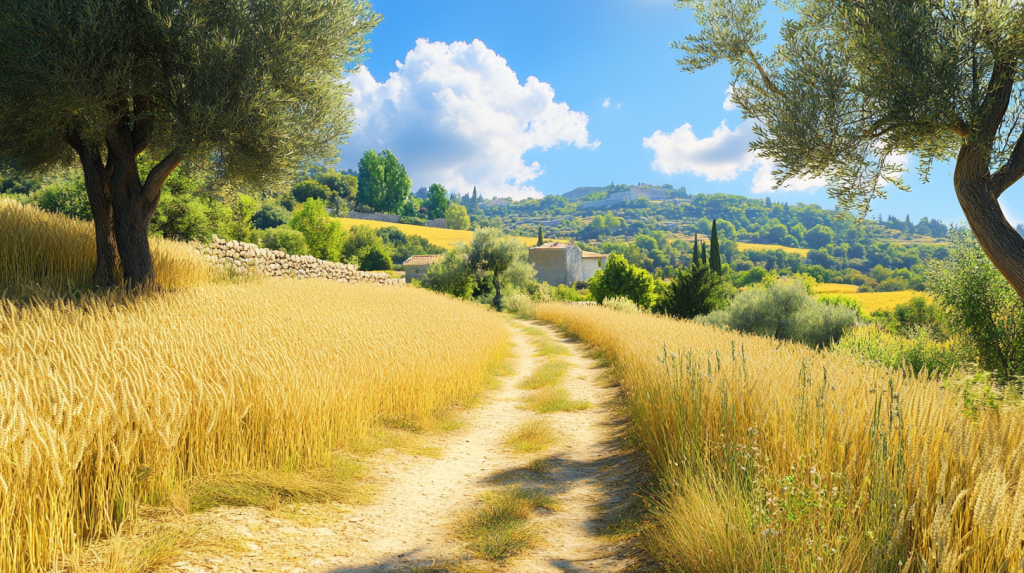
Provence’s Olive Trees, Wheat Fields and Countryside Landscapes
Emma: “Yes, and that’s exactly what Van Gogh captured so well. He didn’t just paint what he saw; he painted what he felt. For him, these landscapes weren’t just background—they were the core of his emotional experience. His brushstrokes were his way of expressing that intensity.”
Julia: “And yet, even though they shared the same surroundings, Gauguin’s approach was so different. He was searching for something beyond the surface, almost a kind of spiritual connection. It’s interesting how Provence could evoke such different reactions in two artists.”
Emma: “I agree. Gauguin’s work in Provence, while less famous than his time in Tahiti, was just as transformative. He found here a stepping stone toward his later, more symbolic style. You can almost feel the tension in his paintings from this period—his struggle to express something more profound.”
Julia: “So in a way, Provence wasn’t just an inspiration; it was a crossroads for both artists. It pushed Van Gogh deeper into his emotional exploration of nature, and it led Gauguin to seek a more symbolic, almost mystical form of expression.”
Emma: “Exactly. It’s remarkable to think how one place could shape two such different visions. And as we walk through these fields, we’re seeing the same landscapes that they did. But what’s fascinating is how, just like them, each of us might see and interpret these scenes in our own unique way.”
Julia: “That’s true. It makes me wonder how much our surroundings influence us without us even realizing it. Van Gogh and Gauguin felt that so deeply, and we’re feeling it now as we walk these same paths.”
Emma: “It’s a reminder of how powerful a place can be—not just for artists, but for anyone open to seeing beyond the surface.”
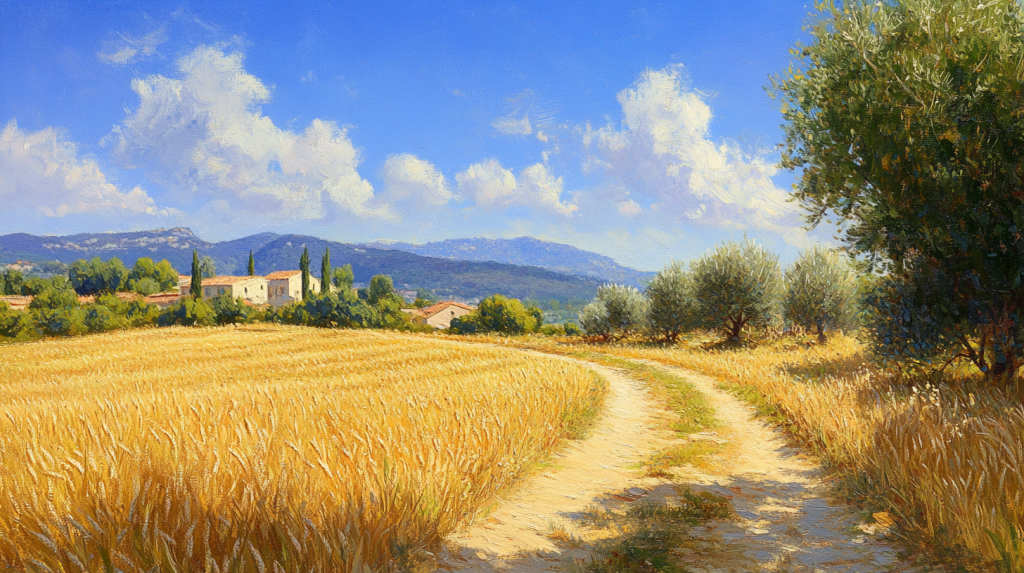
Provence’s Olive Trees, Wheat Fields and Countryside Landscapes
普羅旺斯對梵谷繪畫的影響
(兩位學者沿著一條小徑行走,周圍是麥田和橄欖樹,前往聖雷米小村莊。)
茱莉亞:「這些風景真是讓人驚嘆,彷彿都活了起來。我能理解為什麼梵谷會在這裡找到那麼多靈感。光線、色彩——一切都如此鮮明。就像這片土地本身就是一幅畫。」
普羅旺斯的橄欖樹、麥田與鄉村風景
艾瑪:「是的,這正是梵谷捕捉得如此出色的地方。他不僅僅是畫出他看見的東西,他畫出他感受到的。對他來說,這些景色不只是背景,而是他情感體驗的核心。他的筆觸就是他表達這種強烈情感的方式。」
茱莉亞:「然而,即使他們處於相同的環境中,高更的處理方式卻完全不同。他在尋找超越表面之下的東西,幾乎是一種精神上的聯繫。這讓我很感興趣,為什麼普羅旺斯能喚起這兩位藝術家如此不同的反應。」
艾瑪:「我也這麼覺得。雖然高更在普羅旺斯的作品不如他在大溪地的作品那麼有名,但同樣具有變革性。他在這裡找到了一個通向他後來更具象徵性風格的橋樑。你幾乎可以感受到他這個時期作品中的張力——他努力表達某種更深層次的東西。」
茱莉亞:「從某種意義上說,普羅旺斯不僅僅是靈感的來源,它也是這兩位藝術家的轉折點。它促使梵谷更加深入地探索自然中的情感,而它引導高更尋求更具象徵性、幾乎是神秘的表現方式。」
艾瑪:「沒錯。令人驚嘆的是,一個地方可以塑造兩種如此不同的視角。而當我們走過這些田野時,我們看到的正是他們當年所見的風景。但有趣的是,正如他們一樣,我們每個人也會以自己的方式來解讀這些場景。」
茱莉亞:「確實如此。這讓我不禁思考,我們的環境在不知不覺中對我們有多大的影響。梵谷和高更感受到了這一點,而現在我們也在走過這些相同的小徑時感受到它。」
艾瑪:「這提醒我們,一個地方的力量是多麼強大——不僅僅是對藝術家,對於任何願意超越表面去感知的人來說,都是如此。」
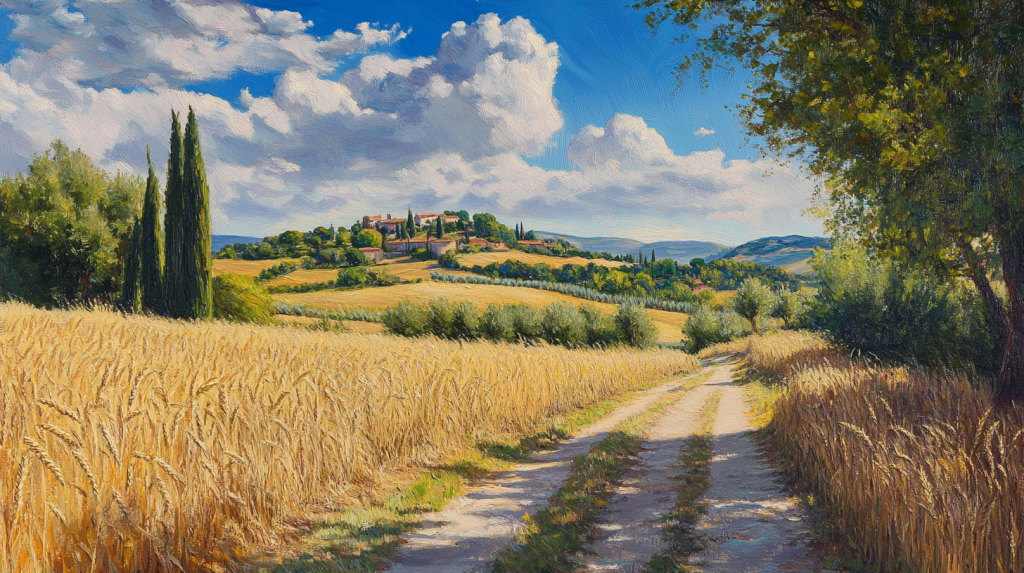
普羅旺斯的橄欖樹、麥田與鄉村風景
Discussing Van Gogh’s Journey to Arles and His Artistic Evolution
Julia: “Emma, I’ve always wondered why Van Gogh chose to come to Arles. It seems like such a departure from the urban life of Paris. What drew him to this quiet, rural part of Provence?”
Emma: “It’s a fascinating story. Van Gogh came to Arles in 1888, and part of the reason was that he was seeking better health. He believed that the southern climate, with its bright sunlight and warmth, would be good for both his physical and mental well-being. But more than that, he was also searching for artistic freedom and inspiration. The landscape here, with its vibrant colors and clear light, was exactly what he needed to break away from the gloom of the north.”
Julia: “That makes sense. His work really did shift after he arrived here. You can see it in the boldness of his colors and the energy of his brushstrokes. What kind of experiences did he have while he was here?”
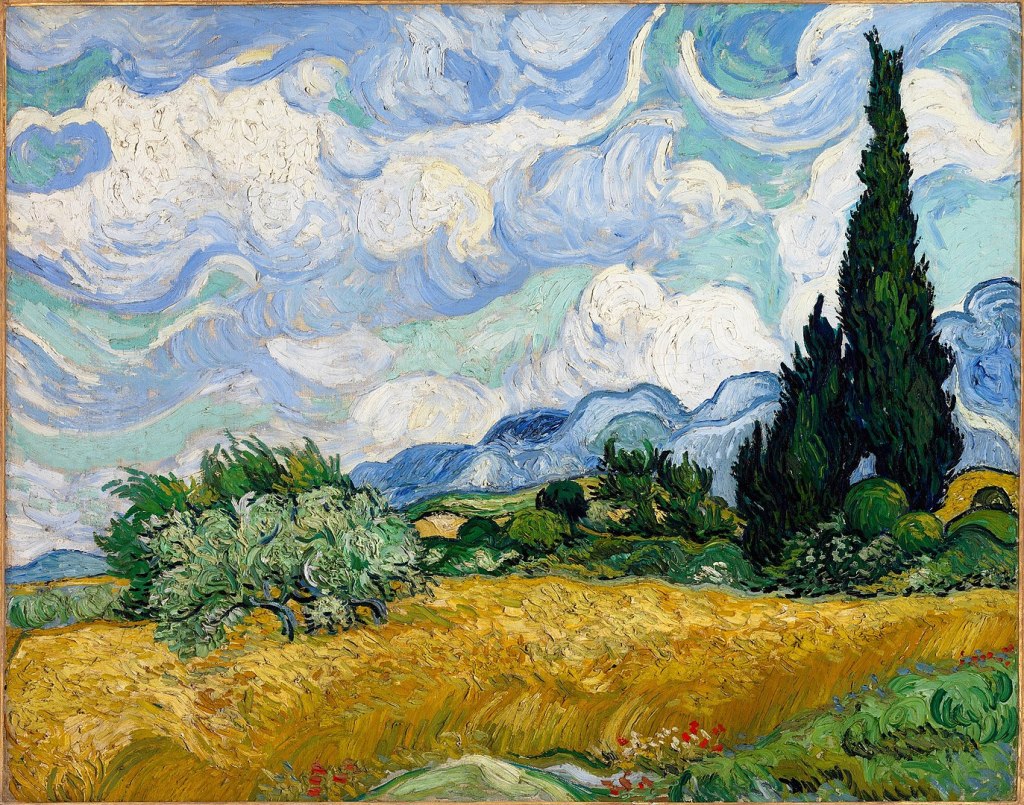
A Wheatfield with Cypresses: A painting inspired by Van Gogh’s view from his window at Saint-Paul-de-Mausole Asylum, overlooking the Alpilles mountains
Emma: “Van Gogh’s time in Arles was both incredibly productive and deeply turbulent. He rented a small house—the famous ‘Yellow House’—and hoped to establish an artist’s community here. He even invited his friend, Paul Gauguin, to join him, which he did for a few months. But their relationship was fraught with tension, and it ultimately led to the infamous incident where Van Gogh cut off part of his own ear.”
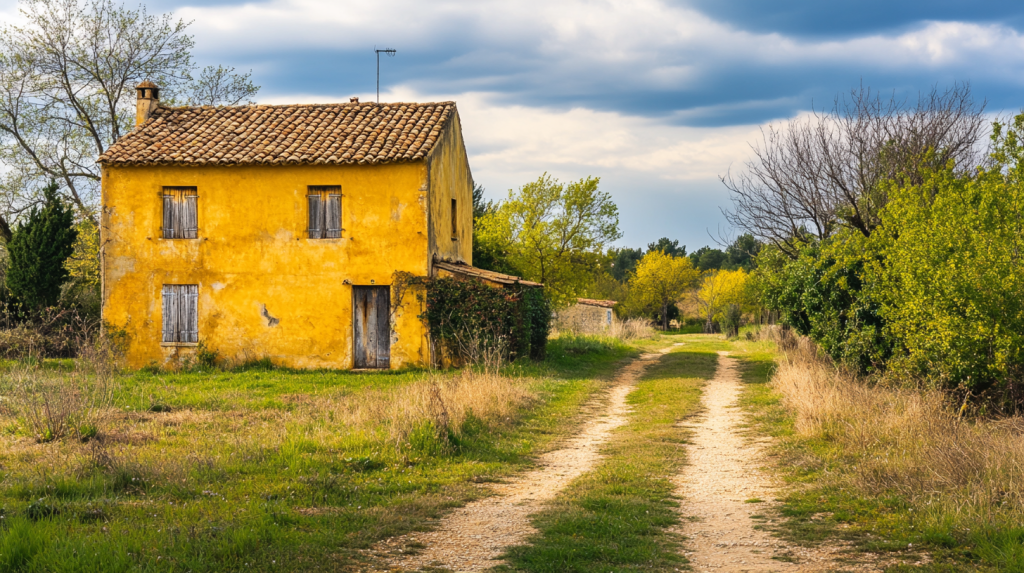
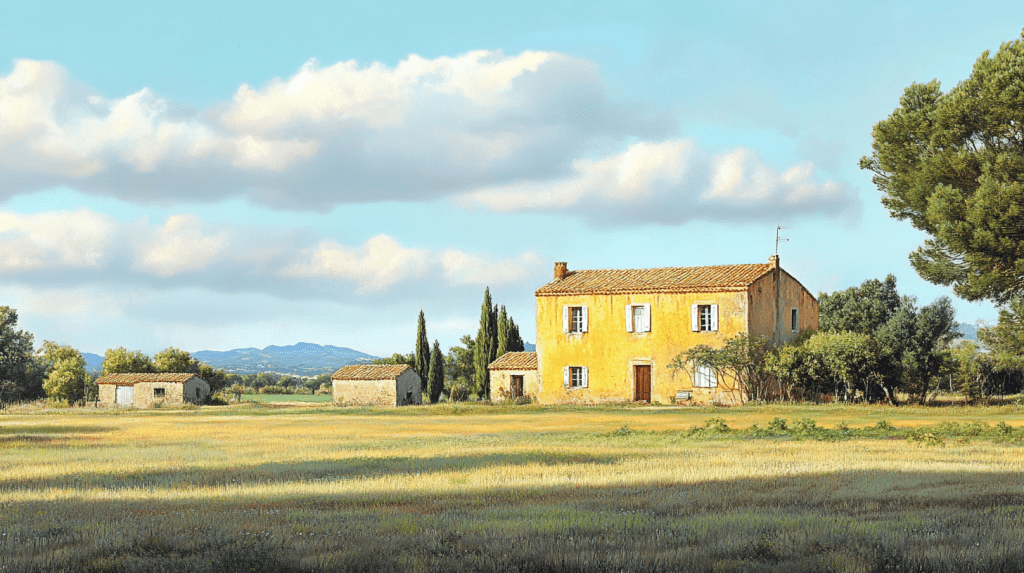
The Yellow House in Arles (Inspired by Van Gogh’s Residence)
Julia: “I’ve heard about that. It’s tragic how his mental health deteriorated here, but at the same time, he produced some of his most famous works. It’s almost as if the beauty of the place contrasted sharply with his inner turmoil.”

Self-Portrait with Bandaged Ear" by Van Gogh (1889)
Emma: “Exactly. Despite his struggles, Van Gogh’s time in Arles was one of his most creative periods. Many of his iconic paintings were done here, like *The Yellow House*, *The Night Café*, *Café Terrace at Night*, and of course, his series of *Sunflowers. The landscape of Provence had a profound impact on him—those fields of sunflowers, the olive groves, the cypress trees, all bathed in this intense southern light. It transformed his use of color.”

Café Terrace at Night by Vincent van Gogh (1888)
Julia: “His palette became so much more vivid here, didn’t it? You can see how the bright yellows, deep blues, and intense greens capture the essence of this place. His work before Arles feels more muted in comparison.”
Emma: “Absolutely. In Arles, he fully embraced the emotional power of color. He was no longer just painting what he saw—he was painting what he felt. The swirling skies, the vibrant fields, the almost exaggerated intensity of his brushstrokes—it was his way of expressing both the beauty of Provence and the storm within himself.”
Julia: “It’s incredible how he turned his personal struggles into such powerful art. I’ve always been struck by The Starry Night, even though he painted it later in Saint-Rémy. The movement of the stars and the night sky almost feels like a reflection of his inner state.”
Emma: “Exactly. The Starry Night is like the culmination of what he started in Arles—using nature and landscape to express emotion. Even though he was suffering, his art became more alive and filled with movement. Provence, with its raw natural beauty, gave him the environment to experiment with this style.”

The Starry Night (June 1889)
Julia: “It’s both inspiring and heartbreaking. Do you think we’ll be able to recognize some of the places he painted when we visit Arles?”
Emma: “I think so. Some parts of Arles and the surrounding countryside haven’t changed much. The Café Terrace is still there, though it’s been modernized. But you’ll definitely feel the same light and colors that Van Gogh experienced. Walking through these landscapes will feel like stepping into his world.”
梵谷為何來到阿爾勒及其藝術風格的演變
茱莉亞:「艾瑪,我一直很好奇,為什麼梵谷會選擇來阿爾勒?這裡和巴黎的都市生活相比真是天壤之別。是什麼吸引他來這個安靜的普羅旺斯鄉村?」
艾瑪:「這個故事很有趣。梵谷是在1888年來到阿爾勒的,他來這裡的一部分原因是為了尋求更好的健康狀況。他相信南方的氣候,特別是明亮的陽光和溫暖的天氣,對他的身心健康都有幫助。但更重要的是,他在尋找藝術上的自由和靈感。這片土地的色彩和清晰的光線,正是他需要的,幫助他擺脫北方的陰鬱氛圍。」
茱莉亞:「這就說得通了。他來到這裡之後,作品風格真的發生了很大的轉變。你可以看到他色彩的鮮明和筆觸的力度。他在這裡的經歷是怎樣的?」
艾瑪:「梵谷在阿爾勒的時光既充滿了創造力,也極具動蕩。他租下了一棟小房子,就是著名的‘黃房子’,並且希望在這裡建立一個藝術家社群。他甚至邀請了他的朋友保羅·高更來與他同住,後來高更確實來了,但他們的關係充滿了緊張,最終導致了那場著名的事件,梵谷割下了自己的一部分耳朵。」
茱莉亞:「我聽說過那件事。這真是令人難過,他的精神狀況在這裡惡化了,但同時他也創作了很多著名的作品。就像這個地方的美與他內心的痛苦形成了鮮明的對比。」
艾瑪:「沒錯。儘管他在精神上受到了巨大的打擊,但阿爾勒是他最具創造力的時期之一。他很多標誌性的作品都是在這裡完成的,比如《黃房子》、《夜間咖啡館》、《星夜咖啡館》和他的《向日葵》系列。普羅旺斯的景觀對他有著深刻的影響——那些向日葵田、橄欖樹和柏樹,全都沐浴在這片強烈的南方光線中。這也改變了他對色彩的運用方式。」
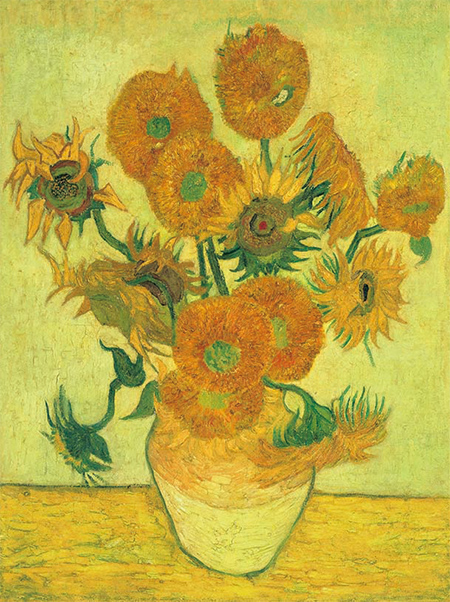
茱莉亞:「他的調色盤在這裡變得更加鮮豔了,是不是?你可以看到那些明亮的黃色、深邃的藍色和強烈的綠色,完美地捕捉了這個地方的精髓。相比之下,他在來阿爾勒之前的作品看起來要更為沉鬱。」
艾瑪:「沒錯。在阿爾勒,他完全擁抱了色彩的情感力量。他不再只是畫他眼中所見的,而是畫他內心的感受。那些旋轉的天空、充滿生命力的田野、幾乎誇張的筆觸——這是他表達普羅旺斯之美與他內心風暴的方式。」
茱莉亞:「他能將個人的痛苦轉化為如此有力量的藝術,真是令人欽佩。我一直對他的《星夜》印象深刻,雖然那是在聖雷米後來畫的,但星空的運動感和夜晚的氛圍,感覺像是他內心狀態的反映。」
艾瑪:「沒錯。《星夜》像是他在阿爾勒開始的探索的巔峰——利用自然和景觀來表達情感。即使他在痛苦中掙扎,他的藝術卻變得更加充滿活力與動感。普羅旺斯,這片原始的自然美景,給了他試驗這種風格的環境。」
茱莉亞:「這既是鼓舞人心的,也是令人心碎的。你覺得我們到阿爾勒的時候能認出一些他畫過的地方嗎?」
艾瑪:「我想應該可以。阿爾勒和周邊的鄉村有些地方至今沒有太大的變化。那家《星夜咖啡館》還在,儘管它已經現代化了很多。但你一定會感受到梵谷經歷過的那種光線和色彩。走過這些風景,就像踏入他的世界一樣。」

Vincent van Gogh. Olive Trees. June 1889

 Virtual Travel | 虛擬旅行沉浸式英語學習
回覆給The Virtual World Explorer 取消回覆