
Visiting the Ecological Park
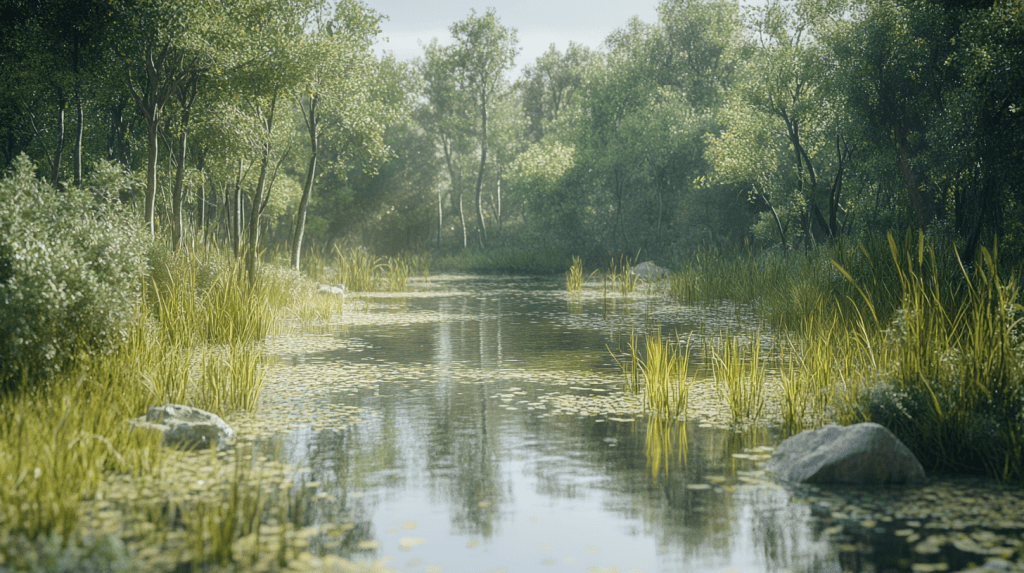
Sophia and Clara enter an ecological park located in the Danube Bend area. This park lies near the border between Hungary and Slovakia and consists of protected wetlands and forest areas with abundant wildlife. They walk along a trail, taking in the natural surroundings.
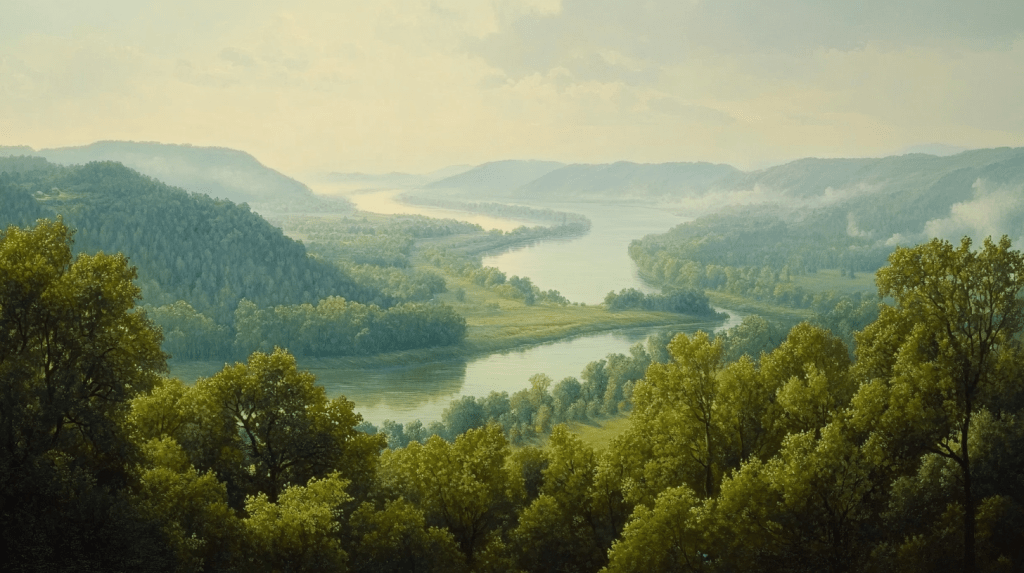
Sophia: “It’s so peaceful here, like we’ve escaped the noise of the world. This ecological park has such a unique location, right along the border between Hungary and Slovakia."
Clara: “Yes, it’s part of the Danube Bend, so there’s plenty of water to sustain all the wetland plants and animals. This is one of the few places in Hungary that still has a nearly untouched wetland ecosystem."
Sophia: “I just spotted some water birds flying over the wetlands. Common here are the grey heron and great egret, right? They seem to love these shallow waters for feeding."
Clara: “Exactly, these wetlands offer them plenty of fish and small invertebrates. You might also catch a glimpse of rarer birds like the red-footed falcon, which stops here briefly during spring migration."
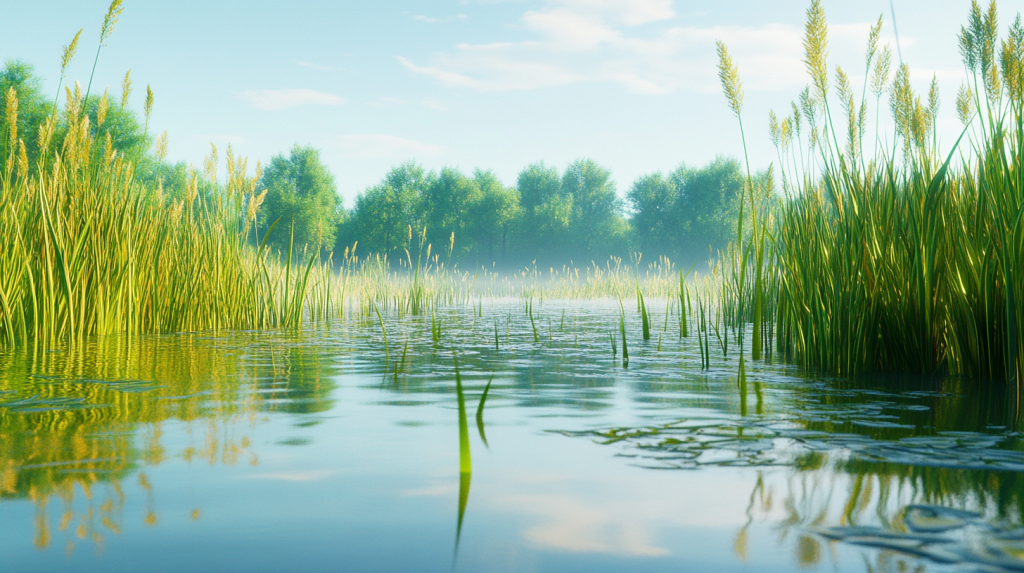
Sophia: “That’s fascinating. And there’s so much plant diversity here too. I noticed some reeds and sedges—these must be typical of wetland ecosystems, right?"
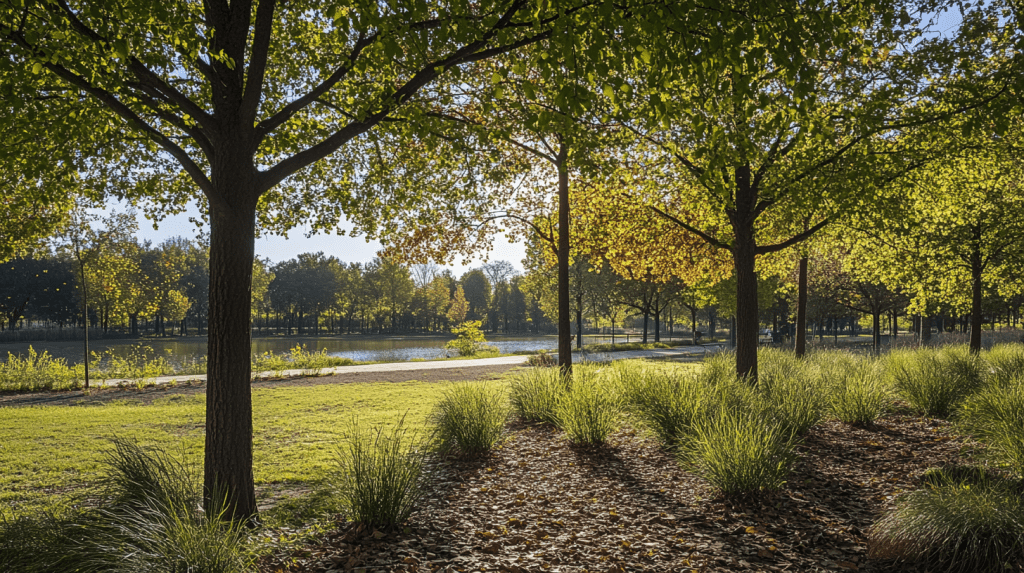
Clara: “Yes, reed beds play an important role in providing shelter for small animals and in stabilizing the riverbanks. The forested areas also have plenty of tree species, like European oaks and white poplars, adding more layers to this ecosystem."
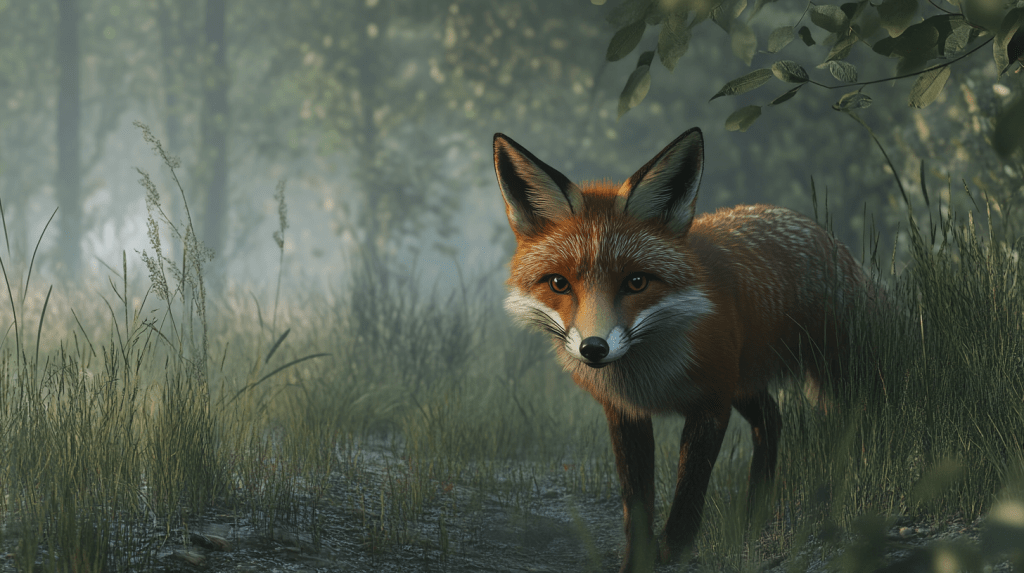
Sophia: “These trees provide shelter and habitat, which explains why so many animals make their home here. I just saw a red fox darting through the woods—it didn’t seem too bothered by our presence."
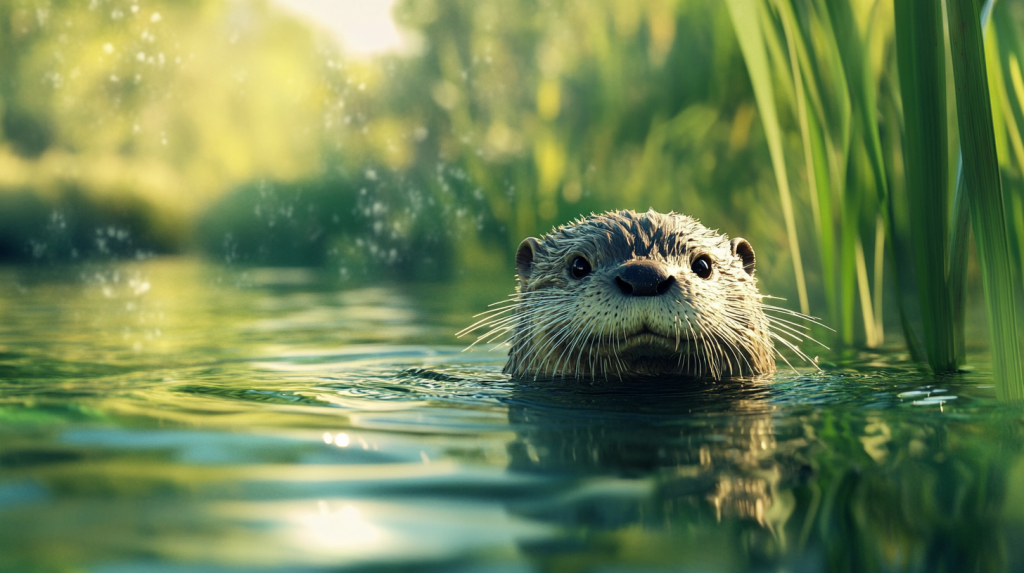
Clara: “Red foxes are common in this area, but there are also otters along the riverbanks. They’re harder to spot, but sometimes you can see their tracks. Otters need clear water to thrive, so the conservation efforts here are vital to their survival."
Sophia: “The Danube Basin is truly rich and diverse. From water birds to mammals to plants, every layer of this ecosystem is so interconnected. Being in a park like this makes you feel the beauty and resilience of nature."
Clara: “It really does. This environment feels so calming, and it reminds us of how precious this land is. The Danube isn’t just a historical river—it’s a lifeline for so many species."
生態公園之旅
Sophia 和 Clara 走進位於多瑙河曲流區的一個生態公園。這個公園坐落在匈牙利和斯洛伐克邊界附近,是一片受保護的濕地和森林區域,擁有豐富的野生動植物資源。他們沿著步道慢慢地欣賞著周邊的自然景觀。

Sophia: “這個地方真安靜,感覺像是遠離了喧囂。這個生態公園的地理位置很特別,靠近匈牙利和斯洛伐克的邊界。"
Clara: “對啊,這裡是多瑙河曲流區的一部分,所以水源充足,吸引了許多濕地動植物。我聽說這裡是匈牙利少數幾個仍保有原始濕地生態系統的地方,保護得相當完整。"
Sophia: “我看到一些水鳥在濕地上飛翔了。這裡常見的是灰鷺和大白鷺對吧?它們好像很喜歡在這種淺水區覓食。"
Clara: “沒錯,這些濕地為牠們提供了豐富的魚類和小型無脊椎動物。此外,這裡還可以看到一些比較稀有的鳥類,比如說紅腳隼,牠們會在春季遷徙時短暫停留在這裡。"
Sophia: “真有意思。除了鳥類,這裡的植物也很豐富。我剛才看到了一些蘆葦和芒草,這些應該是濕地生態系統的典型植物吧?"
Clara: “是的,蘆葦叢在濕地中扮演著重要角色,可以提供庇護所給小型動物,同時也幫助穩定河岸。這裡的樹木種類也不少,像是歐洲橡樹和白楊樹,給森林區帶來了更多層次的生態環境。"

Sophia: “這些樹種提供了遮蔽和棲息地,難怪有這麼多動物在這裡安家。我剛才還看到一隻赤狐在林中穿梭,看起來它對人類的存在並不太在意。"

Clara: “赤狐在這片地區算是常見的哺乳動物了。還有水獺,牠們比較難得一見,但在河岸邊有時候可以發現牠們的足跡。水獺需要清澈的水源,這裡的保護措施幫助牠們維持了穩定的生存環境。"
Sophia: “多瑙河流域真是豐富多樣,從水鳥到哺乳動物再到各種植物,每一層生態都息息相關。像這樣的生態公園,真讓人感到大自然的奇妙與生命力。"
Clara: “是啊,這裡的環境讓人感到平和,也提醒我們要好好珍惜這片土地。多瑙河不僅是一條歷史河流,還是孕育了無數生物的家園。"
Sophia and Clara stop by the wetland in the ecological park, observing a few migratory birds resting on the water’s surface.
Sophia: “Look at those birds resting by the water. They seem like they’re just passing through. I wonder if this wetland is part of their migration route."
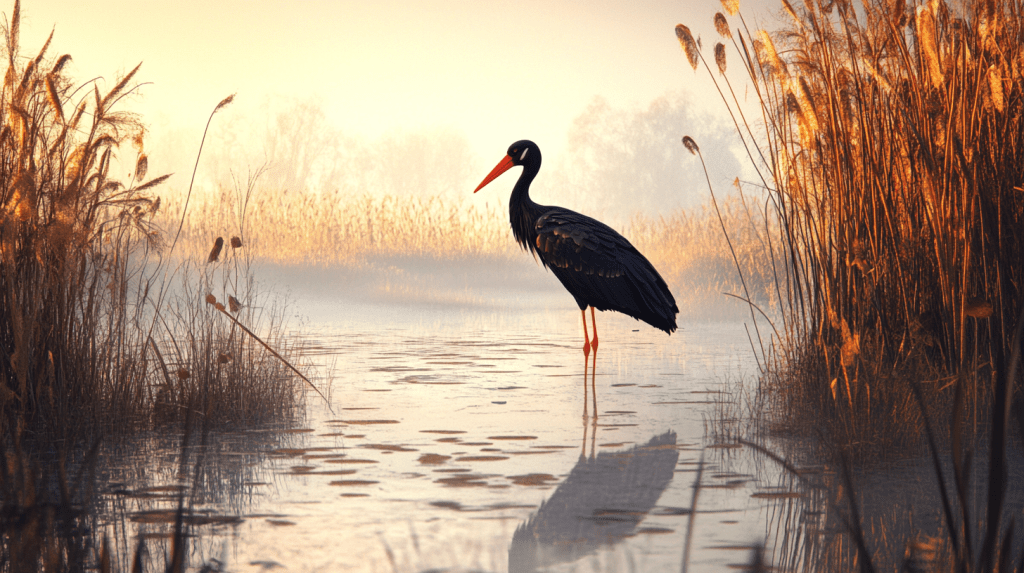
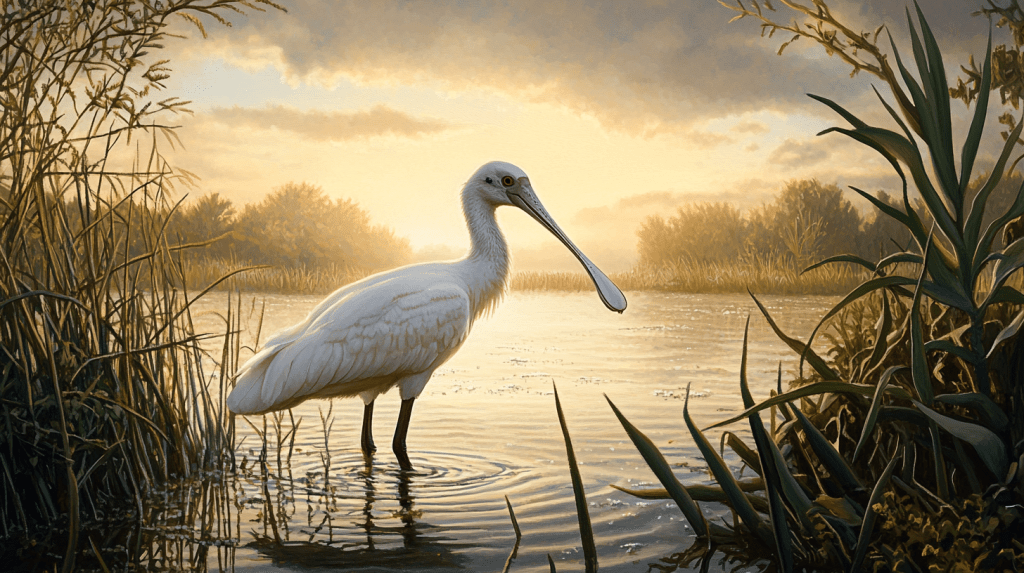
Clara: “Yes, it is. In spring, many migratory birds stop here briefly to rest and feed. For example, you might see species like the Eurasian spoonbill and the black stork. They use these wetlands as a waystation before continuing north."
Sophia: “Where are they coming from?"
Clara: “Most of them are coming from southern Europe or northern Africa. The black stork, for instance, winters in places like the Sahel region in Africa. When spring arrives, it starts its journey back to breeding grounds in Eastern Europe, Scandinavia, and even as far as Siberia."
Sophia: “That’s incredible. And this wetland gives them a safe place to refuel before they continue such a long journey."
Clara: “Exactly. They rely on spots like these along the way. The Eurasian spoonbill, for example, needs shallow waters with plenty of small fish and aquatic invertebrates. Without these feeding grounds, the birds might not have the energy to complete their migration."
Sophia: “It’s amazing to think that these wetlands are part of an international network of habitats that support migratory birds. The Danube Basin must play a critical role."
Clara: “Absolutely. Wetlands like these are essential links in the migration chain. They support the birds when they need it most and connect ecosystems across continents."
Sophia 和 Clara 在生態公園中的濕地旁邊停下,觀察到幾隻候鳥正在水面上停留。
Sophia: 「你看那些鳥正在水邊休息,看起來像是過路的。我想這片濕地應該是牠們遷徙路線的一部分吧?」
Clara: 「沒錯。每年春季,很多候鳥會在這裡短暫停留,休息和覓食。例如像歐亞琵鷺和黑鸛這些鳥類,牠們把這片濕地當作中途站,然後繼續往北飛。」
Sophia: 「牠們是從哪裡來的呢?」
Clara: 「大部分是來自南歐或非洲北部。例如,黑鸛冬季會在非洲的薩赫勒地區過冬。到了春天,牠們就會開始遷徙,返回東歐、斯堪的納維亞,甚至遠至西伯利亞的繁殖地。」
Sophia: 「這真是令人驚嘆。這片濕地為牠們提供了一個安全的地方,讓牠們在繼續長途跋涉前可以補充能量。」
Clara: 「正是如此。牠們沿途依賴這樣的中途站。比如歐亞琵鷺,就需要有充足的小魚和水生無脊椎動物的淺水區域。沒有這些濕地供牠們覓食,牠們可能無法完成遷徙。」
Sophia: 「真沒想到,這片濕地居然是國際候鳥棲地網絡的一部分,支持著這些遷徙的鳥類。多瑙河流域的確扮演了重要角色。」
Clara: 「是的,像這樣的濕地是遷徙鏈條中的重要環節,為鳥類提供牠們最需要的支持,並連結了不同大陸的生態系統。」
Sophia and Clara continue observing the wetland, with Sophia curious about the types of food that birds find in the shallow waters.
Sophia: “You mentioned that the shallow areas are crucial for these migratory birds. What kinds of food do they typically find here?"
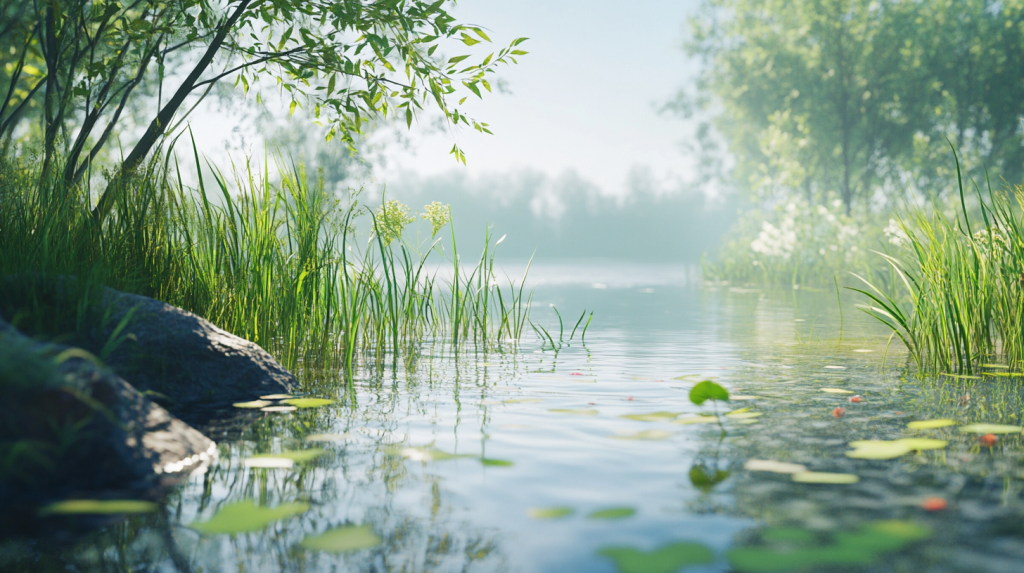
Clara: “There’s quite a variety of food in the shallow waters, which makes it ideal for wetland birds like the Eurasian spoonbill and black stork. Their diet includes small fish, aquatic insects, and some crustaceans."
Sophia: “Are small fish the main source of food?"
Clara: “Yes, small fish are a key food source, especially species like loaches and minnows. These birds can find plenty of fish in this shallow environment. There’s also an abundance of aquatic insects here, like mayfly larvae and water beetles, which are high in protein and provide essential energy for migratory birds."
Sophia: “And there are crustaceans too?"
Clara: “Yes, there are some small crustaceans, like freshwater shrimp and water fleas. These crustaceans live around the water plants and muddy bottoms, making them easy for birds to catch. They’re also rich in minerals, which help birds with feather and bone development."
Sophia: “I see, so this ecosystem is really teeming with life, providing a diverse menu for these birds during migration."
Clara: “Exactly. These shallow areas are not just temporary feeding grounds for birds—they’re also breeding grounds for various species. Fish, insects, and crustaceans all play their roles in the food chain, creating a balanced ecosystem in the wetland."
Sophia 和 Clara 繼續在濕地觀察,Sophia 對鳥類在淺水區找到的食物產生興趣。
Sophia: 「你剛才提到的淺水區對候鳥很重要,那裡通常有哪些鳥類的食物?」
Clara: 「淺水區裡食物種類很豐富,特別適合像歐亞琵鷺和黑鸛這些濕地鳥類。牠們的食物包括小魚、水生昆蟲,還有一些甲殼類生物。」
Sophia: 「小魚是主要的食物來源嗎?」
Clara: 「對,小魚是它們的重要食物來源,尤其是像泥鰍和鯽魚這些種類。牠們能在這種淺水環境中找到充足的魚類資源。另外,水生昆蟲也很多,比如蜉蝣幼蟲和水蠆,它們是高蛋白質的來源,對遷徙的鳥類補充能量很有幫助。」
Sophia: 「還有甲殼類?」
Clara: 「是的,這裡也有一些小型甲殼類,比如淡水螯蝦和水蚤。這些甲殼類生活在水草和泥底附近,鳥類可以輕鬆找到。對鳥來說,甲殼類提供的礦物質對牠們的羽毛和骨骼發育很重要。」
Sophia: 「原來如此,這裡的生態系統真是充滿生機,為鳥類遷徙提供了多樣的營養來源。」
Clara: 「正是。這些淺水區不僅是鳥類的臨時食堂,還是各種生物的繁殖地。無論是魚類、昆蟲還是甲殼類,都是生態鏈的一部分,彼此依賴,構成了這片濕地的平衡。」
Sophia and Clara sit on a bench in the ecological park, surrounded by wetland grasses and wildlife. They discuss the history of the wetlands and their current protected status.

Sophia: “This wetland is so well-preserved, but I’m guessing that in the past, these areas weren’t protected? What would wetlands like this have looked like back then?"
Clara: “You’re right. This wetland, like many others, has gone through a lot of changes before it became a protected area. In fact, several decades ago, Hungary had many more wetlands than it does now. But due to agricultural expansion and urban growth, a lot of wetlands were drained or developed."
Sophia: “So, some of these wetlands were turned into farmland and construction sites?"
Clara: “Yes, especially during the 20th century. Many wetlands were drained to increase arable land, which did help with food production but also destroyed unique ecosystems. For example, in the Szabolcs-Szatmár-Bereg region of Hungary, there were once extensive wetlands, but much of it was converted to farmland, leading to the loss of many native species."
Sophia: “So what made people start protecting these wetlands later on?"
Clara: “As environmental awareness grew, people began to realize how crucial wetlands are. Wetlands don’t just provide habitats for wildlife—they also help purify water, regulate floods, and recharge groundwater. In the last few decades, the government and conservation organizations started designating some of these areas as protected, like the Danube Bend Wetland where we are now."
Sophia: “These wetlands act like natural ‘sponges.’ I can imagine that during flood seasons, they absorb excess water and help reduce river flooding."
Clara: “Exactly. Wetlands play a major role in water regulation and flood prevention. Losing them doesn’t just destabilize ecosystems—it also increases flood risks. The wetlands around Lake Balaton, for example, were damaged in the past and are now being gradually restored."
Sophia: “It sounds like losing wetlands is a loss for both the environment and people. I’m glad to see protected areas like this that preserve ecosystems while also being an investment in the future."
Clara: “Yes, wetland protection is not just an environmental issue—it’s about coexisting with nature. By protecting these areas, we’re restoring ecological balance and leaving a piece of intact nature for future generations."
Sophia 和 Clara 坐在生態公園的長椅上,周圍是濕地的水草和動植物。他們討論著濕地的歷史和保護現狀。

Sophia: 「這片濕地保護得真好,但我猜以前這些地方可能不是保護區吧?以前的濕地會是什麼樣子?」
Clara: 「你說得對,這片濕地在成為保護區之前,曾經經歷了不少變遷。其實在幾十年前,匈牙利的許多濕地面積要比現在大得多,但後來由於農業發展、城市擴張,很多濕地被排乾或開發掉了。」
Sophia: 「所以一些濕地被用來做農田和建設嗎?」
Clara: 「對,特別是在20世紀,為了增加耕地面積,很多濕地被排乾,改造成農田。這確實帶來了糧食增產,但也使得一些珍貴的生態系統遭到破壞。比如說匈牙利的蘇博泰薩(Szabolcs-Szatmár-Bereg)地區,原本有大片濕地,後來被開墾成農田後,很多特有的動植物消失了。」
Sophia: 「那麼後來為什麼開始保護這些濕地了?」
Clara: 「隨著環保意識的增強,人們開始意識到濕地的重要性。濕地不僅是野生動植物的棲息地,還有助於水質淨化、調節洪水和提供地下水補給。於是政府和環保組織在近幾十年開始將一些濕地劃定為保護區,例如我們現在所在的多瑙河曲流濕地區。」
Sophia: 「這片濕地就像是天然的‘海綿’。我可以想像到在洪水季節,濕地可以吸收多餘的水,幫助減少河流氾濫。」
Clara: 「沒錯,濕地在調節水流和防洪方面的作用非常重要。失去濕地不僅影響生態系統的穩定,還會增加洪水的風險。匈牙利的另一個濕地——巴爾頓湖周圍的濕地就曾遭到過破壞,後來才慢慢恢復。」
Sophia: 「聽起來濕地的消失對於環境和人類都是一種損失。我很高興看到像這樣的保護區,不僅是為了保存生態系統,還是對未來的投資。」
Clara: 「是啊,保護濕地已經不僅是環境議題,而是我們與自然共存的選擇。透過保護這些濕地,不僅恢復了生態平衡,還給未來的子孫留下一片完整的自然。」
Sophia and Clara pause at an observation point in the ecological park, admiring the aquatic plants and unique wetland landscape around them. Curious about how wetlands form, Sophia decides to ask Clara.
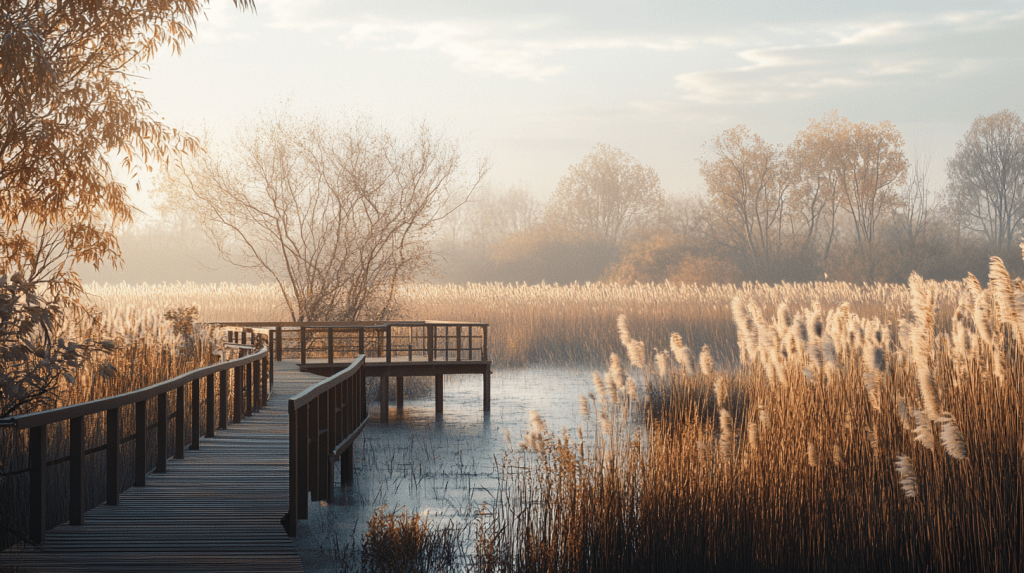
Sophia: “Clara, this wetland has such a unique environment as a protected area. I’ve been wondering, how do wetlands like this actually form? Is it mainly due to an abundance of water or because the land is lower here?"
Clara: “Great question! Actually, both of those factors are important. Wetlands typically form in low-lying areas where water can accumulate easily. For example, the Danube’s waters flow into these depressions and create a consistently moist environment."
Sophia: “What about the water sources? Do wetlands need a stable supply of water?"
Clara: “Yes, wetlands usually rely on various water sources, including rivers, lakes, groundwater, and even seasonal rainfall and flooding. These sources provide the constant moisture needed to support the diverse plants and animals in wetland ecosystems."
Sophia: “I’ve noticed there’s a lot of plant diversity here, especially with aquatic plants like reeds. Do these plants influence the formation of the wetland?"
Clara: “They do! Reeds and other aquatic plants play an essential role in wetland ecology. Not only are they well adapted to the moist conditions, but they also help stabilize the soil and reduce erosion. Their root systems make the wetland more resilient and provide habitats for many smaller animals."
Sophia: “I see. And the soil here looks different too—dark and damp."
Clara: “Exactly. Wetland soils are usually rich in organic matter and have a high water-holding capacity. This type of soil creates an ideal environment for plants and helps retain moisture over the long term."
Sophia: “So the formation of a wetland is a complex process. It’s amazing to think it’s not just low-lying land but a combination of so many natural factors."
Clara: “Right. Wetland formation depends on land elevation, water sources, soil, and plants all working together. This unique environment makes wetlands essential habitats for biodiversity and helps with water purification and flood regulation."
Sophia 和 Clara 在生態公園的濕地觀察點停下,欣賞著周圍的水生植物和濕地景觀。Sophia 對濕地的形成感到好奇,決定向 Clara 請教。

Sophia: 「Clara,作為一個濕地保護區,這裡的生態環境真是獨特。我一直在想,這樣的濕地是怎麼形成的?是因為水源多,還是地勢較低?」
Clara: 「你問得很好,其實這兩個因素都很重要。濕地通常形成在地勢較低的地方,所以水更容易聚集。比如多瑙河的水會流入低窪地區,滯留在這裡,形成長期潮濕的環境。」
Sophia: 「那水源的來源呢?濕地需要穩定的水源嗎?」
Clara: 「是的,濕地的水源可以來自多種渠道,包括河流、湖泊、地下水,甚至季節性的降雨和洪水。這些水源提供了穩定的水分,讓濕地環境可以支持大量的水生植物和動物。」
Sophia: 「我看到這裡的植物種類很豐富,特別是一些像蘆葦這樣的水生植物。這些植物會影響濕地的形成嗎?」
Clara: 「會的,蘆葦和其他水生植物在濕地生態中扮演著重要角色。牠們不僅適應潮濕的環境,還幫助穩定土壤,減少水流侵蝕。植物的根系讓濕地更穩定,也提供棲息地給許多小型動物。」
Sophia: 「原來如此,這裡的土壤看起來也很特殊,像是黑色、潮濕的泥土。」
Clara: 「對,濕地的土壤通常富含有機質,有很強的保水性,這樣的土壤為植物生長提供了理想的環境,也讓濕地能夠長期維持穩定的水分。」
Sophia: 「原來濕地的形成是一個這麼複雜的過程,真的讓人驚嘆。看來濕地不僅僅是低窪地區那麼簡單,而是各種自然因素的完美結合。」
Clara: 「沒錯,濕地的形成需要地勢、水源、土壤和植物的共同作用。這樣的生態環境也讓濕地成為生物多樣性的重要棲息地,對水質和洪水調節也非常有幫助。」
Sophia and Clara continue their walk in the wetland ecological park. Sophia, curious about the relationship between agriculture and wetlands, asks Clara for more details.
Sophia: “We were just talking about how wetlands are damaged by agriculture. Besides drainage and chemical pollution, what other agricultural practices affect wetlands?"
Clara: “Agriculture impacts wetlands in many ways. Apart from drainage and pollution, farming can change the structure of the soil. For example, tilling makes the soil looser, which reduces the wetland’s natural ability to retain water."
Sophia: “I see, so this could gradually dry out the wetland?"
Clara: “Exactly. Once a wetland loses its water-retention ability, it can no longer support its original ecosystem. Wetland plants rely on moist conditions, and aquatic life needs a stable water source. If the wetland dries up, these organisms can’t survive."
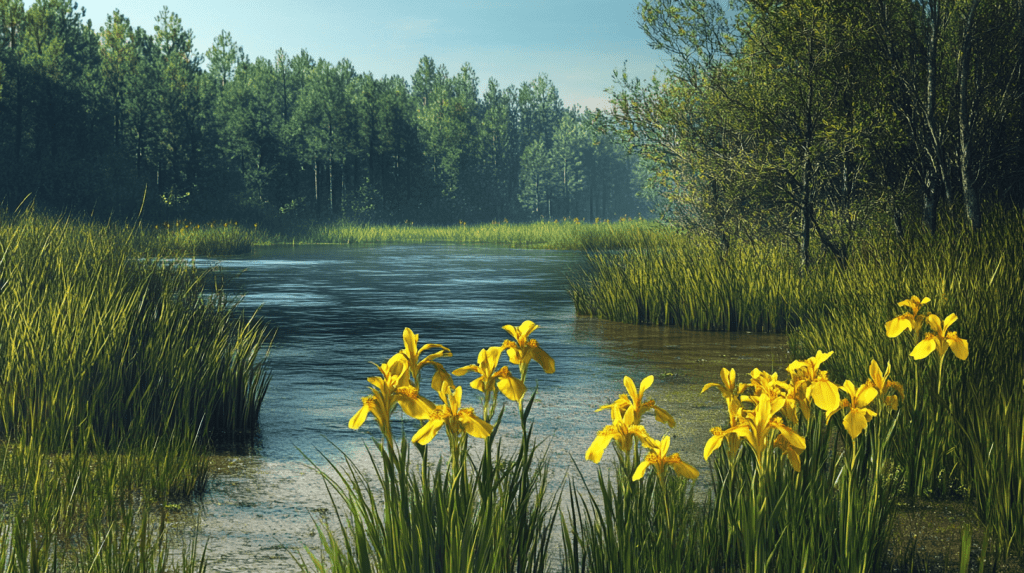
Yellow flag irises (Iris pseudacorus)
Sophia: “Then if agricultural activities increase, like extensive clearing around the wetland, would these effects become more severe?"
Clara: “Absolutely. As farmland expands, so does the demand for irrigation, which often relies on groundwater or river sources. This further depletes the wetland’s water levels, increasing the risk of drought in the wetland."
Sophia: “What effect does this process have on the surrounding areas?"
Clara: “When wetlands dry up, it affects the entire watershed’s water cycle. Wetlands play a role in regulating water levels and purifying water. Once they’re gone, surrounding areas may face flooding, droughts, and declining water quality."
Sophia: “So the impact of agriculture on wetlands isn’t just a local change; it can disrupt a larger ecosystem."
Clara: “Exactly. Wetlands are crucial—they help protect biodiversity, prevent soil erosion, and regulate groundwater. When agriculture encroaches on wetlands, these natural functions are significantly weakened, and the balance of the ecosystem is disrupted."
Sophia: “So protecting wetlands isn’t just about preserving one area; it’s about maintaining the stability of the whole region."
Clara: “For agricultural areas near wetlands, it’s important to adopt sustainable practices—like avoiding excessive water extraction, reducing chemical use, and maintaining natural buffer zones around wetlands. This can help minimize the negative impact on wetlands."
Sophia: “It really is a complex issue, balancing the need for food production with protecting the natural environment. Finding that balance isn’t easy."
Clara: “Yes, that’s why there’s increasing research and policy work aimed at sustainable development. The relationship between wetlands and agriculture is a perfect example, reminding us of the importance of coexistence between humanity and nature."
Sophia 和 Clara 繼續在濕地生態公園散步,Sophia 對農業和濕地的關係充滿好奇,向 Clara 問起更多細節。
Sophia: 「我們剛剛談到濕地因為農耕而受到破壞。除了排水和化學污染,還有哪些農業行為會影響濕地?」
Clara: 「農業對濕地的影響確實是多方面的。除了排水和污染,農業活動還會引發土壤的結構改變。例如,耕作過程會使土壤變得更疏鬆,失去濕地原有的保水能力。」
Sophia: 「原來如此,這樣會讓濕地逐漸乾涸嗎?」
Clara: 「是的,濕地一旦失去保水能力,就不再具備支持原本生態系統的條件。濕地的植物依賴潮濕環境,水生生物也需要穩定的水源,一旦濕地乾涸,這些生物就無法存活。」
Sophia: 「那麼,如果農業活動增加,比如在濕地周圍大量開墾,這些改變會更加劇烈嗎?」
Clara: 「完全正確。當農地增加,灌溉需求就會隨之增多,而灌溉水源通常直接來自地下水或河流。這樣一來,濕地的水量會被進一步抽取,濕地乾旱的風險更高。」
Sophia: 「這樣的過程會對周邊地區產生什麼影響?」
Clara: 「當濕地枯竭,對整個流域的水循環都有影響。濕地具有調節水位、淨化水質的功能,一旦消失,周邊地區可能面臨洪水、乾旱和水質惡化等問題。」
Sophia: 「所以農業對濕地的影響遠不只是局部的環境變化,甚至會牽動更大的生態系統。」
Clara: 「沒錯。濕地的功能非常關鍵,它們能保護生物多樣性,防止土壤侵蝕,並調節地下水位。當濕地被農業侵占,這些天然功能就會大大減弱,生態系統的平衡也會被打破。」
Sophia: 「所以保護濕地不僅僅是保護一片土地,也是維護周邊地區的整體穩定啊。」
Clara: 「對於濕地周圍的農業地區來說,採取可持續的耕作方式非常重要,比如避免過度抽取水源、減少化學品使用,並且保持濕地的自然緩衝區,這樣可以減少對濕地的負面影響。」
Sophia: 「這真是一門深奧的學問,既要考慮食物需求,也要保護自然環境,找到平衡並不容易。」
Clara: 「是的,這也是為什麼現在越來越多的研究和政策在尋求可持續發展。濕地和農業的關係就是一個很好的例子,提醒我們人類與自然應該如何共生。」
Clara and Sophia are walking along a trail in the wetland conservation area, admiring the natural landscape around them. Curious about the historical significance of this wetland, Clara turns to Sophia, who specializes in history, for insights.
Clara: “Sophia, from an ecological perspective, this wetland is crucial for biodiversity conservation and water quality. But I’m curious, does it hold any particular historical significance?"
Sophia: “Good question, Clara. Actually, this wetland has been significant since ancient times. Early Hungarian tribes, including the Magyars, settled here largely because the wetland provided abundant fish, reeds, and fertile soil, ideal for farming and livestock."
Clara: “So, this wetland wasn’t just a natural habitat; it became an integral part of early Magyar life?"
Sophia: “Exactly. The wetland allowed their communities to be self-sustaining, and the tributaries of the Danube that run through here made trade and transportation easier. These waterways allowed the Magyars to connect with distant regions and trade goods."
Clara: “Did it have any military significance? I remember wetlands often serve as natural barriers."
Sophia: “Absolutely. In the Middle Ages, when the Ottoman Empire sought to expand into Central Europe, this wetland became a natural barrier for Hungarians resisting Ottoman forces. The marshy, maze-like waterways made it difficult for invaders to advance quickly, giving the Hungarian forces more time to prepare their defenses."
Clara: “So, this wetland didn’t just support economic life—it also played a vital role in protecting Hungarians from foreign threats."
Sophia: “Precisely. In Hungarian history, this wetland was both a source of daily sustenance and a natural defense line. Later, under Ottoman rule, the wetland retained its importance as it provided crucial resources and even served as a supply stop along military routes."
Clara: “It sounds like this wetland truly carries a multi-layered historical significance—from Magyar settlements to resistance against the Ottomans."
Sophia: “Yes. The story of the wetland is a part of this land’s history. Protecting the wetland isn’t just about preserving an ecosystem—it’s about safeguarding the legacy of human survival and resilience here."
Clara 和 Sophia 走在濕地保護區的小徑上,欣賞著周圍的自然景觀。Clara 對這片濕地的歷史意義產生了好奇,向擅長歷史的 Sophia 發問。
Clara: 「Sophia,從生態學的角度來看,這片濕地對保護生物多樣性和維護水質至關重要。但我很好奇,這裡在歷史上是否有特別的意義?」
Sophia: 「好問題,Clara。其實,這片濕地自古以來就非常重要。早期的匈牙利部落,包括馬扎爾人,會在這裡定居,特別是因為濕地提供了豐富的魚類、蘆葦和肥沃的土壤,適合耕作和養殖。」
Clara: 「所以,這片濕地不僅僅是自然棲息地,也成為了早期馬扎爾人生活的一部分?」
Sophia: 「是的。濕地讓他們的社區自給自足,而且多瑙河的支流穿過這裡,也為貿易和交通提供了便利。這裡的水路讓馬扎爾人可以連接到更遠的地區,進行貨物交換。」
Clara: 「那麼,在軍事上是否也有作用呢?我記得濕地常常可以成為天然屏障。」
Sophia: 「沒錯。中世紀的時候,當奧斯曼帝國試圖擴張到中歐時,這片濕地成為了匈牙利人抵抗奧斯曼軍隊的天然屏障。由於濕地泥濘且水道錯綜複雜,入侵者難以快速進軍,這給了匈牙利軍隊更多時間來準備防禦。」
Clara: 「所以,這片濕地不僅支撐了經濟和生活,還在保護匈牙利人免受外敵侵擾方面發揮了重要作用。」
Sophia: 「完全正確。在匈牙利歷史上,這片濕地不僅是人們日常生活的依靠,也成為了保護家園的天然防線。後來在奧斯曼帝國的統治下,濕地的地位依然重要,因為它們提供了重要的資源,甚至被用作行軍路線的補給站。」
Clara: 「聽起來這片濕地的確承載了多層次的歷史意涵,從馬扎爾人的定居到與奧斯曼的抗爭。」
Sophia: 「是的。濕地的故事就是這片土地歷史的一部分。保護濕地不僅是保存生態系統,也是保存人類在這裡生存和抗爭的歷史。」
Sophia and Clara stand on the wetland observation platform, gazing over the serene landscape. Sophia begins to explain the historical background of the wetland during the Ottoman Empire’s rule.

Clara: “Sophia, did this wetland come under any particular influence during the Ottoman Empire’s rule? Were the local residents assimilated?"
Sophia: “That’s a great question. In fact, this wetland and the surrounding areas were in a state of ‘coexistence’ rather than full assimilation during Ottoman rule. The Ottoman Empire didn’t forcibly change the religion and culture here. Instead, they allowed the Hungarian residents to keep their Christian faith and traditional way of life."
Clara: “So the residents remained primarily Christian and continued their traditional farming and fishing activities in the wetland?"

Halászlé: a traditional Hungarian fisherman’s soup
Sophia: “Exactly. They continued fishing, farming, and gathering reeds in the wetland. The Ottomans valued the wetland more for its strategic importance—as a natural defense barrier against external threats—rather than for cultural assimilation."
Clara: “I know the Ottomans often built mosques and bathhouses in major towns, but it seems that kind of cultural influence didn’t extend to remote areas like the wetland?"
Sophia: “Precisely. In the small villages around this wetland, Ottoman cultural influence was relatively limited. Local residents retained a level of autonomy, and Hungarian nobles and peasants continued their traditional lifestyles. The wetland even became a sort of refuge, shielding them from excessive cultural conflicts."

Clara: “So, this wetland became a guardian of their culture. They lived under Ottoman rule yet could still maintain their customs."
Sophia: “Yes, you could say the wetland was a ‘space of cultural coexistence.’ While some Ottoman influences did seep in, like new spices or architectural styles, these were mainly felt in the cities and didn’t alter the core of the wetland community."
Clara: “That’s fascinating—the wetland not only protected biodiversity and resources but also served as a shield for local culture. It seems nature can preserve both life and culture."
Sophia: “Exactly. This wetland became a symbol of cultural coexistence in history. Although the Ottoman Empire controlled this land, the wetland allowed locals to preserve their faith and way of life."
Sophia 和 Clara 站在濕地的觀景平台上,眺望著這片寧靜的濕地,Sophia 開始介紹濕地在奧斯曼帝國統治時期的歷史背景。
Clara: 「Sophia,這片濕地在奧斯曼帝國統治時期,有受到什麼影響嗎?當時的居民會被同化嗎?」
Sophia: 「這是一個好問題。事實上,這片濕地和周邊地區在奧斯曼統治時期,處於一種『並存』的狀態,而非完全同化。奧斯曼帝國並沒有強行改變這裡的宗教和文化,而是讓當地的匈牙利居民保留基督教信仰和傳統生活方式。」
Clara: 「所以當時的居民還是以基督教為主,並且繼續在濕地進行傳統的農業和漁業活動?」
Sophia: 「沒錯。他們依然在這片濕地捕魚、種植,採集蘆葦等。奧斯曼人更重視這片濕地的戰略價值,比如說把它作為防禦屏障來抵禦外敵,而不是去同化當地的文化。」
Clara: 「我知道奧斯曼帝國通常在主要城鎮建立清真寺和浴場,但這樣的文化影響似乎並沒有擴展到像濕地這樣的偏遠地區?」
Sophia: 「正是如此。在這片濕地周圍的小村莊裡,奧斯曼文化的影響相對有限。當地居民保有一定程度的自治權,當時的匈牙利貴族和農民還能夠繼續自己的傳統生活方式。濕地甚至成了他們的避風港,避免了過度的文化衝突。」

Clara: 「所以,這片濕地成了他們文化的守護地。他們既生活在奧斯曼的統治下,又能夠維持自己的習俗。」
Sophia: 「是的,可以說濕地在那時是一種『並存的文化空間』。即使有一些奧斯曼的影響,比如引入了新香料或建築風格,但這些影響主要集中在城市,沒有改變濕地社區的核心。」
Clara: 「這真是有趣,濕地不僅成為生態和資源的保護地,還成為了當地文化的保護屏障。看來自然環境不僅能保護生物,還能保護文化。」
Sophia: 「是的。這片濕地在歷史上成為了不同文化共存的象徵。即使奧斯曼帝國控制了這片土地,但濕地還是讓當地人保留了他們的信仰和生活方式。」
Sophia and Clara continue their discussion on the observation platform, shifting from history to the present as they talk about how the Hungarian government now protects this wetland.
Clara: “This wetland was once used as a defensive barrier and resource area during the Ottoman Empire. After so many centuries, how did it become a protected area in modern times?"
Sophia: “Hungary’s wetland protection policies only began to develop gradually in the latter half of the 20th century. At that time, global awareness of environmental protection was rising, and Hungary started to recognize the importance of wetlands for ecology and water resources."
Clara: “So, was this protection policy influenced by the international environmental movement?"
Sophia: “In a way, yes. The Ramsar Convention, signed in 1971, marked the beginning of global wetland protection, and Hungary joined the convention in 1979. According to the convention, Hungary was required to protect wetlands of international importance, and this part of the Danube basin was one of them."
Clara: “Specifically, what measures has the Hungarian government taken to protect this wetland?"
Sophia: “The main measures include prohibiting large-scale agricultural development and industrial activities around the wetland, restricting water extraction, and establishing no-hunting zones. Additionally, the government has invested in ecological restoration projects to repair damaged areas and created an environmental monitoring system."
Clara: “These measures seem quite effective, especially in terms of protecting water resources and land. Do these policies have a defined timeline for implementation?"
Sophia: “Actually, after Hungary’s social transition in the 1990s, wetland protection policies became more comprehensive. The government began defining the specific boundaries of wetland conservation areas and established management bodies. They also reinforced wetland protection along the Danube Bend, further safeguarding the water quality and ecosystem here."
Clara: “These policies really help restore the wetland’s natural environment. It sounds like Hungary’s approach goes beyond superficial measures and delves into ecosystem management."
Sophia: “Yes, the protection of this wetland has become a model for sustainable development in Hungary. The government also promotes environmental education to raise awareness about the importance of wetlands and encourages ecotourism, allowing people to enjoy nature without harming the environment."
Clara: “I wish more countries would adopt similar policies so that natural ecosystems and human life can coexist."
Sophia 和 Clara 在觀景台上繼續討論,他們的話題從歷史轉到現代,討論匈牙利政府如何保護這片濕地。
Clara: 「這片濕地在奧斯曼帝國時期被用作防禦屏障和資源地,經過了這麼多世紀,到現代,它是如何變成保護區的?」
Sophia: 「匈牙利的濕地保護政策大約是在20世紀下半葉才逐步開始的。當時,全球的環保意識逐漸抬頭,匈牙利也意識到濕地對生態和水資源的重要性。」
Clara: 「所以,這個保護政策是受到國際環保運動的影響?」
Sophia: 「可以這麼說。1971年簽署的《拉姆薩公約》就是全球濕地保護的開端,匈牙利在1979年加入了這個公約。根據公約規定,匈牙利政府需要保護具有國際重要性的濕地,這片多瑙河流域的濕地就是其中之一。」
Clara: 「那具體來說,匈牙利政府採取了哪些措施來保護這片濕地呢?」
Sophia: 「主要措施包括禁止在濕地周邊進行大規模的農業開墾和工業活動,限制濕地水源的抽取,並規定了禁止狩獵的區域。此外,政府還投入資金進行生態復育,修復受損的濕地,並建立了環境監測系統。」
Clara: 「這些措施似乎蠻有效的,特別是水源和土地的保護。那這些政策有明確的執行時間嗎?」
Sophia: 「實際上,1990年代匈牙利社會轉型後,濕地保護政策逐漸完善。匈牙利政府開始劃定濕地保護區的具體範圍,並設立了保護區管理機構。此外,他們在多瑙河曲流區也加強了濕地的保護措施,進一步保障這裡的水質和生態系統。」
Clara: 「這些政策的確有助於讓濕地恢復自然的生態環境,看來匈牙利對濕地的保護並不只是停留在表面,而是深入到生態系統的管理。」
Sophia: 「是的,這片濕地的保護政策也成為匈牙利可持續發展的典範。政府還鼓勵環境教育,讓更多人了解濕地的重要性,並推動生態旅遊,讓人們能在不破壞環境的情況下欣賞自然之美。」
Clara: 「真希望更多國家能效仿這樣的政策,讓自然生態和人類生活共存。」
Sophia and Clara continue their tour of the wetland, now discussing the tourism effects brought about by wetland conservation.
Clara: “Aside from ecological protection, I imagine this wetland has brought quite a bit of tourism too, hasn’t it?"
Sophia: “Yes, the Hungarian government has been keen on highlighting the tourism value of the wetland in recent years. With its rich biodiversity, it attracts a lot of nature enthusiasts and bird watchers. Especially during the spring and autumn migration seasons, this place becomes a haven for photographers and birdwatchers."
Clara: “I can imagine that the economic benefits from tourism must be quite helpful for the local area."
Sophia: “Definitely. With the growth of eco-tourism, nearby towns have started establishing tourism facilities focused on the wetland’s ecosystem, such as eco-lodges, trails, observation decks, and information centers. These facilities not only cater to tourists but also stimulate local economic development."
Clara: “It sounds like a sustainable approach—protecting nature while generating income and jobs for the community."
Sophia: “Exactly. The government and local communities are very mindful of balance in their planning. To minimize human disturbance, many tourism routes are carefully mapped out, and visitors are only allowed to enter designated trails and observation points. Some of the more sensitive areas are restricted to protect the ecosystem from excessive interference."
Clara: “That sounds like a responsible management strategy. Eco-tourism allows people to connect with nature while increasing environmental awareness. After all, the wetland’s beauty can only endure if it’s well-protected."
Sophia: “Absolutely. The Hungarian government has also launched environmental education programs so that visitors can appreciate the ecological value of wetlands. It’s not just about enjoying the scenery; it’s about understanding the wetland’s contribution to the ecosystem. These programs help people develop respect for nature and inspire more support for conservation efforts."
Clara: “That’s really inspiring. The economic benefits from tourism not only support the local community but also feed back into the wetland’s conservation. This approach should be promoted widely to show how nature and the economy can coexist."
Sophia 和 Clara 繼續他們的濕地之旅,這次討論到濕地保護對觀光業的影響。
Clara: 「除了生態保護之外,我想這片濕地應該也帶來了不少觀光效應吧?」
Sophia: 「是的,匈牙利政府近年來非常重視濕地的觀光價值。因為濕地擁有豐富的生物多樣性,吸引了許多生態愛好者和鳥類觀察者。特別是在春秋兩季,當候鳥遷徙時,這裡成了攝影師和觀鳥人士的天堂。」
Clara: 「我可以想像得到,觀光客帶來的經濟收益對當地應該很有幫助吧?」
Sophia: 「確實如此。隨著生態旅遊的發展,附近的小鎮開始建立一些以濕地生態為主題的旅遊設施,比如生態旅館、步道、觀景台和解說中心。這些設施不僅滿足了遊客的需求,還帶動了當地的經濟發展。」
Clara: 「這樣的發展模式讓我想到,在保護自然的同時,還能為當地社區創造收入和就業機會。這真的是一種可持續的旅遊方式。」
Sophia: 「沒錯。政府和當地社區在規劃上也很注重平衡。為了避免人為干擾過多,許多旅遊路線都經過嚴格規劃,只有指定的步道和觀景點可以供遊客進入。而一些較敏感的區域則會限制遊客進入,確保當地生態不會受到過度打擾。」
Clara: 「這樣的管理方式聽起來很負責任。生態旅遊的發展讓人們可以親近自然,同時也增強了環保意識。畢竟,只有在保護得當的情況下,濕地的美才能長久存在。」
Sophia: 「正是如此。匈牙利政府還開展了一些環境教育活動,讓遊客了解濕地的生態價值,不僅是欣賞風景,還能深入理解濕地對生態系統的貢獻。這樣的教育活動讓人們更尊重自然,也更願意支持濕地保護工作。」
Clara: 「這種模式讓人感到鼓舞。觀光帶來的經濟效益不僅支持了當地社區,還反過來支持了濕地的保護。我們應該推廣這樣的做法,讓更多人看到自然和經濟能夠共存。」
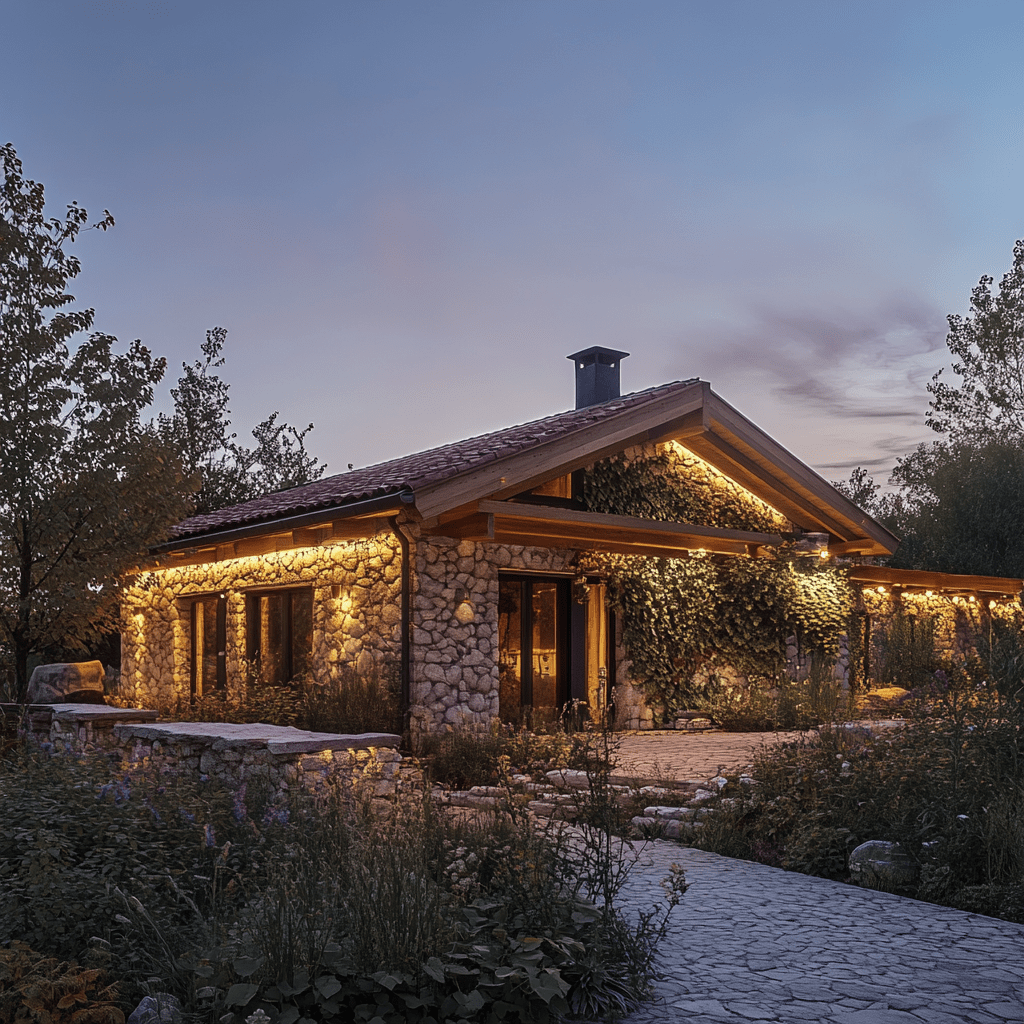
As night falls, Sophia and Clara arrive at an eco-lodge near the wetland. The lodge has a unique design, built from natural wood and stone, with climbing vines covering the exterior walls. Soft lighting around the lodge creates a peaceful atmosphere. They enter the lobby, where a friendly staff member greets them.

Staff Member: “Good evening! Welcome to our eco-lodge. Is this your first stay with us tonight?"
Sophia: “Yes, it is. This place looks beautiful! It feels so relaxing, almost as if it’s blending right into the natural surroundings of the wetland."
Staff Member: “Thank you! All our building materials are locally sourced wood and stone, and the lighting is designed to avoid disturbing the nearby wildlife. We even planted greenery on the roof for insulation, which helps reduce energy use."
Clara: “That’s wonderful! This design not only protects the environment but also makes it comfortable to stay in. What dining options do we have for tonight?"
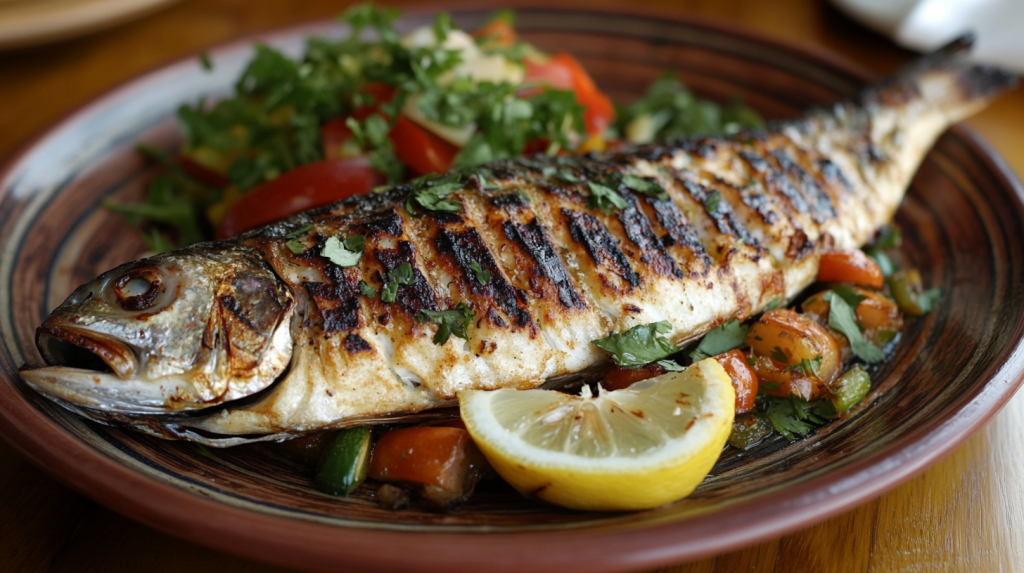
Staff Member: “Our restaurant offers dishes made with locally sourced organic ingredients. Tonight’s special is Hungarian gulyás, a traditional beef soup, along with a salad made from locally grown vegetables. You might also want to try our grilled fish, sustainably caught from the nearby rivers in the wetland area."
Sophia: “I’ll go with the beef soup! It would be a shame not to try some of the local traditional food while we’re here."

Traditional Hungarian gulyás
Clara: “Then I’ll try the grilled fish! It sounds so fresh. Do you have any recommended desserts?"
Staff Member: “We have homemade honey pudding today, made with honey collected from beekeeping farms around the wetland. We also offer jam made from locally grown berries, served with handmade bread—it’s a favorite among our guests."

Sophia: “That sounds delicious! We definitely have to try the pudding. Using local ingredients really makes us feel more connected to the area."
Clara: “And it reduces the carbon footprint too—really the best of both worlds!"
Staff Member: “Exactly, that’s our lodge’s philosophy—to provide comfort while minimizing our environmental impact. I hope you both have a pleasant evening here! If you need anything, please let us know."
Setting: After dinner, Sophia and Clara relax on the lodge’s open-air terrace. The soft, understated lighting allows them to gaze at a sky full of stars. A cool breeze brushes past, and the wetland at night feels peaceful and enchanting.
Sophia: “The design here is so thoughtful. From the food to the building, everything reflects a respect for nature. Sitting here feels like we’re truly a part of it."
Clara: “Yes, this is one of the most unique places I’ve ever stayed. Every detail here seems to remind us that ecological protection isn’t just an idea; it’s in every small choice we make in life."
夜幕降臨,Sophia 和 Clara 抵達濕地旁的一家生態保護旅館。這家旅館的外觀別具特色,由天然木材和石材建成,外牆覆滿了攀爬的藤蔓,周圍點綴著柔和的燈光,營造出寧靜的氛圍。他們走進旅館大廳,迎接他們的是一位親切的服務人員。
服務人員: 「晚安!歡迎來到我們的生態旅館。今晚是您第一次入住嗎?」
Sophia: 「是的,這裡看起來好美!這個地方真是令人放鬆,感覺就像融入了濕地的自然中。」
服務人員: 「謝謝!我們的建築材料都是當地取材的木材和石材,燈光設計也是為了不打擾附近的動物。我們甚至在屋頂種植了綠色植被來隔熱,並減少能源使用。」
Clara: 「真棒!這樣的設計既保護環境,又讓人住得舒適。那我們今晚有什麼餐點可以選擇呢?」
服務人員: 「我們餐廳提供當地有機食材烹調的特色菜。今晚的晚餐推薦是匈牙利傳統牛肉湯 gulyás,還有本地栽種的蔬菜沙拉,或者您也可以試試我們的烤魚,這是從濕地附近的河流中可持續捕撈的。」
Sophia: 「那我選牛肉湯好了!到這裡不試一下當地的傳統菜似乎太可惜了。」
Clara: 「那我就來試試烤魚!聽起來非常新鮮。還有什麼推薦的甜點嗎?」
服務人員: 「我們今天有自製的蜂蜜布丁,蜂蜜是從濕地周圍的蜜蜂農場採集的。另外,我們也有以當地種植的漿果製成的果醬,搭配手工麵包,非常受客人喜愛。」

Sophia: 「這聽起來好美味!我們一定要試試布丁。這裡的食材都是當地來源,讓人更有參與感。」
Clara: 「而且這樣的選擇也減少了碳足跡,真是一舉兩得!」
服務人員: 「是的,這是我們旅館的宗旨——提供客人舒適的同時,減少對環境的影響。希望您在這裡度過一個愉快的夜晚!如果有任何需求,請隨時告訴我們。」
After dinner, Sophia and Clara relax on the lodge’s open-air terrace. The soft, understated lighting around them allows them to almost see a sky full of stars. A gentle breeze blows, and the wetland’s nightscape is tranquil and enchanting.
Sophia: “The design here is truly thoughtful; everything from the food to the architecture reflects a respect for nature. Sitting here, I feel like we’re blending into the natural surroundings."
Clara: “Yes, this is one of the most unique places I’ve ever stayed. Every detail here seems to remind us that ecological conservation isn’t just a concept; it’s in every small choice we make in life."
晚餐後,Sophia 和 Clara 在旅館的露天平台上放鬆,周圍的燈光低調柔和,讓人幾乎可以看到滿天的星星。涼風輕拂,濕地的夜景靜謐而迷人。
Sophia: 「這裡的設計真是貼心,從食物到建築都體現了對自然的尊重。坐在這裡,感覺與大自然融合了。」
Clara: 「是啊,這是我住過最特別的地方之一。這裡的每個細節似乎都在提醒我們,生態保護不僅是個概念,也是生活中的每一個小選擇。」
Early morning, Sophia and Clara arrive at the wetland observation platform. A gentle breeze causes dew to glisten on the reeds and grasses, filling the wetland with vibrant life. They continue their conversation from the day before, taking in the unique ecosystem around them.
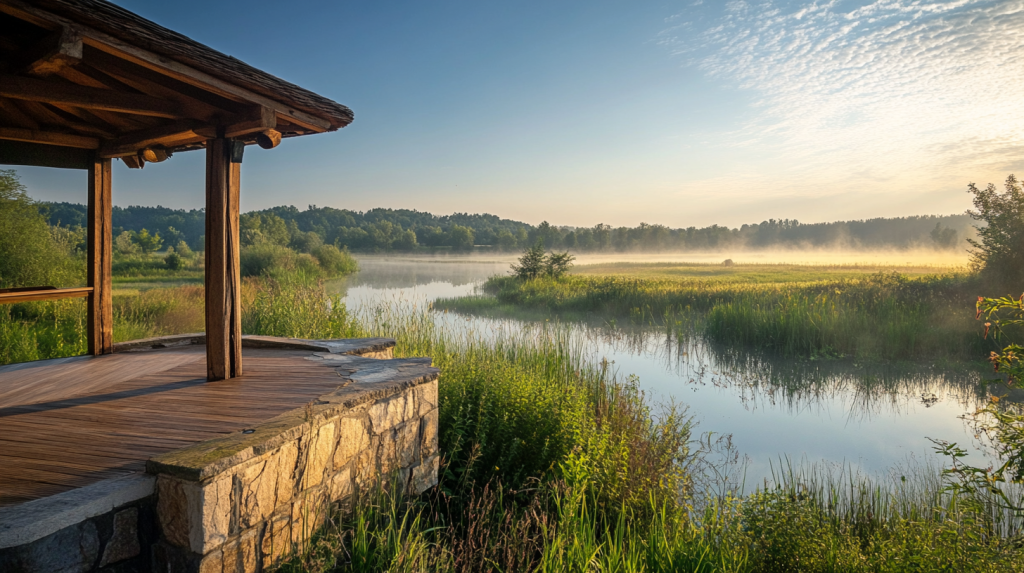
Clara: “The wetland looks even more enchanting this morning. Look at those reeds, swaying in the breeze—they give this place such a rhythm."
Sophia: “Yeah, yesterday you mentioned how the reed roots help filter the water, and today I’m really noticing it. These reeds make the wetland look like a natural masterpiece."
Clara: “Not just the reeds—there’s also the sedges and rushes over there. Their strong root systems help prevent soil erosion and stabilize the structure of the wetland."
Sophia: “Sedges and rushes? I’m not too familiar with those. They look a bit shorter than the reeds, with broader leaves."
Clara: “Yes, they’re classic wetland plants, perfectly adapted to this damp environment. They also attract unique insects, providing a rich food source that’s essential for the bird species here."
清晨,Sophia 和 Clara 來到濕地的觀景平台,微風輕拂,露珠閃耀在蘆葦和芒草的葉片上,濕地生態環境充滿了生機。他們邊欣賞著風景,邊延續著前一天的話題。

Clara: 「今天早上的濕地看起來更迷人了,你看那些蘆葦,隨風搖曳著,好像為這片濕地增添了一種律動感。」
Sophia: 「對啊,昨天你提到蘆葦的根系可以過濾水質,今天我特別留意了一下。這些蘆葦真的把濕地裝點得像一幅天然畫作一樣。」
Clara: 「不僅是蘆葦,還有那邊的芒草和莎草,它們的根系也很強韌,有助於防止土壤被沖刷,穩定濕地的土壤結構。」
Sophia: 「芒草和莎草嗎?我還真不太認識這些植物。它們看起來比蘆葦矮一些,葉子也更寬些。」
Clara: 「是的,這些植物都是典型的濕地植物,特別適應潮濕的環境。你知道嗎,這些莎草類植物還吸引了一些濕地特有的昆蟲,它們提供了豐富的食物來源,對於這裡的鳥類非常重要。」
They continue walking along a trail deeper into the wetland and catch a faint fresh scent in the air, coming from the water mint in the marshy ground nearby.

Sophia: “Wait, I smell a subtle minty fragrance. Is it coming from a plant here?"
Clara: “That’s water mint. It’s quite common in wetlands, adding a refreshing scent, and it’s also attractive to insects and other animals."
Sophia: “The scent is so unique—it’s invigorating. Does water mint have any particular role in the ecosystem?"
Clara: “Yes, its roots also help stabilize the soil, and its leaves are an important food source for certain wetland insects. There’s even a specific moth species whose larvae feed on water mint leaves."
Sophia: “So every plant really does play its own role. From a distance, the wetland looks like just a green field, but up close, each plant has a unique purpose that supports the whole ecosystem."
Clara: “Exactly. These seemingly simple plants allow the wetland to sustain itself as a stable ecosystem. It’s like nature’s workshop—each organism has a role to play, working together."
Sophia: “It’s fascinating to see such details. Now I understand why you’re so passionate about wetlands. It’s not just beautiful scenery; it’s a community of life working in harmony."
Clara: “Yes, all these plants and animals create a balanced environment, and we’re just observers here. Wetlands remind us that the strength of nature lies not just in the view, but in the interdependence of every small life form."
他們沿著步道向濕地深處走去,聞到了一股清新的香氣,源自於濕地中的水薄荷。

Sophia: 「等等,我聞到了一股淡淡的清香,這是什麼植物發出來的?」
Clara: 「那是水薄荷的味道。水薄荷是濕地中很常見的植物,它不僅讓濕地充滿清新的氣息,還對昆蟲和其他動物很有吸引力。」
Sophia: 「水薄荷的香氣確實很特別,讓人覺得清爽。這種植物在生態系統中有什麼特別的作用嗎?」
Clara: 「水薄荷的根系也能穩定濕地的土壤,而且它的葉子對於某些濕地的特有昆蟲是重要的食物來源。濕地裡有一種小型蛾類的幼蟲特別喜歡吃水薄荷的葉子。」
Sophia: 「原來每種植物都有自己的角色啊。從遠處看,濕地就像是一片綠色的草叢,但仔細看,每種植物都有不同的作用,支撐著整個生態系統。」
Clara: 「正是如此。這些看似平凡的植物讓濕地變得自給自足,形成一個穩定的生態環境。濕地就像是大自然的工作室,每種生物都有自己的位置和職責,協同運作。」
Sophia: 「這樣的細節真的讓人著迷。現在我明白為什麼你這麼熱愛濕地生態了。這不僅是美麗的景觀,更是生命的共存。」
Clara: 「是啊,這些植物和動物組成了一個和諧的環境,而我們在這裡僅僅是旁觀者。濕地提醒我們,自然的力量不僅僅在於景色,還在於每一個小生命的相互依存。」
Sophia and Clara are seated on the observation platform, with morning light streaming through the mist over the wetland. It’s summer, with warm sunlight, but they begin to wonder about what this place looks like in winter.
Sophia: “This place is breathtaking in summer. But I’m curious, what’s it like here in the winter? Does the wetland get covered in snow?"
Clara: “Yes, in winter, the temperatures drop quite low here, averaging below freezing and sometimes going down to around minus ten degrees Celsius. These low temperatures cause parts of the wetland to freeze, especially the shallow areas."

Sophia: “A frozen wetland must be a completely different sight. Do they get a lot of snow here?"
Clara: “It varies by year, but usually, there are several significant snowfalls each winter that blanket the wetland in white. The reeds and grasses hold the snow, creating a quiet, beautiful scene—almost like a winter painting."
Sophia: “It sounds so enchanting. Does the snow make it harder for the plants and animals to survive?"
Clara: “Winter is definitely challenging. Many birds migrate to warmer places, and those that stay have to find food under the snow-covered vegetation. The wetland plants have roots that survive the winter and start sprouting fresh leaves as soon as spring arrives."
Sophia: “That’s such a resilient cycle. The wetland seems to transform dramatically from season to season—it’s amazing."
Clara: “Yes, each season brings a unique beauty to the wetland. In winter, the snowy landscape makes it feel so calm and powerful, a reminder of nature’s strength. And when the snow melts in spring, the wetland bursts back to life. It’s an ecosystem constantly renewing itself."
Sophia and Clara sit on the observation platform as morning light filters through the mist over the wetland. It’s summer, and the sunlight is warm, but they start to wonder what this place looks like in winter.
Sophia 和 Clara 坐在觀景平台上,晨光透過薄霧映照濕地。此時是夏天,陽光溫暖,但他們開始好奇冬季這裡的景象。
Sophia: 「這裡在夏天真是美得讓人驚嘆。不過,我很好奇冬天這裡會是什麼樣子呢?濕地會被雪覆蓋嗎?」
Clara: 「是的,這裡冬天溫度相當低,平均在零度以下,偶爾會降到零下十度左右。這樣的低溫會讓濕地部分結冰,尤其是淺水區。」
Sophia: 「結冰的濕地一定是另一種景象吧。那這裡的降雪多嗎?」
Clara: 「雪量因年份而異,不過這裡通常每年冬季都會有幾場大雪,足以讓整片濕地覆蓋上一層白雪。蘆葦和草叢頂著雪,變得靜謐而壯麗,就像是一幅雪景畫。」

Sophia: 「聽起來真讓人嚮往。雪會不會讓動植物的生存變得困難?」
Clara: 「冬天確實是考驗。許多鳥類會遷徙到溫暖的地方過冬,而留下來的鳥和動物會在雪下的植被中尋找食物。濕地植物的根系在冬天也仍然存活,等春天一來,就會重新長出綠葉。」
Sophia: 「這真是一種週期性的韌性。濕地在不同季節中竟然能有這麼大的變化,真讓人驚嘆。」
Clara: 「是啊,每個季節的濕地都有它獨特的美感。冬天的雪景讓濕地更安靜,讓人感到自然的偉大和力量。每當春天雪融化,濕地又重新充滿生機,這樣的循環讓它成為一個不斷更新的生態系統。」
Sophia and Clara return to the wetland observation platform, this time discussing the bird activity in the winter wetland and the species they can observe.
Clara: “Did you know? There’s quite a bit of bird activity in the wetland during winter. It attracts some resident winter birds, as well as some that migrate here from the north to spend the season."
Sophia: “Really? Birds come to the wetland even in such cold weather? What kinds?"
Clara: “Yes, for example, we can see gray geese and bar-headed geese. Some of them choose to winter here because the water sources and food supply are relatively stable."
Sophia: “Gray geese and bar-headed geese? Do they stay near the water?"

A bar-headed goose
Clara: “Yes, especially in areas where the water hasn’t completely frozen. They forage in the water and use the reed beds along the shore for cover. Besides geese, you might also spot moorhens and mallards here, which are winter residents and like to stay in the shallow waters."
Sophia: “Moorhens? Those little birds with black bodies and red crowns?"
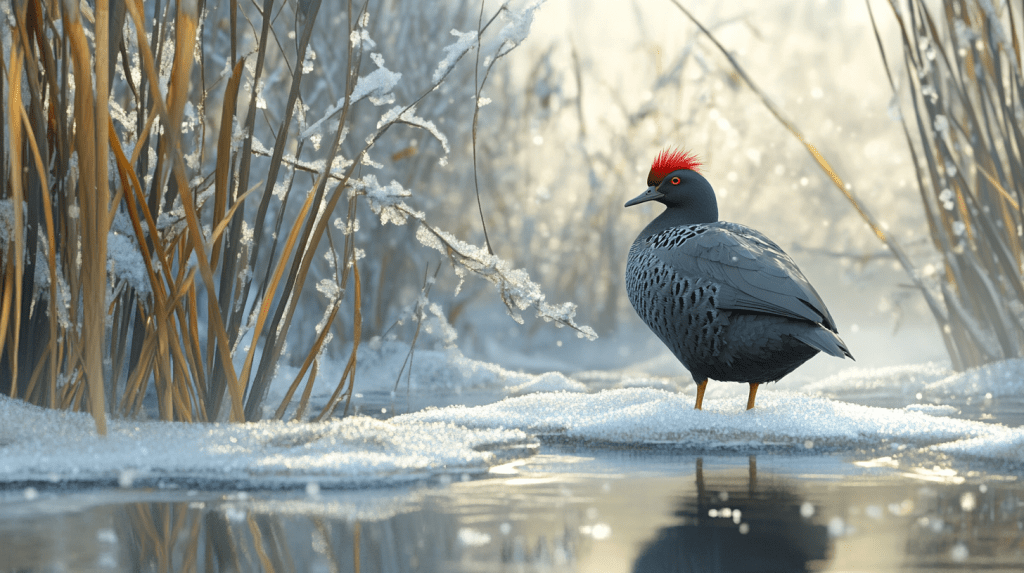
Clara: “Yes, that’s them. They have a cute way of walking, with their tails bobbing up and down, making them easy to recognize. And besides these birds, sometimes you can even see egrets staying here for the winter."
Sophia: “Egrets in the winter wetland? I thought they only appeared in the summer."
Clara: “Some egrets do stay, especially those adapted to the wetland environment. Food is more limited in winter, but the reed beds here offer shelter and feeding grounds. As for raptors, like the gray-backed falcon, they sometimes come here to hunt small mammals or other birds."
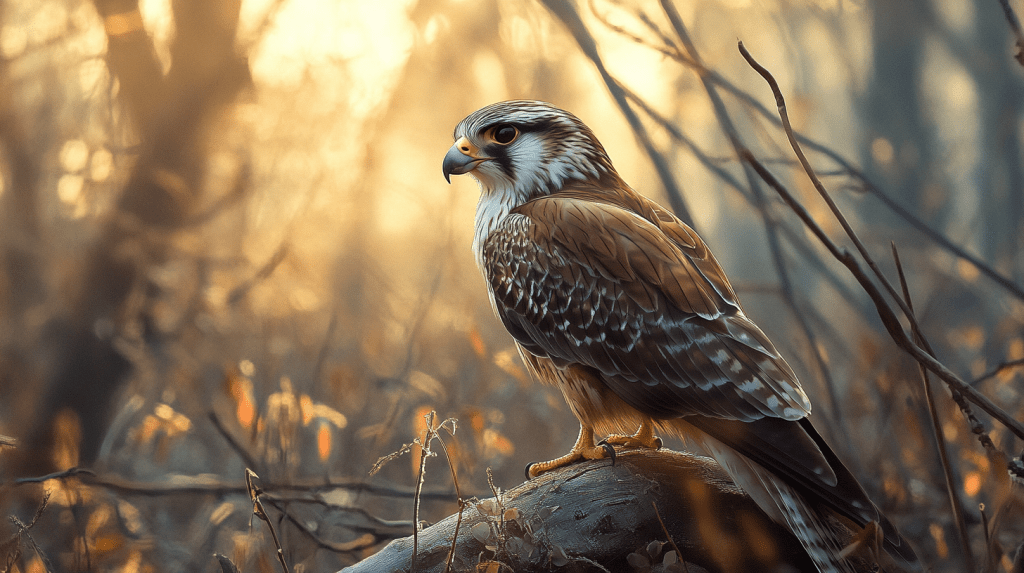
Sophia: “That sounds fascinating. Even in winter, the wetland attracts so many birds—some resident, some migratory. It truly is a natural gathering place."
Clara: “For bird enthusiasts, the winter wetland offers a unique view. Seeing these birds active in such a cold environment reminds us of nature’s resilience and the strength of life."
Sophia 和 Clara 再次來到濕地的觀景平台上,這次討論的是冬季濕地的鳥類活動和他們所能觀察到的種類。
Clara: 「你知道嗎,冬天的濕地也會有不少鳥類活動。這裡吸引了一些冬季留鳥,還有一些是從北方遷徙過來過冬的。」
Sophia: 「真的嗎?這麼寒冷的季節還有鳥來濕地?有哪些種類?」
Clara: 「是的,比如說我們可以看到灰雁和斑頭雁。牠們有些會選擇在這裡過冬,因為這裡的水源和食物資源還算穩定。」
Sophia: 「灰雁和斑頭雁嗎?牠們會待在水邊嗎?」
Clara: 「對,尤其是在那些沒有完全結冰的水域。牠們會在水中覓食,並利用水邊的蘆葦叢隱藏自己。除了雁類,這裡有時候還會出現紅冠水雞和普通鵲鴨,牠們也是冬季留鳥,喜歡在淺水區活動。」
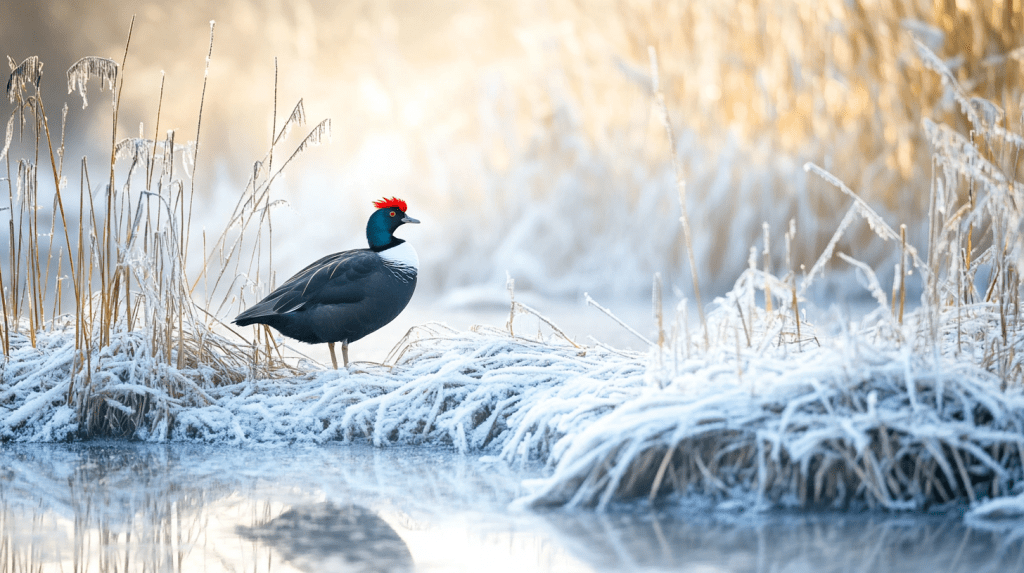
紅冠水雞
Sophia: 「紅冠水雞?那種黑色身體、紅色頭冠的小鳥嗎?」
Clara: 「是的,那就是紅冠水雞。牠們有一種可愛的走路方式,尾巴上下翹動,很好認出來。除了這些鳥,有時候還能看到白鷺留在這裡過冬。」
Sophia: 「白鷺也會在冬天留在濕地?我以為牠們只在夏天才會出現。」
Clara: 「部分白鷺會留在這裡,特別是那些適應了濕地環境的白鷺種群。冬季食物比較有限,但這裡的蘆葦叢可以提供隱蔽和覓食的好處。至於一些猛禽,比如灰背隼,有時也會來這裡捕食小型哺乳動物或鳥類。」
Sophia: 「這聽起來真讓人著迷。即使是冬天,濕地依然吸引了這麼多鳥類,有些是留鳥,有些是遷徙而來,真是一個自然的聚集地。」
Clara: 「對於喜愛觀鳥的人來說,冬季的濕地是個獨特的景象。每當看到這些鳥在冰冷的環境中依然活躍,就讓人感到自然的韌性和生命的頑強。」

 Virtual Travel | 虛擬旅行沉浸式英語學習
回覆給The Virtual World Explorer 取消回覆