
Life in the Arctic: Education and Community
The morning sunlight filtered faintly through the frosty windows as Emma and Julia sat at the wooden dining table, sharing a simple but hearty breakfast. The table was set with slices of dark rye bread, creamy butter, a jar of cloudberry jam, and two steaming mugs of coffee.
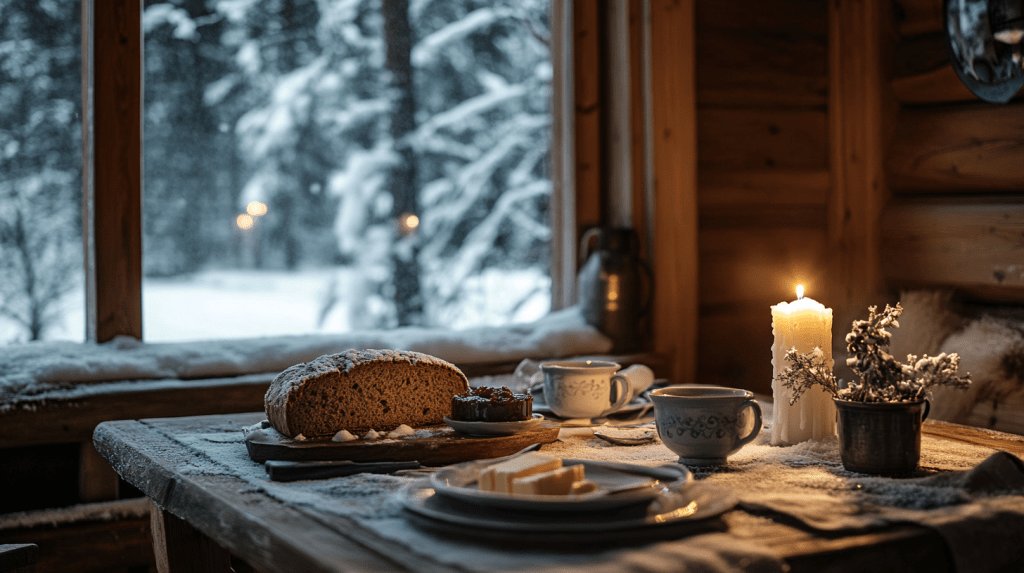
“This is so cozy,” Emma said, spreading butter over her bread. “But I wonder, do you have many families with children living around here? It feels so remote.”
Julia nodded, taking a sip of her coffee. “Yes, there are families, though the population isn’t large. Most people here live close to small villages or towns, where they have access to schools and other services.”
“How do kids go to school in this kind of environment? It must be tough during winter,” Emma asked, her curiosity piqued.
“Well,” Julia began, “most kids either take a school bus or their parents drive them if the roads are clear. In extreme weather, some schools offer remote learning options. Finland has excellent digital infrastructure, even in rural areas, so it’s easy for kids to join classes online when needed.”
“That’s impressive,” Emma said. “Do they learn English here as well?”
“Oh, absolutely,” Julia replied. “English is part of the curriculum starting from an early age. Many kids here grow up bilingual, speaking both Finnish and English. Some even learn Swedish, as it’s also an official language.”
Emma smiled. “It sounds like the education system here is very forward-thinking. Do children still have time to enjoy nature?”
Julia chuckled. “Plenty of time. Outdoor activities are a big part of life here. Schools often incorporate outdoor learning, even in the winter. Kids go skiing, play in the snow, and learn about the environment hands-on. It’s about balance—education, culture, and nature.”
“That’s wonderful,” Emma said, glancing out the frosty window at the snowy landscape. “It must be an incredible place to grow up.”
清晨的陽光微微透過結霜的窗戶,艾瑪和茱莉亞坐在木質餐桌旁,享用著一頓簡單但豐盛的早餐。桌上擺著切片的黑麥麵包、奶油、一罐雲莓果醬,還有兩杯冒著熱氣的咖啡。
極地生活:教育與社區
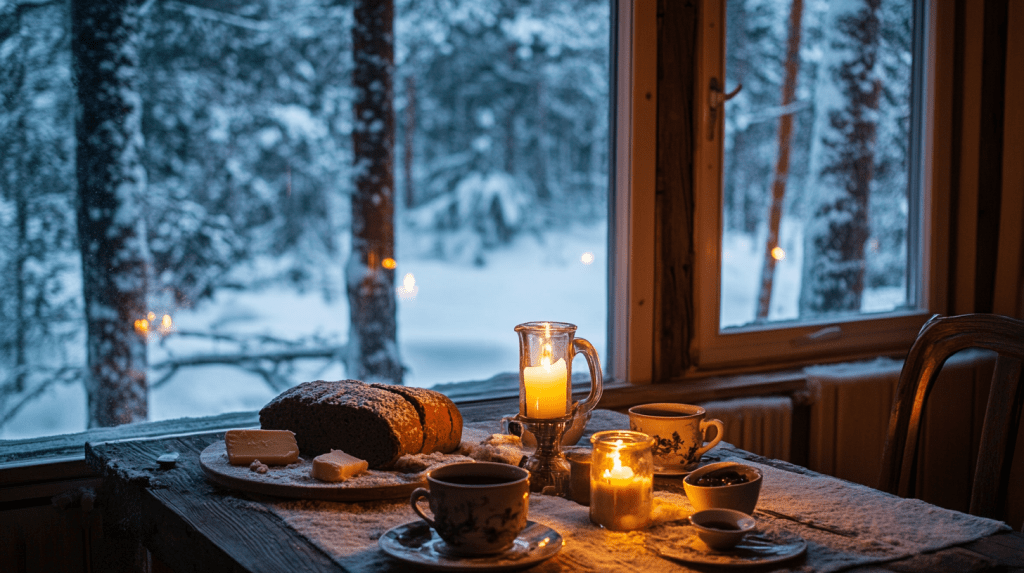
「這裡真的好溫馨,」艾瑪一邊將奶油塗在麵包上,一邊說。「不過我很好奇,這裡有很多有小孩的家庭嗎?這麼偏遠的地方感覺很難。」
茱莉亞點點頭,啜了一口咖啡:「有的,這裡有家庭,雖然人口不算多。大部分人都住在小村莊或小鎮附近,那裡有學校和其他服務。」
「在這種環境下,小孩是怎麼上學的?冬天一定很辛苦吧,」艾瑪好奇地問。
「嗯,」茱莉亞開始解釋,「大多數小孩會搭校車,或者如果路況好,父母會開車送他們。遇到極端天氣,有些學校會提供遠程學習的選擇。芬蘭的數位基礎設施非常好,即使在偏遠地區,孩子們也可以輕鬆參加線上課程。」
「真是令人佩服,」艾瑪說。「他們也學英語嗎?」
「當然,」茱莉亞笑著回答。「英語是課程的一部分,從很小的年紀就開始學。很多孩子從小就會雙語,既會說芬蘭語也會說英語。有些還學瑞典語,因為它也是官方語言。」
艾瑪笑了:「聽起來這裡的教育體系非常先進。孩子們還有時間享受大自然嗎?」
茱莉亞輕笑:「當然有。戶外活動是生活中非常重要的一部分。學校經常會把戶外學習融入課程,即使是在冬天。孩子們會滑雪、玩雪,還有機會親身學習自然環境。這是一種平衡——教育、文化和自然三者兼顧。」
「這真是太棒了,」艾瑪說,目光投向窗外的雪景。「能在這樣的地方長大一定很神奇。」
Education and Life in the Arctic Region
As they sat enjoying their breakfast, Emma looked thoughtful. “Julia, with such a small population in this area, do you have schools for every age group here? Like primary, secondary, and even university?”

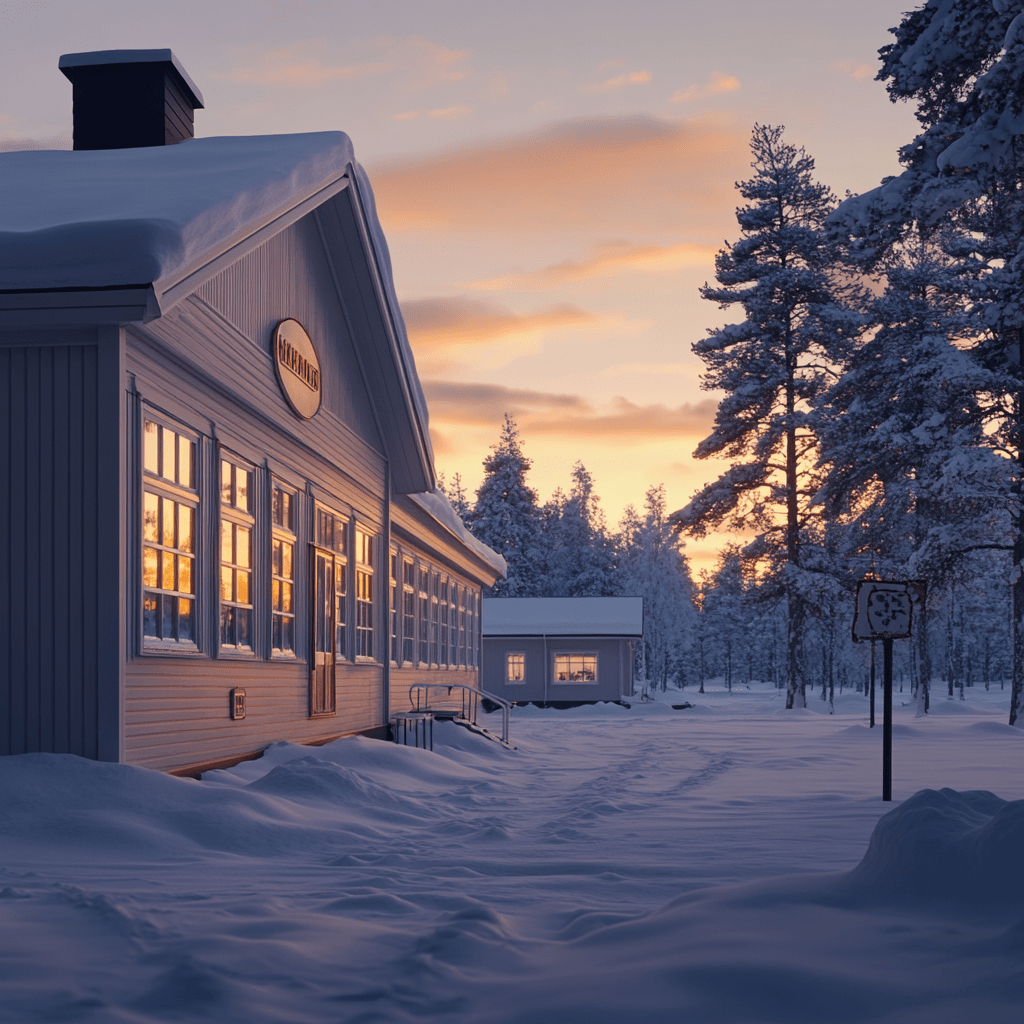
Julia smiled and nodded slightly. “For younger children, yes. Most villages or small towns have at least one primary school. Secondary schools might require a longer commute, but they are usually within a reasonable distance—maybe a neighboring town.”
Emma raised an eyebrow. “And universities?”
“That’s different,” Julia admitted. “There are no universities in remote areas like this. Most students who want to pursue higher education move to bigger cities, like Rovaniemi, which is the gateway to the Arctic and has a university. For more specialized programs, they might go even further, to cities like Helsinki or Turku.”
Emma sipped her coffee. “That makes sense. So, once they leave, do they come back here?”
Julia hesitated. “Some do, especially if they have strong ties to the area or want to work in fields like forestry, environmental science, or tourism. But many choose to stay in the cities where there are more job opportunities.”
Emma nodded thoughtfully. “What kinds of jobs do people here usually have?”
Julia leaned back in her chair. “It depends. In small villages, traditional jobs like fishing, reindeer herding, or small-scale farming are still common. But tourism has become a big part of the economy—running lodges, guiding northern lights tours, or even working in national parks. Others might work remotely if their jobs allow it.”
Emma glanced out the frosty window at the vast expanse of snow and forest. “It’s fascinating. Life here feels so different from what I’m used to. I imagine it’s a close-knit community.”
Julia smiled. “It is. Everyone knows everyone. And while the winters are harsh, there’s a sense of solidarity. People help each other, and that’s what makes living here special.”
北極地區的教育與生活
他們坐在餐桌旁享用早餐時,艾瑪顯得若有所思:「茱莉亞,這麼少的人口,這裡有足夠的學校供應所有年齡層的學生嗎?比如小學、中學,甚至是大學?」

茱莉亞微微點頭,笑著說:「對於年幼的孩子來說是有的。大多數村莊或小鎮至少會有一所小學。至於中學,可能需要稍微長一點的通勤時間,但通常在附近的城鎮裡能找到。」

艾瑪挑了挑眉:「那大學呢?」
「那就不同了,」茱莉亞承認。「像這樣偏遠的地方是沒有大學的。大多數想上大學的學生會搬到較大的城市,比如羅瓦涅米,那裡是進入北極地區的大門,也有大學。如果是更專業的課程,他們可能會去更遠的地方,比如赫爾辛基或圖爾庫。」
艾瑪啜了一口咖啡:「可以理解。那麼他們離開後會回到這裡嗎?」
茱莉亞稍作停頓:「有些會,特別是如果他們對這裡有深厚的感情,或者希望從事與林業、環境科學或旅遊業相關的工作。但許多人會選擇留在城市,因為那裡有更多的就業機會。」
艾瑪若有所思地點頭:「那這裡的人通常會從事什麼樣的工作呢?」
茱莉亞靠在椅背上:「這取決於情況。在小村莊裡,像捕魚、馴鹿放牧或小規模農業這些傳統工作仍然很常見。但旅遊業已經成為經濟的重要部分,比如經營旅館、帶領極光導覽,甚至在國家公園工作。還有些人如果工作允許,就會選擇遠程辦公。」
艾瑪望向窗外廣闊的雪原和森林:「這真是太迷人了。這裡的生活感覺和我習慣的完全不同。我想這裡的社區一定很緊密吧?」
茱莉亞微笑著說:「確實如此。每個人都認識彼此。雖然冬天很嚴酷,但這裡有一種團結感。人們彼此幫助,這就是生活在這裡的特別之處。」
Life of Arctic Researchers: Housing and Lifestyle
As Emma buttered another slice of bread, she looked up thoughtfully. “I’ve been wondering, Julia—do researchers live here? I mean, with all the unique ecology and geography, I imagine this place would attract scientists.”
Julia nodded, sipping her tea. “Absolutely. Arctic research is a big deal. We often have researchers studying climate change, wildlife, or even the northern lights.”
“So, where do they stay? Does their institution provide housing, like dormitories or research stations?” Emma asked.
“It depends on the project,” Julia explained. “For long-term studies, many institutions do have research stations with basic living facilities. They’re not fancy, but they’re practical and close to the study sites. For shorter projects, researchers might stay in local lodges or rent cabins like this one.”

Emma leaned forward. “And do they enjoy living here? It seems remote and challenging.”
Julia smiled. “It’s not for everyone, but those who come here often love it. They enjoy the solitude and the direct connection to nature. Plus, the work is incredibly meaningful—they’re contributing to understanding and protecting this fragile environment.”
“That’s true,” Emma said, stirring her tea. “But what about their families? Do they bring them along?”
“Sometimes,” Julia replied. “If they’re here for years, families might move with them. But for short-term studies, it’s usually just the researchers. Many families prefer to stay in the cities where it’s easier to access schools and other amenities.”
Emma glanced out the frosty window. “It must be an incredible experience, though. Living and working in such a unique environment.”
Julia nodded. “It is. And while the challenges are real—extreme weather, isolation—it’s worth it for those who are passionate about the Arctic.”
北極研究者的生活:居住與日常
艾瑪一邊給麵包塗奶油,一邊若有所思地抬起頭:「我很好奇,茱莉亞——這裡會有研究人員住嗎?這麼獨特的生態和地理環境,應該會吸引科學家吧。」
茱莉亞啜了一口茶,點點頭:「當然會。北極研究很重要。我們經常有研究人員來這裡研究氣候變化、野生動物,甚至是極光。」
「那他們住在哪裡?研究機構會提供住宿嗎?像宿舍或研究站之類的地方?」艾瑪問道。
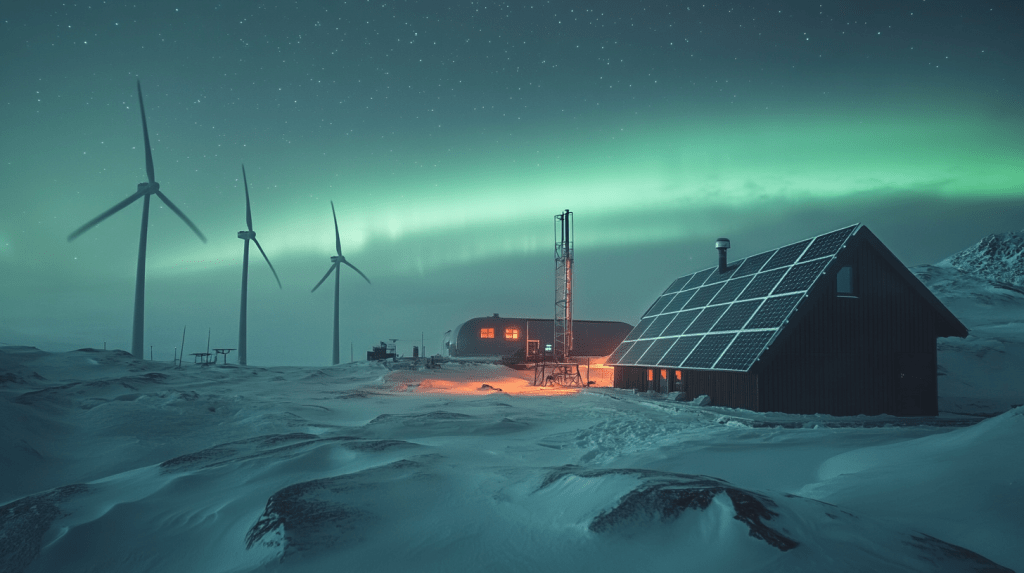
「這取決於研究項目,」茱莉亞解釋。「如果是長期研究,很多機構會設有基本的研究站,雖然不豪華,但很實用,而且靠近研究地點。如果是短期項目,研究人員可能會住在當地的旅館,或者像這樣租一間小屋。」
艾瑪身體前傾:「那他們喜歡住在這裡嗎?感覺這裡很偏僻,挑戰很多。」
茱莉亞微笑:「這不是每個人都能適應的,但那些來這裡的人通常都很喜歡。他們喜歡這種孤獨感,喜歡與大自然直接接觸。而且,他們的工作非常有意義——是為了了解和保護這片脆弱的環境。」
「確實如此,」艾瑪一邊攪拌著茶一邊說。「那他們的家人呢?會跟著他們一起來嗎?」
「有時候會,」茱莉亞回答。「如果他們要待幾年,家人可能會一起搬過來。但如果只是短期研究,通常只有研究人員自己過來。很多家庭更喜歡住在城市,因為那裡更容易上學和獲得其他服務。」
艾瑪望向結霜的窗外:「不過,這一定是一次令人難忘的經歷。在這樣獨特的環境中生活和工作。」
茱莉亞點點頭:「確實如此。雖然挑戰很真實——像是極端天氣和孤立感——但對於熱愛北極的人來說,這一切都值得。」
Arctic Aurora Research: Life at the Station
Emma gazed out the frosty window, watching the pale sunlight reflect off the snow. “Julia, you mentioned research stations earlier. I’m curious—what’s it like to live and work at one? Have you ever been to an aurora research station?”

Julia smiled and leaned back in her chair. “Actually, I have. My cousin worked at an aurora research station a few years ago, so I visited her there. It’s fascinating, but also a very unique way of life.”
Emma’s eyes widened with interest. “Tell me about it. What kind of facilities do they have?”
“Well,” Julia began, “the station itself is usually built to withstand the harsh Arctic climate. It’s compact but fully equipped. There’s a main building where they have workspaces, labs, and monitoring equipment to study the auroras. They use advanced cameras, spectrographs, and magnetometers to analyze the lights and the geomagnetic activity that causes them.”
Emma nodded, impressed. “That sounds high-tech. What about living arrangements?”
“There’s usually a dormitory attached to the station,” Julia explained. “The rooms are small but cozy, with heating, Wi-Fi, and sometimes even a small library or recreation area. It’s not luxurious, but it’s comfortable enough to stay for months at a time.”
“Do they cook their own meals?” Emma asked.
“Sometimes,” Julia said. “But many stations have a shared kitchen and a cook who prepares meals for the team. After all, they’re out in the cold a lot, so hearty, warm food is essential.”
“What kind of people work there?” Emma asked, sipping her tea.
“Scientists, of course—astronomers, physicists, and environmental researchers,” Julia replied. “But also technical staff to maintain the equipment, and sometimes even artists or writers who want to experience and document life in the Arctic.”

“That’s amazing,” Emma said, her gaze returning to the snowy landscape. “It must be such an inspiring environment to work in.”
Julia nodded. “It is. But it’s also demanding. The isolation, the cold, and the long nights can be tough. That’s why the station often organizes group activities—saunas, movie nights, even occasional outdoor barbecues under the auroras—to keep morale high.”
“Barbecues under the auroras? Now that’s something I’d love to experience,” Emma said with a laugh.
“You should visit one day,” Julia said warmly. “It’s not just a job—it’s a whole way of life.”
北極極光研究:研究站的生活與工作
艾瑪透過結霜的窗戶望著外面,淡淡的陽光反射在雪地上。「茱莉亞,妳之前提到研究站。我很好奇——在那裡生活和工作是什麼樣子?妳去過極光研究站嗎?」
茱莉亞微笑著,靠在椅背上:「其實我去過。幾年前我表妹在一個極光研究站工作,我去看過她。那裡很有趣,但也是一種非常特殊的生活方式。」
艾瑪的眼睛亮了起來,興致勃勃地說:「跟我說說吧。他們有哪些設施?」
「嗯,」茱莉亞開始說,「研究站的建築通常是為了適應嚴酷的北極氣候而設計的。它緊湊但設備齊全。主要建築裡有工作空間、實驗室和用來研究極光的監測設備。他們使用先進的攝像機、光譜儀和磁力計來分析極光和引起它的地磁活動。」

艾瑪點頭,顯得十分佩服:「聽起來很高科技。那住的地方呢?」
「研究站通常有一個附屬的宿舍,」茱莉亞解釋。「房間很小,但很舒適,有暖氣、Wi-Fi,有時還會有一個小圖書館或娛樂區。雖然不豪華,但足夠舒適,適合長時間居住。」
「他們自己做飯嗎?」艾瑪問道。
「有時候會,」茱莉亞說。「但許多研究站都有一個共享廚房和一位廚師,為團隊準備餐點。畢竟,他們經常在寒冷中工作,熱乎的食物很重要。」
「都有哪些人在那裡工作?」艾瑪喝了一口茶,問道。
「當然有科學家——天文學家、物理學家和環境研究人員,」茱莉亞回答。「還有負責維護設備的技術人員,有時甚至會有藝術家或作家來體驗並記錄北極的生活。」
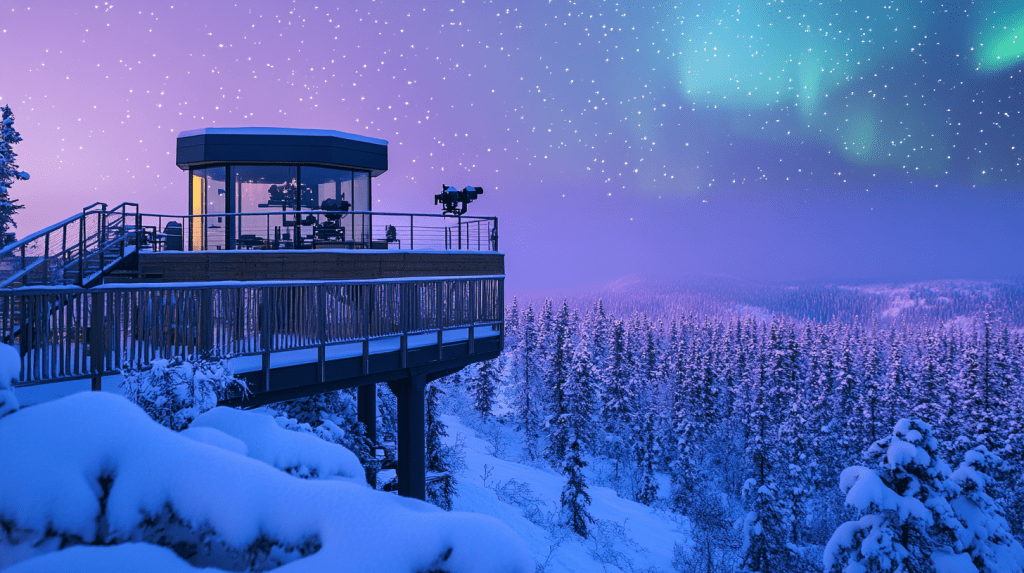
「這真是太棒了,」艾瑪說,目光再次投向雪景。「在這樣的環境中工作一定很有啟發性。」
茱莉亞點點頭:「的確如此,但這也很有挑戰性。孤立感、寒冷和漫長的黑夜都不容易。所以研究站經常會舉辦團體活動——桑拿、電影之夜,甚至偶爾在極光下的戶外燒烤,來提高士氣。」
「在極光下燒烤?這真是我想體驗的事情,」艾瑪笑著說。
「妳應該有機會去看看,」茱莉亞溫暖地說。「這不僅僅是一份工作,而是一整種生活方式。」
A Spontaneous Decision to Visit the Research Station
After breakfast, Emma and Julia’s conversation shifted from education to the daily life of Arctic research. Julia remembered her friend Matti, who works at a research station, and immediately contacted him, unexpectedly securing an invitation to visit.
As Julia finished her coffee, she said, “You know, I just remembered my friend Matti. He’s been working at an aurora research station nearby for years. If he’s free, we might be able to visit.”
Emma looked up with excitement. “Really? That sounds fascinating. Could you call him and see if he’s available?”
Julia smiled and picked up her phone. After a quick conversation, she hung up. “Good news! Matti says we’re welcome. He’ll even give us a tour and join us for lunch.”
Emma clapped her hands together. “This is perfect. I’ve always wanted to learn more about the science behind auroras.”
臨時決定拜訪研究站
早餐後,Emma 和 Julia 的談話從教育延伸到極地研究的日常生活。Julia 想起她在研究站工作的朋友 Matti,立即聯絡對方,結果意外獲得了參觀的邀請。
茱莉亞喝完咖啡後說:「妳知道嗎,我突然想到我的朋友馬提。他在附近的一個極光研究站工作了好幾年。如果他有空,我們或許可以去拜訪他。」
艾瑪興奮地抬起頭:「真的嗎?聽起來很有意思。妳能打電話問問他嗎?」
茱莉亞笑了笑,拿起手機。簡短通話後,她掛斷電話說:「好消息!馬提說我們很受歡迎,他會帶我們參觀,還會和我們一起吃午餐。」
艾瑪興奮地拍了拍手:「太好了!我一直很想了解極光背後的科學原理。」
Arriving at the Research Station: First Impressions
The research station in the snowy landscape is situated on the edge of a forest, with a minimalist yet sturdy architectural design. Large antennas and observation equipment are installed around it, exuding a professional atmosphere.
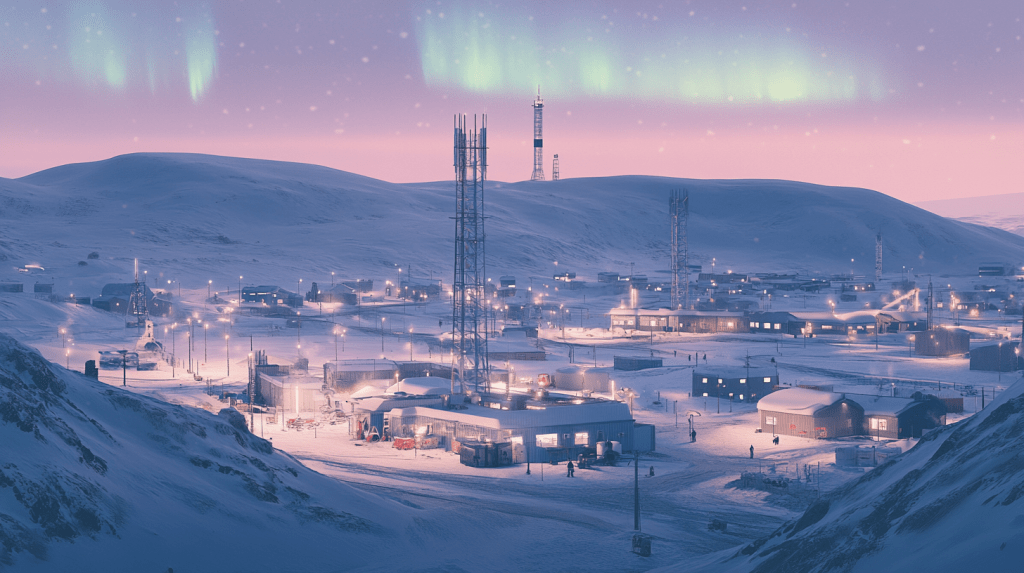
As they approached the station, Emma leaned forward to get a better look. “This place feels so remote yet so advanced. What are all those structures outside?”
Julia explained, “Those are the monitoring antennas and instruments. They’re essential for capturing geomagnetic data and observing solar wind interactions.”
When they stepped out of the car, Matti greeted them warmly. “Welcome to our little corner of the Arctic! Come inside—it’s warmer in here.”
抵達研究站:第一印象
雪地中的研究站位於森林邊緣,建築外觀設計簡約而堅固。巨大的天線和觀測設備安裝在周圍,顯示出一種專業的氛圍。
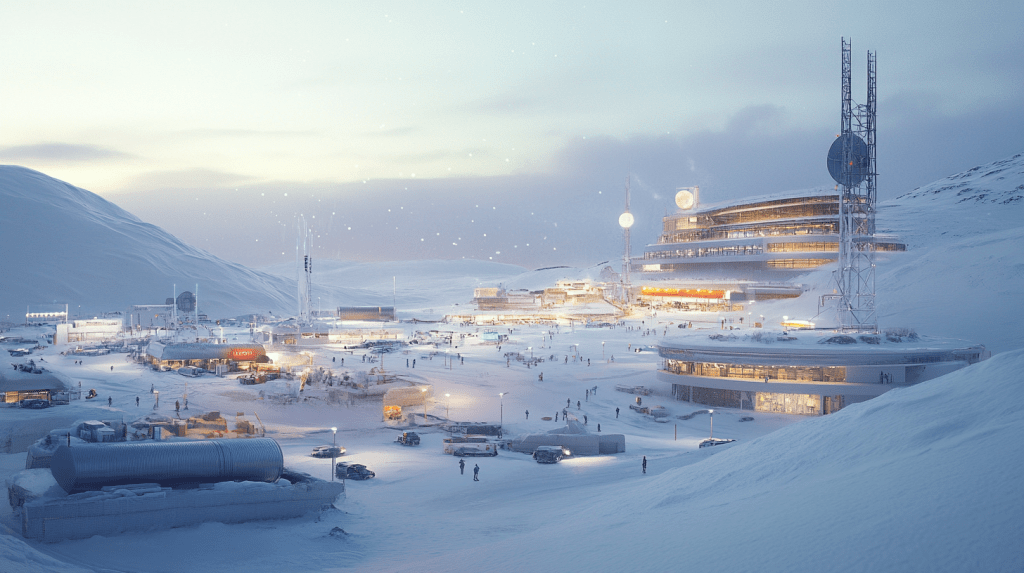
當她們接近研究站時,艾瑪向前傾身仔細打量:「這地方既偏遠又先進。外面的那些結構是做什麼的?」
茱莉亞解釋:「那些是監測天線和儀器,用來捕捉地磁數據和觀測太陽風的互動。」
她們下車後,馬提熱情地迎接:「歡迎來到我們的北極小天地!快進來,裡面暖和些。」
Touring the Facilities: Laboratory and Observation Equipment
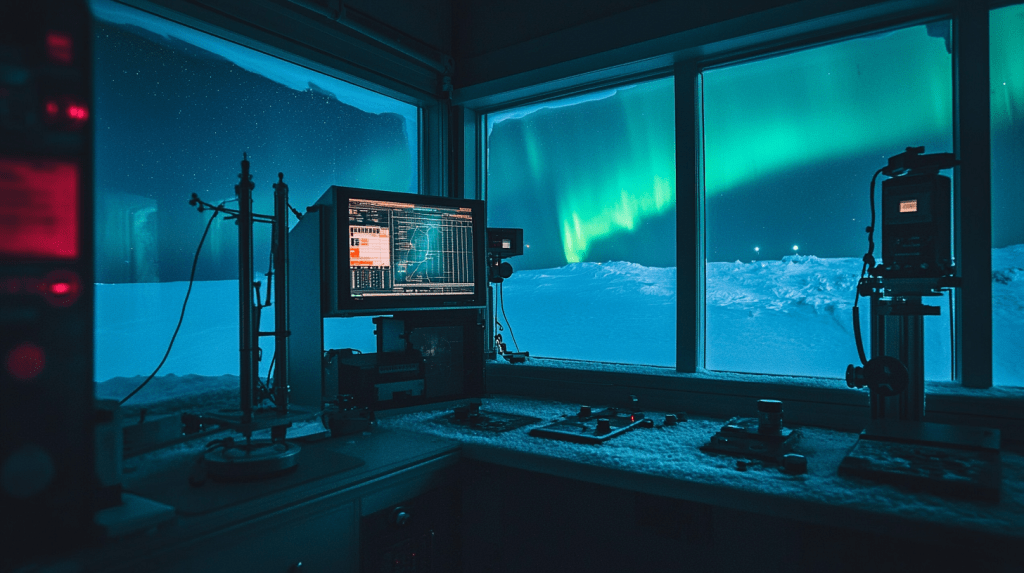
Matti led them to the main lab, where several screens displayed colorful data visualizations. “This is our central monitoring hub,” he explained. “We use spectrographs and magnetometers to analyze auroras. The data you see here tracks the intensity of geomagnetic storms.”
Emma pointed to a chart on one of the screens. “Is this showing real-time activity?”
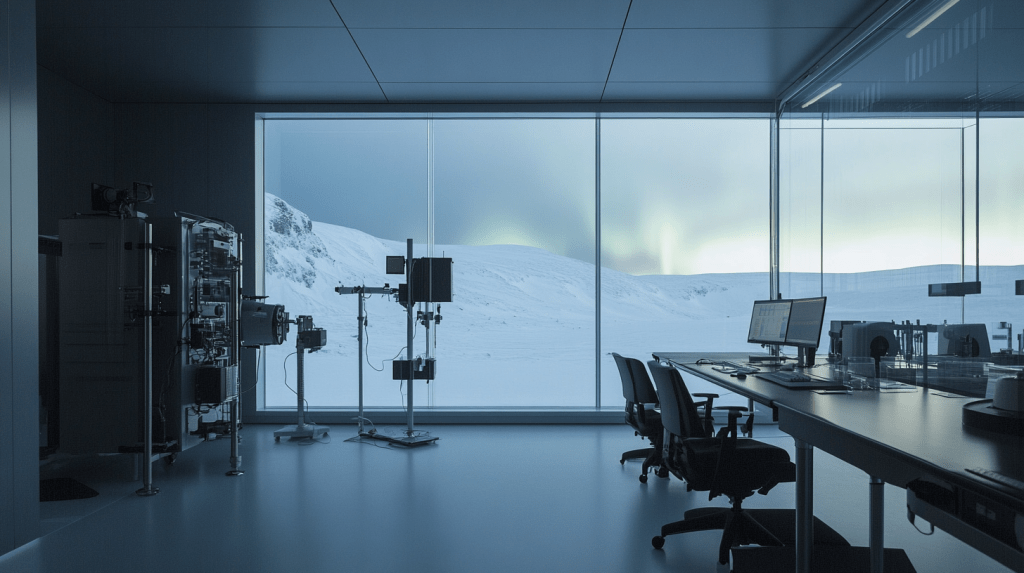
“Yes,” Matti replied. “We’re currently observing a minor geomagnetic disturbance. Tonight’s forecast suggests it could intensify, which means bright auroras are likely.”
He walked over to a piece of equipment near the window. “This is one of our portable spectrographs. It allows us to measure the wavelengths of auroral light and identify the specific gases involved—mostly oxygen and nitrogen.”
Julia added, “And those gases are what give auroras their green and pink hues, right?”
Matti nodded. “Exactly. Green comes from oxygen at higher altitudes, while pink or red comes from nitrogen lower down.”
參觀設施:實驗室與觀測設備
研究站內部分為幾個主要區域,包括實驗室、數據監測室和屋頂觀測平台。每個區域都配備先進的設備,並以簡潔高效的設計為主。

馬提帶她們來到主實驗室,幾個屏幕上顯示著彩色的數據圖表。「這是我們的中央監測中心,」
他解釋道。「我們使用光譜儀和磁力計來分析極光。妳們看到的這些數據是用來追蹤地磁風暴的強度的。」
艾瑪指著一個屏幕上的圖表:「這是在顯示實時活動嗎?」
「沒錯,」馬提回答。「我們目前正在觀察一個小型地磁擾動。今晚的預測顯示它可能會加強,這意味著會有明亮的極光。」
他走到靠窗的一台設備旁:「這是我們的便攜式光譜儀。它可以測量極光光線的波長,幫助我們識別特定的氣體,主要是氧氣和氮氣。」
茱莉亞補充:「這些氣體就是讓極光呈現綠色和粉色的原因,對吧?」
馬提點頭:「沒錯。綠色來自高空的氧氣,而粉色或紅色來自較低層的氮氣。」

Lunch and Research Discussion

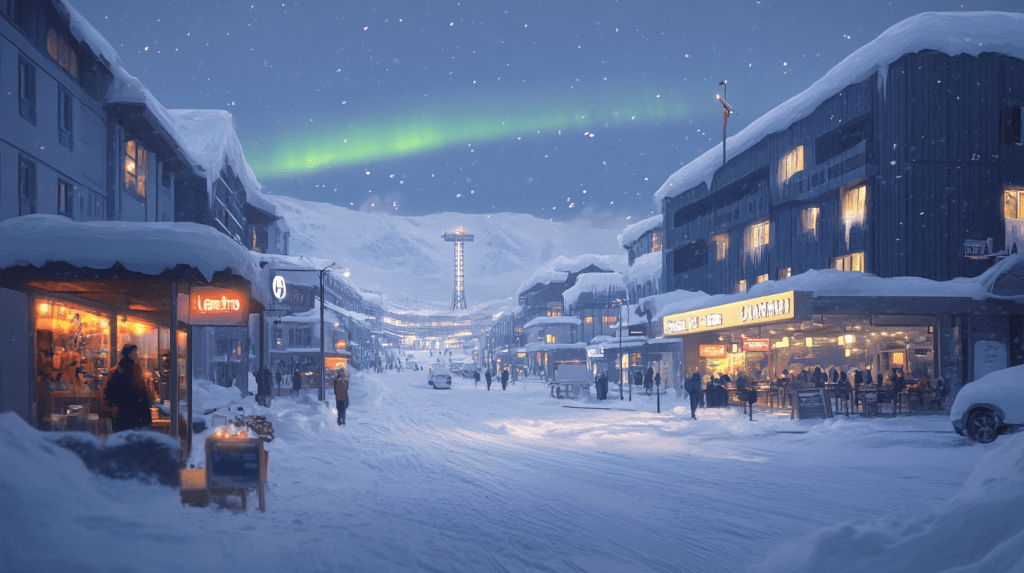
In the research station’s communal dining area, the table is filled with steaming salmon soup and slices of dark rye bread. During lunch, Matt shares his research work with the two and discusses the future directions of aurora studies.
As they ate, Emma asked, “Matti, how does your work here contribute to broader scientific understanding?”

Matti leaned back thoughtfully. “Auroras are more than just beautiful lights. They’re a direct result of solar wind interacting with Earth’s magnetic field. By studying them, we can better understand geomagnetic storms and their effects on satellites, power grids, and even navigation systems.”
Emma nodded. “So, your work has both scientific and practical implications.”
“Exactly,” Matti said. “For example, when we notice unusual solar activity, we can provide early warnings to power companies or satellite operators. It’s all about minimizing risk.”
Julia smiled. “And here I thought it was just about chasing beautiful lights in the sky.”
Matti laughed. “That’s the fun part, but there’s a lot of hard science behind it.”
午餐與研究討論
在研究站的公共餐廳,桌上擺滿熱騰騰的三文魚湯和黑麥麵包。午餐期間,Matt 與兩人分享了他的研究工作,並討論了極光研究的未來方向。

用餐時,艾瑪問道:「馬提,你們這裡的工作如何推動更廣泛的科學認知?」

馬提若有所思地靠在椅背上:「極光不僅僅是美麗的光線。它們是太陽風與地球磁場相互作用的直接結果。通過研究極光,我們可以更好地了解地磁風暴及其對衛星、電網,甚至導航系統的影響。」
艾瑪點頭:「所以,你們的工作既有科學意義,也有實際應用價值。」
「沒錯,」馬提說。「例如,當我們注意到異常的太陽活動時,可以向電力公司或衛星運營商提供早期預警,這一切都是為了減少風險。」
茱莉亞笑著說:「原本我以為你們只是追逐天上的美麗光芒。」
馬提大笑:「那是有趣的部分,但背後有很多艱苦的科學研究。」

Exploring the Living Quarters: Life and Stories Behind the Arctic Researchers
Touring the Dormitory and Personal Rooms
Matti led them to the dormitory section, stopping at a door labeled with his name. He pushed it open, revealing a small but well-organized room.
“This is my space,” he said, gesturing around. “A bed, a desk, a heater, and that’s about it. Not exactly luxurious, but it works.”
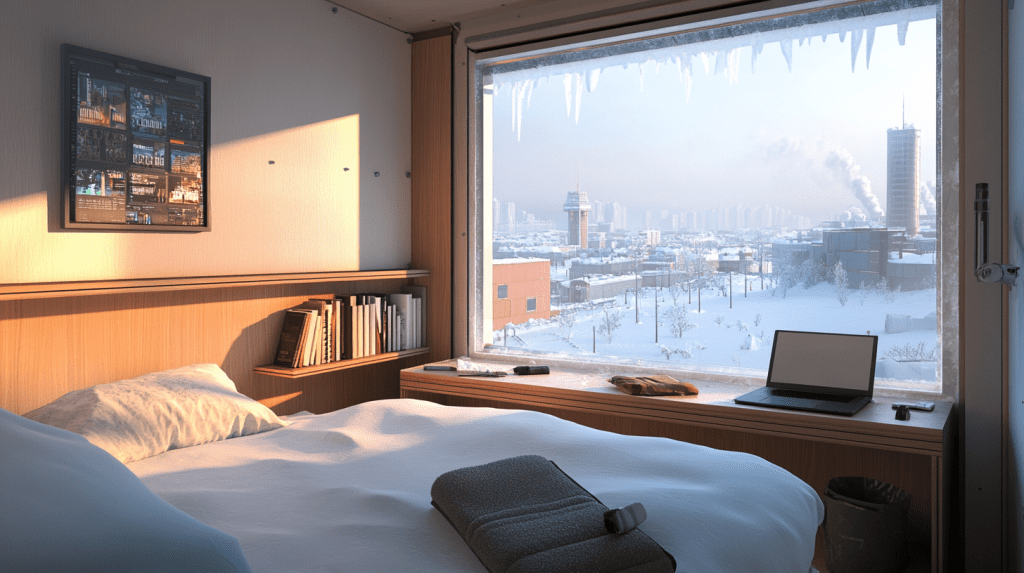
Emma stepped in, examining the minimalist decor. A few books were stacked neatly on the desk next to a laptop, and a small potted plant sat on the windowsill. “It feels personal. How long have you been staying here?”
“Three years now,” Matti replied. “I came here right after finishing my Ph.D. at the University of Helsinki. My dissertation was on geomagnetic storms, so working at a research station like this was a natural next step.”
Emma turned to him, curious. “Was it hard to adjust to living here?”
“At first, yes,” Matti admitted. “I missed the city—friends, cafes, even public transport. But over time, I learned to appreciate the solitude. It gives you time to think, to focus on what really matters.”
Julia smiled. “And to grow a plant, apparently.”
Matti laughed. “Exactly. It’s the little things that keep you grounded.”
參觀宿舍與個人房間
馬提帶他們來到宿舍區,在一扇標有他名字的門前停下。他推開門,露出一個小但井然有序的房間。

「這就是我的空間,」他邊介紹邊指著房間。「一張床、一張書桌、一個取暖器,就這些了。雖然稱不上豪華,但很實用。」
艾瑪走進去,仔細端詳著簡約的裝飾。書桌上整齊地堆著幾本書,旁邊擺著一台筆記本電腦,窗台上還有一盆小植物。「感覺很有個人特色。你住在這裡多久了?」
「三年了,」馬提回答。「我是剛完成赫爾辛基大學的博士學位後來這裡的。我當時的論文研究地磁風暴,所以像這樣的研究站是個很自然的選擇。」
艾瑪轉向他,好奇地問:「剛開始適應這裡的生活困難嗎?」
「一開始確實很難,」馬提承認。「我很想念城市——朋友、咖啡館,甚至公共交通。但慢慢地,我學會了欣賞這裡的孤獨感。它讓你有時間思考,專注於真正重要的事情。」
茱莉亞笑著說:「還能種植物,看來生活也不枯燥嘛。」
馬提大笑:「沒錯。這些小事讓人覺得踏實。」
Visit shared facilities and workspaces
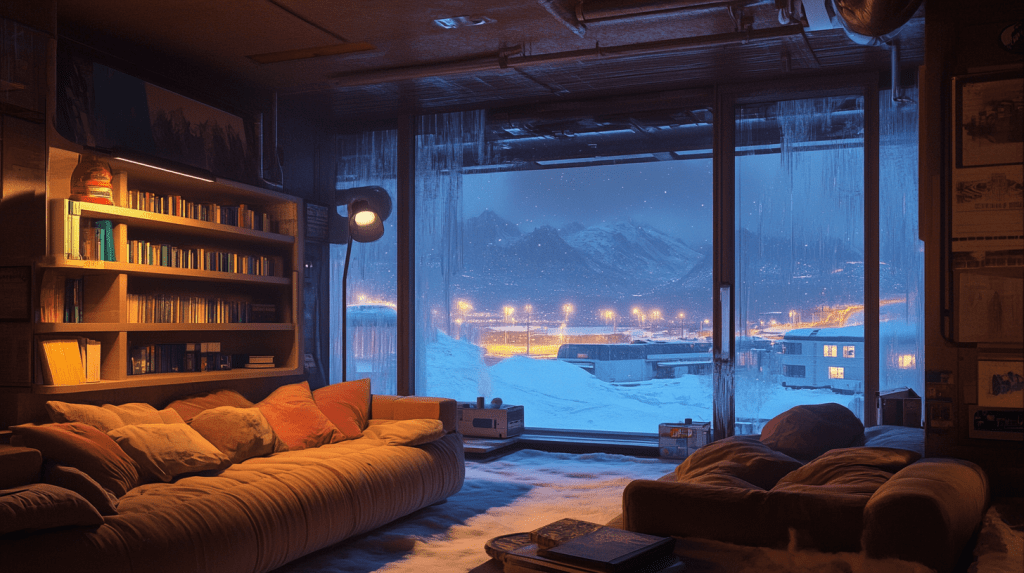
Next, Matti showed them the common lounge. It had a sofa, a small library, and a table with a half-finished jigsaw puzzle. “This is where we relax after a long day. It’s not much, but it’s enough.”

Julia picked up a book from the shelf. “You’ve got some heavy reading here—physics, astronomy… even poetry?”
Matti nodded. “You’d be surprised. Arctic nights are long, and sometimes a good poem is just what you need to stay sane.”
He then led them to the kitchen, where a pot of soup still simmered on the stove. “We take turns cooking. It’s a great way to bond, but let’s just say not everyone is a natural chef.”
Emma laughed. “I take it you’ve had some… interesting meals?”
Matti grinned. “Oh, yes. But honestly, it’s part of the charm. You learn to make do with what you have.”
參觀共享設施與工作環境
接著,馬提帶他們來到公共休息室。裡面有一張沙發、一個小書架,還有一張放著未完成拼圖的桌子。「這是我們一天結束後放鬆的地方。雖然不多,但已經夠用了。」
茱莉亞從書架上拿起一本書:「這裡有些嚴肅的書——物理學、天文學……還有詩集?」
馬提點頭:「妳可能會驚訝。在北極的長夜裡,有時候一首好詩能讓你保持清醒。」
然後,他帶她們走進廚房,爐子上還煮著一鍋湯。「我們輪流做飯,這是一種很好的團隊合作方式,但說實話,不是每個人都會做飯。」
艾瑪笑著說:「我猜你們一定吃過一些……有趣的餐點吧?」
馬提咧嘴一笑:「那是肯定的。但說實話,這也是生活的一部分。你學會了如何利用有限的資源。」
Why Choose This Way of Life?
As they returned to the lounge, Emma leaned forward. “Matti, you mentioned your Ph.D. earlier. What made you decide to come all the way here instead of staying in Helsinki?”

Matti thought for a moment. “I think it was the challenge. The auroras fascinated me—they’re beautiful, yes, but they’re also a puzzle. Understanding how solar wind interacts with Earth’s magnetic field isn’t just academic; it has real-world implications for communication and navigation.”
Julia added, “And you get to live in one of the most unique environments on Earth.”
Matti smiled. “That too. But it’s not always easy. The isolation can be tough, and the cold is relentless. You have to really love what you do to stay motivated.”
Emma asked, “And what about your family? Do they visit?”
“They do,” Matti said. “But not often. It’s not exactly a quick trip. My parents still think I’m a bit crazy for choosing this life, but they’re proud of the work I do.”
為什麼選擇這樣的生活?
回到休息室時,艾瑪前傾著身體:「馬提,你剛剛提到你的博士學位。為什麼你選擇來這裡,而不是留在赫爾辛基?」

馬提想了想:「我想是因為挑戰。極光讓我著迷——它們很美,但同時也是一個謎。理解太陽風與地球磁場的互動不僅僅是學術問題,它對通訊和導航有現實意義。」
茱莉亞補充道:「而且你還能住在世界上最獨特的環境之一。」
馬提微笑:「這倒是。但這並不總是容易的。孤立感很難適應,寒冷也是一個挑戰。你必須真的熱愛你的工作,才能保持動力。」
艾瑪問:「那你的家人呢?他們會來看你嗎?」
「會,但不常來,」馬提說。「這可不是說走就能到的地方。我父母還是覺得我選擇這樣的生活有點瘋狂,但他們為我做的工作感到自豪。」
Exploring the Dormitory: The International Side of Arctic Research
As they walked down the dormitory hallway, Emma noticed the various nameplates on the doors. “I see a lot of names here that don’t sound Finnish. Do you have researchers from other countries working here?”

Matti nodded. “Absolutely. While most of us are from Finland or other Nordic countries, we have quite a few people from Germany, the UK, and even as far as Canada and Japan. It’s a very international team.”
Emma looked intrigued. “What brings people from so far away to a place like this?”
“It’s the research opportunities,” Matti explained. “Auroras are a global phenomenon, and the work we do here has applications worldwide. Plus, it’s a unique experience—few places offer this kind of environment for hands-on study.”
Julia chimed in, “And I bet it’s also about the adventure.”
Matti smiled. “That too. You have to have a certain curiosity about the world to come here.”
探訪宿舍區: 國際化的極地研究群

當他們沿著宿舍走廊走過時,艾瑪注意到房門上的名字標籤。「我看到這裡有很多名字聽起來不像芬蘭名字。這裡有來自其他國家的研究員嗎?」
馬提點點頭:「當然有。雖然我們大多數人來自芬蘭或其他北歐國家,但也有不少來自德國、英國,甚至遠到加拿大和日本的研究員。這是一個非常國際化的團隊。」
艾瑪露出好奇的表情:「是什麼讓這麼遠的人來到這樣的地方?」
「是這裡的研究機會,」馬提解釋。「極光是一種全球現象,我們在這裡所做的研究對全世界都有應用價值。而且,這也是一種獨特的體驗——很少有地方能提供這樣的實地研究環境。」
茱莉亞補充道:「我猜也是為了冒險吧。」
馬提微笑:「這也是原因之一。來這裡的人一定對這個世界有某種好奇心。」
The Diversity of Dormitory Culture
Stopping at the common lounge, Matti gestured to a world map pinned to the wall. “We like to mark where everyone’s from. See those pins? They represent all the researchers who’ve worked here over the years.”

Emma leaned closer, counting the pins. “There are so many—mostly Europe, but also North America and Asia. Do you find it challenging to work with such a diverse team?”
“It can be,” Matti admitted. “Different cultures have different ways of working and communicating. But overall, it’s enriching. We learn a lot from each other—not just scientifically, but personally too.”
Julia added, “I imagine shared meals must get interesting.”
Matti laughed. “Oh, absolutely. Everyone has their own recipes and traditions. It’s one of the best parts of living here.”
宿舍文化的多樣性
在公共休息室停下腳步時,馬提指著牆上的世界地圖:「我們喜歡標記每個人的來自地點。看到那些圖釘嗎?它們代表了多年來在這裡工作的研究員。」
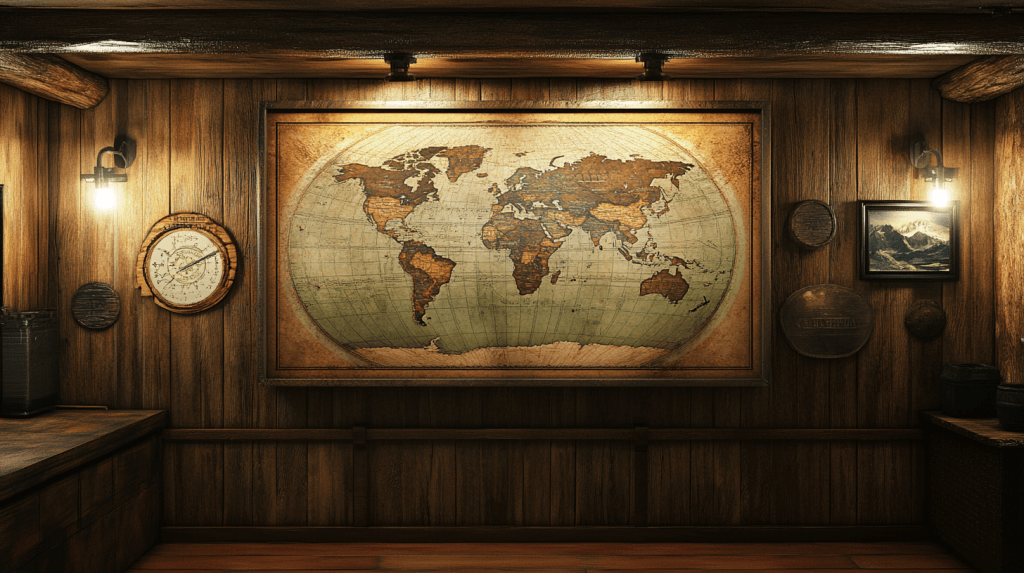
艾瑪湊近,數著圖釘:「這裡真的很多人——主要是歐洲,但也有北美和亞洲的。跟這麼多元的團隊一起工作會有挑戰嗎?」
「確實會,」馬提承認。「不同的文化有不同的工作和交流方式。但總的來說,這是很有收穫的。我們不僅在科學上學到很多,在個人層面也一樣。」
茱莉亞補充:「我想一起吃飯一定很有趣吧。」
馬提笑了:「哦,絕對是。每個人都有自己的食譜和傳統,這是住在這裡最棒的部分之一。」
The Benefits and Challenges of Internationalization

As they returned to the hallway, Emma asked, “Do you think the team’s diversity enhances the research?”
“Without a doubt,” Matti replied. “Different perspectives lead to more creative problem-solving. For example, one of our Japanese colleagues introduced a new technique for analyzing auroral spectra that we hadn’t considered before. It’s been a game-changer.”
“But,” he added, “there are challenges too. Language barriers can be tricky, and not everyone adjusts to the Arctic lifestyle easily. Some people leave after just a season because they can’t handle the isolation.”
Julia looked thoughtful. “So, it takes a certain personality to thrive here.”
“Exactly,” Matti said. “You have to be adaptable, curious, and willing to work closely with people from all walks of life. It’s not for everyone, but for those who stay, it’s incredibly rewarding.”
國際化的好處與挑戰
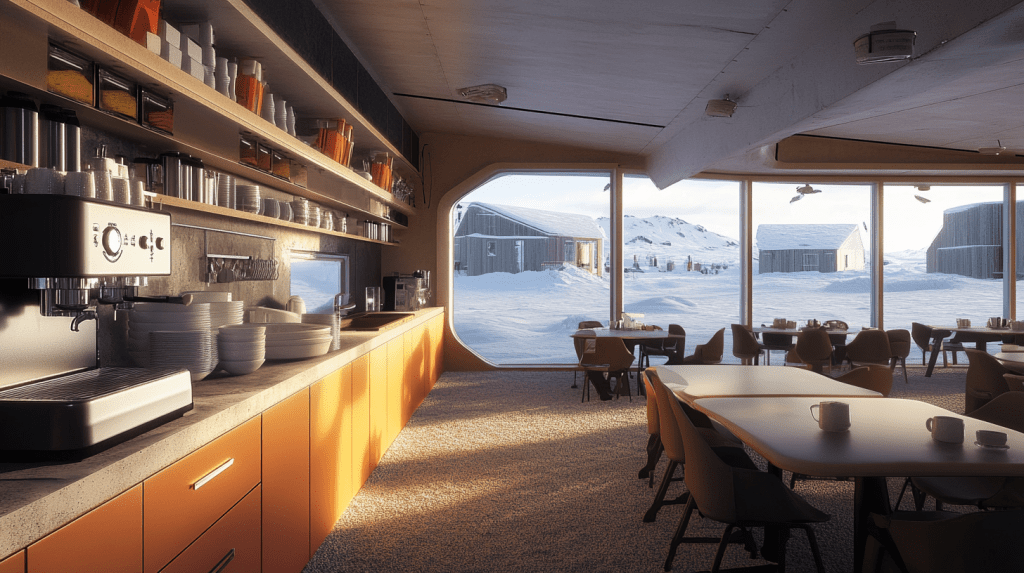
回到走廊時,艾瑪問:「你覺得團隊的多樣性有助於研究嗎?」
「毫無疑問,」馬提回答。「不同的觀點能帶來更有創意的解決方案。比如,我們的一位日本同事提出了一種新的極光光譜分析技術,是我們之前沒考慮過的,這對研究來說是一個巨大的改變。」
「但,」他補充說,「也有挑戰。語言障礙有時會很棘手,而且不是每個人都能適應北極的生活方式。有些人只待了一個季節就離開了,因為無法應對孤立感。」
茱莉亞若有所思地說:「所以,這裡需要一種特定的性格才能成功。」
「沒錯,」馬提說。「你必須適應性強、充滿好奇心,還要願意與來自各行各業的人密切合作。這不是為每個人而設的,但對那些留下來的人來說,這是一個非常有成就感的經歷。」
Language Challenges in an International Team
As they continued down the hallway, Emma asked, “So, with such a diverse team, what language do you all use to communicate? Is it mostly English?”
Matti nodded. “Yes, English is the common language here. It’s the easiest way for everyone to communicate, especially since we have researchers from so many countries. Even though some of us aren’t fluent when we arrive, it improves quickly out of necessity.”
Julia added, “But does that ever create misunderstandings?”
Matti smiled. “Occasionally, yes. Sometimes it’s small things, like technical terms being interpreted differently, or cultural nuances getting lost in translation. But we’re all scientists, so we find ways to work through it. Humor helps, too.”
Emma chuckled. “I imagine there must be some funny moments.”
“Oh, plenty,” Matti said with a grin. “Like the time someone tried to describe aurora activity as ‘dancing spaghetti’ because they couldn’t remember the word ‘curtain.’ It was surprisingly accurate, though.”
關於語言的問題
當他們繼續沿著走廊走時,艾瑪問道:「那麼,這麼多元的團隊是用什麼語言交流呢?主要是用英文嗎?」
馬提點頭:「是的,這裡的通用語言是英語。這是最簡單的交流方式,特別是我們來自不同國家的研究員。雖然有些人剛來時英語不太流利,但因為需要,很快就會進步。」
茱莉亞補充:「但這會不會有時候造成誤解?」
馬提微笑:「偶爾會有。有時是一些小問題,比如技術術語的解釋不同,或者文化上的細微差異沒有表達清楚。但我們都是科學家,所以總能找到解決辦法。幽默也很有幫助。」
艾瑪笑了:「我猜一定有一些有趣的時刻。」
「多了去了,」馬提笑著說。「比如有一次,有人形容極光的活動像‘跳舞的意大利麵’,因為他一時想不起‘幕狀’這個詞。不過,這個形容還挺貼切的。」
Communication Beyond English
Emma looked curious. “Do people ever use other languages here? Like Finnish or their native languages?”
“Sometimes,” Matti said. “For example, the Finnish team members will speak Finnish among themselves, especially during informal moments. It’s the same with others—German, French, Japanese. But during meetings or research discussions, it’s strictly English.”
Julia nodded. “That makes sense. Do you ever find it difficult switching between languages?”
“Not really,” Matti replied. “For many of us, English has become second nature because it’s so central to academic work. But every now and then, you’ll hear someone muttering in their native tongue when they’re frustrated—it’s almost universal.”
Emma asked, “For people who aren’t fluent in English when they arrive, do they get help with learning?”
Matti nodded. “Yes, we encourage them to practice every day. There’s even an informal English club here where people share conversations, read articles, or practice presentations. It’s not just about improving language skills—it’s also a way to bond.”
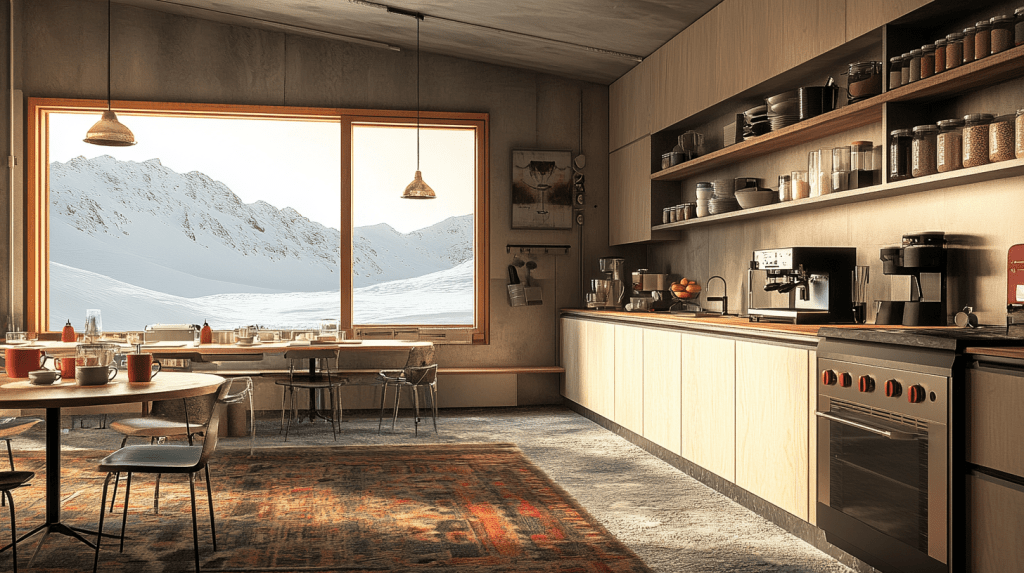
Julia smiled. “That sounds like a great idea. I imagine it helps people feel less isolated.”
“It does,” Matti said. “Living here can be tough, but having a supportive team makes a huge difference. And you’d be amazed how quickly people improve when they’re immersed in it.”
英語以外的語言交流
艾瑪好奇地問:「那大家有時候會用其他語言嗎?比如芬蘭語或者自己的母語?」
「有時候會,」馬提說。「比如芬蘭的團隊成員之間,在非正式場合會用芬蘭語交流。其他人也是,比如德語、法語、日語。但在會議或者研究討論中,我們只用英語。」
茱莉亞點點頭:「這很合理。那在不同語言之間切換會不會很難?」
「其實不會,」馬提回答。「對我們大多數人來說,英語已經成為學術工作的第二天性。但有時候,你會聽到有人在沮喪時用母語自言自語——這幾乎是全世界通用的現象。」
艾瑪問:「那些來時英語不太流利的人,會有人幫助他們學習嗎?」
馬提點頭:「會的,我們鼓勵他們每天練習。這裡還有一個非正式的英語俱樂部,大家會一起聊天、讀文章,或者練習做報告。這不僅僅是提升語言能力,也是建立團隊感情的一種方式。」

茱莉亞微笑道:「這聽起來很棒。我想這也會讓人感覺沒那麼孤單吧。」
「確實如此,」馬提說。「住在這裡有時候會很難,但有一個支持你的團隊真的很重要。而且,妳會驚訝於人們在沉浸式環境中進步得有多快。」
Food Adaptation: Can Foreign Researchers Adjust to Arctic Meals?
As they walked into the kitchen, Emma noticed the shelves stocked with non-perishable items: jars of pickled vegetables, dried fish, and dark rye bread. “I can’t help but wonder—do foreign researchers ever struggle with the food here?”
Matti smiled as he placed a jar of cloudberry jam on the counter. “Some do, especially at first. Finnish cuisine can be quite different from what people are used to—lots of fish, hearty bread, and preserved foods to get through the winters. But most people adapt quickly, and we try to accommodate their preferences when we can.”
Julia chimed in, “So no complaints about the rye bread?”
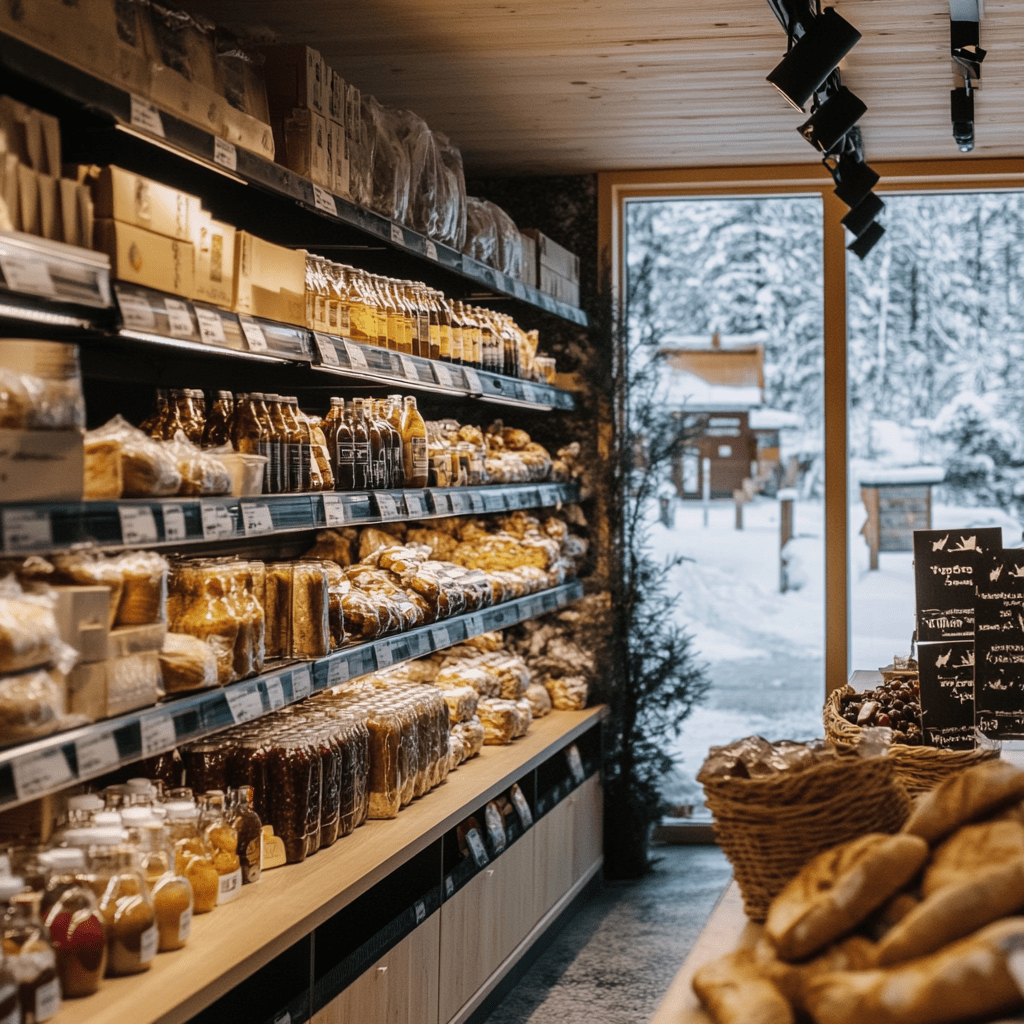
“Oh, there’s always someone who finds it too dense,” Matti laughed. “But then they try it with cloudberry jam or salmon soup, and they usually change their minds.”
Emma chuckled. “What about spices? I imagine that’s something people miss.”
“You’re right,” Matti said. “We keep a small spice collection in the kitchen for anyone who wants to jazz up their meals. One of our Japanese colleagues taught us how to make miso soup, and it’s become a favorite here.”
Emma asked, “What’s the biggest challenge for people adjusting to the food here?”
“For some, it’s the lack of fresh produce,” Matti said. “Especially in winter, we rely a lot on preserved and frozen foods. It’s not the same as having fresh vegetables or fruit, but we do get occasional shipments to keep things balanced.”
Julia added, “And what about dietary restrictions? Does that complicate things?”
“It can,” Matti replied. “We’ve had vegetarians, vegans, and even someone with severe allergies on the team. It requires a bit more planning, but we always make sure everyone has what they need. It’s part of building a supportive environment.”
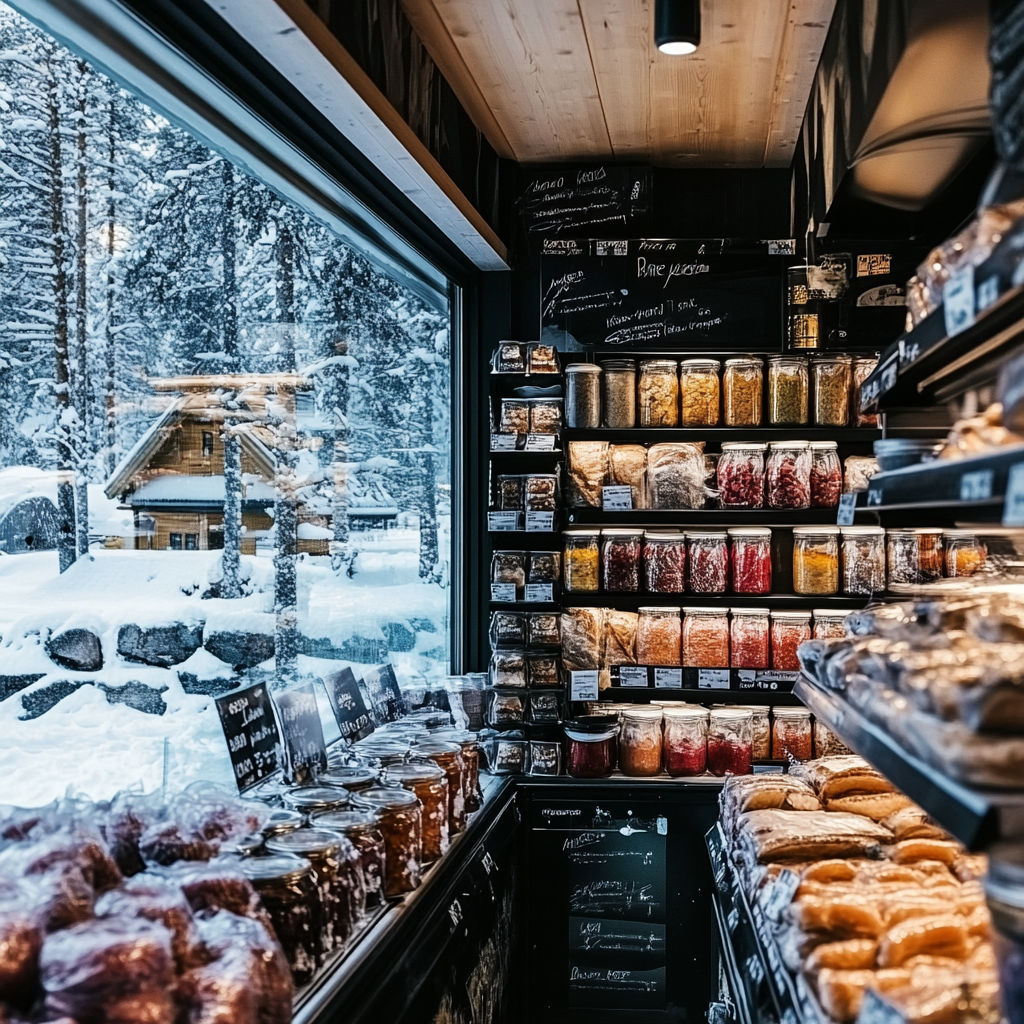
Emma leaned against the counter, intrigued. “So, do people ever bring their own recipes or cook dishes from their home countries?”
“All the time,” Matti said. “It’s one of the highlights of living here. Whenever someone joins the team, they usually share a dish from their culture. We’ve had German schnitzel, Canadian maple-glazed salmon, and even Japanese sushi—though sourcing the ingredients can be tricky.”
Julia laughed. “I can imagine the logistics of getting sushi-grade fish up here.”
“It’s not easy,” Matti admitted. “But we manage. And honestly, it’s worth it—not just for the food, but for the sense of connection it brings. Sharing meals is one of the best ways to bond.”
Emma leaned back, smiling. “It sounds like food is such a big part of the experience here—not just for survival, but for connecting with others.”
“Exactly,” Matti said. “When you’re in a place like this, far from home, food becomes more than just fuel. It’s comfort, culture, and a way to bring everyone together.”
Julia nodded. “And I bet everyone has their favorite dish here, no matter where they’re from.”
Matti laughed. “Oh, absolutely. For me, it’s salmon soup—it reminds me of home. But for others, it might be something they’ve introduced to the team. That’s the beauty of having an international group.”
飲食文化的適應問題
當他們走進廚房時,艾瑪注意到架子上擺滿了耐存食品:醃菜、乾魚和黑麥麵包。「我忍不住想——外國研究員對這裡的食物會不會不習慣?」
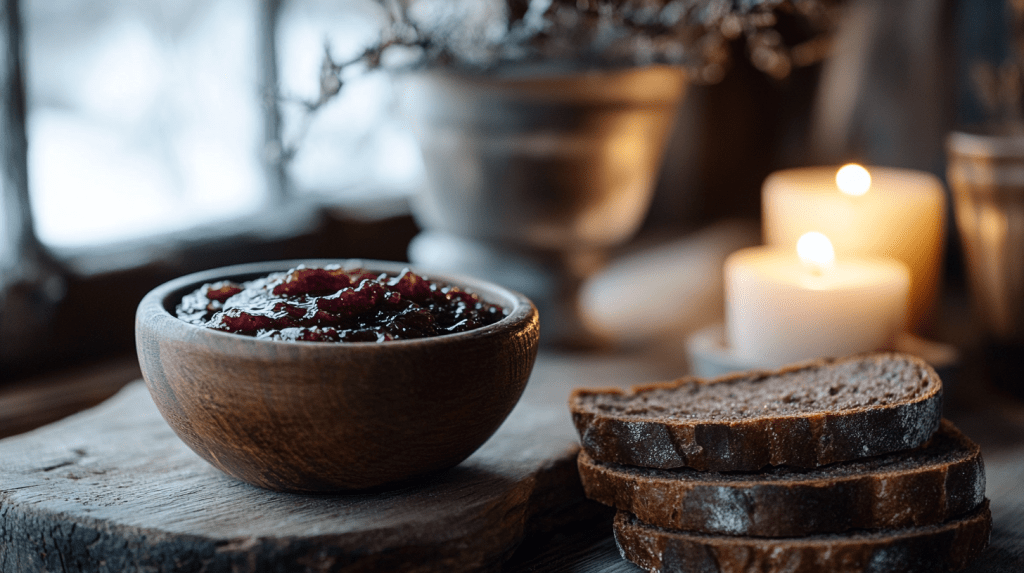
馬提微笑著,把一罐雲莓果醬放在檯面上。「有些人確實會,特別是一開始的時候。芬蘭的飲食和人們習慣的可能很不一樣——很多魚、厚實的麵包,還有過冬用的醃製食品。但大多數人很快就適應了,我們也會盡量滿足他們的喜好。」
茱莉亞插話:「所以對黑麥麵包沒有抱怨嗎?」
「哦,總會有人覺得它太硬,」馬提笑著說。「但等他們搭配雲莓果醬或三文魚湯一起吃,通常就會改變看法。」
艾瑪笑了:「那調味料呢?我想那應該是大家會懷念的東西。」
「妳說得沒錯,」馬提說。「我們在廚房裡留了一小盒調味料,給想讓餐點更有味道的人用。我們的一位日本同事教我們怎麼做味噌湯,現在這已經是大家的最愛了。」
艾瑪靠著檯面,興趣盎然地問:「那麼,有人會帶自己的食譜來,或者做一些家鄉菜嗎?」
「當然會,」馬提說。「這是住在這裡的亮點之一。每次有人加入團隊,他們通常會分享一道來自自己文化的菜。我們吃過德國炸肉排、加拿大楓糖烤三文魚,甚至是日本壽司——儘管採購食材有點麻煩。」
茱莉亞笑道:「我可以想像要搞定壽司級魚的物流有多困難。」
「確實不容易,」馬提承認。「但我們總能辦到。而且,這非常值得——不僅僅是為了食物,也是為了帶來的連結感。共享一頓飯是建立關係的最佳方式之一。」
艾瑪問:「對於適應這裡食物的人來說,最大的挑戰是什麼?」
「對一些人來說,是缺乏新鮮食材,」馬提說。「特別是冬天,我們大量依賴醃製和冷凍食品。雖然和新鮮蔬菜水果的感覺不一樣,但我們會定期收到補給,來保持飲食平衡。」

茱莉亞補充:「那飲食限制呢?這會讓事情變得更複雜嗎?」
「有時會,」馬提回答。「我們有過素食者、純素者,甚至是對某些食物有嚴重過敏的人。這需要更多的計劃,但我們總是確保每個人都有他們需要的食物。這是建立支持性環境的一部分。」
艾瑪靠回椅背,微笑著說:「聽起來食物在這裡是生活中很重要的一部分——不僅僅是為了生存,還是與他人聯繫的方式。」
「完全正確,」馬提說。「當你在這樣一個遠離家的地方,食物不再只是能量來源。它是安慰、文化,也是讓大家聚在一起的一種方式。」
茱莉亞點頭:「我猜每個人都有他們最喜歡的菜,無論他們來自哪裡。」
馬提笑道:「哦,當然有。對我來說,是三文魚湯——它讓我想起家。但對其他人來說,可能是他們帶來的食物。這就是國際化團隊的美好之處。」
Tunnels and Nearby Facilities: Navigating Life in the Arctic
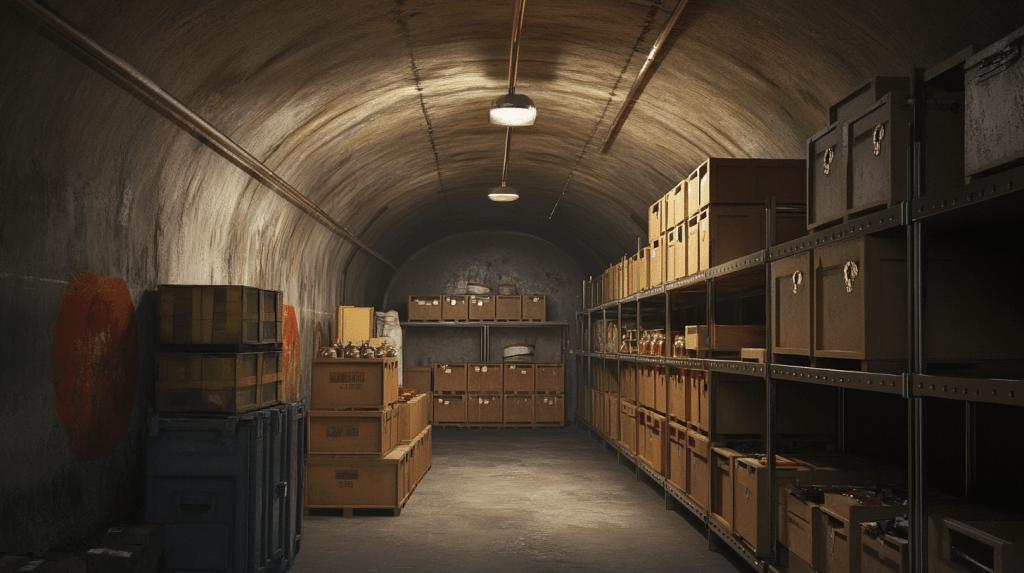
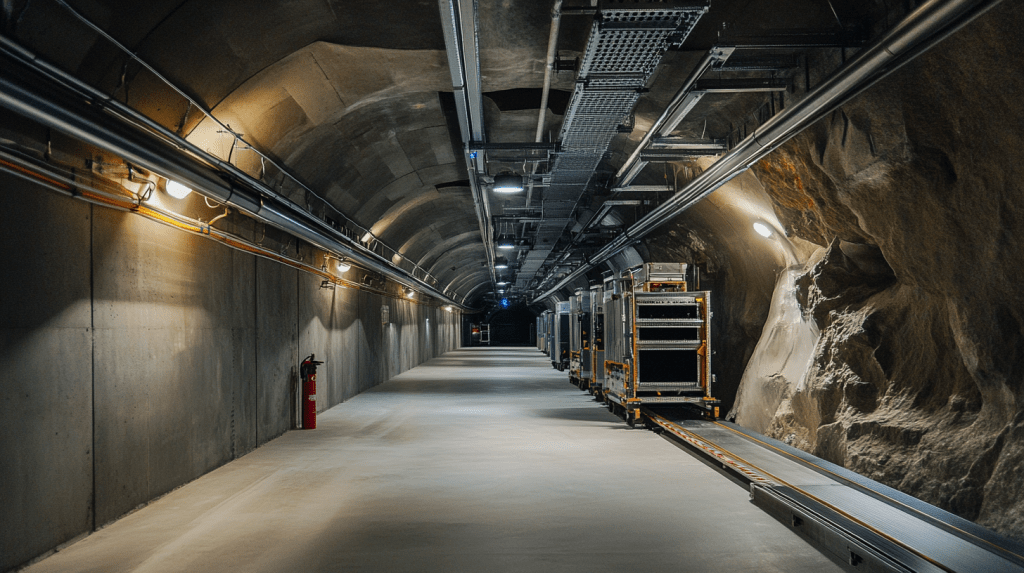
Emma noticed a stairwell leading downward and pointed. “Is that the entrance to an underground passage?”
Matti nodded. “Yes, it connects the dorms, labs, and storage areas. During the winter storms, it’s safer and much warmer to use the tunnels instead of going outside.”
Julia stepped closer, curious. “Are these tunnels just for walking, or do they have other functions?”
“They serve multiple purposes,” Matti explained. “We use them to transport sensitive equipment or samples between buildings. They’re also insulated to maintain a stable temperature, which is critical for some of our instruments. And, in extreme weather, they act as emergency shelters.”
Emma smiled. “It sounds like a smart system. How far do they extend?”
“Not too far,” Matti replied. “The furthest tunnel leads to the storage depot, about 200 meters away. Beyond that, you’re on your own with a snowmobile or a warm coat.”
Julia leaned against the wall. “What about facilities outside the research station? You mentioned a nearby city—how far is it?”
“About a 15-minute drive,” Matti said. “It’s not a big city, but it has everything we need—a grocery store, a pharmacy, a few restaurants, and even a small library.”
Emma’s eyes lit up. “A library? Do you get much time to visit it?”
“Not as often as I’d like,” Matti admitted. “But when we do, it’s a nice break. The city also has a small university with a research center that collaborates with us sometimes.”
Julia asked, “Do most researchers live in the station full-time, or do some stay in the city?”
“It depends,” Matti explained. “Some prefer the city for the amenities and a more social lifestyle, while others, like me, find the station more convenient. It’s closer to the labs, and honestly, the quiet helps me focus.”
Emma asked, “What kind of collaboration do you have with the university in the city?”
Matti smiled. “They specialize in meteorology and environmental studies, so we work together on projects like long-term climate monitoring and analyzing the impact of solar activity on the Arctic ecosystem. It’s a win-win—they get access to our data, and we benefit from their expertise.”
Julia added, “But it must be challenging balancing that with your work here.”
“It is,” Matti said. “Sometimes, coordinating between the station and the city can be tricky, especially in winter when the roads are bad. But the scientific value makes it worth the effort.”
Emma nodded thoughtfully. “It’s impressive how interconnected everything is, even in such a remote place.”
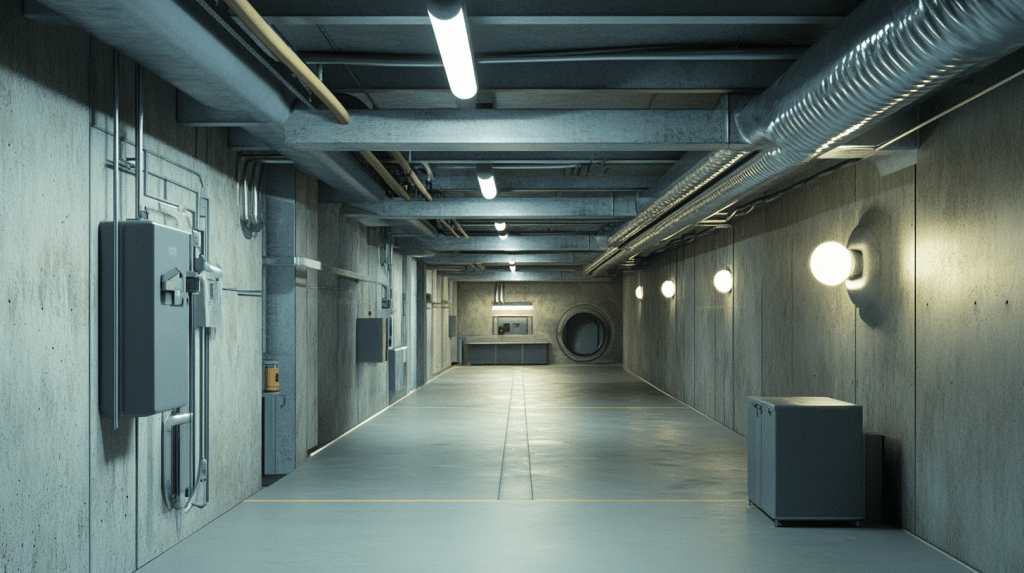
艾瑪注意到一處通往下方的樓梯間,指著問:「那是通往地下通道的入口嗎?」
馬提點頭:「是的,它連接宿舍、實驗室和儲藏區。在冬季風暴期間,走地道比去外面安全多了,也暖和得多。」

茱莉亞走近一些,好奇地問:「這些地道只是用來行走,還是還有其他用途?」
「它們有多種用途,」馬提解釋道。「我們用它來運輸敏感設備或樣本。地道也有隔熱功能,可以保持穩定的溫度,這對一些儀器來說很關鍵。而在極端天氣下,它們也能作為緊急避難所。」
艾瑪微笑著說:「聽起來是個很聰明的系統。這些地道延伸得有多遠?」
「不算太遠,」馬提回答。「最遠的通道通向儲供站,大約有200米。再往外走,就得靠雪地摩托或一件夠暖的外套了。」
茱莉亞靠著牆問:「那研究站外的設施呢?你提到一個附近的城市——距離有多遠?」
「開車大約15分鐘,」馬提說。「那不是個大城市,但我們需要的都有——一家超市、一個藥店、幾家餐廳,甚至還有一個小圖書館。」
艾瑪眼睛一亮:「圖書館?你有時間去那裡嗎?」
「不像我希望的那麼多,」馬提承認。「但我們去的時候,是個很好的放鬆方式。那座城市還有一個小型大學,它的研究中心有時候會跟我們合作。」
茱莉亞問:「大多數研究員是全職住在研究站,還是有人住在城市裡?」
「這取決於情況,」馬提解釋。「有些人更喜歡城市裡的設施和更社交的生活方式,而像我這樣的人,覺得住在研究站更方便。這裡離實驗室更近,而且說實話,安靜有助於集中精力。」
艾瑪問:「你們和城市裡的大學有什麼樣的合作?」
馬提笑了笑:「他們專攻氣象學和環境研究,所以我們一起做一些項目,比如長期氣候監測,以及分析太陽活動對北極生態系統的影響。這是一個雙贏的局面——他們可以使用我們的數據,而我們則受益於他們的專業知識。」
茱莉亞補充道:「但這一定很難平衡你們在這裡的工作。」
「確實是,」馬提說。「有時候,在研究站和城市之間協調很困難,特別是在冬天路況不好的時候。但從科學價值來看,這一切都是值得的。」
艾瑪若有所思地點點頭:「真令人印象深刻,即使在這麼偏遠的地方,仍然有這麼多聯繫。」

 Virtual Travel | 虛擬旅行沉浸式英語學習
回覆給The Virtual World Explorer 取消回覆